
Baton Rouge, Louisiana, is a city defined by its southern charm, bayou landscapes, and sweltering summers. But that humid subtropical climate comes with unique automotive challenges: high temperatures, relentless humidity, and sudden downpours can put serious stress on a vehicle.
Cars aren’t just moving from point A to point B, they’re coping with scorching sun, moisture-laden air, and occasional flooding. Some vehicles are built to thrive in this environment, with powerful cooling systems, well-ventilated interiors, and corrosion-resistant materials.
Others, however, succumb quickly to rust, electrical issues, and wear from moisture exposure. For drivers living in Baton Rouge, choosing the right vehicle is about comfort, durability, and long-term resilience in a climate that doesn’t forgive unprepared cars.
5 Cars That Handle Baton Rouge Heat & Humidity Well
Baton Rouge heat doesn’t play fair. Long summers, brutal humidity, sudden downpours, and stop-and-go traffic create the kind of conditions that expose weak cooling systems, fragile electronics, and interiors that weren’t built to survive real-world Southern use.
Plenty of cars look good on paper, but once you add 95-degree temperatures, sticky air, and daily commuting, the pretenders reveal themselves fast.
The cars that thrive here share a few non-negotiables: robust air-conditioning that actually cools the cabin quickly, engines that don’t overheat when idling in traffic, interiors that resist fading, cracking, and mildew, and electrical systems that don’t lose their minds in constant moisture.
Reliability in Baton Rouge isn’t about winter traction or mountain roads, it’s about surviving relentless heat day after day. These five cars have proven they can handle Baton Rouge’s heat and humidity without turning ownership into a sweat-soaked gamble. They cool effectively, age gracefully in harsh conditions, and keep working when the climate is doing its worst.
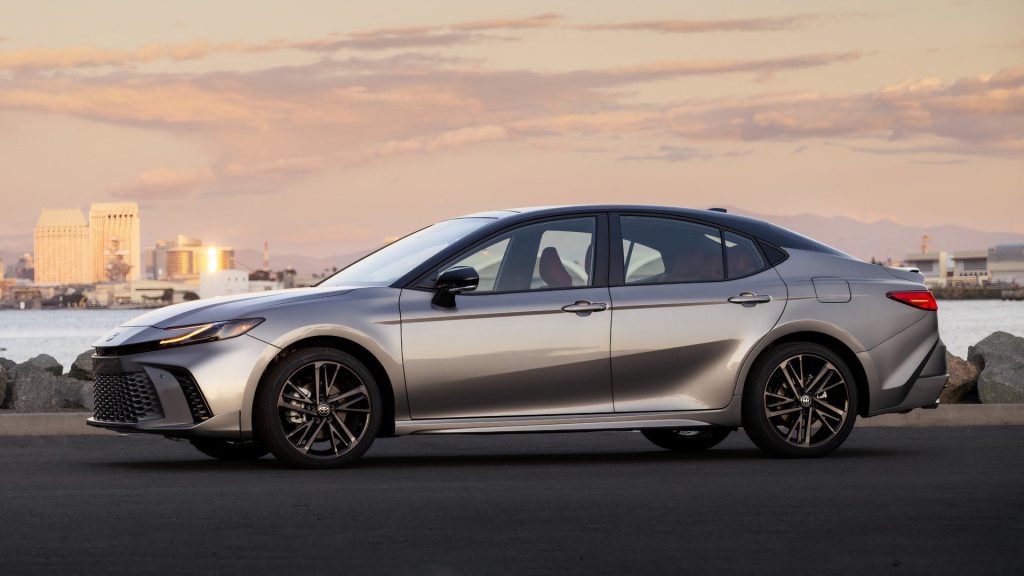
1. Toyota Camry
The Toyota Camry has long been a standard-bearer for reliability in harsh climates. Its engines run efficiently even when the mercury climbs, and the robust cooling system ensures that the car doesn’t overheat on long, sun-baked drives.
Inside, the air conditioning is powerful enough to maintain comfort in Baton Rouge’s oppressive summer humidity, while the cabin materials resist warping or fading under constant sun exposure. Toyota’s corrosion-resistant body treatments also help keep the frame solid against moisture accumulation over time.
2. Honda CR-V
The Honda CR-V pairs compact SUV versatility with climate resilience. Its well-designed ventilation system ensures even airflow throughout the cabin, reducing the stuffy feeling that comes with humid Louisiana air.
The CR-V’s smaller engine size helps prevent heat buildup, and its electronic systems are engineered to withstand moisture-induced stress. Additionally, Honda’s reputation for durability translates into fewer maintenance headaches, making it ideal for families or commuters navigating Baton Rouge traffic.
Honda clearly did its homework when it introduced its first turbocharged engine in the CR-V, pairing it with one of the most capable continuously variable automatic transmissions (CVTs) on the market, a compliment not handed out lightly.
With class-leading fuel economy, a host of tech features, and a roomy interior, the CR-V hits all the marks: it’s stylish, practical, and efficient. Its interior is modern and spacious, though, much like a bad hair day, an otherwise excellent presentation is slightly marred by Honda’s sometimes frustrating infotainment system.
The CR-V’s HondaLink infotainment system now features a rotary volume knob, a welcome addition, but its other quirks and the continued lack of a Wi-Fi hotspot remain unchanged for 2018.
Powertrains and the chassis carry over as well, meaning EPA-estimated and real-world fuel economy figures remain essentially the same as last year.
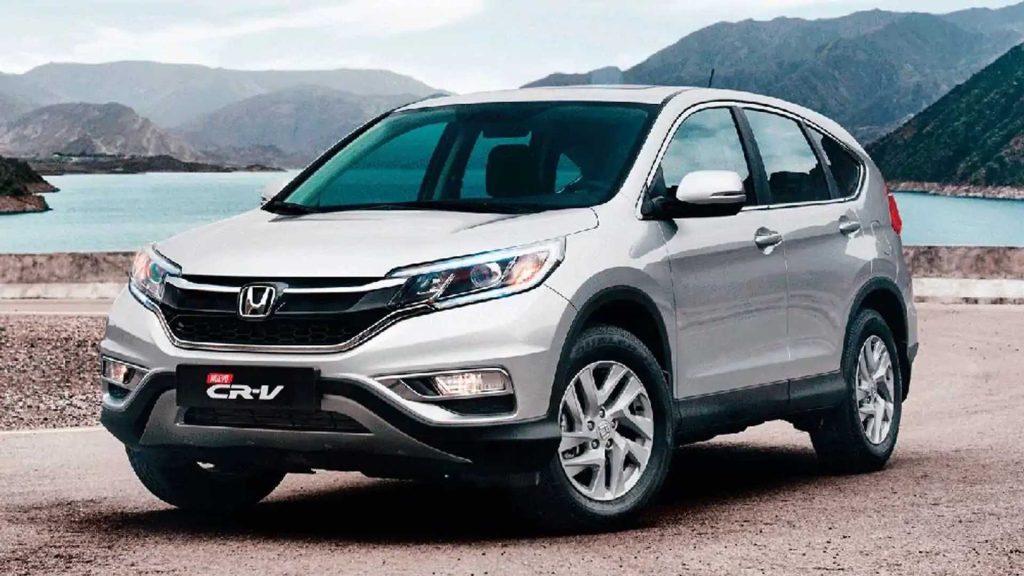
The base CR-V LX comes with a 2.4-liter inline-four producing 184 horsepower and 180 pound-feet of torque. For the first time, the CR-V also offers a turbocharged option on the EX, EX-L, and Touring trims. This 1.5-liter inline-four generates 190 horsepower and 179 pound-feet of torque, and both engine options are available with either front- or all-wheel drive.
We had no complaints about the 1.5-liter turbo’s performance during our testing. It particularly shines in traffic, with quick, responsive acceleration at low speeds. Complementing the powertrain is a composed and compliant suspension that makes daily commutes, short or long, comfortable for passengers.
What truly makes the CR-V well-rounded is how it balances ride comfort with engaging driving dynamics, rewarding drivers with precise steering while sparing passengers from a stiff, punishing ride.
Also Read: 5 Cars for Chicago City Traffic and 5 That Hate Stop-and-Go
3. Ford F-150
America’s iconic pickup, the Ford F-150, excels in extreme conditions. Its heavy-duty cooling systems and corrosion-resistant coatings allow it to withstand Baton Rouge’s heat and frequent rains, while the cabin’s strong air conditioning keeps occupants comfortable even when parked in direct sun.
The F-150’s rugged build and high ground clearance also make it a practical choice for areas that can flood or accumulate standing water during sudden storms, reducing the risk of water damage to critical components.
Ford offers an extensive lineup of engines and configurations, catering to a wide range of buyers. For our testing, we sampled a four-wheel-drive crew cab in the Platinum trim equipped with the new hybrid powertrain. It hit 60 mph in 5.7 seconds, considerably faster than any other pickup with comparable options.
However, the hybrid’s on-and-off transitions between electric and gasoline power make it feel less smooth at low speeds compared with the refined operation of the 5.0-liter V8 or the non-hybrid turbocharged 3.5-liter V6. Across all powertrains, the 10-speed automatic transmission delivers smooth and rapid shifts.

Steering in the F-150 is direct and responsive, which gives the truck a surprisingly compact and agile feel in tight parking situations while also enhancing stability at highway speeds.
Braking performance is strong, instilling confidence even when the hybrid system is recapturing energy. Combined with its impressive towing and payload capabilities, the F-150 proves to be a rewarding and versatile truck to drive in nearly any situation.
4. Mazda CX-5
The Mazda CX-5 demonstrates that small SUVs can combine style, performance, and climate resilience. Its turbocharged engine remains cool under stress, while the cabin’s ventilation system distributes air efficiently to combat sticky humidity.
Mazda applies rust-proofing techniques that protect the undercarriage and wheel wells, ensuring that the car doesn’t succumb to Baton Rouge’s moisture-heavy environment. The CX-5’s compact footprint also makes it nimble for city streets without sacrificing comfort or durability.
When it comes to compact crossovers, the 2021 Mazda CX-5 clearly stands out as a top contender, earning the SUV equivalent of Best-in-Show. Its exterior design is beautifully sculpted, catching the eye with flowing lines and a confident stance, while the interior is just as visually appealing, combining elegance with a driver-focused layout.
Mazda has proven that its meticulous attention to detail isn’t just cosmetic; it extends to ergonomics and driving dynamics that make the CX-5 a joy to pilot. In a segment where many rivals feel bland and uninspired, the CX-5 manages to be both athletic and refined.
While the base four-cylinder engine doesn’t deliver the punch of the available turbocharged four-cylinder, both engines are paired with a responsive automatic transmission and deliver fuel economy that often exceeds.
The CX-5 comes standard with a 187-hp four-cylinder engine that responds eagerly at low speeds, making city driving and stoplight sprints feel quicker than the numbers suggest.

However, on the highway or when merging, it can feel a bit underpowered. The 250-hp turbocharged engine we tested delivers a noticeable jump in acceleration. Both engines are matched with a six-speed automatic transmission and are available in front- or all-wheel drive.
You don’t need to push the CX-5 to its limits to enjoy it. Its precise steering and composed handling make it a pleasure on a relaxed weekend drive, while the suspension effortlessly smooths out rough pavement, rivaling crossovers that cost twice as much. This balance of comfort and sportiness is unmatched in its class.
Road imperfections are well isolated, noise levels are low, and the ride avoids both harshness and floatiness. On twisty roads, the CX-5 comes alive, with the electrically assisted steering offering sharp, satisfying feedback.
The Signature model we tested also had a brake pedal feel that was firm and responsive without being overly sensitive, adding to its composed driving character.
Also Read: 10 Best Honda Sports Bikes Ever Made
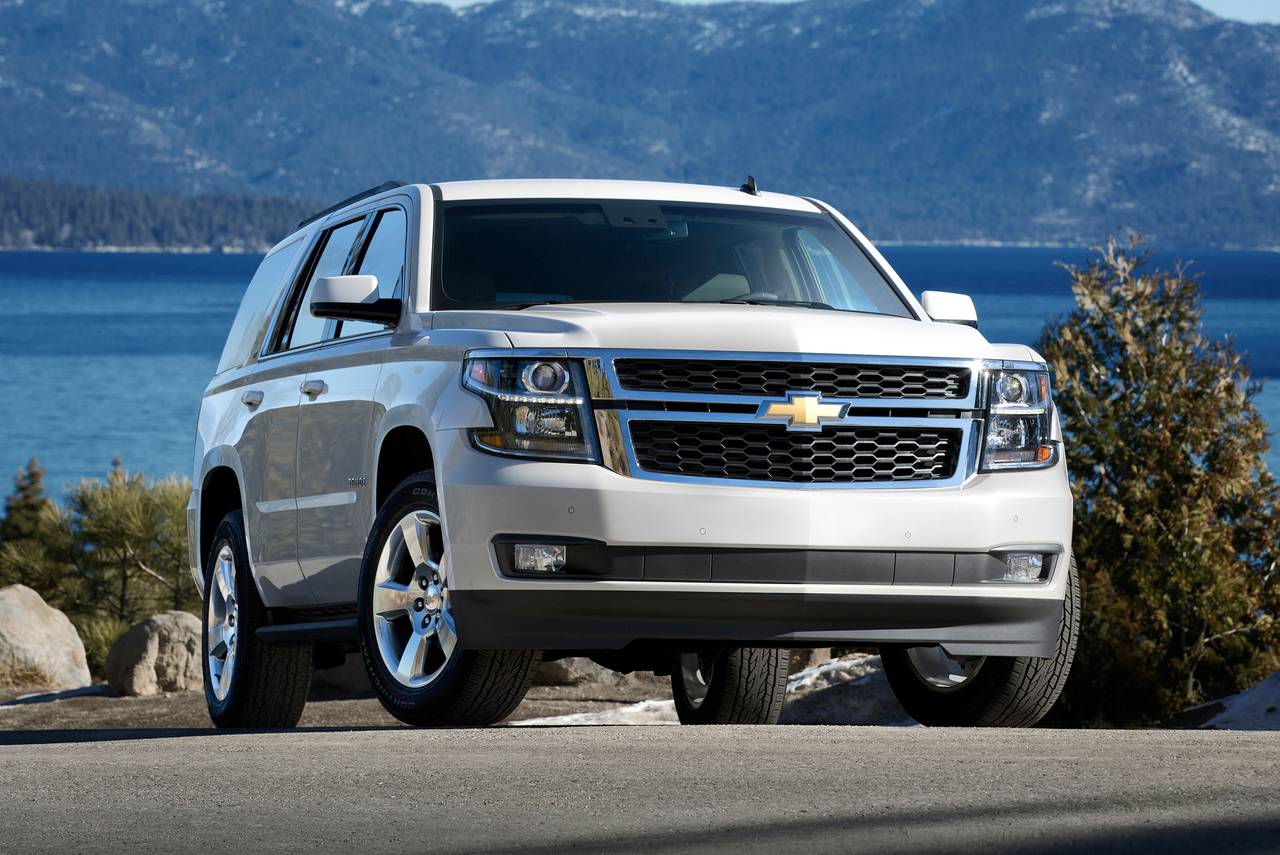
5. Chevrolet Tahoe
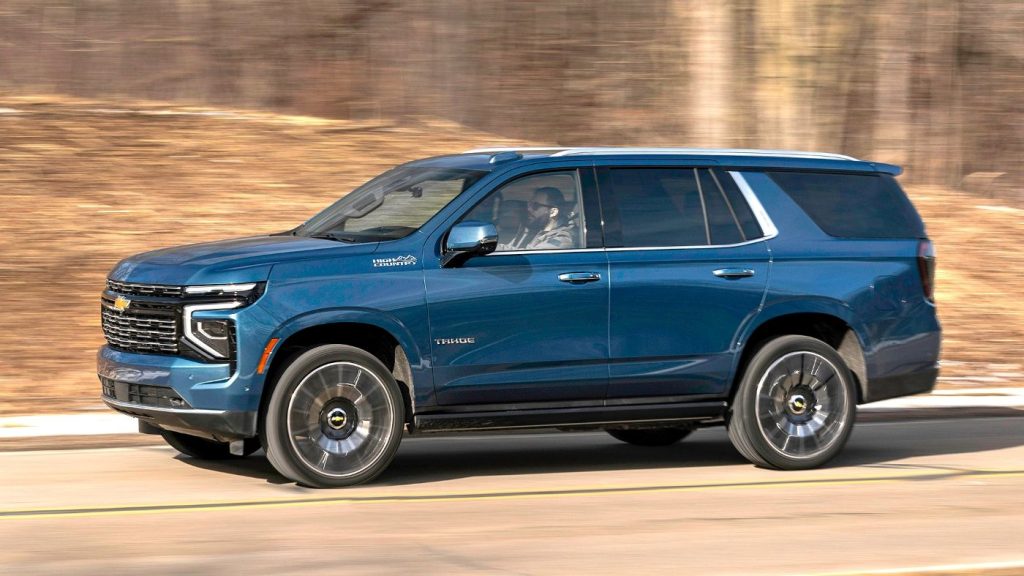
Full-size SUVs like the Chevrolet Tahoe are built to endure extremes. The Tahoe’s advanced cooling system, powerful air conditioning, and corrosion-resistant coatings make it a strong choice for hot, humid climates.
Large airflow channels inside the cabin help keep all passengers cool, while the vehicle’s elevated stance reduces exposure to water-related underbody corrosion. It’s a vehicle designed for comfort and longevity, able to handle the day-to-day challenges of Baton Rouge’s environment.
5 Cars That Corrode Quickly in Baton Rouge
Baton Rouge’s climate is tough on cars in more ways than one. Beyond the oppressive heat and humidity, the combination of frequent rain, high moisture, and occasional flooding can accelerate rust and corrosion, especially on vehicles with susceptible body panels, subframes, or poorly treated metal. Some cars, even if mechanically reliable, simply can’t keep the rot at bay in this environment.
The culprits tend to share a few traits: thinner metal that’s prone to oxidation, inadequate underbody protection, or paint and finish that doesn’t hold up against constant moisture exposure. Over time, these weaknesses can turn cosmetic blemishes into structural headaches, and costly repairs that eat into the joy of ownership.
Here’s a look at five vehicles that tend to corrode quickly in Baton Rouge’s heat-and-humidity-heavy environment. These are cars you’ll want to approach cautiously if you plan to keep them long-term in South Louisiana.
1. Older Volkswagen Jetta / Passat Models
Many older Volkswagen models struggle in southern humidity. The metal bodies, particularly in the 1990s and early 2000s, often lack sufficient rust-proofing.
Moisture accumulates in wheel wells, underbody panels, and around joints, causing visible rust and structural deterioration. Electrical systems are also more prone to failure in wet conditions, leading to issues with lights, sensors, and window mechanisms.
The Jetta feels responsive in city driving, thanks to the solid torque delivered by its turbocharged engine at low rpm. However, the engine starts to lose steam if you try to push it toward higher revs. In our testing, the Jetta we drove managed a 0-60 mph time of 8.4 seconds, which is only average for the segment.
Braking performance is typical for a compact sedan, but the pedal feel leaves something to be desired. The brakes feel soft, and their response seems inconsistent when pressure is increased.
At low speeds, they can grab abruptly, making smooth stops a challenge. Steering, unlike on some other small Volkswagens, feels light and somewhat vague, lacking the crispness enthusiasts might hope for.
There are still some positives. Body roll is well-controlled, giving the Jetta a touch of sportiness in corners, and the transmission shifts smoothly, though it can be a little too eager to change gears.
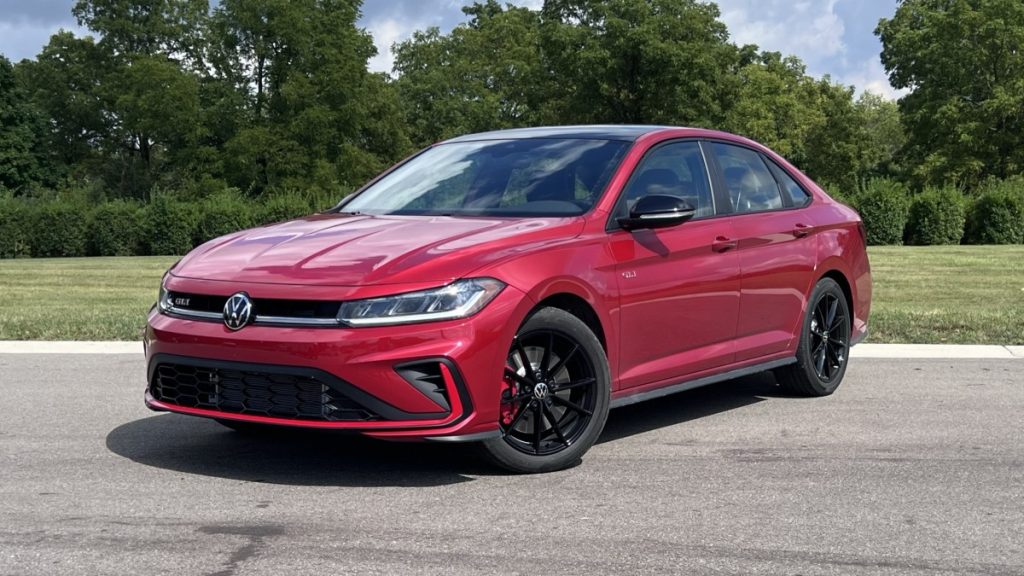
The overall score takes a hit mostly because of unnecessarily complicated controls. Steering wheel buttons, in particular, are trickier to navigate than those on many competitors.
Aside from that, the cabin is a pleasant place to spend time, especially for the driver. The front seats offer generous height adjustment, and the steering wheel provides a wide range of tilt and telescoping options.
Rear legroom is respectable, though headroom is just average. Fitting a third passenger in the back is less than ideal due to the wide center console and a pronounced hump in the floor, which can make middle-seat seating uncomfortable.
2. Jeep Wrangler (Early Models)
The Jeep Wrangler’s rugged charm can be deceptive in humid climates. Early Wranglers were built with steel bodies and minimal corrosion protection, making them highly susceptible to rust along the frame, rocker panels, and wheel arches.
Humidity and heavy rains accelerate wear on exposed components, meaning that owners must invest in regular maintenance and rust prevention to keep these vehicles functional and safe.
The Wrangler is the quintessential Jeep, an enduring icon with roots stretching back to World War II, and a vehicle that practically launched the SUV craze. True to its heritage, today’s all-new Wrangler, code-named JL for this generation, can go just about anywhere.
Available in both two- and four-door body styles, it comes standard with a 3.6-liter V-6, while a turbocharged four-cylinder and a diesel V-6 are expected to join the lineup soon.
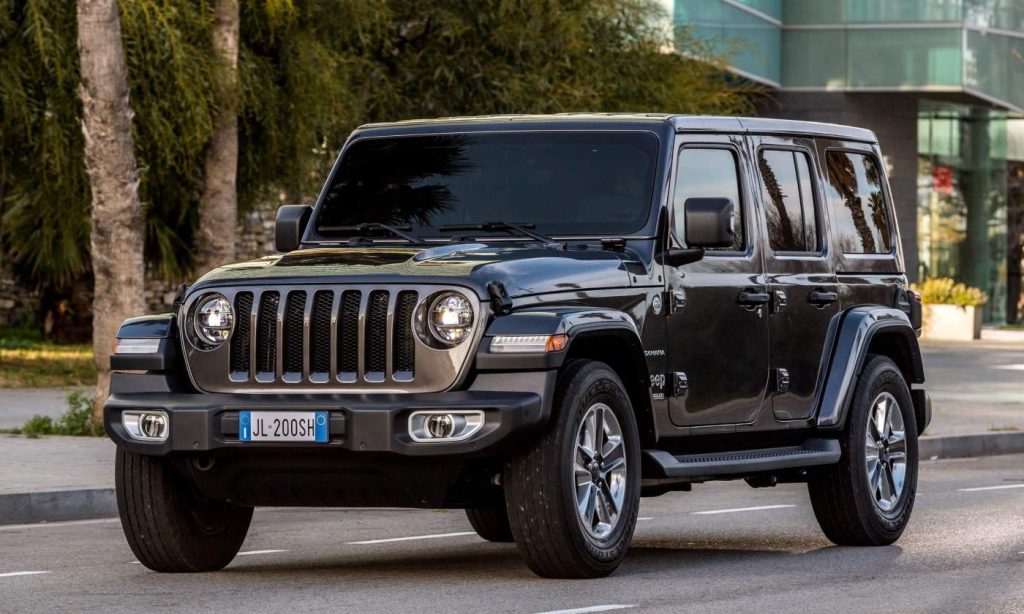
Power is sent to all four wheels through a range of available all-and four-wheel-drive systems. Sure, there are SUVs that are more comfortable, more spacious, and more fuel-efficient, but very few can match the thrill of popping the top on a sunny day. And even fewer can tackle rugged terrain the way a Wrangler can.
Although it may not appear drastically different at first glance, every part of the 2018 Wrangler is all-new. This generation carries the JL designation, distinguishing it from the outgoing Wrangler JK, which will continue to be sold alongside it during 2018.
The JL was designed to honor the Wrangler’s legendary off-road pedigree while enhancing passenger space, on-road comfort, and overall refinement. The two-door variant is simply called the Wrangler, while the four-door model is known as the Wrangler Unlimited.
Under the hood, the standard 285-hp 3.6-liter V-6 from the previous generation returns, paired with either a six-speed manual transmission or a smooth-shifting eight-speed automatic.
As an off-road-ready vehicle, part-time four-wheel drive is standard across the lineup, operated via a lever on the center console. Later in 2018, Jeep will add a turbocharged 2.0-liter four-cylinder option with a mild-hybrid system called eTorque, producing 270 hp.
Sport, Sport S, and Sahara trims come equipped with a part-time four-wheel-drive system, while Sahara models can also be fitted with a full-time all-wheel-drive system, the first Wrangler to offer this, called Selec-Trac.
On the track and on the road, the JL demonstrates significant improvements over its predecessor, though it still drives like a truck compared with today’s more refined SUVs and pickups.
The four-door Wrangler offers a ride that is acceptably smooth over uneven surfaces, but the shorter two-door is noticeably rougher. While on-road performance has been greatly enhanced, the Wrangler JL still tends to wander in its lane, requiring frequent steering adjustments to stay on a straight path.
3. Ford Focus (2000s Models)
Older Ford Focus vehicles, particularly from the 2000s, are known for corrosion-prone bodies. Baton Rouge’s moisture-laden environment accelerates rust in critical areas such as the rocker panels, floor pans, and lower fenders.
Electrical components inside the engine bay and interior may also suffer from high humidity, leading to malfunctioning electronics over time.
The Ford Focus has long been a fun-to-drive and versatile compact car, offered in a variety of body styles. Over time, newer and more polished competitors pushed it toward the middle of the pack.
The current-generation Focus, which debuted in 2012, has changed that, earning its place among the top picks in the compact car segment. Key reasons to consider the 2014 Ford Focus, whether sedan or hatchback, include lively performance, an upscale interior, a composed ride, and impressive fuel efficiency.
Another standout feature is the abundance of high-tech convenience options available on the Focus. One particularly impressive example is the automated parallel parking system, which can slide the car neatly into a curbside spot without the driver ever touching the steering wheel.
Even if cutting-edge technology isn’t a priority, the Focus still appeals thanks to its variety of body styles and trims. Buyers can choose between sedan and hatchback models, and there are even all-electric and high-performance variants.
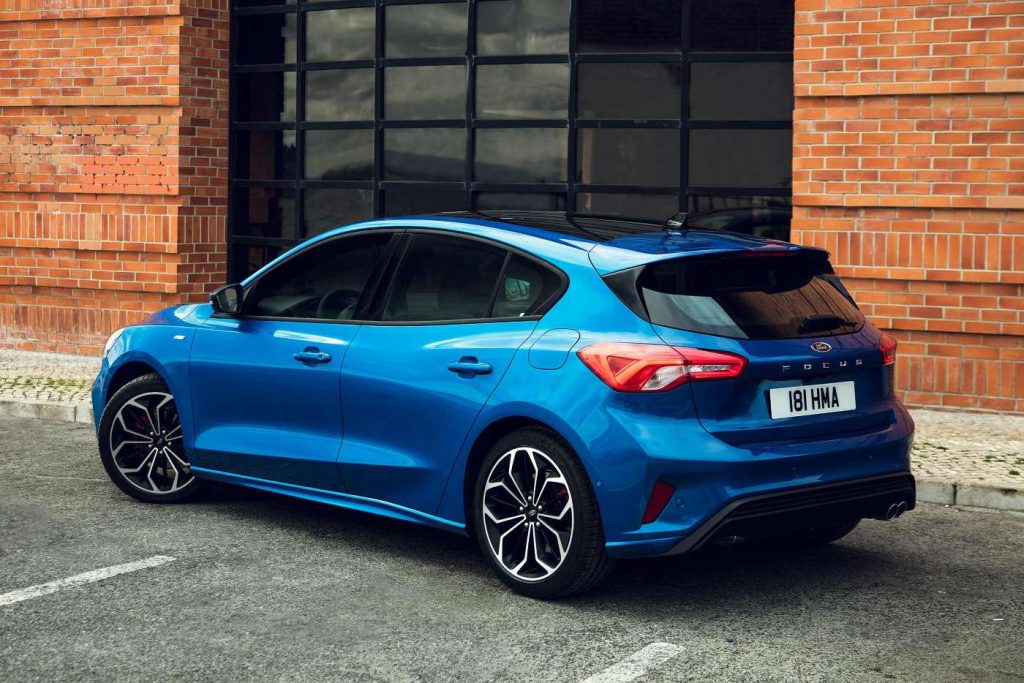
The all-electric Focus Electric is powered by a 107-kilowatt (143-hp) motor and can be fully recharged in roughly four hours from a 240-volt outlet. Owners can monitor charging status remotely via smartphone integration.
While the 2014 Focus is well-rounded, it faces strong competition in the economy sedan and compact hatchback categories. Among mainstream rivals, the Chevrolet Cruze, Kia Forte, and Mazda 3 are all solid options, while electric competitors include the Nissan Leaf and Honda Fit EV.
Even within this competitive field, the Focus stands out. Its refined, sophisticated design and engaging driving dynamics give it an aura of quality that often feels like it belongs in a higher price bracket, a rare compliment for any compact car.
The front-wheel-drive 2014 Focus is powered by a 2.0-liter four-cylinder engine producing 160 hp and 146 lb-ft of torque. S and SE trims come standard with a five-speed manual transmission, while Ford’s six-speed dual-clutch automated manual, branded as “Powershift”, is optional.
4. Chevrolet Cobalt / Cavalier
Compact Chevys from the early 2000s, like the Cobalt and Cavalier, experience accelerated rusting in humid conditions. Baton Rouge’s wet climate targets the undercarriage, wheel arches, and rocker panels, making structural integrity a concern over time.
Paint degradation and surface rust appear faster than in drier regions, meaning these cars require extra care to maintain their appearance and safety.
The Chevrolet Cobalt arrived in 2004 as the successor to the Cavalier, a compact sedan that had earned a reputation for underwhelming performance and features, unless you were a rental company.
GM aimed to shake off the Cavalier’s negative image by giving the new car a fresh name and significantly improving its design and build quality.
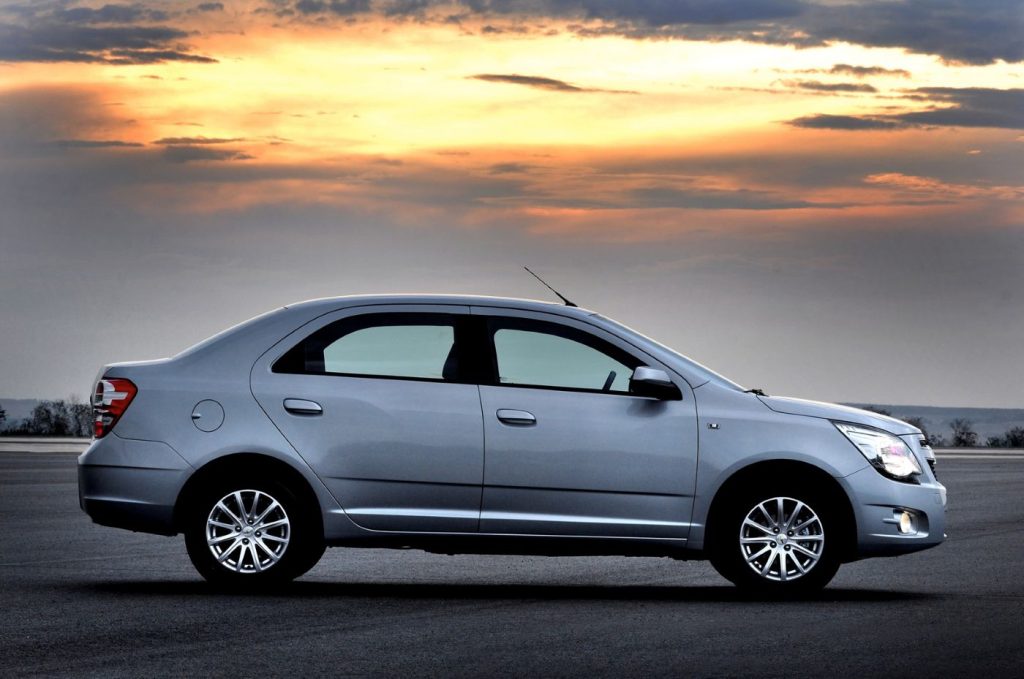
On the outside, the Cobalt featured sharply angled headlights with crisp, angular accents, while a body-colored, wrap-around bumper made a strong visual statement in a segment increasingly dominated by Asian competitors. Its reversed trapezoidal grille sported a horizontal slat with the signature gold Chevy bowtie.
Inside, the Cobalt’s character varied widely depending on trim level. Base models came with cloth upholstery and a simple, budget-friendly instrument panel, though white dials added a touch of style.
Standard features included air conditioning, power windows, and power mirrors, ensuring practicality even on lower trims. Higher-end versions offered artificial leather, a sunroof, and wood-trimmed accents on the dashboard, giving the cabin a more upscale feel.
Under the hood, GM offered two engine choices for the Cobalt, with the coupe variant also available with a supercharged four-cylinder designed to appeal to performance-minded buyers in the so-called “boy-racer” segment.
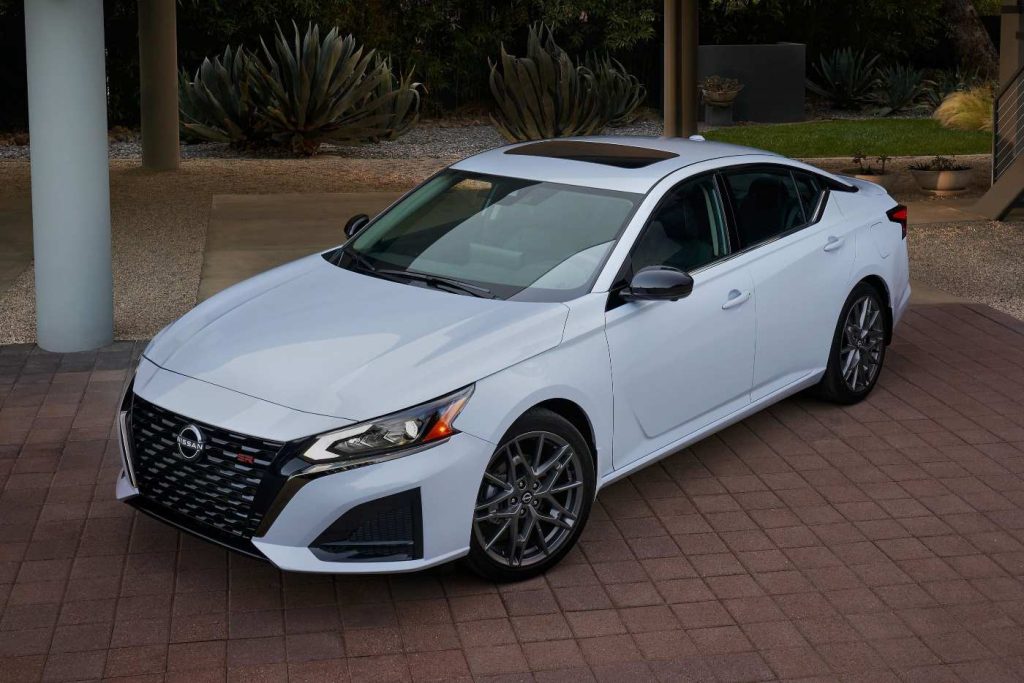
5. Nissan Altima (2000s Models)
Some older Nissan Altimas have well-documented corrosion issues. Baton Rouge’s high humidity, combined with rain and occasional flooding, accelerates rust formation on underbodies and lower body panels.
Over time, this can compromise not only appearance but structural components, potentially affecting suspension mounts and exhaust systems if left untreated.
In Baton Rouge, vehicle choice is about more than style or engine performance; it’s about survival in a humid, heat-intensive environment. Cars like the Toyota Camry, Honda CR-V, Ford F-150, Mazda CX-5, and Chevrolet Tahoe excel because they combine efficient cooling, strong air conditioning, and corrosion-resistant construction.
On the other hand, older or less-protected vehicles like early Volkswagens, Jeep Wranglers, Ford Focuses, Chevrolet Cobalts, and Nissan Altimas are prone to rust and component failure, making them more trouble than they’re worth in Louisiana’s climate. Choosing wisely ensures comfort, reliability, and longevity despite the heat and humidity.
