
Concord, California, combines suburban streets, busy commuting routes, and frequent highway driving. For daily drivers, reliability, comfort, and efficiency are critical.
While some vehicles thrive in stop-and-go traffic and long commutes, others struggle with mechanical issues, high maintenance costs, or poor durability. Here’s a detailed look at five cars ideal for Concord daily use and five that tend to break early.
5 Cars Ideal for Concord Daily Use
Concord isn’t the place for oversized trucks, temperamental exotics, or anything that hates stop-and-go traffic. Between tight downtown streets, suburban sprawl, frequent short trips, and the occasional highway run, daily driving here rewards cars that are easy to live with, efficient, comfortable, and dependable year-round.
You want something that handles potholes without complaint, fits into crowded parking lots, sips fuel instead of guzzling it, and doesn’t turn every routine service visit into a wallet-draining event.
Performance still matters, but only when it’s usable, not when it’s loud or obnoxious. With that in mind, these five cars stand out as ideal daily drivers for Concord, balanced machines that make commuting, errands, and weekend runs feel effortless rather than exhausting.
1. Hyundai Elantra
The Hyundai Elantra is a compact sedan that balances efficiency, comfort, and modern technology. Its 2.0L four-cylinder engine delivers smooth acceleration for city traffic and freeway merging, while the 1.6L turbocharged variant provides extra punch without sacrificing fuel economy.
The cabin is spacious for a compact car, featuring ergonomic seats, intuitive infotainment, and optional features like Apple CarPlay, Android Auto, and adaptive cruise control.
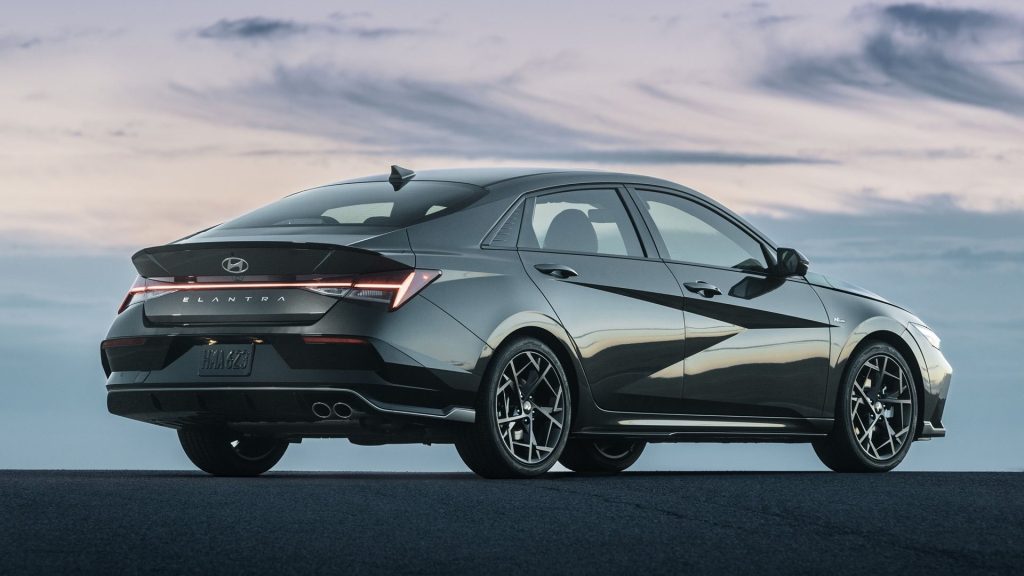
Suspension tuning absorbs bumps on Concord’s older streets, while precise steering helps with city parking. Hyundai’s reputation for long-lasting engines and extended warranties makes it a worry-free choice for daily commuting.
2. Toyota RAV4
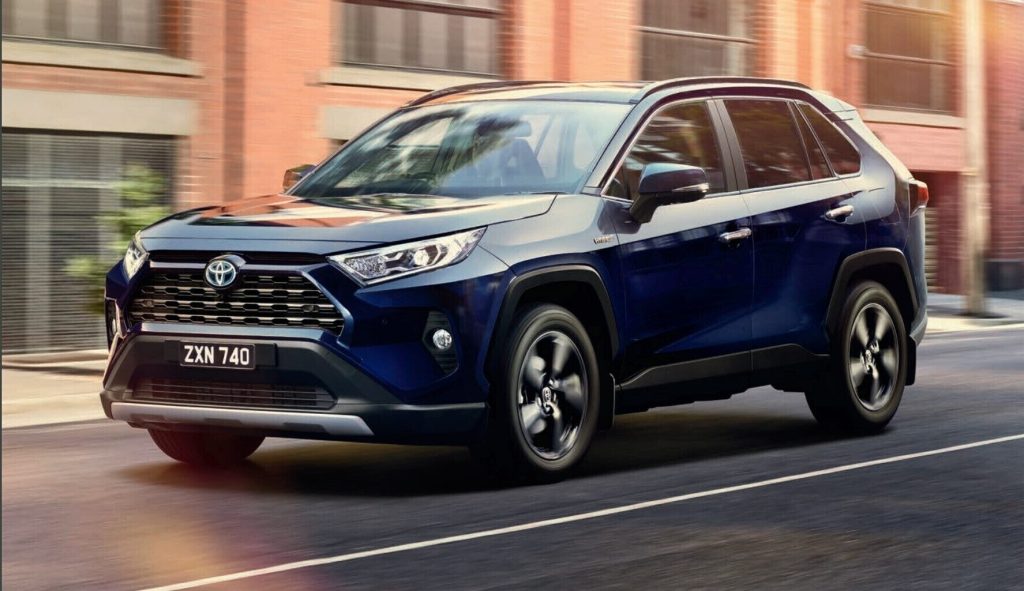
The Toyota RAV4 is a compact SUV designed for versatility and longevity. Its 2.5L four-cylinder engine, paired with an automatic or CVT transmission, balances power with fuel efficiency. All-wheel-drive versions provide extra traction during rainy days or light Bay Area flooding, which is useful on suburban streets.
Inside, the RAV4 offers comfortable seating, a well-laid-out dashboard, and ample cargo space for groceries, sports gear, or work items. Its cabin materials are durable, and Toyota’s corrosion-resistant coatings help the car age gracefully in the East Bay climate.
The RAV4 falls a bit short in this area. Around town, the engine feels responsive enough, and passing slower traffic or merging onto the highway doesn’t require much effort.
That said, drivers in a hurry may notice that overall power delivery is on the modest side. A RAV4 Adventure model took 9.1 seconds to accelerate from 0 to 60 mph, a result that trails the segment average slightly.
Steering is another weak point. It feels vague around the center and lacks the proper weight and feedback, which can make it easy to over- or under-correct your inputs. On the plus side, the available upgraded all-wheel-drive system brings some real capability to the table.
With rear-axle torque vectoring, advanced traction control with selectable terrain modes, and hill descent control, the RAV4 Adventure offers better-than-average off-road competence for a small SUV. Combined with its respectable ground clearance, these features help it venture farther off pavement than most rivals.
The driving position is comfortable, and the cabin offers good space along with easy entry and exit. However, the RAV4 would rate higher if the front passenger seat weren’t mounted so high or could be lowered on more trims.
A power-adjustable front passenger seat is exclusive to the RAV4 Limited. The driver’s seat and steering wheel provide a solid range of adjustment, though taller drivers may wish for just a bit more travel in both. Visibility from the cabin is commendable.
Controls are laid out logically, with large, clearly labeled buttons and knobs that are easy to understand at a glance. The audio and climate controls are separated into their own dedicated sections, while everything else is positioned exactly where you’d expect.
The oversized, rubberized climate control knobs are a particularly nice touch. The main drawback is the touchscreen’s placement, which sits too far from the driver. Reaching over to adjust it, especially to use the tuning knob, requires an awkward stretch.
Also Read: Top 10 Quickest Cars You Can Snag for Under $20K Right Now
3. Honda Accord
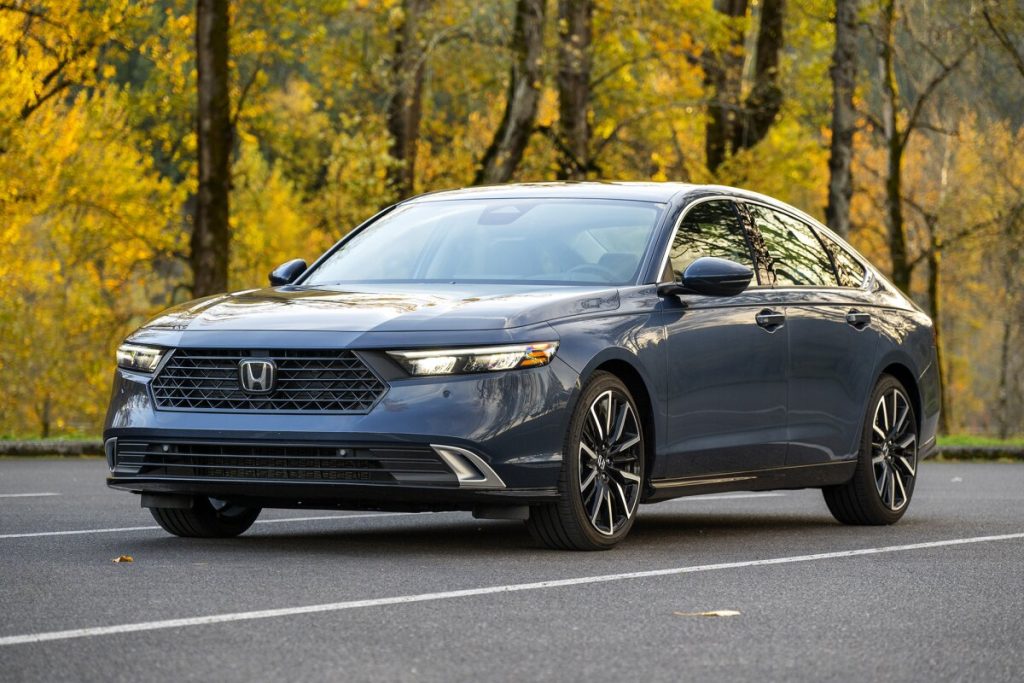
The Honda Accord is a midsize sedan that combines comfort, refinement, and performance. Its 1.5L turbocharged or 2.0L turbo engines offer brisk acceleration for highway merging while remaining fuel-efficient for city commuting. The Accord’s interior is spacious, with supportive seats, excellent legroom, and intuitive controls for infotainment and climate.
Suspension tuning provides a smooth ride over potholes and uneven roads, while Honda’s long-standing reliability record ensures that critical components like transmissions, brakes, and electronics remain durable even after years of daily use.
The range begins with a turbocharged 1.5-liter four-cylinder producing 192 horsepower, but the standout option is the 252-hp turbocharged 2.0-liter four-cylinder that tops the lineup. This engine is paired with a 10-speed automatic transmission that delivers near-seamless shifts.
While both engines operate smoothly, the 2.0-liter delivers a noticeable surge of power and can easily overwhelm the front tires in first gear. A hybrid variant is also offered, combining a four-cylinder gasoline engine with two electric motors.
The Accord’s chassis is well engineered and invites spirited driving, remaining composed when pushed through corners with very little body roll. Steering effort is appropriately light for the segment, though some drivers may wish it offered more road feedback.
Even so, the steering remains precise and predictable, which is difficult to fault. Ride quality is firmly tuned yet never uncomfortable, allowing the Accord to successfully blend the responsiveness of a sport sedan with the everyday usability expected of a family car.
4. Subaru Forester
The Subaru Forester is a compact SUV renowned for practicality and reliability. Its standard all-wheel-drive system adds stability during wet conditions, while the 2.5L four-cylinder engine offers enough power for city driving and highway cruising.
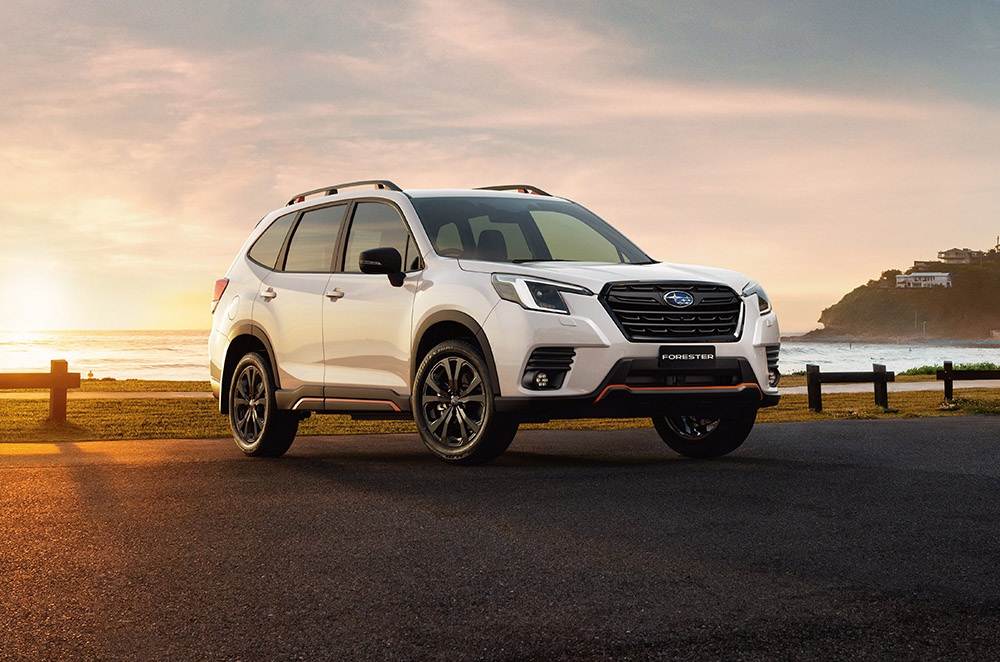
The cabin is bright and spacious, with excellent headroom, cargo capacity, and visibility. The Forester’s suspension handles both smooth streets and uneven suburban roads without discomfort, and Subaru’s reputation for durable drivetrain components ensures it can last many years with minimal major repairs.
Also Read: 10 Affordable Cars That Refuse to Quit in College Parking Lots
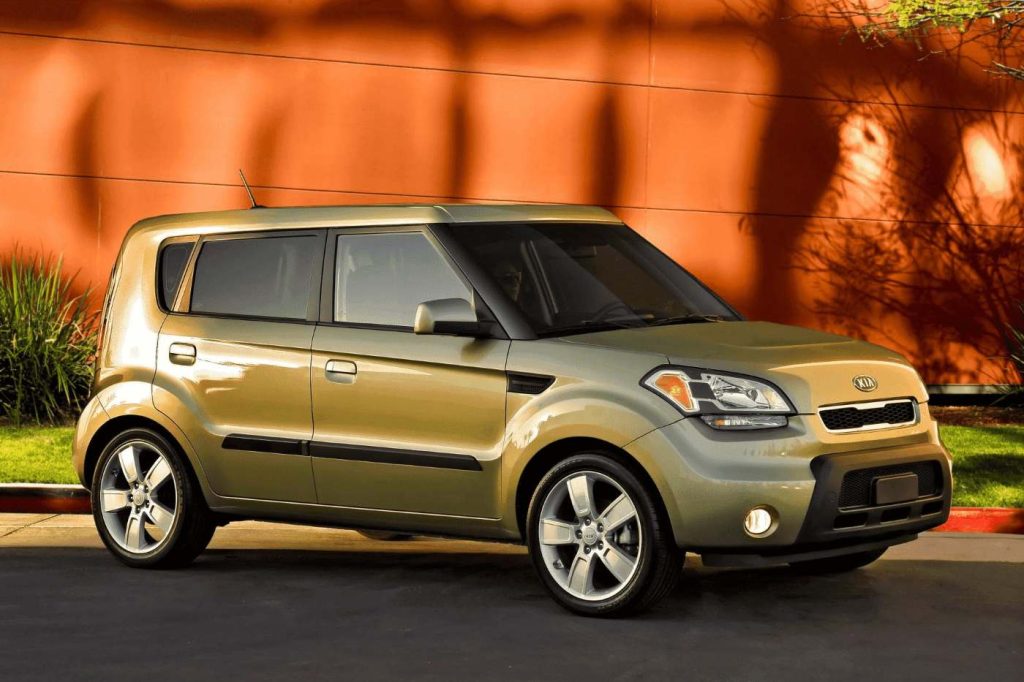
5. Kia Soul
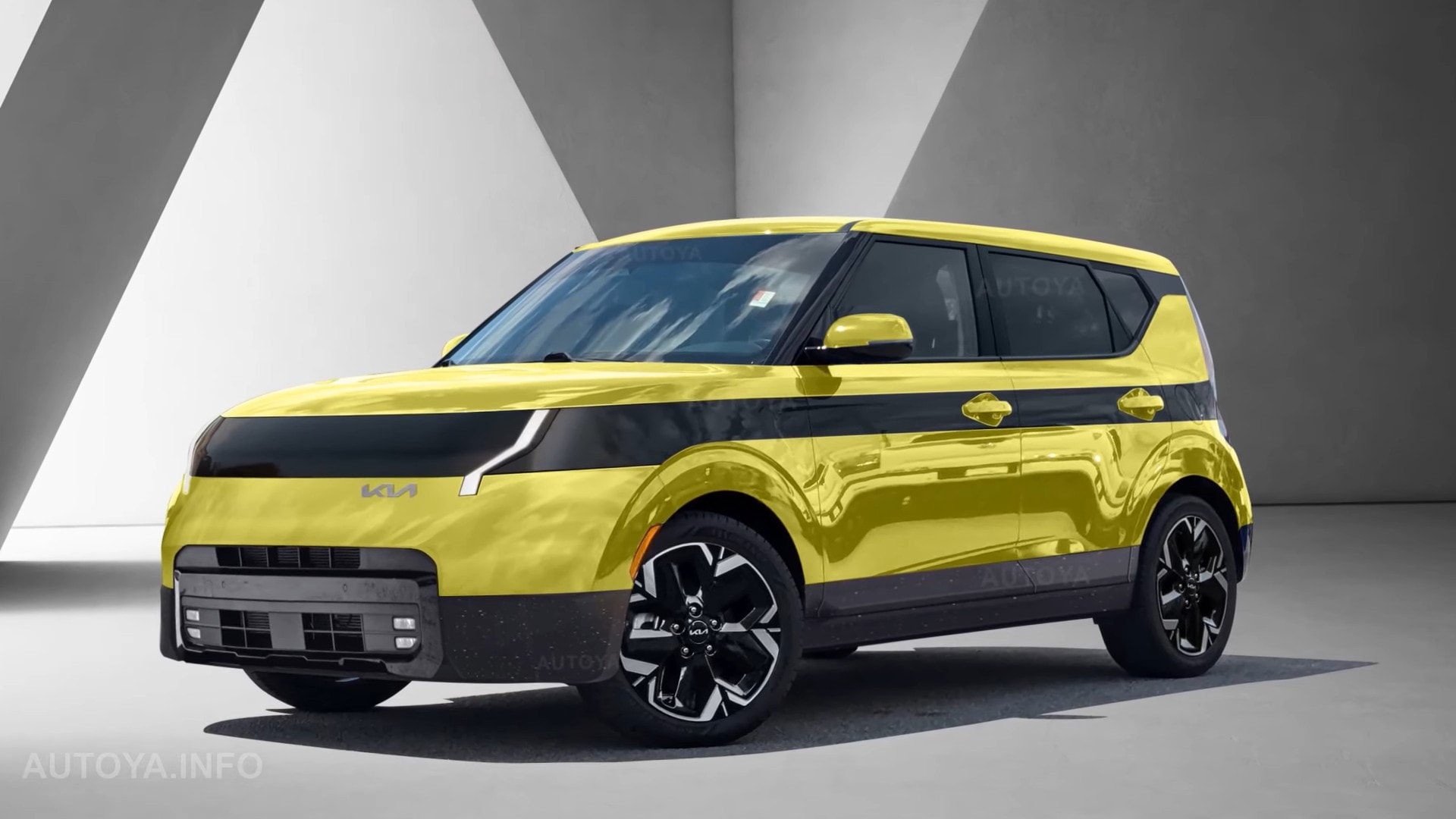
The Kia Soul is a small, boxy crossover with a unique design that emphasizes practicality and visibility. Its 2.0L or 1.6L turbocharged engines provide responsive power for city driving, and the elevated seating position offers excellent sightlines in traffic.
Inside, the cabin is roomy for its size, with flexible cargo space and durable materials suited for everyday commuting and errands. Infotainment and safety features are modern and easy to use, while Kia’s warranties and growing reputation for reliability make the Soul a smart choice for drivers navigating Concord’s suburban and highway roads.
The Soul’s 2.0-liter engine isn’t especially quick, but in everyday driving it feels lively enough, particularly around town. Steering response feels natural, and its handling holds its own against more performance-oriented rivals such as the Mazda CX-30 and Mini Countryman.
During testing, the Soul posted a 0–60 mph time of 8.5 seconds, which is respectable for a small SUV. At lower speeds, the overly sensitive brake pedal requires some acclimation.
Unlike certain competitors, the Soul remains composed over larger bumps rather than feeling unsettled. The suspension tuning is firm and well controlled without crossing into harshness. One drawback is the lack of available all-wheel drive, which some rivals do offer.
Visibility is a strong point thanks to the tall, slim windows, though the small, upward-angled rear three-quarter window slightly compromises that view.
The absence of a surround-view camera isn’t much of a loss, especially since the Soul doesn’t offer one anyway. More importantly, the available driver-assistance systems performed reliably in testing and avoided unnecessary or false alerts.
Cargo capacity is another highlight, as the Soul features a deep cargo well that provides more usable space than many other small SUVs. While the volume is generous at 24.2 cubic feet, folding the rear seats reveals a pronounced hump at their base, which can make hauling larger items more challenging. Interior storage is competitive for the segment, with plenty of bins and cubbies available for front-seat occupants.
The Kia Soul delivers strong value, even by subcompact SUV standards. Despite the limited use of soft-touch materials, the cabin never feels cheap. Details such as synthetic leather on the door armrests and a leather-wrapped steering wheel add a premium touch, while textured trim helps break up what could otherwise be a plain, dark interior.
Value is further enhanced by an extensive list of standard and available features, which is impressive for a vehicle that remains just over $25,000 even when fully equipped.
5 Cars That Break Early in Concord
In theory, any car can break down. But in practice, certain models seem to struggle far more than they should, especially in a place like Concord, where stop-start traffic, highway commuting, and lots of short trips put real stress on everyday vehicles.
These aren’t just occasional hiccups; we’re talking about chronic issues that lead to frequent shop visits, unpredictable repairs, and ownership experiences that quietly drain your time and wallet. If you depend on your car for daily life, school runs, work commutes, weekend errands, reliability isn’t optional.
The five vehicles below have earned a reputation for falling short, with problems cropping up earlier and more often than most of their peers. Consider this your heads-up before you end up stuck waiting for a tow truck instead of enjoying the drive.
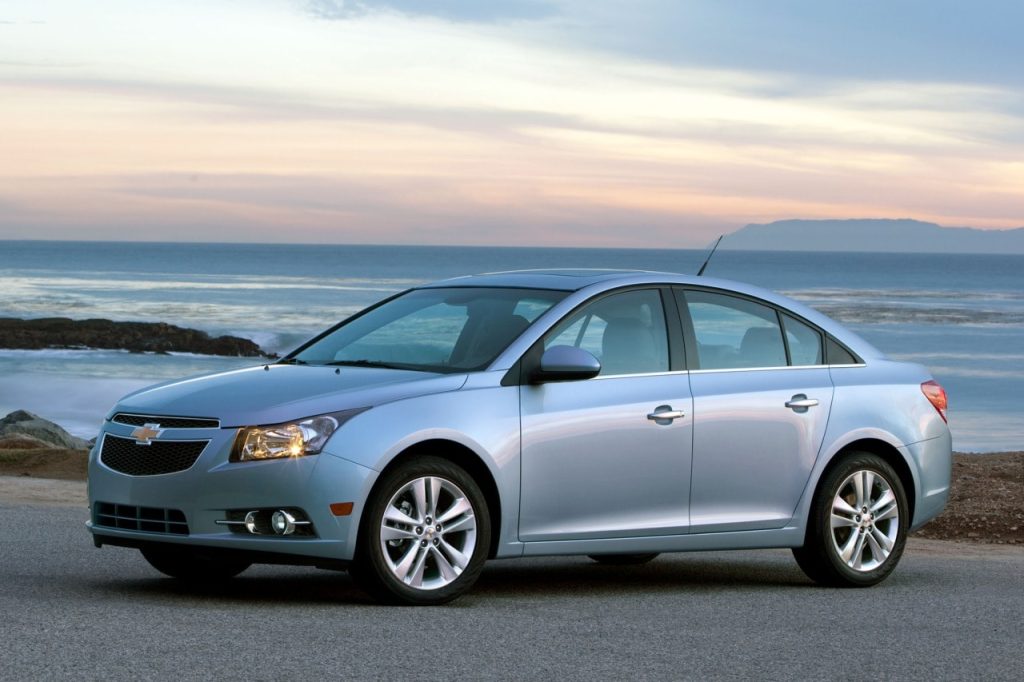
1. Chevrolet Cruze (2011-2016)
The Cruze compact sedan often struggles with the 1.4L turbo engine and dual-clutch transmission, which can fail prematurely under heavy stop-and-go traffic.
Owners report issues with turbocharger reliability, electronic sensors, and occasional engine stalling. Its compact size is good for parking, but the frequent maintenance demands can make it frustrating for Concord commuters.
The importance of the Chevy Cruze shouldn’t be overlooked. When it debuted in 2011, this compact economy sedan helped put Chevrolet back on the map in the highly competitive small-car segment.
Thanks to its overall refinement, fuel efficiency, and smart packaging, the Cruze emerged as a legitimate alternative to the Japanese-brand models that had dominated the class for decades.
Strengths of the 2014 Chevrolet Cruze include a range of capable and efficient four-cylinder engines, a well-balanced blend of ride comfort and handling sophistication, and clean, tasteful styling inside and out that avoids unnecessary gimmicks.
Interior space is slightly tighter than what some competitors offer, but most buyers will find passenger accommodations sufficient. One notable advantage is the Cruze’s trunk, which is unusually spacious for a compact sedan.
For 2014, Chevrolet added extra appeal to the lineup with the introduction of the Cruze Diesel. Powered by a 2.0-liter turbodiesel four-cylinder engine and rated by the EPA at 33 mpg combined, this version takes direct aim at the only other diesel-powered compact sedan sold in the U.S., the Volkswagen Jetta TDI.
While the two are closely matched in terms of fuel economy and overall performance, the Jetta Diesel offers a roomier rear seat and a slightly lower starting price. That said, the Cruze Diesel counters with a richer list of standard features, including leather upholstery and remote start, which effectively levels the playing field when comparing base pricing.
Naturally, this price bracket is crowded with strong compact-car choices, making it difficult to identify any clear weak links in such a competitive segment. If ultimate fuel efficiency isn’t at the top of your priority list, the 2014 Honda Civic remains a safe bet, thanks to its roomy, well-built interior and agreeable driving dynamics.
The 2014 Hyundai Elantra and its sibling, the Kia Forte, deliver respectable performance along with generous standard and optional upscale features. Shoppers may also want to consider the Ford Focus, which offers a more refined look and feel than many rivals, or the equally polished 2014 Mazda 3, widely regarded as the most engaging handler in the class.
While the 2014 Chevrolet Cruze doesn’t outright dominate its competitors, it stands on equal ground with most of them and is unquestionably worth considering if you’re in the market for a balanced and well-rounded compact sedan.
Every 2014 Chevrolet Cruze comes with front-wheel drive. The base LS model is equipped with a 1.8-liter four-cylinder engine producing 138 horsepower and 125 pound-feet of torque.
The LT, LTZ, and Eco trims use a turbocharged 1.4-liter four-cylinder that delivers 138 hp and 148 lb-ft of torque. At the top of the efficiency spectrum, the Cruze Diesel features a turbocharged 2.0-liter diesel four-cylinder engine rated at 151 horsepower and a substantial 264 lb-ft of torque.
2. Fiat 500X
The Fiat 500X is a stylish subcompact crossover, but its engines and transmissions have a reputation for inconsistency. Electrical components, including sensors and infotainment systems, often fail, and the turbocharged engines can overheat in heavy traffic. While fun to drive and easy to park, its reliability issues make it a poor choice for daily commuting.
More mature yet still playful, the Fiat 500X serves as a natural extension of the tiny Fiat 500 by adding extra interior space and genuine all-weather capability, all while holding onto the brand’s unmistakable Italian flair.
For buyers who want a tougher, more upright look, Fiat points to the 500X’s more squared-off sibling, the Jeep Renegade, which leans further into rugged styling cues.
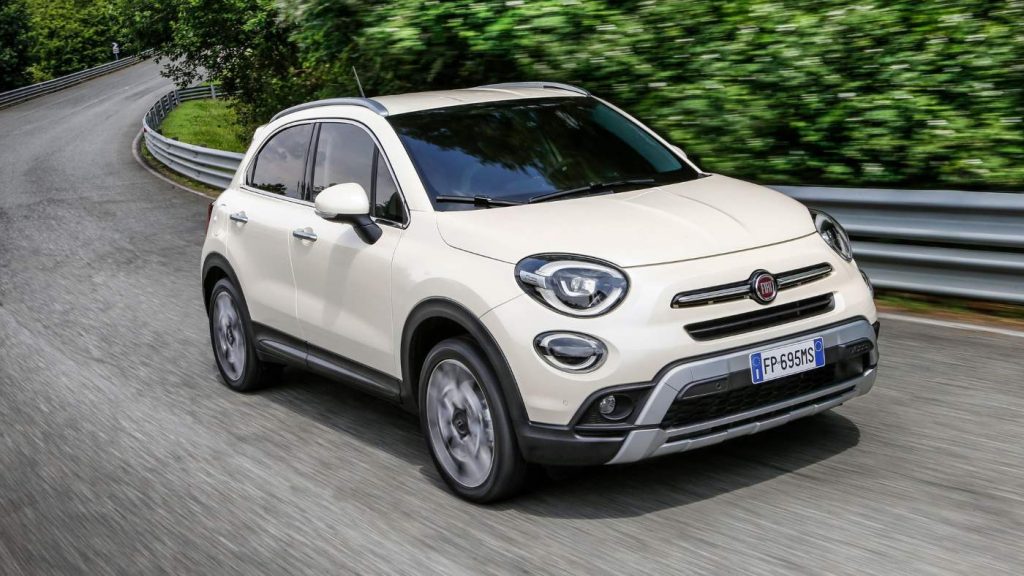
Every version of the 500X is powered by a turbocharged 1.3-liter four-cylinder engine producing 177 horsepower. A nine-speed automatic transmission comes standard, as does all-wheel drive, and a selectable drive-mode system offers three different settings to suit varying road and weather conditions.
Even entry-level models are fitted with aluminum wheels, with 17-inch wheels standard and larger 18-inch wheels available as an upgrade. While the 500X doesn’t rank among the quickest crossovers in its class, nor is it the most engaging to drive, it does deliver a comfortable ride during highway cruising.
That composure fades somewhat on twisty back roads, where the suspension feels less settled. Shoppers seeking a more spirited driving experience would be better served by alternatives like the Hyundai Kona or the Mazda CX-3.
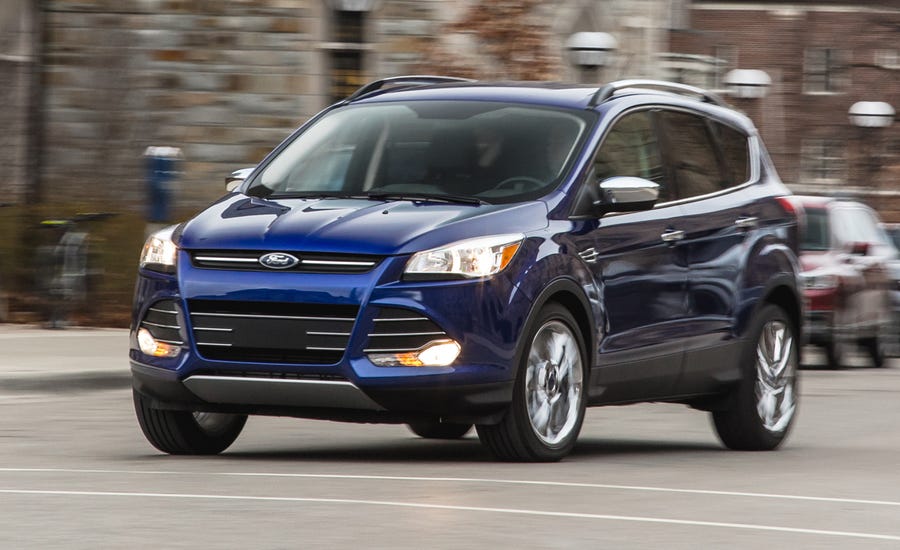
3. Ford Escape (2013-2016)
Certain Ford Escape models, particularly those with 1.6L or 2.0L EcoBoost engines, are prone to engine and transmission problems. Turbocharger failures, stalling, and erratic transmission behavior are common.
Interior electronics, including infotainment and climate systems, are sometimes unreliable. For Concord drivers who commute daily, these issues can turn otherwise convenient transportation into a frequent repair headache.
The 2013 Escape draws from an international bloodline, as it’s rooted in the Ford Kuga, a European compact crossover that also shares its underpinnings with the Ford Focus.
That shared DNA brings with it sharply contoured styling and a notably athletic chassis. Compared to the previous-generation Escape, this model rides on a wheelbase that’s 2.8 inches longer and is 1.3 inches wider.
These dimensional changes translate into increased interior space, while a reduction in height by 1.6 inches gives the exterior a more streamlined, modern appearance.
Inside, Ford made meaningful updates as well, including higher-quality cabin materials, a second-row seat that folds much more easily, a “hands-free” power liftgate, and the introduction of the MyFord Touch infotainment system.
Under the hood, the Escape offers three four-cylinder engine options, all paired with a six-speed automatic transmission. The carryover 2.5-liter engine produces 168 horsepower and is reserved exclusively for the base model. The volume seller is the new turbocharged 1.6-liter four-cylinder, which generates 178 hp and delivers an EPA-estimated 33 mpg on the highway.
Buyers looking for stronger performance can step up to the turbocharged 2.0-liter four-cylinder, rated at 240 hp, which effectively takes the place of the V6 offered in the previous Escape. Notably, Ford no longer offers a hybrid version of the Escape for 2013.
Compared to its predecessor, the 2013 Ford Escape represents an across-the-board improvement. Its main rivals, including the Honda CR-V and Mazda CX-5, can’t match the breadth of its engine lineup, while competitors like the Kia Sportage and Subaru Forester fall short in terms of interior refinement.
The biggest drawback may be cost. Once equipped with many of its available features and technology, the Escape can become one of the pricier options in the segment.
Standard and exclusive to the S trim is a 2.5-liter four-cylinder engine producing 168 hp and 167 pound-feet of torque. The SE and SEL trims are powered by a turbocharged 1.6-liter inline-four that makes 178 hp and 184 lb-ft. Optional on those trims and standard on the Titanium is a turbocharged 2.0-liter inline-four delivering 240 hp and 270 lb-ft of torque.
A six-speed automatic transmission comes standard across the lineup. All trims except the S are available with either front-wheel drive or all-wheel drive, while the S is offered only with front-wheel drive. When properly equipped, models fitted with the 2.0-liter turbo engine can tow up to 3,500 pounds.
EPA fuel economy estimates for the 2.5-liter engine stand at 22 mpg city, 31 mpg highway, and 25 mpg combined. Front-wheel-drive models with the 1.6 EcoBoost return 23 mpg city and 33 mpg highway, while the front-wheel-drive 2.0 EcoBoost is rated at 22/30/25. Choosing all-wheel drive reduces fuel economy by about 1–2 mpg.
4. Dodge Journey
The Dodge Journey is spacious and versatile but often plagued by early mechanical issues. Transmission failures, suspension wear, and electrical system malfunctions appear sooner than expected. Its interior design may be roomy, but unreliable systems make it a poor candidate for consistent daily driving.
Following criticism over build quality in the 2009 model year, Dodge took the feedback seriously and responded with a significantly improved version for 2011.
At the time, the MPV segment was still strong in the U.S., and brands with an established presence were expected to deliver a competitive, well-rounded product.
Falling short didn’t just risk losing MPV buyers, it could also push customers toward rival brands in other segments. The 2009 Dodge Journey looked the part on the outside, but shortcomings in the drivetrain and cabin execution held it back.
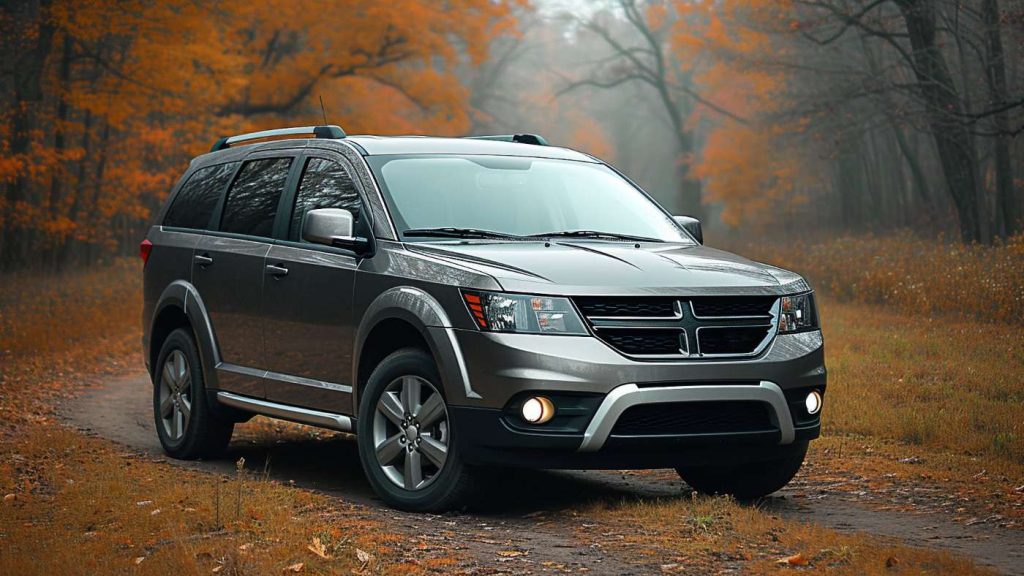
For 2011, the Journey received a refreshed front end highlighted by a split crosshair honeycomb grille. While MPVs have never been associated with sporty intentions, Dodge made an effort to add visual edge. The revised front bumper incorporated a lower apron and a silver accent lip, giving the vehicle a more assertive and modern appearance.
Under the hood, Dodge leaned into performance to strengthen the Journey’s appeal. The 2.4-liter four-cylinder remained available to maintain an affordable entry price, but the headline option was a 3.6-liter V6 producing 287 horsepower.
This engine was offered with either front-wheel drive or all-wheel drive and came standard with a six-speed automatic transmission, giving the Journey a noticeable boost in capability and refinement.
5. Nissan Pathfinder (2013-2016)
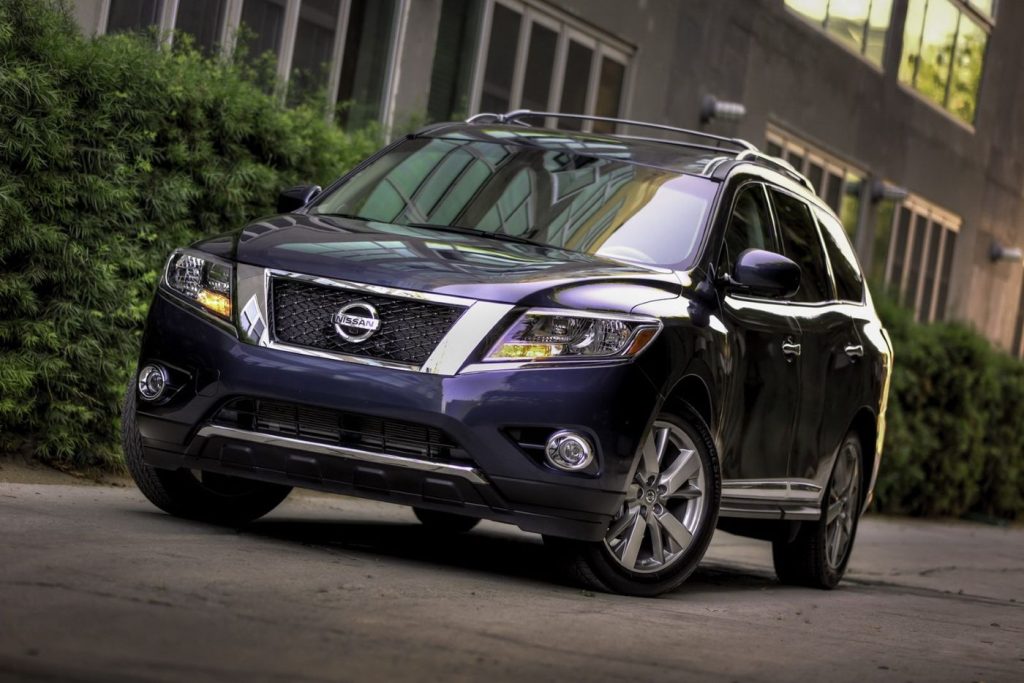
Some Nissan Pathfinder models from this era suffer from premature CVT transmission issues, engine reliability problems, and recurring electrical faults.
These issues are especially frustrating in a suburban setting with frequent starts, stops, and highway driving. Repair costs can be high, making the Pathfinder less suitable for drivers seeking dependable daily transportation.
For Concord daily driving, cars like the Hyundai Elantra, Toyota RAV4, Honda Accord, Subaru Forester, and Kia Soul combine reliability, fuel efficiency, comfortable cabins, and durable components. They handle both suburban streets and freeway commutes with minimal stress.
Conversely, vehicles such as the Chevrolet Cruze (2011-2016), Fiat 500X, Ford Escape (2013-2016), Dodge Journey, and Nissan Pathfinder (2013-2016) are prone to early failures, making them frustrating and costly for daily use. Choosing the right vehicle ensures smooth commutes, fewer repairs, and confidence on Concord roads.
