
Commuting in Albany brings together a mix of conditions that quietly shape which cars work well and which ones become frustrating over time.
Daily driving often includes city streets, suburban sprawl, highways, winter-affected pavement, and frequent stop-and-go traffic during peak hours. Weather swings, road salt, potholes, and long idle periods all influence long-term reliability and ownership costs.
For Albany commuters, the ideal car is not defined by performance or luxury. Instead, it needs to be dependable in all seasons, efficient in traffic, and easy to maintain without constant repairs. Cold starts in winter, uneven road surfaces, and regular congestion punish vehicles that are overly complex or poorly matched to daily commuting realities.
Some cars are built with this environment in mind. They balance fuel efficiency with durability, have proven drivetrains, and use suspension setups that tolerate rough roads without frequent failures. These vehicles make commuting predictable and stress-free, even as mileage climbs year after year.
Others struggle. Cars with fragile transmissions, stiff sport-tuned suspensions, or complex electronics often show problems early in commuter use. What looks appealing on paper becomes expensive and inconvenient when exposed to daily wear, winter conditions, and repeated short trips.
This article covers both sides. First, it highlights five cars that make sense for Albany commuters, focusing on reliability, comfort, efficiency, and long-term ownership value. These are vehicles chosen because they hold up well under daily use rather than occasional driving.
Then, it examines five cars that Albany commuters should skip, explaining why their design choices lead to higher repair costs, reduced reliability, or daily inconvenience. The goal is to help commuters choose vehicles that support their routine rather than complicate it.
Also Read: 5 Cars for Beavercreek Daily Driving and 5 Long-Lasting Options
5 Cars for Albany Commuters
Albany commuters need vehicles that handle repetition well. Daily starts, short trips, traffic delays, and seasonal road conditions add up quickly. Cars that thrive here are those designed for consistency rather than excitement.
The vehicles in this section are selected because they tolerate high-mileage commuting without demanding constant attention. They use proven engines and transmissions, avoid unnecessary complexity, and maintain stable performance in both warm and cold weather.
This matters in Albany, where winters stress batteries, fluids, and suspension components, while summers still bring traffic and heat.
Fuel efficiency plays an important role. Commuters benefit from cars that reduce fuel costs without sacrificing reliability. At the same time, ride comfort matters. Suspension systems that absorb rough pavement and potholes reduce fatigue and lower the risk of premature wear.
Maintenance accessibility is another key factor. Cars that can be serviced easily by independent shops keep ownership costs predictable. Parts availability and repair simplicity make a noticeable difference over years of daily use.
I am writing about these vehicles because Albany commuters often underestimate how much daily driving magnifies weaknesses. These cars minimize those weaknesses.
They reduce breakdown risk, keep running costs manageable, and remain comfortable as mileage increases. They are practical tools for people who rely on their vehicles every day, not weekend toys or status symbols.
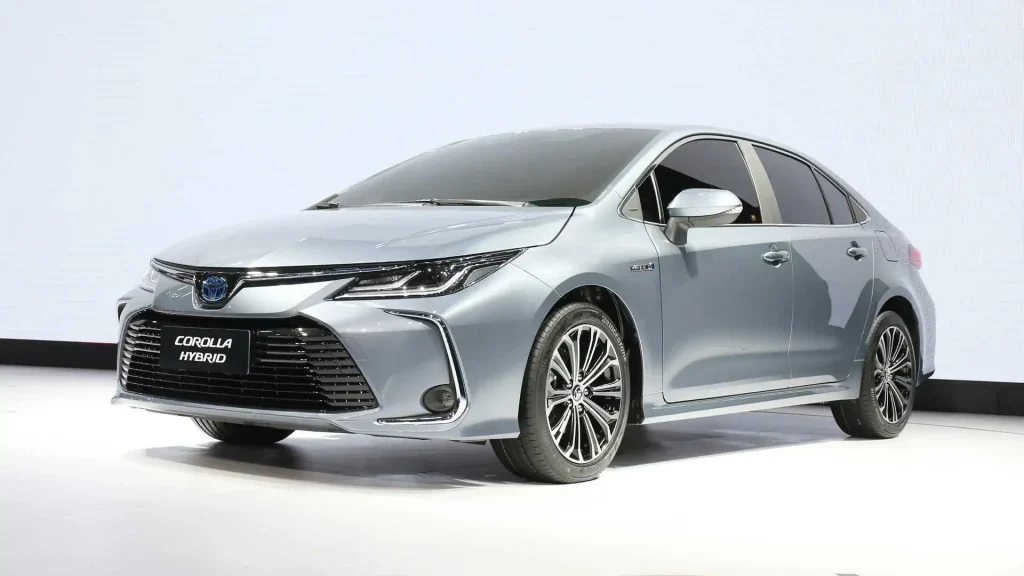
1. Toyota Corolla
The Toyota Corolla is one of the most dependable choices for Albany commuters because it is engineered for longevity and low-stress daily use. Its design prioritizes reliability over performance, which pays dividends in a commuting environment.
Engine output is modest, keeping thermal and mechanical stress low during repeated short trips and traffic congestion. This reduces wear on internal components and cooling systems, especially during winter when engines experience frequent cold starts.
The transmission is another strength. Corolla gearboxes are tuned for smooth, predictable operation rather than aggressive shifting. This consistency helps prevent premature transmission wear, a common failure point in commuter vehicles.
Suspension tuning suits Albany roads well. The Corolla absorbs potholes and uneven pavement without transferring excessive shock into the cabin. Bushings, struts, and mounts tend to last longer than those in stiffer, sport-oriented cars driven on similar roads.
Fuel efficiency supports daily use. Lower fuel consumption reduces commuting costs without introducing hybrid complexity. At the same time, the engine remains responsive enough for highway merging and traffic flow.
Winter reliability is another advantage. Cold starts are dependable, heating systems warm quickly, and traction control systems operate predictably on slick roads. Combined with good tire choice, the Corolla remains stable and manageable in winter conditions.
Maintenance simplicity further strengthens its case. Routine service is inexpensive, parts are widely available, and independent shops are familiar with the platform. This keeps long-term ownership costs low.
I am writing about the Toyota Corolla because it exemplifies what Albany commuters need most: consistency. It starts every day, handles traffic without complaint, and keeps repair anxiety to a minimum as mileage climbs.
2. Honda Civic
The Honda Civic is a strong choice for Albany commuters because it blends long-term reliability with comfort and efficiency that suit daily driving. It has earned a reputation for holding up well under repetitive use, which is exactly what commuting demands.
The Civic’s engine design focuses on efficiency and durability rather than aggressive performance. This keeps operating temperatures stable during traffic-heavy commutes and reduces stress on internal components. Frequent cold starts in Albany winters are handled reliably, with minimal impact on long-term engine health.
Transmission performance is another reason the Civic works well for commuters. Whether equipped with an automatic or CVT, the Civic’s drivetrain emphasizes smoothness and consistency. This reduces wear caused by stop-and-go traffic, which is one of the most damaging patterns for commuter vehicles.
Suspension tuning is well matched to Albany roads. The Civic absorbs potholes and uneven pavement without feeling harsh. This not only improves comfort but also reduces strain on suspension components that often fail early in stiffly tuned cars.
Fuel economy is a practical advantage. The Civic keeps commuting costs low without introducing complicated hybrid systems. At the same time, it remains responsive enough for highway driving and lane changes, which is important during peak traffic hours.
Interior durability supports long-term use. Seats, controls, and trim hold up well as mileage increases. The cabin remains quiet and comfortable even after years of daily driving, reducing fatigue during longer commutes.
Maintenance accessibility further strengthens its appeal. Parts are widely available, independent shops are familiar with the Civic, and routine service costs remain reasonable. This predictability matters for commuters who rely on their car every day.
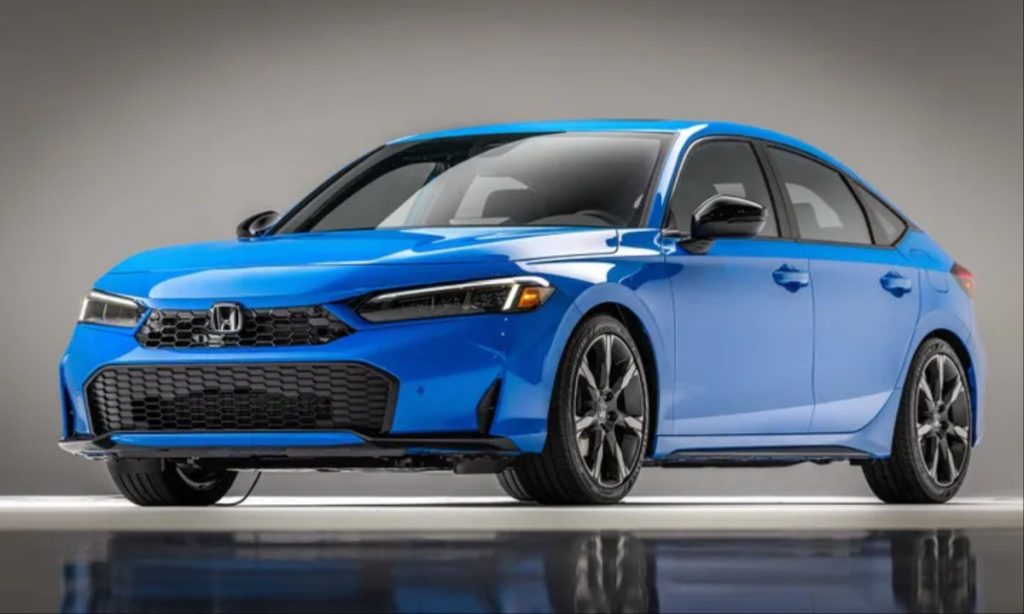
I am writing about the Honda Civic because it strikes a balance Albany commuters value. It is efficient without being fragile, comfortable without being complex, and dependable enough to handle years of daily use without becoming a financial burden.
3. Subaru Impreza
The Subaru Impreza is well suited for Albany commuters, especially those who face variable weather conditions throughout the year. Its design emphasizes stability and reliability rather than speed, making it a practical daily driver.
One of the Impreza’s biggest advantages is its standard all-wheel drive. In Albany’s winters, this provides better traction on snow-covered or icy roads, improving confidence and reducing stress during commutes. While AWD adds complexity, Subaru’s system is proven and durable under regular use.
Engine output is modest, which helps control heat and mechanical stress during stop-and-go driving. This is beneficial for frequent short trips and winter starts, where excessive power can accelerate wear.
Suspension tuning favors comfort and compliance. The Impreza handles rough pavement and potholes without excessive impact transfer, which helps preserve suspension components and keeps the ride comfortable over time.
Fuel efficiency remains competitive despite the AWD system. While not the most economical option, it balances traction and efficiency well enough for daily commuting without excessive fuel costs.
Interior design supports long-term use. Controls are simple, visibility is good, and cabin materials hold up under repeated use. This makes the Impreza easy to live with during long commuting cycles.
Maintenance considerations are important. The Impreza benefits from routine service, but parts availability is strong, and many independent shops are experienced with Subaru platforms. This keeps ownership manageable for daily drivers.
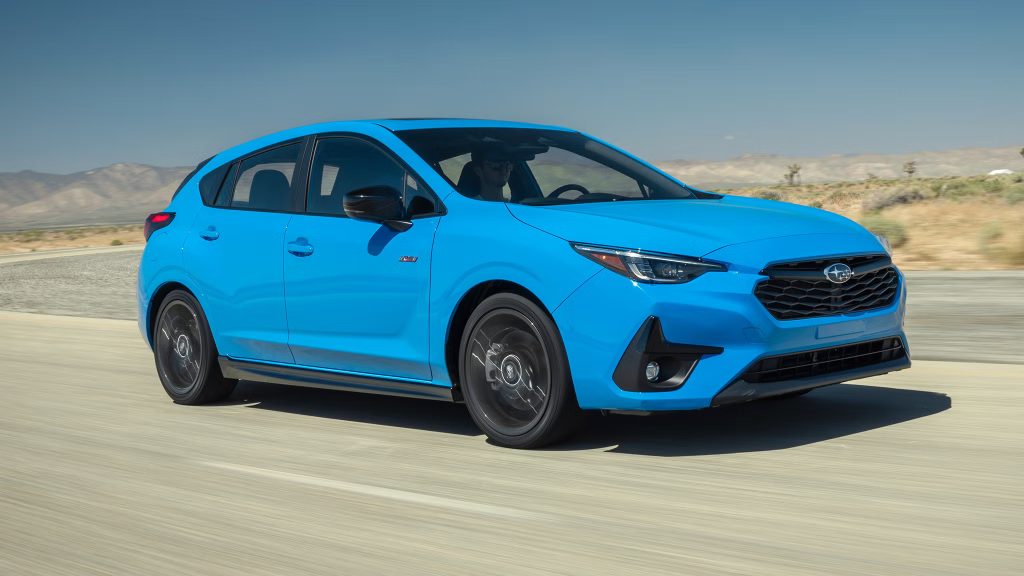
I am writing about the Subaru Impreza because it addresses Albany’s year-round challenges directly. For commuters who value traction, predictability, and durability over performance, it offers reliable transportation that remains composed in changing conditions.
4. Toyota Camry
The Toyota Camry is an excellent option for Albany commuters who want long-term reliability combined with comfort and low ownership stress. As a midsize sedan, it offers advantages that become clear over years of daily commuting rather than occasional use.
The Camry’s engine lineup is tuned for smooth, low-stress operation. Power delivery is predictable, which reduces wear during stop-and-go traffic and frequent cold starts in Albany’s winter months. Engines are not pushed aggressively, helping cooling systems and internal components last longer.
Transmission reliability is another strong point. Camry transmissions prioritize smooth shifts rather than quick response, which is ideal for commuting. This reduces internal heat buildup and wear caused by constant speed changes in traffic.
Ride comfort matters on Albany’s mixed-quality roads, and the Camry performs well here. Suspension tuning absorbs potholes and uneven pavement effectively, reducing driver fatigue and minimizing strain on suspension components that often fail early in stiffer vehicles.
Interior space and ergonomics further support daily use. Seats remain comfortable during longer commutes, and controls are easy to operate without distraction. Noise isolation is good, which reduces stress during heavy traffic.
Fuel efficiency remains reasonable for a midsize sedan. While not as economical as smaller cars, the Camry balances efficiency with durability, avoiding the complexity that sometimes comes with aggressive fuel-saving technologies.

Maintenance accessibility strengthens its commuter appeal. Routine service is simple, parts are widely available, and independent shops are familiar with the platform. This keeps long-term costs predictable.
I am writing about the Toyota Camry because it represents a dependable step up in comfort without sacrificing reliability. For Albany commuters who want a calm, durable vehicle that handles daily use gracefully, the Camry is a proven choice.
5. Mazda CX-5
The Mazda CX-5 is a strong commuter vehicle for Albany drivers who prefer a compact SUV without excessive complexity. It combines reliability, ride comfort, and manageable ownership costs in a package that suits daily driving.
Engine tuning in the CX-5 emphasizes efficiency and smoothness rather than outright power. This keeps heat and mechanical stress under control during traffic-heavy commutes and frequent short trips.
Suspension tuning is one of its biggest strengths. The CX-5 absorbs rough pavement and potholes effectively while remaining composed at highway speeds. This balance reduces wear on suspension components and improves long-term durability.
Ride height provides practical benefits. The slightly elevated stance improves visibility and helps avoid underbody contact on rough roads or poorly maintained parking areas common in commuter environments.
Interior quality supports daily use. Materials hold up well under repeated entry and exit, controls remain solid, and cabin noise stays low even as mileage accumulates.
Fuel economy is competitive for its class, keeping commuting costs reasonable. At the same time, the vehicle avoids overly complex hybrid or turbo systems that can increase maintenance risk.
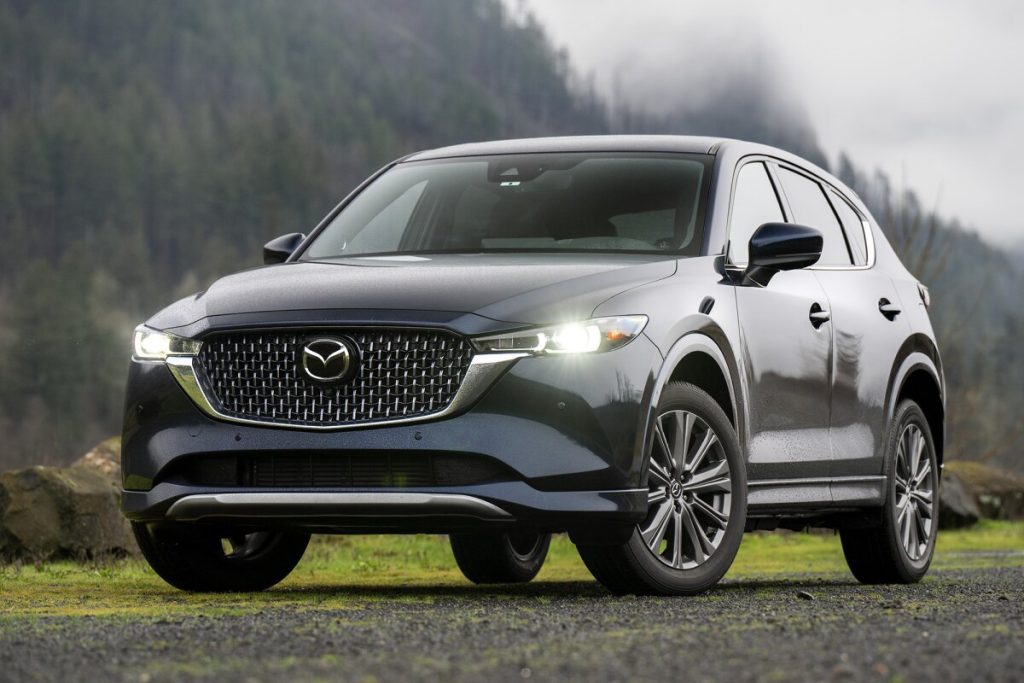
I am writing about the Mazda CX-5 because it offers a reliable alternative to traditional sedans. For Albany commuters who want comfort, durability, and a higher seating position without sacrificing reliability, the CX-5 is a sensible long-term option.
5 to Skip
Not every car is well suited for daily commuting in Albany. Some vehicles may perform well in limited use or ideal conditions but struggle when exposed to repeated cold starts, traffic congestion, rough pavement, and year-round driving.
Cars that commuters should skip often share similar weaknesses. Fragile transmissions, stiff sport-tuned suspensions, and complex electronics tend to fail early under daily use. Winter conditions further expose these issues, accelerating wear and increasing repair frequency.
Maintenance complexity is another problem. Vehicles that require specialized service tools, frequent recalibration, or dealership-only repairs become inconvenient and expensive for commuters who rely on their car every day.
This section focuses on five cars that Albany commuters are better off avoiding. I am writing about them to highlight patterns that cause frustration rather than value. These vehicles may look appealing initially but often become costly or unreliable when subjected to daily commuter demands.
Avoiding these models can save time, money, and stress. For commuters, reliability and predictability matter far more than performance figures or brand image.
1. Ford Focus (Dual-Clutch Automatic Models)
The Ford Focus equipped with the dual-clutch automatic transmission is one of the cars Albany commuters are better off skipping. While the vehicle may seem affordable and efficient, its drivetrain design creates long-term reliability issues that become especially problematic with daily commuting.
The core problem lies in the transmission. The dual-clutch unit struggles in stop-and-go traffic, which is common during Albany rush hours. Frequent low-speed shifting causes excessive heat and wear, leading to hesitation, shuddering, and premature failure. These issues are amplified by daily commuting patterns that involve constant starts and stops.
Cold weather further worsens the situation. Albany winters place additional strain on the transmission as fluid thickens and components take longer to reach optimal operating temperatures. This often results in rough engagement, delayed response, and inconsistent performance during morning commutes.
Repair costs are another major drawback. Transmission issues are expensive to diagnose and fix, and many repairs require dealership involvement. Even after repairs, long-term reliability remains questionable, making ownership stressful for commuters who depend on their vehicle daily.
Suspension tuning also works against commuter comfort. The Focus favors a firmer setup, which transmits more impact from potholes and rough pavement into the cabin. Over time, this leads to increased wear on suspension components and interior rattles.
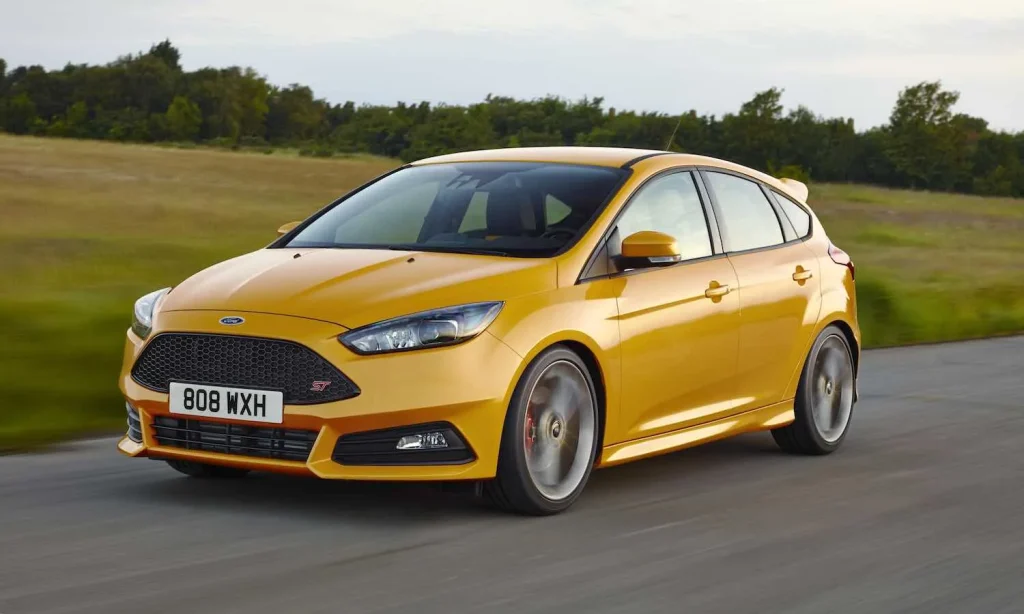
I am writing about the Ford Focus because it highlights how a single flawed component can undermine an otherwise practical car. For Albany commuters who need dependable transportation, the Focus’s transmission issues make it a risky and often frustrating choice.
2. Nissan Altima (Early CVT Models)
Early Nissan Altima models equipped with continuously variable transmissions are another car Albany commuters should skip. While the Altima offers comfort and efficiency, its drivetrain reliability issues overshadow these strengths in daily commuter use.
The CVT is the primary concern. These transmissions struggle with prolonged stop-and-go driving, which causes excessive heat buildup. Over time, this leads to slipping, delayed acceleration, and eventual failure. Daily commuting accelerates these problems, often well before high mileage.
Cold starts compound the issue. In Albany’s winter climate, CVT performance becomes inconsistent as fluid temperatures fluctuate. Drivers often experience hesitation or surging during morning commutes, reducing confidence and drivability.
Repair costs are significant. CVT failures are expensive to fix, and replacements often cost more than the vehicle’s market value as it ages. Many independent shops avoid CVT repairs, forcing owners toward dealership service with higher costs.
Suspension durability also suffers under daily use. The Altima’s setup is not particularly robust, leading to premature wear on bushings and struts when driven regularly on rough roads.
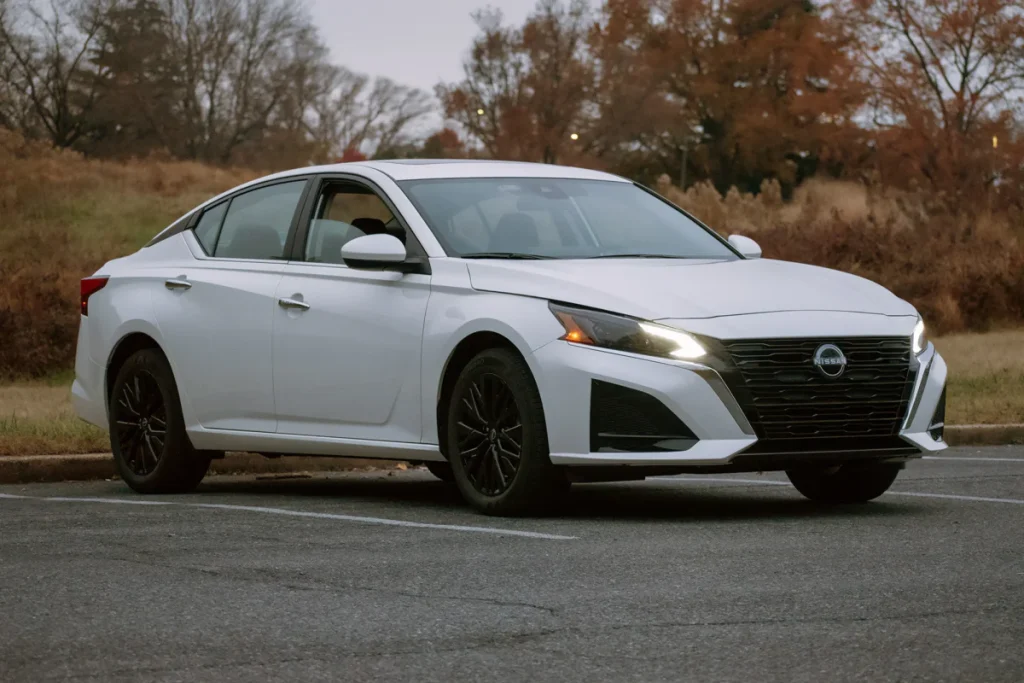
I am writing about the Nissan Altima because it demonstrates how drivetrain reliability is critical for commuters. Despite its comfort and efficiency, the Altima’s CVT issues make it a poor long-term choice for Albany drivers who need consistent, low-stress transportation.
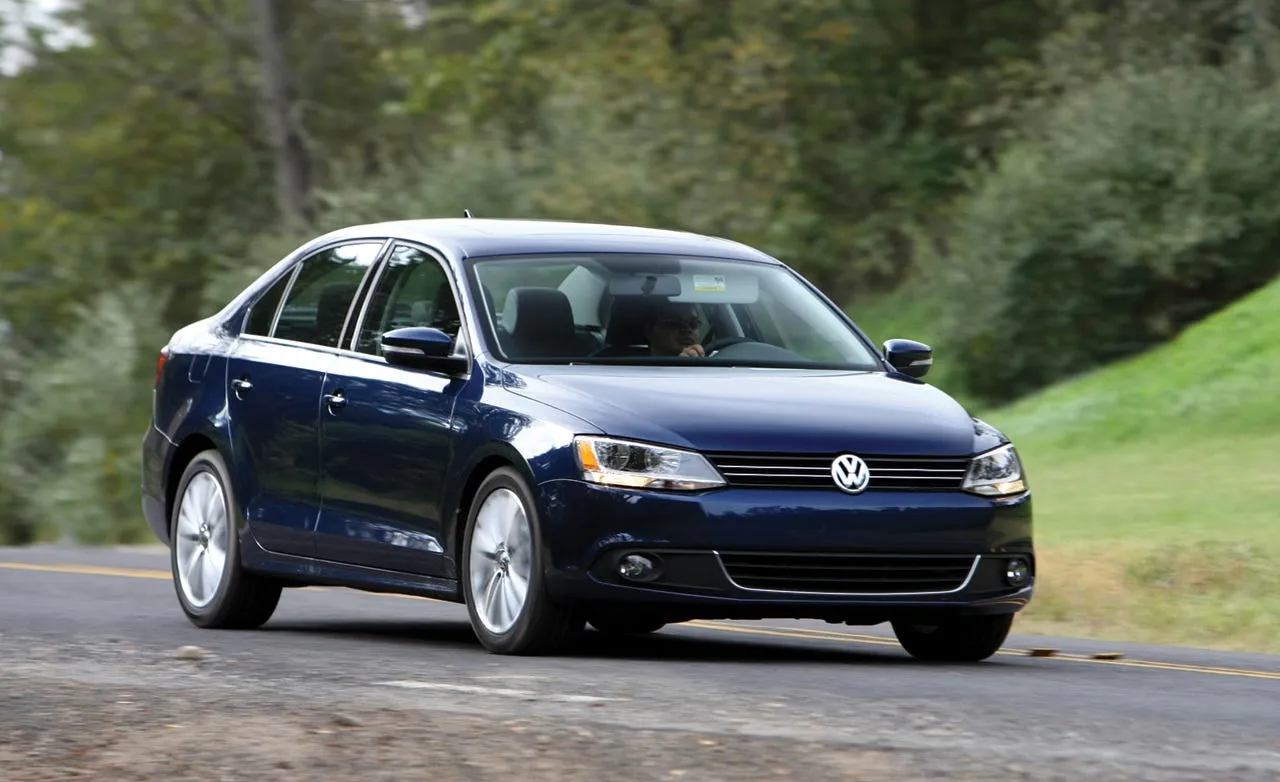
3. Volkswagen Jetta (Older Automatic Models)
Older automatic-transmission Volkswagen Jetta models are a poor fit for Albany commuters because they combine drivetrain fragility with maintenance complexity that does not suit daily use. While they may offer a solid driving feel when new, long-term commuter ownership often becomes costly and inconvenient.
Transmission reliability is a primary concern. Older automatic Jettas are known for valve body issues, erratic shifting, and delayed engagement. In stop-and-go commuter traffic, these problems become more pronounced, leading to jerky behavior and increased wear.
Cold Albany winters further stress these transmissions, making rough shifts and hesitation common during morning commutes.
Maintenance complexity adds to the frustration. Many repairs require specialized tools or software resets, limiting service options to certain shops or dealerships. For commuters who rely on quick, affordable repairs, this dependency becomes a significant drawback.
Suspension durability is another weakness. The Jetta’s suspension tuning favors handling precision over durability. On Albany’s pothole-prone roads, this results in faster wear of control arm bushings, struts, and mounts. Over time, ride quality deteriorates and repair costs rise.
Electrical issues also affect long-term reliability. Aging sensors, wiring connectors, and electronic modules are sensitive to temperature changes and vibration. In daily commuting conditions, warning lights and intermittent faults become increasingly common.

Interior wear compounds the issue. Repeated vibration and daily use often lead to loosened trim and interior rattles, reducing comfort during longer commutes.
I am writing about the Volkswagen Jetta because it illustrates how European refinement can clash with American commuting realities. For Albany commuters who prioritize reliability and low maintenance stress, older automatic Jettas often demand more attention than they are worth.
4. Chevrolet Cruze
The Chevrolet Cruze is another vehicle Albany commuters should skip due to a combination of drivetrain issues, cooling system weaknesses, and long-term reliability concerns that surface under daily use.
Engine reliability is a key issue, particularly in models equipped with turbocharged engines. These powertrains generate additional heat and stress, which becomes problematic during repeated short trips and stop-and-go traffic. Over time, cooling system components degrade, leading to leaks and overheating concerns.
Transmission performance also raises red flags. Automatic Cruze models often exhibit rough shifting and delayed response as mileage accumulates. These problems worsen in cold weather, making winter commutes less predictable and more stressful.
Cooling system reliability is another concern. Hoses, thermostats, and sensors are prone to failure under thermal cycling. In Albany’s climate, where temperatures fluctuate significantly, these weaknesses surface earlier than expected.
Electrical reliability further undermines commuter suitability. Sensors and control modules frequently trigger warning lights, requiring diagnostic work that adds time and cost to ownership.

Interior durability is modest. Daily use leads to faster wear of seating materials and increased cabin noise as trim loosens over time.
I am writing about the Chevrolet Cruze because it highlights how cost-focused engineering can compromise long-term commuter reliability. For Albany drivers who need dependable daily transportation, the Cruze often becomes a source of repeated repairs rather than consistent service.
5. BMW 5 Series (Older High-Mileage Models)
Older, high-mileage BMW 5 Series models are a poor choice for Albany commuters because their complexity and maintenance demands clash with the realities of daily driving. While refined and comfortable when new, commuter use exposes weaknesses that become expensive and time-consuming over time.
The biggest issue is mechanical and electronic complexity. The 5 Series relies on advanced systems for suspension, drivetrain management, and driver assistance. As mileage increases, these systems become prone to failure, especially under the stress of daily commuting. What would be minor wear on a simpler vehicle often triggers cascading faults in the BMW.
Cold weather adds another layer of strain. Albany winters accelerate failures in sensors, batteries, and electronic modules. Cold starts frequently trigger warning lights, and diagnosing these issues often requires specialized tools or dealership-level software.
Suspension durability is another concern. Many 5 Series models use sophisticated suspension components that prioritize ride quality over longevity. On Albany’s uneven roads, bushings, control arms, and mounts wear quickly, leading to alignment issues and costly repairs.
Maintenance costs further reduce commuter suitability. Routine service such as brakes, cooling components, and electrical repairs are significantly more expensive than mainstream alternatives. Parts availability and labor costs add up quickly, making long-term ownership financially stressful.
Transmission and cooling system reliability also decline with age. Heat cycling from daily use and stop-and-go traffic accelerates wear, increasing the likelihood of breakdowns during commutes.
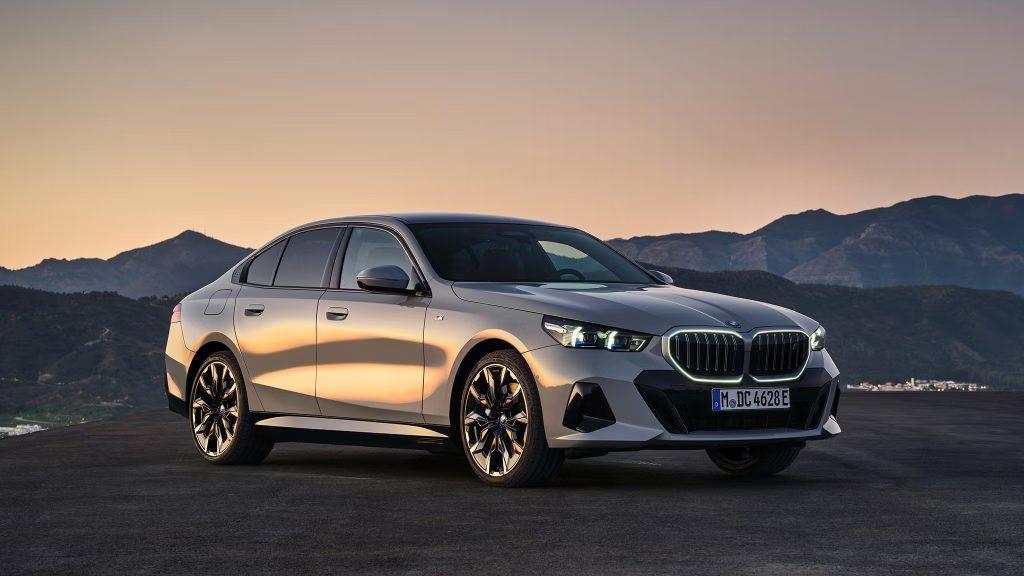
I am writing about the BMW 5 Series because it highlights how luxury can become a liability in commuter scenarios. For Albany drivers who depend on their vehicle every day, older 5 Series models often demand too much attention, money, and downtime to be practical.
Commuting in Albany places steady demands on vehicles due to daily traffic, mixed road quality, seasonal weather changes, and frequent stop-and-go driving.
This article explored two sides of that reality by identifying cars that work well for Albany commuters and cars that are better avoided because they create reliability, cost, or maintenance issues over time.
The first section focused on five cars well suited for Albany commuters. Vehicles like the Toyota Corolla and Honda Civic stood out for their proven reliability, smooth drivetrains, and low operating costs.
Their engines and transmissions handle daily traffic and frequent cold starts with minimal stress, making them dependable long-term commuters. The Subaru Impreza added value through standard all-wheel drive, improving winter traction and confidence without sacrificing reliability.
The Toyota Camry provided a comfortable midsize option that absorbs rough roads well and remains mechanically simple. The Mazda CX-5 offered an alternative for drivers who prefer a higher seating position, combining suspension durability with manageable maintenance costs.
Across these vehicles, shared strengths included conservative engineering, predictable transmissions, compliant suspension tuning, and easy access to maintenance through independent shops. These traits reduce breakdown risk and keep ownership costs stable as mileage increases.
The second section examined five cars Albany commuters should skip. Models such as the Ford Focus with the dual-clutch automatic and early Nissan Altima CVT versions were highlighted for transmission problems that worsen in stop-and-go traffic and cold weather.
Older Volkswagen Jettas and Chevrolet Cruze models were flagged for drivetrain, cooling, and electrical reliability concerns that surface quickly under daily use.
Finally, older high-mileage BMW 5 Series sedans were identified as risky due to complex electronics, expensive suspension components, and high maintenance costs.
The key takeaway is that Albany commuters benefit most from cars that prioritize simplicity, durability, and serviceability. Vehicles built for consistency rather than performance or luxury deliver lower stress, fewer repairs, and better long-term value in daily commuting conditions.
Also Read: 5 Cars for Costa Mesa Tight Parking and 5 That Don’t Fit Garages
