
Olathe is a commuter-driven city where daily driving shapes long-term vehicle ownership more than almost anything else.
Many residents travel to work across suburban corridors, highways, and nearby metro areas, often combining school drop-offs, errands, and evening activities into a single day of driving. Over time, this steady mileage exposes strengths and weaknesses in cars that occasional use never reveals.
For Olathe commuters, reliability and consistency matter more than performance or luxury. Vehicles face frequent stop-and-go traffic, highway cruising, changing weather, and repeated short trips that stress engines, transmissions, brakes, and suspension components. Cars that thrive here are those designed for daily repetition without demanding constant attention.
Some vehicles fit this environment well. They use proven drivetrains, predictable transmissions, and suspension systems tuned for comfort and durability. These cars keep maintenance predictable and downtime minimal, which is essential for people who depend on their vehicle every day.
Others struggle under commuter use. Cars that require frequent service often rely on complex electronics, fragile transmissions, or components that wear quickly in stop-and-go driving. What looks appealing at purchase can turn into a cycle of service appointments, rising costs, and growing frustration.
This article explores both sides. First, it highlights five cars that work well for Olathe commuters, focusing on reliability, comfort, fuel efficiency, and long-term ownership value. These vehicles are chosen because they support daily routines rather than disrupt them.
Then, it examines five cars that need frequent service, explaining why their design choices lead to repeated repairs and higher ownership costs. The goal is to help Olathe commuters choose vehicles that make daily life easier, not more complicated.
Also Read: 5 Cars for Beavercreek Daily Driving and 5 Long-Lasting Options
5 Cars for Olathe Commuters
Olathe commuters need cars that handle repetition gracefully. Daily starts, traffic delays, highway miles, and seasonal weather changes add up quickly. Vehicles that perform well here are those engineered for durability rather than excitement.
The cars in this section are selected because they tolerate high-mileage commuting without developing chronic issues.
They use engines and transmissions with strong reliability records, avoid unnecessary complexity, and maintain stable performance in both warm and cold conditions. This matters in Olathe, where winters can be cold and summers still bring traffic and heat.
Ride comfort plays an important role. Suspension systems that absorb uneven pavement and highway seams reduce driver fatigue and protect components from premature wear. Predictable handling and good visibility also improve confidence during long commutes.
Fuel efficiency is another key factor. Commuters benefit from cars that keep fuel costs reasonable without relying on overly complex systems that increase maintenance risk. Balance is more important than extremes.
Maintenance accessibility further separates good commuter cars from poor ones. Vehicles that can be serviced easily by independent shops, with widely available parts, keep long-term costs manageable once warranty coverage ends.
I am writing about these vehicles because Olathe commuters often underestimate how much daily driving magnifies weaknesses. These cars minimize those weaknesses.
They start reliably, handle traffic without complaint, and remain affordable as mileage climbs. They are practical tools for people who depend on their vehicles every single day.
1. Toyota Corolla
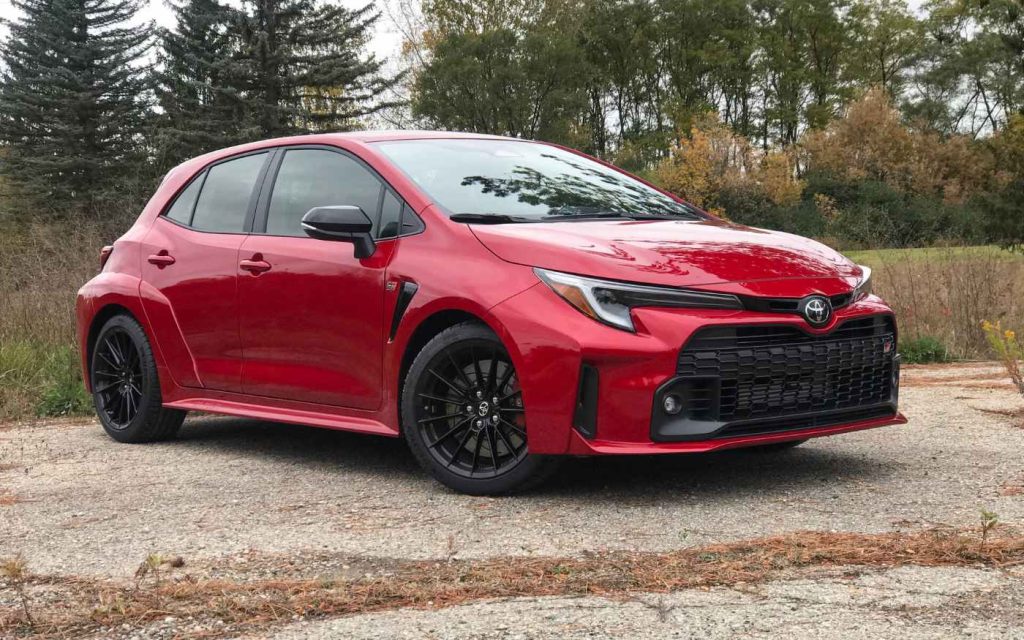
The Toyota Corolla is one of the most dependable vehicles for Olathe commuters because it is engineered for long-term reliability and low-stress daily use. Its design focuses on consistency rather than performance, which pays off over years of commuting.
Engine output is modest, keeping heat and mechanical stress low during stop-and-go traffic. This is especially beneficial during frequent short trips and congestion, where higher-output engines often wear faster.
The transmission is tuned for smooth, predictable operation. Rather than aggressive shifting, it emphasizes consistency, which reduces internal wear caused by daily speed changes and traffic delays.
Suspension tuning suits commuter roads well. The Corolla absorbs potholes, expansion joints, and uneven pavement without harshness. This improves comfort and reduces long-term wear on struts, bushings, and mounts.
Fuel efficiency supports daily driving. The Corolla keeps commuting costs low without introducing complex systems that increase service needs. It remains efficient while still providing enough power for highway merging and passing.
Cold-weather reliability is another advantage. The Corolla handles winter starts predictably, warms up quickly, and maintains stable performance even during temperature swings.
Maintenance simplicity strengthens its appeal. Parts are widely available, independent shops are familiar with the platform, and routine service costs remain low.
I am writing about the Toyota Corolla because it represents what Olathe commuters need most: a car that works every day without drama. It delivers dependable transportation, manageable costs, and peace of mind as mileage steadily increases.
2. Honda Civic
The Honda Civic is a strong commuter choice for Olathe drivers because it balances reliability, comfort, and efficiency in a way that holds up under daily use. It has a long track record of performing well in stop-and-go traffic and steady highway commuting without developing chronic issues.
Engine design is conservative and durability-focused. Power delivery is smooth rather than aggressive, which keeps thermal and mechanical stress low during traffic congestion. Frequent cold starts and short trips, common in commuter driving, do not significantly affect long-term reliability.
Transmission performance supports daily use. Civic gearboxes emphasize smooth engagement, reducing wear caused by constant speed changes. This consistency is especially valuable during rush-hour driving, where harsh shifting accelerates drivetrain fatigue.
Suspension tuning fits Olathe roads well. The Civic absorbs pavement seams, potholes, and highway expansion joints without excessive stiffness. This improves comfort and protects suspension components such as struts and bushings from premature failure.
Fuel economy is another major benefit. The Civic keeps fuel costs low without relying on complicated systems that increase service requirements. This makes it easy for commuters to manage monthly expenses while maintaining dependable transportation.
Interior durability supports high-mileage use. Seats remain supportive over time, controls hold up well to frequent use, and cabin noise stays reasonable even as miles accumulate.
Maintenance accessibility further strengthens the Civic’s appeal. Independent shops are familiar with the platform, parts are readily available, and routine service costs remain predictable.
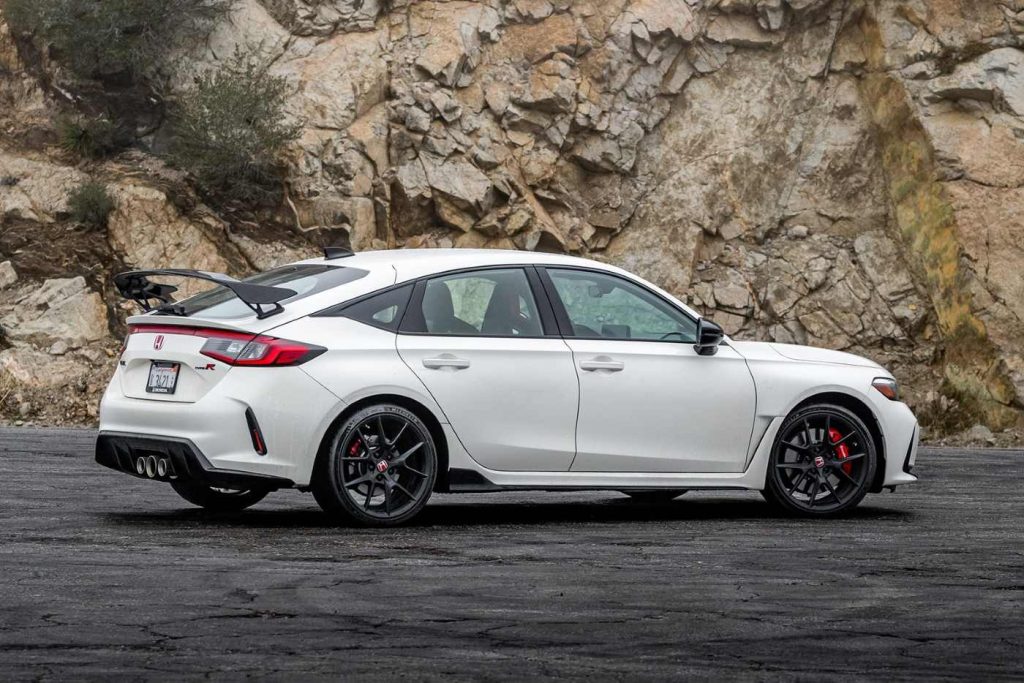
I am writing about the Honda Civic because it reflects what most commuters actually need. It delivers dependable performance day after day, handles traffic calmly, and avoids the repair patterns that make some cars frustrating as commuter mileage grows.
3. Toyota Camry
The Toyota Camry is an excellent commuter option for Olathe drivers who want additional space and comfort without sacrificing reliability. As a midsize sedan, it offers advantages that become clear over years of daily commuting.
Engine tuning emphasizes smoothness and longevity. Rather than pushing high output, Camry engines operate under relatively low stress, which helps cooling systems and internal components last longer during daily driving.
Transmission behavior suits commuter patterns. Shifts are gradual and predictable, reducing internal wear caused by stop-and-go traffic. This reliability is a key reason Camry models often remain dependable at high mileage.
Ride quality is one of the Camry’s strongest commuter traits. The suspension absorbs rough pavement and road seams effectively, reducing fatigue during longer drives and protecting suspension components from early failure.
Interior comfort supports daily use. Seats are comfortable for extended commutes, rear-seat space accommodates passengers easily, and noise isolation keeps the cabin calm during highway travel.
Fuel efficiency remains competitive for its size. While not as economical as compact cars, the Camry balances efficiency with durability, avoiding complexity that can increase maintenance risk.
Maintenance costs stay manageable. Parts availability is excellent, independent shops are well versed in servicing Camry models, and major repairs are relatively uncommon when routine maintenance is followed.
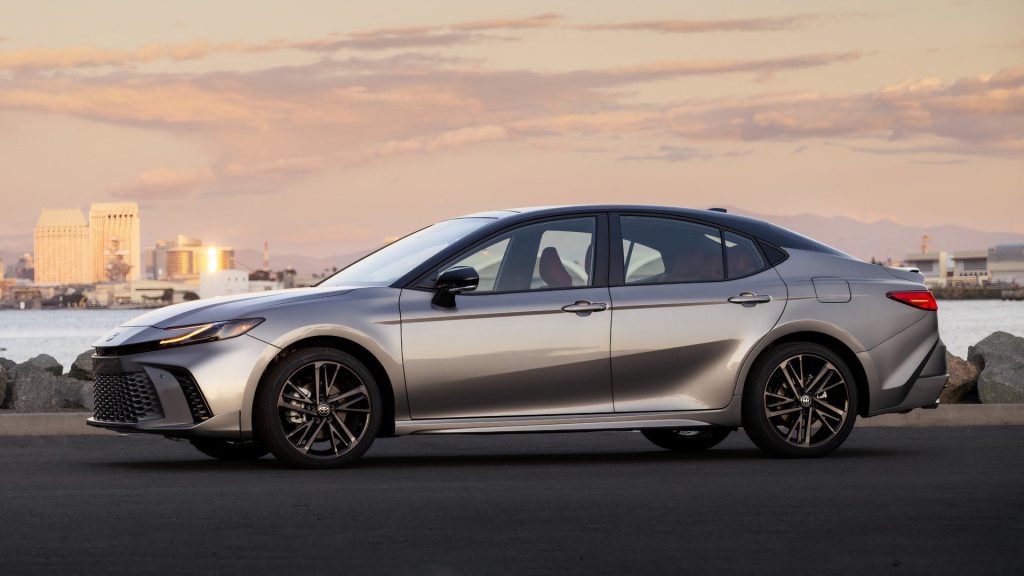
I am writing about the Toyota Camry because it offers a dependable step up in comfort without adding ownership stress. For Olathe commuters who spend significant time on the road, the Camry provides a smooth, reliable, and low-drama commuting experience.
4. Mazda CX-5
The Mazda CX-5 is a strong commuter vehicle for Olathe drivers who want the practicality of a compact SUV without sacrificing reliability or comfort. It fits well into daily commuting routines that include highway travel, suburban roads, and frequent errands.
Engine tuning in the CX-5 focuses on smooth power delivery rather than aggressive output. This keeps operating temperatures stable and reduces mechanical stress during traffic-heavy commutes. For daily driving, this conservative approach pays off in long-term durability.
Suspension design is one of the CX-5’s biggest strengths. It absorbs road imperfections, potholes, and expansion joints without feeling harsh. This not only improves ride comfort but also reduces wear on struts, bushings, and mounts that often fail early in commuter vehicles.
Ride height adds practical benefits. The slightly elevated seating position improves visibility in traffic and reduces stress when navigating rough pavement or crowded parking areas common in suburban commuting.
Fuel efficiency remains competitive. The CX-5 keeps fuel costs reasonable without relying on overly complex systems that increase service needs. This balance suits commuters who want predictable ownership expenses.
Interior quality supports high-mileage use. Seats remain comfortable over long drives, controls feel solid with repeated use, and cabin noise remains low even as miles accumulate.
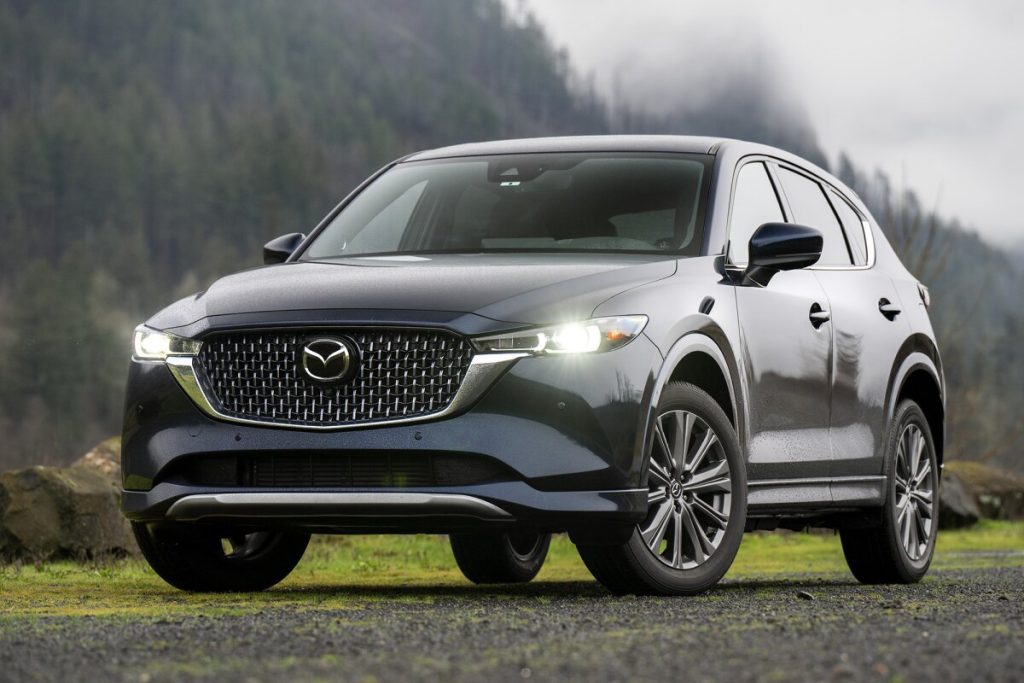
Maintenance accessibility strengthens its appeal. Independent shops are familiar with Mazda platforms, parts are widely available, and routine service costs are manageable.
I am writing about the Mazda CX-5 because it offers commuter-friendly comfort and durability in an SUV form. For Olathe drivers who want reliability with a higher seating position, the CX-5 is a sensible long-term choice.
5. Subaru Outback
The Subaru Outback is an excellent commuter vehicle for Olathe drivers who want year-round confidence and durability without stepping into a large SUV. Its design suits daily commuting while offering flexibility for changing weather conditions.
All-wheel drive is a major advantage. While Olathe roads are generally well maintained, seasonal rain and winter conditions can reduce traction. The Outback’s AWD system operates automatically, providing stable handling without driver intervention.
Suspension tuning favors comfort and durability. The Outback absorbs uneven pavement, speed bumps, and highway seams smoothly. This reduces driver fatigue and protects suspension components from premature wear.
Engine and transmission tuning emphasize reliability over performance. Power delivery is smooth, keeping mechanical stress low during stop-and-go traffic and longer highway commutes.
Interior space supports commuter practicality. Rear-seat room is generous, cargo space handles work gear and groceries easily, and visibility is excellent, reducing stress during daily driving.
Fuel efficiency remains reasonable despite AWD, making it manageable for daily commuting costs.
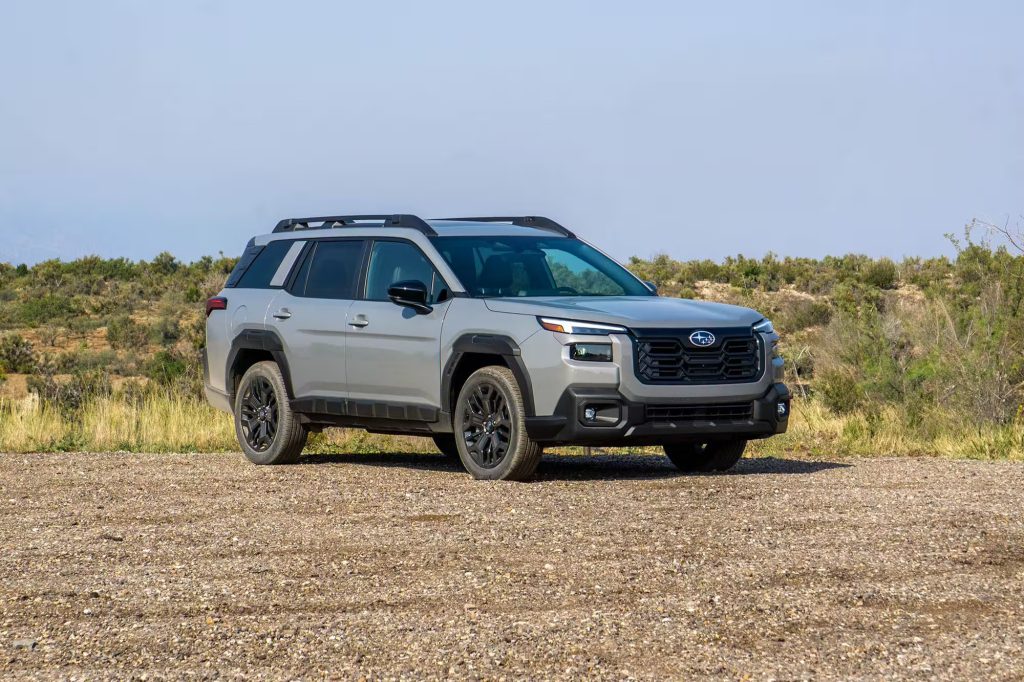
Maintenance requirements are predictable. Many independent shops are experienced with Subaru vehicles, parts availability is strong, and long-term reliability is solid when routine service is followed.
I am writing about the Subaru Outback because it balances comfort, traction, and durability. For Olathe commuters who want dependable transportation in all conditions, the Outback remains a practical and confidence-inspiring option.
5 That Need Frequent Service
Not all vehicles are well suited for daily commuter use in Olathe. Some cars may look appealing at purchase but quickly become inconvenient due to frequent service needs. For commuters who rely on their vehicle every day, repeated repairs create stress, downtime, and rising ownership costs.
Cars that need frequent service often share similar weaknesses. Fragile transmissions struggle in stop-and-go traffic, turbocharged engines generate excess heat under daily use, and complex electronics introduce additional failure points. These issues are amplified by frequent short trips and steady mileage accumulation.
Maintenance complexity is another factor. Vehicles that require specialized diagnostic tools, dealership-only service, or proprietary parts reduce ownership flexibility. What should be routine maintenance becomes an ongoing cycle of appointments and expenses.
This section focuses on five cars that Olathe commuters are better off avoiding. I am writing about them to highlight patterns that lead to repeated service visits and higher long-term costs. These vehicles may perform well under light use, but daily commuting exposes their weaknesses quickly.
For Olathe commuters, reliability is not optional. Choosing a car that requires frequent service can disrupt work schedules, increase financial strain, and reduce confidence in daily transportation. The following vehicles serve as cautionary examples for commuters seeking dependable, low-stress ownership.
1. Ford Focus (Dual-Clutch Automatic Models)
The Ford Focus equipped with the dual-clutch automatic transmission is one of the most service-intensive cars for daily commuters, making it a poor fit for Olathe driving patterns. While the car may appear economical and practical, its drivetrain design creates persistent issues under regular commuter use.
The primary problem lies in the transmission itself. Dual-clutch systems are sensitive to stop-and-go traffic, which is a daily reality for Olathe commuters.
Frequent low-speed shifts cause excessive heat and accelerated wear, leading to shuddering, hesitation, and rough engagement. These symptoms often appear well before high mileage.
Cold starts and short trips worsen the issue. Transmission components struggle to operate smoothly until fully warmed, making early-morning commutes uncomfortable and unpredictable. Over time, these conditions lead to repeated service visits rather than permanent fixes.
Repair frequency is another major drawback. Even after updates or repairs, many owners experience recurring transmission behavior problems. Diagnosing and repairing these issues often requires specialized tools or dealership involvement, increasing both cost and inconvenience.
Suspension durability also suffers under daily commuting. The Focus uses relatively firm suspension tuning, which transfers more road shock into components. Over time, bushings and mounts wear prematurely, adding to service needs.
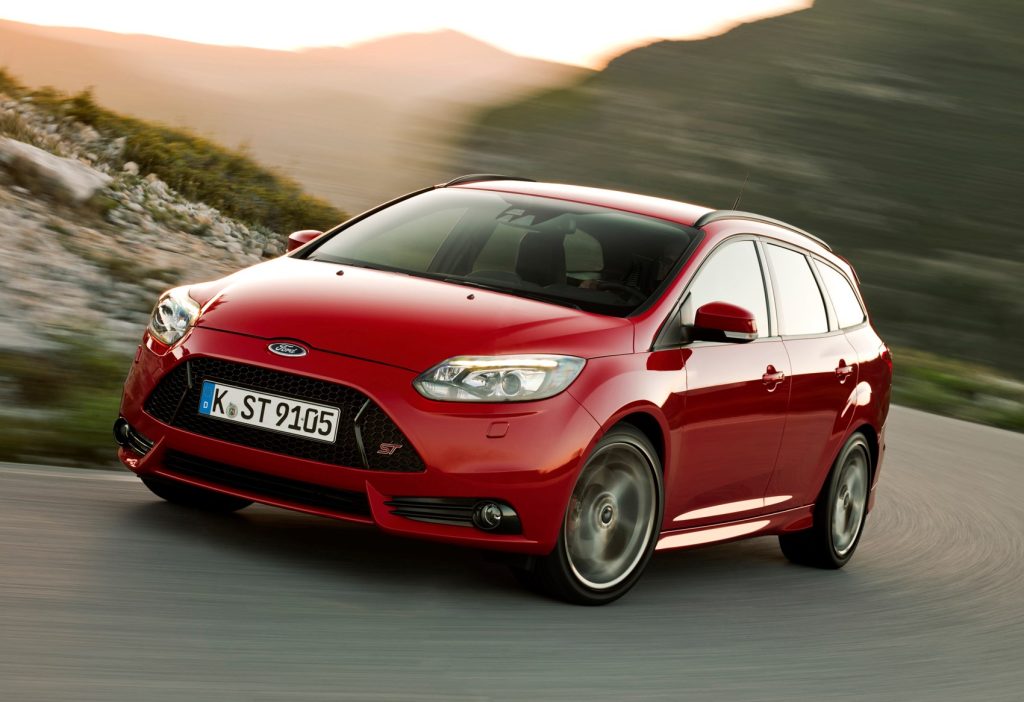
Electrical systems further contribute to frequent service visits. Sensors and control modules are sensitive to vibration and temperature changes, triggering warning lights and fault codes that require diagnostic attention.
I am writing about the Ford Focus because it demonstrates how flawed drivetrain design undermines commuter reliability. For Olathe drivers who need consistent daily transportation, the Focus’s frequent service requirements make it an unreliable and frustrating choice.
2. Nissan Altima (Early CVT Models)
Early Nissan Altima models equipped with continuously variable transmissions are another vehicle that demands frequent service, making them unsuitable for Olathe commuters seeking dependable transportation.
The CVT is the central issue. These transmissions struggle with heat management during stop-and-go driving. Daily commuting accelerates belt and pulley wear, leading to slipping, delayed acceleration, and inconsistent performance. Over time, these symptoms become more frequent and severe.
Cold weather compounds the problem. CVT fluid performance fluctuates in cooler temperatures, causing hesitation and uneven response during morning commutes. These behaviors often prompt repeated service visits without lasting resolution.
Repair costs are significant. CVT failures are expensive to address, and many independent shops avoid these repairs altogether. This forces owners toward dealership service, increasing both cost and downtime.
Engine reliability is generally adequate, but the transmission overshadows these strengths. Cooling systems also work harder to manage drivetrain heat, increasing wear on related components.
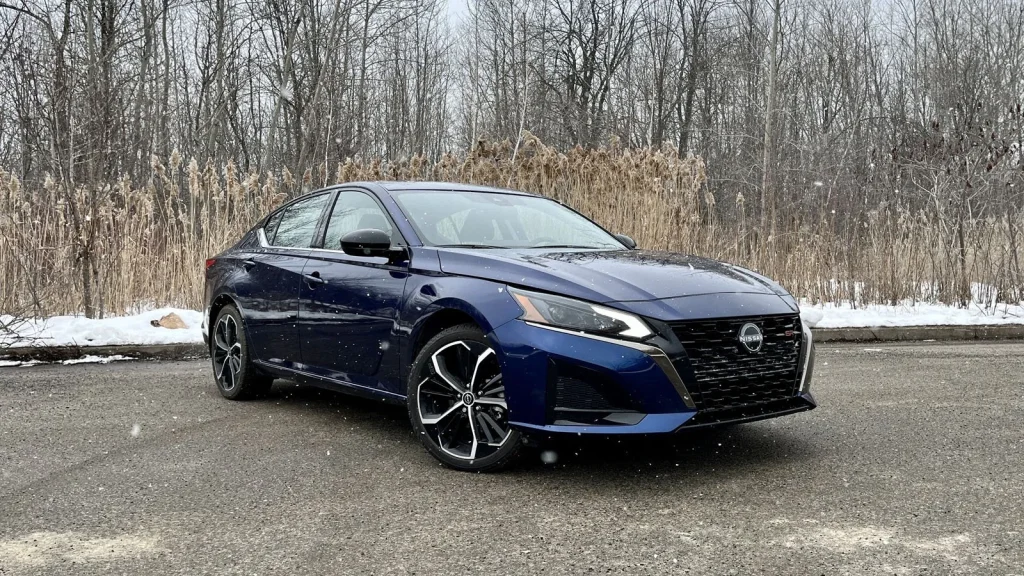
Suspension components show moderate durability but do not offset the drivetrain issues. As mileage accumulates, additional repairs further increase service frequency.
I am writing about the Nissan Altima because it highlights how transmission reliability is critical for commuters. Despite comfort and efficiency, early CVT-equipped Altimas often require repeated service visits, making them a poor long-term choice for Olathe drivers.
3. Chevrolet Cruze (Turbocharged Models)
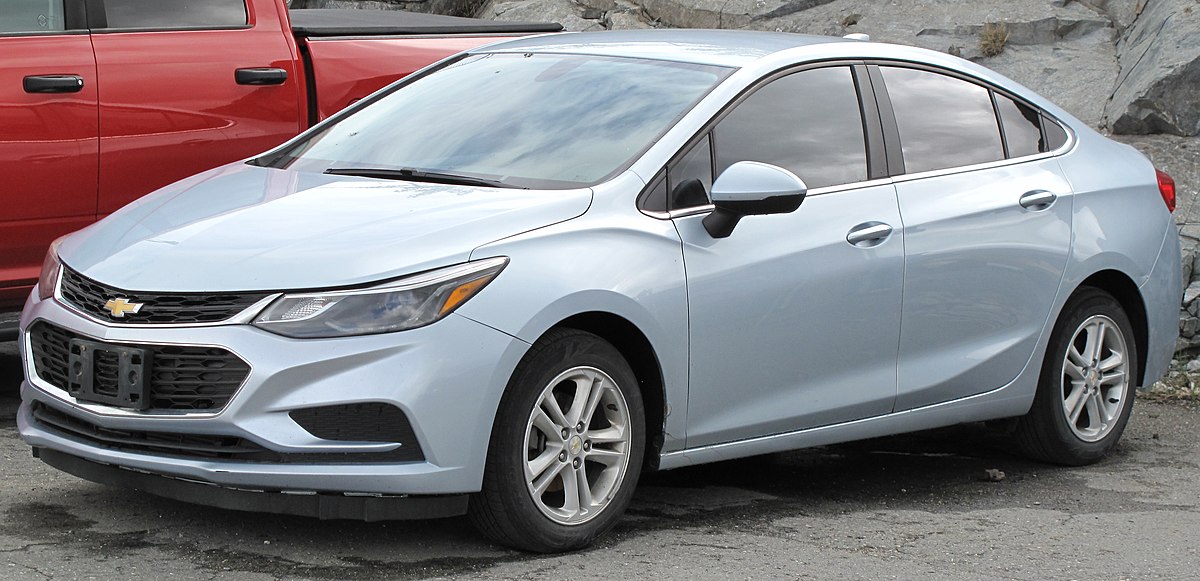
Turbocharged Chevrolet Cruze models are known for requiring frequent service under daily commuter use, making them a weak option for Olathe drivers who depend on consistent transportation. While compact and efficient on paper, long-term ownership often reveals recurring issues.
Cooling system reliability is a major concern. Turbocharged Cruze engines generate additional heat, and components such as thermostats, coolant hoses, and sensors are prone to early failure. In commuter driving with frequent short trips, these systems rarely stabilize, accelerating wear and increasing service frequency.
Turbocharger-related issues also contribute. Boost-related components experience stress during repeated acceleration and deceleration common in commuting. Over time, this leads to oil leaks, reduced performance, and warning lights that require attention.
Transmission behavior adds to service needs. Automatic Cruze models often develop rough shifting or delayed engagement as mileage increases. These issues tend to worsen in traffic-heavy driving, prompting repeated visits for diagnosis and adjustment.
Electrical reliability further complicates ownership. Sensors and control modules are sensitive to temperature changes and vibration. Warning lights and fault codes become common, even when no single failure point is obvious.
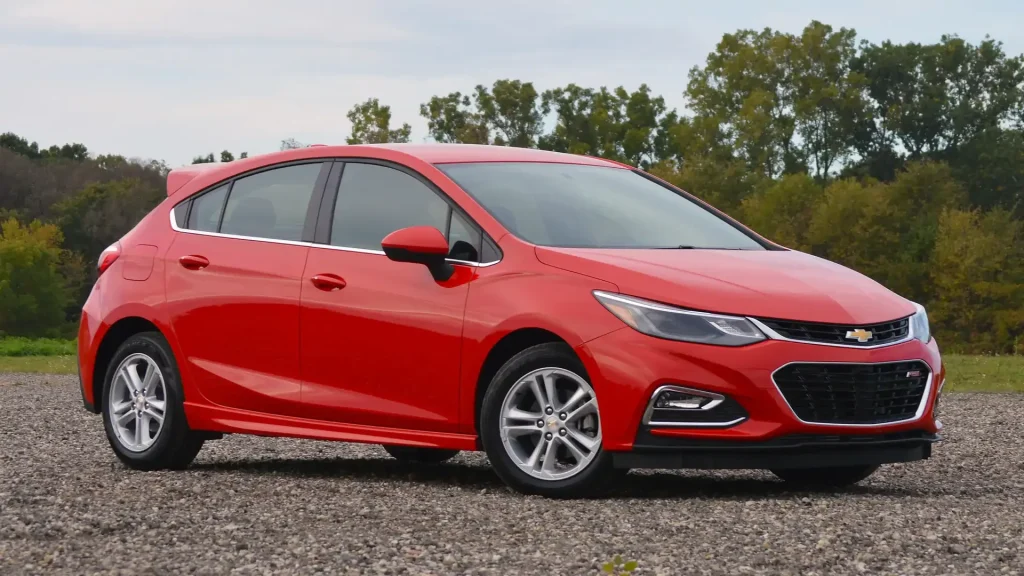
Interior durability is modest. Frequent commuting accelerates wear on controls and trim, leading to additional service concerns over time.
I am writing about the Chevrolet Cruze because it demonstrates how turbocharging and cost-focused engineering increase service demands. For Olathe commuters seeking low-maintenance ownership, the Cruze often becomes more trouble than it is worth.
4. Volkswagen Jetta (Older Automatic Models)
Older automatic Volkswagen Jetta models are another car that tends to require frequent service under commuter use. While they offer a refined driving feel initially, daily mileage exposes reliability and maintenance challenges.
Transmission reliability is a primary issue. Older automatic Jettas are known for valve body problems, erratic shifting, and delayed engagement. Stop-and-go traffic accelerates these failures, making service visits increasingly common.
Electrical and software-related issues further increase maintenance needs. Sensors, wiring connectors, and control modules are sensitive to vibration and temperature changes. Warning lights and intermittent faults frequently require diagnostic work.
Suspension durability is also a concern. The Jetta’s suspension favors handling precision over durability, leading to faster wear of bushings and mounts on everyday roads. Repairs in these areas tend to repeat rather than resolve permanently.
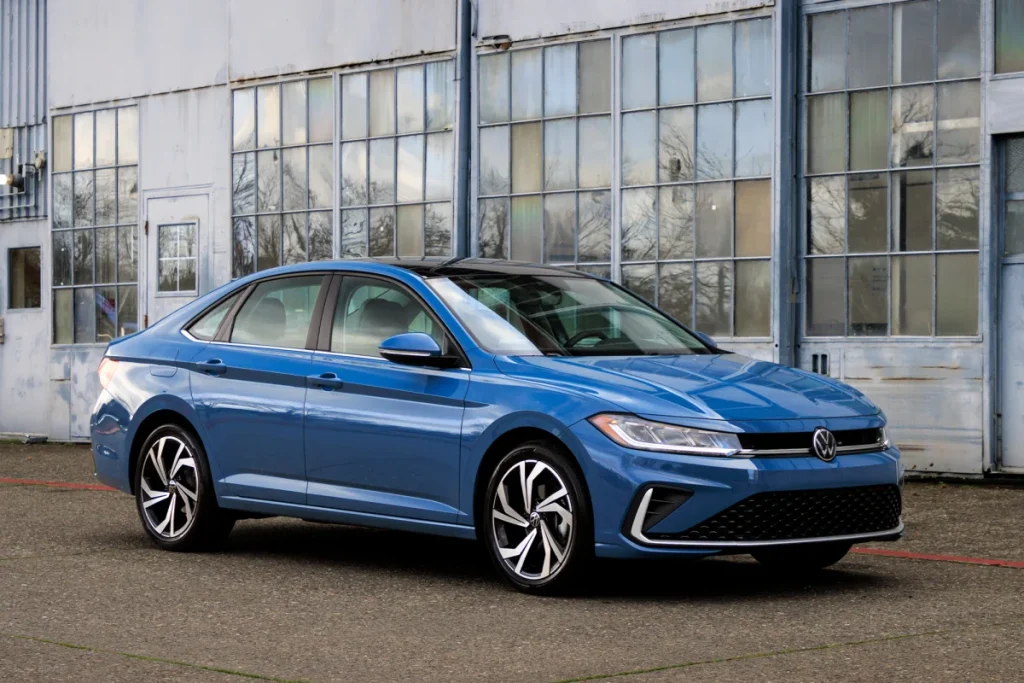
Maintenance complexity compounds these problems. Many repairs require specialized tools or software resets, limiting service options and increasing labor costs.
I am writing about the Volkswagen Jetta because it highlights how European refinement can clash with daily commuter realities. For Olathe drivers, frequent service visits and higher costs make older automatic Jettas a poor long-term choice.
5. BMW 3 Series (Older, High-Mileage Models)
Older, high-mileage BMW 3 Series models are well known for needing frequent service, which makes them a poor choice for Olathe commuters who rely on their vehicles every day. While these cars are enjoyable to drive and feel refined when new, daily commuter use exposes reliability and cost issues that grow steadily over time.
The biggest challenge is mechanical and electronic complexity. The 3 Series uses advanced engine management systems, sensitive sensors, and tightly integrated electronics.
As mileage increases, small faults often trigger warning lights that require diagnostic work rather than simple repairs. For commuters, this means repeated service visits even when drivability seems normal.
Suspension durability is another concern. Many 3 Series models are equipped with sport-tuned suspension components that prioritize handling over longevity. On everyday roads, bushings, control arms, and mounts wear faster than expected. Once suspension issues begin, they often reappear, leading to recurring repair costs.
Cooling system reliability further adds to service frequency. Water pumps, thermostats, and hoses are known weak points as these cars age. Heat cycling from daily commuting accelerates wear, increasing the likelihood of overheating warnings and preventative service appointments.
Transmission and drivetrain components also require attention as mileage climbs. While generally smooth, they are sensitive to maintenance intervals. Missed or delayed service often results in rough shifting or fault codes that require professional intervention.
Maintenance costs compound the issue. Parts are expensive, labor rates are high, and many independent shops are limited in what they can diagnose without specialized equipment. This reduces service flexibility and increases downtime for commuters.

I am writing about the BMW 3 Series because it shows how driving enjoyment can come at the expense of reliability.
For Olathe commuters who need predictable transportation and minimal service interruptions, older high-mileage 3 Series models often demand far more attention than practical daily driving allows.
Daily commuting in Olathe places steady and predictable demands on vehicles, making reliability, comfort, and low service needs far more important than performance or luxury.
This article examined both sides of commuter ownership by highlighting cars that work well for Olathe commuters and cars that tend to require frequent service, creating higher costs and inconvenience over time.
The first section focused on five cars well suited for Olathe commuters. Vehicles like the Toyota Corolla and Honda Civic stood out for their proven reliability, smooth drivetrains, and low operating costs.
Their conservative engine tuning and predictable transmissions handle stop-and-go traffic and steady highway miles without developing chronic issues. The Toyota Camry offered a midsize option with added comfort, a compliant suspension, and strong long-term durability, making it ideal for longer commutes.
The Mazda CX-5 provided a compact SUV alternative, combining a comfortable ride, good visibility, and manageable maintenance costs. The Subaru Outback rounded out the list by offering all-wheel drive confidence, ride comfort, and durability that suits year-round commuting needs.
Across all five, shared strengths included simple mechanical design, accessible maintenance through independent shops, and suspension tuning that absorbs daily road wear. These vehicles minimize downtime and keep ownership predictable as mileage accumulates.
The second section examined five cars that need frequent service and are less suitable for Olathe commuters. The Ford Focus with the dual-clutch automatic and early Nissan Altima CVT models were highlighted for transmission problems that worsen in stop-and-go traffic.
Turbocharged Chevrolet Cruze models were noted for cooling and electrical issues that lead to repeated service visits. Older automatic Volkswagen Jettas were flagged for drivetrain, suspension, and software-related maintenance demands.
Finally, older high-mileage BMW 3 Series models were identified as particularly service-intensive due to complex electronics, sensitive cooling systems, and expensive suspension components.
The key takeaway is clear: Olathe commuters benefit most from vehicles built for consistency, simplicity, and durability. Cars that prioritize reliable daily operation over advanced complexity deliver lower stress, fewer service interruptions, and better long-term value.
Also Read: 5 Cars for Baton Rouge Heat & Humidity and 5 That Corrode Quickly
