
Bismarck driving is hard on vehicles in ways that go beyond weather alone. Rough pavement, freeze–thaw cycles, potholes, uneven road repairs, gravel sections, and long rural stretches all combine to punish suspension systems, drivetrains, and chassis components.
In this environment, durability matters more than refinement, and simplicity often outlasts sophistication.
Harsh roads accelerate wear. Suspension bushings crack, alignment drifts quickly, wheel bearings fail early, and underbody components take repeated hits.
Vehicles that perform well here are those designed with strong suspension geometry, forgiving ride tuning, and mechanical systems that tolerate abuse without constant recalibration or failure.
At the same time, ownership reality in a place like Bismarck is different from large metro areas. Many drivers rely on independent repair shops rather than dealerships.
Cars that require frequent dealer visits due to proprietary software, complex electronics, or specialized parts quickly become frustrating and expensive. What might be manageable in a major city becomes a serious inconvenience in a smaller market.
This article covers both sides of that reality. First, it highlights five cars that make sense for Bismarck’s harsh roads, focusing on durability, suspension strength, and long-term reliability under poor road conditions. These are vehicles chosen because they survive abuse rather than merely tolerate it.
Then, the article examines five cars that require frequent dealer visits, explaining why their complexity, electronics, or service requirements make them poor fits for Bismarck drivers. The goal is to help buyers avoid vehicles that turn routine ownership into a constant trip back to the dealership.
For Bismarck residents, the right car is not about luxury or cutting-edge tech. It is about resilience, repairability, and confidence on unforgiving roads.
Also Read: 5 Cars for Baton Rouge Heat & Humidity and 5 That Corrode Quickly
5 Cars for Bismarck Harsh Roads
Bismarck’s road conditions demand vehicles that can take repeated punishment without falling apart. Freeze–thaw cycles create potholes that appear overnight.
Temporary road patches settle unevenly. Gravel shoulders and rural routes add constant vibration. Vehicles that survive here are those engineered with durability margins rather than delicate tuning.
The cars in this section are chosen because they handle rough roads with minimal drama. They feature suspension systems designed to absorb impacts instead of transferring shock directly into the chassis. Control arms, bushings, and mounts tend to last longer, reducing repair frequency in an environment where wear is unavoidable.
Ground clearance is another important factor. Cars that ride too low suffer constant underbody contact, while vehicles with moderate height avoid scraping and protect critical components. Ride compliance also matters more than sharp handling. Softer, well-damped suspensions outperform stiff setups when pavement quality is poor.
Mechanical simplicity plays a role as well. Vehicles with proven engines and transmissions tolerate vibration, temperature swings, and imperfect maintenance better than highly complex systems. In Bismarck, durability often matters more than the latest technology.
I am writing about these vehicles because they reflect real-world ownership in harsh-road regions. They reduce downtime, minimize suspension-related repairs, and allow drivers to navigate rough streets without constant worry.
These cars are not luxurious or flashy. They are dependable tools designed to survive conditions that quickly expose weaker designs.
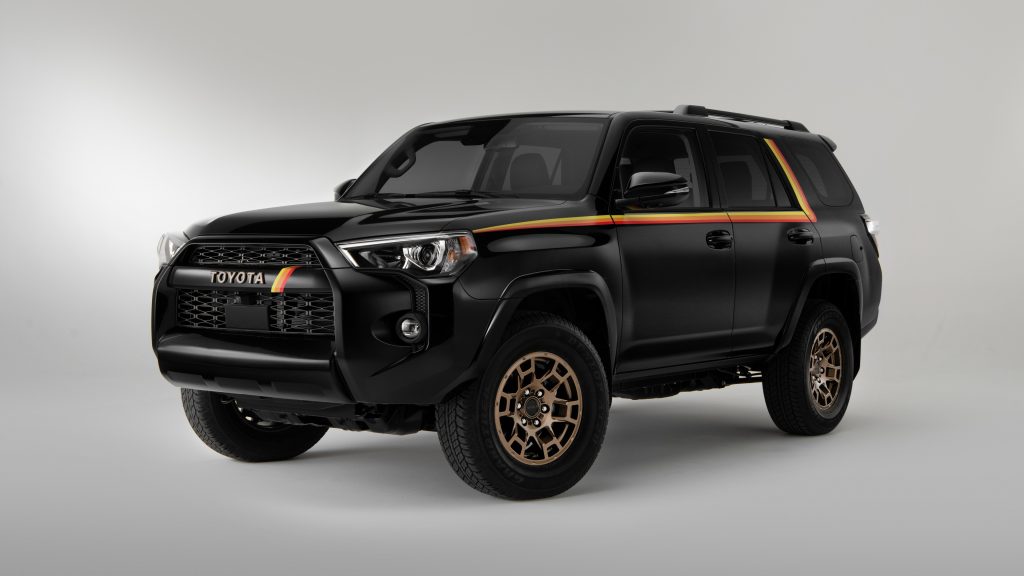
1. Toyota 4Runner
The Toyota 4Runner is one of the most capable vehicles for Bismarck’s harsh roads because it is built with durability as its primary mission. Unlike many modern SUVs that prioritize comfort and efficiency, the 4Runner retains a rugged construction that handles abuse exceptionally well.
Its body-on-frame design allows it to absorb impacts from potholes, broken pavement, and uneven roads without transferring excessive stress into the cabin. Suspension components are larger and more robust than those found in car-based crossovers, which significantly improves longevity on rough surfaces.
Ground clearance is a major advantage. The 4Runner avoids constant underbody contact on poorly maintained roads, protecting exhaust systems, suspension mounts, and driveline components. This reduces long-term repair costs in environments where scraping is common.
The suspension is tuned for durability rather than sportiness. While the ride may feel firm, it absorbs repeated impacts without premature failure. Bushings, control arms, and shock mounts tend to last far longer than those in lighter-duty vehicles driven on similar roads.
Mechanical reliability further strengthens its suitability. The drivetrain is proven, conservative, and tolerant of vibration and temperature swings. Repairs are infrequent, and when they are needed, parts availability is strong.
I am writing about the Toyota 4Runner because it represents overengineering in the best possible way. For Bismarck drivers who face harsh roads daily and want a vehicle that simply survives year after year, the 4Runner remains one of the most dependable choices available.
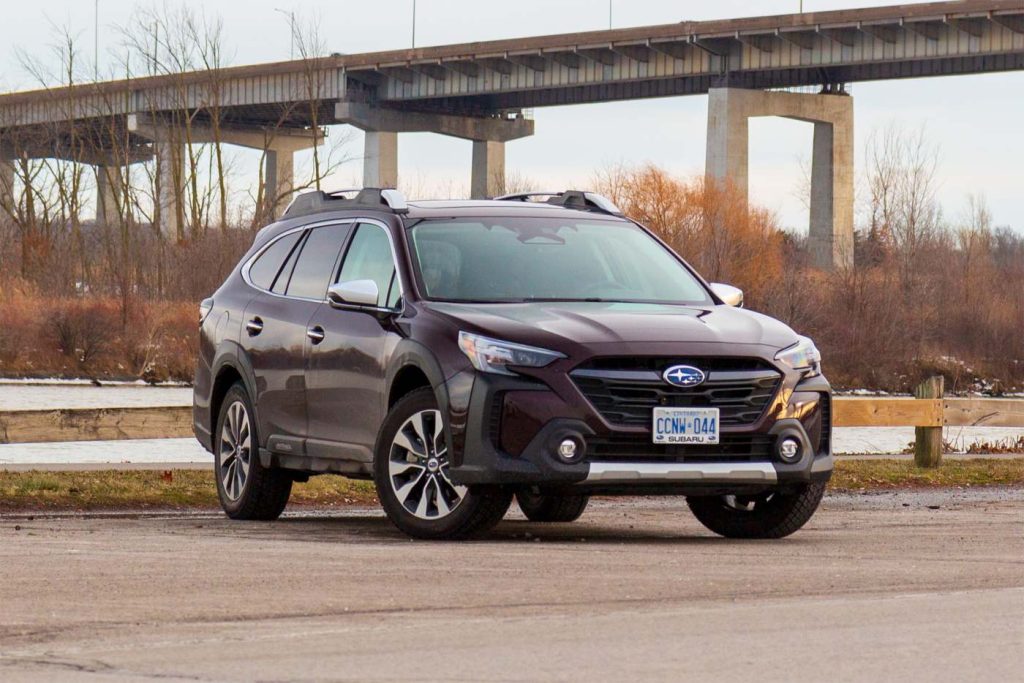
2. Subaru Outback
The Subaru Outback is exceptionally well suited for Bismarck’s harsh roads because it is engineered to absorb abuse rather than resist it. While it looks like a wagon, its suspension design, ride height, and drivetrain durability allow it to handle broken pavement, potholes, and uneven rural roads with confidence.
Ground clearance gives the Outback a clear advantage over traditional sedans. It avoids frequent underbody contact on deteriorated pavement and road repairs that settle unevenly after winter. This protects exhaust components, suspension mounts, and undercarriage panels that often suffer damage in low-slung vehicles.
Suspension tuning is where the Outback truly excels. It favors compliance over stiffness, allowing wheels to move independently over rough surfaces instead of transferring shock into the chassis.
This significantly reduces long-term wear on control arms, bushings, and shock mounts, which are common failure points in harsh-road regions.
All-wheel drive contributes to stability on broken pavement, gravel patches, and winter-damaged surfaces. Power delivery remains smooth and predictable, reducing drivetrain shock and improving traction when road conditions are inconsistent.
Mechanical simplicity also works in the Outback’s favor. Its drivetrain is designed for longevity rather than performance, tolerating vibration and temperature swings common in North Dakota. Repairs are straightforward, and parts availability is strong across independent shops.
Interior durability matters too. Repeated vibration loosens trim in many vehicles, but the Outback’s cabin holds together better than most, even after years of rough-road use.
I am writing about the Subaru Outback because it strikes an ideal balance for Bismarck drivers. It handles daily commuting comfortably while quietly enduring harsh roads that quickly wear out less forgiving designs.
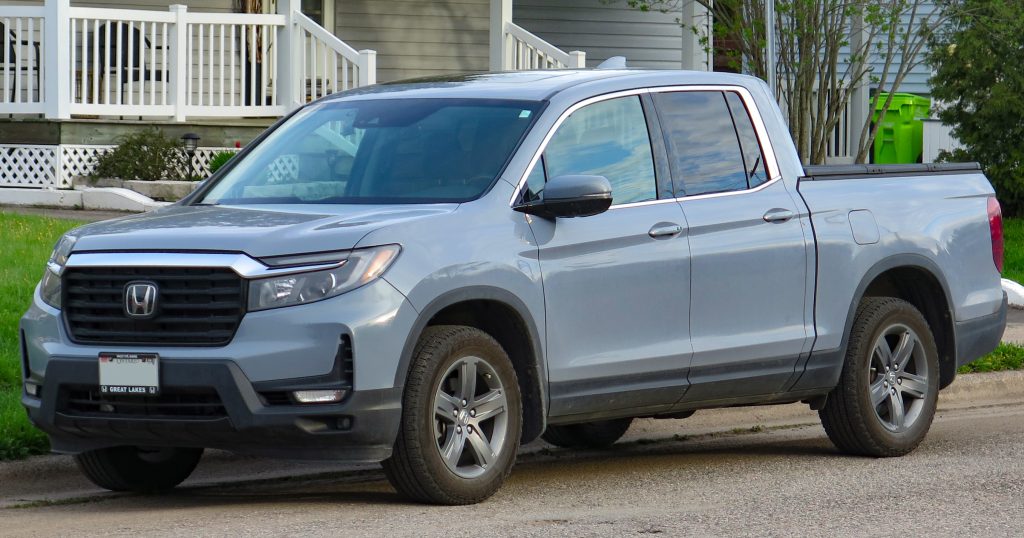
3. Honda Ridgeline
The Honda Ridgeline is a surprisingly strong performer on Bismarck’s harsh roads, especially for drivers who want durability without stepping into a traditional body-on-frame truck. Its unibody construction is reinforced for strength, allowing it to handle poor road conditions with less fatigue than many lighter vehicles.
Ground clearance is sufficient to avoid constant scraping on broken pavement and uneven road edges. While not intended for extreme off-roading, the Ridgeline handles potholes, washboard sections, and frost-heaved roads with composure.
Suspension design is a major advantage. Honda tuned the Ridgeline for load stability and ride compliance rather than stiffness. On rough roads, this results in less shock transfer into the chassis, extending the life of suspension components and reducing interior rattles.
The drivetrain is engineered for reliability. Power delivery is smooth, and the transmission tolerates frequent shifting caused by uneven roads and changing speeds. Vibration and temperature fluctuations do not significantly affect long-term performance.
All-wheel drive improves control on mixed surfaces, especially when harsh roads combine with snow or gravel. The system engages predictably, reducing wheel spin and driveline stress.
Interior construction also holds up well. Materials are durable, and trim pieces resist loosening despite repeated vibration. For drivers who spend long hours on damaged roads, this contributes to reduced fatigue and fewer ownership frustrations.
I am writing about the Honda Ridgeline because it challenges assumptions. While often overlooked in harsh-road discussions, it delivers durability, comfort, and reliability that suit Bismarck conditions extremely well without requiring constant repairs.
4. Toyota Highlander (Non-Sport Trims)
The Toyota Highlander in non-sport trims is well suited for Bismarck’s harsh roads because it prioritizes ride compliance and durability over aggressive handling. While often seen as a family vehicle, its suspension tuning and build quality make it surprisingly resilient on broken pavement and uneven surfaces.
Ground clearance is adequate to prevent frequent underbody contact on potholes, frost heaves, and uneven road patches common in Bismarck. This protects exhaust components and suspension mounts that often suffer damage in lower vehicles.
Suspension design favors comfort and impact absorption. Softer spring rates and well-damped shocks allow the Highlander to soak up repeated impacts rather than transmit them into the chassis. Over time, this significantly reduces wear on bushings, control arms, and shock mounts that fail early in stiffer vehicles.
Mechanical reliability is another strength. The Highlander uses proven engines and transmissions that tolerate vibration and temperature swings without demanding frequent attention. In harsh-road environments, this conservatism pays off in reduced downtime and lower repair frequency.
Wheel and tire compatibility also helps. The Highlander can run higher-profile tires that provide additional cushioning against rough pavement. This reduces the likelihood of bent wheels and premature tire damage.
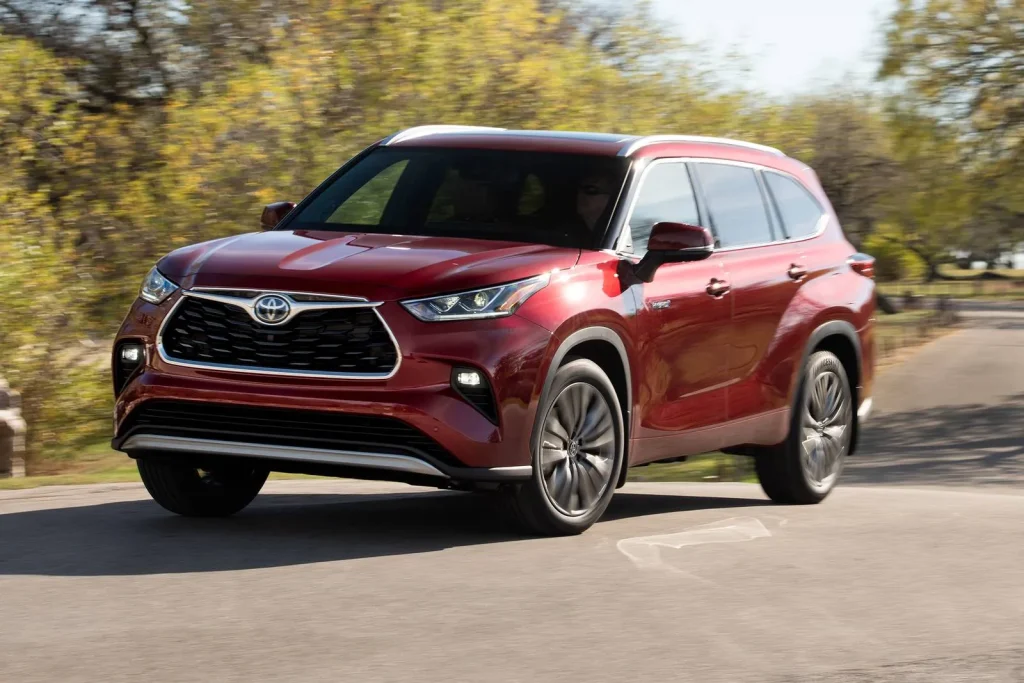
Interior durability matters in rough-road regions, and the Highlander performs well here. Trim pieces remain secure, and cabin noise increases less dramatically over time compared to more rigidly tuned vehicles.
I am writing about the Toyota Highlander because it quietly excels where roads are poor. For Bismarck drivers who want durability without moving to a truck-based SUV, the Highlander offers a balanced and dependable solution.
5. Ford F-150
The Ford F-150 is exceptionally capable on Bismarck’s harsh roads because it is designed to tolerate repeated abuse under load. While often associated with work use, its suspension strength and ground clearance make it ideal for navigating poor pavement and rural routes.
Ground clearance prevents constant underbody contact, protecting driveline and exhaust components from damage. Potholes and broken road edges that punish smaller vehicles are handled with far less drama in the F-150.
Suspension components are built for durability. Control arms, bushings, and mounts are designed to carry weight and absorb impacts, which translates into long service life on rough roads. Repeated vibration and shock that would fatigue lighter vehicles are less problematic here.
Frame strength further enhances resilience. The F-150’s structure tolerates uneven surfaces and road deformation without compromising alignment or ride quality as quickly as lighter platforms.
Mechanical simplicity also contributes. Proven engines and transmissions handle temperature swings and vibration without requiring frequent recalibration or specialized service.
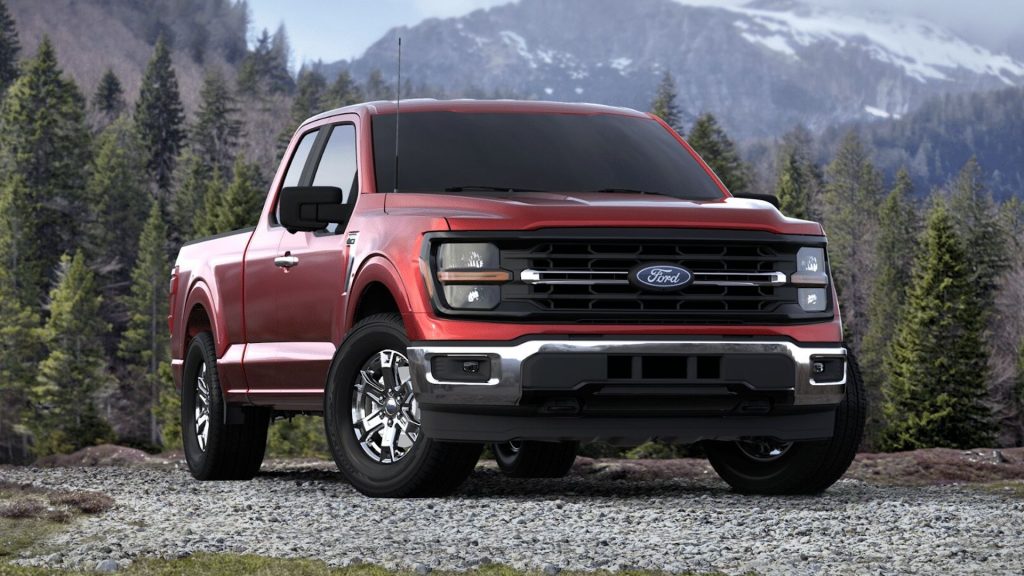
I am writing about the Ford F-150 because it represents the most durable end of the spectrum. For Bismarck drivers who face harsh roads daily and value toughness above refinement, the F-150 remains one of the most reliable choices available.
5 That Require Dealer Visits
Some vehicles function well mechanically but become frustrating to own because they require frequent dealer visits for routine issues. In places like Bismarck, where independent repair shops are often preferred, this dependency creates real inconvenience and expense.
Cars that require dealer visits usually rely on proprietary software, specialized diagnostic tools, or tightly integrated electronic systems. Even minor repairs or maintenance tasks can trigger warning lights or require system resets that only dealerships can perform.
Harsh roads make this worse. Vibration and impacts accelerate sensor failures, calibration issues, and electronic faults. What would be a minor repair on a simpler vehicle becomes a dealer-only event, increasing downtime and cost.
This section focuses on five cars that consistently push owners back to the dealership. I am writing about them to highlight how complexity, not mechanical failure alone, can make ownership impractical in Bismarck.
For drivers who value independence, affordability, and quick repairs, understanding which cars require dealer intervention is critical. Avoiding these vehicles can mean fewer headaches and far more control over long-term ownership.
1. BMW X5
The BMW X5 is a vehicle that frequently requires dealer visits, making it a difficult ownership proposition for drivers in places like Bismarck. While it delivers comfort, performance, and advanced technology, its complexity creates a heavy dependence on dealership service.
One of the primary reasons is software reliance. Many systems in the X5 are interconnected and controlled by proprietary software that requires dealer-level tools to diagnose and reset.
Even routine repairs such as battery replacement, brake service, or sensor replacement often trigger warning lights that cannot be cleared without dealer intervention.
Suspension systems further increase dealer dependency. Many X5 models use adaptive or air suspension components that require calibration after service. Independent shops may be able to replace parts, but final setup and fault clearing typically require dealer access, adding time and cost.
Electrical complexity compounds the issue. Harsh roads accelerate wear on sensors, wiring connectors, and control modules. When faults appear, diagnosing them often involves software scanning and module communication that only BMW dealerships are equipped to handle fully.
Maintenance procedures are also tightly controlled. Service intervals, oil resets, and system checks are often locked behind software menus that require brand-specific equipment. This limits owner flexibility and increases reliance on dealership scheduling.
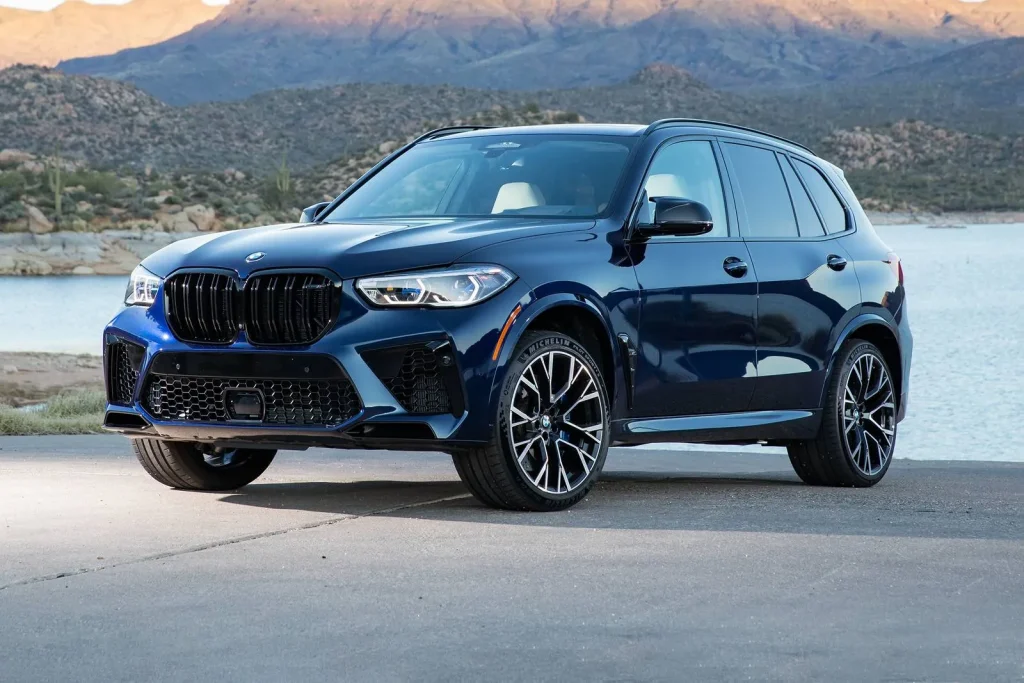
I am writing about the BMW X5 because it demonstrates how advanced engineering can reduce ownership independence. In Bismarck, where harsh roads already increase wear, frequent dealer visits amplify frustration.
While capable and refined, the X5’s dependence on dealership service makes it impractical for drivers who value repair flexibility and minimal downtime.
2. Audi A6
The Audi A6 is another vehicle that consistently requires dealer visits due to its complex systems and software-driven architecture. While elegant and comfortable, ownership often involves repeated trips to authorized service centers.
One major issue is diagnostic access. The A6 relies heavily on integrated electronic modules controlling drivetrain, suspension, and safety systems. When faults occur, even minor ones, full diagnostics often require Audi-specific tools and software updates available only at dealerships.
Suspension systems increase dependency further. Models equipped with adaptive suspension require recalibration after repairs or alignment. Independent shops may lack the tools to complete these procedures, forcing owners back to the dealer.
Harsh-road driving accelerates sensor failures and calibration issues. Vibration and impacts common in Bismarck can trigger warning lights related to driver assistance systems, steering, or suspension. Clearing these faults without dealer equipment is often impossible.
Routine maintenance also involves software interaction. Battery replacements, brake servicing, and even oil changes may require system resets to prevent warning messages. This limits the ability to use independent shops exclusively.
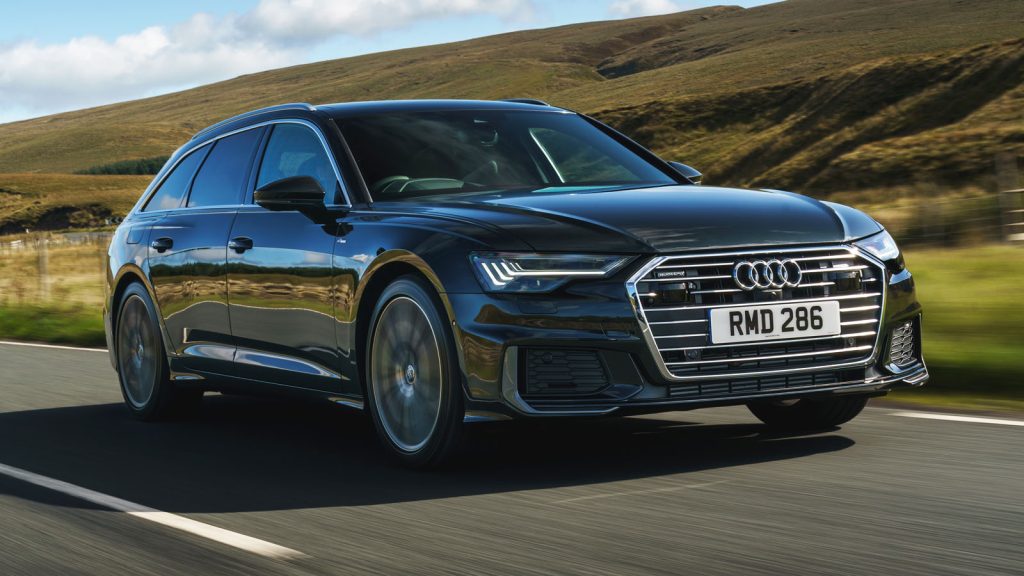
I am writing about the Audi A6 because it highlights how refinement comes with a cost. In environments where roads are rough and dealership access is limited, frequent dealer visits become a major drawback. For Bismarck drivers seeking durability and service independence, the A6’s complexity works against practical ownership.
3. Mercedes-Benz GLC
The Mercedes-Benz GLC is a vehicle that often forces owners into frequent dealer visits, especially in regions like Bismarck where road conditions accelerate wear. While refined and comfortable, its heavy reliance on electronics and proprietary systems limits service flexibility.
A major issue is software dependency. Many core systems in the GLC are controlled through Mercedes-specific software that requires dealership access for diagnostics and resets. Routine procedures such as battery replacement, brake servicing, or sensor changes often trigger system warnings that independent shops cannot fully resolve.
Suspension systems add another layer of complexity. Many GLC models use adaptive suspension components that require calibration after repairs or alignment. Even if an independent shop performs the mechanical work, final setup often demands dealer-level tools.
Harsh roads worsen the problem. Repeated vibration from potholes and uneven pavement accelerates sensor and module failures. Steering, lane assist, and stability systems are particularly sensitive. When faults occur, warning lights appear that cannot be cleared without proprietary diagnostic equipment.
Electrical systems are tightly integrated. A single faulty sensor can cascade into multiple system alerts, turning small issues into dealership-only events. Troubleshooting these problems is time-consuming and expensive outside authorized service networks.
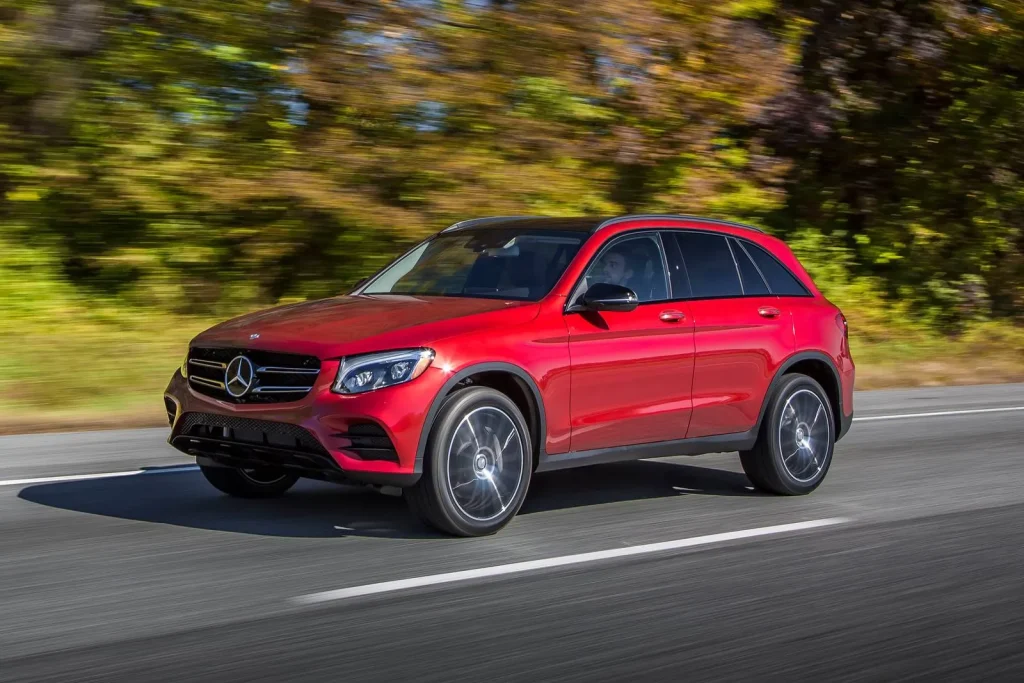
Routine maintenance is also controlled through software. Oil service resets, brake monitoring, and system checks require specialized interfaces, reducing owner independence and increasing reliance on dealership scheduling.
I am writing about the Mercedes-Benz GLC because it demonstrates how modern luxury vehicles trade service independence for technology. In Bismarck, where harsh roads already increase maintenance needs, mandatory dealer visits compound ownership frustration and cost.
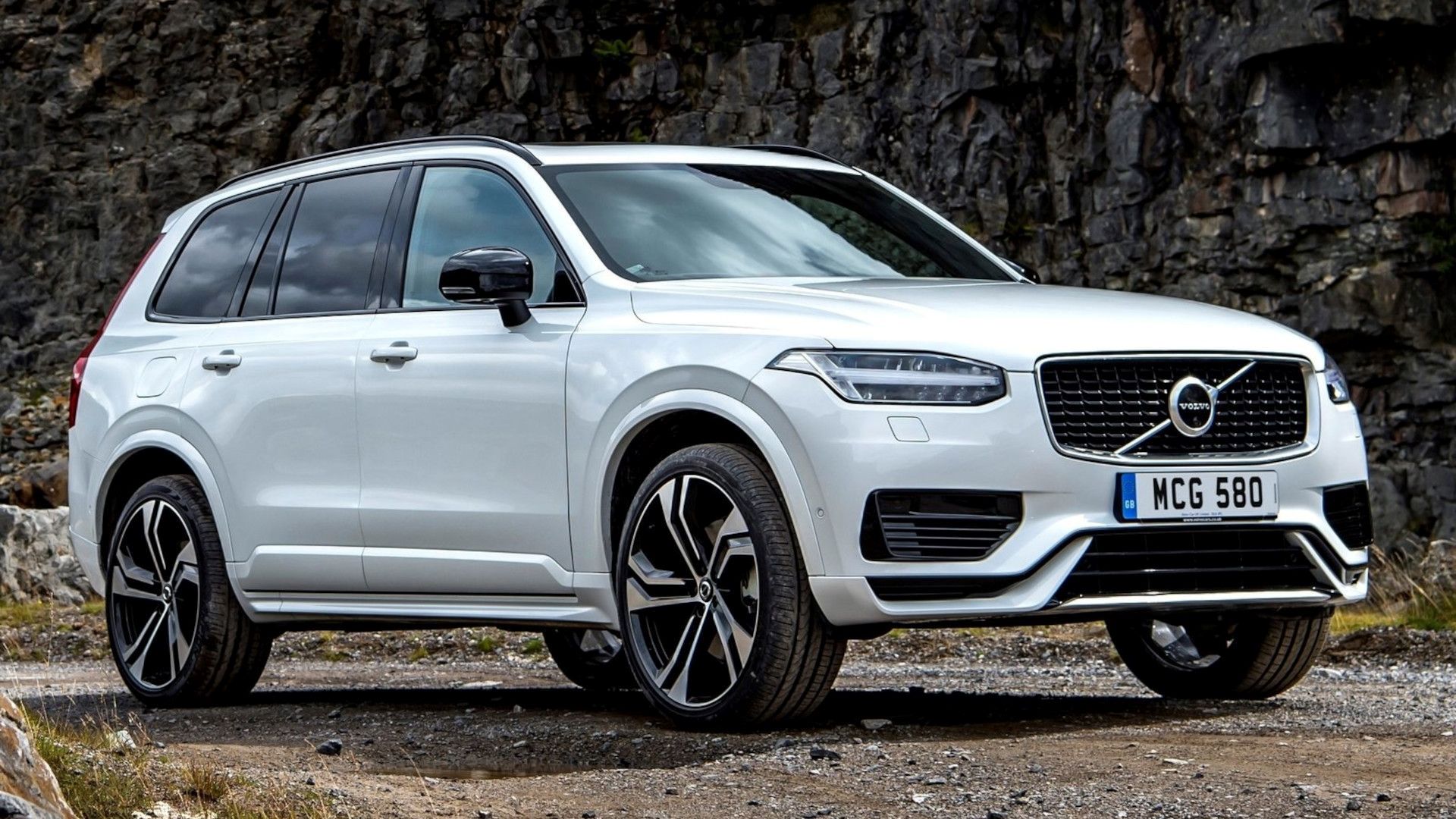
4. Volvo XC90
The Volvo XC90 frequently requires dealer visits due to its advanced safety systems and software-driven architecture. While praised for comfort and safety, its complexity creates ownership challenges in harsh-road environments.
One of the biggest contributors is system integration. The XC90’s safety, suspension, and drivetrain systems communicate constantly through proprietary software. When faults arise, comprehensive diagnostics often require dealer access to update or recalibrate modules.
Harsh roads accelerate sensor wear. Radar units, cameras, and suspension sensors are sensitive to vibration and impacts. Once calibration is lost, warning lights appear and features may deactivate until recalibrated by a dealership.
Routine maintenance also increases dependency. Battery replacements, brake services, and software updates often require dealer-level resets. Independent shops may complete mechanical tasks but cannot always finalize system configuration.
Suspension repairs further illustrate the issue. Adaptive air suspension components require specialized calibration tools. Without dealer involvement, proper ride height and system balance cannot be restored.
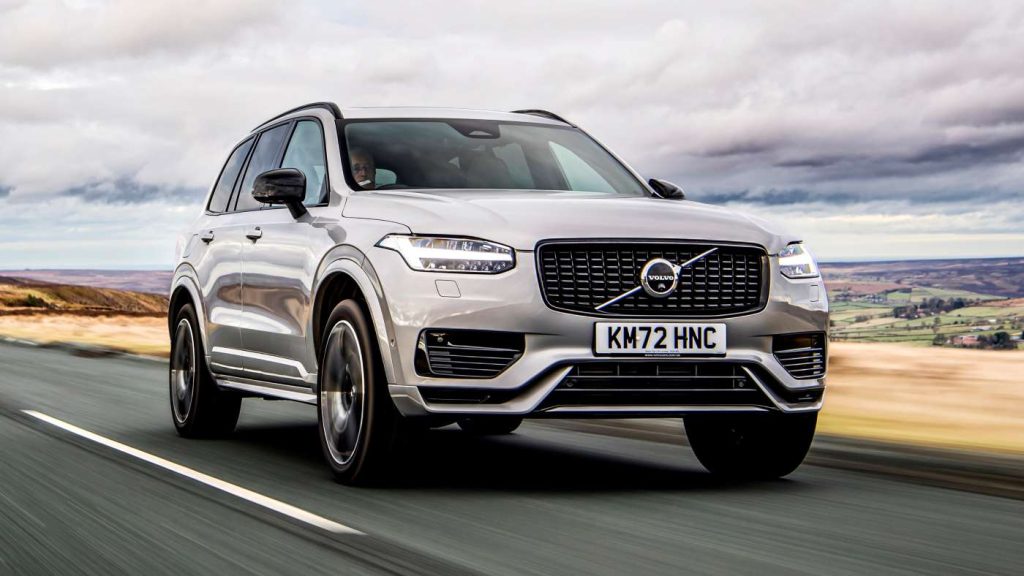
I am writing about the Volvo XC90 because it highlights how safety-focused technology can limit service flexibility. For Bismarck drivers dealing with rough roads and long distances, frequent dealer visits reduce practicality despite the vehicle’s strengths.
5. Tesla Model 3
The Tesla Model 3 is a vehicle that strongly requires dealer or manufacturer-controlled service visits, making it a challenging ownership experience for drivers in places like Bismarck. While technologically advanced and efficient, its service ecosystem limits repair independence more than almost any other mainstream vehicle.
The most significant issue is restricted service access. Tesla vehicles are designed to operate within a closed service system.
Many diagnostics, repairs, and software interactions can only be performed through Tesla service centers or authorized technicians. Independent repair shops have very limited access to tools, software, and parts, forcing owners to rely on Tesla for even minor issues.
Software control is central to the problem. Nearly every system in the Model 3 is software-governed. Suspension alerts, battery issues, brake warnings, and sensor faults often require remote diagnostics or dealer intervention.
Even when mechanical repairs are straightforward, warning messages may persist until Tesla clears them through proprietary systems.
Harsh roads worsen the situation. Rough pavement and potholes accelerate suspension wear, alignment drift, and sensor calibration issues. When these occur, recalibration often requires Tesla-specific procedures unavailable outside their service network. This turns common wear-related issues into dealer-only events.
Body repairs further increase dependence. Aluminum body panels and specialized construction require Tesla-approved repair facilities. Minor damage that would be easily handled elsewhere often leads to long wait times and high costs due to limited certified shops.
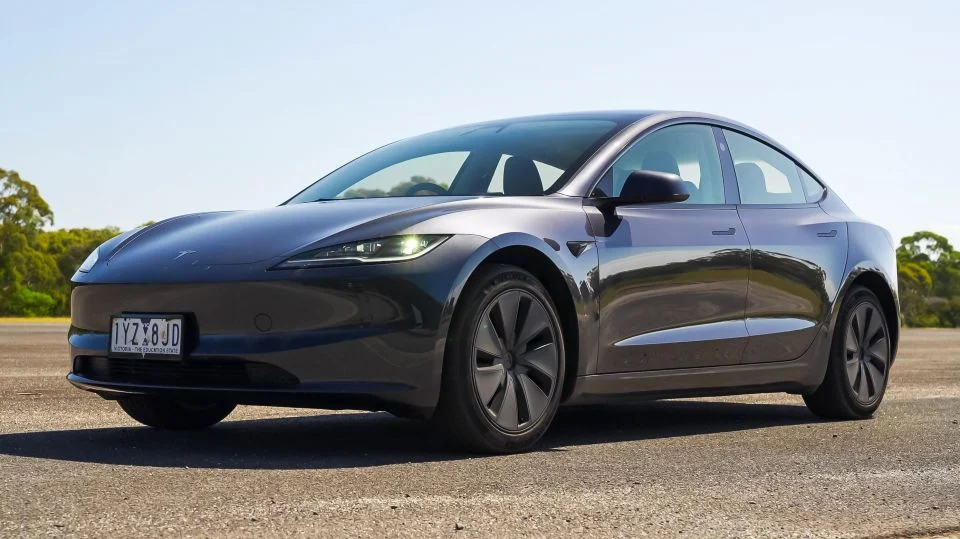
Parts availability also complicates ownership. Tesla controls its parts distribution tightly, which can delay repairs significantly in smaller markets like Bismarck. Service appointments may involve long scheduling delays, leaving vehicles sidelined longer than expected.
I am writing about the Tesla Model 3 because it represents the extreme end of dealer dependency. While innovative and efficient, its closed repair ecosystem conflicts with the realities of harsh roads and limited service infrastructure.
For Bismarck drivers who value quick repairs, independent service options, and ownership flexibility, the Model 3 often proves far more restrictive than expected.
Driving in Bismarck places unique and constant stress on vehicles due to harsh road conditions created by freeze–thaw cycles, potholes, uneven repairs, gravel sections, and long rural stretches.
This article explored two critical sides of vehicle ownership in that environment: cars that handle Bismarck’s harsh roads well and cars that frequently require dealer visits, creating inconvenience and higher ownership costs.
The first section focused on five cars well suited for Bismarck’s harsh roads. Vehicles like the Toyota 4Runner and Ford F-150 stood out for their rugged construction, strong suspension components, and generous ground clearance.
Their ability to absorb repeated impacts without premature suspension or alignment failures makes them ideal for rough pavement and rural routes.
The Subaru Outback offered a more car-like alternative, combining compliant suspension tuning with moderate ride height and all-wheel drive, allowing it to handle broken roads without excessive wear.
The Honda Ridgeline demonstrated that durability does not always require a traditional body-on-frame design.
Its reinforced unibody construction, smooth power delivery, and well-damped suspension help it tolerate vibration and uneven surfaces while remaining comfortable for daily driving.
The Toyota Highlander, particularly in non-sport trims, rounded out the list by prioritizing ride compliance and mechanical simplicity, reducing long-term wear on harsh roads.
Across all five, common strengths emerged: softer suspension tuning, stronger components, higher ground clearance, and proven drivetrains. These vehicles reduce repair frequency, resist interior rattles, and maintain reliability despite constant road abuse, making them practical long-term choices for Bismarck drivers.
The second section examined five cars that require frequent dealer visits, highlighting how complexity can be just as problematic as mechanical weakness.
Vehicles such as the BMW X5, Audi A6, Mercedes-Benz GLC, and Volvo XC90 rely heavily on proprietary software, advanced electronics, and systems that demand dealer-level diagnostics and calibration. In harsh-road environments, vibration accelerates sensor failures and warning lights, turning minor issues into dealer-only events.
The Tesla Model 3 represented the most extreme example of dealer dependency. Its closed service ecosystem, restricted parts access, and software-controlled systems significantly limit independent repair options. In smaller markets like Bismarck, this leads to longer downtime and reduced ownership flexibility.
Overall, the article reinforces a clear lesson: Bismarck drivers benefit most from vehicles that are durable, mechanically simple, and serviceable outside dealerships.
Cars built to absorb abuse and allow independent repairs deliver far less stress and expense than technologically complex vehicles that require constant dealer intervention.
Also Read: 5 Cars for Costa Mesa Tight Parking and 5 That Don’t Fit Garages
