
Detroit city driving presents a very specific set of challenges that shape what makes a car truly usable. Pothole-ridden streets, frequent stop-and-go traffic, aging infrastructure, tight parking in dense neighborhoods, and harsh winters all take a toll on vehicles.
For most Detroit drivers, daily transportation is less about image and more about durability, affordability, and the ability to survive rough conditions without constant repairs.
City drivers in Detroit need cars that handle uneven pavement without suspension failures, tolerate short trips and frequent idling, and remain dependable in cold weather.
Fuel efficiency matters, but so does resilience. Vehicles that are too delicate, overengineered, or expensive to repair often become financial burdens very quickly in this environment.
At the same time, some cars look appealing on the surface but hide long-term problems beneath the hood. Costly parts, complex electronics, fragile transmissions, and poor reliability records can turn ownership into an ongoing expense.
In Detroit, where many drivers rely on independent repair shops rather than brand dealerships, cars with expensive or complicated fixes are especially problematic.
This article looks at both sides of the equation. First, it focuses on five cars that make sense for Detroit city drivers, chosen for their toughness, reliability, and ability to handle daily urban abuse. These vehicles are practical tools that fit Detroit’s driving reality.
Then, it examines five cars that have costly fixes, explaining why their repair bills, parts pricing, and complexity make them poor choices for everyday city use. The goal is simple: help Detroit drivers choose vehicles that reduce stress and avoid those that quietly drain money over time.
Also Read: 5 Cars for Corvallis College & Commuting and 5 Students Should Skip
5 Cars for Detroit City Drivers
Detroit city driving rewards vehicles that are built to last rather than impress. Short trips, rough pavement, constant braking, and unpredictable traffic put continuous stress on mechanical components. Cars that thrive here are those with proven drivetrains, durable suspensions, and interiors that tolerate daily wear.
The vehicles in this section are selected because they handle urban abuse well. They absorb potholes without frequent alignment issues, shift smoothly in traffic, and remain reliable even when maintenance schedules are stretched. These cars do not rely on fragile technology or exotic parts that increase repair costs.
Another key factor is serviceability. In Detroit, vehicles that can be repaired easily and affordably at local shops are far more practical than those requiring dealership-only diagnostics. Parts availability and mechanical simplicity matter as much as fuel economy.
Winter performance is also important. Cars that start reliably in cold weather and maintain predictable handling on slippery streets reduce daily stress. Detroit drivers need vehicles that function consistently regardless of season.
I am writing about these cars because they match real-world Detroit driving. They are not luxury purchases or performance toys.
They are dependable daily drivers that tolerate rough roads, heavy use, and city life without demanding constant investment. For drivers navigating Detroit streets every day, these vehicles offer practicality where it actually counts.
1. Toyota Corolla
The Toyota Corolla is one of the most dependable choices for Detroit city drivers because it is engineered for durability and simplicity. Detroit’s rough roads and frequent traffic stops punish delicate vehicles, but the Corolla consistently absorbs daily abuse without major issues.
Its engine is tuned for longevity rather than performance. Short trips, cold starts, and stop-and-go driving do not significantly accelerate wear, making it ideal for city use. The automatic transmission is proven and avoids the complexity that often leads to expensive failures.
Suspension durability is another advantage. While not sporty, the Corolla handles potholes and uneven pavement better than many competitors. Components tend to last longer, reducing repair frequency on Detroit’s damaged roads.
Fuel efficiency remains consistent in city driving. Even in traffic, the Corolla avoids dramatic drops in mileage, helping drivers manage fuel costs. Maintenance costs stay low, parts are inexpensive, and most mechanics are familiar with the platform.
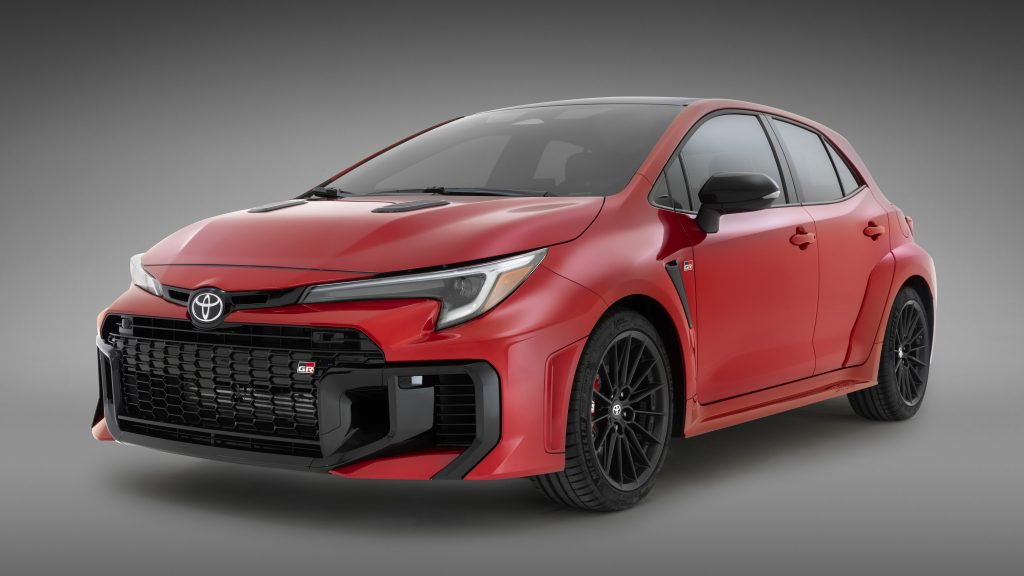
I am writing about the Toyota Corolla because it represents stress-free ownership. For Detroit drivers who want a car that simply works day after day, the Corolla remains one of the safest and most practical choices.
2. Honda Civic
The Honda Civic is well suited for Detroit city driving because it balances durability, efficiency, and everyday usability. It handles daily commuting without placing excessive strain on mechanical components.
The Civic’s engine and transmission perform smoothly in traffic-heavy environments. Gear changes are predictable, and throttle response is manageable at low speeds, which reduces drivetrain wear during constant stop-start driving.
Suspension tuning helps absorb rough pavement without frequent repairs. While not immune to Detroit’s potholes, the Civic tends to hold alignment and ride quality better than many similar-sized cars.
Fuel efficiency remains strong in real-world conditions. City driving does not dramatically hurt mileage, making the Civic affordable to operate over time. Maintenance costs are reasonable, and parts availability is excellent.
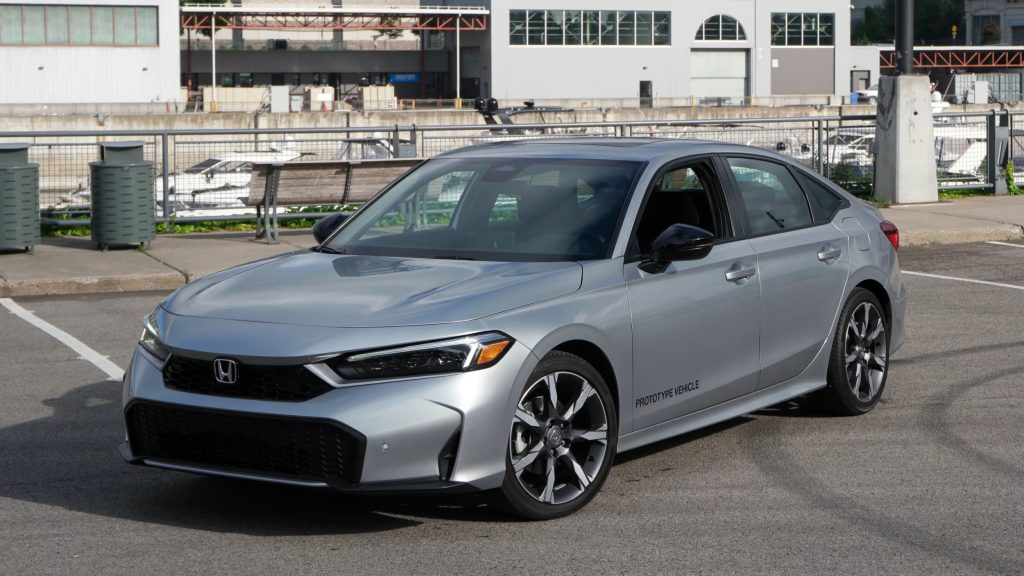
I am writing about the Honda Civic because it offers reliability without feeling outdated. For Detroit drivers who want dependable transportation with minimal surprises, the Civic remains a smart urban choice.
3. Toyota Prius
The Toyota Prius is exceptionally well suited for Detroit city driving because it is engineered to thrive in stop-and-go conditions. In a city where traffic lights, congestion, and short trips dominate daily driving, the Prius turns these challenges into advantages.
At low speeds, the Prius relies heavily on its electric motor. This reduces engine strain during frequent stops and starts, which are common on Detroit streets. Regenerative braking also plays a major role, significantly reducing brake wear. On rough urban roads where braking is constant, this translates into lower maintenance costs over time.
Fuel efficiency is another major benefit. City driving is where the Prius performs best, helping Detroit drivers manage fuel expenses even when traffic is heavy. Unlike many cars that lose efficiency in urban use, the Prius maintains strong mileage in real-world conditions.
Reliability has been proven in high-mileage fleet use, including taxis and delivery services. The hybrid system reduces wear on traditional components such as starters and transmissions, extending service life. This makes the Prius particularly practical for drivers who depend on their vehicle daily.
Suspension tuning is focused on comfort rather than sportiness, which helps absorb uneven pavement and potholes. While not designed for aggressive driving, it handles Detroit’s road imperfections without excessive suspension failures.

I am writing about the Toyota Prius because it offers low operating costs and durability in exactly the kind of environment Detroit represents. For city drivers prioritizing efficiency, reliability, and reduced wear, the Prius is one of the smartest urban choices available.
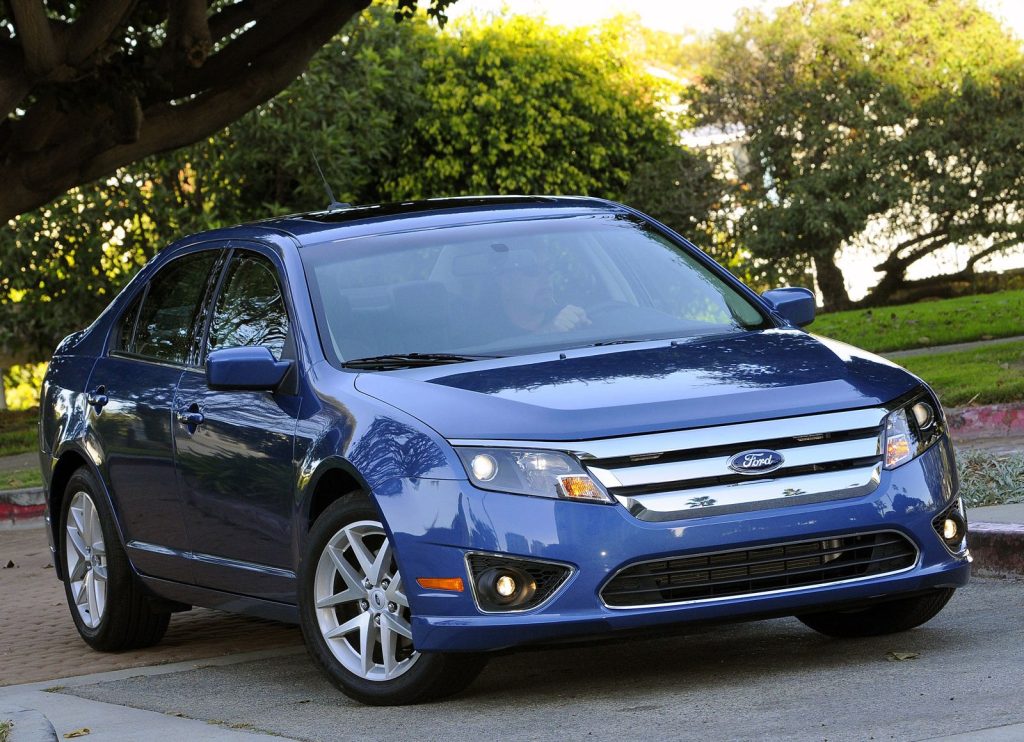
4. Ford Fusion
The Ford Fusion is a solid option for Detroit city drivers because it combines durability, comfort, and affordability in a midsize package. Its slightly larger size compared to compact sedans provides added stability on rough roads without significantly increasing ownership costs.
The Fusion’s engine and automatic transmission are tuned for smooth, predictable operation. In stop-and-go traffic, gear changes remain calm and controlled, reducing drivetrain stress. This is important in Detroit, where daily driving often involves constant braking and acceleration.
Suspension durability is one of the Fusion’s strengths. It handles potholes, broken pavement, and uneven roads better than many smaller cars. Components tend to last longer under urban abuse, reducing repair frequency.
Fuel efficiency is reasonable for a midsize sedan. While not class-leading, the Fusion avoids steep drops in mileage during city driving. Maintenance costs remain manageable, and parts availability is strong due to its widespread use.
Interior comfort also supports daily city driving. Seats remain supportive, controls are intuitive, and the cabin holds up well under regular use. For drivers spending significant time in traffic, these factors reduce fatigue.
I am writing about the Ford Fusion because it strikes a balance between comfort and practicality. For Detroit city drivers who want something more substantial than a compact car without stepping into high repair costs, the Fusion offers dependable, no-nonsense transportation.
5. Chevrolet Malibu
The Chevrolet Malibu is a practical fit for Detroit city drivers because it is built to handle daily commuting without demanding high ownership costs. Its midsize layout provides stability and comfort on rough roads while keeping maintenance and repairs within reasonable limits.
The Malibu’s engine is tuned for smooth, everyday driving rather than aggressive performance. This works well in city conditions where short trips, traffic lights, and frequent idling are common. The automatic transmission behaves predictably in stop-and-go traffic, reducing drivetrain stress and helping components last longer.
Suspension durability is a key advantage in Detroit. The Malibu absorbs potholes and uneven pavement better than many compact cars, reducing the likelihood of frequent alignment or suspension repairs. This matters in a city where road conditions can change block by block.
Fuel efficiency remains acceptable for a midsize sedan. While not class-leading, the Malibu avoids sharp drops in mileage during urban driving, helping drivers manage fuel expenses. Maintenance costs stay manageable due to widely available parts and strong familiarity among local repair shops.
Interior durability also supports daily use. Seats, controls, and trim hold up well under regular driving, and the cabin is easy to keep clean. These details add up for drivers who rely on their vehicle every day.
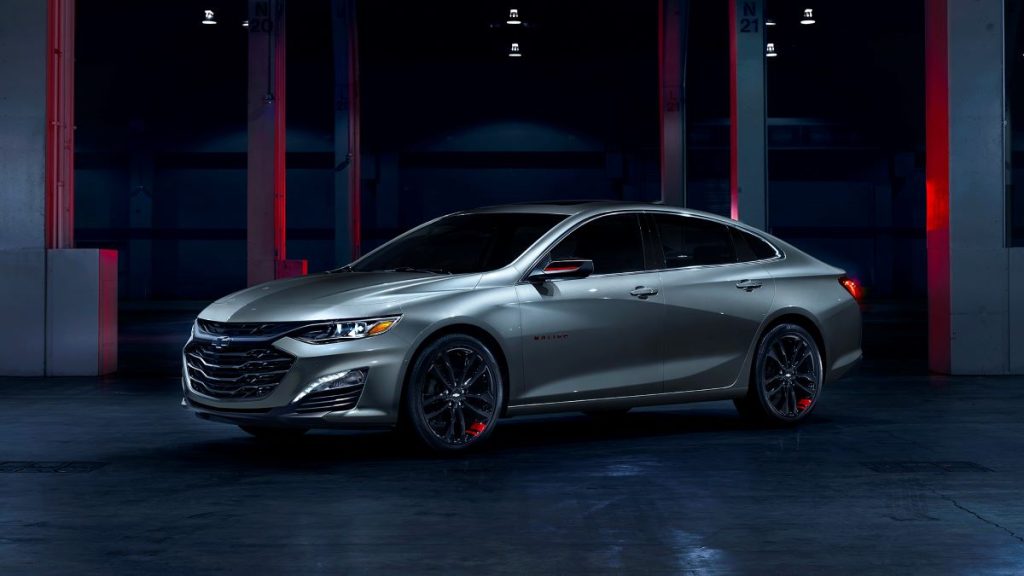
I am writing about the Chevrolet Malibu because it offers straightforward transportation without unnecessary complexity. For Detroit city drivers seeking a comfortable, affordable car that tolerates rough roads and daily use, the Malibu remains a sensible choice.
5 That Have Costly Fixes
Some cars become expensive not because they are unreliable in every sense, but because fixing them costs far more than most drivers expect. In Detroit, where many people depend on independent repair shops and cost-conscious maintenance, vehicles with costly fixes quickly turn into financial burdens.
Cars in this category often share common traits. They rely on complex electronics, tightly packaged engines, specialized transmissions, or advanced suspension systems that are expensive to diagnose and repair. When problems arise, even routine fixes can require extensive labor or dealership-only tools.
Urban driving makes matters worse. Frequent stops, short trips, rough pavement, and harsh winters accelerate wear on components. Cars that already have high parts prices or complicated systems feel this stress sooner, leading to repeated repairs and mounting bills.
Another issue is service accessibility. Vehicles that require brand-specific expertise are harder and costly to maintain in smaller or non-specialist shops. Labor rates rise, wait times increase, and owners lose flexibility in where they can service their cars.
This section focuses on five vehicles that consistently generate high repair costs relative to their value. I am writing about them to help Detroit drivers avoid unpleasant surprises. These cars may look appealing, drive well, or carry strong brand recognition, but their long-term repair expenses often outweigh their benefits for daily city use.
Understanding which cars have costly fixes is essential for urban drivers who value affordability and reliability. Avoiding these models can mean fewer breakdowns, lower repair bills, and far less stress over the life of the vehicle.
1. BMW 5 Series
The BMW 5 Series is a car that often surprises owners with how expensive it becomes to maintain and repair over time, especially in a city-driving environment like Detroit.
While it offers strong performance, comfort, and advanced technology, those same features are the reason repair costs escalate quickly once the car ages or leaves warranty coverage.
One of the biggest contributors to high repair bills is mechanical and electronic complexity. The 5 Series relies on turbocharged engines, advanced automatic transmissions, and a dense network of electronic modules controlling everything from driving modes to safety systems.
When something goes wrong, diagnostics alone can be costly, often requiring specialized tools and software that independent shops may not have.
Suspension repairs are a common expense. Many 5 Series models use adaptive suspension components that improve ride quality but wear out faster on rough city roads.
Detroit’s potholes and uneven pavement accelerate failure of control arms, bushings, and electronic dampers. Replacing these parts can cost several times more than comparable repairs on mainstream sedans.
Cooling system components are another weak point. Radiators, hoses, expansion tanks, and electric water pumps tend to fail as mileage increases. Individually, these parts are expensive, and repairs often involve significant labor due to tight engine packaging.
Electrical issues add another layer of expense. Faulty sensors, infotainment glitches, and warning lights are common complaints. Even small electrical problems can trigger cascading system alerts that require lengthy troubleshooting rather than simple fixes.
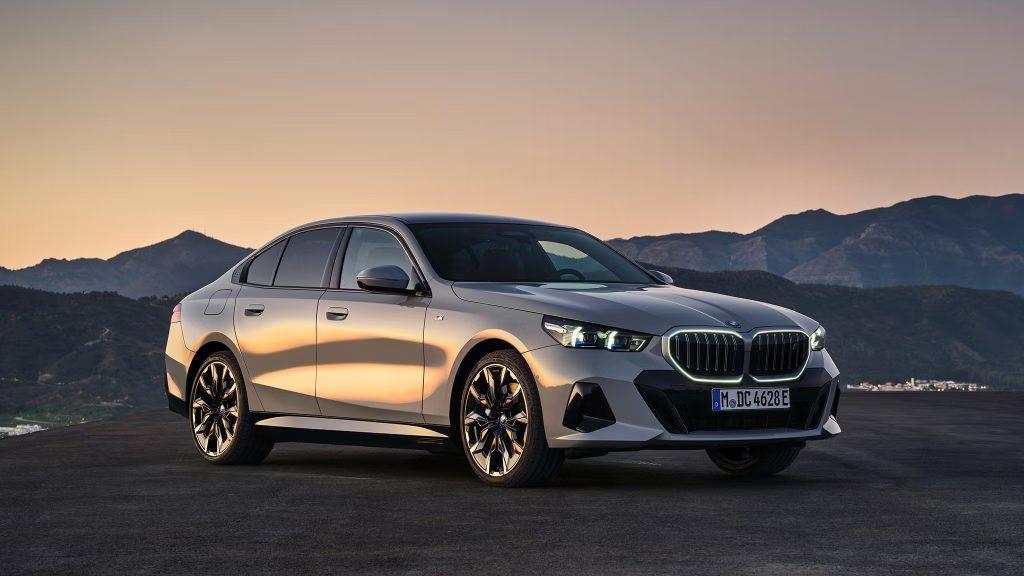
I am writing about the BMW 5 Series because it represents a car that feels reasonable at purchase but becomes financially demanding over time.
For Detroit city drivers dealing with rough roads, winter wear, and frequent short trips, the 5 Series often delivers repair bills that far exceed expectations, making it an impractical choice for cost-conscious ownership.
2. Audi Q7
The Audi Q7 is another vehicle that consistently racks up costly fixes, particularly in urban environments where wear accumulates quickly. While it offers luxury, space, and strong performance, its long-term ownership costs can be overwhelming for city drivers.
A major issue with the Q7 is its size combined with complexity. The vehicle uses advanced all-wheel drive systems, turbocharged engines, and electronically controlled transmissions that are expensive to service. In city driving, frequent starts, stops, and tight maneuvering place constant strain on these systems.
Suspension repairs are among the most expensive aspects of ownership. Many Q7 models are equipped with adaptive or air suspension, which provides excellent ride comfort but is extremely costly to repair when components fail.
Detroit’s rough roads significantly shorten suspension component lifespan, leading to repair bills that often reach thousands of dollars.
Brake repairs are also expensive. The Q7’s weight causes accelerated brake wear in stop-and-go city driving. Replacement parts are costly, and labor time is higher than average due to the vehicle’s size and design.
Electrical reliability further complicates ownership. The Q7 relies heavily on integrated electronic systems for safety, infotainment, and vehicle control. When faults occur, diagnosing them can be time-consuming and expensive. Minor issues often require module replacement rather than simple repairs.

I am writing about the Audi Q7 because it illustrates how luxury SUVs can become financial liabilities in city environments.
For Detroit drivers prioritizing affordability and predictability, the Q7’s repair complexity, high parts costs, and sensitivity to urban wear make it a poor long-term choice despite its comfort and capability.
3. Mercedes-Benz C-Class
The Mercedes-Benz C-Class often appears to be a sensible entry into luxury ownership, but for Detroit city drivers, it can quickly become an expensive vehicle to keep running. While refined and comfortable when new, long-term ownership frequently brings repair costs that surprise even careful owners.
A major issue is the car’s reliance on complex electronics and tightly integrated systems. The C-Class uses numerous sensors, control modules, and electronic subsystems to manage everything from driving dynamics to climate control.
When one component fails, it can trigger multiple warning lights and require extensive diagnostic time. Even relatively minor faults often result in expensive parts replacement rather than simple repairs.
Suspension durability is another concern, especially on rough city roads. Detroit’s potholes and uneven pavement accelerate wear on control arms, bushings, and electronic steering components. Repairs are costly not only because of parts prices, but also because labor time is higher due to the car’s packaging and design.
Engine-related repairs can also be expensive. Turbocharged engines deliver strong performance, but they introduce additional points of failure, including turbo hardware, sensors, and cooling components. As mileage increases, these systems require attention, and repairs are rarely inexpensive.
Routine maintenance costs are elevated as well. Brakes, batteries, and even oil services often cost significantly more than comparable mainstream sedans. In many cases, owners feel pressured to visit dealerships due to specialized diagnostic needs, further increasing expenses.
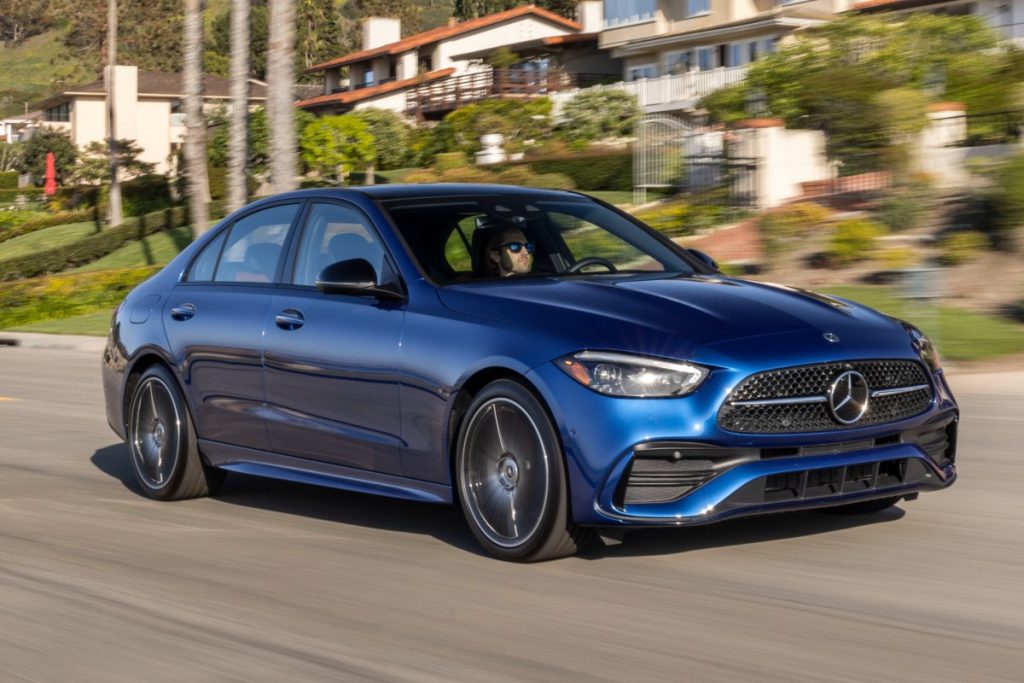
I am writing about the Mercedes-Benz C-Class because it represents a common ownership trap. It feels manageable at purchase but becomes increasingly costly over time.
For Detroit drivers who deal with harsh roads and frequent short trips, the C-Class often demands more money and attention than its size and price initially suggest.
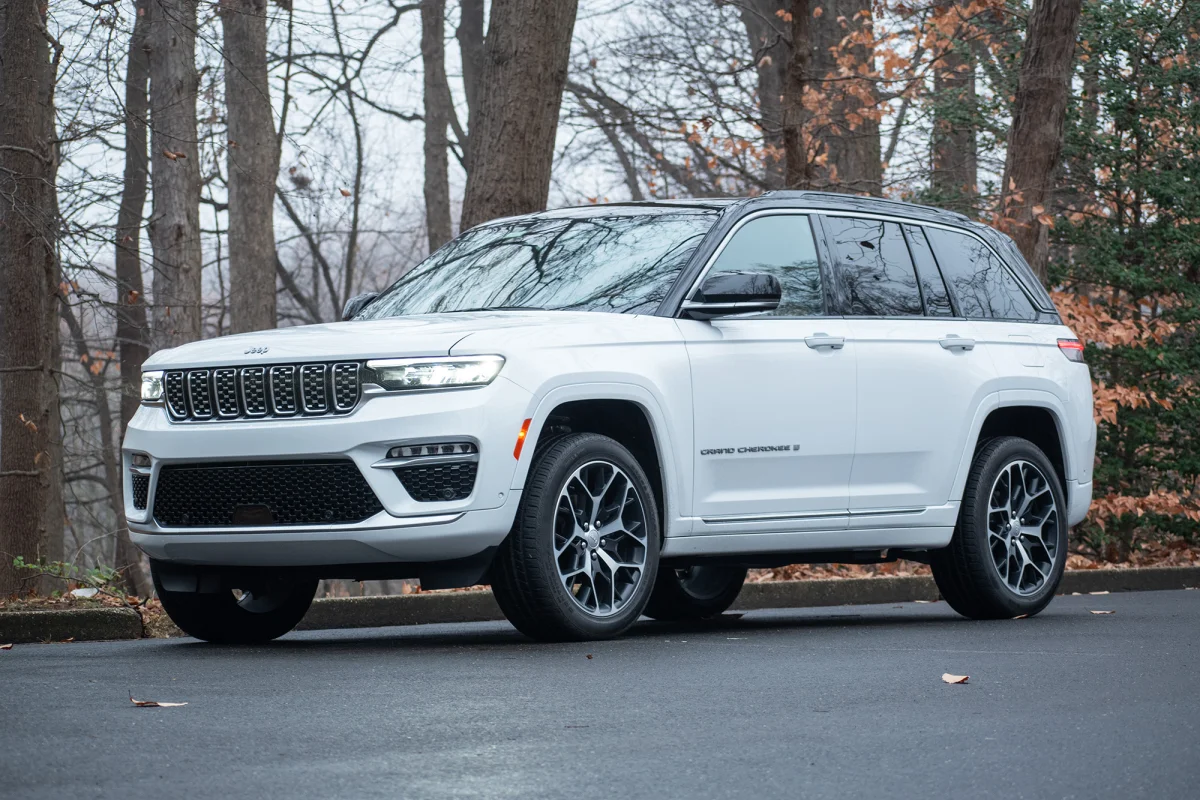
4. Jeep Grand Cherokee
The Jeep Grand Cherokee is another vehicle known for costly fixes, particularly as it ages. While popular for its comfort and capability, long-term ownership often brings significant repair expenses that outweigh its practical appeal for city driving.
One of the biggest contributors to high costs is drivetrain complexity. Many Grand Cherokee models use advanced four-wheel-drive systems, electronic differentials, and sophisticated transmissions.
In city use, frequent stops, tight turns, and winter driving accelerate wear on these systems. Repairs involving drivetrain components are often expensive and labor-intensive.
Suspension systems are a frequent problem area. Models equipped with air suspension offer excellent ride quality, but repairs are extremely costly when components fail. Detroit’s rough roads significantly shorten the lifespan of air struts, compressors, and sensors, leading to repair bills that can reach several thousand dollars.
Electrical reliability is another issue. As the vehicle ages, problems with infotainment systems, control modules, and sensors become more common. Diagnosing these faults can be time-consuming, and replacement parts are not cheap.
Brake and cooling system repairs also add up quickly. The Grand Cherokee’s weight causes faster brake wear in stop-and-go city driving, and cooling components are prone to failure over time. Combined, these issues increase maintenance frequency and cost.
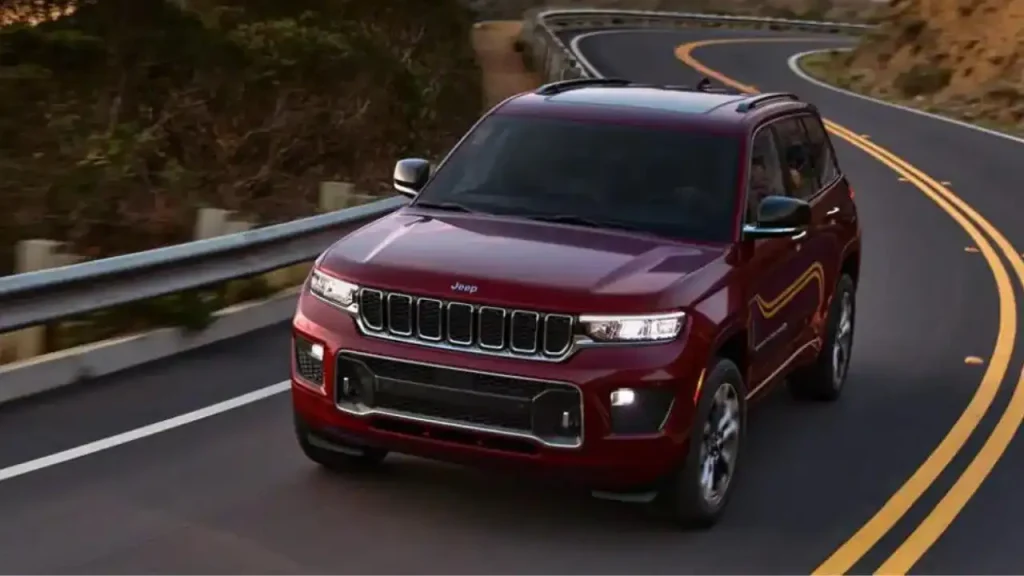
I am writing about the Jeep Grand Cherokee because it illustrates how capability and comfort can come at a high price. For Detroit city drivers seeking predictable ownership costs, the Grand Cherokee often becomes far more expensive to maintain than expected, making it a risky long-term choice.
5. Range Rover Sport
The Land Rover Range Rover Sport is one of the most well-known examples of a vehicle that can cost a fortune to fix, particularly in a city-driving environment like Detroit. While it delivers luxury, presence, and strong on-road performance, its long-term repair costs often overwhelm owners once mileage increases.
The biggest issue is overall complexity. The Range Rover Sport is built around advanced air suspension, sophisticated all-wheel-drive systems, and a dense network of electronic modules.
These systems work beautifully when new, but they are highly sensitive to wear, moisture, and road abuse. Detroit’s rough pavement and harsh winters accelerate failures that are already expensive by nature.
Air suspension is the most notorious cost driver. Struts, compressors, height sensors, and control modules often fail over time. Repairs rarely involve a single component. Once issues begin, multiple parts usually need replacement, resulting in repair bills that can reach several thousand dollars in a single visit.
Electrical reliability is another major concern. Infotainment glitches, sensor failures, warning lights, and control module faults are common as the vehicle ages.
Diagnosing these issues is time-consuming and often requires dealership-level equipment. Independent repair shops may be limited in what they can service, increasing labor costs and downtime.
Drivetrain and cooling system repairs also add to ownership expense. The Range Rover Sport uses tightly packaged engines that generate significant heat, especially in stop-and-go city driving. Cooling system failures, oil leaks, and transmission-related issues become more common with age, and repairs are rarely simple or cheap.
Routine maintenance costs are high as well. Brakes wear quickly due to vehicle weight, replacement parts are expensive, and labor rates are elevated due to complexity. Even standard services cost far more than mainstream SUVs.
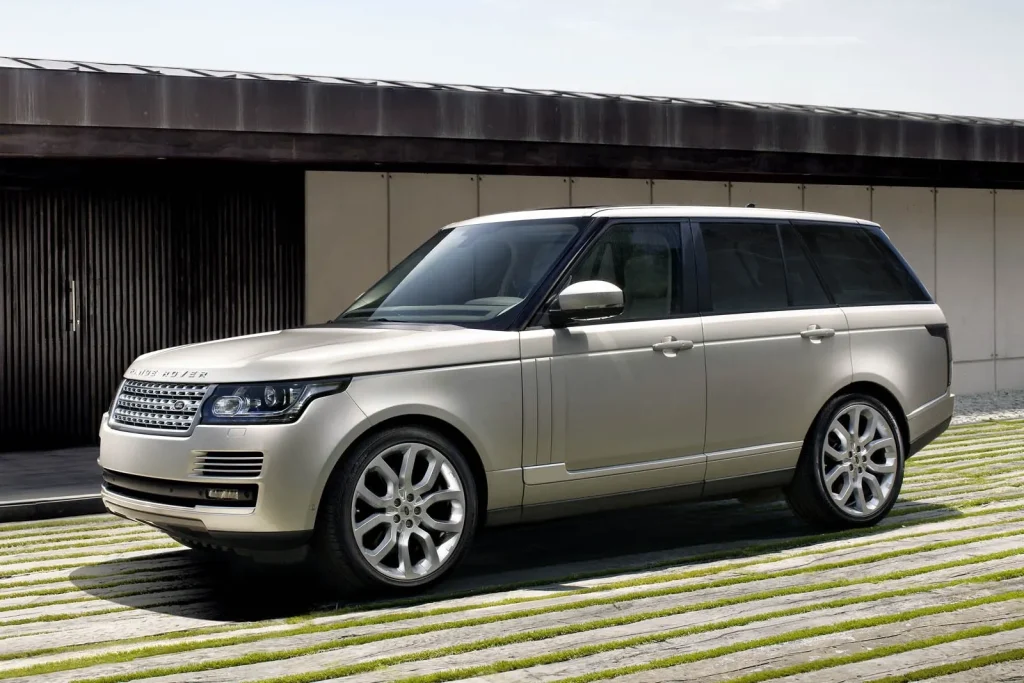
I am writing about the Range Rover Sport because it represents the extreme end of costly ownership. For Detroit city drivers who need reliability and predictable expenses, this vehicle often becomes a financial drain.
While impressive to drive and own on the surface, its repair costs, complexity, and sensitivity to urban conditions make it one of the most expensive vehicles to maintain long term.
Detroit city driving demands vehicles that can withstand rough roads, frequent stop-and-go traffic, harsh winters, and daily wear without draining owners financially. This article examined both sides of ownership in that environment by identifying cars that work well for Detroit city drivers and those that are known for costly repairs.
The first section focused on five cars well suited for Detroit city driving. Models such as the Toyota Corolla and Honda Civic stood out for their mechanical simplicity, strong reliability records, and low maintenance costs.
Their engines and transmissions handle short trips and traffic-heavy conditions without excessive wear, making them dependable daily drivers.
The Toyota Prius was highlighted for its hybrid efficiency, which excels in stop-and-go environments by reducing engine and brake wear while keeping fuel costs low.
Midsize options like the Ford Fusion and Chevrolet Malibu offered additional comfort and stability on rough pavement while maintaining reasonable repair and ownership costs.
Across all five vehicles, common strengths included durable suspensions, predictable drivetrains, and widespread service support, all of which are critical for navigating Detroit’s challenging road conditions.
The second section examined five cars that have costly fixes, serving as cautionary examples for city drivers.
Vehicles such as the BMW 5 Series, Audi Q7, Mercedes-Benz C-Class, Jeep Grand Cherokee, and Range Rover Sport were highlighted for their complex engineering and expensive parts.
Advanced electronics, adaptive suspensions, turbocharged engines, and sophisticated drivetrain systems contribute to high repair bills as these vehicles age. In Detroit’s urban environment, potholes, winter wear, and frequent short trips accelerate failures in already expensive components.
A key takeaway is that purchase price and brand prestige often hide long-term costs. Luxury and technology-heavy vehicles may offer comfort and performance, but they frequently demand thousands of dollars in repairs over time.
For Detroit drivers, practicality means choosing cars with proven reliability, affordable parts, and simple service needs.
Ultimately, vehicles designed for durability and ease of repair provide far better long-term value than those that impress initially but become financial liabilities with continued city use.
Also Read: 5 Cars for Rochester, MN Cold Commuters and 5 That Lose Power in Freeze
