
Driving in Bismarck, North Dakota is a true test of automotive durability. Winters here are not mild inconveniences. They are long, brutally cold, and unforgiving.
Temperatures regularly drop well below zero, snowstorms last for days, and vehicles are often left sitting overnight in extreme cold. In these conditions, a car’s ability to start reliably and operate smoothly is not a luxury. It is essential.
Harsh winters expose weaknesses quickly. Batteries lose power, engine oil thickens, fuel systems struggle, and electronics become unreliable. Some cars are engineered to handle this environment, starting consistently even after nights spent in subzero temperatures.
Others fail repeatedly, leaving drivers stranded or dependent on jump-starts, block heaters, and constant maintenance.
For Bismarck drivers, winter readiness goes beyond all-wheel drive. Cold-weather reliability depends on engine design, electrical system quality, battery capacity, starter strength, and how well components tolerate prolonged freezing.
Vehicles that perform well here are usually conservative in design, mechanically robust, and tested in similar climates.
This article looks at both sides of winter ownership. First, it highlights five cars that are well suited for Bismarck’s harsh winters, focusing on cold-start reliability, winter drivability, and long-term durability. These are vehicles chosen because they repeatedly prove themselves in extreme cold.
Then, the article shifts to five cars that struggle to start in cold weather, explaining why their design, components, or reliability issues make them poor choices for severe winter climates.
The goal is simple: help Bismarck drivers avoid vehicles that turn winter into a constant battle and choose cars that start, run, and survive when temperatures are at their worst.
Also Read: 5 Cars for Corvallis College & Commuting and 5 Students Should Skip
5 Cars for Bismarck Harsh Winters
Bismarck winters demand more from a vehicle than most drivers will ever experience elsewhere. Extended periods of subzero temperatures, heavy snow accumulation, and frozen road surfaces push engines, batteries, and drivetrains to their limits. A car that performs well here must be built with cold-weather reliability as a priority, not an afterthought.
The vehicles in this section are chosen specifically for their ability to handle extreme cold. They start reliably after sitting overnight in freezing temperatures, warm up predictably, and maintain stable operation even when conditions are harsh.
Strong electrical systems, dependable starters, and engines that tolerate thickened fluids play a major role in winter survivability.
Traction also matters. Snow-packed roads, icy intersections, and drifting conditions require predictable power delivery.
Vehicles that distribute power smoothly and maintain control without sudden surges reduce the risk of getting stuck or losing control. Ground clearance and suspension durability further contribute to winter confidence.
Interior resilience is another factor. Heating systems must work quickly and consistently, defrosters must function reliably, and controls must remain responsive even in extreme cold. Vehicles that struggle to deliver cabin heat or suffer electronic glitches become liabilities in Bismarck winters.
I am writing about these vehicles because they consistently prove themselves in climates similar to North Dakota. They are not necessarily the newest or most advanced cars, but they are dependable. For Bismarck drivers, these vehicles represent peace of mind during months when failure is not an option.
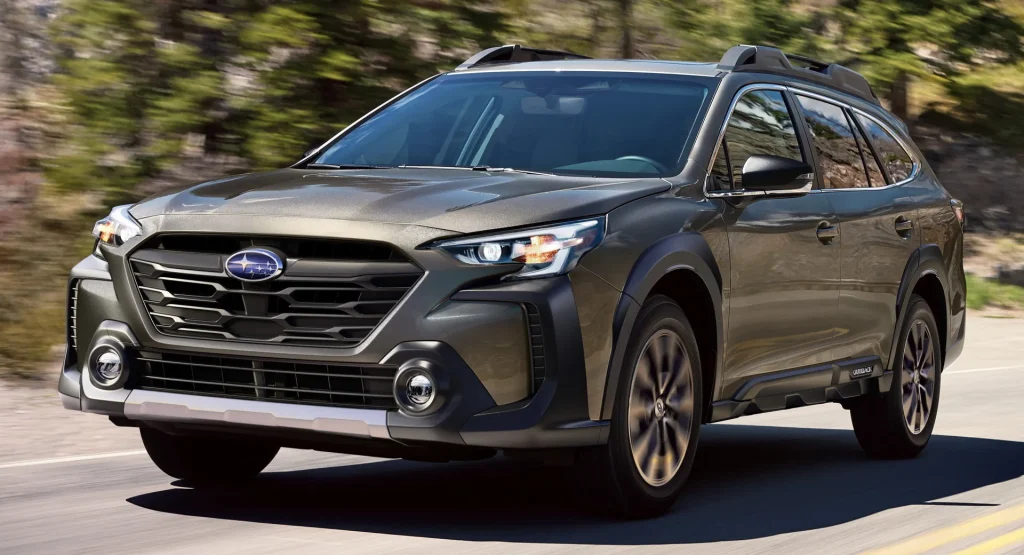
1. Subaru Outback
The Subaru Outback is one of the most dependable vehicles for Bismarck’s harsh winters because it is engineered with cold climates in mind. Its full-time all-wheel drive system delivers continuous power to all four wheels, which improves traction on snow-packed roads and icy surfaces without waiting for wheel slip to occur.
Cold-start reliability is a major strength. The Outback’s engine consistently starts in subzero temperatures, even after sitting overnight in extreme cold. Electrical components, starters, and battery systems are well matched for winter use, reducing the need for frequent jump-starts or emergency assistance.
Ground clearance plays a critical role in winter driving, and the Outback offers enough height to handle snow buildup, drifts, and unplowed streets. This allows drivers to maintain momentum where lower vehicles struggle or become stuck. In Bismarck, where snow removal can lag during storms, this capability matters daily.
Heating performance is another advantage. The Outback’s cabin warms quickly, defrosters work efficiently, and climate controls remain reliable even in extreme cold. These details significantly improve safety and comfort during winter commutes.
Suspension durability also supports long-term winter use. Frozen ruts, potholes, and uneven pavement are common after freeze-thaw cycles, and the Outback absorbs these conditions without excessive wear. This helps reduce winter-related repair costs over time.
I am writing about the Subaru Outback because it consistently proves itself in harsh northern winters. It starts when it should, moves when it needs to, and delivers confidence when conditions are at their worst. For Bismarck drivers facing months of extreme cold, the Outback is a practical and reliable winter companion.
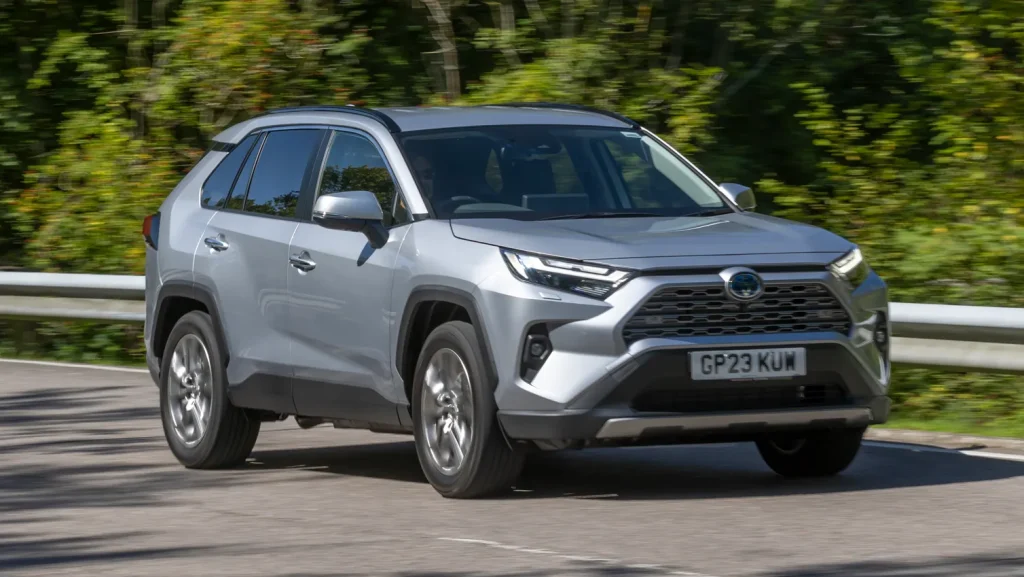
2. Toyota RAV4 AWD
The Toyota RAV4 with all-wheel drive is a strong performer in Bismarck’s harsh winters because it combines conservative engineering with proven cold-weather reliability. Toyota vehicles are known for starting dependably in extreme conditions, and the RAV4 continues that tradition even when temperatures plunge well below zero.
Cold starts are one of the RAV4’s biggest strengths. The engine, starter, and electrical system are well matched for freezing environments, reducing the likelihood of no-start situations after overnight exposure to extreme cold.
Even without a block heater, the RAV4 tends to fire up consistently, which is critical in a place like Bismarck where winter mornings can be unforgiving.
The AWD system enhances winter drivability by distributing power smoothly when traction is limited. Instead of abrupt engagement, the system reacts predictably, helping the vehicle move forward on snow-packed roads and icy intersections without excessive wheel spin.
This controlled behavior reduces stress on drivetrain components and improves driver confidence.
Ground clearance is sufficient for most winter scenarios. While not a dedicated off-road vehicle, the RAV4 handles snow accumulation, slush, and frozen ruts without scraping or getting hung up. This makes it practical for both city streets and rural roads around Bismarck.
Heating and defrosting performance are reliable. The cabin warms up at a reasonable pace, defrosters clear frost effectively, and controls remain responsive even in extreme cold. These features directly affect safety and comfort during winter driving.
I am writing about the Toyota RAV4 AWD because it delivers dependable winter operation without unnecessary complexity. For Bismarck drivers who need a vehicle that starts reliably, maintains traction, and holds up mechanically through long winters, the RAV4 is a sensible and proven choice.
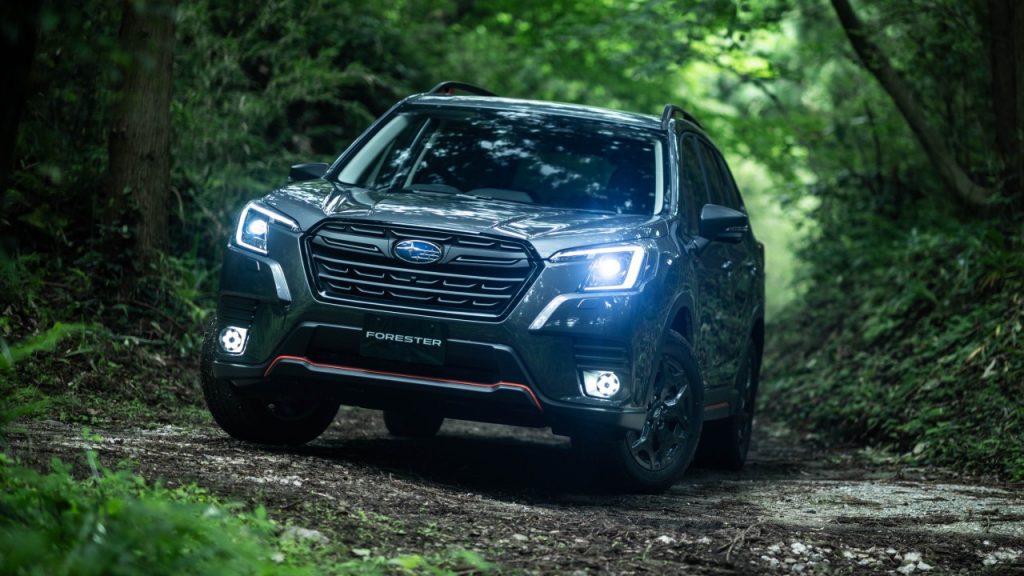
3. Subaru Forester
The Subaru Forester is exceptionally well suited for Bismarck winters because it prioritizes stability, visibility, and cold-weather reliability. Like other Subaru models, it uses a full-time all-wheel drive system that continuously sends power to all four wheels, improving traction on icy and snow-covered roads.
Cold-start reliability is a standout trait. The Forester consistently starts in subzero temperatures, even after prolonged exposure to extreme cold. Its electrical system, starter motor, and battery capacity are well matched for harsh winter conditions, reducing winter-related starting failures.
Visibility is another major advantage in winter. Large windows and upright seating give drivers a clearer view of snowbanks, icy patches, and drifting snow. In poor winter visibility, this added awareness makes a meaningful difference in safety and confidence.
Ground clearance allows the Forester to navigate snow buildup and unplowed streets without difficulty. Snow-packed residential roads and rural routes are less intimidating in a vehicle that can maintain momentum without scraping or bottoming out.
Heating performance supports winter usability. The cabin warms up efficiently, and defrost systems remain reliable even in extreme cold. Controls and displays continue functioning properly despite freezing temperatures, avoiding the electronic glitches that plague some vehicles in harsh climates.
Suspension durability also matters in Bismarck winters. Frozen ruts, potholes, and rough pavement are common, and the Forester absorbs these conditions without excessive wear. Over time, this reduces winter-related maintenance costs.
I am writing about the Subaru Forester because it repeatedly proves itself in severe winter regions. It combines reliable cold starts, confident traction, and practical winter usability, making it a dependable choice for drivers who face long months of extreme cold.
4. Toyota Land Cruiser
The Toyota Land Cruiser is exceptionally well suited for Bismarck’s harsh winters because it is built with extreme environments in mind. Designed to operate reliably in remote, cold, and demanding regions around the world, the Land Cruiser’s engineering prioritizes durability and cold-weather dependability above all else.
Cold-start performance is one of its strongest attributes. The Land Cruiser’s engine, starter, and electrical systems are designed to function reliably in extreme temperatures.
Even after sitting overnight in deep cold, it is far less likely to suffer from no-start issues compared to more delicate or highly tuned vehicles. This reliability is critical in Bismarck, where winter mornings can be unforgiving.
The four-wheel drive system delivers predictable traction on snow, ice, and frozen roads. Power delivery is smooth and controlled, helping the vehicle move confidently without sudden wheel spin. In whiteout conditions or on untreated roads, this stability makes a meaningful difference.
Ground clearance is another major advantage. Deep snow, drifting, and frozen ruts are less likely to stop a Land Cruiser. It can maintain momentum where lower vehicles struggle, making it suitable for both city driving and rural winter travel around North Dakota.
Heating performance is excellent. The cabin warms quickly, defrosters clear ice efficiently, and climate controls continue functioning even in extreme cold. Interior components are built to tolerate freezing temperatures without cracking or electronic failure.
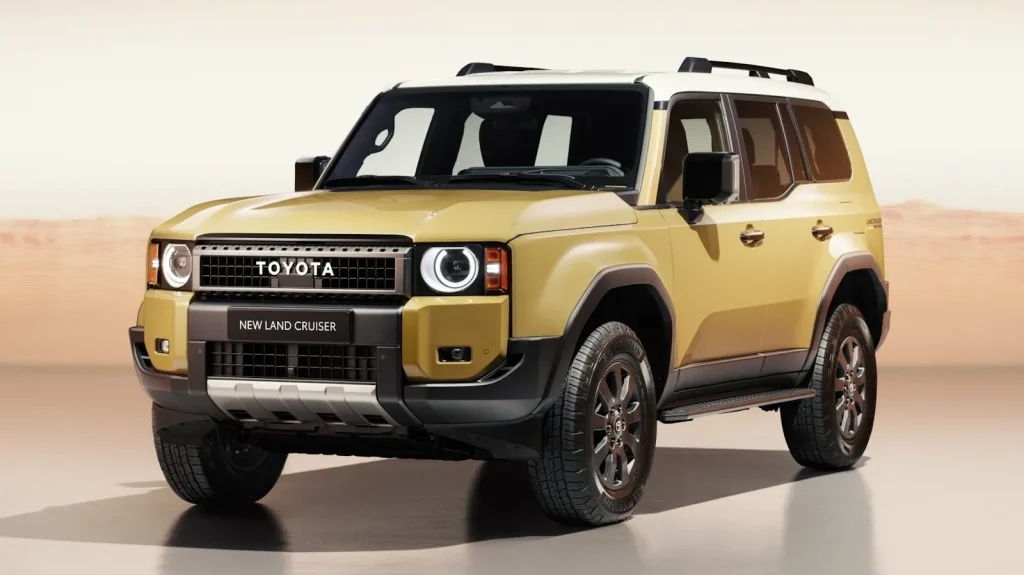
Suspension and chassis durability further support winter reliability. Rough pavement, frozen potholes, and uneven surfaces are absorbed without excessive wear. While maintenance costs are higher than average, the tradeoff is exceptional long-term durability in harsh climates.
I am writing about the Toyota Land Cruiser because it represents winter reliability at its highest level. For Bismarck drivers who prioritize absolute cold-weather dependability over fuel economy or size, the Land Cruiser delivers unmatched confidence during the harshest months of the year.
5. Volvo XC70
The Volvo XC70 is a strong choice for Bismarck winters because it was engineered with Scandinavian climates in mind. Designed to operate reliably in long, cold winters, the XC70 emphasizes traction, cold-start reliability, and winter comfort.
Cold starts are consistently dependable. The XC70’s engine and electrical system handle subzero temperatures well, especially when properly maintained. Starters and batteries are sized to tolerate cold-weather demands, reducing winter starting failures.
The all-wheel drive system provides steady traction on icy roads and snow-packed streets. Power delivery is smooth rather than aggressive, which helps maintain control when surfaces are slick. This predictable behavior is especially valuable during winter storms.
Ground clearance is higher than a standard wagon, allowing the XC70 to handle snow buildup and frozen ruts without scraping. While not a full SUV, it offers enough height to manage most winter driving scenarios in Bismarck.
Interior comfort is a major winter strength. Heating systems are efficient, seats warm quickly, and defrosters perform reliably. Controls remain functional in freezing conditions, and materials tolerate cold without premature wear.
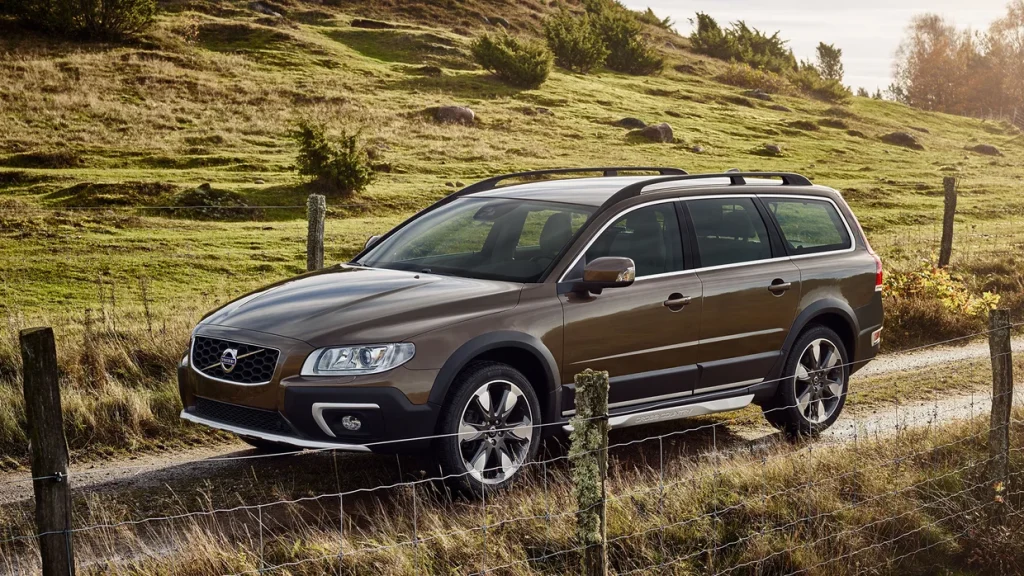
Suspension tuning favors stability and comfort over sportiness. This helps absorb winter-damaged roads and reduces stress on components during freeze-thaw cycles. Over time, this contributes to consistent winter performance and lower repair frequency.
I am writing about the Volvo XC70 because it reflects cold-climate engineering done right. For Bismarck drivers who want winter reliability without moving to a large SUV, the XC70 offers a dependable and confidence-inspiring solution.
5 That Don’t Start in Cold
Extreme cold exposes weaknesses that mild climates never reveal. In places like Bismarck, temperatures regularly drop low enough to strain batteries, thicken engine oil, and disrupt electronics. Vehicles that are poorly suited for these conditions often fail to start, leaving drivers stranded or dependent on jump-starts and emergency assistance.
Cars that struggle in cold weather often share common traits. Weak electrical systems, undersized batteries, unreliable starters, and sensitive electronics are frequent culprits. Turbocharged engines and complex fuel systems can also have difficulty in extreme cold, especially when vehicles sit unused overnight.
Cold weather also magnifies maintenance issues. A marginal battery that works fine in summer may fail completely in winter. Oil that is too thick slows engine cranking, while aging sensors and wiring become brittle and unreliable. In harsh winters, these small weaknesses turn into repeated no-start situations.
This section focuses on five cars that are known to struggle with cold starts. I am writing about them to help Bismarck drivers avoid vehicles that become liabilities during winter. These models may perform well in moderate climates, but extreme cold exposes their limitations quickly.
In Bismarck, reliability in winter is not optional. Choosing a vehicle that starts consistently in subzero temperatures can mean the difference between confidence and constant frustration. The following cars serve as warnings for drivers facing months of severe cold.
1. Fiat 500
The Fiat 500 is one of the least reliable cars when it comes to starting in extreme cold, making it a poor choice for Bismarck winters. While it may perform acceptably in mild climates, harsh winter conditions quickly expose its weaknesses, particularly in subzero temperatures.
The biggest issue is the electrical system. The Fiat 500 uses a relatively small battery and lightweight starter setup, both of which struggle when temperatures drop sharply.
In extreme cold, battery output is significantly reduced, and the car often lacks the reserve power needed to crank the engine reliably. This results in slow cranking, clicking noises, or complete no-start situations after overnight exposure.
Cold weather also affects the engine management system. Sensors that regulate fuel delivery and ignition timing are sensitive to temperature changes, and in extreme cold, they may not respond accurately.
This can cause rough starts, extended cranking, or failure to fire altogether. Owners in cold regions frequently report repeated winter starting issues even when batteries are replaced.
Oil viscosity compounds the problem. Smaller engines rely on efficient oil flow during startup, but thickened oil in subzero conditions increases resistance. The Fiat 500’s starter often struggles to overcome this added load, especially when the battery is already weakened by the cold.
Build quality further contributes to winter problems. Wiring insulation and connectors are not particularly robust in freezing temperatures. Over time, cold exposure leads to brittle wiring, poor connections, and intermittent electrical faults that worsen starting reliability.
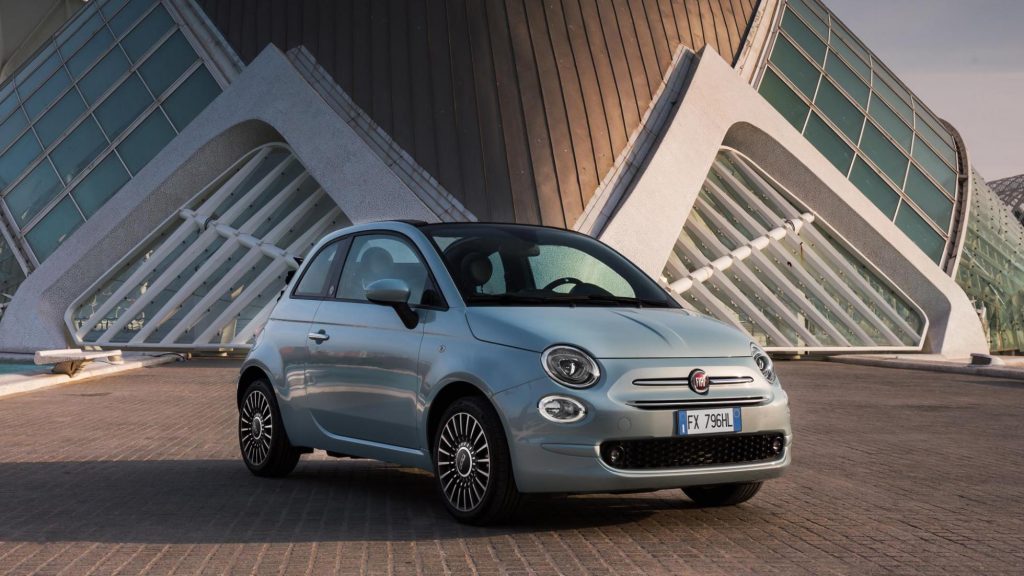
I am writing about the Fiat 500 because it highlights how a car designed for urban, mild-climate driving can become a liability in extreme cold.
In Bismarck, where winter mornings regularly dip well below zero, the Fiat 500 often requires frequent jump-starts, block heaters, or constant attention just to remain usable. For drivers who depend on reliable winter starts, it is simply not built for the job.
2. Mini Cooper
The Mini Cooper is another car that struggles significantly with cold starts, particularly in severe winter climates like Bismarck. While it offers engaging handling and distinctive styling, its reliability in extreme cold is a common concern among owners.
A major issue lies in the Mini’s electrical and charging systems. Cold temperatures reduce battery efficiency, and the Mini’s electrical architecture places heavy demands on already strained batteries during startup. As a result, winter mornings often bring slow cranking or complete failure to start, even with relatively new batteries.
Turbocharged engine variants add further complications. Turbo engines rely on precise fuel and air management, and in extreme cold, sensors and actuators may not respond as intended. This leads to extended cranking times, rough starts, or misfires immediately after startup. In some cases, the engine may start briefly and then stall.
Oil flow is another concern. The Mini’s tightly packaged engine bay retains cold longer, thickening oil and increasing resistance during startup. Starters are forced to work harder, accelerating wear and increasing the likelihood of failure in winter conditions.
Electrical gremlins are especially problematic in cold weather. Owners frequently report warning lights, malfunctioning displays, and intermittent system failures during winter months. Cold-induced wiring and connector issues make diagnosing and resolving these problems difficult and expensive.
I am writing about the Mini Cooper because it demonstrates how performance-oriented compact cars can struggle in extreme cold.
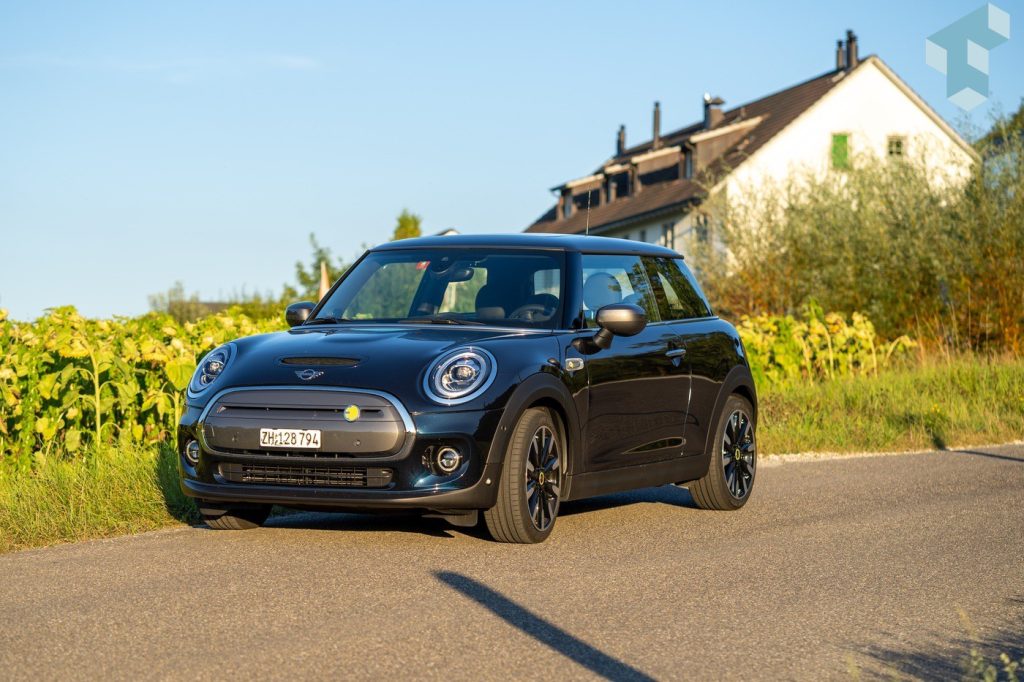
In Bismarck winters, the Mini often demands constant attention, frequent battery replacements, and winter-specific accommodations just to remain operational. For drivers facing months of subzero temperatures, its cold-start reliability is simply not dependable enough.
3. Chevrolet Cruze
The Chevrolet Cruze is a car that frequently struggles to start in extreme cold, making it a risky choice for Bismarck winters. While it may perform adequately in moderate climates, prolonged subzero temperatures expose several weaknesses that affect cold-start reliability.
Battery and electrical system limitations are a primary issue. The Cruze’s electrical setup does not offer much reserve capacity in extreme cold, and battery output drops sharply when temperatures plunge. On frigid mornings, this often results in slow cranking or a complete failure to start, even when the battery is not especially old.
Engine management behavior also contributes to winter problems. Sensors responsible for fuel delivery and ignition timing can respond sluggishly in extreme cold, leading to extended cranking times. In some cases, the engine turns over but fails to fire, leaving drivers stranded until the battery recovers or assistance arrives.
Turbocharged variants add another layer of cold-weather difficulty. Turbo systems rely on precise airflow and fuel balance, which becomes harder to maintain when temperatures are far below zero. Cold-soaked components and thickened oil increase resistance during startup, placing additional strain on the starter motor.
Oil viscosity plays a significant role as well. In extreme cold, oil thickens considerably, and the Cruze’s starter often struggles to overcome the added resistance. This accelerates starter wear and increases the likelihood of repeated winter starting failures over time.
Build quality further affects winter reliability. Wiring connectors and sensors are prone to cold-related issues as insulation stiffens and contracts. Over multiple winters, this leads to intermittent electrical faults that make starting problems more frequent and unpredictable.
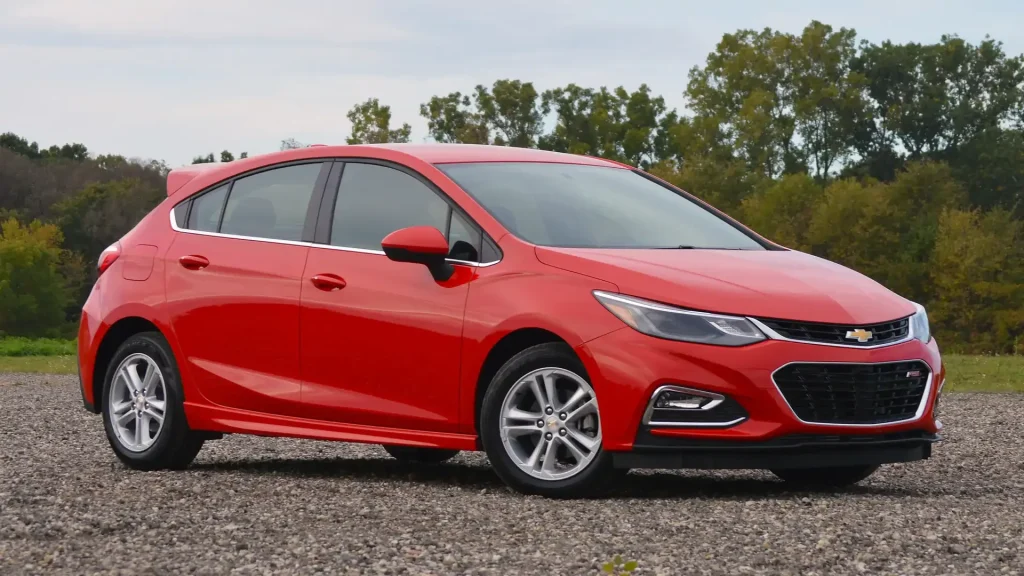
I am writing about the Chevrolet Cruze because it illustrates how a car designed primarily for efficiency and affordability can fall short in severe winter climates.
In Bismarck, repeated no-start situations are common enough that owners often rely on block heaters, frequent battery replacements, or emergency jump-starts just to keep the car usable.
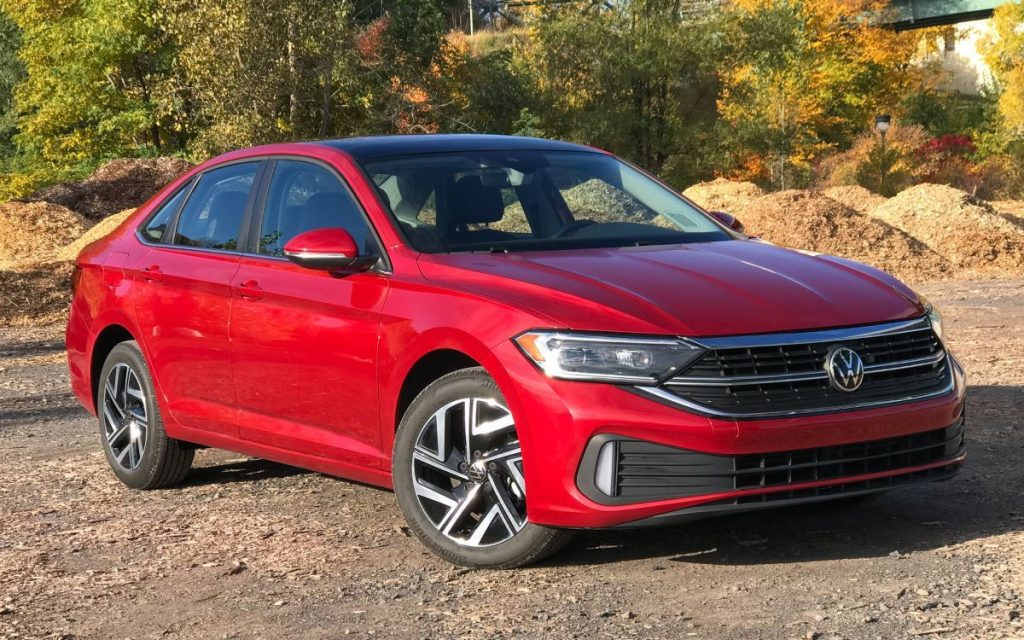
4. Volkswagen Jetta
The Volkswagen Jetta is another vehicle known to struggle with cold starts in extreme winter conditions, particularly in places like Bismarck. While refined and comfortable in milder climates, harsh cold exposes weaknesses in its electrical and engine systems.
One of the biggest problems is battery sensitivity. The Jetta’s electrical system places high demands on the battery during startup, and cold temperatures drastically reduce available power. On subzero mornings, this often results in sluggish cranking or failure to start altogether.
Engine management systems are also sensitive to extreme cold. Sensors that regulate fuel injection and ignition timing may not respond quickly enough when temperatures plunge, causing extended cranking or rough starts. In severe cases, the engine may turn over repeatedly without firing.
Turbocharged engines worsen the issue. Turbo systems depend on precise control and lubrication, and thickened oil in extreme cold increases resistance. The starter must work harder to crank the engine, accelerating wear and increasing the risk of winter-related failures.
Electrical reliability becomes a growing concern over time. Cold temperatures cause wiring insulation to stiffen and connectors to contract, increasing the chance of intermittent faults. These issues often appear only in winter, making them difficult and costly to diagnose.
Heating systems also affect winter usability. Longer warm-up times mean the engine remains under cold-start conditions longer, increasing strain on components and reducing overall reliability during repeated short trips.
I am writing about the Volkswagen Jetta because it demonstrates how European-engineered vehicles, while refined and efficient, are not always optimized for extreme cold. In Bismarck winters, the Jetta often struggles to start consistently without additional measures such as block heaters or frequent electrical maintenance.
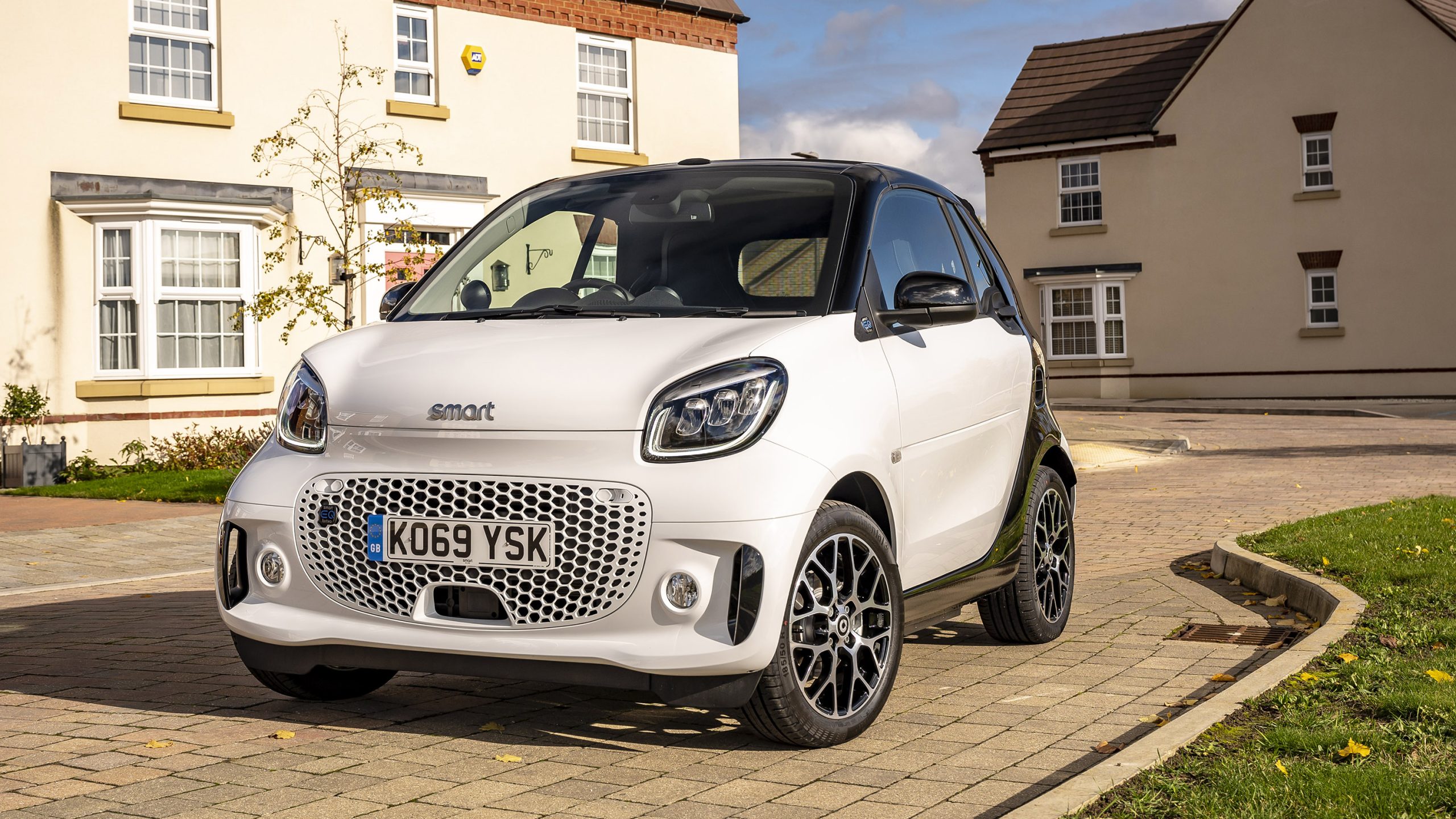
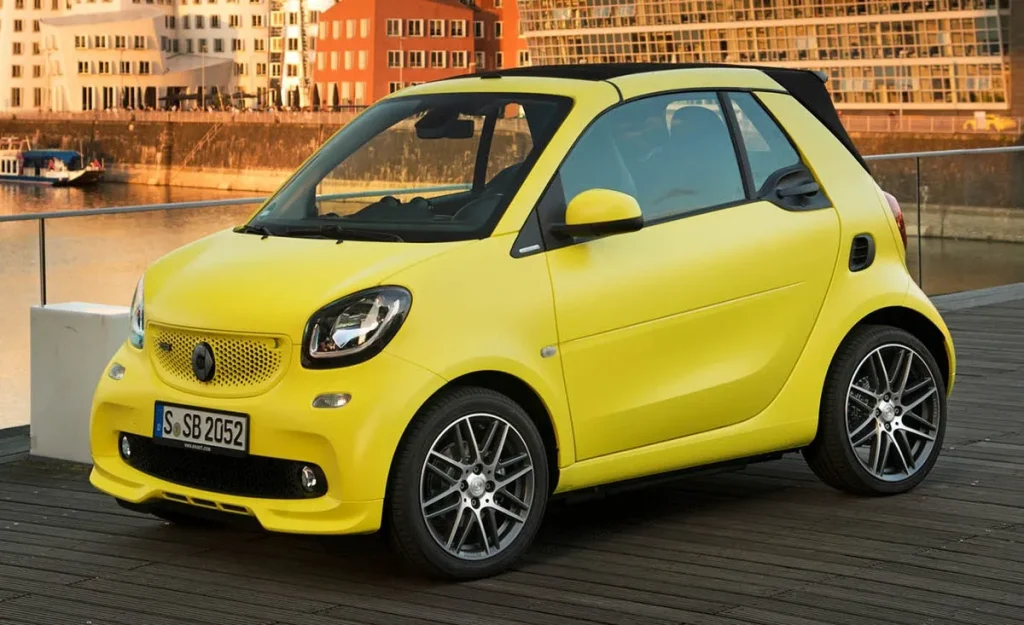
5. Smart Fortwo
The Smart Fortwo is one of the least dependable vehicles when it comes to cold starts, making it especially unsuitable for extreme winter climates like Bismarck. While its compact size and efficiency may appeal in urban, mild-weather environments, harsh cold exposes serious limitations in its design.
The most significant issue is the electrical system. The Smart Fortwo uses a very small battery to save space and weight, but cold temperatures drastically reduce battery output.
In subzero conditions, the battery often lacks sufficient power to crank the engine reliably. Owners frequently report slow cranking, repeated failed start attempts, or complete no-start situations after the car sits overnight in extreme cold.
Starter motor capacity further compounds the problem. The starter is not designed to overcome the increased resistance caused by thickened engine oil in severe cold.
As oil viscosity increases, the engine becomes harder to turn over, placing additional strain on the starter and battery. In Bismarck-level cold, this combination often results in repeated winter failures.
Transmission behavior also affects cold starts. Many Smart Fortwo models use an automated manual transmission, which relies on electronic actuators and sensors. In extreme cold, these components can respond slowly or inconsistently, preventing the vehicle from completing its startup sequence even when the engine turns over.
Build quality and insulation are additional weaknesses. Wiring, connectors, and electronic modules are not particularly well protected against prolonged exposure to freezing temperatures. Over time, cold causes materials to stiffen and contract, leading to intermittent electrical faults that worsen starting reliability.
Heating performance is also limited. Slow warm-up times mean the engine remains under cold-start stress longer, increasing wear during short winter trips. For drivers making frequent stops, this creates a cycle of repeated cold starts that the vehicle is poorly equipped to handle.
I am writing about the Smart Fortwo because it clearly illustrates how cars designed for efficiency and compactness struggle in extreme cold.
In Bismarck winters, the Smart Fortwo often requires block heaters, frequent jump-starts, or constant attention just to remain usable. For drivers who need absolute reliability in subzero temperatures, it is one of the least suitable choices available.
Also Read: 5 Cars for Rochester, MN Cold Commuters and 5 That Lose Power in Freeze
