
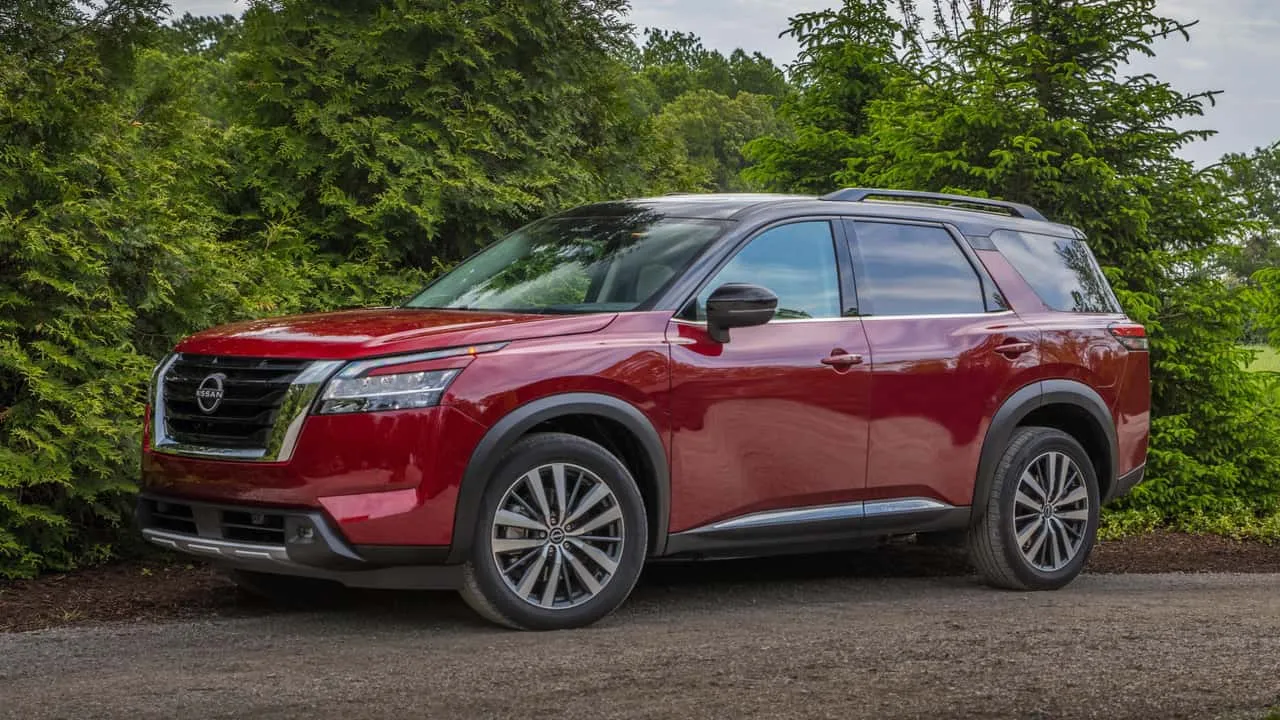
Driving in Bangor, Maine is a completely different challenge than driving in milder parts of the country. Long winters, heavy snowfall, freezing temperatures, and constant road salt create one of the harshest environments a vehicle can face.
Roads remain icy for months, visibility drops quickly during storms, and traction matters more than speed. At the same time, the same salt and moisture that keep roads drivable quietly attack metal components, accelerating corrosion and structural rust.
Because of this, choosing the right car in Bangor is not just about comfort or fuel economy. It is about survival, durability, and long-term ownership costs.
Some vehicles are engineered to handle deep snow, slippery inclines, and repeated cold starts without complaint. These cars offer reliable all-wheel drive systems, predictable handling on ice, and mechanical components that tolerate winter abuse year after year.
Others, however, suffer badly in these conditions. Certain vehicles rust far faster than owners expect, especially when exposed to road salt and moisture for extended periods.
Poor underbody protection, thin paint, and weak corrosion resistance lead to rotting frames, seized bolts, brake line failures, and expensive repairs. In northern climates like Bangor, rust is not cosmetic. It is structural, safety-related, and often irreversible.
This article covers both realities honestly. First, it focuses on five cars that are genuinely well suited for Bangor winter roads, explaining why they perform reliably in snow, ice, and extreme cold. Then it shifts to five cars that rust fast, outlining why they struggle to survive long-term in salty winter environments.
The goal is simple. If you live in Bangor or a similar northern climate, understanding which cars endure winter and which quietly deteriorate can save you thousands of dollars and years of frustration.
Also Read: 5 Cars for Corvallis College & Commuting and 5 Students Should Skip
5 Cars for Bangor Winter Roads
Winter driving in Bangor demands far more from a car than most drivers realize. Snow-covered roads, black ice, steep driveways, and subzero mornings test traction systems, engines, transmissions, and even interior materials. A car that feels fine in moderate climates can quickly become unreliable or unsafe when winter dominates half the year.
The vehicles in this section are selected specifically for Bangor’s winter reality. They are not just vehicles with all-wheel drive badges. They are cars with proven traction systems that distribute power intelligently on snow and ice.
Cold-weather reliability matters here. Engines must start consistently after freezing nights, transmissions must shift smoothly when fluids are cold, and electronics must function despite harsh conditions.
Ground clearance also plays a role. Deep snow and unplowed side streets punish low-slung vehicles. Cars that can handle uneven snow buildup without scraping or losing control earn their place on this list. Suspension durability matters as well, since winter roads are often riddled with frost heaves and potholes.
Another key factor is predictability. In winter, drivers need cars that respond calmly to steering and braking inputs. Sudden power delivery or unpredictable handling can turn a routine drive into a dangerous situation. The cars featured here are chosen because they inspire confidence rather than anxiety when conditions worsen.
I am writing about these vehicles because they consistently prove themselves in northern climates. They reduce winter stress, increase safety, and hold up mechanically under prolonged cold and snow exposure. For Bangor drivers, these cars are not luxuries. They are practical tools for surviving winter with confidence.
1. Subaru Outback
The Subaru Outback is one of the most dependable vehicles for Bangor winter roads because it is engineered with harsh weather in mind.
Its symmetrical all-wheel drive system provides constant power to all four wheels, which improves traction on snow-covered roads and icy surfaces. Unlike part-time systems, it does not wait for slippage to react, making winter driving more predictable.
Ground clearance is another major advantage. The Outback sits high enough to handle deep snow, rutted roads, and unplowed driveways without scraping.
This allows drivers to maintain momentum in conditions where lower vehicles struggle or become stuck. Bangor winters frequently create uneven road surfaces, and the Outback’s ride height makes daily travel more manageable.
Cold-weather reliability is a strong point. The engine starts consistently in freezing temperatures, and the drivetrain behaves smoothly even before reaching full operating temperature. Steering and braking responses remain controlled, which is critical on icy roads where overcorrection can quickly lead to loss of control.
The Outback’s suspension absorbs winter road damage well. Frost heaves, potholes, and rough pavement are common in Maine winters, and this vehicle handles them without excessive harshness or premature wear. Over time, this helps reduce maintenance costs related to suspension and alignment issues.
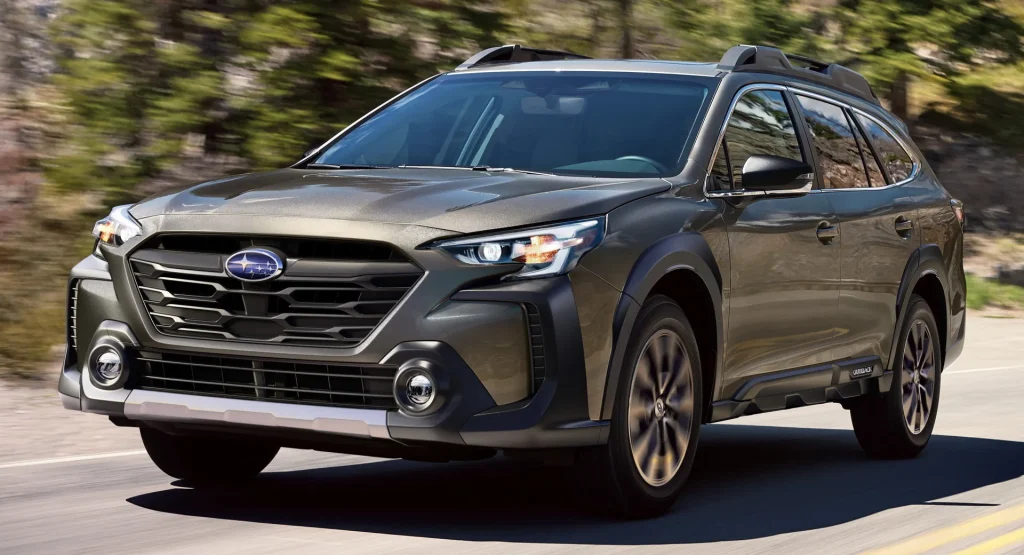
I am writing about the Subaru Outback because it has proven itself repeatedly in northern climates. It is not flashy, but it delivers confidence when winter conditions are at their worst. For Bangor drivers who value traction, stability, and long-term winter durability, the Outback remains a top-tier choice.
2. Toyota RAV4 AWD
The Toyota RAV4 with all-wheel drive is a strong performer on Bangor winter roads because it combines dependable traction with mechanical simplicity. Its AWD system improves grip on snow and ice without adding unnecessary complexity, which helps reliability in cold climates.
In winter conditions, the RAV4 maintains stable and predictable handling. Power delivery is smooth, reducing the chance of wheel spin when pulling away from icy intersections. This controlled behavior makes it easier for drivers to maintain confidence on slick roads and during snowstorms.
Cold starts are another advantage. The RAV4’s engine is known for reliable operation in freezing temperatures, even after sitting overnight in extreme cold. Transmission behavior remains smooth once warmed, and there is minimal hesitation that could be dangerous on icy surfaces.
Ground clearance is sufficient for most Bangor winter scenarios. While not as tall as some larger SUVs, it handles moderate snow accumulation and uneven surfaces without difficulty. This makes it practical for daily commuting as well as winter errands during heavy snowfall.
Durability also plays a role. The RAV4’s components tend to tolerate winter abuse well, including repeated cold starts, salt exposure, and rough pavement. Maintenance costs remain manageable, which matters in a region where winter accelerates wear on many parts.
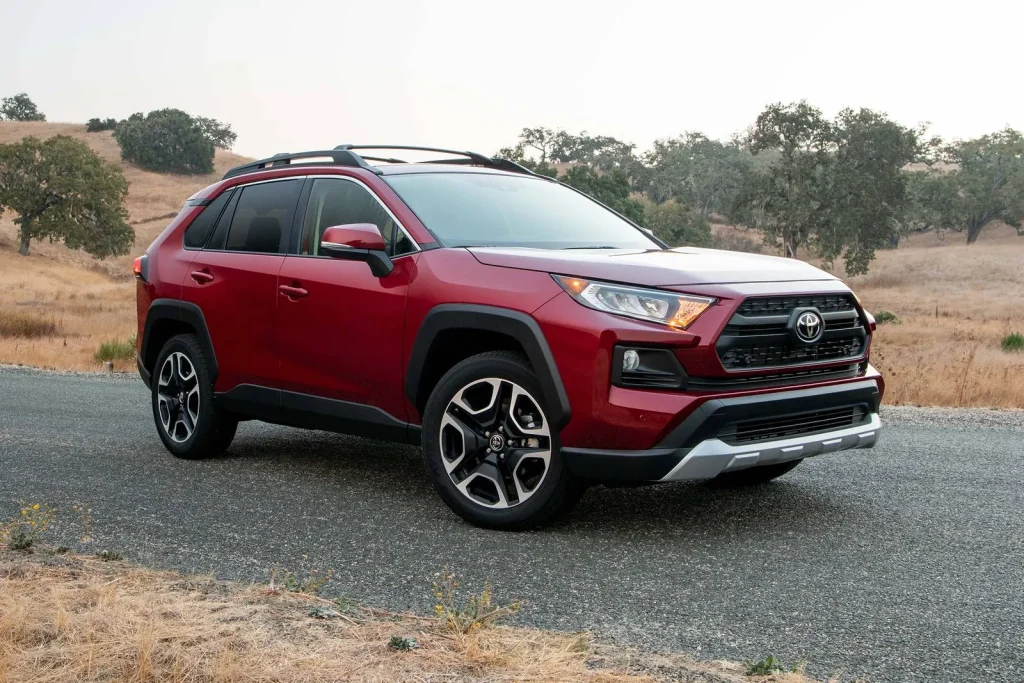
I am writing about the Toyota RAV4 AWD because it represents a reliable, low-drama solution for winter driving. It does not demand special attention or constant adjustments. For Bangor drivers who want winter capability without excessive ownership stress, the RAV4 delivers consistent, dependable performance.
3. Subaru Forester
The Subaru Forester is exceptionally well suited for Bangor winter roads because it prioritizes stability, visibility, and consistent traction in harsh conditions.
Like other Subaru models, it uses a full-time all-wheel drive system that continuously distributes power to all four wheels. This provides steady grip on snow-packed roads and icy intersections without sudden engagement that can unsettle the vehicle.
One of the Forester’s biggest winter advantages is driver confidence. Excellent outward visibility helps drivers anticipate road conditions, spot ice patches, and react early during snowstorms.
In winter driving, being able to see clearly is just as important as traction, especially on narrow or poorly lit roads common outside the city center.
Ground clearance allows the Forester to handle snow buildup without difficulty. Unplowed residential streets, snowbanks at driveway entrances, and uneven accumulation do not easily overwhelm the vehicle. This makes it reliable for daily use even during extended snowfall periods.
Cold-weather behavior is another strength. The engine starts reliably in freezing temperatures, and the drivetrain remains predictable during warm-up. Steering input feels natural on slippery roads, and braking response stays controlled, which reduces the likelihood of sliding during sudden stops.
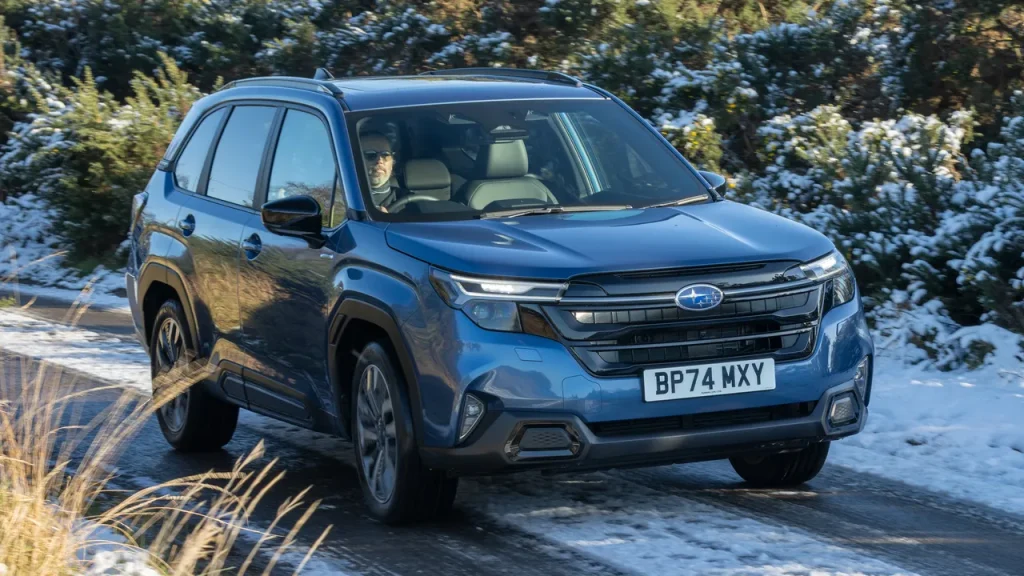
The suspension is tuned for rough conditions. Frost heaves and potholes are unavoidable in Bangor winters, and the Forester absorbs these impacts without excessive harshness. This helps protect suspension components and improves long-term durability.
I am writing about the Subaru Forester because it consistently proves itself in northern climates. It offers a balance of traction, practicality, and winter-specific confidence that makes daily driving safer and less stressful when conditions are at their worst.
4. Mazda CX-5 AWD
The Mazda CX-5 with all-wheel drive earns its place on Bangor winter roads by combining controlled handling with dependable traction. Unlike some crossovers that feel disconnected on slippery surfaces, the CX-5 maintains a composed and predictable driving feel, which is critical during winter storms.
Its AWD system responds quickly to wheel slip, sending power where it is needed without abrupt engagement. This smooth operation helps maintain stability when accelerating on icy roads or climbing snow-covered inclines. Drivers benefit from consistent traction rather than sudden corrections.
Cold-weather performance is solid. The engine starts reliably in low temperatures, and the transmission transitions smoothly once warmed. Throttle response is carefully tuned, which helps prevent wheel spin when pulling away from slick intersections.
Ride quality is another winter advantage. The CX-5’s suspension absorbs rough pavement, frozen ruts, and potholes better than many competitors. This reduces cabin harshness and limits long-term suspension wear caused by winter-damaged roads.
While ground clearance is moderate, it is sufficient for most Bangor winter conditions. Snow-packed streets and slushy roads are handled confidently as long as accumulation is reasonable. The vehicle’s balanced weight distribution further improves stability on ice.

I am writing about the Mazda CX-5 AWD because it demonstrates that winter capability does not require a bulky or truck-like vehicle. For Bangor drivers who want winter confidence paired with refined road manners, the CX-5 offers a reliable and composed solution.
5. Volvo XC60 AWD
The Volvo XC60 with all-wheel drive is exceptionally capable on Bangor winter roads because it is engineered with cold climates as a core design consideration. Volvo’s heritage in Nordic regions shows clearly in how this vehicle behaves on snow, ice, and frozen pavement.
The AWD system delivers power smoothly and intelligently, helping the vehicle maintain traction without sudden wheel spin. On icy roads, predictable power delivery matters more than raw grip, and the XC60 excels at staying composed even when conditions change quickly.
Cold-weather reliability is a major strength. The engine starts confidently in subzero temperatures, and drivetrain behavior remains smooth during warm-up. Cabin heating is also efficient, which improves comfort and safety during long winter drives.
Ground clearance allows the XC60 to handle snow buildup, slush, and uneven winter surfaces without difficulty. It remains stable when navigating unplowed streets or snow-packed parking areas. The suspension absorbs frost heaves and winter-damaged pavement effectively, protecting components from premature wear.
Braking and stability systems are tuned for slippery conditions. The vehicle responds calmly to steering inputs, reducing the likelihood of overcorrection on icy surfaces. This inspires confidence, especially during storms or early morning drives before roads are treated.
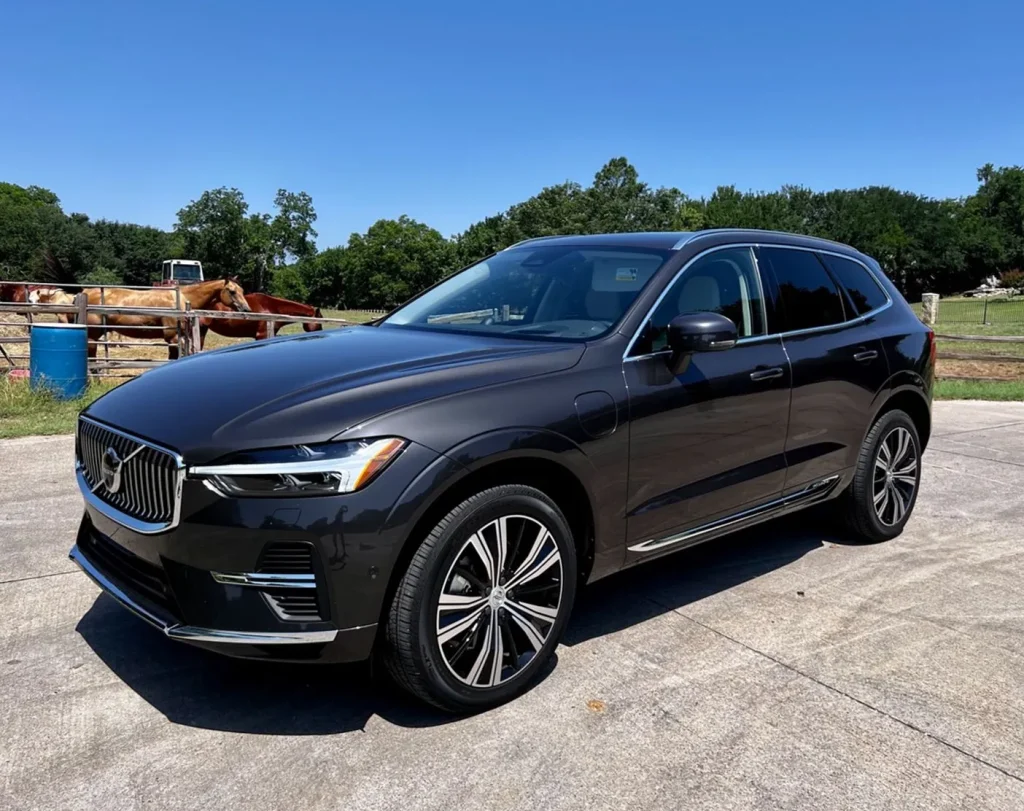
I am writing about the Volvo XC60 because it delivers winter capability without feeling crude or overly rugged. For Bangor drivers who want safety, comfort, and dependable winter traction in a refined package, the XC60 is a strong long-term choice.
5 Cars That Rust Fast
In a place like Bangor, rust is not a cosmetic issue. It is a structural problem that shortens vehicle lifespan and compromises safety.
Long winters, heavy road salt use, moisture retention, and repeated freeze-thaw cycles create an environment where corrosion thrives. Some cars survive these conditions with minimal damage, while others deteriorate far faster than owners expect.
Vehicles that rust quickly often share common weaknesses. Thin paint, inadequate underbody coatings, exposed brake lines, poorly protected seams, and weak drainage systems allow moisture and salt to accumulate.
Over time, this leads to frame corrosion, rotting subframes, seized suspension bolts, and brake line failures. These issues are costly to repair and often exceed the value of the vehicle itself.
In northern climates, rust attacks from the inside out. Underbody components corrode long before visible exterior rust appears. By the time bubbling paint is noticed, structural damage may already be severe. This makes rust-prone vehicles especially risky for long-term ownership in Maine.
This section focuses on five cars that are known to rust quickly when exposed to harsh winter environments. I am writing about them to highlight patterns that Bangor drivers should be cautious of. Many of these vehicles perform well mechanically but fail structurally due to corrosion.
Understanding which cars rust fast helps buyers avoid expensive surprises. In Bangor, longevity depends not just on engines and transmissions, but on how well a vehicle resists salt, moisture, and time. The following cars serve as warnings for winter-region ownership.
1. Jeep Wrangler (Older Generations)
Older generations of the Jeep Wrangler are especially prone to rust in harsh winter climates like Bangor. While the Wrangler is built for rugged terrain, its corrosion protection has historically lagged behind its off-road capability, making it vulnerable to road salt and moisture.
One of the biggest problem areas is the frame. Many older Wranglers develop frame rust that starts on the inside, where moisture and salt collect and remain trapped.
Over time, this corrosion weakens structural integrity and can lead to serious safety concerns. In northern states, frame rot has caused inspection failures and forced early retirement of otherwise functional vehicles.
Underbody components are another weakness. Suspension mounts, skid plates, brake lines, and fasteners are often poorly shielded from salt spray. Bangor’s long winters mean months of constant exposure, accelerating corrosion far beyond what owners in milder climates experience.
Body panels are not immune either. Door hinges, tailgates, fender flares, and windshield frames frequently show rust early. Paint chips from winter road debris allow moisture to penetrate, and once corrosion begins, it spreads quickly.
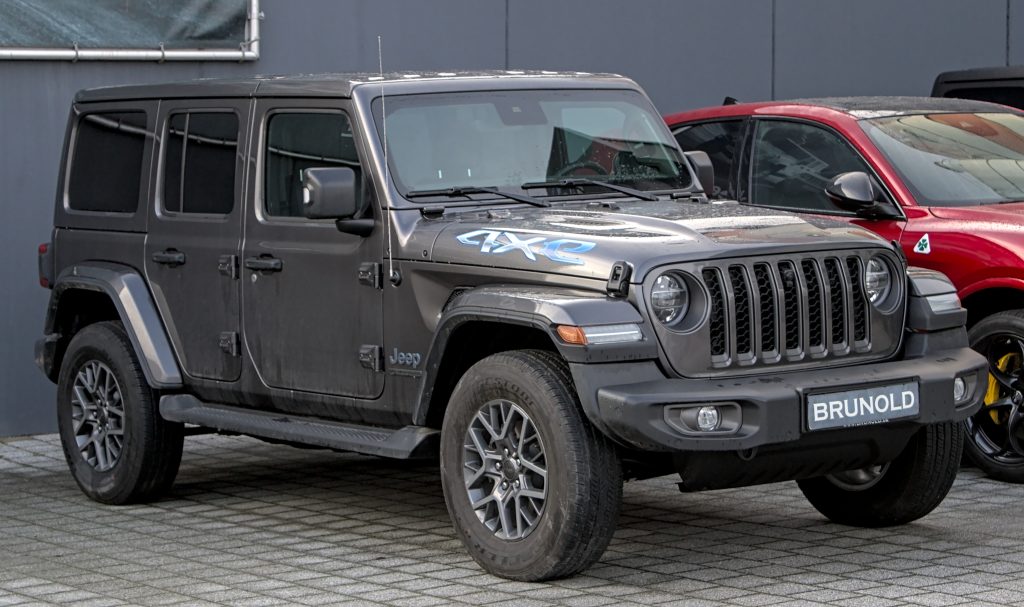
I am writing about the older Jeep Wrangler because many buyers assume ruggedness equals durability. In reality, off-road toughness does not guarantee rust resistance. In Bangor’s salty winter environment, Wranglers often require extensive rust prevention treatments just to slow deterioration, making them costly to preserve long term.
2. Chevrolet Silverado (Early 2000s Models)
Early 2000s Chevrolet Silverado trucks are well known for rust issues, especially in northern climates like Bangor. While mechanically durable, these trucks often suffer severe corrosion that shortens their usable lifespan.
The most common problem areas include the rocker panels, cab corners, and bed sides. These sections trap moisture and road salt, allowing rust to form from the inside out. By the time rust becomes visible, metal integrity is often already compromised.
Frames are another concern. Although strong when new, many older Silverados develop extensive frame corrosion in regions with heavy salt use. Crossmembers, brake line mounts, and suspension attachment points are particularly vulnerable, leading to expensive repairs or inspection failures.
Brake and fuel lines are also prone to corrosion. In cold climates, line failures can occur suddenly and without warning, creating safety risks. Replacing these components is labor-intensive and costly, especially as rusted fasteners often break during repairs.
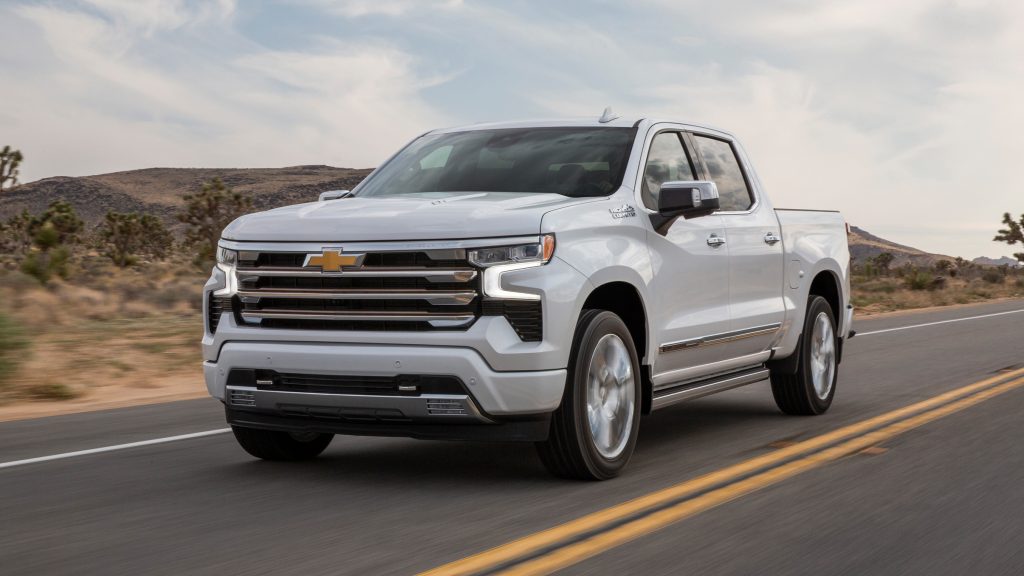
I am writing about the early Chevrolet Silverado because it illustrates how rust can undermine an otherwise reliable truck. In Bangor, these models often reach a point where corrosion repairs outweigh their remaining value, making them risky choices for long-term ownership in winter-heavy regions.
3. Nissan Pathfinder (Mid-2000s Models)
Mid-2000s Nissan Pathfinder models are particularly vulnerable to rust in northern climates like Bangor, where winter road salt and constant moisture accelerate corrosion. While these vehicles are capable in snow when properly equipped, their long-term durability is often compromised by rust-related issues.
One of the most serious concerns is frame corrosion. In salt-heavy regions, rust frequently develops on frame rails and crossmembers, often progressing from the inside where moisture becomes trapped. This type of corrosion is difficult to detect early and can lead to significant structural weakness over time.
Rear suspension components are another problem area. Rust around mounting points and control arms is common, and once corrosion sets in, repairs become complicated and expensive. In some cases, owners face safety concerns related to compromised suspension integrity.
Body rust also appears sooner than expected. Rear wheel arches, tailgates, and door seams tend to collect salt and slush, allowing corrosion to spread beneath paint. Bangor’s freeze-thaw cycles worsen the issue by forcing moisture deeper into seams and joints.
Brake lines and underbody hardware are also exposed. Corrosion can cause seized fasteners, brake line leaks, and premature failure of critical components. These problems often emerge after several winters of exposure, catching owners off guard with costly repairs.
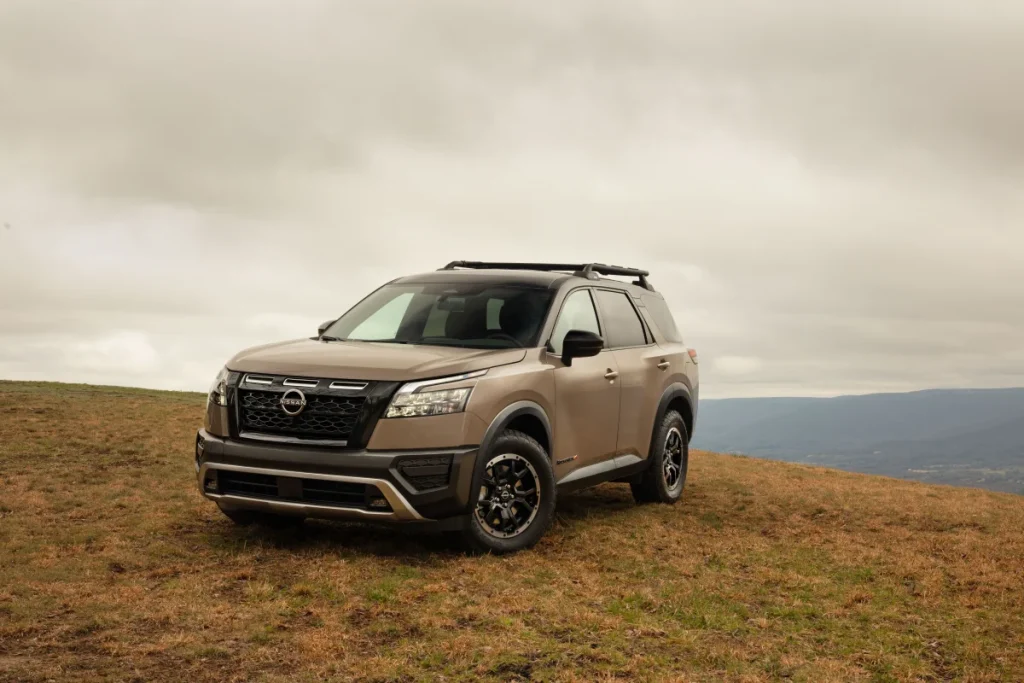
I am writing about the mid-2000s Nissan Pathfinder because it demonstrates how corrosion can overshadow winter capability. In Bangor, rust frequently becomes the deciding factor in ownership longevity, making these models risky for drivers seeking long-term reliability in harsh winter environments.
4. Ford F-150 (Early 2000s Models)
Early 2000s Ford F-150 trucks are widely known for rust problems in northern states, including Maine. While mechanically strong, many of these trucks deteriorate structurally due to prolonged exposure to road salt and moisture.
One of the most visible issues is severe rust on rocker panels and cab corners. These areas trap salt-laden slush, causing corrosion that spreads rapidly beneath the paint. In Bangor’s long winters, this damage often becomes extensive within a few years.
Frames are another major concern. Rust frequently develops along frame rails and crossmembers, weakening structural integrity. In some cases, corrosion becomes severe enough to affect towing capability and overall safety, especially on older, high-mileage trucks.
Bed rust is also common. Steel beds tend to corrode from underneath, where moisture accumulates unnoticed. Over time, this leads to holes, weakened supports, and expensive replacement or repair decisions.
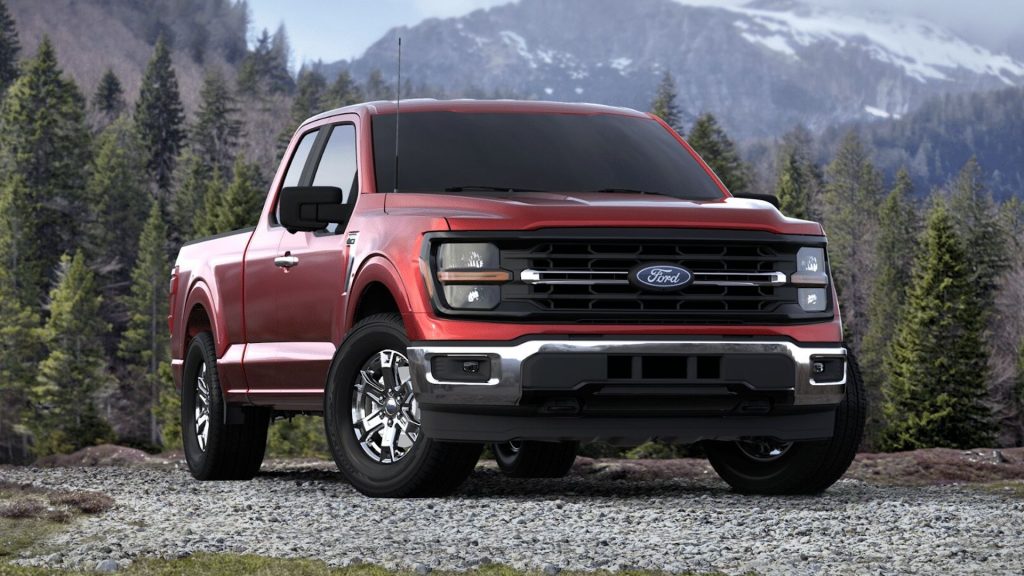
Brake lines and fuel lines are especially vulnerable. Corrosion in these components can cause sudden failures, creating safety risks and requiring labour-intensive repairs. Bangor’s salty winter roads accelerate these issues dramatically.
I am writing about the early Ford F-150 because it highlights how rust can undermine even the most popular and capable vehicles. In harsh winter climates, corrosion often ends ownership long before engines or transmissions fail.
5. Mazda6 (2009–2013 Models)
The 2009–2013 Mazda6 is widely known for rust problems in northern climates like Bangor, where winter road salt and moisture accelerate corrosion aggressively. While the car offers good driving dynamics and comfort, its long-term durability is often compromised by poor rust resistance.
One of the most common issues appears in the rocker panels and rear wheel arches. These areas trap slush and salt, allowing rust to form beneath the paint. In many cases, corrosion begins internally and spreads outward, meaning visible damage appears only after structural weakening has already started.
The underbody is another major concern. Subframes, suspension mounting points, and crossmembers are insufficiently protected against prolonged salt exposure. Bangor’s freeze-thaw cycles worsen the problem by forcing moisture into seams and joints, accelerating metal decay year after year.
Brake lines are particularly vulnerable. In winter-heavy regions, rusted brake lines on this generation of Mazda6 are a frequent and serious issue. Failures can occur suddenly, creating safety risks and leading to expensive repairs that often exceed the vehicle’s value.
Door bottoms and trunk seams also show premature corrosion. Thin paint and limited sealing allow moisture intrusion, especially when snow and ice sit against the body for extended periods. Once rust begins, it spreads quickly and is difficult to stop without extensive bodywork.
I am writing about the Mazda6 because it illustrates how a well-driving, comfortable sedan can still be a poor long-term choice in harsh winter regions. In Bangor, rust often becomes the deciding factor in ownership longevity.
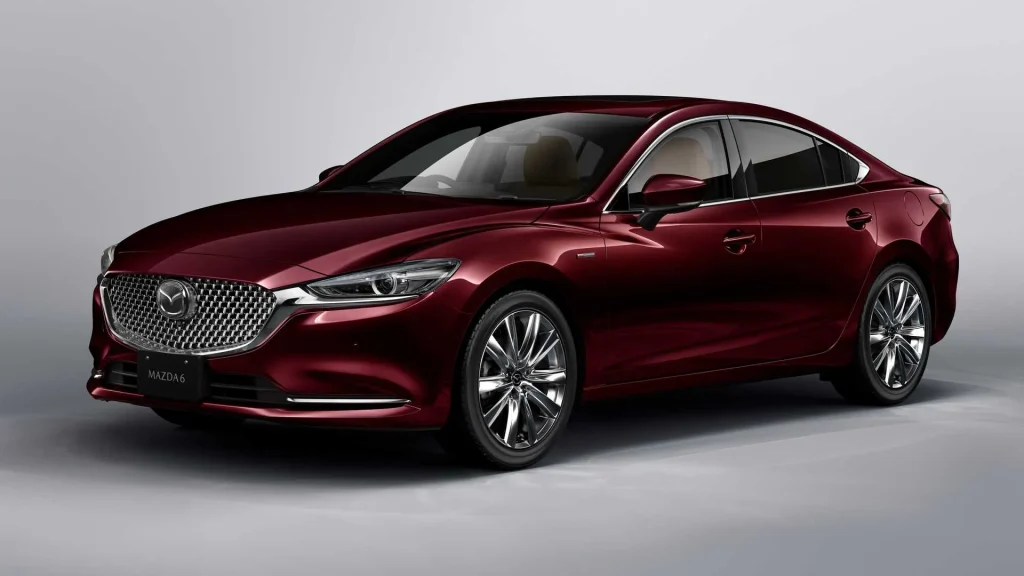
For drivers facing constant winter exposure, this generation of Mazda6 frequently deteriorates far faster than expected, making it a risky investment despite its initial appeal.
Driving in Bangor, Maine demands more from a vehicle than most regions in the country. Long winters, heavy snowfall, icy roads, and aggressive road salt use separate cars that last from cars that fail early.
This article explored both sides of that reality by highlighting vehicles that perform well on Bangor winter roads and those that rust quickly under harsh conditions.
The first section focused on cars built to handle winter reliably. Models like the Subaru Outback, Subaru Forester, Toyota RAV4 AWD, Mazda CX-5 AWD, and Volvo XC60 AWD stood out because they offer consistent traction, predictable handling on snow and ice, and dependable cold-weather performance.
Ground clearance, well-calibrated all-wheel drive systems, and stable braking behavior make these vehicles safer and less stressful during storms.
Just as important, their mechanical components tolerate repeated cold starts, rough winter pavement, and prolonged winter use without excessive wear. These cars were chosen because they provide confidence and durability when winter driving is unavoidable.
The second section examined vehicles that rust fast in Bangor’s salty environment. Older Jeep Wranglers, early 2000s Chevrolet Silverados, mid-2000s Nissan Pathfinders, early 2000s Ford F-150s, and 2009–2013 Mazda6 models were highlighted as cautionary examples.
While many of these vehicles are mechanically capable, weak corrosion protection leads to frame rust, rotting rocker panels, brake line failures, and compromised suspension mounting points. In northern climates, rust is not cosmetic. It becomes a safety and financial issue that often ends ownership prematurely.
Overall, the article emphasizes that Bangor drivers must think beyond horsepower and features. Winter capability and rust resistance directly determine long-term safety, reliability, and ownership cost.
Choosing a vehicle suited for snow and corrosion can mean the difference between years of dependable service and constant repairs.
Also Read: 5 Cars for El Paso Border Runs and 5 That Don’t Tolerate Long Hauls
