
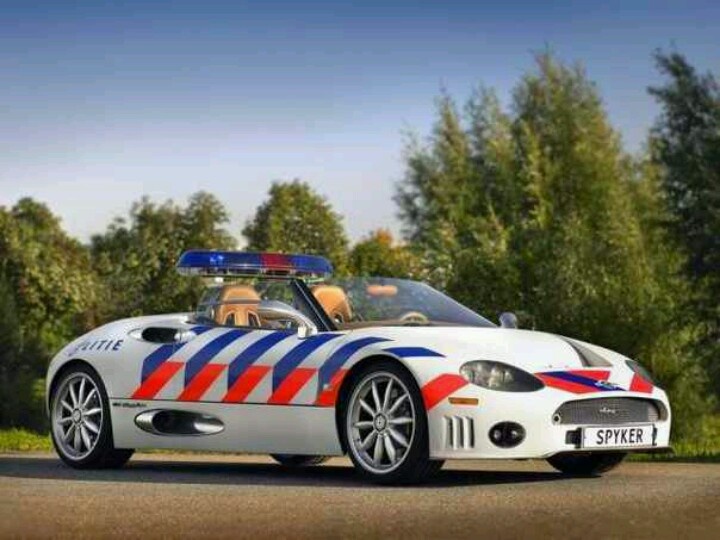
The global car industry is dominated by familiar names. Brands like Toyota, Ford, BMW, and Mercedes-Benz shape most conversations about automobiles. Their reach is massive, their marketing powerful, and their history well documented. Yet beyond this spotlight exists a quieter and far more unusual world of car makers that many people have never encountered.
These obscure car brands often operate on the fringes of the industry. Some build vehicles in extremely small numbers. Others focus on niche markets, regional buyers, or unconventional engineering ideas. Many exist outside mainstream automotive culture, which keeps them hidden from public awareness.
What makes these brands fascinating is not just their obscurity, but their intent. They are often created by engineers, entrepreneurs, or visionaries who wanted to build something different. In many cases, profit was not the primary motivation. Expression, experimentation, or solving a specific problem mattered more.
Some of these companies operate in developing markets. Others serve ultra wealthy buyers who want exclusivity rather than mass appeal. A few exist in countries with little automotive heritage, making their survival even more impressive.
Because they lack global marketing and dealership networks, these brands rarely appear in advertisements or comparison tests. Many never reach major export markets. As a result, even passionate car enthusiasts may be unaware they exist.
This list focuses on obscure car brands most people have never heard of, not defunct curiosities alone, but companies that built real vehicles and left a meaningful footprint. Each entry explores the brand’s origins, philosophy, and why it remains largely unknown today.
These brands prove that the automotive world is far bigger than what we usually see. Beyond the familiar badges lies a hidden landscape of creativity and ambition.
Let us begin with a company born from a desire to create handcrafted luxury in one of the most unexpected places.
Also Read: 10 Most Reliable Used Audis to Buy Today For Long Term Use
1. W Motors
W Motors is one of the most surprising automotive brands to emerge in the modern era. Founded in Lebanon, it represents the first attempt to create a high end luxury performance car brand in the Middle East.
The idea behind W Motors was bold from the start. Its founders wanted to prove that a region known more for oil wealth than automotive engineering could produce world class vehicles.
The company gained global attention with its first model, which featured dramatic styling and extreme performance. Despite this visibility, the brand itself remained largely unknown to mainstream buyers.
W Motors operates on a very small scale. Production numbers are extremely limited, making its cars rare even among collectors.
The company relies heavily on international partnerships. Engineering, components, and manufacturing expertise are sourced from Europe.
This approach allows the brand to meet high performance standards while maintaining a Middle Eastern identity.
Design plays a central role in W Motors vehicles. Styling is aggressive, angular, and intentionally theatrical. The interiors emphasize luxury and craftsmanship. Custom materials and personalized finishes are key selling points.
Performance figures are impressive, but they are not the sole focus. Exclusivity and presence matter just as much. One reason W Motors remains obscure is accessibility. Its cars are priced far beyond the reach of most buyers.
Distribution is also limited. There are no widespread dealerships or global sales networks. The brand’s identity is tied closely to spectacle. Appearances in films and media often overshadow deeper discussion of the company itself.
Another factor is scale. With so few vehicles produced, the brand never enters common automotive conversations. W Motors also challenges assumptions. Many people do not associate the Middle East with car manufacturing.
This unfamiliar origin contributes to the brand’s obscurity, despite its ambitious goals. The company represents a symbolic achievement more than a commercial one. It demonstrates that passion and vision can exist anywhere.
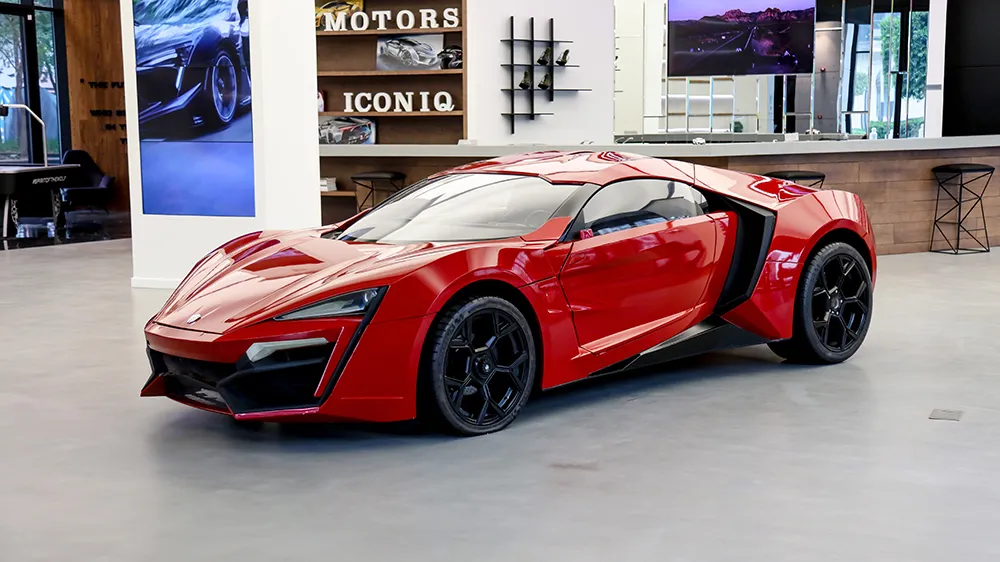
While it may never compete with established hypercar manufacturers in volume, that was never the goal. W Motors exists to make a statement rather than dominate a market.
Its obscurity is part of its identity. The brand appeals to those who want something few others even recognize. For most people, W Motors remains a name they have never heard of, despite its dramatic presence. That contrast is exactly what makes it fascinating.
2. Panoz
Panoz is one of the most unusual American car brands ever created. While the United States is famous for muscle cars and trucks, Panoz took a completely different path focused on lightweight engineering and racing influence.
The company was founded by Don Panoz, a businessman with a deep passion for motorsports. His goal was not mass production, but building cars that felt raw, mechanical, and purpose driven.
Panoz cars were heavily inspired by endurance racing. Many design choices prioritized balance and driver feel over outright luxury or refinement.
One of the most distinctive features of Panoz vehicles is their layout. Several models used a front mounted engine pushed far back toward the cabin, creating a front mid engine configuration.
This unusual layout improved weight distribution and handling. It also gave Panoz cars a long hood and aggressive stance.
The brand became closely tied to motorsport. Panoz race cars competed successfully in endurance racing, including events like Le Mans.
That racing involvement shaped the road cars. Many components and ideas came directly from track experience. Production numbers were always low. Panoz vehicles were often hand built, limiting output and visibility.
Because of this, many enthusiasts have never seen one in person. The brand rarely appeared in mainstream dealerships or advertising. Styling was unconventional. Panoz cars often looked raw and mechanical rather than polished or elegant.
Interiors reflected the same philosophy. They focused on function, visibility, and control rather than luxury features. Performance was engaging rather than extreme. Panoz cars rewarded skilled driving and mechanical sympathy.
One reason the brand remains obscure is timing. Panoz existed alongside better known sports car manufacturers with larger budgets. Marketing was minimal. The company relied more on word of mouth and racing credibility.
Another factor is accessibility. Low production numbers meant few opportunities for public exposure. Panoz never aimed to be a household name. The brand was built around passion rather than expansion.
Many Panoz models are now considered collector items. Their rarity and racing heritage have increased interest among enthusiasts. Despite this, the brand remains largely unknown outside dedicated automotive circles.
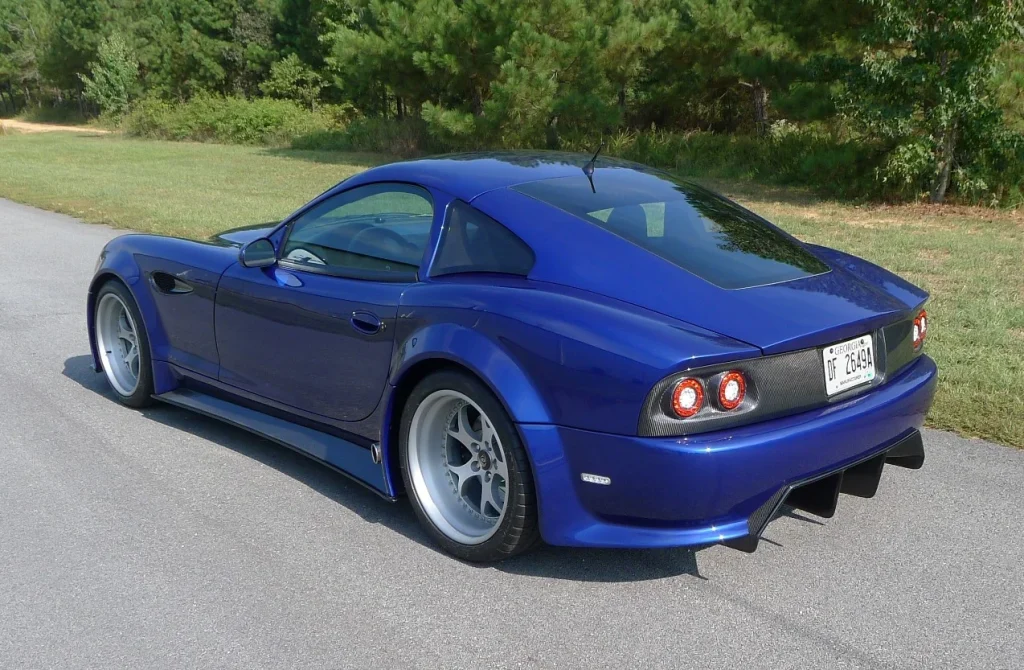
Panoz represents a very American form of obscurity. It existed quietly alongside giants without trying to compete directly. Its cars appeal to drivers who value feel and uniqueness over polish.
The brand’s legacy lives on more in racing history than public memory. For most people, Panoz is a name they have never encountered. That makes it one of the most interesting obscure car brands America has produced.
3. Spyker
Spyker is a Dutch car brand that blends luxury, aviation inspiration, and extreme exclusivity. Despite its striking designs, it remains unknown to most people.
The modern version of Spyker was revived in the late twentieth century using the name of a historic aircraft manufacturer. Aviation themes became central to the brand’s identity.
Spyker cars are immediately recognizable. Exposed metal linkages, propeller inspired details, and intricate interiors set them apart from anything else on the road.
The company positioned itself as a maker of handcrafted luxury sports cars. Each vehicle was assembled in very small numbers.
Spyker emphasized craftsmanship over automation. Interiors often featured visible mechanical components as design elements.
Performance was important, but not the only goal. The brand focused heavily on visual drama and exclusivity. One reason Spyker remained obscure is pricing. Its cars were extremely expensive, limiting its customer base.
Production volumes were tiny. Some models were built in double digit numbers rather than thousands. Distribution was also limited. Spyker never established a widespread dealer network.
The brand gained brief attention through motorsport and high profile acquisitions, but it struggled to maintain momentum.
Financial instability played a major role in its obscurity. Production pauses and ownership changes disrupted brand continuity. Despite this, Spyker maintained a strong identity. Its cars looked and felt unlike anything else.
The interiors were particularly distinctive. Switchgear and trim were inspired by aircraft cockpits. This design philosophy appealed to a very specific type of buyer.
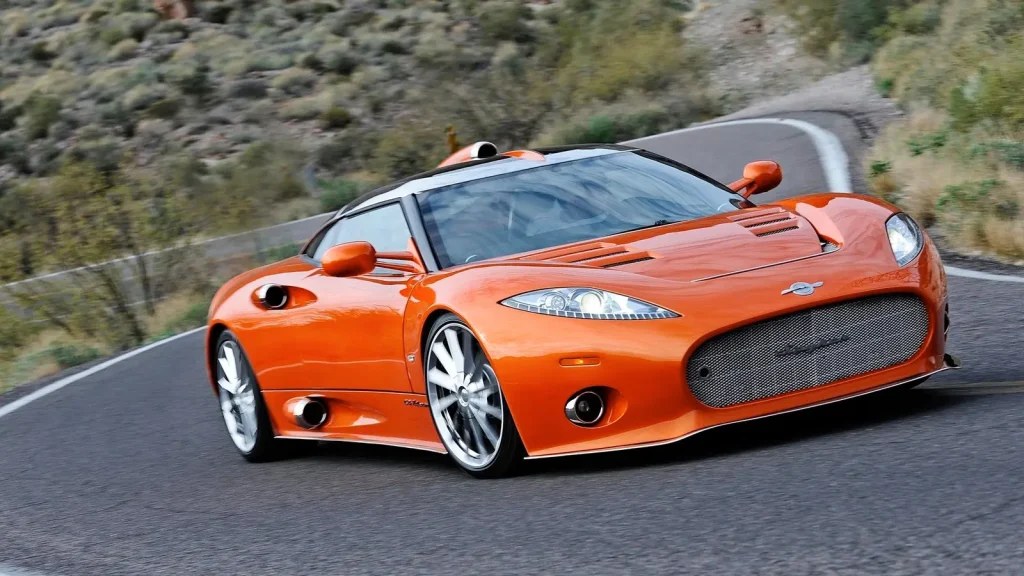
For most car shoppers, Spyker never appeared as an option. It existed outside conventional automotive markets. Media coverage was sporadic. Without consistent production, the brand faded from public awareness.
Spyker cars are now rare collector items. Their uniqueness has preserved interest among enthusiasts. However, rarity also contributes to obscurity. Few people have ever seen one outside photographs.
The brand’s Dutch origin adds to its mystery. The Netherlands is not widely associated with exotic car manufacturing. Spyker represents ambition meeting reality. Vision outpaced resources, but creativity remained strong.
Its cars are remembered more for design than commercial success. For those who discover it, Spyker feels like a secret chapter of automotive history. For most people, it remains a name they have never heard of.
That quiet disappearance is what makes Spyker one of the most obscure luxury car brands of modern times.
4. Zenos
Zenos is a British car brand that briefly existed with a very focused mission. It wanted to deliver pure driving enjoyment using simplicity, light weight, and clever engineering rather than luxury or high horsepower.
The company was founded by former executives from Lotus. That background heavily influenced Zenos from the beginning.
Its cars were designed around a single idea. Reduce weight as much as possible and let the chassis do the work. Zenos vehicles used bonded aluminum construction. This approach allowed high stiffness while keeping mass extremely low.
Engines were sourced from mainstream manufacturers. This choice improved reliability and reduced development costs. The brand focused on open top sports cars with minimal bodywork. Comfort and convenience were intentionally limited.
Driving feel was the priority. Steering, balance, and feedback mattered more than interior features. One reason Zenos remains obscure is scale. Production numbers were very small from the start.
The company lacked the resources to expand beyond niche markets. Exposure remained limited to enthusiasts. Styling was functional rather than dramatic. Zenos cars looked purposeful, but not flashy.
Interiors were sparse. Everything unnecessary was removed to save weight. This appealed strongly to driving purists. However, it limited mainstream interest.
Zenos cars were praised by reviewers who drove them. Many described the experience as raw and engaging. Despite positive reception, the brand struggled financially. Low margins and limited volume created challenges.
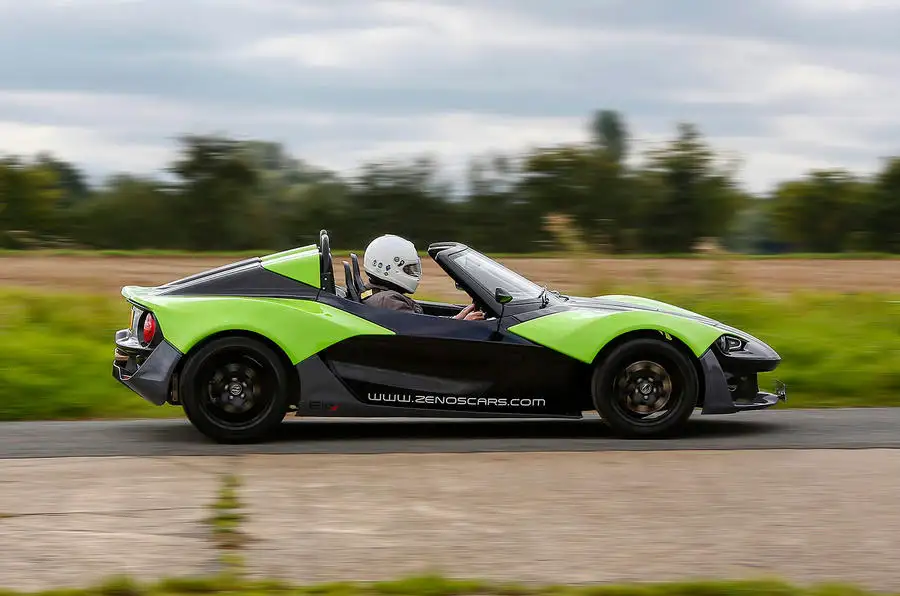
Marketing was minimal. Zenos relied on word of mouth rather than advertising. The brand existed during a time when buyers expected technology and comfort. Zenos offered the opposite.
That contrast made it special, but also niche. Eventually, the company ceased operations. Production stopped before the brand could gain wider recognition.
Today, Zenos cars are rare. Owners value them for their purity and driving focus. The brand’s obscurity comes from its short lifespan. Many people never had a chance to see one.
Zenos represents a philosophy rather than a commercial success. It proves that passion driven engineering still exists outside major manufacturers.
For most people, Zenos is a name they have never encountered. Yet among driving enthusiasts, it is remembered with respect. Its brief existence left a lasting impression on those who experienced it.
5. Laraki
Laraki is one of the most unexpected car brands in the world. Originating from Morocco, it challenged assumptions about where high end vehicles can be created.
The brand was founded by Abdesslam Laraki, originally a yacht designer. That background shaped the brand’s visual identity. Laraki cars emphasized bold styling and presence. Designs were dramatic and unapologetically extravagant.
The company focused on ultra luxury and exclusivity. Production numbers were extremely limited. Rather than building mass market vehicles, Laraki targeted wealthy buyers seeking something rare.
Engineering partnerships played a major role. Components were sourced internationally to ensure performance standards. This allowed the brand to combine local identity with global technology.
Interiors were lavish. Materials were chosen to reflect luxury rather than restraint. Performance figures were competitive, but not the sole focus. Visual impact mattered just as much.
One reason Laraki remains obscure is geography. Morocco is rarely associated with car manufacturing. As a result, many enthusiasts overlook the brand entirely.
Distribution was limited to select markets. There was no global dealership network. Marketing was minimal. Laraki relied on exclusivity rather than exposure. The brand gained occasional attention through auto shows. Even then, many viewers assumed it was a concept rather than a real company.
Production volumes remained extremely low. This kept the brand out of mainstream awareness. Laraki cars often blurred the line between art and automobile. Design expression was central to the brand.
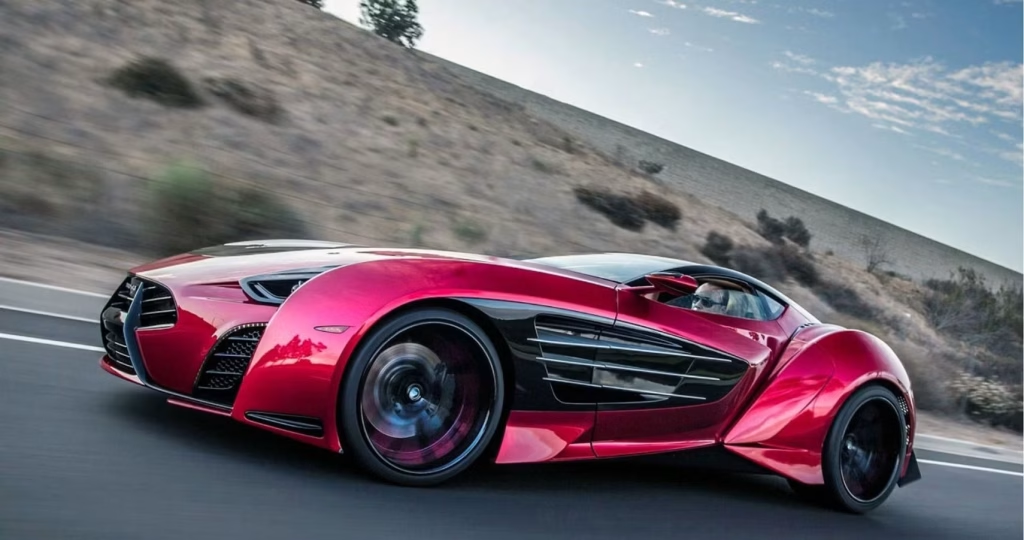
That approach appealed to a small audience. Most buyers never encountered the brand. The company also faced challenges maintaining consistent production. Gaps between projects reduced visibility.
Despite this, Laraki remains active in spirit. The brand continues to represent ambition from an unexpected region. Its existence challenges stereotypes about automotive innovation.
Laraki shows that luxury car design can emerge far from traditional centers. For most people, the name sounds unfamiliar. Few have ever seen one on the road. That rarity contributes to the brand’s mystique.
Laraki is not obscure because it lacks ambition. It is obscure because it operates far outside mainstream expectations. Its cars exist for a very specific audience. For everyone else, Laraki remains one of the most unknown car brands in the world.
6. Ginetta
Ginetta is a British car brand that has existed for decades, yet remains largely unknown outside dedicated motorsport and enthusiast circles. Its obscurity is not due to lack of history, but rather its refusal to chase mass appeal.
The company was founded in the late 1950s with a focus on lightweight sports cars. From the beginning, driving involvement mattered more than luxury or comfort.
Ginetta built cars primarily for people who wanted to drive hard and often. Many models were intended for racing first and road use second.
Lightweight construction became a defining trait. The company relied on simple materials and clever design rather than complex systems.
Engines were often sourced from larger manufacturers. This kept costs down and reliability reasonable. Ginetta cars emphasized balance. Low weight allowed modest power to feel exciting and engaging.
One reason the brand remains obscure is scale. Production numbers have always been very small. Most Ginetta models were sold directly or through limited channels. Mainstream dealerships were never part of the strategy.
Styling was functional rather than dramatic. Ginetta designs focused on aerodynamics and weight savings. Interiors were basic. Comfort features were minimal, reinforcing the driving first philosophy.
Motorsport played a huge role in the brand’s identity. Ginetta built cars specifically for one make racing series. These racing programs kept the brand alive, but also limited public exposure.
Many people outside the United Kingdom have never encountered a Ginetta. Export markets were limited. The brand never invested heavily in advertising. It relied on racing success and enthusiast loyalty.
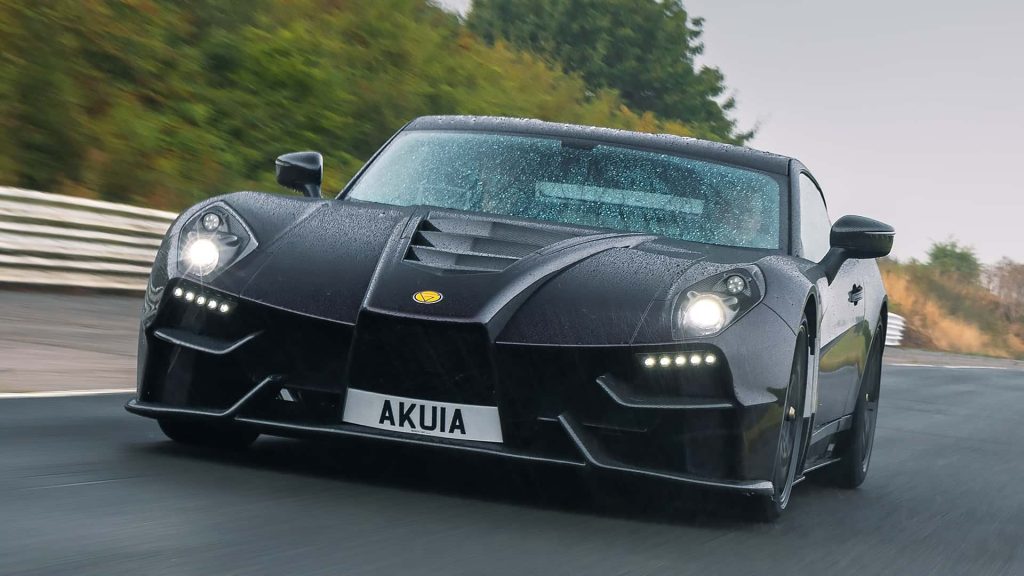
Despite this, Ginetta developed a strong reputation among drivers. Its cars were praised for feel and feedback. The company survived where many small manufacturers failed. This longevity adds to its credibility.
Modern Ginetta models continue the same philosophy. Lightweight, focused, and mechanically honest. The brand also operates racing academies. This keeps it closely tied to driver development rather than consumer marketing.
Ginetta remains obscure because it does not chase trends. It exists quietly alongside much larger manufacturers. For most buyers, the name never appears on shopping lists. Yet for those who discover it, Ginetta represents pure driving enjoyment.
Its cars are not designed to impress on paper. They are built to be driven. That philosophy keeps the brand hidden, but respected. Ginetta proves that obscurity can be a choice rather than a failure.
7. Bollinger Motors
Bollinger Motors is an American electric vehicle company that many people have never heard of, despite its bold and unconventional approach. It stands apart from mainstream electric brands in nearly every way.
The company was founded with a clear mission. Build electric vehicles that prioritize utility and durability rather than luxury or sleek design.
Bollinger vehicles feature a boxy and industrial aesthetic. This design choice is intentional rather than accidental. The brand targets buyers who want rugged electric transportation. Off road capability and practicality matter more than efficiency records.
Unlike many electric startups, Bollinger avoided flashy technology showcases. Simplicity and toughness define the vehicles. One reason Bollinger remains obscure is production scale. The company operates at very low volumes.
Distribution is limited. There are no widespread sales networks or marketing campaigns. The vehicles are designed around modular utility. Interiors focus on durability rather than comfort.
Materials are chosen for toughness. The goal is long term use in demanding conditions. Performance figures are respectable, but not the focus. Torque delivery and capability matter more.
The brand’s electric approach challenges assumptions. Most electric vehicles aim for urban refinement. Bollinger instead targets rural, industrial, and outdoor use cases.

This niche positioning limits mainstream appeal. Many consumers never encounter the brand. Media coverage is sporadic. Without mass production, Bollinger remains outside everyday conversation.
Another factor is timing. The electric vehicle market is crowded with well funded competitors. Bollinger chose a path that does not chase volume. This slows brand recognition.
Despite this, the brand has gained respect among certain buyers. Its honesty and clarity stand out. The vehicles are designed to be simple to understand. There is little emphasis on luxury software features.
That simplicity appeals to a specific audience. Most buyers never cross paths with it. Bollinger also operates quietly. It does not rely on hype or viral marketing. The brand represents an alternative vision of electric transportation.
Its obscurity comes from purpose, not failure. For most people, Bollinger Motors is a name they have never heard. Yet it demonstrates that electric vehicles can be built for more than city streets. That quiet defiance keeps Bollinger firmly in obscure territory.
8. Arrinera
Arrinera is a Polish car brand that surprised many enthusiasts simply by existing. Poland is not commonly associated with supercar production, which immediately placed Arrinera outside mainstream awareness.
The company set out to build high performance sports cars that could compete visually and mechanically with established exotic brands. Ambition was central to its identity.
Arrinera focused on aggressive styling. Sharp angles and dramatic proportions were used to create instant visual impact.
Engineering relied on a mix of in house development and external expertise. This allowed the brand to reach performance benchmarks without massive internal infrastructure.
Production volumes were extremely limited. Most vehicles were built in small batches rather than continuous production. One reason Arrinera remains obscure is geography. Eastern European car brands rarely receive global attention.
Distribution was minimal. There were no large dealership networks or widespread exports. Marketing exposure was limited to auto shows and enthusiast media. Mainstream buyers never encountered the brand.
Arrinera emphasized motorsport credibility. Racing versions were developed to reinforce performance intentions. This racing focus helped build legitimacy, but also narrowed the audience.
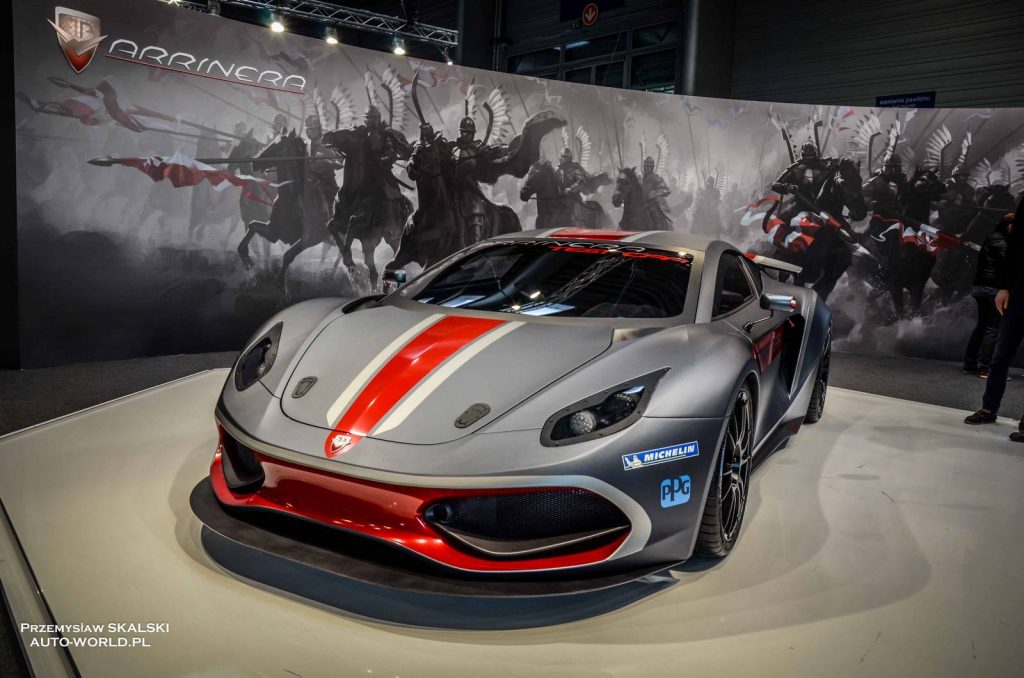
Interior design balanced functionality with visual drama. Materials were chosen to emphasize performance character. Reliability perception played a role in obscurity. New brands often face skepticism from buyers.
Without long term track records, Arrinera struggled to gain trust beyond enthusiasts. The brand also faced production challenges. Gaps between announcements and deliveries reduced momentum.
Despite this, Arrinera demonstrated technical competence. Its cars were not mere concepts. The company proved that supercar ambition can exist outside traditional automotive hubs.
Arrinera’s story highlights the difficulty of breaking into the high performance market. Even strong design and engineering are not enough without scale and support.
Today, the brand remains largely unknown to the public. Among enthusiasts, it is remembered as a bold attempt rather than a failure. Its obscurity stems from limited exposure rather than lack of vision.
Arrinera challenged assumptions about where performance cars can be built. For most people, the name means nothing. That anonymity defines its place here. Yet its existence adds depth to the global automotive landscape. Arrinera shows how passion driven projects can briefly shine and quietly fade.
9. Donkervoort
Donkervoort is a Dutch car brand that has quietly built some of the most focused driving machines in the world. Despite decades of operation, it remains unknown to most buyers.
The company specializes in ultra lightweight sports cars. Driving feel and performance efficiency are core priorities. Donkervoort vehicles are often compared to track focused machines rather than conventional road cars.
Construction emphasizes advanced materials. Carbon fiber and lightweight metals are used extensively. This focus allows modest engines to deliver exceptional performance.
The brand operates at very low volumes. Each vehicle is built with careful attention to detail. One reason Donkervoort remains obscure is philosophy. Comfort and convenience are intentionally limited.
The cars are not designed for broad appeal. They target experienced drivers seeking purity. Styling is functional rather than dramatic. Aerodynamics and weight savings guide design choices.
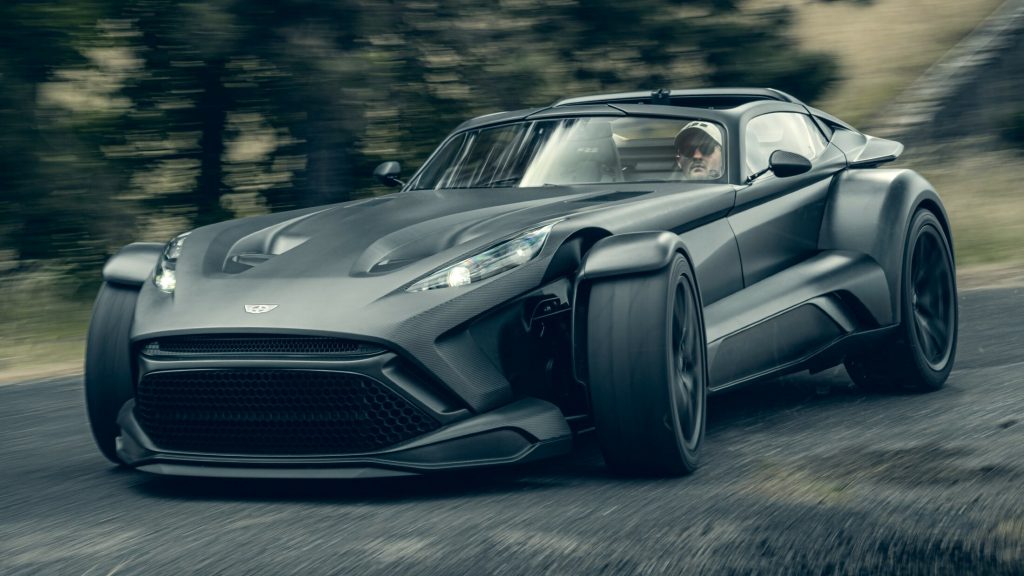
Interiors are minimal. Everything unnecessary is removed to enhance focus. Marketing is understated. Donkervoort does not chase mass media exposure. The brand relies on reputation within enthusiast circles rather than advertising.
Geography also plays a role. The Netherlands is not widely known for sports car manufacturing. Export markets exist, but volumes remain small. Pricing places the cars out of reach for most buyers. This further limits exposure.
Despite this, Donkervoort has earned deep respect among drivers who experience its cars. Performance figures are impressive due to low weight rather than extreme power. Handling is precise and communicative. Feedback is a defining trait.
The brand’s longevity is notable. It has survived by staying true to its vision. Donkervoort avoids trends. Electrification and luxury features are not priorities. This commitment keeps the brand niche and obscure.
Most people never encounter Donkervoort in person. Yet among those who know, the name carries weight. Its cars are often described as uncompromising.
That uncompromising nature defines both its appeal and its obscurity. Donkervoort exists quietly, building cars for a small audience. For the wider public, it remains a name they have never heard.
10. Venturi
Venturi is a car brand with a long and unusual history that most people have never encountered. Based in Monaco, it has existed in various forms for decades while remaining outside mainstream awareness.
The brand was founded with the goal of creating refined performance cars that blended French engineering with luxury design. From the beginning, Venturi aimed to be exclusive rather than popular.
Early Venturi models focused on balance and handling rather than extreme power. The cars were designed to feel composed and precise on the road.
Production volumes were always small. Venturi never pursued mass manufacturing, which limited public exposure.
One reason the brand remains obscure is timing. Venturi operated during periods when larger manufacturers dominated attention.
Marketing was minimal. The company relied more on reputation and word of mouth than advertising.
Venturi gained credibility through motorsport involvement. Racing programs helped validate its engineering capabilities.
Despite this, the brand struggled to compete with better funded rivals. Limited resources affected growth and consistency.
Design language was subtle rather than flashy. Venturi cars favored elegance over aggression.
Interiors emphasized craftsmanship and driver focus. Luxury was present, but not excessive. The brand experienced multiple reinventions. Ownership changes and shifting strategies affected continuity.
At one point, Venturi pivoted toward electric vehicle development. This move placed it ahead of broader industry trends. However, early adoption also came with challenges. Infrastructure and market readiness were limited.
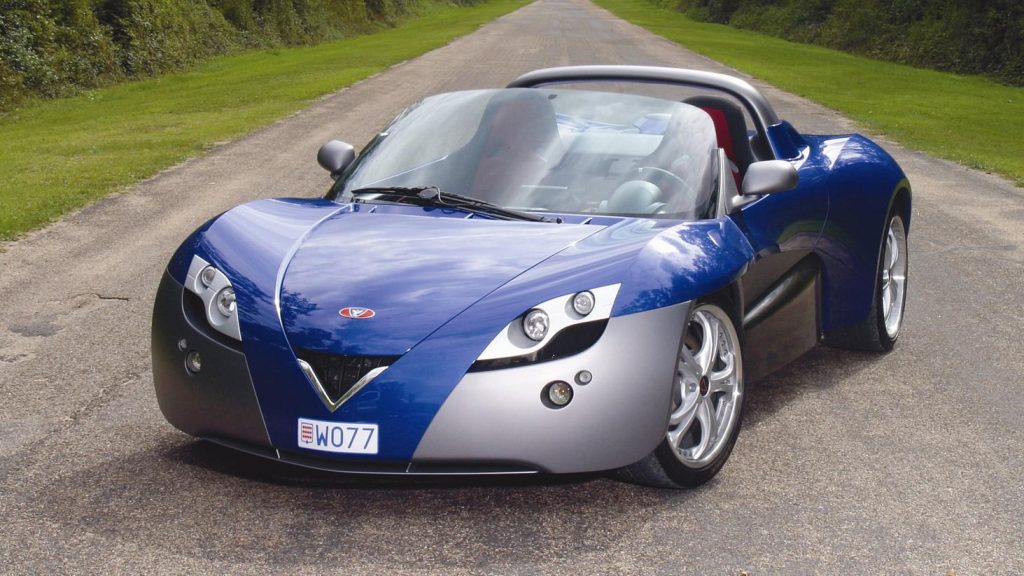
Venturi’s electric focus further reduced mainstream visibility. Many buyers were not ready for such a shift. The brand also explored extreme performance projects. These experiments showcased technical ambition rather than commercial intent.
Venturi vehicles were rarely seen outside Europe. Limited exports kept the brand hidden from global audiences. For many enthusiasts, Venturi exists as a footnote rather than a known name.
Yet its influence is meaningful. The company demonstrated that innovation does not require scale. Venturi’s persistence through reinvention is notable. Few small manufacturers survive repeated transitions.
The brand’s Monaco origin adds to its mystique. The region is associated with luxury, not manufacturing. That contrast contributes to obscurity. Many assume Venturi is a concept rather than a real company.
Its cars were built for a specific audience. Drivers who valued refinement and rarity. Venturi never aimed to dominate. It aimed to exist on its own terms. This independence kept the brand alive, but invisible.
Today, Venturi is more respected for innovation than sales success. For most people, the name means nothing. For those who discover it, Venturi represents quiet ambition and resilience.
It stands as a reminder that the automotive world is larger than familiar badges. That quiet existence secures Venturi’s place among the most obscure car brands in history.
Also Read: 12 Classic ’70s Cars Faster Than the Chevy Chevelle SS
