
Durham is a city shaped by education, healthcare, and constant movement. With major universities, research campuses, hospitals, and dense student populations, vehicles used around Durham campuses face a unique kind of stress.
Short trips, constant stop-start driving, frequent passengers, curbside loading, tight parking, and near-continuous operation define daily use. Cars in this environment are not lightly driven. They are worked hard, often from early morning until late at night.
Campus shuttle vehicles must prioritize reliability over excitement. They rack up miles quickly, idle frequently, and experience constant door use, braking, and low-speed maneuvering. Engines, transmissions, suspension components, and interiors all face accelerated wear.
Vehicles that thrive in this setting are those built with durability, simplicity, and serviceability in mind. Smooth drivetrains, proven powertrains, strong cooling systems, and robust interiors matter more than performance or luxury.
At the same time, not all vehicles are suited to this kind of duty cycle. Some cars deteriorate rapidly when subjected to high-use environments.
Weak transmissions, fragile interiors, poor cooling systems, and high maintenance complexity lead to frequent downtime and rising repair costs. What works well for a private owner can become a liability when used intensively for campus transport.
This article addresses both sides of that reality. First, it highlights five cars that work exceptionally well for Durham campus shuttle use, explaining why their design and engineering support constant operation.
Then, it examines five cars that do not hold up to high use, outlining why they struggle when driven continuously in demanding environments.
The goal is to provide practical insight for fleet managers, campus services, and anyone selecting vehicles for repeated, heavy-duty daily use in Durham’s academic and institutional setting.
Also Read: 5 Cars for El Paso Border Runs and 5 That Don’t Tolerate Long Hauls
5 Cars for Durham Campus Shuttles
Campus shuttle vehicles live a harder life than typical personal cars. In Durham, these vehicles operate in tight loops, handle repeated passenger loads, and endure constant low-speed driving.
Engines spend hours idling, transmissions shift endlessly, and brakes are engaged hundreds of times per day. Under these conditions, durability becomes the single most important trait.
The cars selected in this section are chosen because they are proven performers in high-usage environments.
They use powertrains known for long service life and predictable maintenance needs. Cooling systems are robust enough to handle extended operation, and transmissions are designed to tolerate constant gear changes without premature failure.
Interior durability also matters. Shuttle vehicles see heavy seat use, frequent door openings, and continuous climate control operation. Materials that resist wear, controls that remain functional after years of use, and cabins that tolerate frequent cleaning are essential.
Another critical factor is downtime. Vehicles that break down frequently disrupt schedules and increase operating costs. The cars listed here are known for staying on the road, even when driven far more intensively than typical consumer vehicles.
I am writing about these vehicles because they consistently perform in environments similar to Durham campuses. They are not glamorous, but they are dependable. For shuttle operations, reliability, ease of maintenance, and predictable ownership costs matter far more than styling or performance.
1. Toyota Prius
The Toyota Prius is exceptionally well suited for Durham campus shuttle use because it is engineered for constant stop-and-go operation. Hybrid systems thrive in low-speed environments, making the Prius one of the most efficient and mechanically appropriate choices for repeated short trips.
In shuttle duty, the Prius benefits from its electric motor handling much of the low-speed movement. This reduces engine strain, fuel consumption, and heat buildup during extended operation. Regenerative braking significantly reduces brake wear, a major advantage for vehicles that stop frequently throughout the day.
Reliability is another key factor. The Prius has a long track record in taxi and fleet service, proving its ability to accumulate high mileage with minimal drivetrain issues. The hybrid system reduces stress on traditional components such as starters and transmissions, extending service intervals.
Interior durability is adequate for shuttle use, with straightforward controls and seats that tolerate frequent entry and exit. Climate control systems are efficient and capable of running for long periods without excessive strain.
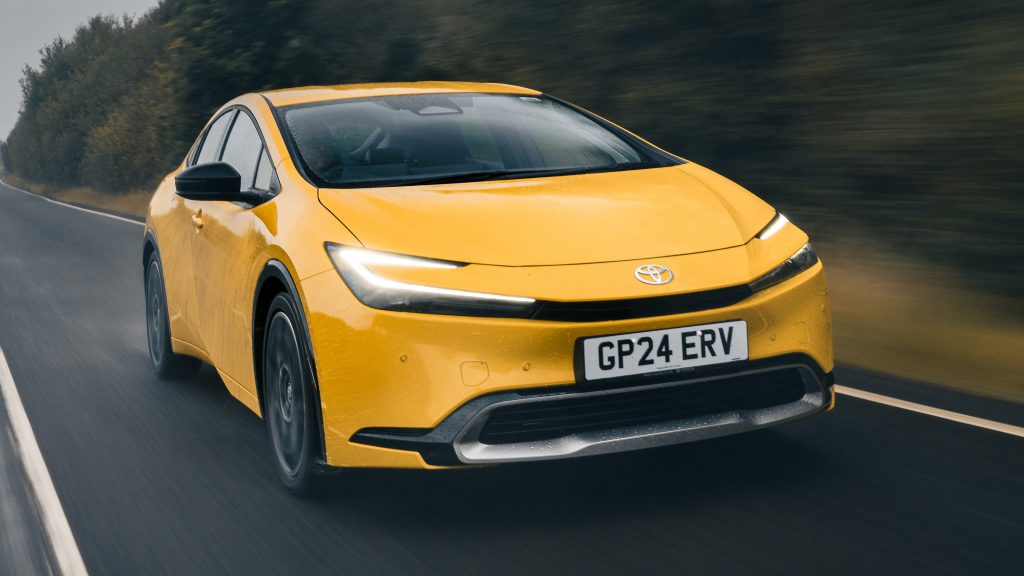
I am writing about the Toyota Prius because it demonstrates how hybrid engineering directly benefits high-use environments. For the Durham campus shuttles it offers low operating costs, strong reliability, and reduced wear where it matters most.
2. Toyota Corolla
The Toyota Corolla is a strong candidate for campus shuttle use because of its mechanical simplicity and long-term durability. It is built to endure frequent use without demanding excessive maintenance, which makes it ideal for institutional driving.
The Corolla’s engine and automatic transmission are tuned for longevity rather than performance. In shuttle service, this means smooth low-speed operation and reduced stress during constant starts and stops. Cooling systems handle extended idling well, which is essential for campus environments.
Fuel efficiency remains consistent even under heavy use. While not as efficient as a hybrid, the Corolla avoids dramatic drops in mileage during short trips and congestion. Maintenance costs stay low, and replacement parts are widely available.
Interior components hold up well under repeated use. Controls remain functional, and the cabin is easy to clean, an important consideration for vehicles carrying multiple passengers daily.
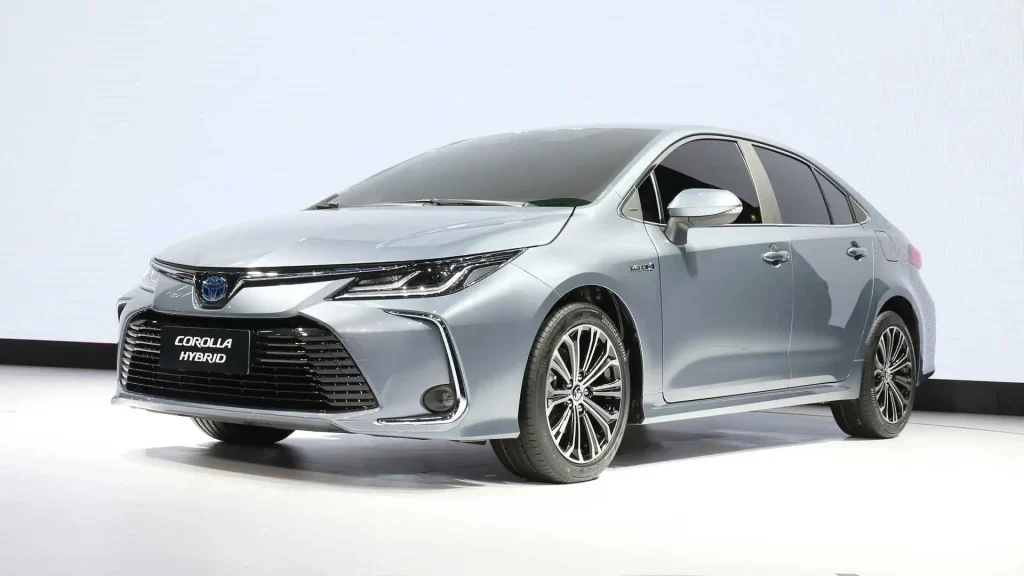
I am writing about the Toyota Corolla because it represents predictable reliability. In Durham campus shuttle operations, it delivers consistent service without surprises, making it a practical and cost-effective choice.
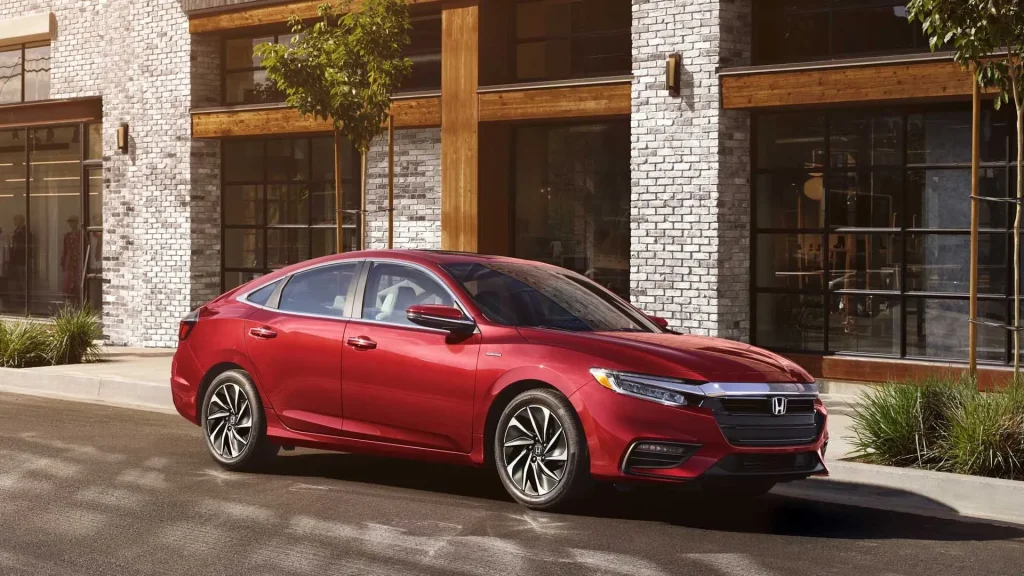
3. Honda Insight
The Honda Insight is well suited for Durham campus shuttle use because it combines hybrid efficiency with mechanical simplicity. Like other hybrids proven in fleet environments, the Insight is designed to handle repeated short trips, constant braking, and long hours of low-speed operation without excessive wear.
In campus shuttle duty, the electric motor manages much of the movement at lower speeds. This reduces engine load and limits heat buildup, which is a common problem in vehicles that idle frequently. Regenerative braking also reduces brake wear, a major advantage for shuttle vehicles that stop dozens of times per hour.
Reliability is a key reason this car belongs on the list. Honda’s hybrid systems have shown strong durability in high-mileage applications. The Insight avoids complex performance tuning, focusing instead on smooth operation and longevity. This helps keep downtime low and maintenance schedules predictable.
Fuel efficiency remains excellent even under heavy use. Unlike conventional cars that lose efficiency during short trips, the Insight performs best in exactly this environment. Over time, this results in significant fuel savings for campus operations running multiple vehicles daily.
Interior design supports frequent use. Controls are intuitive, seats tolerate repeated entry and exit, and the cabin layout allows easy cleaning. Climate systems are efficient and capable of extended operation without strain.
I am writing about the Honda Insight because it represents a smart balance between efficiency and durability. For Durham campus shuttles that prioritize uptime and low operating costs, the Insight consistently delivers dependable service.
4. Ford Escape Hybrid
The Ford Escape Hybrid is a strong performer in high-use campus shuttle environments because it blends hybrid efficiency with added interior space and practicality. This makes it especially useful for transporting passengers and light cargo around busy campuses.
In constant stop-start operation, the hybrid system minimizes engine strain by relying on electric power at low speeds. This reduces fuel consumption and limits wear on traditional drivetrain components. Regenerative braking extends brake life, which is critical for vehicles operating all day.
The Escape Hybrid’s cooling system is designed for sustained use, handling extended idling and frequent low-speed driving without overheating. This is particularly important in campus environments where vehicles rarely reach highway speeds.
Interior durability is another advantage. The cabin offers ample room for passengers, wide door openings for easy entry and exit, and materials that withstand frequent use. The higher ride height also improves driver visibility in crowded pedestrian-heavy areas.
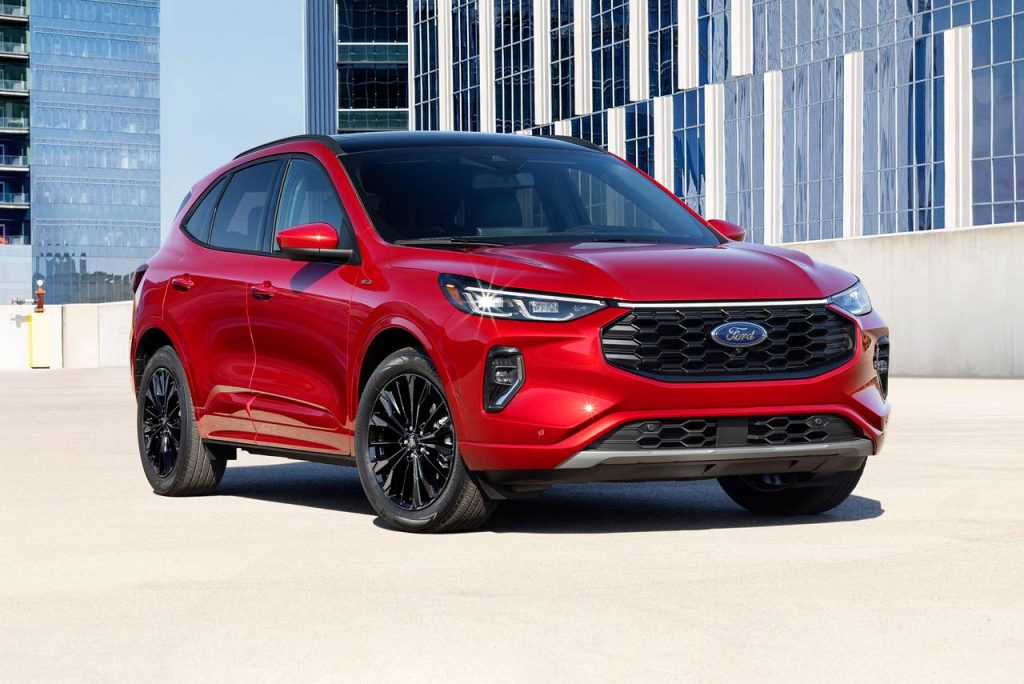
Maintenance costs remain reasonable for a hybrid vehicle. Fleet usage data has shown that Escape Hybrids hold up well over time when serviced regularly, making them a practical choice for institutional operations.
I am writing about the Ford Escape Hybrid because it provides efficiency without sacrificing versatility. For Durham campus shuttles that need reliability, space, and low operating costs, it is a well-rounded and proven option.
5. Toyota Camry
The Toyota Camry is exceptionally well suited for Durham campus shuttle use because it is engineered for longevity under demanding daily operation. While larger than compact sedans, its durability and drivetrain reliability make it a strong option for high-mileage institutional use.
In shuttle service, the Camry’s engine and automatic transmission handle constant stop-start driving smoothly. Gear changes remain predictable, and the powertrain tolerates long hours of low-speed operation without excessive heat buildup. This is critical for campus vehicles that rarely experience sustained highway speeds.
Fuel efficiency remains stable even under heavy use. While not a hybrid in all trims, the Camry avoids dramatic efficiency losses during short trips and congestion. Maintenance schedules are straightforward, and major components are known to last well beyond average mileage when properly serviced.
Interior durability also supports shuttle duty. Seats, controls, and door mechanisms hold up well under frequent passenger turnover. The cabin layout allows easy cleaning, which is important for vehicles used continuously throughout the day.
Ride quality is another advantage. The Camry absorbs rough pavement, speed bumps, and frequent stops without stressing suspension components. Over time, this reduces wear-related repairs that can sideline shuttle vehicles.
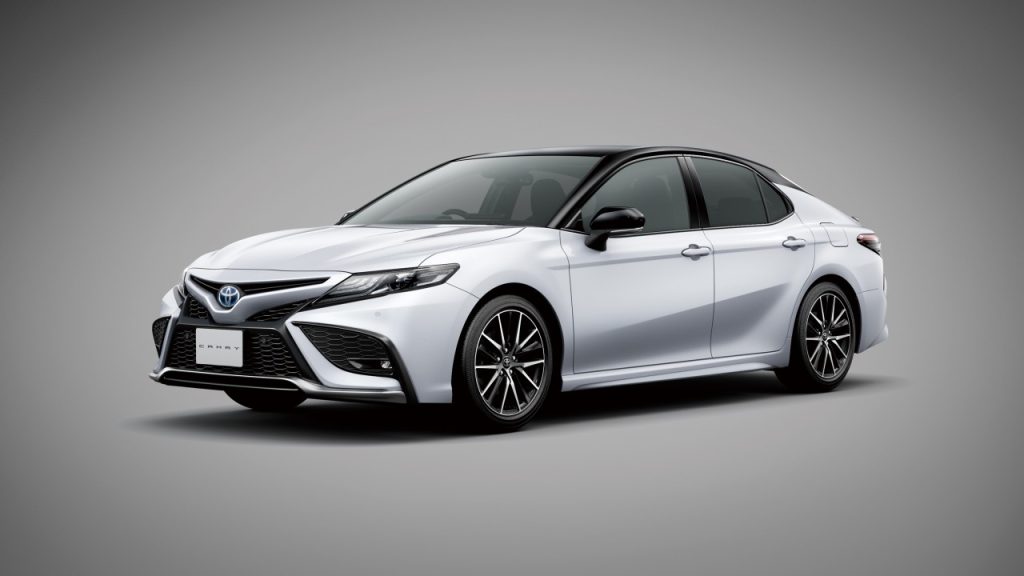
I am writing about the Toyota Camry because it represents dependable high-use transportation. For Durham campus shuttle operations that prioritize uptime, comfort, and predictable ownership costs, the Camry remains a proven and practical choice.
5 That Don’t Hold Up to High Use
High-use driving environments expose weaknesses that normal ownership often hides. In Durham campus settings, vehicles are driven for long hours, experience constant passenger turnover, and endure repeated low-speed operation.
Engines idle frequently, transmissions shift endlessly, and interiors are subjected to continuous wear. Under these conditions, not all cars survive equally.
Vehicles that fail under high use often share similar flaws. Fragile transmissions, overstressed cooling systems, and overly complex drivetrains struggle when driven continuously.
Interiors designed for occasional use degrade quickly when exposed to constant entry, exit, and cleaning. Electronics that seem advanced in private ownership often become failure points in fleet service.
Short trips and constant stops are particularly damaging. Engines rarely reach optimal operating temperature, which increases wear. Brakes and suspension components wear faster than expected, and vehicles with poor heat management suffer breakdowns during extended operation.
This section focuses on five cars that do not hold up well when subjected to heavy, repetitive use. I am writing about them not because they are inherently bad vehicles, but because their design priorities conflict with the realities of campus shuttle service. What works for a private owner driving limited miles often fails when a car is pushed all day, every day.
Understanding which vehicles struggle under high use is essential for fleet operators and institutions. Avoiding these models can prevent excessive downtime, rising repair costs, and operational disruption. The following cars serve as cautionary examples for Durham campus shuttle environments.
1. Nissan Altima
The Nissan Altima struggles to hold up under high-use environments like Durham campus shuttle service because its drivetrain and overall durability are not designed for constant, repetitive operation. While acceptable for light personal use, prolonged daily driving quickly exposes its weaknesses.
The biggest issue is the continuously variable transmission. In high-use conditions, where the vehicle is constantly accelerating, slowing, and idling, the transmission is placed under near-constant stress.
Heat buildup becomes a serious concern, and over time this leads to slipping, hesitation, or complete failure. In shuttle service, this often happens far earlier than owners expect.
Cooling limitations worsen the problem. Campus vehicles rarely see sustained highway speeds, which means airflow is limited. In the Altima, extended low-speed use accelerates drivetrain wear, especially during warmer months when air conditioning runs continuously.
Interior durability is another drawback. Seats, door handles, and controls show wear quickly when subjected to repeated passenger entry and exit. Materials that hold up reasonably well for personal use tend to degrade fast in fleet-style operation, leading to increased maintenance and refurbishment costs.
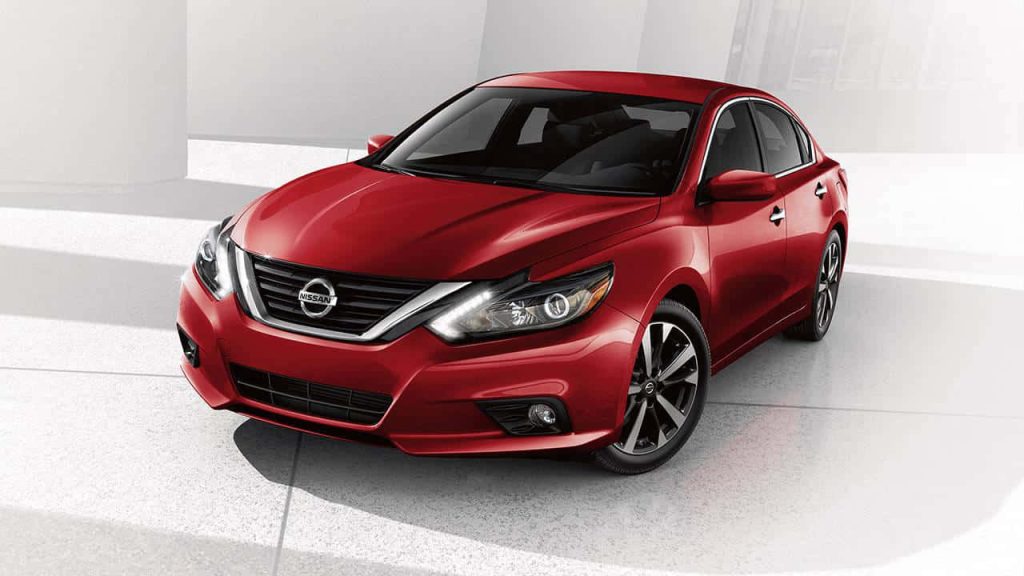
Suspension components also wear prematurely. Frequent stops, speed bumps, and uneven pavement common on campuses place added strain on bushings and mounts. Over time, ride quality deteriorates, and repair frequency increases.
I am writing about the Nissan Altima because it is commonly mistaken as a good fleet option due to its affordability. In reality, high-use environments amplify its weakest areas, resulting in increased downtime and rising repair expenses that make it a poor long-term choice for campus shuttle duty.
2. Chevrolet Cruze
The Chevrolet Cruze does not hold up well under high-use conditions because it was designed primarily for light commuter duty rather than continuous daily operation. In campus shuttle environments, its limitations become evident quickly.
One of the main problems lies in the powertrain. The Cruze’s engine and transmission combination struggles with extended idling and constant low-speed driving. Heat management becomes an issue, and repeated short trips prevent the engine from operating efficiently. Over time, this leads to increased wear and higher failure rates.
Reliability concerns extend beyond the drivetrain. Electrical systems and sensors are known to experience issues under heavy use. Frequent stop-start cycles and constant accessory usage strain components that are not built for prolonged operation, leading to warning lights and unexpected downtime.
Interior durability is another weakness. Seats compress quickly, trim pieces loosen, and climate controls experience wear when used continuously throughout the day. For shuttle service, where vehicles are occupied for hours at a time, this accelerates cabin degradation.

Maintenance costs rise faster than expected. While the Cruze may appear inexpensive initially, frequent repairs and shorter service intervals make it costly to keep operational in a high-use environment. Parts availability is not the issue. The frequency of needed repairs is.
I am writing about the Chevrolet Cruze because it highlights the difference between commuter-friendly design and true fleet durability. In Durham campus shuttle service, the Cruze often becomes unreliable long before its mileage would suggest.
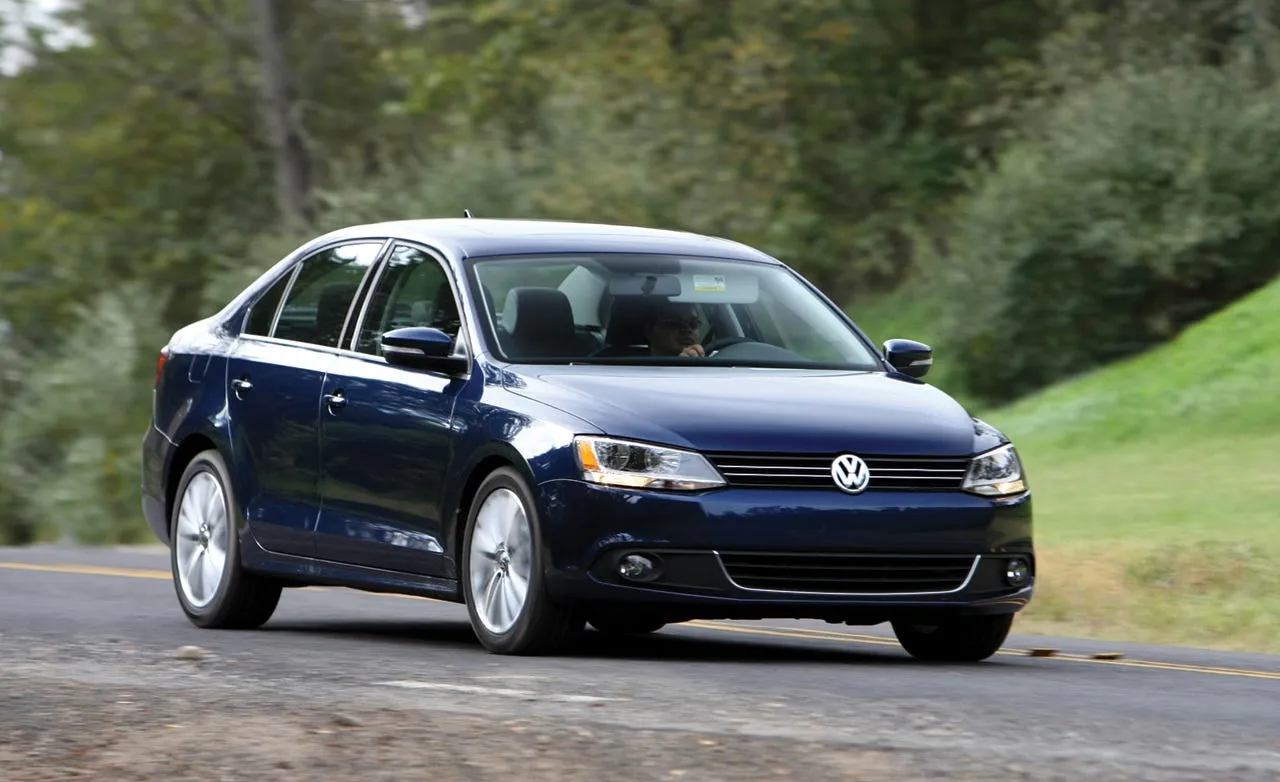
3. Volkswagen Jetta
The Volkswagen Jetta struggles to hold up under high-use conditions such as Durham campus shuttle service because its design prioritizes driving feel and efficiency over long-term durability under constant operation. While comfortable and refined for personal commuting, repeated daily use exposes several weaknesses.
One major concern is drivetrain durability. In high-use environments, frequent stop-start driving and long idling periods place continuous strain on the engine and transmission.
Heat management becomes a problem, especially during warmer months when air conditioning runs constantly. Over time, this accelerates wear on internal components and increases the risk of costly repairs.
Transmission behavior is another issue. Automatic gearboxes in the Jetta are tuned for smoothness rather than endurance. In shuttle service, constant shifting leads to premature wear, rough operation, and declining reliability. Repair costs tend to rise sharply once problems begin.
Electrical systems also struggle under heavy use. Campus vehicles rely on electronics throughout the day, and repeated cycling of systems such as climate control, infotainment, and sensors increases failure rates. These issues often result in warning lights and downtime that disrupt operations.
Interior materials do not tolerate constant passenger turnover well. Seats, trim pieces, and controls show wear faster than expected, requiring more frequent refurbishment. This adds hidden costs over time.
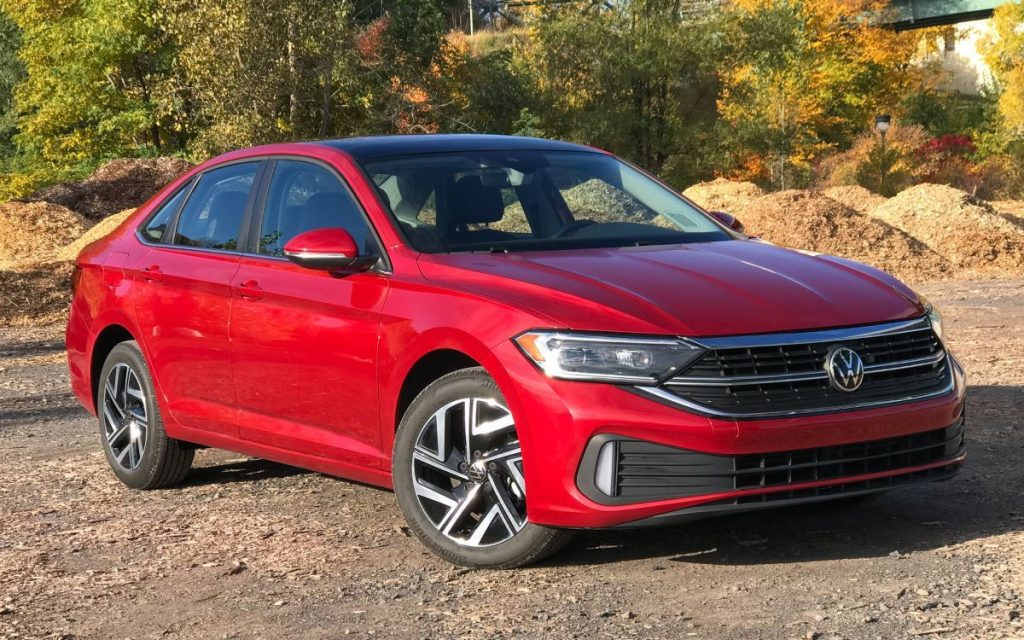
I am writing about the Volkswagen Jetta because it is often perceived as a solid all-around sedan. In high-use campus environments, however, its long-term reliability does not match its initial refinement, making it a risky choice for shuttle duty.
4. Dodge Dart
The Dodge Dart performs poorly in high-use environments because it was not engineered for sustained daily operation. While adequate for light personal use, its weaknesses become clear when subjected to continuous campus shuttle duty.
Powertrain reliability is a primary issue. The Dart’s engine and transmission combination struggles with extended low-speed driving and frequent idling. Heat buildup accelerates wear, and reliability declines as mileage accumulates rapidly under constant use.
Transmission performance is particularly problematic. Frequent shifting in stop-start conditions causes premature wear, leading to hesitation, rough gear changes, and eventual failure. In fleet-style operation, these issues often surface well before expected service intervals.
Electrical reliability is another weak point. Sensors, control modules, and electronic components experience higher failure rates when used continuously. This leads to warning lights, inconsistent performance, and increased diagnostic costs.
Interior durability also falls short. Seats lose support quickly, trim pieces loosen, and controls wear out under repeated use. For campus shuttles that operate all day, this results in a cabin that deteriorates rapidly and requires frequent repairs.

Maintenance costs escalate quickly. While the Dart may appear affordable initially, its tendency toward frequent repairs and downtime makes it inefficient for high-use applications.
I am writing about the Dodge Dart because it illustrates how cost-focused design often fails under real-world fleet demands. In Durham campus shuttle service, the Dart typically becomes unreliable and expensive to maintain long before reaching high mileage.
5. Ford Focus
The Ford Focus does not hold up well under high-use environments such as Durham campus shuttle service because it was engineered primarily for light commuter driving, not continuous daily operation. When subjected to constant stop-start cycles and long hours on the road, its weaknesses surface quickly.
The most significant issue is transmission durability. In high-use conditions, frequent shifting and low-speed operation place sustained stress on components that are not designed for this level of demand.
Over time, drivers often experience hesitation, rough engagement, and declining reliability. These problems lead to increased downtime and expensive repairs.
Cooling performance is another concern. Campus shuttle vehicles spend much of their time idling or moving slowly, limiting airflow. In the Focus, this accelerates heat-related wear on drivetrain components, especially during warmer months when climate control is used continuously.
Interior durability also falls short for shuttle duty. Seats lose firmness quickly, trim pieces loosen, and controls wear out under repeated passenger entry and exit. For vehicles operating all day, this rapid cabin degradation increases maintenance and refurbishment costs.
Suspension components experience accelerated wear as well. Frequent stops, speed bumps, and uneven campus roads place constant stress on bushings and mounts. Over time, ride quality deteriorates, and repair frequency increases.
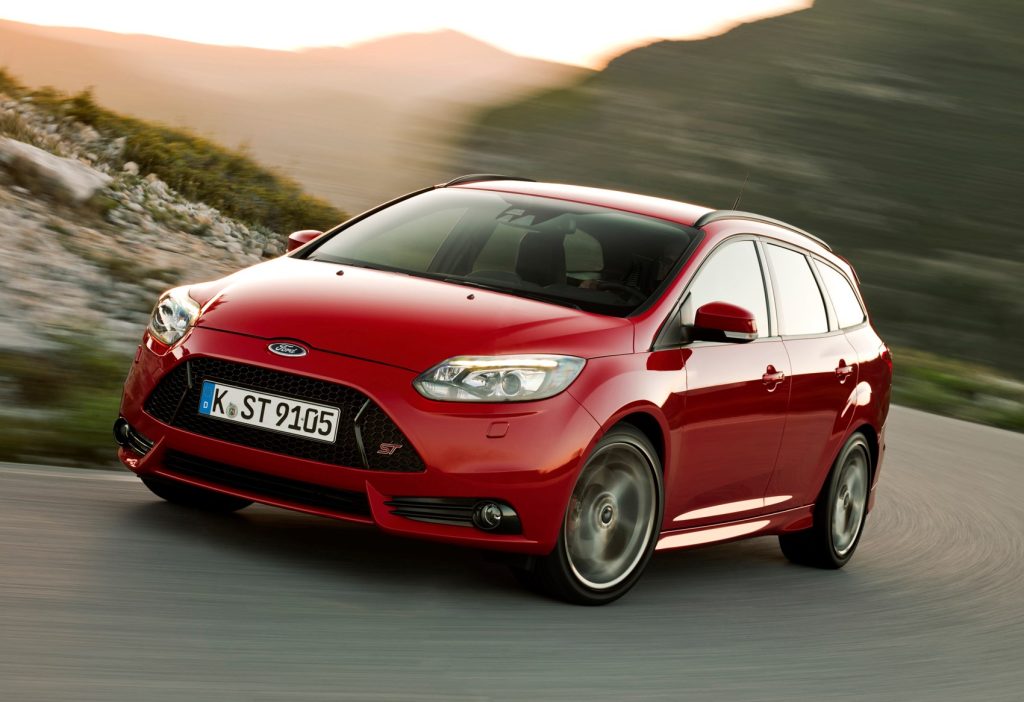
I am writing about the Ford Focus because it is often selected for fleet use based on affordability and fuel efficiency.
In reality, high-use environments expose its durability limits. For Durham campus shuttle operations, the Focus typically becomes unreliable sooner than expected, making it a poor long-term investment despite its initial cost advantages.
Operating vehicles around Durham campuses places unique and intense demands on cars. Unlike typical personal driving, campus shuttle use involves constant stop-start movement, short routes, frequent idling, repeated passenger loading, and near-continuous daily operation.
Vehicles accumulate wear quickly, and design weaknesses surface far sooner than mileage alone would suggest. This article examined both sides of that reality by identifying cars that perform well in Durham campus shuttle environments and those that struggle to survive high-use conditions.
The first section focused on five cars well suited for Durham campus shuttles. These vehicles were chosen for their proven reliability, durability, and ability to tolerate repetitive use without excessive downtime.
Models like the Toyota Prius and Honda Insight stood out because hybrid systems thrive in stop-and-go environments. Electric motors handle low-speed movement, reducing engine strain, fuel consumption, and brake wear. This directly benefits shuttle service, where vehicles stop frequently and idle for long periods.
The Toyota Corolla and Toyota Camry were highlighted for their mechanical simplicity and long-term durability. Their engines and transmissions are designed for longevity rather than performance, allowing them to handle constant low-speed operation with minimal drama.
Maintenance costs remain predictable, parts are widely available, and downtime is reduced, which is critical for campus operations. The Ford Escape Hybrid added practicality to the list, offering more interior space while retaining hybrid efficiency and durability.
Its robust cooling system, regenerative braking, and fleet-proven reliability make it well suited for transporting passengers throughout the day.
Across all five recommended vehicles, common strengths emerged. These cars manage heat effectively, tolerate extended idling, and use drivetrains known for surviving high mileage.
Interiors are functional and durable enough for frequent passenger turnover, and overall ownership costs remain manageable. These qualities make them dependable tools rather than fragile consumer products in a campus shuttle setting.
The second section examined five cars that do not hold up well to high use, serving as cautionary examples. Vehicles such as the Nissan Altima and Ford Focus were highlighted for drivetrain and transmission weaknesses that become pronounced under constant operation.
In particular, transmissions designed for light commuter use struggle when exposed to nonstop shifting, heat buildup, and repeated low-speed driving. This leads to early failures, expensive repairs, and increased downtime.
The Chevrolet Cruze, Volkswagen Jetta, and Dodge Dart further illustrated how cars that feel comfortable and capable in private ownership can deteriorate quickly in fleet-style use.
Electrical issues, cooling limitations, and fragile interior materials become major liabilities when vehicles operate all day, every day.
Frequent warning lights, sensor failures, and cabin degradation disrupt service schedules and increase operating costs. Suspension components also wear faster in campus environments filled with speed bumps, uneven pavement, and constant braking.
A key takeaway from this section is that affordability at purchase does not equal affordability over time. Cars that fail under high use often cost more in the long run due to frequent repairs, lost service time, and early replacement.
Overall, the article emphasizes that vehicle selection for Durham campus shuttles must prioritize durability, simplicity, and proven fleet performance. Cars engineered for high-use environments reduce stress on operators, control costs, and maintain reliable service.
In contrast, vehicles not designed for continuous operation become liabilities, regardless of their initial appeal. Choosing the right vehicle can mean the difference between years of dependable service and constant operational disruption.
Also Read: 5 Cars for Rochester, MN Cold Commuters and 5 That Lose Power in Freeze
