
Jefferson City is not a place where drivers need flashy cars or cutting-edge performance. What matters far more is practicality. Daily commutes involve steady traffic, modest highway speeds, frequent errands, and year-round use in varying weather.
For most residents, a car is a tool, not a luxury item. Reliability, fuel efficiency, and predictable ownership costs matter far more than brand image or acceleration figures.
Practical commuting in Jefferson City means choosing a vehicle that starts every morning, handles short trips without complaint, and does not demand constant repairs.
Many drivers rack up mileage slowly but consistently, which places unique stress on engines, transmissions, and suspension components. Cars that thrive here are those designed with simplicity and long-term durability in mind.
At the same time, some vehicles become financial nightmares despite looking appealing at purchase. Expensive parts, complex engineering, poor reliability records, and labor-intensive repairs quickly turn ownership into a burden.
In smaller cities like Jefferson City, access to specialized repair shops is limited, making costly-to-fix vehicles even more frustrating to own.
This article covers both sides of the equation. First, it highlights five cars that make sense for Jefferson City practical commuters, focusing on reliability, efficiency, and ease of ownership. These vehicles are chosen because they fit real-world driving needs rather than marketing hype.
Then, the article shifts to five cars that cost a fortune to fix, explaining why their repair bills, parts prices, and long-term reliability make them poor choices for cost-conscious commuters. The goal is simple: help drivers avoid unnecessary expenses and choose vehicles that support stress-free, affordable transportation.
Also Read: 5 Cars for Corvallis College & Commuting and 5 Students Should Skip
5 Cars for Jefferson City Practical Commuters
Practical commuting is about minimizing friction in daily life. For Jefferson City drivers, this means owning a car that performs its job quietly and reliably without draining time or money. Commutes are rarely extreme, but they are consistent, and that consistency rewards vehicles built for longevity rather than excitement.
The cars in this section are selected because they offer dependable transportation under normal driving conditions.
They handle short trips, traffic lights, and occasional highway use without placing excessive strain on mechanical components. Engines warm up quickly, transmissions shift smoothly, and suspension systems tolerate uneven pavement without frequent repairs.
Fuel efficiency is another important factor. With gas prices fluctuating, cars that maintain reasonable mileage in real-world driving help control monthly costs. These vehicles do not rely on aggressive tuning or complicated technology that increases repair risk over time.
Maintenance accessibility also matters. In Jefferson City, drivers benefit from vehicles with readily available parts and widespread service knowledge. Cars that require specialized diagnostics or rare components often lead to longer downtime and higher labor charges.
I am writing about these vehicles because they reflect what practical commuting actually looks like. They are not aspirational purchases.
They are smart ones. Each car listed here has earned its reputation by delivering consistent service with minimal drama, making them well suited for Jefferson City drivers who value dependability and affordability above all else.
1. Toyota Corolla
The Toyota Corolla is one of the most sensible choices for Jefferson City practical commuters because it prioritizes reliability above all else. It is designed to handle daily use without demanding constant attention, which makes it ideal for steady commuting patterns.
The Corolla’s engine is tuned for efficiency and longevity rather than performance. It handles short trips and regular driving without excessive wear, and cold starts are rarely an issue. The automatic transmission is simple and proven, avoiding the complexity that leads to costly failures in some competitors.
Fuel economy remains consistent in real-world driving. Whether commuting across town or taking short highway trips, the Corolla avoids dramatic swings in mileage. This predictability helps drivers manage fuel expenses without surprises.
Maintenance costs are another major advantage. Parts are inexpensive and widely available, and most mechanics are familiar with the platform. Routine servicing remains affordable, and major repairs are rare even at higher mileage.
Interior durability also supports long-term ownership. Controls hold up well, seats remain comfortable over time, and the cabin is easy to maintain. For drivers who plan to keep their car for years, these small details matter.
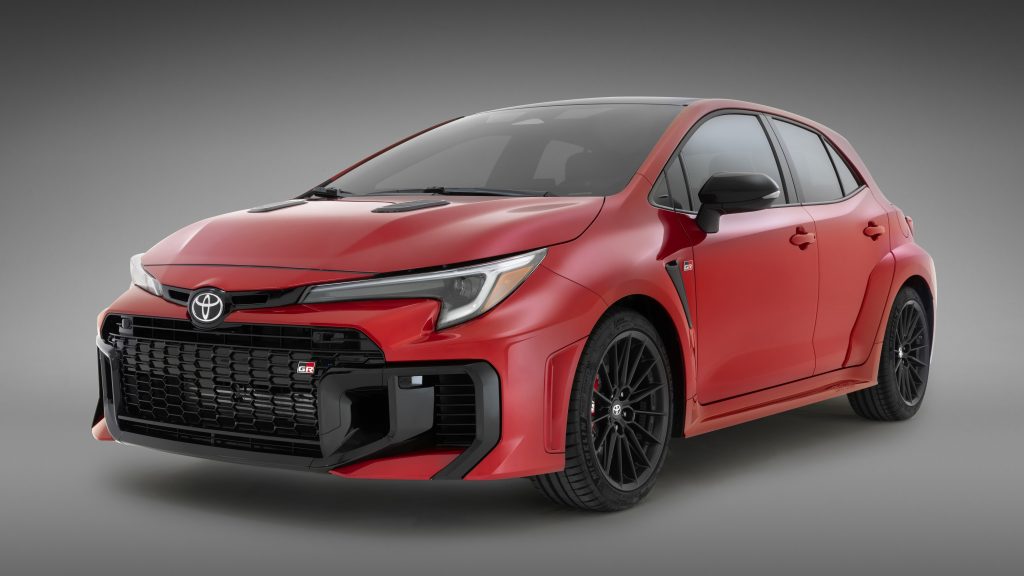
I am writing about the Toyota Corolla because it represents practical transportation done right. For Jefferson City commuters who want a car that simply works day after day, the Corolla continues to be one of the safest and smartest choices.
2. Honda Civic
The Honda Civic is well suited for Jefferson City practical commuting because it balances efficiency, durability, and everyday usability. It offers a slightly more engaging drive than some competitors while still maintaining a strong focus on reliability.
The Civic’s engine performs well under normal commuting conditions, handling short trips and steady driving without excessive stress. Transmission behavior is smooth and predictable, which reduces wear during daily stop-and-go use.
Fuel efficiency remains strong across different driving patterns. The Civic avoids the steep efficiency drops that some cars experience in real-world commuting, making it easier to budget fuel costs over time.
Maintenance and repair costs stay reasonable. Parts are easy to source, and service knowledge is widespread. This keeps labor costs under control and minimizes downtime when repairs are needed.
Interior quality also contributes to long-term satisfaction. Seats, controls, and trim materials hold up well under regular use, making the Civic comfortable even after years of ownership.
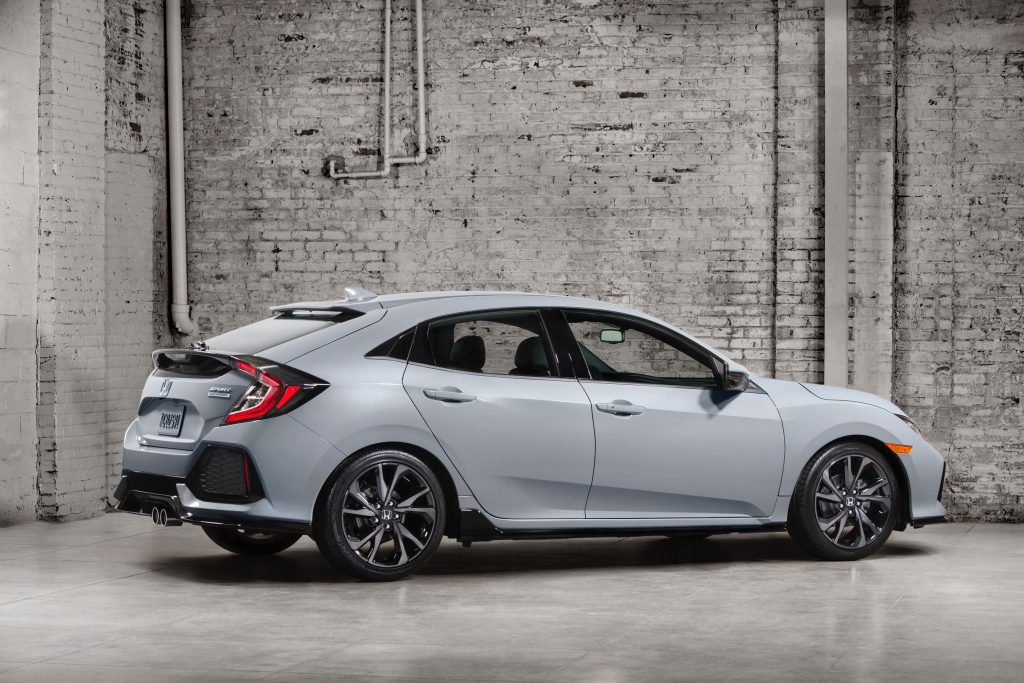
I am writing about the Honda Civic because it proves that practicality does not have to feel dull. For Jefferson City commuters seeking reliability with a bit of refinement, the Civic remains a dependable and sensible option.
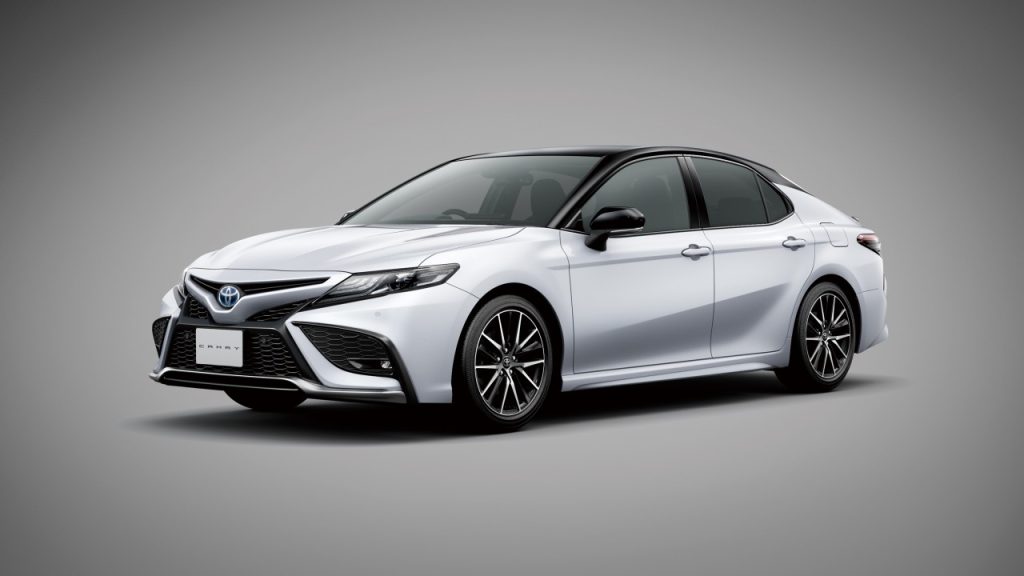
3. Toyota Camry
The Toyota Camry is an excellent choice for Jefferson City practical commuters who want comfort and reliability without stepping into high ownership costs. It offers a slightly larger footprint than compact sedans while maintaining the same reputation for long-term durability.
The Camry’s engine is tuned for smooth, low-stress operation rather than aggressive performance. This makes it ideal for consistent daily driving, where engines experience repeated warm-ups and moderate speeds.
Transmission behavior is predictable and refined, reducing mechanical strain over time and helping the drivetrain last well beyond average mileage.
Fuel efficiency remains respectable for a midsize sedan. While it does not match compact cars, the Camry avoids the sharp fuel consumption spikes that often affect larger vehicles. This balance makes it practical for both city commuting and occasional highway trips.
Maintenance costs are one of the Camry’s strongest advantages. Parts are widely available, repairs are straightforward, and most mechanics are deeply familiar with the platform. This keeps labor costs reasonable and minimizes unexpected expenses.
Interior durability supports long-term ownership. Seats retain comfort, controls continue to function smoothly, and cabin materials resist premature wear. For commuters who spend significant time behind the wheel, this consistency matters.
I am writing about the Toyota Camry because it represents dependable transportation with added comfort. For Jefferson City drivers who want something more spacious than a compact car without sacrificing reliability, the Camry remains a practical and cost-conscious choice.
4. Hyundai Elantra
The Hyundai Elantra is well suited for Jefferson City commuters who want affordable, dependable transportation with modern efficiency. Over recent generations, the Elantra has built a strong reputation for reliability and manageable ownership costs.
The Elantra’s engine performs consistently in daily commuting scenarios. It handles short trips, moderate traffic, and steady driving without excessive wear. Transmission tuning focuses on smooth shifts rather than performance, which helps extend component life under regular use.
Fuel economy is one of its biggest strengths. The Elantra maintains strong real-world efficiency, helping commuters manage fuel expenses over time. This is especially valuable for drivers with consistent daily routes.
Maintenance remains affordable. Replacement parts are readily available, service procedures are simple, and repair costs tend to stay below industry averages. This makes long-term ownership less stressful for budget-conscious drivers.
Interior quality has improved significantly. Seats, controls, and trim materials hold up well under daily use, and the cabin layout is practical and easy to maintain. These details contribute to a positive ownership experience over many years.
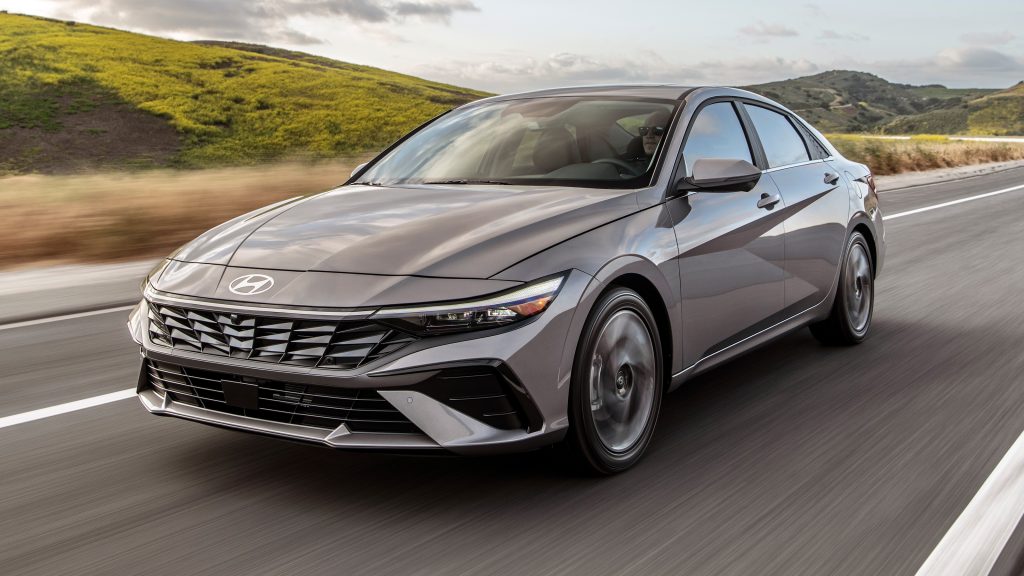
I am writing about the Hyundai Elantra because it offers practical commuting without unnecessary expense. For Jefferson City drivers who value efficiency, reliability, and low running costs, the Elantra stands as a smart and sensible option.
5. Mazda3
The Mazda3 is a strong fit for Jefferson City practical commuters because it combines everyday reliability with efficient operation and manageable ownership costs. It is well suited to steady commuting patterns that involve short trips, moderate traffic, and occasional highway driving.
The Mazda3’s engine is designed for smooth, predictable performance rather than aggressive output. This helps reduce long-term wear during daily use, especially when trips are short and repetitive. The automatic transmission shifts cleanly and consistently, which limits stress on drivetrain components over time.
Fuel efficiency is another advantage. The Mazda3 delivers dependable real-world mileage without requiring special driving habits. For commuters looking to keep fuel costs stable month after month, this consistency matters more than headline numbers.
Maintenance costs remain reasonable. Parts availability is strong, service procedures are straightforward, and most repair shops are familiar with the platform. This keeps labor costs in check and avoids long downtime for routine or unexpected repairs.
Interior durability supports long-term ownership. Seats maintain comfort, controls resist wear, and the cabin remains easy to keep clean. These qualities help the car age gracefully, even with daily use.
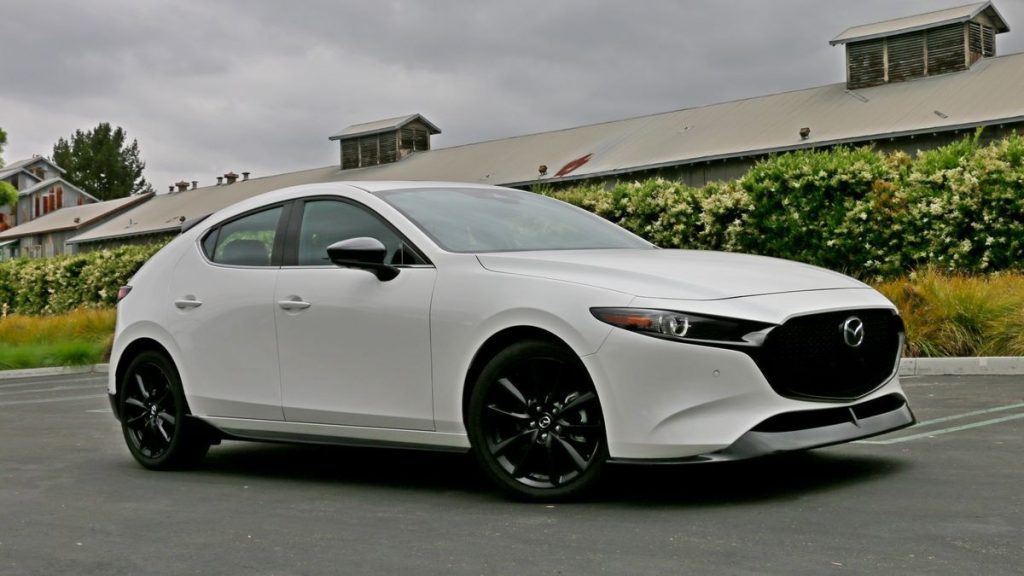
I am writing about the Mazda3 because it represents a practical commuter that does not feel cheap or disposable. For Jefferson City drivers who want reliability, efficiency, and a slightly more refined driving experience without higher ownership costs, the Mazda3 makes strong sense.
5 That Cost a Fortune to Fix
Not every car that looks appealing on the lot is affordable to own over time. In Jefferson City, where most drivers value practicality and predictable expenses, vehicles with high repair costs can quickly become financial burdens. Complex engineering, expensive parts, and limited service expertise turn routine ownership into an ongoing drain on time and money.
Cars that cost a fortune to fix often rely on advanced technology, specialized components, or performance-focused designs.
While these features may enhance driving experience or brand prestige, they also increase the likelihood of expensive failures. When something goes wrong, repairs frequently require specialized tools, trained technicians, and costly replacement parts.
Smaller cities face additional challenges. Access to brand-specific specialists is limited, which often means higher labor rates or longer wait times. Even simple repairs can escalate in cost when parts must be sourced from distant suppliers or diagnostics require proprietary systems.
This section focuses on five cars that consistently generate high repair bills relative to their value. I am writing about them to highlight how ownership costs extend far beyond purchase price. These vehicles often surprise owners with transmission failures, electrical issues, or suspension repairs that cost thousands of dollars.
For practical commuters, understanding which cars are expensive to fix is just as important as knowing which ones are reliable.
Avoiding these models can prevent financial strain and frustration. The following cars serve as cautionary examples for Jefferson City drivers who want dependable transportation without painful repair surprises.
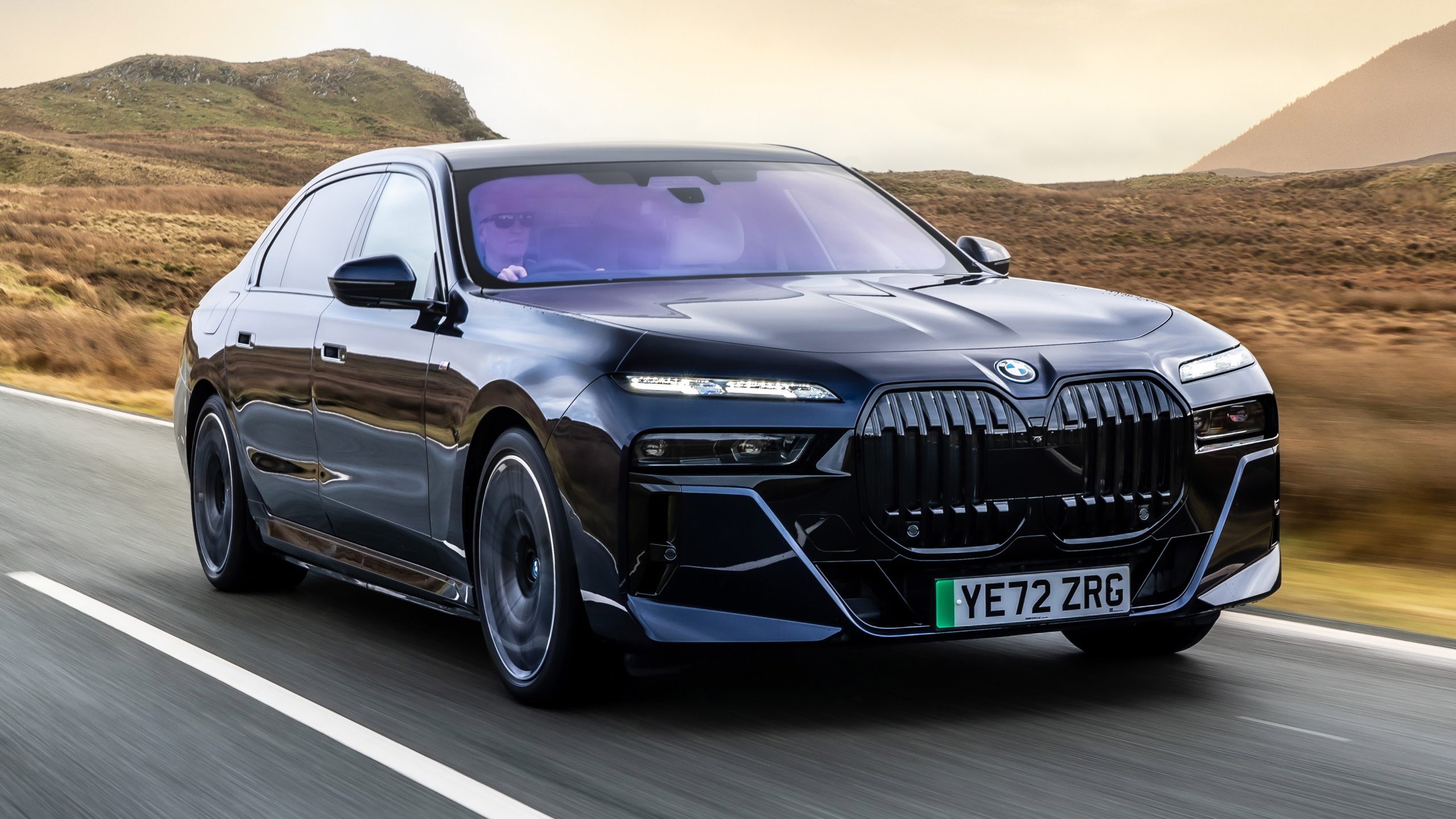
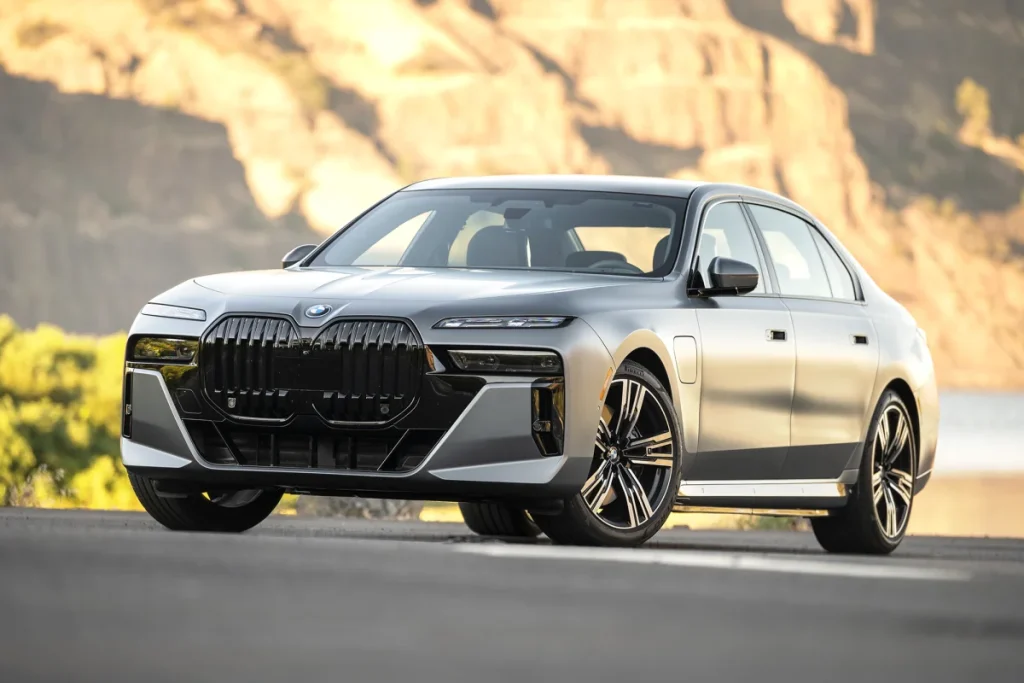
1. BMW 7 Series
The BMW 7 Series is one of the clearest examples of a car that can cost a fortune to fix, especially for practical commuters in places like Jefferson City. While it offers exceptional comfort and advanced technology, its long-term ownership costs often far exceed expectations.
The biggest issue is complexity. The 7 Series is packed with advanced electronics, air suspension systems, adaptive drivetrains, and luxury features that are expensive to repair when they fail.
In real-world ownership, these systems do fail, particularly as the car ages. Even minor issues can trigger dashboard warnings that require specialized diagnostic equipment.
Repair costs are high because parts are expensive and labor is specialized. Many repairs require technicians trained specifically on BMW systems, which are not always easy to find outside major metro areas. This often results in higher labor rates or longer wait times, both of which add to ownership frustration.
Suspension repairs are especially costly. Air suspension components are prone to wear over time, and replacement costs can be staggering. When suspension faults appear, they often require multiple components to be replaced at once, multiplying the expense.
Electrical problems are another concern. As the car ages, sensors, control modules, and infotainment systems can develop faults. Diagnosing these issues is time-consuming, and replacing modules is rarely cheap. What might be a minor inconvenience in a simpler car can become a four-figure repair bill in the 7 Series.
I am writing about the BMW 7 Series because it illustrates how luxury and technology can become liabilities. For Jefferson City commuters seeking predictable costs, this car represents the opposite. While impressive to drive, its maintenance and repair demands make it an impractical and financially risky choice for everyday ownership.
2. Audi A8
The Audi A8 is another vehicle that frequently costs a fortune to fix, making it a poor match for cost-conscious commuters. Like the BMW 7 Series, the A8 prioritizes luxury and innovation, but that sophistication comes with significant long-term expense.
One of the main problems is system integration. The A8 relies heavily on interconnected electronic systems that control everything from suspension to driver assistance features. When one component fails, it often affects others, turning simple repairs into complex diagnostic challenges.
Parts costs are consistently high. Even routine components such as suspension parts, sensors, and control units are far more expensive than those found in mainstream sedans. In Jefferson City, limited access to Audi specialists can further increase repair costs due to higher labor rates or longer service delays.
The suspension system is a major liability. Adaptive air suspension provides excellent ride quality when new, but repairs become extremely costly as the vehicle ages. Failures are common enough that owners often face multiple suspension-related repairs over time, each costing thousands.
Electrical reliability is another concern. As mileage increases, issues with infotainment systems, driver aids, and electronic modules become more frequent. Diagnosing these faults requires proprietary tools, and replacing modules is rarely economical.
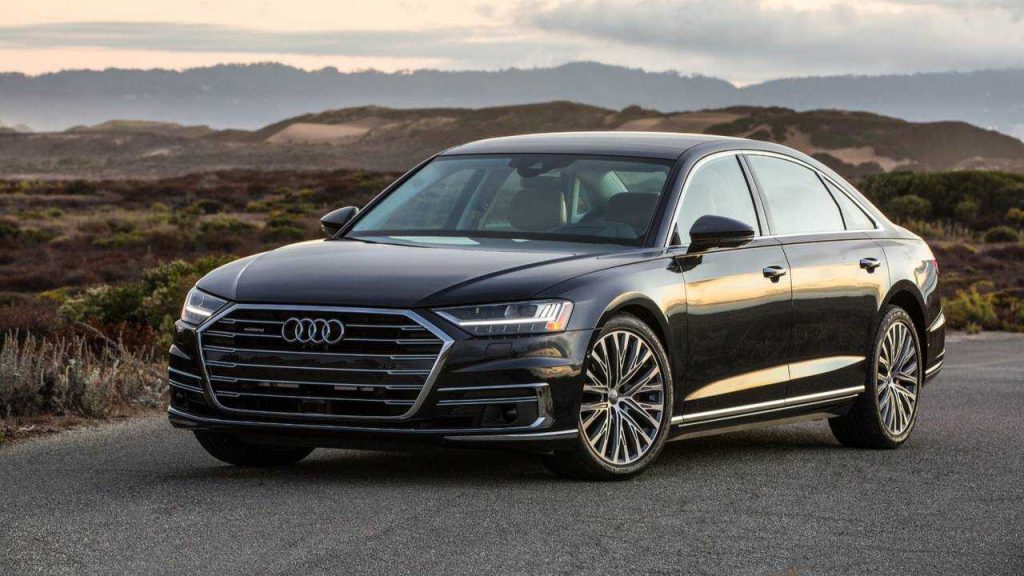
I am writing about the Audi A8 because it demonstrates how luxury ownership can become financially overwhelming. For Jefferson City drivers focused on practicality, the A8’s repair costs, complexity, and service challenges make it an unwise long-term choice despite its comfort and prestige.
3. Mercedes-Benz S-Class
The Mercedes-Benz S-Class is widely respected for its comfort, safety, and technology, but it is also one of the most expensive sedans to keep running long term. For practical commuters in Jefferson City, ownership costs can escalate quickly once the car moves beyond warranty coverage.
A major contributor to high repair bills is the sheer volume of advanced systems onboard. The S-Class uses complex air suspension, adaptive drivetrains, advanced driver assistance features, and layered electronic networks.
When any one of these systems fails, repairs often require extensive diagnostics and multiple component replacements rather than simple fixes.
Suspension issues are particularly costly. Air suspension components wear over time, and replacement often involves compressors, sensors, and struts together. Labor alone can be substantial, and parts prices are among the highest in the segment. These repairs frequently reach into the thousands of dollars.
Electrical problems also increase with age. Control modules, infotainment systems, and driver assistance sensors can malfunction, triggering warning lights and reduced functionality. Diagnosing these issues requires proprietary tools and trained technicians, which are less accessible in smaller cities.
Routine maintenance costs are also elevated. Even basic services like brakes, batteries, and cooling components cost significantly more than mainstream vehicles. Owners often face premium pricing simply due to the vehicle’s complexity and brand positioning.
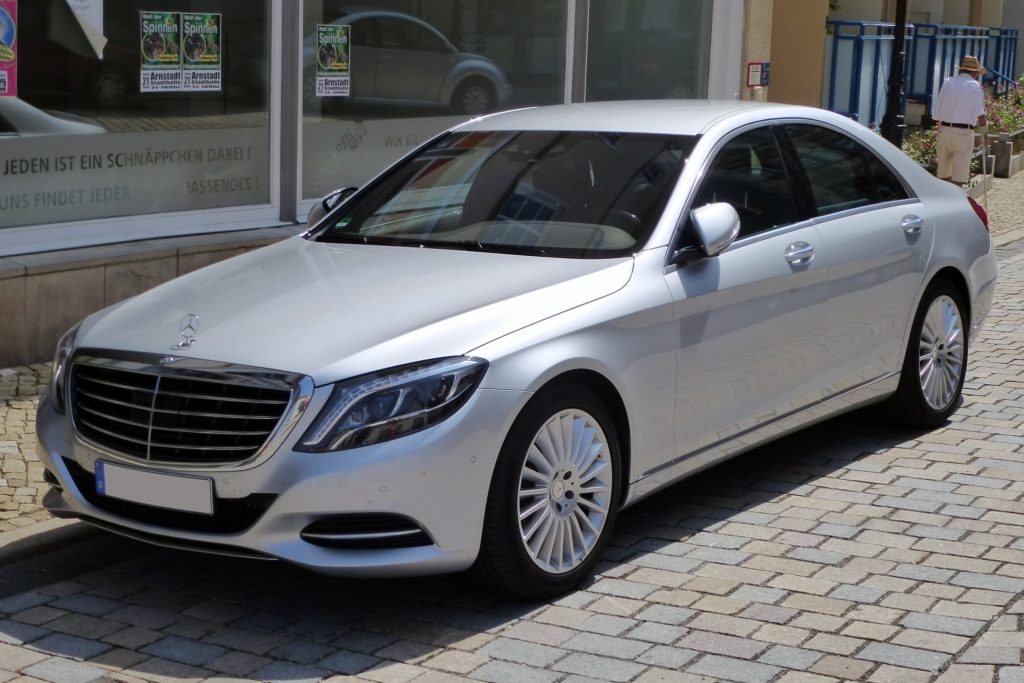
I am writing about the Mercedes-Benz S-Class because it demonstrates how luxury engineering can become a financial burden. While the car delivers an exceptional driving experience, its repair and maintenance demands make it impractical for cost-focused commuters.
In Jefferson City, where predictability and affordability matter, the S-Class often proves far more expensive to own than buyers anticipate.
4. Jaguar XJ
The Jaguar XJ is another vehicle that frequently costs a fortune to fix, despite its elegant styling and refined ride. While appealing on the surface, long-term ownership often reveals significant reliability and repair-cost challenges.
One of the biggest issues is parts availability and pricing. Jaguar components are expensive, and sourcing them in smaller markets like Jefferson City can involve delays and added costs. Even routine repairs can take longer and cost more simply due to limited local expertise.
Electrical reliability is a common concern. As the XJ ages, issues with sensors, infotainment systems, and electronic control modules become more frequent. These problems are often difficult to diagnose, leading to extended shop time and high labor charges.
Suspension systems also contribute to high ownership costs. Adaptive suspension components are complex and prone to wear, especially on vehicles driven daily. Repairs often require replacing multiple parts simultaneously, driving costs even higher.
Engine and transmission repairs are not immune either. While performance is smooth when everything works correctly, failures can be expensive due to tightly packaged components and specialised labour requirements. Minor problems can escalate into major repair bills.
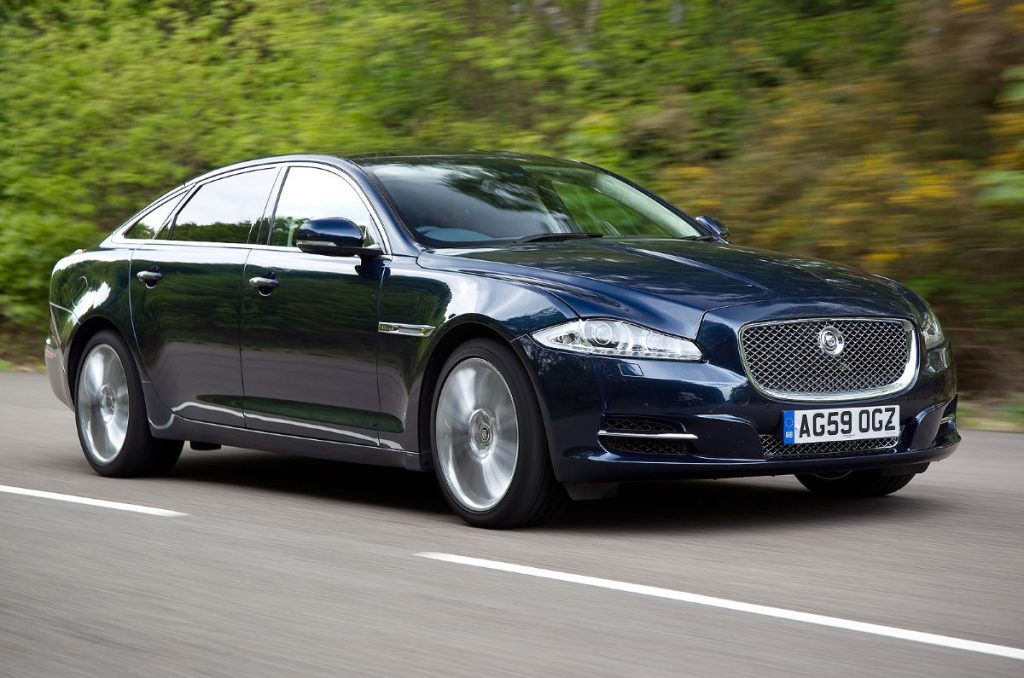
I am writing about the Jaguar XJ because it highlights how exclusivity can work against practicality. For Jefferson City drivers seeking affordable, dependable transportation, the XJ’s high repair costs, limited service support, and reliability concerns make it a risky and often costly ownership experience.
5. Porsche Panamera
The Porsche Panamera is a car that often costs a fortune to fix, making it a poor fit for practical commuters in Jefferson City. While it blends luxury with performance impressively, that sophistication brings long-term repair costs that can overwhelm owners once the warranty period ends.
One of the primary issues is mechanical complexity. The Panamera combines high-performance engines with advanced transmissions, adaptive suspension systems, and tightly packaged components.
When repairs are needed, labor hours increase quickly because accessing parts is time-consuming. Even routine fixes can require extensive disassembly, driving up costs dramatically.
Suspension systems are a major financial risk. Many Panamera models use adaptive or air suspension setups that deliver excellent ride quality but are expensive to repair or replace.
Failures are not uncommon as mileage increases, and repairs often involve multiple components at once, resulting in repair bills that reach into the thousands.
Transmission and drivetrain repairs are another concern. The Panamera’s performance-oriented transmission is smooth and responsive, but when problems occur, they are rarely inexpensive.
Specialized diagnostic equipment and trained technicians are required, which can be difficult to find in smaller cities. This often leads to higher labor rates and longer downtime.
Electrical and electronic issues also contribute to ownership costs. Infotainment systems, sensors, and control modules are deeply integrated into the vehicle’s architecture. A fault in one system can affect others, turning minor issues into expensive diagnostic exercises.
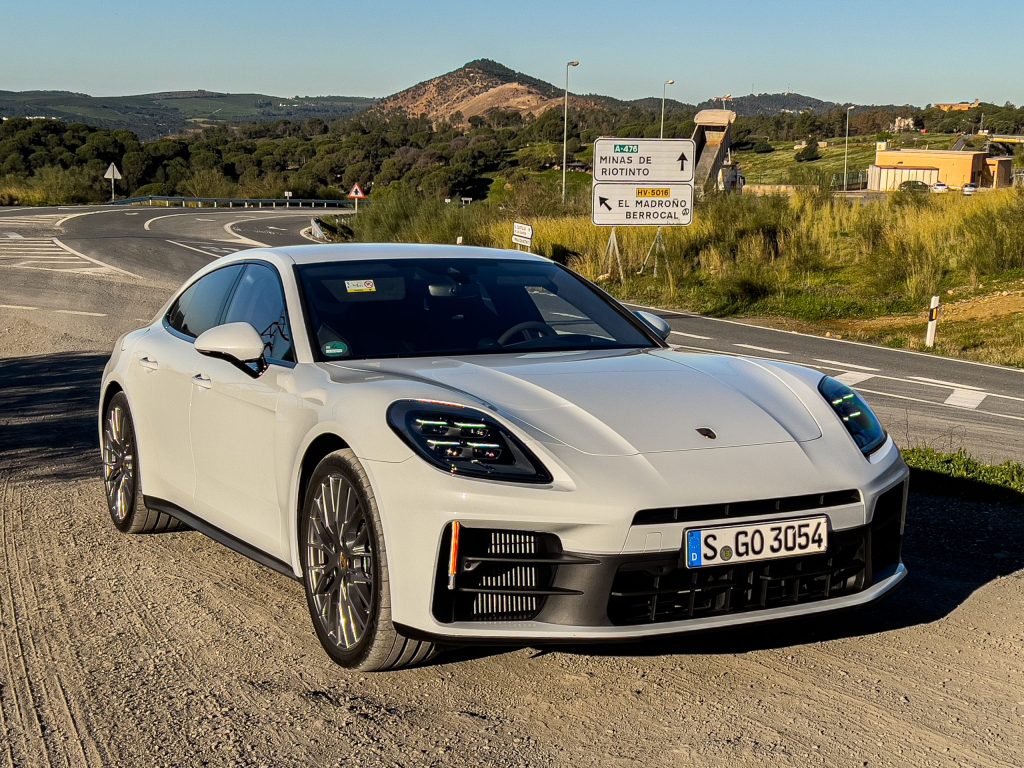
I am writing about the Porsche Panamera because it exemplifies how performance luxury can clash with practical ownership. For Jefferson City commuters focused on affordability and reliability, the Panamera’s repair costs, service complexity, and parts pricing make it an impractical choice.
While it excels as a high-end grand tourer, its long-term financial demands place it firmly in the category of cars that cost a fortune to fix.
Commuting in Jefferson City is less about excitement and more about reliability, affordability, and long-term practicality. This article explored both sides of vehicle ownership in that context by identifying cars that make sense for everyday commuters and cars that often become financial liabilities due to extreme repair costs.
The first half of the article focused on five cars well suited for Jefferson City practical commuters. These vehicles were chosen because they deliver dependable performance under normal daily driving conditions without demanding excessive maintenance.
Models such as the Toyota Corolla and Honda Civic stood out for their proven reliability, consistent fuel efficiency, and low repair costs. Their simple, durable engines and transmissions handle repeated short trips and steady commuting without placing unnecessary stress on mechanical components.
The Toyota Camry offered a step up in comfort while maintaining the same reputation for longevity and predictable ownership costs. Its smooth powertrain and durable interior make it ideal for drivers who want a midsize sedan without sacrificing reliability.
The Hyundai Elantra added value through strong fuel economy, affordable maintenance, and improved long-term durability in recent generations. The Mazda3 completed the list by offering practical commuting with a slightly more refined driving experience, all while keeping repair and maintenance expenses manageable.
Across these five vehicles, common strengths emerged. They are easy to service, parts are widely available, and most local mechanics are familiar with their systems.
Fuel costs remain stable, downtime is minimal, and long-term ownership rarely brings financial surprises. These qualities make them especially well suited to Jefferson City, where drivers value dependability over prestige.
The second half of the article examined five cars that cost a fortune to fix, serving as cautionary examples. Luxury sedans like the BMW 7 Series, Audi A8, Mercedes-Benz S-Class, Jaguar XJ, and Porsche Panamera were highlighted for their complexity and high repair costs.
While these vehicles offer impressive comfort, performance, and advanced technology, their long-term ownership costs often exceed their purchase appeal.
Complex electronics, air suspension systems, expensive parts, and specialized labor requirements drive repair bills into the thousands.
In smaller cities like Jefferson City, limited access to brand specialists further increases costs and downtime. Even routine maintenance becomes expensive, and minor issues can escalate into major financial burdens.
Overall, the article emphasizes a clear lesson: practical commuting rewards simplicity and proven reliability.
Choosing a vehicle designed for affordability and durability helps Jefferson City drivers avoid stress and unexpected expenses, while luxury cars, despite their appeal, often deliver ownership costs that far outweigh their benefits for everyday use.
Also Read: 5 Cars for Concord Daily Use and 5 That Break Early
