
Chicago traffic is a test of patience, engineering, and daily sanity. From bumper-to-bumper congestion on the Kennedy Expressway to endless red lights in the Loop, driving here is less about speed and more about survival.
Winter weather, pothole-scarred roads, tight parking spots, and constant stop-and-go conditions expose which cars are genuinely built for urban life and which ones slowly fall apart under pressure.
This is exactly why choosing the right vehicle for Chicago city traffic matters far more than horsepower figures or weekend road-trip comfort.
Some cars thrive in this environment. They handle low-speed crawling without overheating, have smooth automatic or hybrid drivetrains that reduce driver fatigue, and offer tight turning circles that make parallel parking less stressful.
Strong brakes, good visibility, and durable transmissions turn daily gridlock into something manageable. These vehicles are not exciting on paper, but they excel where Chicago drivers actually live: traffic lights, crowded intersections, and slow winter commutes.
On the other hand, there are cars that absolutely hate stop-and-go traffic. These models often suffer from jerky transmissions, overheating issues, premature clutch wear, or poor fuel efficiency at low speeds.
Some are engineered for open highways, spirited driving, or smooth suburban roads, and Chicago’s daily grind exposes their weaknesses quickly. What looks appealing in a brochure can become a costly mistake after a year of city driving.
This article covers both sides honestly. First, we focus on five cars that are genuinely well-suited for Chicago city traffic, explaining why they make sense and why they deserve attention.
Then, we shift to five cars that struggle badly in stop-and-go conditions, outlining the mechanical, financial, and practical reasons they disappoint in urban use. The goal is simple: help Chicago drivers make smarter, longer-lasting decisions in a city where traffic never sleeps.
Also Read: 5 Cars for Aurora Suburban Commuting and 5 That Cost More to Own
5 Cars for Chicago City Traffic
Driving daily in Chicago means your car spends more time braking than accelerating. That reality changes what “good” actually means.
The best cars for Chicago city traffic are not defined by speed or luxury, but by how calmly they deal with congestion, cold starts, short trips, and constant stopping. These vehicles minimize stress on the driver and mechanical strain on themselves.
The cars in this section are chosen for very specific reasons. They feature smooth automatic or hybrid systems that eliminate jerky gear changes in traffic. Their engines tolerate frequent idling without overheating or long-term damage.
Fuel efficiency remains strong even at low speeds, which matters when a 20-minute drive turns into an hour. Visibility is also crucial, as navigating crowded lanes, cyclists, and pedestrians demands constant awareness.
Chicago winters add another layer of complexity. Cars that warm up quickly, maintain traction on icy roads, and handle potholes without excessive suspension wear earn their place here. Repair costs matter too.
City driving accelerates wear on brakes, transmissions, and cooling systems, so reliability and affordable maintenance are key factors in this list.
Most importantly, these vehicles reduce daily fatigue. Light steering, predictable braking, compact dimensions, and responsive low-speed performance make them far easier to live with than larger or more aggressive models. These are cars that feel cooperative instead of combative when traffic slows to a crawl.
Each car below is not just “popular,” but specifically well-suited to Chicago’s traffic reality. I am writing about them because they consistently prove that the right engineering makes a real difference in urban life.
For anyone commuting through the Loop, North Side corridors, or congested expressways, these cars quietly do their job without punishing the owner.
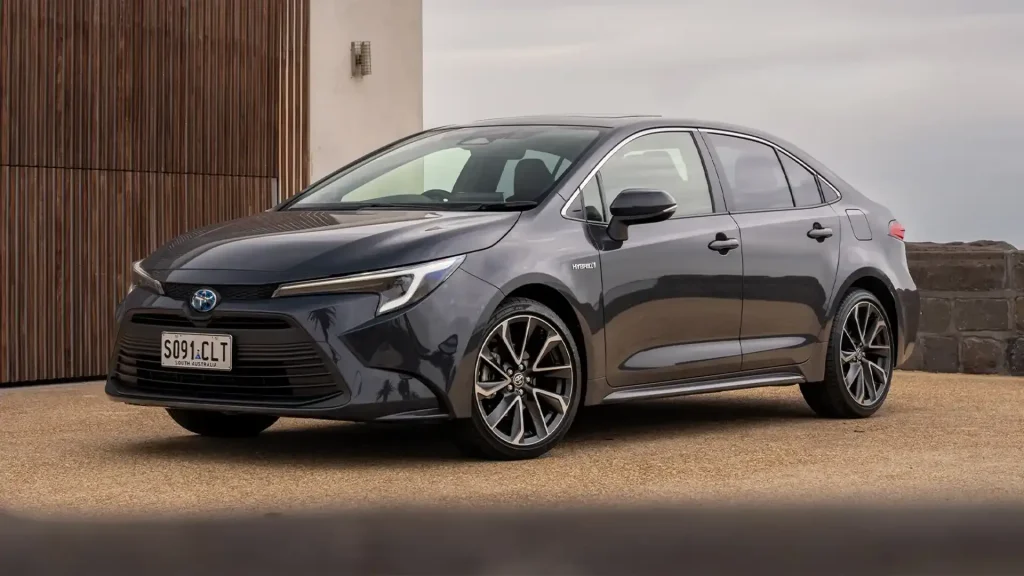
1. Toyota Corolla Hybrid
At low speeds, the Corolla Hybrid relies heavily on its electric motor. This means less engine noise, smoother movement, and reduced fuel consumption while crawling through traffic.
The transition between electric and gasoline power is nearly seamless, which eliminates the jerky feel that many conventional automatics suffer from in heavy congestion. That smoothness directly reduces driver fatigue during long commutes.
Chicago drivers also benefit from the Corolla Hybrid’s excellent reliability record. Short trips, frequent idling, and cold starts are brutal on traditional engines, but Toyota’s hybrid systems are proven to handle these conditions with minimal long-term wear. Brake life is extended as well, thanks to regenerative braking, which reduces the strain caused by constant stopping.
The compact size of the Corolla Hybrid makes city maneuvering easy. Tight parking spots, narrow streets, and crowded garages are far less intimidating in a car that is easy to place and easy to see out of. Visibility is strong, and the steering remains light at low speeds, which helps in downtown traffic.
Fuel economy remains outstanding even when traffic is at its worst. Instead of watching fuel efficiency collapse during gridlock, Corolla Hybrid owners often see their best numbers in city use. That makes it financially sensible for Chicago commuters who spend most of their driving time surrounded by brake lights.
I am writing about this car because it represents a practical, stress-reducing solution for Chicago traffic. It does not fight the city’s driving conditions. It works with them, quietly and efficiently, day after day.
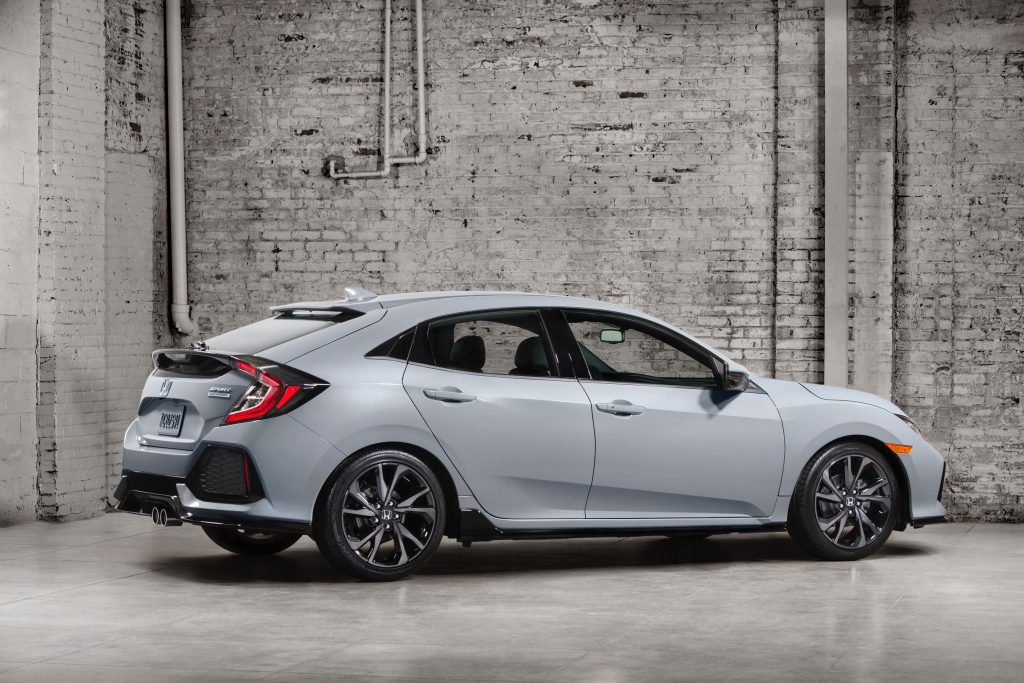
2. Honda Civic
The Honda Civic earns its place as a strong Chicago city traffic car because it balances smooth operation, durability, and low-stress driving better than most compact sedans.
In stop-and-go conditions, the Civic’s automatic transmission is tuned for gradual, predictable shifts. That matters in traffic where constant acceleration and braking can make poorly calibrated gearboxes feel harsh and tiring.
One reason the Civic works so well in Chicago is its engine behavior at low speeds. It does not struggle with frequent idling or short trips, which are common in dense urban driving.
Cold starts in winter are handled reliably, and the engine warms up quickly enough to avoid the sluggish feel many cars develop during short commutes. This consistency makes daily driving feel routine rather than frustrating.
Steering is light and precise, which helps when navigating tight lanes, construction zones, and crowded intersections. The Civic’s compact footprint makes parking easier, especially in older neighborhoods where space is limited. Visibility is another strength. Clear sightlines reduce stress when dealing with pedestrians, cyclists, and aggressive city traffic patterns.
Fuel efficiency remains respectable even when traffic is heavy. While it does not benefit from hybrid assistance, the Civic avoids dramatic drops in mileage during congestion. Maintenance costs also stay reasonable.
Brakes, suspension components, and transmissions generally hold up well under city abuse, which matters in a place where potholes and rough pavement are unavoidable.
I am writing about the Honda Civic because it represents dependable urban transportation. It does not pretend to be exciting or luxurious, but it performs its job quietly and consistently. For Chicago drivers who value predictability, low ownership stress, and long-term reliability, the Civic fits city life exceptionally well.
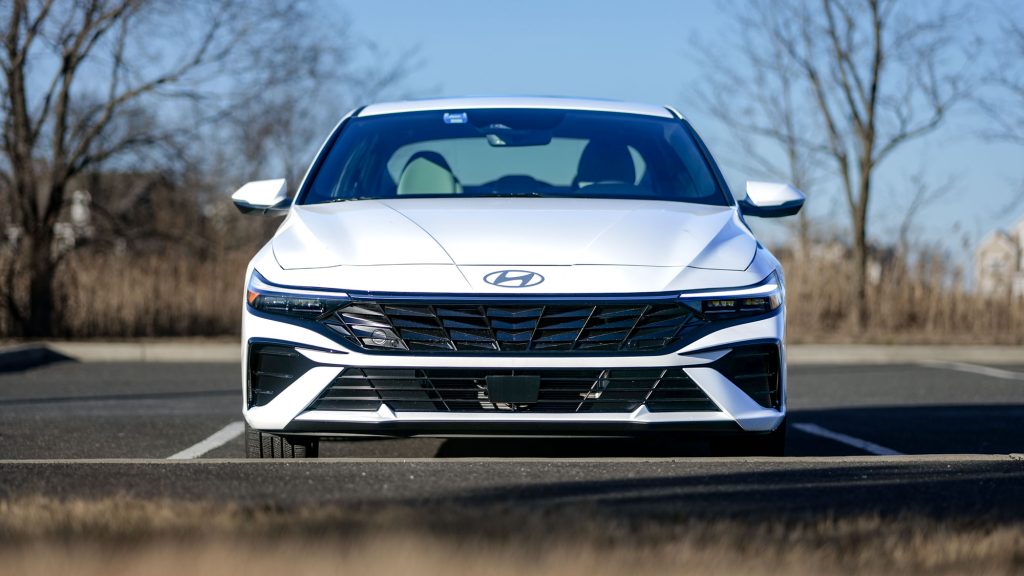
3. Hyundai Elantra Hybrid
The Hyundai Elantra Hybrid is particularly well suited for Chicago city traffic because it transforms stop-and-go driving into its strongest use case. Hybrid powertrains excel when speeds are low and braking is frequent, and this model takes full advantage of that reality.
In traffic, the Elantra Hybrid often operates on electric power alone, especially at crawling speeds. This results in smooth, quiet movement that reduces fatigue during long urban commutes.
Unlike traditional automatics that constantly shift gears, the hybrid system minimizes drivetrain strain, making traffic jams far less punishing for both driver and vehicle.
Another advantage is fuel efficiency consistency. Many cars advertise good mileage but lose it immediately in congestion. The Elantra Hybrid maintains excellent efficiency in Chicago’s real-world conditions, where traffic lights and delays dominate. That makes it especially appealing for daily commuters who spend more time stopped than moving.
The ride quality also suits city roads. Suspension tuning absorbs broken pavement and potholes better than many compact sedans, which helps protect components over time. Regenerative braking reduces wear on brake pads, a major cost factor in city driving where brakes are constantly engaged.
Interior comfort matters more than people realize in traffic-heavy cities. The Elantra Hybrid provides a relaxed driving position, good outward visibility, and a cabin that stays calm even when traffic becomes chaotic. Controls are intuitive, which helps reduce distraction in crowded environments.
I am writing about this car because it demonstrates how modern hybrid engineering can directly improve daily urban life. For Chicago drivers dealing with relentless congestion, the Elantra Hybrid turns traffic from a liability into a manageable, cost-efficient routine.
4. Toyota Prius
The Toyota Prius is one of the most naturally suited cars for Chicago city traffic because it was engineered with congestion in mind. Stop-and-go driving is not a weakness for the Prius. It is where the car performs best, both mechanically and financially.
At low speeds, the Prius relies heavily on electric power, allowing it to glide smoothly through traffic without constant engine strain.
This reduces noise, vibration, and fuel usage during long stretches of crawling traffic. Unlike many traditional cars that feel stressed in gridlock, the Prius feels calm and composed, which has a direct impact on driver comfort during daily commutes.
Fuel efficiency is one of the biggest advantages in Chicago traffic. While many cars lose efficiency in congestion, the Prius often achieves its best results there.
Frequent braking actually helps recharge the hybrid battery through regenerative braking, turning traffic lights into a benefit rather than a penalty. This makes it especially appealing for drivers who spend most of their time navigating urban routes.
The Prius is also known for its durability in city conditions. Hybrid components are designed to handle repeated starts and stops, and brake wear is significantly reduced compared to non-hybrid vehicles. Over time, this translates into lower maintenance costs, which is critical for city drivers dealing with potholes and harsh winters.
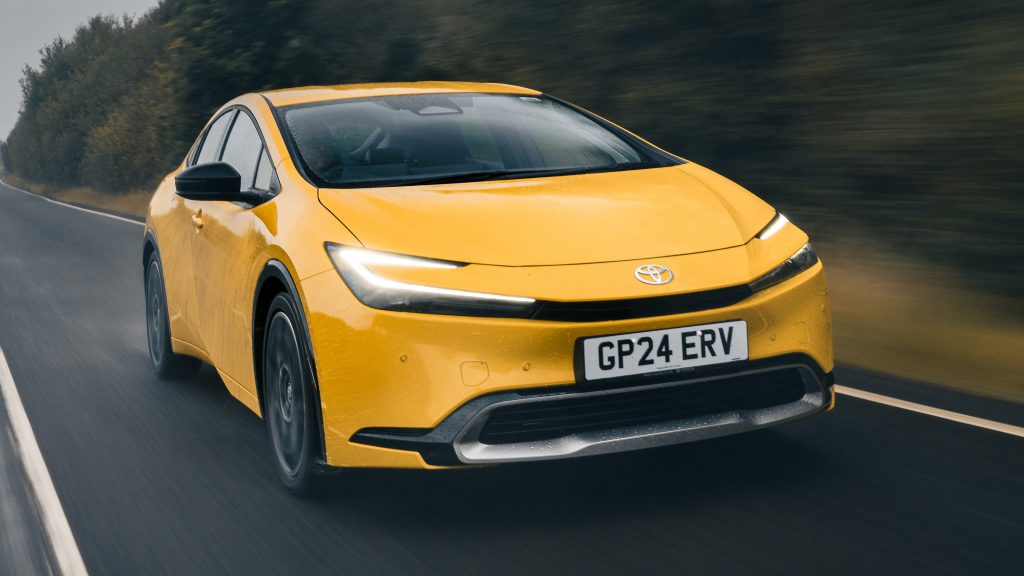
Visibility is strong, and the car’s predictable handling makes it easy to maneuver through narrow streets and busy intersections. While it is not a performance-focused car, it excels at what Chicago driving actually demands: patience, efficiency, and reliability.
I am writing about the Prius because it is a proven solution to urban congestion. It does not fight traffic or attempt to overpower it. Instead, it adapts intelligently, making daily city driving simpler and more economical.
5. Mazda3
The Mazda3 earns its place among the best cars for Chicago city traffic because it combines driver engagement with urban practicality. While many compact cars feel dull in traffic, the Mazda3 manages to stay smooth, controlled, and comfortable without adding unnecessary complexity.
In stop-and-go conditions, the Mazda3’s automatic transmission behaves predictably, avoiding the abrupt shifts that can make city driving unpleasant. Throttle response is well tuned for low-speed movement, making it easier to maintain smooth progress in dense traffic. This helps reduce driver fatigue during long commutes through crowded streets.
One of the Mazda3’s strongest traits is steering precision. Navigating tight lanes, construction zones, and sudden merges feels more natural compared to many competitors. The compact size also helps with parking, especially in neighborhoods where space is limited and garages are tight.
Ride quality strikes a smart balance. The suspension absorbs uneven pavement and potholes better than expected, protecting both occupants and components. This matters in Chicago, where road surfaces can deteriorate quickly after winter. Over time, this tuning helps reduce suspension-related wear.
Fuel efficiency remains respectable in traffic-heavy use, even without hybrid assistance. While it does not reach hybrid-level savings, it avoids dramatic drops in mileage during congestion. Interior quality also stands out, creating a calmer environment that helps reduce stress during slow drives.
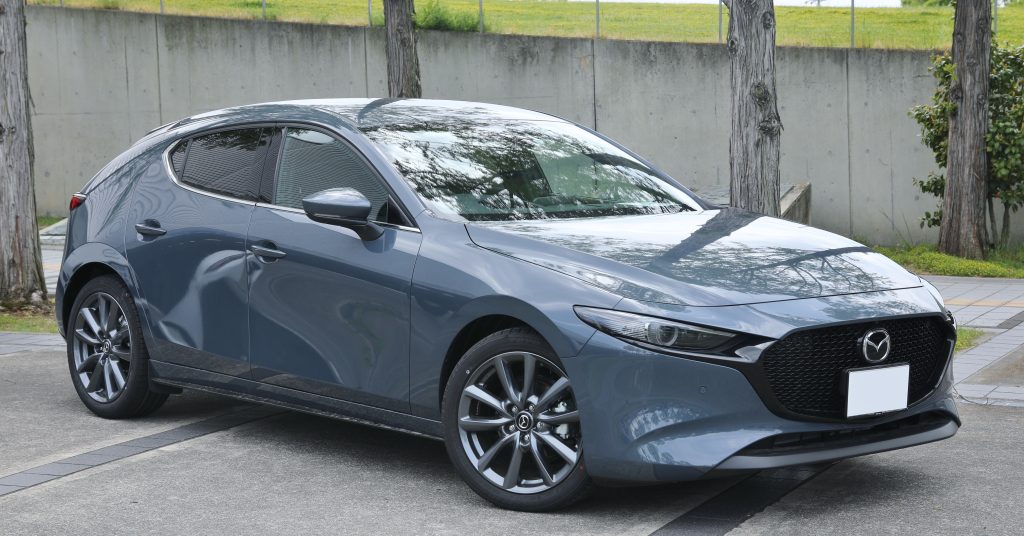
I am writing about the Mazda3 because it proves that a city-friendly car does not have to feel lifeless. For Chicago drivers who want practicality without sacrificing driving feel, the Mazda3 delivers a rare balance suited to daily urban traffic.
5 Cars That Hate Stop-and-Go
Not every car is built for city life, and Chicago’s traffic exposes that reality faster than most places. Stop-and-go driving is one of the most punishing conditions for any vehicle.
Constant braking, repeated acceleration, prolonged idling, and short trips place stress on engines, transmissions, cooling systems, and clutches. While some cars are engineered to tolerate this abuse, others quietly suffer until problems become expensive and unavoidable.
Many vehicles that struggle in traffic are not poorly designed overall. In fact, some of them perform exceptionally well on highways or open roads. The issue is mismatch.
Cars built for sustained speeds, aggressive driving, or lightweight performance often rely on components that dislike low-speed crawling. Dual-clutch transmissions, high-strung turbo engines, and heavy performance brakes all tend to wear faster when forced into urban congestion.
Chicago adds extra strain. Cold winters increase warm-up times, while summer heat tests cooling systems during long idling periods. Potholes amplify suspension stress, and constant traffic lights accelerate brake and clutch wear. In this environment, cars that already dislike stop-and-go driving quickly reveal their weaknesses.
This section focuses on five vehicles that consistently struggle in heavy city traffic. I am writing about them not to criticize their overall value, but to explain why they are poor matches for Chicago’s daily driving conditions.
These cars often frustrate owners with jerky behavior, reduced reliability, rising maintenance costs, or poor fuel efficiency when driven in congestion.
Understanding which cars hate stop-and-go traffic is just as important as knowing which ones handle it well. Avoiding the wrong choice can save thousands of dollars and countless hours of stress. The following models serve as cautionary examples for drivers whose daily reality involves gridlock rather than open roads.
1. Ford Mustang (Manual Transmission)
The Ford Mustang with a manual transmission struggles in Chicago stop-and-go traffic because it is fundamentally designed for open-road driving, not constant congestion. While engaging on highways and back roads, the manual Mustang becomes exhausting and mechanically stressed in dense urban conditions.
Clutch wear is the biggest issue. Repeated starts, creeping forward in traffic, and constant gear changes dramatically shorten clutch life.
Chicago traffic often requires partial clutch engagement for extended periods, which generates heat and accelerates wear. Over time, this leads to costly replacements that many owners do not anticipate.
Low-speed drivability is another weakness. The Mustang’s engine tuning favors acceleration and performance, which makes smooth crawling more difficult. Throttle response can feel abrupt at low speeds, forcing drivers to constantly modulate inputs to avoid jerky movement. This becomes tiring during long commutes.
Fuel efficiency also suffers badly in traffic. The Mustang’s power-focused engine delivers poor mileage when idling or creeping forward, making daily city driving expensive. In winter, longer warm-up times further reduce efficiency and comfort.
Visibility and size compound the problem. The long hood and limited rear visibility make tight parking and narrow streets more stressful than necessary. Navigating crowded areas requires extra caution, which slows progress and increases frustration.
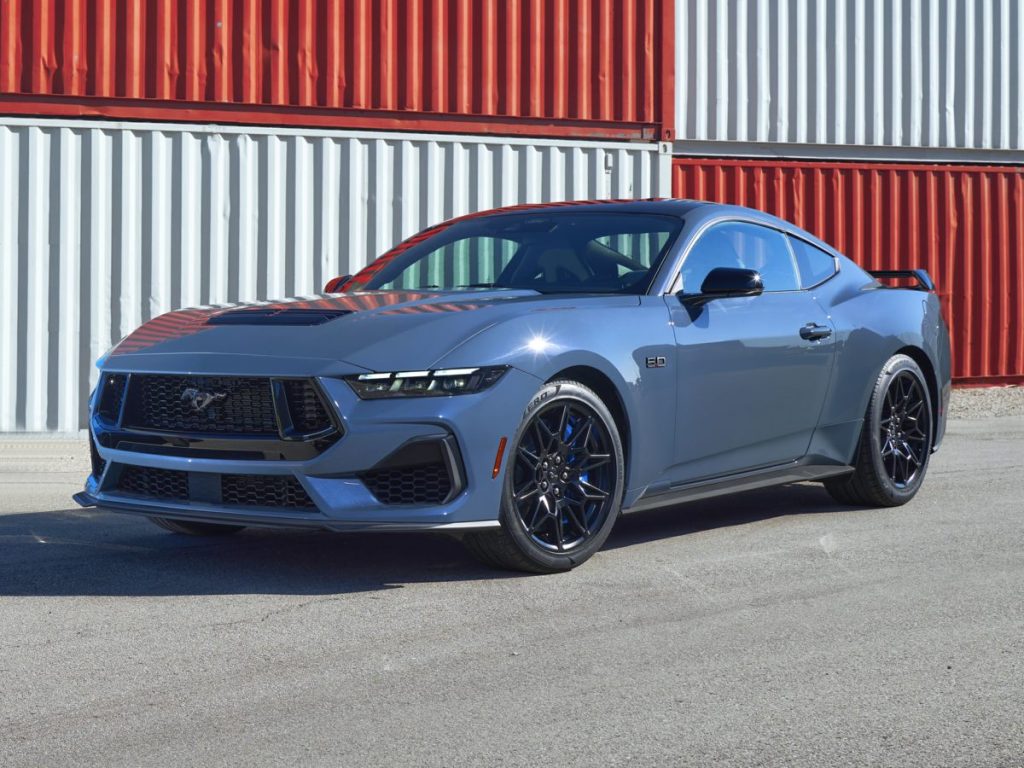
I am writing about the manual Mustang because many buyers underestimate how poorly performance-oriented manual cars adapt to city congestion. While enjoyable in the right setting, this configuration is simply mismatched for Chicago’s stop-and-go reality.
2. BMW M3
The BMW M3 struggles in stop-and-go traffic because it is engineered for performance first, not urban durability. While exceptional on open roads, its high-performance components are ill-suited for constant congestion.
The M3’s drivetrain generates significant heat at low speeds. Extended idling and slow movement strain the cooling system, especially during summer traffic. Over time, this increases wear on engine components and can lead to costly repairs.
Transmission behavior is another issue. Performance-tuned gearboxes are designed for quick, aggressive shifts. In traffic, this can translate into jerky movement and reduced smoothness, making the driving experience uncomfortable and tiring. Frequent stop-and-go driving also accelerates wear on expensive transmission components.
Brake wear is severe in city use. High-performance brakes are optimized for high-speed stopping, not constant low-speed braking. In traffic-heavy environments, pads and rotors wear quickly, leading to frequent and expensive replacements.
Fuel efficiency is predictably poor in congestion. The M3 consumes fuel rapidly at low speeds, and short trips prevent the engine from operating at optimal efficiency. Winter driving further amplifies these drawbacks.
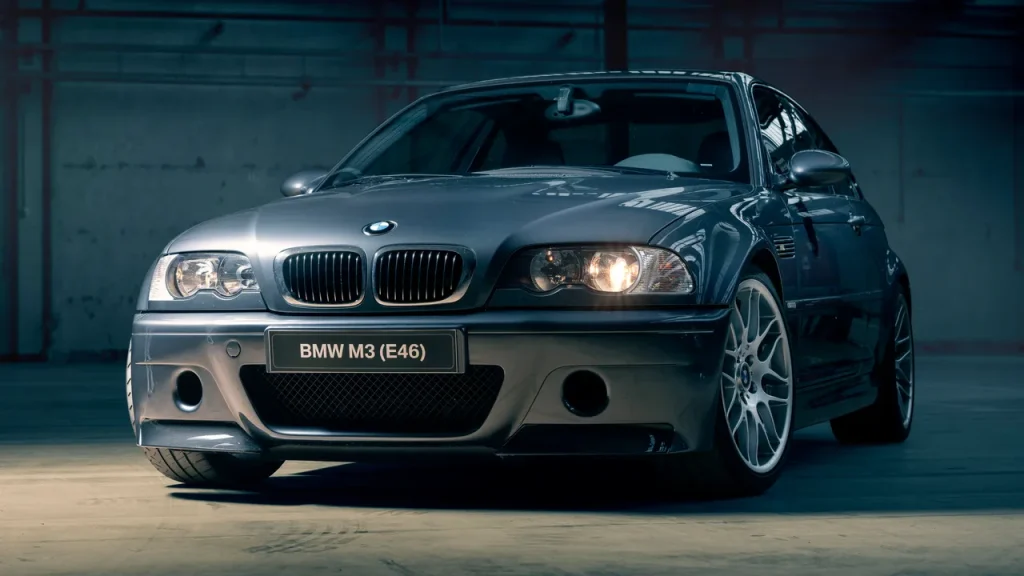
I am writing about the BMW M3 to highlight how performance cars can become liabilities in dense urban settings. For Chicago drivers facing daily traffic, the M3’s strengths are rarely usable, while its weaknesses become impossible to ignore.
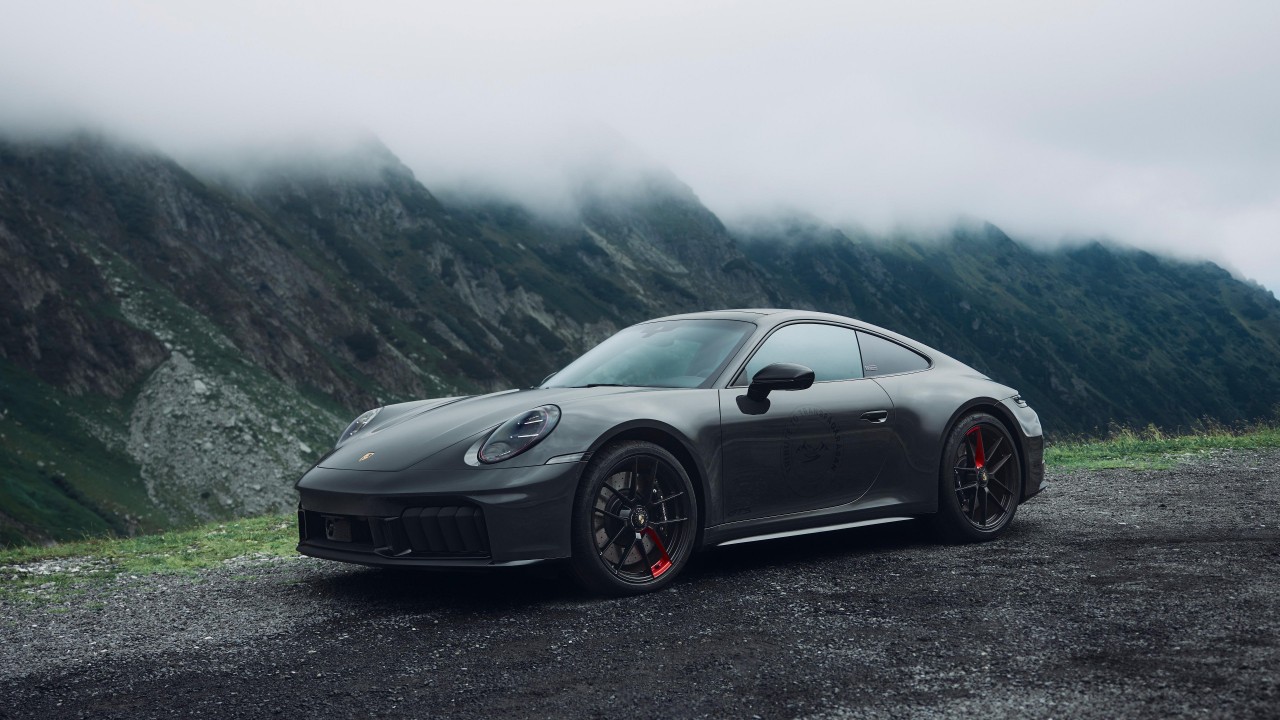
3. Porsche 911
The Porsche 911 struggles in stop-and-go traffic because it is engineered for momentum, airflow, and sustained driving rather than constant crawling. While it is an exceptional sports car on open roads, Chicago-style congestion brings out its least friendly traits.
Low-speed operation is uncomfortable and inefficient. The 911’s performance-focused drivetrain prefers steady motion, not repeated starts and stops. In traffic, throttle inputs require extra care to avoid lurching forward, especially at very low speeds. This makes smooth progress harder than it should be and increases driver fatigue during long commutes.
Heat management is a serious concern. High-performance engines generate substantial heat, and prolonged idling in traffic limits airflow.
In summer congestion, cooling systems are forced to work harder, which accelerates wear and raises long-term maintenance risks. This issue becomes more pronounced during extended traffic delays common on Chicago expressways.
Fuel efficiency collapses in city use. The 911 consumes fuel rapidly at low speeds, and short urban trips prevent the engine from reaching optimal operating conditions. Owners often experience dramatically higher running costs than expected when using the car as a daily city driver.
Ride quality also works against it. Stiff suspension tuning, designed for precise handling, transmits road imperfections directly into the cabin. Chicago’s potholes and uneven pavement make this especially uncomfortable and increase stress on suspension components.
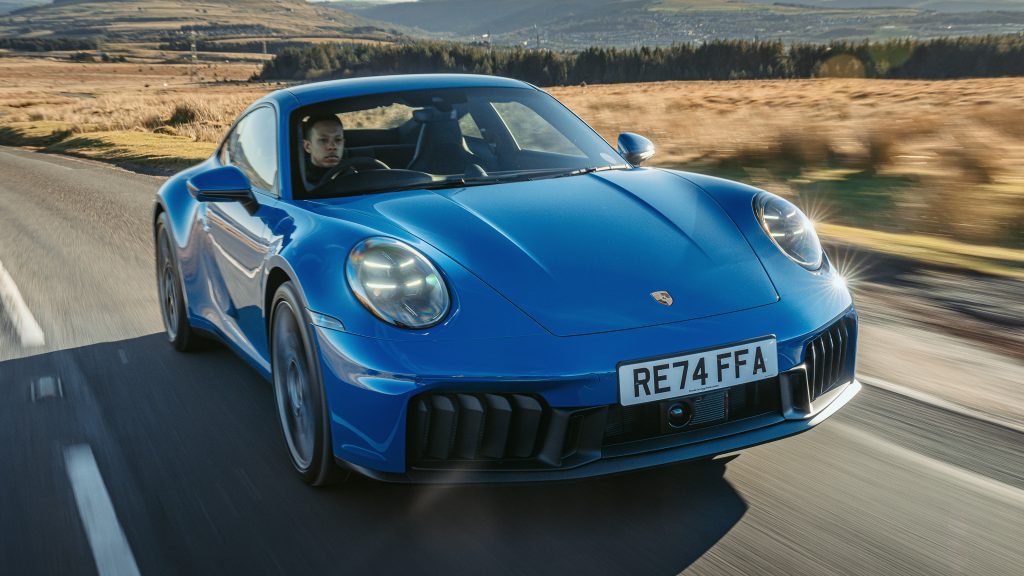
I am writing about the Porsche 911 because it highlights how a world-class performance car can be completely mismatched for urban life. In stop-and-go traffic, its strengths are unusable, while its compromises become unavoidable and expensive.
4. Jeep Wrangler (Manual Transmission)
The Jeep Wrangler with a manual transmission is particularly ill-suited for stop-and-go traffic, despite its rugged reputation. While excellent off-road, it struggles badly in dense urban congestion like Chicago’s daily traffic.
Manual clutch wear is a major issue. The Wrangler’s clutch is designed for controlled off-road crawling, not constant on-road stop-and-go. Frequent starts, creeping movement, and partial clutch engagement dramatically shorten clutch life in city conditions, leading to costly repairs.
Low-speed drivability is another weakness. The Wrangler’s gearing and throttle response are not optimized for smooth urban crawling. In traffic, it often feels either sluggish or abrupt, making it difficult to maintain consistent progress without constant input adjustments.
Fuel efficiency suffers significantly. The Wrangler’s boxy design and heavy weight result in poor mileage, which becomes even worse in congestion. Long idling periods and short trips amplify fuel consumption, making daily commuting expensive.
Ride comfort also works against it. The suspension is tuned for durability rather than refinement, so potholes and broken pavement are transmitted directly into the cabin. In Chicago, this leads to a tiring driving experience and increased wear on suspension components.
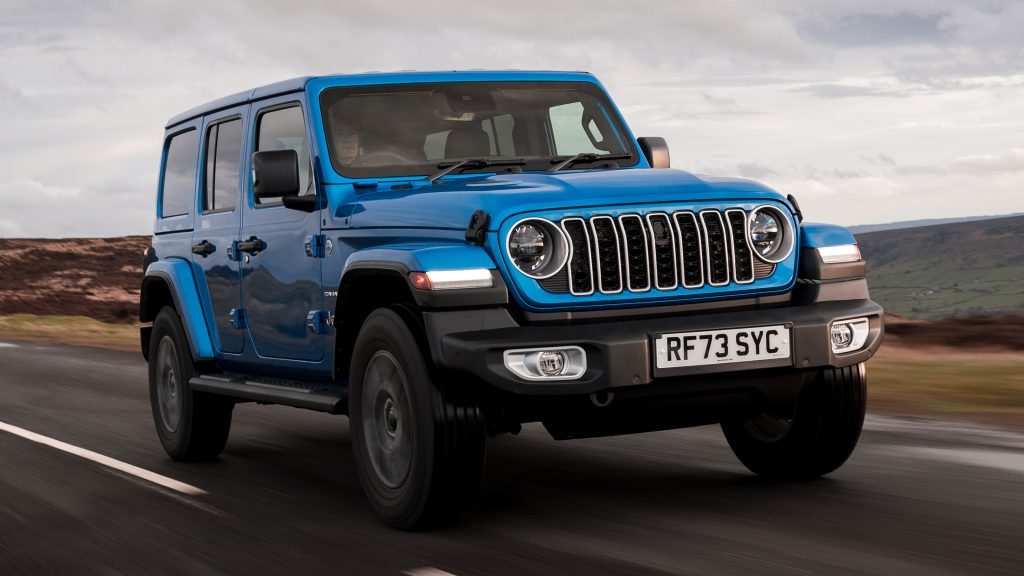
Visibility and size further complicate city use. While tall, the Wrangler’s upright design and turning radius make tight streets and parking garages more stressful than expected.
I am writing about the manual Jeep Wrangler because many buyers underestimate how poorly off-road-focused vehicles adapt to urban stop-and-go driving. In Chicago traffic, its strengths are irrelevant, while its drawbacks dominate daily ownership.
5. Subaru WRX (Manual Transmission)
The Subaru WRX with a manual transmission struggles in stop-and-go traffic because it is engineered for aggressive driving and performance conditions rather than slow, congested urban movement. While highly capable on twisty roads and in spirited driving, Chicago-style traffic exposes its biggest weaknesses.
Clutch wear is the most immediate problem. The WRX’s performance-oriented clutch is designed for quick engagement and power delivery, not constant creeping forward in traffic.
Repeated starts, partial clutch engagement, and low-speed crawling generate heat and accelerate wear. In heavy congestion, owners often experience premature clutch replacements that are both expensive and disruptive.
Low-speed drivability is another issue. The WRX’s turbocharged engine delivers power in a way that favors boost rather than smooth crawling. In traffic, throttle response can feel inconsistent, forcing drivers to constantly adjust inputs to avoid jerky movement. This makes long commutes tiring and frustrating.
Fuel efficiency drops sharply in city conditions. Turbo engines are particularly inefficient at low speeds, and frequent idling worsens consumption. Short trips also prevent the engine from operating at optimal temperatures, increasing long-term wear and fuel costs.
Ride quality adds to the problem. The WRX’s stiff suspension is tuned for handling precision, not comfort. Chicago’s potholes, rough pavement, and uneven roads make daily driving harsh and increase stress on suspension components over time.
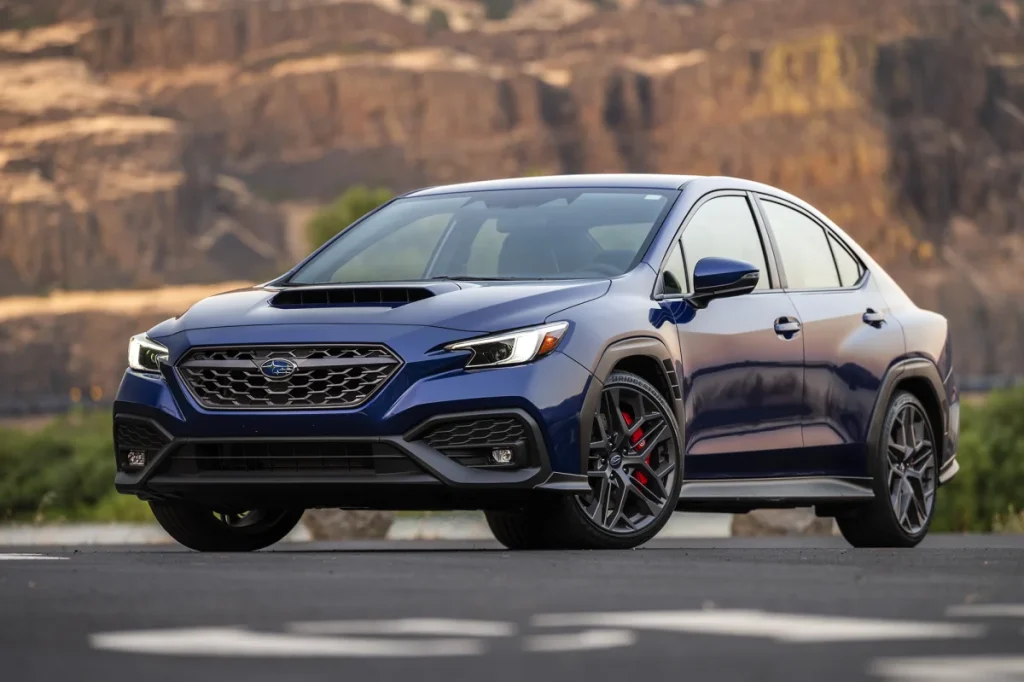
I am writing about the Subaru WRX manual because many buyers assume all-wheel drive and sporty tuning make it a good daily driver in all conditions.
In reality, heavy stop-and-go traffic neutralizes its strengths and magnifies its weaknesses. For Chicago commuters, the WRX becomes more exhausting and costly than rewarding.
