
Luxury cars have always been about comfort, but modern luxury goes far beyond soft leather and quiet cabins. Today, one of the most important technologies defining high end comfort is advanced air suspension. It has transformed how premium cars ride, handle, and adapt to different driving conditions.
Air suspension allows a vehicle to adjust its ride height and firmness in real time. This means a car can glide smoothly over broken roads, lower itself at highway speeds, or stiffen up slightly when driven more aggressively. The result is a driving experience that feels intelligent rather than static.
In the past, air suspension was limited to flagship models and often criticized for complexity. Modern systems have evolved significantly. They are more reliable, faster to respond, and deeply integrated with drive modes, cameras, and onboard computers. Some systems now read the road ahead and adjust before the wheels even reach a bump.
Luxury buyers also expect versatility. A single car may need to handle city traffic, long highway journeys, and uneven surfaces without compromising comfort. Advanced air suspension makes this possible by constantly adapting to conditions.
Another reason air suspension matters is refinement. Traditional springs cannot isolate vibrations and impacts with the same precision. Air systems reduce harshness, body movement, and noise, creating a calm environment that defines modern luxury.
This list focuses on new luxury cars equipped with advanced air suspension systems. These are not basic setups, but highly developed systems designed to enhance comfort, stability, and control. Each car demonstrates how air suspension has become a core luxury feature rather than an optional extra.
The cars are presented individually, without repetition, and each one earns its place through real world refinement and technology. Let us begin with the benchmark that continues to define luxury ride quality.
Also Read: 10 Most Reliable Used Audis to Buy Today For Long Term Use
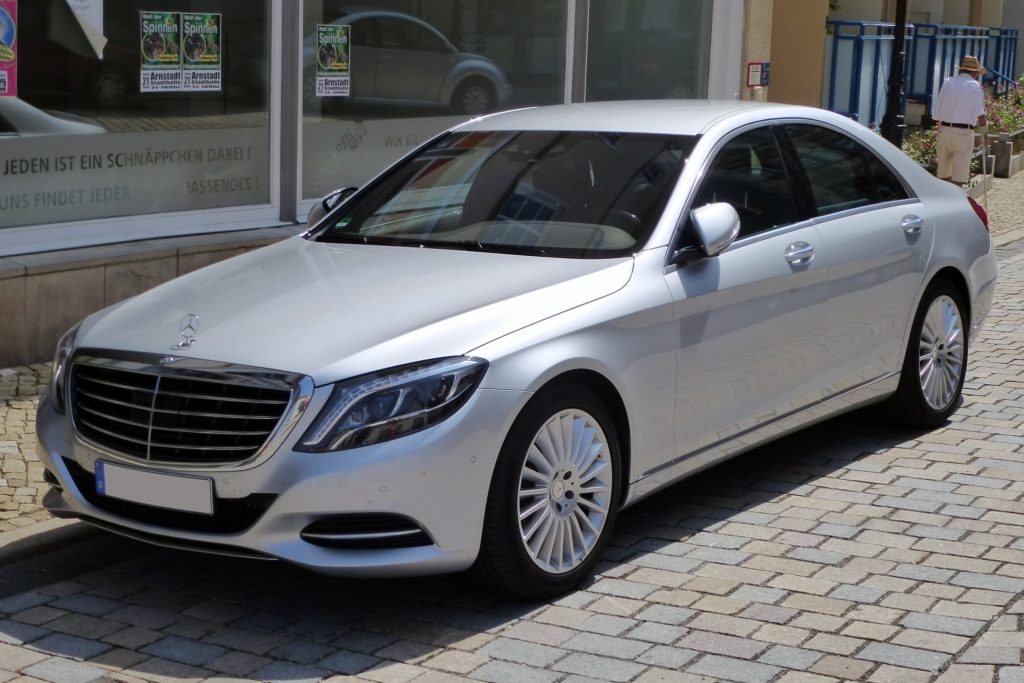
1. Mercedes-Benz S-Class
The Mercedes-Benz S-Class has long been considered the reference point for luxury ride comfort, and its advanced air suspension system plays a central role in that reputation. It is designed to make every journey feel effortless, regardless of road conditions.
At the heart of the S-Class is a highly sophisticated air suspension setup that continuously adjusts damping and ride height. The system reacts in real time, smoothing out imperfections before passengers even notice them.
One of its most impressive features is road surface scanning. Cameras monitor the road ahead and prepare the suspension for upcoming bumps or dips. This proactive approach separates it from simpler systems.
Ride comfort is exceptional at low speeds. Broken pavement, speed bumps, and uneven surfaces are absorbed with minimal vibration reaching the cabin.
At highway speeds, the suspension automatically lowers the car. This improves stability, reduces wind resistance, and enhances overall smoothness.
The S-Class also adapts to driving modes. In comfort focused settings, the suspension prioritizes softness and isolation. In sport oriented modes, it tightens slightly to control body movement.
Cornering stability is surprisingly good for such a large sedan. The air suspension limits body roll without making the ride feel firm or harsh.
Passengers benefit from reduced head toss and vertical movement. This creates a relaxed environment, especially for rear seat occupants.
Noise isolation is enhanced by the suspension system. By minimizing road impact transmission, the cabin remains quiet and serene.
The system also adjusts to vehicle load. Whether carrying passengers or luggage, ride height remains consistent and balanced.
Another advantage is adaptability. The S-Class can raise its ride height slightly to clear steep driveways or rough surfaces.
Long distance travel is where the suspension truly shines. Hours on the road pass without fatigue, thanks to constant micro adjustments.
Mercedes has refined this technology over generations. Reliability and responsiveness have improved significantly compared to early systems.
Integration with other systems is seamless. Steering, braking, and stability control all work in harmony with the suspension. The result is a car that feels composed in every situation. It never feels floaty, yet never feels stiff.
What makes the S-Class special is confidence. The suspension does not call attention to itself. It simply works in the background.
For buyers seeking the most advanced and comfortable air suspension available today, the Mercedes-Benz S-Class remains the benchmark.
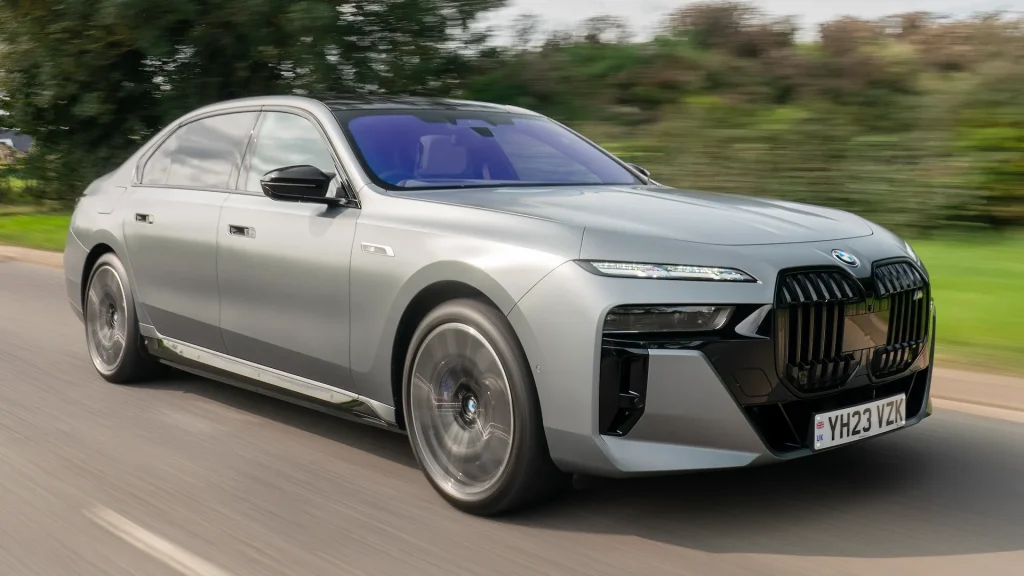
2. BMW 7 Series
The BMW 7 Series approaches luxury air suspension with a focus on balance between comfort and control. It is engineered to feel refined without disconnecting the driver from the road.
Its adaptive air suspension constantly monitors vehicle movement, steering input, and road conditions. Adjustments happen seamlessly in the background.
At low speeds, the ride feels smooth and composed. Sharp edges and broken surfaces are softened before reaching the cabin.
In city driving, the suspension isolates passengers from imperfections that would normally cause vibration or noise. This creates a calm and relaxed environment.
At highway speeds, the system lowers the vehicle automatically. This improves aerodynamic efficiency and enhances straight line stability.
The 7 Series also integrates air suspension with active roll stabilization. Body lean in corners is reduced without making the ride feel stiff.
Driving modes play a significant role. Comfort settings prioritize softness and isolation, while sport oriented modes add firmness and precision.
Despite its size, the car feels controlled when changing lanes or navigating curves. The suspension prevents excessive float or delay.
Rear seat comfort benefits greatly from the system. Vertical movement is minimized, reducing fatigue on long journeys.
Load leveling is another key feature. Whether carrying passengers or luggage, ride height remains consistent.
Noise reduction is enhanced by the suspension’s ability to absorb road impacts. This helps maintain a quiet cabin.
The system also works with rear wheel steering in certain configurations. Together, they improve maneuverability at low speeds.
On uneven highways, the suspension constantly adapts to maintain composure. Passengers experience fewer sudden movements.
BMW has refined this system to feel natural rather than artificial. The car responds smoothly instead of making abrupt changes.
Reliability has improved significantly compared to older air suspension designs. Components are more durable and responsive. What makes the 7 Series stand out is balance. It delivers luxury comfort without sacrificing driver confidence.
For buyers who want advanced air suspension paired with engaging dynamics, the BMW 7 Series offers a compelling alternative to softer rivals.
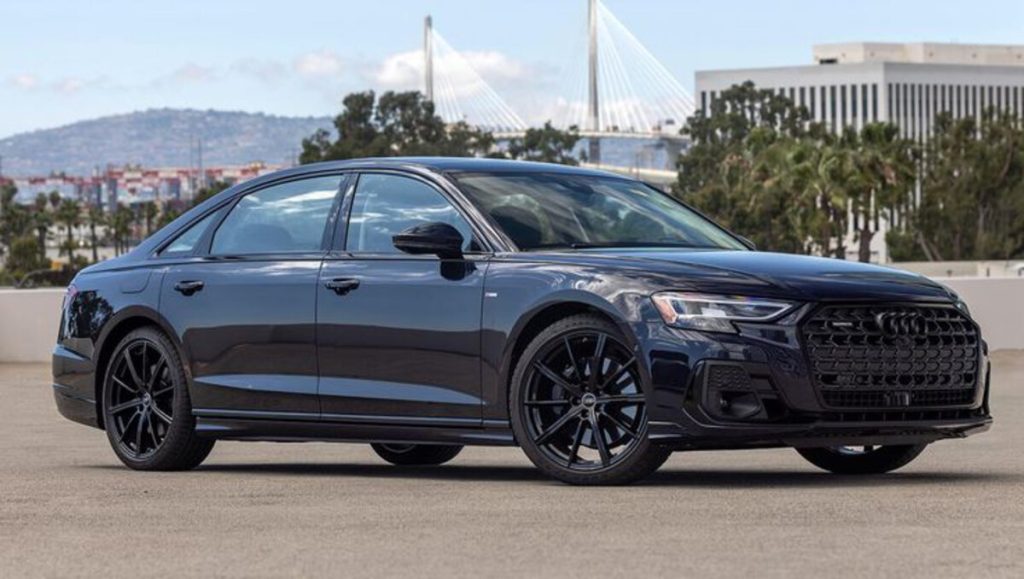
3. Audi A8
The Audi A8 uses advanced air suspension to create a composed and intelligent luxury driving experience. It focuses on smoothness, precision, and predictability.
Audi’s adaptive air suspension continuously adjusts damping based on speed, road surface, and driver input. The goal is consistent comfort.
At lower speeds, the suspension absorbs imperfections with ease. Rough pavement and expansion joints are barely noticeable. In urban driving, the A8 feels calm and controlled. Sudden bumps do not upset the cabin or passengers.
At highway speeds, the system lowers the car automatically. This improves stability and reduces wind noise. One of the standout features is integration with predictive systems. Cameras and sensors help anticipate road conditions ahead.
The suspension reacts proactively rather than reactively. This allows smoother transitions over uneven surfaces. Driving modes significantly influence suspension behavior. Comfort settings emphasize softness, while dynamic modes tighten control.
Cornering stability is impressive for a large sedan. Body roll is well managed without making the ride harsh. Passengers benefit from reduced vertical motion. This creates a sense of floating smoothly rather than bouncing.
Load compensation keeps the car level regardless of passenger or cargo weight. Ride quality remains consistent. Noise isolation is enhanced by the suspension’s ability to absorb road impacts early.
The A8 also offers ride height adjustment. This helps with steep driveways or rough terrain when needed. Long distance travel feels effortless. The suspension makes hours behind the wheel feel relaxed and controlled.
Audi has focused on making the system feel natural. Movements are subtle and never abrupt. Reliability improvements have made modern air suspension more dependable than earlier generations.
The A8’s suspension works seamlessly with its all wheel drive system, enhancing traction and confidence. What defines the A8 is smooth intelligence. The air suspension adapts quietly and effectively without drawing attention.
For buyers who value composure and technology driven comfort, the Audi A8 delivers a refined air suspension experience.
4. Lexus LS
The Lexus LS approaches advanced air suspension with a philosophy centered on serenity and precision. Rather than chasing dramatic effects, the system focuses on making every movement feel natural and controlled.
Lexus engineers tuned the air suspension to prioritize ride smoothness at all speeds. The goal is to isolate passengers from the road without creating a floating sensation.
At low speeds, the LS glides over uneven pavement. Potholes, cracks, and rough patches are absorbed quietly and smoothly.
Urban driving feels relaxed. The suspension reduces sharp vertical movements that can cause discomfort in stop and go traffic.
At highway speeds, the system automatically lowers the car. This improves stability and reduces aerodynamic drag.
The LS suspension adapts continuously to steering input and braking forces. Body movement remains calm and predictable.
Driving modes influence suspension behavior noticeably. Comfort oriented settings soften responses, while sport modes add firmness and control.
Cornering stability is impressive for a large luxury sedan. The suspension limits body roll while preserving ride comfort.
Rear seat passengers benefit greatly from this setup. Vertical motion is reduced, creating a limousine like experience.
Noise isolation is enhanced by the suspension’s ability to absorb road impacts early. The cabin remains exceptionally quiet.
The system also compensates for vehicle load. Whether carrying passengers or luggage, ride height stays balanced.
Lexus places strong emphasis on reliability. Components are designed to last, with durability prioritized over complexity.
Transitions between different suspension settings feel smooth. There are no sudden changes that draw attention. The LS also benefits from precise calibration. Every adjustment feels deliberate rather than reactive.
Long distance travel is where the air suspension truly shines. Hours on the road feel effortless and calm. The system works in harmony with the steering and braking systems. This coordination improves confidence and control.
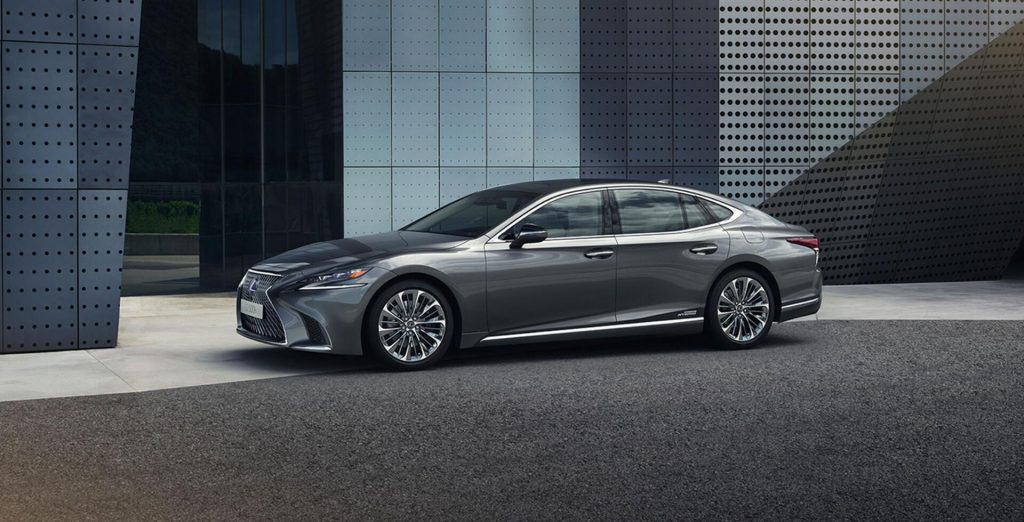
Lexus avoided aggressive tuning. Instead, the suspension feels reassuring and predictable in all situations. What makes the LS special is restraint. The technology works quietly in the background rather than announcing itself.
For buyers who value peace, refinement, and long term comfort, the Lexus LS offers one of the most refined air suspension systems available today.
5. Porsche Panamera
The Porsche Panamera proves that advanced air suspension can deliver both luxury comfort and dynamic control. It is engineered to adapt instantly between relaxed cruising and spirited driving.
Porsche’s air suspension system constantly monitors speed, steering input, and road conditions. Adjustments happen rapidly and precisely.
At low speeds, the ride feels smooth and controlled. Road imperfections are softened without dulling feedback. City driving is comfortable despite the Panamera’s performance focus. Sharp bumps are absorbed cleanly.
At highway speeds, the system lowers the vehicle. This enhances stability and reduces body movement. Driving modes dramatically change suspension behavior. Comfort mode emphasizes smoothness, while sport modes tighten control significantly.
The Panamera maintains excellent body control in corners. Air suspension limits roll without making the ride harsh. Steering response remains precise. The suspension supports confident handling rather than isolating the driver.
Passengers experience reduced vertical motion. Even during quick maneuvers, the cabin remains composed. Noise isolation is impressive for a performance oriented luxury car. The suspension helps reduce road noise effectively.
The system also adjusts ride height when needed. This improves clearance on uneven surfaces or steep ramps. Load leveling ensures consistent ride quality. Passenger and cargo weight do not affect balance.
Porsche designed the system to feel natural. Changes in firmness are smooth and predictable. Long distance comfort is excellent. The suspension makes extended drives relaxed and fatigue free.
The Panamera’s air suspension integrates seamlessly with active chassis systems. Together, they enhance both comfort and performance. Reliability has improved significantly over earlier generations. Modern components are more durable and responsive.
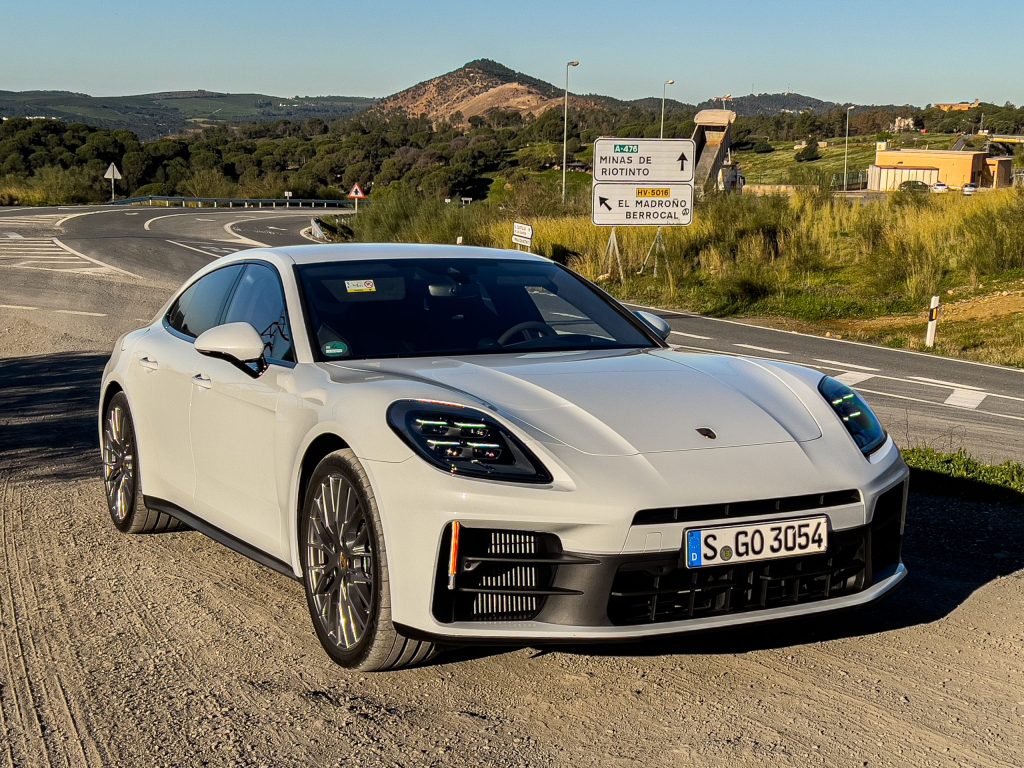
What sets the Panamera apart is versatility. It can feel like a luxury sedan or a sports car depending on settings. The suspension never feels confused. It adapts confidently to driver intent.
For buyers who want advanced air suspension without sacrificing driving engagement, the Porsche Panamera delivers a unique and compelling experience.
6. Range Rover
The Range Rover has long been associated with luxury and capability, and its advanced air suspension system is central to that identity. It is designed to deliver comfort on paved roads while remaining adaptable in varied conditions.
At low speeds, the air suspension absorbs surface imperfections with ease. Broken pavement, speed bumps, and uneven roads are smoothed out before reaching the cabin.
Urban driving feels calm and controlled. The suspension minimizes harsh vertical movement that can fatigue occupants. At highway speeds, the system automatically lowers the vehicle. This improves stability, reduces wind resistance, and enhances ride comfort.
One of the defining strengths of the Range Rover’s air suspension is adaptability. It can raise ride height significantly when extra ground clearance is needed.
Despite its size, the vehicle remains composed during lane changes and sweeping curves. Body movement is well managed without stiffness.
Driving modes alter suspension behavior noticeably. Comfort focused settings emphasize softness, while dynamic modes tighten responses.
Passengers benefit from excellent isolation. Road noise and vibration are reduced, creating a serene interior environment. The suspension continuously adjusts damping at each wheel. This allows the vehicle to react independently to changing surfaces.
Load leveling is automatic. Carrying passengers or cargo does not affect ride height or balance. Long distance travel is especially comfortable. The suspension reduces fatigue by smoothing out repetitive road impacts.
The system works closely with traction and stability controls. This integration improves confidence in all conditions. Reliability has improved significantly in modern versions. Components are more durable and responsive than earlier designs.
Transitions between ride heights feel smooth and deliberate. There are no abrupt changes. The suspension also enhances entry and exit. The vehicle can lower itself slightly when parked.
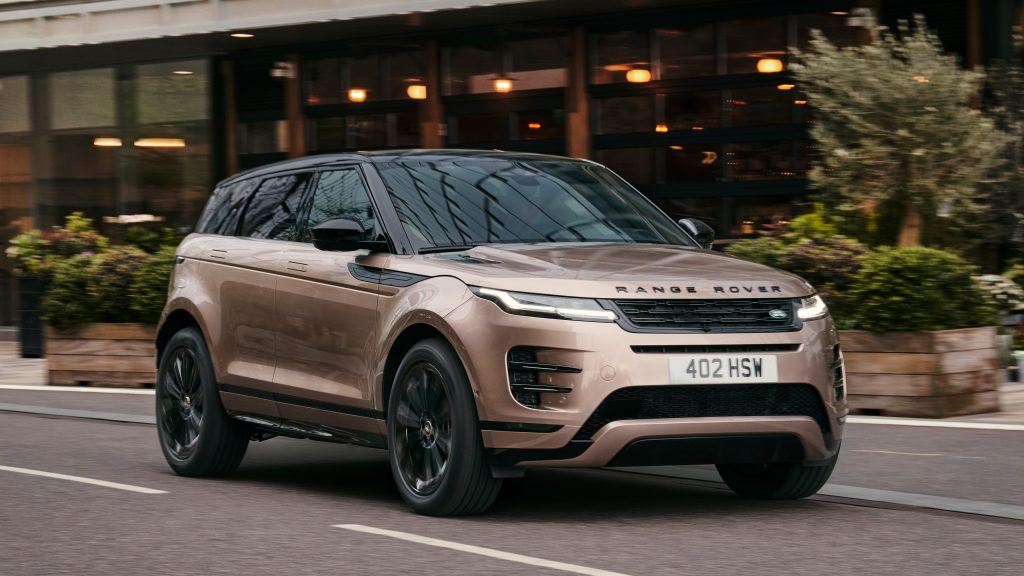
What makes the Range Rover unique is versatility. The air suspension adapts seamlessly between luxury and capability. It never feels overly soft or disconnected. Steering and braking remain predictable.
For buyers seeking advanced air suspension that supports both comfort and adaptability, the Range Rover remains a standout choice.
7. Bentley Flying Spur
The Bentley Flying Spur uses advanced air suspension to deliver one of the most refined ride experiences available in a luxury sedan. Comfort and composure are its highest priorities.
Bentley’s air suspension system continuously monitors road conditions and vehicle movement. Adjustments are subtle and precise. At low speeds, the ride feels plush and controlled. Small imperfections are absorbed quietly.
City driving is smooth and relaxed. The suspension minimizes sharp impacts and vibration. At higher speeds, the system lowers the vehicle slightly. This enhances stability and reduces body motion.
Driving modes influence suspension tuning. Comfort settings emphasize softness, while sport modes add firmness without harshness. Despite its size and weight, the Flying Spur remains composed through corners. Body roll is well managed.
Passengers experience minimal vertical movement. This creates a sense of effortless glide. Noise isolation is exceptional. The suspension plays a role in keeping road noise out of the cabin.
Load leveling ensures consistent ride quality regardless of passenger or luggage weight. Long journeys feel unhurried and calm. The suspension reduces fatigue significantly.
Bentley calibrates the system to feel natural. Adjustments are never abrupt or distracting. The suspension integrates with other chassis systems. Steering and braking responses remain predictable.
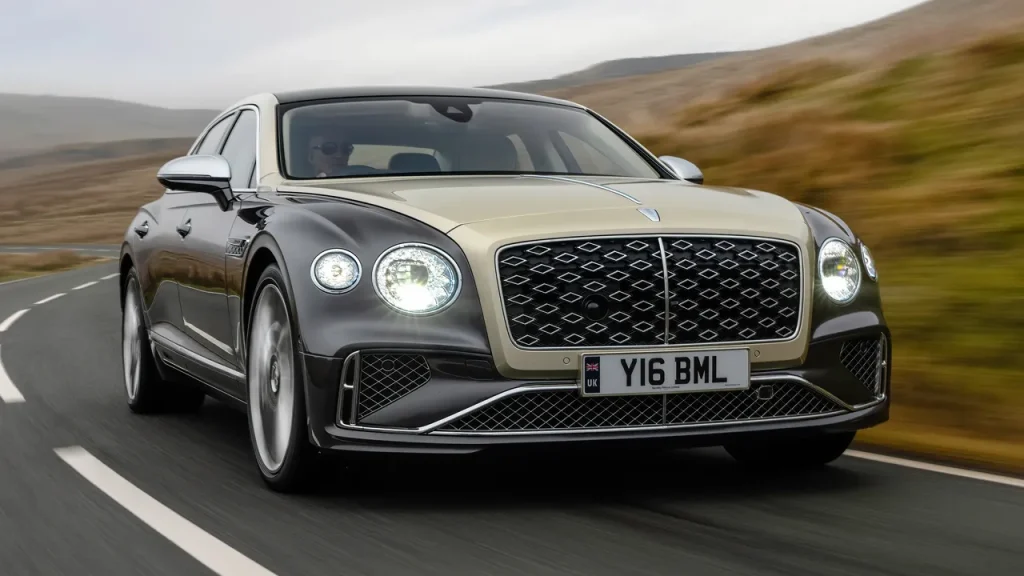
Ride height adjustments allow added clearance when needed. This adds practical flexibility. Reliability has improved with modern components. The system is designed for long term use.
What defines the Flying Spur is serenity. The air suspension works quietly in the background. It delivers comfort without disconnecting occupants from the road.
For buyers who prioritize refinement and smoothness, the Bentley Flying Spur offers one of the most sophisticated air suspension systems available today.
8. Genesis G90
The Genesis G90 has established itself as a serious contender in the flagship luxury segment, and its advanced air suspension system is a major reason why. It focuses on comfort, calmness, and precision rather than dramatic showmanship.
At low speeds, the air suspension absorbs road imperfections smoothly. Uneven pavement and surface joints are handled quietly and effectively.
City driving feels relaxed and controlled. Sudden bumps do not transmit harsh movement into the cabin. The G90 uses sensors to monitor road conditions and vehicle motion continuously. The suspension adjusts damping in real time.
At highway speeds, the system lowers the vehicle automatically. This improves stability and contributes to a smoother ride. Driving modes alter suspension behavior noticeably. Comfort settings emphasize softness, while sport modes add firmness and control.
Cornering stability is impressive for a large luxury sedan. Body movement is limited without sacrificing ride quality. Rear seat passengers benefit greatly from this setup. Vertical motion is reduced, making long journeys more comfortable.
Noise isolation is enhanced by the suspension’s ability to absorb impacts early. The cabin remains calm and quiet. Load leveling keeps the car balanced regardless of passenger or luggage weight. Ride height stays consistent.
The G90 also uses forward facing sensors to anticipate road conditions. This allows smoother reactions to upcoming imperfections.
Long distance travel highlights the suspension’s strengths. The car feels settled and fatigue free over extended drives. Genesis tuned the system to feel natural. Adjustments happen smoothly rather than abruptly.
Reliability has been a key focus. The components are engineered with durability in mind. The suspension integrates well with steering and braking systems. This coordination improves overall confidence.
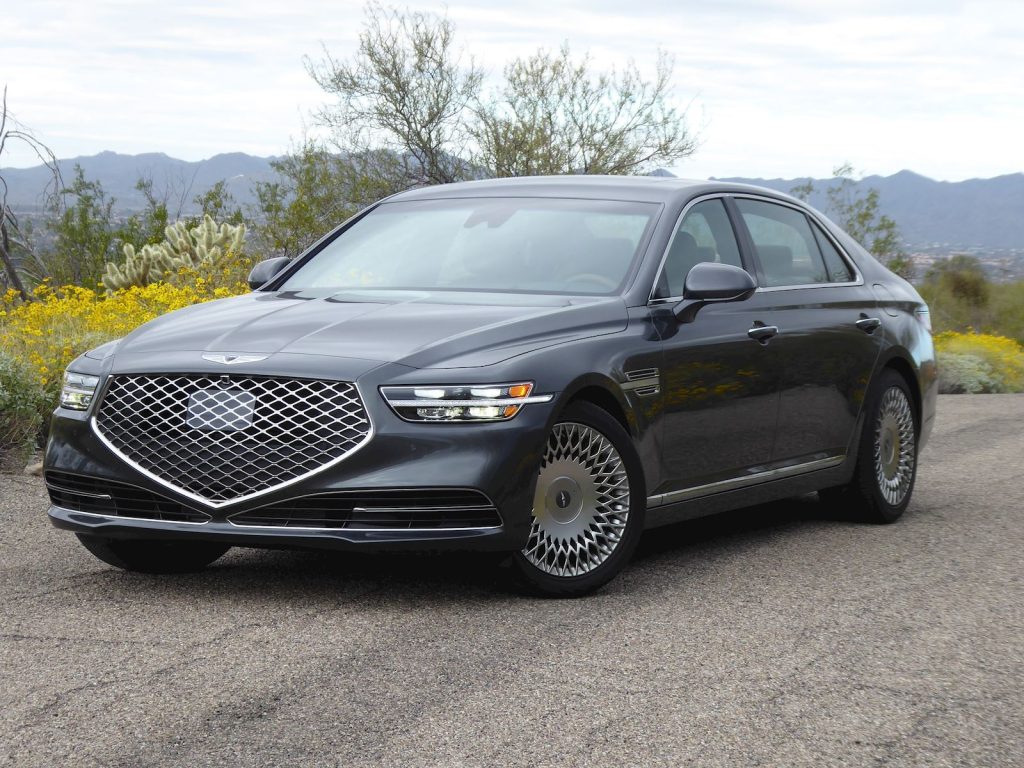
Entry and exit are made easier through adjustable ride height. The car can lower itself slightly when parked. What makes the G90 stand out is refinement. The air suspension works quietly in the background.
It never feels overly soft or disconnected. Control and comfort remain balanced. For buyers seeking advanced air suspension with understated luxury, the Genesis G90 delivers an impressive experience.
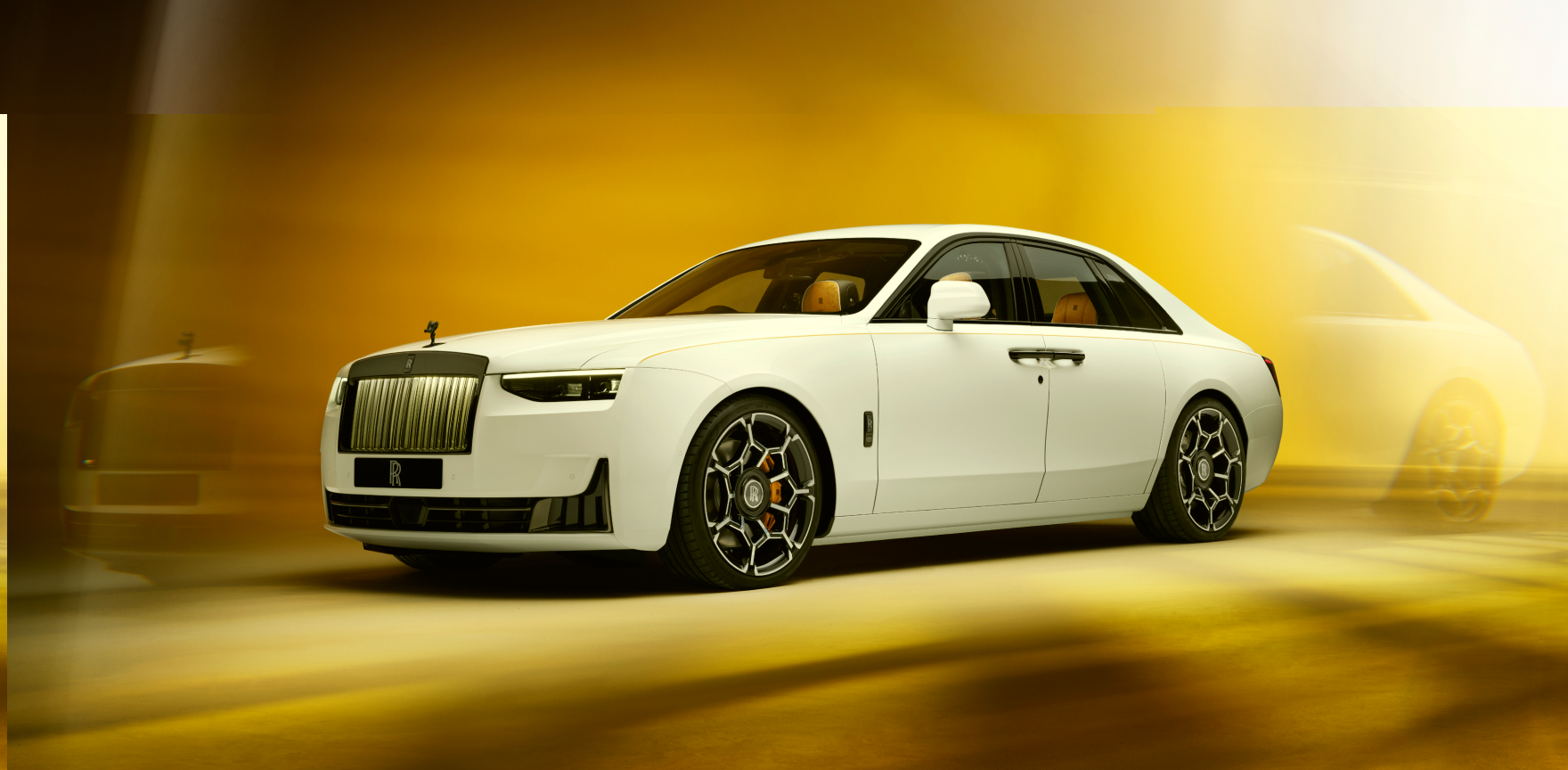
9. Rolls-Royce Ghost
The Rolls-Royce Ghost approaches air suspension from a completely different perspective. Its goal is not to adapt to the road, but to make the road feel as if it barely exists.
The Ghost uses an advanced air suspension system combined with extensive road scanning technology. Cameras read the surface ahead and prepare the suspension in advance.
At low speeds, the ride feels exceptionally smooth. Even rough surfaces seem to disappear beneath the car. City driving feels effortless. The suspension isolates occupants from vibration and movement almost entirely.
At higher speeds, the system maintains composure without introducing firmness. Stability is achieved through control, not stiffness.
The Ghost suspension constantly adjusts damping and ride height. These changes are nearly imperceptible. Passengers experience minimal vertical and lateral movement. This creates the signature floating sensation Rolls-Royce is known for.
Noise isolation is extraordinary. The suspension helps prevent road impacts from entering the cabin. Load leveling ensures the car remains perfectly balanced regardless of passengers or cargo.
Long journeys feel serene. The suspension reduces fatigue by eliminating repetitive road motion. Rolls-Royce calibrates the system to avoid sudden reactions. Everything feels slow, smooth, and deliberate.
The air suspension integrates seamlessly with steering and braking systems. Movements remain graceful and controlled.
Ride height adjustments allow the car to maintain optimal clearance when needed. These changes are subtle.
Reliability improvements in modern systems have addressed earlier concerns. Components are designed for long term use. What defines the Ghost is effortlessness. The suspension never draws attention to itself.
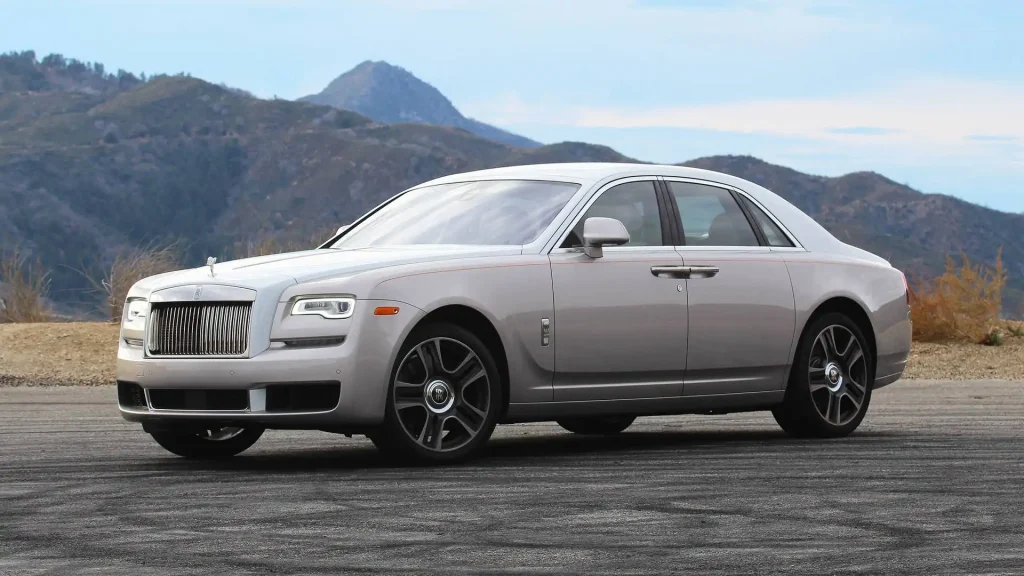
It does not aim to feel sporty or firm. Its purpose is complete isolation and calm. Every adjustment happens quietly in the background. Occupants are never aware of the system working.
For buyers who want the most refined air suspension experience available today, the Rolls-Royce Ghost stands in a class of its own.
10. Audi Q8
The Audi Q8 brings advanced air suspension into the luxury SUV space with a strong focus on composure, adaptability, and refinement. It is engineered to balance comfort with confident road manners.
At low speeds, the air suspension absorbs rough surfaces smoothly. Broken pavement and sharp edges are softened before they reach the cabin.
City driving feels controlled and calm. Vertical movement is reduced, which helps passengers feel relaxed in traffic. The system continuously monitors speed, steering input, and road conditions. Adjustments are made in real time without drawing attention.
At highway speeds, the Q8 automatically lowers its ride height. This improves stability and reduces wind resistance. Driving modes noticeably influence suspension behavior. Comfort settings prioritize softness, while dynamic modes tighten responses.
Despite being an SUV, the Q8 remains composed through corners. Body roll is controlled without making the ride feel firm.
Passengers benefit from excellent isolation. Road noise and vibration are minimized, creating a quiet interior. The air suspension works with adaptive damping to respond independently at each wheel. This improves control on uneven surfaces.
Load leveling ensures consistent ride quality. Passenger and cargo weight do not affect balance or comfort. Long distance travel highlights the system’s refinement. The suspension smooths repetitive road motion effectively.
Audi integrates the suspension with stability and traction systems. This coordination improves confidence in varying conditions. Ride height adjustment adds practicality. The vehicle can raise itself slightly when extra clearance is needed.
Transitions between different ride heights feel smooth and deliberate. There are no abrupt changes. Reliability has improved with newer components and software updates. Modern systems are more durable and responsive.
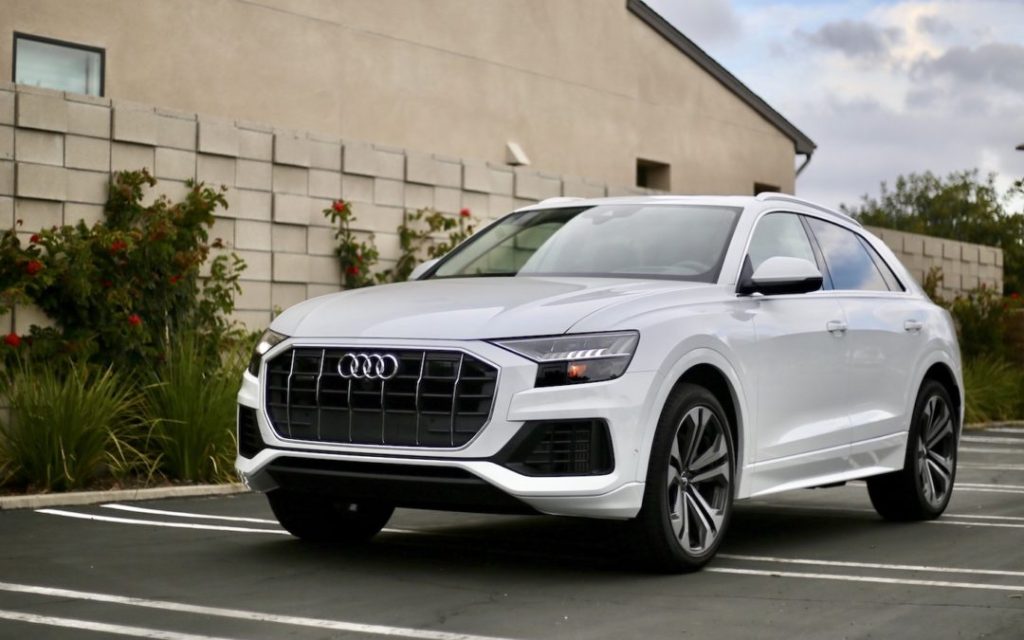
What makes the Q8 special is balance. The suspension does not feel overly soft or disconnected. It delivers comfort while maintaining Audi’s precise driving character.
For buyers seeking advanced air suspension in a luxury SUV with strong road presence, the Audi Q8 offers a refined solution.
11. Porsche Cayenne
The Porsche Cayenne uses advanced air suspension to blend luxury comfort with precise control. It is designed to adapt quickly to driver intent and road conditions.
At low speeds, the air suspension absorbs imperfections effectively. Rough pavement and uneven surfaces feel less intrusive. City driving remains comfortable despite the Cayenne’s performance capability. Sharp bumps are handled smoothly.
The suspension system continuously adjusts damping based on speed and steering input. Changes happen quickly and seamlessly.
At highway speeds, the vehicle lowers itself automatically. This improves stability and reduces body movement.
Driving modes dramatically affect suspension tuning. Comfort settings emphasize smoothness, while sport modes add firmness and control. Cornering performance is a standout. The air suspension limits body roll and maintains composure during spirited driving.
Passengers experience reduced vertical movement. The cabin feels settled even during quick maneuvers. Noise isolation is enhanced by the suspension’s ability to absorb road impacts early.
Load leveling keeps the vehicle balanced regardless of passengers or luggage. Ride height remains consistent. The system also allows adjustable ride height. This adds flexibility for uneven surfaces or steep driveways.
Long distance driving feels relaxed. The suspension minimizes fatigue by smoothing road irregularities. Porsche tuned the system to feel responsive rather than floaty. Driver confidence remains high.
Integration with active chassis systems enhances overall control. Steering and braking responses feel natural. Reliability has improved significantly over earlier generations. Modern components are designed for durability.
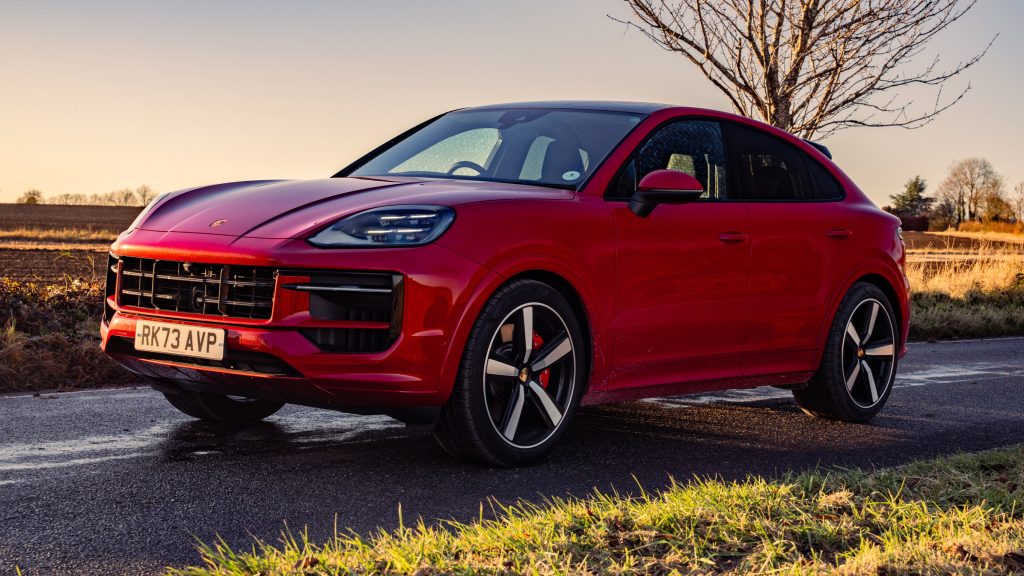
Transitions between modes feel smooth and predictable. The suspension never feels confused. What defines the Cayenne is versatility. It can feel like a luxury cruiser or a performance SUV depending on settings.
The air suspension supports both roles without compromise. For buyers who want advanced air suspension with a strong emphasis on control and adaptability, the Porsche Cayenne delivers a well rounded experience.
12. Cadillac Escalade
The Cadillac Escalade uses advanced air suspension to transform a large luxury SUV into a vehicle that feels composed, controlled, and comfortable in nearly every situation. Its system is designed to manage size and weight without sacrificing refinement.
At low speeds, the air suspension absorbs bumps and broken pavement smoothly. Harsh impacts are softened before they reach the cabin.
City driving feels calmer than expected for such a large vehicle. Vertical movement is reduced, which helps passengers remain comfortable in traffic.
The suspension continuously monitors road conditions and vehicle motion. Adjustments happen in real time and remain subtle.
At highway speeds, the Escalade automatically lowers its ride height. This improves stability and reduces unnecessary body movement.
Driving modes noticeably affect suspension behavior. Comfort oriented settings prioritize smoothness, while sport settings add firmness and control.
Despite its size, the Escalade feels stable through curves. The air suspension limits body roll and keeps the vehicle composed.
Passengers benefit from excellent isolation. Road noise and vibration are minimized, contributing to a quiet interior.
Load leveling is a key strength. Whether fully loaded with passengers or carrying cargo, ride height remains consistent. The suspension also improves entry and exit. The vehicle can lower itself slightly when parked for easier access.
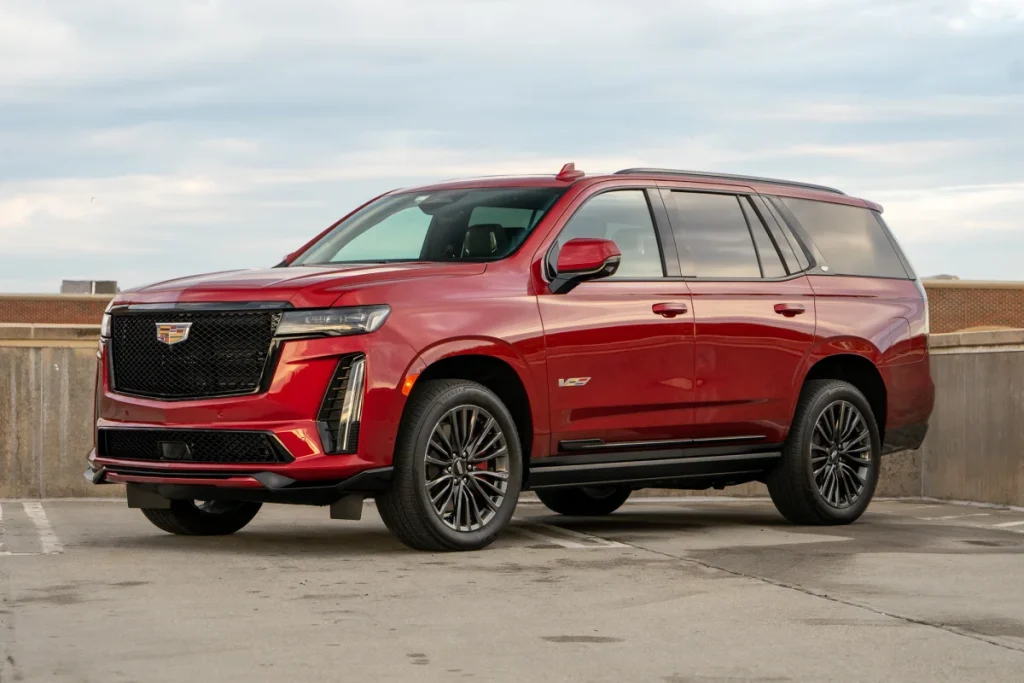
On uneven surfaces, the system raises ride height to provide additional clearance. This adds confidence on rough roads. Long distance travel highlights the suspension’s effectiveness. Repetitive road imperfections are smoothed out, reducing fatigue.
Cadillac integrates the air suspension with magnetic damping technology. Together, they enhance both comfort and control. Steering and braking systems work in harmony with the suspension. Vehicle responses remain predictable and confident.
Transitions between different ride heights feel smooth and deliberate. There are no abrupt changes. Reliability has improved significantly in modern Escalade systems. Components are designed with durability in mind.
The suspension adapts well to varying driving styles. Relaxed cruising and assertive driving both feel natural. What makes the Escalade stand out is how it manages scale. The air suspension makes a very large vehicle feel manageable.
It does not aim to feel sporty, but it never feels clumsy. Comfort and control remain balanced. For buyers seeking advanced air suspension in a full size luxury SUV, the Cadillac Escalade delivers an impressive and well engineered experience.
Also Read: 12 Budget Sleeper SUVs Under $30,000 That Are Surprisingly Fast
