
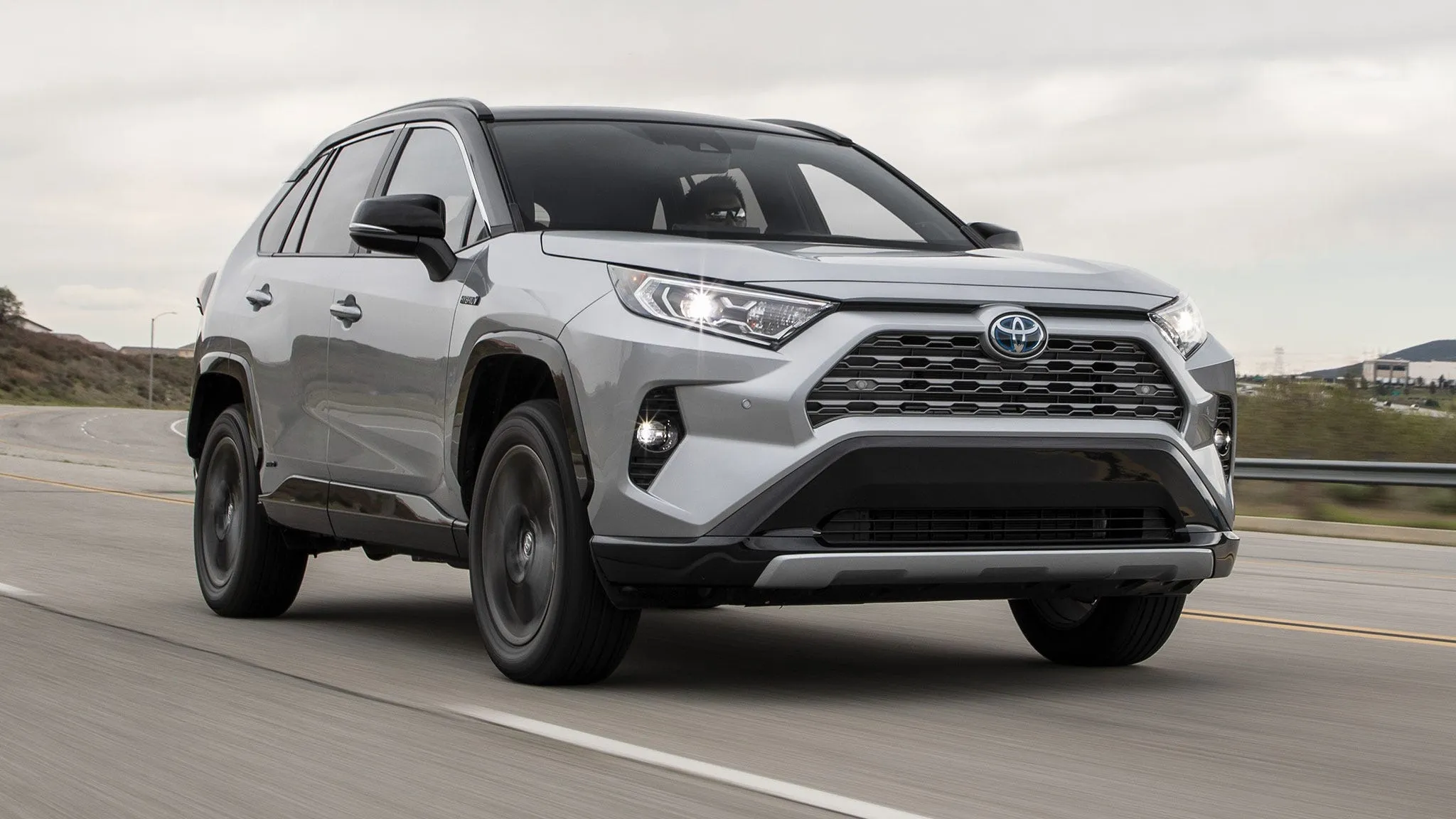
Winter mornings in Sioux Falls do not play around. Frost settles thick on windshields, engines stiffen overnight, and a quiet parking lot can turn into a test of patience when a car refuses to wake up. Cold starts matter more here than horsepower stats or flashy screens.
When temperatures drop fast and stay low, reliability becomes personal. A dependable start means getting to work on time, picking up kids without stress, or simply trusting that a vehicle will not leave you stranded in a silent driveway.
Cold weather affects batteries, engine oil, fuel delivery, and electronics all at once. Some vehicles are designed with this reality in mind, using proven engineering choices that favor cold-weather dependability. Others struggle once freezing air takes hold, even if they perform well during warmer months. Sioux Falls drivers feel that difference every winter.
This page focuses on ten vehicles split into two clear groups. Five cars that handle cold starts with confidence, and five that tend to resist cooperation once freezing temperatures settle in. Each model listed uses a distinct design approach, which helps explain why it succeeds or struggles. No repeats appear in either group, keeping the discussion fresh and practical.
The first section centers on vehicles that earn trust during cold mornings. These cars start consistently, warm up predictably, and feel ready for daily use even when winter refuses to ease. The second section will examine vehicles that tend to fight the cold, along with the reasons behind their struggles. If winter reliability sits high on your priority list, this breakdown delivers useful clarity before the next deep freeze arrives.
5 Cars for Sioux Falls Cold Starts
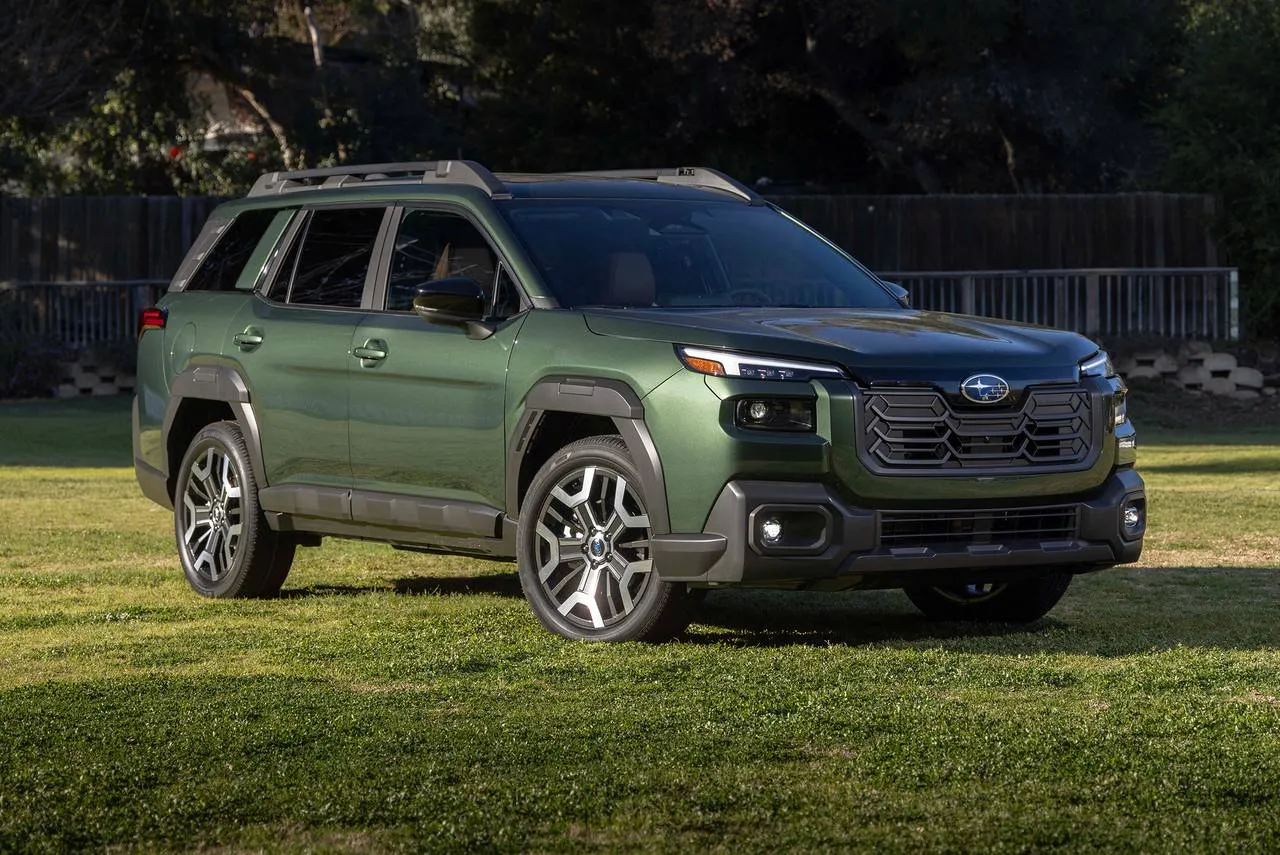
1. Subaru Outback 2.5i AWD
Cold-weather loyalty defines the Subaru Outback 2.5i AWD, especially in regions where winter mornings challenge both driver and machine. This wagon-style vehicle approaches freezing conditions with calm confidence rather than drama.
Owners often notice that the engine turns over smoothly even after nights spent well below freezing, thanks to conservative engine tuning and a dependable electrical system. Subaru’s horizontally opposed four-cylinder engine plays a major role here. Its design allows balanced internal movement, reducing strain during startup when oil thickens due to cold.
The Outback also benefits from an All Wheel Drive system that remains active without requiring driver input. That constant readiness supports traction immediately after startup, which proves useful when icy surfaces greet the tires right away.
Battery performance also holds up well in winter conditions. Subaru equips the Outback with a battery sized appropriately for cold demands rather than cutting corners for cost savings. Combined with reliable starter components, the car avoids that slow cranking sound drivers dread during subzero mornings. Fuel delivery remains steady, preventing hesitation or sputtering when the engine fires.
Cabin comfort follows quickly once the engine comes alive. The heating system warms efficiently, helping defrost windows without a long wait. Visibility improves fast, which matters when sunrise arrives late, and roads remain dark. Controls stay intuitive even when gloves are involved, keeping distractions minimal during early drives.
Ownership experiences often highlight consistency as the Outback’s strongest trait. It may not feel flashy or dramatic, but reliability in winter conditions becomes its defining quality.
For Sioux Falls residents who value predictability when frost covers everything in sight, the Subaru Outback 2.5i AWD stands as a dependable companion that treats cold starts as routine rather than a challenge.
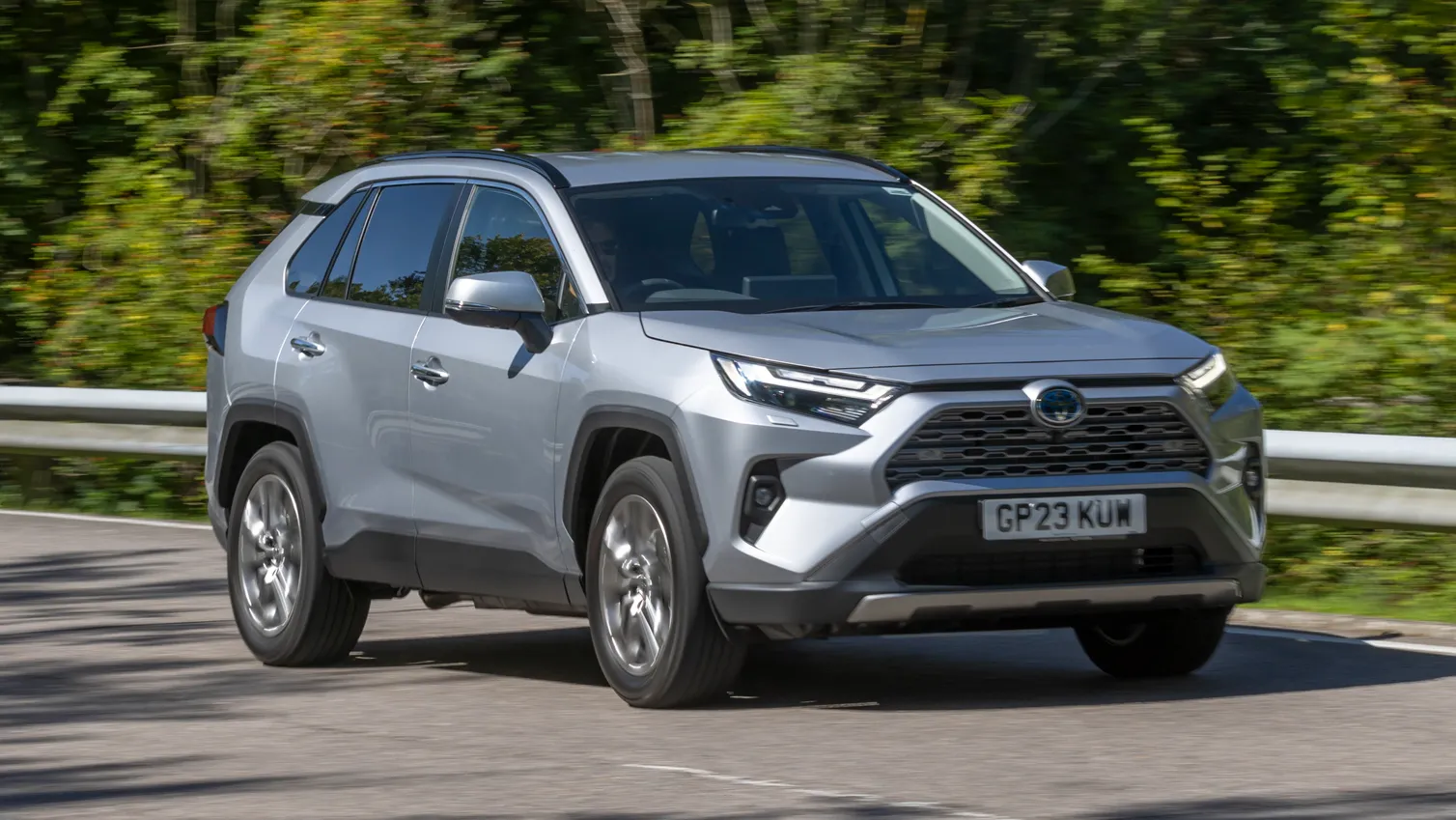
2. Toyota RAV4 Hybrid AWD
Toyota engineering earns steady respect during winter, and the Toyota RAV4 Hybrid AWD brings an interesting advantage to cold starts. Unlike traditional gasoline vehicles, this hybrid system uses electric assistance to reduce strain on the engine during startup. That support makes a noticeable difference when temperatures fall hard overnight.
Cold mornings often reveal weaknesses in conventional engines, yet the RAV4 Hybrid feels composed. The electric motor assists immediately, helping move the vehicle without forcing the gasoline engine to carry the entire load at startup. This approach reduces wear and allows smoother initial movement even before the engine reaches optimal temperature.
Toyota’s battery management system also deserves attention. Hybrid batteries remain protected through thermal regulation, preventing extreme cold from damaging performance. While some drivers worry about hybrid reliability in winter, real-world experience shows that Toyota designed this system with cold climates firmly in mind.
The vehicle wakes up predictably, avoiding the hesitation common in less refined setups. Interior comfort rises quickly thanks to efficient climate controls. Heated features respond fast, and defrost systems clear windows without extended idling.
Drivers feel ready to move sooner rather than waiting for warmth to catch up. Steering response remains stable, which helps confidence on icy streets. Long-term reliability further strengthens this model’s reputation. Toyota focuses on durability rather than experimental designs, and that philosophy shows during winter operation.
Sioux Falls drivers seeking dependable cold starts without sacrificing fuel efficiency often find the RAV4 Hybrid AWD fits that balance well. It proves that winter readiness and modern technology can work together without unnecessary stress.
Also Read: 5 Cars for Prescott Weekend Escapes and 5 That Hide Problems
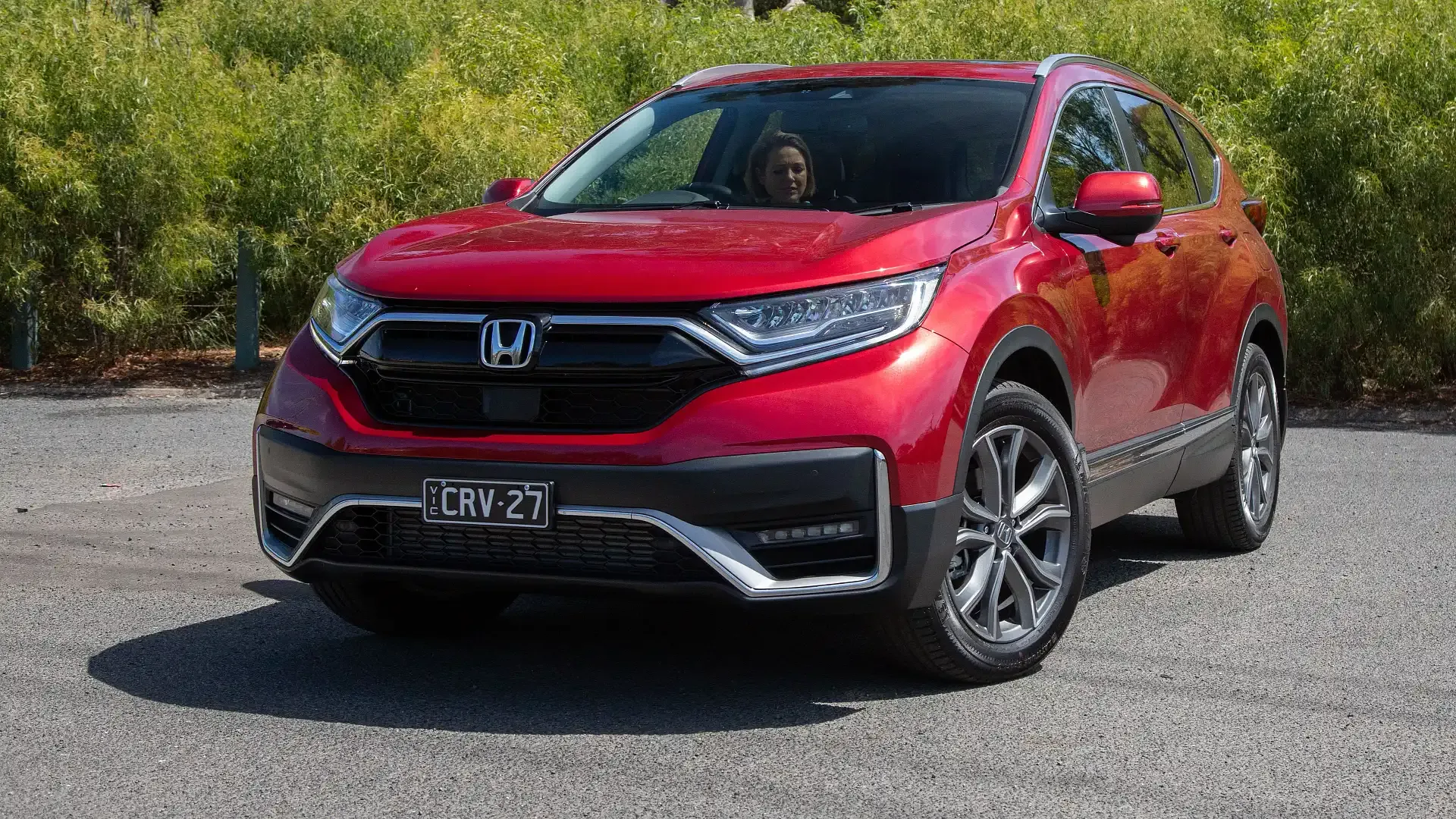
3. Honda CR-V AWD
Consistency defines the Honda CR-V AWD when temperatures dip into uncomfortable territory, and that steadiness becomes clear the moment the ignition turns on during a cold morning. This compact SUV avoids flashy or experimental engineering choices, instead relying on systems that have been tested across many winters.
Drivers who value predictability appreciate how the CR-V behaves the same way day after day, even when frost coats the driveway, and the air feels sharp. Cold starts in the CR-V remain calm and controlled. The starter system engages quickly, and the engine fires without the sluggish hesitation common in less refined vehicles.
Fuel injection works efficiently, delivering the right mixture even when cold air thickens engine oil. Honda’s careful engine calibration allows lubrication to circulate early, reducing strain on internal parts during those first critical seconds after startup. That attention helps protect the engine long term while also delivering immediate usability.
Once moving, the All Wheel Drive system inspires confidence. Power flows smoothly to all four wheels, limiting tire spin when backing out of snowy parking spots or pulling onto icy streets. That traction reduces the need for aggressive throttle input, which helps drivers maintain control in low-grip conditions.
Steering remains composed, offering predictable feedback rather than sudden surprises, even when road surfaces change from dry pavement to packed snow. Cabin comfort follows quickly. Warm air reaches the vents faster than expected, and windshield defrosting clears frost efficiently without requiring long idling.
Buttons, knobs, and touch surfaces remain responsive, avoiding the stiff or brittle feel some interiors develop during winter. Seats provide supportive comfort during longer commutes, making cold mornings feel less demanding.
Long-term ownership further reinforces trust in this model. Many drivers keep their CR-V vehicles for years, confident in their ability to handle seasonal challenges without drama. For Sioux Falls residents who want dependable winter starts paired with everyday practicality, the Honda CR-V AWD delivers a reassuring blend of reliability, comfort, and quiet competence.
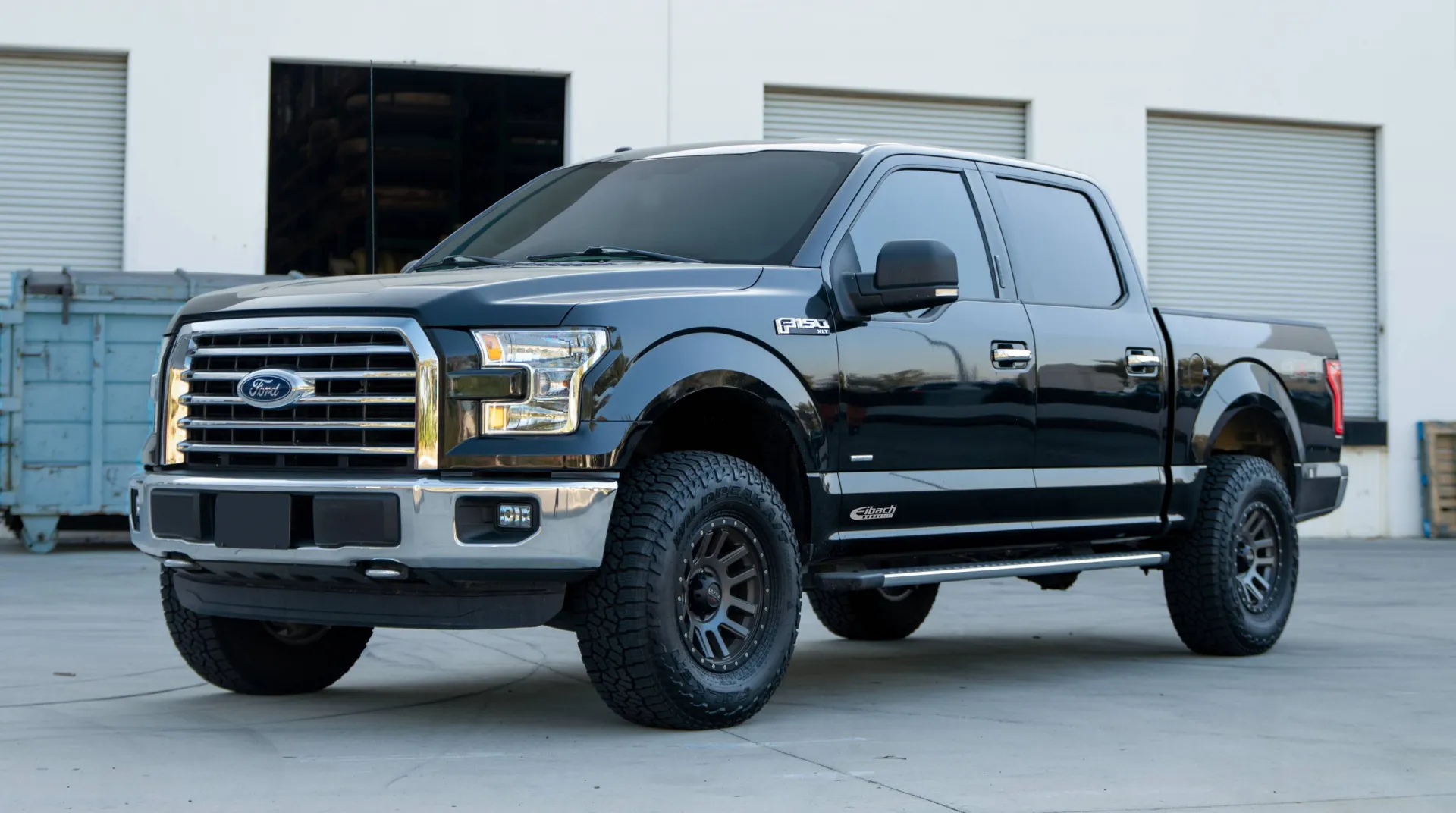
4. Ford F-150 3.5L V6
Pickup trucks face a different set of winter expectations, and the Ford F-150 3.5L V6 rises to meet them with confidence. Cold starts demand robust electrical systems and durable components, especially when a truck serves as a daily work tool.
Ford builds the F-150 with those realities in mind, which shows clearly when temperatures fall well below comfortable levels. The 3.5-liter V6 engine strikes a balance between strength and dependable startup behavior. Even after long freezing nights, the engine cranks decisively rather than hesitating.
Battery capacity matches the demands of the powertrain, preventing the weak turnover that frustrates many drivers during winter. Starter motors engage with authority, reflecting design choices meant for real-world use rather than mild conditions.
Fuel delivery remains stable as the engine warms. Idle quality settles quickly, allowing drivers to pull away without waiting through extended warm-up periods. That reliability matters when schedules stay tight regardless of the weather. The engine reaches operating temperature efficiently, supporting consistent performance during short trips and longer drives alike.
Cabin comfort becomes another advantage. The heating system fills the spacious interior with warmth faster than expected, and the defrost functions clear large windshield areas without delay.
Available seat heating enhances comfort immediately, helping drivers feel ready to focus on the road. Visibility improves early, which supports confidence on snow-covered or dimly lit streets.
Durability stands at the core of this truck’s winter reputation. Owners often rely on the F-150 for years of demanding use, trusting it to respond every morning regardless of temperature.
For Sioux Falls drivers who need reliable cold starts paired with strength and utility, the Ford F-150 3.5L V6 proves itself as a dependable partner during even the harshest winter mornings.
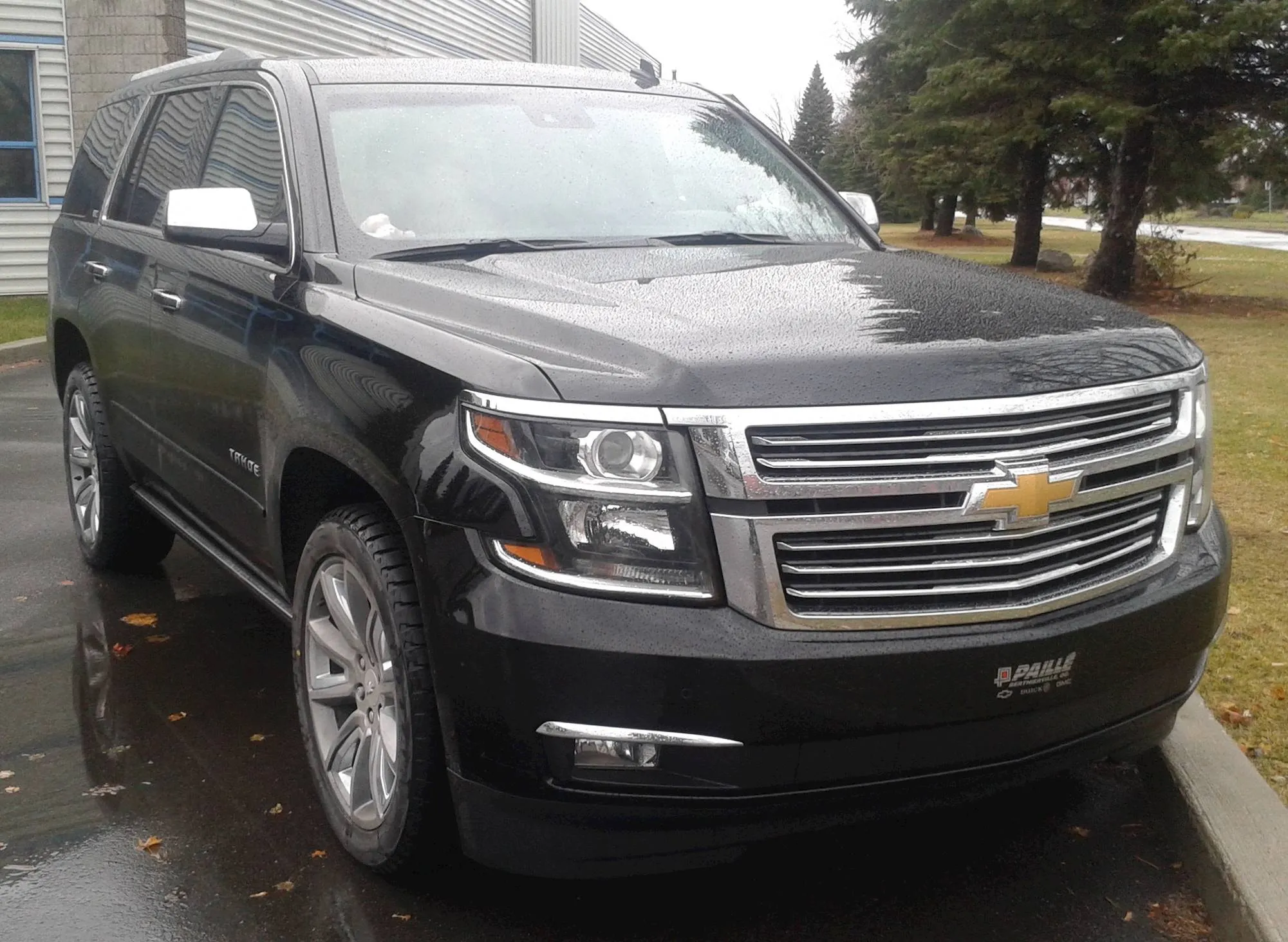
5. Chevrolet Tahoe 5.3L V8
Size alone does not guarantee winter reliability, yet the Chevrolet Tahoe 5.3L V8 pairs its commanding presence with dependable cold start behavior that earns confidence during harsh mornings. Full-size SUVs often face higher expectations in winter, and this model rises to meet them through solid engineering rather than shortcuts.
Drivers quickly notice that the Tahoe treats freezing temperatures as routine rather than an obstacle. The 5.3-liter V8 turns over smoothly even after long, icy nights. A robust electrical system supports the engine, ensuring steady voltage delivery when cold, and drains battery strength.
Battery capacity matches the demands of the large powertrain, preventing weak cranking sounds that signal trouble. Starter engagement feels firm and immediate, creating reassurance the moment the key turns or the button is pressed.
Once the engine comes to life, warm-up behavior remains controlled and predictable. Fuel delivery stays balanced, avoiding rough idle or stalling during early operation.
The engine reaches usable temperature without requiring excessive idling, allowing drivers to pull away promptly. That reliability proves valuable during busy mornings when waiting for a vehicle to cooperate simply is not an option.
Cabin comfort arrives faster than expected for a vehicle of this size. Warm air circulates through the spacious interior quickly, and heated seats provide added comfort almost immediately.
Defrost systems clear the wide windshield and large side windows efficiently, restoring visibility without delay. Switches and controls respond smoothly, avoiding stiffness that can frustrate drivers during extreme cold.
Driving confidence extends beyond startup. The Tahoe’s weight contributes to stable road manners on snow-covered streets, helping the vehicle feel planted rather than skittish. Steering response remains controlled, and braking behavior feels consistent once the surfaces are clear. Long drives feel composed, while short trips remain comfortable.
Families appreciate the Tahoe’s reliability during school mornings and errands, while professionals trust it for daily commitments regardless of the weather. As time goes on, consistent cold start performance builds loyalty. When winter mornings demand cooperation rather than excuses, the Chevrolet Tahoe 5.3L V8 delivers dependable performance that feels ready whenever the temperature drops.
5 Cars That Don’t Tolerate Freezing
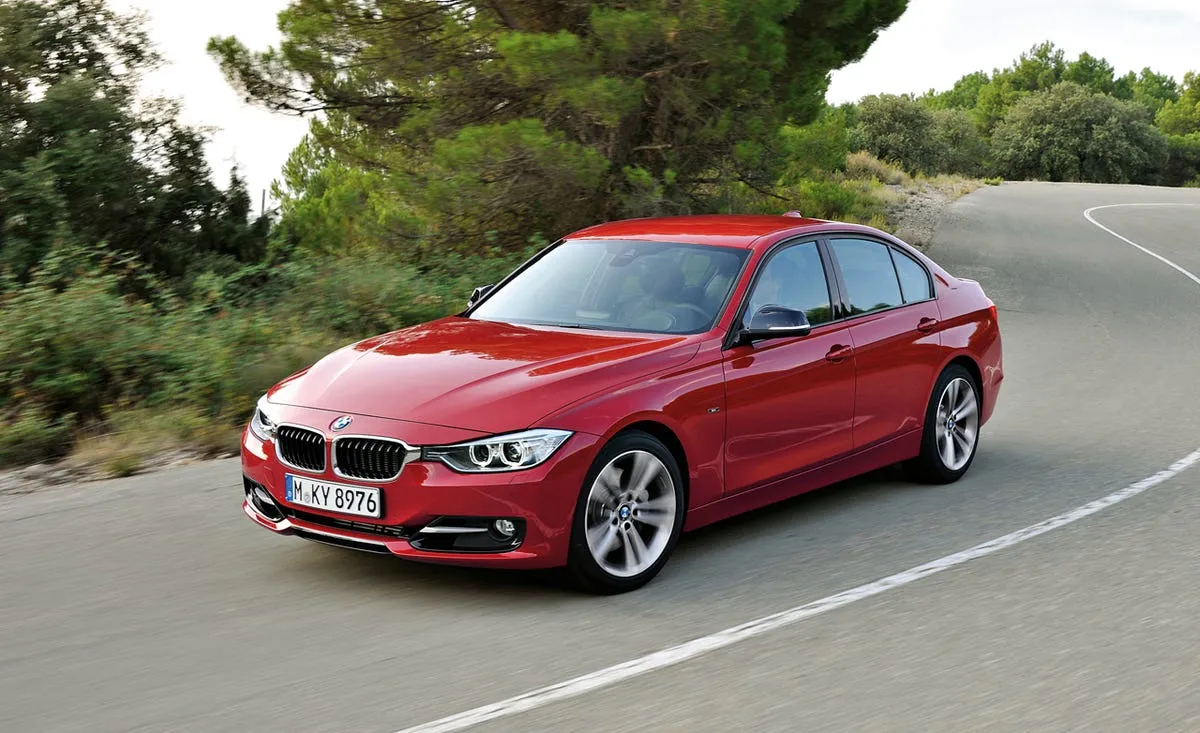
1. BMW 3 Series 328i
Luxury appeal draws plenty of attention to the BMW 3 Series 328i, yet cold weather exposes weaknesses that drivers in Sioux Falls quickly notice. This sedan performs beautifully during mild seasons, but freezing mornings tend to disrupt its otherwise polished behavior.
Precision engineering favors driving enjoyment, though winter reliability receives less emphasis. Cold starts often reveal hesitation. Electronics require a stable voltage, and lower temperatures strain the battery more than expected.
Owners frequently report slow cranking or warning lights flashing briefly before the engine settles. Such moments may pass quickly, but they create uncertainty when time matters. The turbocharged engine also relies heavily on sensitive sensors that respond poorly when temperatures drop sharply overnight.
Oil thickness presents another issue. While advanced lubricants help, the engine still prefers warmer conditions to circulate fluids efficiently.
During cold mornings, idle quality can feel uneven until proper warmth arrives. Short trips make matters worse, since the engine rarely reaches ideal operating temperature, placing additional stress on internal components.
Interior comfort arrives slower than expected for a premium vehicle. Cabin heating works well once active, yet delays during startup feel noticeable. Defrost systems clear glass gradually, testing patience during early commutes. Buttons and controls remain functional, though responsiveness sometimes lags when cold, stiffens materials.
Maintenance costs add pressure to winter ownership. Cold-related wear leads to earlier replacement of batteries and sensors, increasing expenses. For Sioux Falls drivers seeking dependable cold starts without extra attention, the BMW 3 Series 328i may feel demanding once winter tightens its grip.
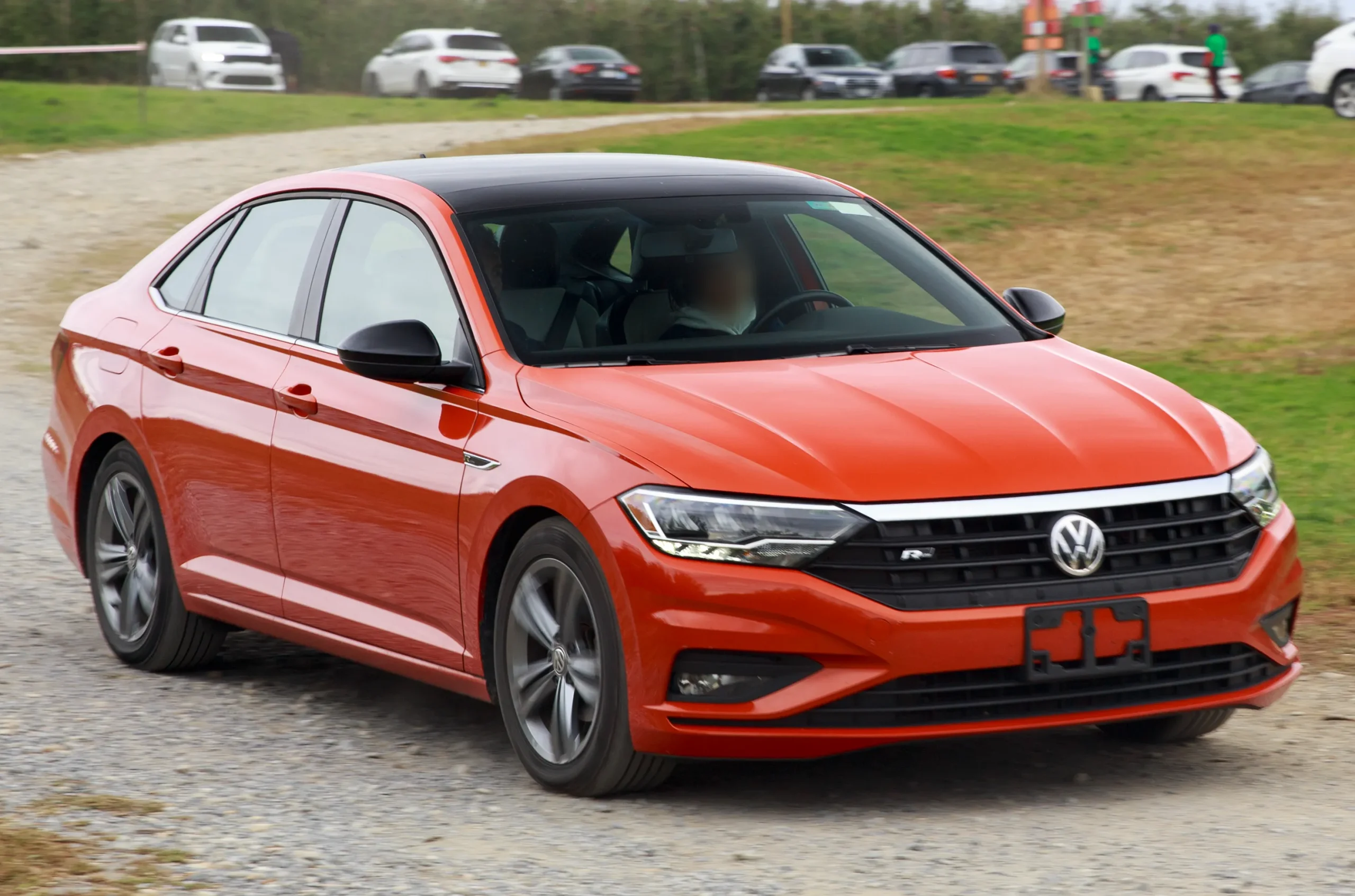
2. Volkswagen Jetta 1.4T
Efficiency defines the Volkswagen Jetta 1.4T, but cold climates challenge its lightweight design. Freezing temperatures place strain on components built primarily for fuel savings rather than winter endurance. While reliable in moderate weather, Sioux Falls winters test its limits.
Cold mornings often bring extended cranking before ignition. Smaller batteries struggle to provide enough power when temperatures plunge, leading to hesitant starts. Turbocharged engines also depend on precise air and fuel balance, which cold air disrupts easily. That sensitivity causes uneven idle during warm-up.
Cabin warmth arrives slowly. Thin insulation and compact heating systems require time to generate comfort, leaving drivers waiting longer before visibility improves. Frosted windows test patience, especially during early departures. Controls remain accessible, though stiffness becomes noticeable when materials cool overnight.
Driving behavior reflects similar challenges. Throttle response feels delayed until the engine warms fully. Short trips amplify the issue, since repeated cold starts prevent consistent performance. Fuel efficiency also drops during winter use, counteracting one of the Jetta’s main selling points.
Long-term ownership highlights winter maintenance concerns. Batteries, ignition coils, and sensors experience added strain in freezing weather. Repairs remain manageable, yet frequency increases. Sioux Falls drivers who prioritize effortless cold starts may find the Volkswagen Jetta 1.4T less cooperative once winter settles in.
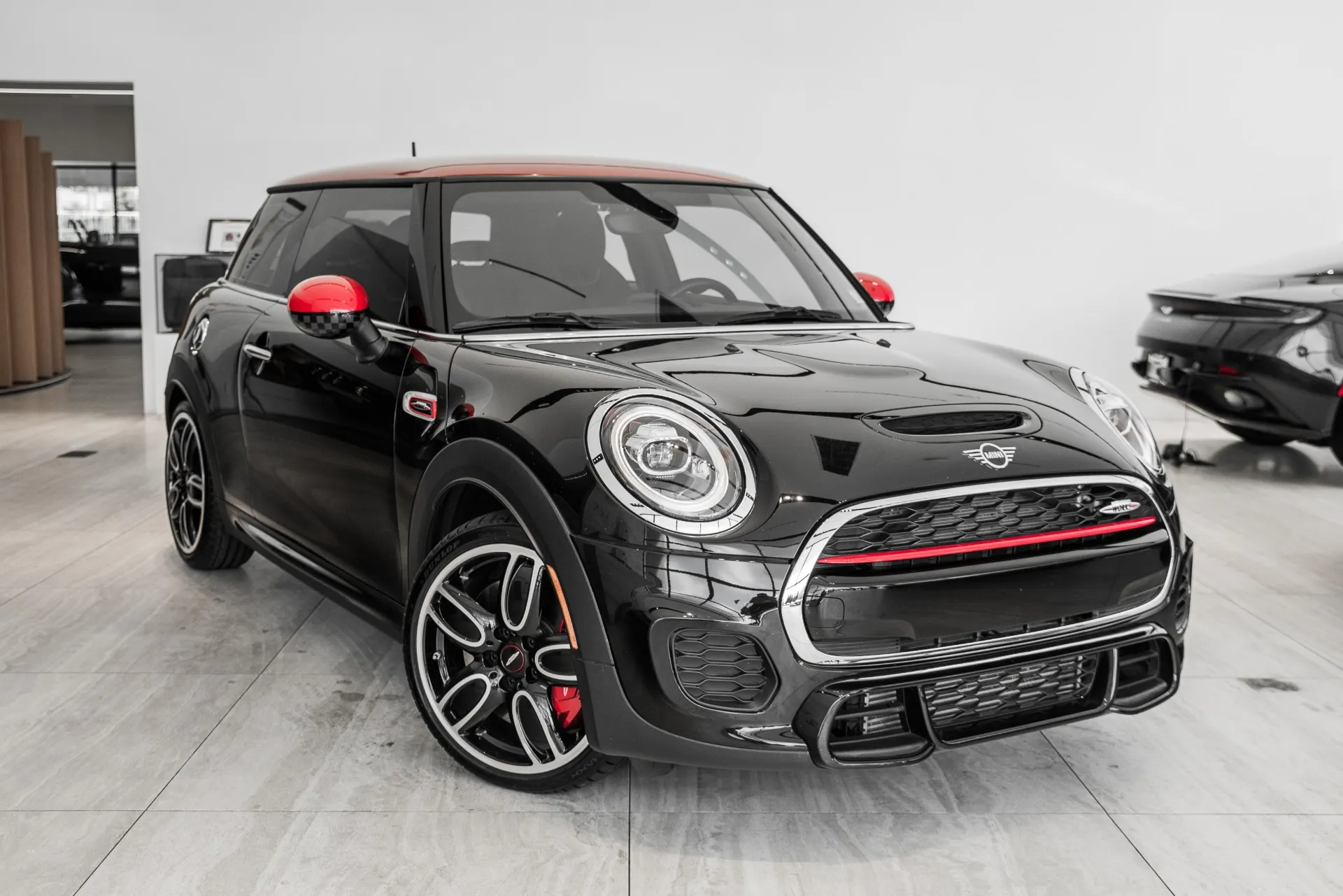
3. Mini Cooper Hardtop 2 Door
Personality defines the Mini Cooper Hardtop 2 Door, and that charm is easy to appreciate during warmer months. Its playful design, nimble handling, and compact footprint make it a favorite for urban driving.
Winter mornings, however, tend to expose limitations that are harder to ignore. When temperatures plunge in places like Sioux Falls, the Mini’s cheerful character faces a tougher test.
Cold starts often require patience. The combination of a small battery and a high compression engine places extra strain on the system when freezing air settles in overnight.
Cranking can feel slower than expected, and ignition may hesitate before the engine finally comes to life. During those moments, dashboard lights sometimes appear briefly as electronics wake up gradually, adding a layer of uncertainty to the process.
Cabin comfort takes time to catch up. Smaller engines generate less heat at idle, which delays the warming process inside the car. Frost tends to cling stubbornly to the windshield, forcing drivers to wait longer or idle more than they would like. While controls remain functional, the tight cabin makes the waiting period feel more pronounced, especially when cold air lingers around legs and hands.
Driving behavior also changes once winter takes hold. Steering feels heavier during the first few minutes, and power assistance needs time to reach full effectiveness. Suspension stiffness becomes more noticeable on frozen roads, transmitting bumps and uneven pavement directly into the cabin. The short wheelbase magnifies these sensations, making winter roads feel harsher than they might in larger vehicles.
Cold season ownership often means extra planning. Battery health becomes a priority, and frequent checks help prevent inconvenient no-start situations. Indoor parking or the use of a block heater can improve reliability, though these steps require additional effort.
For Sioux Falls drivers who prioritize easy cold starts and winter comfort, the Mini Cooper Hardtop 2 Door may feel better suited to regions with gentler winters rather than prolonged periods of deep freeze.
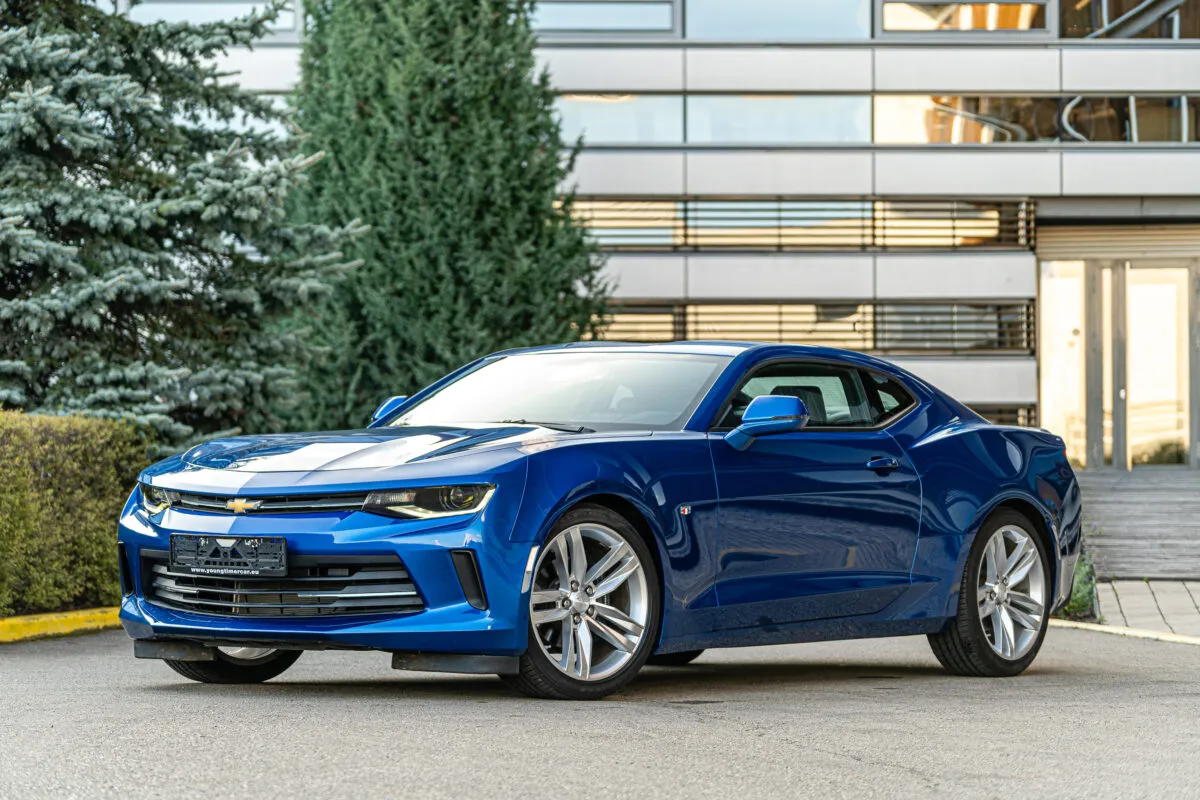
4. Chevrolet Camaro 2.0T
Performance styling defines the Chevrolet Camaro 2.0T, and its aggressive appearance promises excitement long before the engine starts. Designed to deliver sharp handling and quick acceleration, this coupe thrives in conditions where the road is dry and predictable.
Cold climates introduce a different set of demands, and winter mornings in Sioux Falls often reveal where style and seasonal practicality drift apart. Cold starts tend to feel hesitant. Turbocharged engines depend on precise airflow and fuel delivery, both of which become harder to balance when freezing air enters the system.
Batteries designed with weight reduction in mind struggle to provide strong initial power during subzero nights. As a result, ignition can feel sluggish, and the engine may take a moment to settle into a stable idle. Electronics also need time to stabilize, sometimes causing brief delays in system response.
Visibility adds another layer of frustration. The low seating position, combined with narrow window openings, limits sightlines, making snow buildup and frost harder to manage. Defrost systems work adequately, though they require patience before clearing the windshield fully.
Cabin heating eventually becomes comfortable, yet the wait feels longer than expected for a vehicle in this price range. Traction presents a clear challenge once the Camaro begins moving. Rear Wheel Drive demands careful throttle control on icy streets, especially during early acceleration.
Without quality winter tires, wheel spin becomes easy to trigger, reducing driver confidence. Steering response improves as components warm, but initial moments can feel less predictable, requiring constant attention.
Ownership during winter brings additional considerations. Cold weather accelerates wear on batteries, sensors, and turbo-related components, increasing maintenance needs. Regular checks help prevent issues, though they add responsibility.
For Sioux Falls drivers seeking a vehicle that starts easily and handles winter without fuss, the Chevrolet Camaro 2.0T often feels better suited to warmer seasons where its performance focus can shine without compromise.
Also Read: 5 Cars for Altoona Daily Use and 5 Budget-Friendly Options
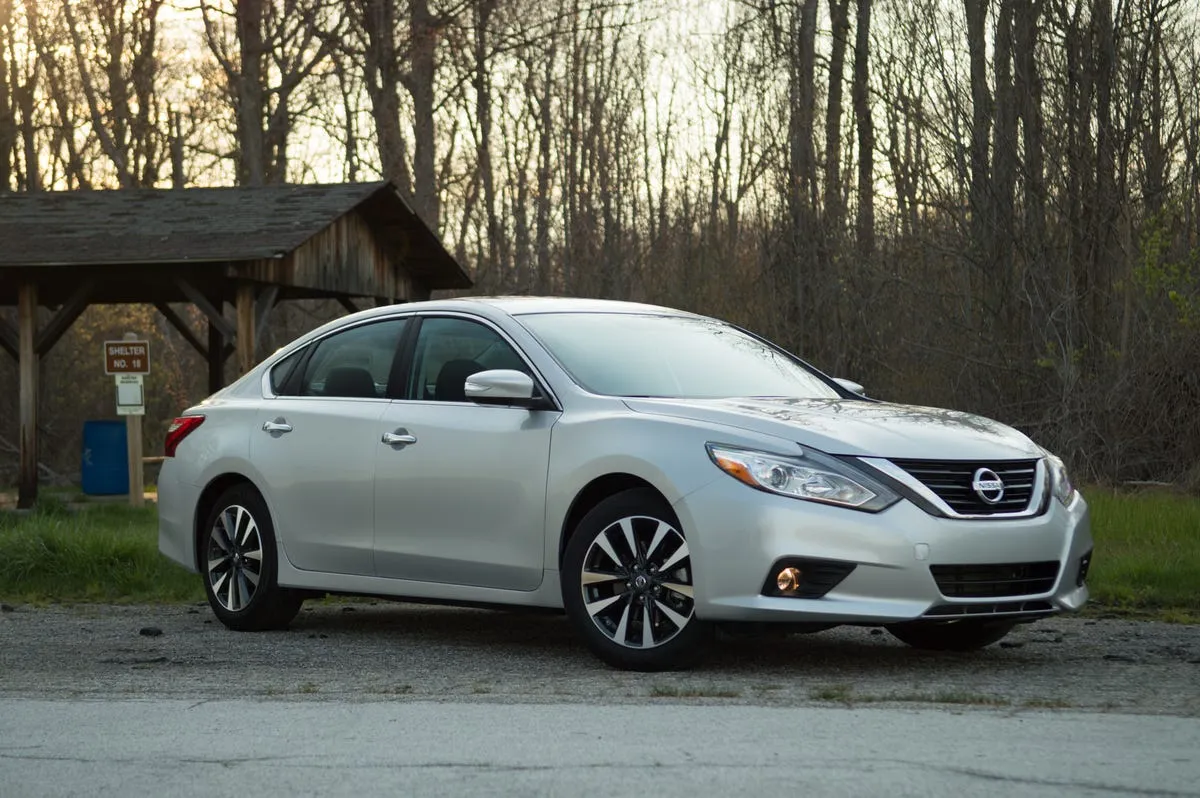
5. Nissan Altima 2.5 SV
Comfort and efficiency define the Nissan Altima 2.5 SV, and those traits serve it well during much of the year. Its smooth ride and quiet cabin appeal to drivers who value relaxed commuting. Freezing mornings, however, tend to highlight weaknesses that become difficult to overlook during prolonged winter stretches in Sioux Falls.
Cold starts occasionally bring a rough idle. The engine may hesitate briefly before settling, creating uncertainty during early departures. Continuously variable transmission systems rely on fluid behavior that changes with temperature, and cold conditions slow response until proper warmth develops. Battery strain also increases during winter, sometimes leading to weaker startup performance.
Cabin warmth arrives gradually rather than immediately. While the heating system functions reliably, it takes time to produce steady warmth throughout the interior. Windshield defrosting progresses at a slower pace, forcing drivers to wait before visibility improves fully.
Interior controls remain simple and familiar, though materials can feel stiff when temperatures plunge. Driving feels moves noticeably during winter use. Throttle response becomes subdued until the powertrain reaches optimal temperature.
Short trips exaggerate this effect, preventing the vehicle from settling into its usual smooth rhythm. Fuel efficiency also drops during cold months, which affects daily commuting costs and convenience. Long-term winter ownership demands closer attention.
Battery replacement cycles shorten, and careful transmission fluid care becomes essential to preserve drivability. While the Altima performs comfortably during warmer seasons, Sioux Falls drivers who expect quick cold starts and immediate winter readiness may find the Nissan Altima 2.5 SV less cooperative once freezing conditions take hold.
