
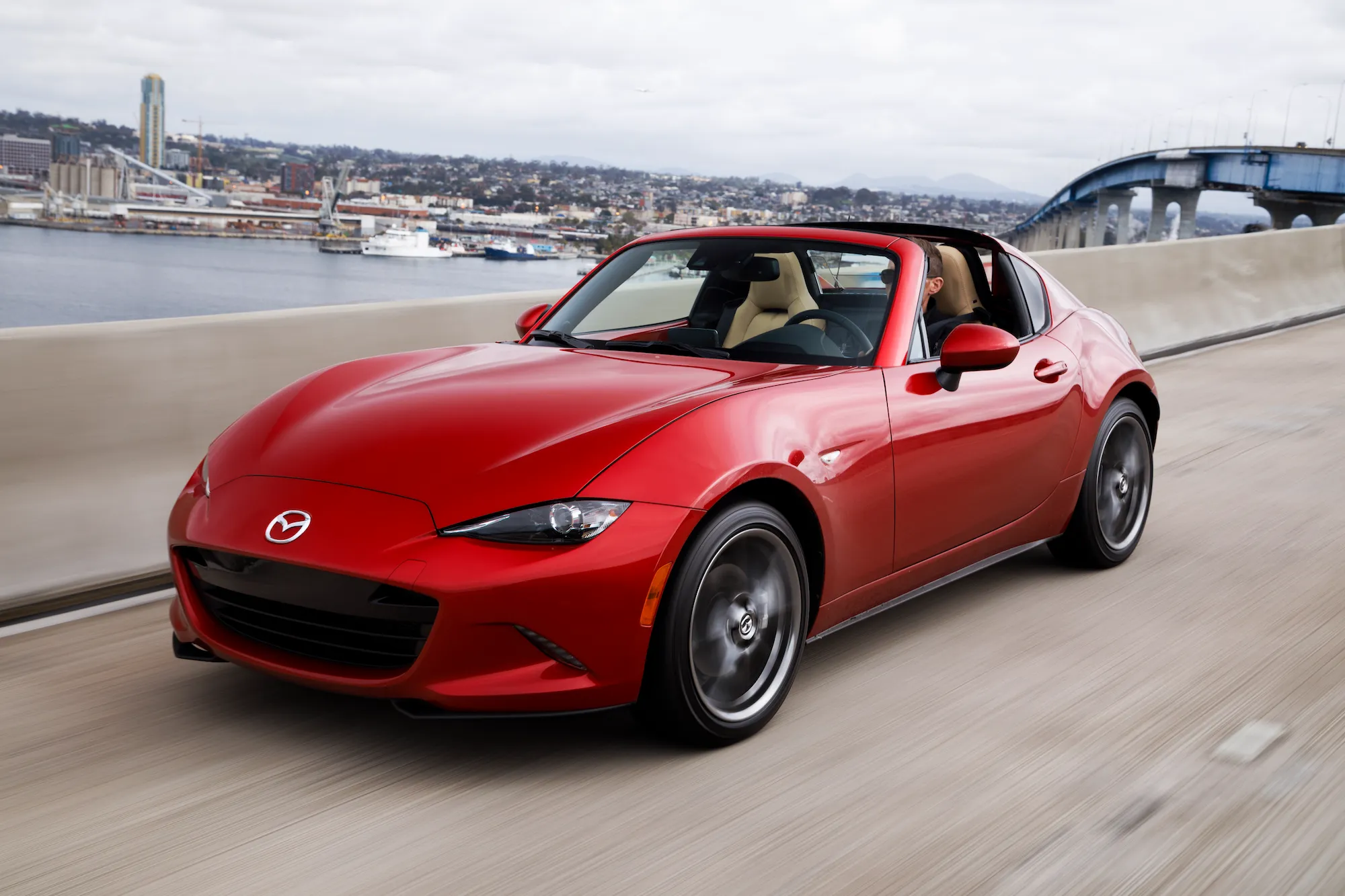
Driving along the Duluth lakefront offers a special kind of experience. Crashing waves, sweeping cliffs, and the open horizon make every journey feel like a blend of adventure and relaxation. Choosing the right vehicle enhances that experience.
Certain cars pair performance, comfort, and style with the freedom to enjoy every curve of the shoreline road. Some provide spirited acceleration to match the scenery, while others focus on smooth cruising and a quiet cabin that lets drivers hear the waves and wind.
Lakefront roads demand vehicles that combine responsive handling with stability. A car should feel confident in turns, capable on variable surfaces, and comfortable enough for long stretches where the view is the main attraction. Features like advanced suspension, precise steering, and a reliable powertrain become essential for drivers who value both enjoyment and safety.
While some vehicles excel in scenery-focused driving, winter presents its own challenges. Duluth winters mean ice, snow, and salt, making rust resistance and cold-weather durability important. Cars designed for these conditions retain performance year-round, keeping drivers on the road without concern for corrosion or mechanical issues.
This page highlights five cars that shine on Duluth lakefront drives, combining driving pleasure with dependable engineering. Each model has unique attributes suited for winding coastal roads, whether it’s a blend of luxury, sportiness, or comfort.
The next section of this page identifies vehicles that struggle when faced with winter salt. Some cars look perfect on paper but develop rust quickly, affecting both safety and value. Knowing which vehicles thrive and which face challenges in winter conditions helps drivers make informed choices for their Duluth lifestyle.
5 Cars for Duluth Lakefront Drives
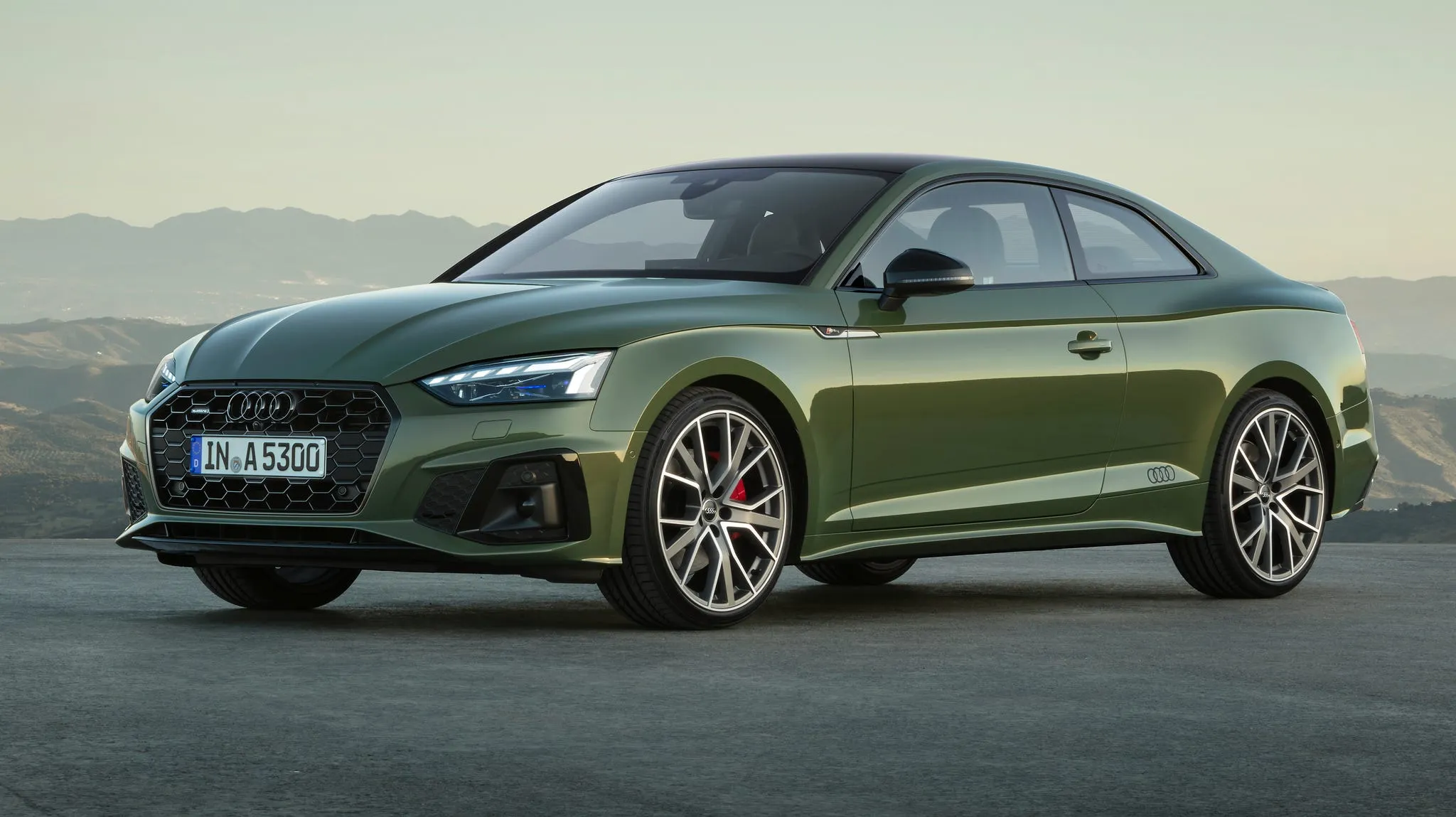
1. Audi A5 Coupe
Confidence and agility define the Audi A5 Coupe along the Duluth shoreline. Its sharp styling matches the dramatic scenery, while the turbocharged engine offers smooth yet responsive acceleration that feels intuitive around curves. A turbocharged four-cylinder delivers enough punch for highway stretches without being overwhelming, making every corner feel deliberate rather than rushed.
Quattro all-wheel drive adds control and stability, especially on wet or uneven surfaces. The system continuously distributes power to maintain traction, allowing drivers to drive through winding lakeside roads without concern for understeer or sudden slips. Steering feedback is precise, providing confidence through tight bends and elevation changes.
Inside, cabin comfort enhances the experience. Seats provide support for spirited driving yet remain comfortable on longer excursions. The infotainment system integrates navigation and media seamlessly, letting drivers focus on the road and the surrounding scenery. Materials feel solid, and the quiet interior allows the natural sounds of the lake to punctuate the journey, enhancing immersion.
Ride quality balances sportiness with comfort. Suspension absorbs minor imperfections while keeping the car responsive, which is essential when encountering uneven pavement or slight dips along coastal roads. Visibility is good from most angles, allowing drivers to anticipate curves and take in views simultaneously. Drivers report feeling a direct connection to both road and environment, a sensation rarely matched in other coupes.
Maintenance considerations favor drivers who care about longevity. Audi’s engineering emphasizes corrosion resistance in areas prone to moisture, which adds peace of mind along the lakeshore. Tires suited for all-season conditions complement the car’s whole performance, ensuring every drive remains engaging regardless of changing weather.
With the Audi A5 Coupe, drivers enjoy a harmonious blend of style, power, and precision. The combination makes it a perfect choice for anyone seeking an enjoyable, responsive drive along Duluth’s lakefront, where every curve, hill, and view contributes to the thrill.
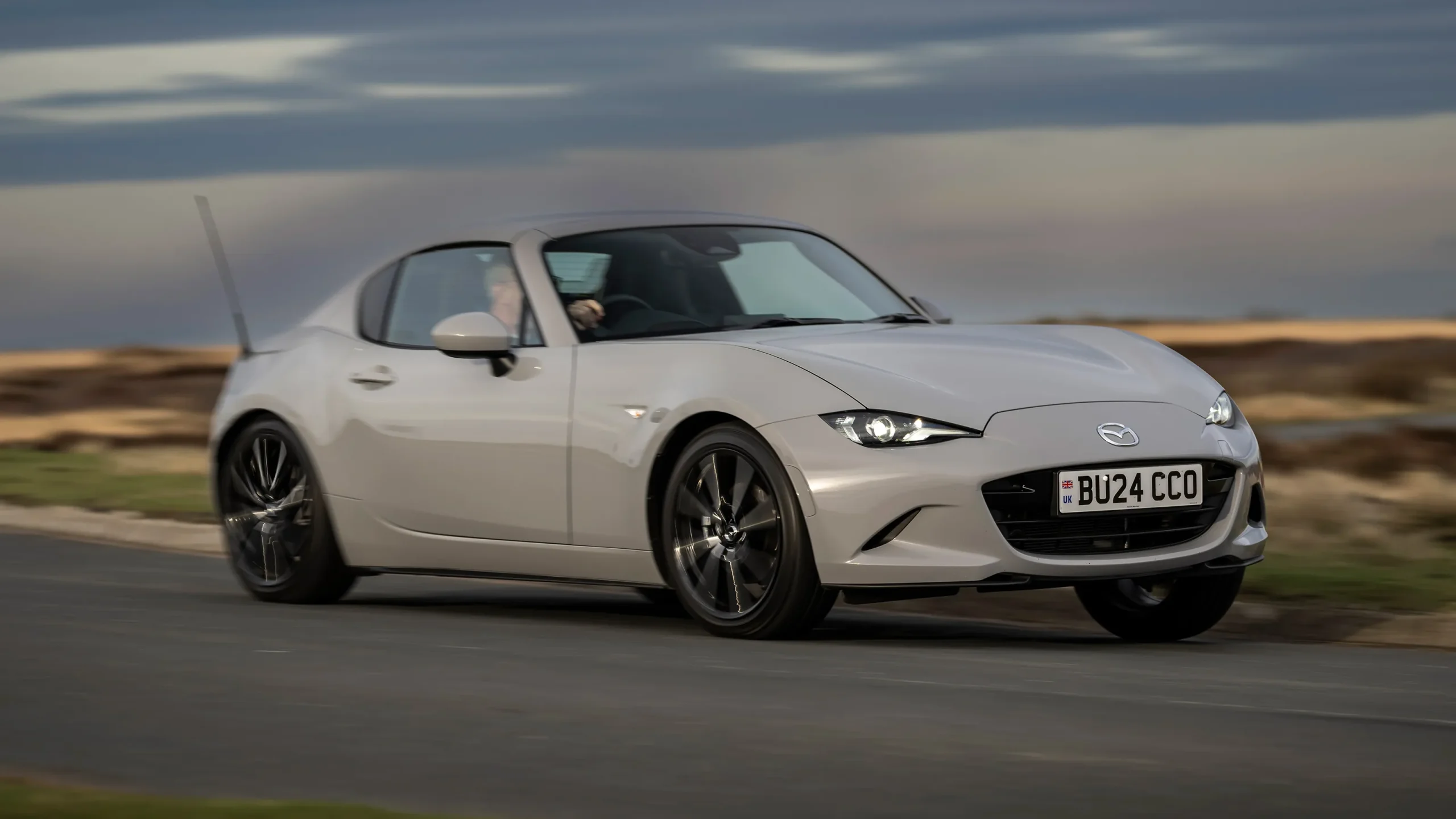
2. Mazda MX-5 Miata RF
The Mazda MX-5 Miata RF brings excitement in a small, nimble package ideal for twisting roads near Lake Superior. Its retractable fastback roof allows open-air driving without sacrificing structural rigidity, creating a direct connection between driver and environment. The experience feels alive, emphasizing interaction over raw horsepower.
Lightweight design and near-perfect weight distribution give the Miata RF remarkable agility. Manual and automatic transmissions are precise, enabling crisp movements and confident cornering. Even less experienced drivers find its feedback intuitive, fostering trust while going through lakeside turns. Acceleration is modest compared to sports sedans but complements handling, making the Miata feel like an extension of the road.
Driver engagement continues in the cabin layout. The cockpit keeps controls within reach, emphasizing function over decoration. While compact, storage is sufficient for day trips or short weekend outings. Seating is snug but supportive, enhancing comfort during longer drives without losing responsiveness.
Suspension tuning absorbs bumps effectively while maintaining sport-oriented handling. Tire grip and steering responsiveness encourage adventurous driving without compromising safety, even on damp or gravel-covered roads. Weather sealing on the retractable roof ensures the cabin stays comfortable in light rain or wind, allowing versatility throughout changing seasons.
The Miata RF’s maintenance profile is friendly to owners who enjoy spirited driving without high costs. Components are durable, and the lightweight construction reduces stress on brakes and suspension compared to heavier sports cars. Winter requires caution, but for spring, summer, and fall drives along the lakefront, it offers one of the most engaging experiences available in its class.
The Mazda MX-5 Miata RF excels where driver involvement matters. Curves, elevation changes, and scenic stops become part of the enjoyment rather than obstacles, making it a standout option for drivers prioritizing fun and agility.
Also Read: 5 Cars for Alpharetta Commuters and 5 Reliable Highway Cruisers
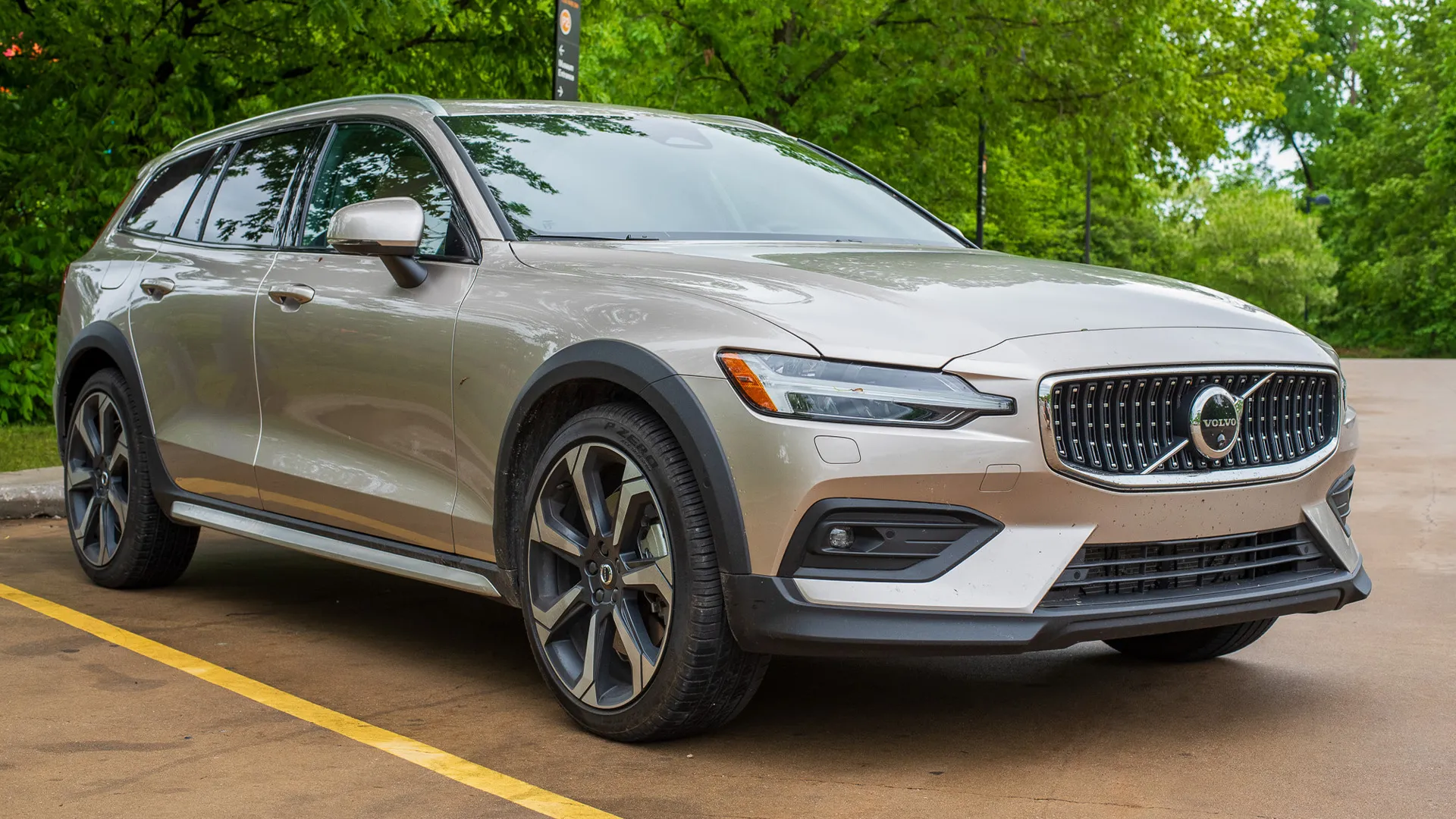
3. Volvo V60 Cross Country
Volvo’s V60 Cross Country presents a blend of ruggedness and refinement perfect for scenic Duluth drives. Its elevated ride height and all-wheel drive system provide security on slippery or uneven roads, while interior comfort ensures enjoyment throughout the journey.
The turbocharged and supercharged four-cylinder engine balances fuel efficiency with spirited response. Drivers find acceleration smooth and predictable, ideal for lakeside roads with sudden turns or elevation changes. Transmission response complements engine performance, allowing fluid gear changes without hesitation.
Cabin design emphasizes both safety and comfort. Ergonomic seats reduce fatigue on longer drives, while premium materials create a refined atmosphere. Infotainment integrates navigation, media, and vehicle settings efficiently, minimizing distractions. Sound insulation keeps road and wind noise controlled, allowing passengers to enjoy conversation or the subtle ambiance of passing waves.
Suspension absorbs minor imperfections without sacrificing stability. Chassis rigidity and well-tuned dampers provide a composed ride, even at higher speeds. Tire grip and traction management enhance confidence on wet surfaces, important during seasonal rain or early snow along the shoreline.
Technology contributes to driving enjoyment. Adaptive cruise control, lane keeping assistance, and stability management enhance safety without detracting from the experience. Ground clearance prevents scraping over small obstacles or uneven pavement, while durable body panels resist minor abrasions common on coastal roads.
The V60 Cross Country blends practicality with driving pleasure. It rewards careful attention to handling and comfort, giving drivers a sense of control and serenity as they navigate scenic routes along Lake Superior.
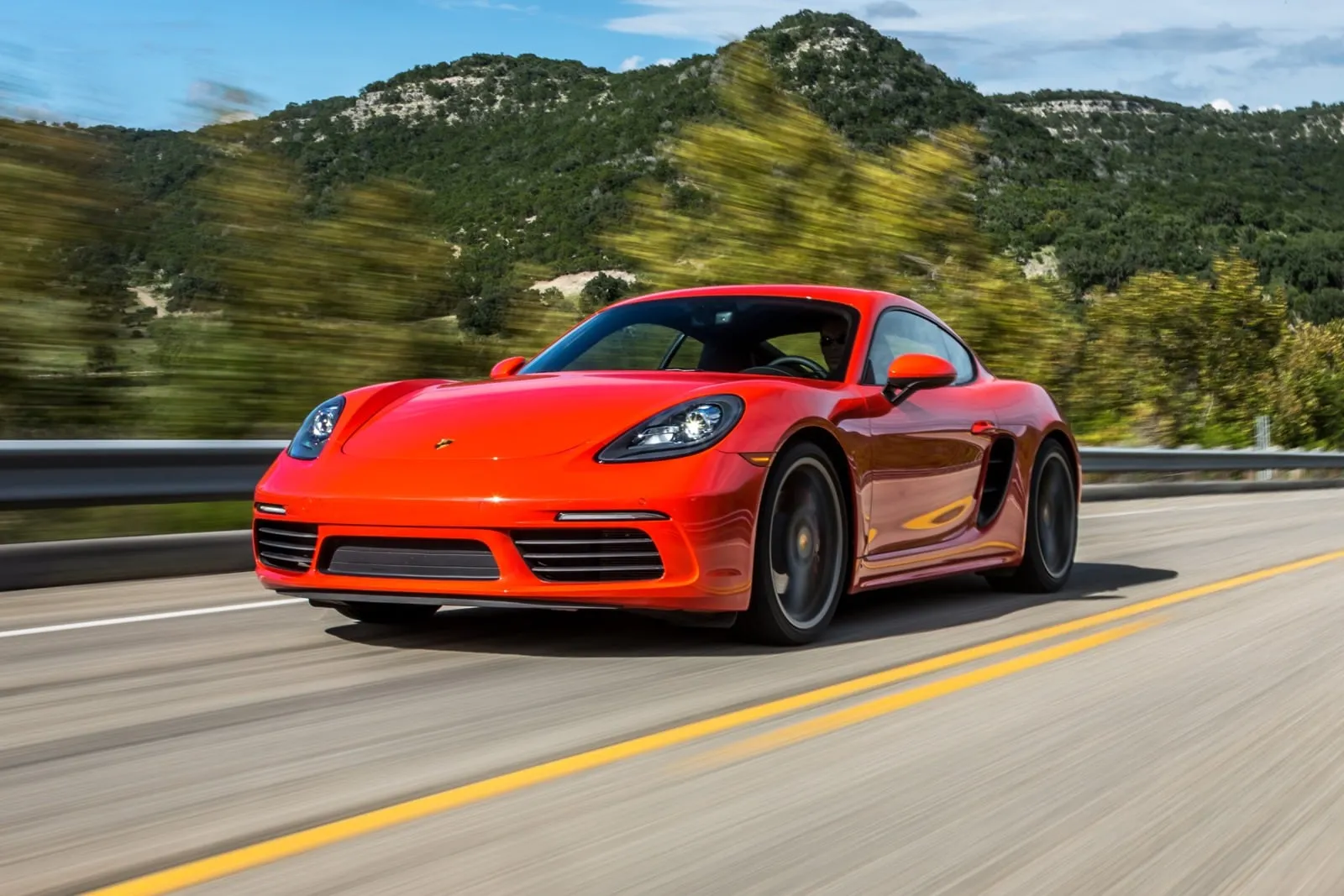
4. Porsche 718 Cayman
Porsche’s 718 Cayman represents the aim of precise engineering for drivers who crave a dynamic connection with road and scenery. Its mid-engine layout delivers balanced handling, particularly on curves and rolling terrain along the lakefront.
Power delivery is immediate from turbocharged flat-four engines, offering strong acceleration without sacrificing smoothness. Steering is precise, providing direct feedback that keeps drivers confident through rapid changes in direction. Weight distribution enhances traction, allowing controlled cornering even on slightly damp surfaces near the lake.
Cabin design prioritizes the driver. Controls are oriented toward ease of use, emphasizing response and ergonomics. Visibility remains excellent, with low-slung seating giving an unobstructed view of upcoming curves and scenery. Soundproofing ensures engine and road noise remain pleasant rather than intrusive, enhancing immersion in the driving experience.
Suspension is sport-tuned yet compliant enough to handle minor imperfections in coastal roads. Tires provide consistent grip, while electronic stability interventions remain subtle, allowing driver control without abrupt interference. Aerodynamics contribute to both stability and aesthetic appeal, accentuating the car’s aggressive yet refined profile.
Maintenance demands are higher compared to mainstream vehicles, yet Porsche engineers prioritize durability in chassis and powertrain components. Body materials resist minor corrosion, a helpful factor near lakes with higher humidity levels.
For those who prioritize engagement, acceleration, and handling artistry, the 718 Cayman makes every lakefront drive feel like an orchestrated performance, transforming ordinary routes into thrilling experiences.
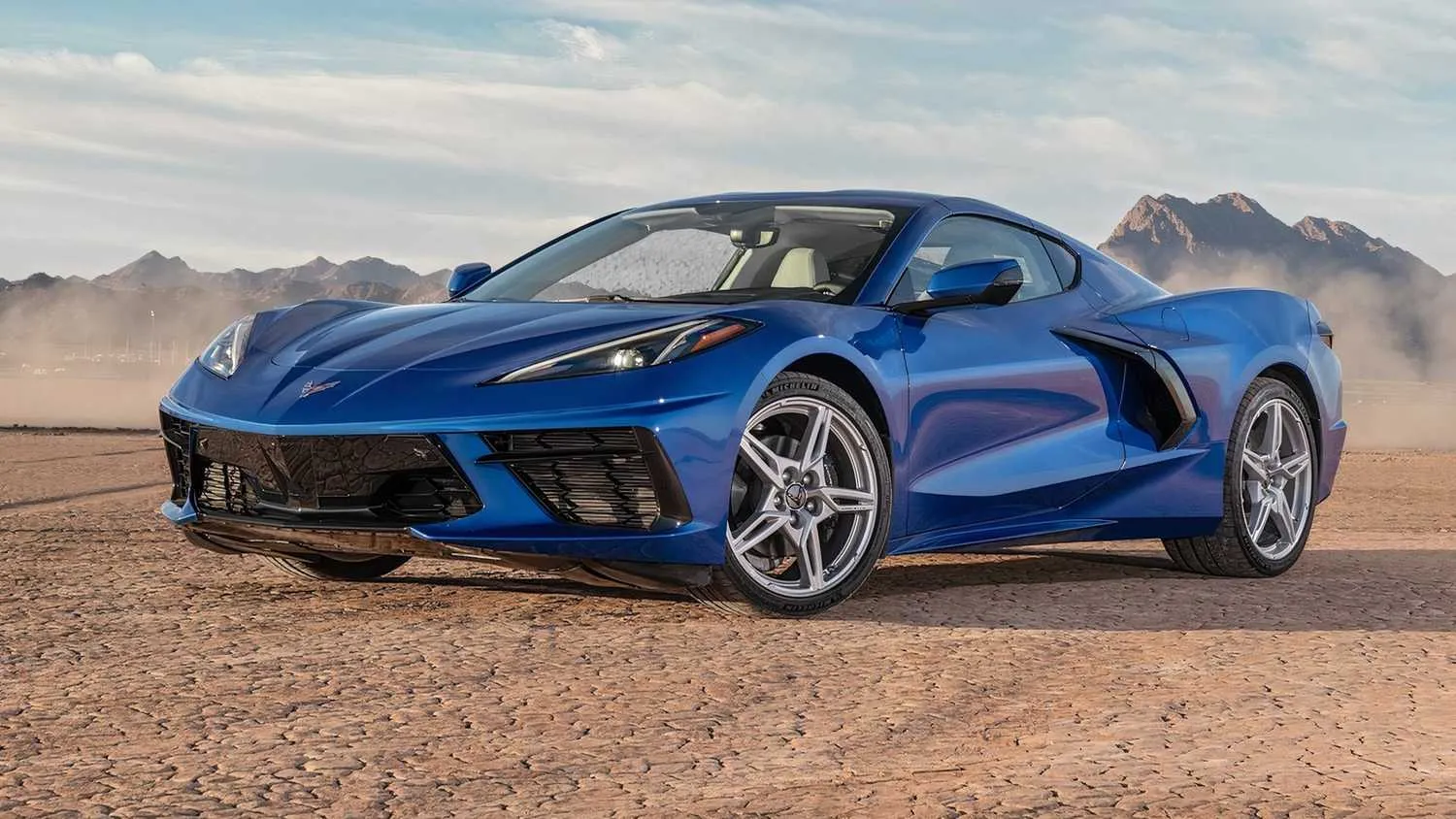
5. Chevrolet Corvette Stingray
The Chevrolet Corvette Stingray combines American performance with daily usability for drivers who enjoy dramatic scenery. Its mid-engine layout produces excellent balance, while a naturally aspirated or turbocharged V8 delivers power smoothly and reliably.
Handling is sharp, and braking is strong, enabling confident entry and exit from curves along winding lakefront roads. Steering is communicative, providing feedback that enhances driver awareness of both road surface and vehicle behavior. Acceleration feels linear and responsive, allowing smooth transitions between highway stretches and slower scenic segments.
Interior design supports long drives with comfortable seating, intuitive controls, and quality materials. Visibility is reasonable despite the low-slung design, and technology aids like navigation and driver assistance add convenience without distraction.
Suspension tuning absorbs bumps yet remains firm enough to support spirited cornering. Tires provide a strong grip, especially on dry or lightly damp roads. The Corvette maintains composure through minor imperfections, ensuring passengers remain comfortable without sacrificing performance.
Durability of materials and corrosion-resistant coatings make it more practical for lakefront conditions than some sports cars, though extreme winter salt still requires care. Drivers seeking exhilaration, control, and comfort along scenic routes find the Stingray delivers an engaging and memorable experience.
5 Cars That Struggle with Salt and Winter Corrosion
Winter salt can be harsh on vehicles, creating problems that extend far beyond cosmetic damage. Cars exposed to salted roads as time goes on may develop rust on body panels, undercarriage components, suspension parts, and brake lines. Some manufacturers offer extensive corrosion protection, while others focus on performance, weight reduction, or cost savings, leaving vehicles more vulnerable in northern climates.
The following five vehicles are known to develop rust more quickly in salted winter conditions, highlighting the importance of careful consideration before purchasing for snowy regions. Each example explains why winter salt can create long-term issues and what drivers may expect when exposure is frequent.
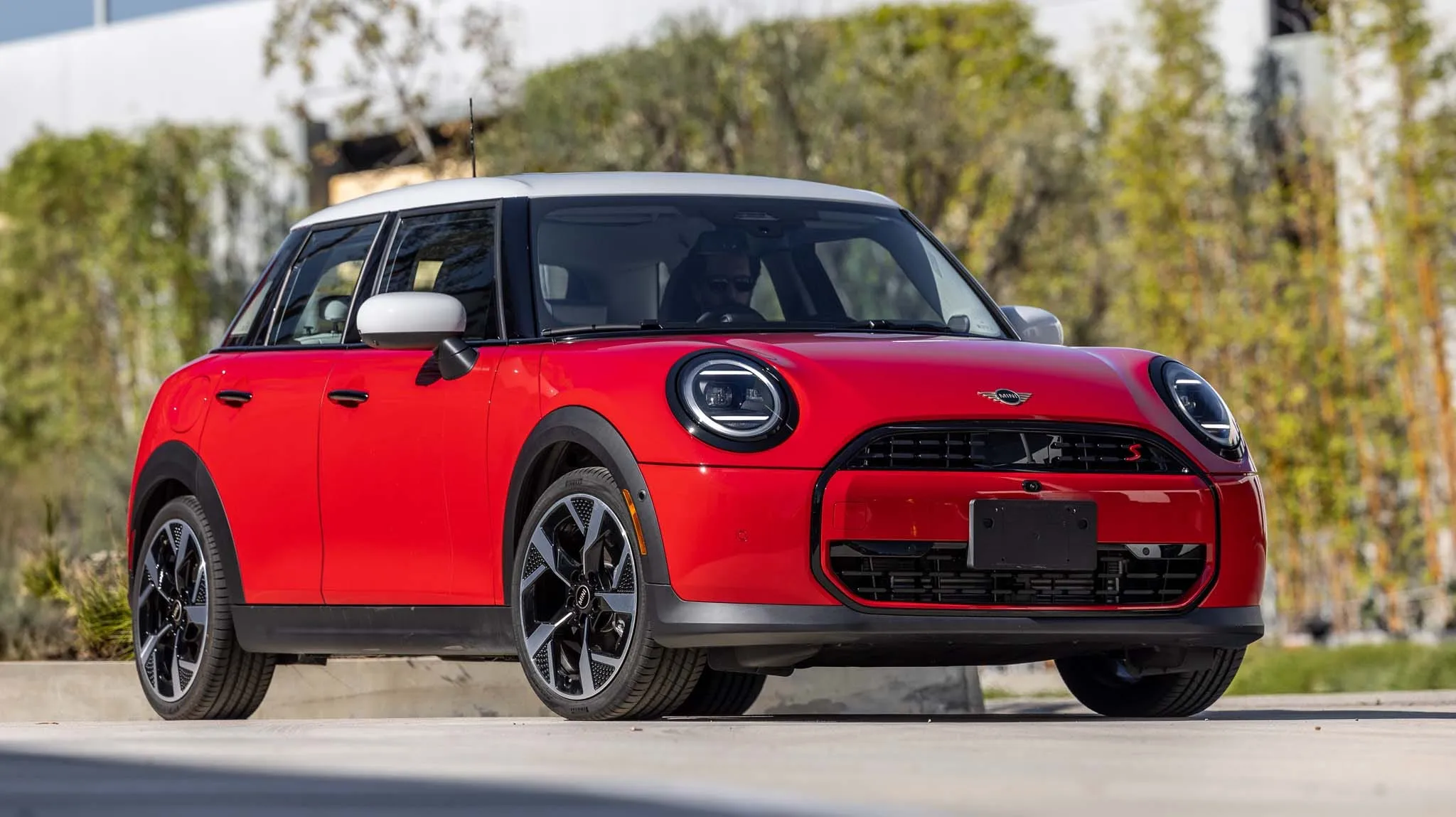
1. Mini Cooper Hardtop 4 Door
The Mini Cooper Hardtop 4 Door is undeniably charming, offering compact dimensions, peppy performance, and classic styling. Its small size and nimble handling make it attractive for city driving or winding scenic routes, yet winter introduces a different set of challenges.
Salt accumulation along wheel wells, rocker panels, and underbody areas accelerates corrosion, especially in vehicles with thin metal panels and lightweight construction. Turbocharged engines, while responsive, can also face indirect problems.
Rust on exhaust components or suspension mounts may lead to increased vibrations, alignment issues, or even premature wear of drivetrain components. Owners report that frequent exposure to salted roads often requires additional inspections, undercoating, or rust-proofing treatments to maintain structural integrity.
Cabin and body sealing offer limited protection against water intrusion. Road spray from plowed streets can seep into small gaps, accelerating corrosion around door sills, seams, and undercarriage brackets. Once rust begins, repairs can be costly, particularly for European brands where parts are more expensive and labor-intensive.
Brake lines and suspension mounts may deteriorate faster due to constant contact with salt. Even minor scratches or chips in paint expose underlying metal, creating an entry point for rust. Winter tires, while necessary for grip, may also trap salt against wheel arches and underbody components, intensifying corrosion risks.
While the Mini Cooper Hardtop 4 Door provides agility and fun for warm months, drivers in snowy regions must invest in regular rust prevention measures. Washing the undercarriage frequently, applying protective coatings, and monitoring critical components become essential to prevent long-term damage.
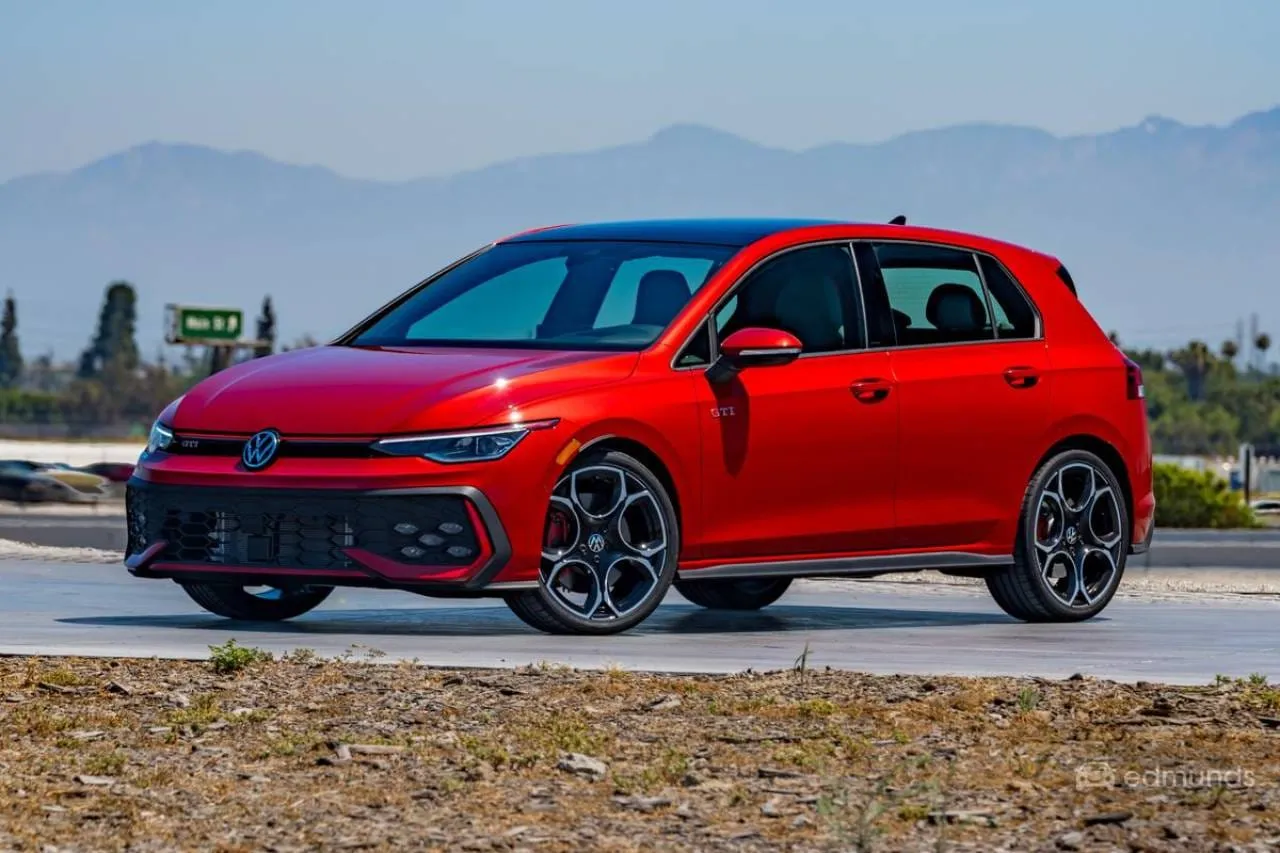
2. Volkswagen Golf GTI
The Volkswagen Golf GTI offers sporty handling, turbocharged acceleration, and a refined interior, yet it struggles against long-term exposure to winter salt. Its front-wheel drive layout keeps it manageable on snow with proper tires, but metal components beneath the car face corrosion risks when salt and moisture combine.
Exhaust systems, suspension mounts, and wheel arches are particularly vulnerable. As time goes on, rust can compromise structural rigidity, affect alignment, and create noise or vibration issues. Rust on brake lines can lead to expensive repairs, while cosmetic damage to fenders, rocker panels, and lower door areas diminishes vehicle appearance and resale value.
Owners frequently note that paint chips and scratches accelerate corrosion when combined with salted roads. Thin body panels used to reduce weight and improve handling offer less protection compared to larger sedans or SUVs. Even a new GTI can develop rust along undercarriage seams after a few harsh winters if proper preventative measures are not taken.
Electronic systems, while generally reliable, may also be affected indirectly by corrosion. Sensors mounted near wheel wells, brake components, or suspension areas may fail prematurely if mounting hardware corrodes or electrical connections are exposed to moisture. This can trigger error messages or affect performance systems like ABS and traction control.
Routine maintenance and inspection are critical for longevity. Washing the undercarriage, applying anti-corrosion treatments, and addressing scratches quickly can mitigate damage, though these steps require diligence. Drivers who prioritize sporty driving may enjoy the GTI in summer or moderate climates, but should be cautious about frequent exposure to winter salt.
3. Fiat 500 Lounge
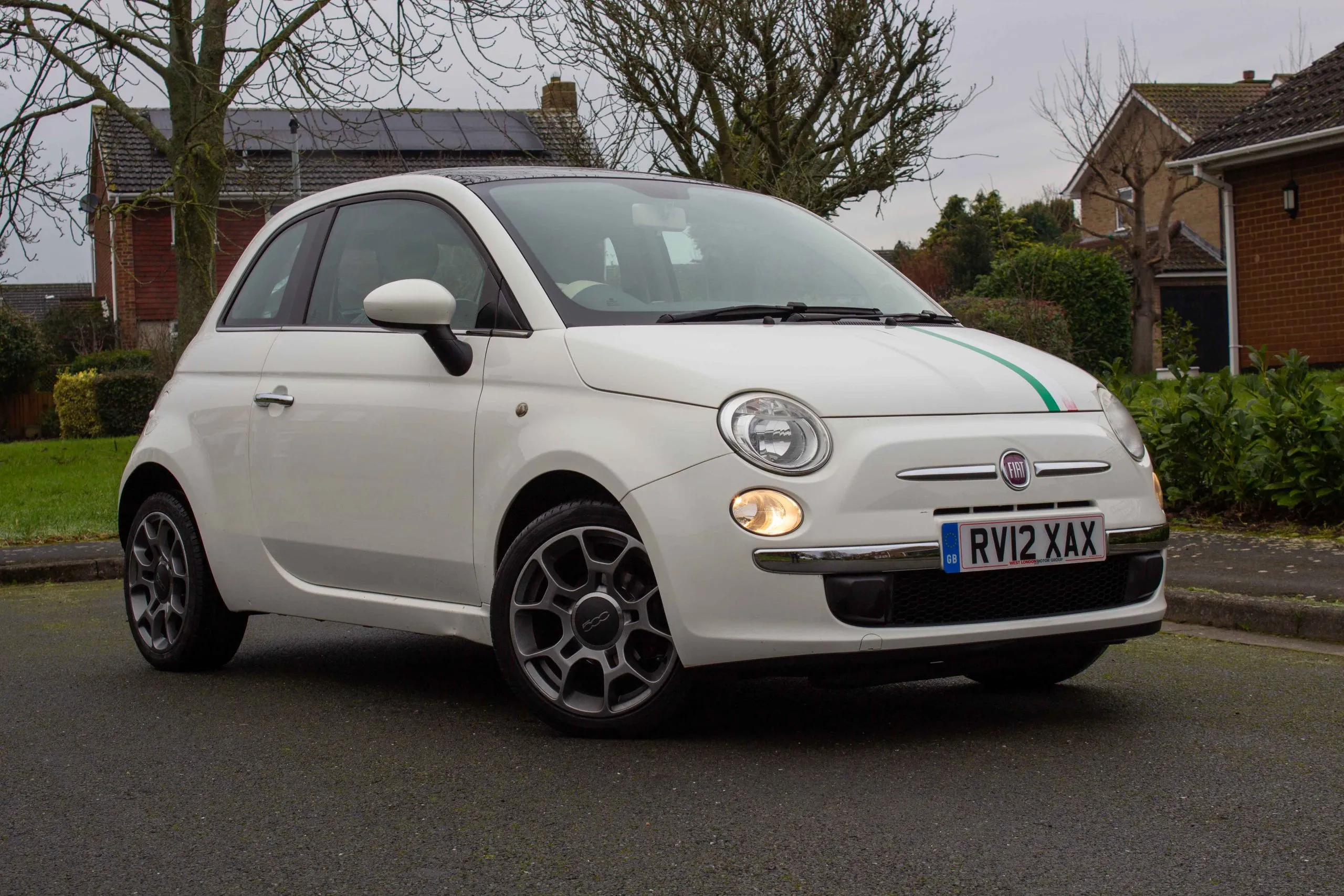
The Fiat 500 Lounge delivers retro charm, compact size, and urban-friendly handling, yet its small dimensions and light metal construction make it susceptible to rust in winter conditions. Body panels, sills, and wheel arches are prone to corrosion when exposed to road salt, and the undercarriage lacks extensive protective coating.
Turbocharged engine performance remains unaffected by rust directly, but surrounding components can suffer. Suspension mounts, exhaust hangers, and brake lines exposed to salt may corrode faster, leading to increased noise, reduced handling precision, and higher repair costs. Even minor rust in key structural areas can compromise long-term durability.
Paintwork and exterior trim are additional areas of concern. Chips, scratches, and plastic mounting points near wheel arches often trap moisture and salt, creating isolated corrosion points. Rust can spread beneath decorative trim or around door edges, affecting both aesthetics and resale value. Water and road spray can penetrate seams, accelerating deterioration in frequently driven vehicles.
Brake and steering components may be affected indirectly by corrosion. Salt intrusion can compromise bushings, bolts, and hydraulic line fittings, making winter maintenance more frequent. Rust-prone areas can interfere with suspension articulation and wheel alignment as time goes on, reducing driving precision and safety.
Drivers must adopt proactive care routines. Washing the undercarriage after exposure to salted roads, inspecting vulnerable points, and applying rust inhibitors are necessary steps to preserve the Fiat 500 Lounge. Without diligence, what begins as a fun, stylish vehicle for city or scenic drives can experience accelerated corrosion and costly repairs over a few winter seasons.
4. Ford Focus ST
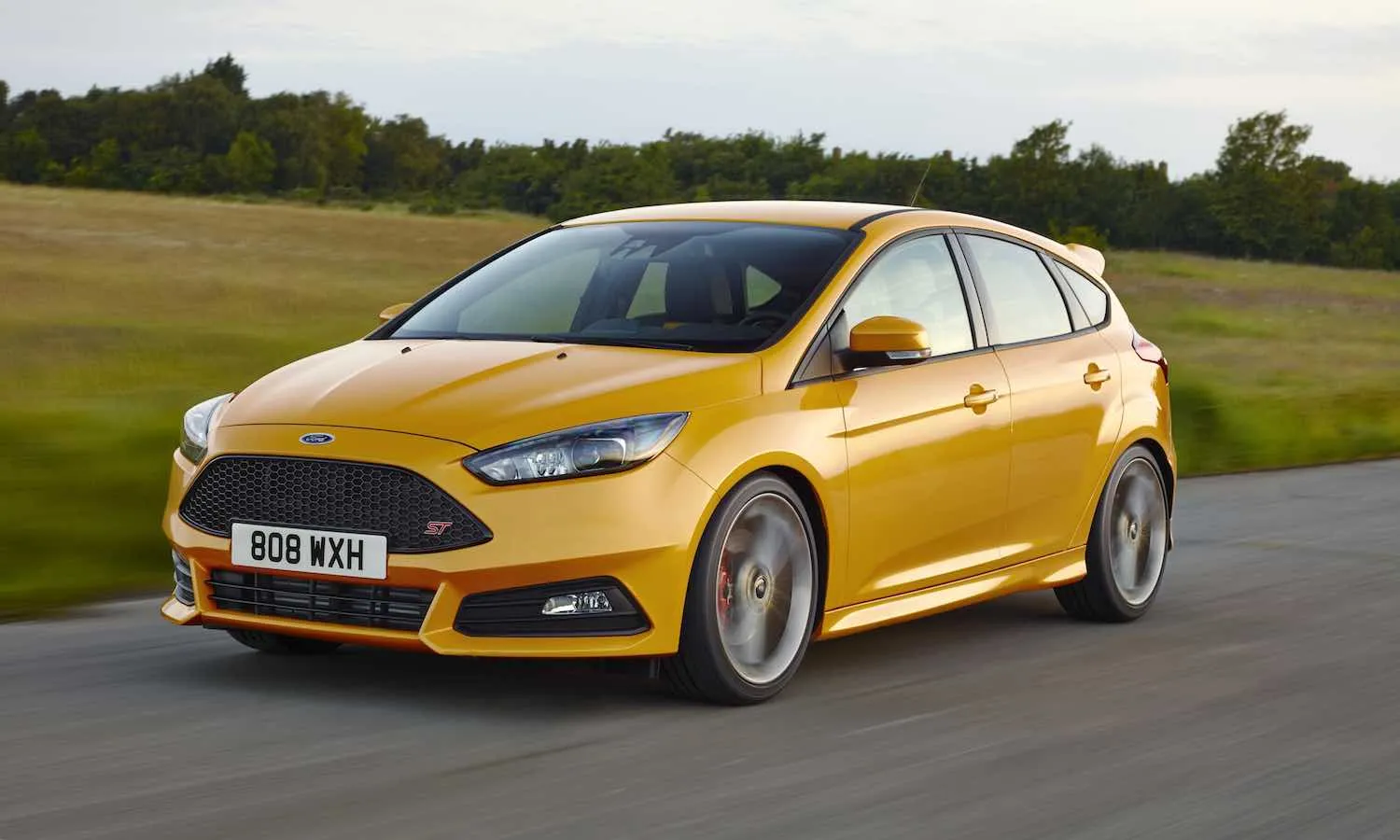
The Ford Focus ST offers turbocharged excitement and a sport-tuned suspension that appeals to enthusiasts, but winter conditions reveal vulnerabilities that are often overlooked. Salt-laden roads, snow, and moisture accelerate corrosion on areas that are critical to performance and safety.
Components such as the underbody, wheel arches, and suspension mounting points are especially susceptible because Focus ST trims prioritize lightness and handling over heavy-duty winter protection. Repeated exposure to salt and moisture can gradually compromise metal integrity, leading to long-term issues that go beyond visible rust.
Control arms, subframe sections, and exhaust hangers often bear the brunt of corrosion in snowy environments. Rust accumulation on these components can manifest as unusual vibrations, reduced handling precision, and even early failure of suspension parts. The problem is not limited to mechanical feel; brake lines are also at risk.
Salt accelerates the degradation of metal brake lines, creating a potential safety concern and often necessitating costly repairs. Ignoring these issues can compromise the vehicle’s driving dynamics, particularly during spirited cornering or sudden maneuvers.
Paint protection on performance-oriented trims is thinner than on mainstream models, leaving metal more exposed. Chips from gravel, scratches from winter debris, and minor stone impacts create direct access points for moisture and salt, allowing corrosion to take hold faster than drivers might anticipate.
Frequent washing, waxing, and touch-up treatments help, yet without consistent effort, corrosion can become unavoidable in harsh winter conditions.
Structural rust can subtly affect chassis rigidity. Even minor corrosion around suspension or body mounting points may result in alignment issues, uneven tire wear, or slightly altered braking behavior. Owners often report that Focus STs exposed to regular salted roads develop these problems gradually, emphasizing the importance of proactive maintenance.
Comprehensive preventive strategies include professional undercoating, frequent undercarriage cleaning, and storing the vehicle in a heated garage when possible. These steps help mitigate the accelerated rusting tendencies that performance-focused vehicles like the Focus ST are prone to.
While this car delivers an engaging driving experience in dry or moderate conditions, drivers in snowy climates must be vigilant. Preserving both aesthetics and mechanical integrity requires a commitment to winter care that goes beyond basic washing, ensuring that the Focus ST remains reliable and enjoyable for years of spirited driving.
Also Read: 5 Cars for Alameda Urban Trips and 5 Ideal for Tight Parking
5. MINI Cooper Convertible
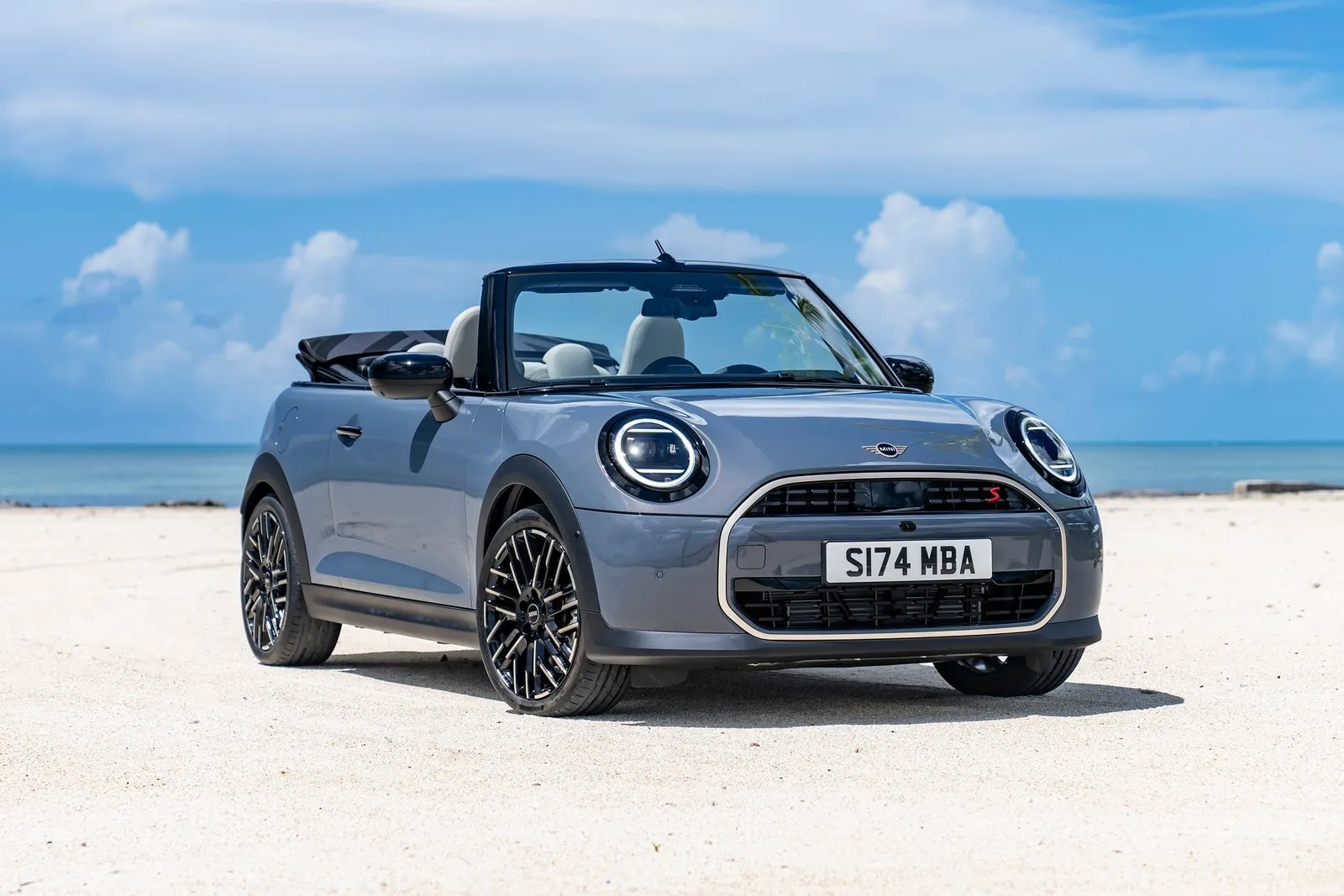
The MINI Cooper Convertible offers a thrilling combination of fun, agility, and style, but exposure to winter road salt can drastically reduce its lifespan if proper precautions aren’t taken. Its lightweight design and thin metal panels are more prone to corrosion than those of larger, heavier vehicles.
Convertible-specific parts such as roof hinges, latches, rails, and folding mechanisms are particularly vulnerable to moisture and salt buildup, making rust a serious concern in areas essential to the roof’s operation and the car’s structural integrity.
Salt and moisture also affect the suspension, brake lines, and exhaust hangers. Corrosion on these components can lead to misalignment, diminished ride quality, and compromised handling. As time goes on, this may cause vibrations or uneven tire wear, eroding the precise driving dynamics that the MINI Cooper Convertible is known for.
Even minor corrosion may affect the smooth operation of the folding roof, causing it to creak, bind, or fail partially during opening and closing. In extreme cases, neglected corrosion may require expensive repairs to restore functionality. Exterior panels and rocker areas are particularly at risk in winter conditions.
Chips, scratches, and seams become direct entry points for corrosive agents, allowing rust to spread beneath paint or trim. Once corrosion establishes itself, it can progress quickly, threatening both appearance and structural integrity. This is especially problematic for vehicles with a low-slung profile or thin panel construction like the MINI Convertible.
Electrical components near wheel wells, suspension points, and convertible mechanisms are also susceptible. Corrosion can degrade mounting hardware, connectors, and wiring insulation, which may trigger malfunctions in safety systems or convenience features. Ignoring these vulnerabilities can lead to repeated service visits or costly repairs.
Owners must adopt proactive maintenance habits to mitigate these risks. Regular undercarriage washing, frequent inspections, anti-rust treatments, and careful storage practices are essential. Without such attention, the MINI Cooper Convertible becomes increasingly vulnerable to winter salt damage, making it more suitable for moderate climates or seasonal use.
Enthusiasts who prioritize driving enjoyment in harsh northern winters will need to invest extra effort and resources to preserve both performance and aesthetics as time goes on.
