
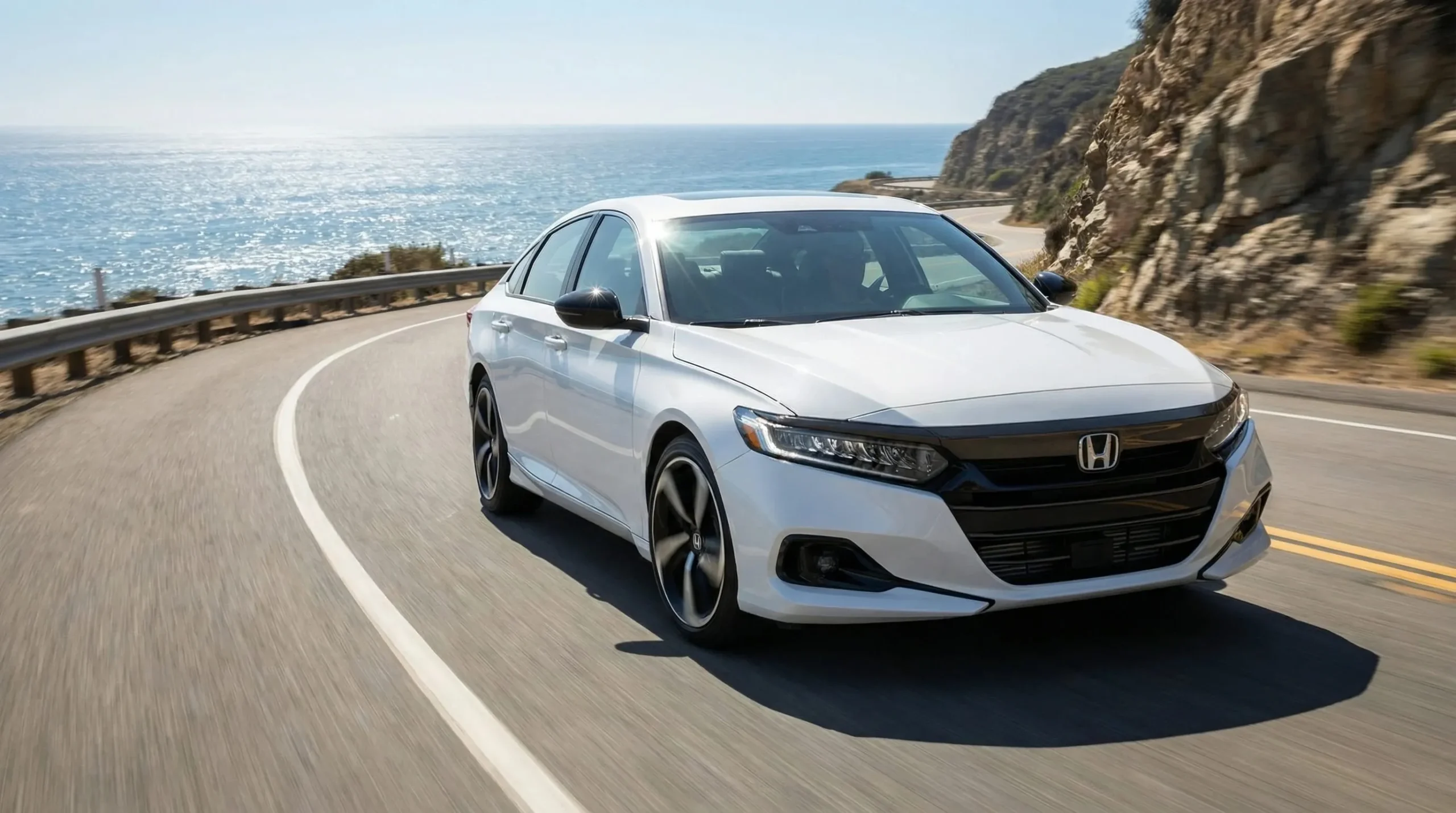
Arlington commuting isn’t for the faint of heart. You’re dealing with packed streets, traffic that moves like molasses one minute and speeds up the next, and parking spots so tight you wonder if someone’s playing a joke on you. Your car needs to handle all of this without making you miserable.
That means decent fuel economy so you’re not spending half your paycheck at the pump, reliability that keeps you from becoming best friends with your mechanic, and enough comfort that your back doesn’t hate you after sitting in traffic for an hour. Flashy looks are nice, but they won’t help when you’re stuck on I-66 during rush hour.
Suburban living adds another layer to the puzzle. You’re not just commuting to work. You’re hauling groceries from Costco, running weekend errands all over town, and maybe taking occasional road trips to visit family. Your car needs cargo space that actually works, the ability to squeeze into spots at crowded shopping centers, and seats that don’t feel like torture devices.
Some vehicles cruise beautifully on highways but turn into nightmares when you’re trying to park at Ballston Mall. Others zip around tight neighborhoods easily but leave you wishing for more room when you’ve got a car full of people or stuff.
This guide breaks down ten vehicles into two camps. First up are five solid picks for Arlington commuters who need cars that just work for daily life. These deliver good gas mileage, useful tech features, and the kind of comfort that makes traffic jams slightly less awful.
Then we’ll look at five vehicles that might seem appealing but create headaches in suburban settings because they’re too big, hard to maneuver, or just don’t fit how people actually live here. We’re skipping the marketing fluff and focusing on what really matters when you’re driving these streets every day.
Each vehicle gets judged on how it performs in real Arlington conditions, not some idealized test track. By the time you finish reading, you’ll know exactly which cars make suburban commuting easier and which ones will have you second-guessing your purchase every morning.
5 Cars for Arlington Commuters
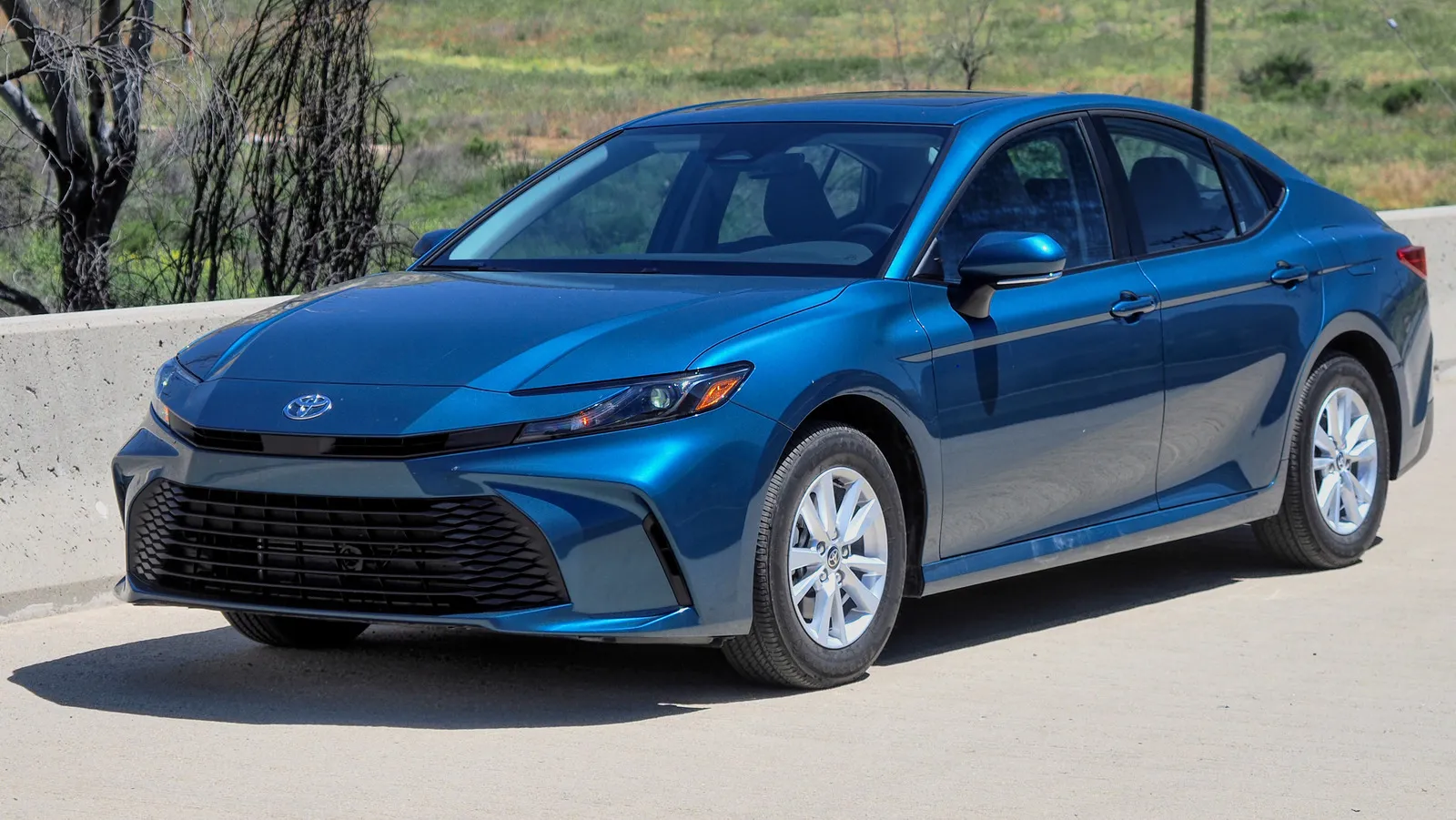
1. Toyota Camry LE
Toyota Camry LE keeps showing up in Arlington driveways for good reason. It just works, day after day, without drama or surprises. When you’re stuck crawling through traffic on Wilson Boulevard, the Camry’s smooth ride takes the edge off all those potholes and rough patches that make other cars feel like they’re falling apart. You don’t arrive at work already exhausted from fighting your car.
Gas mileage is where this sedan really earns its keep. That four-cylinder engine sips fuel instead of guzzling it, which matters when you’re doing 30-40 miles of commuting daily. You still get decent pickup when merging onto highways, and the transmission doesn’t jerk around or hunt for gears like some others do.
Adaptive cruise control actually helps during those stretches on Route 50 where traffic flows steadily. You’re not constantly on the gas and brake, which saves your sanity and your right leg. Inside, everything makes sense. The seats hold you properly without feeling like you’re sitting on concrete blocks.
After an hour in traffic, your back isn’t screaming at you. Materials throughout the cabin can take daily abuse without looking trashed after a year. Phone connects easily, buttons and knobs fall right where your hand expects them, and you’re not fumbling with touchscreens while trying to change lanes.
Seeing out of this car is actually easy, with mirrors positioned right and pillars that don’t create massive blind spots when you’re checking before changing lanes or backing into spots at Target. Safety tech works without being annoying.
Lane departure warnings, collision alerts, and automatic braking all do their jobs in Arlington’s chaotic traffic without making you feel like the car’s scolding you constantly. Driving through school zones or busy intersections feels less stressful when you’ve got backup systems watching out for things you might miss.
Trunk space handles real life pretty well. Groceries, gym bags, and weekend luggage all fit without playing Tetris. For Arlington commuters who just want reliable transportation that doesn’t create problems, the Camry LE delivers exactly that. It’s not exciting, but excitement isn’t what you need when you’re sitting in traffic for the third time today.
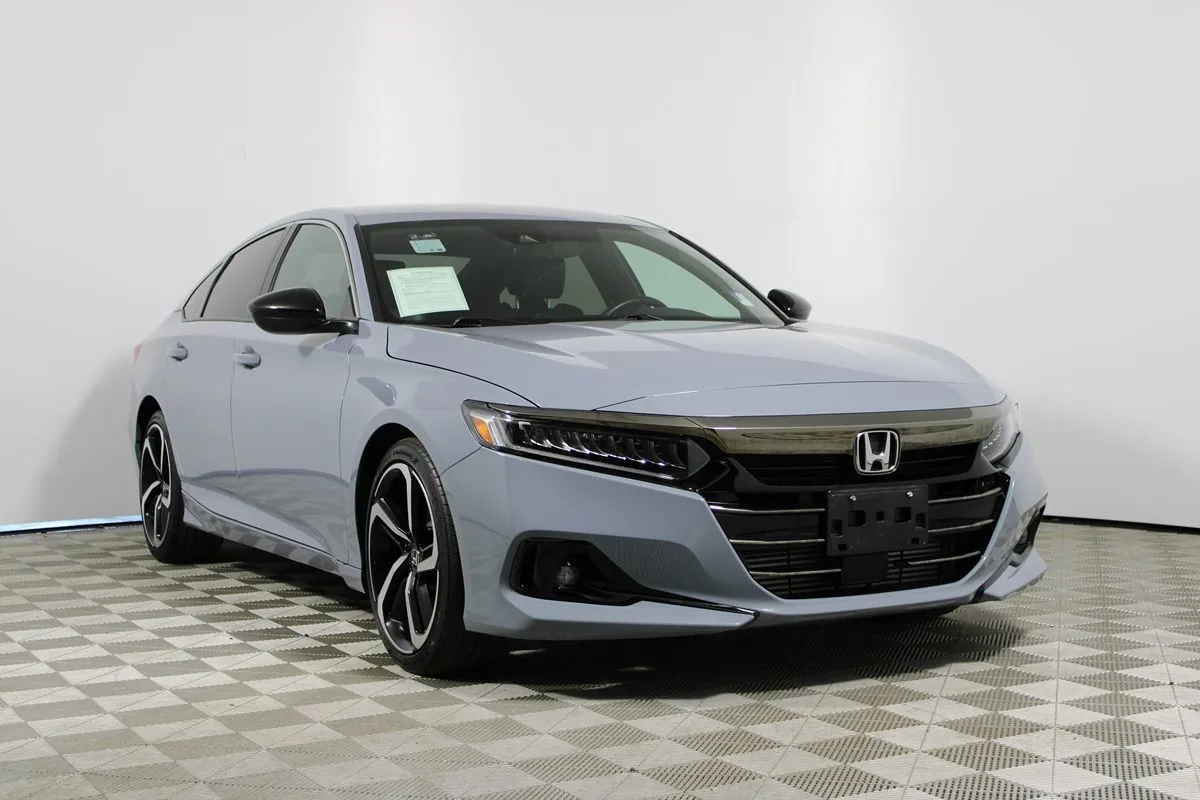
2. Honda Accord Sport 1.5T
Honda’s Accord Sport 1.5T excels when urban congestion meets suburban errands. This midsize sedan offers a refined driving experience, emphasizing smooth handling and responsive acceleration. Its turbocharged engine delivers sufficient power without compromising fuel efficiency, allowing drivers to drive through varying traffic conditions effortlessly.
The Accord’s cabin balances modern design with practical ergonomics. Controls remain intuitive, touchscreens respond quickly, and seating supports longer journeys without discomfort. Heated front seats and dual-zone climate control enhance the commuting experience during colder months, while interior storage compartments accommodate personal items and small work tools.
Fuel economy improves under city driving conditions, making the Accord Sport 1.5T a cost-effective option for daily commuters. Honda’s CVT transmission ensures smooth movements, and adaptive driving aids like lane keeping assist and forward collision mitigation contribute to safer navigation during stop-and-go traffic.
Maneuverability plays a role in suburban usability. The Accord responds predictably to steering inputs, which helps when threading through narrow streets or crowded parking lots. Its turning radius is reasonable for a midsize sedan, ensuring that errands and school drop-offs remain stress-free.
Reliability and low maintenance costs reinforce the Accord’s commuter-friendly status. Owners benefit from minimal unexpected downtime, and service intervals are straightforward. For Arlington residents seeking a sedan that balances comfort, fuel economy, and technology while remaining easy to drive in suburban traffic, the Honda Accord Sport 1.5T continues to be a dependable choice.
Also Read: Top 10 Sports Cars Known for Long-Term Reliability
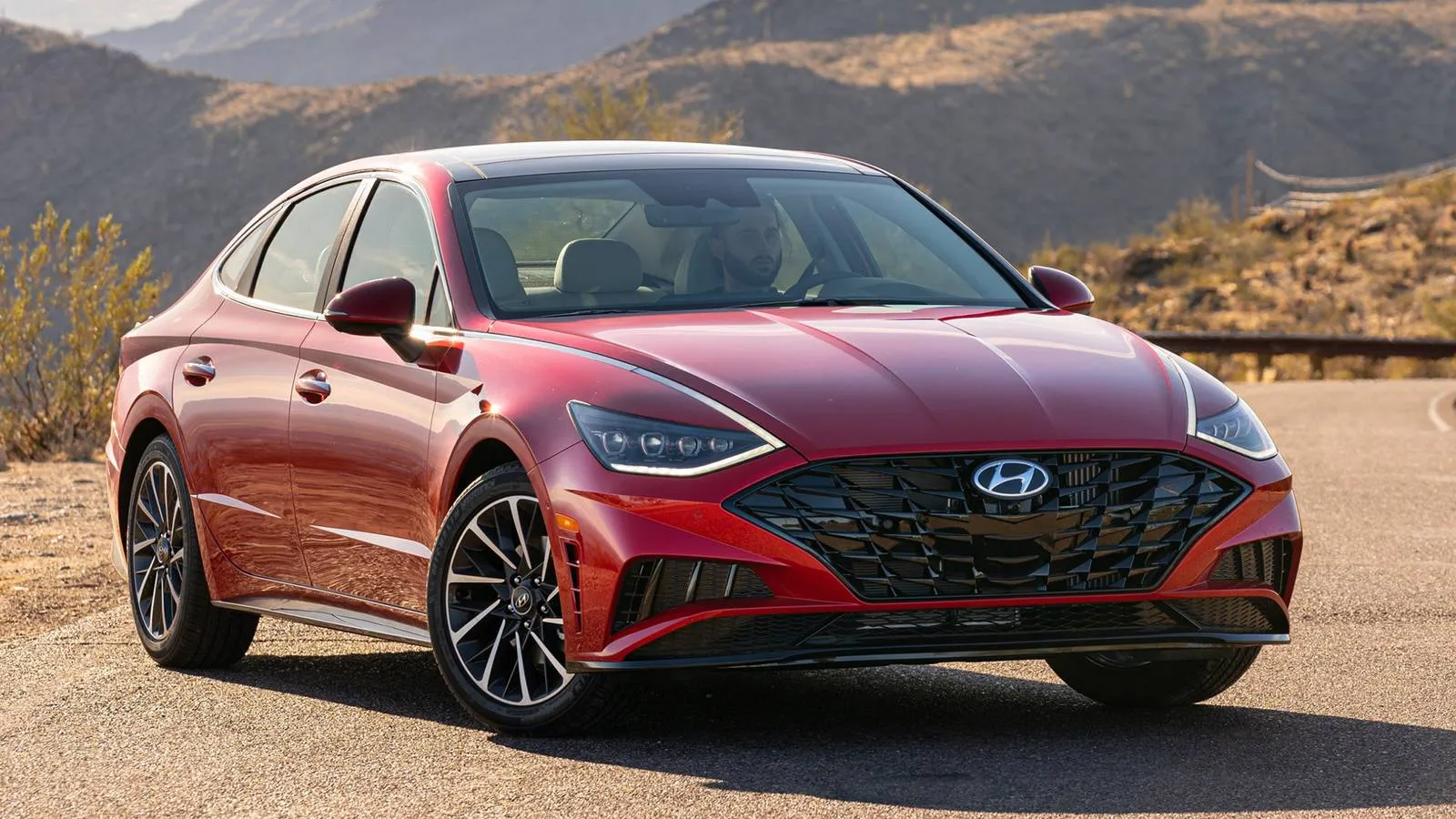
3. Hyundai Sonata SEL 2.5
Hyundai built the Sonata SEL 2.5 for people who actually have to drive every day, not just pose in driveways. That 2.5-liter engine gives you enough power to merge onto highways without your heart rate spiking, while the steering and suspension keep things controlled when you’re weaving through Arlington side streets.
You get a car that responds when you need it to, but doesn’t beat you up during the process. That balance matters when you’re doing this commute five days a week. Step inside and you’ll notice Hyundai didn’t skimp on space.
Even tall passengers in the back aren’t jamming their knees into the front seats. The seats themselves actually support your body instead of just existing as places to sit. Everything’s laid out so you can reach what you need without stretching or taking your eyes off the road for too long.
Touchscreen works properly, Apple CarPlay and Android Auto connect without throwing tantrums, and you can handle calls or music without fumbling around like you’re defusing a bomb. Less distraction means safer driving when traffic gets chaotic.
Fuel economy won’t make you cry every time you pass a gas station. The engine and transmission team up to keep consumption reasonable without making the car feel gutless. You can drive normally instead of babying the throttle constantly, yet you’re still getting decent mileage.
When traffic stops and starts repeatedly, the transmission doesn’t lurch or hunt around trying to figure out what gear it wants. It just works smoothly, which is exactly what you want when you’re already annoyed by sitting still. Safety features actually help instead of just existing as checkbox items.
Automatic emergency braking kicks in if you’re distracted and someone stops suddenly. Blind spot monitoring tells you when that car’s hiding where you can’t see it. Rear cross-traffic alert warns you when backing out of spots at packed shopping centers where kids and shopping carts appear from nowhere.
The suspension handles Arlington’s beat-up roads without bouncing you around or making passengers nauseous. Trunk space works for actual life. Groceries, gym stuff, and work equipment all fit without creative packing.
Need more room? Fold the rear seats down. Hyundai figured out that commuters need cars that handle everything suburban life throws at them: technology that functions properly, comfort that lasts through long drives, and reliability that doesn’t strand you. The Sonata SEL 2.5 delivers all that without the premium price tag.
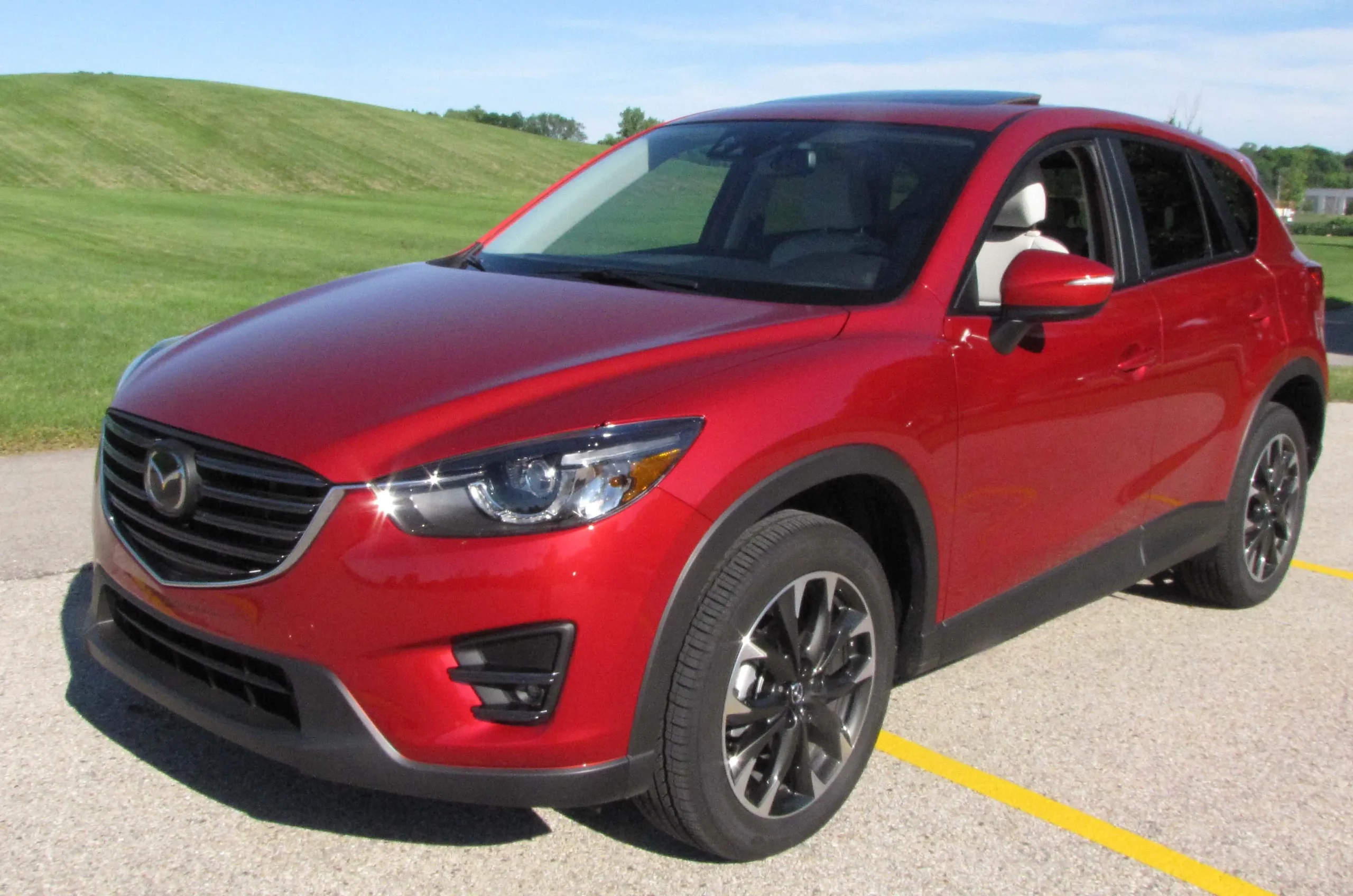
4. Mazda CX-5 Touring AWD
Mazda’s CX-5 Touring AWD introduces versatility that fits both city streets and suburban errands. Its compact SUV form balances cargo space with maneuverability, allowing Arlington commuters to go through traffic with confidence. All Wheel Drive provides extra assurance during inclement weather, supporting traction on wet or icy surfaces.
Driving dynamics feel engaging without sacrificing practicality. The 2.5-liter engine produces adequate power, while precise steering and suspension tuning absorb bumps and maintain composure during city driving. CVT or automatic transmission options ensure smooth operation across varying speeds.
Cabin design prioritizes comfort. Seats offer ample support, climate controls respond quickly, and interior materials maintain durability. Infotainment options provide connectivity for smartphones and in-car apps, minimizing distractions and keeping the driver focused during congested commutes.
Cargo capacity supports suburban life effectively. The rear cargo area accommodates groceries, sporting goods, and other essentials, while foldable rear seats expand versatility for larger loads. Parking sensors and rear cameras further ease maneuvering in tight spaces, a common scenario in Arlington neighborhoods.
Safety systems bolster confidence. Lane departure warnings, adaptive cruise control, and automatic emergency braking assist in high-traffic environments. For commuters seeking a compact SUV that blends city agility with practical cargo space, the Mazda CX-5 Touring AWD proves to be a reliable, comfortable option suitable for both work and daily errands.
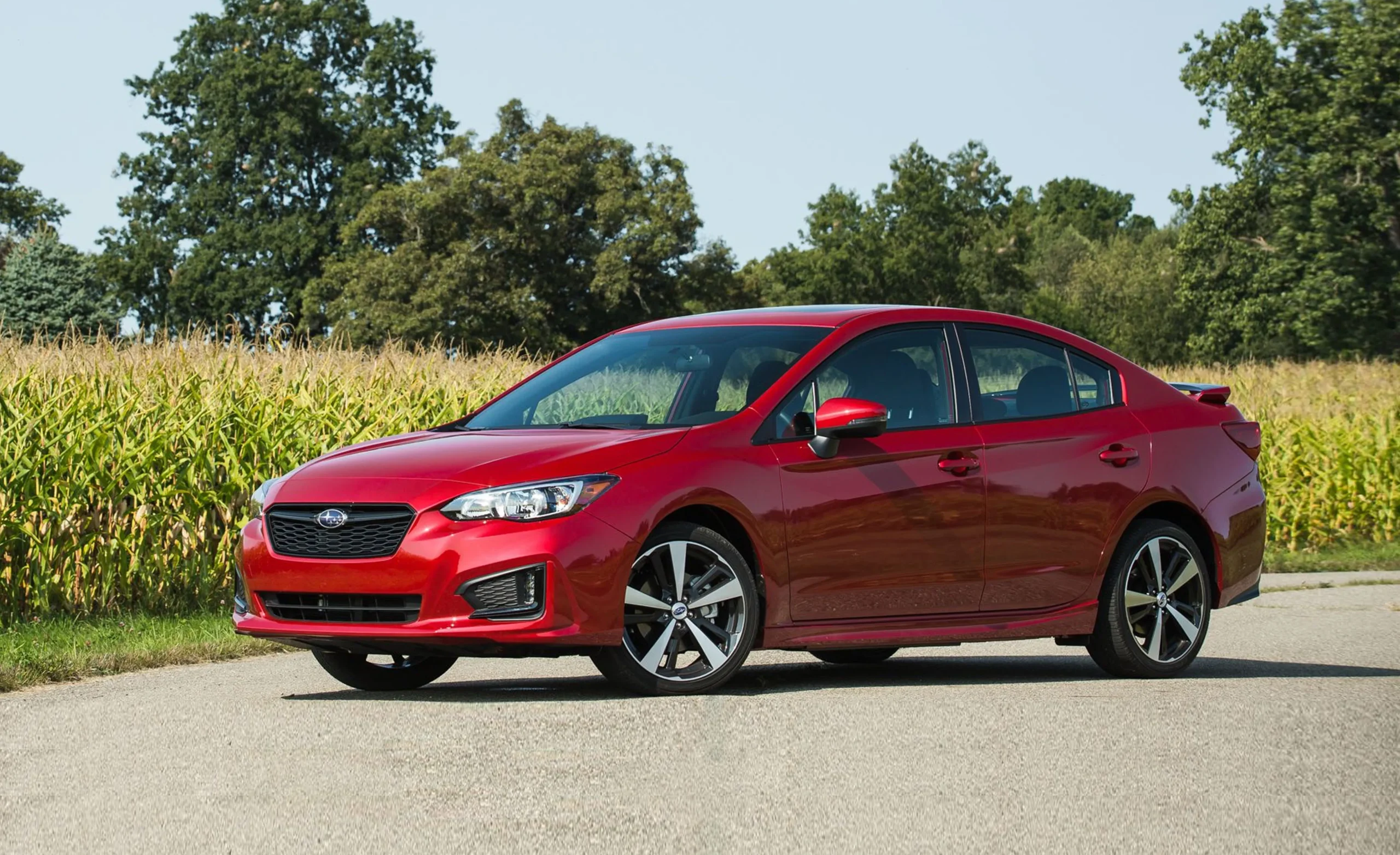
5. Subaru Impreza 2.0i Premium AWD
The Subaru Impreza 2.0i Premium AWD stands out for commuters who value all-weather capability in addition to efficiency. This compact car benefits from standard All Wheel Drive, making slippery roads less stressful and reassuring drivers during Arlington’s variable weather conditions.
Engine performance emphasizes smooth delivery. The 2.0-liter flat-four engine combines modest power with fuel-efficient operation, producing predictable acceleration for both highway merges and stop-and-go city traffic. Transmission behavior remains consistent, avoiding abrupt movements that can add frustration during daily commuting.
Cabin comfort supports longer drives. Heated front seats, dual-zone climate control, and responsive infotainment features allow drivers to stay focused and comfortable during early mornings or longer commutes. Visibility remains clear, aided by well-placed mirrors and integrated defrost systems.
Cargo and storage are practical for suburban errands. While compact, the hatchback design provides flexibility for groceries, school supplies, or gym gear. Rear seats fold easily to accommodate larger items, enhancing everyday utility without compromising compact maneuverability.
Reliability is a hallmark for the Impreza. Subaru’s engineering emphasizes longevity and consistent performance, providing peace of mind for daily commuting. The combination of All Wheel Drive, manageable size, and functional interior makes the Impreza 2.0i Premium AWD a top choice for Arlington residents seeking a vehicle that handles both city and suburban life effectively.
5 Cars That Don’t Fit Suburb Life
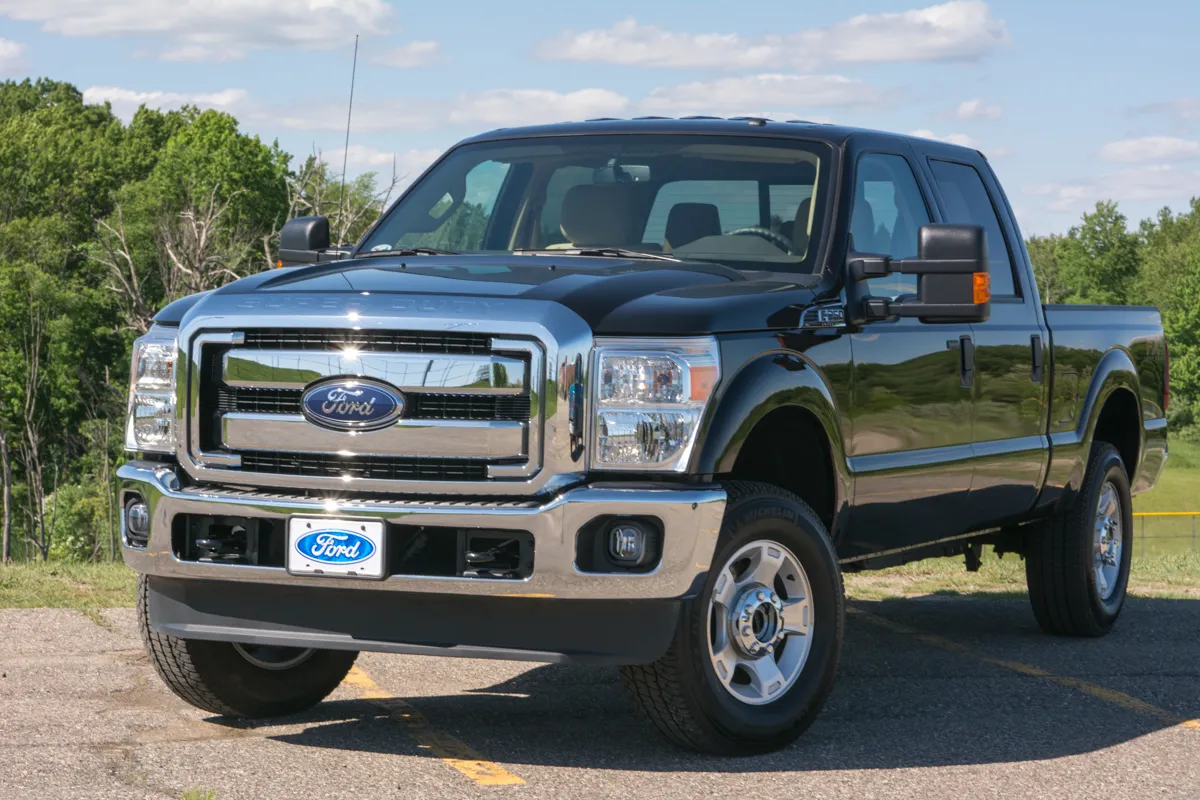
1. Ford F-250 Super Duty XLT
Ford’s F-250 Super Duty XLT impresses with its sheer size and capability, yet those same traits create challenges in suburban Arlington life. The truck’s length and width make city streets, narrow parking lots, and residential garages feel restrictive. While excellent for heavy-duty hauling and towing, daily errands in crowded areas often require extra patience and maneuvering skills.
Cold starts and engine performance are reliable, thanks to a robust 6.2-liter V8, yet the vehicle’s weight and mass amplify the perception of sluggishness in stop-and-go traffic. The F-250 reacts deliberately to throttle inputs, requiring more space to accelerate and decelerate safely. Tight turns demand planning, and driver confidence relies heavily on experience behind a full-size pickup.
Interior comfort is surprisingly generous for a large truck. Seats are supportive, climate control works efficiently, and infotainment options provide connectivity. However, visibility in dense suburban streets can be challenging despite advanced cameras and sensors. Blind spots are larger than smaller vehicles, demanding greater attention during lane changes and tight maneuvers.
Parking becomes a daily consideration. Driveways and street spaces often require multiple adjustments, and garages may not accommodate the truck without modification. While rear cameras and parking sensors assist, Arlington commuters who expect quick, effortless parking may find the F-250 cumbersome.
Fuel efficiency also poses a drawback for routine suburban use. The powerful engine consumes more fuel than typical commuter vehicles, raising costs for daily drives and errands. Owners often need to plan refueling more frequently, particularly during longer shopping trips or weekend excursions.
F-250 still dominates when you actually need serious truck capability. Towing trailers, hauling construction materials, or carrying heavy loads? This thing handles it all without breaking a sweat. But if you’re just trying to drive through Arlington’s streets easily, park without stress, and keep your fuel costs reasonable, the F-250 Super Duty XLT creates more problems than it solves for daily suburban commuting.
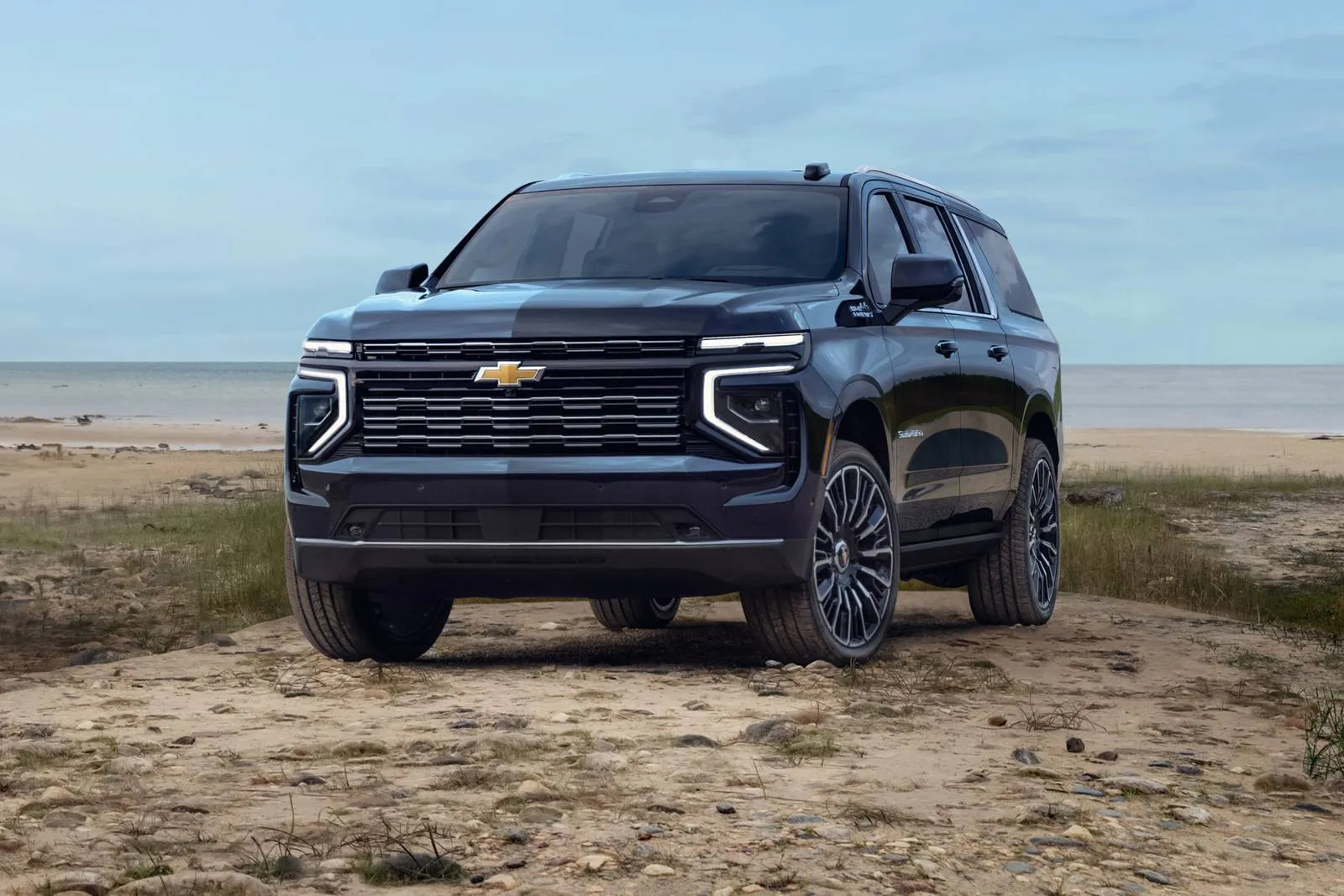
2. Chevrolet Suburban 6.2L Premier
The Chevrolet Suburban 6.2L Premier offers space and luxury on a scale few vehicles can match. Yet that magnitude presents challenges for suburban life, particularly in Arlington. Its extended length and wide footprint make navigating tight streets, driveways, and parking lots a skill-testing exercise.
While ideal for transporting large families or carrying extensive cargo, suburban errands often expose the vehicle’s limitations. Engine performance is robust. The 6.2-liter V8 provides effortless power for highway driving and heavy loads.
Cold starts are reliable, and acceleration feels smooth for a full-size SUV. Nevertheless, the combination of engine output and vehicle mass makes city maneuvering slower and more deliberate, which can feel cumbersome during quick errands or school runs.
Interior space is luxurious. Heated and ventilated seats, multiple entertainment screens, and premium materials create a comfortable environment for long drives. However, for short, frequent suburban trips, the interior feels oversized relative to practical needs. Cabin heating and cooling systems work efficiently, yet the vehicle’s size demands more attention when parking or reversing.
Fuel efficiency is a major consideration. The Suburban’s large engine consumes more fuel than compact SUVs or sedans, making it less economical for daily city travel. Refueling frequency increases with heavy suburban use, which can be inconvenient for drivers accustomed to smaller, more efficient vehicles.
Visibility is assisted by cameras and sensors, yet the vehicle’s length introduces extended blind spots. Tight corners and crowded parking lots demand careful navigation, requiring heightened awareness. The turning radius is wide, meaning multiple-point maneuvers are often necessary.
While the Suburban excels on highways and long family trips, its size and handling limitations reduce practicality in suburban settings. Arlington drivers focused on convenience, fuel economy, and maneuverability may find the Chevrolet Suburban 6.2L Premier impressive in capability but challenging for everyday neighborhood use.
3. GMC Yukon XL Denali
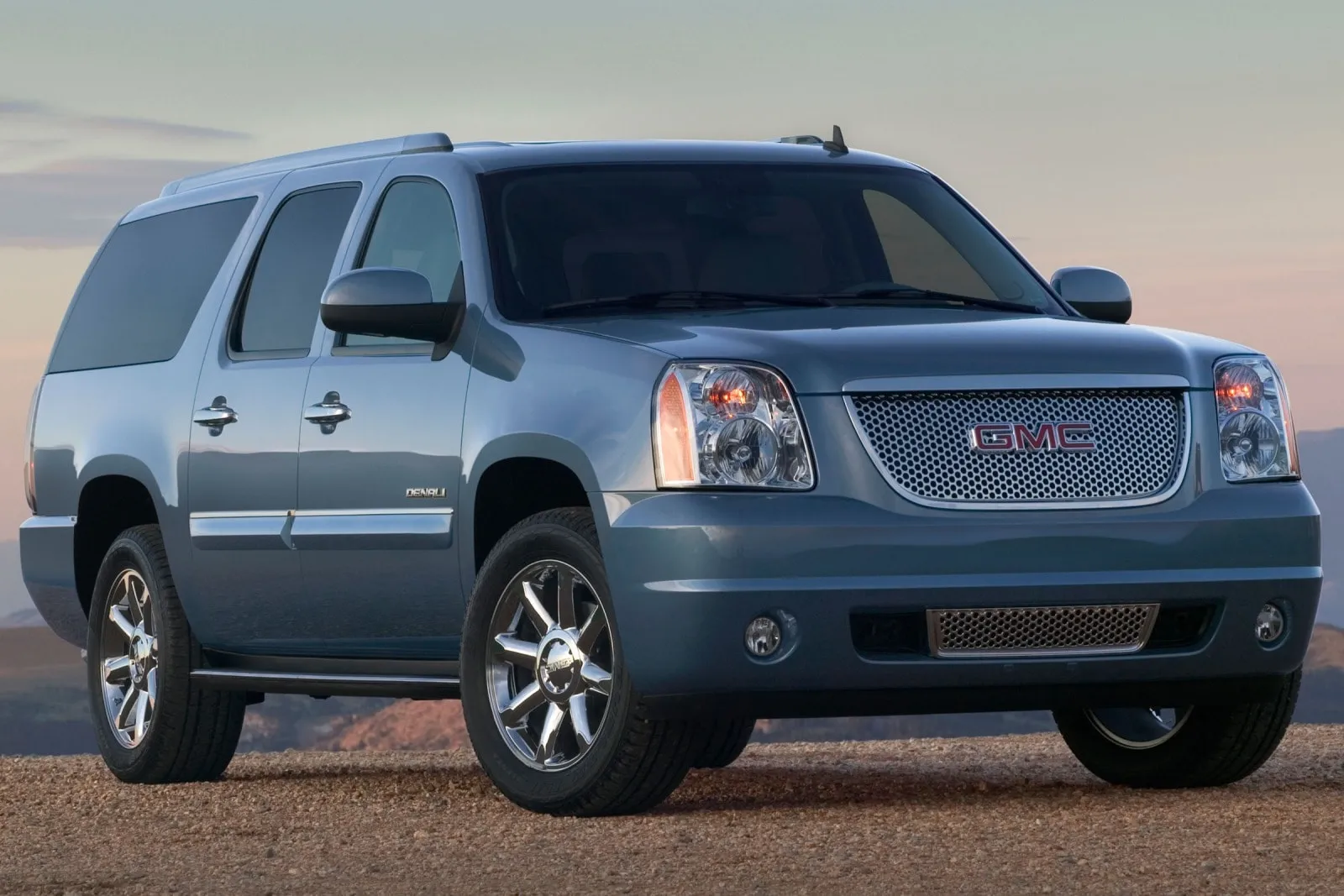
GMC’s Yukon XL Denali embodies presence and premium utility, yet suburban practicality suffers under its weight. Its extended length and tall profile create obstacles for Arlington drivers managing driveways, parking spaces, and narrow streets. While the Yukon XL excels in cargo capacity and passenger space, those benefits can conflict with everyday suburban convenience.
Cold starts are dependable due to a robust 6.2-liter V8 engine, and the vehicle warms quickly for cabin comfort. However, acceleration in tight traffic requires forethought. The Yukon XL responds with authority but needs extra space for both stopping and turning, which can be intimidating in residential areas.
Interior amenities impress with luxury and technological sophistication. Heated and ventilated seating, multi-zone climate control, and an advanced infotainment system enhance comfort for long journeys. For short suburban drives, though, these features may feel excessive relative to the effort needed to maneuver the vehicle.
Fuel consumption is a substantial factor in suburban use. With a large engine and huge mass, the Yukon XL requires frequent refueling compared to smaller SUVs and sedans. The associated cost and inconvenience can make everyday errands less practical.
Parking and visibility remain challenging despite advanced assistance systems. The vehicle’s height and length increase blind spots and require more skill when maneuvering through tight streets or crowded lots. The turning radius necessitates careful multi-point adjustments, which can frustrate drivers seeking efficiency in their neighborhood routines.
While the GMC Yukon XL Denali is unmatched for large families, towing, or long-distance luxury travel, suburban usability suffers. Arlington residents seeking a vehicle for daily errands and traffic ease may find the Yukon XL’s combination of size and handling cumbersome, limiting its practicality outside of highway or recreational use.
4. Ram 3500 Laramie
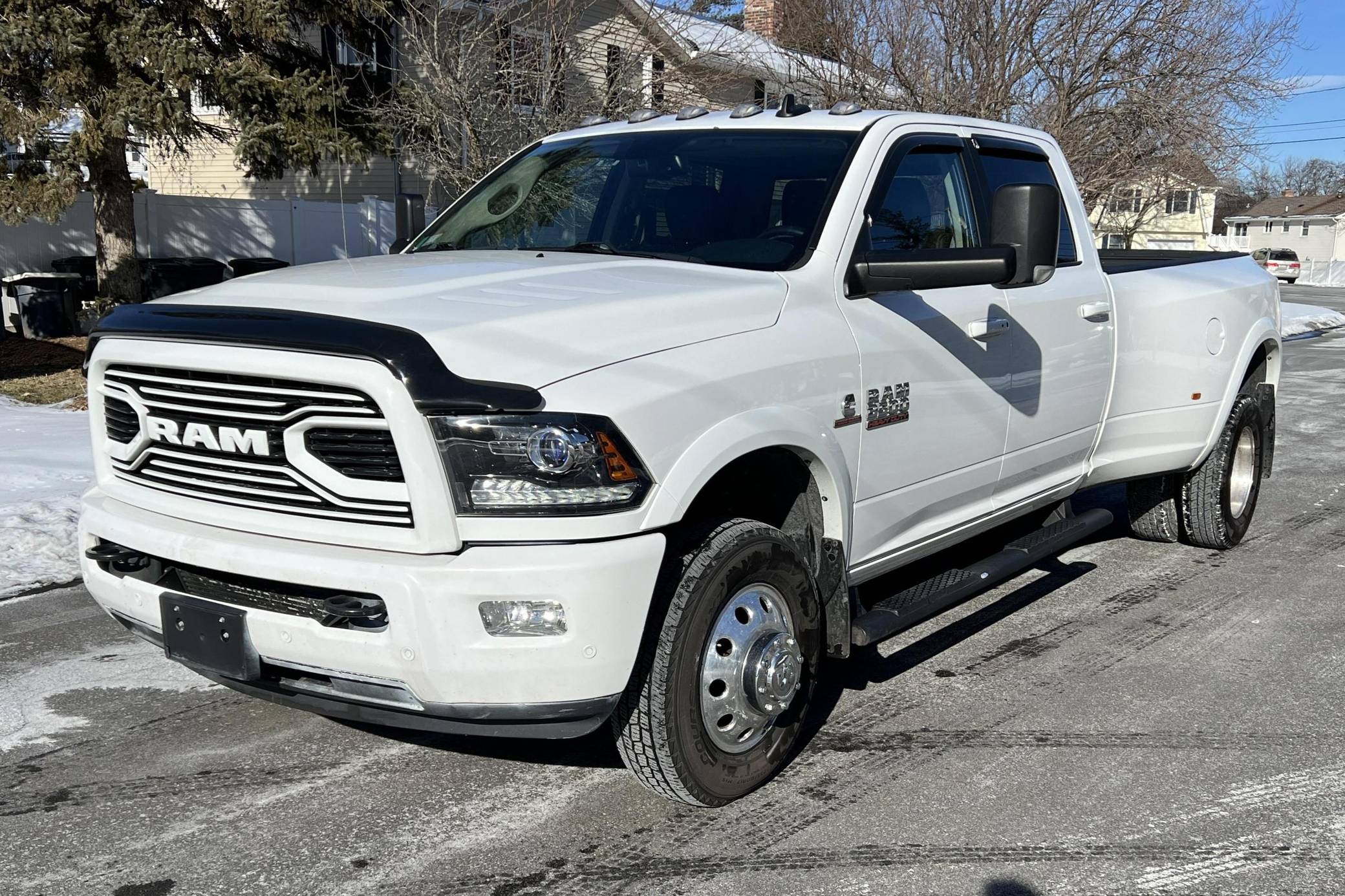
The Ram 3500 Laramie represents capability on a scale designed for heavy work, not suburban agility. Its sheer size and payload capacity make it ideal for towing, construction, or farm-related tasks, yet Arlington streets, tight parking, and stop-and-go commutes highlight the vehicle’s limitations for daily suburban life.
The 6.7-liter Cummins diesel engine provides immense torque and dependable cold starts. It performs effortlessly when loaded or towing trailers. However, its mass and length make city navigation slower, and handling requires attention. Steering effort feels greater at lower speeds, and turning in confined areas may require multiple adjustments.
Interior space is generous. Seats are comfortable, climate control functions quickly, and technology enhances convenience. Despite these positives, the Laramie’s size creates stress in parking lots and driveways where smaller vehicles would easily fit. Blind spots are extended, demanding constant awareness to avoid obstacles.
Fuel efficiency is low relative to smaller commuter vehicles. Even light suburban errands consume considerably more fuel, increasing costs and reducing daily convenience. Drivers must plan fueling stops carefully, and short trips exacerbate inefficiency.
The Ram 3500 Laramie shines in durability and capability, but those strengths become obstacles in daily suburban settings. Arlington drivers may find it impressive on paper, yet cumbersome for school runs, shopping trips, or neighborhood navigation. Its utility excels under specific needs but reduces practicality for ordinary suburban commuting.
Also Read: Top 10 Affordable Muscle Cars With Torque You Can Feel
5. Cadillac Escalade ESV Platinum
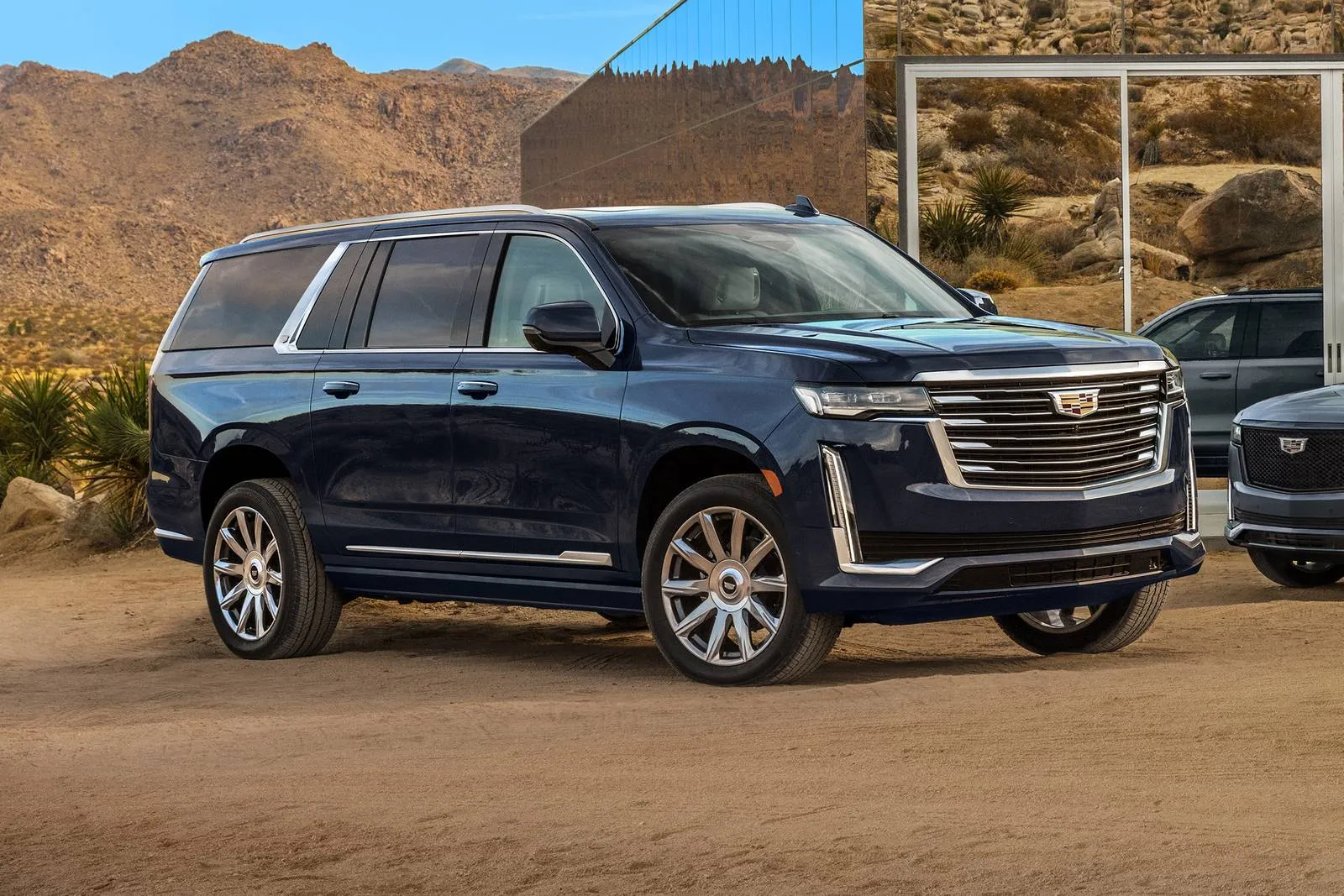
Luxury and size define the Cadillac Escalade ESV Platinum, yet suburban driving tests its practicality. Its extended body offers ample seating and cargo space, making it ideal for long-distance travel or family outings. In Arlington neighborhoods, however, its length and width complicate parking and maneuverability, turning everyday errands into careful exercises.
Cold starts and engine performance are dependable, with a powerful 6.2-liter V8 firing reliably even on chilly mornings. Cabin climate control heats efficiently, and interior comfort rivals that of top-tier luxury vehicles. Advanced infotainment and driver assistance systems enhance usability for long trips but cannot fully offset the challenges of suburban navigation.
Parking demands attention. The Escalade ESV’s length requires multi-point maneuvers in driveways and crowded lots. Blind spots are extended, and despite sophisticated cameras and sensors, careful observation remains essential. Turning radii are wide, limiting the vehicle’s spontaneity in tight urban spaces.
Fuel efficiency is another limitation. High consumption makes routine suburban driving more expensive, and frequent refueling is often necessary. Traffic-heavy commutes amplify this challenge, particularly for drivers prioritizing economy over luxury.
While ideal for spacious comfort, towing, and highway driving, the Escalade ESV Platinum struggles with neighborhood usability. Arlington residents seeking easy handling, economical operation, and quick parking may find the combination of luxury and size impressive but impractical for daily suburban life.
