
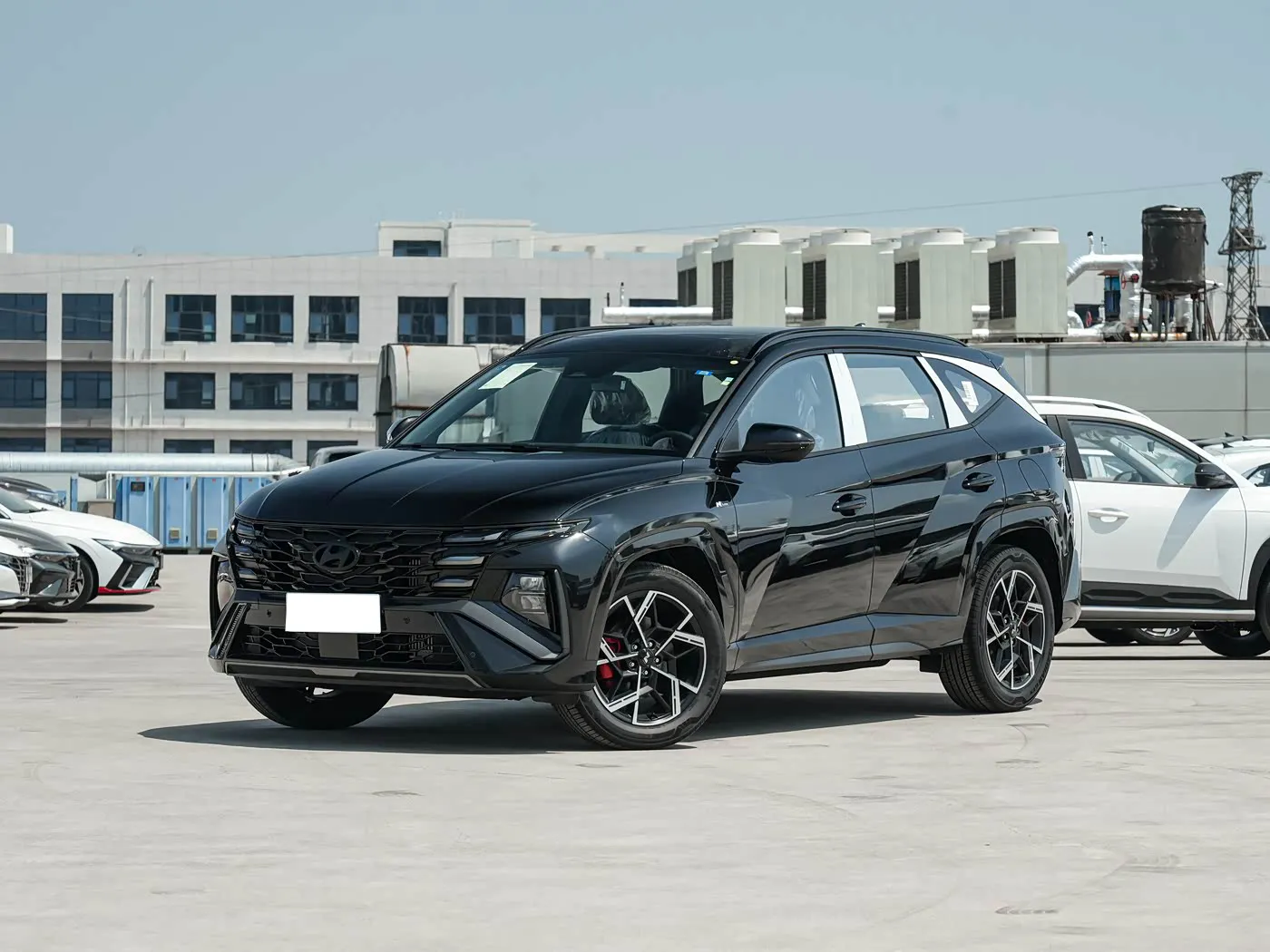
Suburban life in Aurora means you’re driving a lot. Work commutes, grocery runs, school pickups, weekend errands, it all adds up fast. Your streets are longer than city blocks, traffic patterns change throughout the day, and you need a car that doesn’t make every drive feel like punishment.
Getting this choice right matters because you’ll spend serious time behind that wheel. The wrong car turns routine trips into exhausting ordeals. You barely notice the commute.
Sure, good gas mileage helps keep costs down, but that’s just part of the equation now. You also want seats that don’t destroy your back after 40 minutes in traffic. Smooth acceleration when merging.
Brakes that respond predictably. Climate control that actually works. These aren’t luxury wishes; they’re basics that make suburban driving tolerable. Cars that handle stop-and-go traffic without jerking around or overheating win points with people doing this every single day.
Technology isn’t just bells and whistles anymore, either. Hands-free calling means you’re not fumbling with your phone at red lights. Navigation that actually helps instead of confusing you. Driver assist features that catch things you might miss when you’re tired after a long day.
All this tech makes those longer suburban routes less draining. You arrive home with energy left instead of feeling like you’ve been through a war. Durability separates good cars from money pits. Vehicles that can handle daily driving without constantly breaking down save you time, money, and headaches.
Nothing kills your budget faster than a car that needs repairs every few months. You want something that just works, day after day, without drama. This guide breaks down five solid picks for Aurora suburban commuting.
These cars deliver comfort, decent fuel economy, and reliable performance that make daily life easier. Then we’ll look at five vehicles that might seem appealing but end up costing you way more than you bargained for through repairs, maintenance, or just being poorly suited for suburban driving.
Understanding what works and what doesn’t helps you avoid expensive mistakes. Aurora’s suburban roads demand specific things from vehicles. Some cars nail it perfectly. Others? They look good until you’re stuck paying the bills. Let’s figure out which ones actually earn their place in your driveway and which ones you should leave on someone else’s lot.
5 Cars for Aurora Suburban Commuting
1. Honda Accord EX-L 2023
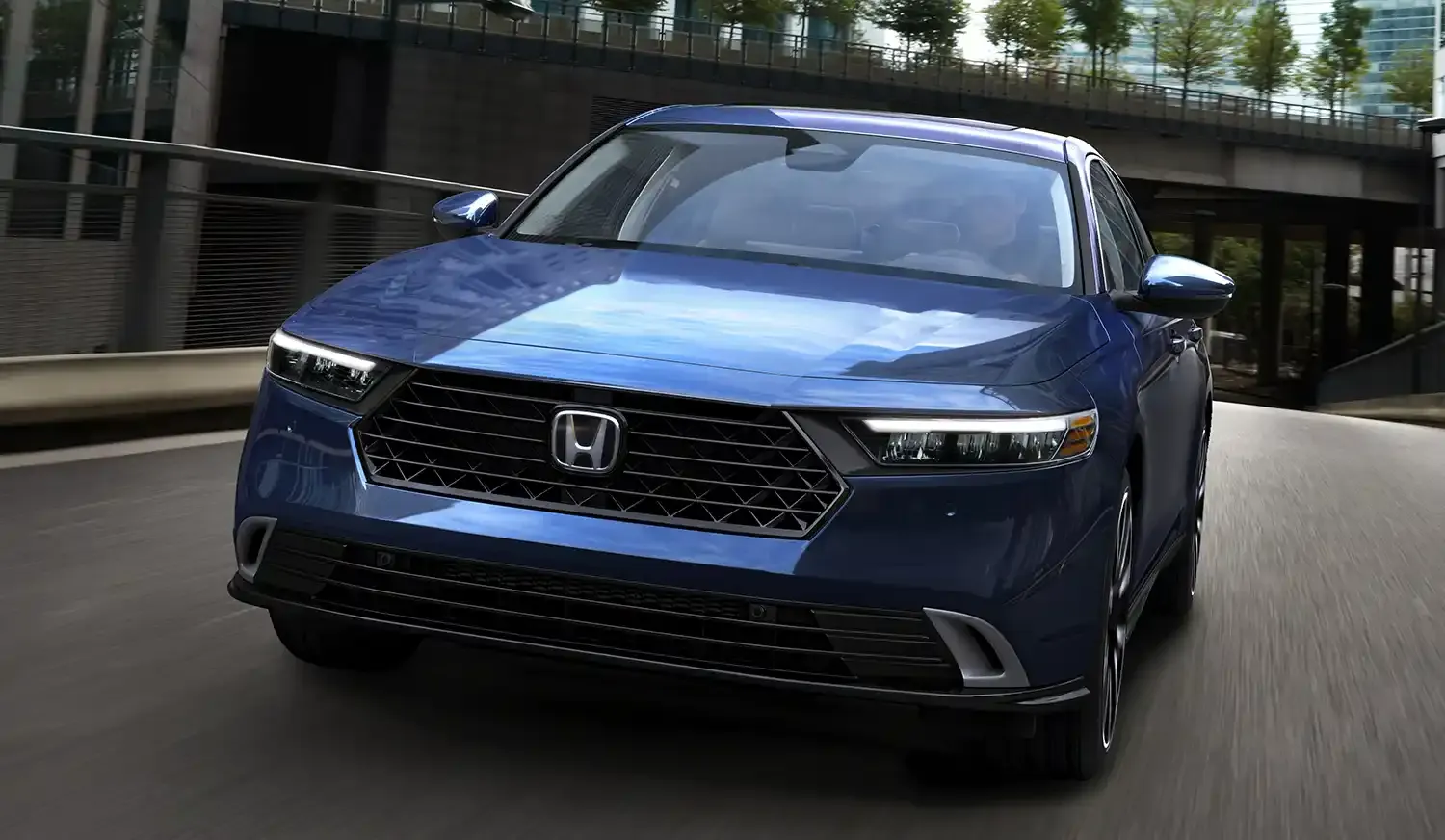
City streets and suburban highways demand a balance of agility, comfort, and performance, all of which the Honda Accord EX-L 2023 provides. Its mid-size frame allows for spacious interiors without feeling bulky, while the turbocharged engine delivers smooth acceleration for merging onto busier roads.
This model maintains composure when braking, even during stop-and-go traffic, which reduces driver stress during long commutes. Inside the cabin, soft-touch materials and supportive seats create a comfortable environment.
The driver-oriented layout ensures that all controls are within reach, from the infotainment system to climate adjustments. Apple CarPlay and Android Auto integration offer seamless connectivity, making daily routines more convenient. Rear-seat space is generous enough for passengers or extra cargo, a practical consideration for suburban errands.
Fuel economy performs well, achieving approximately 30 miles per gallon in city conditions. This efficiency, paired with Honda’s reliability, contributes to reduced long-term ownership costs. Safety has received focused attention, with features like adaptive cruise control, collision mitigation braking, and lane-keeping assistance, helping drivers respond to unexpected events without added stress.
Suspension tuning strikes a balance between comfort and road feedback. The ride absorbs minor bumps while maintaining stability in corners, giving the Accord a composed feel under a variety of driving scenarios. Steering precision and chassis balance make daily trips easier, and long drives remain comfortable.
With its combination of space, efficiency, and intelligent features, the Honda Accord EX-L 2023 represents a strong contender for suburban commuting.
2. Toyota Camry XLE 2023
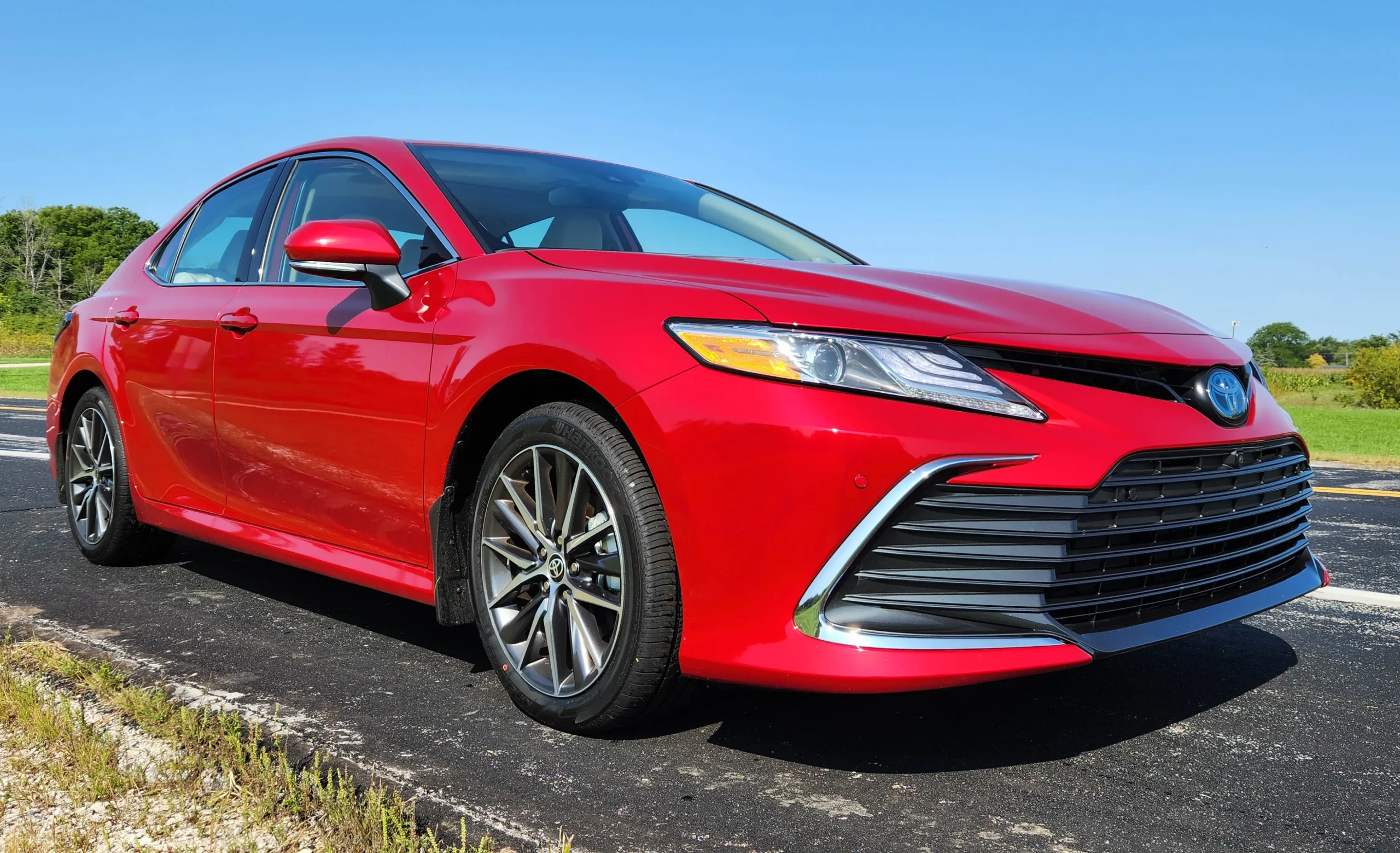
Smooth handling and a serene cabin define the Toyota Camry XLE 2023, a vehicle engineered for stress-free suburban drives. Its powertrain offers responsive acceleration without being aggressive, and the ride is cushioned to handle uneven roads or minor potholes with minimal disruption.
The Camry’s size is manageable for parking while still providing ample legroom and cargo space, making it a practical choice for daily errands and longer trips. Inside, the interior design focuses on comfort and simplicity.
Seats provide support during longer drives, and the layout ensures that controls are easily accessible. The infotainment system integrates navigation, music, and smartphone connectivity, allowing drivers to manage tasks without distraction. Voice command functionality adds another layer of convenience, particularly during morning or evening commutes.
Fuel efficiency reaches around 29 miles per gallon in city driving, making the Camry economical for suburban patterns of stop-and-go traffic interspersed with highway stretches. Safety equipment enhances peace of mind. Automatic emergency braking, blind-spot monitoring, and rear cross-traffic alerts contribute to a secure driving experience.
Drivers can feel confident in handling suburban intersections, roundabouts, or congested roads. Driving dynamics reflect Toyota’s attention to detail. Steering is precise, suspension absorbs impacts effectively, and braking is responsive. The car maintains composure during quick maneuvers or lane adjustments.
Reliability and a track record for durability mean fewer unexpected repairs, allowing commuters to depend on their vehicle day after day. Comfort, technology, and predictability make the Toyota Camry XLE 2023 a reliable choice for suburban living.
Also Read: 5 Cars for Flagstaff Mountain Roads and 5 That Struggle in Snow
3. Hyundai Sonata Limited 2023
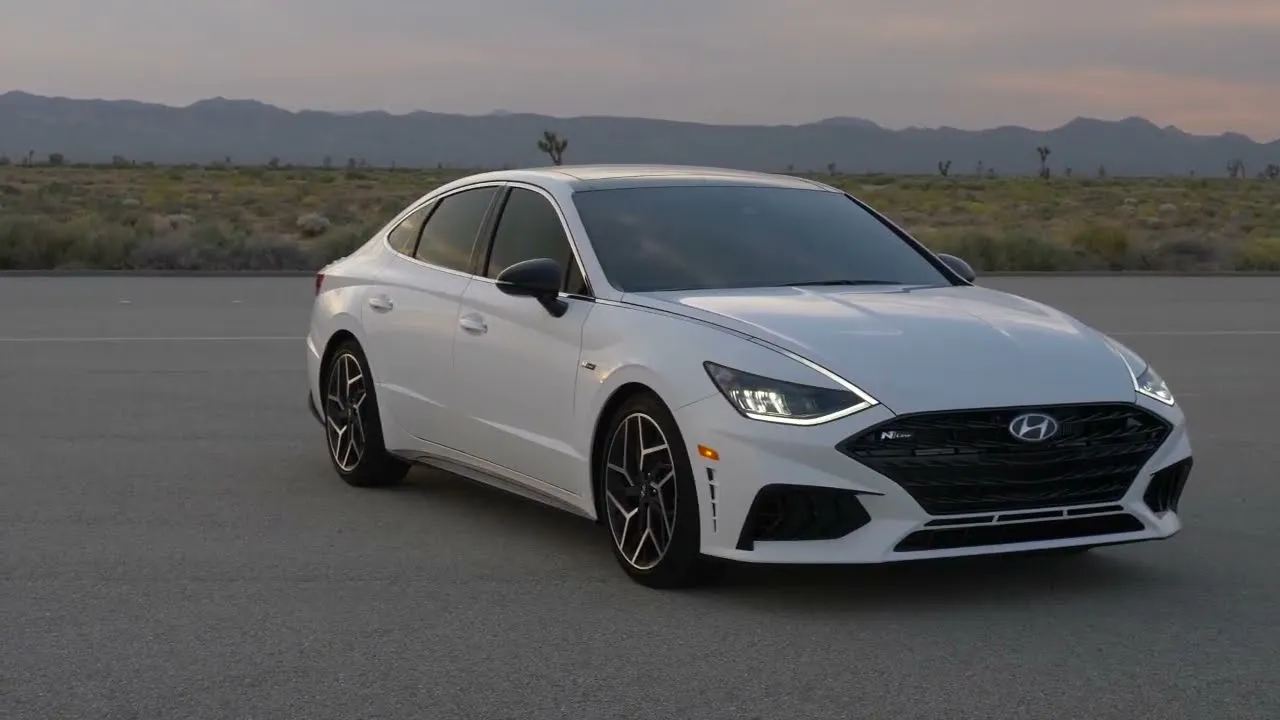
Performance and elegance merge in the Hyundai Sonata Limited 2023, offering drivers an engaging experience during suburban commuting. Its 2.5-liter turbocharged engine provides smooth acceleration, making highway merging effortless while preserving efficiency for shorter city trips.
Exterior styling is refined, with aerodynamic lines that hint at sportiness without appearing aggressive, making it a visually appealing vehicle for daily driving. The cabin prioritizes both luxury and practicality. Leather seating, soft-touch finishes, and a thoughtful control layout create an inviting environment.
The infotainment system features a large touchscreen with wireless smartphone integration, simplifying access to navigation and entertainment. Climate controls are intuitive, and passenger space allows for comfort during longer journeys.
Suburban mileage is efficient, with the Sonata achieving approximately 28 miles per gallon in mixed driving conditions. Ride quality benefits from carefully tuned suspension, absorbing bumps and providing a composed feel on smoother stretches. Steering remains responsive, and braking is predictable, instilling confidence during frequent stops.
Safety is integrated into the driving experience. Adaptive cruise control, lane-centering assistance, and forward-collision warning systems help reduce stress during traffic-heavy routes. Regular commuter use is made easier by quiet cabin acoustics, which reduce fatigue during long drives.
The Hyundai Sonata Limited 2023 combines elegance, dependable performance, and commuter-friendly features into a single, attractive package.
4. Subaru Legacy Premium 2023
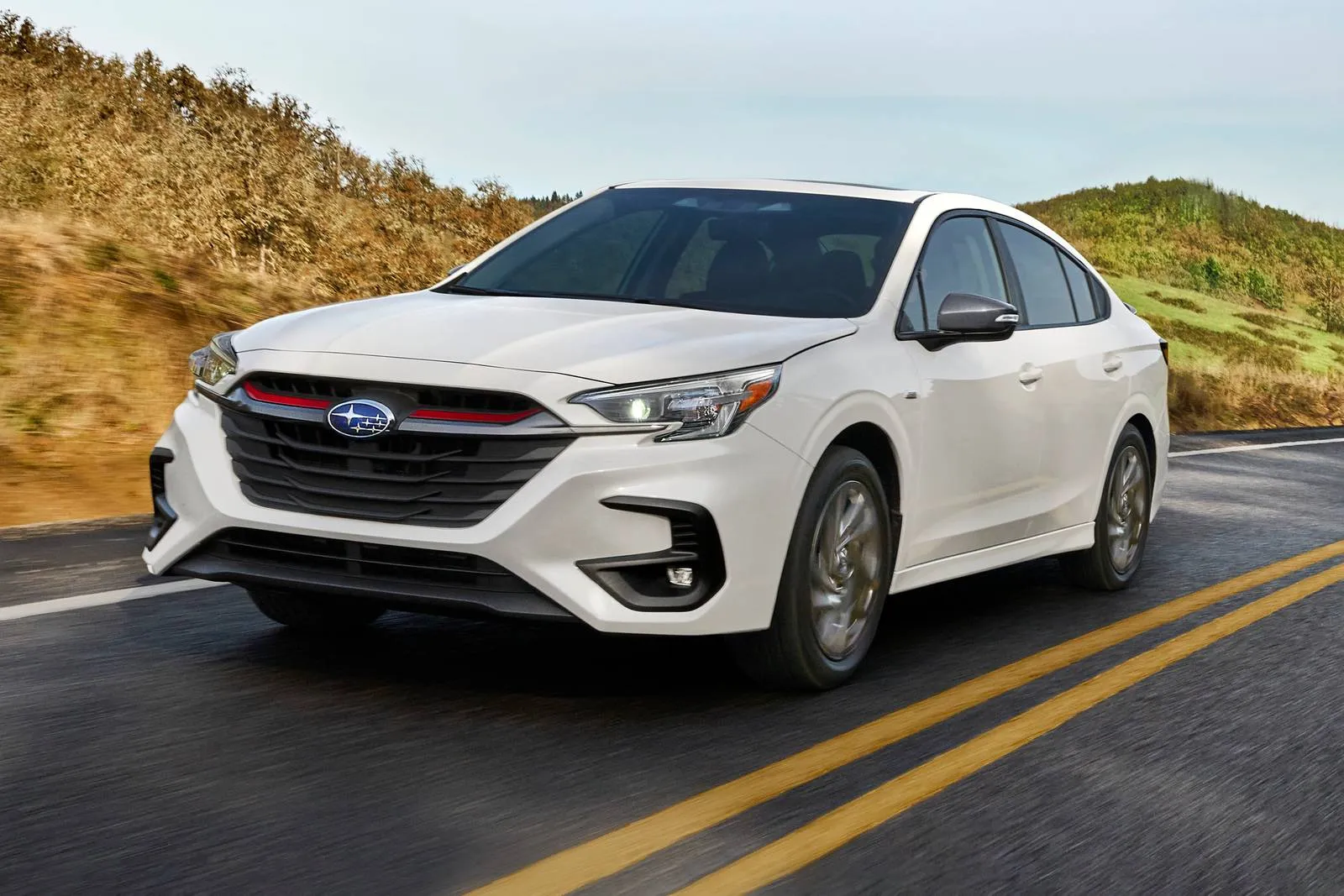
All-wheel drive on the Subaru Legacy Premium 2023 makes a real difference when Arlington’s roads turn slick from rain or that occasional dusting of snow nobody expects. You’re not white-knuckling the steering wheel, wondering if your tires will grip. The car just holds its line and keeps moving confidently. What’s impressive is that you get this traction advantage without destroying your gas mileage.
Around 27 mpg in mixed city and suburban driving is solid for a car sending power to all four wheels. Climb inside and everything feels designed by people who actually drive cars instead of just drawing them.
You can figure it out without pulling over to read a manual. Back seat passengers aren’t crammed in like sardines either. Real adults can sit back there comfortably, and the trunk handles weekly grocery runs or weekend trip luggage without making you play Tetris with your bags.
Ride quality hits that sweet spot between firm and comfortable. The Legacy absorbs Arlington’s rough patches and potholes without feeling like a marshmallow on wheels. You stay connected to the road without getting beaten up by it. Handling stays predictable and stable.
Steering tells you what the front wheels are doing without being twitchy or vague. That AWD system keeps power distributed properly when you’re accelerating from stoplights or taking corners at reasonable speeds. You’re not fighting the car. It just does what you expect.
Safety tech works without being obnoxious. Lane departure warnings catch you if you drift while checking your blind spot. Pre-collision braking watches for sudden stops ahead. Blind spot monitoring tells you when someone’s lurking where you can’t see them. These features actually help during Arlington’s chaotic traffic patterns, busy intersections, and those merge situations where everyone thinks they own the road.
Subarus earn their reliability reputation honestly. These cars rack up miles without falling apart or demanding constant repairs. The Legacy combines AWD confidence, genuine comfort, and technology that doesn’t frustrate you into a package that makes daily commuting less exhausting.
Whether you’re stuck in stop-and-go traffic on Wilson Boulevard or cruising suburban streets, this sedan adapts without complaint. It’s not flashy or exciting, but reliability and comfort matter more than thrills when you’re making this drive every single day.
5. Kia K5 GT-Line 2023
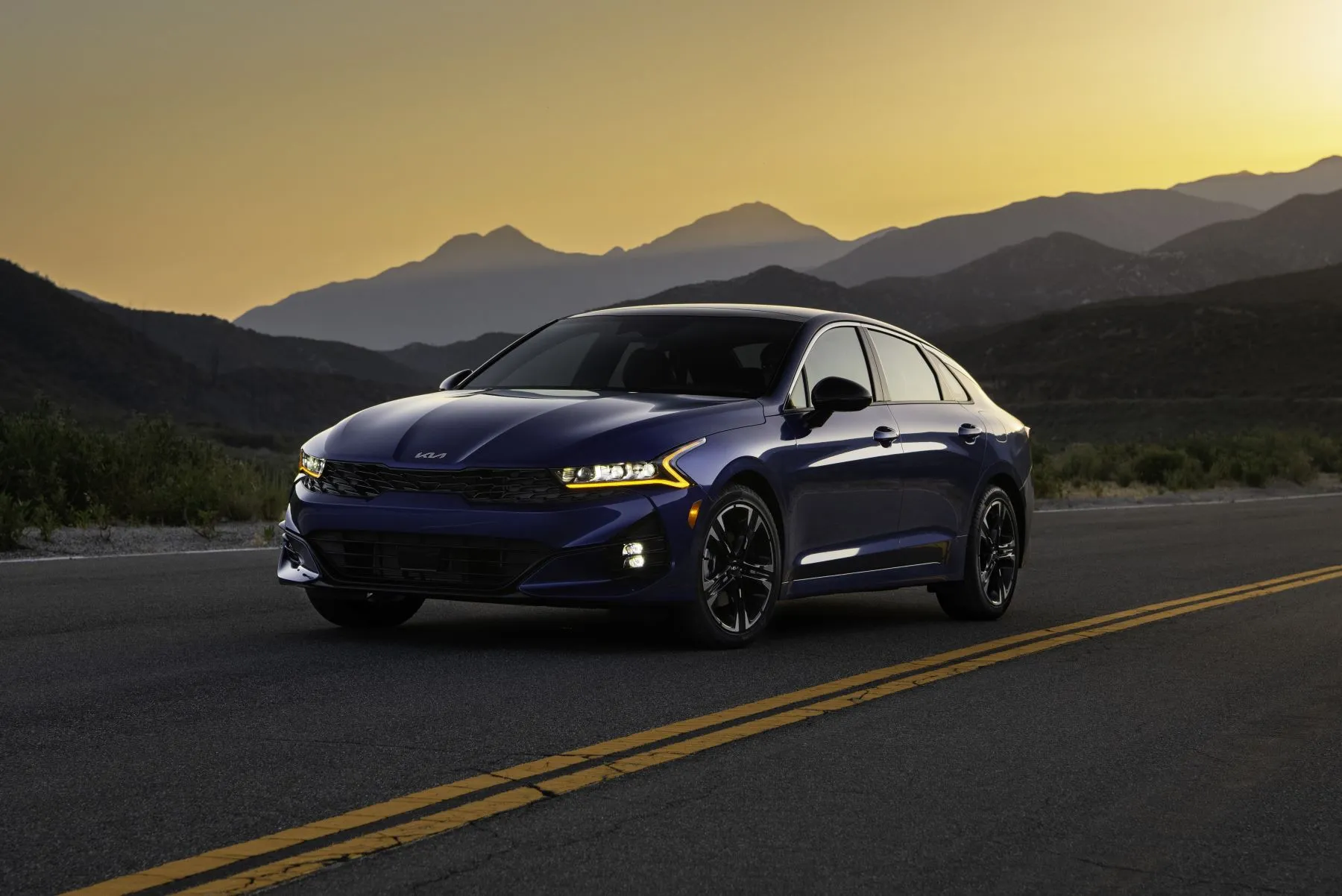
Energy and style coexist in the Kia K5 GT-Line 2023, a sedan engineered for suburban commuting without sacrificing personality. Its turbocharged engine produces responsive power, ideal for merging onto busier roads, while the suspension balances sporty handling with ride comfort. Exterior design showcases sharp lines and an assertive stance, appealing to drivers who want flair alongside functionality.
Inside, the cabin focuses on convenience and technology. Seats are supportive, with sufficient room for passengers and cargo. Infotainment includes a large touchscreen with smartphone integration, navigation, and audio options, allowing drivers to manage trips efficiently. Climate controls respond accurately, maintaining comfort during longer commutes or varying weather conditions.
Fuel efficiency measures around 27 miles per gallon in city driving, making it competitive for suburban commuting patterns. Handling feels responsive, with steering that communicates the road surface clearly and braking that inspires confidence in stop-and-go situations.
Safety systems include forward-collision warning, lane-keeping assist, and adaptive cruise control, assisting drivers in reducing risk during unpredictable scenarios. Kia’s attention to engineering durability ensures the K5 GT-Line maintains performance under daily use.
Its combination of engaging design, efficient performance, and commuter-oriented features makes it a compelling option for drivers who want practicality with personality. Suburban drives feel controlled, enjoyable, and connected, making this sedan a versatile addition to any household.
5 Cars That Cost More to Own
1. BMW 5 Series 2023
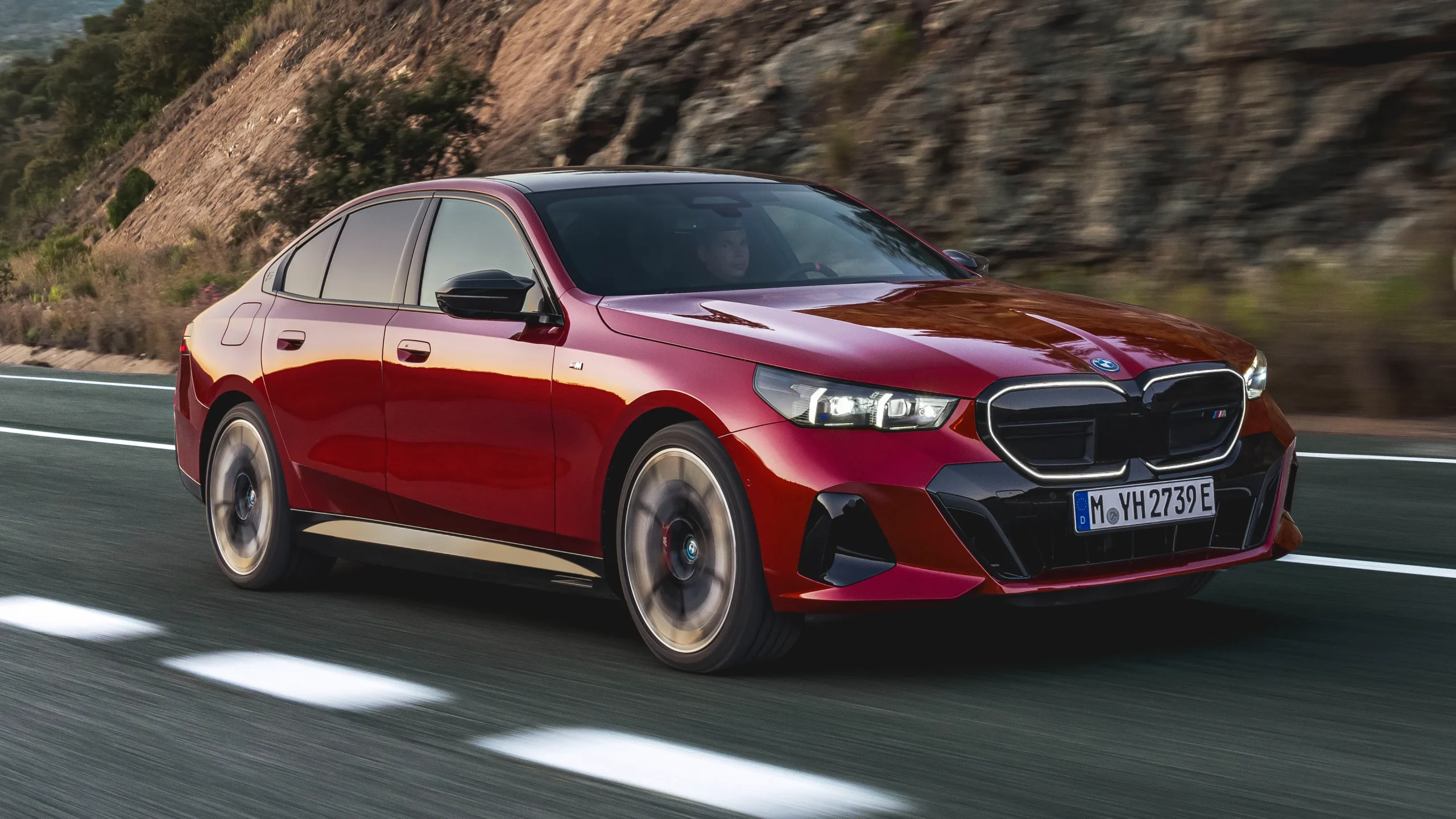
Refined engineering and luxurious appeal often come at a price, as demonstrated by the BMW 5 Series 2023. Its inline-six engine offers smooth acceleration and responsive handling, yet repair and maintenance costs for this level of performance can quickly accumulate. High-quality materials and advanced electronics contribute to an elevated driving experience but require specialized service when issues arise.
Technology in the 5 Series is extensive. The infotainment system, navigation, and driver-assistance features are sophisticated and highly functional. However, updates and repairs to these systems can be costly compared to more mainstream vehicles. Even minor repairs can involve expensive parts or labor due to the precision engineering and advanced software used throughout the car.
Fuel efficiency is moderate, with city driving averaging roughly 24 miles per gallon. While acceptable for a luxury sedan, the real ownership cost often stems from maintenance and repairs rather than fuel. Brake components, air suspension, and electronic systems are examples of areas where long-term expenses tend to exceed those of simpler vehicles.
Driving dynamics remain a highlight. Steering is precise, the chassis is balanced, and acceleration is strong, offering a refined and engaging ride. Comfort is prioritized in both seating and cabin design, with premium finishes and sound insulation enhancing the driving experience. These qualities make the car enjoyable but also contribute to higher upkeep demands.
Insurance and registration fees are higher than average for the 5 Series, adding another layer to ownership expenses. When considering depreciation, luxury cars like this often lose value faster, meaning long-term costs are amplified if the vehicle is sold after a few years.
BMW enthusiasts may find the experience rewarding, but the financial reality of repairs and maintenance should be carefully considered before purchase. The 5 Series proves that performance, luxury, and style come at a premium beyond the initial sticker price.
2. Audi A6 2023
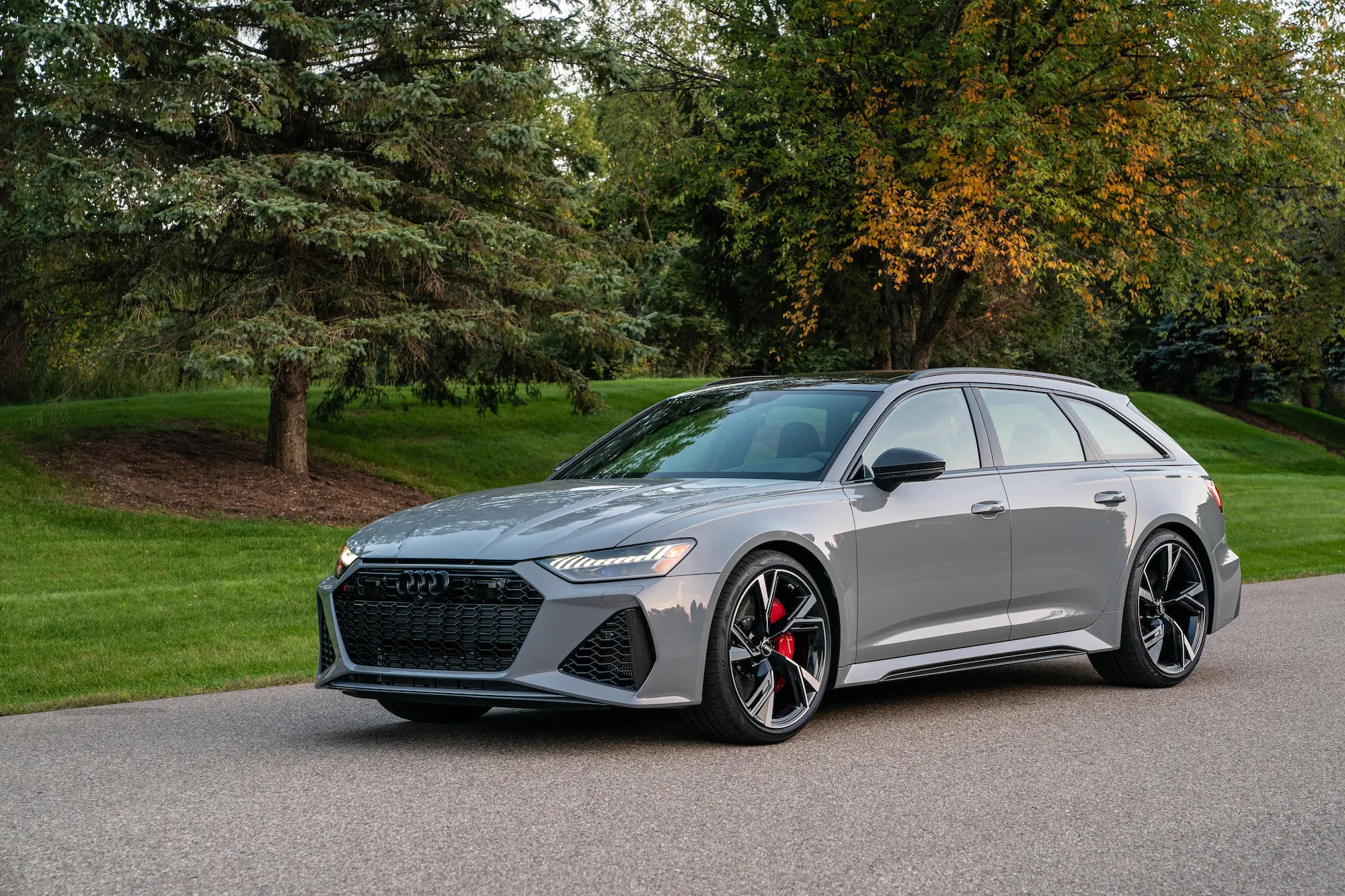
Luxury sedans look great on paper until you start paying the bills. The Audi A6 2023 proves this point beautifully. Sure, that 2.0-liter turbo engine delivers nice power, and the Quattro all-wheel drive keeps you planted in bad weather. But when something breaks, and it will, you’re not taking this to your neighborhood mechanic.
Audi’s systems are complicated enough that you need specialists, and specialists charge specialist prices. Your wallet will feel every repair. Step inside and you’re surrounded by digital screens, buttery leather, and tech that feels like it came from the future. Everything looks and feels expensive because it is.
When that fancy infotainment screen glitches or the adaptive cruise control stops working, you’re looking at repair bills that could fund a weekend vacation. Lane assist acting weird? Get ready to drop serious cash. All this technology is amazing when it works, but fixing it requires people who know what they’re doing, and those people don’t work cheap.
Basic maintenance on the A6 costs way more than normal sedans. Oil changes run higher because everything’s more complicated. Brakes cost a fortune to replace. Air suspension, turbo engine components, high-performance brake systems, all of it adds layers of expense you don’t see coming until the bill arrives.
Even tires will shock you. Those bigger wheels and performance-focused rubber mean you’re paying premium prices every time they wear out. Gas mileage sits around 25 mpg in city driving, which is fine for a luxury car but doesn’t really matter when you’re hemorrhaging money on everything else.
Insurance companies know what these cars cost to fix, so they charge you accordingly. Annual ownership expenses stack up fast between maintenance, repairs, insurance, and premium fuel. Here’s the thing, though: driving the A6 actually is nice.
Handling stays precise, acceleration feels smooth, and the cabin blocks out road noise beautifully. Adaptive suspension makes rough roads feel like glass. Long drives or daily commutes become genuinely pleasant experiences. The car delivers on its luxury promises.
But you’re paying for that refinement constantly. Complicated technology, intricate mechanical systems, and premium materials all conspire to keep your bank account lighter. Before buying an A6, ask yourself honestly if the driving experience justifies the never-ending expenses. Some people think it’s worth it. Others would rather save that money and drive something less demanding.
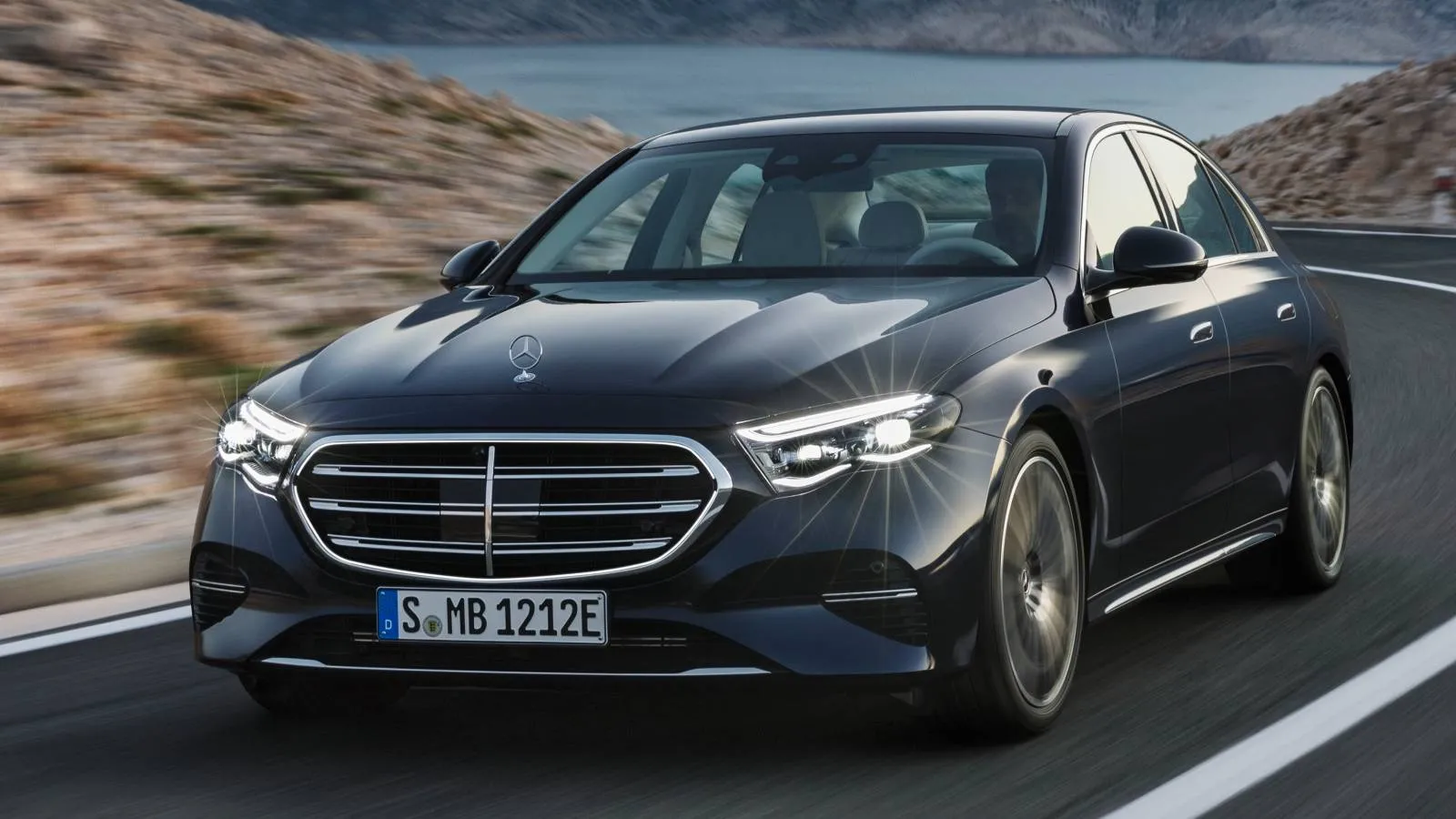
3. Mercedes-Benz E-Class 2023
Performance, luxury, and elegance define the Mercedes-Benz E-Class 2023, yet these traits come with elevated ownership costs. The turbocharged inline-four or six-cylinder engines provide smooth power delivery, and the cabin impresses with high-end materials and a spacious layout. Repair bills, however, can accumulate quickly due to sophisticated electronics, air suspension, and intricate engineering.
The infotainment system is feature-rich, offering a large digital cluster, touch-sensitive controls, and voice commands. While convenient, troubleshooting or repairing these systems can be expensive. Even minor issues with sensors, cameras, or software often require dealership intervention, making labor costs higher than standard sedans.
Regular maintenance is more involved. Brake components, turbochargers, and multi-link suspension require higher-cost parts and specialized labor. Fuel efficiency averages about 24 miles per gallon in city driving, reasonable for a luxury vehicle but secondary to maintenance and repair expenditures. Tire replacement and alignment for precision handling further add to long-term ownership costs.
Driving the E-Class is comfortable and precise. Steering feedback and suspension tuning create a controlled ride, and cabin quietness enhances passenger comfort. Advanced driver-assistance systems provide confidence on highways and during stop-and-go traffic, but they are also prone to expensive repairs when faults arise.
Depreciation for the E-Class is steep compared to mainstream vehicles, making resale value another financial consideration. Insurance costs reflect the premium nature of the car, contributing to the total ownership expenses. While the E-Class delivers refined driving experiences, sophisticated interior features, and strong performance, the cost to maintain and repair the vehicle ensures that it remains a high-investment option.
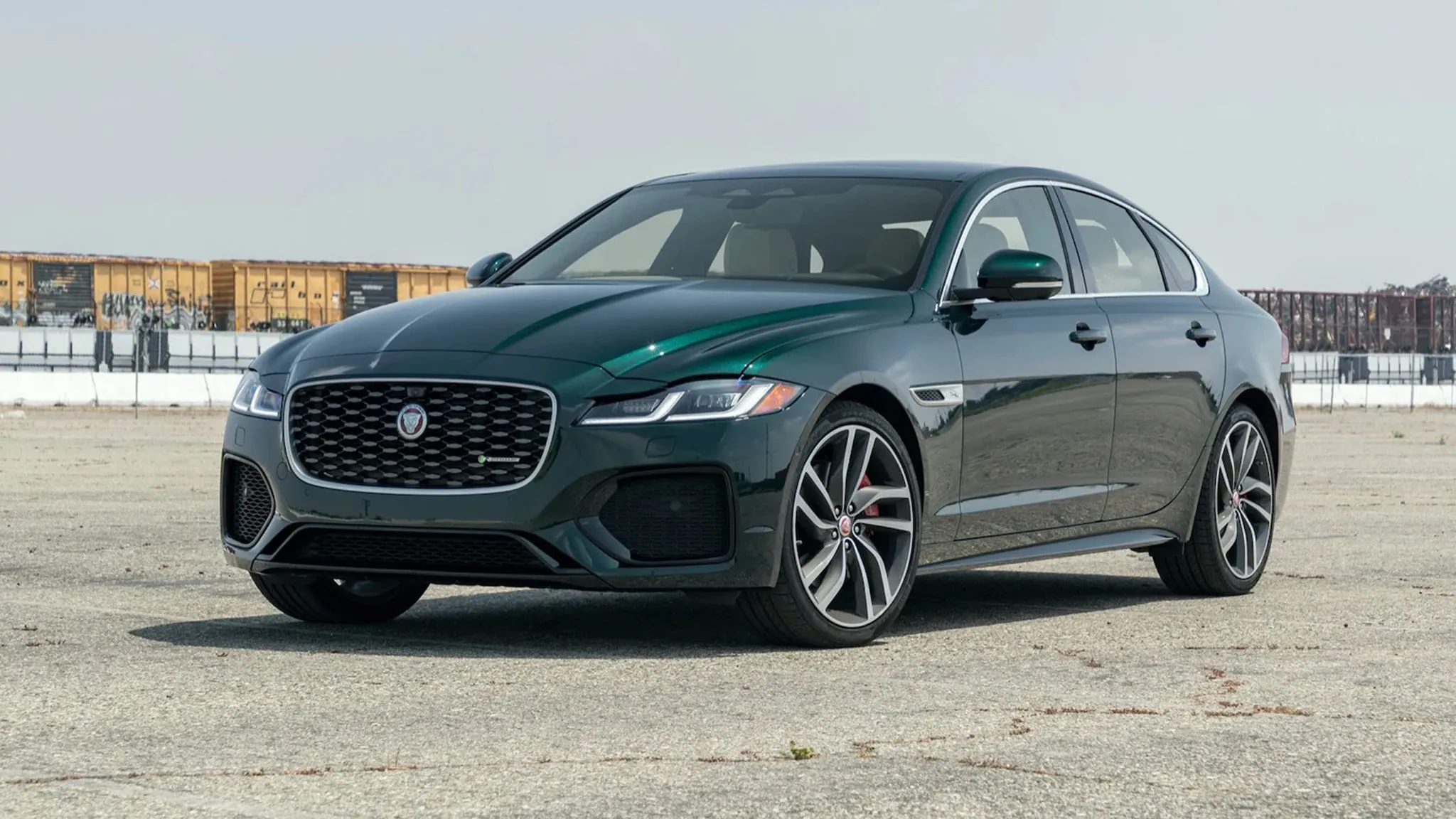
4. Jaguar XF 2023
British craftsmanship and performance come at a price with the Jaguar XF 2023. Its supercharged four- or six-cylinder engines provide engaging acceleration and responsive handling, yet maintenance demands are elevated. Specialized parts, high-end electronics, and unique mechanical systems contribute to higher service bills than average sedans.
Cabin design emphasizes luxury with leather seating, real wood trim, and an advanced infotainment system. Technology includes touchscreens, navigation, and driver-assistance systems that simplify driving. Repairing or replacing these components can be costly, especially since Jaguar dealerships and service centers are less widespread than mainstream brands.
Fuel efficiency is approximately 24 miles per gallon in city conditions, adequate for suburban commuting but secondary to repair and upkeep costs. Tires, brakes, and suspension components are designed for performance, adding to expenses when replacements are needed. Even routine service, such as oil changes, often comes with higher labor costs due to intricate design and premium parts.
Driving dynamics are rewarding. Steering precision, chassis balance, and smooth acceleration create a refined experience. Adaptive suspension and quiet interiors make daily commuting enjoyable, yet these same features increase long-term ownership costs. Electrical components and sensors are prone to issues that require expensive repairs, and specialized knowledge is often needed for resolution.
Jaguar XF 2023 delivers elegance and driving pleasure, but the high cost of service, parts, and depreciation should be considered. Owners benefit from luxury and style but must be prepared for financial responsibilities that accompany this level of engineering sophistication.
Also Read: 5 Cars for Prescott Weekend Escapes and 5 That Hide Problems
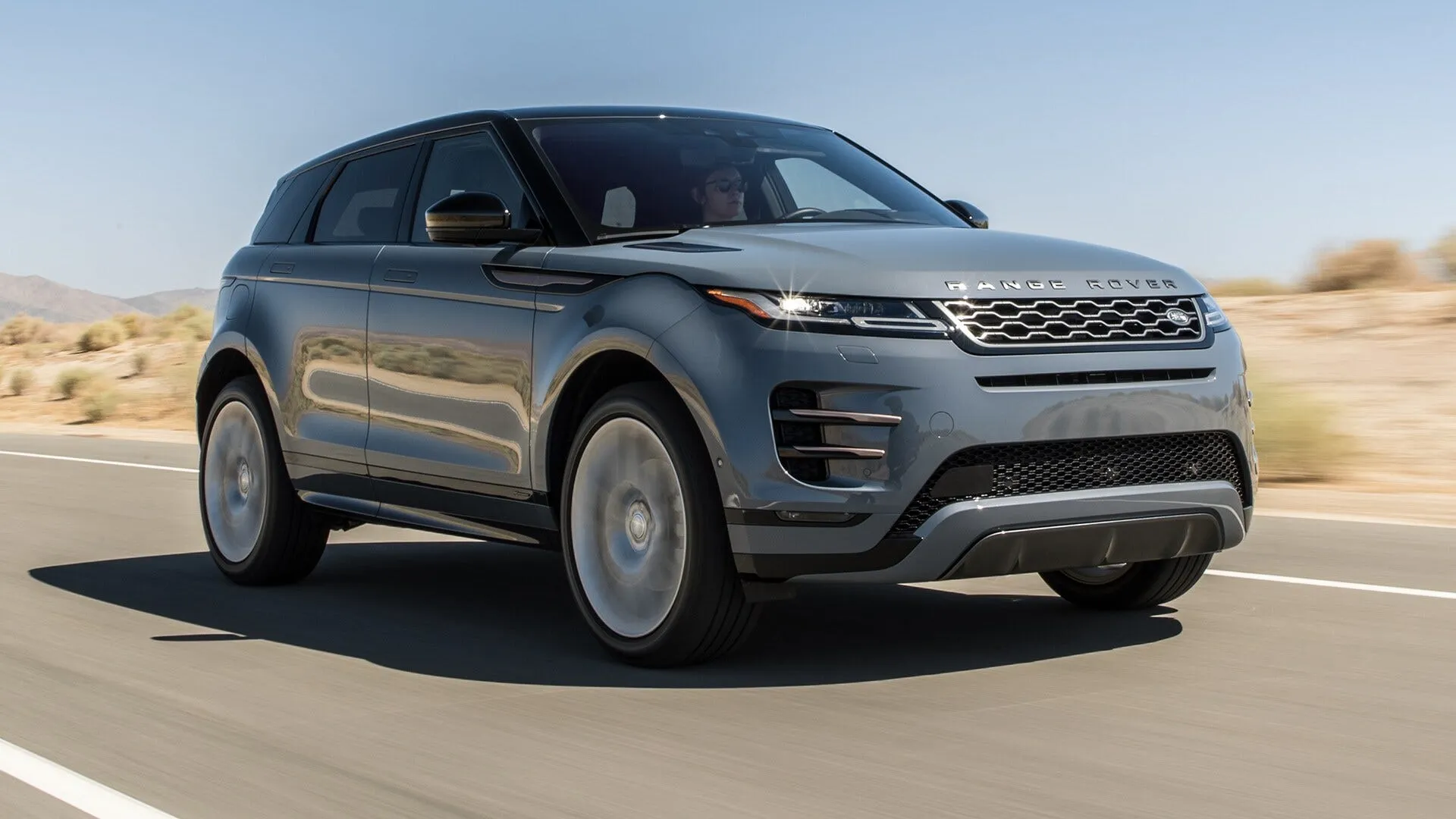
5. Land Rover Range Rover Evoque 2023
Compact luxury SUVs combine off-road capability with urban comfort, and the Land Rover Range Rover Evoque 2023 exemplifies this. Its turbocharged four-cylinder engine and advanced all-wheel-drive system provide confident handling on varied roads, yet the cost of maintaining such engineering can be substantial. Specialized components, electronics, and drivetrain complications contribute to high repair bills.
Inside, premium materials, advanced infotainment, and climate control create an opulent environment. Touchscreens, navigation, and driver aids are integrated seamlessly, but any malfunction may require dealership intervention. Routine maintenance, such as brake replacements and fluid changes, is more expensive than standard SUVs, and tire replacement costs are elevated due to premium specifications.
Fuel efficiency averages roughly 23 miles per gallon in urban conditions, acceptable for a luxury SUV but secondary to ongoing repair and maintenance costs. Electrical issues, sensor failures, and air suspension repairs are among the most frequent sources of high expenses. Insurance rates and registration fees reflect the vehicle’s high market value, adding another layer to ownership costs.
Driving the Evoque is comfortable and composed. Suspension tuning absorbs minor bumps, steering is responsive, and the cabin remains quiet even at highway speeds. Off-road capability offers additional versatility, though most suburban owners will use these features sparingly.
High-end engineering, advanced electronics, and luxurious interior finishes combine to create an enjoyable experience but also ensure the vehicle demands consistent financial attention.
