
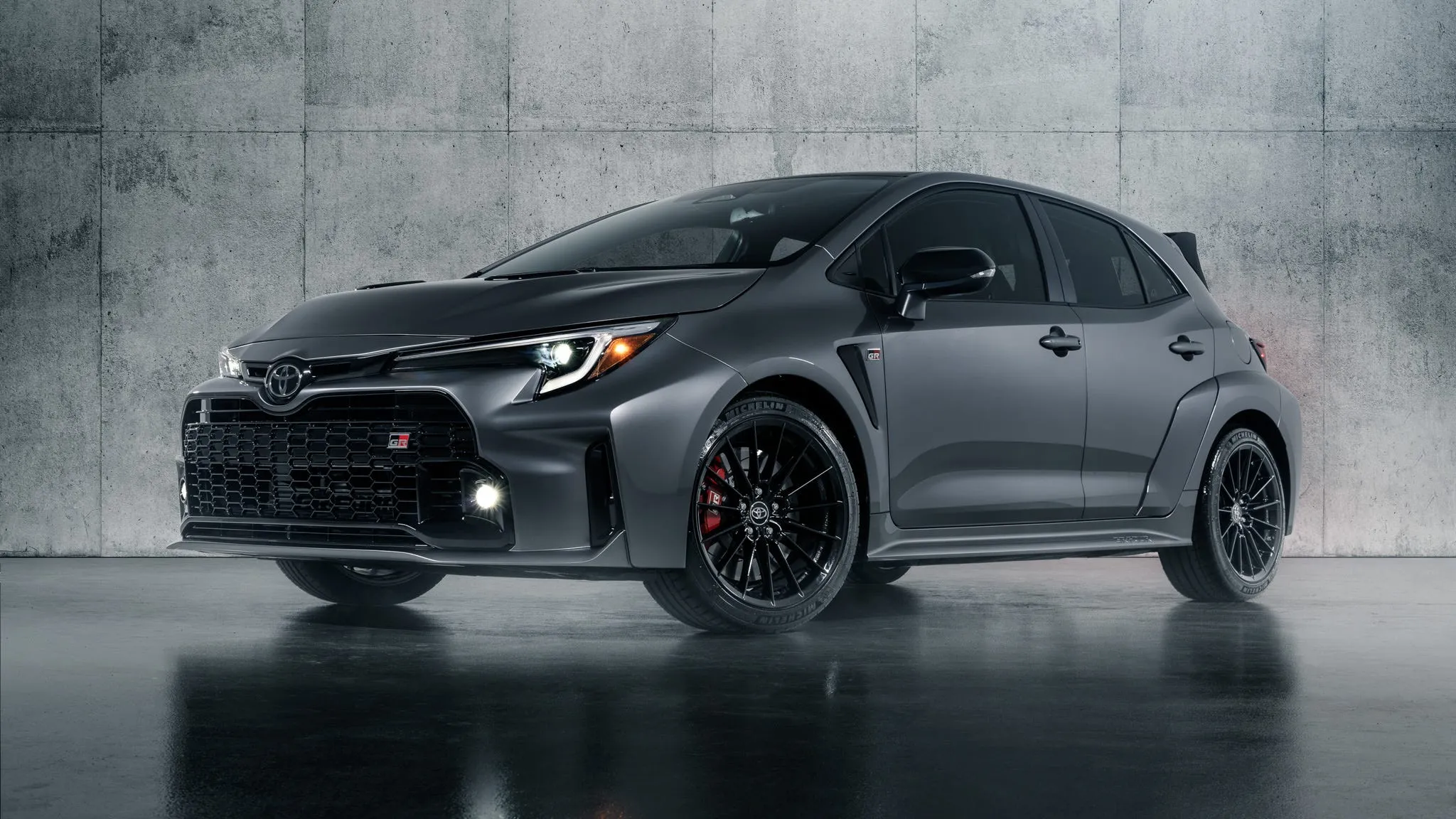
Columbia streets bustle with energy, and the daily drive is a mix of tight turns, busy intersections, and the occasional traffic jam. Choosing a car that can handle the city’s rhythm without constant trips to the repair shop can save both time and stress.
A good commuter vehicle should balance efficiency, comfort, and durability. Commuters deserve more than just a stylish exterior; they need reliability, smooth handling, and a ride that feels consistent day after day. Modern commuters demand vehicles that deliver responsive steering for lane changes, enough cabin space for daily errands, and fuel efficiency that keeps the wallet happy.
Technology has transformed what drivers expect: adaptive safety features, intuitive infotainment, and strong connectivity are becoming standard rather than optional. Yet, not every car can survive heavy city mileage or the wear and tear of frequent stop-and-go driving. Picking the wrong model could mean expensive repairs and a frustrating driving experience.
With Columbia’s mix of highways and inner-city streets, the ideal commuter car combines manageable size with solid performance. Cars that feel nimble, yet sturdy, and offer excellent visibility make daily trips less taxing. This guide lists five cars that excel at commuting in Colombia, helping drivers glide through traffic with confidence and ease.
Following that, there is a cautionary look at vehicles that tend to deteriorate faster than expected when exposed to high mileage. Choosing the right car can transform daily travel from a chore into a more pleasant and dependable part of life. Let’s go through these options with insights that speak to both practicality and driving enjoyment.
5 Cars for Columbia Commuters
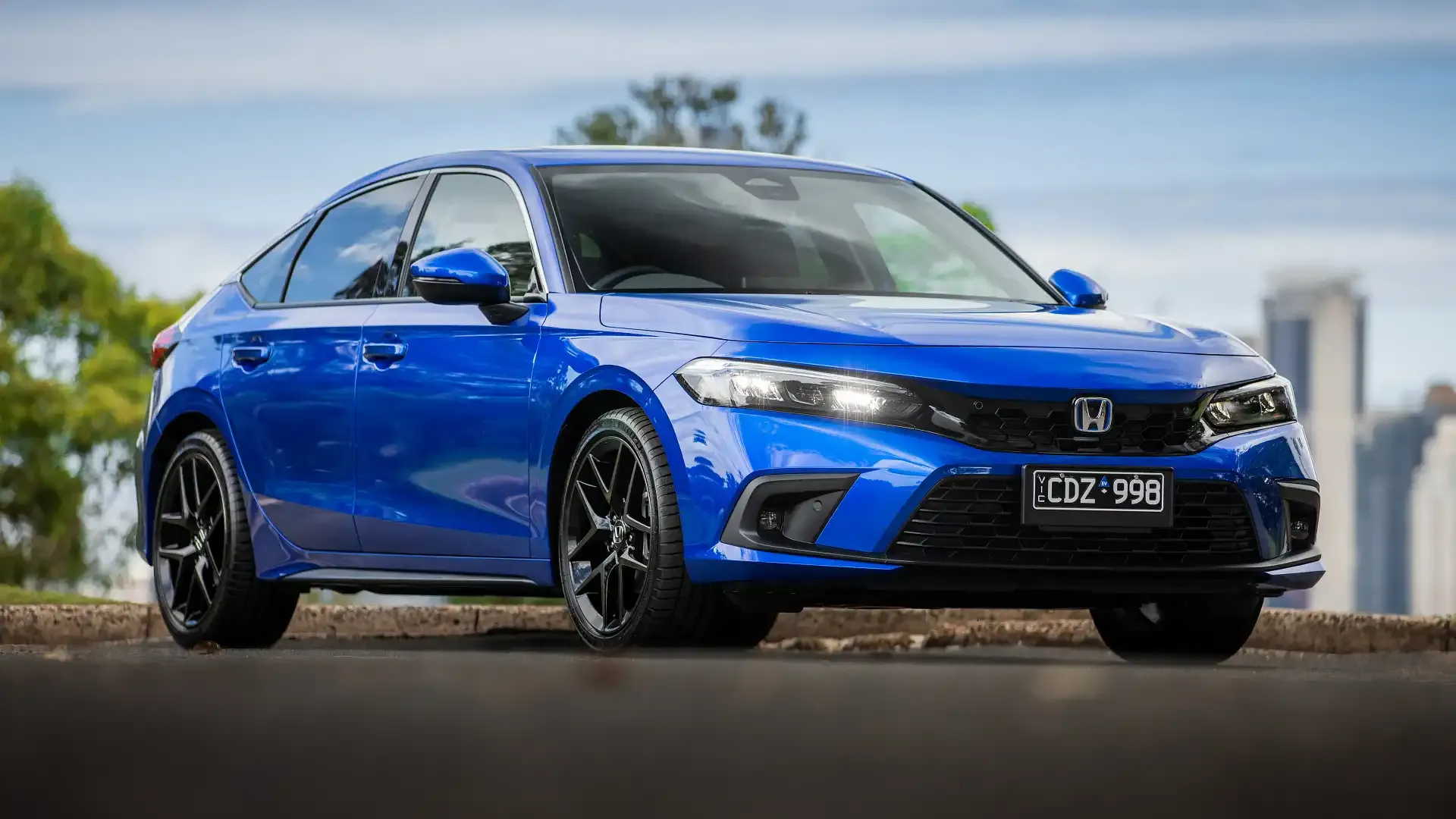
1. Honda Civic LX 2023
City driving demands a mix of agility and reliability, and the Honda Civic LX 2023 demonstrates that combination effortlessly. Its compact frame makes weaving through tight streets surprisingly easy, while the engine delivers a responsive, yet smooth ride that avoids the jarring sensations common in heavier sedans.
Inside, the cabin provides intuitive controls and adequate legroom for a comfortable commute, making morning traffic feel a little less tedious. Fuel efficiency shines with this model, boasting an estimated 33 miles per gallon in city driving.
That translates to fewer stops at the gas pump and more time on the road. Drivers report consistent performance even during cold starts and longer stretches of stop-and-go traffic, making the Civic LX a favorite for daily commuters.
Safety features like automatic emergency braking, lane departure warning, and adaptive cruise control add peace of mind in congested urban environments.
Reliability remains one of the Civic LX’s strongest points. Routine maintenance is straightforward, and the car’s parts are widely available, which reduces potential downtime.
Its suspension system absorbs minor bumps with grace, creating a ride quality that feels balanced rather than harsh. Steering is precise, offering drivers confidence when driving through intersections and merging onto highways.
The exterior design remains classic yet modern, appealing to those who prefer understated style while still maintaining a contemporary edge. Technology integrates seamlessly, allowing smartphone pairing, hands-free calls, and audio streaming without distraction.
For commuters in Columbia seeking a dependable car that balances comfort, efficiency, and responsive handling, the Honda Civic LX 2023 remains a solid contender.
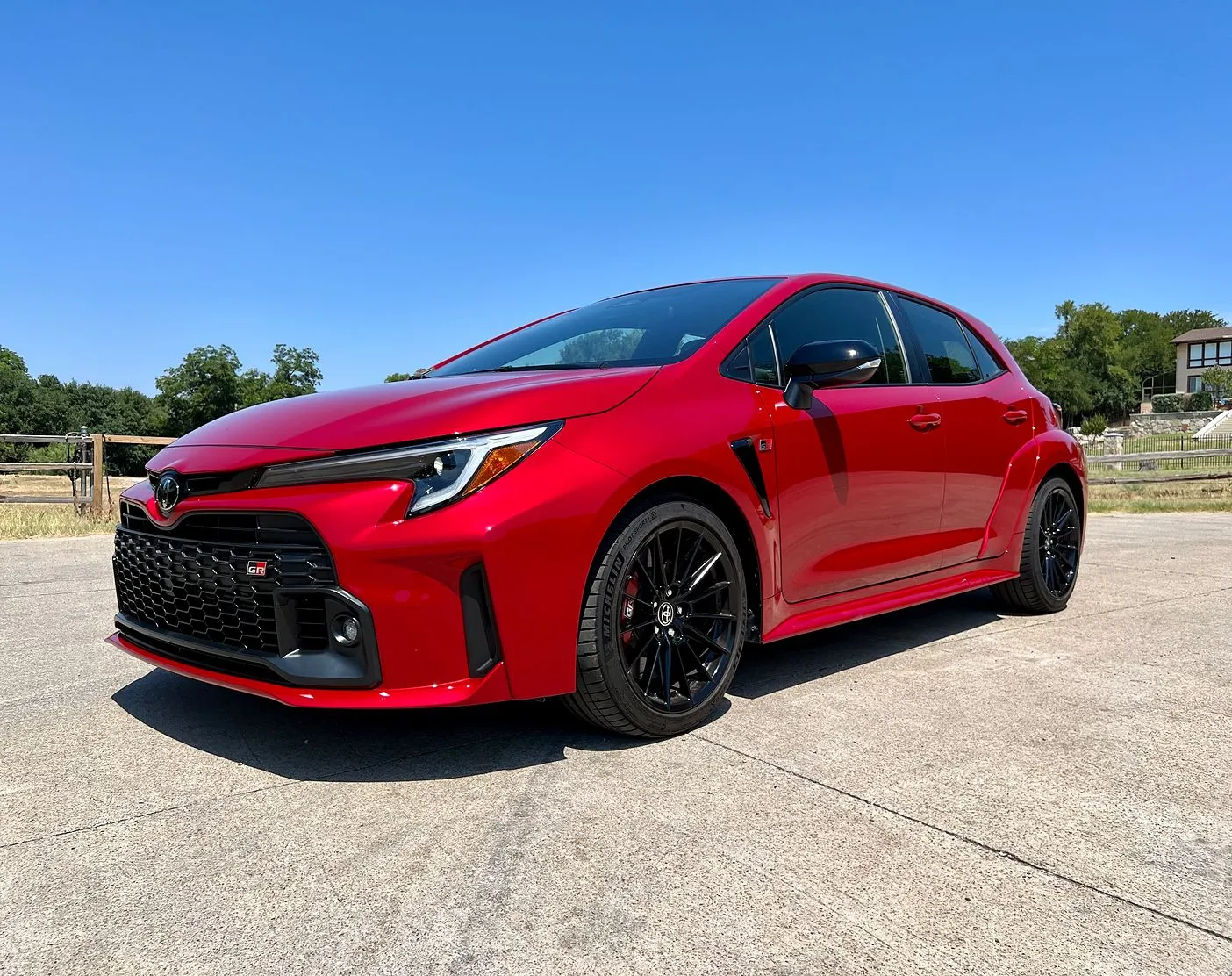
2. Toyota Corolla SE 2023
Efficiency and practicality take center stage with the Toyota Corolla SE 2023, which has advanced into a vehicle that handles city streets with minimal fuss. Its slightly sportier trim adds a touch of personality to everyday driving while keeping fuel consumption low. The suspension feels firm but forgiving, absorbing potholes and uneven roads without jostling passengers excessively.
Under the hood, the 2.0-liter engine produces smooth acceleration for highway merging and city stops alike. The CVT transmission allows for seamless speed adjustments, reducing strain on the driver during long commutes. With roughly 31 miles per gallon in city driving, the Corolla SE is economical while still providing sufficient power for urban demands.
Visibility from the driver’s seat is excellent, reducing blind spots and helping drivers react quickly to pedestrians and sudden stops. Inside, the cabin is ergonomically designed with comfortable seating, supportive cushioning, and intuitive infotainment controls.
The touchscreen interface, while simple, integrates voice commands and navigation for hands-free convenience. Attention to safety is evident through features like forward collision warning, automatic high beams, and pedestrian detection, creating a sense of security that makes heavy traffic less stressful.
The Corolla SE also has an impressive track record for durability. Years of consumer reports highlight its ability to handle high mileage without major mechanical failures.
The combination of reliable engineering, user-friendly design, and consistent performance under city conditions makes it a strong candidate for commuters who want a car that feels like a daily companion rather than a chore.
Also Read: 5 Cars for Tallahassee Student & Government Runs and 5 That Don’t Hold Up
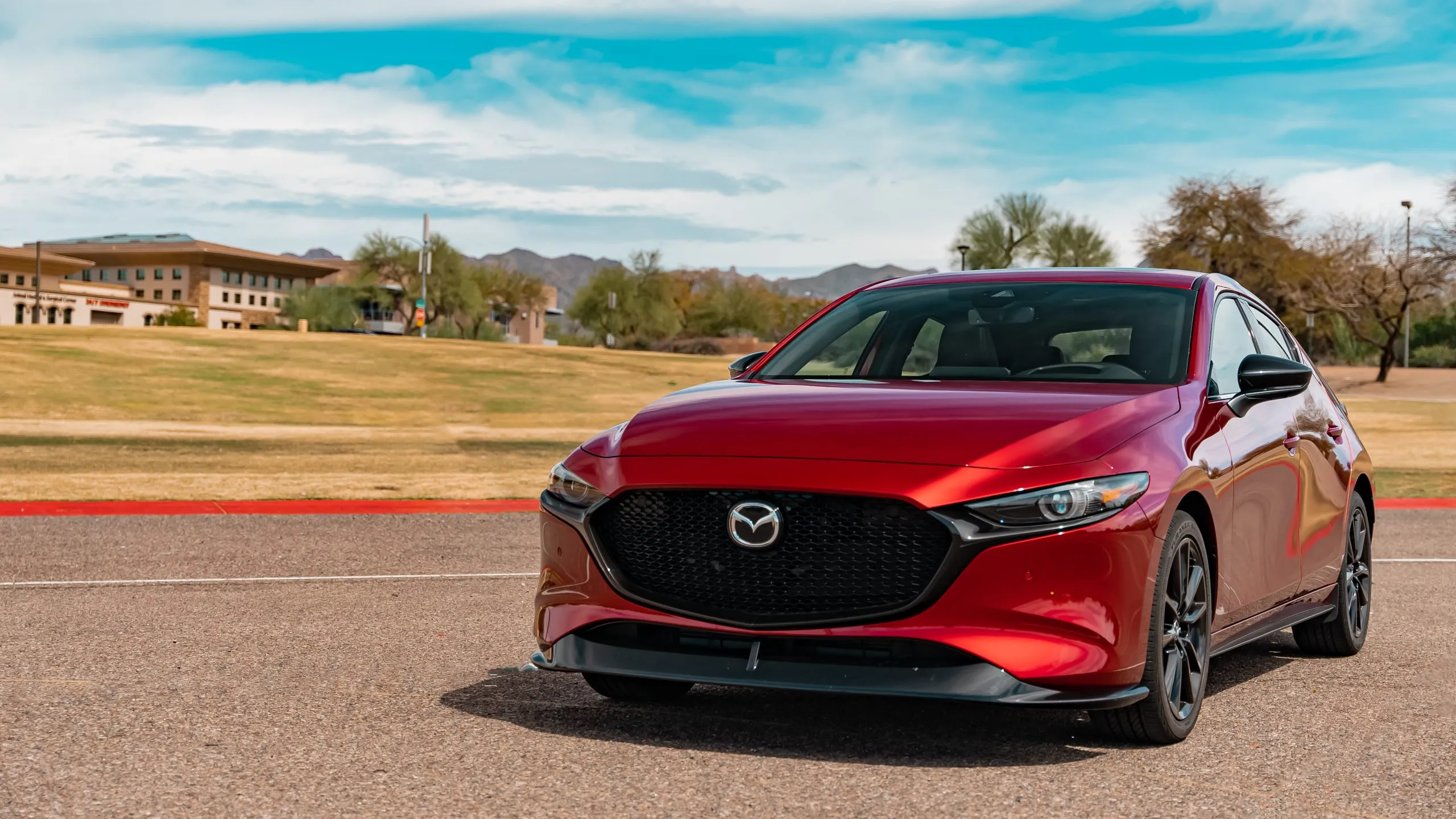
3. Mazda3 Hatchback 2023
Sportiness meets practicality in the Mazda3 Hatchback 2023, a vehicle that transforms mundane commutes into an engaging drive. Its agile handling allows drivers to maneuver through traffic effortlessly, while the hatchback configuration offers versatile cargo space for groceries, bags, or weekend adventures.
The exterior boasts sleek lines that convey motion even when stationary, making it an attractive choice for style-conscious commuters. Inside, attention to detail stands out with high-quality materials and thoughtfully designed controls.
The seats support long drives without fatigue, and the infotainment system responds quickly to touch or rotary dial inputs, minimizing distraction. Fuel efficiency remains respectable, with city mileage hovering around 28 miles per gallon, striking a balance between performance and economy.
Driving dynamics emphasize connection with the road. Steering feedback is precise, and the chassis feels composed, giving drivers confidence during sudden lane changes or tight turns. Mazda’s focus on minimizing body roll and enhancing stability makes this model feel planted, even in stop-and-go city traffic.
Technology integrates seamlessly with Apple CarPlay and Android Auto, providing access to navigation, music, and communication apps without cluttering the cabin. Safety features such as blind-spot monitoring, rear cross-traffic alert, and automatic braking complement the driving experience, creating an environment where comfort and confidence coexist.
For commuters prioritizing responsive handling, stylish design, and functional interior space, the Mazda3 Hatchback 2023 provides a well-rounded choice.
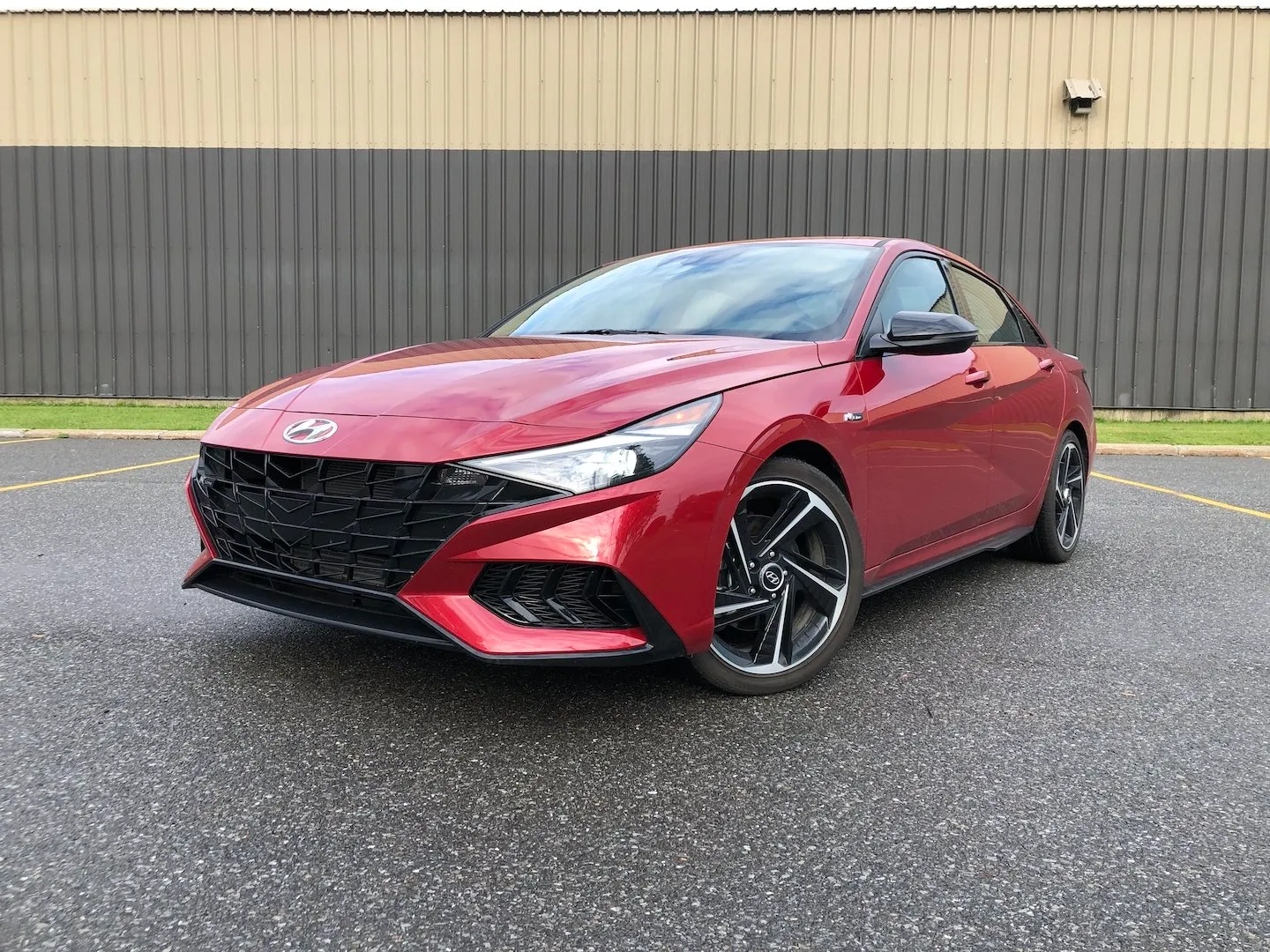
4. Hyundai Elantra N Line 2023
Vibrancy and efficiency coexist in the Hyundai Elantra N Line 2023, which combines sporty flair with commuter-friendly functionality. Its turbocharged 1.6-liter engine delivers lively acceleration for merging and city traffic, while the 6-speed manual or automatic options allow drivers to tailor their driving experience.
The exterior styling includes bold lines and a low stance, giving the car an assertive presence without being overwhelming. Interior comfort matches the exterior energy. The cabin features bolstered seats, soft-touch materials, and an ergonomic layout, ensuring that city trips are comfortable and less fatiguing.
Connectivity remains a strong point with wireless phone integration and touchscreen controls that respond quickly. Fuel economy is respectable, with city mileage averaging 28 miles per gallon, allowing drivers to cover longer distances without frequent refueling.
Driving experience emphasizes agility. Tight turns, traffic circles, and parallel parking are easier thanks to precise steering and well-calibrated suspension.
The ride feels energetic without sacrificing comfort, and braking performance remains predictable under frequent stop-and-go conditions. Safety features include lane-keeping assist, adaptive cruise control, and forward collision alert, providing extra reassurance for urban navigation.
Hyundai’s reputation for reliability extends to the N Line, which can handle daily mileage with minimal issues when maintained appropriately. The combination of sporty design, efficient performance, and comfortable interior makes the Elantra N Line a versatile choice for Columbia commuters seeking a dynamic yet dependable vehicle.
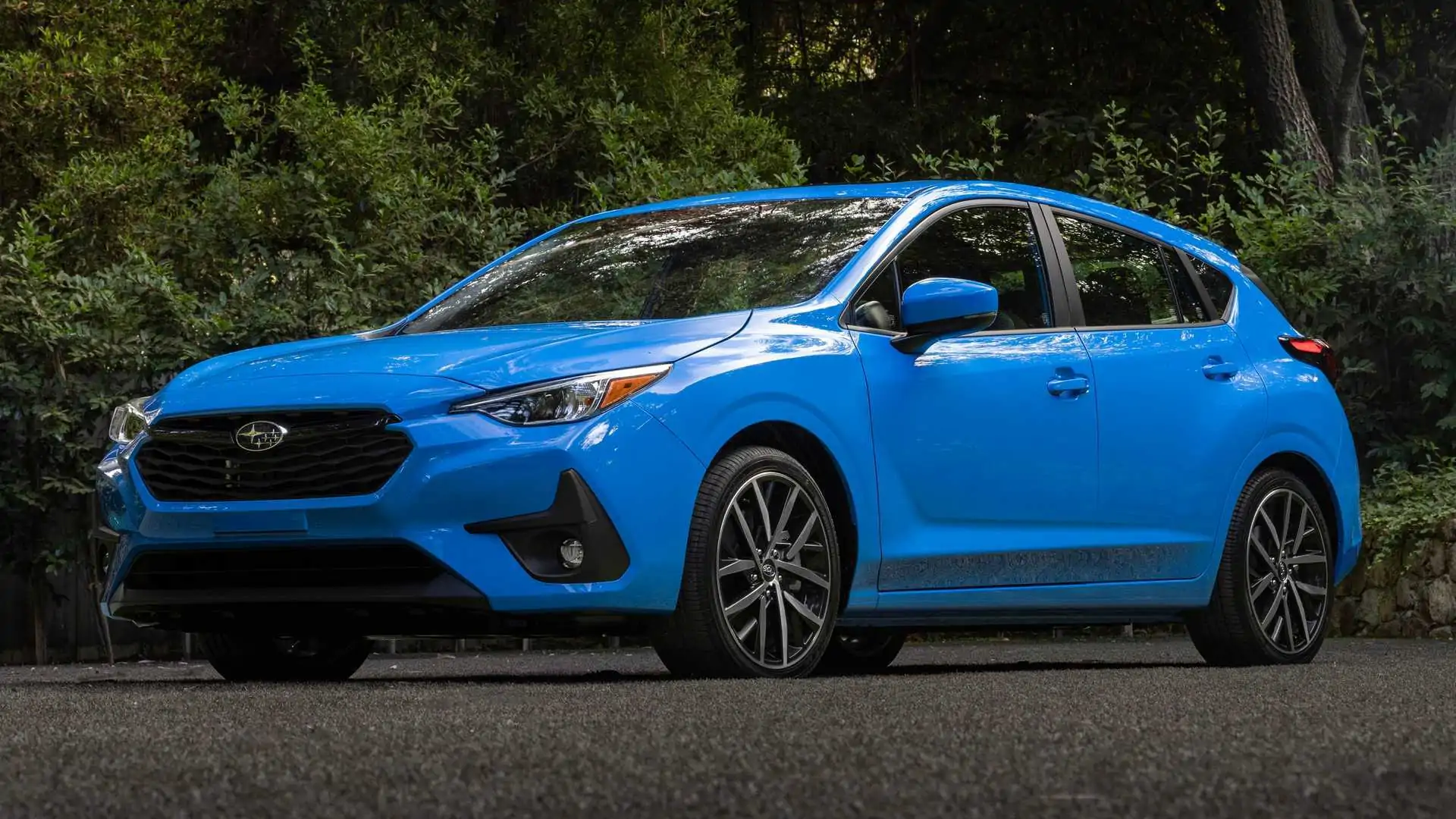
5. Subaru Impreza 2023
All-wheel drive meets commuter practicality in the Subaru Impreza 2023, a compact vehicle designed for versatility in city and suburban driving. Its AWD system provides extra traction for slippery roads or rainy days, enhancing confidence for drivers who encounter unpredictable conditions.
Despite the added drivetrain complication, fuel efficiency remains competitive at approximately 28 miles per gallon in urban conditions.
The cabin emphasizes spaciousness and comfort, with supportive seating and straightforward controls. Technology includes an intuitive infotainment system with Apple CarPlay, Android Auto, and voice commands, making it easy to manage calls, navigation, and entertainment on the go. Ride quality is smooth, as the suspension absorbs minor bumps and uneven surfaces, reducing driver fatigue during repeated short trips.
Handling encourages stability and predictability. Steering feels precise, and the AWD system minimizes understeer in turns, making city driving safer and more controlled. Visibility is excellent, enhancing awareness of pedestrians, cyclists, and other vehicles in crowded areas. Safety is further strengthened with automatic emergency braking, lane departure warning, and adaptive headlights.
Subaru’s engineering focuses on durability. The Impreza’s powertrain and chassis hold up well under mileage stress, making it a strong candidate for drivers seeking a dependable, all-weather vehicle for daily commuting.
Combining comfort, stability, and advanced features, the Subaru Impreza 2023 proves that a compact car can handle the rigors of city driving while offering a secure and enjoyable experience.
5 Cars That Fall Apart Under Mileage
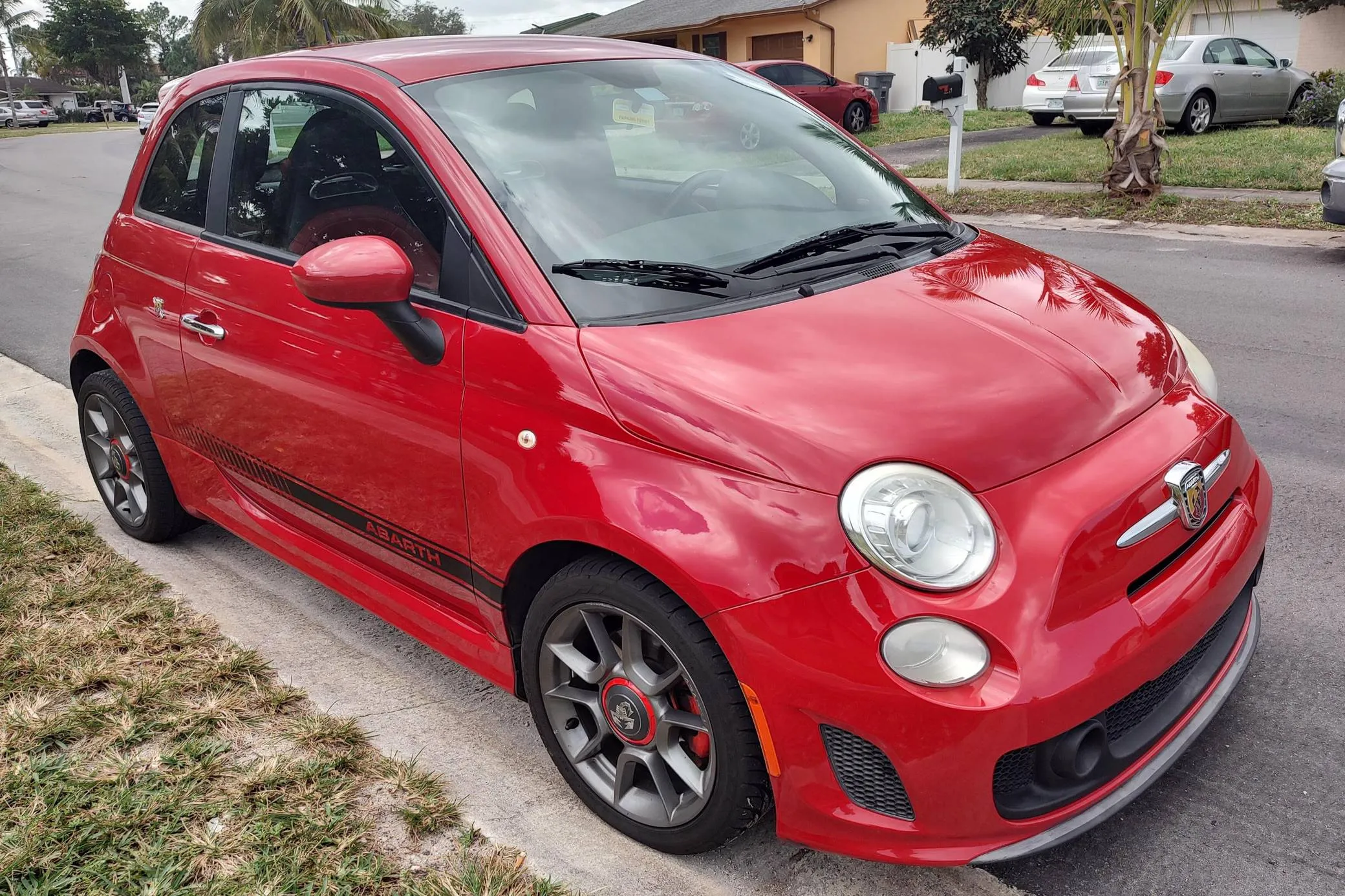
1. Fiat 500 Pop 2013
City streets may look adorable with the Fiat 500 Pop 2013 zipping by, but its charm can hide long-term frustrations. Small, compact, and undeniably stylish, this car captures attention with retro curves and bright colors.
Yet the lightweight body and thin metal panels often face accelerated wear under heavy use. Daily commuting can expose weak points in the chassis, which may develop squeaks or rattles as mileage climbs.
The engine, while peppy, has a reputation for inconsistent performance in due course. Turbocharged versions may experience turbo lag issues or oil consumption problems after prolonged use.
Transmission systems, especially the automated manual variants, are notorious for jerky moves and early clutch wear. City stop-and-go traffic exacerbates these tendencies, leaving owners facing repairs sooner than expected.
Inside, the cabin prioritizes style over durability. Seat materials can wear quickly, and trim pieces are prone to loosening, creating rattling noises and a sense of fragility that contrasts with initial impressions. Infotainment and electronic controls occasionally malfunction under high mileage, requiring costly replacements.
Safety features remain standard for its year, but the small size can feel underwhelming compared to modern cars. Suspension components, including struts and bushings, often degrade faster, resulting in less stable handling and uneven tire wear. Brakes may show accelerated pad and rotor wear as well, particularly for drivers relying on city commutes.
Aesthetics and fun may keep the Fiat 500 Pop 2013 appealing, but longevity is a recurring concern. Regular upkeep helps, yet repairs are often frequent and expensive. For commuters expecting reliability after a long time, this car can be a headache despite its charm, leaving drivers wishing for a sturdier alternative.
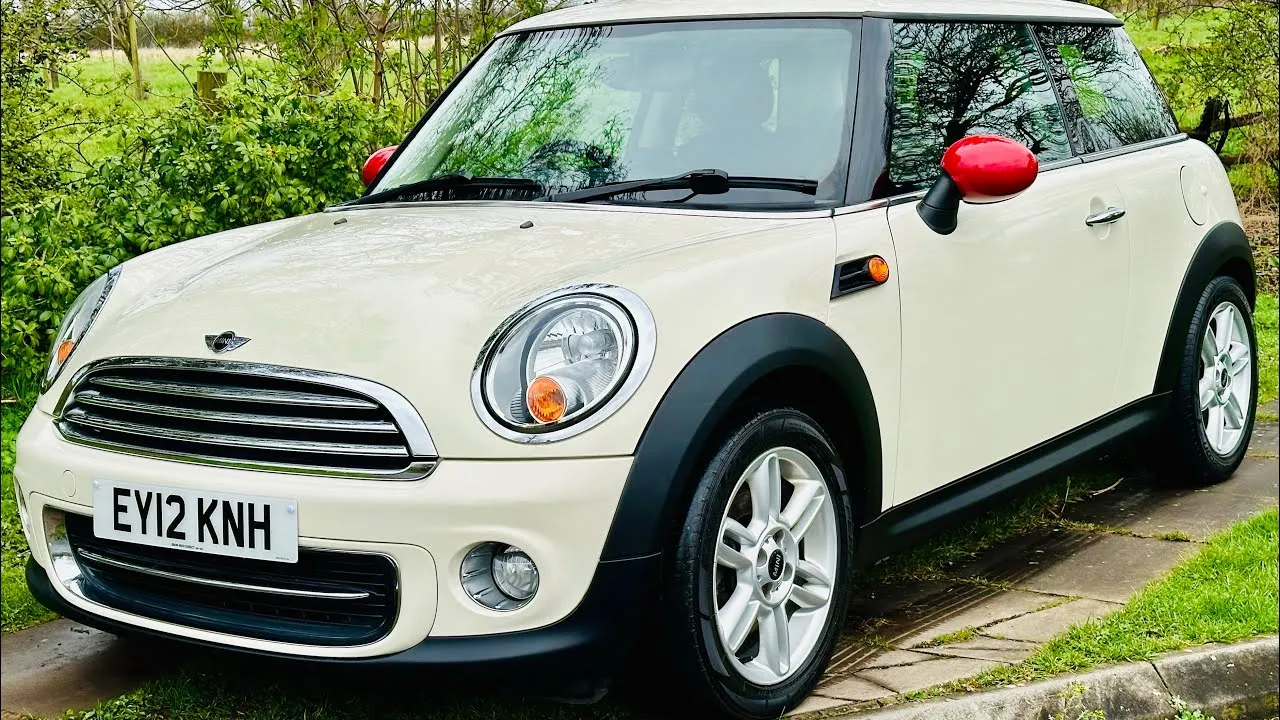
2. Mini Cooper Hardtop 2012
The Mini Cooper Hardtop 2012 delivers a playful driving experience, but years of high mileage can reveal mechanical vulnerabilities. The compact design offers nimble handling and a spirited engine, yet the small frame cannot fully absorb long-term wear. Components such as the steering rack and suspension bushings often degrade under consistent urban use, affecting ride quality and responsiveness.
Transmission issues are a common concern, especially for models with automatic gearboxes. Clutch replacements may arise earlier than expected, and fluid leaks can lead to costly maintenance.
Turbocharged engines may develop carbon buildup as time goes on, causing rough idling and reduced efficiency. City commuting, with frequent acceleration and deceleration, amplifies these tendencies.
Interior materials, while stylish, can feel delicate. Leather or vinyl trim can crack, and dashboard plastics may warp under heat and sun exposure. Infotainment systems from 2012 often fail with extended use, leaving drivers frustrated with intermittent audio or unresponsive screens. Space is tight, which can exacerbate wear on seats and door handles.
Chassis rigidity diminishes as rust forms on wheel arches and underbody components. Brake lines, suspension mounts, and exhaust hangers show vulnerability to corrosion, leading to alignment issues and diminished handling. Drivers may notice vibrations, uneven tire wear, or subtle steering pull as time goes on.
For owners seeking a fun daily driver, the Mini Cooper Hardtop 2012 provides charm and character, but high-mileage reliability remains a gamble. Maintenance costs rise as age progresses, and city commuters may find themselves performing repairs more often than with larger, sturdier vehicles. Its personality is memorable, but long-term durability leaves much to be desired.
3. Ford Focus SE 2011
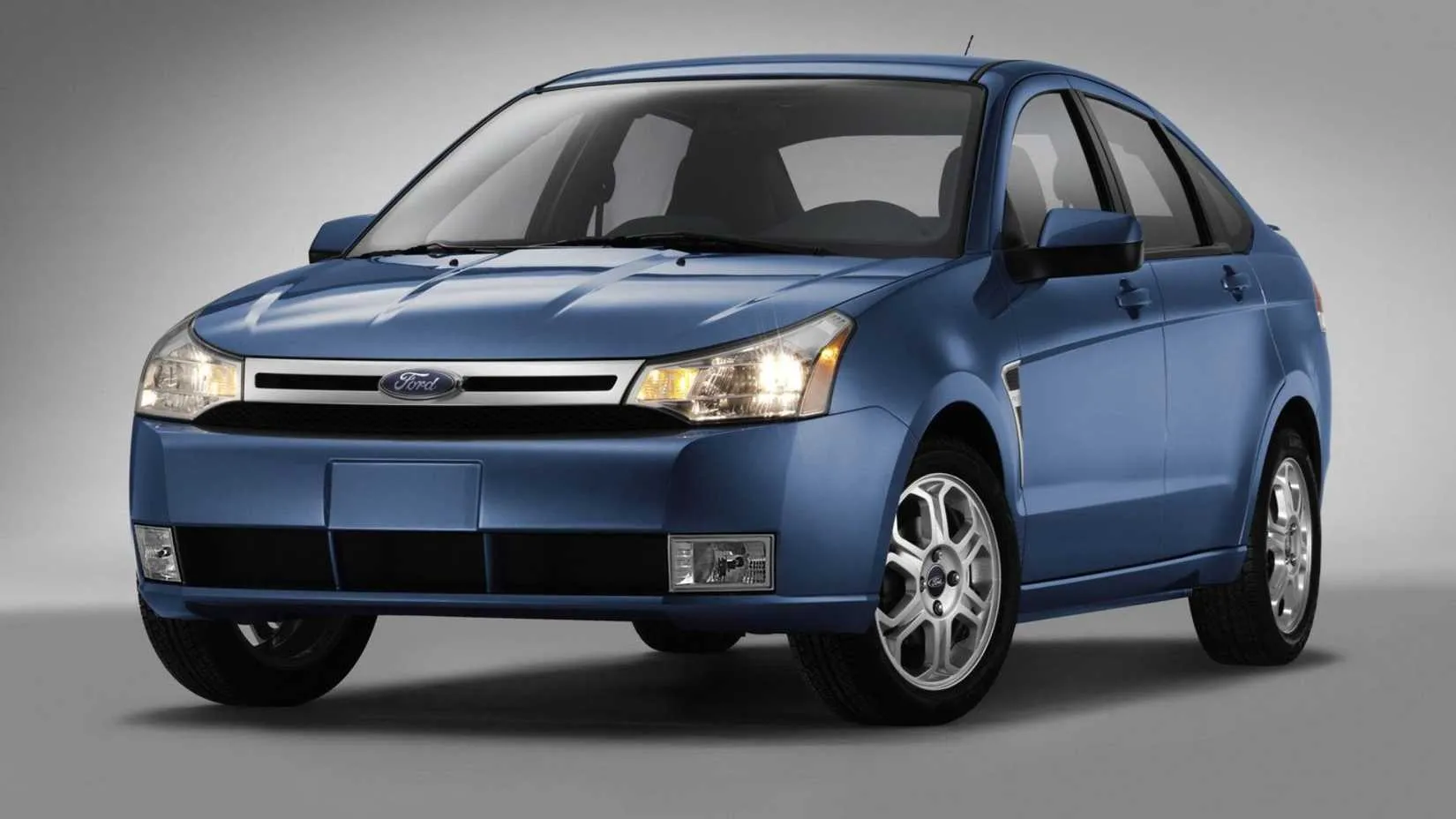
Reliable in appearance, the Ford Focus SE 2011 can disguise recurring problems that manifest under high mileage. Drivers initially enjoy responsive steering and a comfortable interior, but the vehicle’s older components often struggle to maintain performance through extended city and highway use. Suspension components, particularly control arms and struts, can wear quickly, resulting in uneven ride quality.
Engine longevity varies, as some owners report issues with the 2.0-liter inline-four, including oil leaks and overheating tendencies after heavy use. Transmission systems, especially dual-clutch variants, are prone to premature failure, making stop-and-go commuting stressful and costly. Electronics, including power windows and dashboard displays, sometimes fail, adding to the frustration for long-term drivers.
Interior wear is noticeable after several years. Seat cushions flatten, plastics scratch, and trim pieces loosen. These factors create a sense of aging inside a vehicle that still looks serviceable from the outside. Climate control units can fail, leaving drivers without reliable heating or air conditioning in critical weather conditions.
Underbody and chassis corrosion is a real concern. Brake lines, suspension mounts, and the exhaust system can degrade more quickly than expected, affecting safety and handling. Tire wear may become uneven as suspension geometry movements and vibrations develop during acceleration and braking.
While the Ford Focus SE 2011 offers value and charm initially, it struggles to maintain the same level of performance with prolonged mileage. Commuters relying on consistent daily operation may find repair costs mounting after a long time. Its driveability remains appealing, but patience and a steady maintenance schedule are required to avoid constant headaches.
4. Chevrolet Cruze LT 2012
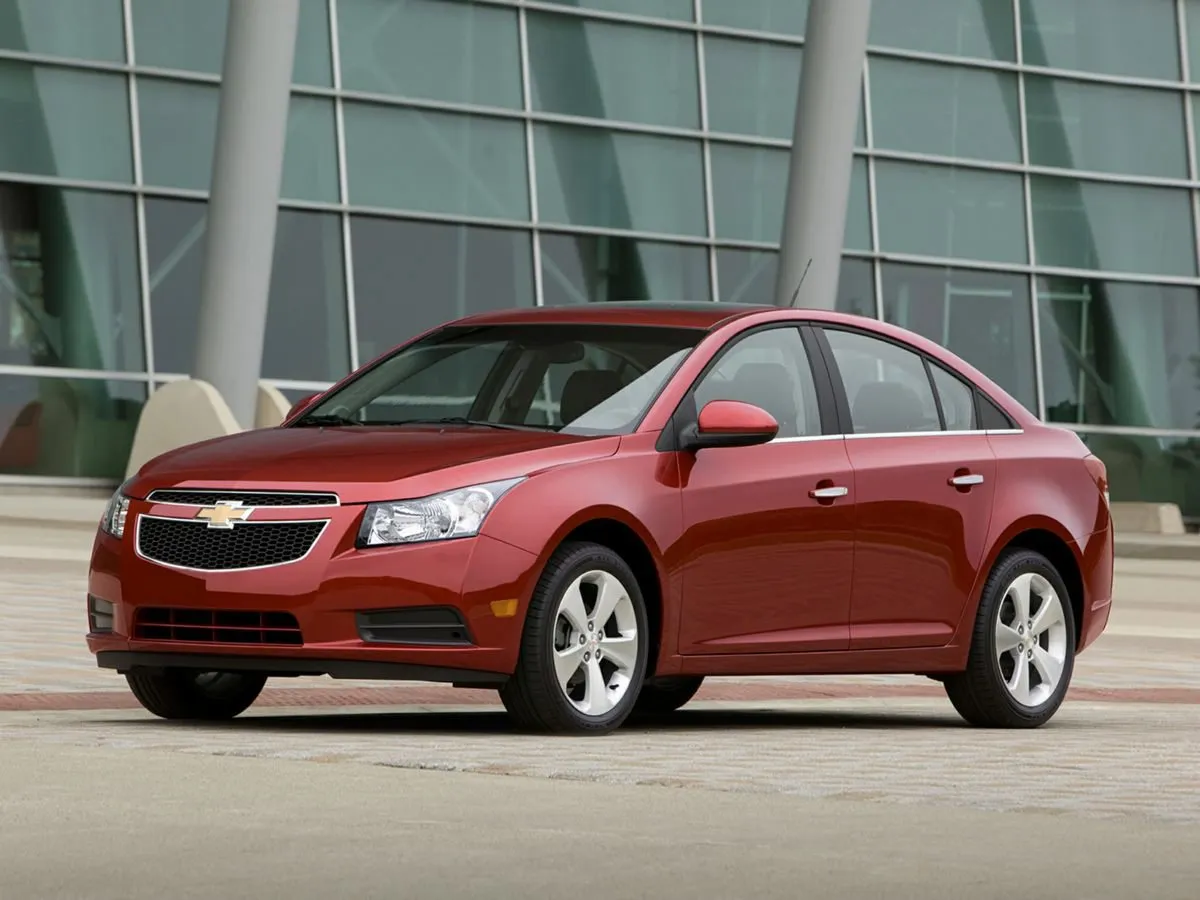
City driving can expose weaknesses in the Chevrolet Cruze LT 2012 that might remain hidden on short, infrequent trips. Its turbocharged engine provides adequate acceleration, yet prolonged use often reveals overheating and oil consumption problems.
Transmission reliability varies, and the automatic units sometimes develop shifting delays, leaving drivers frustrated during peak traffic hours.
The interior presents a stylish facade, but materials degrade with extended mileage. Seats compress, dashboard plastics warp, and trim pieces loosen, contributing to rattles and a sense of fragility. Infotainment systems from this era occasionally fail, creating distractions in addition to discomfort.
Suspension components wear faster than anticipated. Struts, sway bars, and bushings often need replacement sooner than expected, affecting ride quality and stability. Brake rotors may warp under continuous use, and uneven tire wear emerges as a frequent complaint among high-mileage owners.
Corrosion issues affect underbody components, including brake lines and exhaust hangers. Rust can subtly alter handling and braking performance, making the vehicle feel less secure as mileage climbs. Engine mounts and drivetrain components also show early signs of wear, necessitating repairs to maintain smooth operation.
Despite its initial appeal and affordability, the Chevrolet Cruze LT 2012 struggles with durability when driven extensively over the years. Commuters seeking dependable, long-term performance may encounter repeated repairs, turning what begins as a promising compact sedan into a source of frustration and expense.
Also Read: 5 Cars for Bethlehem Commuters and 5 Low Repair Cost Options
5. Nissan Versa S 2013
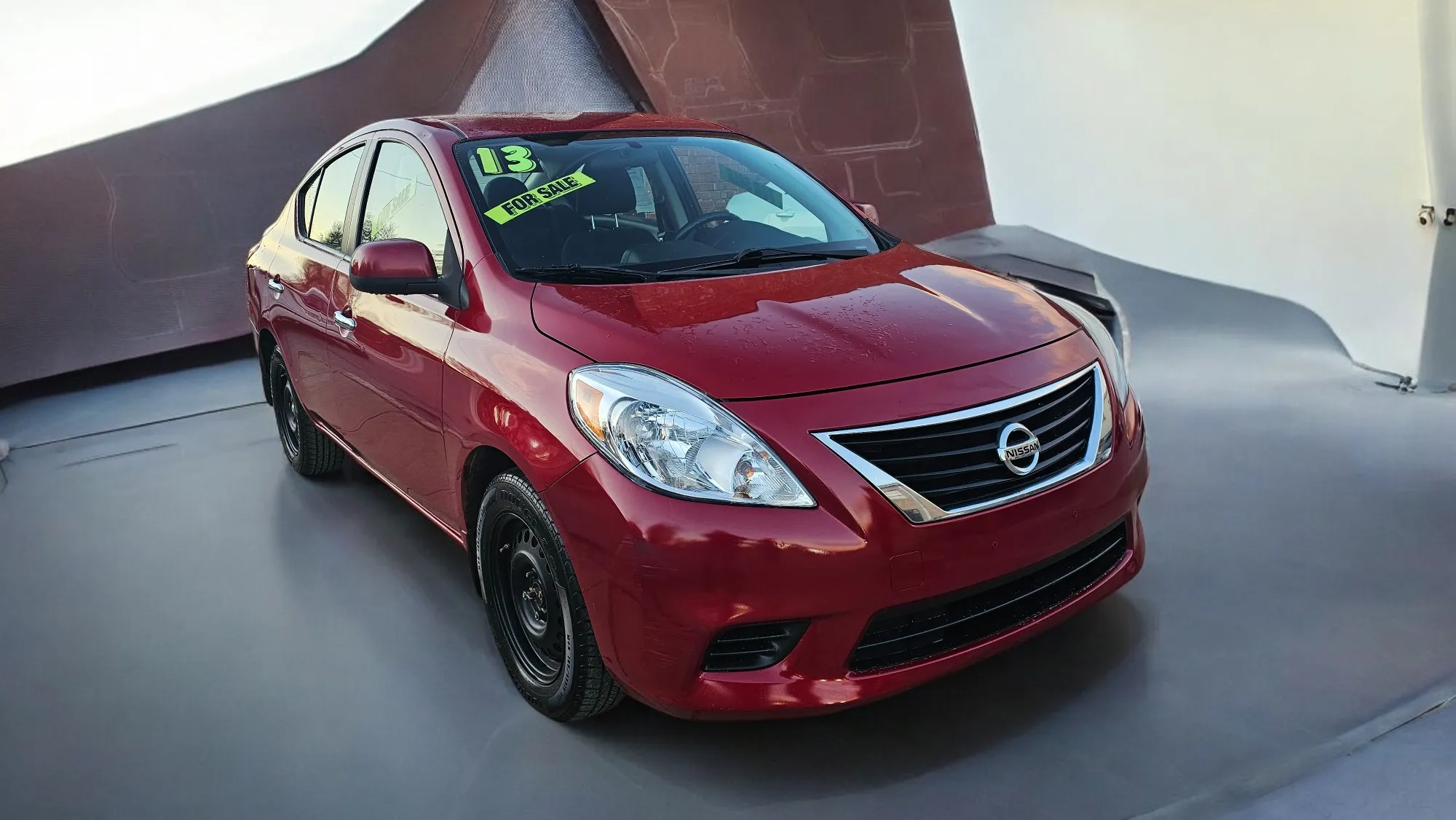
Compact dimensions and rock-bottom pricing make the Nissan Versa S 2013 look perfect for city driving at first glance. You’ll appreciate the tight turning radius and easy parking when going through urban streets.
That attractive sticker price catches your attention, especially if you’re shopping on a budget or need basic transportation without frills. Unfortunately, this Versa starts revealing serious vulnerabilities once you pile on the miles, transforming from a budget-friendly solution into a maintenance headache.
Lightweight construction and simplified mechanics keep initial costs down, but those same cost-cutting measures create durability problems during extended daily use. You’ll notice steering components and suspension parts showing premature wear far sooner than they should.
What started as tight, responsive handling gradually becomes loose and vague. Vibrations creep in, first subtle during highway driving, then increasingly noticeable even on smooth roads. That confidence you felt when the car was new? It fades as components deteriorate.
Under the hood, that modest 1.6-liter inline-four engine performs adequately when everything’s working properly. It won’t win races, but it gets you where you need to go without drama. At least initially. As mileage climbs past 80,000 or 100,000 miles, overheating issues start appearing, especially during stop-and-go traffic on hot days.
Oil consumption becomes problematic, requiring frequent top-ups between changes. You’ll find yourself checking the dipstick regularly, something you shouldn’t need to do on a car this age.
Automatic transmissions develop annoying behaviors after years of city commuting. Hesitation during acceleration becomes frustratingly common, especially when you need a quick response while merging onto highways.
Movements turn rough and jerky rather than smooth. You’ll feel the transmission hunting for gears or holding onto them too long. These aren’t just annoyances.
They’re warning signs of expensive repairs looming on the horizon. Electronics fail with disappointing frequency as these Versas age. Power windows slow down or stop working entirely, forcing manual operation or complete replacement.
Door locks develop minds of their own, locking and unlocking randomly or refusing to respond to key fobs. Infotainment systems freeze, reboot spontaneously, or stop functioning completely. Each failure adds inconvenience to your daily routine and another repair bill to your budget.
Interior quality takes a nosedive quickly. Seat cushions lose their shape and support, making longer drives uncomfortable. Plastics scratch easily, warp from sun exposure, and develop permanent marks from normal use. Trim pieces work loose, creating rattles that drive you crazy.
What felt like acceptable quality when new reveals itself as genuinely cheap after regular use. You’ll notice the declining comfort every time you sit down. Underneath, corrosion becomes a serious concern, especially in regions using road salt. Brake lines rust, creating potential safety hazards.
Exhaust hangers corrode and break, leaving exhaust systems hanging dangerously low. Suspension mounts deteriorate, allowing components to move excessively. Tire wear becomes uneven, no matter how often you rotate them. Steering develops subtle pulls to one side. That stable, predictable handling you initially appreciated disappears entirely.
Regular repairs and component replacements become routine parts of ownership rather than occasional inconveniences. What seemed like a budget-friendly purchase reveals its true cost through constant maintenance needs. You’ll spend more time at repair shops and more money on parts than you ever anticipated.
For commuters expecting consistent, dependable performance, the Nissan Versa S 2013 might feel charming during the first year or two. After that? It gradually exposes limitations that make ownership frustrating and expensive, transforming this once-practical compact into a vehicle demanding careful attention and frequent financial investment just to keep running.
