
Let’s be real: when most people think of the Chevrolet Corvette, they think speed, style, and a daring kind of cool. What they don’t always think about first is reliability.
But here’s the kicker if you’re dropping serious cash on a Corvette, you kinda want one that doesn’t have you living at the mechanic or worrying about random gremlins under the hood.
Corvettes have been around for over 70 years now, and like any long-running car lineage, some years are solid gold, others… well, they look great but might give you drama.
What separates the truly reliable from the merely flashy is a mix of engineering maturity, solid quality control, and real-world performance without constant headaches. We’re not just talking “this car won’t break,” we’re talking “this car lets you focus on the thrill, not the repair bills.”
I’ve driven, nerded out on, and dug into people’s ownership experiences to figure out which years are the real standouts. Real reliability isn’t just measured by how rarely a car breaks, but how well it ages, how forgiving its parts are to daily life, and how easy it is to keep on the road without draining your bank account.
Obviously, newer doesn’t always mean better. Some older Corvettes keep chugging along with a smile, while some newer models come with fresh tech that hasn’t quite ironed out the kinks yet. So this isn’t a list of “fastest” or “prettiest,” it’s a list of Corvettes you can trust.
We’ve kept it real, and we’ve ranked these top ten by a mix of owner reports, mechanical consistency, and how well they’ve held up over time. You’ll see classics that refused to quit, and modern rockets that proved reliability isn’t something you give up for power. Let’s get into it.
10 Most Reliable Chevrolet Corvette Model Years, Ranked
Alright before we drop into the individual cars, let’s talk about what this list really represents. This is about the model years that have genuinely stood up to the test of time and ownership reality.
It’s not about how many championships a Corvette helped win or whether it looks amazing parked sideways at a car show. Nope. This is strictly the practical, dependable, everyday-drive confidence list.
When we dug into actual long-term owner experiences, shops, maintenance records, and enthusiast chatter, a few things popped up. For starters, some generations just nailed the basics: durable engines, solid transmissions, and minimal weird electrical quirks. Others had a rocky start but got better mid-run after Chevy tightened up quality.
We’re also talking about years that are relatively easy and cheaper to fix when stuff does eventually wear out. A truly reliable car isn’t one that never needs service forever; it’s one where the service you do need is predictable and reasonable to take care of.
And yeah, Corvettes are performance cars, you’re going to push them, and they’re going to get older. But the model years on this list are the ones where, when owners were asked “Would you buy this again?” the answer was overwhelmingly yes.
So strap in from classic stalwarts that refuse to quit, to sleek modern machines that manage to be both powerful and sensible, this is the definitive reliability ranking for Corvette fans who care about durability as much as flair.
ALSO READ: 5 Cars for Newark Tight Parking vs 5 That Don’t Fit
1. 1996 Chevrolet Corvette
Let’s start with a Corvette that quietly became a favorite for reliability nuts: the 1996 model. This was the end of the C4 generation a car line that had its quirks early on but really matured by the mid-’90s.
By 1996, Chevy had ironed out many of the early C4 gremlins, especially in the drivetrain and electronics, and the result was a sports car that felt tight and consistent.
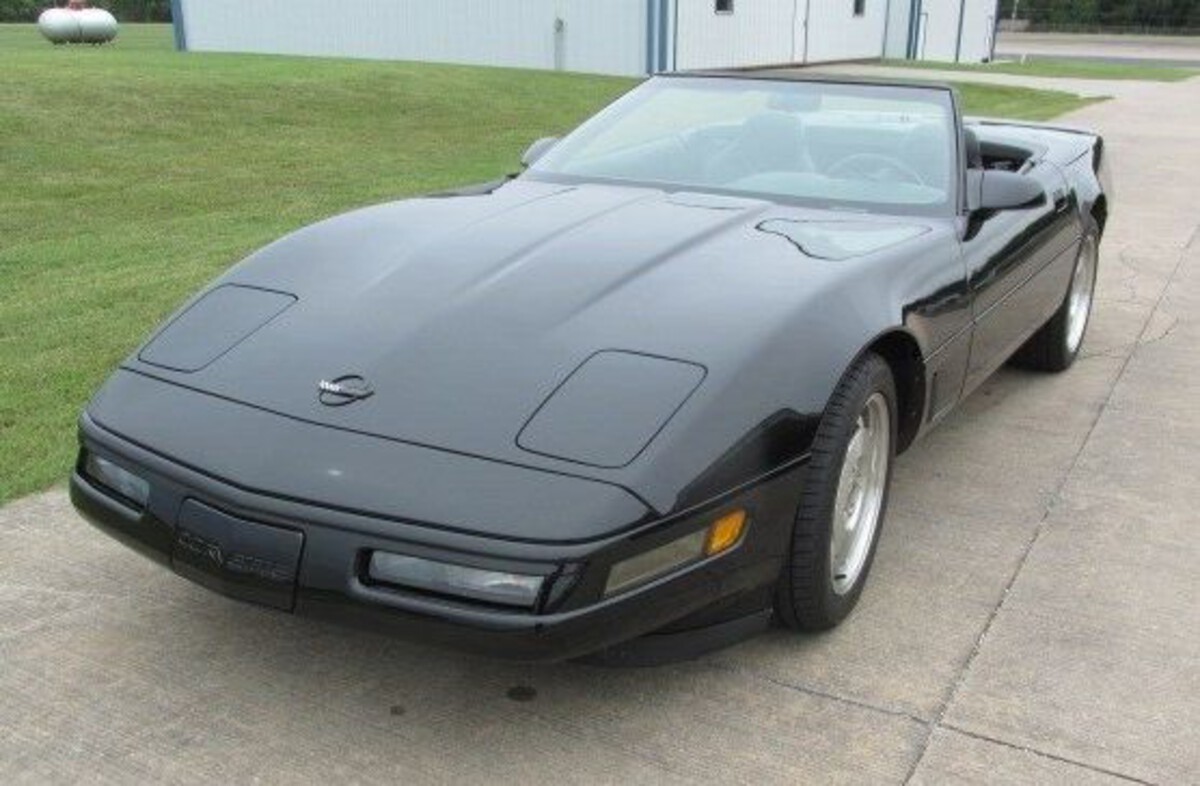
What makes the ’96 stand out is that it wasn’t trying to reinvent the wheel; it just did what it did well. The LT4 engine, a healthy 330-horsepower small block V8, was robust and pretty forgiving on regular maintenance.
Oil changes, tune-ups, and the usual wear items behaved predictably, and unless you were beating the hell out of it on track every weekend, this Corvette tended to shrug off the miles.
Owners report that the transmission, whether the smooth 6-speed manual or the reliable 4-speed automatic, rarely caused headaches, even after lots of use. Suspension bits held up reasonably well, too, and things like cooling and fuel systems didn’t show the weird intermittent issues that plague some other years.
Inside, the ’96 might not have the tech bells and whistles of later generations, but that actually works in its favor when we’re talking reliability. Fewer fancy gadgets mean fewer random electrical glitches. The dashboard layout is classic, intuitive, and most importantly, doesn’t throw errors that leave you scratching your head.
So if you want a Corvette that feels solid, predictable, and not likely to surprise you with a mysterious sensor light at 80,000 miles, the 1996 Corvette is a genuine contender on this list.
2. 2004 Chevrolet Corvette
The 2004 model is a fan favorite for a reason. It sits right in the sweet spot of the C5 generation, which is widely regarded as one of the most balanced Corvettes ever made. By 2004, Chevy had smoothed out a lot of the early C5 bugs, and what you got was a car that delivered serious performance without being a reliability headache.
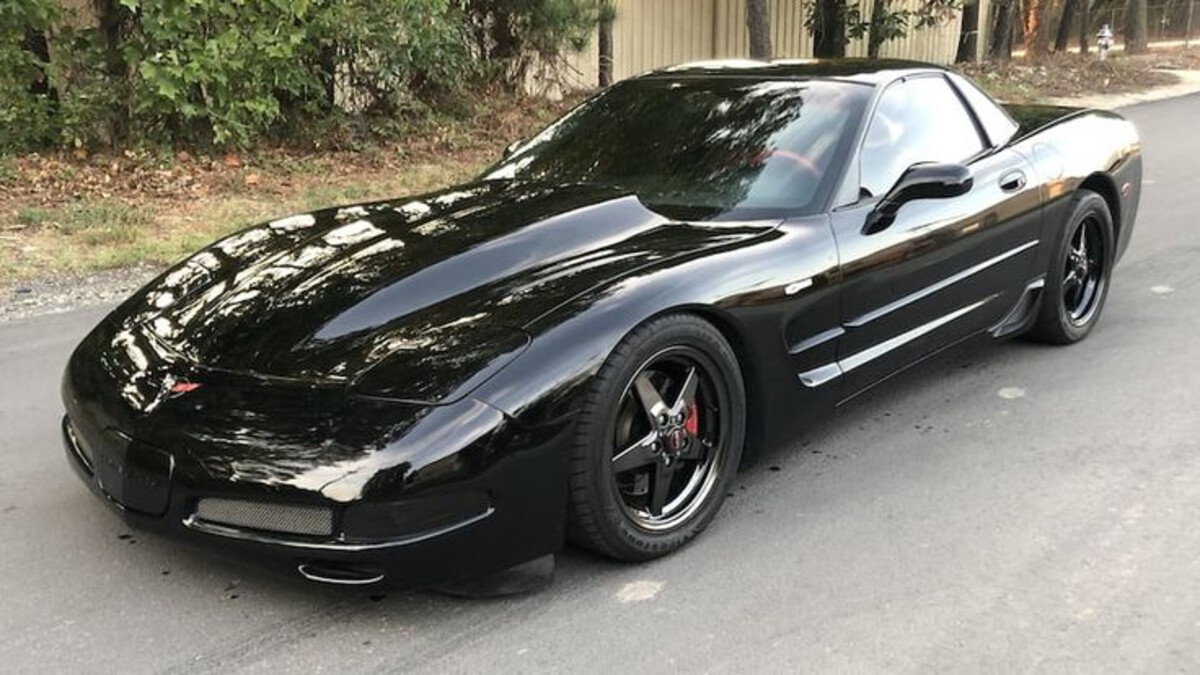
Under the hood sat the LS1 V8 a motor that’s since become legendary for its durability and tunability. This engine just doesn’t quit; regular maintenance keeps it happy for hundreds of thousands of miles.
You don’t need to baby it just respect the basics and you’re good. The transmission, particularly the 6-speed manual, is robust and user-friendly, which isn’t always a given in sports cars.
The 2004’s cooling system and electronics are straightforward, so you’re less likely to deal with weird, intermittent faults that only show up when it’s raining or on days ending with “y.” Suspension and chassis components are engineered to last, and many owners report that even high-mile examples feel composed and predictable.
Another thing that helps the 2004’s reliability rep? Chevy didn’t go overboard with gadgetry here. You still get creature comforts like air conditioning and a decent stereo, but nothing so complex that it becomes a liability years down the road.
Real-world ownership stories for the 2004 tend to be positive: drivers report low trips to the shop, normal maintenance costs, and a car that feels just as happy on a weekend blast as it is cruising to work.
If you want a Corvette that’s genuinely fun but won’t make you weak in the knees every time a warning light pops up, the 2004 Corvette is a solid bet.
3. 2013 Chevrolet Corvette
The 2013 Corvette sits in that modern-classic zone where power and reliability finally hang out without awkwardness. It’s part of the C6 generation, and by 2013 Chevy had sorted out a lot of early C6 shortcomings. What you got was a Corvette that felt mature, confident, powerful, and dependable.

This year introduced improvements to the LS3 V8 and got the aluminum frame dialed in just right. The engine’s not only strong, but it’s also disciplined. Owners report that the LS3 simply goes and goes with routine maintenance, including oil, fluids, and brakes, and doesn’t demand a rewrite of the maintenance schedule every 5,000 miles.
One thing that often trips up performance cars is the cooling systems. Overheat once, and the fun turns into frustration. But in the 2013 Corvette, the cooling is sensible and effective, which matters if you’re the type who likes a spirited drive without worrying about heat soak.
The electronics are another plus. Early C6s could be a bit quirky, but by 2013, the systems were stable. Infotainment, climate control, and sensors behave, and intermittent electrical gremlins are less common than in earlier years. That’s huge. Nothing drains confidence like electronics that decide to act up for no reason.
Transmission options include a smooth manual and a responsive automatic. Both are built to take some abuse without flinching, and owners often comment on how the gears feel tight and reliable even after years of use.
Ultimately, the 2013 Corvette manages to feel current without being finicky. It’s powerful, smooth, and doesn’t act like you’re doing it a favor by driving it. If you want a Corvette that blends modern punch with everyday dependability, the 2013 is tough to beat.
4. 1986 Chevrolet Corvette
Yeah, we’re jumping way back and for good reason. The 1986 Corvette is one of those underrated gems when it comes to reliability, especially for a classic. This was the end of the C4 generation’s early era, and Chevy had spent the decade ironing out the worst of the bugs.
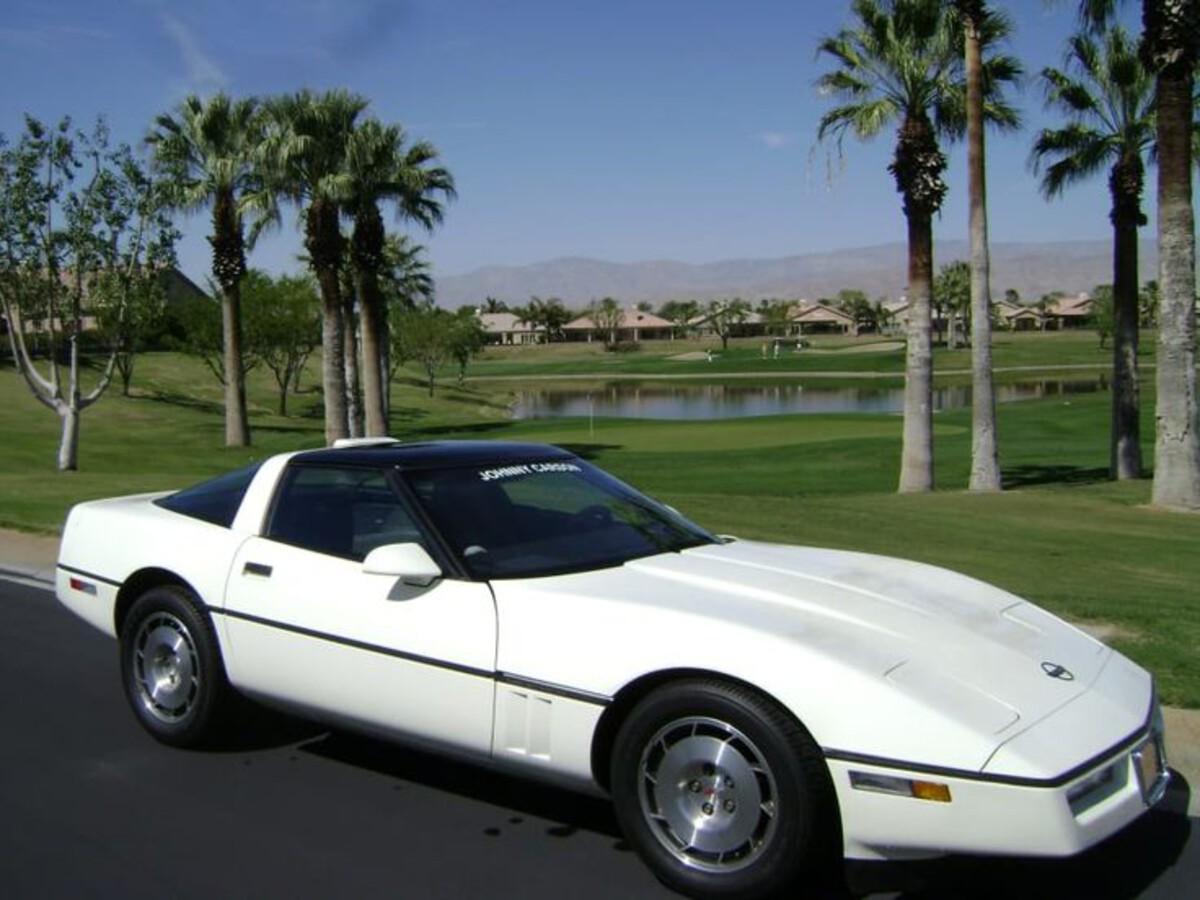
Let’s address the elephant in the room: cars that are 30+ years old are going to need love. But among their peers, the 1986 Corvettes show up as survivors. There are plenty of them still on the road, and that tells you something right there.
The powerhouse here is the L98 V8 not the flashiest by modern standards, but solid and predictable. It’s a fuel-injected engine that’s easier to maintain than earlier carbureted versions, and when you stay on top of basic upkeep, it runs steady. Parts are widely available and affordable relative to many other vintage sports cars, which makes keeping one on the road much less painful.
One thing that really helps the 1986’s reliability rep is the simplicity. Sure, it has options and features, but it doesn’t have the complexity of modern electronics that can go haywire. Wiring harnesses are straightforward, the dash is analog, and you don’t have to decipher a million warning lights.
Suspension and chassis have stood the test of time too. While rubber bushings and shocks wear out like on any older car, they don’t fail catastrophically and aftermarket support means replacements are easy to sort out.
Now, this isn’t a pick for someone who wants a zero-maintenance daily driver. But if you want a classic Corvette with a reputation for lasting, rather than being a maintenance nightmare the 1986 model deserves respect. It’s not exotic, it’s not fancy, but it is rock-solid in the way old-school machines should be.
5. 1999 Chevrolet Corvette
Jumping forward a bit, the 1999 Corvette is another C5 year that reliably gets talked about in ownership circles and for good reason. By this point, Chevy had settled into a rhythm with the C5 chassis and drivetrain, and the result was a sports car that didn’t just look good on paper; it worked in real life.
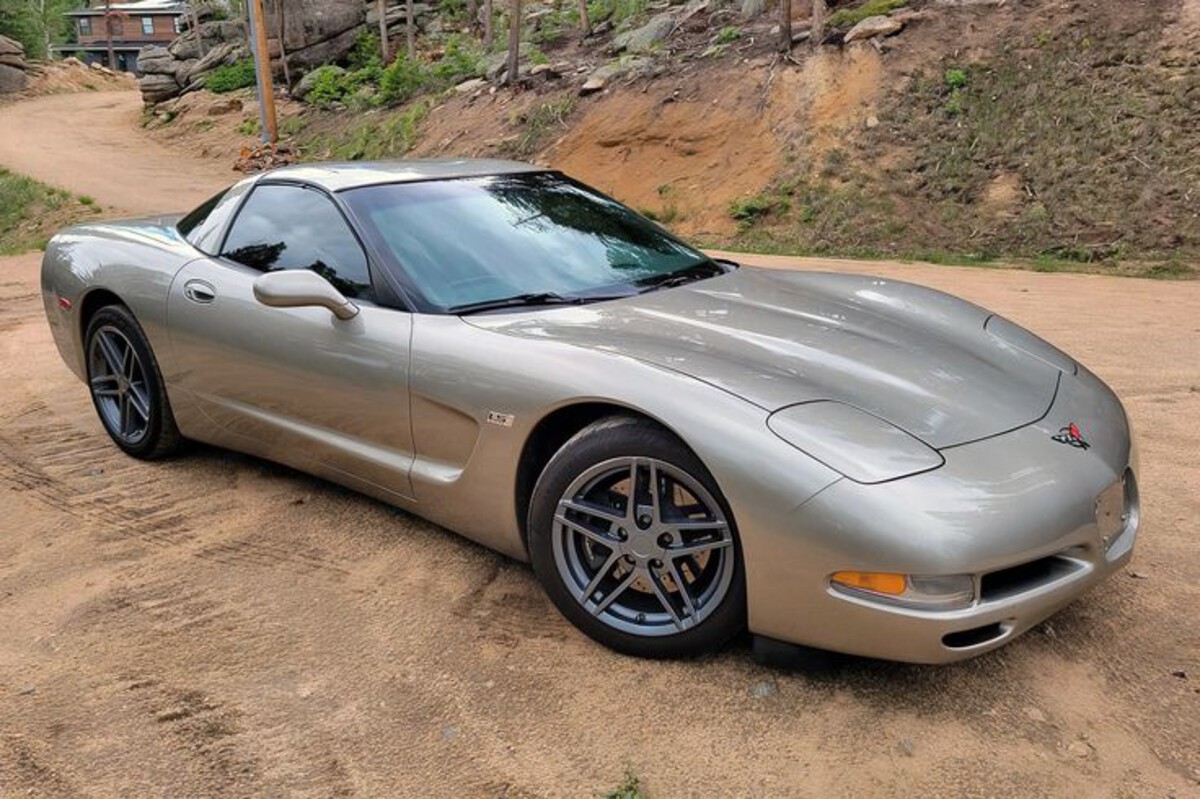
Under the hood you’ve got the LS1 V8 a motor that’s basically the poster child for reliability in modern Corvettes. It’s smooth, powerful, and predictable. What really stands out with the ’99 is how little it fusses over regular use. Owners driving these for years seldom report weird quirks or random sensor warnings. It’s a “set it and go” engine that likes being driven.
The 6-speed manual and 4-speed auto transmissions are both solid partners with the LS1. While nothing mechanical lasts forever, the ’99’s gearboxes tend to behave for a long time if you treat them right and aren’t shy about normal fluid changes. No drama, no quirky shifts that make you question your life choices at 3 a.m.
On the electrical side, this was before cars got covered in software, which is a plus. Things that can go wrong are basic and familiar not some mystery code that needs a special scan tool to diagnose. That means cheaper fixes and less time sitting at the shop.
Ride quality and chassis balance here are also surprisingly robust. Sure, it’s a sports car, but the ’99 Corvette isn’t so stiff that every pothole turns into a nail-biting experience. That’s reliability in a practical sense it treats the everyday world pretty gently.
So if you want a Corvette that feels mature, stable, and just works without endless tinkering, the 1999 model is one to seriously consider.
ALSO READ: 11 American Pickup Trucks Most Affected by Modern Tariff Increases
6. 2016 Chevrolet Corvette
Let’s talk about the 2016 Corvette part of the C7 generation that finally brought serious tech without killing reliability. This one is interesting because it shows that modern performance and dependability don’t have to be mutually exclusive.
The LT1 V8 in the 2016 is a monster and it’s no flake. It’s got modern fuel management, solid fuel economy for what it is, and a reputation for being tough.
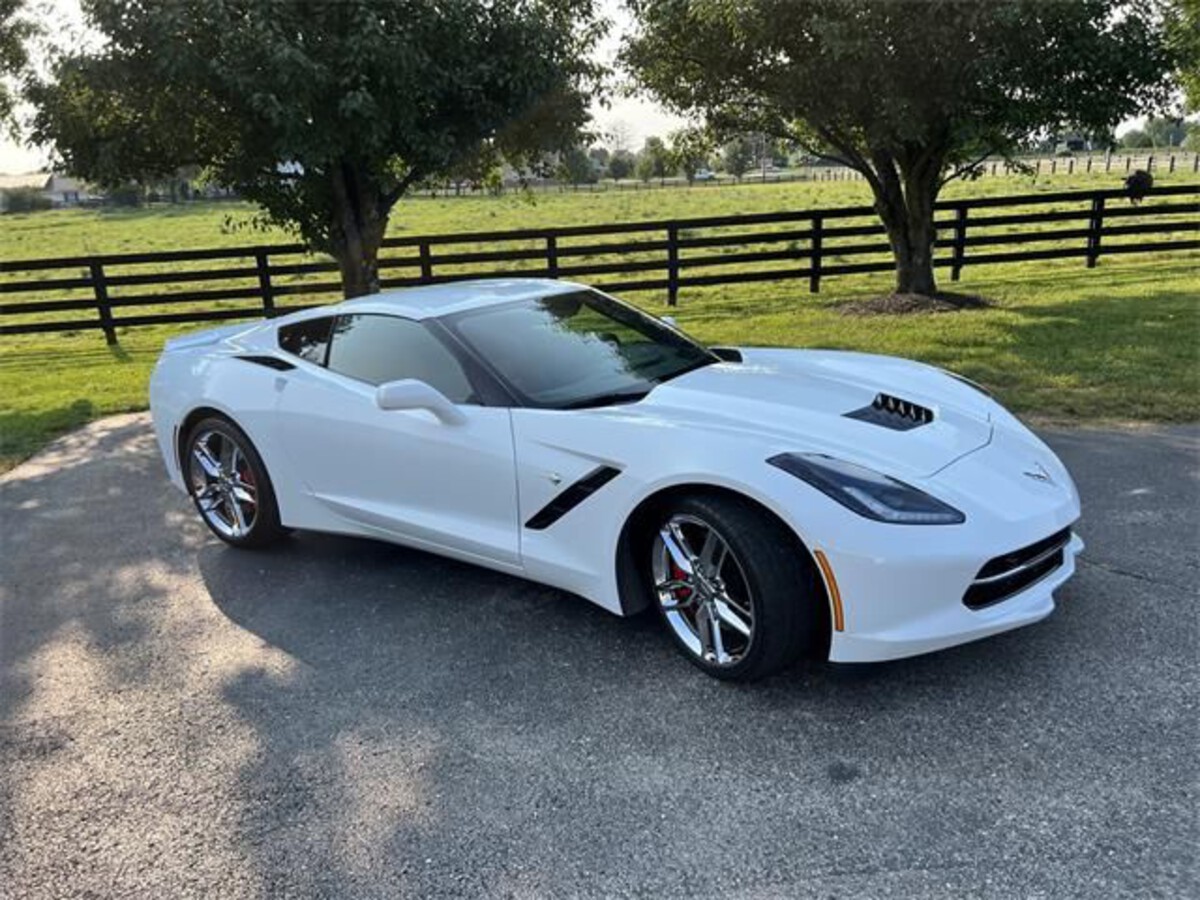
Unlike some newer performance engines that feel a bit touchy, this one just runs. Routine maintenance is predictable and doesn’t involve exotic, expensive parts. You change fluids, monitor wear items, and it rewards you by not complaining.
One thing people really like about the ’16 is the transmission options. The 7-speed manual is a joy, and the 8-speed automatic is one of the best automatics you’ll find in a sports car. Both are engineered to handle serious power without being fragile. They’re not perfect, sure no gearbox is but they hold up well for years of normal driving and even spirited runs.
This Corvette also benefits from improved electronics. Now, I know “electronics” can make enthusiasts roll their eyes, but Chevy got a lot right here. The systems are stable, intuitive, and they don’t throw random warnings for no reason. That’s a big deal when you’re relying on your car every day.
Cooling and chassis dynamics are another strong point. The car manages heat well, meaning you can actually enjoy it on twisty roads without worrying about temp spikes.
If you want a Corvette that blends modern punch with real-world reliability, no unpredictable surprises, no weird service lights for no reason, then the 2016 model is one of the smartest picks in recent memory.
7. 1984 Chevrolet Corvette
Yeah, another older one, and before you ask, yes, the 1984 Corvette is here for a reason. This year is often overlooked, but enthusiasts and long-term owners consistently highlight how these early C4s can just keep going when treated right.
The L83 engine in the 1984 is simple as heck. Fuel-injected V8, nothing too wild, and that simplicity is part of why it’s reliable.
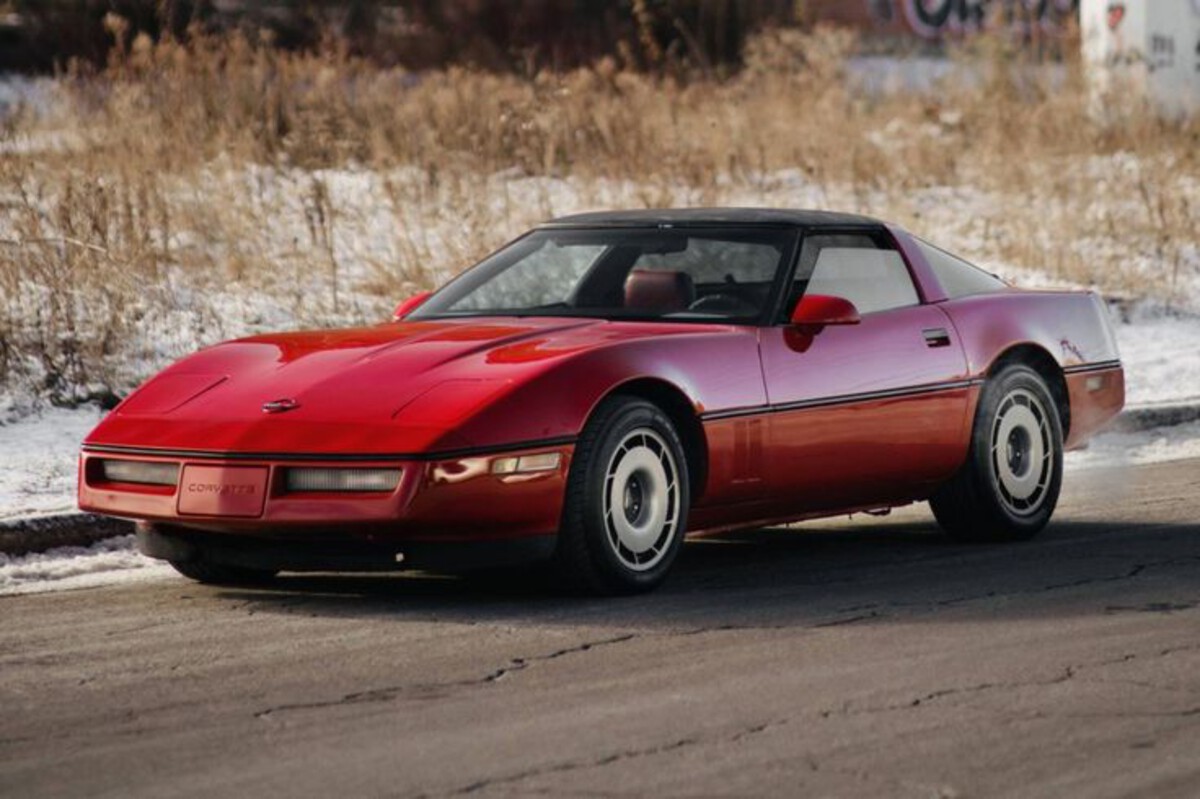
There aren’t a ton of sensors or frustrating computerized systems to worry about just a straightforward engine that wants oil changes, good plugs, and regular TLC. When you stick to the basics, these things don’t throw tantrums.
Now sure, some early C4s had quirks but by ’84, Chevy had already learned a lot from the first couple of years. Suspension components, steering, and brakes were all fairly robust for the era. Nothing about this car feels like it’s holding itself together with spit and optimism.
Electronics are basic, and honestly, that helps. No temperamental digital dashboards or finicky modules that decide they’re going on strike. What you see is what you get and for reliability, that’s gold.
Parts are another plus. Because there were so many of these made, there’s decent aftermarket and used support for components. That means if something does wear out and let’s be real, everything wears out eventually you’re not shelling out for crazy rare parts.
Do these cars have the refinement of a modern Corvette? Nope. But reliability? If you’re okay with a classic that needs love like any older machine, the ’84 will reward you with longevity and predictability.
8. 2001 Chevrolet Corvette
Back to the C5 the 2001 Corvette is another dependable pick from this generation. It’s early enough in the lineup that major kinks were mostly downhill by this point, and the LS1 engine was already earning a reputation for being a tough, no-nonsense powerplant.
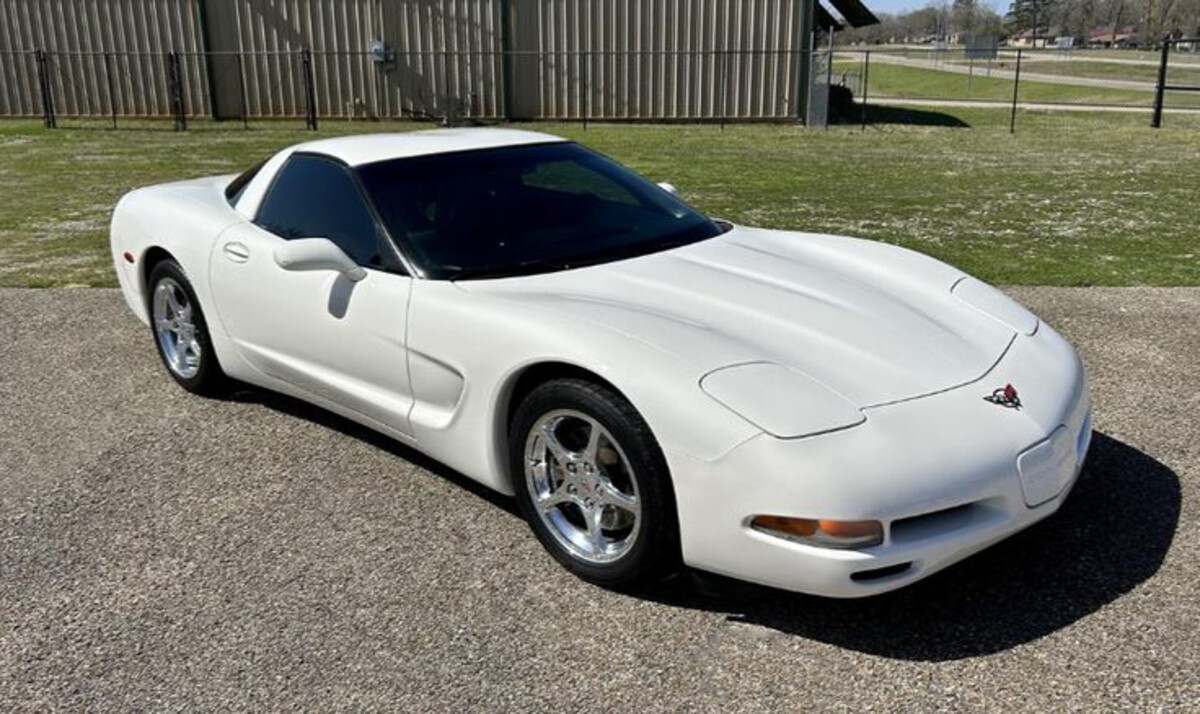
Drive this car and you’ll notice something pretty refreshing: it doesn’t fuss. The engine just works, and the transmission partners with it smoothly, whether you chose the 6-speed manual or the automatic. Neither tends to surprise owners with random issues, and both are fairly straightforward to service if you keep up with the basics.
One reason the 2001 holds up well is that Chevy wasn’t messing around with unnecessary complexity. You get some tech air conditioning, decent stereo, and a sensible dashboard but nothing so advanced that it becomes a maintenance headache down the line. That means fewer weird electrical quirks and more miles between visits to the shop.
Cooling systems in these tend to behave, which is huge for a performance car. Overheating is one of those reliability nightmares that can kill engines and send repair bills through the roof and that’s not something owners commonly report with the 2001 Corvette.
Chassis and suspension components are also solid. These cars feel crisp on the road without beating you up, and wear items like bushings and shocks age in predictable ways. You can plan service around normal mileage rather than chasing random breakdowns.
In a world where some sports cars demand obsessive attention, the 2001 Corvette stands out as a reliable, straightforward choice. It’s nothing showy, but it’s someone you can count on and that’s exactly what reliability should feel like.
9. 2019 Chevrolet Corvette
The 2019 Corvette has one major thing going for it: it’s the first year of the C8 mid-engine era. That alone makes it exciting but excitement without reliability is pointless. Thankfully, a lot of owners have found the 2019 to be a pleasant surprise on the dependability front.
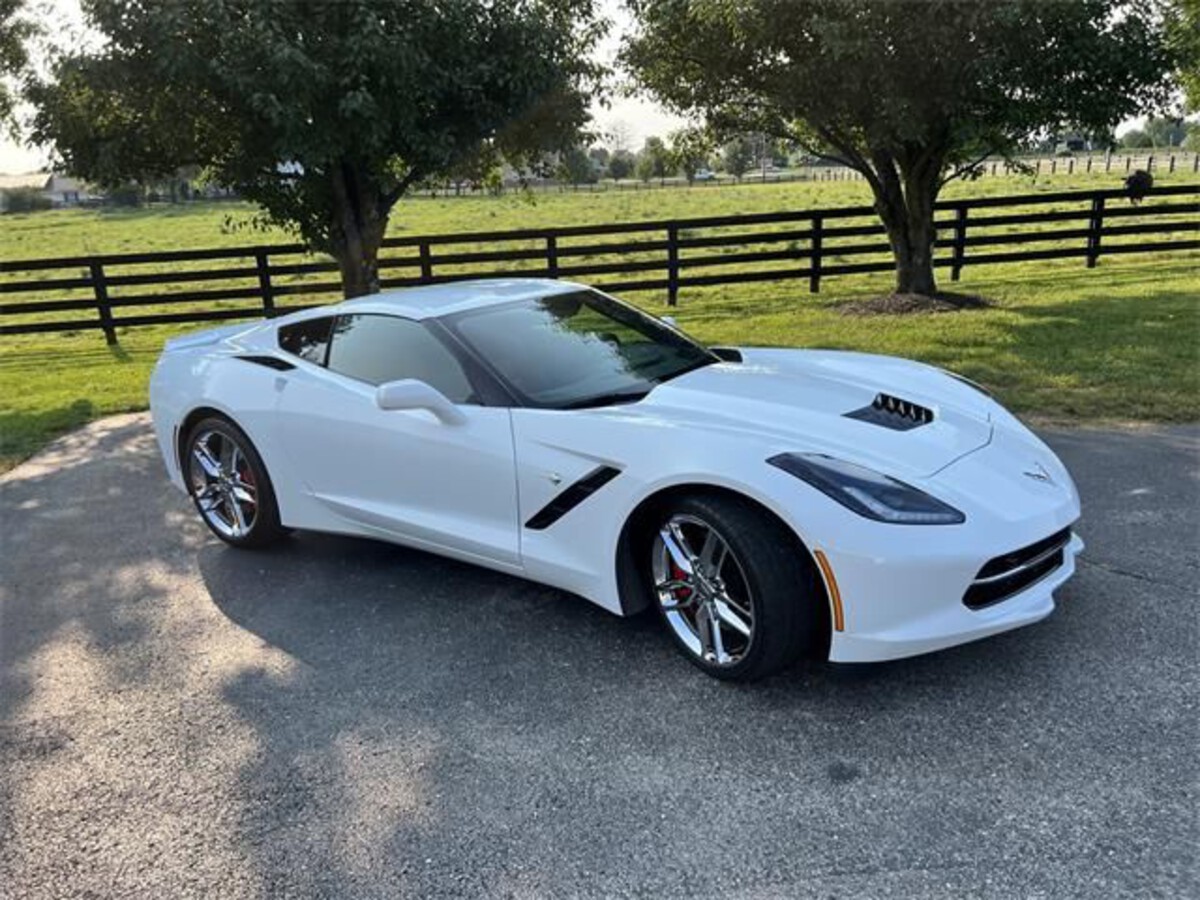
The LT2 V8 sits behind you in that mid-engine layout, which helps manage heat better than traditional front-engine corvettes. Better heat management means the engine and transmission aren’t constantly fighting overheating a real comfort for someone who wants performance without panic.
Modern cars can get complicated, and the 2019 Corvette is no exception. But Chevy hit a sweet spot where the technology adds useful stuff without turning into a digital maze of endless warning lights. Infotainment, driver aids, and climate systems are stable and intuitive, and owners report fewer odd glitches than you’d expect in a brand-new platform.
Transmission in this one is an 8-speed dual-clutch not your typical automatic, but one that’s been surprisingly reliable in real-world use. Dual-clutch setups can be finicky, but here it mostly behaves, offering quick shifts without the drama that often plagues other high-tech gearboxes.
Cooling and structural engineering are impressive, too. That mid-engine layout does wonders, keeping weight balanced and temperatures stable even under spirited driving.
Yes, it’s a newer car, and that always means some unknowns ahead. But early reliability reports for the 2019 are solid, and many owners are genuinely pleased with how this Corvette combines modern tech, crazy performance, and day-to-day usability without constant fussing.
10. 1978 Chevrolet Corvette
Last up and maybe a surprise is the 1978 Corvette. Now, old cars are a different breed when it comes to reliability, but this one earns its spot because it tends to last when you give it regular mechanical respect and care.
The engine options in ’78 were predictable and straightforward. The L48 and L82 V8s might not be blistering modern powerhouses, but they’re simple. They don’t have tons of crazy emissions gear or temperamental electronics to trip over. That means fewer weird failure points and for an old car, that’s reliability gold.
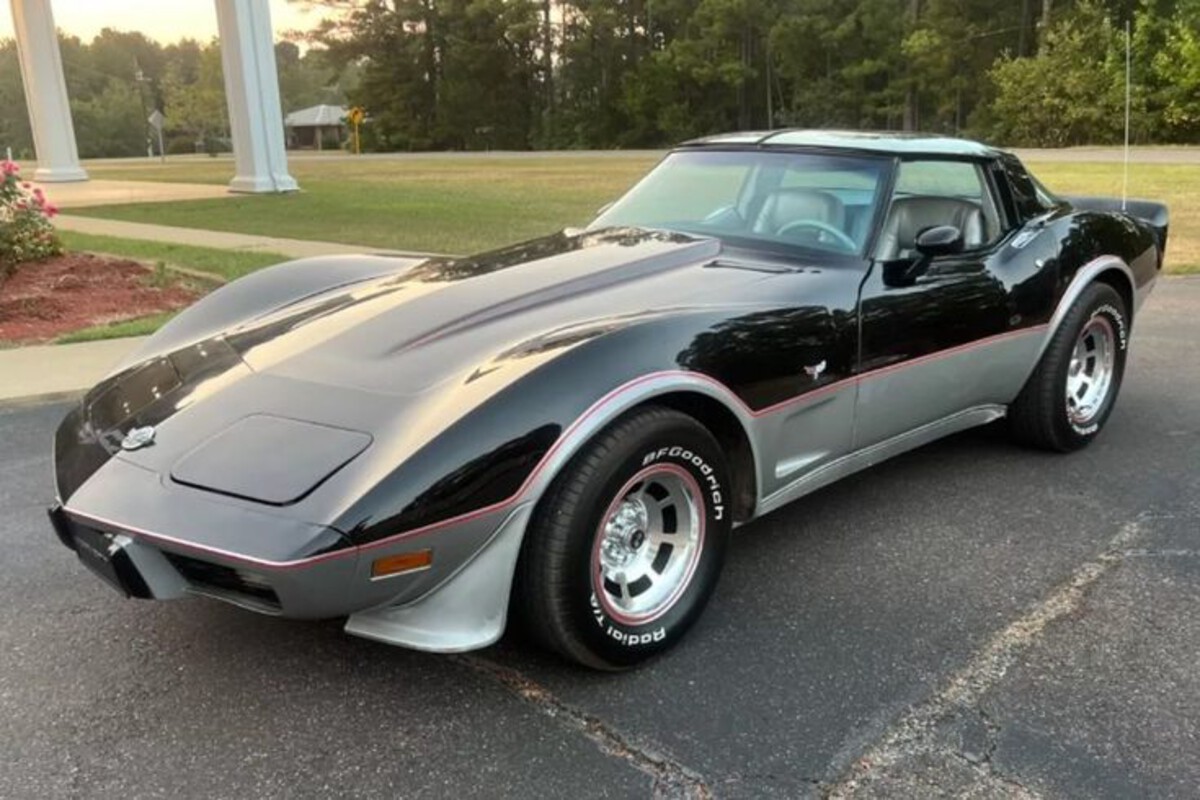
Yeah, mechanical age matters. But owners who keep up with typical maintenance oil, belts, cooling system, carburetor tuning, find these cars surprisingly forgiving. Things wear out, sure, but they wear out in ways you can see coming instead of randomly bursting into mysterious error codes.
Parts support for these is decent because there were a lot made, and the Corvette community loves them. That means replacements aren’t hugely expensive or impossible to find. You’re not hunting for some bizarre unicorn component when something gives up.
The suspension and brakes won’t blow your mind by modern standards, but they’re robust for their era and don’t tend to fail spectacularly. Sure, rubber bits get old but that’s true of every vintage car, and it’s predictable.
Driving a ’78 isn’t like driving a new Corvette. It’s a bit raw, a bit analog, and a lot of character. But if you treat it like a classic and you don’t expect modern creature comforts, it will keep going. That’s why it earns its place here not because it’s better than everything else, but because it lasts when others of its era sometimes don’t.
The models on this list? They’re the ones that do the fun stuff without being drama queens about it. They’re the ones where owners say, “Yeah, I’d get this again,” not “Why did I buy this nightmare?”
They span decades, styles, and technologies classics that reward patience and care, and modern machines that proved you can have power and reliability together.
A few key themes pop up when you look across these years. Engines that stick to sensible engineering tend to be more reliable. Cars with fewer bizarre electronics usually behave better long-term. And years when Chevy spent a bit more time refining. Rather than rushing something new out the door are the ones that still get love in owner forums and real-world use.
But here’s the thing: reliability doesn’t come from magic. It comes from maintenance. Even the most dependable car on this list needs oil changes, coolants checked, brakes serviced, and suspension bits replaced as they age. Reliability isn’t about never doing maintenance. It’s about knowing what to expect and not being blindsided every time you turn the key.
So whether you’re eyeing a classic ’78 for weekend cruising or a modern C8 for street and track, go in with your eyes open. Know what you’re buying. Talk to other owners. Check service histories. Because when you pair the right Corvette with responsible care, you get one hell of a ride that keeps rewarding you, mile after reliable mile.