Back in the 1960s, muscle cars weren’t some polished, corporate-engineered machines designed for perfect sales numbers. They were raw, loud, greasy, unapologetic statements on wheels.
Guys and gals didn’t just buy cars, they bought a mood, an attitude, a launch-control-on-two-wheels kind of lifestyle.
And if you wanted real muscle back then, you didn’t settle for an automatic and cruise control. You grabbed a stick shift, planted your foot, and wrestled horsepower into submission with your own two hands.
This wasn’t refined engineering, it was brute force with a bit of swagger. These cars made power figures up into triple digits that felt like rocket thrust hitting asphalt. They were loud. They smoked. They challenged you. And win or lose, you walked away bruised, grinning, and always thinking about that next burnout.
Yes, these cars had flaws. Terrible gas mileage? Check. Questionable brakes? Absolutely. Handling that screamed “straight line only”? You bet. But that’s the thing for people who lived and breathed speed, muscle wasn’t about being sensible.
It was about pure, mechanical aggression that you felt every time you pushed the clutch, dropped the hammer, and let that big engine roar. Manual transmissions were essential because they made you part of the machine, no computers, no nanny tech, just human input and raw output.
In this article, we’re talking about the ten most brutal, most powerful, stick-shift muscle cars of that iconic decade. These are cars that make you rethink your relationship with traction, clutch pedals, and whether your insurance should cover stupidity.
1. 1969 Chevrolet Camaro Z/28
The 1969 Chevrolet Camaro Z/28 was built with one clear goal: give the driver complete control over serious power. This wasn’t a soft cruiser or a flashy showpiece. It was a focused muscle car that demanded effort and rewarded skill.
Under the hood sat a high-revving V8 that loved to be pushed, especially when paired with a four-speed manual transmission that made every shift feel deliberate and mechanical.
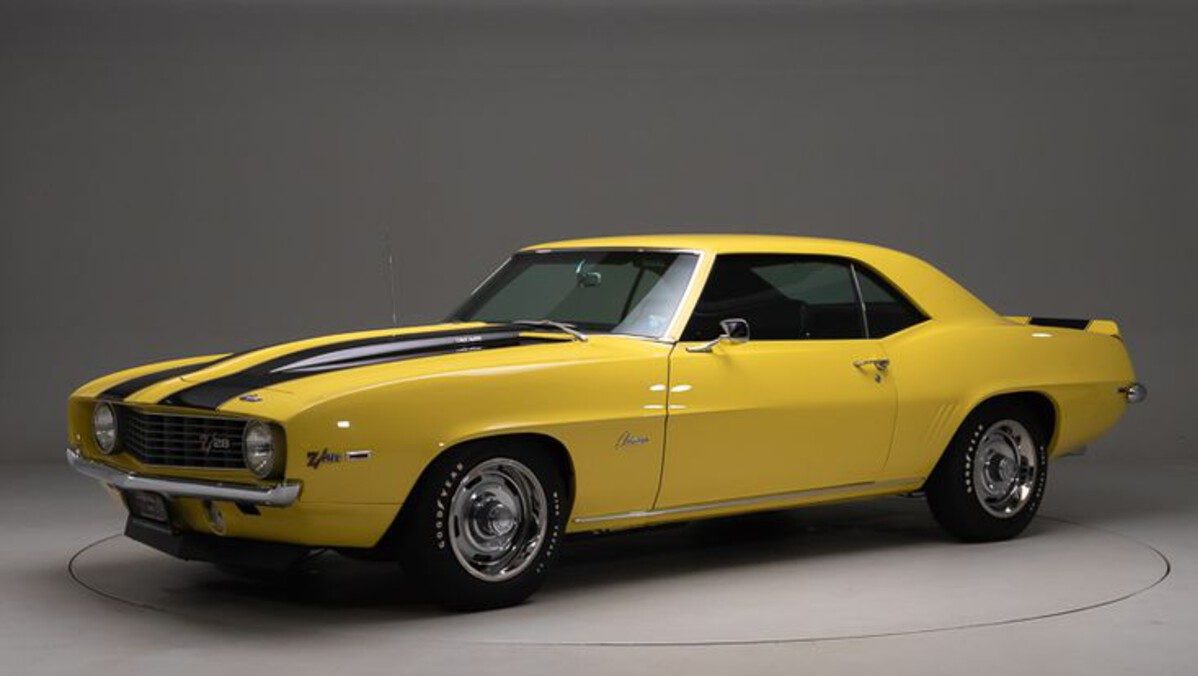
Driving the Z/28 was an active experience. The clutch pedal was firm, the shifter had a solid, no-nonsense feel, and the engine responded instantly to throttle input. You couldn’t drive this car lazily.
Every gear change mattered, and every mistake reminded you that this machine expected respect. When driven right, the Camaro surged forward with confidence, pulling hard through each gear and delivering a rush that felt raw and honest.
What really helped the Z/28 stand out was how planted it felt compared to many other muscle cars of the era. While most focused purely on straight-line speed, this Camaro handled corners with surprising control.
Downshifting into a turn felt natural, and powering out of it made the car feel alive in your hands. The manual transmission played a huge role in that connection, allowing the driver to stay engaged at all times.
The exterior design matched the attitude. Low, wide, and aggressive, the Z/28 looked ready for action even at a standstill. Inside, everything was simple and purposeful, reinforcing that this car existed to be driven hard, not admired quietly.
The 1969 Camaro Z/28 remains iconic because it balanced brute strength with driver involvement. It proved that muscle cars could be thrilling without feeling sloppy, especially when a manual transmission put the power directly in the driver’s control.
2. 1967 Shelby GT500
The 1967 Shelby GT500 was not designed to be forgiving. It was built to test drivers, challenge confidence, and deliver power in its rawest form. With a massive V8 engine up front and a four-speed manual transmission connecting the driver to that power, this car felt intense from the moment I got behind the wheel.
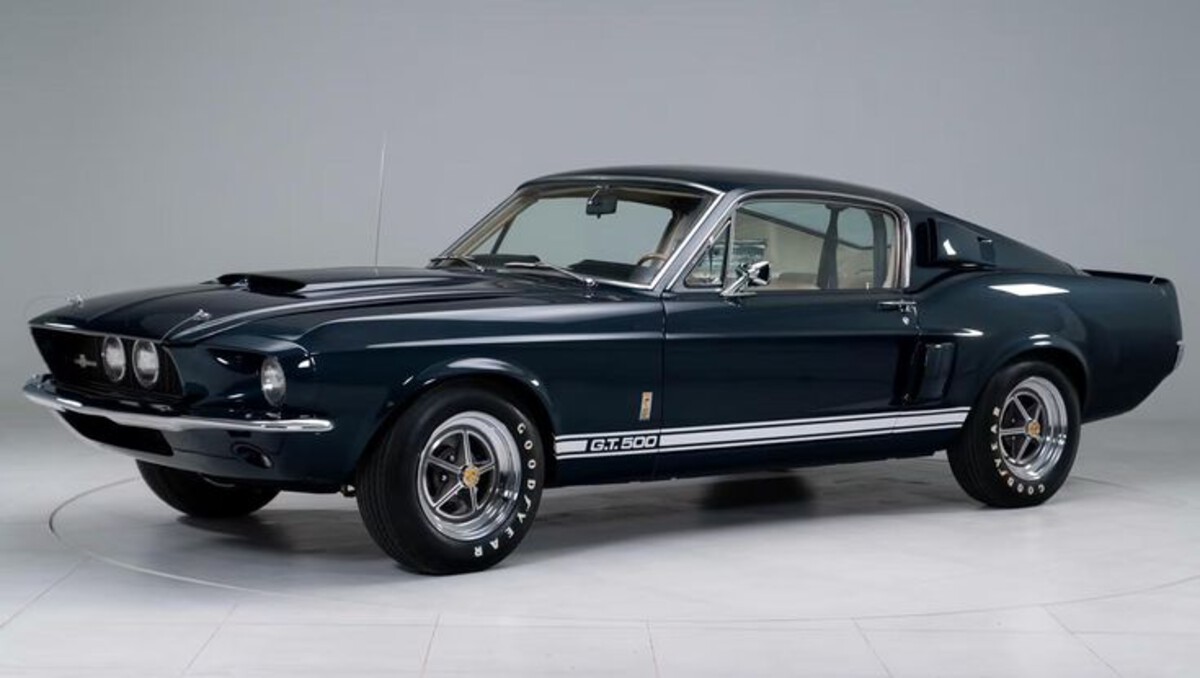
The engine delivered torque early and hard. Press the accelerator, and the car surged forward with authority. The manual gearbox made sure you felt every bit of that force.
Shifts required strength and precision, and the clutch demanded commitment. This wasn’t a car that tolerated sloppy driving. It pushed back if you hesitated, and it rewarded you only when you stayed sharp.
On the road, the GT500 felt heavy but purposeful. Steering required effort, braking needed planning, and acceleration happened fast enough to demand respect. The manual transmission amplified the experience, making every drive feel physical and engaging. You weren’t just steering and accelerating; you were managing power constantly.
Visually, the GT500 carried a commanding presence. Wide stripes, aggressive lines, and a muscular stance made it clear that this was no ordinary Mustang. Inside, the cabin focused on function rather than comfort, keeping the driver locked into the experience.
The 1967 Shelby GT500 earned its reputation by refusing to be tamed easily. With a manual transmission, it delivered one of the most demanding and rewarding muscle car experiences of the 1960s, making every mile feel earned rather than given.
3. 1969 Dodge Charger R/T
The 1969 Dodge Charger R/T looked intimidating even before the engine was started. Long, wide, and aggressive, it had a presence that few cars could match. However, the real story began when the V8 came to life, and the four-speed manual transmission was put into action.
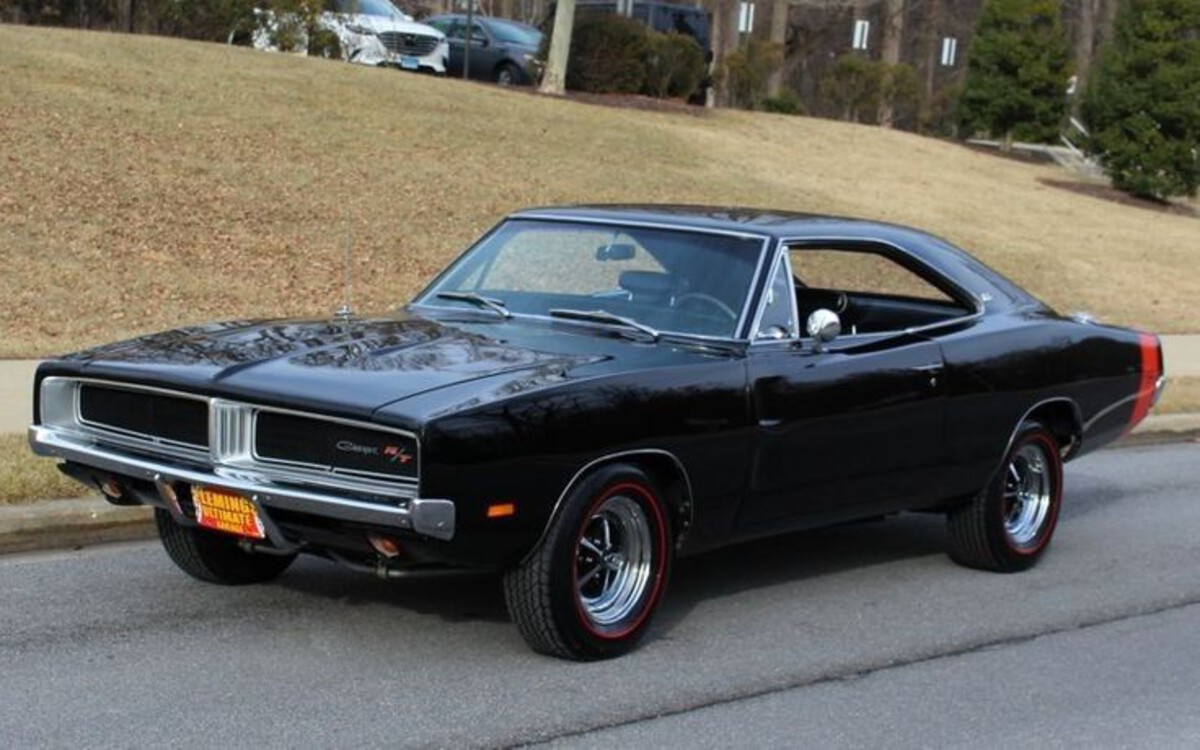
This Charger was all about torque. Power came on strong and didn’t let up, especially in the lower gears. The manual transmission gave the driver direct control over that force, making launches aggressive and gear changes deeply satisfying. The shifter felt heavy and mechanical, reinforcing the idea that this car was built for strength, not subtlety.
Straight-line performance was where the Charger R/T truly shone. Drop the clutch, hit the gas, and the car surged forward with confidence, planting itself firmly on the road. The sound alone was enough to turn heads, deep and loud, announcing its presence long before it disappeared down the street.
Handling was predictable rather than precise. This wasn’t a car meant for tight corners, and it never pretended to be. The manual transmission helped manage the power, allowing drivers to keep the engine where it performed best without losing control.
Inside, the Charger offered space and simplicity. The focus stayed on durability and function, with the manual shifter front and center as a reminder of what this car was built to do.
The 1969 Charger R/T became legendary because it embraced size, power, and attitude. With a manual transmission, it delivered a driving experience that felt bold, physical, and unforgettable.
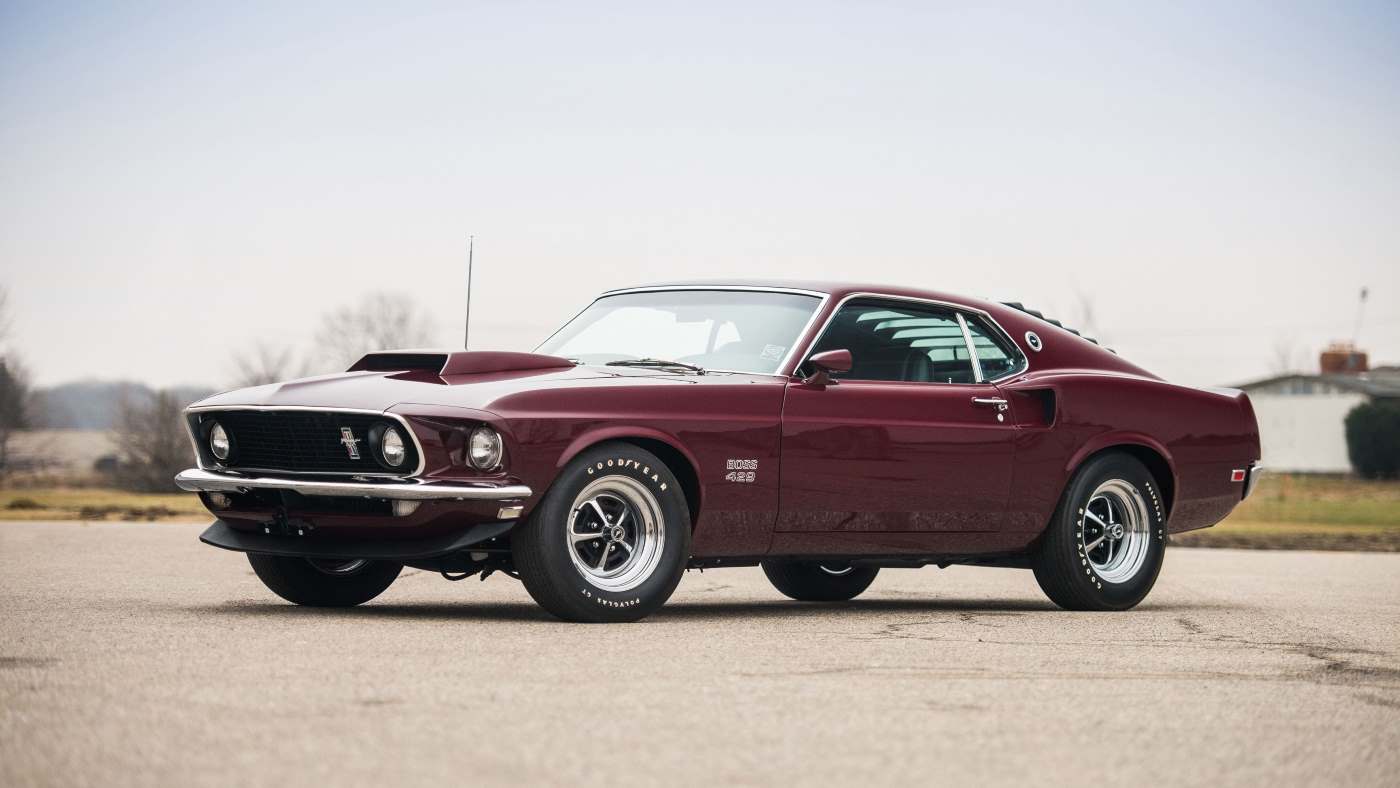
4. 1969 Ford Mustang Boss 429
The 1969 Ford Mustang Boss 429 felt more like a race engine wrapped in a street car than a typical muscle machine. Built to meet performance goals, it featured a massive V8 that dominated the driving experience. Paired with a four-speed manual transmission, it demanded skill, focus, and confidence.
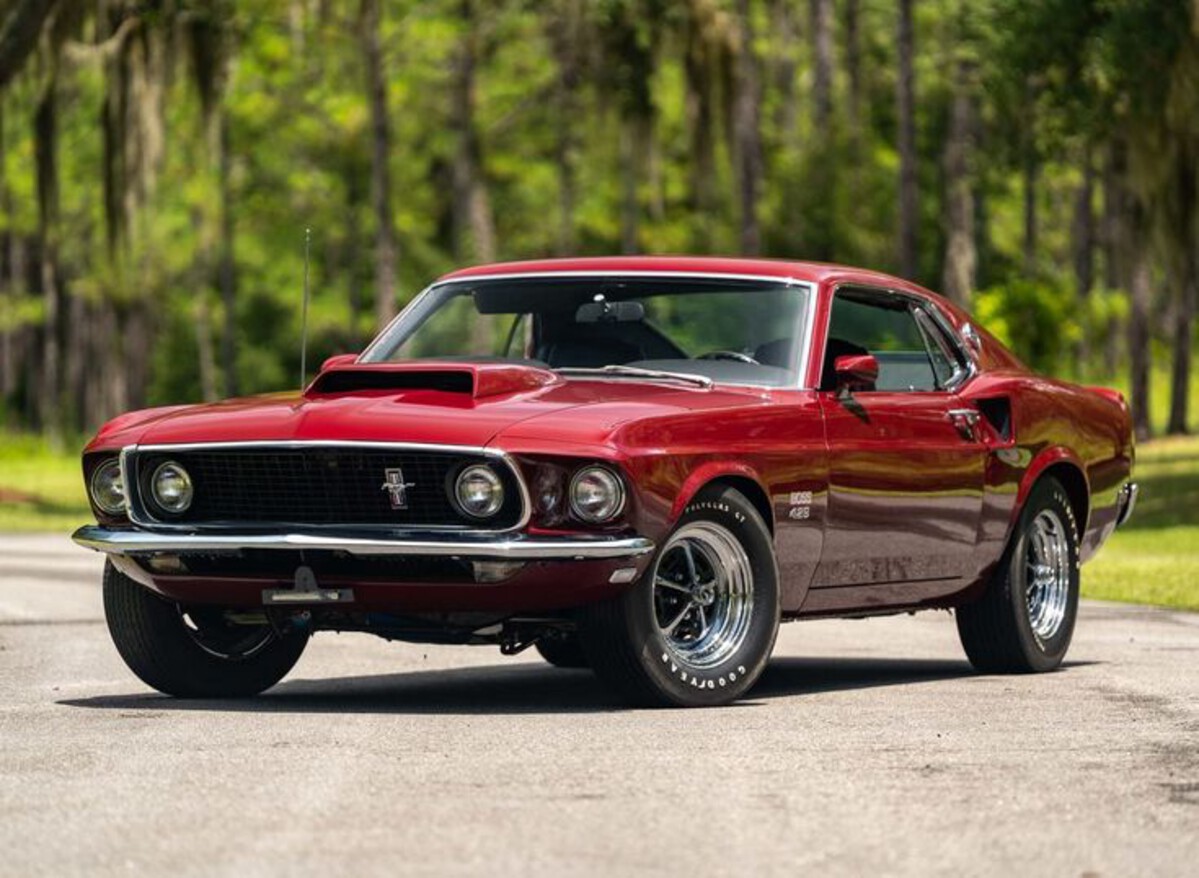
Power delivery was aggressive, especially at higher revs, where the engine truly came alive. The manual gearbox played a critical role in controlling that output. Shifts were firm and required precision, and the clutch was anything but forgiving. Every successful gear change felt rewarding, while mistakes were immediately noticeable.
Driving the Boss 429 was intense. Acceleration felt relentless, and the car stayed composed in straight lines where it felt most at home. The manual transmission allowed drivers to stay in the engine’s power range, making hard pulls feel controlled rather than chaotic.
The exterior design hinted at its performance focus, with subtle details that set it apart from standard Mustangs. Inside, the cabin was functional and driver-oriented, reinforcing the idea that this car existed for performance first.
The Boss 429 earned its reputation by being demanding. It didn’t try to be friendly or comfortable. With a manual transmission, it delivered a driving experience that felt serious, powerful, and deeply mechanical.
5. 1968 Plymouth Road Runner Hemi
The 1968 Plymouth Road Runner Hemi was built around one simple idea: maximum power with minimal distractions. It wasn’t refined, polished, or subtle. It existed to go fast, sound loud, and deliver raw performance through a four-speed manual transmission.
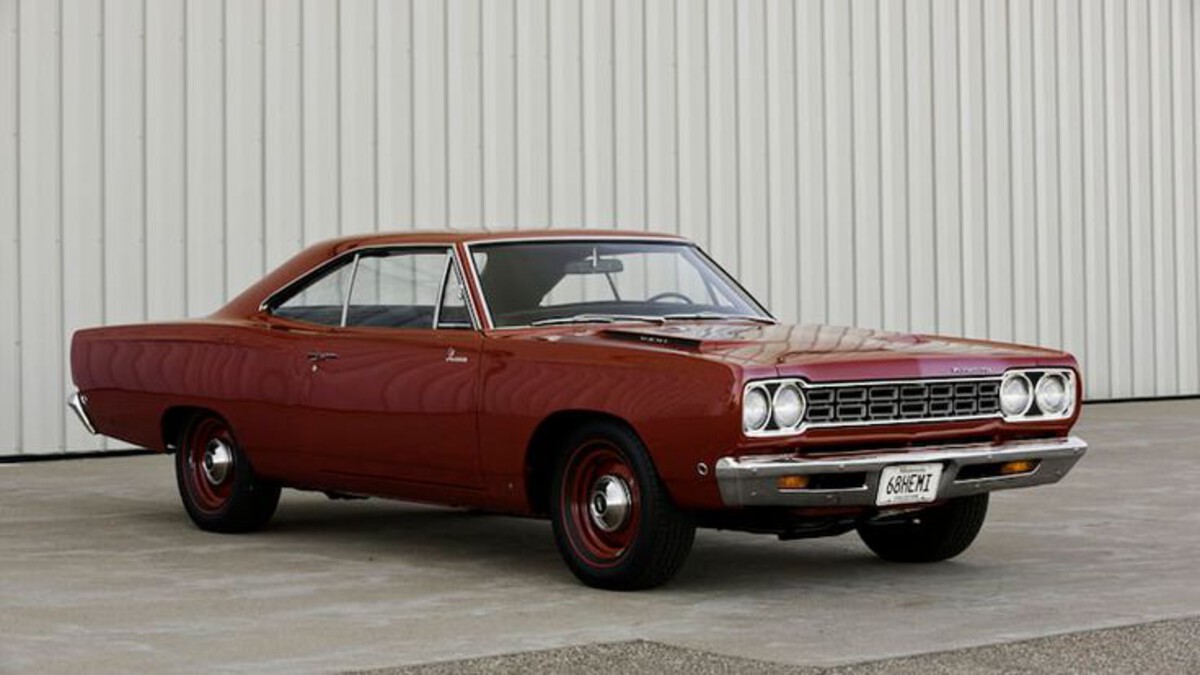
The Hemi engine provided massive torque, and the manual gearbox made sure the driver controlled how that power hit the road. Shifts were straightforward and solid, reinforcing the car’s no-frills personality. Drop the clutch, and the Road Runner lunged forward aggressively, demanding attention and respect.
On the road, the car felt wild and unapologetic. Handling took a back seat to straight-line performance, but that was the point. The manual transmission allowed drivers to manage traction and throttle, turning every open stretch of road into a test of control and nerve.
The Road Runner’s exterior matched its personality: bold, muscular, and impossible to ignore. Inside, the cabin was stripped down and functional, keeping the focus firmly on driving.
The 1968 Road Runner Hemi became a legend because it delivered exactly what muscle car fans wanted. Big power, loud attitude, and a manual transmission that made the driver an essential part of the experience.
ALSO READ: 5 Cars for Cleveland Winters vs 5 That Rust Fast
6. 1969 Pontiac GTO Judge
The 1969 Pontiac GTO Judge was Pontiac turning the volume all the way up and daring anyone to complain. This car wasn’t subtle in looks or performance, and it wasn’t meant to be.
With a strong V8 under the hood and a four-speed manual transmission, the Judge delivered muscle car power with a bold personality that couldn’t be ignored.
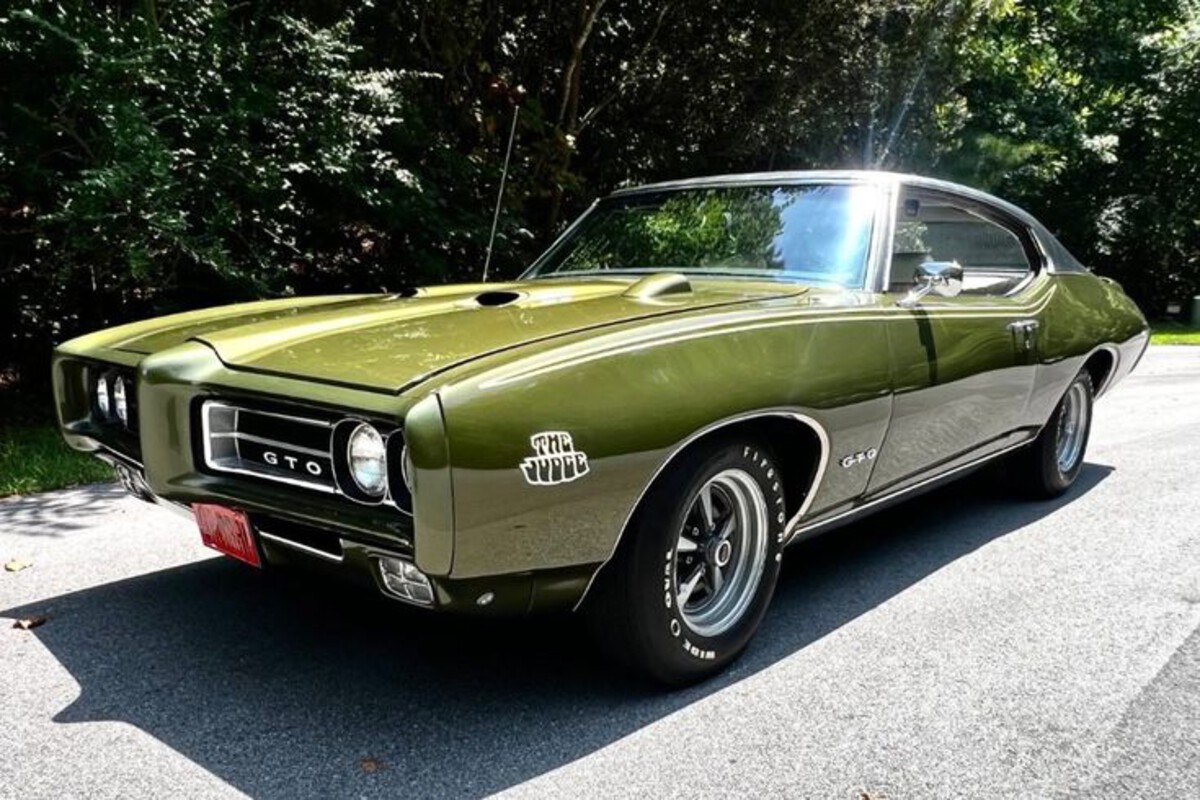
From the driver’s seat, the Judge felt confident and aggressive. The engine pulled hard through the rev range, and the manual gearbox made sure you stayed involved at every moment.
The clutch had weight, the shifter felt solid, and each gear change reminded you that this was a machine built for action, not comfort. When you pushed it, the car responded instantly, surging forward with authority.
The Judge wasn’t just about straight-line speed, though that was clearly its strength. It handled well enough to feel stable at higher speeds, and the manual transmission helped keep the power under control. Downshifting felt natural, and rolling into the throttle mid-corner gave the driver a sense of command over the car’s momentum.
Styling played a huge role in the Judge’s appeal. Loud colors, bold graphics, and an aggressive stance made it stand out even among other muscle cars. Inside, the cabin stayed practical and driver-focused, keeping distractions to a minimum.
The 1969 GTO Judge earned its place in muscle car history by blending strong performance with unmistakable attitude. With a manual transmission, it delivered an experience that felt bold, engaging, and unapologetically powerful.
7. 1966 Pontiac Tempest GTO
The 1966 Pontiac Tempest GTO was one of the cars that helped shape the muscle car formula before it became a full-blown craze. It combined a powerful V8 with a manageable body and offered a four-speed manual transmission that made driving feel personal and rewarding.
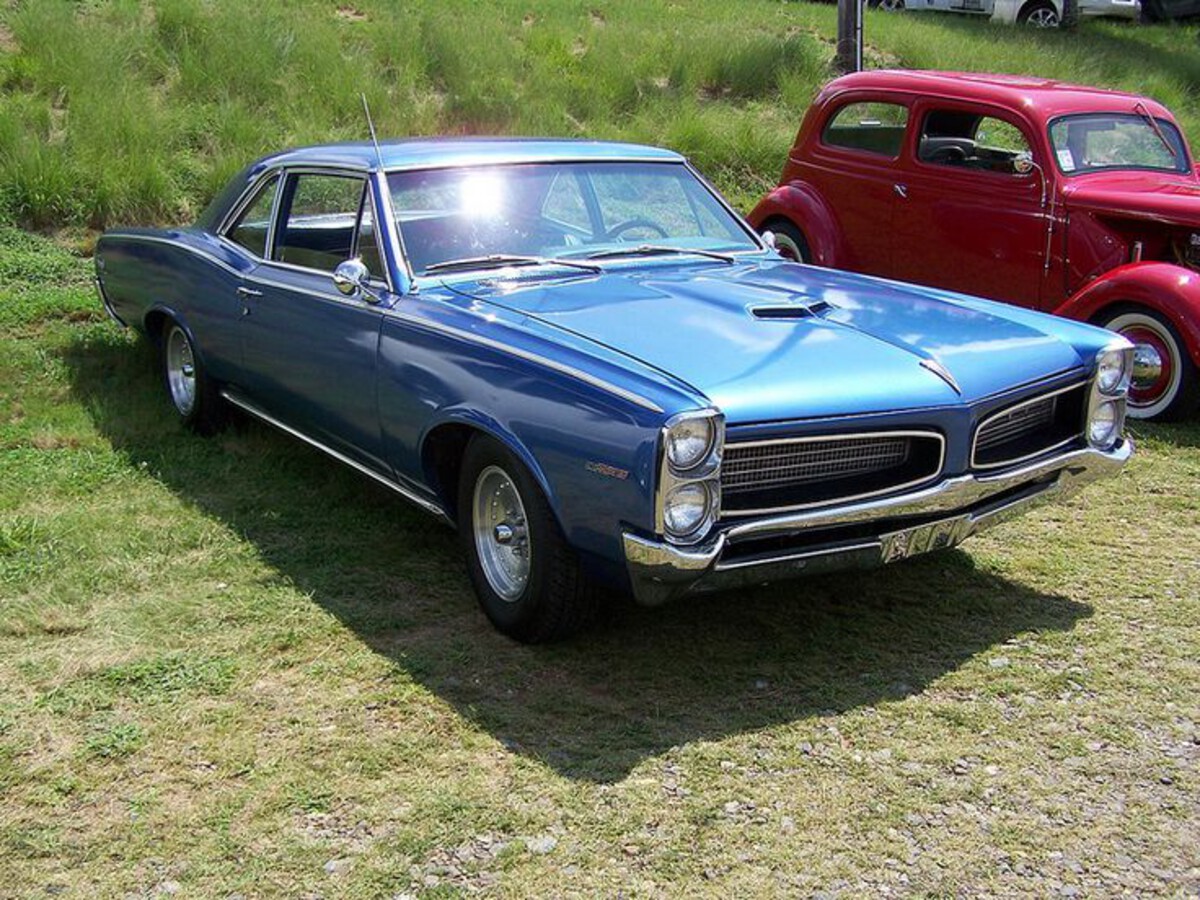
Behind the wheel, the Tempest GTO felt lively and responsive. The engine delivered strong torque, and the manual gearbox allowed drivers to control how that power was used.
Shifts were clean and deliberate, giving the car a sense of rhythm that encouraged spirited driving. The clutch was firm enough to feel serious but not overwhelming.
Compared to larger muscle cars, the Tempest GTO felt more balanced. It accelerated quickly, but it also handled with a level of control that made it enjoyable on winding roads. The manual transmission played a key role here, letting drivers stay connected to the car and adjust speed smoothly through gear changes.
The exterior design was clean and confident, with just enough aggression to hint at its performance potential. Inside, the focus remained on simplicity and function, keeping the driver engaged without unnecessary distractions.
The 1966 Tempest GTO stood out because it delivered power without sacrificing drivability. With a manual transmission, it offered a muscle car experience that felt engaging, controlled, and genuinely fun to drive.
8. 1969 Oldsmobile 442 W30
The 1969 Oldsmobile 442 W30 proved that muscle cars didn’t have to shout to be taken seriously. Beneath its clean, confident styling sat a powerful V8 and a four-speed manual transmission that delivered strong performance with a sense of control.
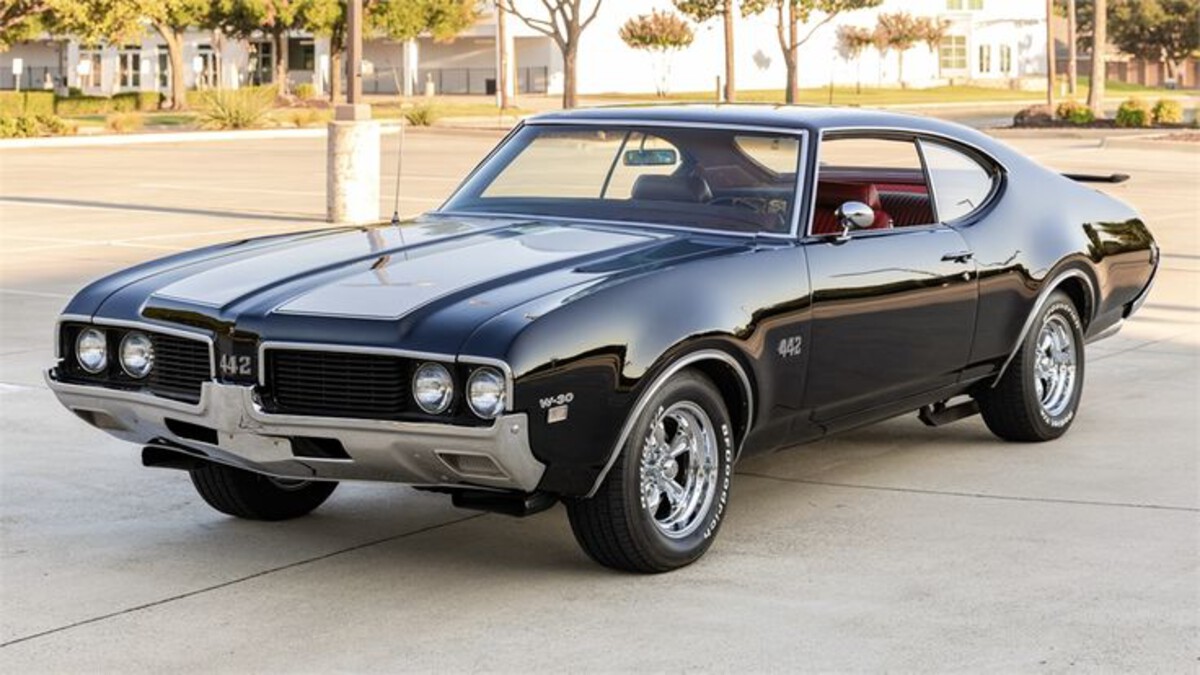
The engine produced plenty of torque, and the manual gearbox made it easy to access that power when needed. Shifts felt solid and predictable, giving the driver confidence during hard acceleration. The car pulled strongly through each gear, making highway runs and quick launches equally satisfying.
What set the 442 W30 apart was how composed it felt. While many muscle cars leaned heavily toward raw aggression, this Oldsmobile balanced power with stability. The manual transmission allowed drivers to manage speed and power smoothly, making the car feel capable rather than chaotic.
Styling stayed restrained but muscular, appealing to drivers who preferred performance without excessive flash. Inside, the cabin blended comfort with functionality, offering a more refined experience while still keeping the driver engaged.
The 1969 442 W30 earned respect by delivering consistent, usable power. With a manual transmission, it provided a muscle car experience that felt confident, controlled, and deeply satisfying.
9. 1968 AMC AMX
The 1968 AMC AMX was proof that muscle cars didn’t need massive size to deliver serious performance. Compact, aggressive, and powerful, the AMX packed a strong V8 and paired it with a four-speed manual transmission that transformed it into a genuine street weapon.
The lighter body made the engine feel even more potent. Acceleration was quick, and the manual gearbox made every shift feel immediate and impactful. The clutch and shifter worked together smoothly, allowing drivers to stay fully engaged without fighting the car.
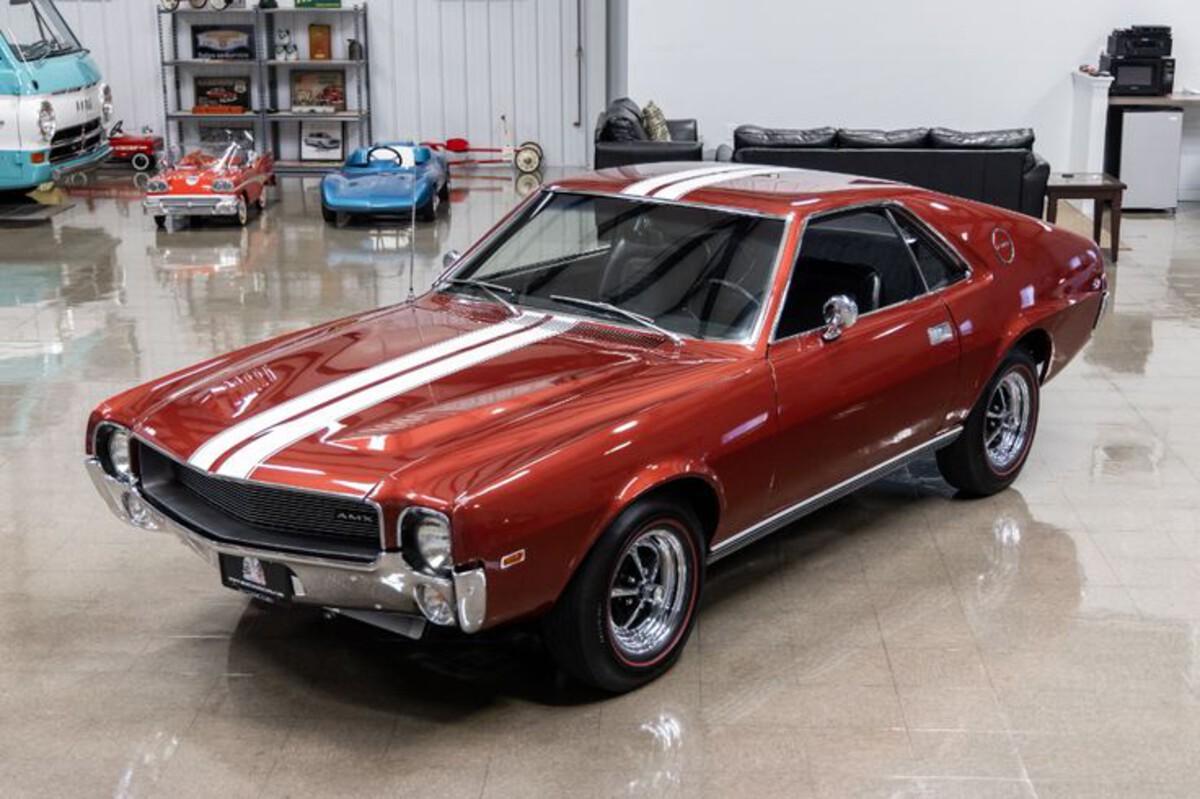
Handling was one of the AMX’s strongest points. Compared to larger competitors, it felt agile and responsive. The manual transmission helped manage power through corners, making the car feel more controlled and confident than many muscle cars of its time.
The exterior design was distinctive and purposeful, while the interior stayed simple and driver-focused. Everything felt built around performance rather than decoration.
The 1968 AMC AMX earned its place among muscle car legends by delivering speed, control, and engagement in a compact package. With a manual transmission, it offered a driving experience that felt sharp, exciting, and refreshingly different.
10. 1969 Mercury Cougar Eliminator
The 1969 Mercury Cougar Eliminator combined muscle car power with a more refined sense of style. Beneath its sleek exterior sat a strong V8, and when paired with a four-speed manual transmission, it delivered an engaging and confident driving experience.
Power delivery was smooth but forceful. The manual gearbox allowed drivers to control acceleration precisely, making shifts feel purposeful and rewarding. The car responded well to aggressive driving, pulling hard through each gear without feeling unruly.
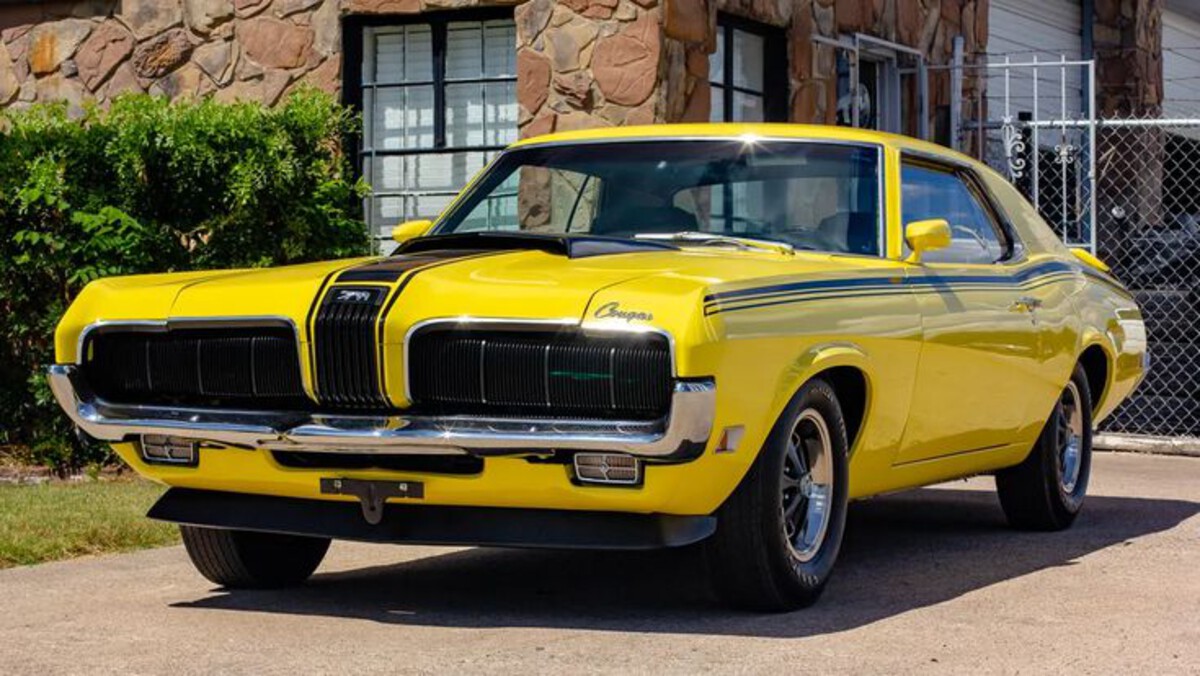
On the road, the Cougar Eliminator felt stable and planted. While it wasn’t lightweight, it used its power effectively, especially in straight-line runs. The manual transmission enhanced driver involvement, keeping the experience hands-on and engaging.
The exterior design was clean and muscular, offering a different look from more aggressive competitors. Inside, the cabin balanced comfort with performance, making it suitable for both spirited drives and longer trips.
The 1969 Cougar Eliminator proved that muscle cars could be powerful without sacrificing refinement. With a manual transmission, it delivered a driving experience that felt strong, controlled, and deeply satisfying.
Let’s be real, the world of cars has changed. Today, we’ve got dual-clutch transmissions, torque vectoring, and launch control that makes computers do all the thinking for you.
But there’s something human about those old muscle cars with stick shifts that computers can’t replicate. Back then, you didn’t just drive, you wrestled. You felt every mis-shift, every wheelspin, every raw amount of torque digging into the pavement.
These muscle cars demanded respect. They didn’t care if you were timid. They wanted aggressive inputs, decisive throttle work, and a driver who wasn’t afraid to let it rip. That’s why they still resonate. You can feel the vibration, hear the snarling cams, and sense how much brute force was channeled into something as much about attitude as performance.
People romanticize older cars for different reasons: nostalgia, design, simplicity, but manual-transmission muscle cars hit a nerve because they’re unfiltered. No electronic nanny is telling you when to shift. There’s no traction control correcting your every mistake. It’s you, the engine, and a whole lot of rubber.
They remind us that cars used to be mechanical conversations, frustrating, exhilarating, and deeply personal. You weren’t just along for the ride. You were in charge of that thunderous V8 snarling beneath you.
That’s why these 10 cars, with all their flaws and ferocity, still hit different. They’re loud, raw, addictive experiences, reminders of an era when horsepower was felt in every inch of metal and every echo of exhaust.