The 2000s were a transformative decade for BMW. The brand was expanding its lineup, refining its engineering philosophy, and striking a balance between performance, luxury, and everyday usability.
While modern BMWs often spark debates about long-term reliability, many engines from the 2000s earned a very different reputation one for durability, mechanical simplicity (by BMW standards), and the ability to rack up serious mileage when properly maintained.
For U.S. buyers, these engines powered everything from compact sedans to SUVs and performance cars, many of which are still common sights on American roads today.
This list focuses on BMW engines from the 2000s that developed a reputation for being genuinely “bulletproof.”
These are powerplants known for strong internal components, conservative tuning, and fewer catastrophic design flaws compared to some later BMW efforts.
None of them are maintenance-free this is still BMW but with routine servicing, they’ve proven capable of 200,000 to 300,000 miles and beyond. Here are the top 10 BMW engines from the 2000s that stand out for long-term reliability.
1. M54 Inline-Six (2000–2006)
The M54 is often considered the gold standard of modern BMW reliability. Used extensively across the U.S. lineup including the E46 3 Series, E39 5 Series, Z3, Z4, and X3 this naturally aspirated inline-six delivered smooth power, excellent balance, and impressive longevity.
Producing between 170 and 235 horsepower depending on displacement (2.2L, 2.5L, and 3.0L variants), the M54 avoided turbocharging and direct injection, two technologies that would later complicate BMW ownership.
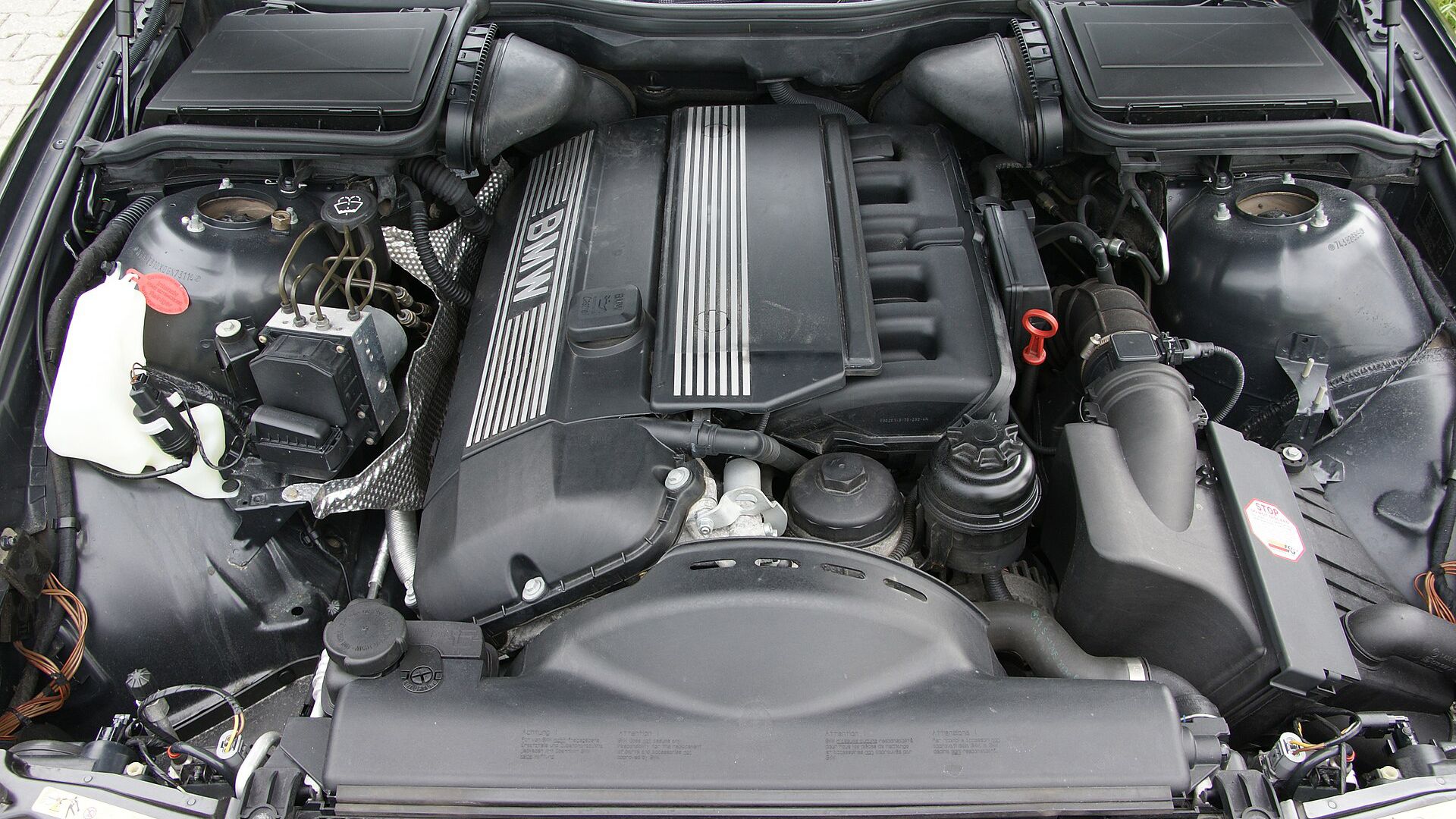
Common issues like cooling system failures, oil filter housing gasket leaks, and VANOS seals are well-documented and relatively affordable to fix. Critically, the bottom end of the engine is extremely robust.
In the U.S., many M54-powered cars have exceeded 250,000 miles, making it one of BMW’s most trusted engines ever.
2. M52TU Inline-Six (1999–2000)
While technically introduced in the late 1990s, the M52TU carried into the early 2000s and deserves recognition. Found in early E46 3 Series and E39 5 Series models sold in the U.S., this engine featured double VANOS and a refined design over the original M52.
The M52TU benefits from iron cylinder liners in aluminum blocks, which helped address wear issues seen in earlier Nikasil engines.
With outputs ranging from 170 to 193 horsepower, it wasn’t designed for outright performance, but rather smooth, dependable operation.
Owners appreciate its mechanical simplicity, predictable maintenance needs, and resistance to catastrophic failure. For buyers seeking a budget-friendly entry into BMW ownership, M52TU-powered cars remain a smart choice.
Also Read: Top 10 Timeless Motorcycles That Make Ideal Cafe Racer Projects
3. N52 Inline-Six (2006–2011, early versions)
The N52 marked a technological leap for BMW, introducing magnesium-aluminum composite construction to reduce weight while maintaining strength.
Early N52 engines, particularly those from the late 2000s without direct injection, have proven to be among the most reliable modern BMW engines.
Used in models like the E90 328i, E60 528i, and X3, the N52 produced around 230 horsepower and delivered excellent fuel economy for its class.
Electric water pumps and valve cover gaskets are known wear items, but internal engine failures are rare.
In the U.S. market, where naturally aspirated engines are often favored for longevity, the N52 has earned a reputation as a dependable daily-driver engine that blends modern refinement with old-school BMW durability.
The BMW N52 is an inline-six engine that skillfully balances performance, efficiency, and refinement. Launched in 2006, it represented a shift in BMW’s engineering approach, combining strong power delivery with environmental considerations.
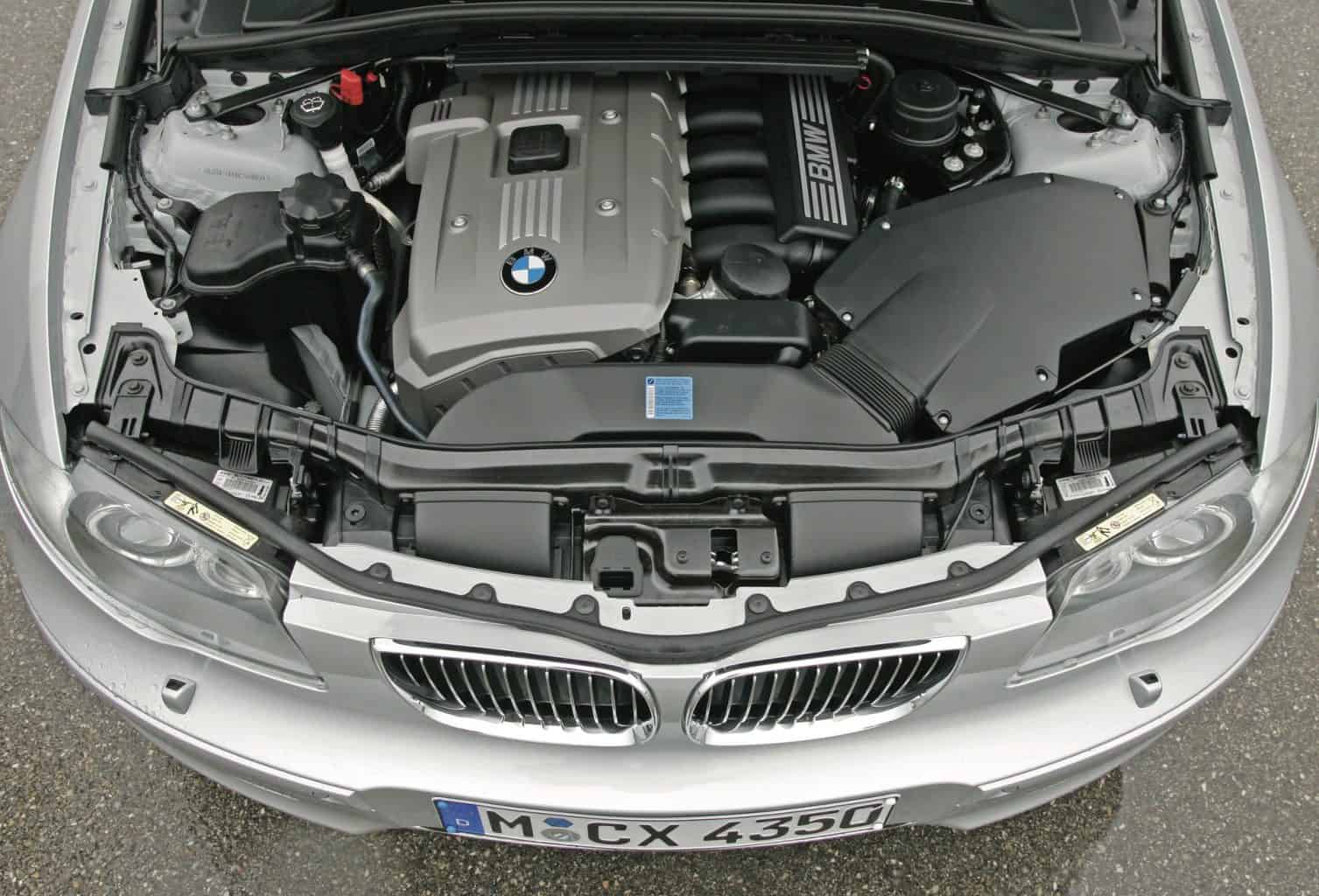
Part of BMW’s modular engine family, the N52 was designed to be versatile across multiple models while upholding reliability and driving enjoyment.
A defining feature of the N52 is its lightweight construction, achieved through extensive use of magnesium and aluminum. This reduces overall vehicle weight and enhances responsiveness, giving the engine a lively and agile feel.
The powerplant employs a DOHC (Dual Overhead Camshaft) layout with variable valve timing, allowing it to deliver smooth and optimized performance across a wide RPM range. Whether navigating city streets or cruising on the highway, the N52 provides a flexible and satisfying power band that blends comfort with excitement.
With a displacement of 3.0 liters, the engine produces between 215 and 335 horsepower depending on the variant, striking a balance between spirited performance and everyday practicality.
Fuel efficiency remains respectable, making the N52 not just a capable performance engine but also a sensible choice for drivers seeking a refined, reliable, and responsive driving experience.
4. M57 Diesel Inline-Six (2004–2010)
BMW’s M57 diesel is a hidden gem in the U.S., primarily because diesel passenger cars never gained widespread popularity here.
Offered in limited numbers in models like the E53 X5 xDrive35d and later 335d, the M57 is legendary for its torque and lifespan.
This 3.0-liter turbo-diesel inline-six is known globally for running well past 300,000 miles. Built with heavy-duty internals to handle diesel combustion pressures, the M57 thrives on highway driving.
In the U.S., emissions components such as EGR systems and diesel particulate filters can cause headaches, but the core engine itself is exceptionally durable.
For long-distance drivers and enthusiasts seeking something different, the M57 stands among BMW’s most bulletproof designs.
The BMW M57 engine is a highly regarded diesel powerplant that has been a mainstay in BMW’s lineup since the late 1990s, known for its combination of durability, performance, and efficiency.
It has been used in a variety of models, including the 5 Series, 7 Series, and X5, providing a dependable and capable diesel option for both passenger cars and SUVs. The M57 comes in several variants, each tailored to different power and torque requirements, making it versatile across BMW’s lineup.
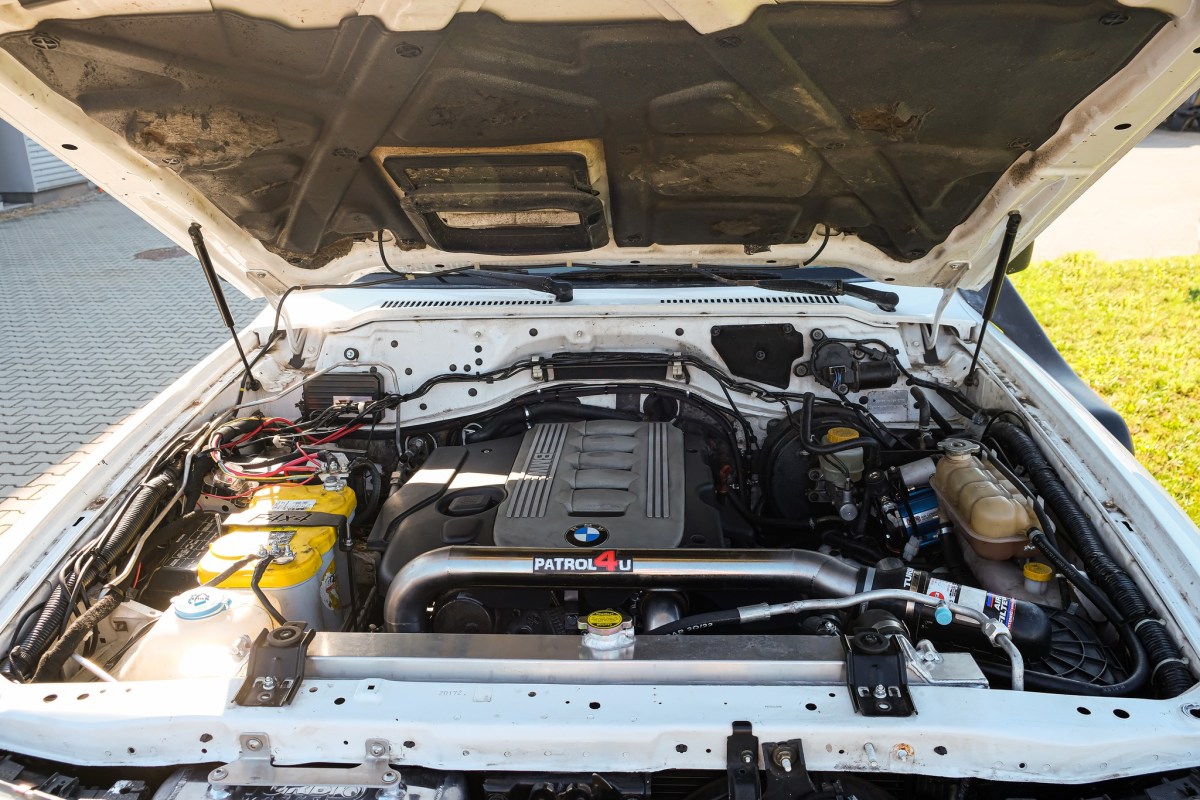
The engine is available in inline-six and V8 configurations. The M57D30 (3.0L) and M57D25 (2.5L) use an inline-six layout, which contributes to smooth operation and a balanced feel, while the M57D40 (4.0L) features a V8 configuration to deliver higher power and torque.
Displacement ranges from 2.5 to 4.0 liters, with power outputs between 143 and 400 horsepower and torque figures from 330 to 800 Nm, depending on the variant. All models use common rail direct injection for precise fuel delivery and efficiency, paired with either single or twin-scroll turbochargers to optimize performance.
The M57’s high compression ratios, 17.0:1 for the six-cylinder versions and 16.5:1 for the V8—help achieve strong low-end torque and fuel efficiency.
Weighing between approximately 180 and 250 kg, depending on the configuration, the engine offers a robust yet manageable package. Its engineering emphasizes reliability and longevity, making it a popular choice for both enthusiasts and practical drivers seeking a diesel engine with proven performance and durability.
Also Read: 10 Most Reliable Used Audis to Buy Today For Long Term Use
5. M47 Diesel Inline-Four (2001–2006)
Another diesel standout, the M47 powered select 3 Series models overseas and made limited appearances in the U.S. market through imports and specialty models. While less common stateside, its reputation still carries weight.
The M47 is known for its fuel efficiency and longevity rather than performance. With proper maintenance and timing chain care, these engines are capable of extremely high mileage.
In regions where diesel fuel quality is consistent, M47 engines have proven nearly indestructible. For U.S. buyers familiar with diesel ownership, it represents a durable alternative to gasoline BMW engines from the era.
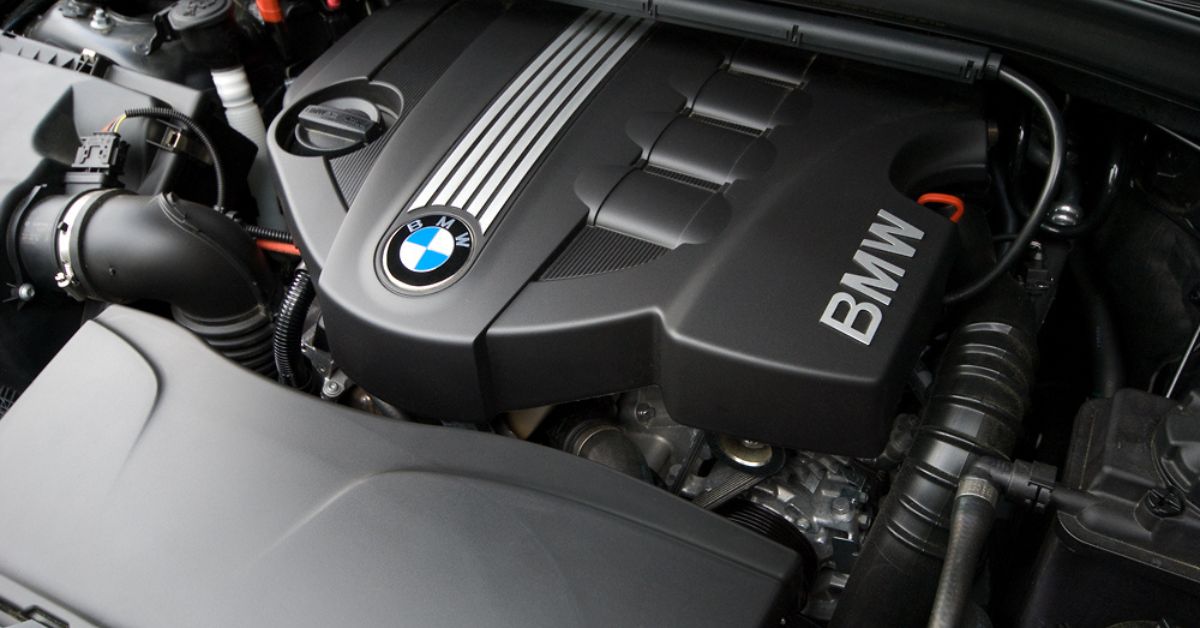
The BMW M47 diesel engine is a durable and efficient inline-four powerplant that debuted in the late 1990s, earning a reputation for reliability and strong performance. Designed with versatility in mind, it uses a common rail direct fuel injection system that optimizes fuel economy and reduces emissions while maintaining lively torque delivery.
Power outputs vary between 115 and 204 horsepower depending on the variant, allowing the M47 to serve across a wide range of BMW models, from sedans and coupes to select SUVs. Its combination of efficiency, drivability, and adaptability has made it a respected choice for both everyday driving and long-term ownership.
6. M62TU V8 (1999–2003)
BMW’s M62TU V8 powered models like the E39 540i, E38 740i, and early X5 4.4i. While V8s are rarely associated with “bulletproof” reliability, the M62TU is an exception when properly maintained.
This naturally aspirated 4.4-liter V8 offered strong torque and a classic BMW V8 sound.
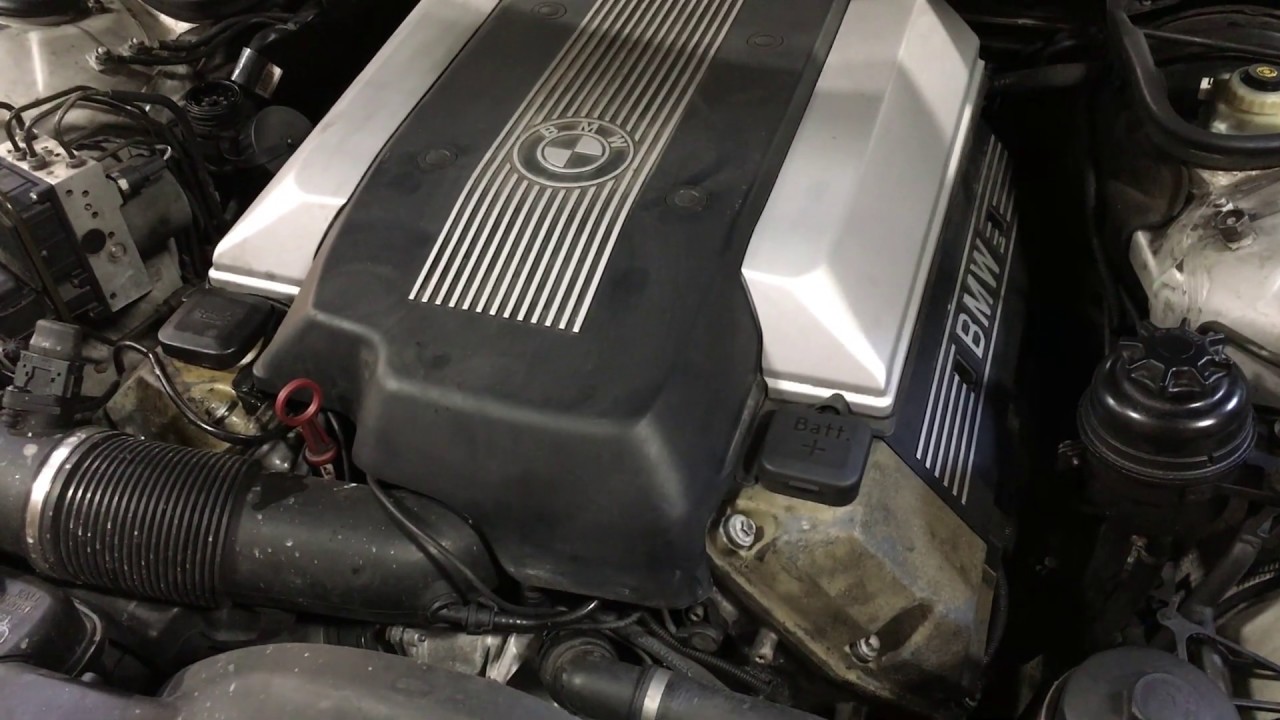
Known issues include timing chain guide wear and cooling system weaknesses, but once addressed, the engine itself is remarkably long-lasting.
In the U.S., many M62TU-powered cars are still running strong well past 200,000 miles. Compared to later BMW V8s, the M62TU stands out for its relative simplicity and durability.
7. S54 Inline-Six (2001–2006)
The S54, famously used in the E46 M3 and Z4 M, may seem like an unlikely entry due to its high-performance nature. However, it earns its place thanks to its over-engineered design.
Producing 333 horsepower from a naturally aspirated 3.2-liter inline-six, the S54 features forged internals, a high redline, and race-inspired engineering.
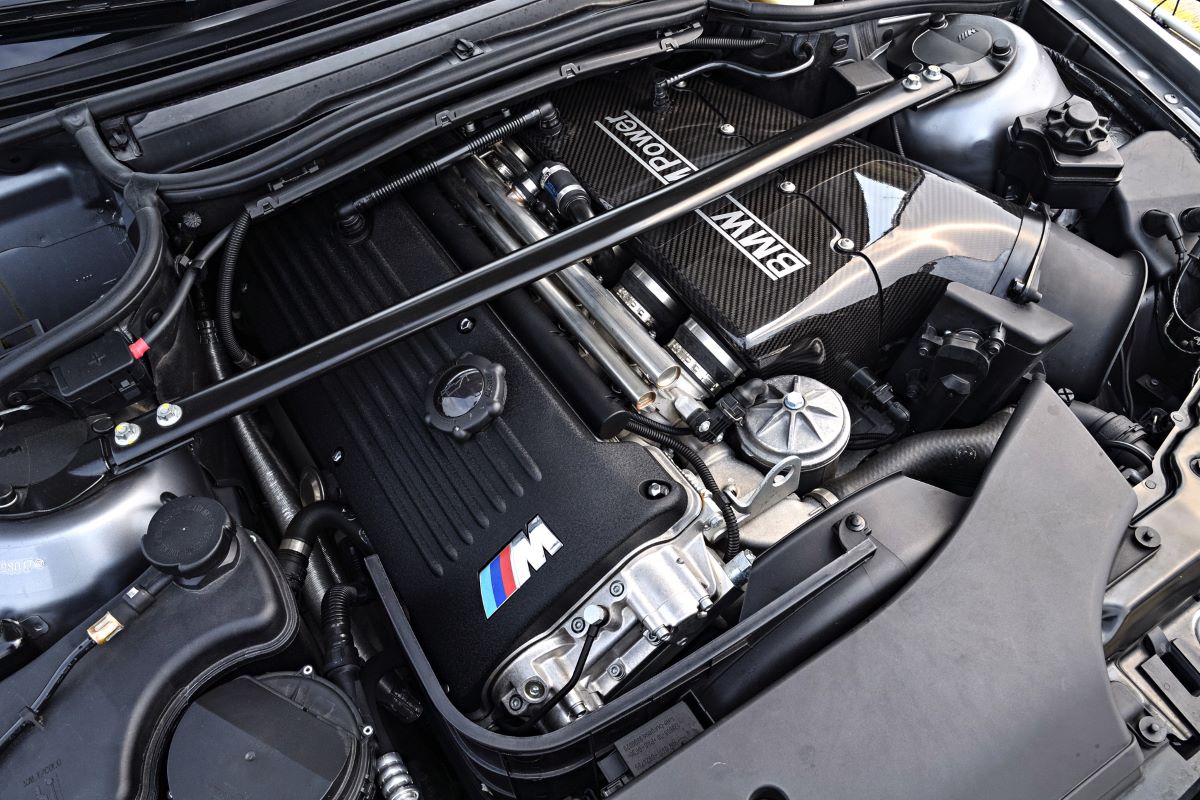
Early rod bearing issues were addressed through recalls and updates. Once sorted, the S54 has proven capable of high mileage, especially in enthusiast-owned cars that receive meticulous maintenance.
In the U.S., it’s regarded as one of the most reliable high-performance engines BMW has ever produced.
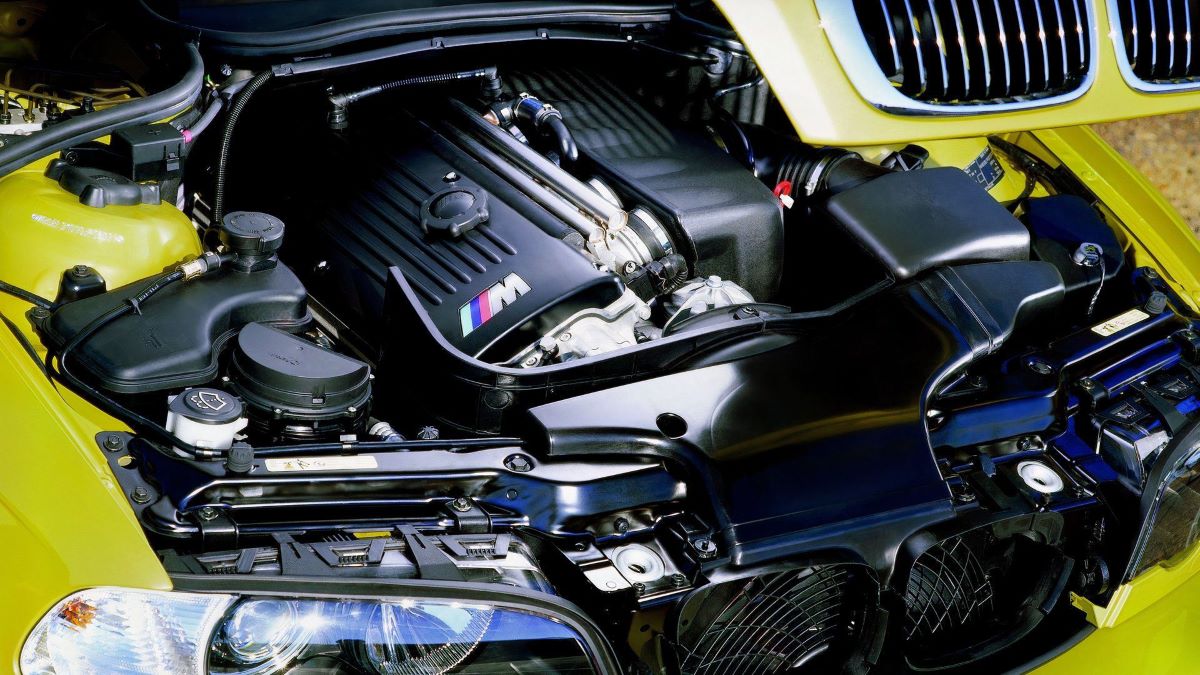
Since its debut in October 2000, the E46 M3 has earned legendary status among BMW enthusiasts, largely thanks to its exceptional S54 engine.
BMW’s long history with inline six-cylinder engines traces back to 1917 with the IIIa aircraft engine, followed by the M78 in passenger cars, and eventually over 20 additional straight-six designs, 14 of them naturally aspirated.
While the original E30 M3 (1986–1991) used the lightweight, racetrack-focused four-cylinder S14, the E36 M3 (1992–1999) marked a return to six cylinders with the S50 in Europe and the S52 for North America. The E36’s success, producing 71,000 units, set the stage for the E46 M3.
For the third-generation M3, BMW M engineers built the S54 to be a high-performance evolution of the E36’s powerplant. Unlike the all-aluminum M54, the S54 used a cast-iron block derived from the 3.2-liter S50, keeping the 91 mm stroke while increasing the bore from 86.4 mm to 87 mm.
The engine featured a forged, nitrated crankshaft with twelve counterweights, reinforced forged connecting rods, and high-compression forged Mahle pistons, enabling it to rev up to 8,000 rpm.
The 24-valve aluminum cylinder head was lighter than its predecessor, incorporating a redesigned double-VANOS system, cast iron hollow camshafts, and finger followers instead of traditional bucket lifters, creating a perfectly balanced engine that combined high-revving performance with the smoothness BMW inline-sixes are known for.
8. M43 Inline-Four (1998–2001, early 2000s presence)
The M43 inline-four powered entry-level BMWs like the E46 318i in select markets and continued into the early 2000s. While not exciting, it earned a reputation for simplicity and longevity.
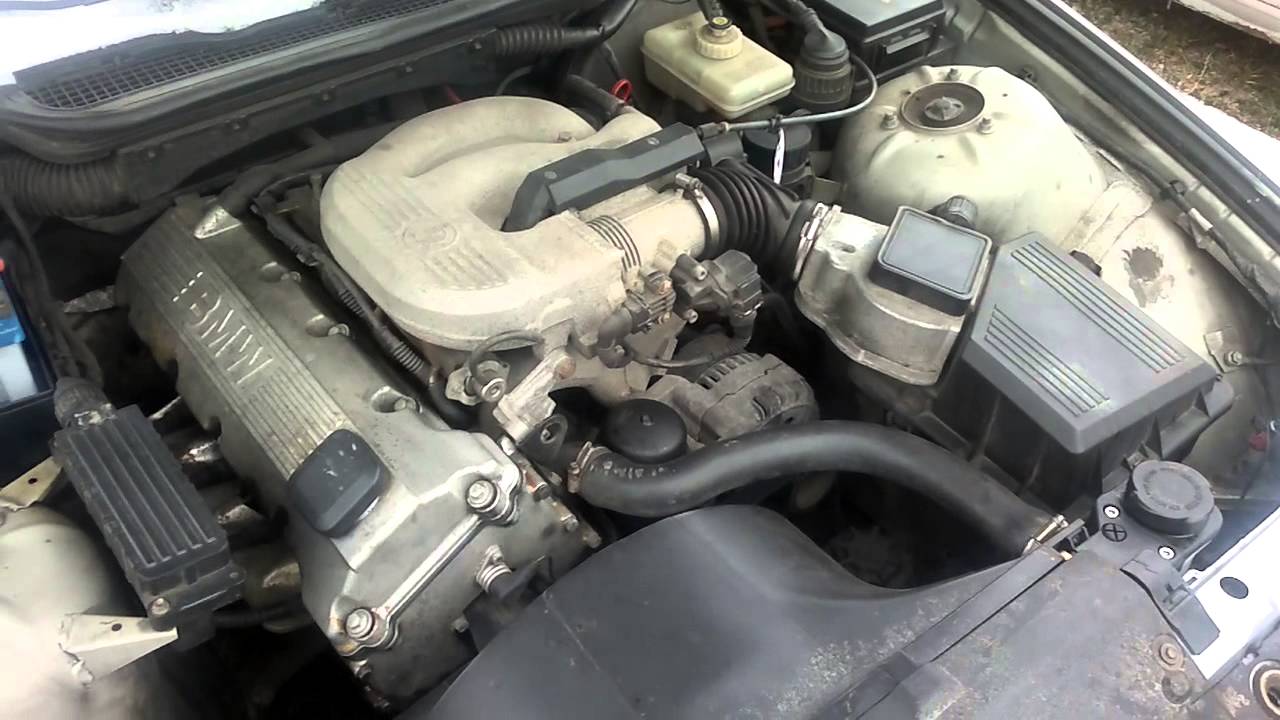
With single overhead cams and minimal electronics, the M43 is closer in spirit to older BMW engines. Its modest power output means less stress on internal components, and routine maintenance keeps it running for decades.
For U.S. buyers who encounter imported or niche models with this engine, reliability is one of its strongest selling points.
The BMW M43 engine represents an important chapter in BMW’s engineering history. Introduced in the early 1990s, it is a naturally aspirated, four-cylinder inline engine designed to balance performance, efficiency, and reliability.
Featuring a DOHC (Dual Overhead Camshaft) layout, the M43 offers improved airflow and responsive power delivery across its rev range. Its lightweight aluminum block and cylinder head, combined with a sophisticated fuel injection system, not only enhance efficiency and reduce emissions but also contribute to the engine’s smooth throttle response and enjoyable driving experience.
With a displacement ranging from 1.6 to 1.8 liters, the M43 provided adequate power for a variety of vehicles while maintaining impressive fuel economy, making it ideal for drivers seeking a practical yet engaging engine.
The M43 was installed in numerous BMW models from 1991 through the late 1990s, demonstrating its versatility. Notable applications include the BMW 316i and 318i in both E30 and E36 generations, the 318is (E30), and the Z3 in 1.6- and 1.8-liter configurations.
Its compact inline-four design helped maintain a low center of gravity, enhancing handling dynamics across these vehicles. The M43 engine exemplifies BMW’s philosophy of delivering engineering that blends driving pleasure with efficiency, reliability, and practical performance, laying a foundation for the brand’s future four-cylinder offerings.
9. N47 (Early, Well-Maintained Examples)
The N47 diesel is controversial due to timing chain issues, but early, well-maintained examples especially those with updated components have demonstrated strong longevity.
In markets where preventive maintenance is taken seriously, these engines can still deliver impressive mileage.
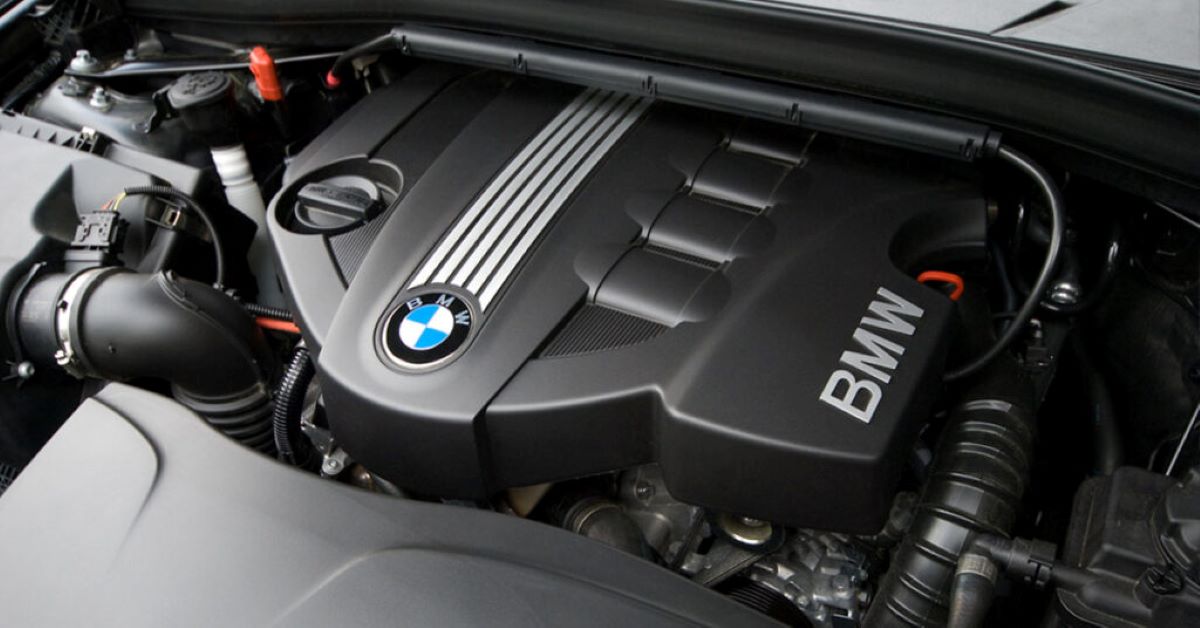
In the U.S., the N47 remains rare, but its efficient design and torque-rich performance have earned respect among diesel enthusiasts.
While it requires more caution than others on this list, it still deserves mention for its potential durability when properly sorted.
The BMW N47 is a 2.0-liter four-cylinder diesel engine introduced in the mid-2000s, known for blending efficiency, torque, and performance. It has been widely used across BMW’s lineup, including the 1, 3, and 5 Series, as well as X1, X3, and X5 models, offering a smooth driving experience and competitive fuel economy for both city commuting and highway cruising.
The engine is praised for its responsive throttle and the classic BMW driving dynamics, making it appealing to those who want diesel efficiency without sacrificing performance.
However, the N47 is notorious for certain reliability issues. The most critical problem is timing chain tensioner failure, which can cause severe engine damage if ignored.
Other common issues include oil leaks (particularly from the valve cover gasket and oil filter housing), turbocharger problems, clogged or failing fuel injectors, and Diesel Particulate Filter (DPF) blockages, especially if the car is mostly used for short trips. Design weaknesses, particularly the timing chain and tensioner, make preventive maintenance essential.
Owners can mitigate these risks by regularly checking and changing oil, monitoring the timing chain, running periodic longer drives to help DPF regeneration, inspecting fuel injectors, and addressing turbocharger issues promptly.
With proper care, the N47 remains a capable and efficient engine, but potential buyers should be aware of these known issues and factor maintenance into ownership costs.
10. M60 V8 (Early 2000s Carryover Models)
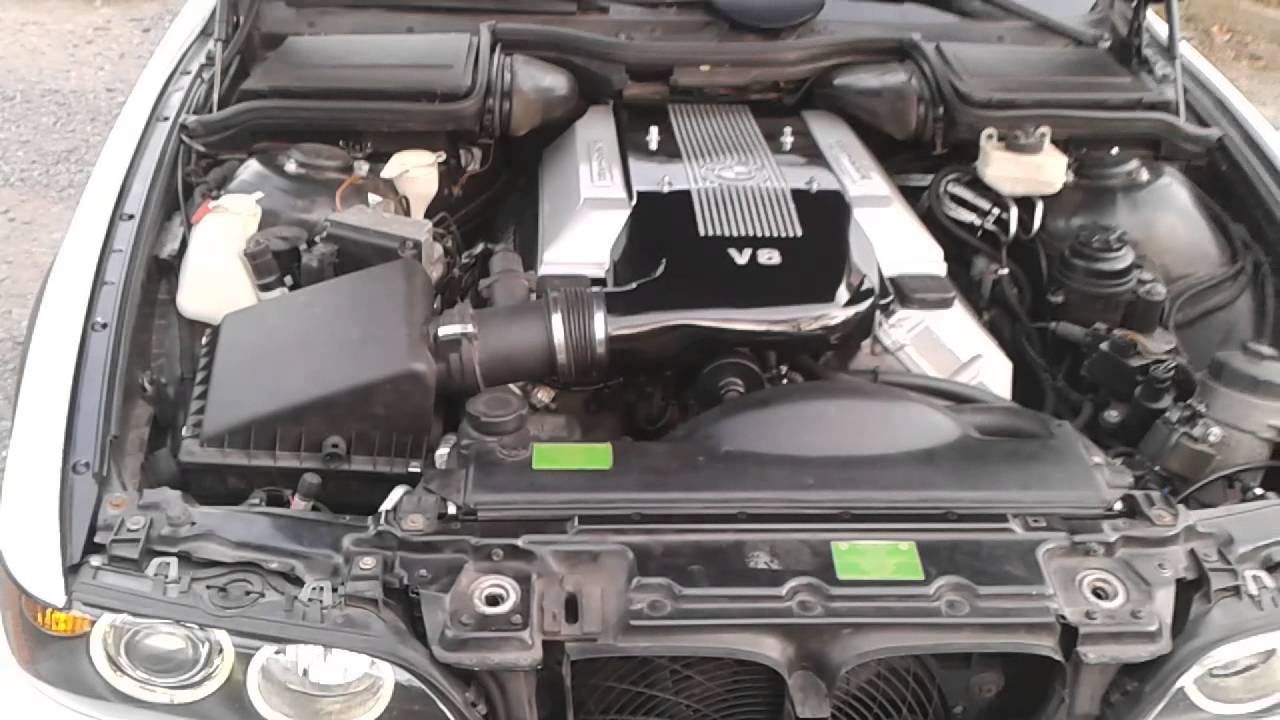
The M60 V8 bridged the gap between older BMW engineering and newer technology. Found in select early-2000s carryover models, it’s known for strong construction and smooth power delivery.
Featuring aluminum construction and conservative tuning, the M60 avoids many of the pitfalls seen in later BMW V8s.
In the U.S., owners who stay ahead of maintenance report excellent longevity. It’s a reminder that BMW’s early V8 efforts prioritized engineering integrity over complexity.
BMW’s reputation for reliability is often debated, but the engines on this list prove that the brand has produced genuinely durable powerplants especially during the 2000s.
The M60 engine represents a pivotal moment in BMW’s engineering history, marking the brand’s shift toward modern V8 powerplants in the early 1990s. Introduced in 1992 as part of BMW’s esteemed M family, this engine was designed to deliver a combination of performance, efficiency, and refinement.
The M60 is a 4.0-liter V8 that features a DOHC (Dual Overhead Camshaft) layout and a lightweight aluminum construction, which not only enhances the engine’s responsiveness and performance but also improves fuel economy and reduces vehicle weight.
With a power output of approximately 282 horsepower and 295 lb-ft of torque, the M60 provides a spirited driving experience that appeals to both enthusiasts and everyday drivers.
It is equipped with BMW’s innovative VANOS (Variable Nockenwellensteuerung) system, which optimizes valve timing across the rev range, ensuring smooth and efficient power delivery, resulting in a responsive and engaging driving experience.
The M60 engine found its way into several iconic BMW models, showcasing its versatility and performance credentials. One of its most notable applications was in the BMW 540i (E34), a luxury sedan that combined comfort with powerful acceleration, offering a refined driving experience.
In the BMW 740i (E38), the M60 delivered a smooth yet potent ride that complemented the sedan’s elegance and advanced technology, making it highly desirable among executives and luxury car enthusiasts.
The engine also powered the BMW 840Ci (E31) coupe, where it contributed to the car’s sporty character and grand touring capabilities, blending aerodynamic design with V8 power to make a standout vehicle.
Additionally, the limited-production BMW Z8 roadster, designed by Henrik Fisker, utilized the M60 in its early models, combining classic styling with modern performance.
Beyond these marquee vehicles, the M60 was also used in other iterations of the 5 Series and 7 Series, further solidifying its reputation as a reliable and high-performing engine and influencing the design of subsequent BMW V8 powerplants.
From a technical standpoint, the M60 engine is a 90-degree V8 that balances strong performance with smooth operation. It features a 4.0-liter displacement (3948 cc) and a compression ratio of 10.0:1, producing 282 horsepower at 5,800 rpm and 295 lb-ft of torque at 4,000 rpm.
The engine uses multi-point fuel injection and runs on premium unleaded gasoline, with a distributorless ignition system (DIS) that enhances efficiency and reliability.
In terms of performance metrics, the M60 can accelerate from 0 to 60 mph in roughly 6.5 seconds and reaches an electronically limited top speed of 155 mph, while delivering fuel economy figures of approximately 16 mpg in the city and 24 mpg on the highway.
Proper maintenance is essential to ensure longevity, with an oil capacity of 6.5 quarts (including the filter) and a recommendation for 5W-30 synthetic oil.
The M60 engine embodies BMW’s dedication to combining engineering excellence with driving pleasure. Its lightweight construction, smooth power delivery, and innovative technologies make it a cornerstone of BMW’s V8 lineup.
The balance of performance, efficiency, and refinement established by the M60 has left a lasting legacy, making it a celebrated choice for enthusiasts and a defining element of BMW’s engine history.
These engines benefited from naturally aspirated designs, robust internals, and fewer cutting-edge technologies that would later introduce complexity.
For U.S. buyers shopping the used market, choosing a BMW powered by one of these engines can significantly improve the ownership experience.
The key takeaway is that “bulletproof” doesn’t mean maintenance-free. Cooling systems, gaskets, and suspension components still require attention.
However, when properly cared for, these engines stand as some of the most reliable BMW powerplants ever sold in America.
For enthusiasts and daily drivers alike, they represent a sweet spot in BMW’s engineering history where performance, refinement, and longevity truly came together.