
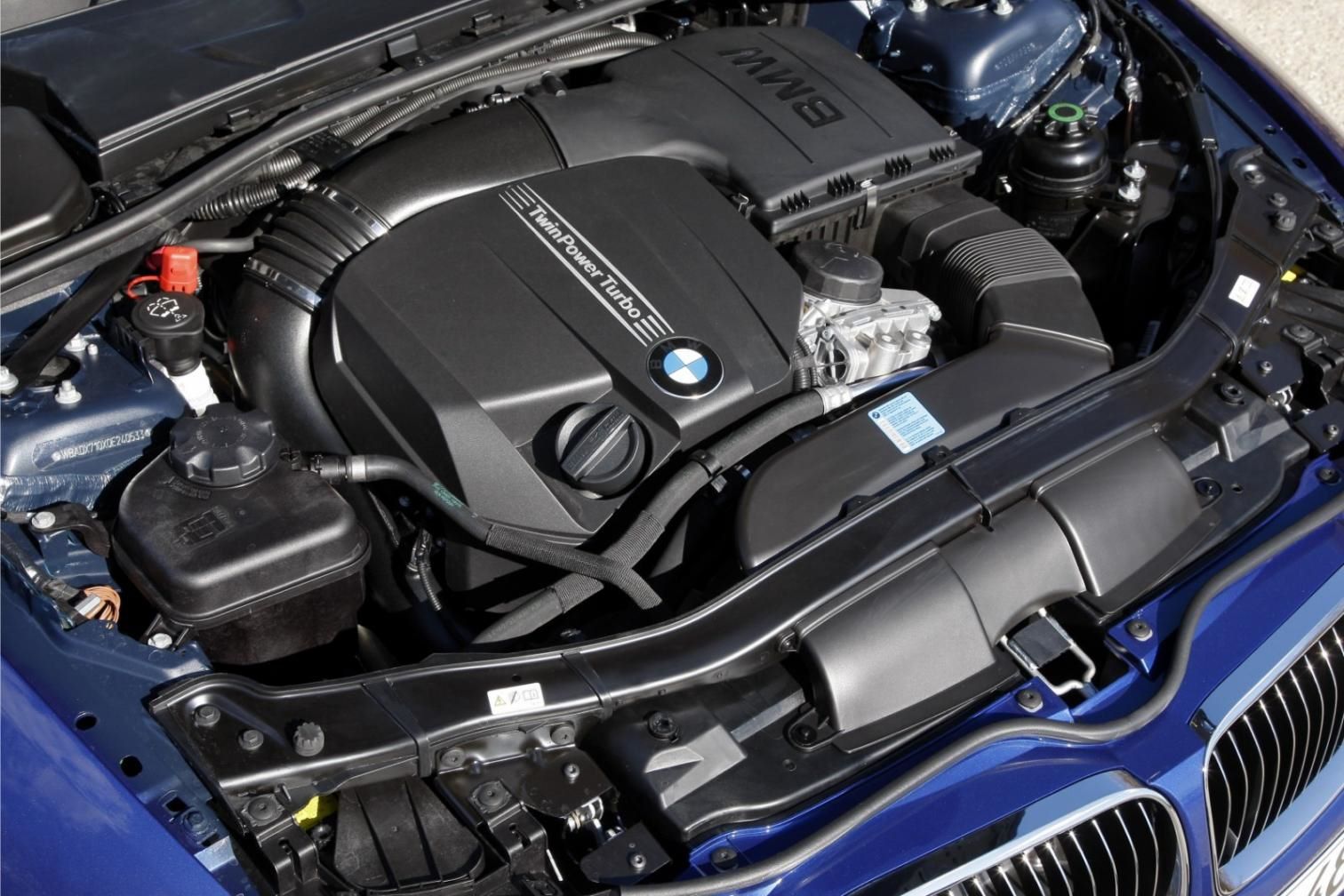
When it comes to performance and reliability, BMW engines have long occupied a unique place in automotive culture: engines that are both capable of immense power and when built right dependable enough to handle aggressive tuning.
For enthusiasts and tuners alike, the best BMW engines strike a careful balance between factory-refined engineering and an ability to take upgrades in stride.
Whether for spirited street driving, weekend track use, or full race builds, some BMW powerplants have earned near-legendary reputations for robustness.
In this listicle, we explore the Top 10 BMW engines that tuners swear by engines that combine strong aftermarket support, proven strength, and a track record of real-world performance gains.
Each entry dives into why these engines stand out, what makes them tunable, and the kinds of results owners can realistically expect.
1. BMW S54
The BMW S54, featured in the E46 M3 (2001-2006), has become almost mythic among enthusiasts. A naturally aspirated inline-six with a 3.2-liter displacement, the S54 delivers a high-revving experience that blends race-bred precision with street-friendly character.
Tuners love this engine for its linear power delivery, forgiving nature under higher boost, and the sheer joy of the signature BMW six-cylinder soundtrack.
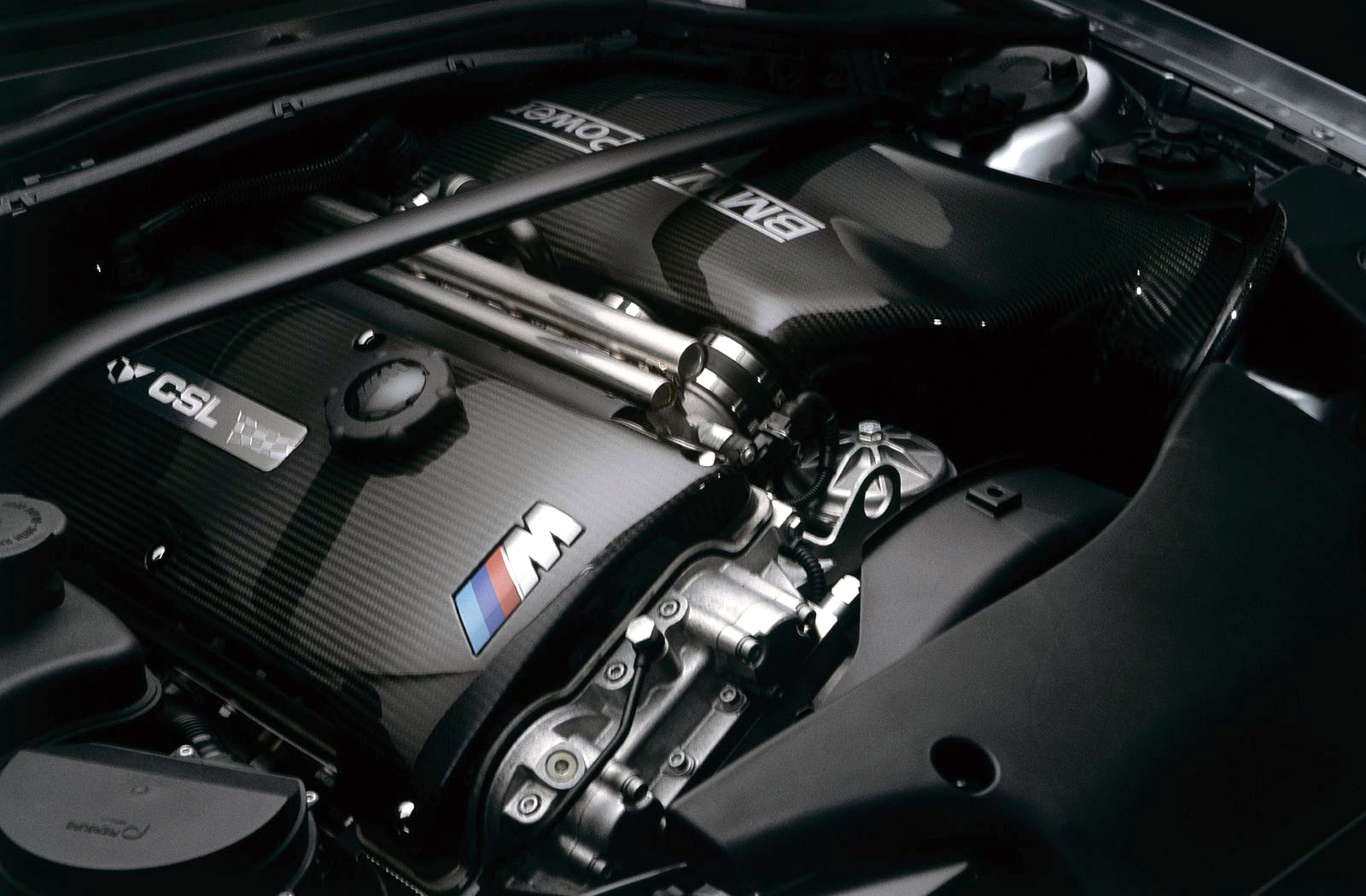
Out of the box, the S54 makes about 333 horsepower, but with a suite of performance upgrades including individual throttle bodies, high-flow cams, and even mild forced induction builders have coaxed well over 500 horsepower from stock blocks.
The aftermarket support is immense, with companies like Turner Motorsport, ESS Tuning, and VPS offering bolt-on kits and engine management solutions. For many, the S54 represents the sweet spot between classic BMW ethos and high-performance potential.
2. BMW N54
When BMW introduced the N54 in 2006, it marked a new era. This 3.0-liter twin-turbo inline-six offered smooth power delivery and incredible tuning headroom.
The N54 powered early versions of the 335i and 135i, and quickly became a favorite among tuners for its ability to make significant power with minimal modifications.
From the factory, the N54 made around 300 horsepower, but thanks to its two small-frame turbochargers and strong internals, it responds exceptionally well to tuning.
With upgraded fuel systems, intercoolers, and big-boost software maps, the N54 can consistently push 450+ horsepower on stock internals. More aggressive builds with forged internals and larger turbos routinely surpass 550 horsepower.
The engine’s reliability under boost when properly maintained is also notable. While early N54s faced issues with high-pressure fuel pumps and turbo wastegate rattle, the aftermarket addressed these thoroughly.
Today, the N54 remains one of the most beloved BMW tuners’ engines ever produced.
The BMW N54 engine is one of those rare modern powerplants that didn’t just make an entrance—it made an impact and kept it going. When the N54 debuted, it had a clear objective: blend BMW’s hallmark inline-six refinement with the force of twin turbocharging.
What emerged was a 3.0-liter straight-six that reshaped BMW’s performance direction and went on to influence an entire generation of enthusiasts, tuners, and future BMW engine designs.
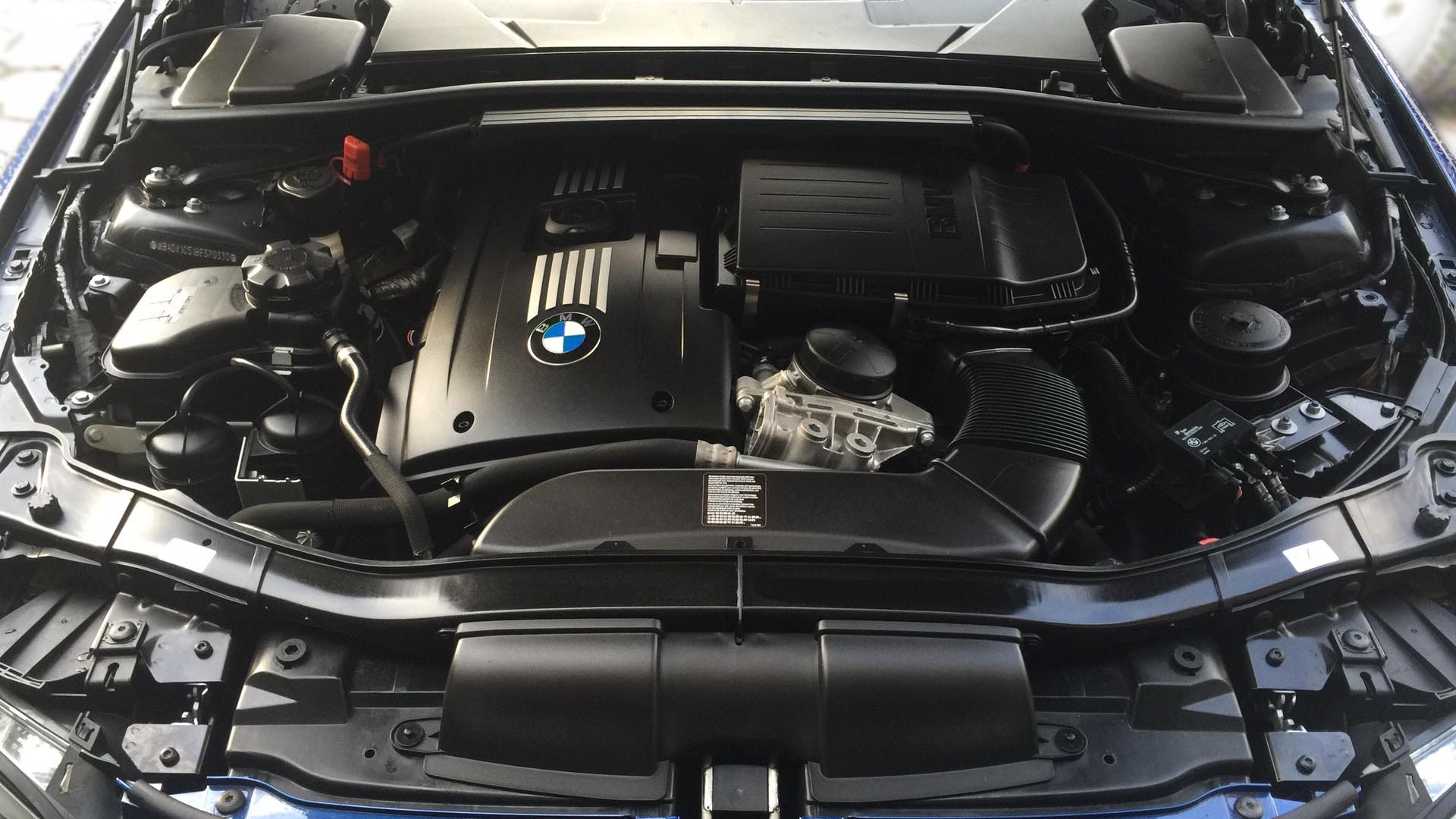
The BMW N54 is a 2,979 cc inline-six featuring an aluminum block, direct fuel injection, and a pair of small parallel turbochargers. It was manufactured from 2006 through 2016, with the majority of production vehicles using it between 2006 and 2013.
At a time when BMW was still heavily associated with high-revving, naturally aspirated engines, the N54 represented a philosophical shift. It emphasized accessible torque, a wide and usable powerband, and tuning potential that bordered on unbelievable.
That engineering achievement didn’t go unnoticed, the N54 collected multiple International Engine of the Year awards in the 2.5–3.0-liter category from 2007 to 2012, firmly establishing its credibility.
For over fifty years, BMW built its reputation on inline-six engines. This layout powered legendary machines like the iconic 328 racer, the celebrated M1, and countless other models. The N54 carried that legacy forward, retaining the straight-six configuration while integrating modern forced-induction technology.
What truly set the N54 apart wasn’t just the twin-turbo setup. BMW engineered the block and internal components with a durability-first mindset that felt almost old-school. A forged crankshaft, stout connecting rods, and strong pistons gave the engine the ability to handle serious punishment.
Even in stock form, the N54 often produced more power than BMW officially claimed, a fact long-time owners still joke about. Once modified, the engine transformed entirely, delivering relentless acceleration and behaving like it was always hungry for more.
BMW rolled out the N54 in 2006 as part of a broader move toward turbocharged powertrains. While it wasn’t the brand’s first experience with forced induction, it was the engine that reintroduced turbocharging to BMW’s mainstream lineup after decades dominated by naturally aspirated designs.
The N54 quickly gained status as both a performance monster and a tuning icon. It also became the blueprint for what followed, directly influencing the development of the N55 with its single twin-scroll turbo, and later the B58 engine family.
Also Read: Top 10 Most Reliable SUVs from the Past 10 Years
3. BMW N55
The successor to the N54, the N55 used a single twin-scroll turbo and improved efficiency and reliability.
Found in many late-model 335i, 535i, and 1M applications, the N55 offers smoother torque delivery and reduced maintenance headaches compared to its predecessor.
Enthusiasts appreciate the N55 for its strong midrange torque and excellent aftermarket support. Stage 1 and 2 tunes are widely available and can unlock noticeable gains with just software and basic bolt-ons like an upgraded downpipe and intercooler.
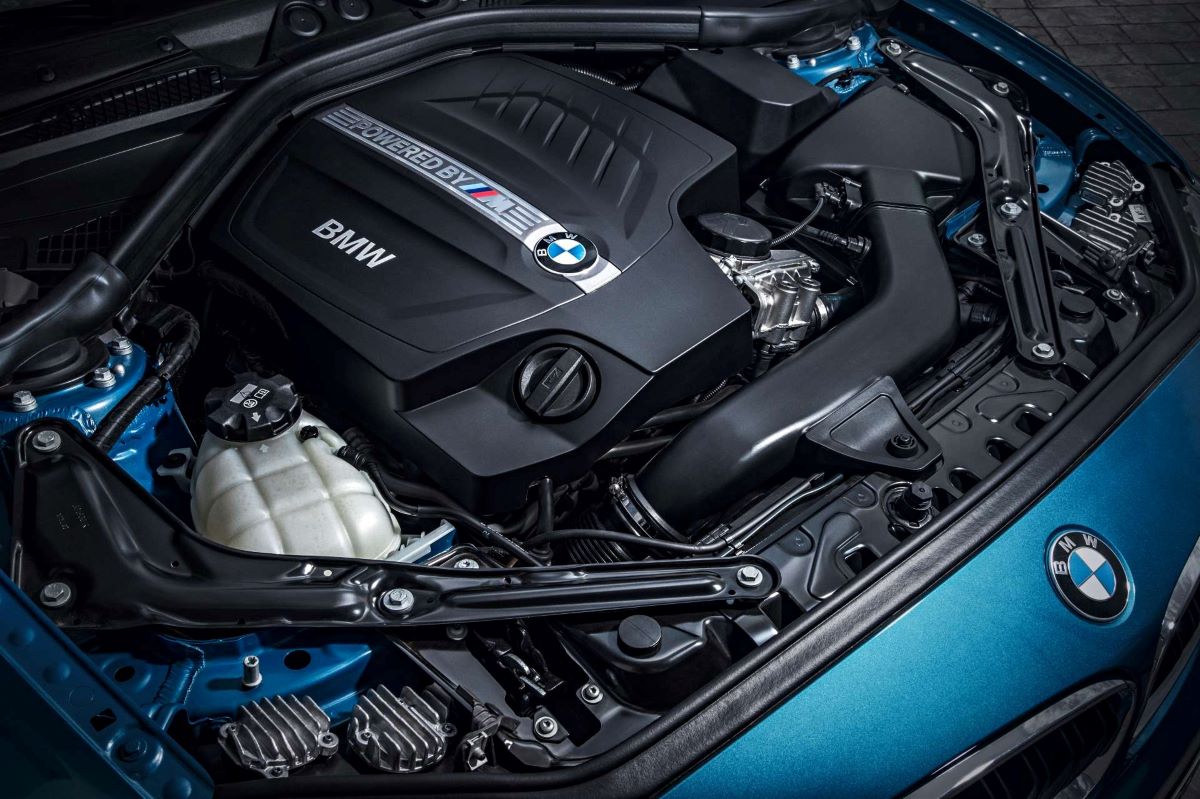
Tuners often push the N55 into the 400+ horsepower range on stock internals, and with upgraded turbos and supporting mods, it can exceed 500+ horsepower.
The consistent aftermarket backing from names like JB4 (Burger Tuning), MHD Tuning, and ESS continues to make the N55 a practical choice for tuners seeking daily-drivable performance.
4. BMW S58
With the S58, BMW delivered a twin-turbo inline-six that instantly became a favorite for tuning.
Found in the F80 M3 and F82/F83 M4 (among others), the 3.0-liter S58 combines high-performance engineering with modern efficiency and electronics.
Stock S58 engines make 473 to 503 horsepower, depending on the model. But tuners quickly realized its potential: high-flow turbos, upgraded intercoolers, adaptive engine management, and improved fueling can push the S58 well beyond 600 horsepower without sacrificing reliability.
Its strong block and crankshaft design handle increased boost remarkably well.
What sets the S58 apart is not just peak power potential but also the strong low-end torque and modern ECU control that make high-performance tuning more precise and predictable than older generations.
The S58 engine represents BMW’s most advanced step yet in the world of high-performance powertrains, created to stretch the boundaries of what drivers expect from a modern sports engine.
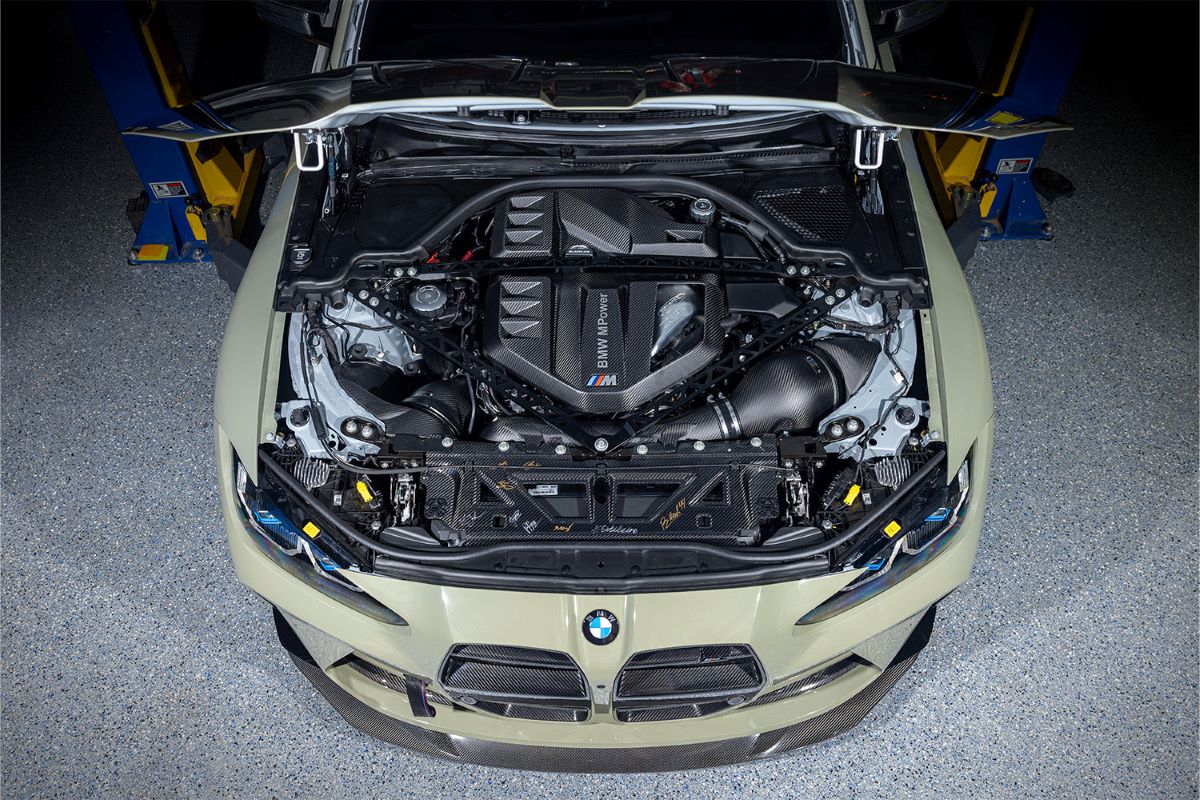
This inline-six is a clear showcase of BMW’s engineering depth, building on the already formidable B58 and pushing it significantly further. With performance, efficiency, and driver engagement at the forefront, the S58 is purpose-built to deliver a thrilling, no-compromises experience from behind the wheel.
At its core, the S58 is a 3.0-liter inline-six equipped with a twin-scroll turbocharger, a setup that plays a major role in sharpening throttle response and strengthening power delivery across the rev range.
But the S58 isn’t defined solely by its headline figures. What truly matters is how those numbers translate on the road. The engine incorporates BMW’s latest performance-focused technologies, including a water-to-air intercooler and a high-pressure fuel injection system designed to optimize combustion efficiency under demanding conditions.
The payoff is a torque curve that comes on strong and early, delivering smooth, immediate thrust and a surge of acceleration that’s genuinely addictive. It’s this combination of precision engineering and real-world performance that makes the S58 stand out as one of BMW’s most exciting modern engines.
5. BMW M30
Stepping back in time, the BMW M30 is one of the most enduring engines in BMW history. Manufactured from the 1960s through the 1990s, the M30 was the backbone of many classic 5 Series, 6 Series, and 7 Series cars.
Though not as aggressively tuned as modern engines with forced induction, the M30 is beloved for its shaft-driven cam, robust cast-iron block, and ease of modification.
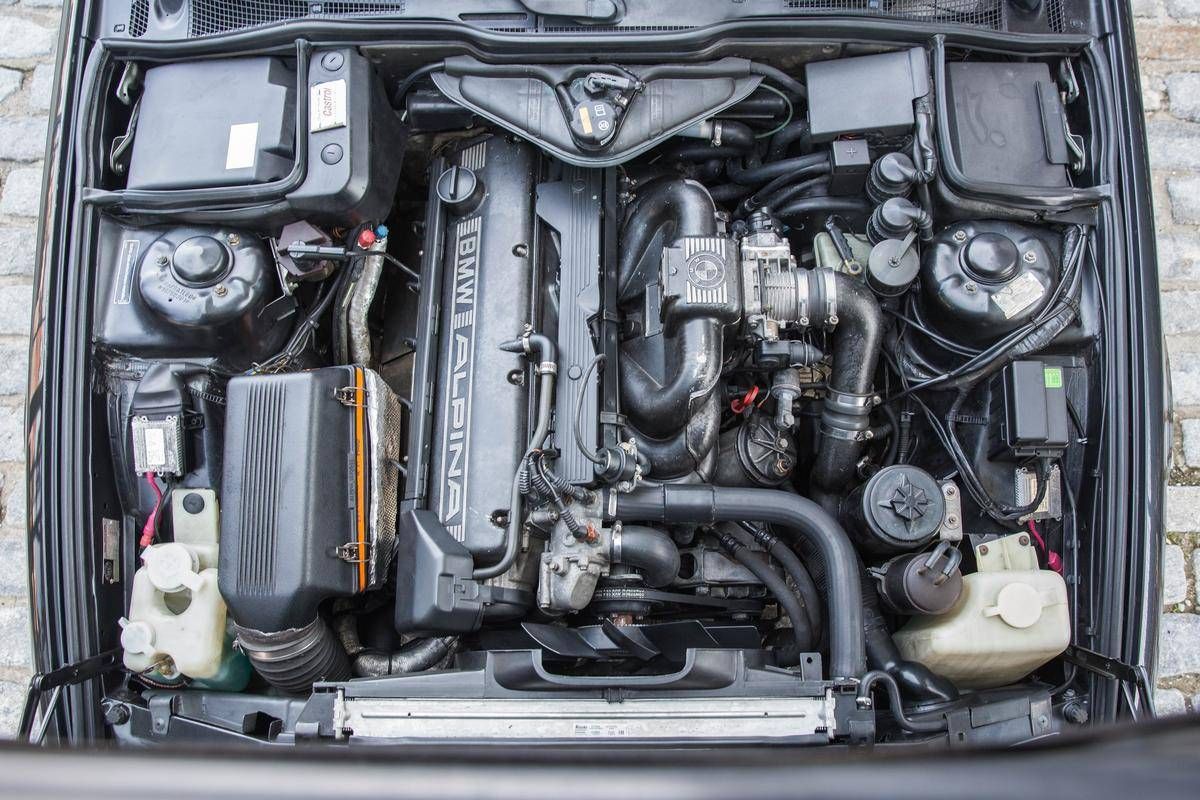
Tuners often build naturally aspirated high-performance variants, increasing displacement and airflow to extract impressive torque and horsepower for its era.
While forced induction conversions (turbo and supercharging) have become more common, the M30’s strength lies in its simplicity and longevity qualities that made it a favorite among hot-rod builders long before modern ECM tuning became widespread.
6. BMW S65
When BMW introduced the E90/E92/E93 M3 in the mid-2000s, it swapped the traditional inline-six for the S65 a high-revving 4.0-liter V8. Tuners embraced the S65 for its naturally aspirated character and race-derived heritage.
Though more expensive to modify compared to six-cylinder engines, the S65 responds well to performance builds, particularly those aimed at high-RPM power.
Upgraded cams, headers, and tuning can push power north of 450 horsepower impressive for a normally aspirated design.
The S65 is also prized for its balance and responsiveness. While peak figures matter, many tuners cherish the engine’s throttle feel, sound, and rev-happy nature, making it a rewarding build for track cars and performance sedans.
One of the very few M engines not derived from a standard production BMW powerplant, the S65 stood as a true engineering triumph and gave the E90-generation M3 a serious injection of muscle and character.
The original M3 famously relied on a detuned, motorsport-derived four-cylinder engine, but the two generations that followed returned to the inline-six configuration that helped define BMW’s performance reputation. That formula worked exceptionally well, until BMW decided it was time to rethink everything.
By 2002, the E46 lineup was nearing the end of its lifecycle, and development of its successor was already underway. Internally designated E90, E91, E92, and E93 depending on body style, the all-new 3 Series represented a complete modernization of the platform.
Development took roughly 30 months, with the sedan and wagon debuting in March 2005, the coupe arriving in 2006, and the convertible following a year later.
While customers were embracing the new 3 Series, BMW’s M division was quietly at work behind the scenes, developing a high-performance variant that would ultimately break with long-standing tradition.
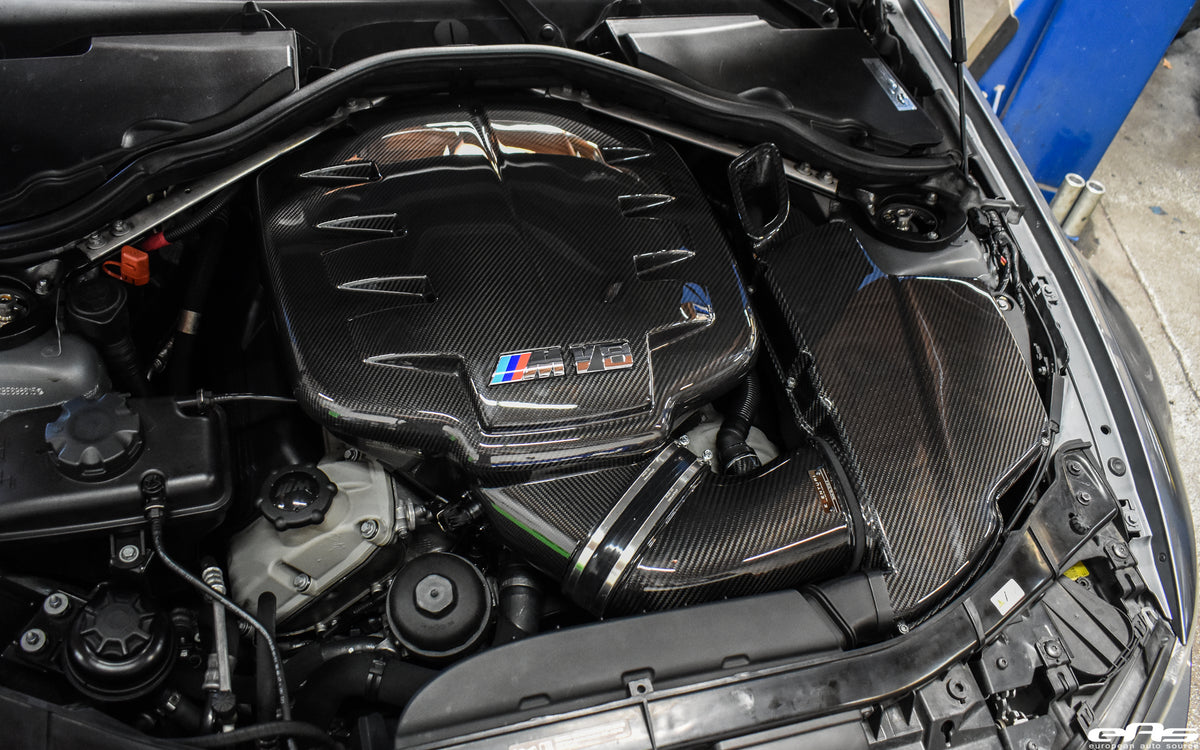
Although the E46 M3’s S54 inline-six, also used in later M Roadster and M Coupe models, had been a resounding success, BMW Motorsport made the bold decision to abandon the straight-six layout altogether. Instead, the engineers set their sights on something far more aggressive: a high-revving V8.
Some enthusiasts have speculated that this engine was derived from the E39 M5’s S62 V8. BMW’s first, and only, eight-cylinder M3 engine was more closely related to the E60 M5’s ferocious S85 V10, which had debuted just a few years earlier.
Known internally as the S65, the 4.0-liter naturally aspirated V8 shared several critical design elements with its ten-cylinder counterpart. These included identical cylinder dimensions, with a 92 mm (3.6-inch) bore and a 75.2 mm (3.0-inch) stroke, along with the same lofty 12.0:1 compression ratio.
This alone underscored how fundamentally different the S65 was from earlier eight-cylinder engines in BMW’s lineup.
The engine featured a robust block cast from a eutectic aluminum-silicon alloy at BMW’s Landshut foundry. At the time, this same facility was producing engine blocks for the S85 V10 as well as BMW’s Formula 1 powerplants, all based on similar architectural principles.
Also Read: Top 10 Italy’s Greatest Supercars of All Time, Ranked
7. BMW B58
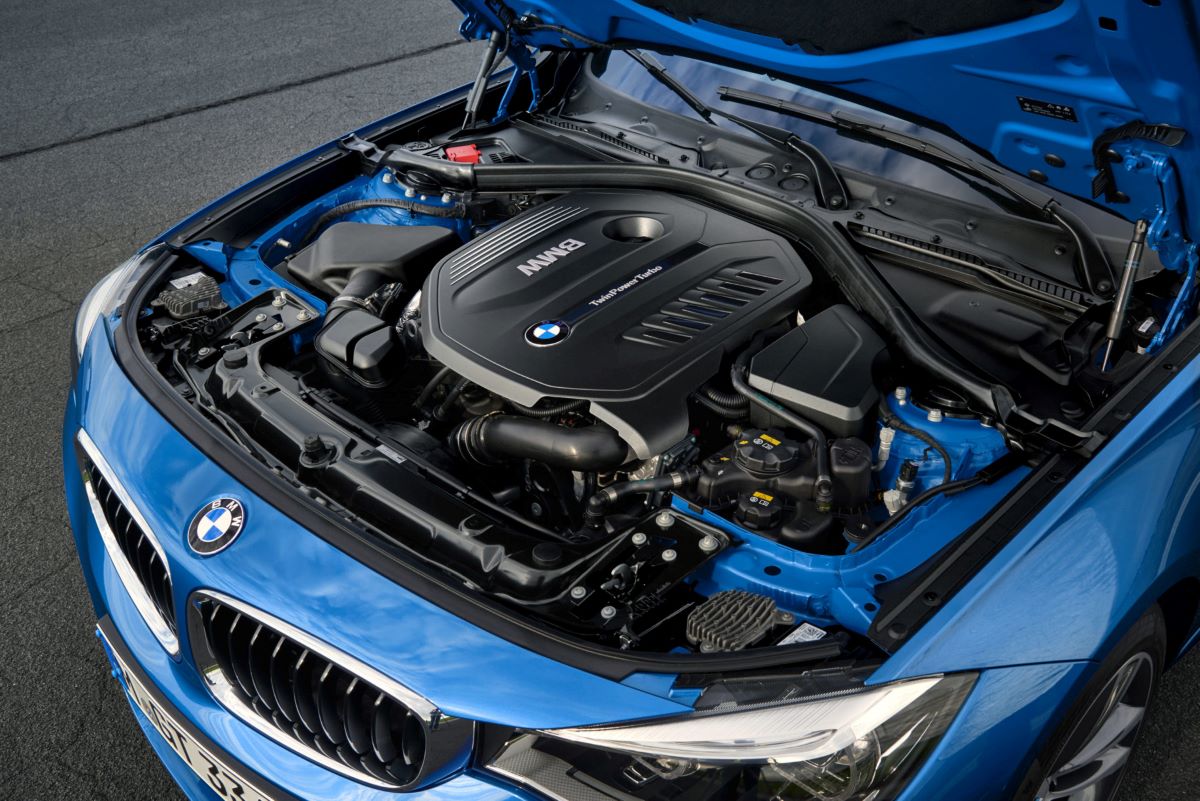
The B58 has quickly become one of the most respected yet underestimated BMW engines. A modern, turbocharged 3.0-liter inline-six, the B58 blends performance and refinement with impressive tuning headroom.
Stock versions in the 340i and Toyota-supplied Supra produce around 320 to 382 horsepower, but tuners consistently push the B58 into the 450-plus horsepower zone with established bolt-on upgrades and tunes.
High-boost turbos and fuel system upgrades can usher builds past 600 horsepower on stronger internals.
Part of the B58’s success comes from its smart engineering including a closed-deck block, integrated cooling design, and efficient turbo layout all of which contribute to its ability to handle increased loads without compromising reliability. For modern builds, the B58 is a top contender.
At first glance, the B58’s aluminum engine block can look almost delicate when set beside the famously overbuilt 2JZ. But appearances are misleading.
The contrast between the underside of a 2JZ and that of a B58 highlights just how much the automotive industry has evolved over the decades. Toyota engineered the 2JZ back in the 1980s, at a time when computer-aided design was still in its early stages.
That’s why the B58’s block appears almost shrink-wrapped compared to the 2JZ’s massive casting, yet it still has the structural integrity to support builds approaching 1,000 horsepower.
Like many contemporary engines, the B58 was designed with modularity in mind. It shares close ties with the B38 three-cylinder and B48 four-cylinder engines found throughout the BMW and Mini range.
At the same time, it has significant common ground with the B57 diesel inline-six, an engine engineered to handle compression ratios as high as 16.5:1. In fact, the basic block castings for the B57 and B58 are identical, and both use a closed-deck architecture in which the coolant passages around the cylinders are largely sealed.
Because the B58 shares its fundamental casting with the B57, it also benefits from this inherently rigid construction. The legendary 2JZ relied on a closed-deck design as well, which is a big part of its strength. Both the B57 and B58 use a similar forged steel crankshaft, and notably, the B58 is also equipped with forged connecting rods.
Sharing hardware between diesel and gasoline engines works in BMW’s favor on multiple levels. It lowers development and manufacturing costs, simplifies production, and results in a significantly stronger gasoline engine.
That’s precisely why, much like the 2JZ before it, the B58 has become a favorite among tuners who routinely extract enormous power figures from it.
8. BMW M52 & M54
For years, the M52 and its successor the M54 served as the core engines for everyday BMWs, including 3 Series and 5 Series models. Though naturally aspirated, both engines earned a reputation for durability and smooth power delivery.
Tuners often build these engines for high-displacement and high-revving performance.
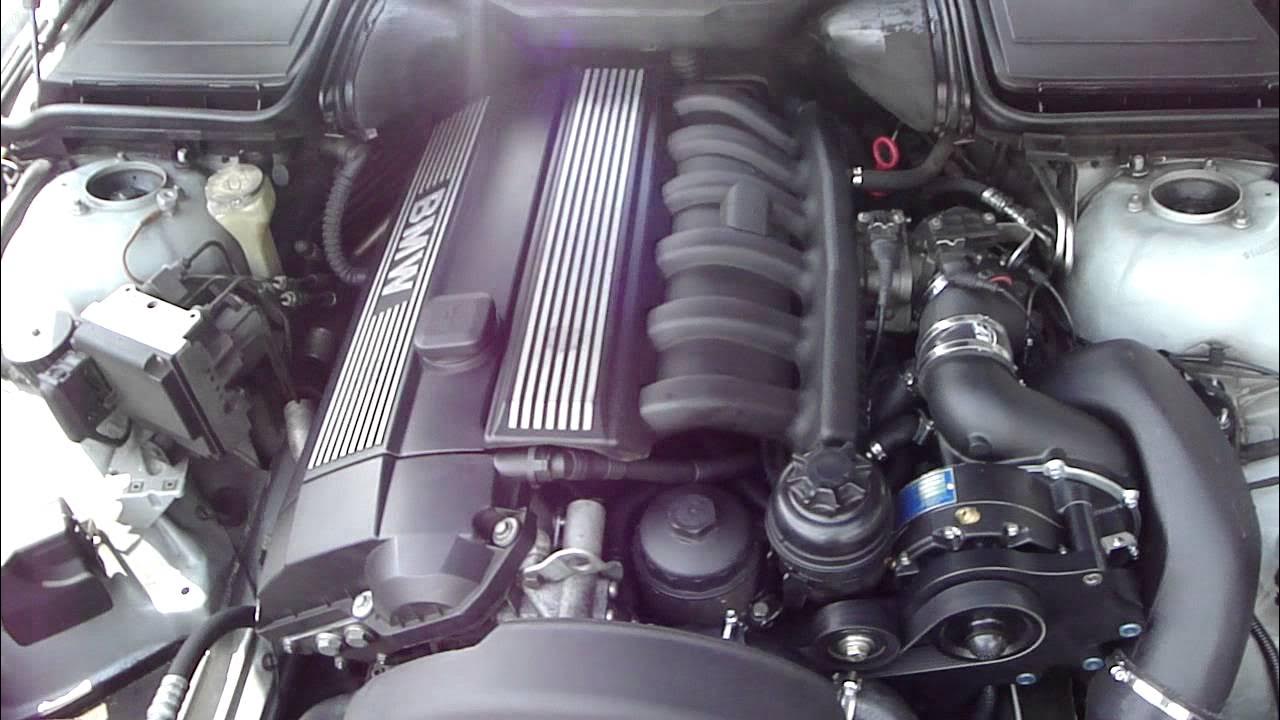
Upgraded camshafts, headers, larger throttle bodies, and custom tuning can unlock horsepower in the 200-300+ range impressive for engines that were originally designed for comfortable daily driving.
Their simplicity and robust design make them excellent platforms for enthusiasts entering the world of BMW tuning without the complexity of forced induction.
9. BMW N62 & N63
BMW’s V8 engines particularly the N62 and its twin-turbo successor the N63 are polarizing but powerhouse platforms.
The naturally aspirated N62 delivered smooth torque and strong midrange power, and with torque management and tuning, builders found respectable gains.
The later N63, a 4.4-liter twin-turbo V8 powering many 5 Series, 7 Series, and SUVs, was rough at launch but aftermarket support has addressed many of its quirks.
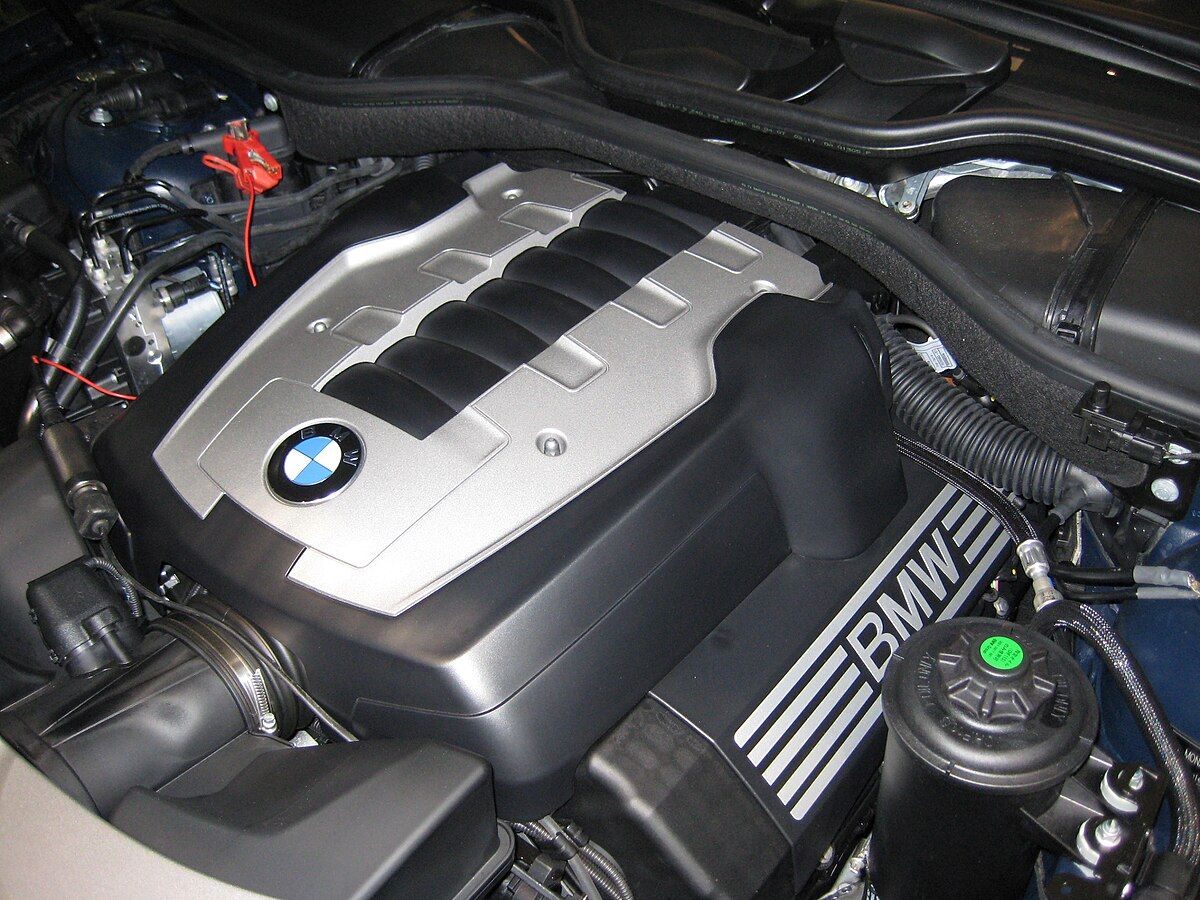
With intercooler upgrades, stronger turbos, and proper tuning, the N63 can achieve 600+ horsepower reliably.
These engines shine in high-weight applications and full builds where torque and displacement matter. For V8 enthusiasts looking to blend street comfort with brute force, the N62/N63 family delivers compelling results.
10. BMW S63
At the top end of BMW tuning lies the S63, a 4.4-liter twin-turbo V8 powering modern M cars like the X5M, X6M, and various M-badged sedans. Built for brute strength, the S63 combines sophisticated engineering with blistering performance.
Tuners respect the S63 for its ability to handle high boost and deliver massive power gains.
With upgraded turbos, fueling, and cooling, builds exceeding 700 horsepower are not uncommon and with advanced engine management, these figures can be achieved while maintaining daily driveability.
The S63’s sophisticated twin-scroll setup and M-specific calibration make it a gem for builds that demand raw performance without compromise.
Across decades of BMW engineering, a few standout powerplants have earned the trust and enthusiasm of tuners nationwide.
Whether it’s the high-revving glory of the S54, the forced-induction potential of the N54 and B58 families, or the modern brute strength of the S58 and S63, these engines showcase the diversity of BMW’s performance DNA.
The BMW S63 engine is a high-performance, twin-turbocharged 4.4-liter V8 that has powered a range of BMW M models since its debut in 2010.
Its twin twin-scroll turbochargers work in tandem with a pulse-tuned, cross-bank exhaust manifold, which ensures a continuous flow of exhaust pulses to the turbos with every 180-degree crankshaft rotation. While the engine delivers exhilarating performance, it also comes with specific reliability considerations and requires diligent maintenance to remain in top condition.
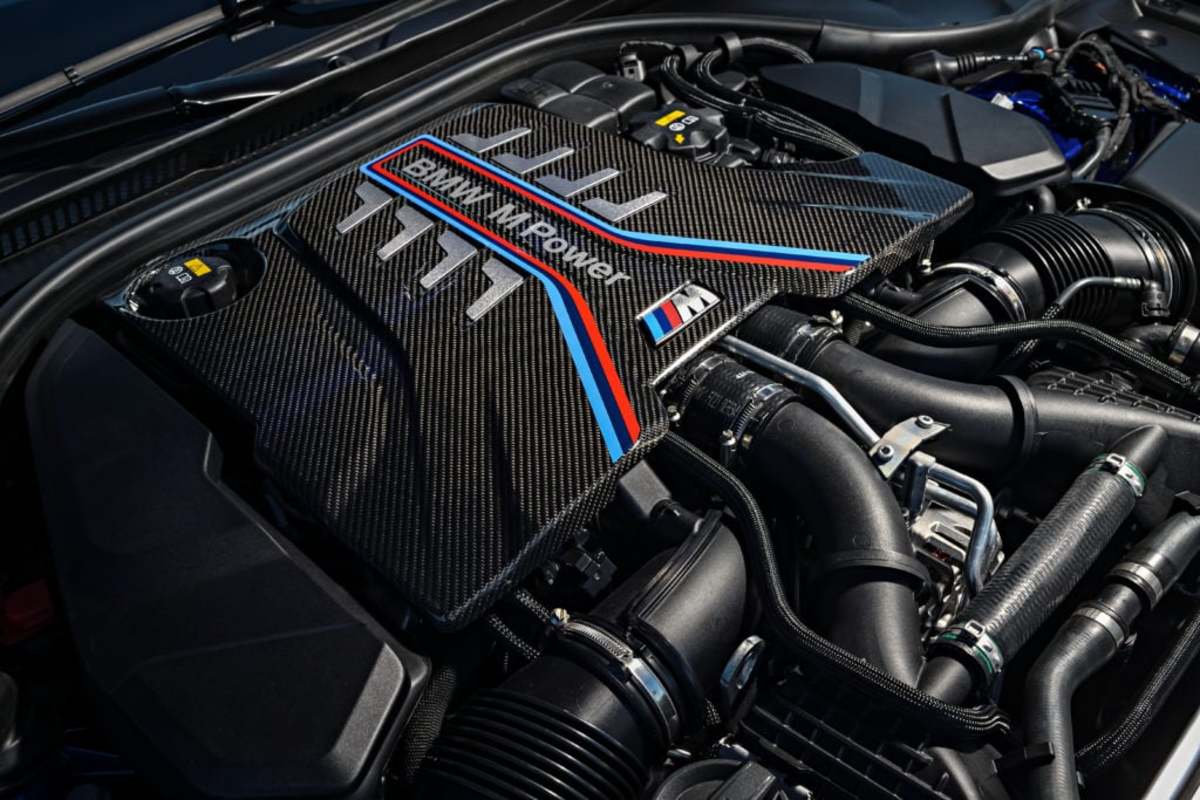
Over the years, the S63 has evolved through several iterations, improving power output and efficiency while addressing issues seen in earlier versions. However, reliability depends heavily on proper upkeep and driving habits.
Early models were prone to rod bearing wear, especially under high-RPM or aggressive driving conditions, as well as turbocharger failures caused by oil starvation or contamination.
Valve stem seals could wear over time, leading to increased oil consumption, and ignition coil failures were common due to the high demands placed on the ignition system. When one coil failed, others often followed, resulting in misfires, rough idling, and reduced power if not addressed promptly.
Additionally, some early engines experienced excessive oil consumption, a problem inherited from the related N63 engine due to piston ring issues, leaking turbo seals, and worn valve stem seals, although this was largely mitigated in later S63 designs.
The engine’s high thermal load also places significant stress on the cooling system, making components like water pumps and radiators potential weak points that can cause overheating if neglected.
In summary, the S63 is a remarkable engineering achievement that rewards attentive ownership. With proper maintenance, it offers extraordinary performance, tunability, and longevity, embodying the power and character BMW M enthusiasts have come to expect.
However, owners must remain vigilant with servicing and monitoring for potential issues, as the high-output nature of the engine leaves little room for neglect.
For American enthusiasts, these platforms offer more than just numbers they reflect a culture of performance that spans street cred, track prowess, and aftermarket innovation.
Choosing the right engine depends on your goals: daily driver improvements, weekend canyon runs, or building a full-blown race machine.
But time and again, tuners return to these engines because they respond well to upgrades without compromising the core strengths that made them great in the first place.
