
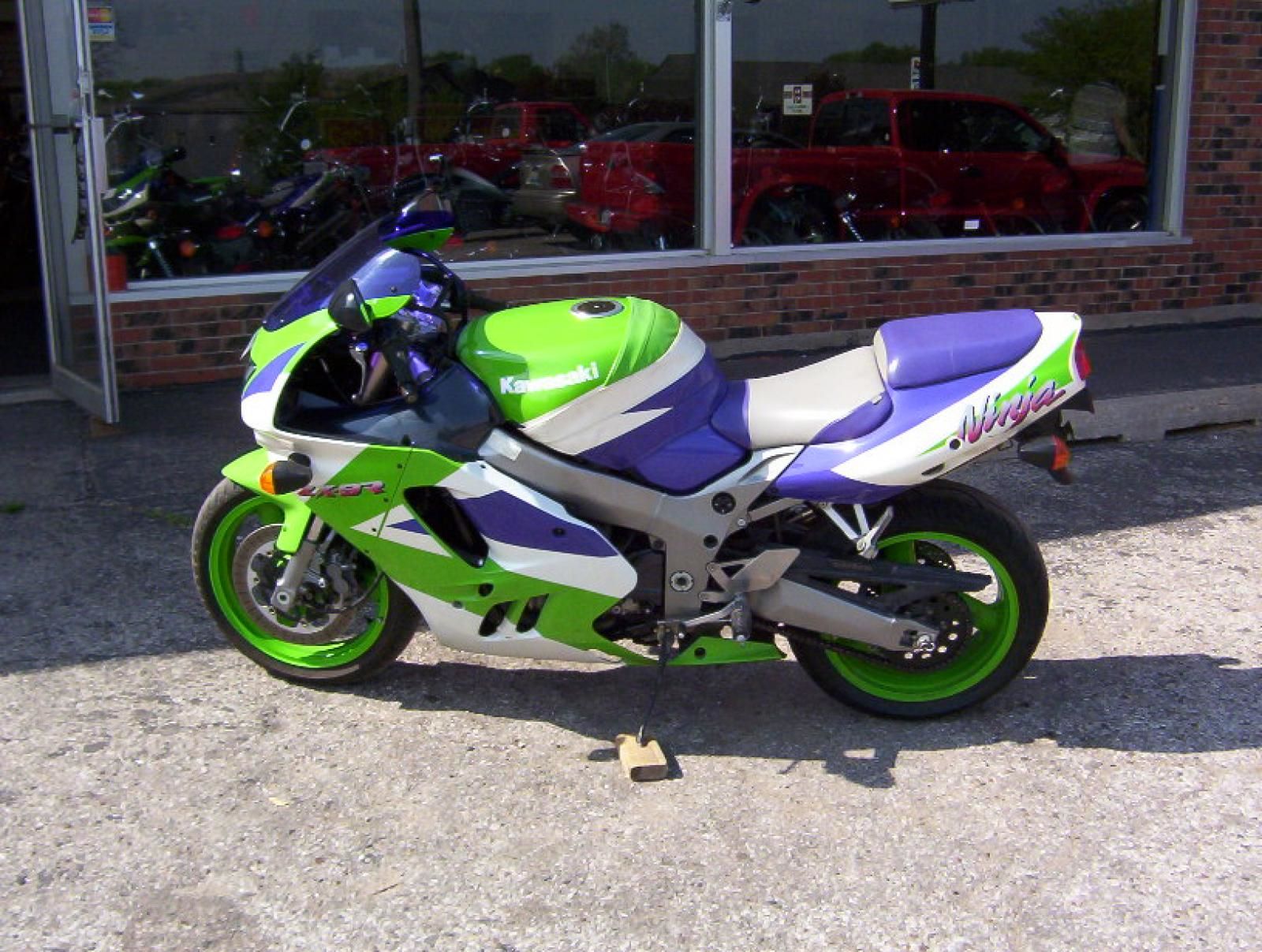
The 1990s were a defining decade for sport bikes, a time when manufacturers pushed engineering boundaries and rider expectations simultaneously.
This was an era of rapid technological advancement: fuel injection was beginning to replace carburetors, frame designs evolved for sharper handling, and aerodynamic fairings became the standard rather than the exception.
For American riders, the ‘90s represented the golden age of sport bike culture. Fast, sleek, and often borderline unrideable for the inexperienced, these machines became symbols of freedom, adrenaline, and raw performance.
From Japanese supersports to European exotica, the decade produced motorcycles that would go on to influence design and technology for years to come. Here’s a look at the 12 sport bikes that truly defined 1990s performance.
1. Honda CBR900RR Fireblade (1992)
Introduced in 1992, the Honda CBR900RR, commonly known as the Fireblade, changed the sport bike landscape forever.
Honda’s philosophy behind the Fireblade was revolutionary: deliver liter-bike power in a package light enough for 600cc handling.
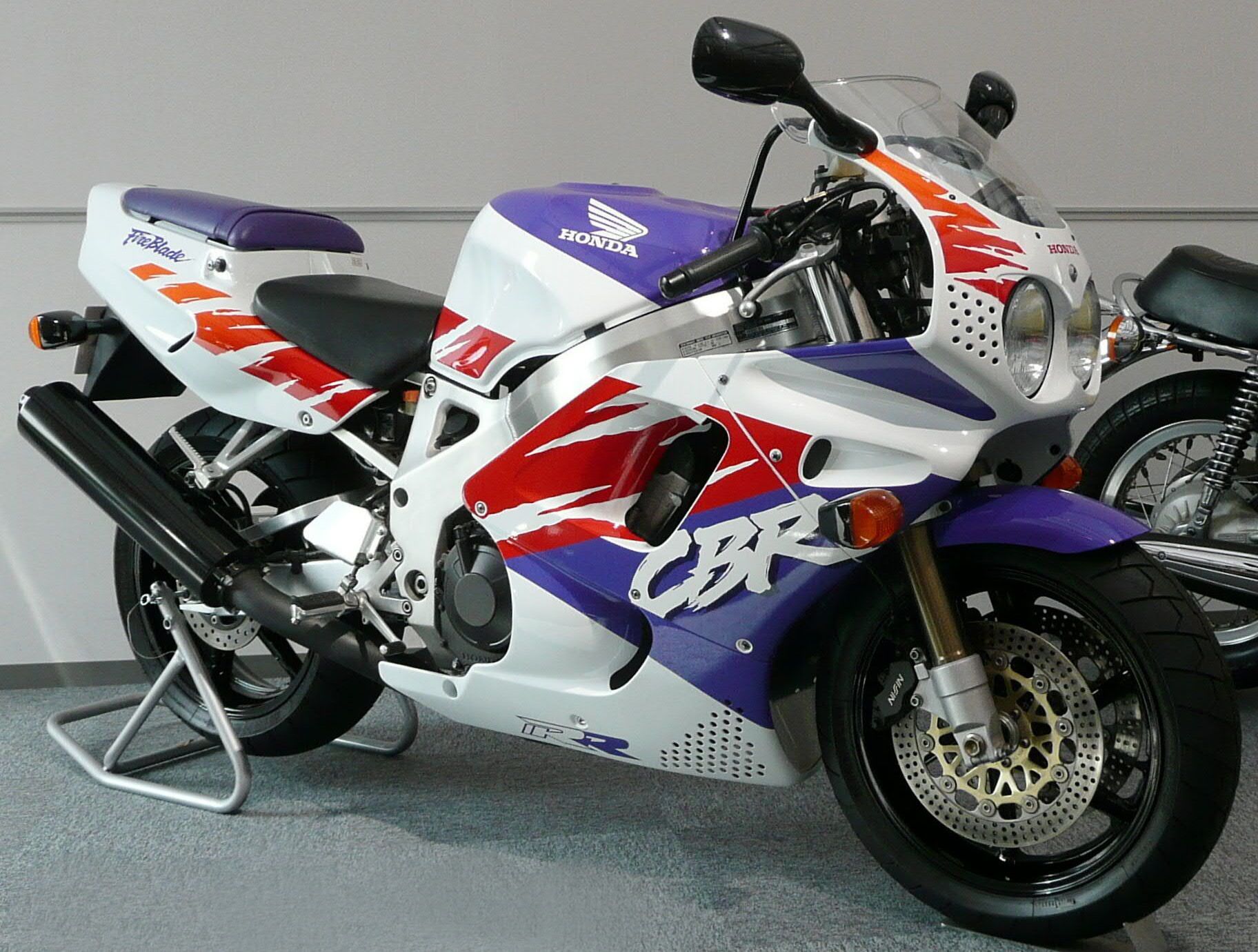
At just over 400 pounds wet, the CBR900RR handled like a middleweight but packed a 893cc inline-four engine capable of over 120 horsepower.
Its light frame, sharp handling, and reliable engine made it a favorite for track enthusiasts and street riders alike. In the US, it set a benchmark for what a liter-class sport bike should be fast, nimble, and technologically advanced.
2. Yamaha YZF750R (1993)
Yamaha’s YZF750R was a race-bred machine that earned its stripes in the World Superbike Championship. With its 749cc four-cylinder engine, the bike combined a high-revving nature with precise handling.
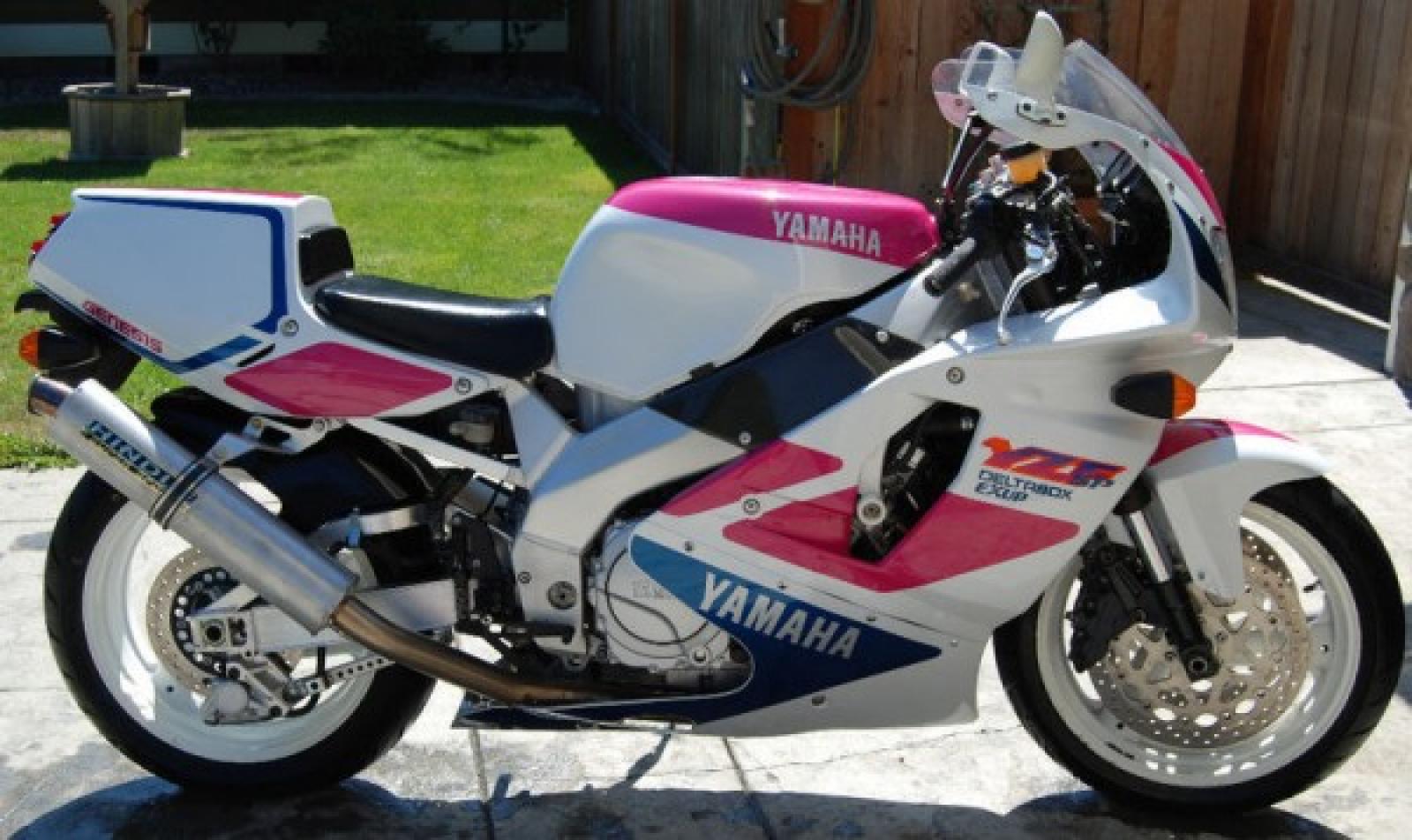
The US market received a slightly detuned version for street use, but it retained the DNA of a track-focused racer.
The YZF750R stood out in the mid-90s as a bridge between street and race performance, appealing to riders who wanted a Superbike experience without the complexities of a 1000cc monster.
The Yamaha YZF750 was a sport motorcycle produced by the Japanese manufacturer from 1993 to 1998, offered in two versions: the standard R model and the SP model, which was a single-seat variant.
Of the two, only the YZF 750R was officially sold in the U.S., while the SP differed mechanically, featuring an adjustable swingarm pivot, 39 mm Keihin FCR flat-slide carburetors, a lower windscreen, a removable rear subframe, and a solo seat.
The SP was Yamaha’s homologation model for the World Superbike Championship before rules allowed 1,000cc machines, and it proved its racing pedigree by winning the Suzuka 8 Hours endurance race four times between 1987 and 1996.
The YZF 750R was powered by a 749cc four-stroke, liquid-cooled, four-cylinder engine that produced 125 horsepower at 12,000 rpm and 80 Nm (59 lb-ft) of torque at 9,500 rpm.
Power was delivered through a six-speed manual transmission, and the bike’s dry weight of 196 kg (432 lbs) allowed it to reach a top speed of 261 kph (162 mph). Suspension duties were handled by a 41 mm adjustable upside-down fork at the front and a rebound- and preload-adjustable Monocross shock at the rear.
Braking performance came from dual 320 mm discs with six-piston calipers up front and a single 245 mm disc with a two-piston caliper at the rear, providing precise and capable stopping power.
Also Read: 11 Best Manual-Shift Sports Cars of the Last Decade for Every Budget
3. Suzuki GSX-R750 (1996 Update)
The GSX-R series was already legendary, but the 1996 GSX-R750 brought significant improvements that made it a 90s icon.
Suzuki’s “race on Sunday, ride on Monday” philosophy shone through with a lightweight aluminum frame and a powerful, rev-happy 750cc inline-four.
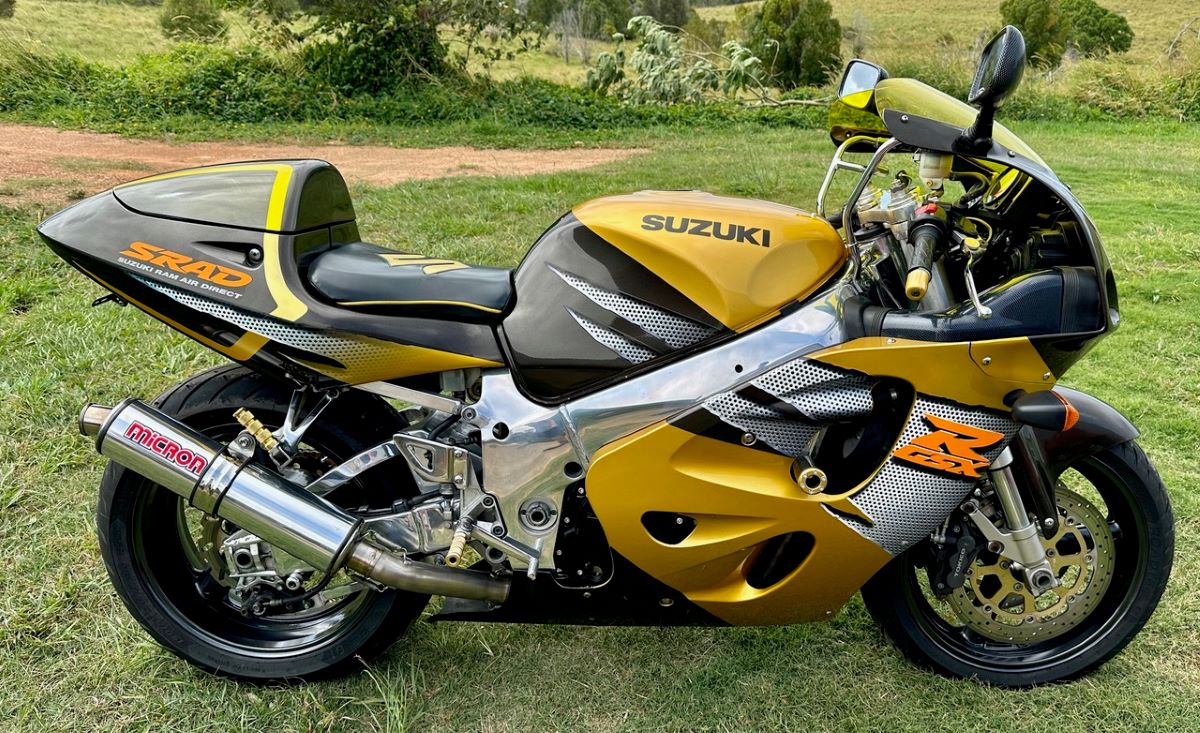
In the US, the GSX-R750 became synonymous with sport bike excellence, delivering a balanced package of top-end power and manageable handling. It dominated street rides, track days, and even racing circuits across the country.
4. Kawasaki Ninja ZX-7R (1996)
Kawasaki’s Ninja ZX-7R was a mainstay of 1990s sport bike culture, particularly in the US, where liter-class bikes were gaining popularity.
Its 749cc engine offered smooth acceleration, while the bike’s aluminum twin-spar frame provided stability at high speeds.

Unlike some of its rivals, the ZX-7R excelled in comfort for longer rides, making it a practical option for both spirited street riding and weekend track sessions.
Its aggressive styling and Kawasaki’s marketing made it a cultural icon, particularly among young riders chasing the thrill of speed.
While the riding community prides itself on inclusivity, some motorcycles are simply not built for all skill levels. These machines carry an imposing presence, are heavy and aggressive, and demand riders who match their intensity.
Most modern liter-class sportbikes fall into this category, and the Kawasaki ZX-7R is no exception. Produced from 1989 to 2003, the ZX-7R was a sport-oriented successor to the iconic GPZ900R.
Its 748cc inline-four engine offered a broad, usable powerband, while its full-faired, aggressive styling and 167-mph top speed reinforced its reputation as a serious performance machine.
Despite being out of production for two decades, the ZX-7R has recently seen a resurgence in popularity, perhaps due to its status as part of Kawasaki’s best-selling lineup for many years or its impressive track record on both streets and racetracks. Enthusiasts continue to appreciate the bike for its combination of power, handling, and iconic design.
The ZX-7R was essentially the road-going counterpart to the homologation-special ZX-7RR, with production spanning from 1989 to 2003, though the ZX-7R itself was produced during the final eight years of that run.
Initially designated as the ZXR-750R in most markets, excluding the U.S., the name was eventually standardized to ZX-7R beginning in 1996. First unveiled at the September 1989 Cologne Motorcycle Show in Germany, the bike was introduced as the GPZ900R’s successor, a machine that Cycle World had named “Superbike of the Year” in 1984.
Except for minor refinements requested by enthusiasts, the ZX-7R largely lived up to expectations. Like its predecessor, it featured an inline-four engine, aerodynamic full-fairing bodywork, and a suspension setup tuned for on-road performance.
Its 748cc displacement offered a balance of power and control, making it a sportbike that appealed to serious riders while honoring the legacy of the GPZ900R.
5. Ducati 916 (1994)
Italian engineering met American fascination with Ducati’s 916, a bike that transcended mere performance. Introduced in 1994, the 916 featured a 916cc L-twin engine with desmodromic valves, producing a signature exhaust note that captivated riders.
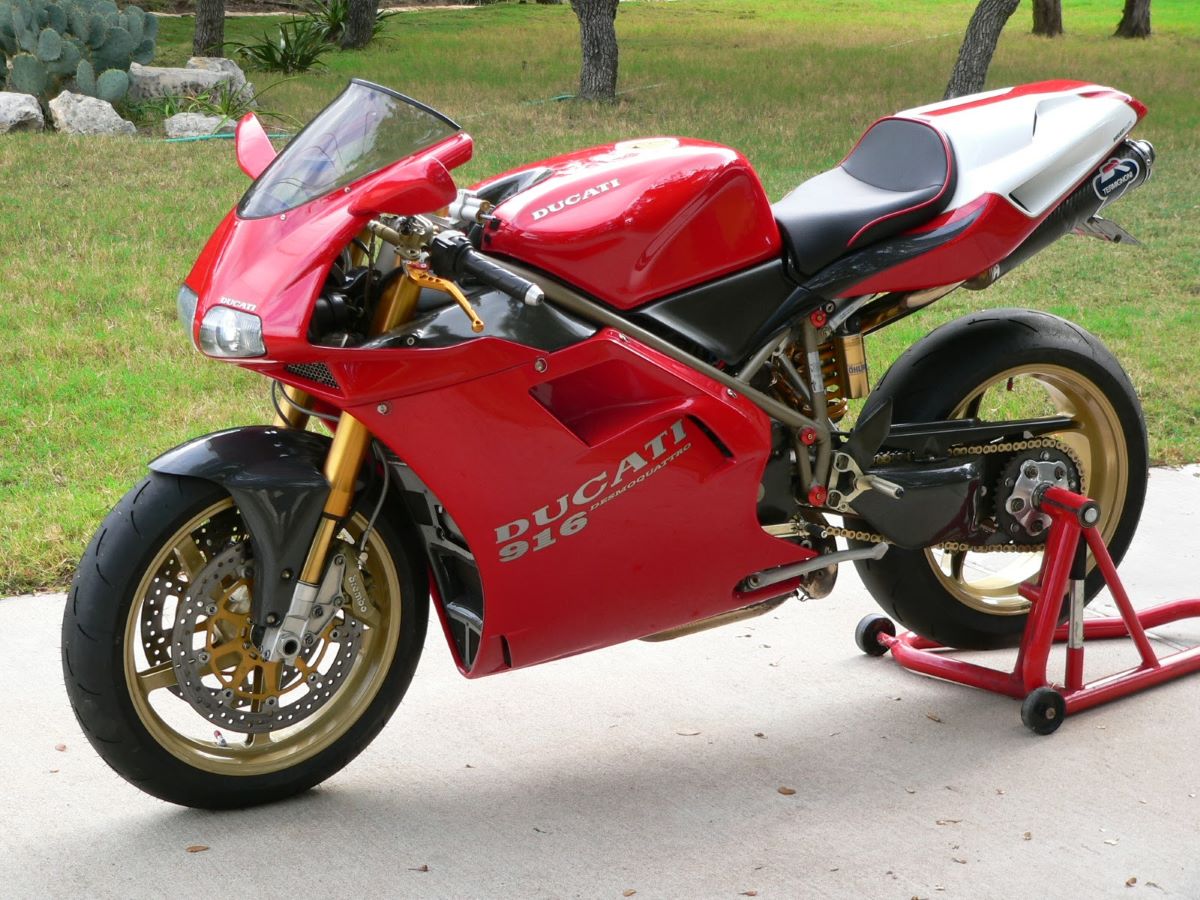
Its radical design, courtesy of Massimo Tamburini, combined beauty with function its single-sided swingarm, underseat exhaust, and sleek fairing optimized handling and aerodynamics.
While expensive for US riders, owning a Ducati 916 was as much a lifestyle statement as a performance choice.
6. Honda CBR600F (1991)
Honda’s CBR600F represented the middleweight sport bike revolution of the 90s. With a 599cc inline-four engine, it provided sufficient power for spirited rides while remaining accessible to a broader audience.

Its balance of speed, comfort, and reliability made it one of the most popular sport bikes in the US. The CBR600F was a practical entry point for new riders who wanted to experience the thrill of sport bike performance without the intimidation of a full-liter machine.
The Honda CBR600F was a sports motorcycle introduced in 1987 as part of Honda’s CBR series, powered by a 600cc inline four-cylinder engine. In the U.S. market, the first model was sold as the Hurricane from 1987 to 1990.
Alongside the CBR750F and CBR100F, the CBR600F was Honda’s first fully-faired, inline four-cylinder sports bike, featuring styling inspired by a European trend toward smooth, enclosed fairings like those seen on the Ducati Paso.
Honda continued to expand the lineup with successive models designated as the CBR600F2, F3, and F4i. The CBR600F2, produced from 1991 to 1994, was introduced to replace the original Hurricane and was widely regarded as one of the most modern and innovative sportbikes of its time.
Development began in 1989 under Hurricane LPL Ishikawa, with the new bike initially known as the MV9 before adopting the F2 designation as its official name.
The 1991 CBR600F2 featured a single-cradle steel frame supporting a 41 mm telescopic fork at the front with preload and rebound adjustability, while the rear used a Pro-Link gas-charged shock absorber with preload, rebound, and compression adjustability.
Performance was driven by a 598cc four-stroke, liquid-cooled, four-cylinder engine producing 100 horsepower at 12,000 rpm and 64 Nm (47 lb-ft) of torque at 10,500 rpm. With its combination of advanced engineering, handling, and power, the F2 cemented the CBR600F’s reputation as a capable and forward-thinking sportbike.
Also Read: 10 True Supercars That Undercut the Price of a Base Porsche 911
7. Kawasaki ZX-9R (1994)
The ZX-9R was Kawasaki’s answer to the growing demand for liter-class sport bikes in the US. With a 908cc engine producing over 130 horsepower and a lightweight chassis, the ZX-9R delivered a potent combination of top-end speed and cornering agility.
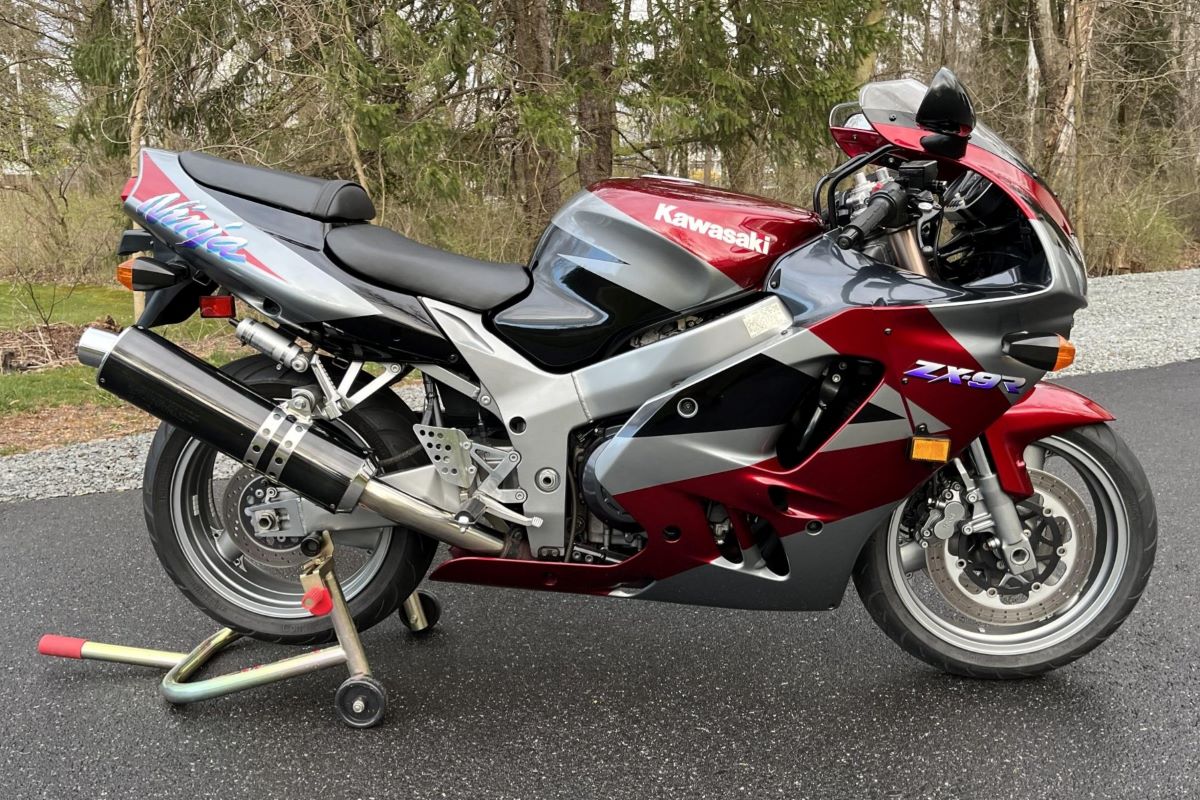
Its ram-air intake system and aggressive fairing design signaled Kawasaki’s commitment to aerodynamics and high performance. The ZX-9R was particularly influential in the US market, bridging the gap between street-legal performance and track-capable engineering.
8. Suzuki TL1000R (1998)
Suzuki’s TL1000R entered the US market as a unique alternative to the traditional inline-four sport bikes. Its 996cc V-twin engine delivered torque that was unmatched for the era, providing explosive acceleration out of corners.
While heavier than some rivals, the TL1000R’s handling and power delivery made it a favorite among riders seeking something different. Its design also influenced the trend of sport bikes with more distinctive, muscular aesthetics.
Over its six-year production run, the Suzuki TL1000R, a more powerful and race-focused variant of the TL1000S, retained the core features of the original 1998 model without significant changes.
Manufactured from 1998 to 2003, the TL1000R was available in yellow, black, red, and blue with white accents. By 2003, Suzuki had ended the TL series and returned to the GSX-R750 as its primary superbike offering.
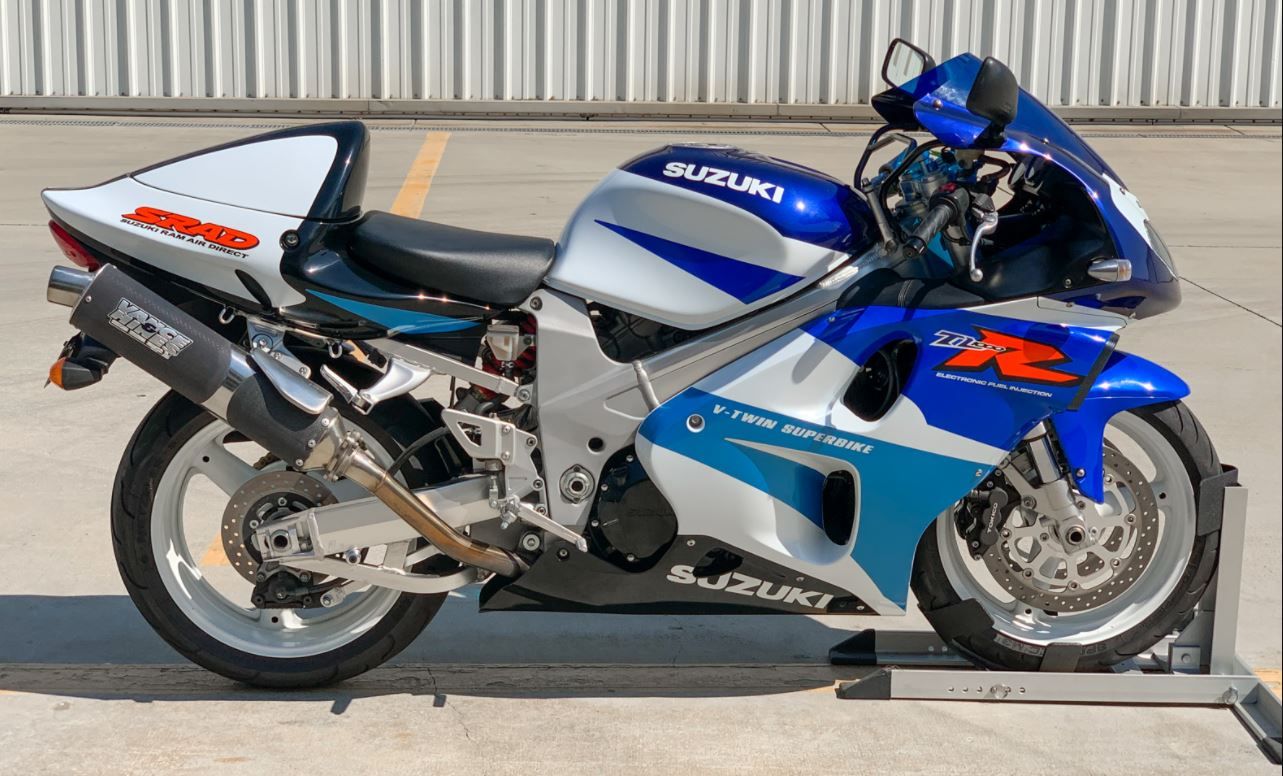
The TL1000R was conceived to compete in both the World and American Superbike Championships and to challenge the Ducati 916 in terms of performance and sales. Despite its intentions, the TL racing program produced only a single victory before being discontinued.
Mechanically and aesthetically, the 2002 model carried over standard features from prior years, including a full fairing, single front headlight, windscreen, two-piece dual seat with an optional passenger seat hump, dual exhaust system with silencers on each side, and three-spoke aluminum alloy wheels.
The frame was aluminum, with front suspension handled by a 43 mm fully adjustable upside-down telescopic fork offering 115 mm of travel, and a fully adjustable rear shock providing 125 mm of travel.
Performance came from a 996cc liquid-cooled, four-stroke V-twin engine equipped with fuel injection. This powerplant produced 135 horsepower at 9,500 rpm and 106 Nm (78 lb-ft) of torque at 7,500 rpm, propelling the TL1000R to a top speed of 270 kph (168 mph).
Designed for riders seeking race-ready performance in a street-legal package, the TL1000R remains a notable entry in Suzuki’s superbike history.
9. Yamaha YZF-R1 (1998)
The original Yamaha YZF-R1 debuted in 1998 and redefined the sport bike category. Its 998cc engine was compact, high-revving, and aggressive, and the bike’s chassis was designed for razor-sharp handling.
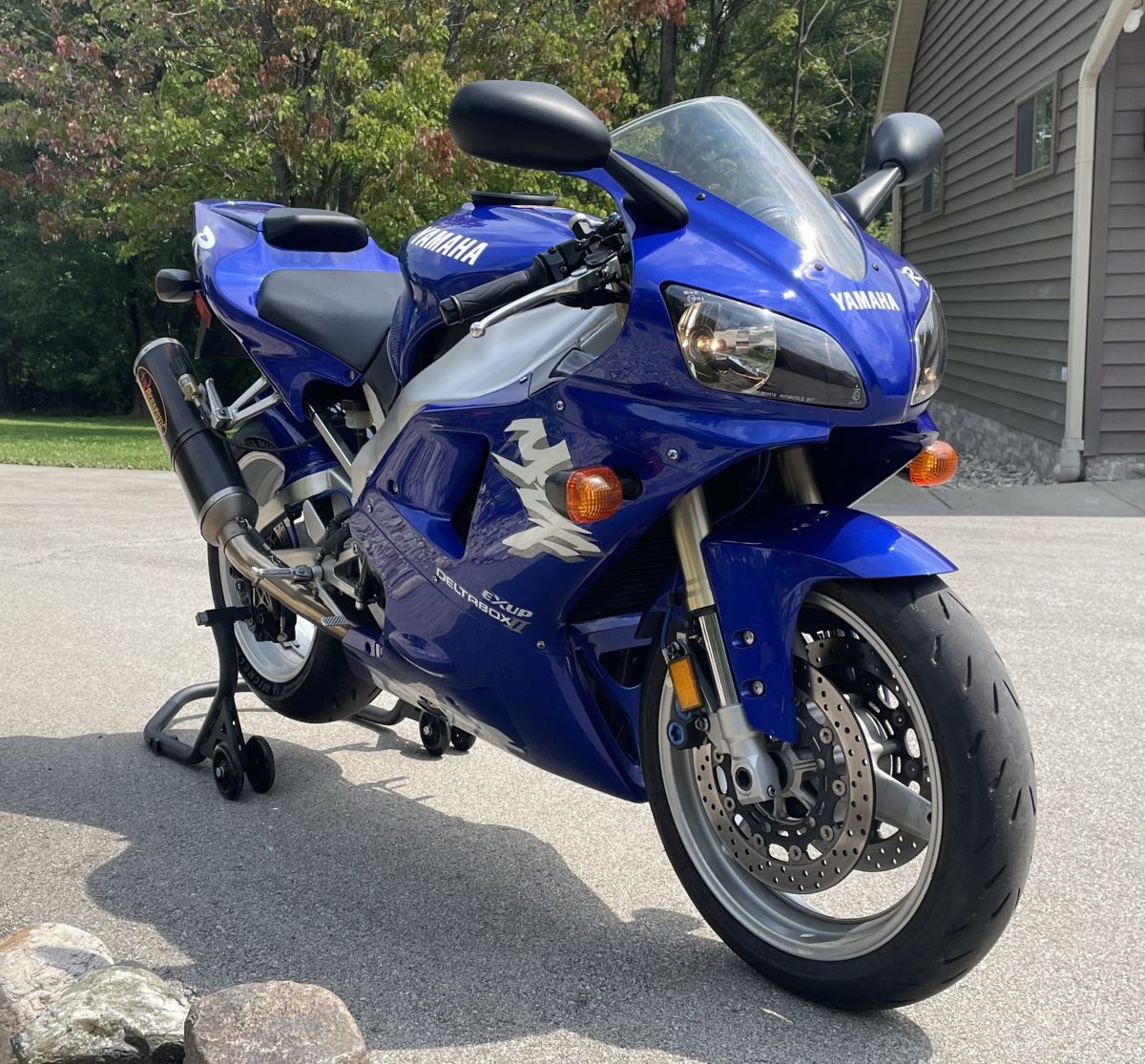
In the US, the R1 was quickly recognized as a game-changer, combining liter-class power with a lightweight, agile frame that made it feel like a 600cc bike on tight corners.
Its arrival marked the beginning of a new era where liter bikes became more manageable for street use without sacrificing performance.
The Yamaha YZF-R1 was introduced in 1998 as a 1,000cc sportbike built around Yamaha’s redesigned Genesis engine, a high-performance multi-valve design.
The company engineered a more compact engine by raising the gearbox input shaft and positioning the output shaft beneath it, shortening the engine overall. This allowed for a shorter wheelbase and optimized the bike’s center of gravity, enhancing handling and agility.
In 1999, Yamaha released the updated YZF-R1 with minor changes that included a redesigned gear change linkage and a lowered fuel tank reserve, though the total fuel capacity remained the same.
The heart of the 1999 model was a 998cc four-stroke, liquid-cooled, four-cylinder engine equipped with four Mikuni carburetors, producing 150 horsepower at 10,000 rpm and 108 Nm (80 lb-ft) of torque at 8,500 rpm.
Suspension duties were handled by a 41 mm KYB upside-down telescopic fork at the front and an aluminum swingarm with a rear Monocross shock absorber.
The bike rolled on five-spoke cast aluminum wheels, with braking managed by dual 298 mm discs at the front, clamped by four-piston calipers, and a single 256 mm disc at the rear with a two-piston caliper.
The combination of compact design, lightweight chassis, and robust suspension and braking components made the YZF-R1 a benchmark in late-1990s superbike performance.
10. Ducati 748 (1994)
As a slightly smaller sibling to the 916, the Ducati 748 offered US riders the thrill of Italian engineering at a more approachable size. Its 748cc L-twin engine and race-oriented geometry made it agile and responsive.
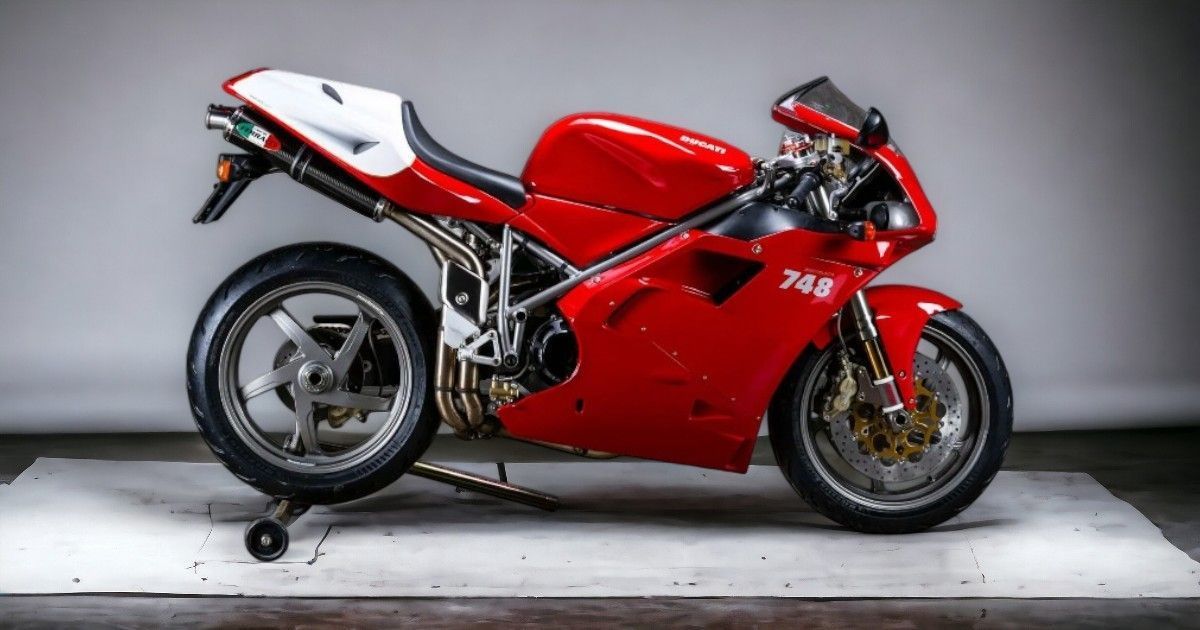
The bike’s design mirrored the 916, offering the same iconic looks with slightly reduced power perfect for riders who wanted Italian style and performance without the full liter-class commitment.
The Ducati 748, produced from 1994 to 2002, is far more than just a sport bike, it’s a finely crafted masterpiece that combines passion, precision, and power. At its core lies a 748 cc desmodromic liquid-cooled 90° V-twin engine, delivering between 73 kW (98 hp) and 79 kW (106 hp), depending on the model.
This engine propels the bike to top speeds ranging from 240 km/h (150 mph) to 255 km/h (158 mph), providing a thrilling ride that balances raw performance with exceptional control.
Beyond the numbers, the Ducati 748 exudes character through its distinctive engine note, a symphony of engineering and artistry that resonates with riders who appreciate the harmony between mechanics and emotion.
Ducati’s meticulous attention to detail is evident in every component, from the layout of the V-twin to the precision of the throttle response. The design showcases not only performance but also aesthetics: sleek bodywork, a streamlined profile, and elegant lines make the 748 a visual statement as much as a mechanical one.
It’s a bike that commands attention wherever it goes, sparking admiration and envy while turning every ride into a memorable experience.
Ownership of a Ducati 748 extends beyond riding, it immerses you in a passionate community of enthusiasts who celebrate craftsmanship, horsepower, and style. Riders often describe the experience as extraordinary, savoring the combination of adrenaline, control, and sheer visual appeal.
Every moment in the saddle is a chance to engage with both the bike and its community, making the Ducati 748 not just a motorcycle but a shared celebration of performance and design.
The bike’s blend of technical excellence, striking aesthetics, and communal connection ensures that the 748 remains a cherished icon among sport bike aficionados.
11. Honda VTR1000 SP-1 (1997)
Honda’s VTR1000 SP-1, known as the Super Hawk in the US, combined liter-class power with a V-twin engine layout. Its 996cc engine produced a distinctive, torquey power delivery, offering a different character compared to Japanese inline-fours.
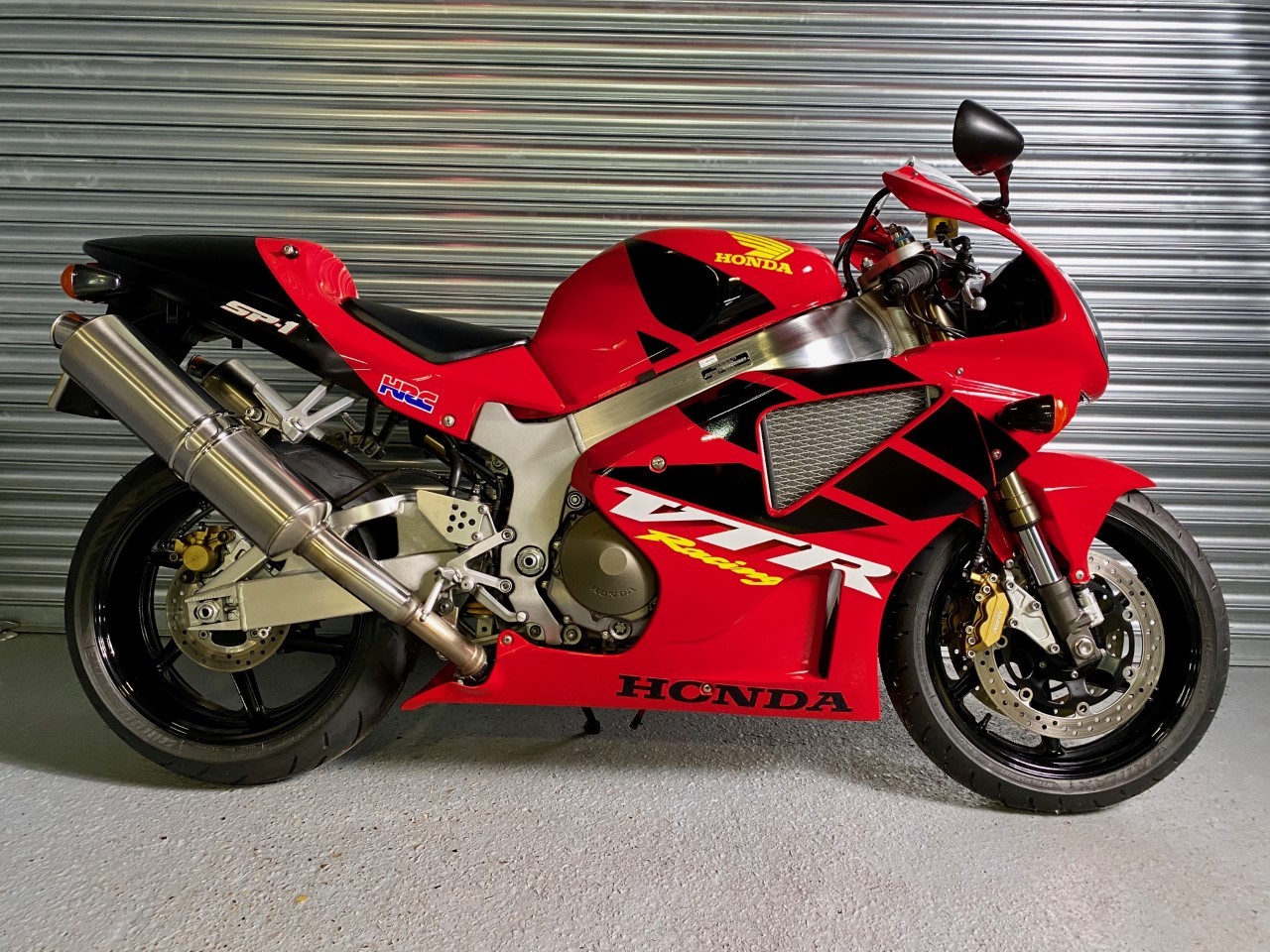
Lightweight and agile, the SP-1 was track-focused yet street-capable, representing Honda’s willingness to experiment with performance-focused engineering during the 1990s.
The Honda VTR1000, produced as the SP-1 and SP-2 from 1997 to the mid-2000s, is a legendary V-twin superbike that marked Honda’s strategic response to Ducati’s dominance in the early 2000s. While Honda’s four-cylinder 750s had struggled to match Ducati on the racetrack, the VTR1000 changed the game.
With its 996cc V-twin engine producing 136 hp and 77.4 lb-ft of torque, the bike was designed with one purpose: to excel on the track. Its dry weight hovered around 430–432 lbs, allowing it to reach top speeds of approximately 170 mph.
Unlike Honda’s typical motorcycles of the time, the VTR1000 emphasized aggressive performance over daily usability, with a focus on purposeful engineering rather than comfort or fuel efficiency.
Suspension components were race-ready: a 43mm inverted cartridge front fork with adjustable preload, compression, and rebound, along with an adjustable rear shock, provided precise handling.
Braking duties were handled by twin 320mm front discs with four-piston calipers and a single 220mm rear disc, although modern riders often upgrade the brakes for optimal track use.
The VTR1000 SP-1 and SP-2 proved themselves on the track, winning multiple events and finally giving Honda an edge over Ducati in Superbike racing. Their success extended to the road, with the SP-2 outselling the Ducati 916 while remaining relatively affordable.
Even decades later, these bikes are valued for their reliability, build quality, and race-oriented nature. Used examples are available for $5,000–$8,000, but due to their track-focused history, careful inspection is essential.
Despite their rarity, the VTR1000 remains a compelling choice for riders seeking a genuine race-ready V-twin that combines Honda’s legendary build quality with thrilling performance.
12. Kawasaki ZXR750 (1990)
Closing the list, the Kawasaki ZXR750 was an early 90s sport bike that laid the groundwork for later ZX models. Its 749cc engine and race-inspired design made it a favorite among riders who valued handling and agility.
In the US, it became popular among enthusiasts looking for a balance between speed, responsiveness, and competitive pricing. The ZXR750 exemplified the raw, no-compromise ethos of early 1990s sport bikes and influenced future Kawasaki sport models.

The 1990s were truly a golden era for sport bikes, blending technological innovation, aggressive design, and raw performance in a way that captured the imagination of riders worldwide, particularly in the United States.
The Kawasaki ZXR-7 was a bold approach to bridging the gap between track and road in the late 1980s. Unlike Yamaha, which spent an extra year producing the hand-built OW01 homologation special from its YZF750 F1 bike, Kawasaki opted for a mass-produced, competitively priced road-going version of its F1 machine.
Based on the engine from the GPX750R, the ZXR-7 featured aggressive bodywork and a chunky twin-spar aluminum frame, designed to evoke its endurance racing heritage while remaining rideable on public roads.
On the racetrack, however, the ZXR initially struggled. With no factory team in 1989, Kawasaki France fielded a pair of outclassed machines in the WSB in 1988.
Yet despite its racing promise, the ZXR revealed limitations as a road bike: early suspension designs, inherited from the H1 and revised in the H2, were harsh, particularly at the rear.
The H2 introduced larger valves, wider ports, lighter pistons and rods for higher revs, 36mm carbs, a new airbox, radiator, and exhaust system, all optimized for optional track kits but offering little comfort or performance advantage for everyday riding.
Despite these flaws, the original ZXR-7 had undeniable appeal. It looked striking, sounded thrilling, and offered a level of steering, braking, and handling sophistication that was rare at the time.
While later iterations would become more refined and road-friendly, the first ZXR-7 retains a special allure, drawing fans who value its raw, race-inspired character and the pioneering spirit of Kawasaki’s early superbike engineering.
These twelve motorcycles ranging from Japanese inline-fours to Italian L-twins defined the decade’s performance standards and inspired a generation of riders.
Many of these bikes remain iconic today, revered for their design, engineering, and the adrenaline-fueled experiences they offered.
For US riders, the 1990s were more than a decade they were a statement that sport bikes could be both works of art and machines of pure, unfiltered performance.
