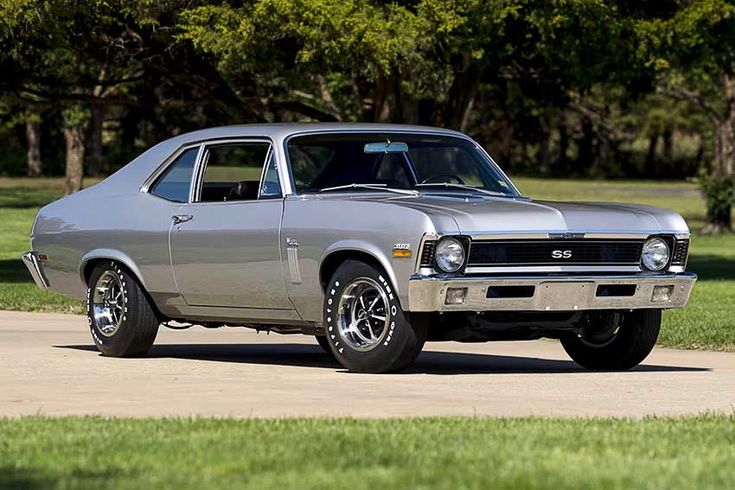
Chevrolet has never been afraid to take risks. Sometimes those risks pay off in a big way, and sometimes they quietly disappear from showrooms, leaving fans confused and a little annoyed.
Over the decades, Chevy has built everything from budget commuters to tire-shredding muscle cars, and not every model survived changing trends, tighter rules, or shifting buyer habits.
Still, some vehicles didn’t deserve the axe. They weren’t flops. They weren’t outdated. Not only that, but they were simply victims of timing, boardroom decisions, or a market that didn’t know what it had until it was gone.
Ask any long-time Chevy fan, and you’ll hear the same thing: certain discontinued models still sting. These were cars and trucks that had personality.
They had loyal owners who swore by them. Some offered performance at a price no rival could match. Others nailed practicality in a way modern replacements still struggle to copy. When these models disappeared, they left gaps Chevy never truly filled again.
What makes these losses worse is that many of these vehicles would thrive today. With modern tech, updated safety features, and smarter engines, they could easily compete in today’s market.
Instead, they live on through used listings, car meets, and “remember when” conversations. That lingering demand says a lot. Discontinued doesn’t always mean unwanted. Sometimes it just means misunderstood.
This list isn’t about nostalgia alone. It’s about recognizing models that had real value, real character, and real potential. These are the Chevys that still make people say, “Why did they ever stop making that?”
From sporty coupes to rugged utility vehicles, these ten models earned their place and deserved a longer run. Chevy may have moved on, but fans definitely haven’t.
Why These Discontinued Chevy Models Still Matter Today
Discontinued cars usually fade fast, but some refuse to disappear. The Chevy models on this list still matter because they filled roles that modern vehicles either overcomplicate or entirely ignore.
They struck a balance that feels rare now: performance without insane prices, practicality without boring design, and fun without unnecessary tech overload. These cars connected with drivers on a real level.
Another reason these models stick around in conversations is identity. Many modern vehicles feel safe, polished, and a bit generic. These discontinued Chevys had clear personalities.
You knew exactly who they were built for. Whether it was a sporty daily driver, a no-nonsense truck, or a bold experiment that actually worked, each one stood for something.
There’s also the issue of value. Several of these models offered more than competitors at the same price. They gave buyers power, space, or style without forcing them into luxury pricing. When they vanished, buyers were pushed toward either watered-down replacements or far more expensive options. That gap is still felt today.
Finally, timing played a huge role. Some of these vehicles arrived just before market trends shifted or regulations tightened. Others were cut short to make room for SUVs and crossovers, even though demand for cars never fully disappeared.
Looking back now, it’s clear that discontinuation wasn’t always the right call. These Chevys weren’t just good for their time, they’d still make sense right now.
ALSO READ: 10 Dirt-Cheap BMWs That Deliver Shockingly Fast Performance
Chevrolet Impala
The Chevrolet Impala was one of those cars that quietly did everything right. It wasn’t flashy, it didn’t beg for attention, and it didn’t try to reinvent the wheel. Instead, it focused on comfort, space, and smooth driving, things that matter far more in daily life than most people admit.

For families, the Impala was a gift. The cabin was wide, the seats were comfortable, and long drives didn’t feel tiring. The trunk was huge, easily handling groceries, luggage, or weekend gear without a second thought. Visibility was solid, controls were simple, and everything felt designed for real-world use rather than showroom appeal.
Engine options gave the Impala enough power to feel confident without being thirsty or aggressive. It cruised effortlessly on highways and soaked up rough roads without complaint. That calm, planted ride is something many modern sedans still struggle to match.
What makes the Impala’s discontinuation so frustrating is that it didn’t need to disappear it needed to evolve. With updated styling, better fuel efficiency, and maybe a hybrid option, it could have stayed competitive. Instead, it was cut as Chevy moved away from sedans entirely.
Today, used Impalas remain popular because they’re dependable and easy to live with. They don’t demand attention, but they earn respect. Ending the Impala felt less like progress and more like Chevy walking away from a proven formula that still worked.
Chevrolet Monte Carlo
The Chevrolet Monte Carlo occupied a space that’s almost empty today. It was a personal coupe that mixed bold styling with everyday usability. You got the long doors, wide stance, and confident presence of a sporty car without sacrificing comfort or practicality.

One of Monte Carlo’s biggest strengths was its approachability. It looked aggressive, but it wasn’t intimidating to drive. The interior had enough room to make daily use comfortable, and the trunk space made it more practical than most coupes of its time. It was sporty without being inconvenient.
Performance trims gave the Monte Carlo real credibility. With the right engine, it had strong acceleration and smooth highway manners. It wasn’t a track weapon, but that wasn’t the point. It was meant to be fun, confident, and comfortable, something you could enjoy every day.
Design-wise, the Monte Carlo always stood out. It didn’t blend into traffic, and it didn’t look like everything else on the road. That individuality is something Chevy’s modern lineup often lacks.
When the Monte Carlo was discontinued, Chevy lost its personal coupe identity. There was no true replacement, just a shift toward safer, more generic options. In today’s market, where retro-inspired designs keep making comebacks, a modern Monte Carlo could have thrived. Its exit still feels unnecessary.
Chevrolet El Camino
The Chevrolet El Camino was proof that breaking the rules can work. It wasn’t a truck. It wasn’t a car. It was something in between and that was exactly the point. The El Camino offered the comfort of a coupe with the usefulness of an open bed, creating a combination that no traditional vehicle could match.

What made the El Camino special was how natural it felt once you lived with it. You could drive it daily without the size or stiffness of a full truck. At the same time, you could haul equipment, furniture, or weekend gear without borrowing a pickup. That flexibility made it incredibly practical.
Performance roots gave the El Camino extra charm. It shared DNA with Chevy’s muscle cars, meaning it could be fast, loud, and genuinely fun to drive. Few utility vehicles have ever offered that kind of personality.
Its discontinuation feels even stranger today, as compact pickups regain popularity. Modern buyers clearly want smaller, more lifestyle-focused utility vehicles. The El Camino could have fit that space perfectly with updated safety tech and better fuel efficiency.
Instead of refining the idea, Chevy abandoned it. The result is a market filled with oversized trucks and very few fun, flexible alternatives. The El Camino wasn’t outdated it was just ahead of its time, and that makes losing it even harder to accept.
Chevrolet SS
The Chevrolet SS might be the most misunderstood car Chevy ever sold. On the surface, it looked like a plain midsize sedan. No wild styling. No aggressive badges. But underneath, it was an absolute beast.
Rear-wheel drive, a powerful V8, and a well-tuned chassis made the SS a dream for driving enthusiasts. It could sprint, corner, and cruise with equal confidence. Few sedans have ever managed that balance without leaning too hard into luxury or aggression.

Inside, the SS stayed understated. The cabin was comfortable and solid, focusing more on quality than flash. It was the kind of car that revealed its strengths the longer you lived with it.
The real issue wasn’t the car it was marketing. Many buyers didn’t even know the SS existed. Those who did often couldn’t believe Chevy killed it off so quickly. In a world now flooded with performance SUVs, the SS feels like a missed opportunity.
A modern SS could stand out again as a driver-focused sedan. Ending it felt like Chevy giving up on people who wanted serious performance without shouting about it.
Chevrolet Avalanche
The Chevrolet Avalanche was one of the most versatile trucks Chevy ever built. Its defining feature the mid-gate allowed it to transform from a passenger-friendly vehicle into a serious hauler in minutes. That flexibility was genuinely useful, not just a gimmick.

Families loved the Avalanche because it rode comfortably and offered a spacious cabin. Contractors and outdoor enthusiasts appreciated its ability to carry long or bulky items when needed. Few vehicles handled both roles as smoothly.
Styling was controversial, but functionally, the Avalanche made sense. It solved real problems instead of chasing trends. That’s why its disappearance still feels odd.
Modern buyers love multi-purpose vehicles, yet Chevy never truly replaced the Avalanche’s concept. A cleaner, more efficient version could easily succeed today. Instead, the idea was abandoned entirely.
The Avalanche wasn’t perfect, but it was smart and that’s exactly why it’s missed.
ALSO READ: Top 10 RWD Sports Cars You’ll Actually Want to Daily Drive
Chevrolet Volt
The Chevrolet Volt was one of those cars that made too much sense for its own good. It wasn’t loud about what it did, and maybe that was the problem. The Volt quietly solved a real issue many drivers had with electric cars: range fear. Instead of forcing people to commit to charging stations and careful planning fully, the Volt gave them flexibility. Drive electric for short trips, switch to gas when needed, and keep moving without stress.

In everyday life, the Volt felt smooth and calm. Electric driving made city trips quiet and relaxed, while the gas engine kicked in seamlessly on longer drives. Owners didn’t have to change their routines or habits. That ease made the Volt approachable, especially for people curious about electric cars but not ready to go all-in.
The interior focused on function rather than flash. Controls were simple, the cabin was comfortable, and the car felt solid on the road. It wasn’t trying to be futuristic for the sake of it. Instead, it focused on making the transition to electrified driving painless.
What makes the Volt’s discontinuation frustrating is timing. Interest in electrified vehicles didn’t disappear it exploded. Instead of improving and refining the Volt, Chevy ended it just as the market became more open to the idea it pioneered.
Today, the Volt still feels relevant. A modern version with updated range, faster charging, and refreshed styling could easily fit into today’s lineup. Killing it off wasn’t about failure. It was about Chevy choosing a different direction and leaving behind one of its smartest, most practical ideas.
Chevrolet TrailBlazer (Original)
The original Chevrolet TrailBlazer earned its reputation the hard way by actually doing what SUVs claimed they could do. It wasn’t built just for city streets or school runs. It was designed to handle rough roads, uneven terrain, and real outdoor use without falling apart.

One of the TrailBlazer’s biggest strengths was its solid feel. The body-on-frame construction gave it durability that many modern SUVs lack. You could feel the strength when driving over bad roads or towing heavy loads. It wasn’t delicate, and that gave owners confidence.
Inside, the TrailBlazer struck a smart balance. It wasn’t luxury-focused, but it was comfortable enough for daily use. Seats were supportive, visibility was good, and there was plenty of space for passengers and gear. It felt honest no fake toughness, no overdone styling.
Performance was another highlight. Strong engine options gave it real pulling power, making it suitable for towing and off-road use. It didn’t pretend to be sporty, but it moved with authority.
What stings most is what replaced it. The TrailBlazer name returned, but the original character didn’t. Today’s version leans toward light-duty driving and style over strength. Ending the original TrailBlazer meant losing a genuinely capable SUV that didn’t rely on hype.
If Chevy brought back a true TrailBlazer built for durability and real-world use, plenty of buyers would line up. The demand never vanished only the option did.
Chevrolet Cobalt SS
The Chevrolet Cobalt SS was one of Chevy’s most unexpected wins. On paper, it started as a basic compact car. In reality, it turned into a serious performance machine that surprised everyone who drove it. Chevy didn’t just add power and call it a day they actually engineered it to handle, stop, and perform properly.

The turbocharged versions, in particular, earned respect fast. Acceleration was strong, steering was sharp, and the suspension felt planted instead of sloppy. This wasn’t a pretend performance car. It was quick, capable, and genuinely fun to drive, especially for the price.
What made the Cobalt SS special was accessibility. You didn’t need a big budget to enjoy it. It gave younger drivers and enthusiasts a chance to experience real performance without stepping into luxury pricing. That mattered, and it built a loyal following.
Inside, it stayed simple. The focus was on driving, not flashy materials or unnecessary tech. That straightforward approach fit the car’s personality perfectly.
When Chevy discontinued the Cobalt SS, it left a noticeable gap. There was no true replacement that offered the same mix of affordability and excitement. Enthusiasts felt that loss immediately.
Today, as affordable performance cars become rarer, the Cobalt SS feels even more important in hindsight. It proved Chevy could build a compact car that punched well above its weight. Letting it go wasn’t just ending a model it was stepping away from a whole attitude.
Chevrolet Astro
The Chevrolet Astro was never flashy, and it never tried to be. What it offered instead was toughness, reliability, and versatility qualities that mattered far more to the people who depended on it every day.
Built with rear-wheel drive and solid construction, the Astro felt closer to a truck than a modern minivan. It handled heavy loads, rough roads, and long-term abuse without complaint. That’s why businesses, families, and even adventurers trusted it for years.

Inside, the Astro was basic but functional. There was space for people, cargo, or both. Seats could be removed, gear could be stacked, and nothing felt fragile. It was a van you used, not one you worried about keeping pristine.
What’s telling is how popular Astros still are for conversions and custom builds. People turn them into camper vans, work rigs, and road-trip machines because modern alternatives don’t offer the same balance of size and durability.
Ending the Astro meant losing a van that could truly do it all. Today’s vans often feel too soft or too expensive for what they offer. The Astro hit a sweet spot that hasn’t been matched since.
With updated safety features and better efficiency, a modern Astro could easily succeed again. Its disappearance wasn’t because it lacked purpose it’s because Chevy moved away from a formula that quietly worked.
Chevrolet Caprice
The Chevrolet Caprice was built for one thing above all else: lasting. It was big, comfortable, and engineered to survive years of hard use. That’s exactly why fleets relied on it and why so many are still on the road long after production ended.
Space was one of its biggest strengths. Passengers had room to stretch out, and the trunk could swallow just about anything. Long drives felt easy, and the ride stayed smooth even on rough roads.

Later versions of the Caprice surprised people with performance potential. Strong engines and rear-wheel drive gave it more bite than expected. It wasn’t just a cruiser it could move when asked.
The Caprice also had a simplicity that modern cars lack. Controls were straightforward, maintenance was manageable, and ownership didn’t feel complicated. That made it appealing to both organizations and private owners.
Discontinuing the Caprice left Chevy without a true full-size sedan. What replaced it never matched the same mix of space, durability, and ease of ownership.
In a market where bigger sedans are nearly extinct, the Caprice feels like a missed opportunity. A modern version could stand out by offering comfort without luxury pricing. Chevy didn’t just end a model it stepped away from a segment it once dominated.
Looking Back at Chevy’s Biggest Misses
When you look at these ten Chevy models together, one thing becomes obvious: Chevy didn’t just discontinue vehicles; it walked away from solid ideas that were still working.
These cars and trucks covered real needs: comfortable sedans, affordable performance, practical utility, and honest durability. None of them were gimmicks. They existed because people actually used them and liked them.
What really stands out is how balanced these models were. They weren’t overloaded with tech that would break or annoy drivers. They didn’t chase trends just to look modern. Instead, they focused on doing their jobs well. The Impala and Caprice nailed comfort and space.
The SS and Cobalt SS proved that performance didn’t need to be overpriced. The Avalanche, Astro, and El Camino showed how useful versatility could be when it’s done right. Even the Volt proved that smart innovation doesn’t have to feel complicated.
These vehicles also had something many modern cars lack: personality. You knew what they were about the moment you drove one. They didn’t try to please everyone, and that’s exactly why they built loyal followings. People didn’t just lease them and forget them. They kept them, modified them, and still talk about them years later.
Chevy’s shift toward crossovers and SUVs may make sense on paper, but it left gaps that still haven’t been filled. Not every buyer wants a tall, heavy vehicle with the same shape and feel as everything else on the road.
Some people want low-slung comfort, some want raw performance, and some want vehicles that can work hard without pretending to be luxurious.
Chevy doesn’t need to bring these models back exactly as they were. Times change, and so do regulations. But the thinking behind them, simplicity, purpose, and driver-first design, is worth revisiting. These cars weren’t forgotten because they failed. They’re remembered because they didn’t get the chance to finish their story.