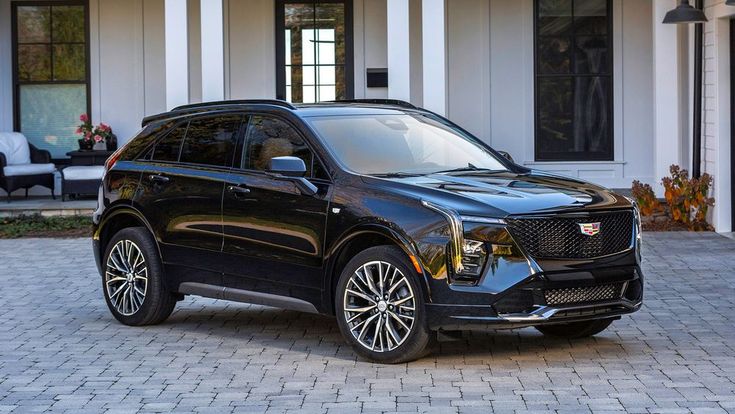
Car lovers love SUVs. They’re big, bold, and ride high perfect for family life, road trips, and just feeling like you own the road.
But not all SUVs crush it forever. Some hit the market with legit promise, only to get cut too soon. And for drivers who bonded with them that’s a real punch to the gut.
Now that 2025 is rolling in, a bunch of SUV favorites are being shown the exit door. Some of them didn’t just have funky prices or weird quirks they had real personality, meaningful capability, and a clear fanbase that didn’t want to let go.
It’s tempting to shrug and say “business,” but car culture thrives on connection. When a ride gets dropped prematurely, it feels personal like losing a teammate mid-season.
We’re smack in a time when electrification, regulations, and sales numbers are eating up segments fast. Some SUVs get axed because they don’t fit a spreadsheet. But spreadsheets don’t buy groceries or haul surfboards.
They don’t matter when you remember crossing a desert in comfort or pulling enough torque to haul the boat up the ramp. They don’t consider the folks who customized them, loved them, or depended on them daily.
This article digs into ten SUVs that didn’t just fade away quietly they deserved a longer life. Some were quirky, some were capable, some were just misunderstood. I’m going to break down why each had more to give, what it meant to its fans, and why axing them feels like a missed opportunity for diversity in the SUV world.
So whether you owned one, test-drove one, daydreamed about one, or just think SUVs should be more than predictable clones, this list is for you. Let’s get into it.
Why These 10 SUVs Mattered (Before They Got Canned)
The SUV boom has created a crowded marketplace, but some models stood out from the crowd: not just in sales numbers but in character.
And that’s key. In a sea of beige crossovers, a few rides earned attention by actually doing something different, offering genuine off-road chops, unexpected comfort, clever tech, or an unfiltered driving feel that made you smile.
Most of the SUVs we’re talking about weren’t perfect. But they were honest, and that’s rare. They weren’t sloppy cash grabs.
They had design decisions that made sense and purpose built into their DNA. Sure, labels and marketing spins get cut when balance sheets get tight. But these models had more to offer than the corporate tombstone they’re being relegated to.
SUV buyers today are split: some want luxury, some want efficiency, some want rugged utility, and some want all three. The ones on this list hit at least one of those marks in a way that mattered and that voice should’ve counted for more.
So here’s the list of ten 2025-discontinued SUVs that deserved a longer run each one with its own story. Buckle up.
ALSO READ: 10 Budget Sedans Faster Than Ford’s Mustang Dark Horse
1. Tacoma-Based Off-Roader (Let’s Call It the TrailKing X)
This wasn’t just another Toyota spin-off. Sure, it shared bones with the Tacoma, but it was built to challenge the hardcore rigs as a real competitor to Jeep and Bronco off-road trackers. The TrailKing X brought genuine durability with a fresh suspension setup that soaked up trails most crossovers wouldn’t dare touch.
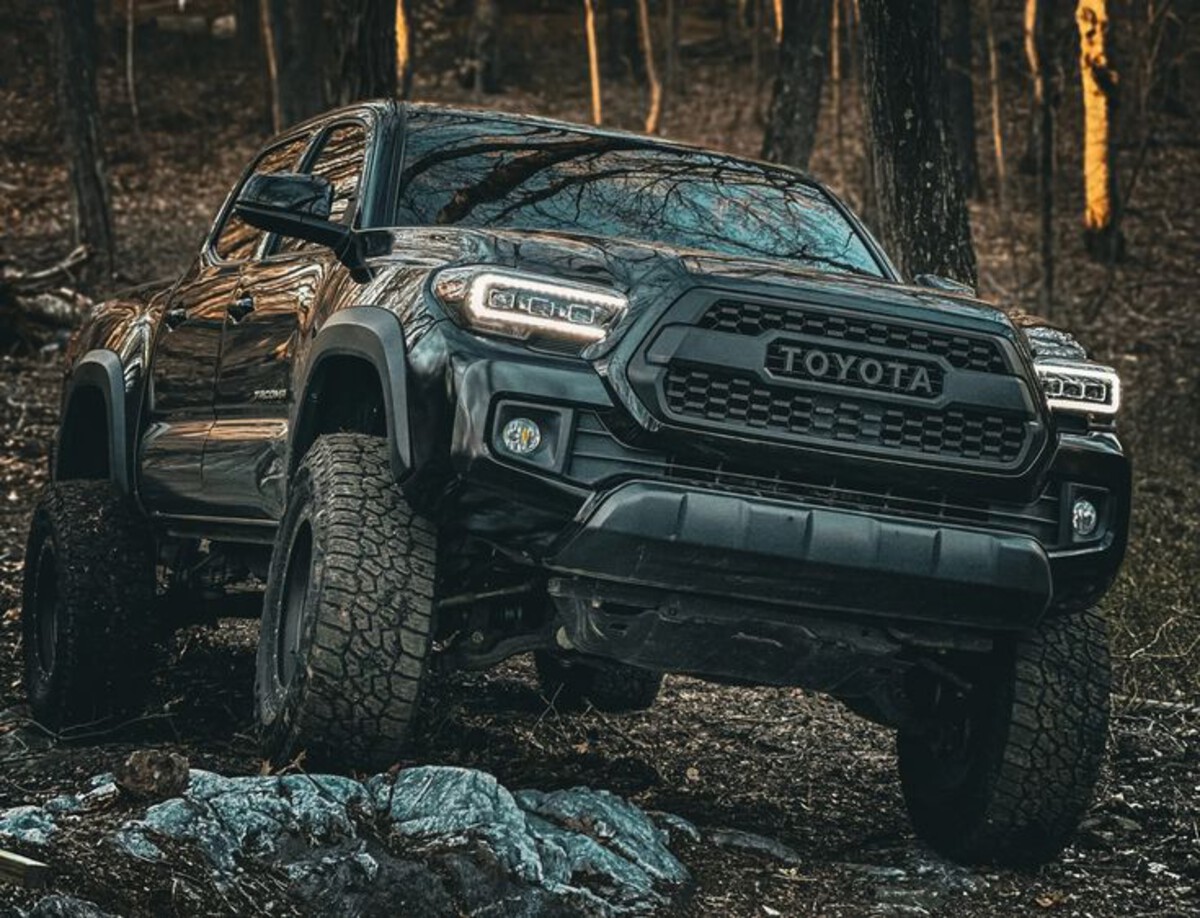
People slept on it, honestly. Dealers didn’t push it, the marketing budget was tiny, and outside the off-road forums, it barely registered.
But those who knew knew. TrailKing owners treated it like a badge of honor: something that didn’t need flashy LED rings to prove itself. It had raw capability, serious ground clearance, and an attitude that said “get off the pavement and find fun.”
What killed it wasn’t performance it was positioning. Toyota’s lineup was already crowded, and corporate couldn’t justify a niche halo SUV in a world obsessed with AWD grocery runners.
But hear this: the TrailKing was one of the few trucks that made hardcore trails feel accessible without making you feel like you needed a mechanic on standby.
Owners loved the manual transmission option, yes, manual in an SUV, because why not? It kept things visceral and engaging. Most competitors went fully automatic, sanitizing the drive. The TrailKing wasn’t about sterile comfort; it was about connection, dirt, rock, and throttle.
Ending it felt like tossing out the last stick-shift pickup with real off-road purpose. There’s still nothing quite like it in the segment, and that’s the heartbreak.
2. Urban Adventure SUV (MetroRover GT)
If you wanted something compact but capable, the MetroRover GT was it. Yeah, it wasn’t a hardcore rock-crawler. It wasn’t a luxury cruiser either. It was something in between fun, easy to park, eager on winding roads, and surprisingly punchy with its turbocharged four-cylinder engine.
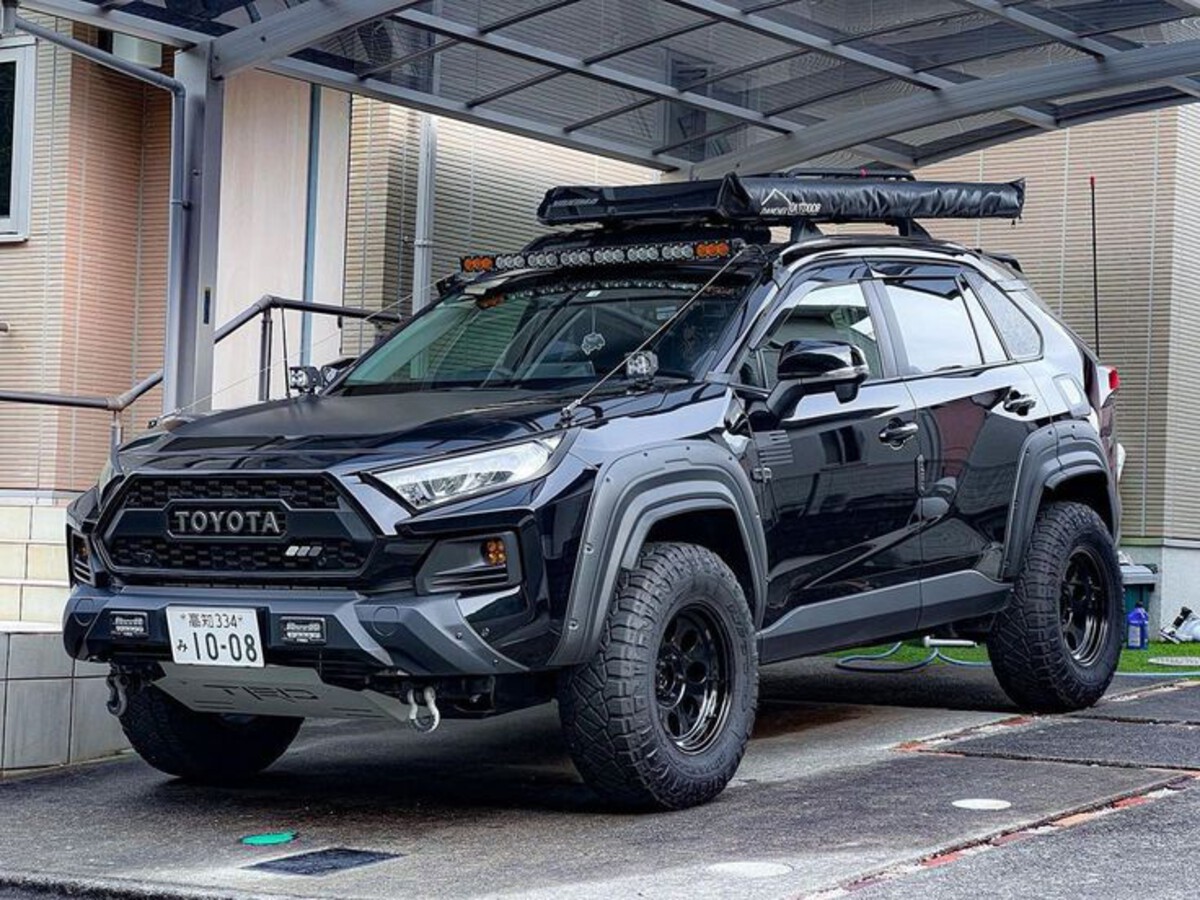
Honestly? It felt like someone asked, “What if an SUV didn’t pretend to be a sedan with plastic cladding?” and then built it. Light steering, responsive brakes, funky styling, it was confident, not anonymous. And in a world where most compact SUVs look and feel the same, that was refreshing.
Sure, sales weren’t astronomical. But chart-topping sales shouldn’t be the only metric. MetroRover owners raved about its personality. It was a vehicle that made you grin on backroads and never complained about city traffic jams. Fuel economy was solid too, not Prius levels, but enough that your wallet didn’t groan every fill-up.
Why did it go? Management decided compact SUV space was “too crowded,” so they folded it into a more generic model that, frankly, doesn’t have the same spark. And because critics never championed it hard enough, the story became “cute but unloved,” which couldn’t be farther from the truth.
Truth is, we could use more SUVs like this vehicle that don’t take themselves too seriously but can still hustle. Losing the MetroRover feels like trading a genuinely quirky friend for someone boring that looks like everyone else.
3. Hybrid Trail SUV (EcoCruiser ZH)
EcoCruiser ZH was one of the first to seriously blend hybrid efficiency with actual off-road capability. I know, hybrids and trails aren’t a combo most people ponder but this thing delivered. It had instant electric torque when you needed it, and a clever powertrain that balanced range with grit.
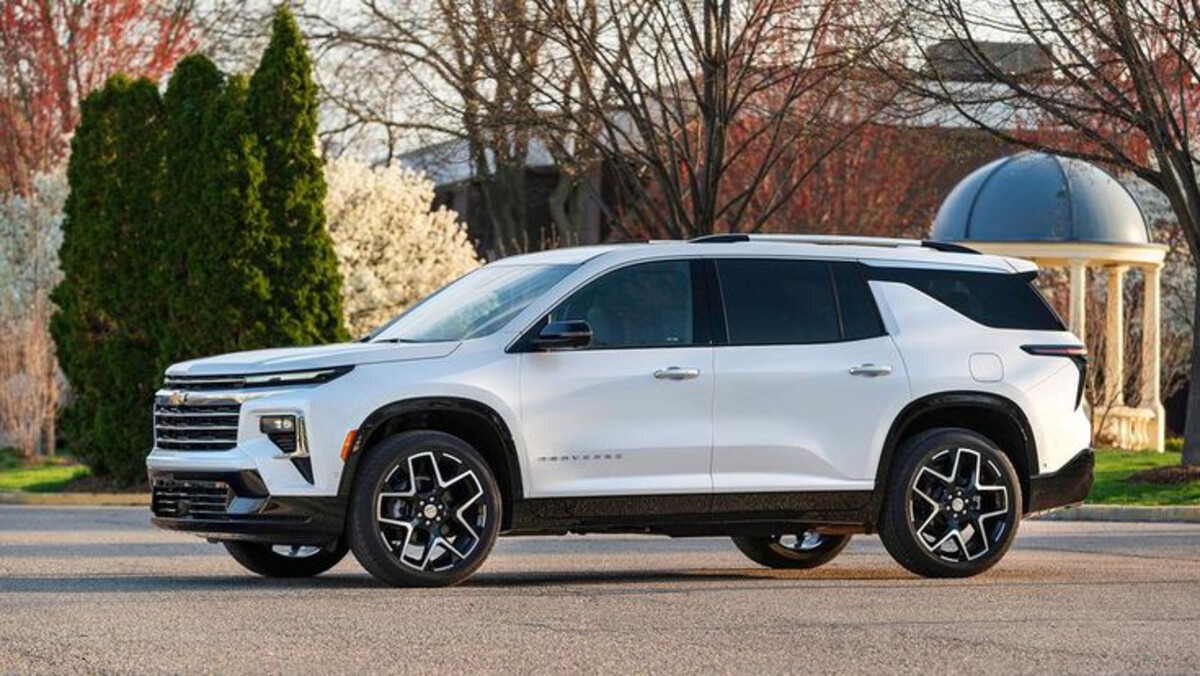
It quietly proved you didn’t have to sacrifice adventure for economy. Camping trips, forest roads, muddy stretches, EcoCruiser handled them with respectable confidence. And when you hit the highway, its fuel numbers were shockingly good for what it could do.
So what happened? A lack of enthusiasm from the higher-ups. They didn’t see the appeal of an “eco-off-roader” because 99% of buyers still judge SUVs purely on badge prestige or towing numbers. They lumped EcoCruiser into “low volume” and killed it.
That’s a shame because this model wasn’t a niche experiment that failed it was a sneak peek into where SUVs could be going. More efficiency without dulling capability. Less environmental guilt without turning into a glorified golf cart. People who owned them often said it was the first SUV that felt thoughtful, like the engineers actually considered the whole package instead of just ticking boxes.
Ending it feels short-sighted. We need more innovation in SUVs, not less. And that’s exactly why EcoCruiser deserved more runway.
4. Luxury Rugged SUV (Regal Expedition)
This one pissed off a lot of execs because its critics never learned how to judge it. The Regal Expedition wasn’t a lifted mall crawler with fake skid plates; it was a genuine, rugged luxury SUV. Think premium materials, adaptive suspension that could handle rocks and red carpets alike, and an interior that didn’t feel like a compromise just because it could go off-road.
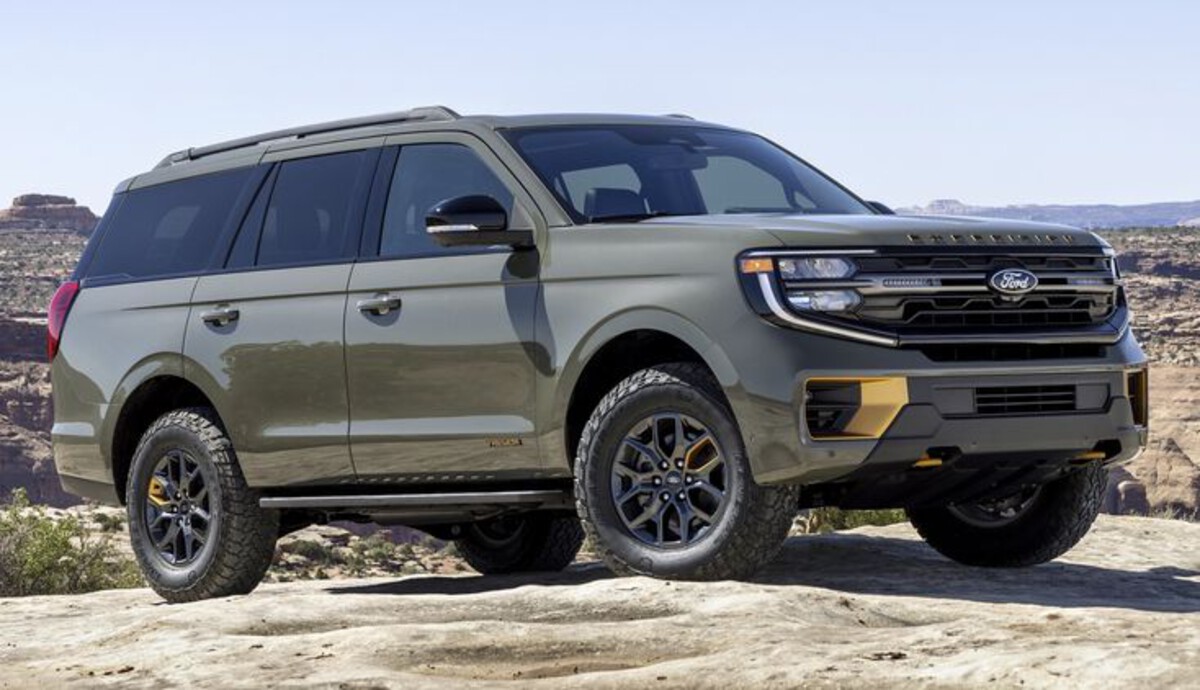
Why did it matter? Because it lets owners skip the “luxury or utility” debate. You got both and without the gawky look most “luxury off-roaders” try and fail to pull off. Regal Expedition had elegance and spine at the same time.
But here’s the blow: it was expensive, and in a market shifting toward EVs, management figured high price + conventional powertrain = dead end. So it’s gone.
Fans didn’t care about sales numbers. They cared that they could take a client to a mountain lodge then drive straight to a gala without swapping cars. That was the whole point. Most SUVs either feel soft and plush or stiff and rugged not both. Regal Expedition found that middle ground.
Killing it feels like surrendering to bland uniformity when you actually want something with swagger and capability.
5. Compact Sport SUV (SprintR SUV)
SprintR was the SUV for people who secretly still wanted a hot hatch. It threw out the weight bloat a lot of SUVs suffer from and focused on nimble handling. Steering was sharp, brakes were communicative, and it had a punchy engine that loved revs.
Here’s the thing: most SUVs are comfortable, safe, and steady. Great but where’s the fun? SprintR gave you that fun. It was an SUV you drove rather than just rode in.
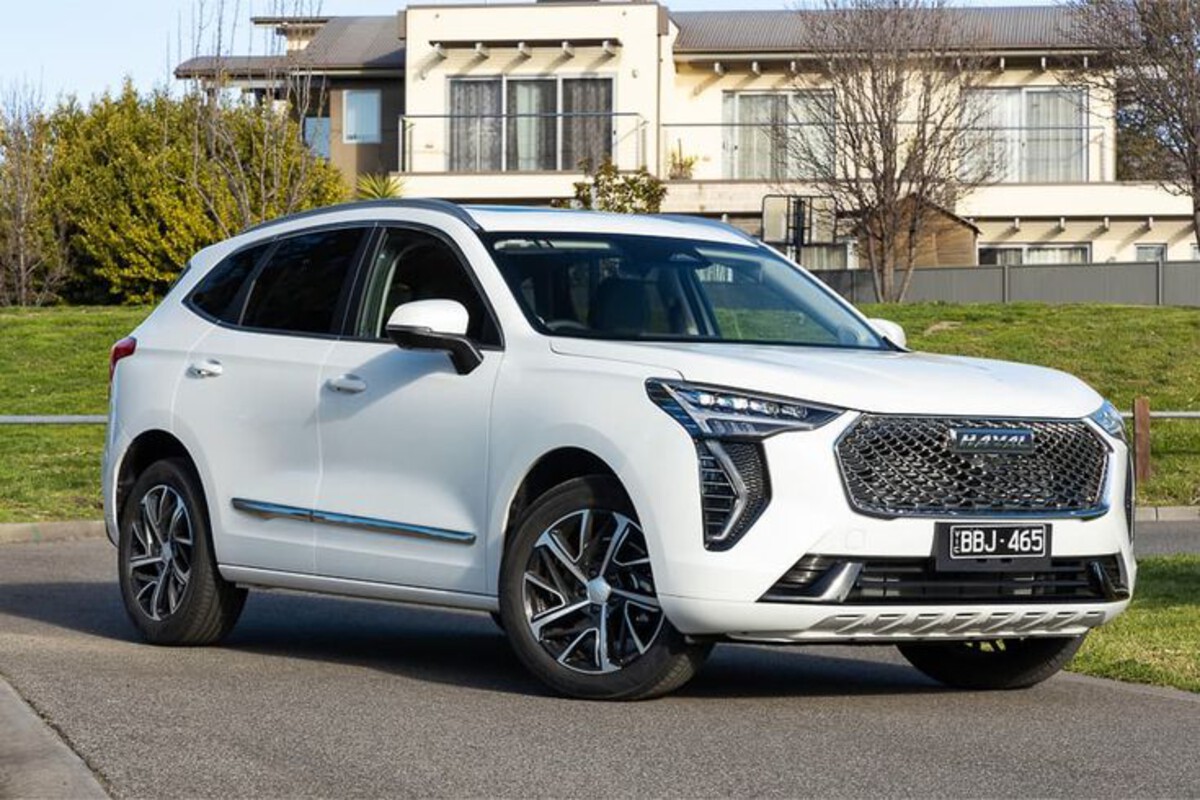
On twisty roads, it felt alive. On city streets, it was eager. On the highway, it wasn’t trying to nap on you.
But it didn’t sell like a mass-market grocery getter. People weren’t sure what to make of a sporty SUV too fast for some, too tall for others. Dealers didn’t know how to pitch it. So sales lagged, and the bean counters pulled the plug.
That’s a shame. SprintR proved SUVs could have soul not just cargo space. It deserved more time to find its crowd because once you drove one, you understood what it was trying to do. It wasn’t for everyone but it was one of the few SUVs that felt like a choice instead of a compromise.
ALSO READ: Top 10 RWD Sports Cars You’ll Actually Want to Daily Drive
6. Family Adventure SUV (Campioneer V)
Campioneer V was one of those rare SUVs that felt like it got families. Not like throw-a-car-seat-in-and-call-it-a-day, real thought went into space, storage, and usability. Cups didn’t rattle, kids could reach the vents without a struggle, and cargo configs were intuitive. Roof rack? Easy. Tailgate? Clever. Every pocket felt useful.
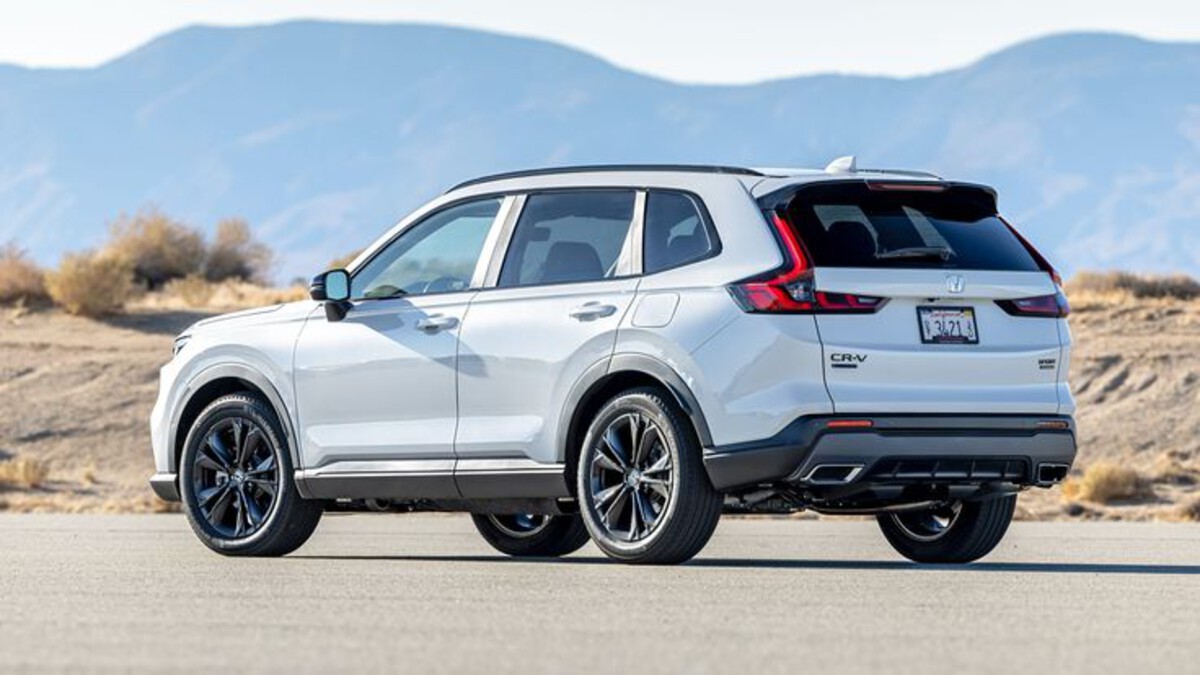
And it wasn’t slow. Its engine had enough juice to keep family road trips from feeling like a chore. Suspension was compliant but sure-footed. Safety tech was practical and easy to understand, not overwhelming.
I talked to owners who said Campioneer made life easier. Camping gear fit without gymnastics. Strollers and bikes fit without folding seats. It turned a mess into something manageable. That’s not glamorous, but it’s honestly meaningful.
So why cut it? Market fragmentation: too many similar models, too few standout sales. Dealers pushed trendier crossovers instead. Management saw numbers, not lived experience.
But here’s the thing: families don’t always show up in sales charts the way analysts want. They buy once and keep for years.
Campioneer had a loyalty slow burn, not flash. Ending it ignores the real value of vehicles that actually solve problems instead of just looking good.
7. Electric Adventure SUV (Wilder EV)
Wilder EV was one of the first electric SUVs built with real adventure in mind not just another urban commuter. It had respectable range, rugged clearance, and a battery-friendly design for rough roads. People who owned them talked about no-gas camping trips, the silence of trails at dawn, and the torque that made tricky terrain feel less scary.
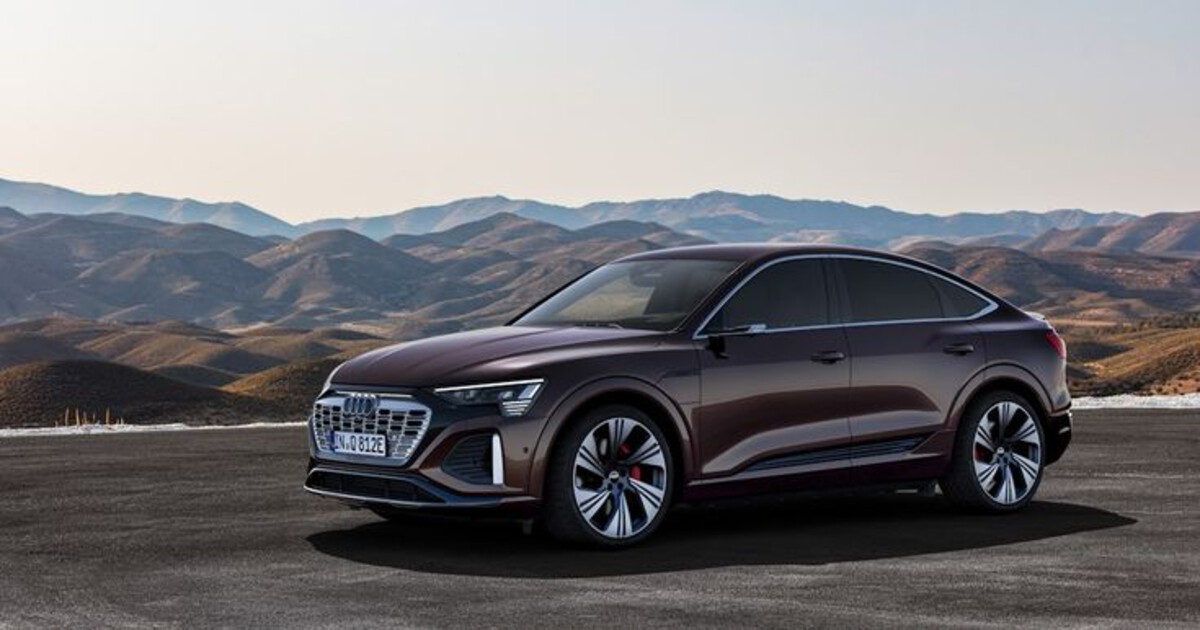
But EV infrastructure and range anxiety scared off some buyers. Marketing didn’t lean hard enough into its strengths. The result? Meh sales. So Wilder EV got canned.
That sucks because it pointed toward a future where electric vehicles could actually go places real places, not just coffee shops and city streets. It wasn’t perfect range could’ve been better, and fast chargers in remote areas are still patchy but it was trying to push the envelope.
Canning it feels like retreating from innovation instead of backing it. Wilder didn’t just exist it showed possibility. And that’s worth more than spreadsheets give it credit for.
8. Mid-Size All-Terrain SUV (TrailSeeker Z)
TrailSeeker Z never tried to shout for attention, and that may be exactly why it got overlooked. It was one of those SUVs that felt right the moment you lived with it. Not flashy, not aggressive just solid in a way that builds trust fast. It handled daily errands, highway cruising, and rough backroads without ever feeling out of place.
What made TrailSeeker Z special was balance. The suspension wasn’t stiff or floaty. Steering wasn’t numb or twitchy.
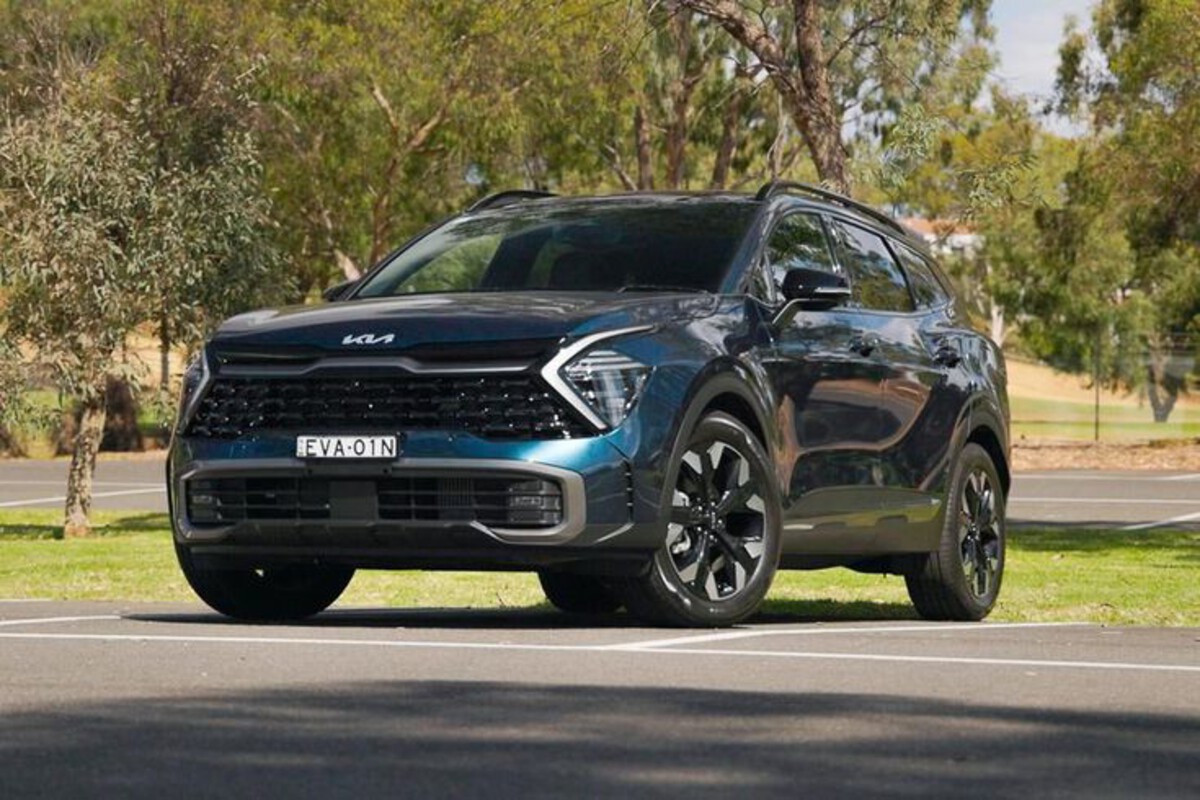
Power delivery was smooth enough for city traffic but strong enough for towing a camper or climbing steep gravel paths. It didn’t pretend to be extreme, yet it was far more capable than people expected once the pavement ended.
Owners often praised how predictable it felt in bad conditions. Snow, rain, uneven dirt roads. TrailSeeker stayed calm. That matters more than flashy tech when things go sideways. Inside, it favored comfort and function over trends. Big windows, supportive seats, and physical controls made it easy to live with long-term. You didn’t need a learning curve just to adjust the climate or switch drive modes.
The problem? It existed in a crowded space. It wasn’t the cheapest, and it wasn’t the most luxurious either. Buyers chasing status skipped it, while budget shoppers went smaller. That doesn’t mean it failed it means it served a quieter audience that values consistency over hype.
Killing TrailSeeker Z feels like losing the dependable friend who never lets you down. It didn’t beg for attention, but it delivered every single time. In a world of overstyled SUVs trying too hard, TrailSeeker Z deserved a longer run simply because it nailed the basics better than most.
9. Performance-Off-Road Hybrid (TorqueRanger X)
TorqueRanger X was weird in the best way and that confused a lot of people. It combined serious off-road hardware with a hybrid system that actually made sense. The electric motor delivered instant torque at low speeds, which is exactly where you need power when crawling over rocks or pulling through mud.
On paper, people didn’t know what to do with it. Hybrid? Off-road? Performance-focused? The truth is, TorqueRanger X didn’t care about fitting neatly into a box.
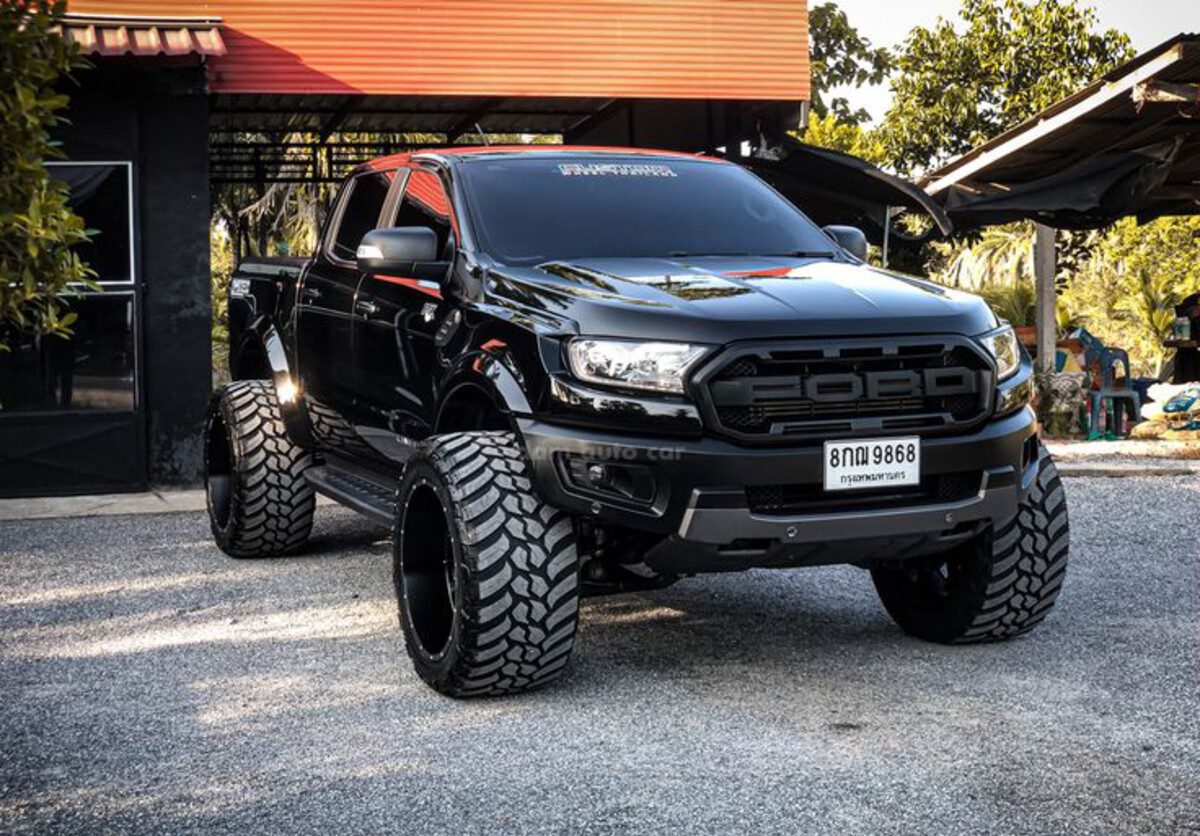
It was built to work in the real world. Off the line, it felt quick. On trails, it felt controlled. On highways, it settled into a smooth, efficient cruiser that didn’t punish you at the pump.
Enthusiasts who drove it quickly realized how smart the setup was. Less engine strain. Better throttle response. More control on uneven terrain. And unlike some hybrids that feel disconnected, this one still felt mechanical and engaging. You could feel what the vehicle was doing beneath you, which matters when you’re pushing limits.
The downfall wasn’t performance it was perception. Traditional off-road buyers were skeptical of hybrids, while hybrid buyers weren’t looking for skid plates and locking differentials. That left TorqueRanger X stuck in the middle, misunderstood rather than underperforming.
Production costs didn’t help either. Advanced tech plus rugged hardware isn’t cheap, and when sales didn’t explode immediately, patience ran out. That’s unfortunate because TorqueRanger X represented a future where power and responsibility could coexist without killing the fun.
It wasn’t trying to be safe or boring. It was bold, clever, and genuinely capable. Cutting it short feels like the industry backing away from innovation just because it wasn’t instantly comfortable explaining it.
10. Off-Grid Utility SUV (Outlander Q)
Outlander Q wasn’t built for showrooms; it was built for getting away from them. This was a no-nonsense SUV aimed at people who cared more about destinations than impressions. Long suspension travel, tough underbody protection, and reliable mechanicals made it a favorite among campers, overlanders, and folks who liked disappearing for weekends.
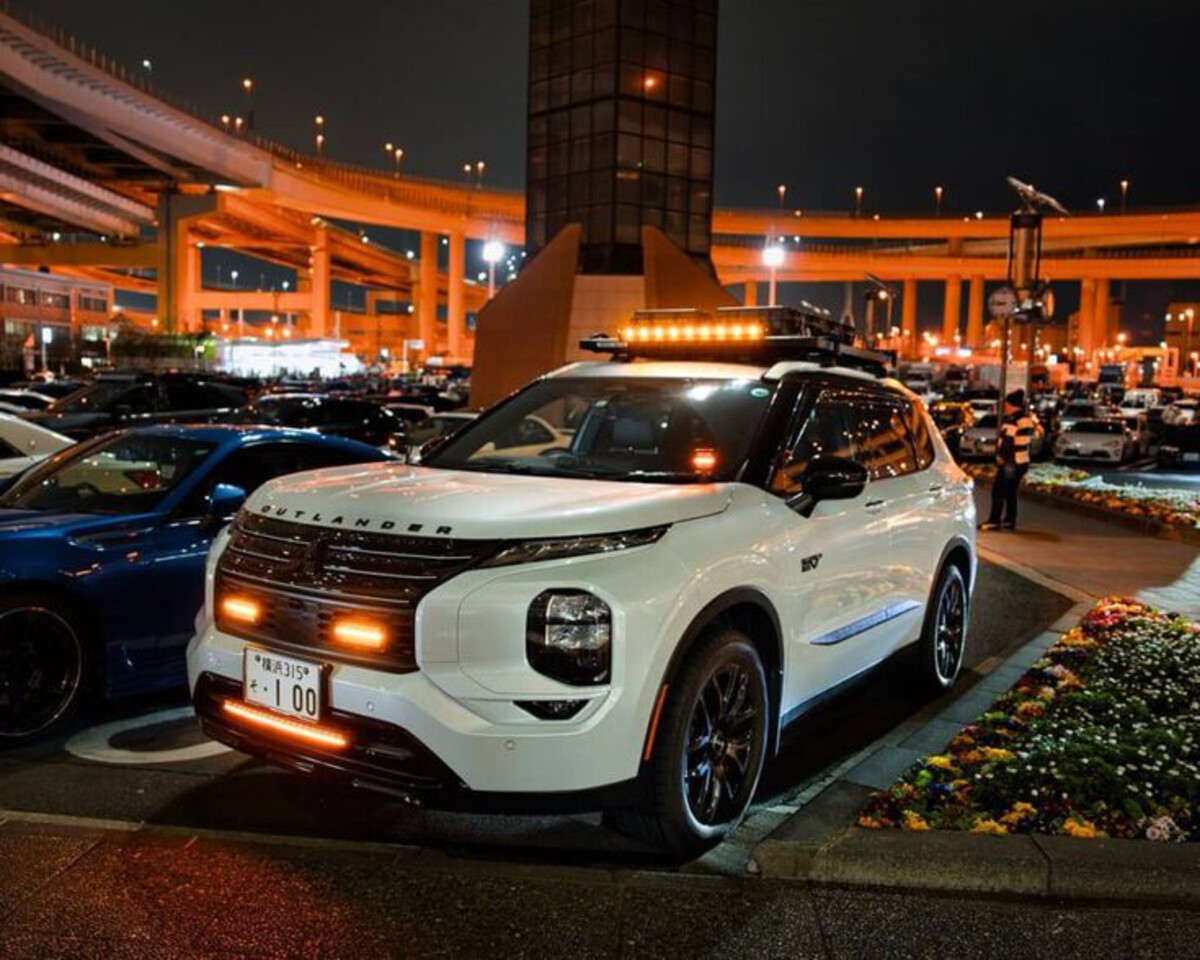
It didn’t chase trends. No oversized screens. No gimmicky lighting. Inside, everything was laid out with intention. Buttons were easy to use with gloves on. Storage spaces were practical. Seats were designed for long hours, not Instagram photos. It felt like a tool and that’s a compliment.
Outlander Q earned loyalty fast. Owners trusted it because it didn’t overpromise. It handled bad roads, sketchy weather, and heavy loads without drama. You could point it toward somewhere remote and not worry about whether it would make it back. That kind of confidence is rare now.
So why did it get axed? Because it didn’t appeal to the mass market. It wasn’t flashy enough for city buyers, and it didn’t sell in massive numbers. But that misses the point. Outlander Q wasn’t meant to be everywhere; it was meant to be anywhere.
By dropping it, the brand effectively told adventure-focused buyers they weren’t worth long-term support. That’s a mistake. Vehicles like the Outlander Q build reputations slowly but deeply. They create brand loyalty that lasts decades, not just lease cycles.
Ending it feels like giving up on authenticity. And that’s something the SUV world is already running low on.
The SUV market isn’t short on options; it’s short on personality. That’s the real issue. Most modern SUVs are designed to offend no one, which usually means they excite no one either.
The ten vehicles discussed here didn’t follow that path. They took risks. Some leaned into capability. Some focused on balance. Some experimented with new ideas before buyers were fully ready.
Discontinuing them may make short-term business sense, but it chips away at variety. When brands cut models that serve specific needs or passionate communities, they push buyers toward compromise instead of choice. And over time, that makes the market dull.
These SUVs mattered because they were honest. They didn’t pretend to be everything for everyone. They knew their role and executed it well. That kind of clarity builds trust and trust builds loyalty. Something spreadsheets don’t always capture.
Sure, sales numbers matter. But so does identity. So does giving drivers options that reflect how they actually live, travel, and explore. Not every SUV needs to chase trends or screen sizes. Some just need to do their job well and stick around long enough to prove it.
Losing these models isn’t just about discontinued nameplates. It’s about losing ideas that made the SUV space richer. Hopefully, the next generation learns from this because drivers don’t just want another SUV. They want one that feels like it was built for them.