Every day driving around Bedford’s suburbs calls for cars that are easy to live with, economical to run, and comfortable in stop-start traffic. Whether it is school drop-offs, shopping trips, or daily commuting, the right vehicle can reduce stress and keep ownership costs under control.
This guide highlights 5 Cars for Bedford Suburban Runs and 5 Affordable Ownership Picks, focusing on models that suit local roads, parking constraints, and modern driving needs.
From efficient hybrids and compact city cars to practical family hatchbacks and mild-hybrid crossovers, each choice balances reliability, fuel efficiency, and real-world usability. These cars are designed to handle short journeys, mixed traffic, and regular use while offering good safety features and long-term value for money.
5 Cars for Bedford Suburban Runs
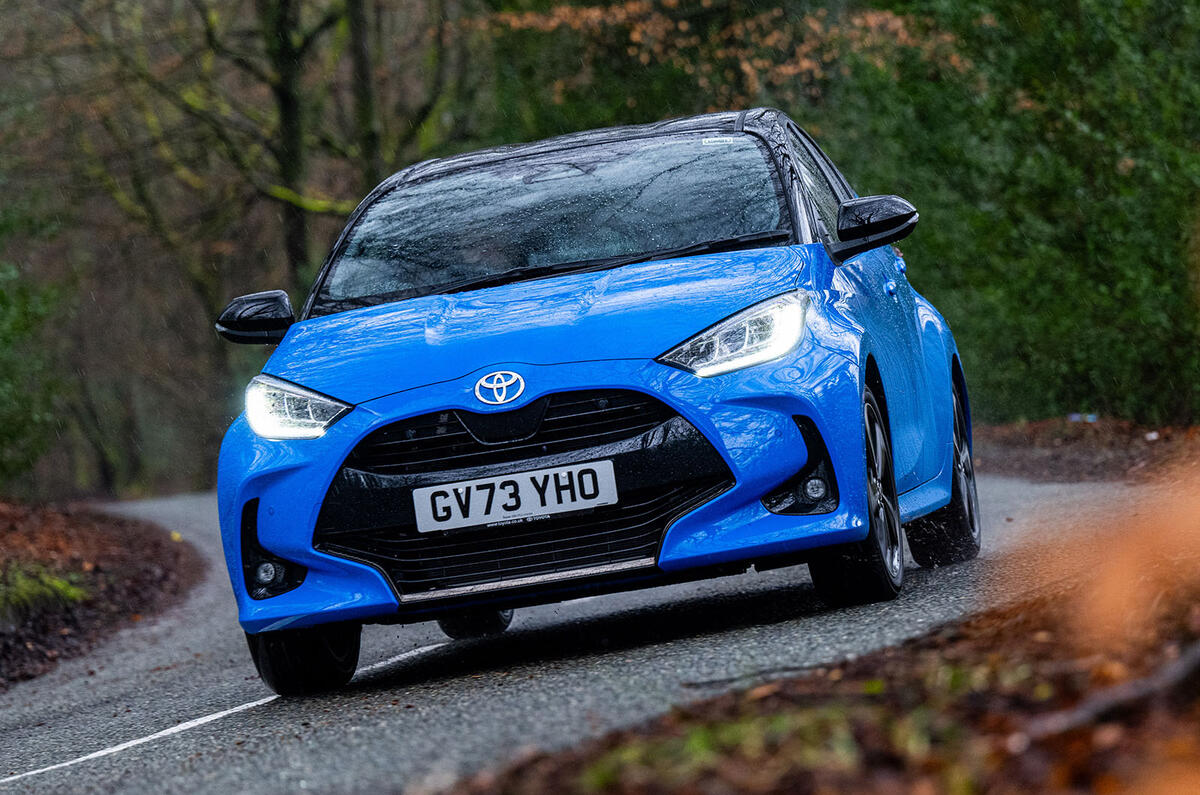
1. Toyota Yaris Hybrid: The Sensible Suburban Supermini
The Toyota Yaris Hybrid is a practical, self-charging hybrid designed for efficient suburban and city driving. Its compact size, reliable engineering, and hybrid system allow it to achieve excellent fuel economy, often over 60 miles per gallon and sometimes exceeding 70 to 80 mpg in stop-and-go traffic.
This makes it an economical choice for daily commutes, errands, and school runs. The car runs almost silently on electric power at low speeds, providing a smooth and quiet driving experience through town. Its light steering, good visibility, and tight turning ability make it easy to handle in busy streets and fit into small parking spots.
The Yaris Hybrid’s system blends gasoline and electric power automatically, maximizing efficiency without any input from the driver. Safety is another strong point, with modern models featuring emergency braking, lane assist, and other advanced systems, along with high crash-test ratings.
This makes it a dependable option for families. The car prioritizes comfort and economy over sporty performance. While acceleration from its small three-cylinder engine can sound a bit “thrummy,” this is rarely a concern during typical city and suburban driving.
The Yaris Hybrid has some drawbacks compared to rivals such as the Peugeot 208, Renault Clio, and MG3. Its interior is functional but not stylish, dominated by gray plastics and basic controls. The GR Sport trim adds sporty touches like Alcantara-style bucket seats and red stitching, but the cabin still feels less premium than some competitors.
Rear legroom and storage are somewhat limited, and the 1.5-liter gasoline engine paired with the electric motor, while delivering adequate power, can be noisy under hard acceleration due to the CVT transmission. The driving experience is practical but lacks the playful character of some French rivals.
Pricing is mid-range, starting around $27,800 for a base model, with the GR Sport trim reaching about $36,000. While higher than some competitors, the cost reflects Toyota’s renowned reliability and long-term efficiency.
The Yaris Hybrid may not offer flashy style or sporty thrills, but it remains an excellent choice for buyers seeking a dependable, economical, and low-stress vehicle for suburban life. Its efficiency, ease of use, and reputation for reliability make it a smart, practical supermini for families and city commuters.
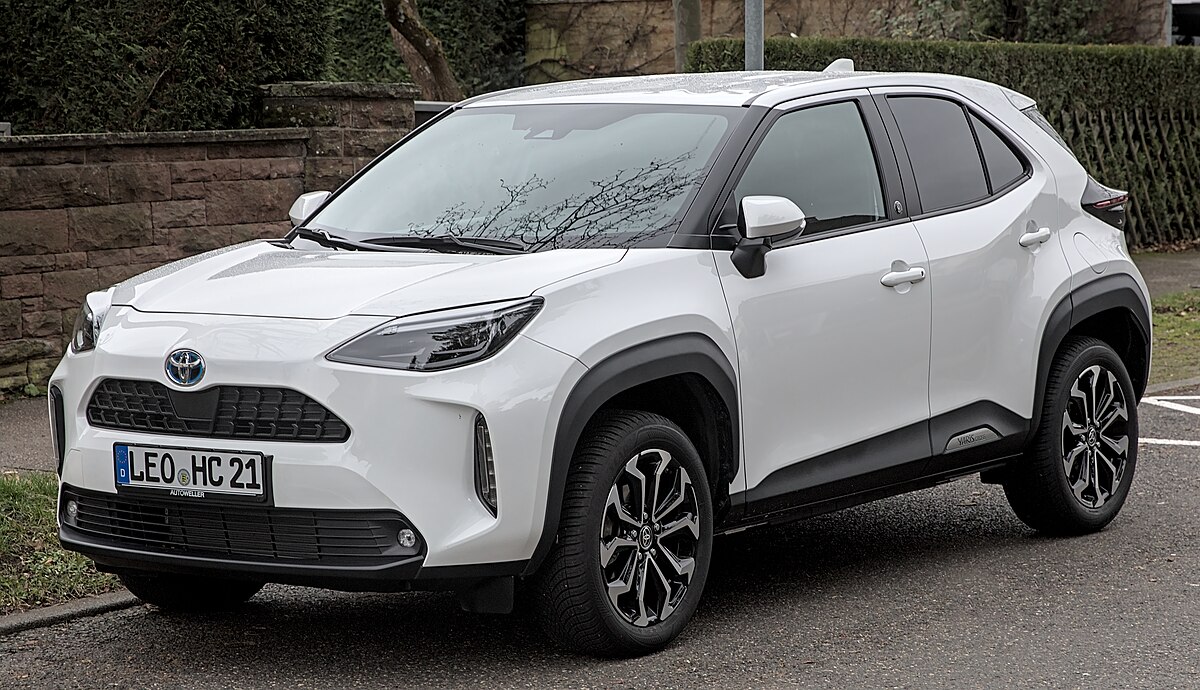
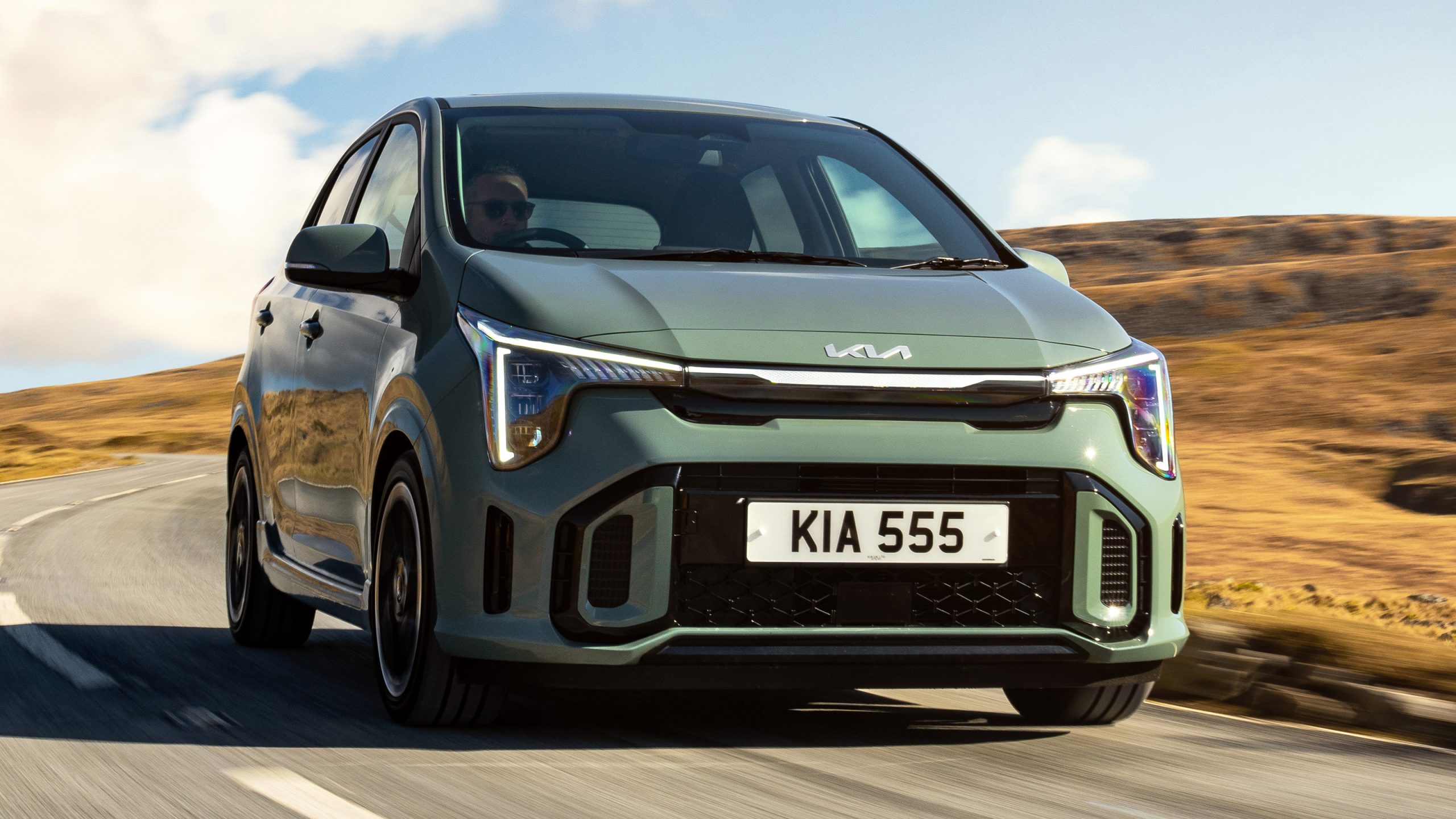
2. Kia Picanto: A Tiny, Dependable City and Suburban Hatchback
The Kia Picanto is a compact, practical hatchback designed for city and suburban driving. Its small size and short wheelbase make it easy to handle on narrow streets and fit into tight parking spaces, making it ideal for daily errands and short commutes.
The Picanto delivers excellent fuel economy, averaging around 50 miles per gallon, which keeps running costs low. Its light steering and agile handling add to the ease of driving in stop-and-go traffic, while good visibility and small overhangs allow for precise positioning in congested areas.
Modern Picantos are surprisingly well-equipped for their class. Standard features include an 8-inch touchscreen with Apple CarPlay and Android Auto, a digital instrument panel, air conditioning, a rear parking camera, and electric windows.
Higher trims add luxuries such as heated front seats, LED headlights, keyless entry, auto climate control, wireless phone charging, and sportier 16-inch wheels. Practicality is enhanced by foldable rear seats, offering extra cargo space for shopping trips despite the car’s small footprint.
Engine options include a 1.0-liter three-cylinder producing 62 horsepower and a 1.2-liter four-cylinder producing 77 horsepower. Acceleration is modest, with the smaller engine reaching 62 mph in around 15 seconds, making the car best suited to urban and suburban driving.
On highways or during overtaking, the small engine can feel strained, and the car can be buffeted by strong winds, so it is not ideal for long-distance cruising.
The Picanto is also backed by Kia’s generous 7-year manufacturer’s warranty, offering peace of mind for new owners. Pricing for the updated 2024 model starts at approximately $21,500 for the base trim, with the top GT-Line S model costing around $26,500, reflecting its modern features and long-term reliability.
While it may lack high-speed performance or the premium feel of larger cars, the Kia Picanto excels at short trips, urban errands, and tight suburban streets.
It is fun, frugal, and highly practical, making it a compelling choice for first-time car buyers or anyone seeking a stress-free, economical city car. Its recent facelift has added style and refinement, ensuring that even in a world of larger vehicles, the Picanto remains a bright and capable option in the shrinking city car segment.
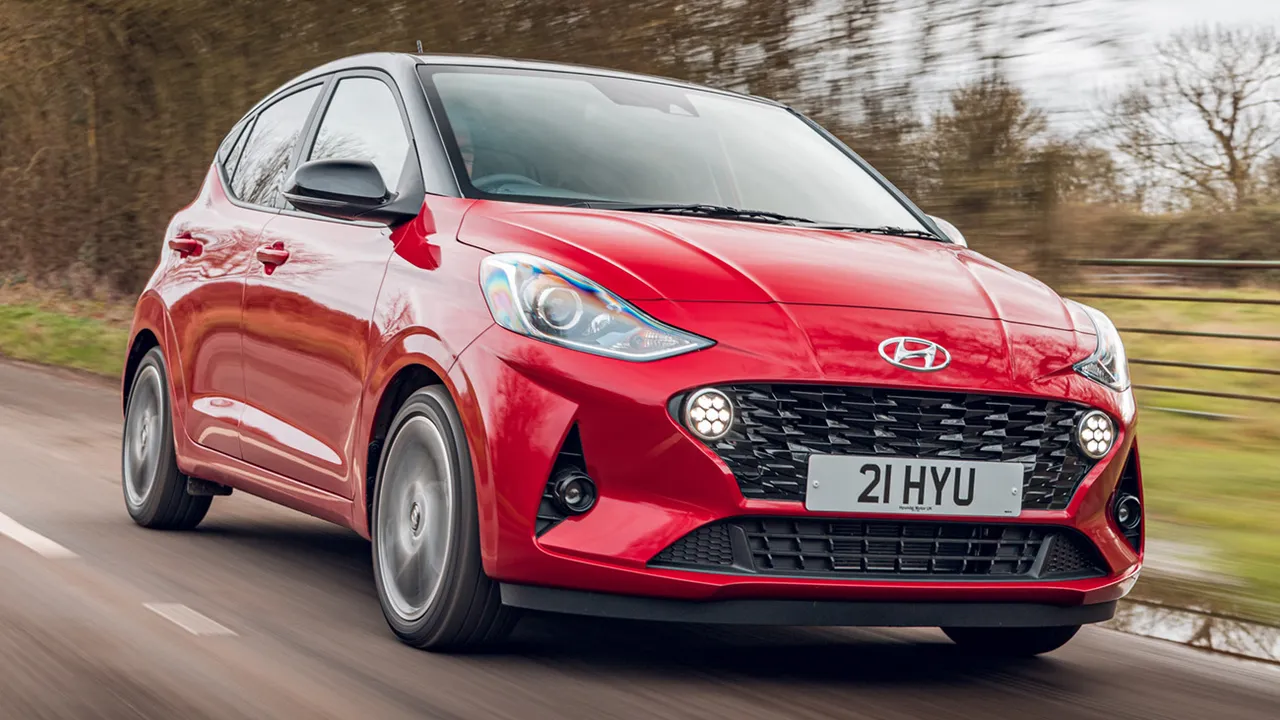
3. Hyundai i10: A Practical and Reliable City Hatchback
The Hyundai i10 is a small, versatile hatchback designed for city and suburban driving. Its compact size and tight turning radius make parking and maneuvering through narrow streets effortless. Despite its petite exterior, the cabin feels surprisingly spacious, with clever storage solutions and a flexible boot that can handle everyday shopping and errands.
Fuel efficiency is a standout feature, with the i10 often achieving over 50 miles per gallon. This, combined with Hyundai’s reputation for reliability and affordable maintenance, keeps running costs very low.
The car is powered by naturally aspirated petrol engines, including a 1.0-liter three-cylinder and a 1.2-liter four-cylinder. While these engines are not designed for high-speed performance, they are perfectly suited for town and suburban driving, providing smooth and predictable power for daily use.
Comfort is another strong point. The i10 absorbs bumps and uneven surfaces common in suburban neighborhoods, providing a refined and relaxed driving experience. Light steering and responsive handling make it easy to maneuver in stop-and-go traffic. On short motorway stretches, the car feels stable, although older automatic models may lack the refinement of manual versions.
Technology and features are impressive for a car in this segment. Standard models include an 8-inch touchscreen with Apple CarPlay and Android Auto, lane-keeping assist, auto high beams, and hill start assist.
Higher trims, such as the Premium, add heated seats, a heated steering wheel, climate control, and additional safety aids. These features enhance convenience, comfort, and driver confidence, making the i10 feel more sophisticated than its size might suggest.
Pricing for the 2024 Hyundai i10 starts at about $16,500 for the base SE trim, with the top Premium trim reaching around $20,000. There are no hybrid or electric options, keeping the car simple, practical, and affordable for city driving.
With its combination of low running costs, thoughtful packaging, and modern features, the Hyundai i10 is a highly capable choice for commuters, first-time drivers, or anyone needing a dependable and economical hatchback. Its practicality, comfort, and reliability make it an intelligent option for daily urban and suburban life.
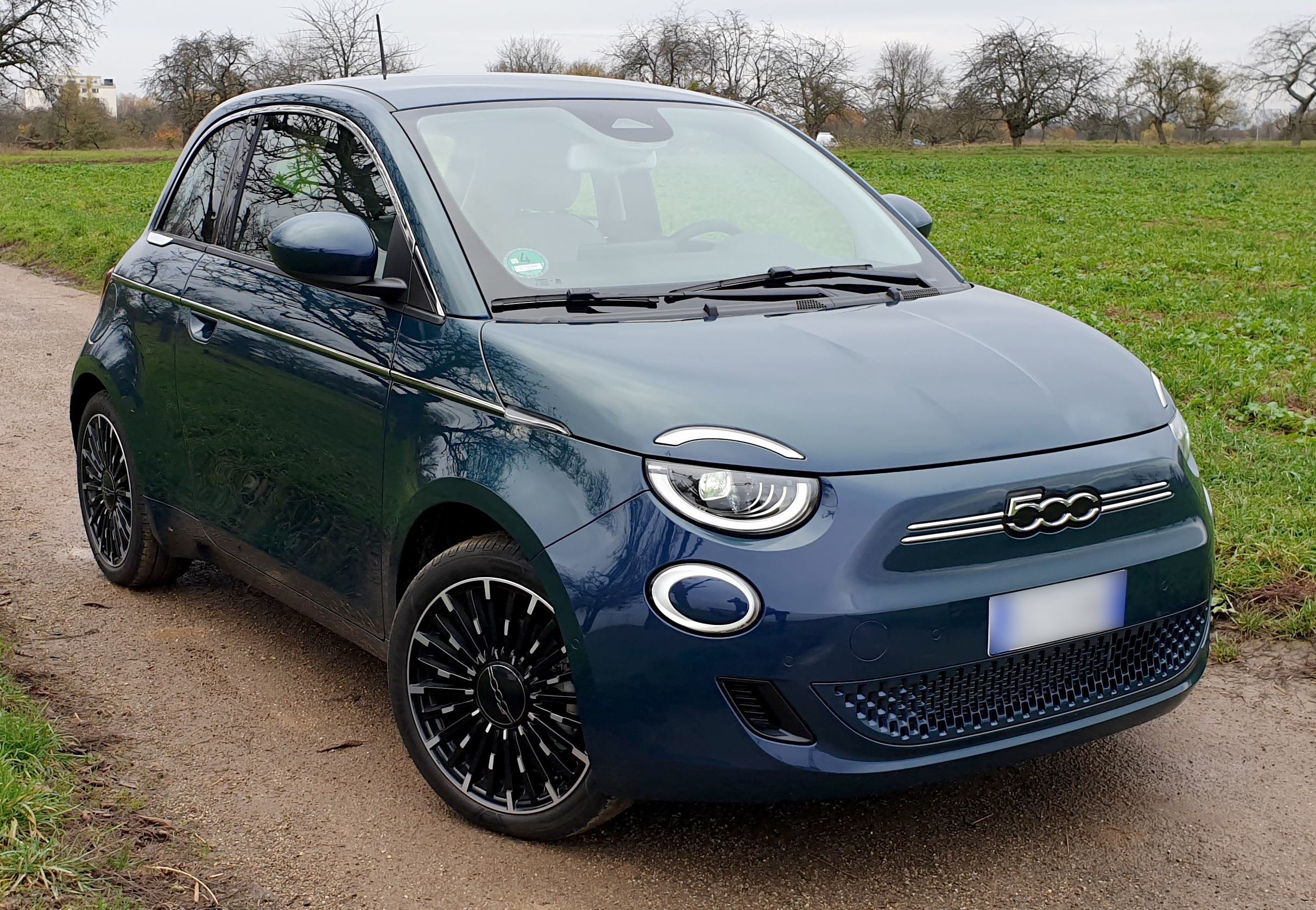
4. Fiat 500e: Stylish, Zippy, and Urban-Friendly Electric Hatchback
The Fiat 500e is a compact all-electric hatchback designed for city and suburban driving. Its small size and light steering make it exceptionally easy to park and maneuver through narrow streets, while its instant electric torque provides lively performance in traffic.
Ideal for short suburban commutes in places like Bedford, the 500e combines efficiency, low running costs, and a fun-to-drive character in a stylish, retro-inspired package.
Efficiency is a key strength of the 500e. Zero tailpipe emissions, lower operating costs through home charging, and the absence of road tax until 2025 in some regions make it cheaper to run than petrol alternatives.
The 42 kWh battery provides up to 199 miles of WLTP range, sufficient for daily errands and commuting. Fast charging is supported, reaching 80% in roughly 35 minutes, which eases concerns for occasional longer trips. Regenerative braking in Range and Sherpa modes allows for one-pedal driving, capturing energy during deceleration and boosting efficiency for stop-and-start suburban driving.
The interior blends style with functionality. It features a 7-inch digital instrument cluster and a 10.25-inch touchscreen supporting wireless Apple CarPlay and Android Auto. Front seats are made from synthetic Eco Leather with heating, while the rear accommodates two small passengers comfortably for short journeys.
Boot space is limited to 185 liters with seats up, but expands to 550 liters when folded, making the car suitable for small shopping trips or carrying larger items if needed. A fixed glass sunroof adds light and openness to the cabin.
Driving experience is engaging but has minor quirks. The 87 kW electric motor delivers ample power for city driving and moderate highway speeds. Suspension can feel firm over bumps, and the one-pedal driving implementation in Range or Sherpa mode may feel abrupt on slopes, requiring some adjustment.
Pricing positions the Fiat 500e as a premium small EV, with the La Prima variant starting at $52,500 and the higher-performance Abarth 500e from $58,900. Warranty covers the vehicle for three years and the battery for eight years.
The Fiat 500e is a niche but appealing option for urban and suburban commuters. Its combination of compact size, electric efficiency, instant torque, and Italian styling makes it perfect as a second car or for city-focused driving. While limited storage and firmer suspension may not suit everyone, its charm, economy, and fun-to-drive character stand out in the small EV market.
5. Ford Puma Mild Hybrid: Fun, Practical, and Suburban-Friendly
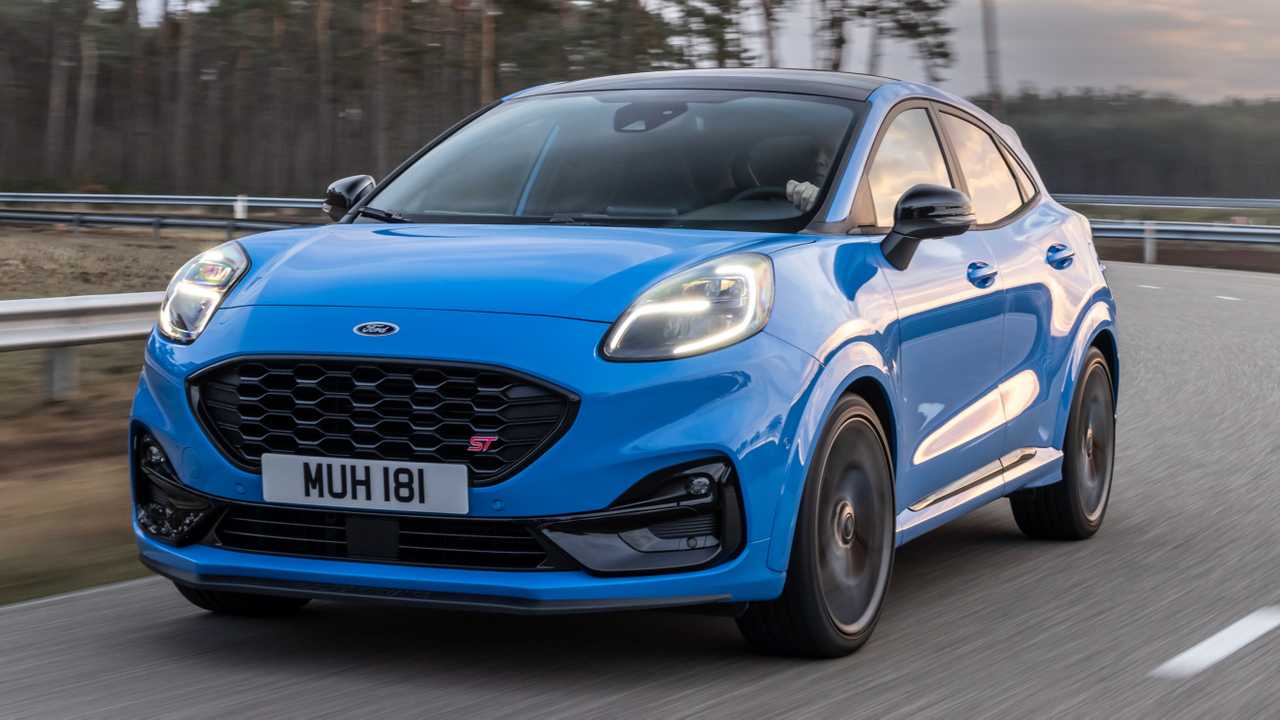
The Ford Puma Mild Hybrid (MHEV) is a compact crossover that combines the practicality of an SUV with the driving enjoyment of a hatchback.
Its slightly elevated driving position improves visibility, which is especially useful for suburban areas like Bedford, while its mild-hybrid technology boosts fuel efficiency during stop-start town driving. The electric motor assists the petrol engine, providing smoother acceleration and reducing emissions, making it ideal for daily commutes and errands.
Efficiency is a major benefit. The 48-volt mild-hybrid system recovers energy during braking and coasting, using it to help the engine and lower fuel consumption in frequent suburban stop-start traffic.
Drivers will notice responsive performance at low speeds, seamless engine restarts, and agile handling that makes parking and maneuvering through tight streets effortless. The Puma feels lively, with turbocharged 1.0-liter three-cylinder engines available in 123, 153, or 168 horsepower, paired with either a six-speed manual or seven-speed automatic transmission.
Practicality is another strength. The Puma’s interior is tech-rich, featuring a massive 12-inch central touchscreen, a 12.8-inch digital instrument display, and the SYNC 4 infotainment system.
The boot includes Ford’s innovative MegaBox, a deep, rubber-lined storage compartment with a plughole for easy cleaning, and the adjustable boot floor enhances flexibility for carrying family gear, groceries, or sports equipment. The cabin is well-finished, comfortable, and easy to maintain, although some physical climate controls were removed in the facelifted 2024 model.
The ride balances sportiness and comfort, absorbing suburban bumps while retaining composed handling. Mild-hybrid torque assist improves low-speed acceleration and responsiveness, making city and suburban driving more enjoyable than in many rivals. CO2 emissions are lower than conventional petrol alternatives, aligning with modern environmental standards.
Pricing for the 2024 Ford Puma MHEV starts around $32,500 for the base model, with mid- and higher-spec ST-Line trims costing more depending on options. While slightly more expensive than competitors like the Nissan Juke or VW T-Cross, the Puma offers a compelling blend of style, technology, efficiency, and practicality.
The Puma Mild Hybrid is a versatile, well-rounded crossover that stands out in a crowded segment. Its combination of efficiency, driver engagement, clever storage solutions, and high-tech interior makes it an excellent choice for suburban families or commuters seeking a fun, economical, and practical compact SUV.
Also read: 5 Cars for Brownsville Coastal Life and 5 that Corrode in Salt Air
5 Affordable Ownership Picks
1. Toyota Yaris: Reliable, Efficient, and Practical Supermini
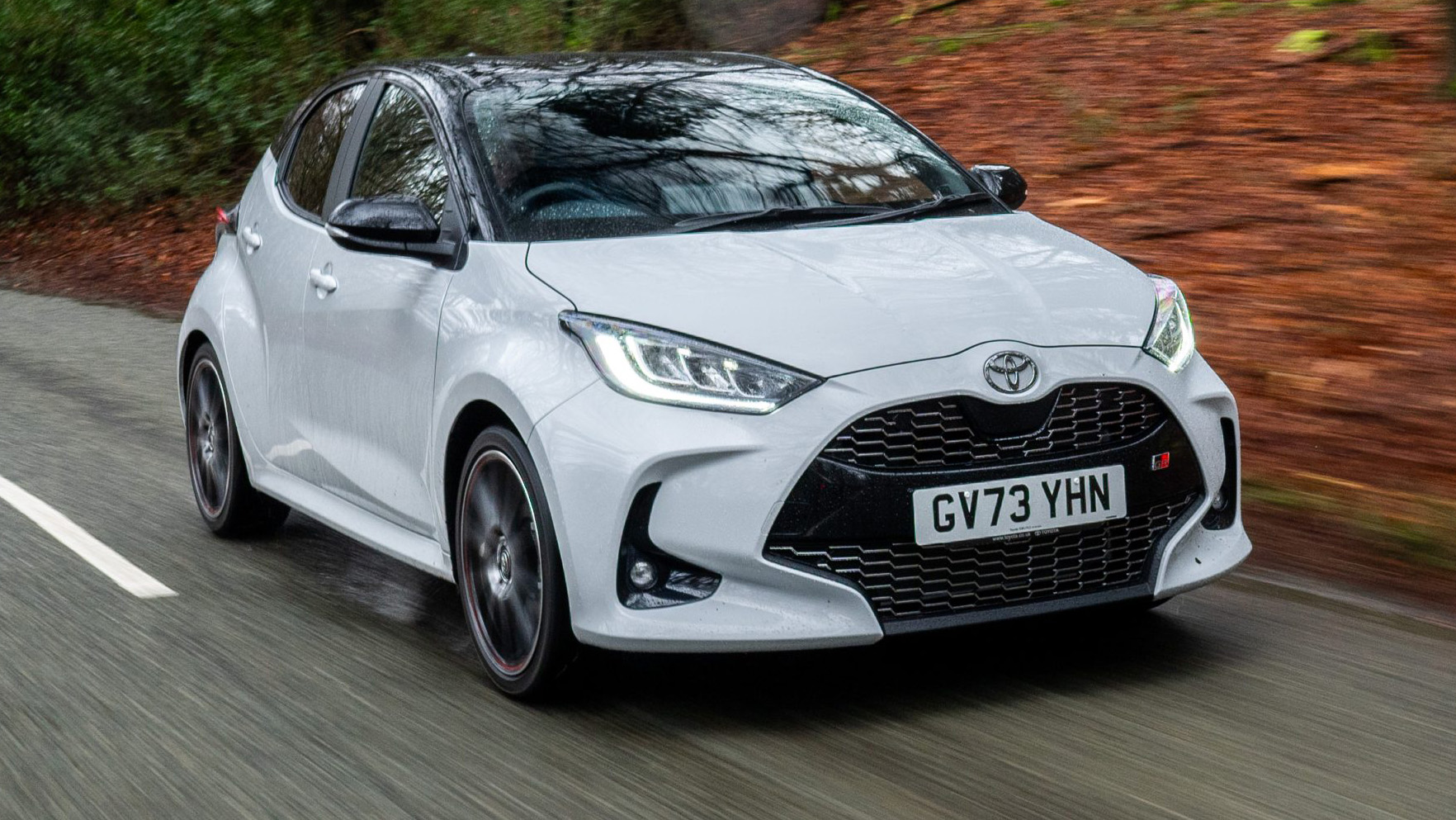
The Toyota Yaris is a compact hatchback renowned for its reliability, fuel efficiency, and practical design. Toyota’s reputation is well-earned, with the Yaris consistently scoring high in reliability surveys.
Buyers can extend the warranty up to 10 years or 100,000 miles if serviced at a main dealer, providing peace of mind and minimizing unexpected repair costs. Its small size, sharp styling, and efficient hybrid powertrains make it a compelling choice for city and suburban driving.
Fuel economy is a standout feature, particularly in hybrid models. The 1.5-liter three-cylinder petrol engine, paired with an electric motor and e-CVT gearbox, delivers 114 or 129 horsepower depending on the variant.
This setup allows for smooth hybrid transitions, responsive city driving, and fuel consumption approaching 70 miles per gallon in town, keeping running costs exceptionally low. Acceleration to 62 mph is achieved in around 9 to 10 seconds, making it efficient without feeling underpowered for daily commuting. CO2 emissions remain low at 96 g/km or below.
The driving experience is refined and enjoyable for a supermini. Steering is precise, suspension is well-balanced, and the wider, longer fourth-generation platform adds stability and comfort on suburban roads or motorway stretches. Hybrid models are quiet, smooth, and particularly rewarding in stop-and-go traffic, while the GR Yaris variant offers a high-performance, rally-inspired option for enthusiasts.
Interior design is functional, though somewhat plasticky compared to rivals. Front seats are comfortable, and technology is generous, even on base models, including a large touchscreen, smartphone integration, and six airbags.
Storage and rear legroom are limited, with a smaller boot than competitors like the Renault Clio, MG3, or Honda Jazz, but the Yaris prioritizes efficiency, reliability, and ease of use over cargo space.
Pricing for the 2024 Toyota Yaris Hybrid starts around $30,500 for the standard 1.5 Hybrid Design trim, offering an excellent balance of technology, safety, and low running costs. While slightly higher than some rivals, the extensive warranty, fuel savings, and Toyota reliability make it a strong value proposition.
For commuters, small families, or urban drivers prioritizing low cost, dependability, and efficiency, the Yaris is a fuss-free, practical, and stylish supermini that continues to set the benchmark in its class. Its hybrid system, compact dimensions, and refined handling make it an ideal choice for everyday suburban driving.
2. Dacia Sandero: Affordable, Practical, and Surprising Value
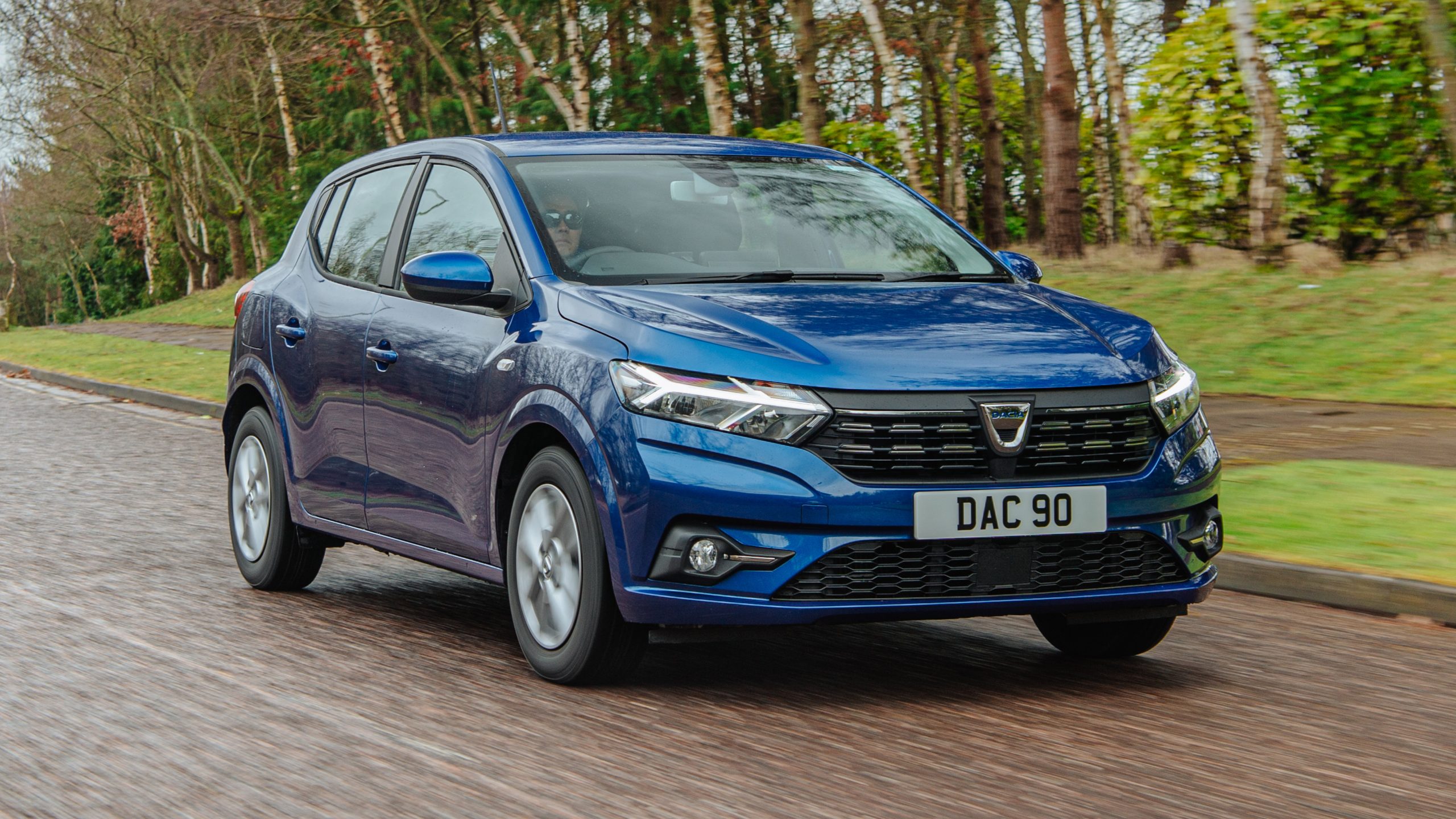
The Dacia Sandero is one of the most budget-friendly new cars on the market, offering practicality, space, and low running costs without the high price tag of typical superminis. It appeals to cost-conscious buyers seeking a reliable first car or small family vehicle.
While the interior is basic and driving dynamics are not particularly engaging, the Sandero delivers a solid, fuss-free motoring experience with modern tech and decent comfort for its class.
Affordability is the Sandero’s strongest point. Prices for the base Essential trim start around $15,000, while the top-spec Expression model costs roughly $16,000. The Stepway pseudo-crossover variant, offering extra ground clearance and rugged styling, begins at about $17,000.
Despite its low price, the Sandero is built on Renault and Nissan platforms, giving it more modern underpinnings than its modest appearance suggests. It uses efficient engines, most paired with six-speed gearboxes, and meets current emissions standards.
Practicality is a key advantage. The cabin comfortably accommodates five passengers, and the boot offers 328 liters of space, expandable with the rear seats folded. The soft suspension provides a comfortable ride on urban streets and rough roads, though it leads to body roll in corners.
Road and wind noise can be noticeable at higher speeds, and steering lacks sharp feedback, but these compromises are understandable given the price point.
Technology has improved significantly in recent generations. Higher trims include Apple CarPlay and Android Auto, cruise control, climate control, keyless entry, and a rearview camera. Even with modest interior materials, the Sandero now feels less cheap than its predecessors while remaining functional and user-friendly.
The Sandero excels as a no-nonsense, practical supermini for budget-conscious drivers. It prioritizes value, comfort, and reliability over sporty performance or premium finishes. Its spacious interior, simple operation, and low running costs make it ideal for daily commuting, family errands, or urban driving. The Stepway variant adds versatility and a more commanding ride height, broadening its appeal.
With over two million sold across Europe since 2004 and consistent popularity in the budget segment, the Dacia Sandero proves that a low-cost car can be practical, dependable, and surprisingly well-equipped. It continues to deliver simple, spacious motoring at a price that few rivals can match, making it a standout choice for those who prioritize value and functionality over flair.
3. Kia Ceed: Dependable and Practical Family Hatchback
The Kia Ceed is a highly practical and reliable family hatchback that prioritizes comfort, ease of use, and long-term value over sporty driving thrills. Known for its superb reliability, the Ceed has earned strong praise in surveys where Kia even covered the cost of all reported repairs. Its lengthy warranty further reinforces peace of mind, making it an attractive choice for families seeking stress-free ownership.
The Ceed’s strengths lie in its practicality and user-friendly design. It offers a spacious, quiet cabin with a smooth ride and comfortable seating for passengers, though some road and tire noise can be noticeable at higher speeds.
Maneuverability is excellent in urban and suburban settings thanks to a tight turning circle and light controls, while a stable chassis provides confidence on motorways.
Infotainment systems are simple yet intuitive, with physical buttons for key functions like climate control and volume, appealing to drivers who prefer tactile controls over overly digital dashboards. Styling is modern and understated, giving the Ceed a mature appearance that ages gracefully.
Recent updates have simplified the engine range, now focusing on a single 1.5-liter four-cylinder petrol engine paired with manual or dual-clutch transmissions. Hybrid and diesel options are no longer offered, as Kia channels its electrification efforts into models like the Niro and EV6. While this limits eco-friendly options, the Ceed maintains strong fuel efficiency and reliable performance for everyday family use.
Some drawbacks include limited driving engagement compared with rivals like the Ford Focus or Mazda 3, and minor quirks such as fiddly key fob buttons or windscreen wiper designs on older models. Steering feedback is modest, and the Ceed doesn’t aim to thrill, but it delivers a comfortable, predictable driving experience suitable for daily commuting, school runs, and family errands.
Pricing for a well-equipped model, such as the 1.5T GDi ISG 3 5-door with dual-clutch transmission, starts around $30,000. It competes effectively against mainstream family hatchbacks such as the VW Golf, Ford Focus, and Peugeot 308, offering a balanced package of comfort, technology, and long-term reliability.
The Kia Ceed stands out for its practicality, low-maintenance ownership, and sensible design. While it may not excite driving enthusiasts, it is an easy-to-live-with, dependable family hatchback that rewards owners with comfort, usability, and peace of mind for years of daily motoring.
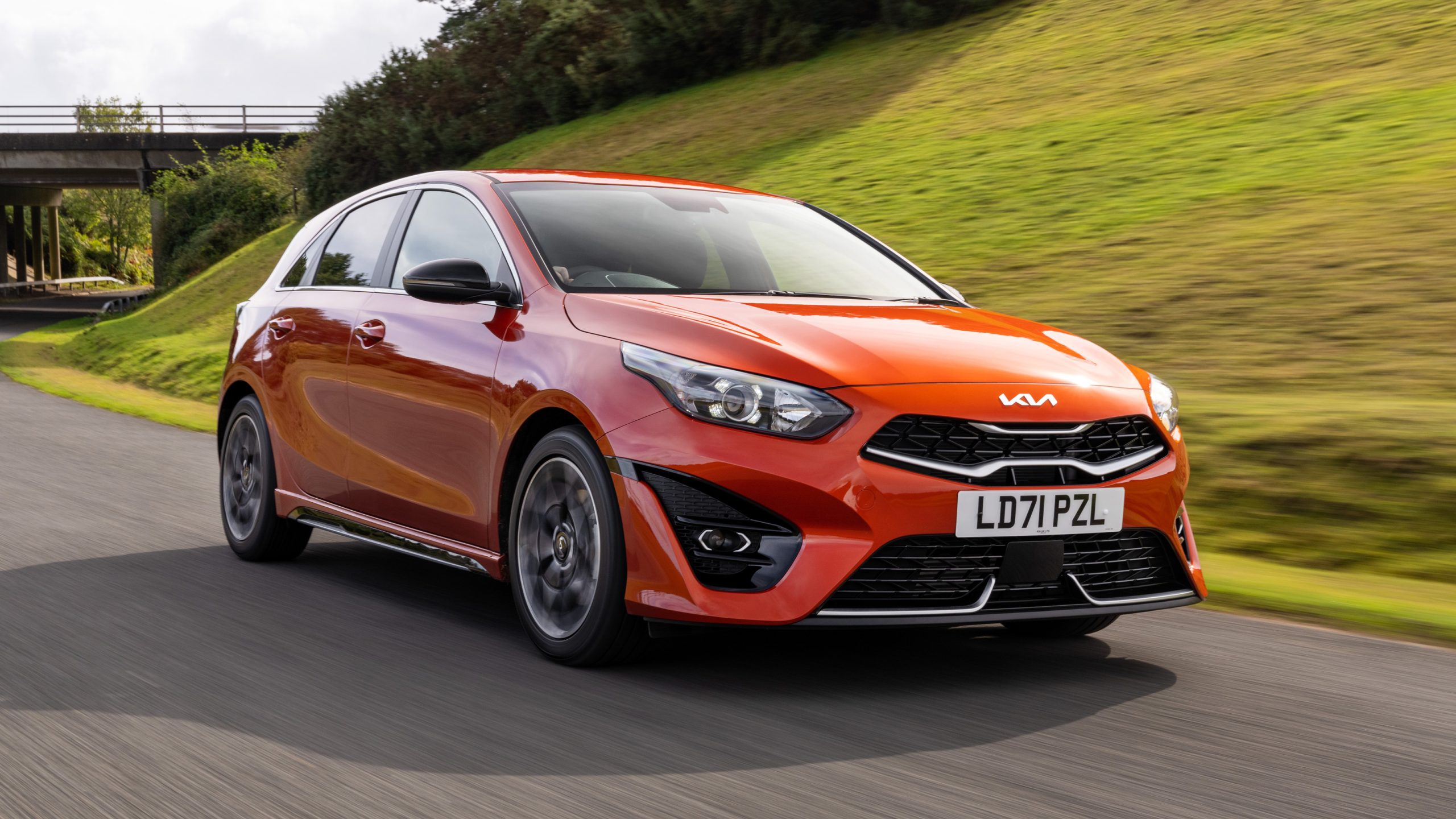
4. Skoda Octavia: Spacious, Practical, and Efficient Family Hatchback
The Skoda Octavia is a standout all-rounder in the family hatchback segment, offering exceptional space, comfort, and efficiency while remaining more affordable than competitors like the VW Golf.
Known for its reliability and long-lasting build, it provides a practical choice for families and commuters alike, with high-mileage examples proving its durability on the road. The 2024 facelift has enhanced the Octavia’s appeal with updated styling, improved tech, and refined powertrains, including mild-hybrid options that boost fuel economy for both city and longer runs.
The Octavia’s primary strengths lie in its practicality. Standard hatch and estate variants provide generous cabin and boot space, with the estate boasting a 600-liter boot roughly 25% larger than the Golf, making it ideal for families, pets, or weekend trips.
Rear legroom is ample, and the cabin is quiet and comfortable, with soft suspension absorbing bumps and keeping road and wind noise low. The interior has been upgraded with a 13-inch touchscreen, new trim materials, and a stylish yet functional layout that improves usability compared with earlier models.
Engine options include 1.5-liter turbo petrol units with 114 or 148 horsepower, available with a six-speed manual or seven-speed DSG gearbox. Mild-hybrid variations offer fuel-saving benefits through a 48-volt starter-generator system.
Diesel options feature a 2.0-liter TDI with similar power outputs, while the upcoming vRS model delivers 261 horsepower, reaching 62 mph in 6.4 seconds for those seeking more dynamic performance. Fuel economy is strong across the range, making the Octavia suitable for long commutes or motorway travel.
While standard trims prioritize comfort over sporty handling, the vRS variant adds excitement for driving enthusiasts. Some minor drawbacks include reliance on touchscreen controls for functions like climate settings and occasional DSG gearbox hesitation at low speeds. Customization options are also limited compared with some rivals.
Pricing starts around $31,000 for the standard hatchback, with estate models costing slightly more. Compared with rivals such as the VW Golf, Seat Leon, and Ford Focus, the Octavia delivers excellent value, combining space, comfort, and technology.
The Skoda Octavia excels as a practical, comfortable, and reliable family hatchback with SUV-like space. It may not thrill driving enthusiasts, but it rewards owners with a quiet, efficient, and versatile daily driving experience, strengthened by Skoda’s thoughtful updates and long-standing durability.
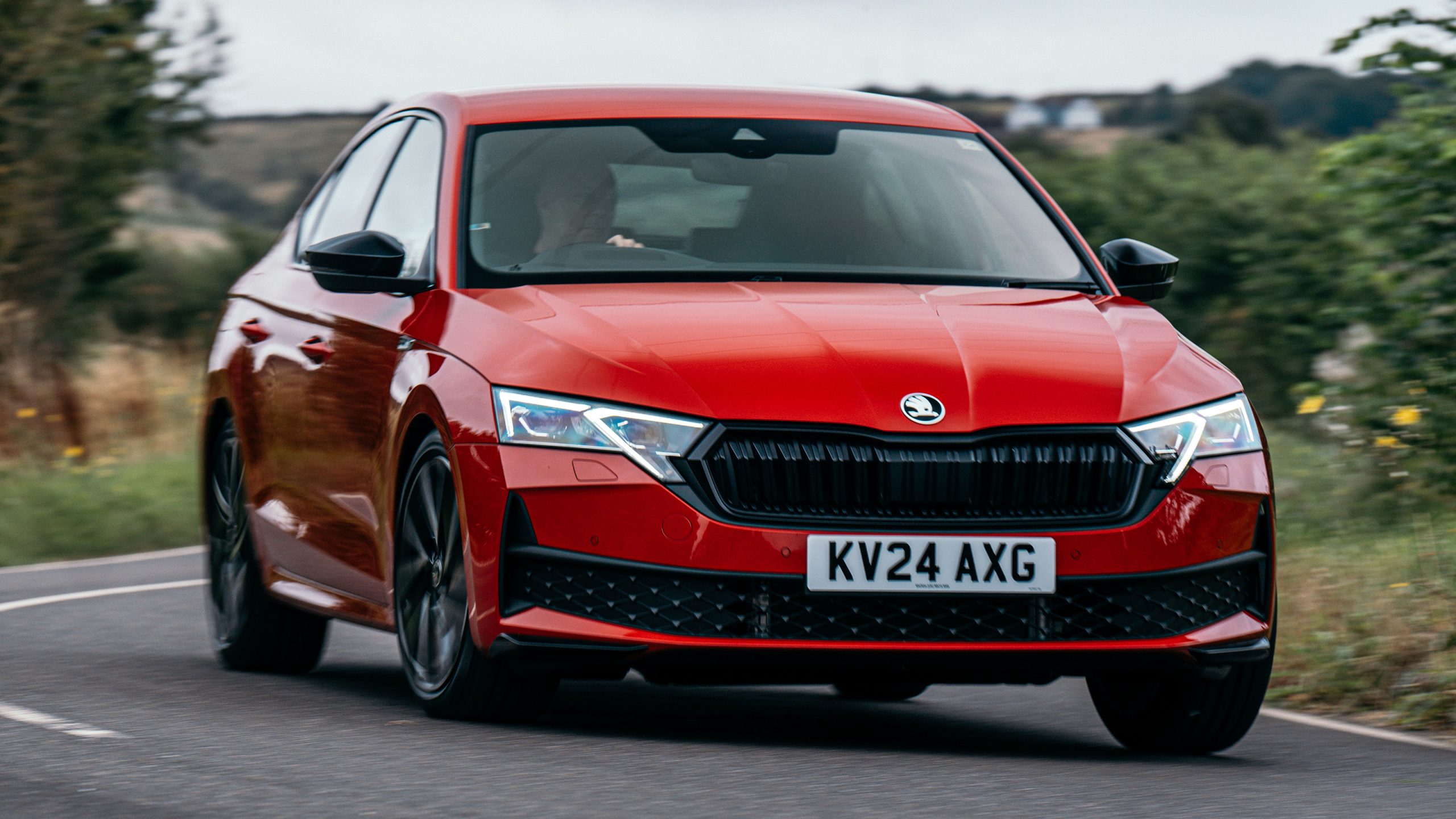
5. Honda Civic: Reliable, Efficient, and Practical Family Car
The Honda Civic is a durable and dependable compact car, ideal for suburban driving and family use. Renowned for robust engineering and long-lasting engines, the Civic combines low running costs, a comfortable interior, and a strong reliability record. Its smooth ride, modern technology, and practical cabin make it a versatile choice for daily commuting, errands, and family trips.
The Civic offers a well-balanced suspension that absorbs bumps and uneven pavement, delivering a comfortable ride while retaining responsive handling. The cabin is quiet, reducing wind and road noise, and ergonomic seats with thoughtfully placed controls help minimize driver fatigue on longer drives.
Both sedan and hatchback models seat five, with ample front passenger space and a roomy rear bench suitable for two adults or children. Cargo capacity is generous, with a trunk accommodating six carry-on suitcases or 17 with the rear seats folded.
Honda Sensing driver-assistance features come standard on most trims, including Adaptive Cruise Control (ACC) and Lane Keeping Assist (LKAS), reducing stress during congested commutes or highway travel. Optional systems like Blind Spot Information (BSI) and Rear Cross Traffic Monitor (RTM) enhance parking safety.
Infotainment ranges from a standard 7-inch touchscreen with wired Apple CarPlay and Android Auto to a 9-inch display with wireless connectivity, navigation, and an optional 12-speaker Bose audio system on higher trims.
Non-hybrid Civics feature a 150-hp 2.0-liter four-cylinder engine, achieving 0–60 mph in 8.9 seconds, while the hybrid variant combines a 2.0-liter engine with two electric motors for 200 hp, reaching 0–60 mph in 6.2 seconds.
Both models use front-wheel drive with a CVT, offering smooth acceleration and nimble handling. Fuel economy is excellent, particularly for hybrid models, with the Civic Hybrid achieving roughly 47 mpg on the highway and 50 mpg in city conditions, making it cost-effective for daily use.
The Civic offers a limited warranty of three years/36,000 miles, a five-year/60,000-mile powertrain warranty, and an eight-year/100,000-mile hybrid component warranty, alongside complimentary maintenance for the first year.
The Honda Civic strikes a balance between comfort, efficiency, safety, and practicality, making it a reliable and smart choice for suburban families or daily commuters seeking a low-stress, versatile vehicle.
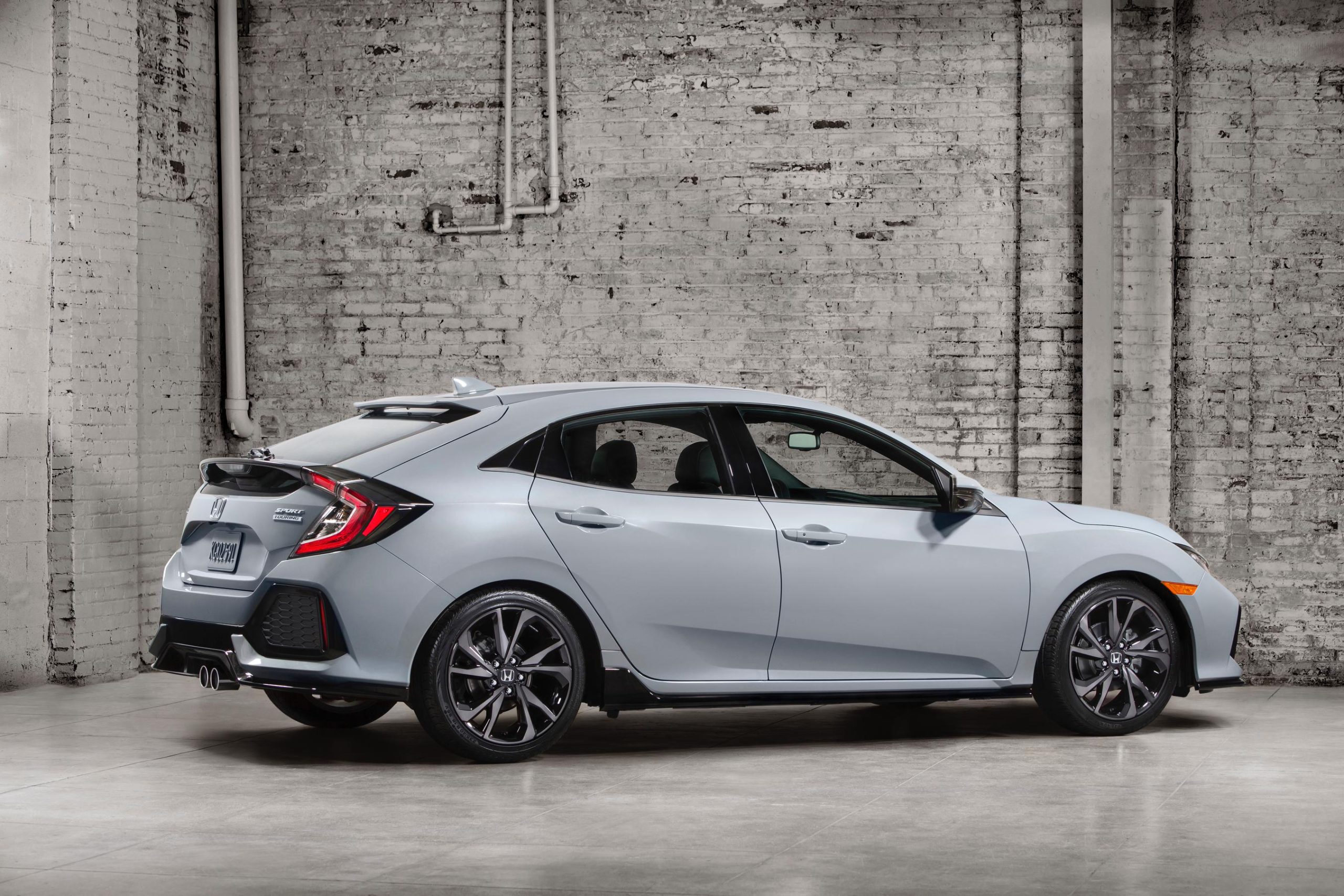
Living in Bedford’s suburbs means choosing a car that fits everyday routines without adding unnecessary expense or complexity. The vehicles featured in this guide show that practical transport does not have to be boring or costly.
Compact models like the Toyota Yaris, Kia Picanto, and Hyundai i10 keep fuel bills low and parking simple, while larger options such as the Ford Puma, Skoda Octavia, and Honda Civic offer added space and comfort for families.
Budget-focused picks like the Dacia Sandero prove that affordability and usability can go hand in hand. Together, these cars deliver sensible performance, dependable ownership, and features that suit daily life, making them strong choices for drivers who value reliability, comfort, and long-term value over unnecessary excess.
Also Read: 10 Cars With Simple Volume Knobs and Real Buttons