Electric motorcycles are entering a decisive phase in the United States. What was once a fringe market dominated by early adopters and experimental designs is now evolving into a competitive segment that appeals to everyday riders, performance enthusiasts, and commuters alike.
By 2026, electric motorcycles will no longer be judged merely on novelty or environmental benefits. Instead, buyers are looking for strong real-world range, fast charging, engaging performance, and prices that make sense against gas-powered alternatives.
Manufacturers are responding with smarter engineering, refined designs, and broader model lineups aimed directly at American roads and riding habits.
The following electric motorcycles are poised to define this shift, each offering a unique take on what the future of two-wheeled transportation can be.
1. LiveWire S2 Del Mar
The LiveWire S2 Del Mar represents one of the most important electric motorcycles entering the mid-price segment.
Designed as a street-tracker with urban agility in mind, the Del Mar blends quick acceleration with a compact footprint that suits American city riding.
Unlike earlier electric bikes that leaned heavily into premium pricing, this model aims to be more attainable without sacrificing performance.
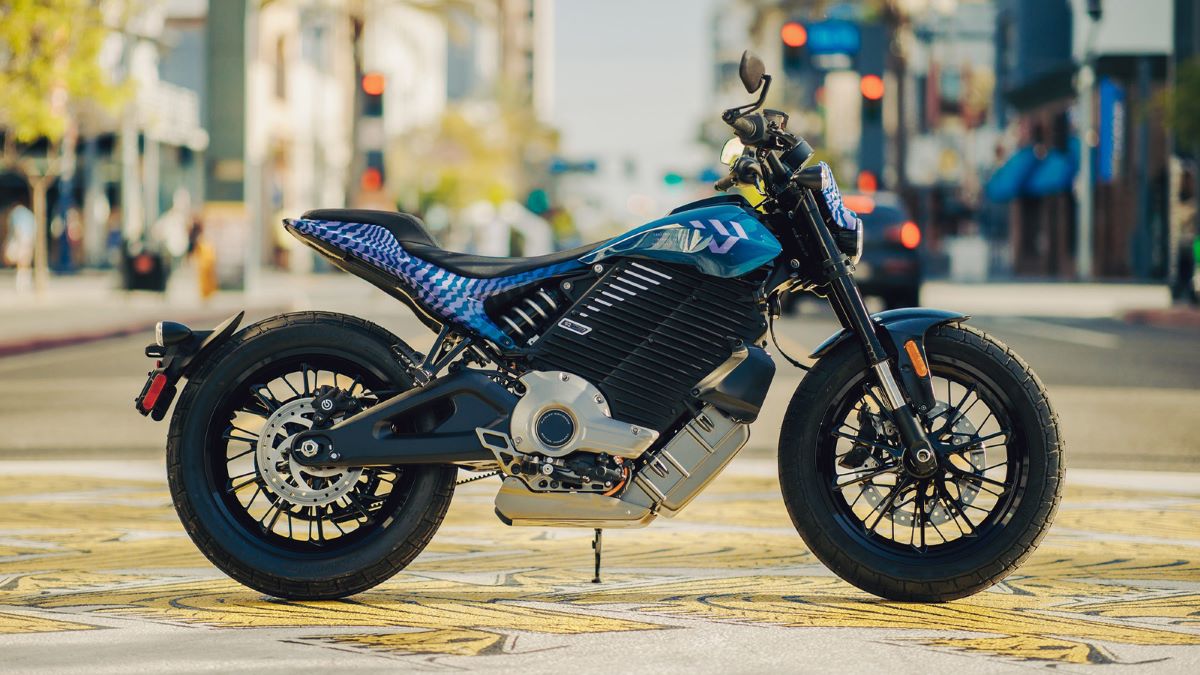
Its instant torque delivery makes stop-and-go traffic effortless, while its lightweight construction and modern suspension tuning provide confidence on twisty backroads.
For riders curious about electric motorcycles but hesitant to spend superbike money, the Del Mar feels like a gateway model that finally makes sense.
2. LiveWire ONE
The LiveWire ONE continues to serve as the brand’s flagship and remains one of the most complete electric motorcycles available in the U.S. market.
It targets riders who want high performance without the noise and maintenance of a traditional internal combustion engine.
With strong highway capability, fast DC charging support, and refined ride modes, the LiveWire ONE is well suited for daily commuting and weekend rides alike. What sets it apart is how little compromise it asks from experienced riders.
Acceleration is immediate, highway stability is excellent, and the bike feels more like a modern sport-tourer than a tech experiment. In 2026, it still sets the benchmark for premium electric street bikes.
The Livewire One is a high-performance electric motorcycle designed to deliver an exciting ride while integrating enhanced software and advanced technology. Featuring four selectable power modes, refined throttle control, and cornering-aware traction control, the Livewire One prioritizes both performance and rider confidence, resulting in a controlled and secure riding experience.
At the heart of the Livewire One is a powerful electric motor that provides strong acceleration and impressive agility, especially notable given its 562lb weight.
The updated software, evolved from the original Harley-Davidson Livewire, improves overall usability and stability, drawing on lessons learned from the earlier model. Riders can choose between four riding modes, Sport, Road, Range, and Rain, each adjusting power delivery, throttle response, and regenerative braking to suit different riding conditions and preferences.
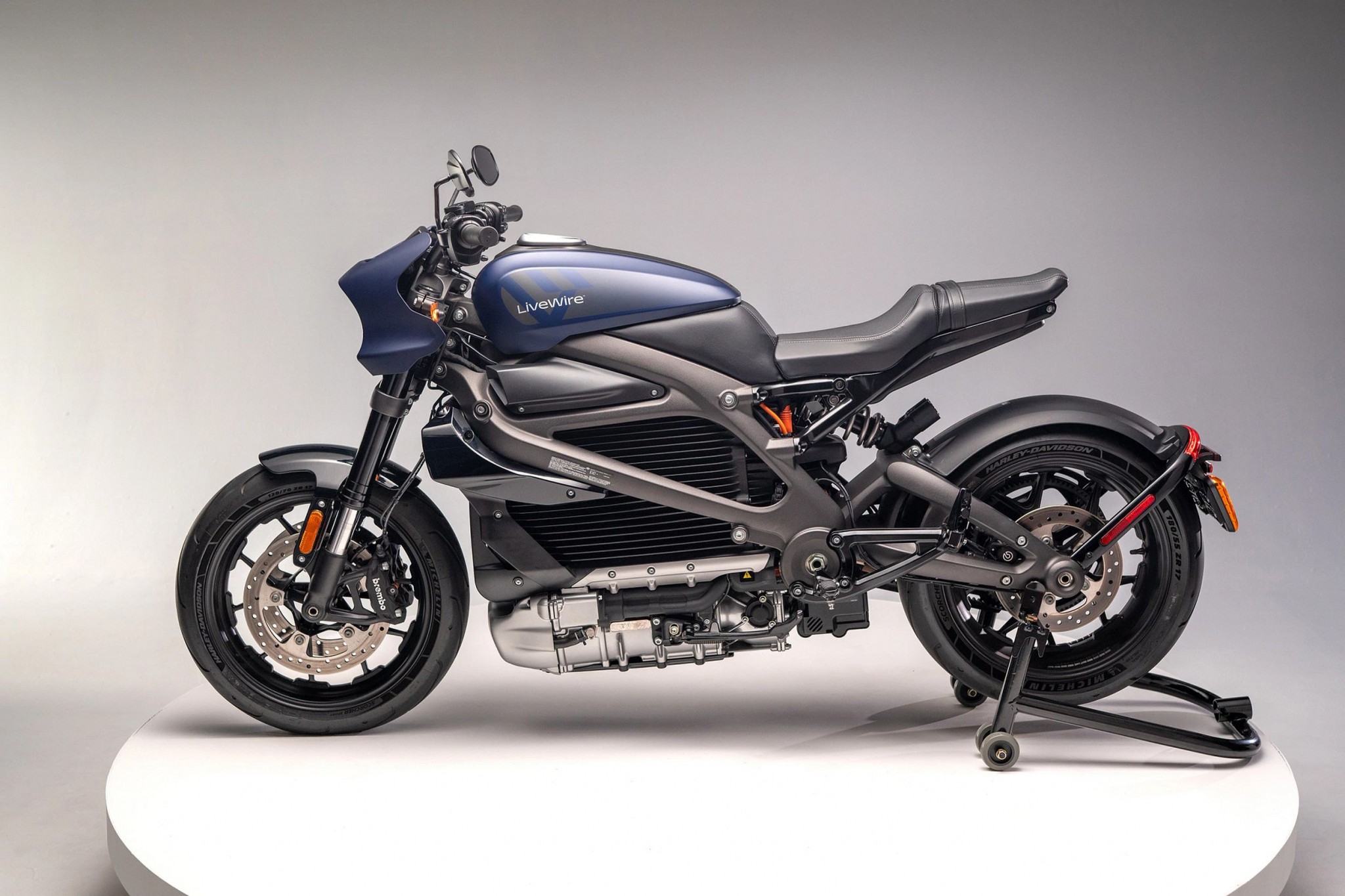
Safety remains a major focus of the Livewire One’s design. Its cornering-aware traction control helps prevent rear-wheel slip, maintaining stability during aggressive riding or challenging road conditions.
Regenerative motor braking further enhances control, particularly in Sport mode, offering stronger deceleration when easing off the throttle. The motorcycle also comes fitted with Michelin Scorcher Sport tires, which deliver dependable grip and traction across a variety of surfaces.
The Livewire One offers strong connectivity options, supporting both iOS and Android devices through Bluetooth or USB connections. This allows riders to seamlessly integrate their smartphones, enabling features like navigation assistance and music control to enhance the overall riding experience.
Despite its strengths, the Livewire One does have some drawbacks. Highway range is limited to approximately 70 miles, while city range matches its predecessor at 146 miles.
On the upside, DC fast charging is included, significantly reducing downtime. Although exact charging times are not specified, estimates suggest the battery can recharge from 20 to 80 percent in roughly 30 minutes.
Overall, the Livewire One stands out for its smooth and responsive power delivery, sharp handling, and engaging ride quality. It has successfully challenged skepticism surrounding electric motorcycles and reshaped expectations in the segment.
With its blend of performance, safety technology, and refined software, the Livewire One presents a strong case for riders seeking an electric motorcycle well-suited to urban riding.
Also Read: Top 10 Most Dependable Pickup Trucks Ever Built
3. Zero SR/F
Zero Motorcycles has long been a pioneer in the electric motorcycle space, and the SR/F continues that legacy as a proven American-built option.
The SR/F focuses on balanced performance rather than extreme styling or futuristic gimmicks. Its upright ergonomics, solid range, and strong torque curve make it practical for everyday riding while still being exciting when pushed.
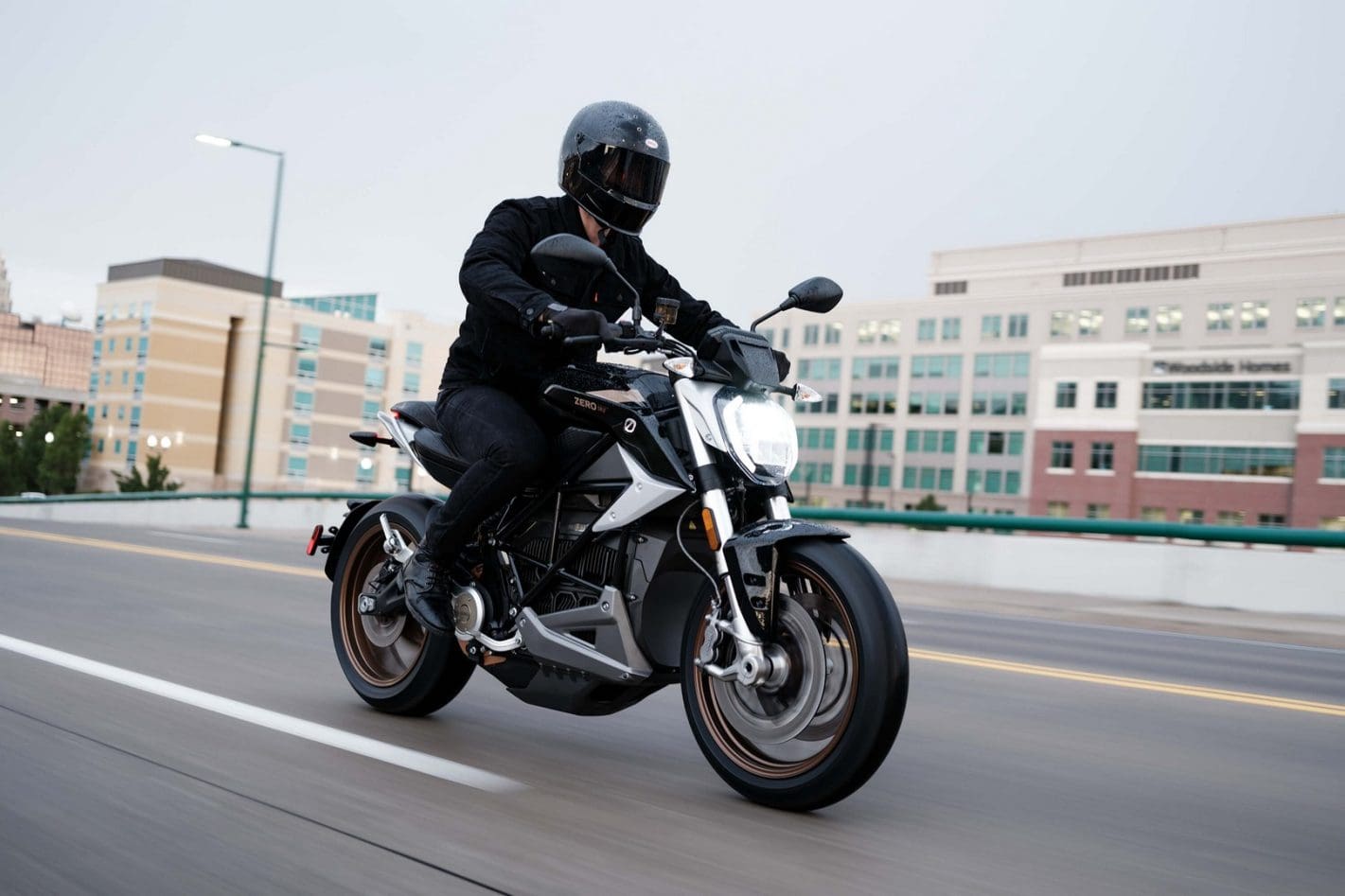
Zero’s expanding dealer network and years of real-world data give the brand credibility that newer startups lack. For U.S. riders who want an electric motorcycle that feels mature and well-supported, the SR/F remains a compelling choice heading into 2026.
4. Honda WN7
Honda’s move into full-size electric motorcycles marks a significant moment for the industry. The WN7 is not a concept or experimental model, but a serious production motorcycle designed with daily usability in mind.
Honda’s reputation for reliability and refinement carries over into its electric ambitions, offering a bike that prioritizes smooth power delivery, predictable handling, and long-term durability.
While its U.S. rollout may initially be limited, the WN7 signals Honda’s intent to compete directly with established electric brands.
For American riders who trust Japanese engineering and want an electric motorcycle from a household name, this model could be a turning point.
Honda has officially revealed the WN7, its newest electric motorcycle and the first model in a broader plan to introduce larger EV two-wheelers. Built with commuters in mind and aimed squarely at the European market, the WN7 represents another step in Honda’s broader push toward carbon neutrality.
The announcement finally brings clarity to a reveal that has been anticipated for some time. That said, the pricing immediately raises eyebrows.
Although Honda has yet to publish the full technical specifications for the WN7, the company has disclosed several notable details that help paint a picture of what riders can expect. The motorcycle will use a permanent magnet synchronous motor paired with a chain drive, a setup that should feel familiar to riders coming from traditional internal combustion bikes.
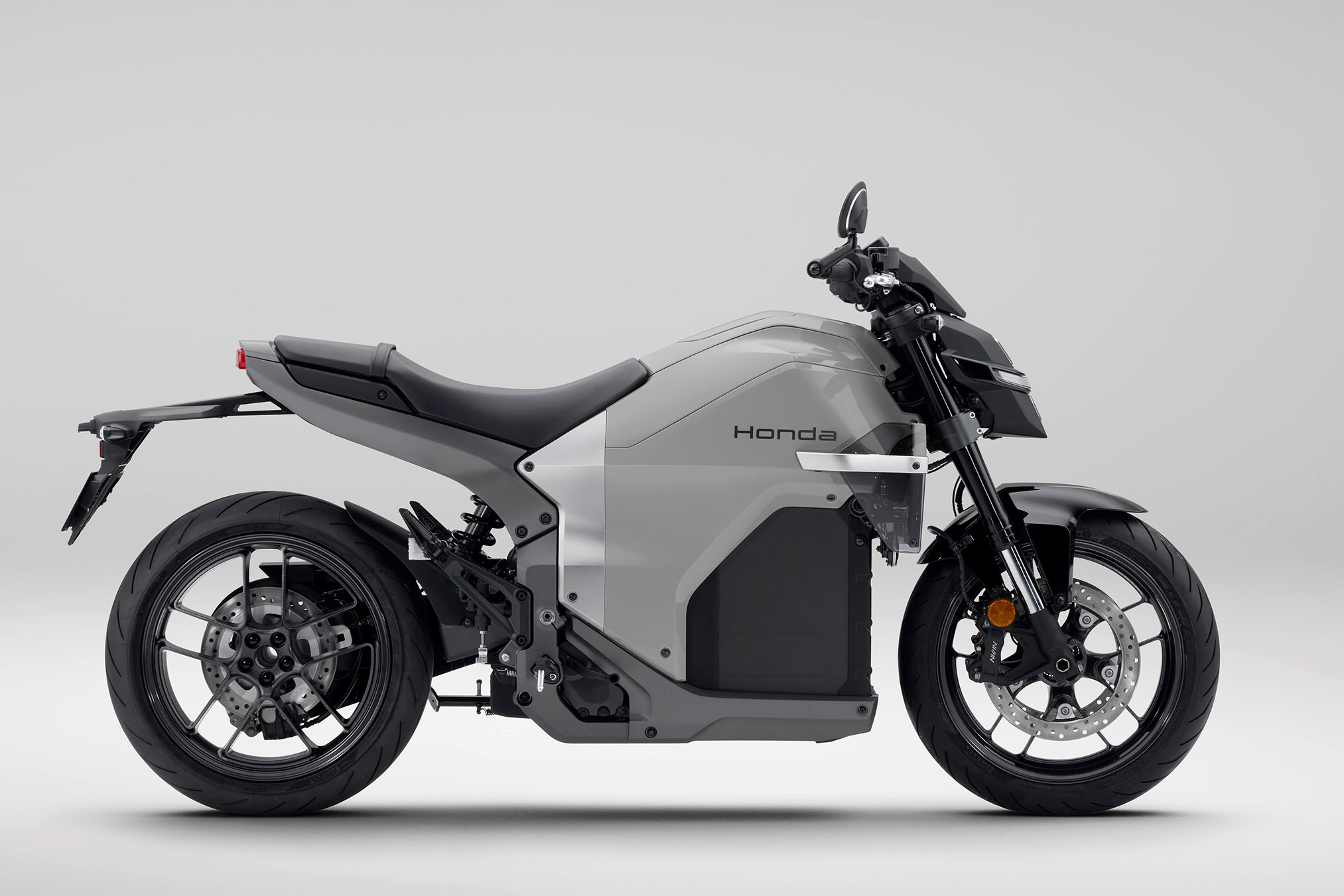
At the front, a 5-inch color TFT display will serve as the main interface, and the WN7 will debut Honda’s newly developed RoadSync app, enabling smartphone connectivity for navigation and communication features. Practicality is also a clear focus, with a sizeable 20-liter underseat storage compartment designed to accommodate a helmet or everyday items.
According to Honda, the WN7 is expected to deliver a range of more than 130 km (83 miles) on a single charge, positioning it well for daily commuting and urban use. The bike uses a fixed lithium-ion battery and supports both home charging and rapid charging. When plugged into a standard household outlet, a full charge can be completed in under three hours.
For quicker stops, a CCS2 fast charger can replenish the battery from 20 percent to 80 percent in approximately 30 minutes, adding convenience for riders on tight schedules.
Honda is positioning the WN7 as a practical, everyday electric motorcycle, with a particular focus on younger urban riders. The company is emphasizing quiet operation, user-friendly handling, and the inclusion of a sound-emitting system designed to improve pedestrian awareness, aligning with evolving EV safety regulations across both automotive and motorcycle sectors.
Manufacturing is scheduled to begin later this year at Honda’s Atessa plant in Italy, and the WN7 will qualify for government EV incentives in several European countries.
That said, some critical details remain missing. Honda has not yet disclosed key performance metrics such as top speed, motor output, or battery capacity, specifications that are essential for evaluating real-world performance.
5. BBM Hiro
The BBM Hiro brings a European perspective to the electric motorcycle conversation, focusing on modular design and fast charging.
Its standout feature is the ability to recharge quickly enough to make longer rides feasible without extensive downtime.
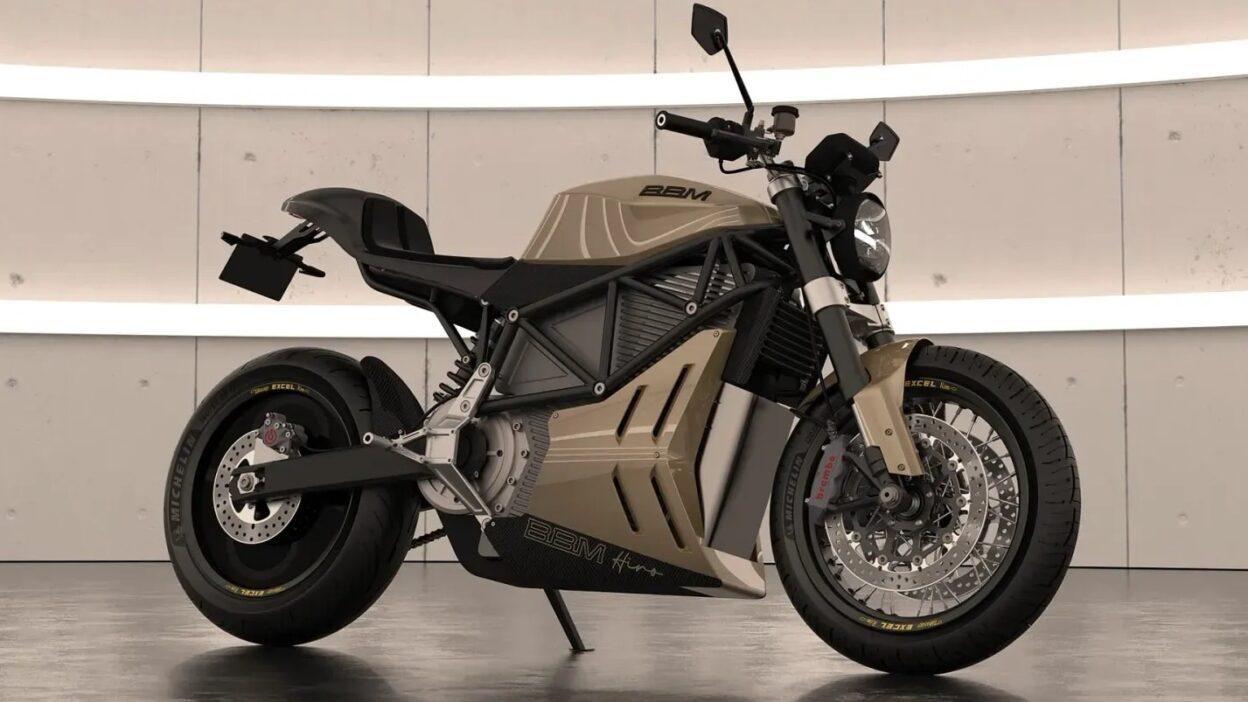
This approach directly addresses one of the biggest concerns U.S. riders still have about electric motorcycles: practicality beyond short commutes.
The Hiro’s performance figures place it firmly in the sport category, yet its adaptability and modern styling give it broader appeal.
If it successfully reaches the American market, it could attract riders who want cutting-edge technology without sacrificing usability.
6. Maeving RM2
The Maeving RM2 takes a different approach by emphasizing simplicity and style over outright performance. Designed primarily for urban riding, it appeals to riders who value ease of ownership and classic aesthetics.
Removable batteries make home charging practical for apartment dwellers, a growing demographic in U.S. cities.
The RM2’s ability to carry a passenger also makes it more versatile than many small electric motorcycles.
While it may not satisfy performance-focused riders, it fills an important niche for those seeking an approachable, everyday electric bike that feels familiar rather than futuristic.
Coventry-based electric motorcycle manufacturer Maeving has earned multiple MCN awards for its electric bikes, and it’s easy to see why. The brand’s distinctive commuter models are refined, whisper-quiet, and cleverly sidestep charging anxiety by using removable battery packs.
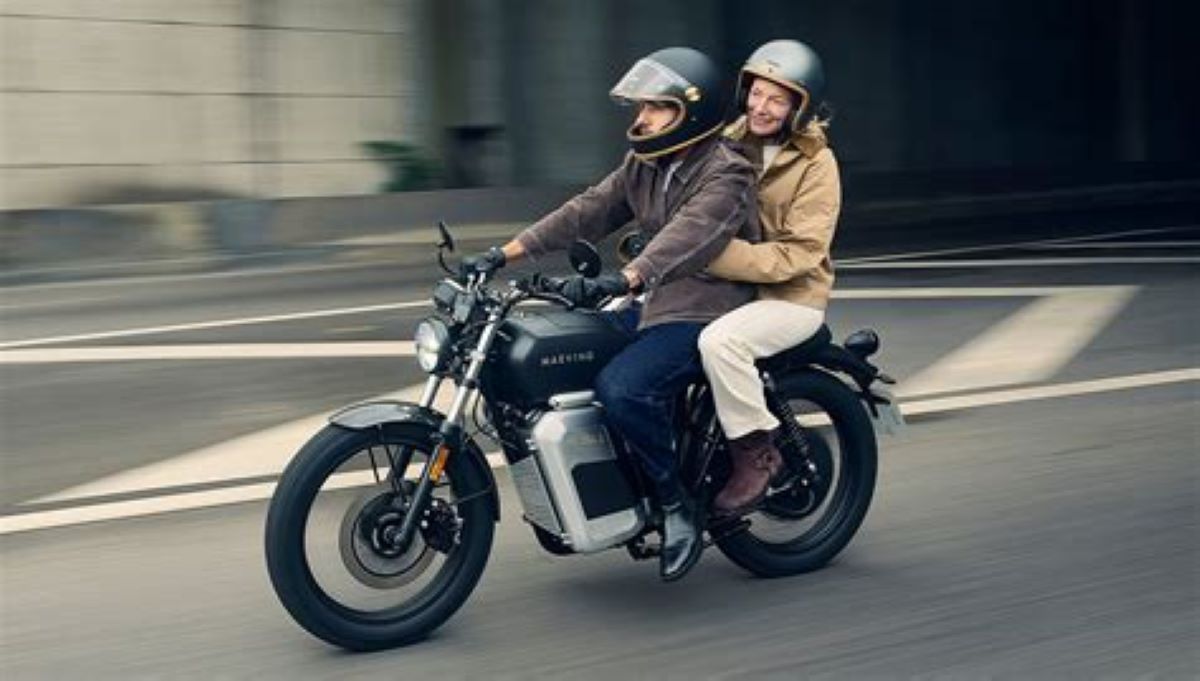
Heavily based on the CBT-friendly RM1S, the RM2 carries over the same twin removable battery setup, though it can also be charged directly from the mains, and the same hub-mounted motor, which is capable of pushing the bike to an indicated top speed of 70mph.
Where the RM2 moves Maeving’s electric story forward is in its added pillion capability and slightly more assertive ergonomics, aimed at riders looking for something a bit sportier. Despite those changes, it remains very much the Maeving electric bike MCN has grown fond of, continuing to impress with strong build quality and meticulous attention to detail.
While the RM2 is undeniably pricey for a 125cc-equivalent machine, it delivers a level of appeal that makes the cost easier to justify. It’s the kind of bike that feels special every time you open the garage door.
Lightweight and easy to manage, it’s quiet, smooth, quick off the mark, and comfortable. Thanks to Maeving’s thoughtful engineering, it’s just as enjoyable on open roads outside town as it is navigating urban streets.
The package is so well executed that, for short daily commutes, choosing electric over petrol feels like a no-brainer. Running costs are low, especially if you take advantage of cheap overnight charging, and the removable batteries eliminate concerns about limited home charging access or hunting for public chargers.
The RM2 is available to order online now, with customer deliveries beginning in November 2025. Prospective buyers can also arrange a test ride at Maeving’s Shoreditch showroom in London, and the company offers the added convenience of mobile servicing carried out at your home.
Also Read: 10 EVs With the Least Real-World Range Loss in Cold Weather
7. LiveWire S4 Honcho
The LiveWire S4 Honcho leans into fun rather than formality. Compact, playful, and versatile, it is aimed at riders who want a lightweight electric motorcycle for short trips, mixed terrain, or casual weekend riding.
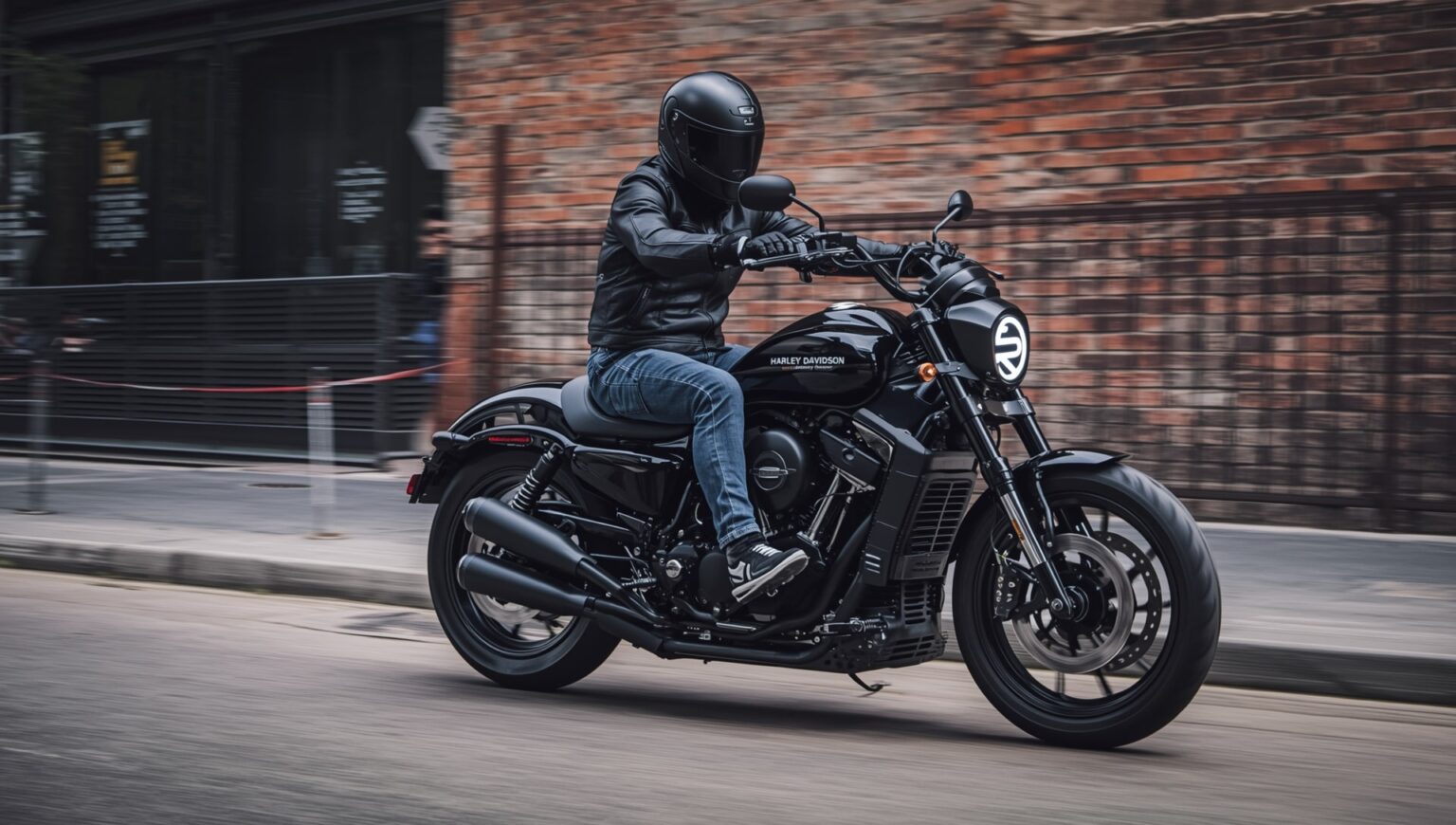
Its design suggests a blend of street and light off-road capability, making it appealing to younger riders or those looking for a secondary bike.
In a market increasingly crowded with serious performance machines, the Honcho stands out by reminding riders that electric motorcycles can simply be enjoyable without needing to replace a full-size touring bike.
8. BMW CE 04
Although technically closer to a maxi-scooter than a traditional motorcycle, the BMW CE 04 plays a critical role in the electric two-wheel ecosystem.
Its futuristic design and strong urban performance make it ideal for city commuting, especially in congested U.S. metro areas.
BMW’s focus on comfort, storage, and technology gives the CE 04 a level of polish that appeals to professionals looking for a practical alternative to cars.
As urban infrastructure continues to evolve, models like this demonstrate how electric two-wheelers can fit seamlessly into daily American life.
When the BMW CE 04 first arrived in 2021, it barely seemed believable. Its low-slung proportions and unapologetically futuristic styling made it look more like a sci-fi film prop than a production scooter.
This wasn’t simply another electric commuter, it was BMW Motorrad’s bold interpretation of what urban mobility could become. Fast-forward four years, and the CE 04 is still turning heads. For 2025, BMW has introduced a handful of smart updates, while wisely leaving its striking design largely untouched.
There are no mechanical revisions for the new model year, but buyers are now given more freedom to tailor the CE 04 to their taste. BMW has added three distinct trim levels, introduced new color options, and bundled in several genuinely useful features that enhance everyday usability.
At its core, the CE 04 remains exactly the same, and that’s a compliment. Power still comes from a permanent magnet electric motor mounted between the frame and rear wheel, producing a healthy 42 horsepower.
For something classified as a scooter, that output borders on excessive, until you experience it firsthand. Acceleration is instant, with the CE 04 sprinting to 50 km/h (around 31 mph) in just 2.6 seconds, delivering a riding experience that feels far more aggressive than its quiet demeanor suggests.
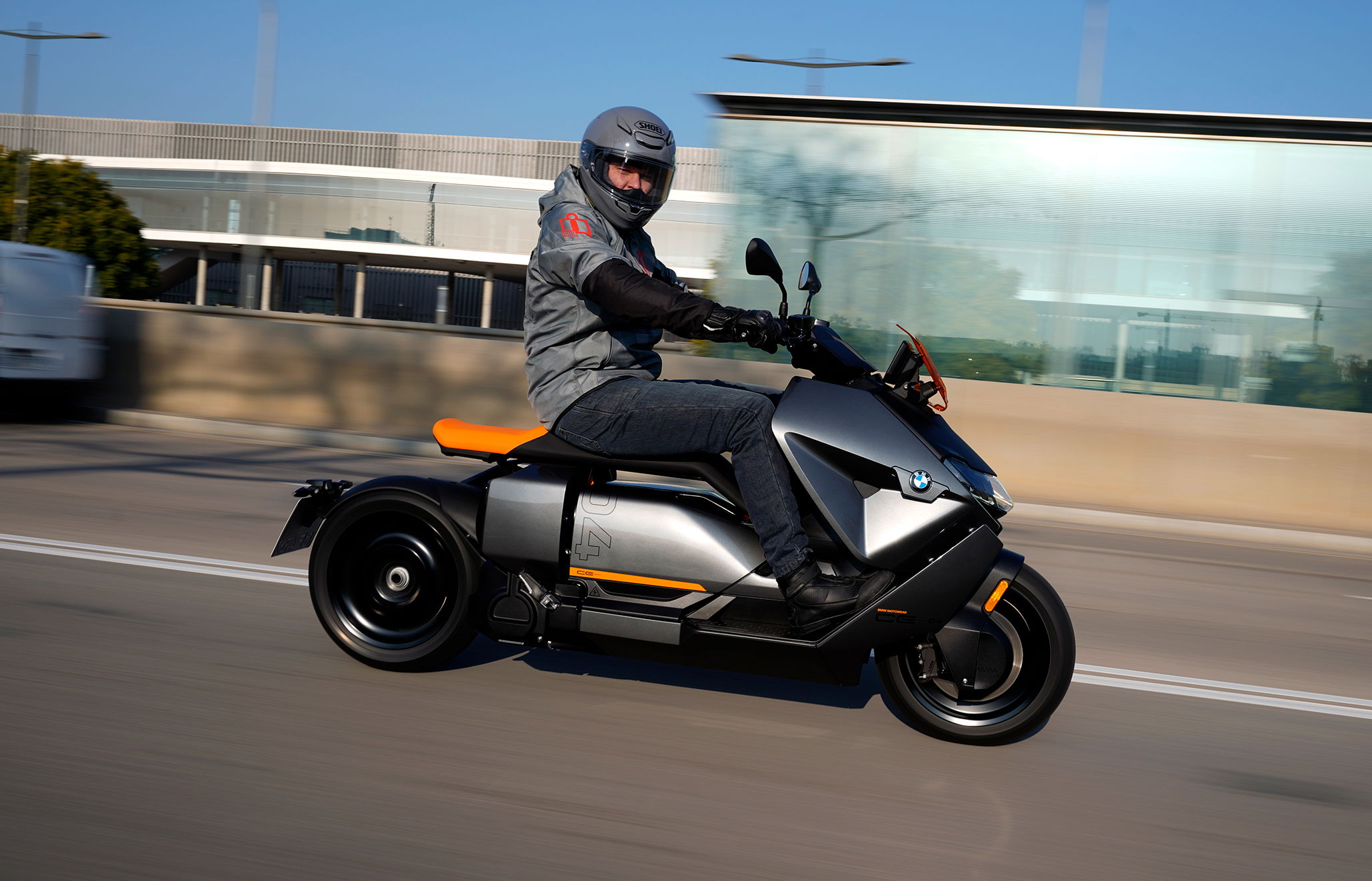
BMW also continues to offer a reduced-power 31 hp version aimed at riders with an A1 license. Despite the lower output, both variants share the same top speed of 75 mph, which is more than sufficient for city traffic and suburban stretches alike.
Range remains unchanged as well, with BMW claiming up to 130 kilometers (81 miles) on a full charge from the standard battery. Charging from a household socket takes approximately 4 hours and 20 minutes for a full refill.
However, with access to a 6.9 kW charger, charging time drops significantly, to just 1 hour and 40 minutes for a full charge, or roughly 45 minutes to reach 80 percent if you’re in a hurry.
Three Trims, Three Distinct Personalities
The biggest update for 2025 comes in the form of expanded choice. BMW now offers the CE 04 in three trims: Basic, Avantgarde, and Exclusive.
The Basic trim keeps things minimal and refined, featuring a Lightwhite body finish paired with a black and grey seat and a clear windshield. It’s the most restrained version of the CE 04, yet it still looks anything but ordinary.
Stepping up to the Avantgarde trim brings a more expressive look. Finished in Gravity Blue metallic matte with Sao Paulo Yellow accents, it also includes a yellow-tinted windshield and a laser-engraved rear wheel. It’s bold, eye-catching, and clearly designed to stand out.
At the top of the range sits the Exclusive trim, which leans into a more premium aesthetic. It comes finished in Space Silver, complemented by a taller windshield with integrated hand guards.
BMW Motorrad has ensured the CE 04 remains a technology showcase. Every model features a large 10.25-inch TFT color display, which now supports full-screen navigation maps without the need for an external phone mount or companion app. That upgrade alone significantly improves day-to-day convenience.
All lighting is LED, including animated “Welcome” and “Goodbye” sequences that activate when the scooter is powered on or off. Three riding modes, Eco, Rain, and Road, are included as standard, with a fourth Dynamic mode available as an option.
Practical features round out the package. A front storage compartment and a side-mounted storage bay large enough for a helmet add real-world convenience, and the side compartment can be accessed while seated.
9. Energica’s Next-Generation Models
Energica has earned a reputation for building some of the most powerful electric motorcycles in the world, and its upcoming models are expected to continue that trend.
Known for supplying bikes to electric racing series, Energica’s road-going machines emphasize performance and high-speed capability.
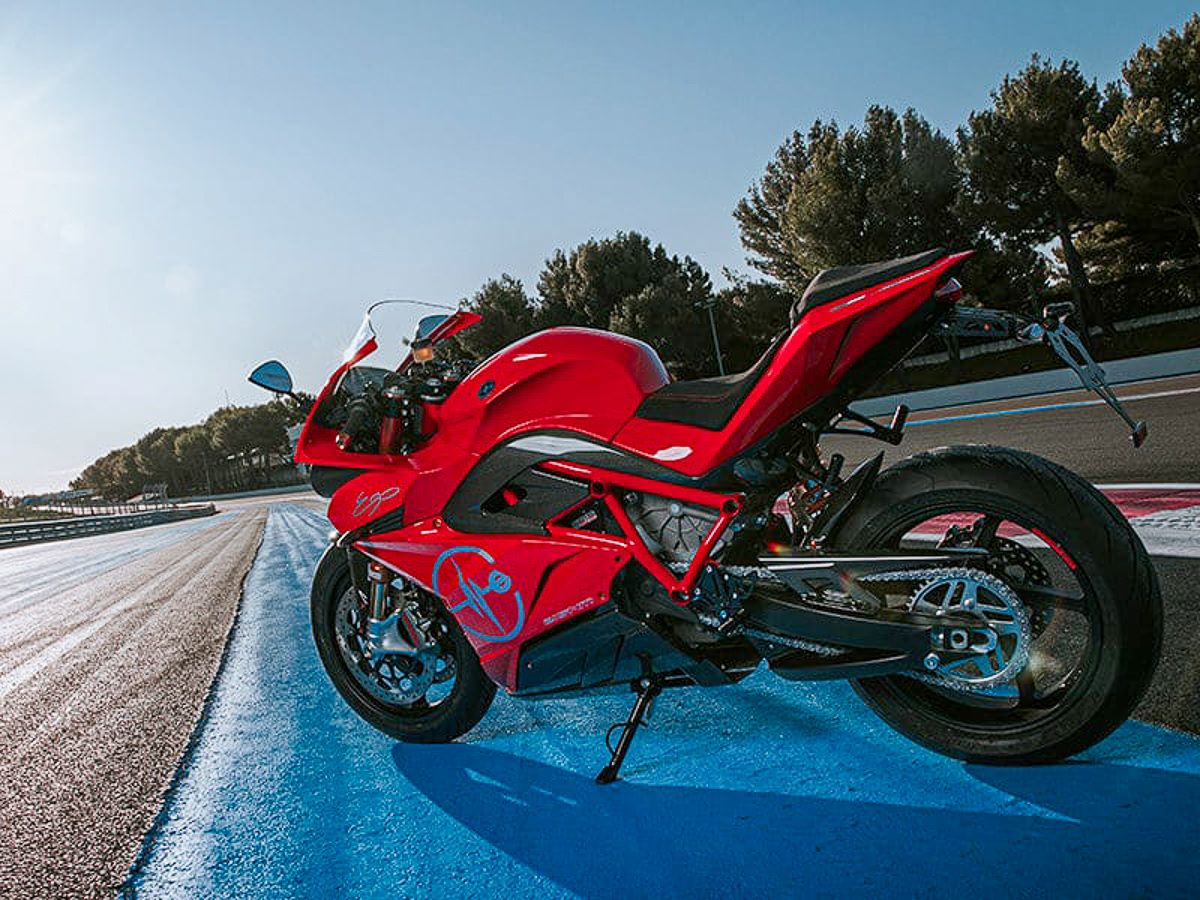
While pricing remains premium, the brand attracts riders who want no compromises in acceleration or top-end power.
In 2026, Energica’s influence will continue to push the upper limits of what electric motorcycles can achieve, especially for performance-oriented American riders.
10. Can-Am Pulse
The Can-Am Pulse represents a strategic attempt to bring electric motorcycles to a broader audience. Positioned as an approachable roadster, it focuses on balance rather than extremes.
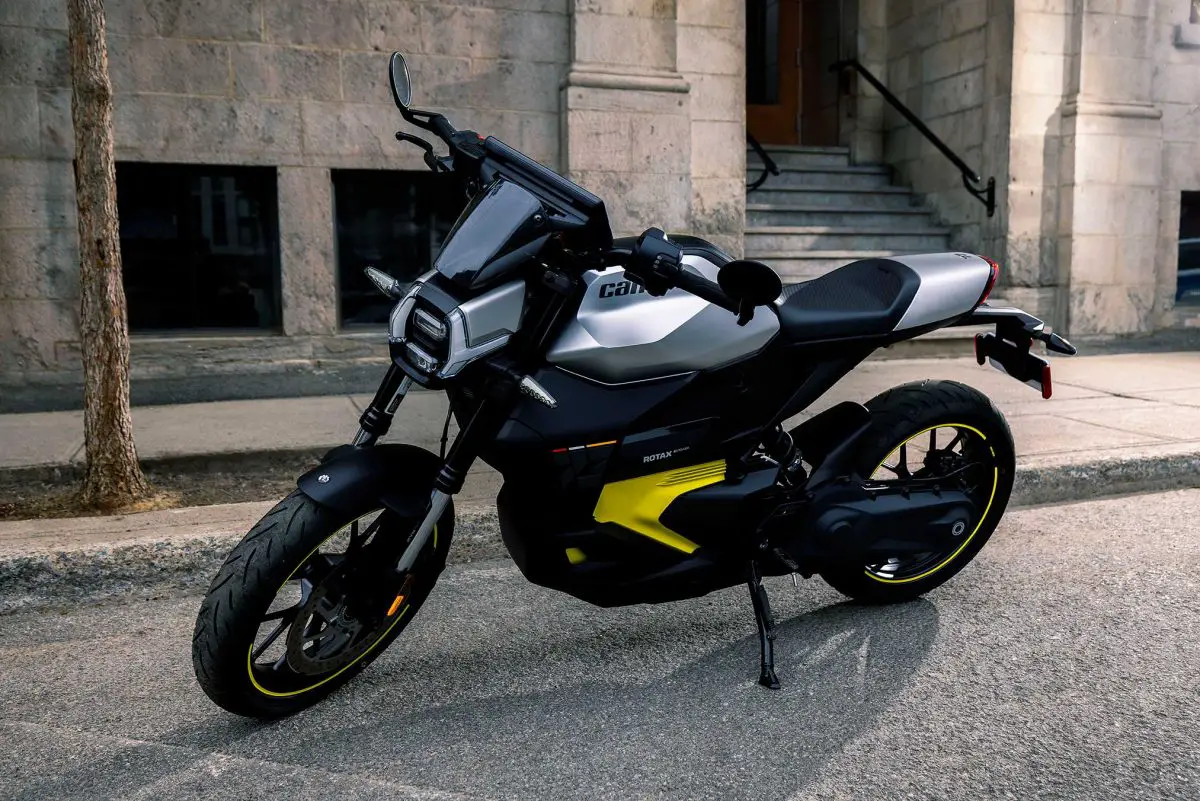
Its pricing places it within reach of riders who might otherwise consider mid-range gas motorcycles, while its design avoids intimidating new riders.
Can-Am’s entry into the two-wheel electric market adds credibility and competition, which could help drive further adoption in the U.S.
Can-Am has announced a significant price cut for its Pulse and Origin electric motorcycles. According to the company, public response to its liquid-cooled, Rotax E-Power–driven electric bikes has been strong, and the brand continues to expand its battery-powered offerings, most recently by adding the 2026 Can-Am Outlander Electric to its ATV lineup.
The headline news for Can-Am’s motorcycle division is a $3,000 reduction in MSRP across both the Pulse and Origin models. As a result, the Pulse now carries a starting price of $10,999 in Bright White.
This move builds on Can-Am’s broader push into the all-electric two-wheel market, following the long-awaited unveiling of the Origin and Pulse motorcycles.
The “motorcycle heritage” Can-Am references is substantial. Before halting motorcycle production in 1987, the brand secured multiple championships across the US and Canada, along with victories at the International Six Days Enduro.
That legacy, however, doesn’t directly translate to the new models. The street-focused Pulse and the dual-purpose Origin represent a very different philosophy.
Rather than targeting aggressive sport riding or long-distance touring, these bikes are designed as approachable, low-maintenance electric commuters, aimed at casual street riders and light off-road use, albeit with unmistakable Can-Am styling.
Can-Am’s two-wheel roots stretch back to 1972 and include an impressive resume of racing success, motocross titles, and even land-speed records. While the new electric models depart from that high-performance past, they still draw on the brand’s engineering experience and design identity.
11. Can-Am Origin
The Can-Am Origin complements the Pulse by targeting adventure-minded riders. With rugged styling and dual-purpose intentions, it hints at the future of electric adventure riding.
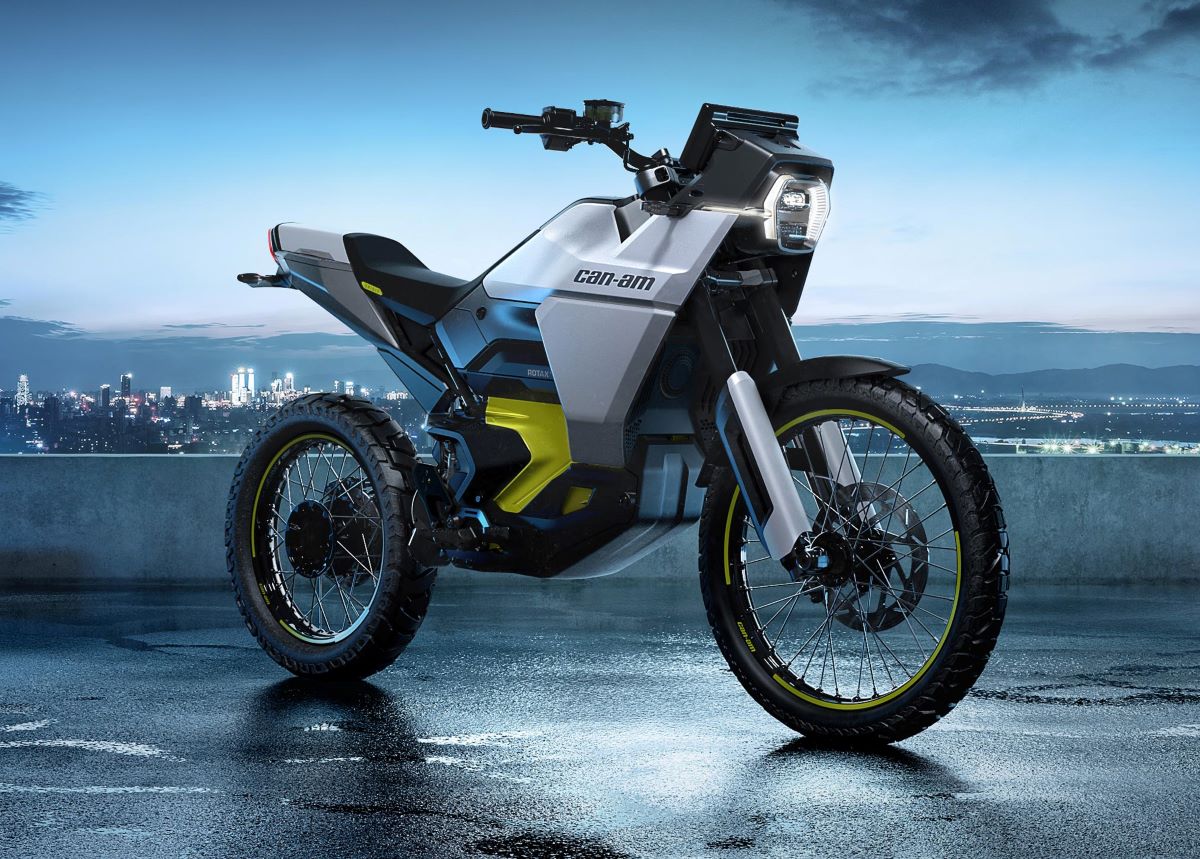
While electric bikes still face challenges in long-distance off-road use, the Origin shows how manufacturers are beginning to address those limitations.
For American riders who enjoy light trail riding and exploration, it represents an early but promising step toward electric adventure motorcycles.
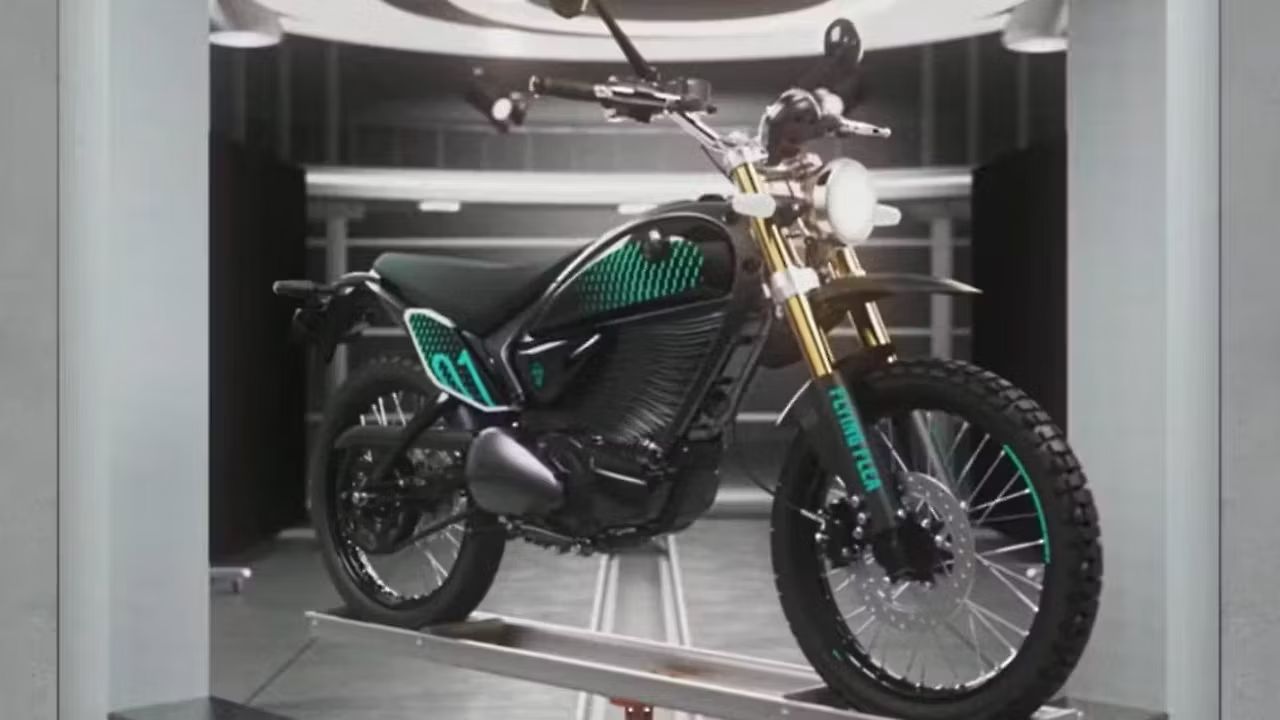
12. Royal Enfield Flying Flea FF.S6
Royal Enfield’s Flying Flea FF.S6 blends heritage styling with modern electric technology. Its scrambler-inspired design appeals to riders who value character and simplicity.
Rather than chasing high performance, it focuses on accessibility and style, making it ideal for urban and suburban environments.
For U.S. riders drawn to classic aesthetics but curious about electrification, this model offers a refreshing alternative to aggressively styled electric bikes.
By 2026, electric motorcycles are no longer defined by limitations but by choice. Riders can select models based on lifestyle, budget, and riding style rather than simply availability.
Charging infrastructure in the U.S. continues to expand, battery efficiency is improving, and manufacturers are learning how to design electric bikes that feel natural to ride.
Whether you’re a commuter looking to cut fuel costs, a performance rider chasing instant torque, or a casual enthusiast intrigued by new technology, 2026 stands as a milestone year where electric motorcycles finally feel ready for the mainstream.