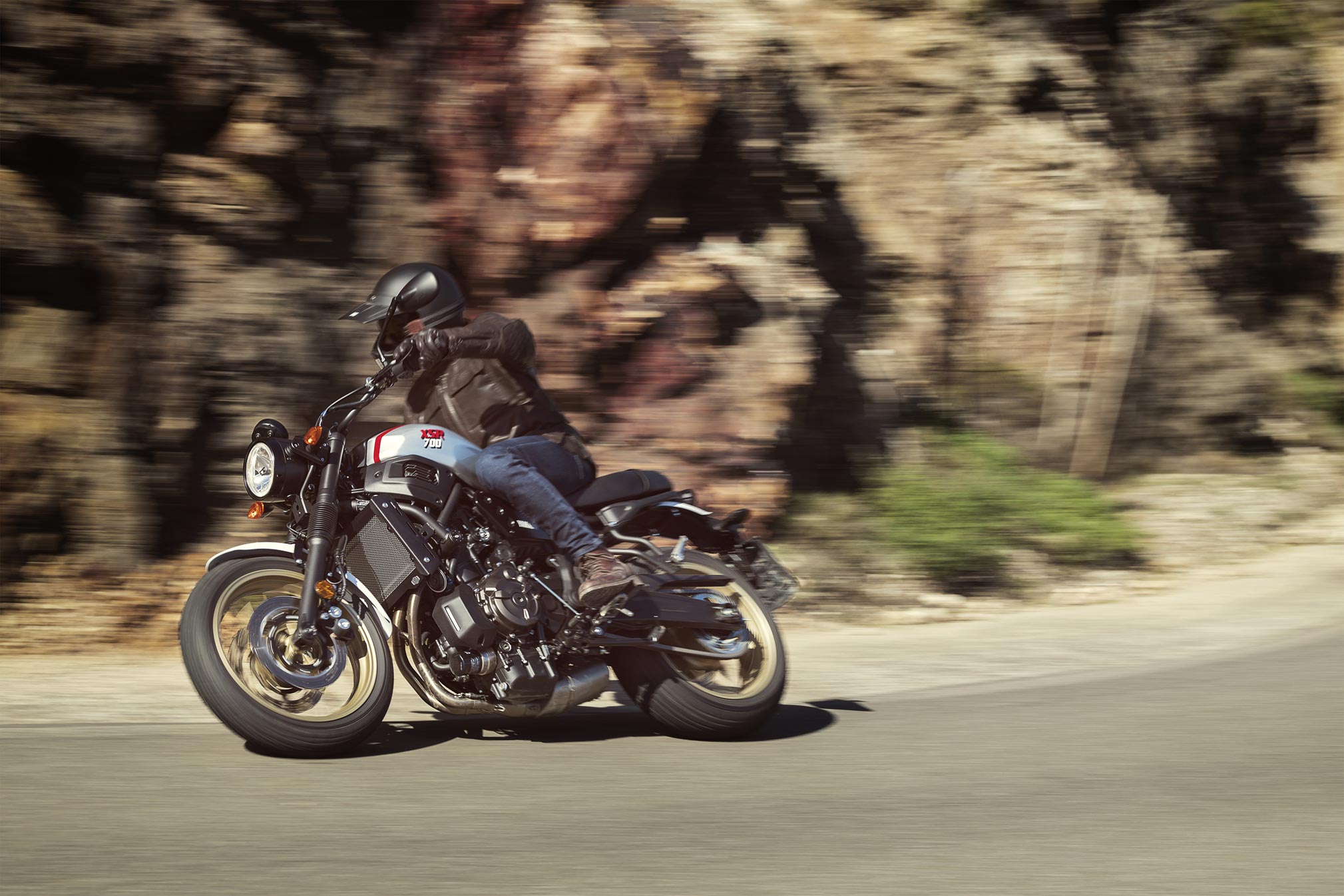
The adventure motorcycle segment has exploded in popularity over the past decade.
Big, towering bikes like the BMW GS or KTM Adventure models dominate headlines and dealership floors, promising epic cross-country rides, comfort for two-up touring, and off-road prowess.
But for many riders, the sheer size, weight, and price of these adventure machines can be intimidating. Enter the scrambler a genre that combines retro styling, lightweight agility, and versatile performance.
Scramblers don’t just look cool; they make you rethink what it really means to explore the open road. Unlike adventure bikes, which often feel like SUVs with handlebars, scramblers are nimble, approachable, and surprisingly capable off the pavement.
For riders in the U.S. who want style, fun, and utility in one package, scramblers can make oversized adventure machines look, frankly, overrated.
Here’s a look at 11 scramblers that prove less can be more when it comes to spirited riding, urban exploration, and weekend escapes into the backcountry.
1. Ducati Scrambler Icon
The Ducati Scrambler Icon is a perfect introduction to the modern scrambler craze. Its 803cc L-twin engine delivers a friendly yet exhilarating midrange punch, perfect for city commuting and twisty canyon roads alike.
What sets the Icon apart is its design: retro-inspired lines, minimalist bodywork, and a playful color palette make it a bike that draws attention wherever it goes.
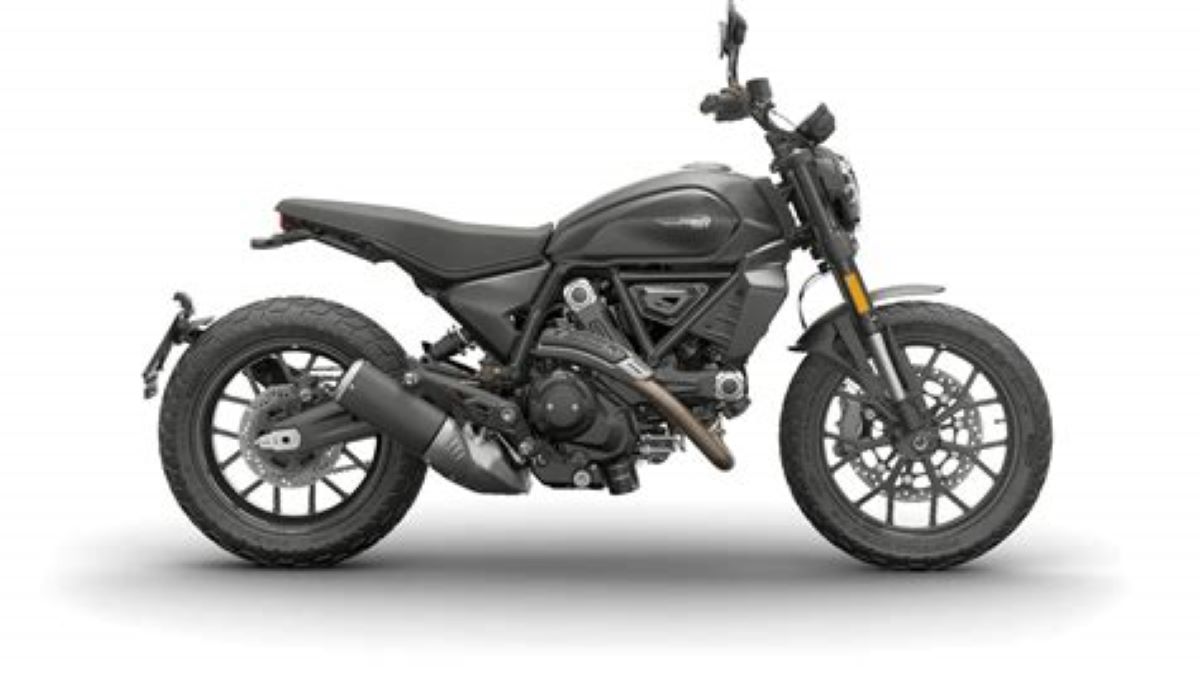
Unlike adventure bikes, which often demand strength and confidence to maneuver at low speeds, the Scrambler Icon feels light and responsive.
It’s equally at home dodging urban traffic or cruising scenic highways, proving that a smaller, lighter bike can offer a sense of freedom many larger bikes struggle to match.
2. Triumph Scrambler 1200 XC
The Triumph Scrambler 1200 XC is a more rugged, off-road-capable option that bridges the gap between a classic scrambler and an adventure machine.
Its 1200cc parallel-twin engine produces strong torque, making short climbs and dirt trails feel effortless.
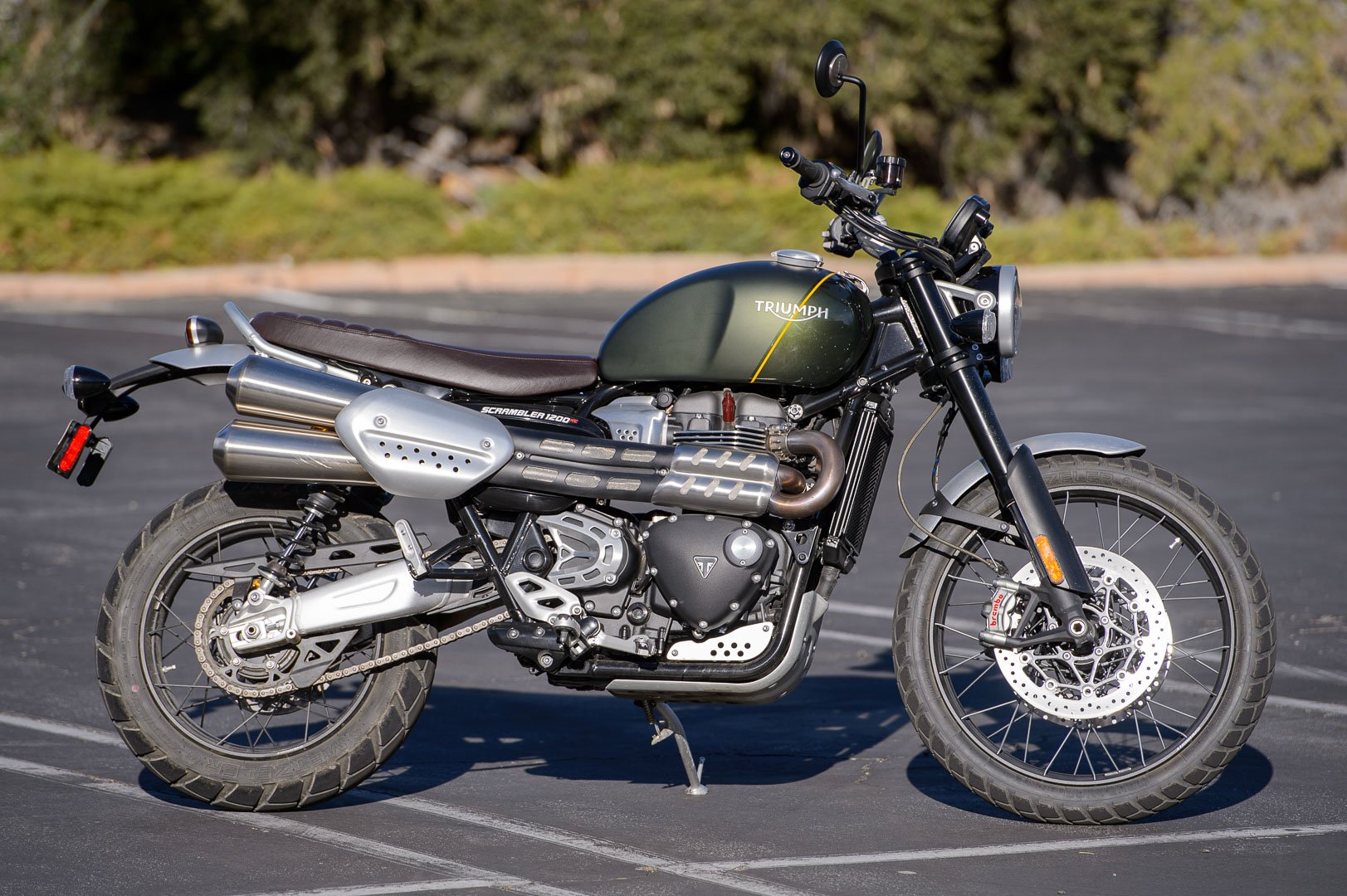
Unlike bulkier adventure bikes, the Scrambler 1200 XC offers a slim, balanced chassis that’s easier to throw around tight single-track trails.
With modern electronics, adjustable suspension, and dual-purpose tires, it proves that scramblers can handle rough terrain without feeling like a tank. Riders looking for both weekend dirt exploits and daily street use will find this bike irresistible.
According to Triumph, sales of the XE and XC models were divided by what the company describes as a “60/40 split,” and feedback gathered from customer surveys revealed a common sentiment: both versions of the Scrambler 1200 leaned a little too heavily toward performance that pushed beyond what many riders expected from the segment.
Based on our own time with the bikes, covering everything from comparison shootouts to tire evaluations and long-distance touring, we’re inclined to agree with that assessment.
When the two Scrambler 1200 models debuted for the 2019 model year, the gap between them in terms of physical dimensions, overall performance, and rider friendliness wasn’t especially wide.
As a result, Triumph has adjusted its approach. The lineup now includes a subtly updated XE that remains fully capable of handling demanding off-road conditions, while joining it is the new X.
This Scrambler 1200 variant features a lower seat height, reduced suspension travel, and a more accessible price point, all with the goal of lowering the barriers to entry for riders interested in the larger Scrambler platform.
Although there have been updates to components shared between the two Scrambler models, the overall riding experience remains familiar compared to previous iterations.
The refined yet characterful 1200cc parallel-twin engine, complete with its “Scrambler tune” and 270-degree crankshaft, continues to deliver smooth, torque-rich performance with a well-controlled and linear feel through the low- and mid-range of the rev band.
Triumph notes that a throttle body enlarged by 5 mm, along with a revised exhaust header design, helps further enhance this power delivery.
In addition, a newly developed catalytic converter is intended to reduce excess heat transfer, preventing the rider’s inner thigh from being uncomfortably baked during operation.
Much of our seat time on the 2024 models took place in cooler, damp conditions, but once the weather cleared and we were able to explore tighter, sandy canyon sections, there was no noticeable or excessive heat radiating from the exhaust system that stood out as problematic.
3. Yamaha XSR700 XTribute
Yamaha’s XSR700 XTribute is a celebration of classic scrambler aesthetics with modern reliability. Drawing inspiration from the iconic XT500 of the 1970s, it pairs retro styling with a 689cc parallel-twin engine that’s smooth and tractable.
It’s lighter than most adventure bikes, which translates to agility in urban environments and confidence on gravel roads.
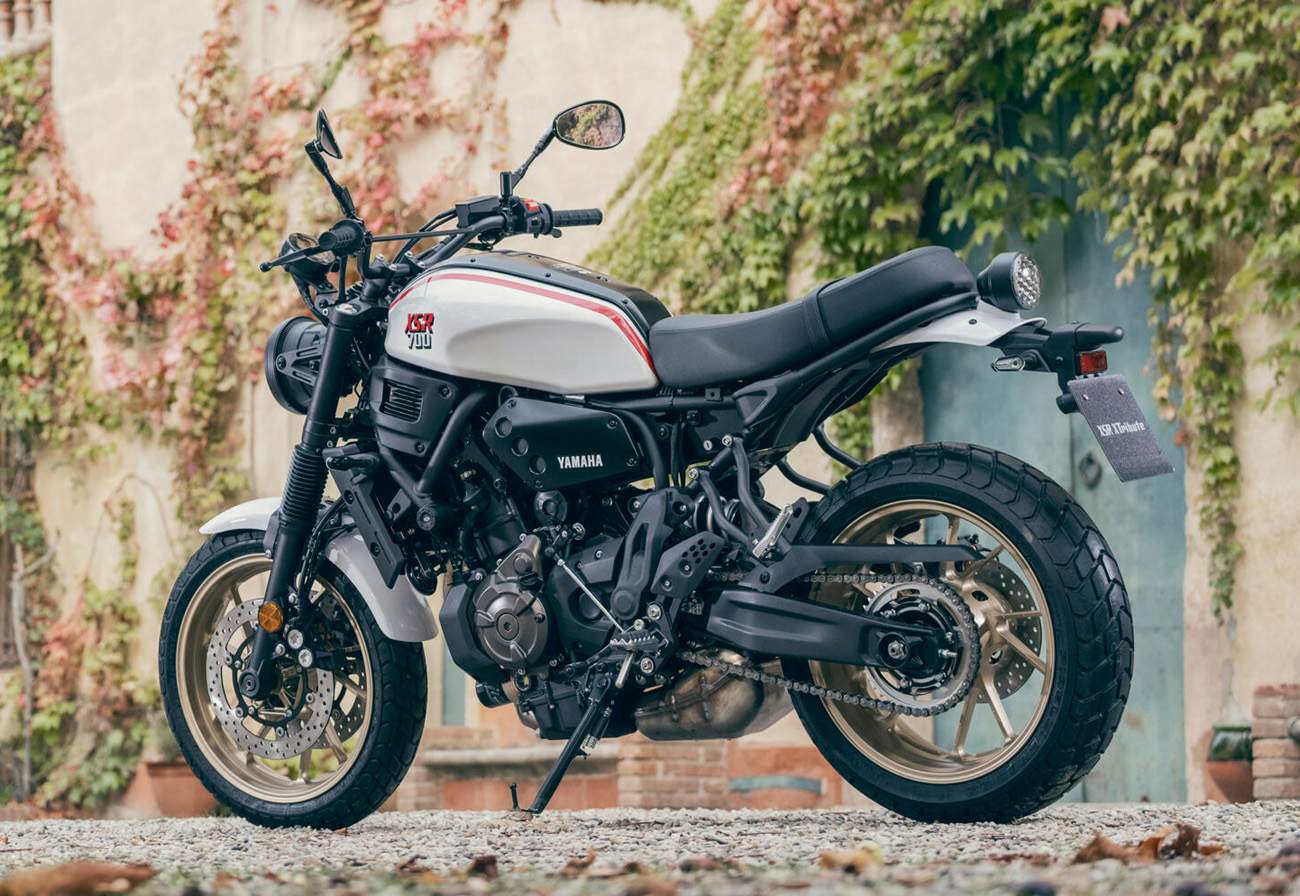
Riders who want the look of a heritage bike but the performance of a modern machine will appreciate its approachable ergonomics and manageable power delivery.
For Americans navigating both city streets and rural backroads, the XSR700 XTribute proves that scramblers don’t need big displacement to deliver a big smile.
4. BMW R nineT Scrambler
BMW might be synonymous with adventure bikes, but its R nineT Scrambler proves the brand can also craft lean, stylish street machines with off-road flair.
With a 1,170cc air/oil-cooled boxer engine, it delivers plenty of torque for spirited rides, yet the overall weight is significantly lower than the GS line.
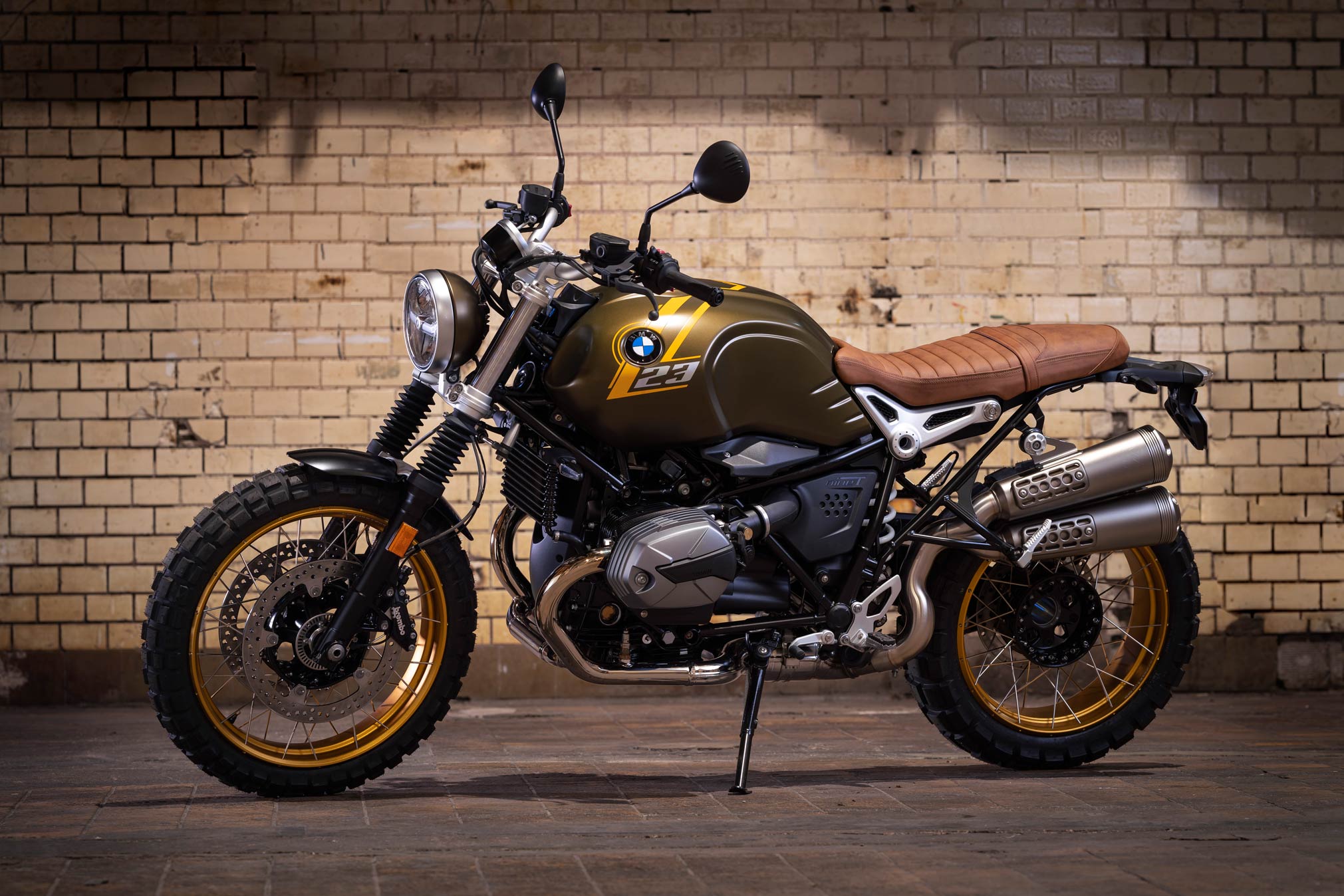
The R nineT’s minimalist approach narrow seat, high-mounted exhaust, and classic round headlight makes it a statement bike for riders who value aesthetics and handling over sheer touring capability.
It’s the kind of machine that invites weekend jaunts to twisty backroads rather than cross-country marathons, offering a purist riding experience adventure bikes often dilute with gadgets and bulk.
The air/oil-cooled 1170cc boxer Twin might not match the outright output figures of BMW’s liquid-cooled variants, but it more than compensates by delivering abundant low-end torque and a satisfyingly muscular character, paired with a dose of sporty acceleration.
Without a tachometer to reference, it takes some time to fully grasp how the engine prefers to be ridden, particularly given its unexpectedly free-revving nature and willingness to spin all the way to the rev limiter.
Over time, however, the rider begins to recognize the engine’s cues through sound and vibration, making it easier to choose the correct gear for any given riding scenario.
Our two-day ride through the rural backroads of New Jersey and the dense, chaotic streets of Manhattan was largely dominated by pavement and an abundance of potholes, but BMW thoughtfully incorporated some off-road sections that suited the character of a 500-pound scrambler.
Most of this riding leaned toward higher-speed stretches, yet when it came time to carefully navigate a sequence of muddy puddles (and my gear could hardly be described as waterproof) or abruptly slow down before darting through New York traffic, the boxer Twin handled both situations with ease.
Even when caught in a gear that was taller than ideal, the engine’s flexibility and torque made quick work of the task at hand.
5. Moto Guzzi V85 TT Travel (Scrambler Variant)
While technically a hybrid between an adventure bike and a scrambler, the Moto Guzzi V85 TT Travel in scrambler guise offers a unique Italian flair.
Its 853cc V-twin engine has a distinctive rumble and smooth torque curve, perfect for leisurely rides with a touch of off-road exploration.
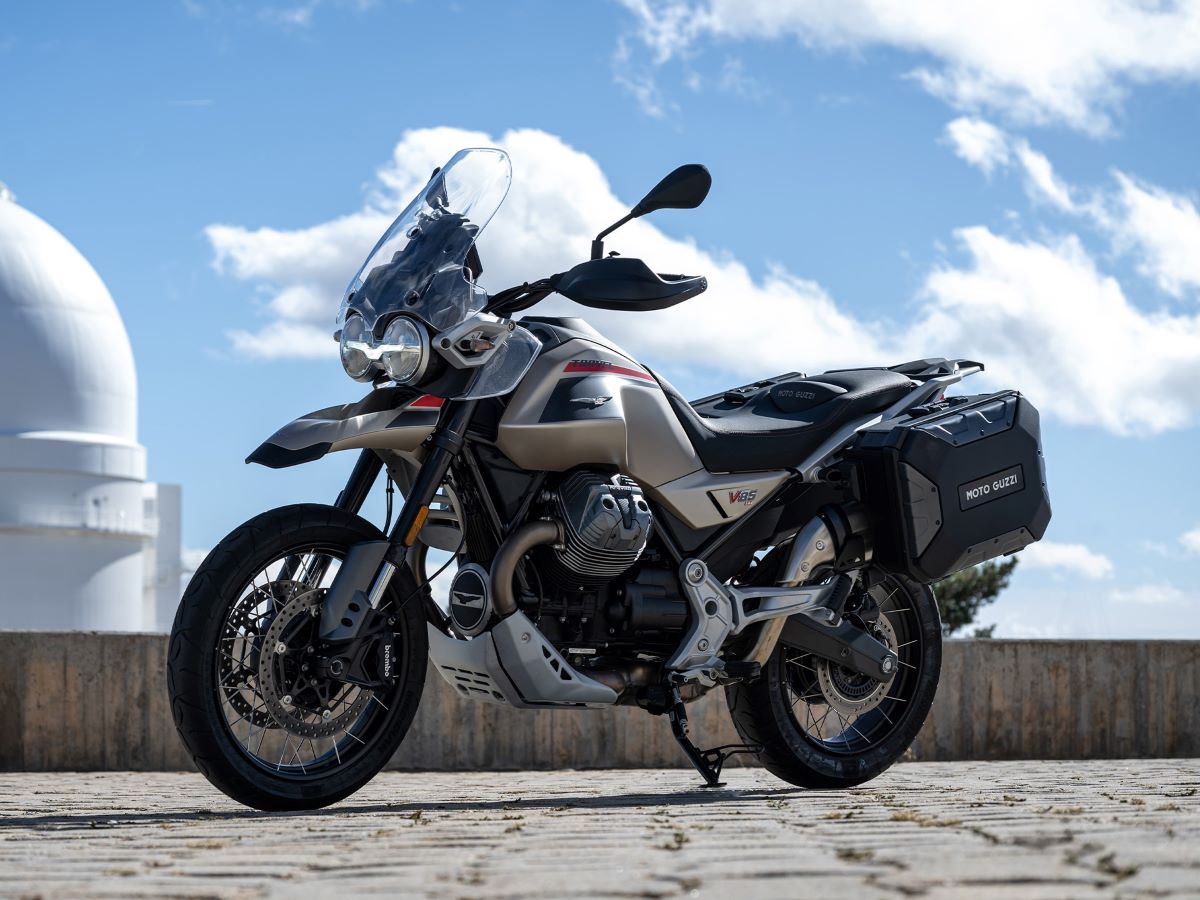
Unlike typical adventure machines, the V85 TT doesn’t overwhelm the rider with electronics or weight; it’s approachable, easy to handle, and visually striking.
For U.S. riders tired of cookie-cutter adventure bikes, its combination of retro charm, practicality, and European design cues makes it a compelling alternative.
Also Read: Top 10 Pickup Trucks Offering the Largest Cargo Beds
6. Husqvarna Svartpilen 701
The Husqvarna Svartpilen 701 is a minimalist, aggressive take on the modern scrambler. Its 692cc single-cylinder engine delivers snappy power and light, flickable handling, making it ideal for city streets or light dirt trails.
The stripped-down design emphasizes simplicity and agility, standing in stark contrast to the electronic-laden adventure bikes dominating the market.
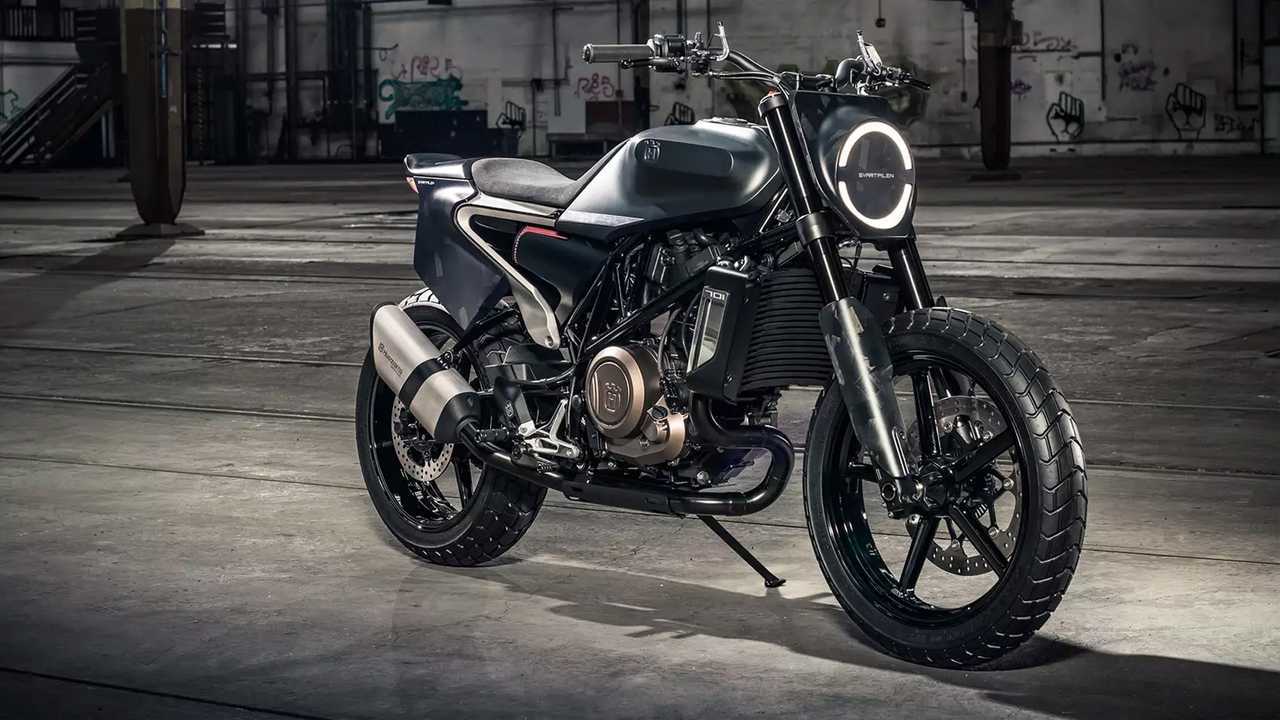
Its upright seating position and responsive suspension provide confidence for urban maneuvering while hinting at off-road capability. For riders who prioritize style, compactness, and pure fun over long-haul comfort, the Svartpilen 701 is irresistible.
Much like the Vitpilen 701 that debuted early last year, the Svartpilen 701 is built largely around the KTM 690 Duke’s tubular steel trellis chassis and its 692.7cc single-cylinder engine.
Thanks to revisions to the exhaust system, airbox, and engine mapping, output has been increased to 74bhp, which is two horsepower more than the donor motor produces.
This bump in performance earns the Svartpilen 701 the title of the most powerful production single-cylinder motorcycle currently available.
It’s difficult not to come away impressed by Husqvarna’s punchy engine, which feels far removed from the lazy, workmanlike nature often associated with big singles. Instead, it behaves more like an eager, free-revving twin, delivering performance that feels genuinely sporty.
Twist the light-action throttle and you’re met with just the right dose of sharp, motocross-inspired character.
It’s enough to remind you of the Husky’s off-road heritage, yet vibrations are well controlled, the fuel injection is flawlessly smooth, and the engine delivers its power and torque in a clean, confidence-inspiring manner.
Whether you’re wringing its neck and revving it relentlessly, or riding it at a more relaxed pace, the Svartpilen 701 feels perfectly content.
The quickshifter and autoblipper work impressively well for a single-cylinder machine, and while traction control is fitted as standard, an unmarked button on the dash, let’s call it the wheelie button, allows you to switch it off entirely.
7. Royal Enfield Himalayan Scrambler Edition
Royal Enfield’s Himalayan has long been seen as a budget-friendly adventure bike, but the scrambler-inspired editions transform it into a versatile, approachable machine.
The 411cc single-cylinder engine is modest but torquey, perfect for tight trails and city streets alike.
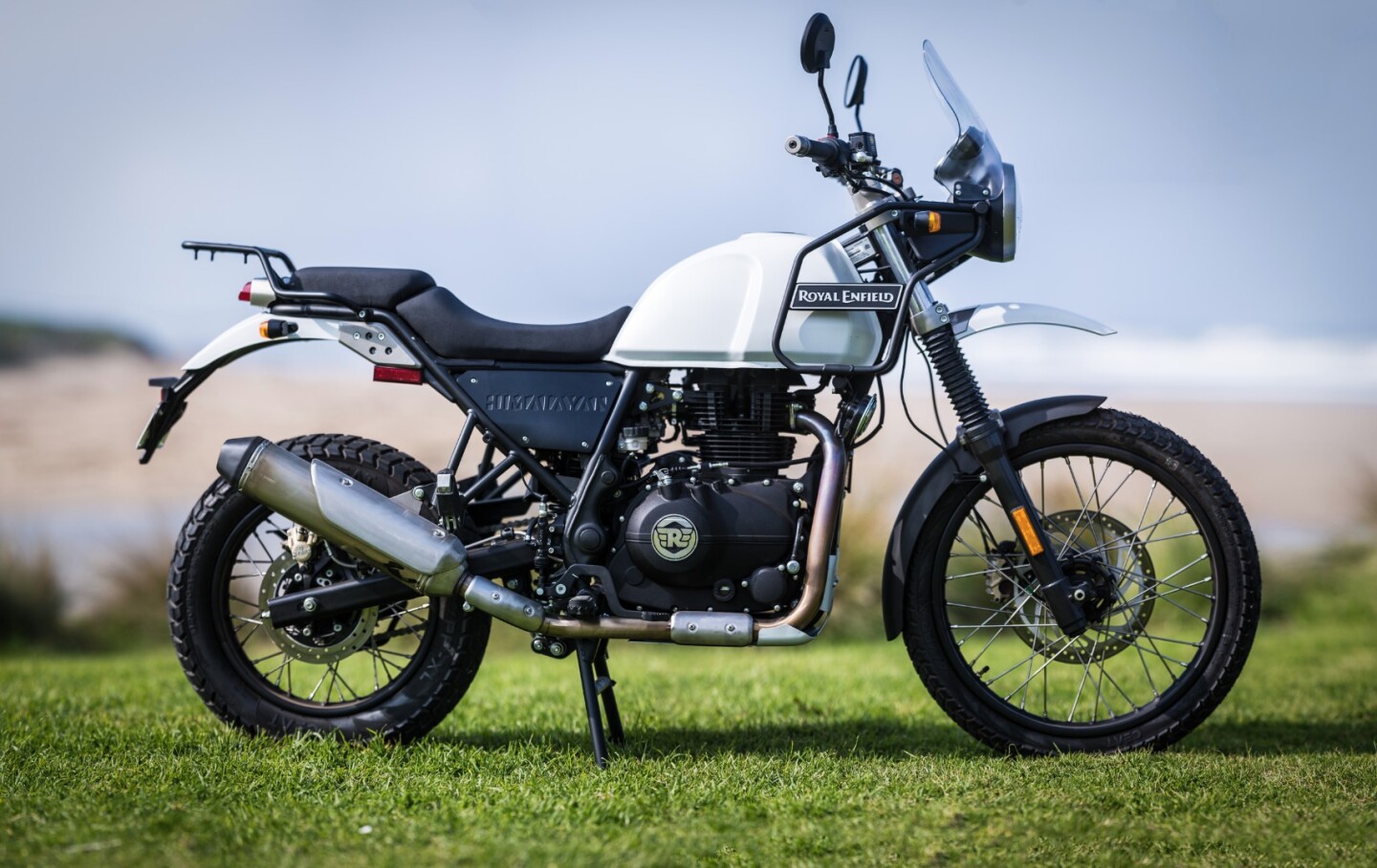
What makes the Himalayan Scrambler Edition special is its combination of low weight, rugged charm, and affordability a rare trifecta in the U.S. motorcycle market.
Riders seeking a scrambler experience without breaking the bank can enjoy this bike’s practicality and heritage-inspired styling, making adventure touring seem almost overkill in comparison.
When Royal Enfield rolled out the Himalayan 450 last year, it represented the most significant and far-reaching change the 124-year-old brand had ever made with a production motorcycle.
Central to this transformation was the completely new liquid-cooled Sherpa 450 engine, a major advancement over every previous powerplant the Indian manufacturer had produced.
This engine brought with it a host of modern engineering elements, including double overhead camshafts, a four-valve cylinder head, and a forged piston moving within a Nikasil-lined cylinder, all combining to deliver an 11.5:1 compression ratio.
Fueling duties are handled by a 42mm throttle body paired with ride-by-wire technology, working alongside an all-new electronics package that includes four distinct ride modes. Moving into the 2026 model year, this mechanical and electronic foundation remains exactly the same.
Finished in Kaza Brown, this version comes fitted with tube-type tires and carries an MSRP of $5999. Royal Enfield
The Sherpa engine is housed within a chassis engineered by the well-known Harris Performance, the acclaimed frame design firm that Royal Enfield acquired back in 2015. The Himalayan 450 features a twin-spar tubular-steel frame mated to a steel swingarm.
Up front, suspension is handled by a nonadjustable 43mm Showa inverted fork offering 7.9 inches of travel, while the rear is supported by a Showa shock with adjustable spring preload and the same 7.9 inches of travel.
Stopping power comes from a two-piston ByBre caliper squeezing a 320mm front brake disc, complemented by a single-piston caliper working on a 270mm rear disc. Both brakes operate through a two-channel ABS system, with the option to disable ABS at the rear wheel.
Completing the feature list is a round 4-inch Tripper TFT full-color display, which supports smartphone connectivity, media control functions, and full-map navigation powered by a Google-based navigation engine.
CW’s Blake Conner summed up the Himalayan 450’s on- and off-road capability by stating, Make no mistake, this is a legitimate ADV bike.
It may be scaled down and relatively simple compared to the bulk of the market’s offerings, but that in and of itself gives it a foot up in certain situations, especially off-road, where low weight and agility count a lot more than raw power.
8. Fantic Caballero Scrambler 500
Fantic’s Caballero Scrambler 500 is a hidden gem for U.S. riders seeking a small, nimble, yet capable machine.
Its 500cc single-cylinder engine provides a lively midrange, while the lightweight chassis allows for confident handling on twisty roads or fire trails.
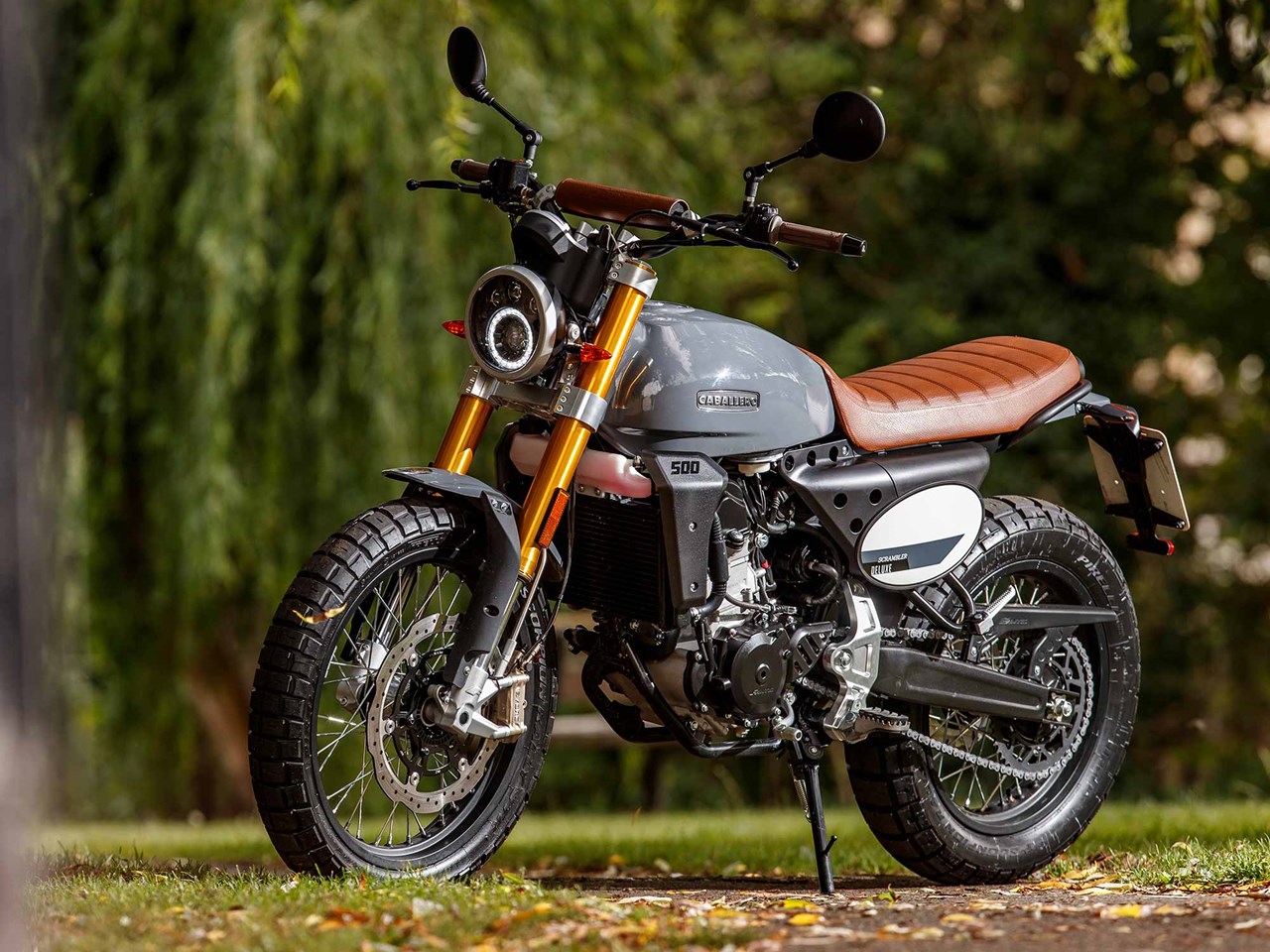
With classic styling cues high exhaust, flat seat, and minimal bodywork it captures the essence of vintage scramblers without sacrificing modern performance.
For those who find adventure bikes cumbersome and intimidating, the Caballero 500 delivers similar versatility with half the size and twice the grin factor.
9. Kawasaki W800 Street Scrambler
Kawasaki’s W800 Street Scrambler combines retro elegance with reliable modern engineering. The 773cc air-cooled parallel-twin produces smooth, linear power that’s satisfying at any pace.
Its styling, inspired by 1960s Japanese motorcycles, emphasizes clean lines, chrome accents, and a timeless profile.
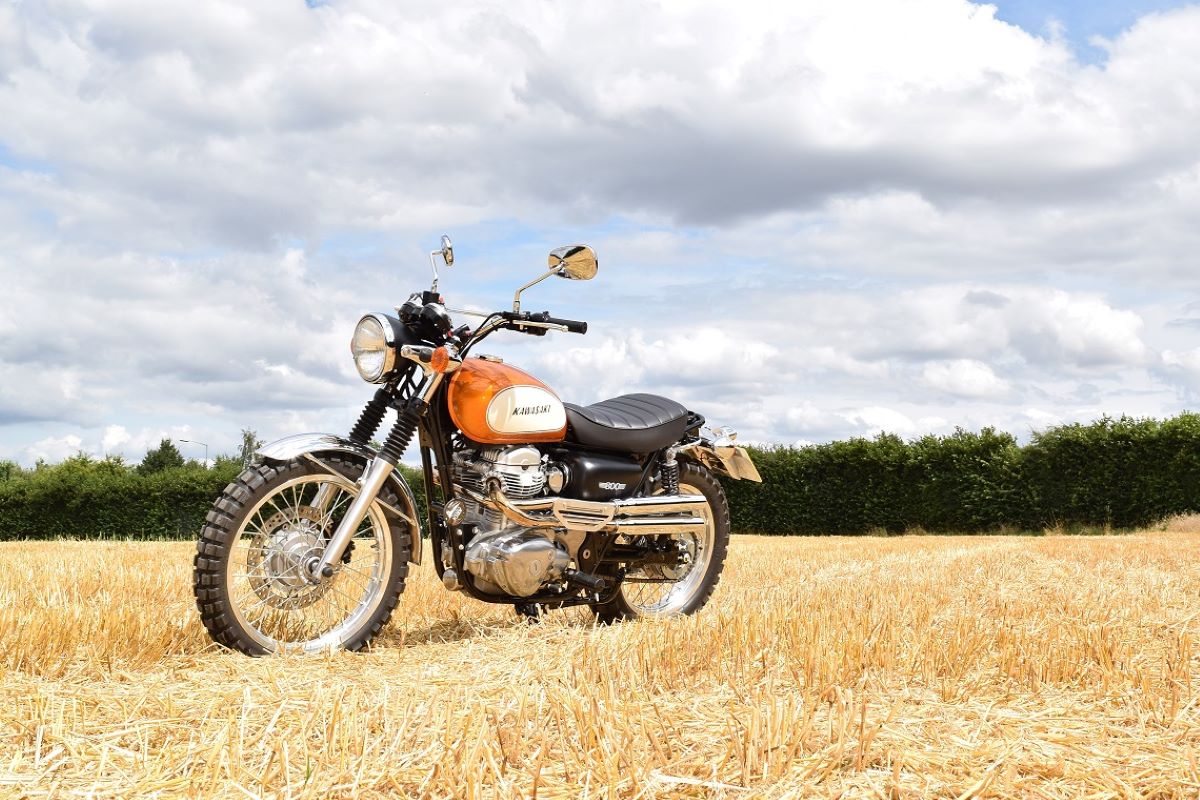
Unlike adventure bikes, which can feel like they require a manual on how to ride, the W800 is intuitive, approachable, and purely enjoyable.
It’s a motorcycle that encourages riders to explore their surroundings without overthinking gears, electronics, or suspension modes.
The W800 ABS stands as the closest modern interpretation of the look and feel of Kawasaki’s original and iconic 1966 W1.
While it has been thoroughly updated to meet modern standards, it still delivers the unmistakable character of a 1960s-era motorcycle, complete with the heartbeat of a rich-sounding, retro air-cooled vertical twin engine.
That 1960s influence is deeply embedded in the Kawasaki W800 ABS retro classic motorcycle, which delivers class-leading authenticity in its styling, sound, and overall riding experience.
As a faithful homage to the legendary W1, the contemporary W800 ABS has been carefully crafted to honor its roots while seamlessly integrating modern technologies and conveniences.
The 2025 W800 ABS is powered by a 773cc air-cooled vertical twin engine and comes equipped with an Assist & Slipper Clutch, a traditionally styled exhaust system, and W1-inspired design details throughout.
Additional features include disc brakes with ABS, chrome-plated steel fenders, large round turn signals, a standard handlebar, a 19-inch front wheel paired with an 18-inch rear wheel, a relaxed and upright riding posture, silver alumite rims, a tuck-and-roll seat, and a frame developed using Kawasaki Advanced Dynamic Analysis.
The spirit of the 1960s continues to define the Kawasaki W800 retro classic lineup. With every twist of the throttle, its legendary heritage is impossible to ignore.
By preserving its original classic styling, the W800 commands the same admiration and respect it did decades ago. True icons never fade away, and the Kawasaki W800 proves that it remains very much alive and relevant today.
10. SWM Outlaw 500
The SWM Outlaw 500 is an under-the-radar scrambler that deserves more attention in the U.S. market.
Its 478cc single-cylinder engine balances manageable power with lightweight handling, perfect for riders who want a versatile urban/off-road bike without the intimidation factor of a full-size adventure machine.
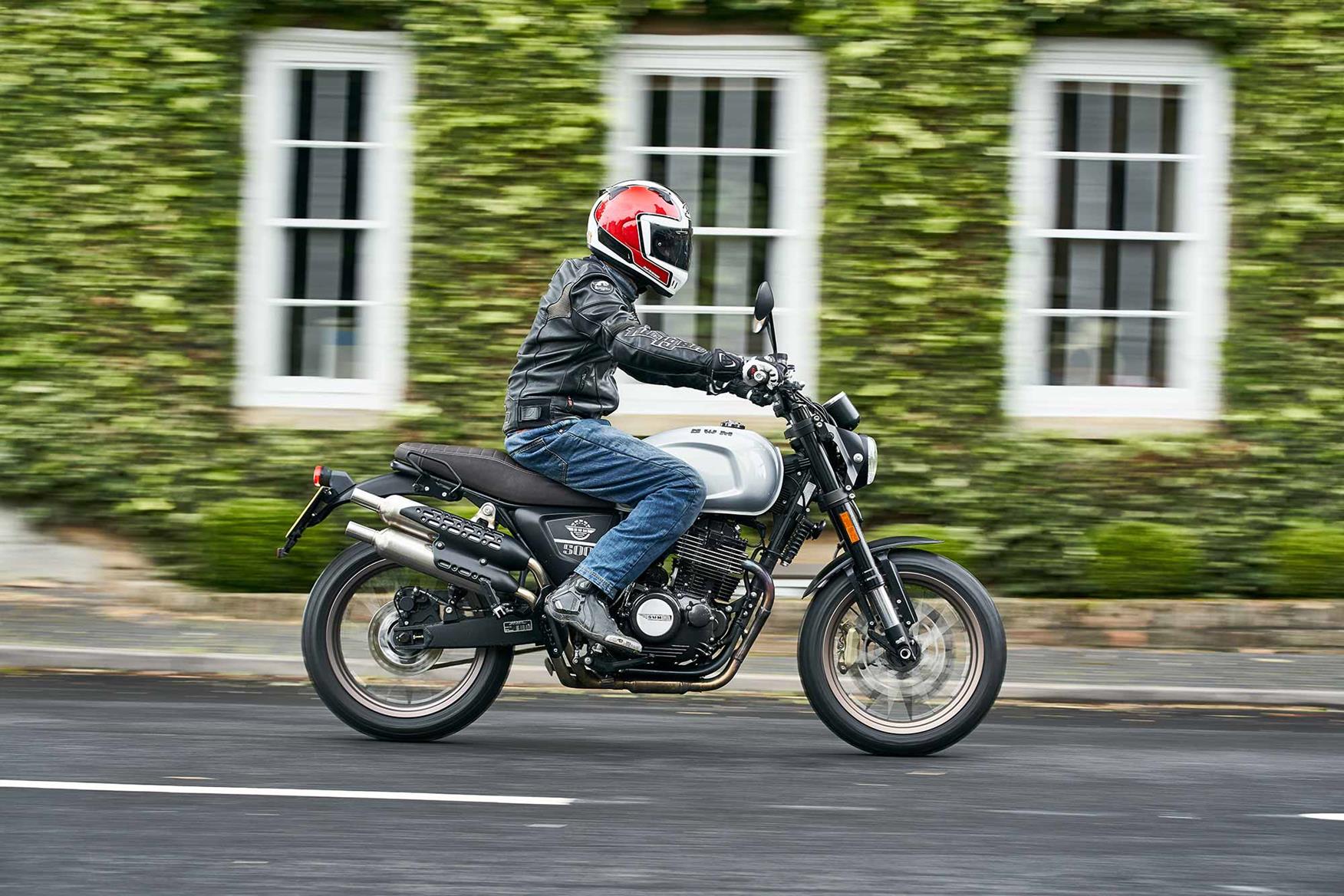
Its minimalist bodywork, high-mounted exhaust, and retro graphics make it visually appealing, while the upright ergonomics and responsive suspension provide confidence across various terrains.
The SWM Outlaw serves as an appealing gateway into the retro motorcycle segment. Priced competitively and fitted with a generous selection of quality components, it doesn’t compete directly with models like the Triumph or Ducati Scrambler, nor does it ever suggest that it does.
Producing just 30bhp, the Outlaw’s single-cylinder engine offers more than enough shove for urban riding and acts as a welcome counterpoint to high-speed, aggressive weekend rides spent tucked in over the tank.
In urban environments, the light clutch action, slim fuel tank, and low seat height make the Outlaw an easygoing and unintimidating option for slicing through traffic. These traits also make it especially suitable for shorter riders and those new to motorcycling.
The thickly padded dual seat adds a welcome level of comfort on longer journeys, although taller riders may find the riding position slightly cramped. The 805mm seat height combined with relatively high footpegs could lead to discomfort over extended periods for those with longer legs.
Stopping power is provided by a strong four-piston, radially mounted Brembo front brake caliper. This premium component adds a touch of sophistication and allows the bike to scrub off speed quickly, smoothly, and with a high degree of control.
ABS intervention is subtle, only making itself known during aggressive braking on particularly uneven or rutted road surfaces. The capable Brembo setup works in harmony with the high-quality Pirelli tires, which dig into the tarmac with confidence and intent.
Under braking, front-end dive is kept well in check thanks to well-damped 43mm fully adjustable upside-down forks. In their standard settings, they do an effective job of smoothing out most imperfections in the road surface.
Supporting this setup are adjustable twin rear shocks, which not only complete the Outlaw’s classic aesthetic but also inspire confidence that the bike could handle the occasional light off-road excursion if called upon.
11. CCM Spitfire Scrambler
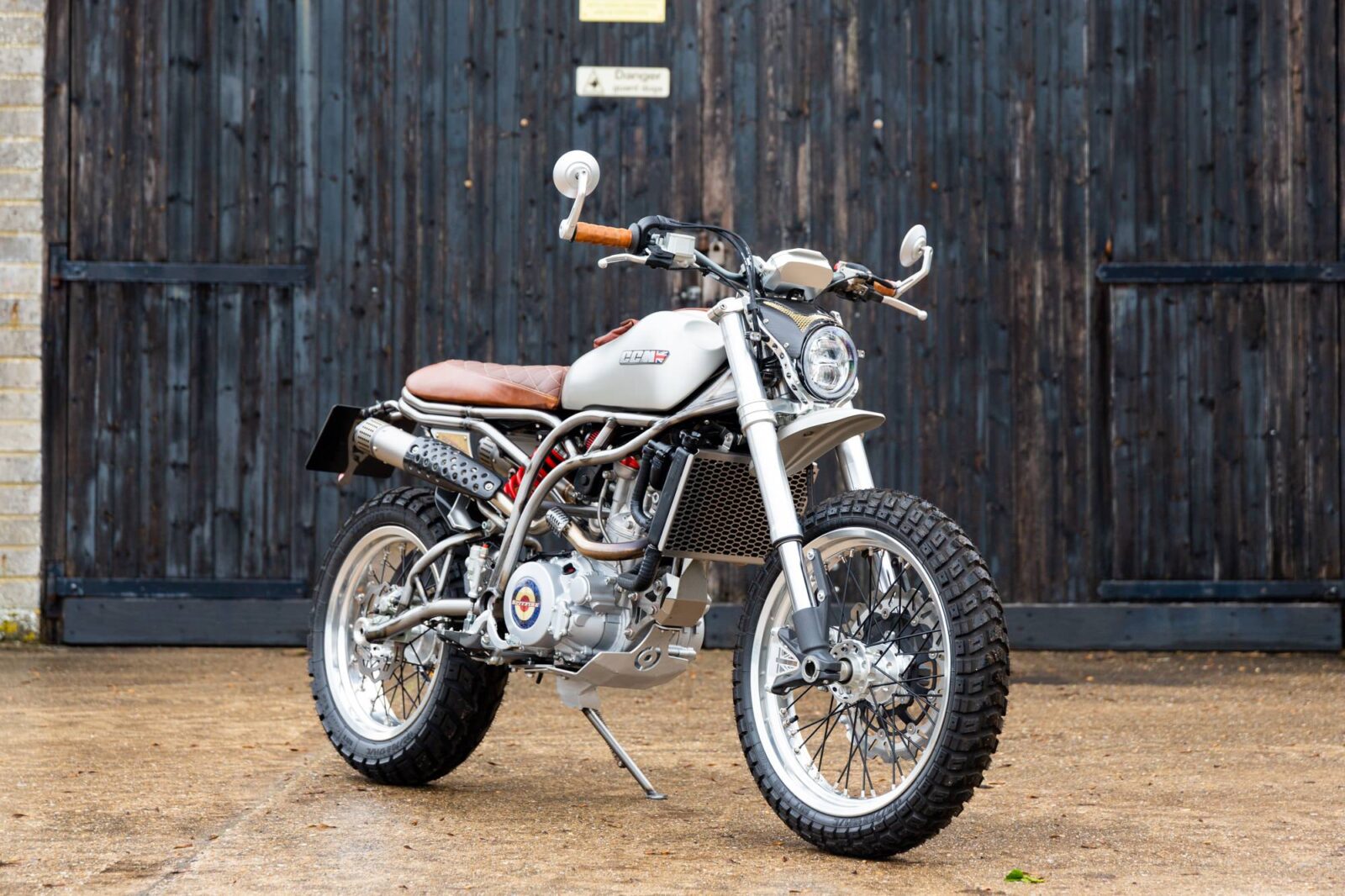
Finally, the CCM Spitfire Scrambler from the U.K. brings a bespoke, almost artisanal approach to the scrambler concept. Its 600cc single-cylinder engine is lightweight yet potent, while the hand-built frame emphasizes agility and feedback.
CCM’s design philosophy rejects excess no overcomplicated electronics, no heavy panniers, just pure rider engagement.
The Spitfire Scrambler exemplifies what makes scramblers so compelling: freedom, style, and performance distilled into a bike that feels like an extension of the rider, not a bulky adventure machine that dominates its operator.
Adventure bikes promise long-haul capability, high-tech gadgets, and off-road potential, but they often come at a cost: weight, complexity, and intimidation. Scramblers, by contrast, distill the riding experience to its core pleasures agility, accessibility, and aesthetic appeal.
For U.S. riders navigating urban congestion, weekend gravel trails, or scenic two-lane highways, scramblers offer a more direct, approachable, and often more enjoyable experience.
They prove that adventure isn’t about having the biggest bike or the most suspension travel it’s about connection, freedom, and style.
From the Ducati Icon’s playful charm to the CCM Spitfire’s bespoke performance, scramblers are more than just “cute retro bikes.”
They’re versatile, fun, and perfectly capable machines that make even the most celebrated adventure bikes seem oversized and overcomplicated.
Whether it’s urban commuting, weekend escapes, or light off-road exploration, scramblers deliver an intoxicating blend of performance, personality, and practicality that adventure machines often fail to match.
For riders ready to rethink their idea of “adventure,” these 11 scramblers provide a compelling answer: less weight, more style, and a riding experience that reminds us why motorcycles are magical in the first place.