
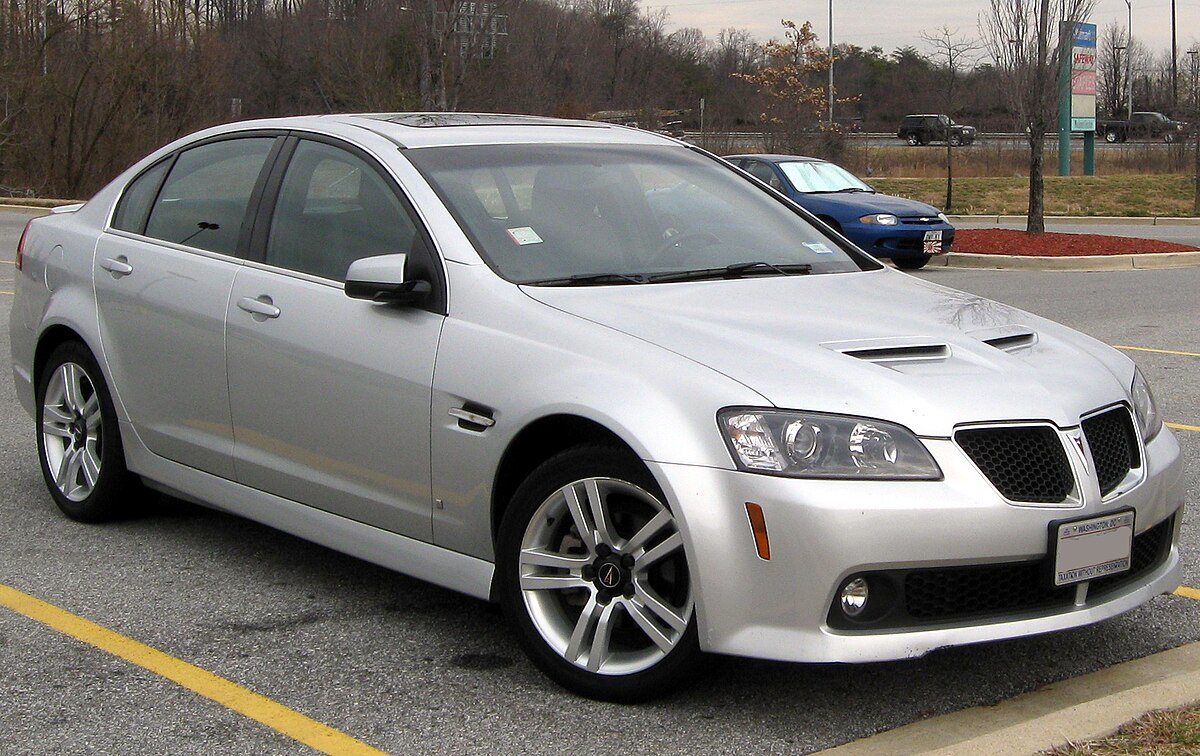
Pontiac built its reputation around speed, attitude, and a refusal to play it safe. While other American brands often focused on comfort or conservative styling, Pontiac chose performance as its identity.
From the early days of the muscle car era to the final years before the brand closed its doors, Pontiac vehicles consistently appealed to drivers who wanted excitement behind the wheel. These were cars designed not just to get from one place to another, but to deliver a feeling of power every time the throttle was pressed.
What made Pontiac special was its ability to combine raw engine performance with bold design. Hood scoops, aggressive front ends, and muscular body lines were not added as decoration alone. They reflected what lived under the hood.
Large displacement V8 engines, race inspired suspensions, and driver focused interiors made Pontiac cars feel alive in a way few competitors could match. Even when emissions rules and fuel crises challenged the industry, Pontiac continued to push performance wherever possible.
Pontiac also understood the emotional side of driving. Many of its most legendary cars became symbols of rebellion and freedom.
These vehicles were embraced by racers, street enthusiasts, and everyday drivers who wanted something more exciting than a standard family car. Over time, several Pontiac models grew into true icons, remembered long after production ended.
This list highlights ten of the greatest Pontiac performance legends ever built. Each car earned its place through speed, engineering, and lasting influence on automotive culture.
These are machines created for speed lovers who appreciate power, sound, and unmistakable American character. Together, they represent the heart and soul of what Pontiac stood for at its peak.
Also Read: 10 SUVs Discontinued for 2025 That Deserved a Longer Run
1. Pontiac GTO Judge (1969)
The 1969 Pontiac GTO Judge stands as one of the most celebrated muscle cars in American history. It was built during the peak of the muscle era, when performance ruled showrooms and horsepower numbers mattered more than fuel economy. Pontiac created the Judge as a more aggressive and youthful version of the already powerful GTO.
Under the hood, the GTO Judge delivered serious performance. Buyers could choose from several engines, including the legendary Ram Air III and the even more potent Ram Air IV. These V8 engines produced massive torque, allowing the car to launch hard from a standstill and dominate straight line races. The sound alone was enough to turn heads at any stoplight.
The Judge package was more than just power. Pontiac gave the car a bold visual identity. Bright colors like Carousel Red, large rear spoilers, and distinctive decals made the Judge impossible to ignore. This was a car meant to be seen and heard, reflecting the confidence of late 1960s performance culture.
On the road, the GTO Judge offered a surprisingly balanced driving experience. Its suspension was tuned for aggressive driving, helping it handle corners better than many of its muscle car rivals. While it was still a heavy car by modern standards, it felt planted and predictable when pushed hard.
Inside the cabin, Pontiac focused on the driver. Clear gauges, supportive seats, and a performance oriented layout made it feel purposeful. It was not overly luxurious, but it felt right for a car built around speed and excitement.
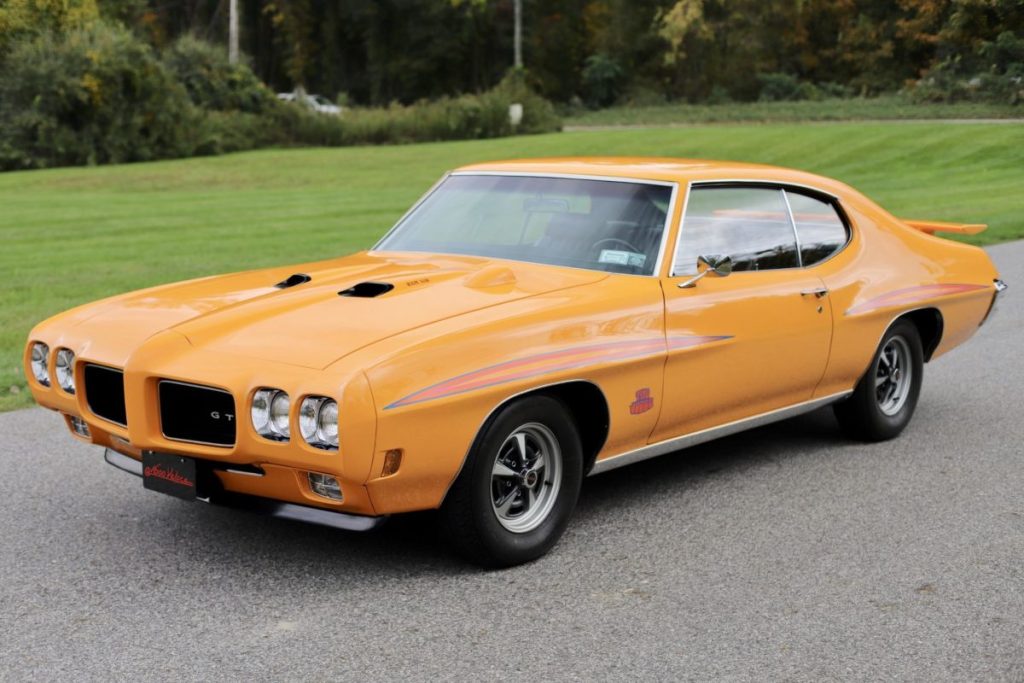
Today, the 1969 GTO Judge is one of the most valuable Pontiac models ever produced. Collectors prize it for its performance, styling, and historical importance. It represents the moment when Pontiac fully embraced its role as a performance leader and created a legend that still defines the brand decades later.
2. Pontiac Firebird Trans Am (1977)
The 1977 Pontiac Firebird Trans Am became a cultural icon as much as a performance car. Released during a time when emissions regulations had reduced horsepower across the industry, the Trans Am still managed to stand out as a symbol of American muscle and style.
Its aggressive appearance played a huge role in its popularity. The massive hood bird decal, wide stance, and flared fenders gave the Trans Am an intimidating presence. Few cars of the era looked as bold or as confident on the road.
Performance came from Pontiac’s V8 engines, with the 6.6 liter unit being the most desirable. While horsepower numbers were lower than earlier muscle cars, the Trans Am still delivered strong torque and a thrilling driving experience. It was fast enough to satisfy enthusiasts while remaining usable for daily driving.
The Trans Am was not just about straight line speed. Pontiac improved suspension tuning, allowing the car to handle corners better than many competitors. This made it appealing to drivers who wanted a more complete performance package rather than just raw acceleration.
Inside, the cockpit felt sporty and focused. Deep bucket seats, a full gauge cluster, and a driver centered layout made the car feel special. The long hood and low seating position enhanced the sense of speed even at moderate speeds.
The 1977 Trans Am gained legendary status through popular culture, especially after its appearance in major films and television. This exposure helped cement its image as a rebellious performance machine.
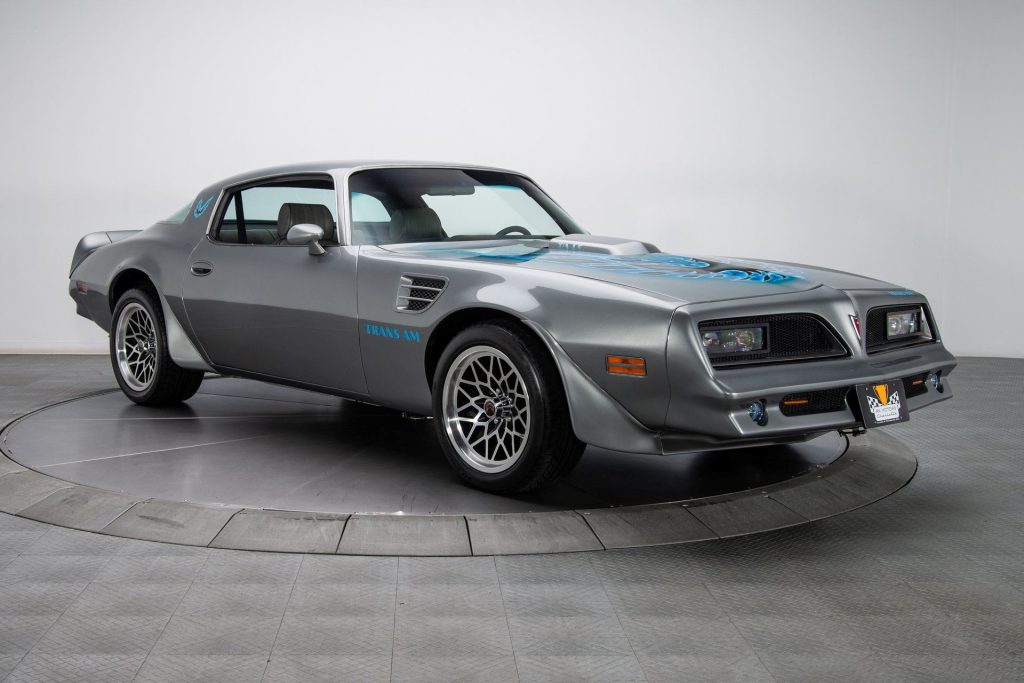
Today, the 1977 Firebird Trans Am is remembered as the car that kept the muscle spirit alive during difficult times. It remains one of the most recognizable and beloved Pontiacs ever built.
3. Pontiac Firebird Trans Am SD-455 (1973)
The 1973 Pontiac Firebird Trans Am SD-455 was built at a turning point in American performance history. Emissions rules were tightening, insurance costs were rising, and many muscle cars were losing their edge. Pontiac responded by creating one of the most serious factory performance cars of the decade.
At the heart of the SD-455 was a specially engineered 455 cubic inch V8. This was not a detuned leftover engine.
Pontiac reinforced the block, upgraded internal components, and focused on durability and usable power. Official horsepower numbers looked modest on paper, but real world performance told a different story.
Torque delivery was strong and immediate. The SD-455 pulled hard across the rev range, making it feel faster than many rivals with higher advertised numbers. Drivers appreciated how effortlessly the car gained speed, especially during highway passing and spirited acceleration.
The Trans Am chassis helped turn power into control. Pontiac equipped the SD-455 with a suspension tuned for aggressive driving. Wider tires and improved handling balance made it feel confident in corners. This gave the car a level of driver engagement that stood out in the early 1970s.
Visually, the 1973 Trans Am remained bold. The shaker hood scoop, wide body stance, and prominent graphics gave it a muscular presence. It looked every bit as serious as the performance it delivered.
Inside the cabin, Pontiac kept things functional. Clear instrumentation, supportive bucket seats, and a driver focused layout made long drives enjoyable. It felt purposeful rather than luxurious, which suited its performance character.
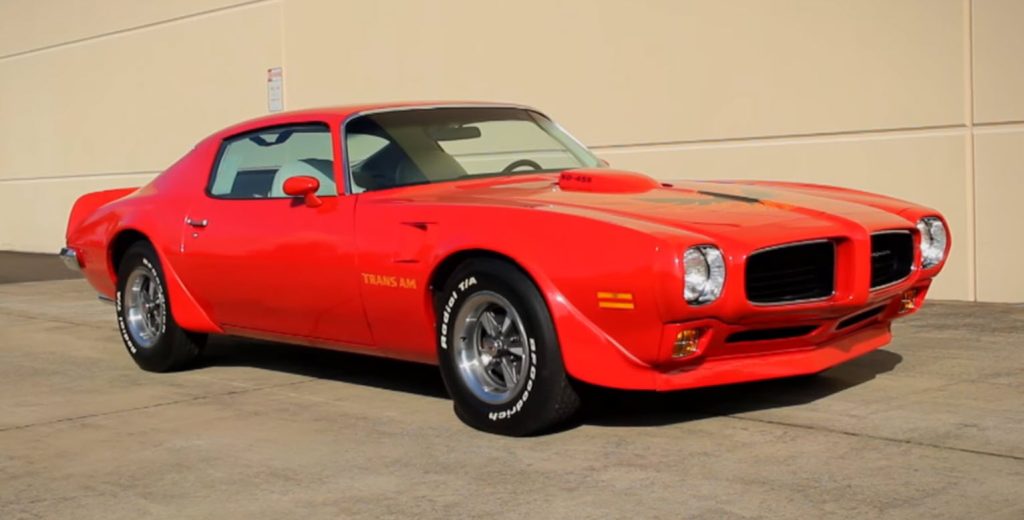
The SD-455 was produced in limited numbers, which adds to its mystique today. Enthusiasts regard it as one of the last true high performance Pontiacs before regulations fully reshaped the industry.
Decades later, the SD-455 Trans Am remains highly respected. It represents Pontiac’s determination to build real performance cars even when conditions were stacked against them. For speed lovers, it stands as proof that engineering passion can overcome restrictions.
4. Pontiac Grand Prix SJ (1969)
The 1969 Pontiac Grand Prix SJ proved that performance did not have to come in a stripped down muscle car package. Pontiac designed this model for drivers who wanted speed combined with comfort and style. The result was a powerful personal luxury coupe with serious performance credentials.
Under the hood, the Grand Prix SJ featured a 428 cubic inch V8. This engine delivered strong horsepower and impressive torque, allowing the car to accelerate with authority. Despite its larger size, the Grand Prix felt quick and confident on the road.
Pontiac engineered the car with long distance performance in mind. The suspension was tuned for stability at high speeds, making it ideal for highway cruising. It did not feel soft or floaty, which separated it from many other luxury oriented cars of the era.
The exterior design emphasized sophistication with muscle. Hidden headlights, clean body lines, and a long hood gave the Grand Prix a commanding presence. It looked refined but still hinted at the power beneath the surface.
Inside, the cabin focused on comfort without ignoring the driver. Plush seating, quality materials, and a stylish dashboard created an upscale environment. At the same time, the driving position and gauges kept the experience engaging.
Performance lovers appreciated how effortlessly the Grand Prix SJ delivered speed. It was not about drag strip dominance but about smooth, confident power available at any moment. This made it a favorite among drivers who valued real world performance.
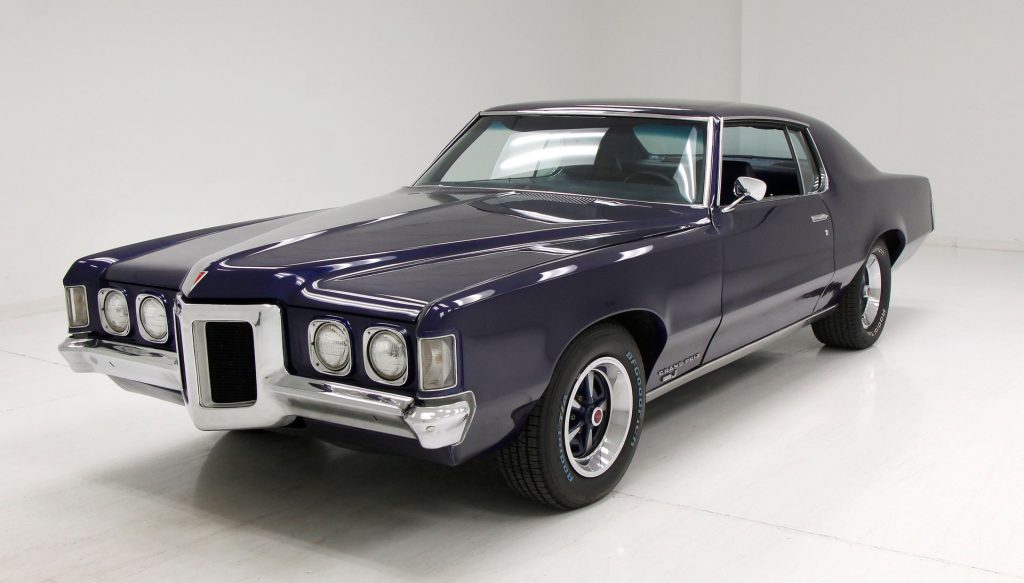
The 1969 Grand Prix SJ helped redefine what a performance car could be. It showed that speed, comfort, and style could coexist in one package. Today, it stands as a reminder of Pontiac’s ability to innovate beyond traditional muscle car formulas.
5. Pontiac G8 GXP (2009)
The 2009 Pontiac G8 GXP represented a modern interpretation of Pontiac performance at a time when the brand was nearing its end. It was a car that combined old school V8 power with contemporary engineering, creating one of the most capable sedans Pontiac ever produced.
At its core was a 6.2 liter V8 derived from the Corvette engine family. This powerplant delivered explosive acceleration and a thrilling exhaust note. Power was immediate and forceful, making the G8 GXP feel more like a muscle car than a traditional four door sedan.
The availability of a manual transmission set the G8 GXP apart from most modern performance sedans. Enthusiasts appreciated the direct connection between driver and machine. Each shift felt mechanical and engaging, reinforcing the car’s performance focused personality.
Handling was another standout feature. Pontiac engineers tuned the suspension for balance and control, allowing the G8 GXP to remain stable during aggressive driving. The car felt composed through corners, with strong grip and predictable behavior at high speeds.
Braking performance matched the power. Large brakes provided confident stopping ability, even after repeated hard use. This made the G8 GXP feel complete as a performance package rather than just a straight line machine.
Styling was understated but purposeful. The wide stance, subtle hood vents, and aggressive wheels hinted at the performance potential without being overly flashy. It appealed to drivers who preferred capability over attention.
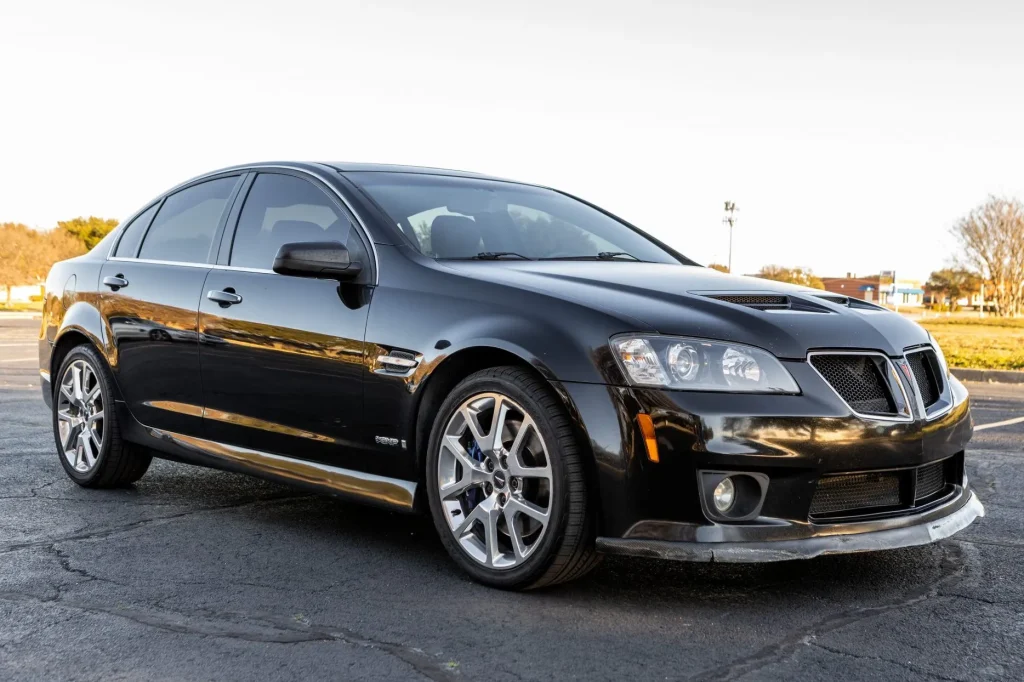
Inside the cabin, the focus was on function. Supportive seats, a clean gauge layout, and quality materials created a driver friendly environment. While not overly luxurious, it felt solid and well built.
The G8 GXP arrived just before Pontiac was discontinued, which limited its production numbers. This timing turned it into an instant modern classic. Many enthusiasts view it as the final true Pontiac muscle car.
Today, the G8 GXP is respected for its performance, rarity, and significance. It stands as a powerful closing statement for a brand that always believed speed should be accessible, thrilling, and unapologetically bold.
6. Pontiac Solstice GXP (2007)
The 2007 Pontiac Solstice GXP showed that performance did not require a large engine or a big body. Pontiac took a lightweight roadster and transformed it into a serious driver focused machine. The result was one of the most exciting sports cars the brand ever produced.
Unlike traditional Pontiac muscle cars, the Solstice GXP relied on turbocharged power. Its 2.0 liter engine delivered impressive output for its size. Acceleration felt sharp and responsive, especially once the turbo came into full boost.
The lightweight construction played a major role in the car’s performance. With less mass to move, the Solstice GXP felt quick and agile. This made it especially enjoyable on winding roads where precision mattered more than raw horsepower.
Handling was one of the car’s strongest qualities. The rear wheel drive layout and balanced chassis allowed for confident cornering. Steering feedback was direct, giving drivers a strong sense of connection to the road.
The suspension tuning favored sporty driving. While firm, it never felt punishing. This balance made the Solstice GXP suitable for both spirited weekend drives and everyday use.
Visually, the Solstice GXP looked aggressive and compact. Unique wheels, subtle badging, and a low stance gave it a purposeful appearance. It stood out as a modern sports car rather than a retro design.
Inside, the cabin was tight but driver oriented. Supportive seats and a simple dashboard kept distractions to a minimum. The focus remained on driving, which matched the car’s performance intent.
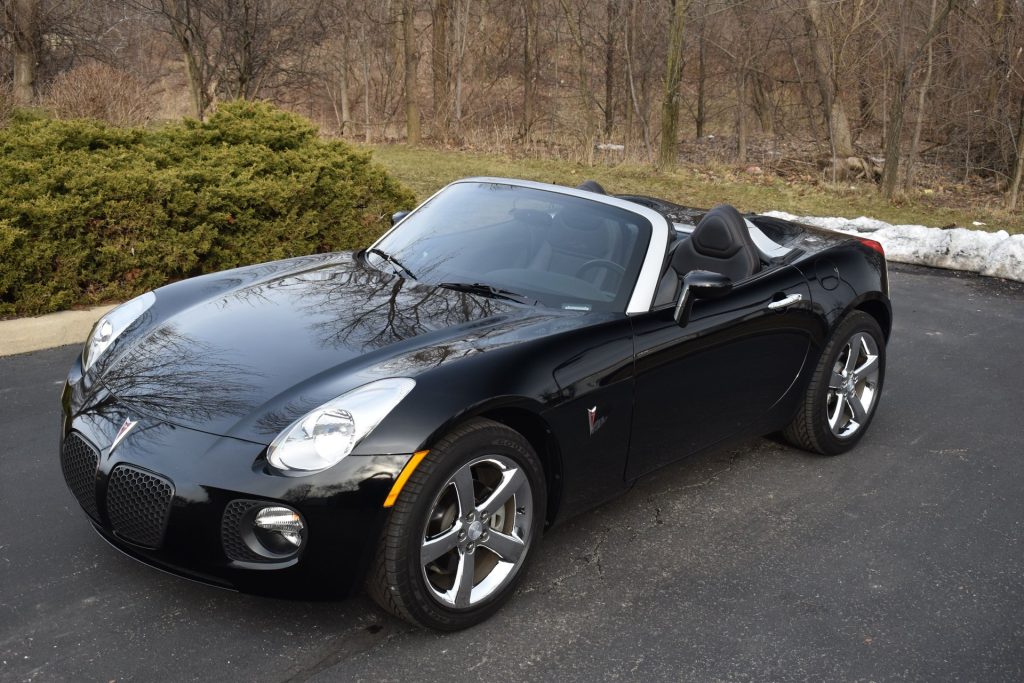
The Solstice GXP proved that Pontiac could adapt to changing performance trends. It embraced efficiency and agility without sacrificing excitement. This approach attracted a new generation of enthusiasts.
Today, the Solstice GXP is remembered as an underrated gem. It showed a different side of Pontiac performance and demonstrated that the brand could evolve while staying true to its passion for speed.
7. Pontiac Bonneville SSEi (1995)
The 1995 Pontiac Bonneville SSEi proved that high speed performance could exist in a full size sedan without sacrificing comfort. During the mid 1990s, Pontiac wanted to show that modern performance was not limited to coupes or muscle cars. The Bonneville SSEi became that statement.
Power came from a supercharged 3.8 liter V6 engine. While it lacked the brute image of a V8, the forced induction gave it strong and immediate acceleration. Torque arrived early, making the car feel quick in everyday driving situations.
What impressed drivers most was how effortlessly the Bonneville gained speed. Highway merges, passing maneuvers, and long distance cruising felt smooth and confident. This was a car built for real world performance rather than drag strip theatrics.
The supercharger delivered a distinct character. Acceleration felt linear and refined, yet forceful enough to surprise many drivers who underestimated the sedan. Pontiac tuned the engine to balance reliability with excitement.
Handling was surprisingly capable for a large front wheel drive car. The suspension was firm but controlled, keeping body roll in check during aggressive driving. Steering response felt sharp for its size, adding to driver confidence.
Braking performance matched the power. The Bonneville SSEi stopped with authority, even when driven hard. This made it feel safe and composed at higher speeds.
The exterior design leaned toward subtle aggression. Clean lines, sporty wheels, and understated badging gave it a mature performance look. It did not rely on flashy styling to make its point.
Inside the cabin, Pontiac focused on comfort and technology. Supportive seats, a spacious interior, and advanced features for the time made long drives enjoyable. It was a car designed for drivers who wanted speed without sacrificing practicality.
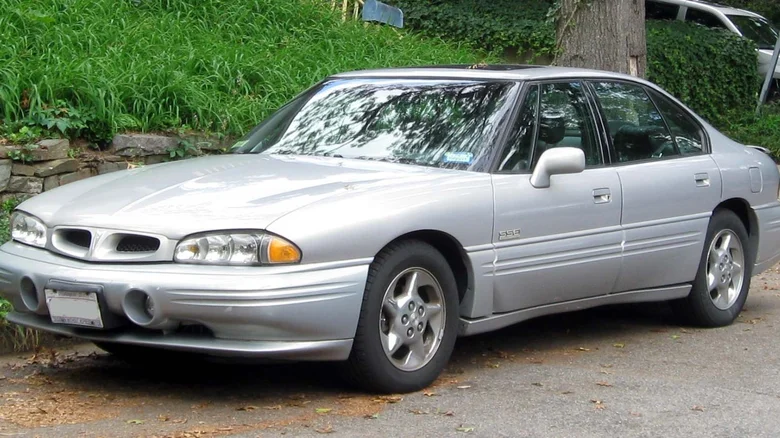
The Bonneville SSEi appealed to a different kind of performance enthusiast. It attracted drivers who valued refinement, reliability, and usable power. It showed that Pontiac performance could evolve beyond traditional muscle car formulas.
Today, the 1995 Bonneville SSEi is remembered as an underrated performance sedan. It stands as proof that Pontiac understood how to adapt performance for changing times while staying true to its speed focused identity.
8. Pontiac Catalina Super Duty (1963)
The 1963 Pontiac Catalina Super Duty was built with one goal in mind. Speed in its purest and most aggressive form. This was not a car designed for comfort or everyday driving. It was a factory built weapon aimed squarely at drag racing dominance.
At its heart was a massive 421 cubic inch V8 engine. Pontiac engineered this powerplant with racing in mind. High compression, aggressive cam profiles, and lightweight internals made it one of the most extreme factory engines of its time.
Acceleration was brutal. The Catalina Super Duty launched hard and continued pulling relentlessly. On the drag strip, it proved nearly unbeatable when properly set up. Few production based cars could match its straight line performance.
Weight reduction played a major role in its success. Pontiac removed unnecessary components and used lightweight materials where possible. This focus on shedding pounds gave the Catalina a significant advantage over heavier competitors.
The suspension was designed for drag racing rather than comfort. Rear end geometry helped maximize traction during launches. The car felt raw and uncompromising, which suited its purpose perfectly.
Visually, the Catalina Super Duty looked understated compared to later muscle cars. Its clean lines and simple styling hid the monster beneath the hood. This made its performance even more shocking to unsuspecting rivals.
Inside, the cabin was stripped and functional. Comfort features were minimal, as weight savings mattered more than luxury. Everything inside served the goal of speed.
The Catalina Super Duty was produced in extremely limited numbers. Pontiac built it primarily for racing teams and serious competitors. This rarity adds to its legendary status today.
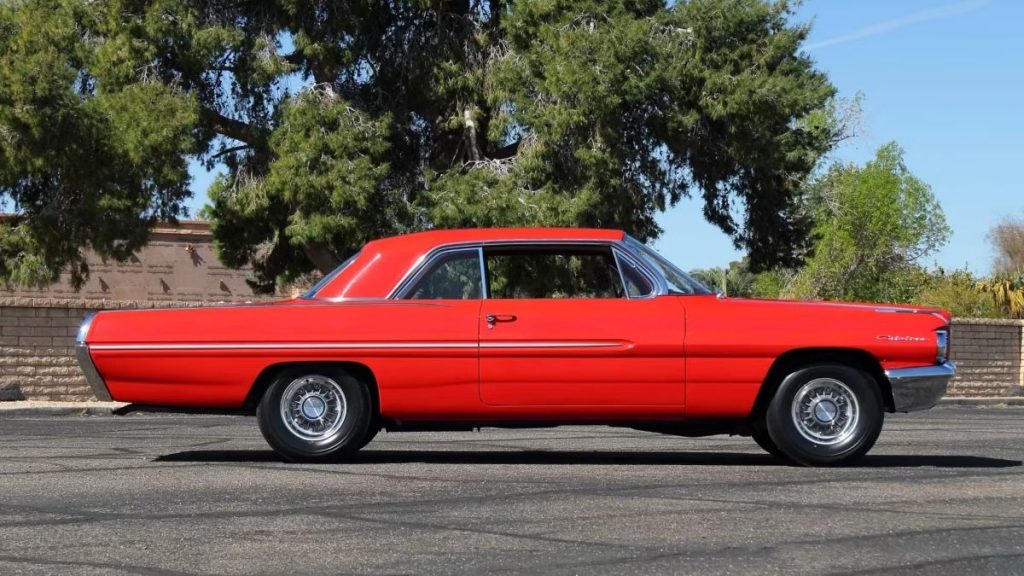
The car also played a role in shaping Pontiac’s performance reputation. It showed that the brand was willing to push boundaries and challenge factory racing limits.
Today, the 1963 Catalina Super Duty is considered one of the most hardcore Pontiacs ever built. It represents an era when manufacturers openly embraced racing and built cars that blurred the line between street and track.
9. Pontiac Firehawk (2002)
The 2002 Pontiac Firehawk represented the most extreme factory tuned version of the fourth generation Firebird.
Built in limited numbers, it was designed for serious performance enthusiasts who wanted a street legal car with track ready capability. Pontiac used the Firehawk to prove that raw speed was still part of its identity in the early 2000s.
Power came from a heavily modified 5.7 liter V8 engine. Tuned by SLP Engineering, this engine delivered aggressive acceleration and a commanding exhaust sound. Throttle response was immediate, and the car surged forward with authority at nearly any speed.
Straight line performance was a major strength. The Firehawk could sprint from a standstill to highway speeds with ease. Quarter mile times placed it among the fastest American cars of its era, making it a favorite at drag strips and street races alike.
Handling improvements set the Firehawk apart from standard Firebird models. Pontiac upgraded suspension components to reduce body roll and improve cornering stability. The car felt planted and confident during high speed maneuvers.
Braking performance was equally impressive. Larger brakes provided strong stopping power, even after repeated hard use. This allowed drivers to push the car harder without worrying about control.
The exterior design reflected its performance intent. A functional hood scoop, aggressive wheels, and aerodynamic enhancements gave the Firehawk a menacing presence. It looked like a car built for speed rather than show.
Inside the cabin, Pontiac focused on the driving experience. Supportive seats kept occupants secure during aggressive driving. The cockpit layout placed controls within easy reach, reinforcing the car’s performance focus.
Ride quality was firm but purposeful. The Firehawk was not designed for comfort oriented cruising. It delivered constant feedback from the road, which many enthusiasts considered part of its appeal.
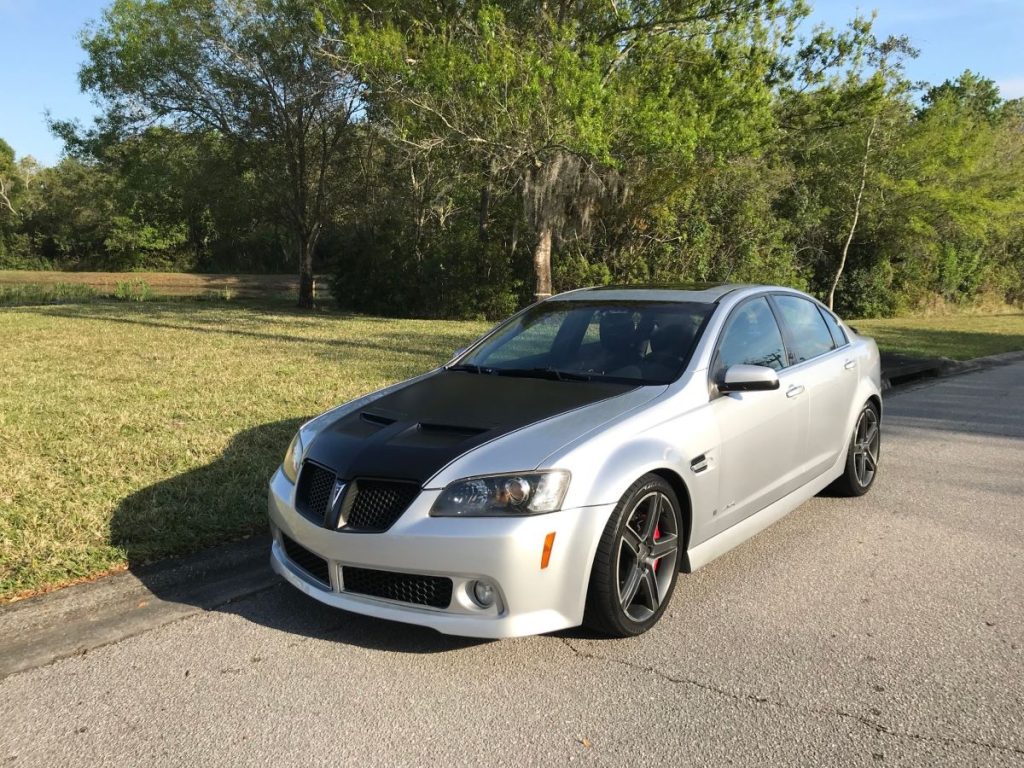
Limited production numbers added to its desirability. Each Firehawk felt special, knowing it represented the peak of Firebird performance. This exclusivity has helped maintain its value among collectors.
Today, the 2002 Pontiac Firehawk is remembered as one of the final true muscle cars produced by Pontiac. It stands as a powerful reminder of the brand’s dedication to speed, performance, and uncompromising driving excitement.
10. Pontiac LeMans GTO (1964)
The 1964 Pontiac LeMans GTO changed automotive history forever. It is widely recognized as the car that ignited the muscle car movement. Pontiac took a bold risk by installing a large V8 engine into a mid size platform, creating something entirely new.
Under the hood sat a 389 cubic inch V8 engine. This powerplant delivered impressive horsepower and torque for its time. Acceleration felt strong and immediate, making the car thrilling to drive on both city streets and open highways.
What set the LeMans GTO apart was its balance of power and usability. Unlike larger performance cars, it felt agile and responsive. Drivers could enjoy speed without sacrificing everyday drivability.
The suspension was tuned to handle increased power. While not as advanced as modern systems, it provided confidence during spirited driving. The car felt stable when pushed hard, which helped build driver trust.
Styling played a key role in its success. The GTO featured subtle performance cues rather than extreme visual aggression. Hood scoops, bold badging, and clean lines gave it a sporty yet refined appearance.
Inside the cabin, Pontiac delivered a driver focused environment. Bucket seats, clear gauges, and a purposeful layout emphasized performance. Comfort was present, but excitement remained the priority.
The LeMans GTO appealed to a broad audience. Young buyers loved its speed, while older drivers appreciated its practicality. This wide appeal helped fuel its rapid rise in popularity.
Its impact on the industry was immediate. Competing manufacturers quickly followed Pontiac’s formula, launching their own muscle cars. The GTO set a template that defined an entire era of American performance.
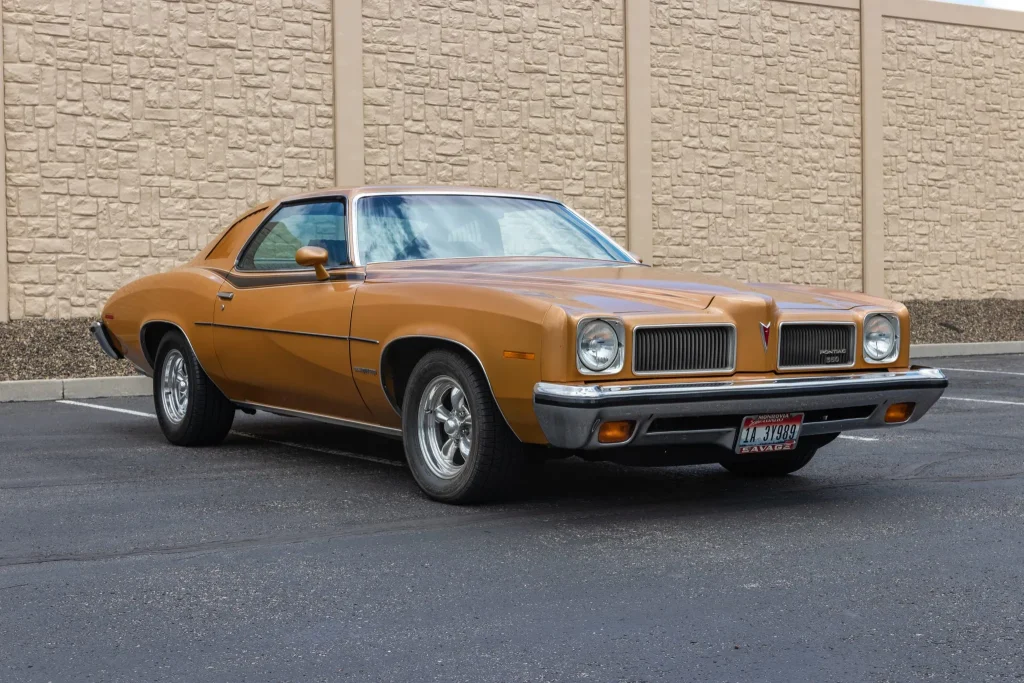
Today, the 1964 LeMans GTO is celebrated as a legend. It represents innovation, courage, and a commitment to performance. More than just a fast car, it became a symbol of freedom and automotive passion.
As the final entry on this list, the LeMans GTO perfectly captures what Pontiac stood for. Bold ideas, powerful engines, and cars built for speed lovers who demanded more from every drive.
