
Life in Keller reflects the priorities of modern suburban families. Daily driving often includes school drop-offs, commuting to nearby business hubs, grocery runs, extracurricular activities, and weekend outings.
These routines place steady demands on vehicles, making reliability, space, and ease of ownership more important than performance or luxury appeal.
For suburban families, the right car must balance comfort with practicality. Stop-and-go traffic during school hours, short neighborhood trips, and longer highway drives all stress vehicles differently.
Cars that succeed in this environment are those engineered for consistency, not extremes. Smooth drivetrains, comfortable seating, and durable suspension components matter far more than aggressive styling or high output.
At the same time, family-friendly vehicles must make financial sense over the long term. Ownership costs do not stop at purchase price.
Maintenance frequency, repair complexity, and parts availability quietly shape the real cost of owning a vehicle over many years. Cars that require specialized service or expensive components can quickly strain household budgets.
This article explores both sides of smart vehicle ownership in Keller. First, it highlights five cars well suited for Keller suburban families, focusing on interior space, comfort, safety, and how well they support everyday family life. These vehicles are chosen because they integrate seamlessly into busy routines.
Then, it examines five ownership-friendly picks, vehicles known for predictable maintenance, affordable repairs, and long-term reliability. These models reduce ownership stress and remain sensible choices as mileage increases.
Together, these sections help Keller families choose vehicles that work well today and remain dependable for years to come.
Also Read: 5 Cars for Boca Del Mar Commuters and 5 Smooth Highway Cruisers
5 Cars for Keller Suburban Families
Suburban family life in Keller demands vehicles that can handle a wide range of daily tasks without becoming burdensome. One car often serves as transportation for work, school, shopping, and weekend activities, making versatility and durability essential.
The vehicles in this section are selected because they provide the space families need without becoming difficult to manage. Easy entry and exit, flexible cargo areas, and comfortable seating for multiple passengers are key factors. These features reduce stress during busy mornings and long days on the road.
Ride comfort plays a major role in family vehicles. Suburban roads vary in quality, and cars with compliant suspension tuning improve comfort while protecting components from premature wear. Smooth ride quality also makes longer trips more enjoyable for passengers of all ages.
Reliability is especially important for families. Vehicles that develop frequent mechanical issues disrupt schedules and create unnecessary expense. The cars chosen here are known for tolerating frequent short trips, moderate traffic, and steady highway driving without developing chronic problems.
Fuel efficiency matters, but not at the cost of durability. Family vehicles must balance operating costs with long-term dependability. The models highlighted here achieve that balance without relying on overly complex systems.
I am writing about these vehicles because Keller families need cars that support daily life quietly and consistently. These models reduce ownership stress and remain dependable as family needs evolve.
1. Toyota Highlander
The Toyota Highlander is one of the most suitable vehicles for Keller suburban families because it offers three-row flexibility, strong reliability, and a manageable driving experience. It fits well into daily family routines without feeling oversized or difficult to operate.
Engine tuning prioritizes smooth, predictable power delivery rather than aggressive performance. This keeps mechanical stress low during school runs, errands, and highway commuting, supporting long-term reliability.
Transmission behavior is calm and consistent. Smooth shifting reduces wear caused by stop-and-go traffic and frequent short trips, which are common in suburban family use.
Interior space is a major advantage. The Highlander comfortably accommodates multiple passengers while still offering usable cargo space for groceries, sports equipment, and weekend travel. Seating flexibility allows families to adapt the interior to changing needs.
Ride comfort supports family use. The suspension absorbs uneven pavement and road imperfections smoothly, improving passenger comfort and reducing fatigue during longer drives.
Visibility and driving position improve confidence. The elevated seating position helps drivers manage traffic and parking situations more easily, which is especially valuable during busy family schedules.
Safety features and structural design further enhance family suitability. The Highlander is engineered to provide stability and confidence during everyday driving.
Maintenance accessibility strengthens long-term ownership. Parts availability is excellent, independent shops are familiar with the platform, and routine service costs remain manageable.
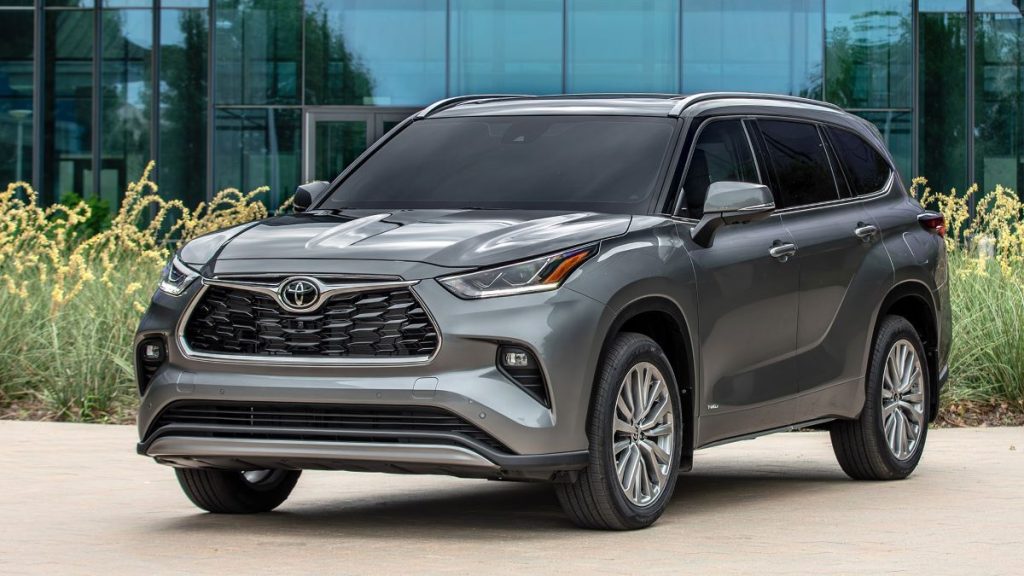
I am writing about the Toyota Highlander because it represents dependable family transportation. For Keller families who want space, comfort, and reliability without excessive ownership complexity, the Highlander is a proven suburban choice.
2. Honda Odyssey
The Honda Odyssey is one of the most practical vehicles for Keller suburban families because it is designed specifically around the realities of daily family life. While minivans are sometimes overlooked, the Odyssey excels in areas that matter most to households with busy schedules and multiple passengers.
Interior space is the Odyssey’s strongest advantage. Three rows of seating offer generous legroom, and the flat floor layout allows easy movement between rows.
This is especially valuable for families managing child seats, school bags, and passengers of different ages. Entry and exit are effortless thanks to wide sliding doors, which reduce stress in tight parking lots and school drop-off zones.
Engine tuning emphasizes smooth, reliable power delivery. The Odyssey avoids aggressive performance characteristics, keeping heat and mechanical stress low during frequent short trips and stop-and-go suburban driving. This contributes to long-term drivetrain durability.
Transmission behavior supports family use. Shifts are smooth and predictable, which improves ride comfort and reduces wear caused by constant speed changes during errands and commuting.
Ride quality is tuned for comfort. The suspension absorbs uneven pavement, road seams, and suburban imperfections without harshness. This helps keep passengers comfortable on both short trips and longer family outings.
Cargo flexibility further enhances practicality. Seats fold and adjust easily, allowing families to switch between passenger and cargo needs without difficulty. Groceries, sports equipment, and luggage fit comfortably without creative packing.
Safety and stability are key strengths. The Odyssey is engineered to feel family-focused and composed in everyday driving, which builds confidence for drivers managing busy routines.
Maintenance accessibility adds long-term value. Parts availability is strong, independent shops are familiar with the Odyssey platform, and routine service remains manageable.
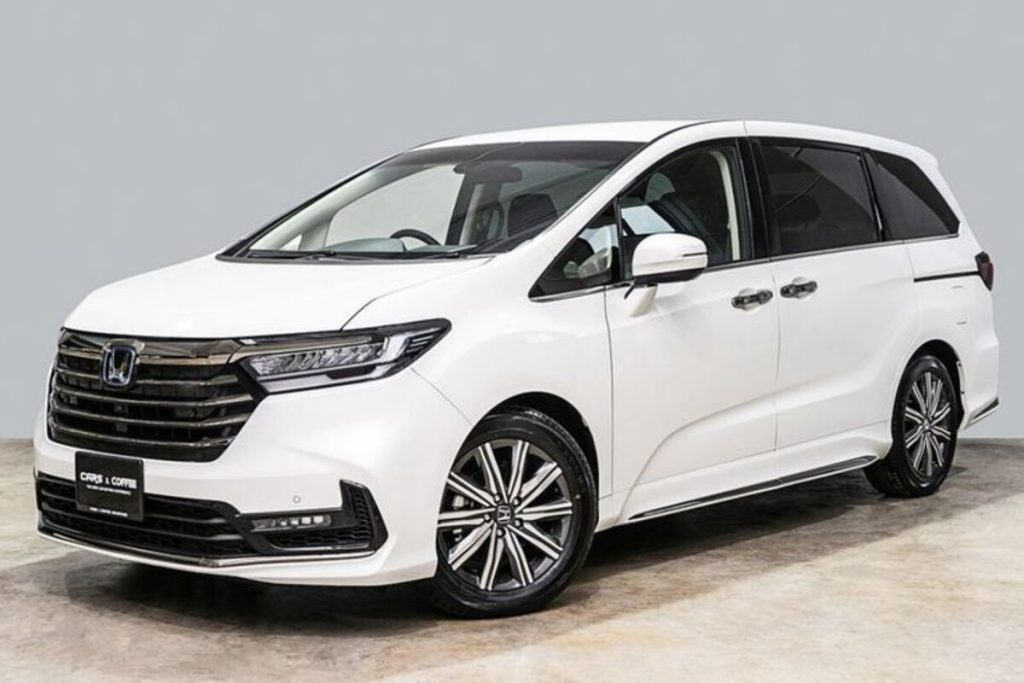
I am writing about the Honda Odyssey because it solves everyday family transportation challenges efficiently. For Keller families who prioritize space, ease of use, and long-term reliability, the Odyssey remains one of the most family-friendly vehicles available.
3. Subaru Ascent
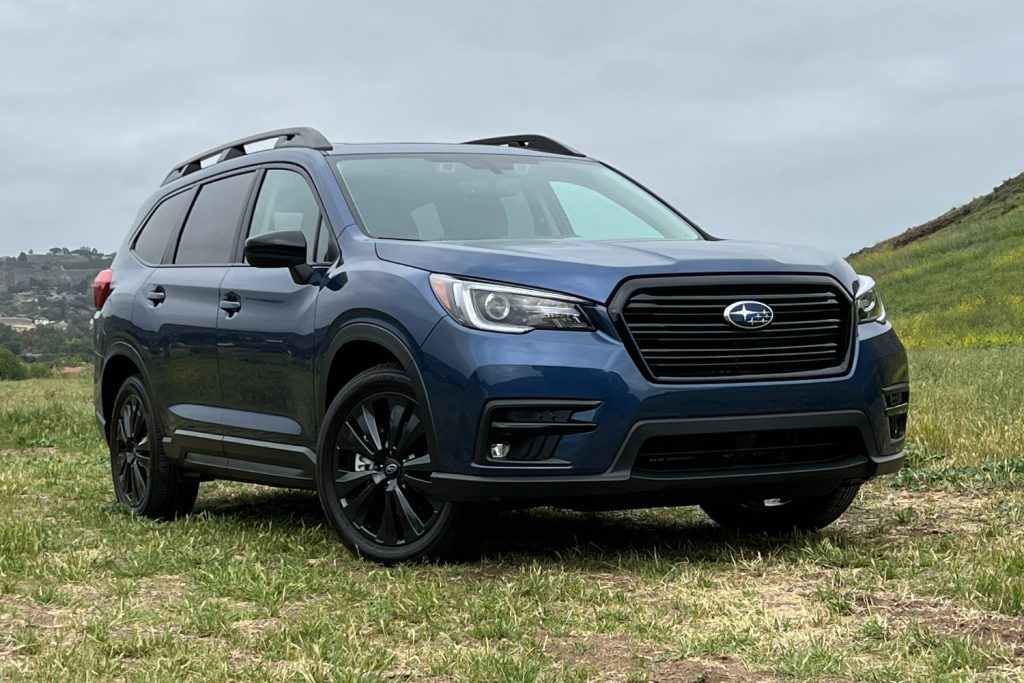
The Subaru Ascent is a strong choice for Keller suburban families who want three-row seating with added stability and long-term durability. It blends family-friendly space with Subaru’s reputation for dependable engineering.
Interior space supports growing families. The Ascent offers three usable rows, accommodating passengers comfortably while still providing cargo room for daily needs. Seating flexibility allows families to adapt the interior as schedules and activities change.
Engine output is moderate and conservatively tuned. This keeps heat and mechanical stress under control during frequent short trips, school runs, and highway driving. The focus on smooth power delivery supports long-term reliability rather than short-term excitement.
Standard all-wheel drive is a distinguishing feature. While Keller does not face extreme weather, AWD adds stability during rain and sudden maneuvers, improving confidence during everyday driving.
Ride comfort suits suburban roads well. The suspension absorbs uneven pavement and neighborhood road imperfections smoothly, protecting suspension components and improving passenger comfort.
Visibility is another advantage. The upright seating position and large windows reduce blind spots, helping drivers manage traffic, parking lots, and busy intersections more confidently.
Interior durability supports family use. Seats, controls, and trim are designed to handle frequent use without rapid wear, which matters for vehicles carrying children and gear daily.
Maintenance requirements are predictable. Independent shops are familiar with Subaru platforms, parts availability is strong, and routine service keeps ownership manageable.
I am writing about the Subaru Ascent because it offers family space with added stability and durability. For Keller families who want a three-row vehicle that feels secure, comfortable, and dependable over time, the Ascent is a solid suburban option.
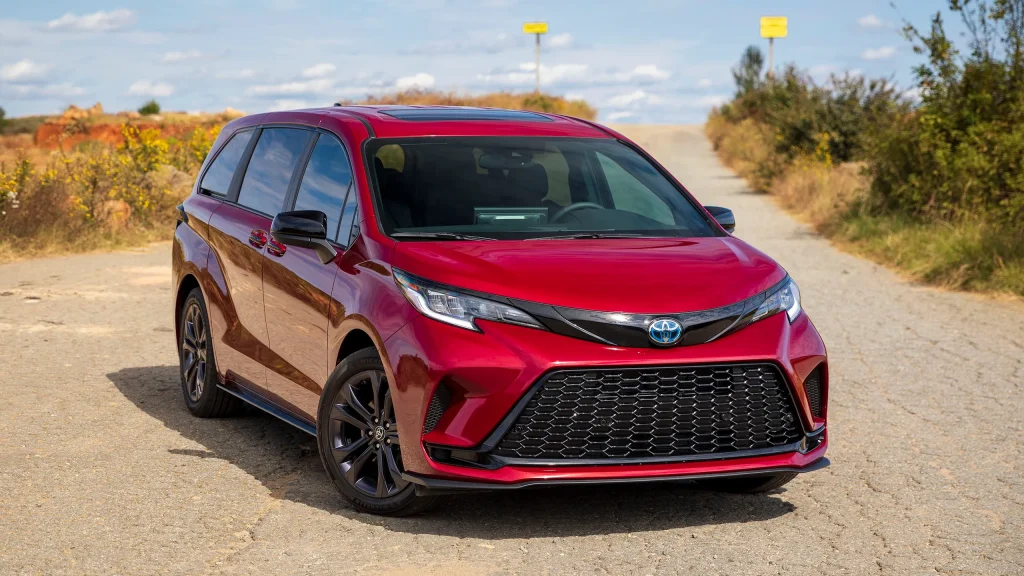
4. Toyota Sienna
The Toyota Sienna is an excellent choice for Keller suburban families who want maximum practicality, comfort, and long-term dependability in one vehicle. Designed specifically for family use, the Sienna handles daily routines with minimal stress.
Interior space is the Sienna’s greatest strength. Three rows of seating offer generous room for passengers, while wide sliding doors make entry and exit easy for children and adults alike. This is especially helpful during school drop-offs, grocery runs, and crowded parking lots.
Engine tuning prioritizes smoothness and reliability. The Sienna avoids aggressive performance, keeping mechanical stress low during frequent short trips and stop-and-go suburban driving. This contributes to long-term drivetrain durability.
Ride comfort is well suited to family needs. The suspension absorbs road imperfections smoothly, reducing fatigue for passengers and protecting suspension components from premature wear.
Cargo flexibility supports changing family demands. Seats fold and reconfigure easily, allowing the Sienna to handle everything from daily errands to road trips without difficulty.
Interior durability is another advantage. Materials are chosen to withstand frequent use, spills, and constant entry and exit, which is important for families with children.
Safety and stability further strengthen family appeal. The Sienna is engineered to feel calm and composed in everyday driving, helping drivers stay confident during busy schedules.
Maintenance accessibility adds to long-term value. Parts availability is excellent, independent shops are familiar with the platform, and routine service remains predictable.
I am writing about the Toyota Sienna because it delivers family-focused design without compromise. For Keller families who want space, comfort, and reliability above all else, the Sienna remains one of the strongest suburban options available.
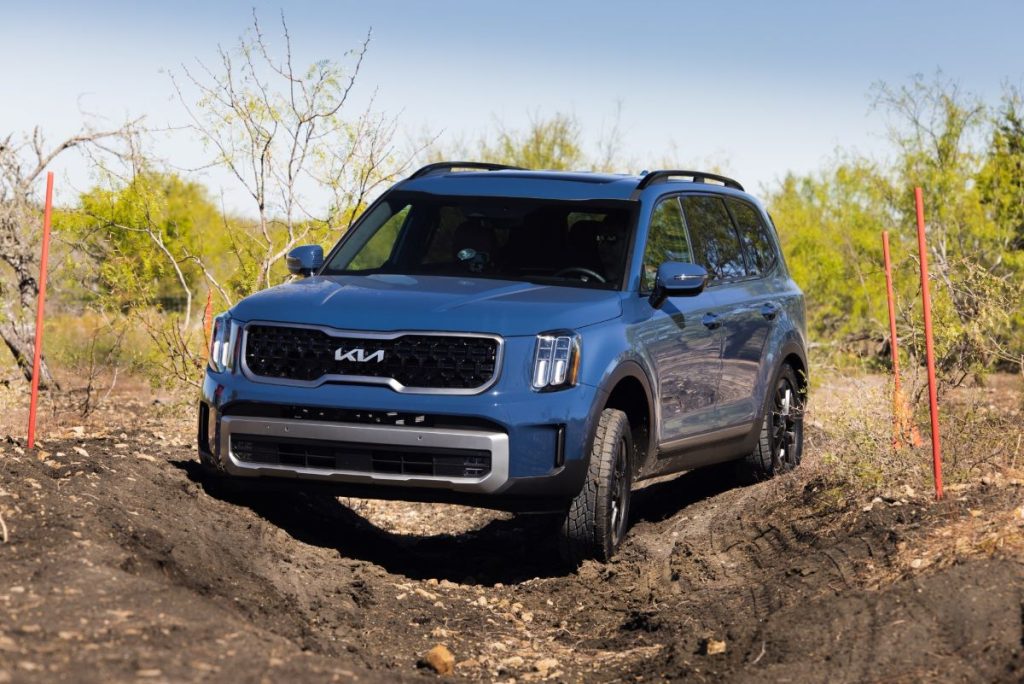
5. Kia Telluride
The Kia Telluride is a strong family vehicle for Keller suburban households that want three-row space with modern comfort and ease of use. It blends family practicality with a refined driving experience.
Interior space is generous across all three rows, making it suitable for larger families or frequent passengers. Seating comfort is strong, and the layout supports daily use without feeling cramped.
Engine output is moderate and well matched to family driving needs. Smooth power delivery keeps mechanical stress low during school runs, errands, and highway commuting.
Ride quality supports comfort-focused ownership. The suspension absorbs suburban road imperfections well, improving passenger comfort and reducing long-term wear.
Visibility and driving position inspire confidence. The Telluride feels manageable in traffic and parking situations despite its size, which helps during busy family routines.
Interior materials are durable and designed for frequent use. Controls, seating surfaces, and trim hold up well over time, which matters for family vehicles.
Maintenance costs remain reasonable. Parts availability is good, independent shops can service the Telluride easily, and routine maintenance is straightforward.
I am writing about the Kia Telluride because it delivers space and comfort without excessive ownership stress. For Keller families who want a modern, spacious vehicle that fits suburban life well, the Telluride is a practical family-friendly choice.
5 Ownership-Friendly Picks
For Keller families, owning a vehicle is a long-term commitment. Once warranties expire and mileage increases, cars that are difficult or expensive to maintain can strain household budgets and schedules. Ownership-friendly vehicles reduce this stress by keeping maintenance predictable and repairs manageable.
Ownership-friendly cars share several key traits. They use proven engines and transmissions, avoid unnecessary complexity, and rely on widely available parts. These vehicles can be serviced by independent repair shops without specialized tools, keeping costs under control.
Suburban family driving accelerates routine wear on brakes, suspension, and fluids. Ownership-friendly vehicles are designed to handle this wear gradually, turning repairs into planned maintenance rather than unexpected breakdowns.
This section focuses on five vehicles known for long-term reliability and ease of ownership. I am writing about them to highlight cars that remain sensible and affordable as mileage climbs. These models may not be flashy, but they excel at staying dependable year after year.
For Keller families balancing budgets and busy schedules, choosing an ownership-friendly vehicle can make daily life smoother and more predictable.
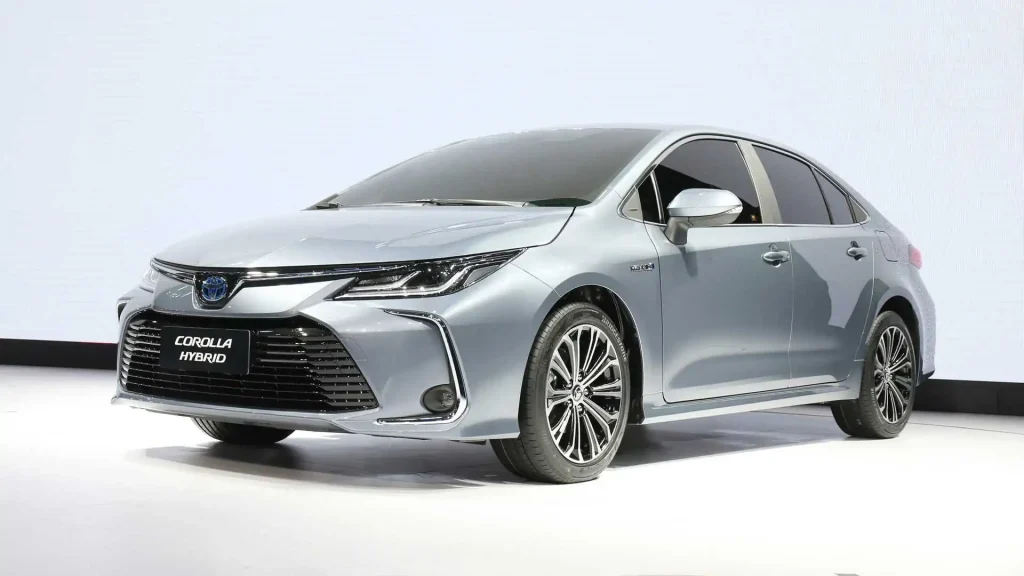
1. Toyota Corolla
The Toyota Corolla is one of the most ownership-friendly vehicles available for Keller families because it is engineered around long-term simplicity and reliability. It may not be flashy, but its predictable behavior and low operating costs make it a smart choice for families focused on practicality.
Engine tuning is conservative and proven. The Corolla avoids high-output performance and complex systems, keeping heat and internal stress low during daily suburban use. Frequent school runs, errands, and commuting do not overwhelm the drivetrain, which supports long engine life.
Transmission behavior further strengthens ownership confidence. Smooth, consistent shifting reduces wear caused by repeated acceleration and braking in suburban traffic. This consistency helps prevent costly transmission issues as mileage increases.
Service access is straightforward. The engine bay layout allows routine maintenance such as oil changes, cooling system service, and belt replacements to be completed efficiently. Lower labor time translates directly into lower service costs.
Parts availability is excellent. Corolla components are widely stocked, affordable, and interchangeable across many model years. This keeps repair timelines short and prevents dependence on dealership-only service.
Independent repair shop familiarity is another major advantage. Nearly every shop has extensive experience servicing Corolla models, improving diagnostic accuracy and avoiding unnecessary part replacements.
Suspension and brake components are designed for everyday roads. Wear occurs gradually and predictably, allowing families to plan maintenance rather than deal with unexpected failures.
Electrical systems remain relatively simple. The Corolla avoids dense electronic packaging that often causes recurring warning lights or software issues in older vehicles.
I am writing about the Toyota Corolla because it represents worry-free ownership. For Keller families who want a vehicle that stays affordable, dependable, and easy to maintain well into high mileage, the Corolla is one of the most ownership-friendly picks available.
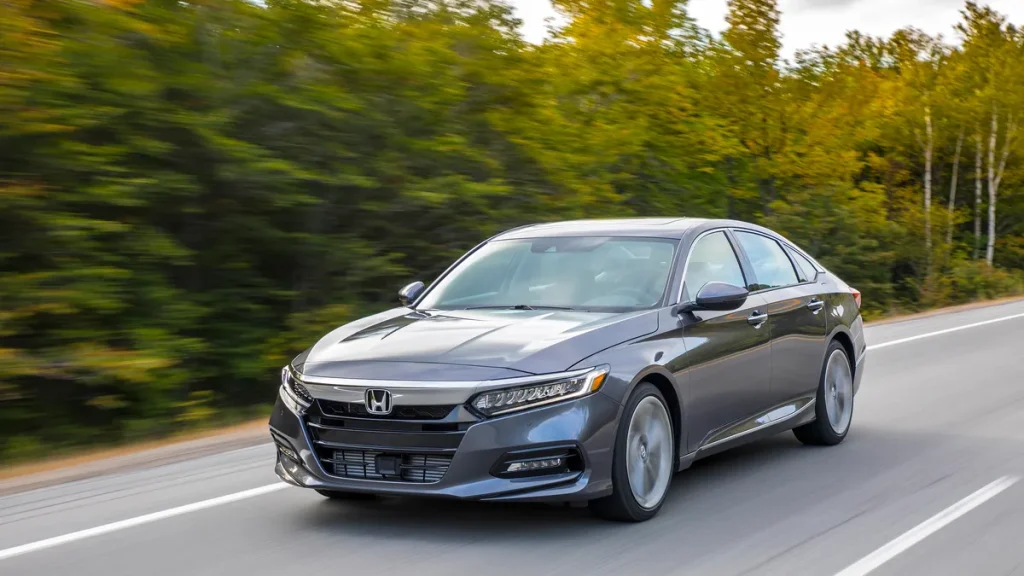
2. Honda Accord
The Honda Accord is a standout ownership-friendly option for Keller families who want comfort and reliability without complicated maintenance demands. Its long history of durability makes it especially appealing for long-term ownership.
Engine design focuses on smooth, steady power delivery rather than aggressive output. This keeps operating temperatures stable and reduces internal wear during daily suburban driving. Over time, this conservative tuning leads to fewer engine-related issues.
Transmission behavior supports longevity. Shifts are gradual and predictable, minimizing friction and heat buildup caused by stop-and-go traffic and frequent short trips. This helps prevent early transmission repairs.
Service accessibility is a major strength. Engine bays are designed with maintenance in mind, allowing common repairs and routine service to be performed efficiently. This keeps labor costs reasonable as the vehicle ages.
Parts availability is excellent. Accord components are widely available and competitively priced, allowing repairs to be completed quickly. Independent shops are very familiar with the platform, reducing ownership stress.
Suspension components are durable and designed for everyday use. Bushings, struts, and control arms wear gradually and predictably, making long-term maintenance easier to budget.
Electrical systems remain manageable. While modern features are present, the Accord avoids excessive electronic complexity that often causes repeated issues in older vehicles.
I am writing about the Honda Accord because it balances family comfort with ownership simplicity.
For Keller families who want a vehicle that remains reliable, comfortable, and affordable to maintain well beyond the early years, the Accord is one of the smartest ownership-friendly choices.
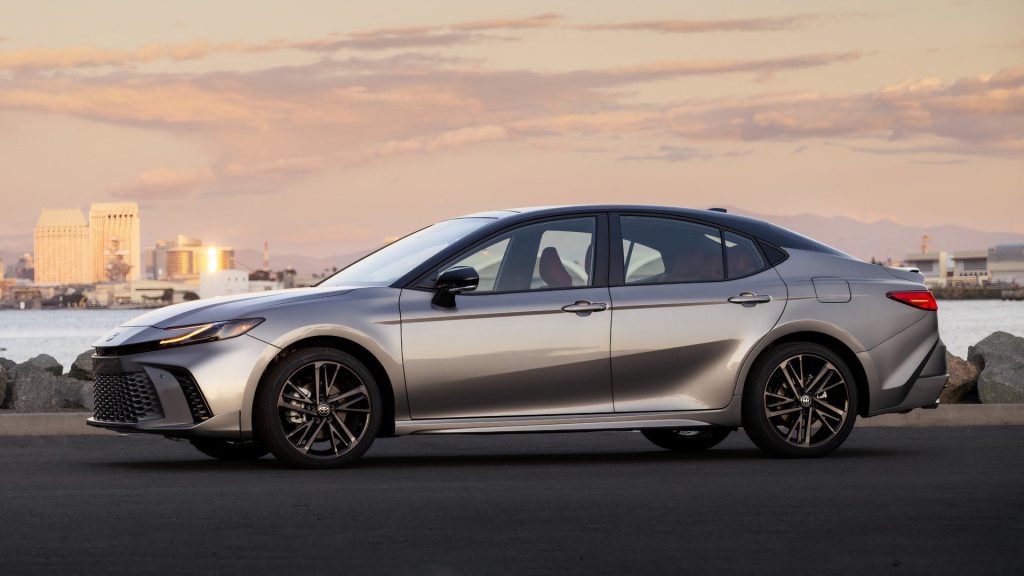
3. Toyota Camry
The Toyota Camry is one of the most ownership-friendly vehicles for Keller families because it combines comfort, durability, and predictable maintenance in a well-proven package. It has long been a benchmark for long-term reliability, which matters for families planning to keep a vehicle for many years.
Engine tuning prioritizes longevity over performance. Power delivery is smooth and restrained, keeping heat and internal stress low during school runs, commuting, and weekend errands. This conservative approach significantly reduces the risk of engine-related issues as mileage increases.
Transmission reliability is a key strength. Shifts are gradual and consistent, minimizing internal friction and heat buildup. For families driving daily in suburban conditions, this predictability helps prevent expensive transmission repairs later in ownership.
Service accessibility adds to the Camry’s appeal. Routine maintenance such as oil changes, cooling system service, and brake work can be completed quickly due to a well-organized engine bay. This keeps labor time and costs reasonable.
Parts availability is excellent. Camry components are widely stocked, affordable, and often shared across multiple Toyota models. This reduces repair wait times and keeps ownership costs stable.
Independent repair shop familiarity further simplifies ownership. Most mechanics have extensive experience working on Camry platforms, improving diagnostic accuracy and reducing unnecessary part replacement.
Suspension components are designed for everyday roads rather than aggressive handling. Bushings, struts, and mounts wear gradually and predictably, making maintenance easier to plan and budget.
Electrical systems remain relatively simple compared to many modern vehicles. The Camry avoids overly dense electronic packaging that often causes recurring sensor or software issues as cars age.
I am writing about the Toyota Camry because it represents dependable, stress-free ownership. For Keller families who want a comfortable vehicle that remains affordable and reliable long after purchase, the Camry is a proven ownership-friendly choice.
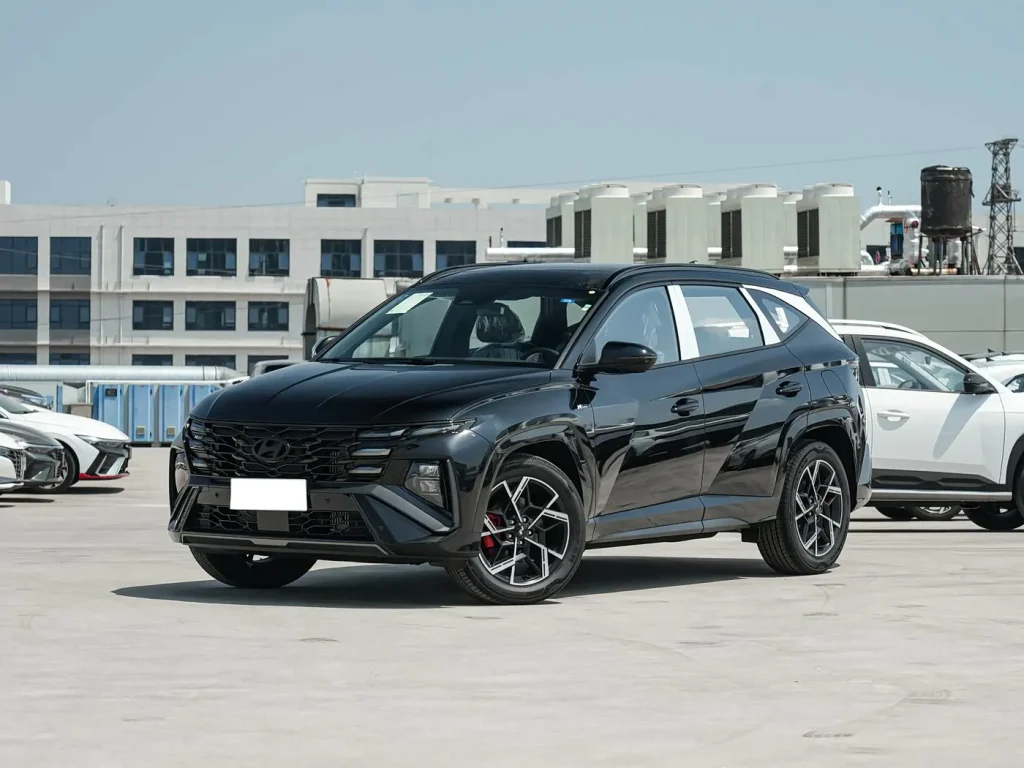
4. Hyundai Tucson
The Hyundai Tucson is an ownership-friendly compact SUV that suits Keller families who want versatility without excessive maintenance demands. Its design emphasizes reliability, accessibility, and predictable service needs over flashy complexity.
Engine output is modest and well controlled, keeping thermal and mechanical stress low during daily suburban use. This helps prevent heat-related issues and contributes to long-term durability.
Transmission behavior supports longevity. Smooth, predictable shifting reduces drivetrain wear caused by frequent acceleration and braking during school runs and errands.
Service access is straightforward. Routine tasks such as oil changes, brake service, and cooling system maintenance can be completed efficiently, keeping labor costs under control.
Parts availability is strong. Tucson components are widely available and competitively priced, allowing repairs to be completed quickly without extended downtime. Independent repair shops are familiar with the platform.
Suspension tuning favors comfort and durability. The Tucson absorbs suburban road imperfections without excessive strain on suspension components. When service is eventually required, parts are affordable and easy to replace.
Interior durability supports family use. Seating materials, controls, and trim are designed to handle frequent entry and exit without rapid wear, which is important for family vehicles.
Electrical systems remain manageable. While modern features are present, the Tucson avoids unnecessary electronic complexity that often leads to repeated service visits in older vehicles.
I am writing about the Hyundai Tucson because it offers SUV practicality with predictable ownership costs. For Keller families seeking a versatile, easy-to-own vehicle that stays affordable over time, the Tucson is a sensible ownership-friendly pick.
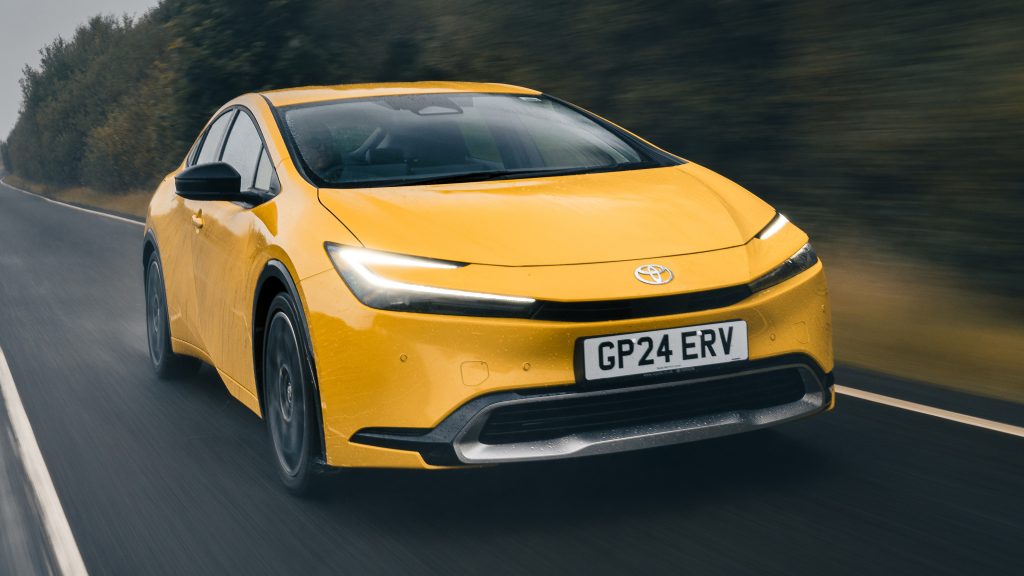
5. Toyota Prius
The Toyota Prius is one of the most ownership-friendly vehicles for Keller families because its engineering naturally reduces wear and long-term maintenance costs. While often associated with fuel efficiency, its real strength lies in how gently it treats its mechanical components over years of use.
One of the Prius’s biggest advantages is reduced engine workload. During low-speed suburban driving, which includes school runs and errands, the electric motor frequently handles propulsion. This allows the gasoline engine to shut off entirely at times, significantly lowering internal wear and heat buildup over long ownership periods.
Brake longevity is another major benefit. Regenerative braking captures energy during deceleration, reducing reliance on traditional friction brakes. As a result, brake pads and rotors last far longer than in conventional vehicles, lowering maintenance frequency and cost.
The gasoline engine itself is conservatively tuned. It is not designed for high output, which keeps operating temperatures stable and reduces stress on cooling system components. This supports long-term reliability and fewer unexpected service visits.
Despite being a hybrid, service accessibility is strong. Prius models have been widely used for many years, and independent repair shops are now very familiar with their systems. Hybrid components are more affordable and accessible than in the past.
Electrical reliability is another strength. The Prius uses proven, well-tested electronic systems rather than experimental technology. Failures are relatively rare and typically predictable.
Suspension and drivetrain components benefit from smooth power delivery. Reduced shock loads extend the life of axles, mounts, and bushings, which supports long-term ownership.
Routine maintenance remains straightforward. Oil changes, brake inspections, and cooling system service are simple, keeping labor costs reasonable.
I am writing about the Toyota Prius because it represents smart, low-stress ownership. For Keller families who want a vehicle that remains affordable, dependable, and predictable over many years, the Prius is one of the strongest ownership-friendly choices available.
