
Commuting in Middletown reflects a blend of suburban routines and regional travel. Many drivers split their time between local roads, busy intersections, and longer highway stretches, often repeating the same routes day after day.
Over time, this steady pattern of use exposes which cars are truly suited for commuting and which ones quietly become expensive or inconvenient to own.
For Middletown commuters, the ideal vehicle must handle daily mileage without drama. Stop-and-go traffic, cold starts, uneven pavement, and seasonal weather changes all place ongoing stress on engines, transmissions, brakes, and suspension components. Cars that thrive here are those engineered for consistency rather than excitement.
At the same time, not every good commuter car is low maintenance. Some vehicles drive comfortably but rely on complex systems, specialized parts, or frequent service intervals that increase ownership costs as mileage rises. For many commuters, minimizing time in the repair shop matters just as much as comfort or fuel economy.
This article looks at both sides of the equation. First, it highlights five cars that work well for Middletown commuters, focusing on reliability, comfort, efficiency, and long-term dependability under daily use. These are vehicles chosen because they tolerate repetition without developing chronic problems.
Then, it examines five low-maintenance vehicles, models known for mechanical simplicity, affordable repairs, and predictable service needs. These cars reduce ownership stress by keeping costs and downtime under control.
Together, these two perspectives help Middletown drivers choose vehicles that not only commute well but also remain easy to own year after year.
Also Read: 5 Cars for Blue Springs Family Driving and 5 Fuel-Efficient Choices
5 Cars for Middletown Commuters
Middletown commuters need vehicles that perform reliably under routine stress. Daily starts, traffic delays, highway cruising, and frequent short trips add up quickly. Cars that handle this environment well are those built for durability rather than short-term appeal.
The vehicles in this section are selected because they tolerate daily commuting without excessive wear. Their engines and transmissions operate under modest stress levels, reducing the likelihood of overheating, rough shifting, or premature component failure. This matters when a car is used every single day.
Ride comfort plays an important role. Middletown roads vary in quality, and commuters benefit from suspension systems that absorb bumps and patched pavement without transmitting harshness into the cabin. Comfortable ride quality also helps protect suspension components over time.
Fuel efficiency is valuable, but only when paired with reliability. The cars chosen here balance efficiency with mechanical simplicity, avoiding systems that struggle under constant use.
Maintenance accessibility further separates strong commuter cars from weak ones. Vehicles that can be serviced easily by independent shops, with readily available parts, keep long-term ownership predictable once warranty coverage ends.
I am writing about these vehicles because Middletown commuters need transportation they can depend on without constant attention. These cars start reliably, handle traffic calmly, and remain affordable as mileage accumulates.
1. Toyota Corolla
The Toyota Corolla is one of the most dependable choices for Middletown commuters because it is engineered for long-term reliability under daily use. Its design prioritizes consistency over performance, which is exactly what commuting demands.
Engine output is modest, keeping heat and mechanical stress low during traffic congestion and frequent short trips. This helps prevent the cooling and wear issues that often affect more aggressively tuned vehicles used in similar conditions.
Transmission tuning emphasizes smooth, predictable operation. Rather than aggressive shifting, the Corolla delivers consistency, which reduces internal wear caused by repeated speed changes in daily commuting.
Suspension setup suits commuter roads well. The Corolla absorbs uneven pavement, potholes, and expansion joints without harshness, improving comfort while protecting suspension components from premature failure.
Fuel efficiency supports daily use without relying on complex systems that increase maintenance risk. At the same time, the engine provides sufficient power for highway merging and steady cruising.
Cold-weather reliability is another strength. The Corolla handles repeated cold starts without hesitation and warms up quickly, which is important for commuters driving year-round.
Maintenance simplicity further strengthens its appeal. Parts are widely available, independent shops are very familiar with the platform, and routine service remains affordable even as mileage increases.
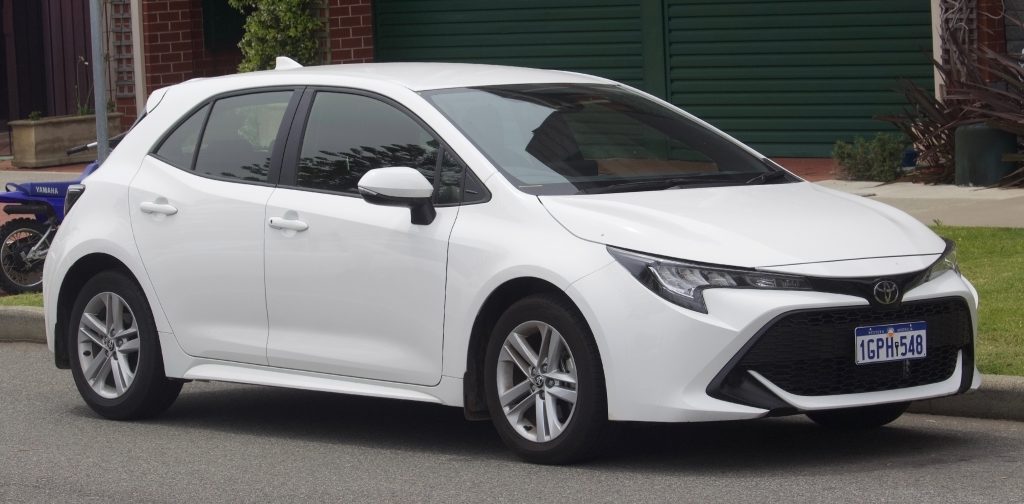
I am writing about the Toyota Corolla because it exemplifies what a commuter car should be. For Middletown drivers who want reliable, low-stress daily transportation, the Corolla continues to deliver predictable ownership and long-term dependability.
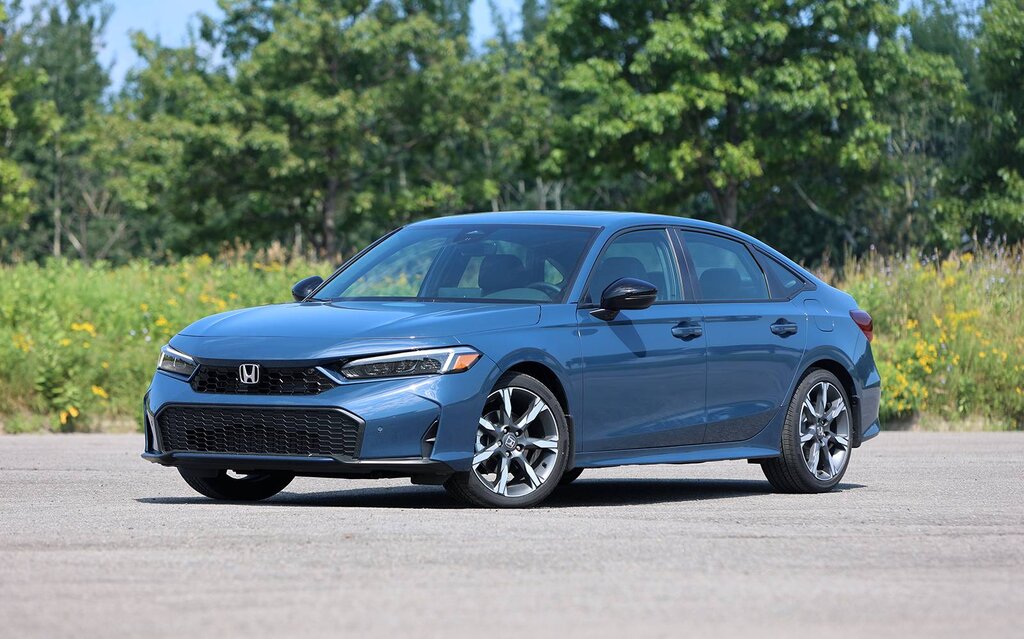
2. Honda Civic
The Honda Civic is a strong commuter vehicle for Middletown drivers because it blends durability, efficiency, and comfort in a package designed for repeated daily use. Its long-standing reliability record makes it especially well suited for commuters who depend on their car every day.
Engine tuning in the Civic focuses on smooth, efficient operation rather than aggressive output. This keeps operating temperatures stable during stop-and-go traffic and frequent short trips. Over time, reduced thermal stress helps preserve engine components and prevents overheating-related issues.
Transmission behavior supports daily commuting patterns. Shifts are predictable and smooth, minimizing internal wear caused by constant acceleration and braking. This consistency is particularly valuable in traffic-heavy driving, where harsh shifting accelerates drivetrain fatigue.
Ride quality suits mixed road conditions well. The Civic’s suspension absorbs patched pavement, potholes, and highway expansion joints without excessive stiffness. This improves comfort and reduces long-term wear on suspension components such as struts and bushings.
Fuel efficiency is another advantage. The Civic keeps commuting costs low without relying on overly complex technology that can increase maintenance needs. This balance makes it economical without sacrificing reliability.
Interior durability supports high-mileage use. Seats remain supportive, controls hold up to frequent operation, and cabin noise stays reasonable as miles accumulate. These details matter when a car is used daily.
Maintenance accessibility further strengthens the Civic’s appeal. Parts are widely available, independent shops are familiar with the platform, and routine service costs remain predictable.
I am writing about the Honda Civic because it consistently meets commuter needs. For Middletown drivers seeking dependable daily transportation that remains affordable and comfortable over time, the Civic is a proven and practical choice.
3. Toyota Camry
The Toyota Camry is an excellent commuter option for Middletown drivers who want additional space and comfort without sacrificing reliability. As a midsize sedan, it offers a smoother, more relaxed driving experience that benefits longer daily commutes.
Engine tuning in the Camry emphasizes longevity and smooth power delivery. Rather than stressing components for performance, the drivetrain operates under modest loads, reducing wear during traffic congestion and highway cruising alike.
Transmission reliability is a major strength. Shifts are gradual and consistent, minimizing internal heat buildup and wear caused by stop-and-go driving. This contributes to the Camry’s reputation for long service life.
Ride comfort is one of the Camry’s strongest commuter advantages. The suspension absorbs rough pavement, road seams, and uneven surfaces effectively. This not only improves comfort but also helps suspension components last longer under daily use.
Interior space supports commuter practicality. Seats are comfortable for extended drives, rear-seat legroom accommodates passengers easily, and cabin noise is well controlled, reducing fatigue.
Fuel efficiency remains reasonable for its size. The Camry balances economy with durability, avoiding the complexity that sometimes comes with aggressive fuel-saving technologies.
Maintenance costs stay manageable. Parts availability is excellent, independent shops regularly service Camry models, and major repairs are uncommon when routine maintenance is followed.

I am writing about the Toyota Camry because it offers dependable comfort for daily commuting. For Middletown drivers who want a calm, reliable vehicle that handles routine mileage gracefully, the Camry remains a trusted choice.
4. Mazda CX-5
The Mazda CX-5 is a strong commuter vehicle for Middletown drivers who want a compact SUV that balances comfort, reliability, and everyday practicality. It performs well under daily use without developing the maintenance issues often associated with more complex crossovers.
Engine tuning favors smooth, linear power delivery rather than aggressive output. This keeps operating temperatures stable during traffic and frequent short trips, reducing long-term mechanical stress. For commuters, this translates into consistent performance and fewer heat-related problems.
Transmission behavior supports daily driving. Shifts are smooth and predictable, minimizing wear caused by stop-and-go conditions. This consistency helps extend drivetrain life under routine commuter mileage.
Ride quality is a key advantage. The CX-5’s suspension absorbs rough pavement, patched roads, and expansion joints without harshness. This improves comfort and reduces strain on suspension components over time.
The slightly higher seating position benefits commuters. Improved visibility reduces stress in traffic, while the compact size keeps parking and maneuvering easy in busy areas.
Interior quality supports long-term use. Seats remain comfortable during extended drives, controls feel solid with repeated use, and cabin noise stays well controlled even as mileage increases.
Fuel efficiency remains competitive for its class, keeping commuting costs reasonable without introducing complicated systems that increase maintenance risk.
Maintenance accessibility strengthens ownership appeal. Parts availability is good, independent shops can service the CX-5 easily, and routine maintenance costs stay predictable.
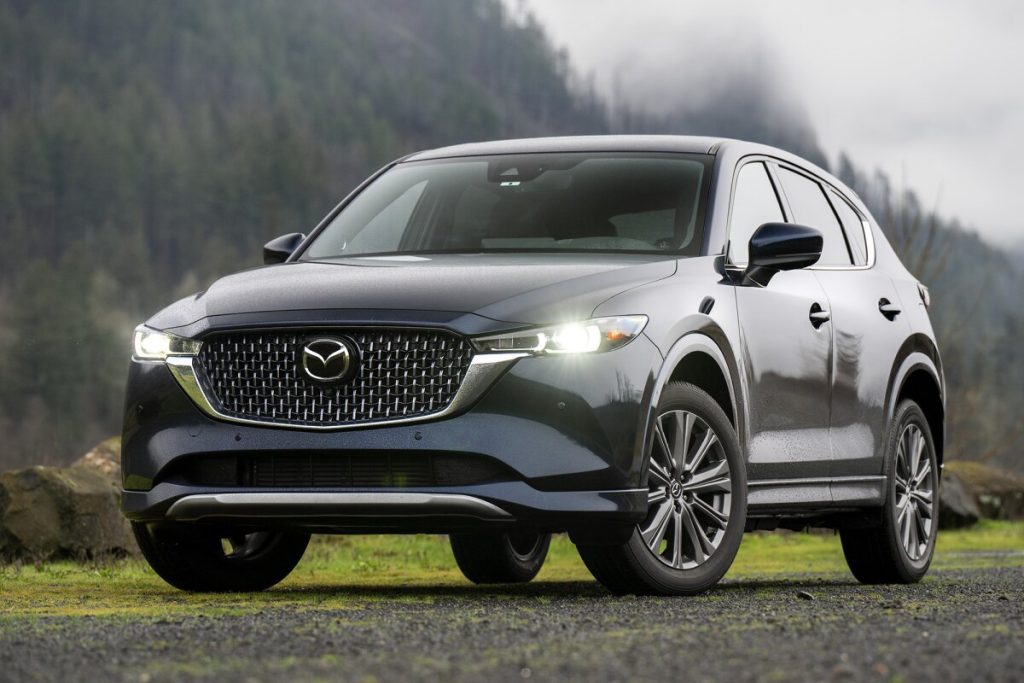
I am writing about the Mazda CX-5 because it offers SUV versatility without commuter drawbacks. For Middletown drivers who want comfort, reliability, and low daily stress, the CX-5 is a well-rounded commuter choice.
5. Subaru Impreza
The Subaru Impreza is well suited for Middletown commuters, particularly those who face varying road and weather conditions throughout the year. Its design prioritizes stability and consistency rather than performance extremes.
Standard all-wheel drive is a major benefit. In rain, snow, or poor road conditions, the Impreza provides confident traction without driver intervention. This improves safety and reduces stress during daily commutes.
Engine output is modest, keeping mechanical and thermal stress low during traffic-heavy driving. Frequent short trips and stop-and-go use do not overwhelm the powertrain, supporting long-term reliability.
Suspension tuning favors comfort and durability. The Impreza absorbs uneven pavement and road imperfections smoothly, protecting suspension components from premature wear.
Interior layout supports daily use. Visibility is good, controls are intuitive, and seating remains comfortable during longer commutes. These factors reduce fatigue and improve overall driving experience.
Fuel efficiency remains reasonable despite the AWD system, balancing traction benefits with manageable commuting costs.
Maintenance requirements are predictable. Independent shops are familiar with Subaru platforms, parts availability is strong, and routine service keeps ownership manageable.
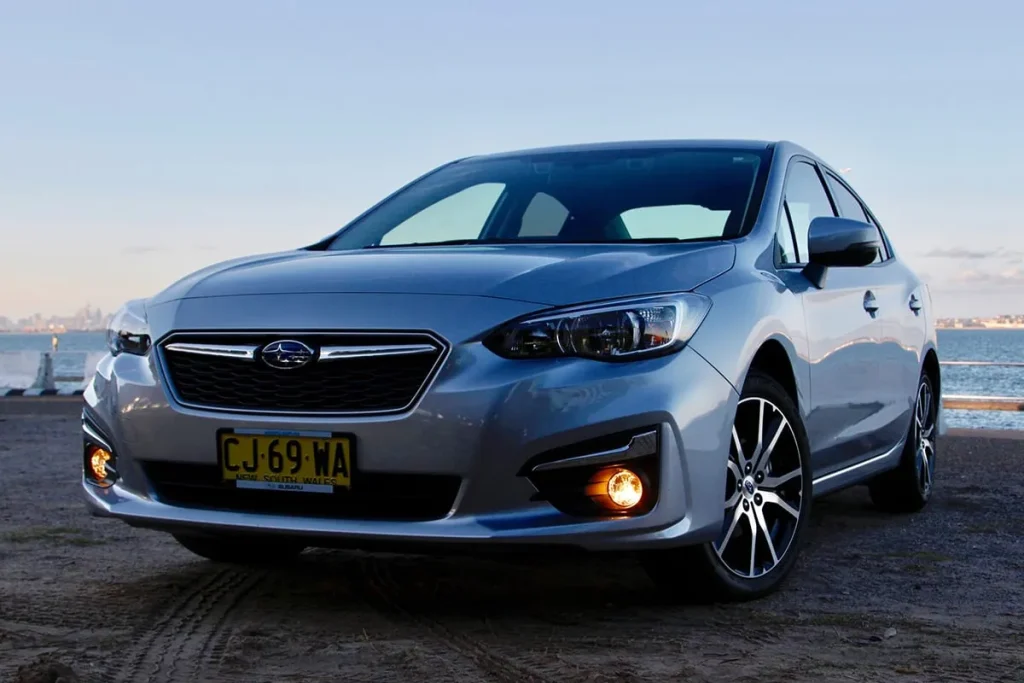
I am writing about the Subaru Impreza because it delivers dependable commuting with added confidence. For Middletown drivers who want consistent traction, comfort, and reliability without moving to a larger vehicle, the Impreza is a practical daily driver.
5 Low-Maintenance Vehicles
For many Middletown drivers, minimizing maintenance is just as important as commuting comfort. Vehicles that require frequent service visits or costly repairs disrupt routines and increase ownership stress, especially once warranty coverage expires.
Low-maintenance vehicles share common characteristics. They use proven engines and transmissions, avoid unnecessary complexity, and rely on widely available parts. These cars are easier to service at independent repair shops, keeping costs and downtime under control.
Daily commuting accelerates wear on brakes, fluids, and suspension components. Low-maintenance vehicles are designed to handle this wear predictably, turning repairs into scheduled maintenance rather than unexpected breakdowns.
This section focuses on five vehicles known for their long-term simplicity and reliability. I am writing about them to highlight cars that reduce ownership anxiety and fit well into everyday life. These models are chosen not for excitement or prestige, but for their ability to operate quietly and consistently year after year.
For Middletown drivers who want dependable transportation without constant attention, low-maintenance vehicles offer peace of mind and better long-term value.
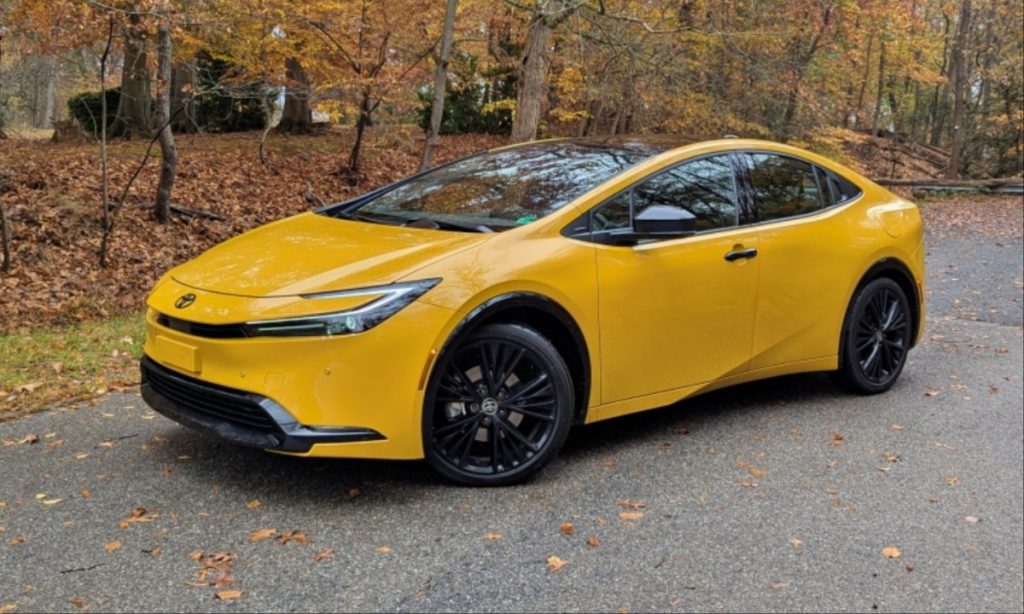
1. Toyota Prius
The Toyota Prius is one of the lowest-maintenance vehicles available for Middletown drivers because its design actively reduces wear in daily commuting. While often misunderstood as complex, real-world ownership shows the Prius requires fewer repairs than many traditional cars.
One of the biggest reasons is reduced engine stress. In city and suburban commuting, the Prius relies heavily on its electric motor at low speeds. This allows the gasoline engine to shut off frequently, reducing heat buildup, internal friction, and long-term wear. Over thousands of daily trips, this significantly extends engine life.
Brake maintenance is another major advantage. Regenerative braking handles much of the deceleration during stop-and-go driving. As a result, brake pads and rotors last far longer than in conventional vehicles, often doubling service intervals. For commuters, this translates into fewer shop visits and lower maintenance costs.
The gasoline engine itself is conservatively tuned. It is not performance-focused, which keeps operating temperatures stable and avoids the stress seen in turbocharged commuter cars. Oil consumption and cooling issues are far less common than in many modern compact sedans.
Despite its hybrid system, service accessibility is excellent. Prius models have been on the road for decades, meaning independent repair shops are familiar with them. Hybrid components are widely available and far more affordable than they once were.
Electrical reliability is strong. The Prius uses robust, well-tested electronics rather than experimental systems. Failures are relatively rare, and diagnostics are straightforward for experienced technicians.
Suspension and drivetrain components also hold up well under daily use. Smooth power delivery reduces shock loads that accelerate wear in traditional drivetrains.
I am writing about the Toyota Prius because it demonstrates how smart engineering reduces maintenance naturally. For Middletown drivers who want predictable ownership with minimal repair interruptions, the Prius remains one of the most dependable low-maintenance vehicles on the road.
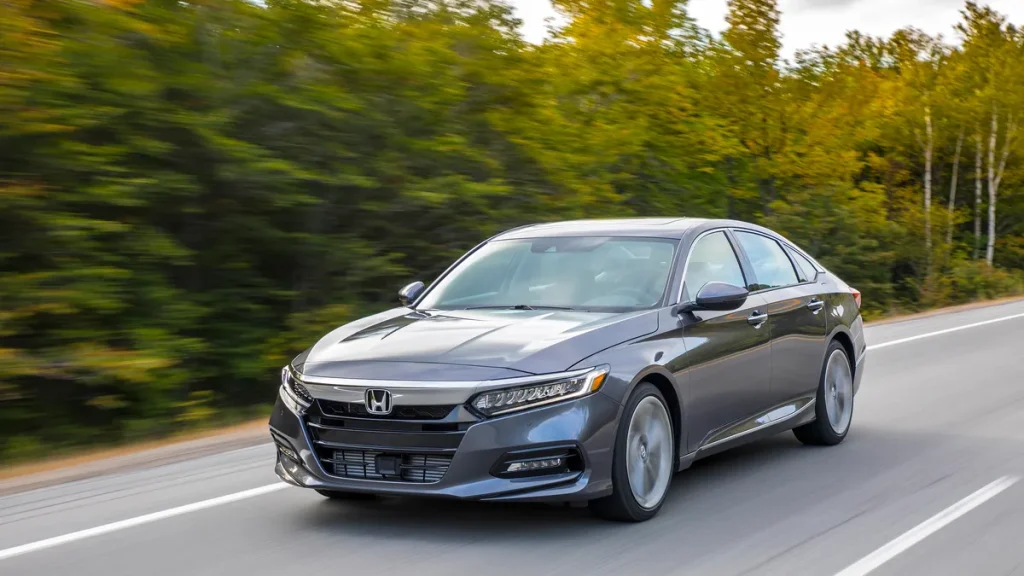
2. Honda Accord
The Honda Accord is a long-standing benchmark for low-maintenance ownership, making it an excellent choice for Middletown drivers who want dependable transportation without frequent service visits. Its engineering philosophy emphasizes durability and service simplicity.
Engine design plays a central role. Accord engines are tuned for smooth, efficient operation rather than aggressive performance. This reduces internal heat and wear during daily commuting, especially in stop-and-go traffic. As a result, engines often remain reliable well past high mileage with basic maintenance.
Transmission reliability is another strength. Accord transmissions prioritize predictable shifting rather than rapid response. This consistency minimizes internal stress and reduces the likelihood of early failures common in more complex or aggressively tuned drivetrains.
Service access is straightforward. Engine bays are designed with maintenance in mind, allowing routine tasks such as oil changes, belt replacements, and cooling system service to be completed quickly. This keeps labor costs low and reduces downtime.
Parts availability is excellent. Accord components are widely stocked and competitively priced, which makes repairs faster and more affordable. Independent repair shops are extremely familiar with the platform, further reducing diagnostic time and unnecessary part replacement.
Suspension durability supports long-term ownership. Bushings, struts, and control arms are designed to handle daily road imperfections without frequent failure. When replacement is needed, repairs are simple and cost-effective.
Electrical systems are relatively conservative. While modern features are present, the Accord avoids overly complicated electronics that often trigger repeated warning lights or software issues.
I am writing about the Honda Accord because it exemplifies stress-free ownership. For Middletown drivers who value reliability, affordability, and minimal maintenance disruption, the Accord continues to deliver long-term peace of mind.
3. Toyota Camry
The Toyota Camry is one of the most consistently low-maintenance vehicles for Middletown drivers because it combines mechanical simplicity with long-term durability. It is designed to tolerate daily use without developing the recurring issues that drive up ownership costs.
Engine tuning in the Camry prioritizes longevity over performance. Power delivery is smooth and conservative, keeping heat and internal stress low during stop-and-go commuting and highway cruising alike. This approach significantly reduces wear on internal components over time.
Transmission reliability is a major reason the Camry earns its low-maintenance reputation. Shifts are predictable and gradual, minimizing friction and heat buildup. This reduces the likelihood of premature transmission service, which is often one of the most expensive ownership concerns.
Cooling system design further supports durability. Radiators, hoses, and thermostats are robust and operate well within safe limits under normal driving conditions. Overheating-related failures are rare when routine maintenance is followed.
Suspension components are built for everyday roads rather than aggressive handling. Bushings, struts, and mounts absorb uneven pavement and road seams without failing prematurely. When replacements are needed, parts are inexpensive and readily available.
Electrical systems remain relatively simple. The Camry avoids dense electronic packaging that leads to frequent sensor failures. Diagnostic work is straightforward for most independent repair shops.
Maintenance accessibility is excellent. Oil changes, brake service, and cooling system repairs are easy to perform, keeping labor costs low. Parts availability is strong, and service intervals are predictable.
I am writing about the Toyota Camry because it delivers quiet reliability year after year. For Middletown drivers who want a comfortable commuter that stays affordable to own well into high mileage, the Camry remains a dependable low-maintenance choice.
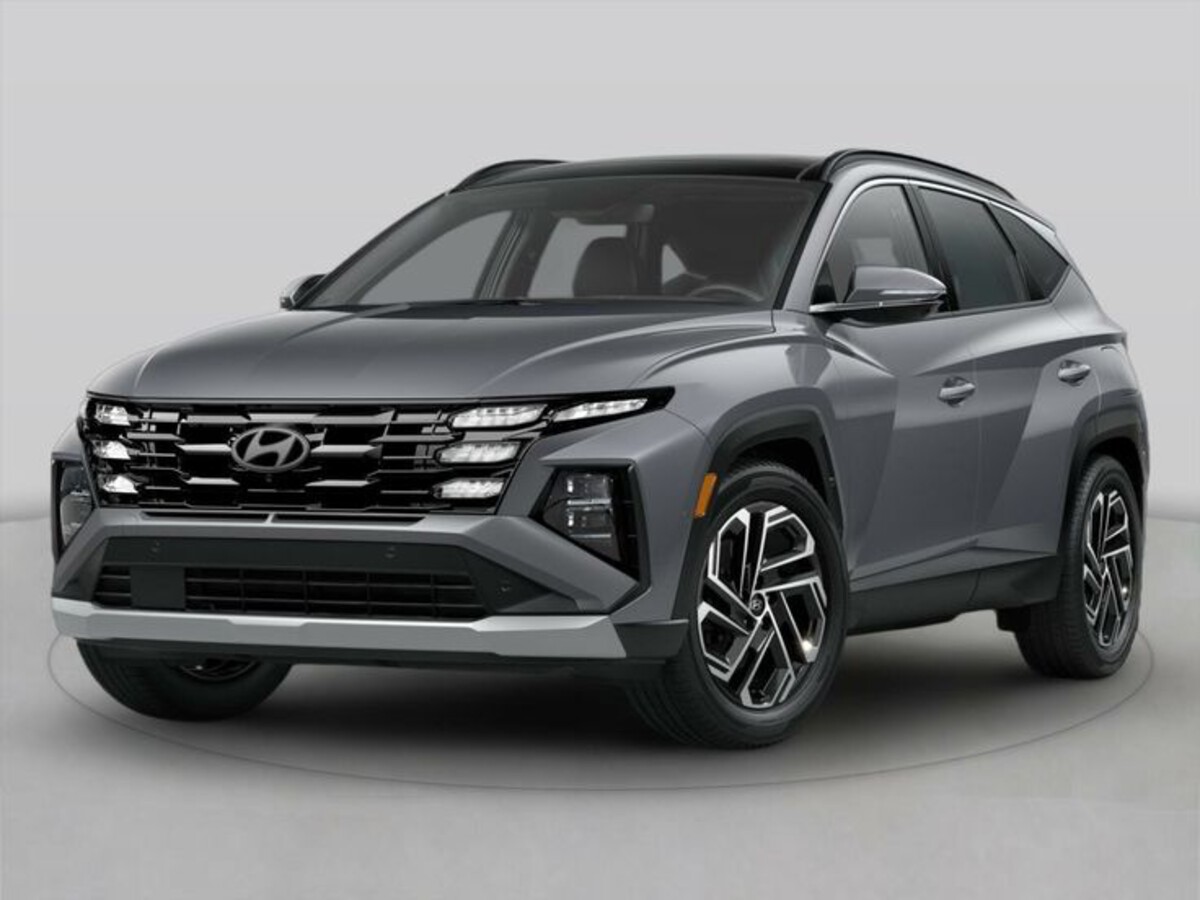
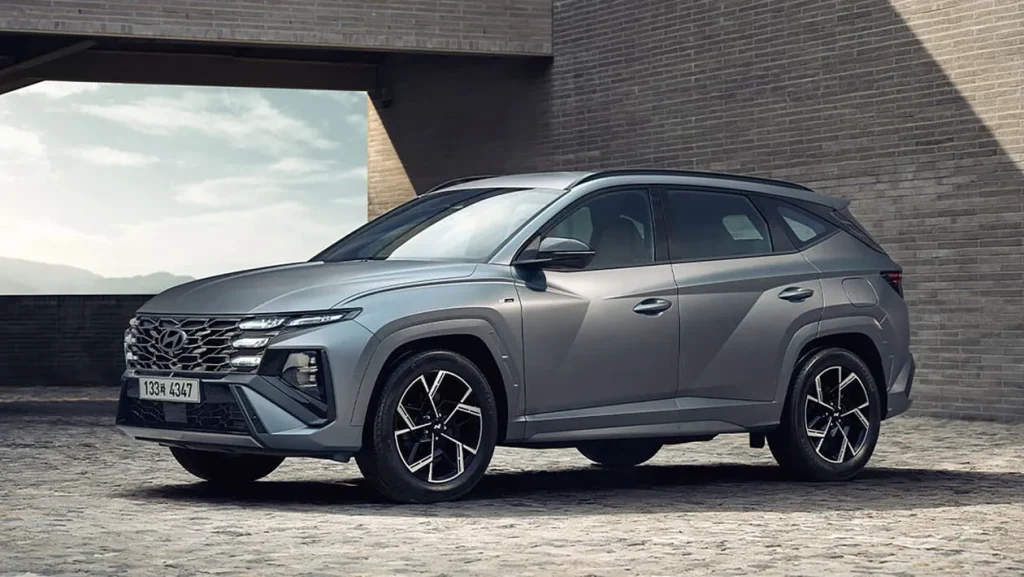
4. Hyundai Tucson
The Hyundai Tucson is a low-maintenance compact SUV that suits Middletown drivers who want versatility without excessive service demands. Its design emphasizes reliability and straightforward ownership rather than complex performance systems.
Engine output in the Tucson is modest and well controlled. This keeps operating temperatures stable during daily commuting and reduces long-term stress on engine components. In routine use, the powertrain operates comfortably within safe limits.
Transmission behavior supports durability. Smooth, predictable shifting minimizes wear caused by frequent acceleration and deceleration. This consistency helps prevent early drivetrain issues that require frequent service visits.
Cooling systems are well matched to the engine’s demands. Radiators and fans handle daily driving without strain, reducing the risk of heat-related failures as mileage increases.
Suspension tuning favors comfort and longevity. The Tucson absorbs rough pavement and patched roads effectively, protecting suspension components from premature wear. This also improves ride comfort during daily commuting.
Interior durability supports long-term use. Controls, seating, and trim hold up well under frequent entry and exit, reducing the need for interior-related repairs.
Maintenance costs remain manageable. Parts availability is good, independent shops are familiar with Tucson platforms, and routine service does not require specialized tools.
I am writing about the Hyundai Tucson because it offers SUV practicality with sedan-like maintenance demands. For Middletown drivers who want space, comfort, and predictable ownership costs, the Tucson is a sensible low-maintenance option.
5. Toyota Yaris
The Toyota Yaris is one of the most genuinely low-maintenance vehicles available for Middletown drivers, particularly for those who want simple, affordable transportation without recurring service headaches. Its design philosophy centers on mechanical simplicity, which directly translates into reduced ownership stress.
Engine design is a major contributor to its low-maintenance reputation. The Yaris uses a small, naturally aspirated engine that operates under very low stress. Power output is modest, but this keeps heat, friction, and internal wear to a minimum during daily commuting. For routine stop-and-go driving, the engine remains well within safe operating limits.
Transmission reliability is another strength. Whether equipped with a manual or conventional automatic, the Yaris avoids complex transmission systems that often require frequent servicing. Smooth, predictable operation reduces wear during city and suburban driving.
Cooling system simplicity further improves durability. Radiators, hoses, and fans are sized appropriately for the engine’s demands, reducing the likelihood of overheating or heat-related component failure. In daily use, cooling systems rarely require attention beyond routine maintenance.
Suspension components are designed for durability rather than performance. The Yaris absorbs rough pavement and road seams without placing excessive strain on bushings or struts. When suspension service is eventually required, parts are inexpensive and easy to replace.
Brake maintenance costs remain low. The lightweight design reduces braking strain, extending pad and rotor life compared to heavier vehicles used in similar commuting conditions.
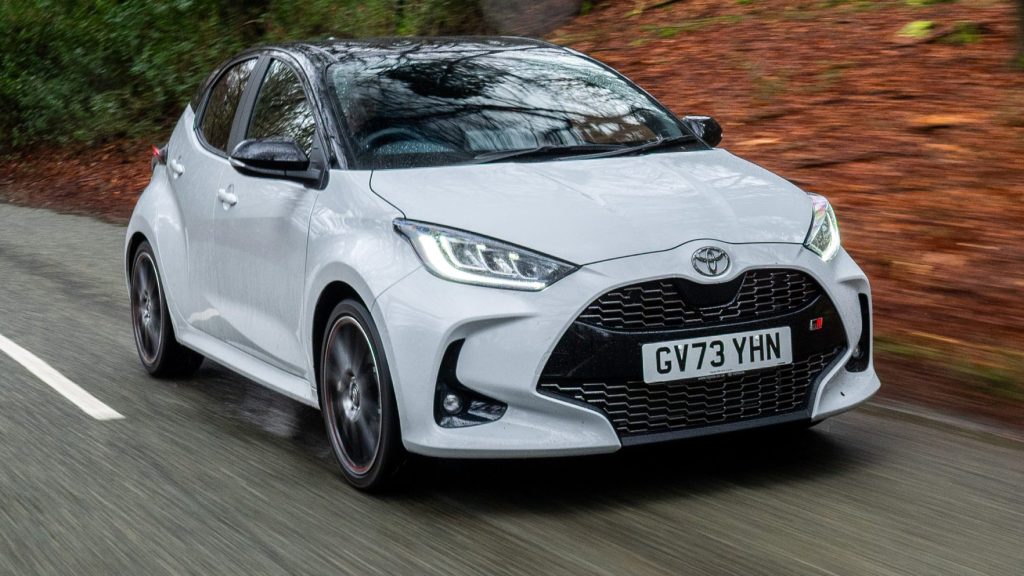
Electrical systems are straightforward. The Yaris avoids dense electronic packaging and complicated driver-assistance systems that often trigger warning lights or diagnostic visits. When issues arise, diagnosis is simple and inexpensive.
Parts availability is excellent. Replacement components are widely stocked and affordable, and nearly every independent repair shop is comfortable servicing Yaris models. This keeps labor costs low and minimizes downtime.
I am writing about the Toyota Yaris because it represents true low-maintenance ownership. For Middletown drivers who want a vehicle that quietly does its job, stays affordable to repair, and remains dependable over long mileage, the Yaris delivers exceptional long-term value.
Commuting in Middletown requires vehicles that can handle daily mileage, stop-and-go traffic, varying road conditions, and year-round use without becoming expensive or unreliable. This article examined two key ownership perspectives: cars that perform well for Middletown commuters and vehicles that remain low maintenance over long-term use.
The first section highlighted five cars well suited for Middletown commuters. Models like the Toyota Corolla and Honda Civic stood out for their proven reliability, efficient powertrains, and ability to tolerate frequent short trips without excessive wear.
The Toyota Camry provided added comfort and smooth ride quality for longer commutes while maintaining durability.
The Mazda CX-5 offered SUV practicality with predictable maintenance needs, and the Subaru Impreza added confidence through all-wheel drive and stable performance in changing weather conditions.
These commuter-friendly vehicles shared common strengths such as conservative engine tuning, smooth transmissions, compliant suspension setups, and strong parts availability. Together, these traits reduce breakdown risk and keep ownership predictable as mileage increases.
The second section focused on five low-maintenance vehicles chosen for mechanical simplicity and long-term durability. The Toyota Prius stood out for reduced engine and brake wear through hybrid technology.
The Honda Accord and Toyota Camry demonstrated how straightforward engineering leads to fewer service visits. The Hyundai Tucson offered SUV versatility without high maintenance costs, while the Toyota Yaris represented the purest form of low-stress ownership through simplicity and affordability.
The key takeaway is that Middletown drivers benefit most from vehicles built for consistency rather than complexity.
Cars that prioritize reliability, ease of service, and conservative design deliver lower costs, fewer disruptions, and dependable daily transportation over many years.
Also Read: 5 Cars for Moorhead Winter Commuting And 5 Cold-weather Performers
