
Living in Bonita Springs offers a unique blend of coastal charm, scenic drives, and a lifestyle that embraces the sun, surf, and open roads. Choosing the right vehicle for this environment means balancing style, comfort, practicality, and the ability to handle humid, salt-laden conditions without compromising performance.
From open-air cruisers like the Ford Mustang Convertible to versatile SUVs such as the Toyota RAV4 Hybrid and Subaru Outback, certain cars excel at enhancing the coastal driving experience with features like all-wheel drive, ample cargo space, and responsive handling for sandy streets and winding shoreline roads.
For residents seeking peace of mind against the corrosive effects of salt air, rust-resistant models like the Audi A4, Tesla Model S, and Volvo S60 provide durable construction, protective coatings, and thoughtful engineering that ensure longevity. This guide highlights five vehicles ideal for coastal living and five top rust-resistant picks, combining lifestyle enjoyment with long-term reliability.
5 Cars for Bonita Springs Coastal Life
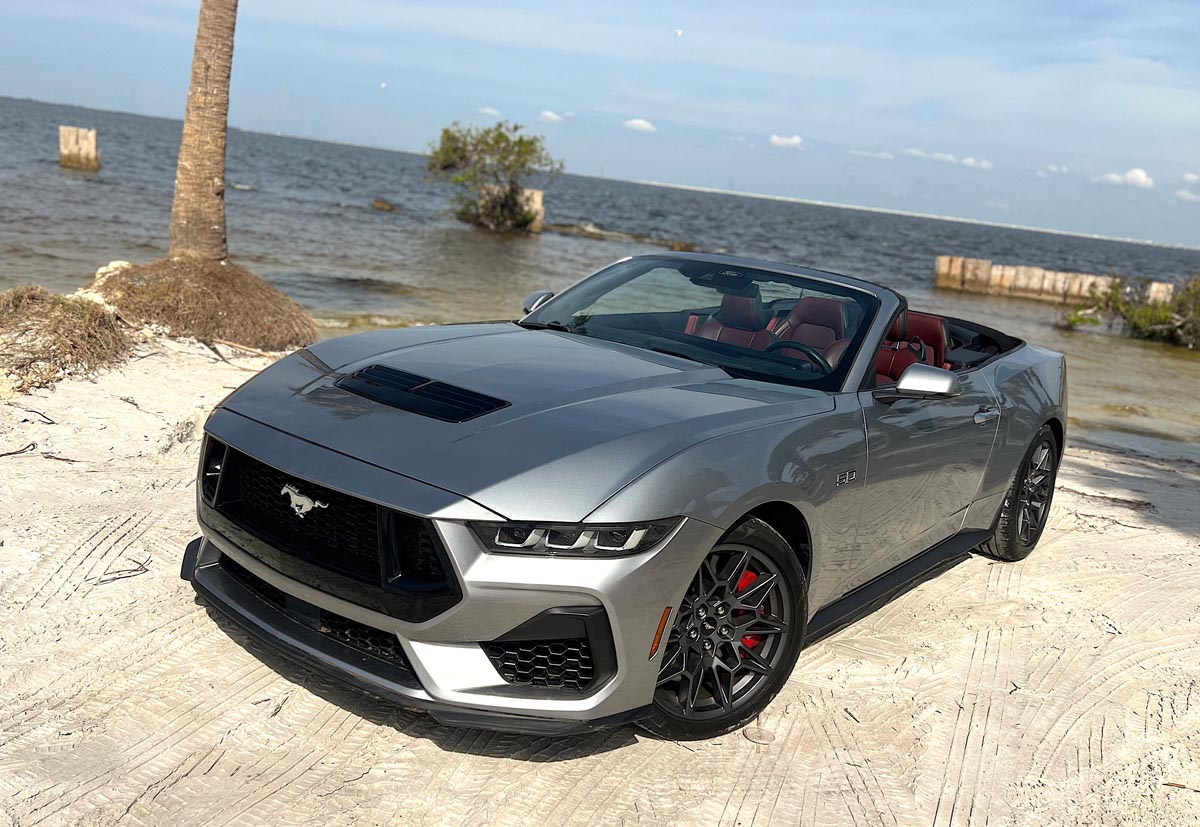
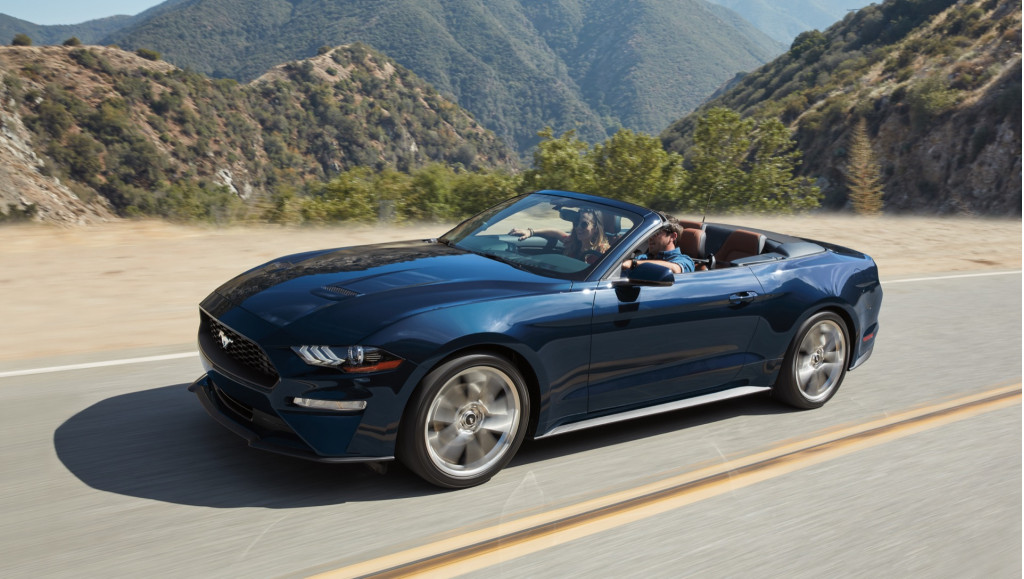
1. Ford Mustang Convertible: The Coastal Cruiser Experience
The Ford Mustang Convertible is a quintessential choice for coastal drives, offering an open-air experience that highlights sunny skies, ocean breezes, and scenic routes. Its power-operated soft top allows drivers to enjoy fresh air while running errands or taking long drives along coastal highways.
With its stylish, iconic design, the Mustang stands out in car culture, combining classic muscle car appeal with a fun and comfortable driving experience.
The turbocharged four-cylinder engine produces 315 horsepower and 350 lb-ft of torque, paired with an 8-speed automatic transmission. Acceleration is impressive, with 0–60 mph times reaching around 4.7 seconds in real-world conditions.
While the car feels quick and lively, cornering is softer, and the rear can shift over bumps, making it better suited for relaxed cruising than aggressive driving. The steering is responsive enough for city streets and coastal roads, providing a confident yet enjoyable ride.
The interior features a wide digital gauge panel that replaces traditional analog instruments. While functional, it loses much of the classic Mustang character, leaving a minimalist feel that may not appeal to purists.
Modern features such as Apple CarPlay, Android Auto, and heated or ventilated seats add comfort and connectivity, while storage space is limited and the cabin can feel sparse. The convertible top operates smoothly and securely, whether raised or lowered, making it one of the car’s strongest assets.
The Mustang’s open-air design is ideal for sunny climates, though protecting the interior from UV exposure is recommended. Sudden weather changes are easily handled thanks to the quick-operating top. Fuel economy is respectable at about 22.5 mpg during coastal cruising. Build quality can feel inconsistent, with occasional rattles, though the convertible top itself is solid and reliable.
The Mustang Convertible excels with its fun, easy-to-use convertible top, strong acceleration, and sleek exterior design, making it a stylish and engaging choice for coastal driving. On the downside, the interior feels overly digital and minimalist, cornering is soft, and the base model may resemble a rental car, which could affect its perceived presence on the road.
The Mustang Convertible blends muscle car performance with a fun, open-air lifestyle, delivering a unique driving experience for those who prioritize style, sun, and the joy of the ride.
2. Toyota RAV4 Hybrid: Efficient and Versatile for Coastal Living
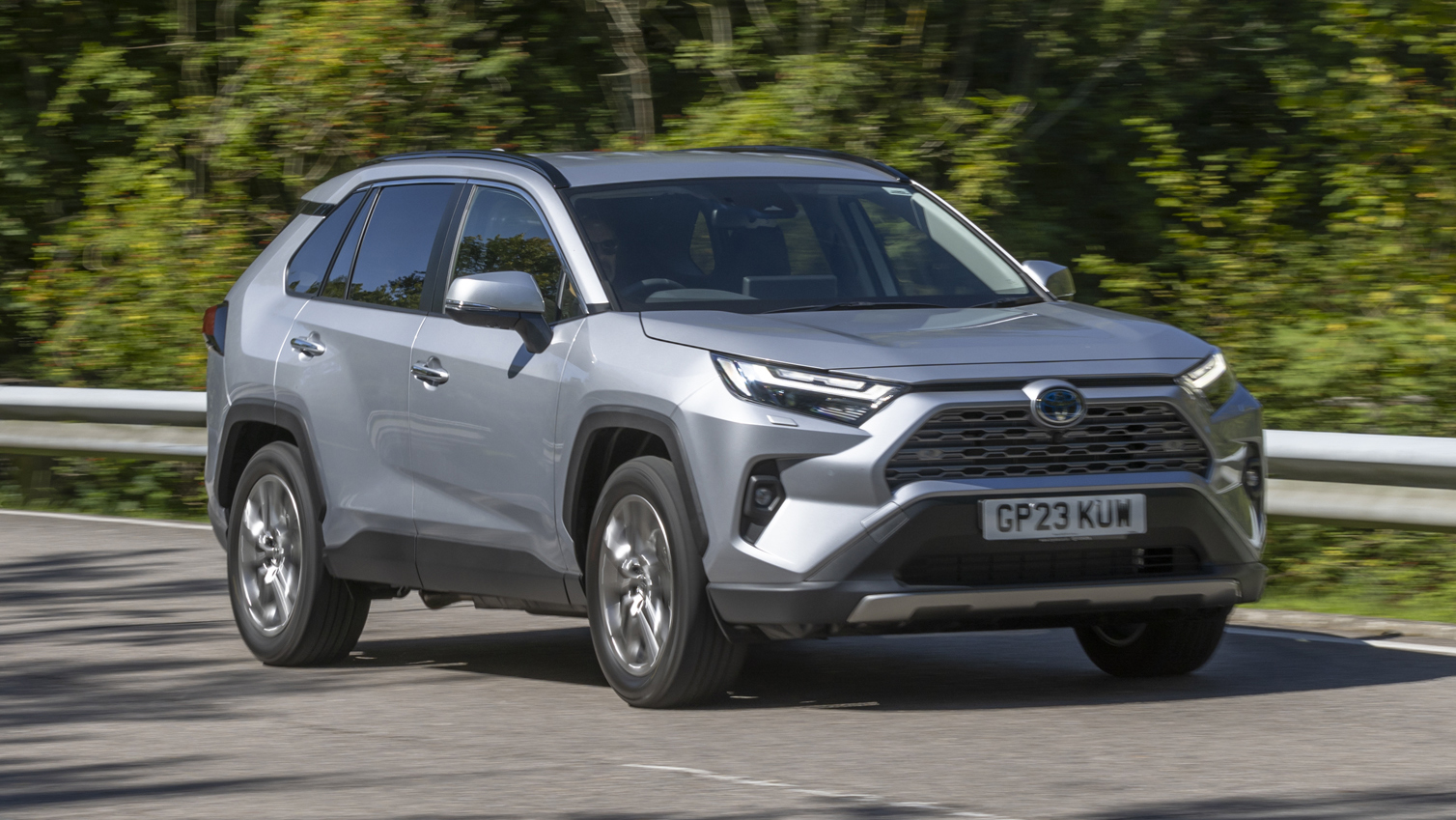
The Toyota RAV4 Hybrid is a versatile SUV designed to blend fuel efficiency, practicality, and comfort, making it ideal for coastal living. Its hybrid powertrain allows quiet, electric-only operation at lower speeds, perfect for residential beach communities, while the Woodland trim adds ruggedness for sandy parking lots.
With ample cargo space, reliable all-wheel drive, and advanced safety features, it delivers a capable and enjoyable driving experience.
Powered by a 2.5-liter four-cylinder engine paired with three electric motors, the RAV4 Hybrid produces 219 horsepower and comes standard with all-wheel drive. The hybrid system provides immediate torque for smooth city driving and efficient acceleration, achieving 0–60 mph in about 7.3 seconds.
The plug-in hybrid variant offers 302 horsepower and an electric-only range of up to 42 miles, making it even quicker and more flexible. Real-world fuel economy for the hybrid averages 37–41 mpg, while the PHEV achieves up to 94 MPGe.
The RAV4 Hybrid offers a practical and spacious cabin, with up to 37.6 cubic feet of cargo behind the rear seats, expanding to nearly 70 cubic feet with the seats folded. The PHEV sacrifices some cargo room for a larger battery.
Standard and available comfort features include dual-zone climate control, heated and ventilated seats, a panoramic sunroof, and a hands-free power liftgate. Infotainment options range from an 8.0- to 10.5-inch touchscreen with wireless Apple CarPlay and Android Auto, and premium audio systems are available on higher trims.
The RAV4 Hybrid comes equipped with Toyota Safety Sense™, including adaptive cruise control, lane-keeping assist, and automated emergency braking with pedestrian detection. Its renowned reliability and low maintenance demands provide peace of mind for daily driving.
Toyota also offers a comprehensive warranty: three years/36,000 miles limited, five years/60,000 miles powertrain, and ten years/150,000 miles hybrid component coverage, along with two years/25,000 miles of complimentary scheduled maintenance.
The RAV4 Hybrid combines efficiency, practicality, and safety with the versatility to handle sandy beaches and urban streets alike. Its spacious interior, advanced technology, and capable hybrid powertrain make it a strong choice for drivers who value fuel savings, comfort, and confidence in all coastal conditions.
3. Honda Prelude: A Sporty Hybrid Coupe for Coastal Driving
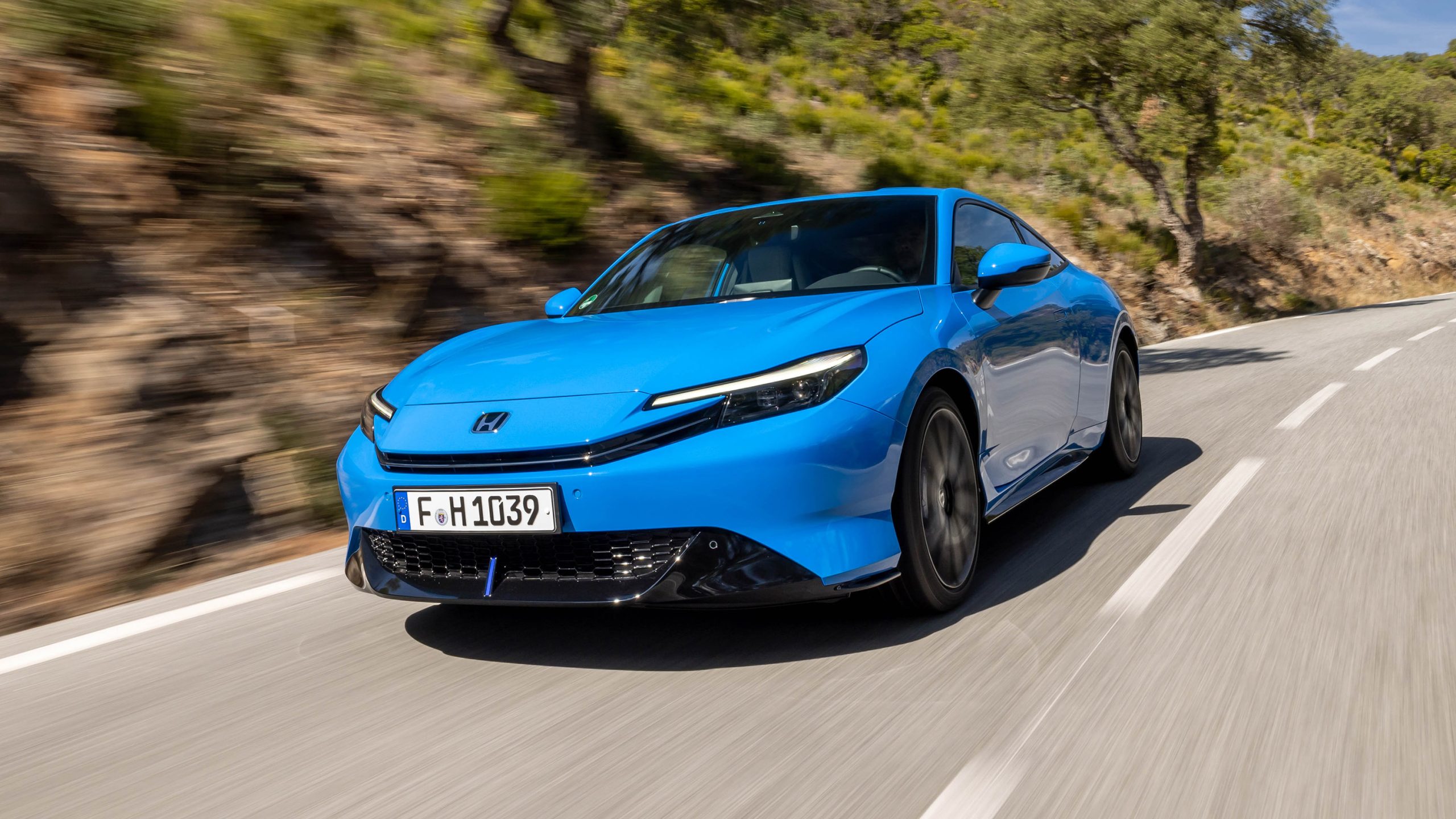
The Honda Prelude returns as a sleek hybrid coupe, blending style, efficiency, and precision for drivers who value both performance and practicality. Its low, sporty silhouette fits seamlessly into upscale coastal settings like Coconut Point or The Promenade, while its hybrid powertrain delivers excellent fuel economy, making it ideal for daily commuting or weekend drives along scenic coastal routes.
The Prelude combines a 2.0-liter four-cylinder engine with an electric motor system borrowed from the Civic eHEV, producing 181 horsepower and 232 lb-ft of torque. Acceleration from 0–62 mph takes approximately 8.2 seconds, with immediate torque delivery from the electric motor enhancing responsiveness in stop-and-go traffic.
For a sportier feel, the S+ Shift mode allows drivers to engage eight simulated gear ratios via paddle shifters, complete with rev-matched upshifts and downshifts, creating a more engaging driving experience. Adaptive dampers and dual-axis front struts, along with Agile Handling Assist (AHA), provide sharp, precise handling while maintaining ride comfort.
The driver-focused cabin offers supportive seats, multi-zone climate control, and a premium audio system for comfort in warm climates. While compact, the Prelude includes practical elements such as a lift-back opening and split-folding rear seats, allowing for cargo versatility for beach gear or groceries.
Honda prioritizes simplicity and lightness, opting for manual seat adjustments and excluding luxury features like power-operated tailgates, helping keep weight down and costs reasonable.
Standard Honda Sensing® safety technologies include adaptive cruise control, blind-spot monitoring, and lane-keeping assistance, providing confidence in mixed city and highway driving conditions. Honda’s reputation for long-term reliability ensures minimal maintenance concerns, allowing drivers to enjoy the coastal lifestyle without worry.
The Prelude stands out as one of the few hybrid coupes available, appealing to drivers seeking a unique, stylish, and precise vehicle. Its combination of sporty handling, hybrid efficiency, and thoughtful engineering makes it well-suited to both coastal streets and scenic drives, while its compact size and sophisticated design make it a practical yet striking choice for daily use.
The Honda Prelude offers a blend of refinement, efficiency, and engaging driving dynamics, making it an attractive option for drivers who want a sporty, distinctive, and practical coastal vehicle.
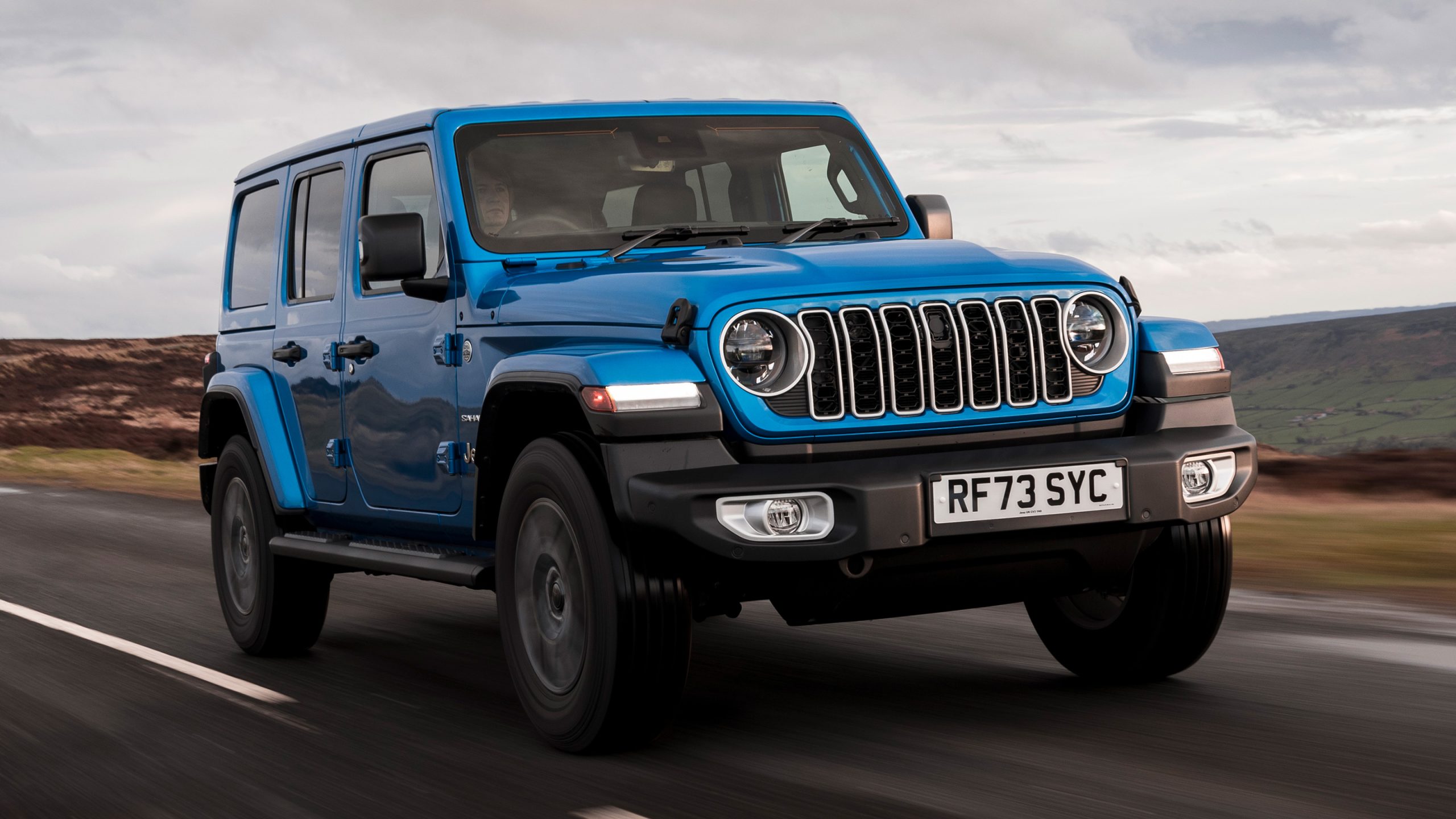
4. Jeep Wrangler: The Ultimate Open-Air Beach Adventure Vehicle
The Jeep Wrangler stands apart as the definitive “beach lifestyle” vehicle, purpose-built for drivers who want direct access to sand, surf, and sun.
With removable doors and roof panels, standard four-wheel drive, and exceptional ground clearance, the Wrangler delivers unmatched freedom for coastal living in areas like Bonita Springs. It’s a vehicle designed less for polish and more for authentic outdoor adventure, perfectly aligned with a relaxed, beach-focused way of life.
Wranglers are engineered for off-road use, making them especially effective on sandy beach access roads and uneven coastal paths. Standard 4WD provides dependable traction on soft sand, while high ground clearance allows confident travel over rutted or unpaved surfaces.
Multiple engine choices range from a 270-horsepower turbocharged four-cylinder to a 285-horsepower V6 and a powerful 470-horsepower V8, paired with either manual or automatic transmissions.
Acceleration varies by configuration, but even base models feel capable, while the V8-powered version delivers startling straight-line performance. Ride quality remains firm and truck-like, prioritizing durability over pavement comfort.
Few vehicles offer the Wrangler’s level of open-air flexibility. Doors and roof panels can be removed entirely, transforming it into a rolling beachfront lounge. This setup makes transporting surfboards, paddleboards, or beach gear effortless.
Cargo capacity is practical, especially in four-door models, though rear seats do not fold completely flat. Two-door versions trade cargo room for classic styling and maneuverability.
Inside, the Wrangler favors rugged functionality over refinement, with upright seating, durable materials, and intuitive controls. A large touchscreen with wireless smartphone integration comes standard, and optional navigation includes mapped off-road trails. Safety technology is limited compared to modern crossovers, with features like blind-spot monitoring offered but not standard across the lineup.
Fuel economy is modest, particularly with larger engines, and coastal ownership requires frequent cleaning to combat salt exposure. Maintenance is straightforward, and Jeep’s strong aftermarket and enthusiast community make customization easy and popular.
The Jeep Wrangler remains the go-to choice for drivers who value beach access, outdoor freedom, and unmistakable style, delivering a coastal driving experience few vehicles can match.
5. Subaru Outback: A Practical and Comfortable Companion for Coastal Adventures
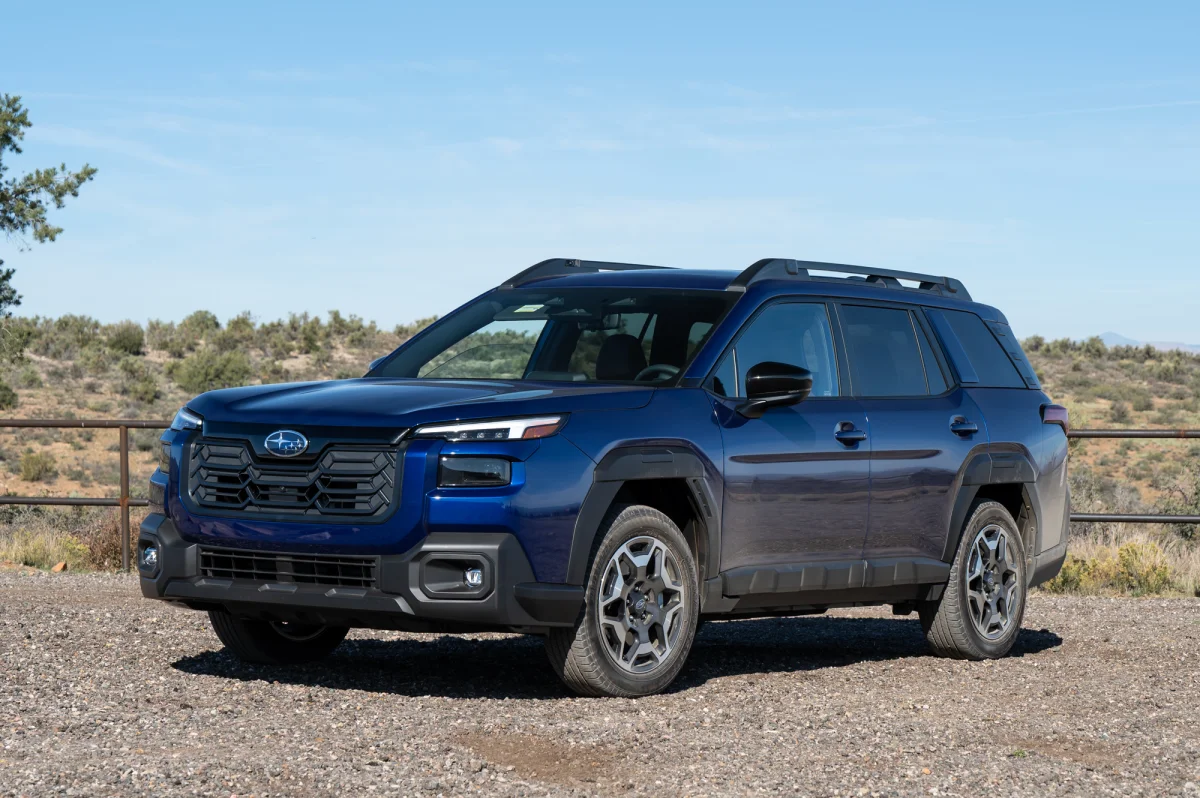
The Subaru Outback blends the versatility of an SUV with the road manners of a wagon, making it a strong fit for coastal living in areas like Bonita Springs. Known for its calm ride, standard all-wheel drive, and generous cargo space, the Outback is well-suited for hauling gear to destinations such as Barefoot Beach or Lovers Key State Park while remaining comfortable for daily commuting along the Gulf Coast.
Every Outback comes equipped with Subaru’s Symmetrical All-Wheel Drive, providing added confidence on rain-soaked roads and stability when accessing lightly unpaved or sandy areas. With approximately 8.7 inches of ground clearance, the Outback can handle uneven pavement, standing water after heavy rain, and packed sand with ease.
Drivers heading onto softer sand benefit from airing down tires and adjusting traction settings for better grip. The available Wilderness trim enhances this capability further with extra ground clearance, all-terrain tires, and more rugged exterior protection.
The Outback offers two four-cylinder engine choices: a standard 180-horsepower 2.5-liter engine and an optional 260-horsepower turbocharged 2.4-liter engine. Both pair with a continuously variable transmission and deliver smooth, composed driving manners.
The turbo engine provides noticeably stronger acceleration, especially when carrying passengers or gear, while the base engine prioritizes efficiency and relaxed cruising.
Inside, the Outback emphasizes comfort and functionality. The redesigned interior features a clean dashboard layout, updated digital displays, and physical climate controls for ease of use.
A raised roofline improves rear-seat headroom, and expanded cargo capacity makes room for coolers, beach chairs, fishing equipment, or camping supplies. Built-in roof rails with integrated crossbars simplify carrying kayaks or paddleboards.
A large touchscreen infotainment system supports Apple CarPlay and Android Auto, while Subaru’s latest EyeSight driver-assistance suite comes standard. Features such as adaptive cruise control, lane-keeping assist, and automated emergency braking enhance safety in both city traffic and longer highway drives.
Regular washing is important to protect against salt and sand exposure, especially underneath the vehicle. Fuel economy remains competitive for its class, and towing capacity reaches up to 3,500 pounds with the turbo engine.
The Subaru Outback combines everyday comfort with light-duty adventure capability, offering a balanced, dependable option for drivers who enjoy exploring coastal Florida while maintaining practicality and peace of mind.
Also Read: 5 Cars for Northglenn Commuters And 5 Winter-Capable Vehicles
5 Rust-Resistant Picks
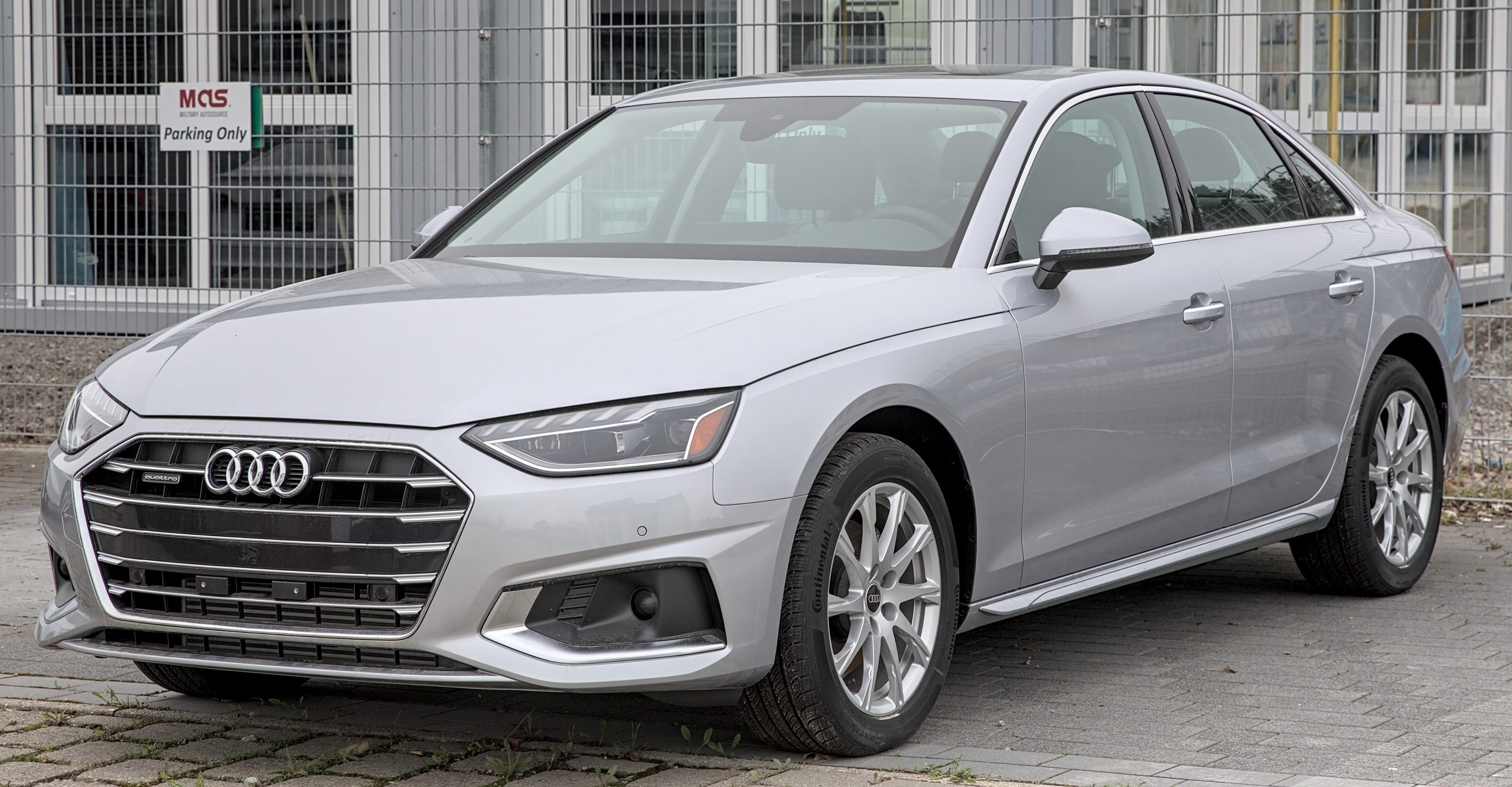
1. Audi A4: Rust Resistance and Coastal-Ready Luxury
The Audi A4 is engineered with a strong focus on rust resistance, making it a reliable choice for coastal living. Its body uses fully galvanized steel panels, where both sides of the steel are coated with zinc to form a durable, self-healing barrier against corrosion.
This process, combined with a thick underbody rust protection applied before painting, ensures the A4 can withstand moisture, salt spray, and humid conditions commonly found near the coast.
Some components, including select aluminum panels in other Audi models, further reduce reliance on rust-prone steel. Audi reinforces this commitment with a 12-year anti-perforation warranty, signaling confidence in the vehicle’s long-term corrosion protection.
Despite these measures, certain areas remain vulnerable, particularly wheel arches and lower door sills, where dirt, moisture, and road salt can accumulate. Regular cleaning, undercarriage washes in salt-prone areas, and prompt touch-ups of paint chips are essential to maintain the A4’s corrosion resistance. Adhering to Audi’s service schedule is necessary to keep the warranty valid.
Beyond durability, the A4 offers a refined driving experience suited to coastal environments like Bonita Springs. Its turbocharged four-cylinder engine produces 261 horsepower and is paired with a seven-speed dual-clutch automatic transmission and standard Quattro all-wheel drive.
Acceleration is brisk, reaching 60 mph in under five seconds, while the ride remains smooth and composed. Quattro AWD provides extra stability on wet streets during sudden Florida rain showers, and the steering strikes a balance between relaxed comfort and responsive engagement on twisty roads.
The cabin combines upscale materials, intuitive controls, and a sunroof that fills the interior with light. Rear seating is comfortable, and the split-folding rear seat enhances cargo flexibility for beach gear or sporting equipment.
Technology features include a high-resolution touchscreen infotainment system, navigation, smartphone integration, and driver-assistance options such as blind-spot monitoring, rear cross-traffic alert, surround-view cameras, and adaptive cruise control. These systems improve convenience and safety in busy coastal areas and seasonal traffic.
While maintenance costs for a luxury sedan are higher than average, the Audi A4’s combination of corrosion-resistant construction, refined performance, and advanced technology makes it an ideal choice for drivers seeking a durable, comfortable, and stylish vehicle for Bonita Springs’ coastal lifestyle.
2. Tesla Model S: Aluminum Construction and a Refined Coastal Driving Experience
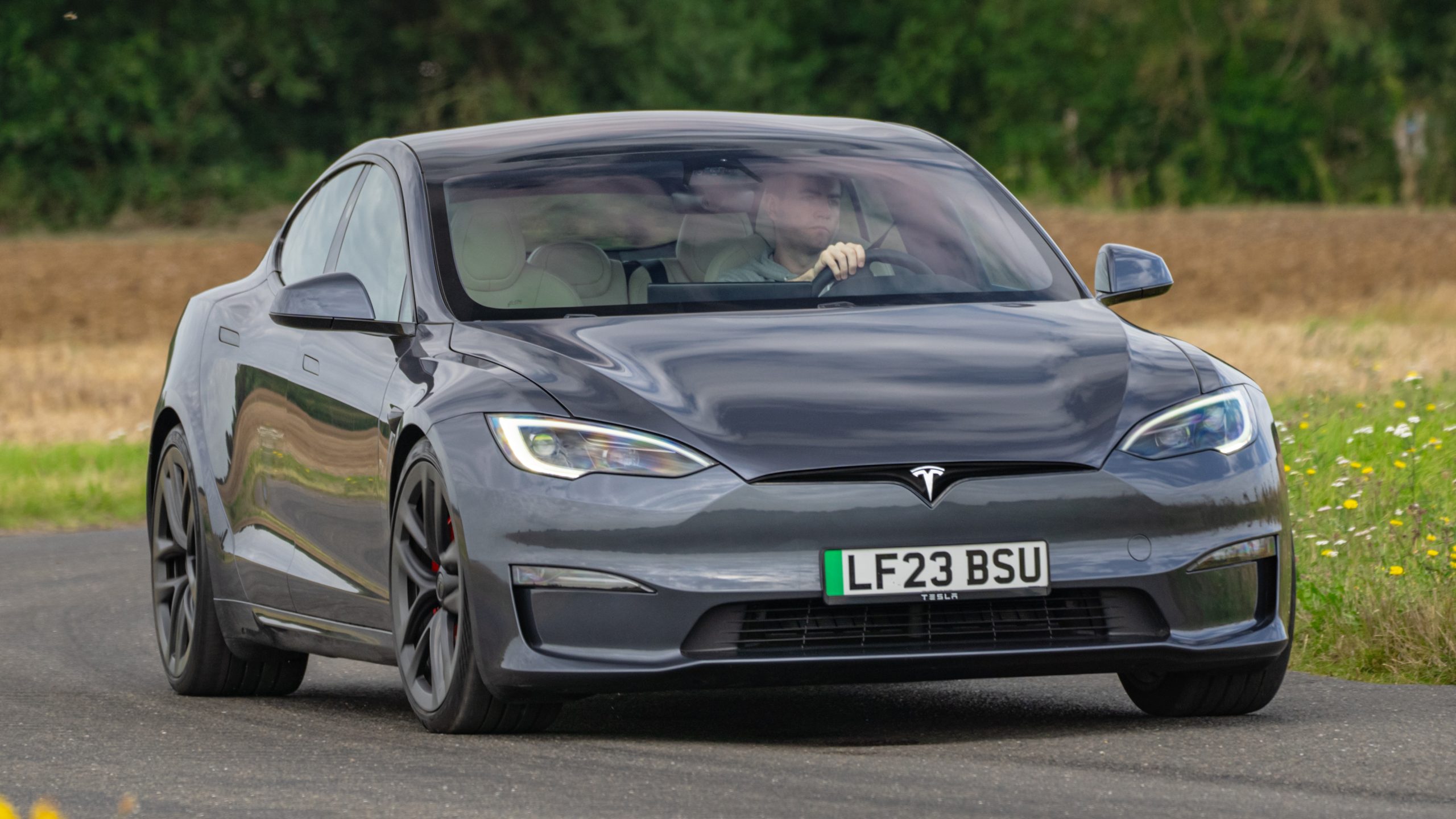
The Tesla Model S is a luxury electric sedan designed with materials and technology that make it well-suited for coastal environments. One of its biggest advantages is the extensive use of aluminum in the body and core structure. Unlike traditional steel, aluminum does not develop iron oxide rust.
Instead, it forms a stable oxide layer that naturally protects the metal beneath, helping the vehicle resist corrosion in humid, salt-air conditions common near the coast. This approach reduces long-term rust concerns and supports durability for coastal living.
Tesla supports this engineering with a long-term body rust warranty that covers corrosion perforation caused by manufacturing defects, reflecting confidence in the vehicle’s construction. While the main body panels benefit from aluminum’s natural resistance, certain underbody and suspension components still use steel for added strength.
In salt-heavy environments, these parts can show surface corrosion if neglected, which makes regular washing, especially of the undercarriage, an important part of ownership. Earlier versions experienced isolated corrosion-related issues in extreme cold regions where heavy road salt was common, showing that harsh conditions can affect specific components on any vehicle.
Beyond corrosion resistance, the Model S offers a smooth and refined driving experience that suits coastal areas. Its electric powertrain delivers quiet, effortless acceleration that enhances scenic shoreline drives.
Standard all-wheel drive provides confident traction on wet pavement during sudden rainstorms, while instant torque delivers rapid acceleration that rivals high-performance sedans. Despite its strong performance, the ride remains comfortable and composed for everyday use.
Long-range capability and charging convenience further add to the Model S’s appeal. The vehicle supports extended driving without frequent charging stops, making regional travel easy and stress-free. Home charging allows owners to start each day with a full battery, avoiding gas station visits in hot, humid weather. Access to fast-charging stations adds flexibility for longer trips.
Inside, the Model S features a minimalist, technology-focused cabin centered around a large touchscreen that controls most vehicle functions. The interior is spacious, and the rear liftback provides generous cargo space for beach gear, luggage, or daily errands. Advanced driver-assistance features help reduce stress in traffic.
With regular cleaning to remove salt residue and basic care for exposed components, the Tesla Model S combines corrosion-resistant engineering, strong performance, and modern efficiency, making it a compelling choice for a relaxed, forward-thinking coastal lifestyle.
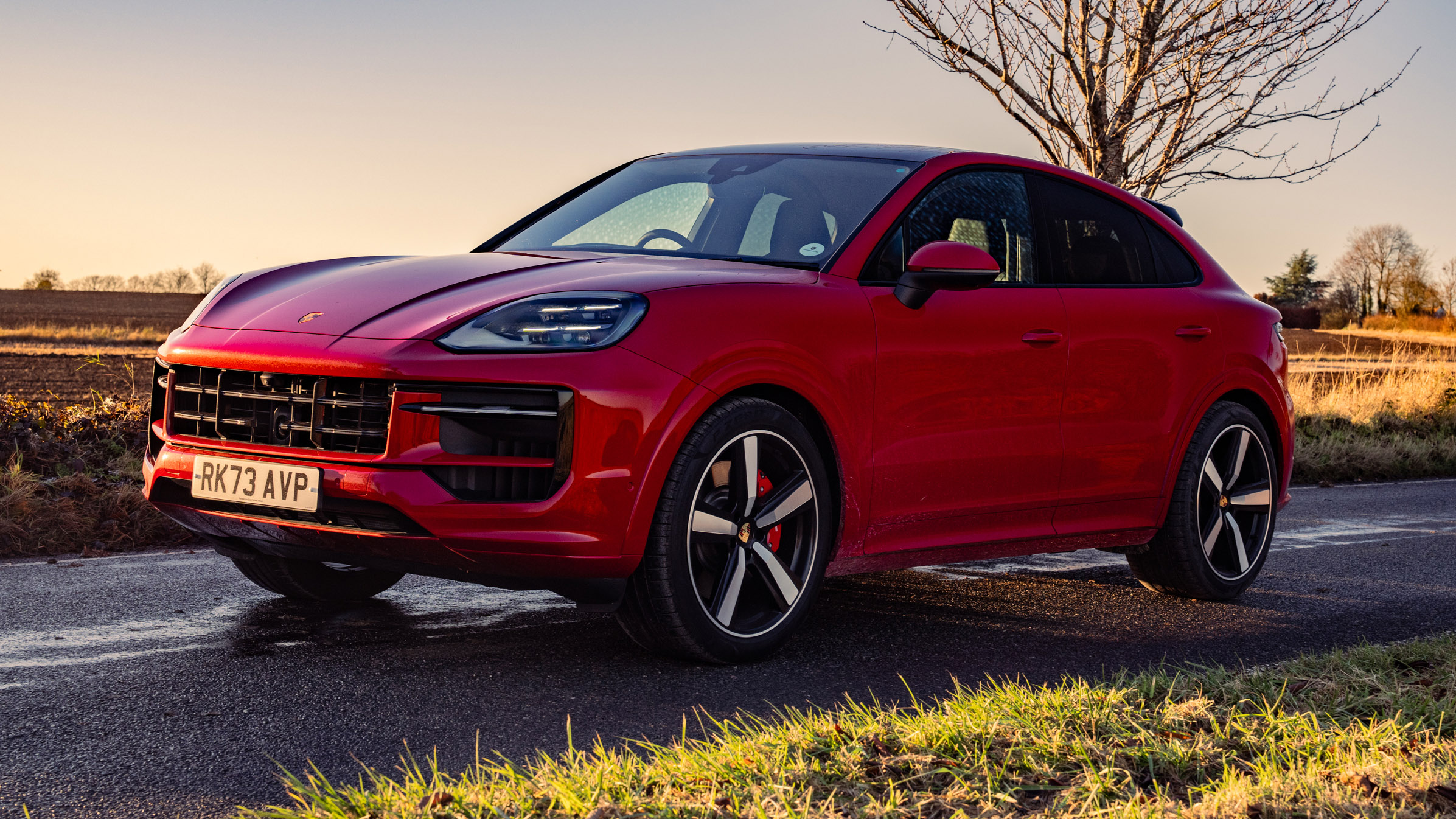
3. Porsche Cayenne: Rust-Resistant Luxury Built for Coastal Longevity
The Porsche Cayenne has earned a strong reputation for durability and corrosion resistance, making it a compelling luxury SUV for coastal regions such as Bonita Springs.
Porsche’s build philosophy emphasizes long-term quality, beginning with thick, elastic paint finishes and meticulous metal preparation designed to protect the body from humidity and salt exposure. These measures allow the Cayenne to age gracefully, even after many years in demanding environments.
A key factor behind the Cayenne’s resilience is Porsche’s extensive use of galvanized steel, which provides a zinc-coated barrier that helps prevent corrosion from forming beneath the paint. Modern generations go further by incorporating a significant amount of lightweight aluminum for body panels such as doors, roof sections, and floor components.
Aluminum naturally resists rust, reducing long-term risk in areas commonly exposed to moisture. This combination of aluminum panels and high-strength steel for structural integrity strikes a balance between durability, safety, and performance. Porsche’s attention to detail in sealing joints and treating vulnerable areas further minimizes the chances of water and salt accumulation.
Beyond durability, the Cayenne delivers a driving experience that reflects Porsche’s sports-car heritage. A range of powerful engines, paired with a refined eight-speed automatic transmission and all-wheel drive, provides confident acceleration and precise handling.
Standard adaptive dampers, along with available air suspension and rear-wheel steering, allow the Cayenne to transition seamlessly from comfortable daily driving to engaging performance on winding coastal roads.
The Cayenne’s practicality enhances its appeal for beach-town living. A flexible interior layout and generous cargo space accommodate beach gear, golf clubs, and weekend luggage with ease. Strong towing capability supports boats or trailers, while available terrain modes and all-wheel drive add reassurance on wet pavement, gravel paths, or firm sand.
Inside, the cabin features premium materials, modern digital displays, and extensive customization options, creating a refined and personalized environment. Advanced infotainment and driver-assistance systems support comfort and safety in daily use. While the Cayenne comes at a premium price and lacks a third row found in some rivals, its quality and longevity help justify the investment.
The Porsche Cayenne blends luxury, performance, and proven rust resistance into a well-rounded SUV that suits coastal living. With proper care and routine inspections of common water-collection areas, it remains a sophisticated, durable choice for drivers seeking long-term ownership in humid, salt-rich climates.
4. Volvo S60: Scandinavian Engineering Built to Resist Coastal Rust
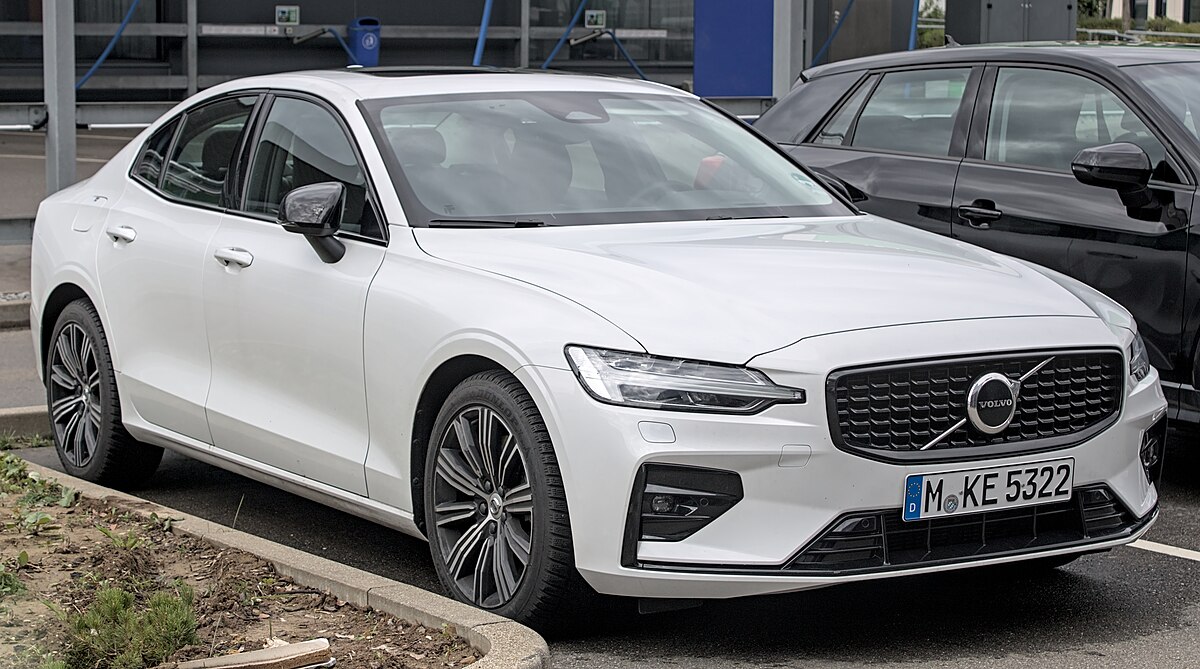
The Volvo S60 reflects Swedish engineering values that prioritize longevity, safety, and durability, qualities that translate especially well to coastal environments such as Bonita Springs.
Designed to endure harsh Nordic climates, the S60 benefits from extensive anti-corrosion measures that allow it to withstand humidity, moisture, and salt exposure for many years without visible rust. This thoughtful construction makes it a dependable choice for drivers seeking long-term ownership in salt-heavy regions.
At the core of the S60’s durability is the use of galvanized steel in critical body sections. Zinc-coated metal provides a strong first line of defense by preventing oxidation even if the surface paint becomes damaged.
Volvo further reinforces this protection with high-quality paint systems and multiple protective coatings that seal exposed surfaces from moisture intrusion. The underbody receives a tough, wear-resistant anti-corrosion compound designed to withstand road debris, standing water, and abrasive particles that can compromise lesser treatments.
Hidden areas often become the starting point for corrosion, but Volvo addresses this by sealing internal cavities such as doors, frame sections, and structural channels with specialized rustproofing fluid. This added layer prevents moisture from accumulating in places that are difficult to inspect or clean.
In addition, many suspension and chassis components are made from cast aluminum, a material naturally resistant to corrosion, reducing long-term degradation in areas exposed to road spray and humidity. Thoughtful design choices, such as minimizing overlapping metal panels and using plastic shielding in vulnerable zones, further reduce the likelihood of trapped water and debris.
For coastal drivers, these features translate into peace of mind and lower long-term ownership concerns. The S60 maintains its structural integrity and appearance even after years of exposure to salty air, making it well-suited for daily commuting, beachfront parking, and humid summer conditions.
Its refined driving experience, combined with Volvo’s well-known emphasis on safety and comfort, adds to its appeal as a balanced luxury sedan.
While the S60 is built to resist corrosion, simple maintenance helps preserve its protection. Regular washing, particularly of the undercarriage, removes salt and grime before they can cause damage. Promptly touching up paint chips prevents rust from gaining a foothold, and avoiding harsh chemical cleaners protects exterior finishes.
The Volvo S60 stands as a smart, resilient choice for coastal drivers, offering Scandinavian craftsmanship and advanced rust protection that support long-lasting performance and visual appeal in challenging environments.
5. Honda CR-V: Rust-Resistant Design and Coastal-Ready Performance
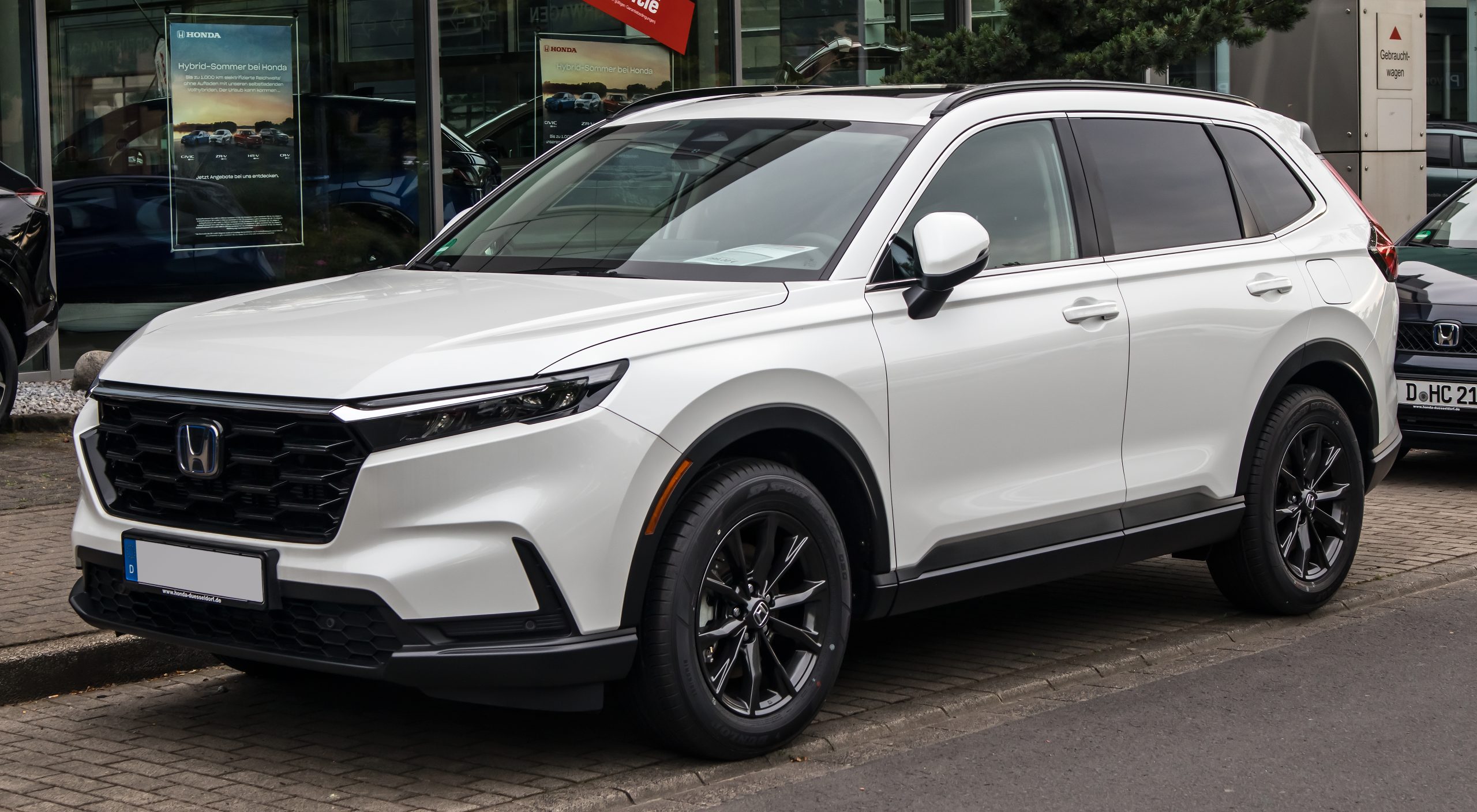
The Honda CR-V is a compact crossover engineered for long-term durability and corrosion resistance, making it well-suited for coastal living. Modern CR-V models use double-sided galvanization, protecting steel from both the inside and outside.
This, along with extensive factory rustproofing such as electro-galvanized steel, protective paint on lower panels, sealed body joints, and plastic liners, creates a strong barrier against moisture, salt, and road debris. The CR-V’s unibody construction with robotically welded panels adds structural integrity and long-term durability.
Key features for rust resistance include chip-resistant paint on vulnerable lower panels, underbody protection with splash guards and wheelwell liners, and seam sealers to prevent water intrusion. Aluminum components in critical areas further reduce corrosion risks.
Despite this protection, some older CR-V models, especially 2007 to 2011, experienced frame rust recalls, highlighting the need for inspections on used vehicles. Aftermarket undercoatings or coated brake rotors can provide extra protection in harsh environments.
Performance is practical and comfortable for daily driving. Nonhybrid CR-V models have a 150-hp 2.0-liter four-cylinder engine paired with a continuously variable automatic transmission and front-wheel drive. Hybrid models combine the same 2.0-liter engine with two electric motors for 200 horsepower, offering smooth acceleration and responsive handling.
In tests, the hybrid sedan reached 0–60 mph in 6.2 seconds, while the nonhybrid model took 8.9 seconds. Fuel efficiency is strong, with hybrids rated up to 50 mpg city and 47 mpg highway and nonhybrids achieving 32 mpg city and 41 mpg highway.
Inside, the CR-V provides practical comfort. Front and rear seats offer generous space, and higher trims add leather upholstery and enhanced comfort features. Cargo capacity is flexible, with rear seats folding flat to accommodate beach gear, luggage, or sports equipment.
Infotainment options include 7- or 9-inch touchscreens, smartphone integration, and available premium audio. Standard safety features include automated emergency braking, lane-keeping assist, and adaptive cruise control, while optional systems include blind-spot monitoring and rear cross-traffic alert.
With regular cleaning to remove salt and debris, the Honda CR-V combines corrosion-resistant engineering, efficient performance, and versatile comfort. This makes it a reliable, practical choice for coastal areas like Bonita Springs while offering long-term durability and peace of mind.
Bonita Springs coastal life demands vehicles that offer both enjoyment and durability. Open-air rides, hybrid efficiency, and all-terrain capability enhance day-to-day adventures, while rust-resistant construction ensures vehicles withstand humid, salty conditions over time.
Whether prioritizing sporty cruising, family practicality, or long-term corrosion protection, the highlighted cars provide options for every preference and lifestyle.
By choosing vehicles designed for both comfort and resilience, drivers can embrace coastal living without compromise, enjoying the sun, sand, and scenic drives for years to come. These ten selections demonstrate how performance, utility, and engineering innovation can come together to create the ultimate coastal driving experience.
Also Read: 10 Cars That Look Stunning But Disappoint True Enthusiasts
