
Cities built around cycling have bike lanes everywhere, tight side streets, bike racks taking up curb space, and parking spots that barely fit a shopping cart. If you’re driving in these places, you need a car that doesn’t feel like you’re piloting a tank through an obstacle course.
How wide your car is, whether you can actually see what’s around you, how tight it turns, and how smoothly it stops all matter way more than how fast it goes or how much power it has.
Pick the right vehicle and your daily drives become way less stressful. Everything flows more naturally when you’re constantly sharing roads with cyclists. Cars that work well in bike-heavy areas tend to be smaller, nimble, and don’t behave unpredictably in traffic.
These vehicles let you position yourself in lanes without cutting off bike paths. You can see around bike lanes clearly instead of guessing where cyclists are. You’re not that massive SUV making everyone nervous on crowded streets. Compact size also means you can pull close to curbs when parking without blocking bike lanes or crosswalks that cyclists depend on.
This guide focuses on cars that actually make sense when bikes outnumber cars on your commute. We’re looking at size, how they handle, brake feel, visibility, and whether they’re comfortable for daily use. These aren’t just easier to drive, they’re more respectful of everyone trying to use the same roads.
Later we’ll talk about cars that turn bike-friendly streets into nightmares, showing why being too big or poorly designed becomes a real problem in cycling-focused cities. Right now though, we’re sticking with cars that fit naturally into bike-friendly commuting.
These models feel manageable, respond well, and keep you calm even when streets get packed. They help you stay aware and patient without feeling trapped or overwhelmed. If you’re trying to balance driving with living in a cycling-focused city, these vehicles give you a solid place to start.
5 Cars for Madison Bike-Friendly Commuters
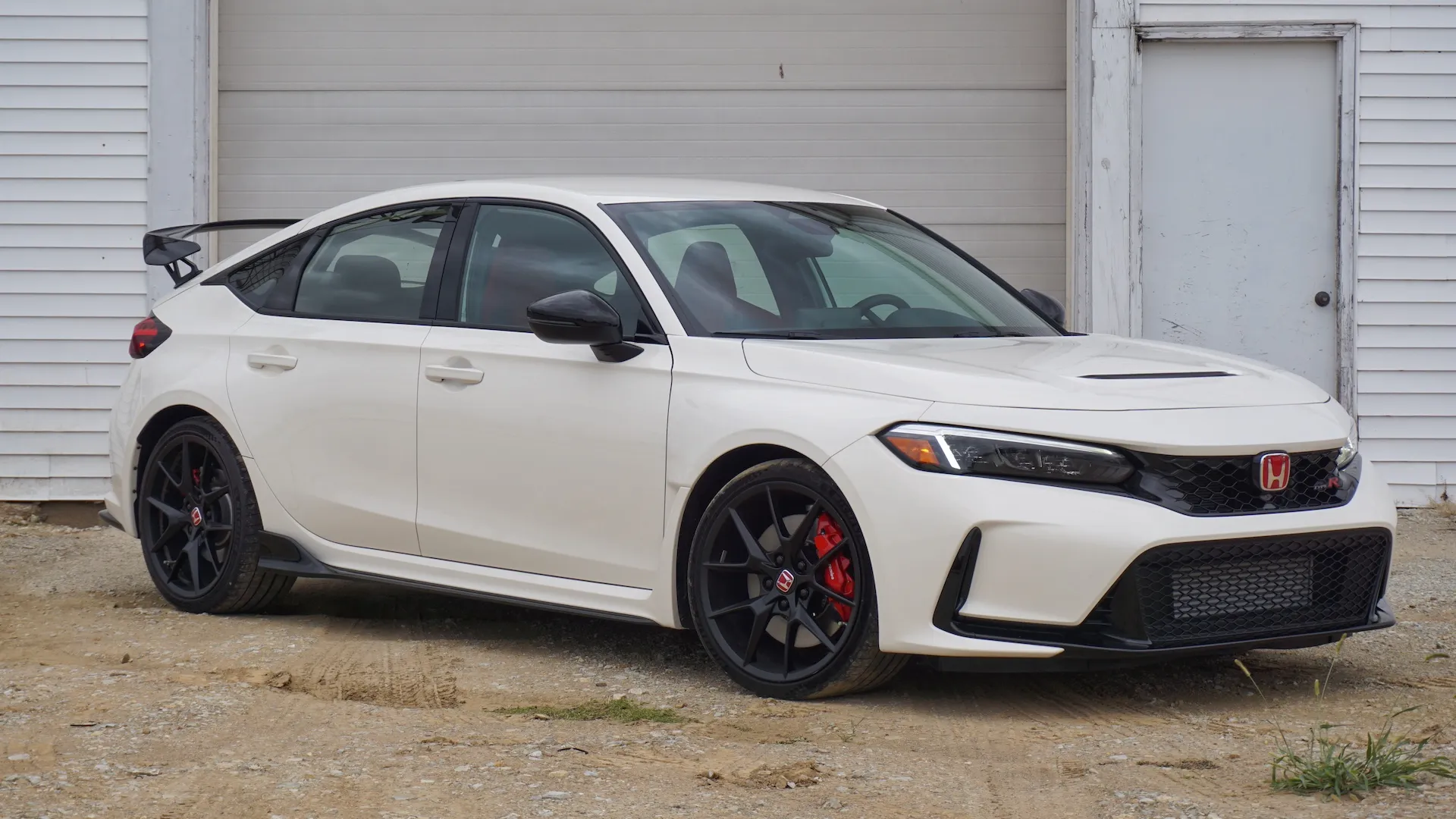
1. Honda Civic Hatchback 2023
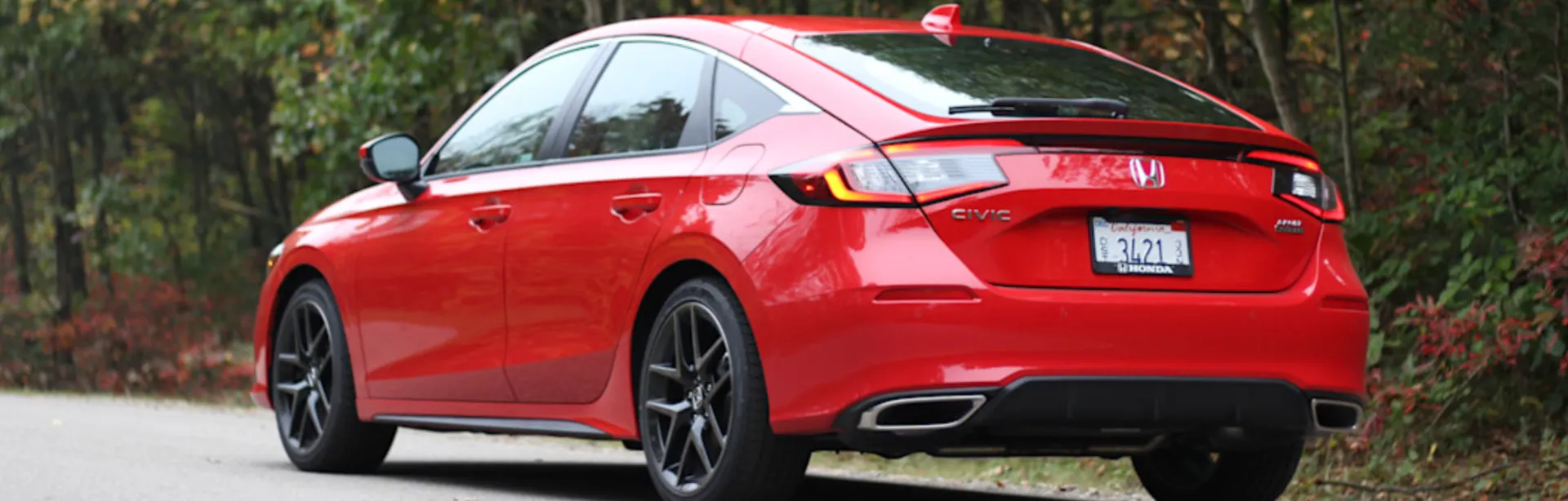
Compact proportions give the Honda Civic Hatchback 2023 a clear advantage on bike-heavy streets. Width stays manageable, allowing drivers to maintain comfortable spacing from cyclists without drifting too close to traffic lanes.
Visibility remains strong thanks to a low hood line and large windows, making it easier to spot bikes approaching from side streets or passing through intersections.
Driving behavior feels predictable, which matters when sharing space with cyclists. Steering responds smoothly, avoiding sudden movements that could surprise others on the road.
Braking feels progressive rather than abrupt, giving drivers better control in stop-and-go conditions near bike crossings. Acceleration remains steady instead of aggressive, helping maintain calm traffic flow in busy zones.
Inside the cabin, simplicity supports focus. Controls are easy to reach, and displays avoid clutter. Driver assistance features such as lane-keeping support and forward collision alerts provide gentle reminders without overpowering attention. Blind spot monitoring adds confidence when bike lanes run close to traffic lanes, especially during lane changes or turns.
Fuel efficiency supports frequent short trips, reducing stops at the pump. Storage space in the hatch area fits helmets, backpacks, or small cargo without hassle. Rear seats fold down, offering flexibility for errands without forcing drivers into larger vehicles that feel out of place on narrow streets.
Daily commuting feels relaxed due to the Civic’s balanced ride quality. Suspension absorbs uneven pavement while staying composed near curbs and bike markings. Parking becomes easier thanks to compact length and responsive steering. Tight curbside spaces feel less intimidating, and parallel parking near bike racks feels manageable.
Reliability adds peace of mind for routine commuting. Service needs remain simple, and ownership costs stay reasonable. Honda Civic Hatchback 2023 supports drivers who value awareness, control, and harmony with cyclists, making it a strong fit for bike-friendly routes and compact urban corridors.
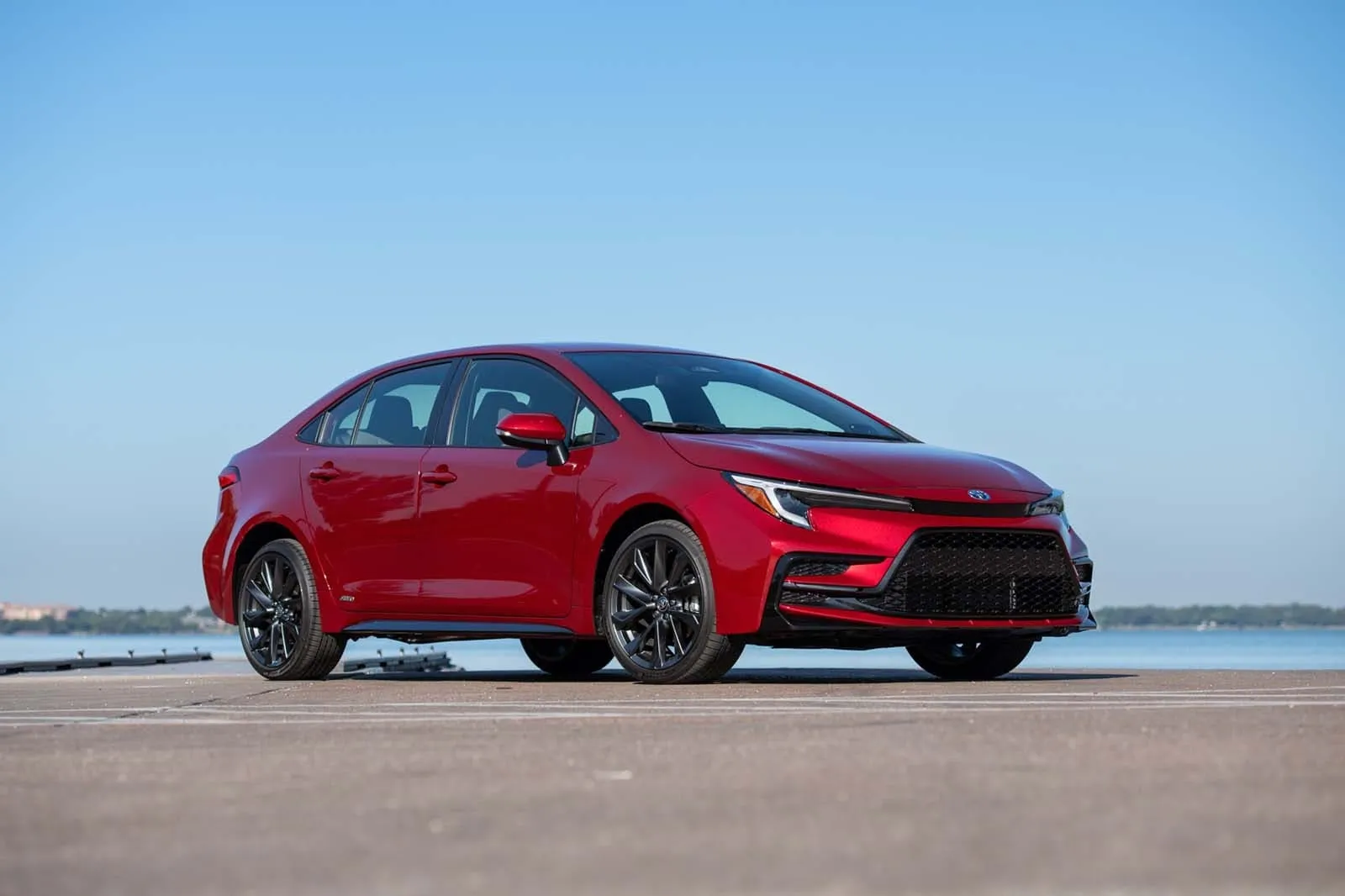
2. Toyota Corolla Hybrid 2023
Efficiency shapes the character of the Toyota Corolla Hybrid 2023, yet practicality defines its appeal for bike-friendly commuting. Compact dimensions allow drivers to move through narrow streets with ease, reducing stress near painted bike lanes or shared corridors. Steering remains light, helping drivers adjust position smoothly when cyclists appear unexpectedly.
Power delivery stays calm and controlled. Hybrid assistance keeps acceleration gentle, which works well in traffic-heavy zones filled with cyclists and pedestrians. Braking feels consistent, allowing gradual stops near intersections without sudden jolts. Quiet operation reduces noise stress, helping maintain awareness of surrounding activity.
Cabin design leans toward clarity rather than flash. Gauges remain readable at a glance, and controls respond predictably. Driver assistance systems include adaptive cruise control and lane guidance, supporting steady movement without aggressive corrections. Blind spot alerts add reassurance when cyclists approach from behind.
Fuel economy stands out during short commutes. Frequent stops and starts benefit from hybrid efficiency, lowering running costs and reducing emissions near bike paths. Trunk space holds everyday items easily, while rear seating remains usable for passengers or folded down for extra storage.
Ride comfort stays balanced, soaking up road imperfections without excessive softness. Turning radius supports tight corners, and parking near bike racks or narrow curbs becomes less stressful. The Corolla Hybrid feels cooperative rather than demanding, which suits streets filled with mixed traffic.
Reliability history supports long-term ownership. Maintenance stays straightforward, and hybrid components are proven for daily driving. Toyota Corolla Hybrid 2023 fits commuters who want efficiency, calm handling, and road manners that respect cyclists, making daily trips smoother and more predictable.
Also Read: 5 Cars for Columbia Daily Rides and 5 That Fall Apart Under Mileage
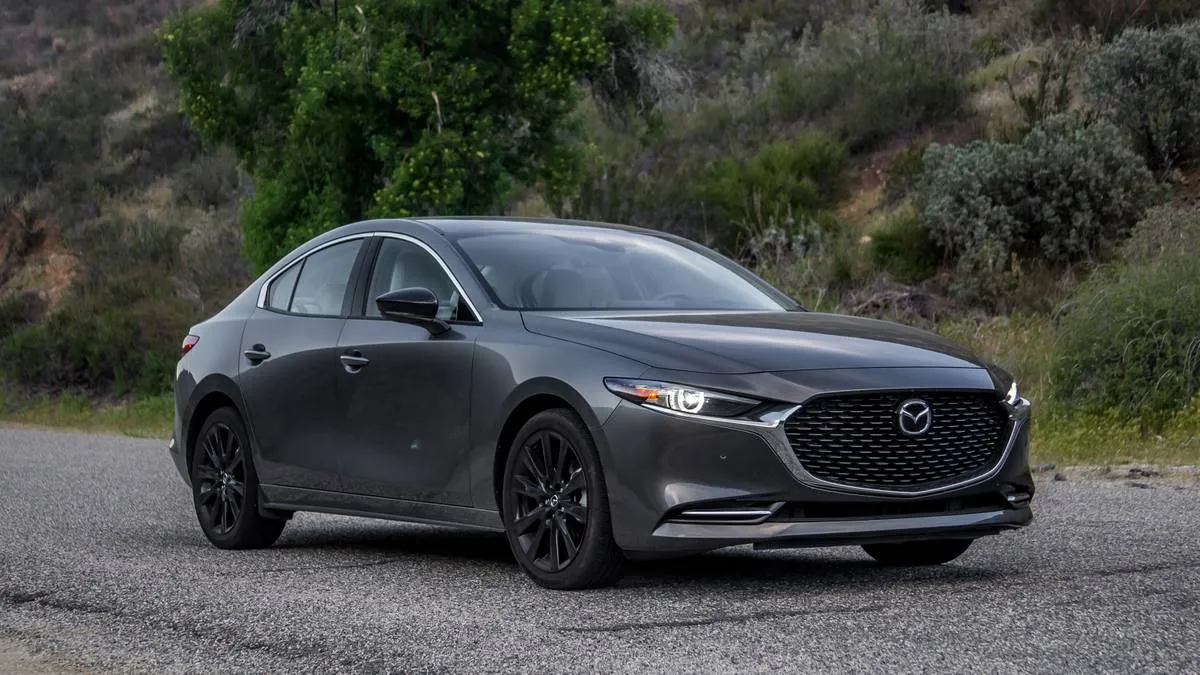
3. Mazda3 Sedan 2023
Design and balance define the Mazda3 Sedan 2023, creating a confident presence without feeling bulky. Compact width helps drivers share lanes comfortably with cyclists, while sculpted lines improve visibility around corners. Steering provides direct feedback, allowing precise adjustments near bike lanes.
Acceleration feels controlled rather than rushed. This calm delivery suits mixed traffic where bikes, pedestrians, and cars interact closely. Braking offers a consistent response, supporting smooth stops near crossings or traffic lights. Road noise stays low, helping drivers stay alert to surrounding movement.
Interior layout focuses on the driver. Controls remain intuitive, reducing distraction during busy commutes. A heads-up display projects information clearly, keeping eyes forward. Safety features like rear cross-traffic alerts and blind spot monitoring assist during turns across bike lanes.
Fuel efficiency supports daily driving without sacrificing responsiveness. Trunk space accommodates backpacks, groceries, or cycling gear with ease. Rear seats fold for added flexibility, supporting varied routines without requiring a larger vehicle footprint.
Suspension tuning balances firmness and comfort. Road imperfections are absorbed without losing control near curbs or lane markings. Parking remains manageable thanks to compact length and clear sightlines. Tight spaces near bike racks feel less intimidating.
Mazda’s reputation for build quality supports confidence. Service needs stay reasonable, and ownership feels rewarding without excess complication. The 2023 Mazda3 Sedan offers a thoughtful blend of style, awareness, and control that fits naturally into bike-friendly commuting environments.
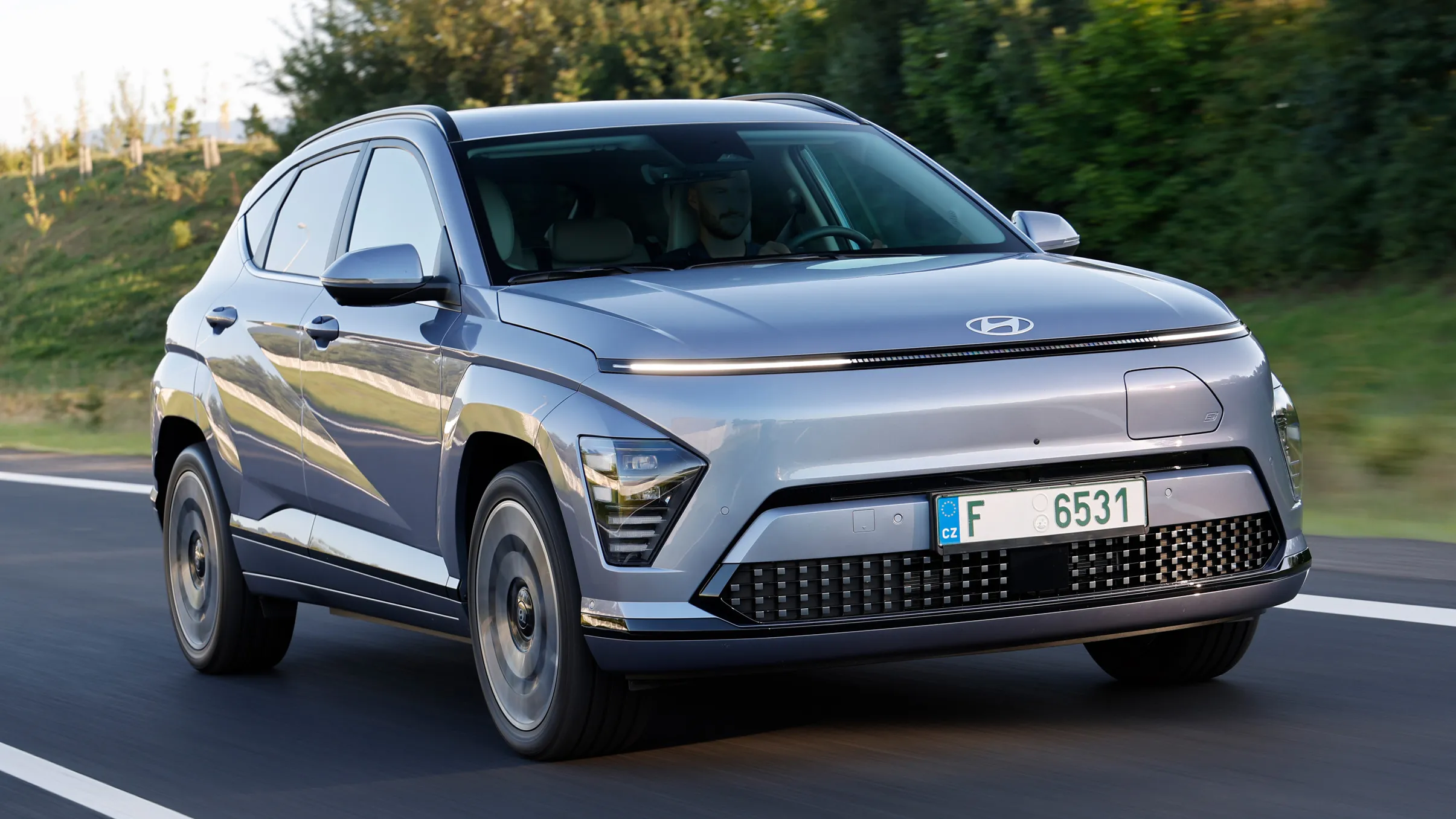
4. Hyundai Kona Electric 2023
Electric driving adds quiet confidence to the Hyundai Kona Electric 2023. Compact size supports easy maneuvering near bike lanes, while silent operation reduces noise stress for everyone nearby. Instant torque delivers smooth starts without sudden surges, helping drivers maintain calm traffic flow.
Visibility remains strong thanks to upright seating and generous window space. Drivers can spot cyclists quickly, especially near intersections or shared lanes. Steering stays light and responsive, making small corrections feel natural rather than forced.
Cabin technology supports awareness. Digital displays remain clean and readable, while driver assistance systems provide alerts without distracting the driver. Regenerative braking allows controlled deceleration, which works well near bike crossings and traffic lights. One-pedal driving becomes intuitive as time goes on, reducing pedal movement in busy zones.
Range supports daily commuting with ease. Home charging keeps routines simple, and public charging fits short errands. Cargo space holds daily essentials, while rear seats fold for added flexibility. Compact dimensions help with curbside parking near bike racks.
Ride comfort stays composed. Suspension absorbs uneven pavement without bouncing near curbs. Turning radius helps during tight maneuvers, and parking feels less demanding than with larger electric vehicles.
Reliability and warranty coverage support peace of mind. Operating costs stay low, and electric systems reduce routine service needs. The Hyundai Kona Electric 2023 suits commuters who want quiet efficiency, easy control, and respectful road presence alongside cyclists.
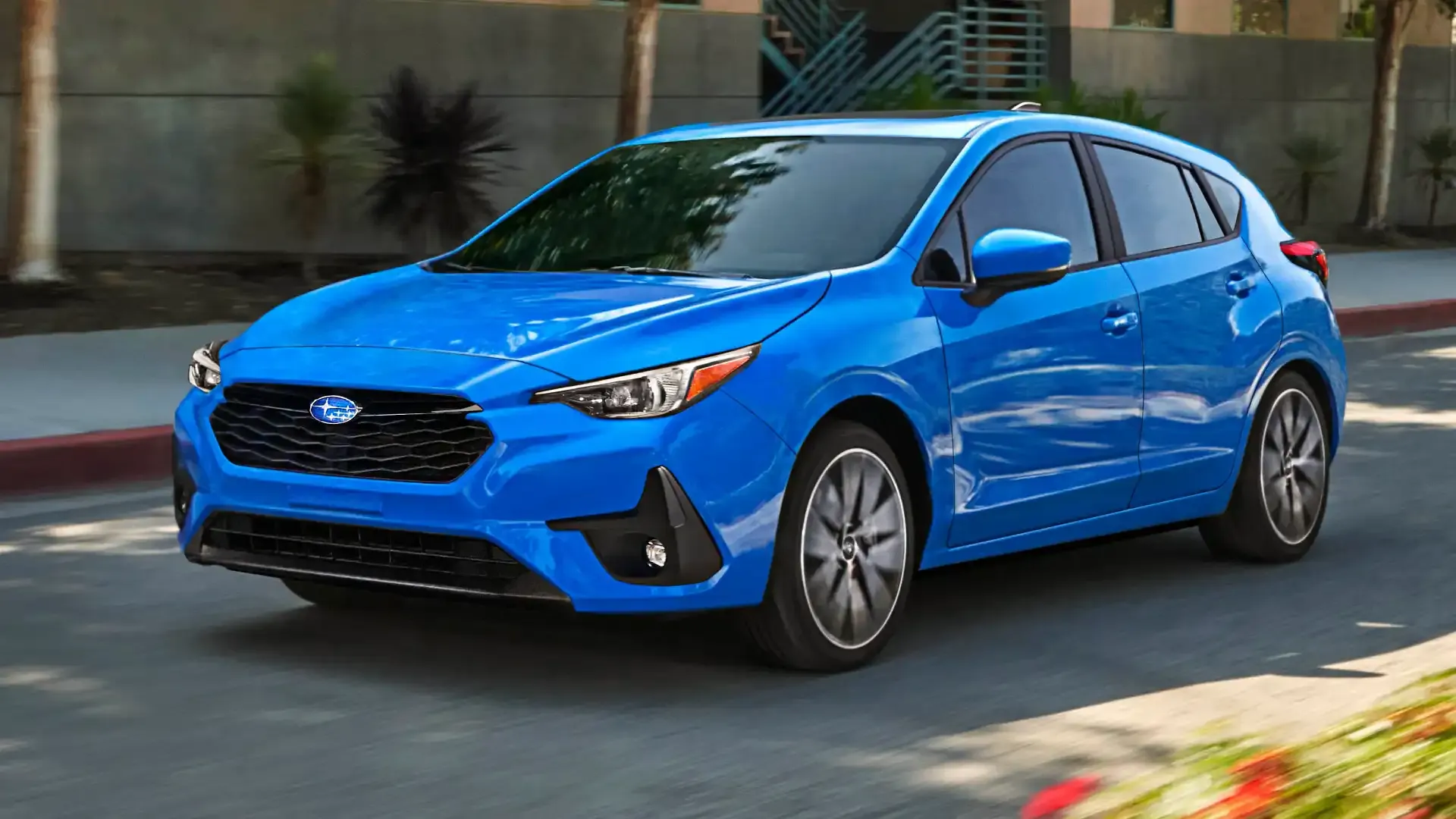
5. Subaru Impreza Hatchback 2023
All-wheel traction meets compact design in the Subaru Impreza Hatchback 2023. Size remains manageable, helping drivers drive through narrow streets filled with bike lanes and curbside parking. Symmetrical all-wheel drive adds stability during wet conditions without adding bulk.
Steering feels steady and predictable. Drivers can adjust lane position smoothly when cyclists ride nearby. Braking remains controlled, supporting gradual stops near intersections. Power delivery stays even, avoiding sudden movements that could disrupt shared road spaces.
Interior space balances comfort and function. Controls are simple, and displays remain clear. Driver assistance features include lane guidance and adaptive cruise control, helping maintain steady behavior in traffic. Visibility remains strong, supporting awareness around bikes and pedestrians.
Fuel economy supports daily commuting, and hatchback storage fits gear easily. Rear seats fold down, making room for groceries, backpacks, or small loads. Compact length helps with parking near bike racks or narrow curbs.
Ride quality handles rough pavement well. Suspension absorbs bumps without feeling loose, keeping the car stable near bike markings. Turning radius supports tight corners and neighborhood streets.
Durability stands as a strength. Subaru Impreza Hatchback 2023 offers dependable performance and cooperative road manners, making it a solid choice for commuters sharing space with cyclists every day.
5 Cars That Don’t Fit Tight Lanes
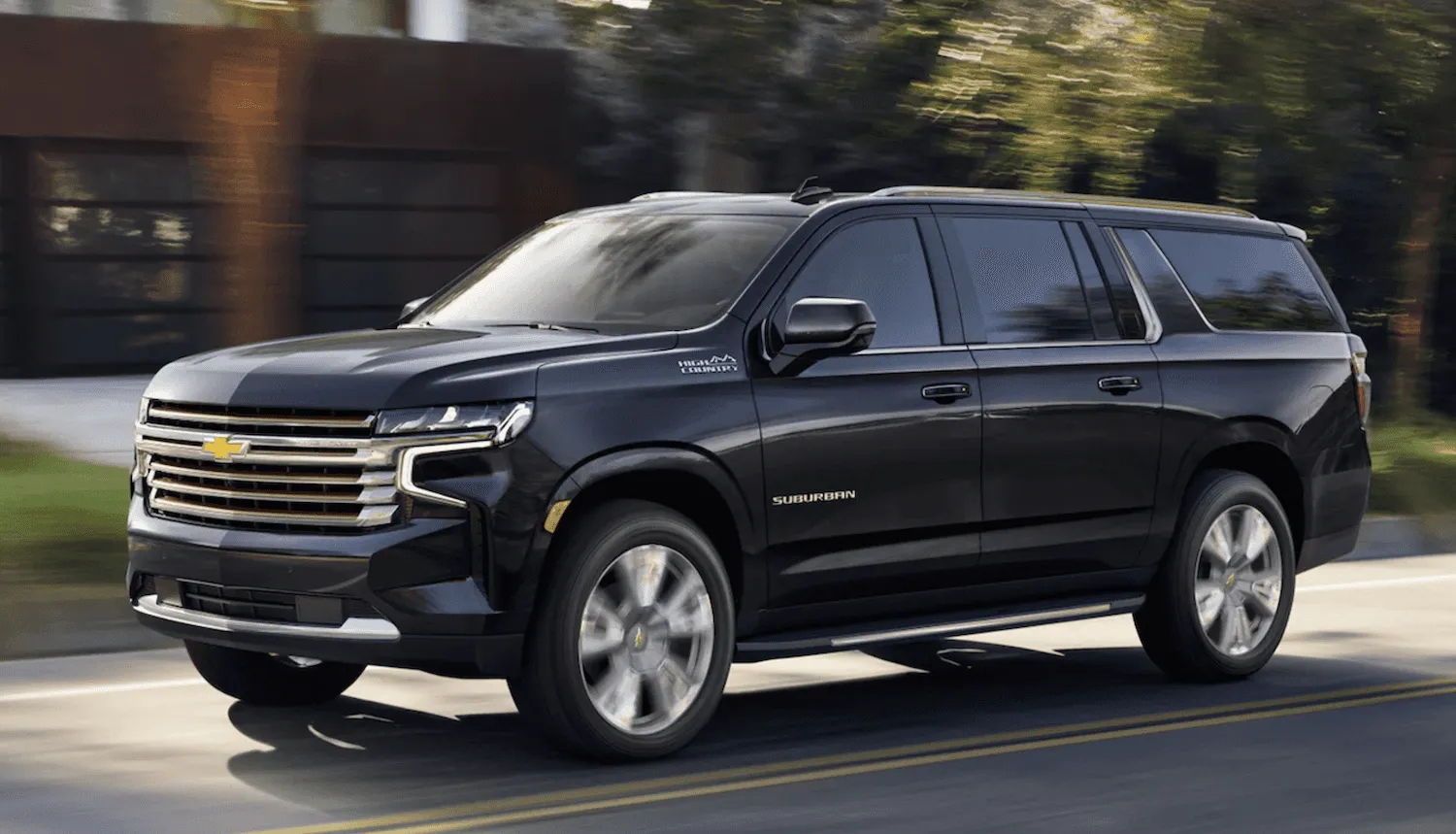
1. Chevrolet Suburban 2023
Large size defines the Chevrolet Suburban 2023, and that same strength becomes a weakness on streets designed with bike lanes and compact traffic flow. Width alone can feel overwhelming when lanes narrow to make room for cyclists. Drivers often find themselves riding close to lane lines, which increases tension for both motorists and riders nearby.
Turning radius creates daily challenges. Tight corners near protected bike lanes demand careful steering, and quick adjustments feel harder due to length and weight. Parking near curbs or bike racks often requires multiple attempts, especially in areas with limited space. Parallel parking can block bike lanes temporarily, creating frustration for others on the road.
Power delivery is strong but less suited to stop-and-go cycling corridors. Acceleration feels heavy rather than smooth, making it harder to maintain a gentle traffic flow. Braking requires more distance, which matters near bike crossings or shared intersections. Awareness becomes harder as drivers manage the vehicle’s size while watching for cyclists.
Inside, space feels expansive, yet that comfort comes with trade-offs. High seating position reduces visibility close to the curb, where bikes often travel. Blind spots grow larger, even with camera systems assisting. Driver aids help, though they cannot fully compensate for the physical footprint.
Fuel consumption rises during short trips. Frequent braking and acceleration in bike-heavy areas increase costs and reduce efficiency. Routine errands can feel excessive when streets favor compact travel.
Chevrolet Suburban 2023 suits long highway trips and large families, but bike-friendly streets expose its limitations. Tight lanes, frequent stops, and shared road space highlight how size can work against daily commuting harmony.
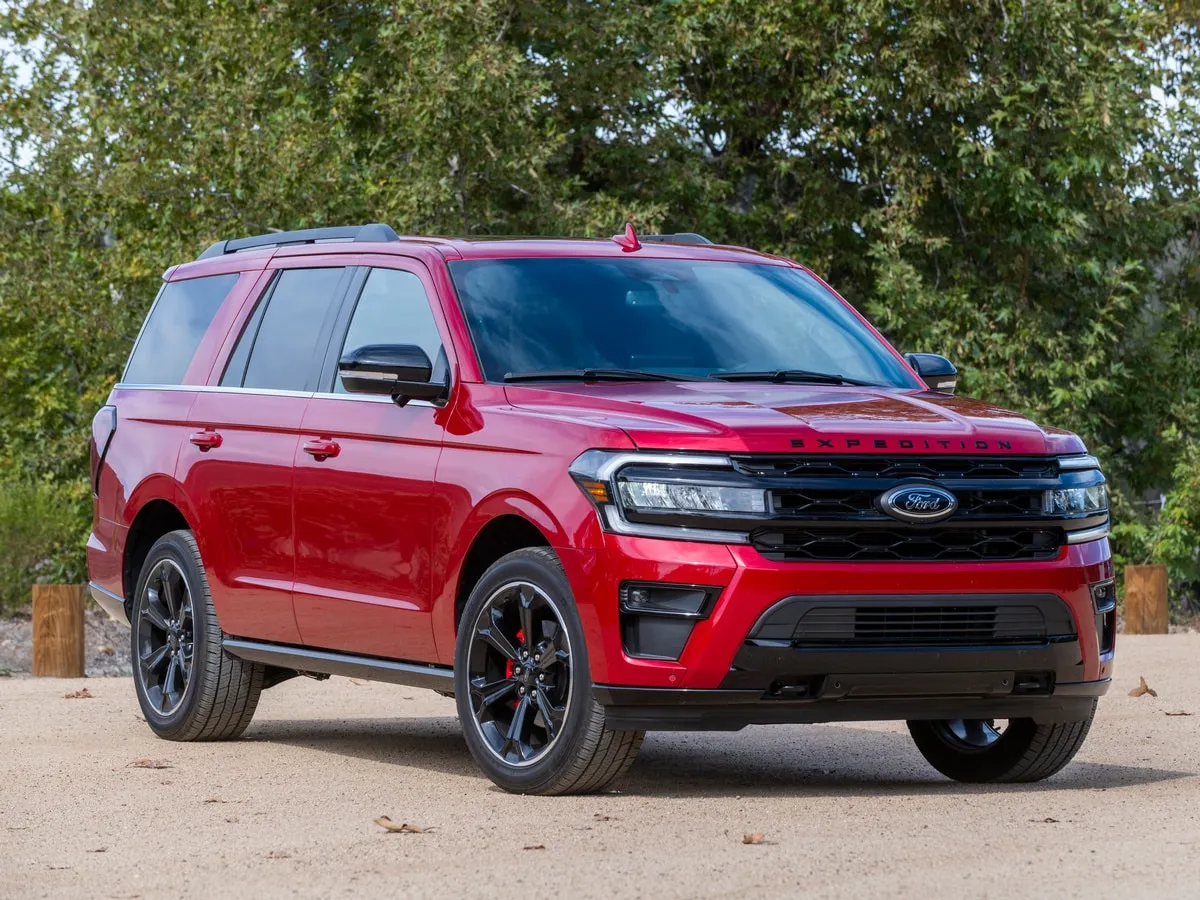
2. Ford Expedition 2023
Presence alone announces the Ford Expedition 2023, and on streets designed to protect cyclists, that presence quickly turns into a challenge. Wide body panels push close to bike lanes, leaving very little room for error. Drivers often feel pressure to hold perfect lane positioning, since even small movements can make cyclists uncomfortable. Daily trips through bike-heavy areas require steady focus rather than relaxed driving.
Steering demands patience and forward planning. Narrow corridors call for slow and deliberate movements, and sudden adjustments feel cumbersome. Tight corners near bike paths raise stress levels, especially when traffic flows unevenly or when cyclists approach from multiple directions.
Parking near curbside bike infrastructure becomes a test of precision. Large dimensions mean drivers often need extra time to line up correctly, and finding a space that fits without blocking bike lanes can take several attempts. Acceleration delivers strong power, yet that strength lacks subtle control on shared streets.
Smooth starts feel harder to manage, which can disrupt traffic flow near cyclists waiting at lights or crossings. Braking distances remain longer due to size and weight, demanding early attention near stop signs, intersections, and pedestrian crossings. Drivers must anticipate situations well ahead of time to keep interactions safe.
Interior comfort stands out immediately. Seating is spacious and supportive, making longer drives pleasant for passengers. Still, visibility close to the curb suffers. High hood line limits awareness of cyclists riding alongside the vehicle, especially in busy urban areas. Cameras and sensors offer helpful guidance, though physical size still dictates how the Expedition fits within narrow lanes.
Fuel usage rises during short commutes. Stop-and-go movement near bike lanes highlights inefficiency, and frequent trips feel less practical than they would in a smaller vehicle. Routine errands consume more fuel than expected.
Ford Expedition 2023 excels at towing, family travel, and highway cruising. Bike-friendly commuting exposes its struggles with width, length, and maneuverability. Streets designed for shared mobility demand restraint and agility that this SUV finds difficult to deliver daily.
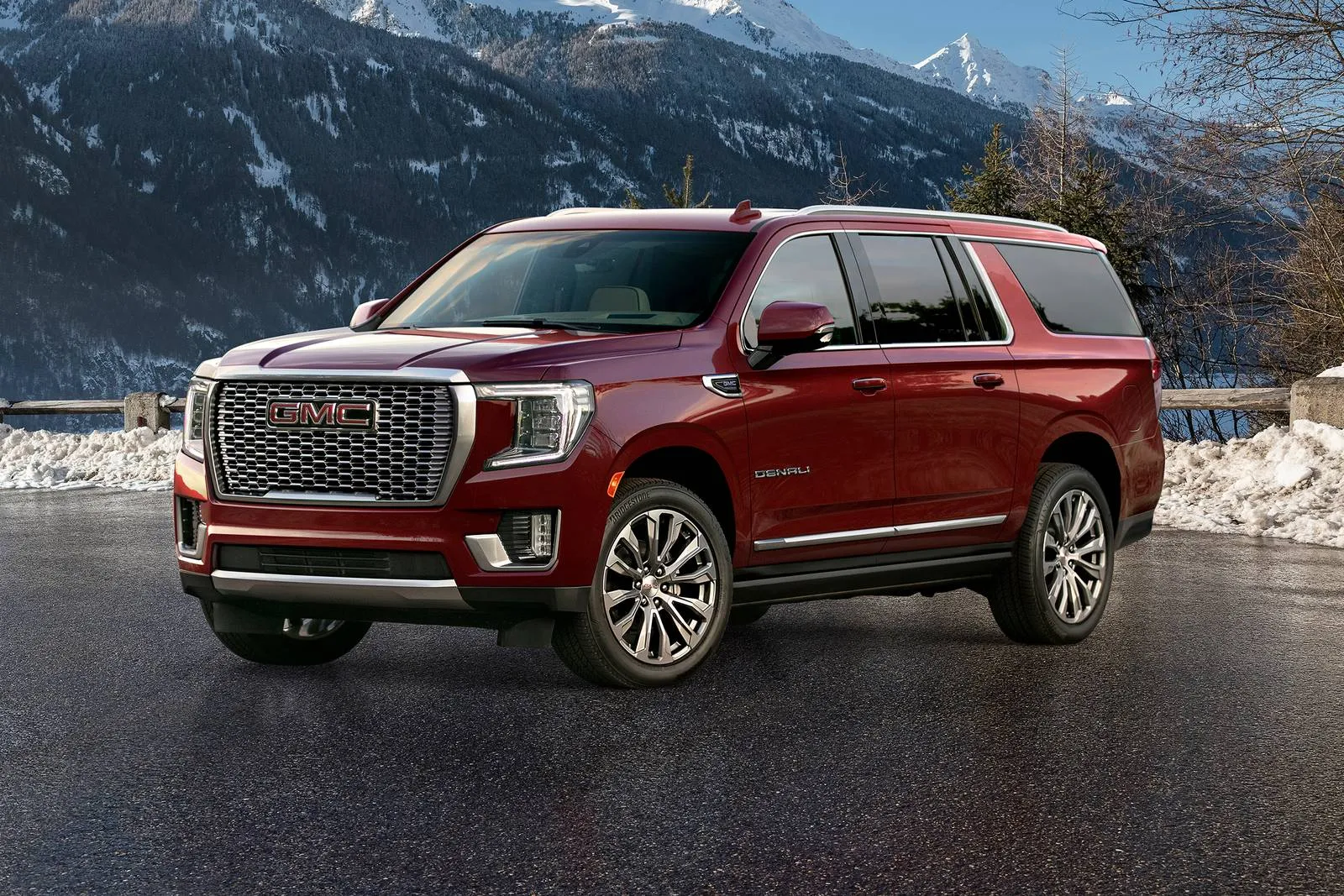
3. GMC Yukon XL 2023
Length defines the GMC Yukon XL 2023, and that extended body creates real challenges on streets built with bike lanes in mind. Maneuvering through narrow roads feels demanding, especially when cyclists occupy clearly marked spaces along the curb. Lane positioning requires steady focus, since even a small drift can make riders feel crowded. Drivers often feel pressure to stay perfectly centered, which adds tension to what should be routine trips.
Turning around tight corners tests patience and planning. Extra length increases the swing of the rear end during turns, which matters near intersections shared with cyclists. Right turns demand wide arcs, while left turns take longer to complete.
Parking near bike racks or curbside lanes often feels awkward, since the Yukon XL needs large gaps that are rarely available in bike-friendly areas. Parallel parking can become a slow process, sometimes forcing drivers to search farther from their destination.
Acceleration feels confident on open roads, yet suburban bike corridors favor smooth and controlled pacing. Weight influences throttle response, making gentle starts harder to manage. Braking requires early attention, especially near crossings where cyclists may appear suddenly. The vehicle’s mass means stopping distances are longer, increasing the need for constant awareness in shared spaces.
Cabin space feels generous and comfortable, though outward visibility near the curb remains limited. Side mirrors help, but blind spots still exist close to bike lanes. Camera systems offer assistance, yet technology cannot fully replace direct sight lines. Drivers must rely on caution rather than convenience when driving through close quarters.
Fuel consumption rises quickly during short trips. Frequent stops reduce efficiency, making daily errands feel less practical. Streets designed for lighter vehicles highlight how heavy SUVs demand more resources for routine use.
GMC Yukon XL 2023 suits families who need space and capacity. Bike-friendly streets reveal their drawbacks, showing how size can work against daily commuting ease.
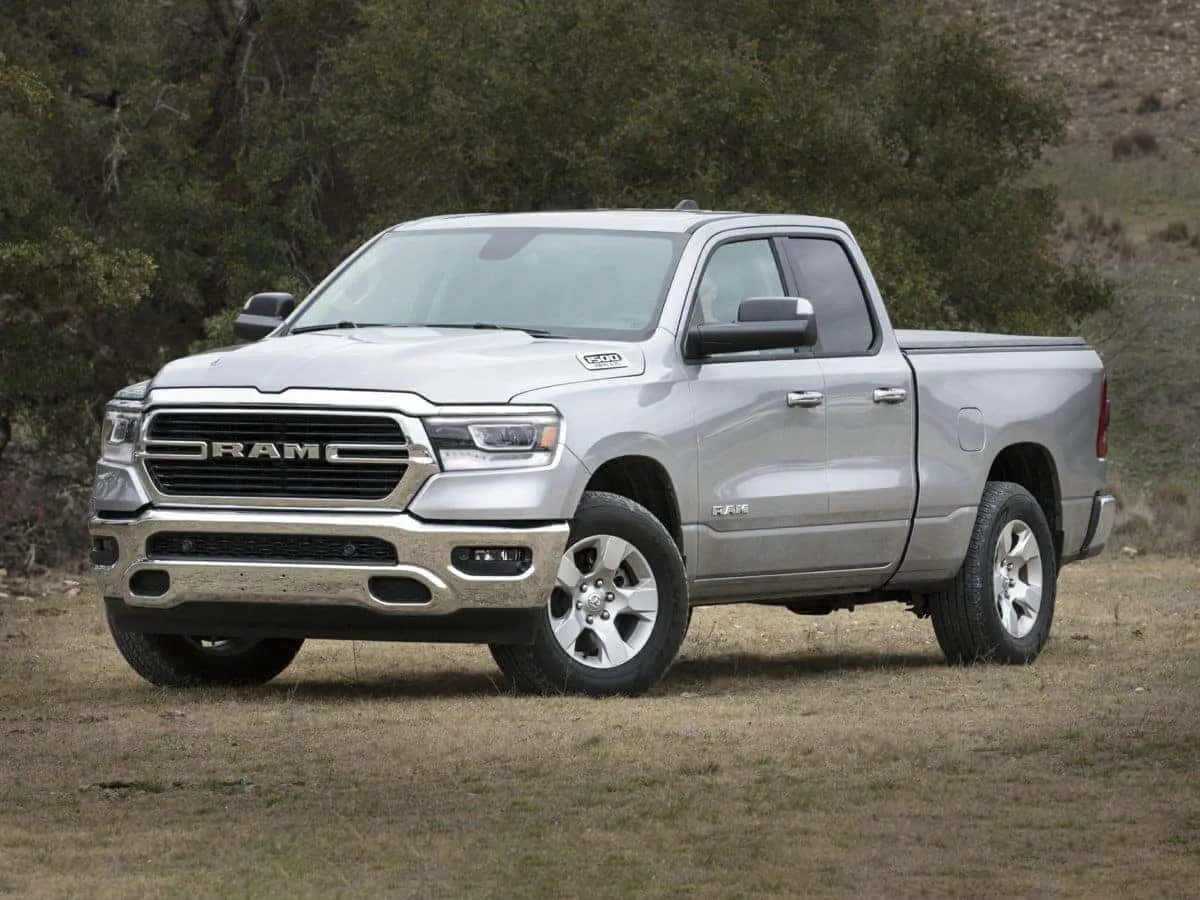
4. Ram 1500 Crew Cab 2023
Pickup width shapes the experience of the Ram 1500 Crew Cab 2023 on bike-focused streets. Bike lanes often feel uncomfortably close, and maintaining safe spacing becomes a constant concern for drivers.
Long wheelbase adds difficulty near protected cycling areas, where careful judgment is required during daily driving. Many drivers find themselves slowing down more than usual to ensure cyclists feel secure alongside the truck.
Steering feels heavier than what narrow streets prefer. Tight maneuvers near bike lanes require patience, especially when traffic moves unevenly or when cyclists pass through intersections at the same time. U-turns and sharp corners demand planning rather than quick adjustments, since the truck needs more room to complete movements safely.
Parking near curbs can place the truck partially outside marked spaces, which may block bike access or narrow already tight paths. Finding suitable parking often takes extra time. Acceleration delivers strong power, yet subtle control proves harder during mixed traffic.
Smooth stops demand early anticipation, especially near bike crossings and pedestrian areas. Height limits visibility of cyclists riding close to the curb, increasing reliance on mirrors and cameras. Even with technology assisting, awareness must remain high at all times to avoid uncomfortable or risky situations.
Interior comfort supports long drives with ease. Seats feel supportive, and cabin space allows relaxed travel for passengers. Quiet insulation makes highway trips enjoyable. Daily commuting, though, exposes practicality limits.
Short trips highlight fuel consumption and size-related stress, especially in areas designed for compact vehicles and shared road use. Storage space in the bed is generous, yet rarely needed for routine errands like groceries or school pickups.
Ram 1500 Crew Cab 2023 serves work, hauling, and towing needs well. Bike-focused streets reveal how pickups struggle with compact design priorities. Width, length, and height combine to reduce harmony in shared spaces, making daily commuting feel heavier and less fluid than necessary for cyclist-friendly environments.
Also Read: 5 Cars for Arlington Commuters and 5 That Don’t Fit Suburb Life
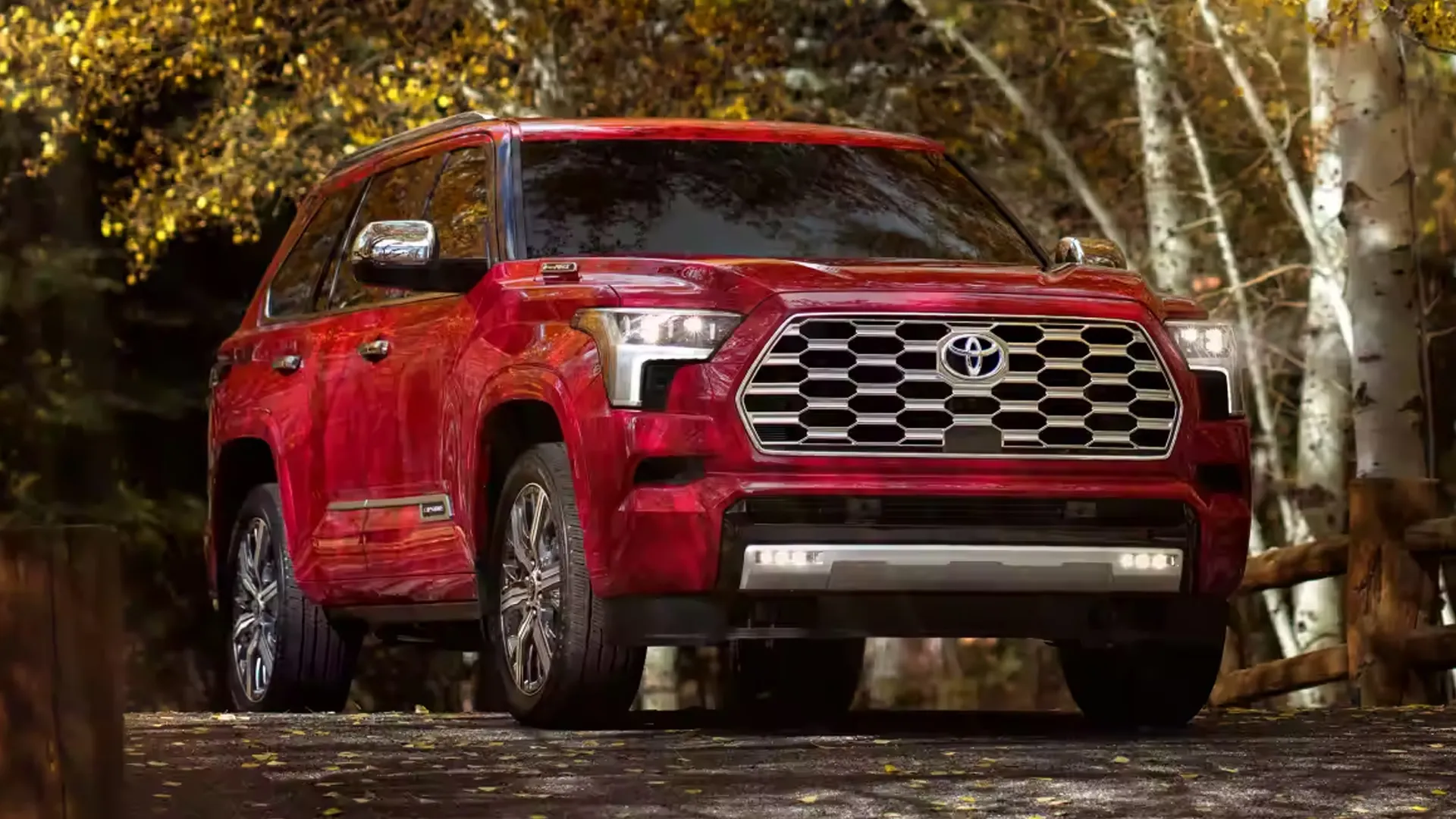
5. Toyota Sequoia 2023
Bold design defines the Toyota Sequoia 2023, yet bike-friendly streets call for subtle movement and careful positioning. Wide stance pushes close to bike lanes, leaving very little margin for error. Drivers often feel boxed in when lanes narrow to protect cyclists, creating tension during even short drives.
Each trip requires extra focus to maintain safe spacing and avoid crowding riders traveling alongside. Turning requires careful judgment and patience. Tight corners near bike paths increase stress, especially when cyclists approach from behind or wait at intersections.
Quick corrections feel difficult due to the vehicle’s size and weight, which limits flexibility in narrow areas. Parking near curbside cycling infrastructure becomes a challenge, particularly in busy districts with limited space. Drivers may need to circle several blocks to find suitable parking that does not interfere with bike lanes or pedestrian access.
Power delivery feels strong and confident, which suits highways and open roads. Shared spaces demand restraint, though, and smooth pacing proves harder during stop-and-go movement. Braking distances require early attention near crossings and intersections, since the Sequoia carries considerable mass.
This SUV responds best when driven slowly and deliberately, a style that can feel out of place during everyday commuting. Cabin comfort stands out immediately. Spacious seating and quality materials create a pleasant experience for passengers. Long drives feel relaxed and supportive.
Visibility near the curb, however, suffers. High seating position limits awareness of cyclists traveling alongside, especially in protected bike lanes. Driver aids assist with alerts and camera views, yet physical size still shapes every interaction on the road and cannot be fully overcome by technology.
Fuel efficiency drops during short trips. Frequent stops and low-speed driving highlight consumption concerns, making routine errands feel costly and inefficient. Short commutes rarely allow the engine to operate at its best efficiency level.
Toyota Sequoia 2023 works best for open roads, family travel, and long-distance driving. Bike-heavy commuting exposes limitations tied to size, weight, and maneuverability. Streets built for shared mobility reveal that full-size SUVs often struggle to fit comfortably into environments designed for cyclists and compact vehicles.
