
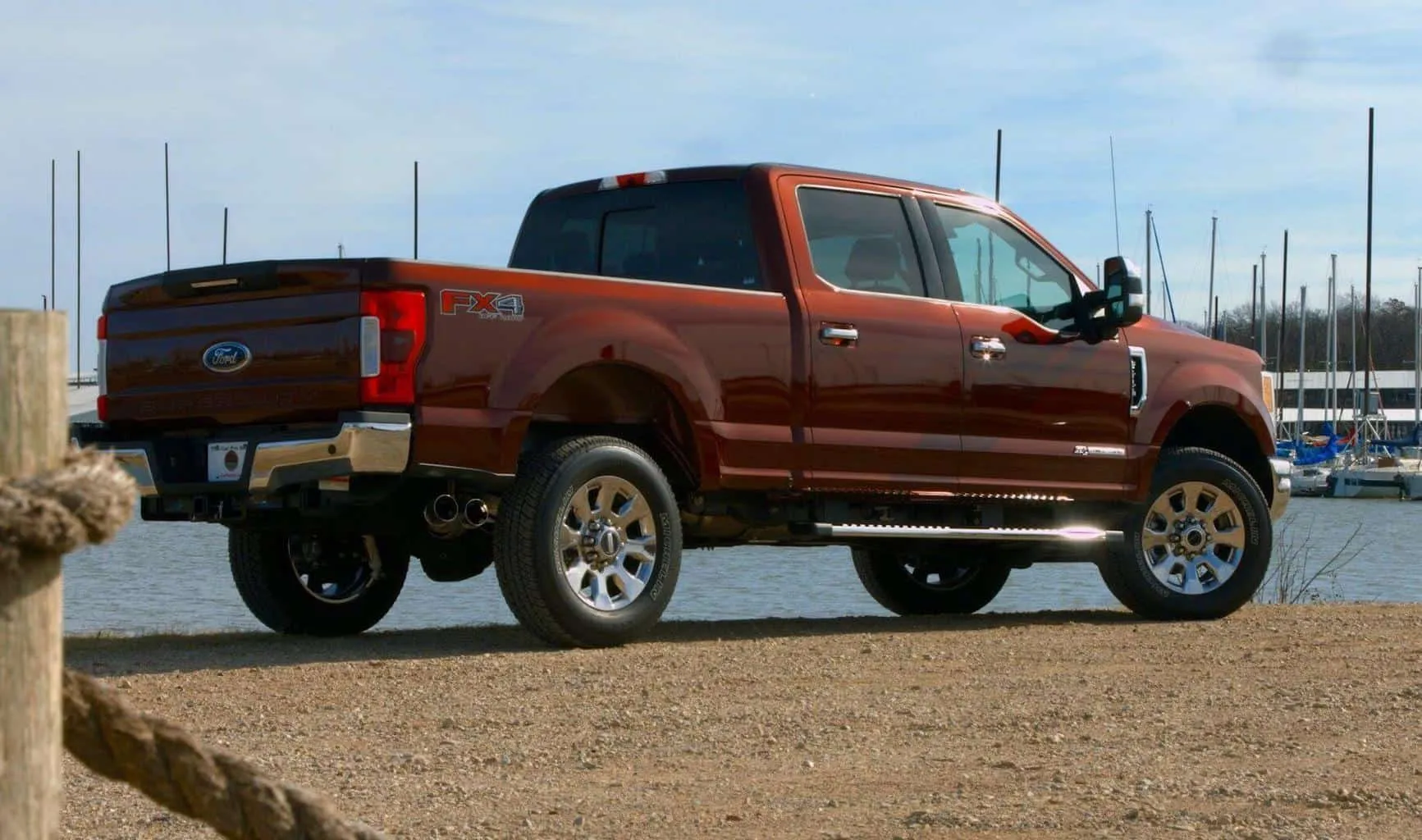
Oilfield work around Midland and Odessa demands vehicles that can take abuse without complaint. Long hours, rough access roads, dust, heat, and heavy loads all push a vehicle harder than a typical commute ever could.
A reliable ride in this environment is less about style and more about stamina, durability, and ease of repair. Breakdowns cost time, missed moves, and money, so choosing the right vehicle becomes a practical decision rather than an emotional one.
Daily routines often involve early mornings, long highway stretches, and sudden transitions onto uneven surfaces. Vehicles must handle weight in the bed or cargo area, cope with constant vibration, and keep running even when service schedules get stretched. Comfort still matters, since workers spend serious time behind the wheel, but comfort without strength does not last long in oilfield conditions.
Some vehicles earn their reputation through years of proven use, simple engineering, and parts availability that keep repair bills reasonable. Others look capable on paper but struggle when pushed day after day. This list focuses on vehicles that have shown they can keep up with demanding schedules and harsh conditions without becoming financial burdens.
Below are five vehicles that have built trust in heavy-use environments like oilfields. Each brings a different approach to strength, reliability, and daily usability. These are machines chosen because they work, not because they impress in a showroom. Right after, we will look into five cars that don’t handle heavy use.
5 Cars for Midland-Odessa Oilfield Work
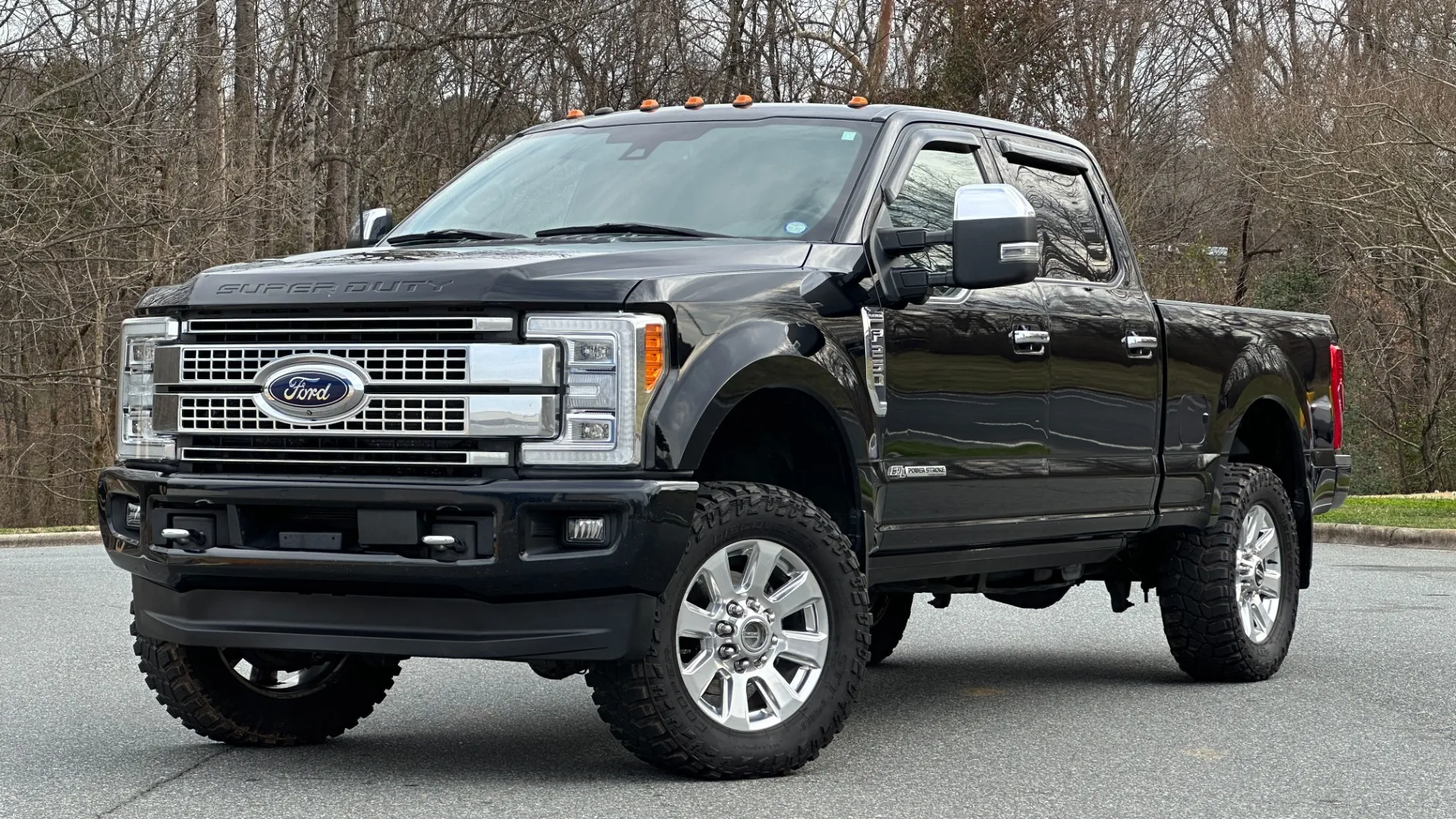
1. Ford F 250 Super Duty 6.7L Power Stroke Diesel
Worksites demand confidence, and the Ford F-250 Super Duty equipped with the 6.7L Power Stroke diesel provides exactly that. Built with heavy-duty frames, reinforced suspension components, and a drivetrain designed for constant load, this truck thrives in demanding environments.
Its diesel engine is known for strong torque delivery, making towing equipment or hauling tools feel effortless even on rough access roads.
Long highway drives feel stable and controlled, thanks to a suspension tuned for weight rather than softness. Steering remains predictable, and the truck holds its line even when loaded heavily. Operators appreciate the way the Power Stroke engine pulls steadily without strain, reducing stress on internal components during daily use.
Cabin design focuses on practicality. Controls are easy to reach, materials resist wear, and seats support long hours without excessive fatigue. Technology is present without overwhelming the driver, which matters when gloves, dust, and vibration are part of the routine. Simple layouts also reduce long-term repair concerns tied to electronics.
Serviceability plays a major role in this truck’s reputation. Parts availability is strong, and diesel specialists are easy to find across Texas. Routine service items are designed for longevity, allowing extended intervals between shop visits. Even when repairs are needed, labor familiarity keeps downtime manageable.
Fuel efficiency for a truck of this size remains reasonable, especially during highway-heavy schedules. The diesel engine rewards steady driving with solid mileage, helping offset fuel costs during long workweeks. With proper care, this platform is known to run for hundreds of thousands of miles.
Ford F 250 Super Duty with the 6.7L Power Stroke earns its place through strength, consistency, and the ability to keep moving when conditions are far from ideal.
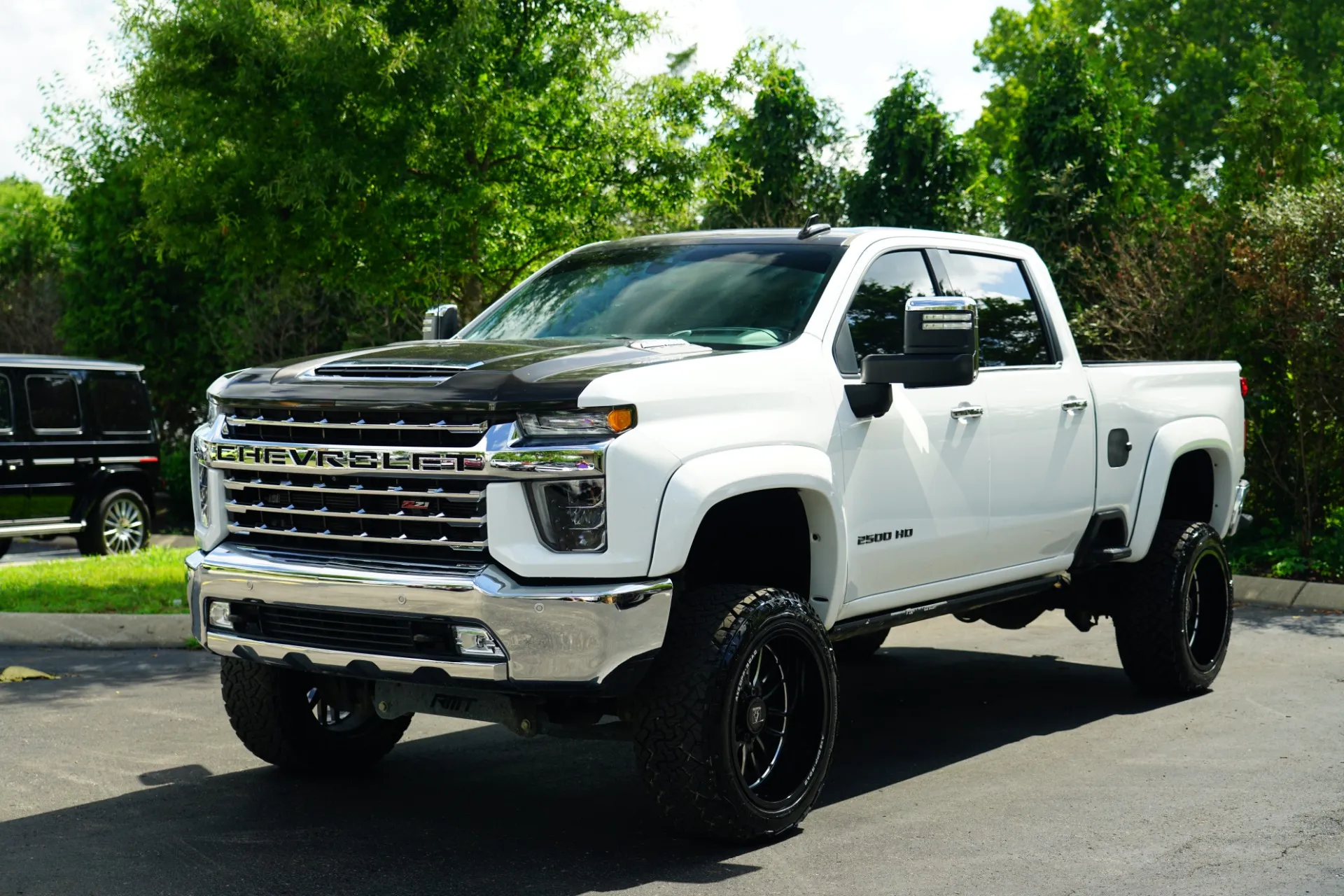
2. Chevrolet Silverado 2500HD Duramax Diesel
Chevrolet Silverado 2500HD with the Duramax diesel brings a balanced approach to oilfield work. Strength comes paired with refined drivability, making it easier to live with during long moves. The Duramax engine delivers smooth yet forceful power, ideal for hauling trailers, tanks, or equipment without feeling overstressed.
Ride quality remains controlled even on uneven surfaces. Suspension components are built for punishment, soaking up washboard roads while maintaining stability. Braking performance inspires confidence, especially when descending grades with a load in tow. Drivers appreciate how predictable the truck feels in both highway and site conditions.
Inside, the cabin leans toward comfort without sacrificing durability. Seats offer strong support, dashboards resist wear, and controls function reliably even after years of use. Storage solutions help keep gear organized, reducing clutter during busy days. Climate systems perform well in extreme heat, an important factor during long summer moves.
Mechanical reliability stands out as a core strength. Duramax engines have a long-standing reputation for longevity when maintained properly. Service intervals remain consistent, and replacement parts are widely available. Shops across oil-producing regions know this platform well, reducing repair delays.
Fuel consumption stays manageable for a heavy-duty diesel. Steady highway speeds reward drivers with respectable mileage, and the engine handles constant use without excessive strain. Transmission pairing complements the engine well, delivering smooth movements under load.
Chevrolet Silverado 2500HD Duramax continues to earn trust by delivering durability, comfort, and dependable performance in work-focused conditions.
Also Read: 5 Cars for Gulfport Coastal Roads vs 5 That Corrode Quickly
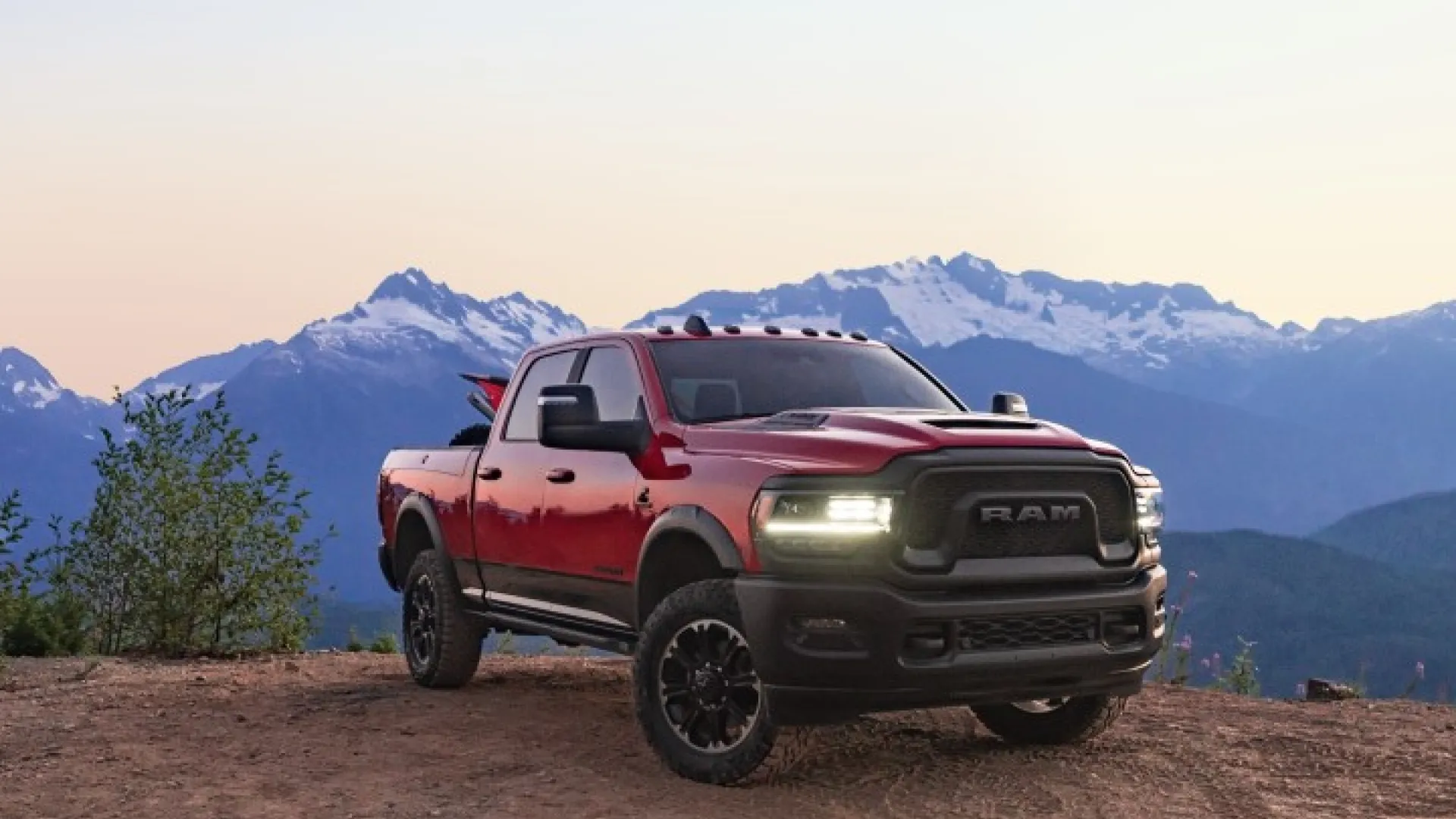
3. Ram 2500 6.7L Cummins Diesel
Ram 2500 equipped with the 6.7L Cummins diesel appeals to those who value raw pulling strength and mechanical simplicity. The Cummins engine is known for durability and torque output that makes heavy hauling feel controlled rather than forced. Oilfield tasks that involve towing or carrying dense loads suit this powertrain well.
Suspension tuning favors strength, and while the ride can feel firm, it holds up under constant pressure. Axles, frames, and driveline components are designed to endure repeated stress without premature wear. This truck feels solid, even when pushed daily.
Interior design balances comfort with rugged materials. Seats provide long-haul support, and controls are laid out clearly. Fewer unnecessary electronic layers reduce long-term concerns tied to failures in harsh environments. Many operators value this straightforward approach.
Service access remains a major advantage. Cummins engines are widely respected, and qualified technicians are easy to find. Parts availability stays strong, and routine service procedures remain familiar across service centers. Longevity remains a hallmark of this engine when cared for properly.
Fuel economy remains competitive for a heavy-duty diesel, especially when driven consistently. The engine’s low-end torque reduces the need for aggressive throttle input, supporting steady operation across long distances.
Ram 2500 with the Cummins diesel stands as a dependable choice for oilfield workers who prioritize strength, serviceability, and proven engineering.
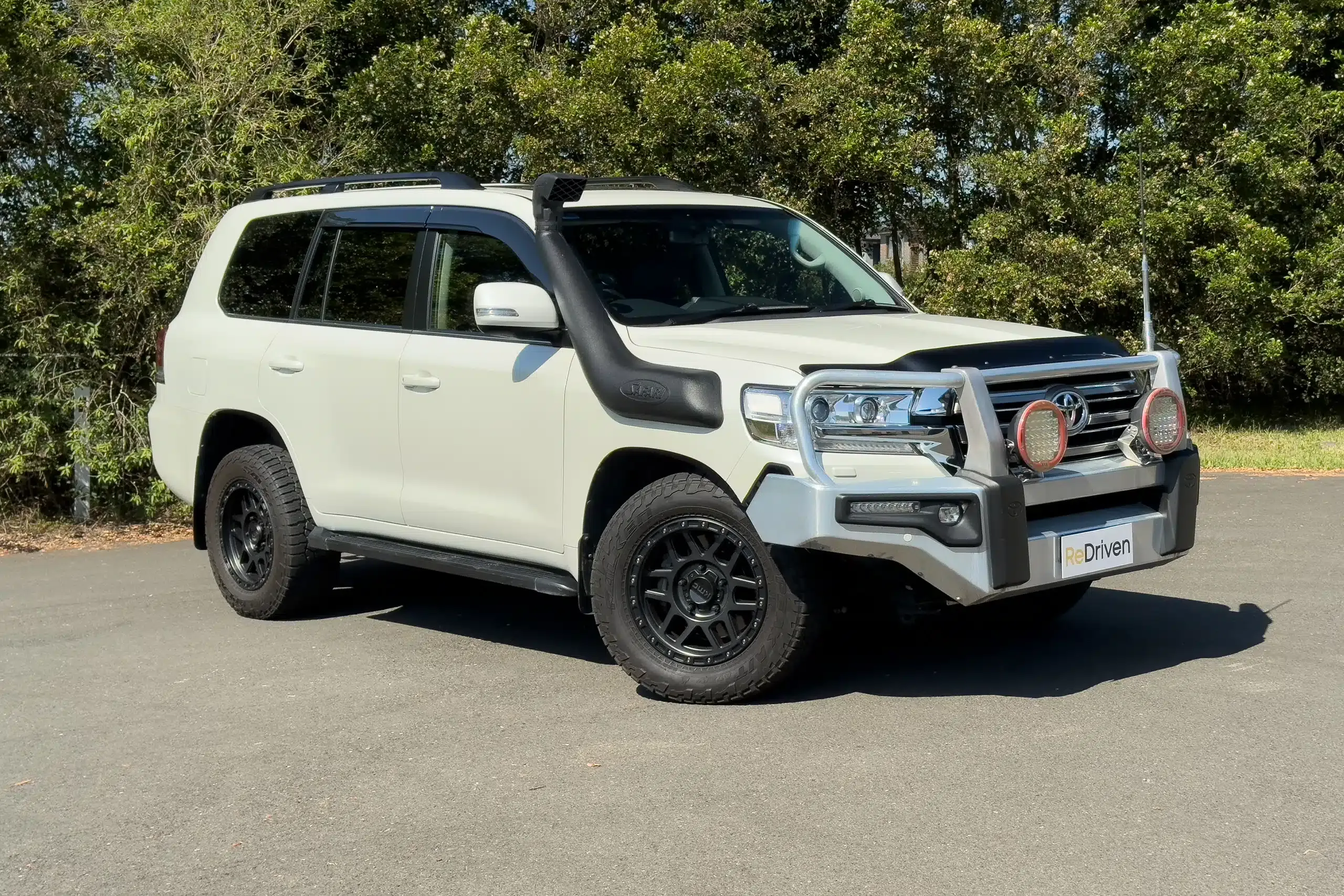
4. Toyota Land Cruiser 200 Series
Toyota Land Cruiser 200 Series takes a very different approach to oilfield work compared to trucks built around raw towing numbers. This SUV focuses on strength, consistency, and the ability to survive harsh conditions day after day.
Built on a heavy-duty body-on-frame platform, it feels solid the moment it leaves the pavement. Rough access roads, uneven ground, and constant vibration do little to shake its confidence, making it a dependable companion in demanding environments.
Power comes from a naturally aspirated V8 that delivers smooth and predictable output. Acceleration feels controlled rather than aggressive, which suits work scenarios where traction and balance matter more than speed. While it cannot match the towing limits of heavy-duty pickups, it performs well when hauling tools, equipment, and crews across challenging surfaces.
Suspension travel allows the wheels to stay planted, and advanced traction systems help maintain grip where lesser vehicles lose composure. Interior construction reflects long-term thinking. Materials feel tough rather than flashy, with switches and controls designed to withstand repeated use.
Seats remain supportive during long hours behind the wheel, helping reduce fatigue. Electronics are present but not overly delicate, and systems continue working even after prolonged exposure to dust and heat. Comfort remains a strength without sacrificing durability.
Ownership experience reinforces its reputation. Toyota engineering emphasizes long service life, and the Land Cruiser benefits from that mindset. Routine service intervals are straightforward, parts quality remains high, and unexpected breakdowns are uncommon when basic care is followed. This reliability reduces downtime and keeps work schedules on track.
Fuel consumption sits on the higher side, which comes with the territory of a large V8-powered SUV. Drivers accept this reality in exchange for confidence and dependability. Costs remain predictable, avoiding surprise repairs that disrupt budgets.
Toyota Land Cruiser 200 Series fits oilfield roles that prioritize access, resilience, and long-term reliability. It may not chase extreme towing figures, yet it delivers steady performance where conditions demand trust above all else.
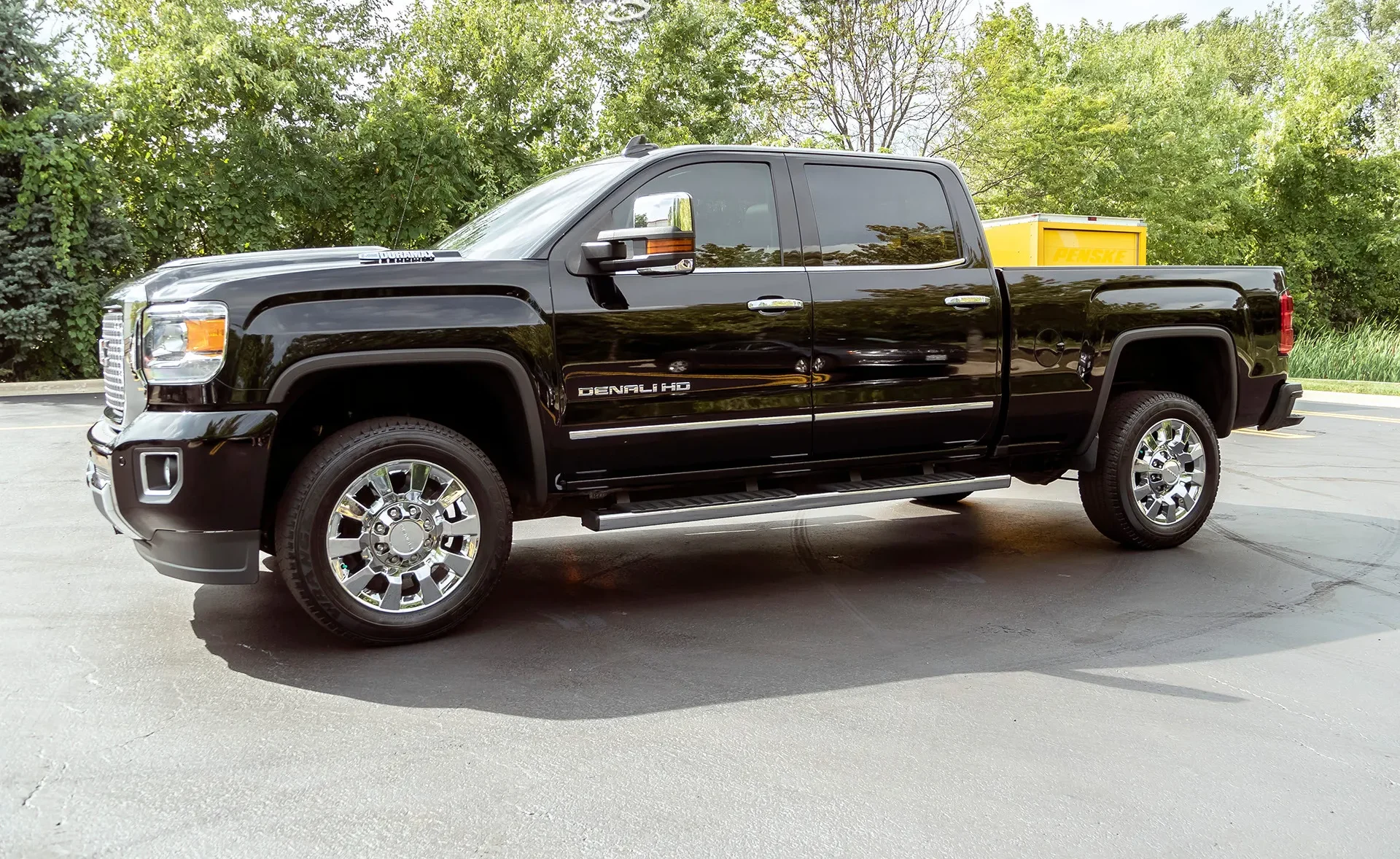
5. GMC Sierra 2500HD Duramax Diesel
GMC Sierra 2500HD with the Duramax diesel strikes a strong balance between serious work ability and everyday comfort. Built with demanding jobs in mind, this truck handles heavy loads without feeling strained.
The Duramax engine delivers steady torque that makes towing equipment trailers or hauling supplies feel controlled and confident. Power comes on smoothly, allowing drivers to focus on the task instead of fighting the vehicle.
Rough roads are part of the routine in work zones, and this truck takes them in stride. Suspension tuning helps soften bumps and uneven surfaces while still keeping the body stable. Steering feels planted and predictable, which reduces driver fatigue during long highway travel.
Braking performance stays consistent even with weight behind it, offering reassurance during frequent stops or sudden slowdowns. Inside the cabin, practicality blends with comfort. Materials feel sturdy enough for daily use, yet refined enough to make long hours behind the wheel easier.
Seats provide solid support, which matters during full workdays. Controls are laid out clearly, and technology adds convenience without overwhelming the driver. Storage compartments help keep tools, paperwork, and personal items organized, preventing clutter during busy schedules.
Duramax dependability plays a large role in long-term confidence. The engine has a reputation for durability, and service networks are well established. Parts availability remains strong, keeping repair times reasonable. Routine service tasks are familiar to most shops, making upkeep predictable and easier to schedule around work demands.
Fuel use stays reasonable for a heavy-duty diesel, especially during steady highway driving. Consistent driving habits support engine health and help keep operating costs in check. Long service intervals also reduce downtime, allowing owners to focus on productivity rather than frequent repairs.
GMC Sierra 2500HD Duramax stands out as a truck built for hard work without ignoring driver comfort. Strength, reliability, and thoughtful design come together to support long days and demanding environments, making it a dependable choice for oilfield schedules where performance and trust matter every day.
5 Vehicles That Do Not Handle Heavy Oilfield Use Well

1. Jeep Grand Cherokee L 2023
Style and comfort guide the Jeep Grand Cherokee L 2023, yet oilfield routines demand toughness that goes far beyond refined road manners. Long wheelbases and softer suspension tuning make rough lease roads feel harsher than expected. Repeated exposure to dust, vibration, and uneven surfaces accelerates wear on bushings, joints, and electronic components.
Power delivery suits highway cruising rather than constant hauling. Engines feel responsive during light use, though strain becomes noticeable when loaded with tools or equipment. Transmission behavior leans toward smoothness instead of strength, which shortens component life when pushed daily. Cooling systems also work harder in extreme heat, raising long-term reliability concerns.
Interior comfort impresses at first glance. Soft materials, touch-sensitive controls, and layered technology appeal to daily commuters. Oilfield conditions, however, punish these features quickly. Dust finds its way into screens, buttons, and sensors, leading to glitches and expensive fixes. Repairs often require specialized parts and labor, increasing downtime.
Service access creates additional frustration. Tight engine bays complicate routine work, while replacement parts cost more than those for work-focused trucks. Many repair shops lack familiarity with these systems under heavy-duty use, extending service timelines.
Fuel consumption rises quickly under load, especially during stop-and-go site driving. Owners often face higher operating costs without gaining the durability expected for demanding schedules. While the Jeep Grand Cherokee L performs well in suburban roles, repeated heavy use exposes limitations that make it a poor match for oilfield demands.

2. Ford Explorer 2023
Comfort-focused tuning and sleek styling make the Ford Explorer 2023 appealing at first glance, yet demanding oilfield routines quickly show where it falls short. Designed mainly for family travel and long highway miles, this SUV relies on a unibody structure that does not welcome constant punishment.
Washboard roads, deep ruts, and uneven surfaces speed up wear on suspension joints, bushings, and mounts. Trips that should feel routine begin to bring clunks, vibrations, and the need for frequent shop visits. Power delivery feels fine during errands or commutes, though work duty changes the story.
Carrying tools, spare parts, or crew gear places steady strain on the driveline. Transmission behavior favors smoothness and comfort, not repeated heavy loading. Stop-and-go movement around job sites increases heat and friction, which shortens component life and raises the risk of costly repairs earlier than expected.
Interior design leans heavily toward convenience. Large touchscreens, digital displays, and driver-assist features make daily driving pleasant. Dust, however, becomes an enemy fast. Fine particles settle into buttons, sensors, and camera housings, causing warning lights and system errors. Fixes often require specialized diagnostics, pushing repair bills higher and extending downtime when reliability matters most.
Limited ground clearance adds another layer of frustration. Rough access roads lead to frequent scraping underneath, especially when the vehicle is loaded. Skid protection remains minimal, leaving vital components exposed. All-wheel drive helps on loose dirt, yet it cannot replace the strength of a body built for abuse.
Fuel use also becomes a concern. Idling at sites, short-distance runs, and added weight drive consumption upward. Savings promised on paper fade quickly in daily operation. Costs rise without delivering the toughness expected from a work vehicle.
Ford Explorer 2023 fits paved roads, school runs, and road trips with ease. Repeated heavy use highlights its comfort-first priorities, making it a risky choice for oilfield work where strength and endurance matter every day.
Ownership expectations often clash with reality once schedules become demanding. Frequent service appointments interrupt workdays, while parts and labor costs stack up faster than anticipated. Vehicles built for heavy use usually reward owners with predictability. Explorer ownership, under these conditions, brings uncertainty instead.
Trust erodes when dependability matters most, and downtime carries real consequences. Choosing equipment suited for harsh routines helps protect budgets, schedules, and peace of mind during long work weeks spent far from pavement and comfort. Such demands expose limits quickly, forcing compromises nobody wants.

3. Chevrolet Traverse 2023
Passenger comfort defines the Chevrolet Traverse 2023, though harsh work conditions quickly expose its limits. From a distance, the vehicle’s size suggests strength, yet its design favors smooth roads and daily errands. Repeated travel on rough access roads takes a toll on suspension components that were tuned for comfort rather than durability.
Bushings, shocks, and mounts wear out faster than expected, leading to more frequent service visits. Engine output feels adequate during normal driving, though work duty changes the equation. Carrying tools, supplies, or extra passengers adds strain to cooling systems and drivetrain parts.
Transmission behavior suits gentle acceleration, not repeated load changes or stop-and-go movement around job sites. After a long period of time, this stress shortens service life and raises repair costs. Interior design focuses on passenger ease instead of rugged use.
Soft materials show wear quickly when exposed to constant dust and vibration. Storage areas lack reinforcement for heavier gear, making organization harder for work needs. Electronic features bring convenience, yet sensitivity to harsh environments leads to sensor issues, warning lights, and expensive replacements rather than simple repairs.
Ground clearance limits access on uneven surfaces. Scraping underneath becomes common, especially when the vehicle is loaded. Protective shielding remains minimal, leaving vital components vulnerable. Traction systems help during mild conditions, though they cannot make up for structural limits when roads turn rough.
Fuel use climbs during work routines. Short trips, idling, and extra weight push consumption higher, reducing efficiency benefits. Operating costs increase without delivering the toughness required for demanding schedules.
Chevrolet Traverse fits family travel and paved commutes well. Oilfield routines reveal a mismatch between design goals and real-world demands. Durability falls short, repair frequency rises, and long-term ownership becomes costly. For environments where strength and reliability matter daily, this platform struggles to keep up.
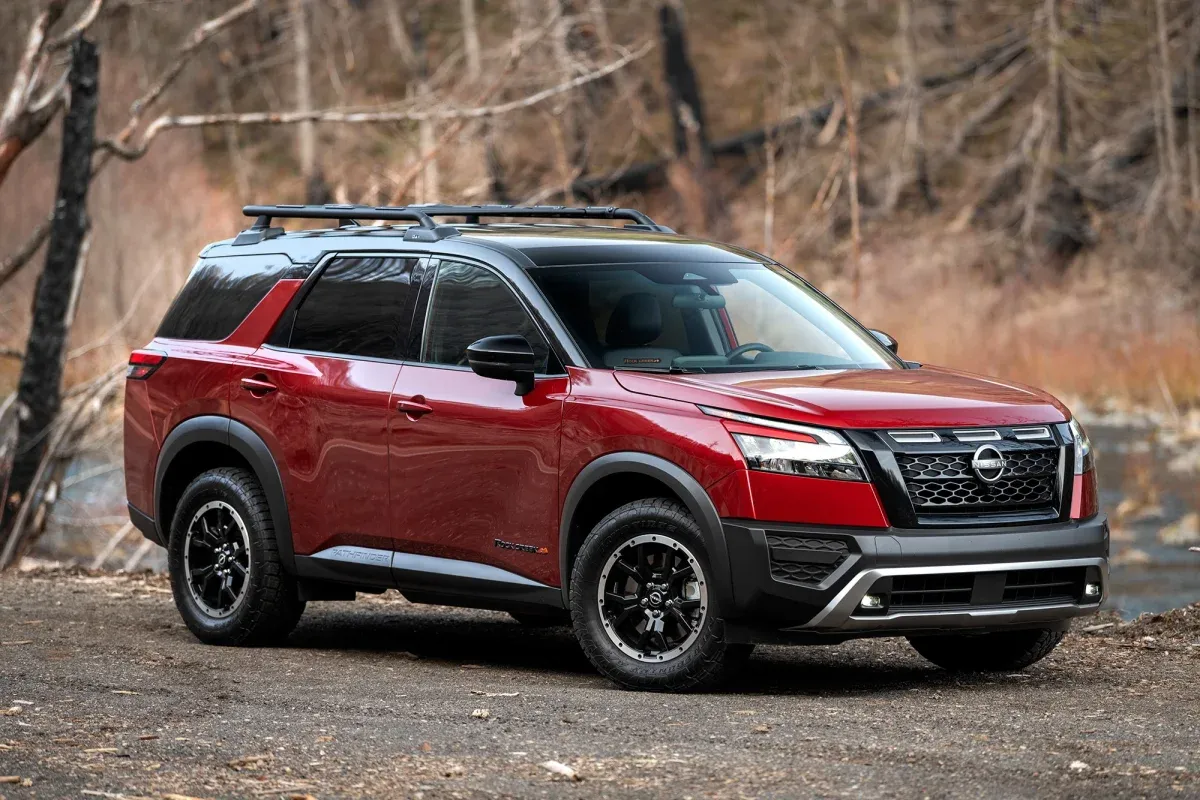
4. Nissan Pathfinder 2023
Modern styling and a smooth ride shape the Nissan Pathfinder 2023, though demanding work routines quickly reveal where it falls short. Designed for daily driving and family use, this SUV handles paved roads well. Continuous exposure to rough access routes brings faster wear to suspension parts.
Bushings loosen, mounts degrade, and steering components lose precision sooner than expected. Engine power feels sufficient for light hauling and short trips, yet work demands create new pressures. Carrying equipment or traveling fully loaded places added strain on the transmission.
Repeated stress shortens its service life, leading to more frequent shop visits. Cooling systems also struggle when high temperatures and long idle periods become routine, increasing the chance of overheating or reduced efficiency.
Cabin features emphasize comfort and convenience. Touchscreens, driver-assist systems, and electronic controls work smoothly in clean settings. Dust and vibration, common in work areas, cause issues with sensors and displays. Repairs often require specialized diagnostics, pushing costs higher. Interior materials show wear quickly, especially when tools or gear are part of daily travel.
Ground clearance remains modest. Uneven roads result in frequent contact underneath, raising the risk of damage to vital parts. Limited shielding offers little protection during repeated exposure. All-wheel drive helps with traction in mild conditions, yet it lacks the rugged design needed for consistent off-road travel.
Fuel consumption rises during work routines. Idling, short trips, and extra weight reduce efficiency, increasing operating expenses. These higher costs come without the durability benefits expected for demanding roles.
Nissan Pathfinder works well for families and long highway trips. Oilfield use highlights its limitations, from faster wear to higher repair needs. Strength, resilience, and long service life remain out of reach in heavy-duty environments, making it a poor match for constant work demands.
Also Read: 5 Cars for Billings Mountain Access and 5 That Lose Power Uphill
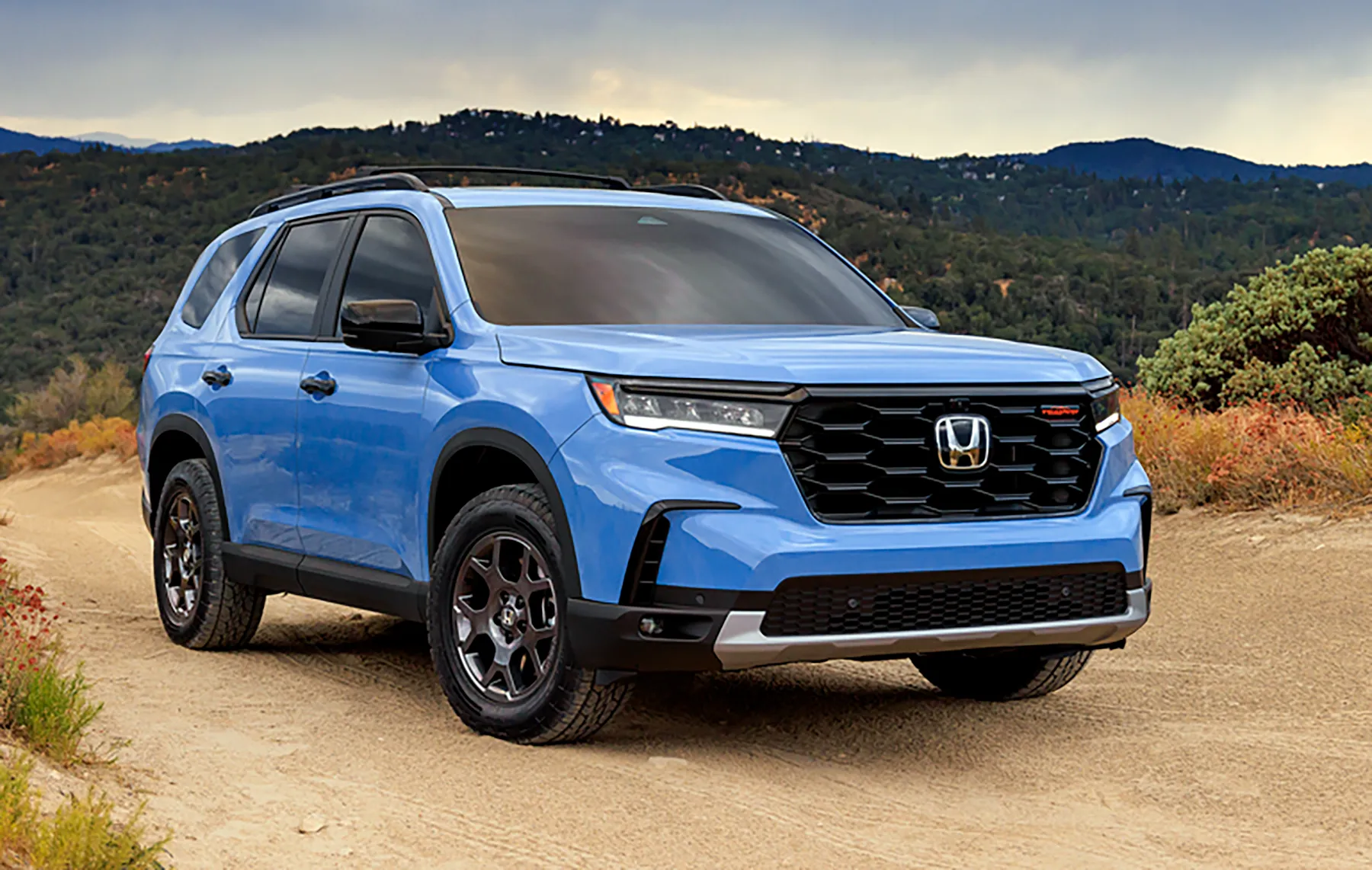
5. Honda Pilot 2023
Refined road manners and a strong reliability image define the Honda Pilot 2023, yet demanding work environments quickly push it beyond what it was built to handle. This SUV is engineered with comfort in mind, using a unibody structure that feels solid on highways but struggles with constant punishment.
Rough access roads cause suspension parts to wear faster than expected. Shocks, bushings, and mounts lose effectiveness, leading to frequent service needs and added downtime. Engine performance feels smooth and predictable during everyday driving. Work duties change that experience.
Carrying tools, supplies, or extra weight introduces ongoing strain that the drivetrain was not designed to absorb long-term. Transmission tuning favors efficiency and gentle movements rather than strength under load. Repeated stress shortens component life and increases repair frequency.
Interior quality makes a strong first impression. Soft-touch surfaces, comfortable seating, and modern electronics create a pleasant cabin. Dust exposure tells a different story. Sensors, screens, and driver aids require frequent cleaning and attention. Failures often lead to expensive repairs due to tightly integrated systems. Materials show wear sooner when subjected to vibration and dirt.
Ground clearance limits where the Pilot can travel. Uneven surfaces cause frequent contact underneath, putting vital components at risk. Protective shielding remains minimal. Traction systems offer some assistance, though they cannot compensate for a structure built primarily for paved roads and mild conditions.
Fuel efficiency drops during work routines. Idling, stop-and-go movement, and added weight push consumption higher. Operating costs rise without delivering the durability expected for demanding use.
Honda Pilot fits family transport and daily commuting well. Oilfield conditions highlight a mismatch between comfort-focused design and heavy-duty expectations. Long-term reliability suffers when subjected to constant rough use, making it an unsuitable choice for work environments that demand strength and resilience.
