
Diesel engines have earned a reputation for toughness, long life, and dependability that gasoline engines rarely match. From hauling heavy loads across highways to powering off-road adventures in remote locations, diesels can be trusted to endure harsh conditions while maintaining performance.
Modern diesels combine efficiency, torque, and engineering that keep them running for hundreds of thousands of miles when cared for properly. What makes a diesel engine truly reliable goes beyond raw horsepower. It’s a combination of design philosophy, material quality, and engineering choices that allow internal components to resist wear under stress.
Whether it’s a workhorse truck, a rugged SUV, or a commercial vehicle, certain engines develop almost legendary status for their ability to survive abuse and maintain performance over decades.
This page celebrates ten diesel engines that have earned the trust of owners who demand longevity. Each example demonstrates why careful engineering and practical design can create a machine built to last.
From full-size pickups to durable SUVs, these engines have proven they can keep going through relentless schedules, long hauls, and heavy-duty tasks. The list includes a variety of manufacturers, showing that dependable diesel technology transcends brand boundaries.
Choosing a diesel for long-term ownership involves more than checking the torque rating. Service accessibility, parts availability, and a reputation for robust design are just as important as peak performance numbers. Each engine on this list embodies the balance of these factors, delivering peace of mind alongside impressive capabilities.
Whether you’re shopping for a heavy-duty work truck or a vehicle that handles both daily driving and demanding tasks, these diesels show that longevity is achievable without sacrificing efficiency or reliability. Their engineering, durability, and real-world track record make them benchmarks when it comes to dependable powertrains.
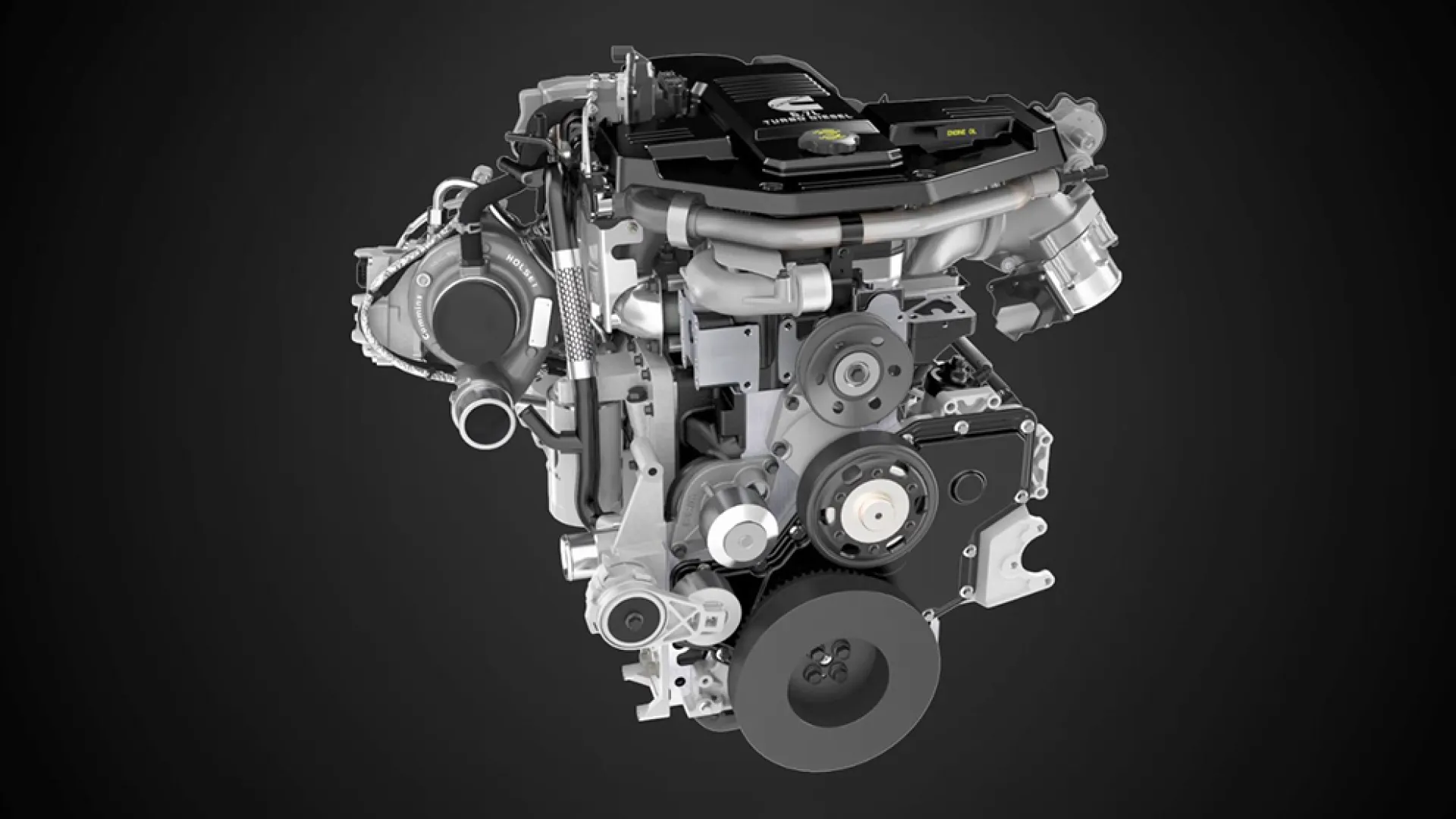
1. Cummins 6.7L Turbo Diesel (Ram 2500/3500)
The Cummins 6.7L turbo diesel engine has become synonymous with heavy-duty reliability in the Ram 2500 and 3500 series. From its introduction, Cummins focused on longevity and strength, designing an inline-six capable of handling serious towing and hauling tasks with minimal stress.
Its cast-iron block, forged steel components, and high-quality internals make it resistant to wear, while the turbocharging system balances efficiency with robust performance.
Owners praise the engine for smooth low-end torque, which allows massive payloads and trailers to be moved with confidence. The torque curve remains predictable even at high mileage, helping prevent strain on transmission and drivetrain components.
Cooling systems are engineered to endure heavy workloads, and fuel injection technology keeps combustion efficient while minimizing deposits and internal wear.
Serviceability is a strong point for the 6.7L. Mechanics are familiar with its layout, parts are widely available, and routine maintenance intervals are generous yet clearly defined.
This reduces downtime and allows the engine to continue performing under constant heavy-duty use. Additionally, the combination of aftermarket support and Cummins’ engineering means owners can safely upgrade or tune the engine without compromising longevity.
Driving the Ram with this engine creates an unmistakable sense of confidence. Acceleration while towing feels effortless, and the reliability record of the Cummins engine means there is little anxiety about long-term ownership.
The 6.7L has repeatedly proven its ability to survive high-mileage workloads, making it a trusted choice for both commercial operators and private owners seeking unmatched durability.
Every detail of the Cummins 6.7L shows that reliability was the priority. From forged pistons to heavy-duty bearings, the engine is built to withstand decades of use. Combined with the Ram platform, it continues to define what dependable diesel power looks like today.
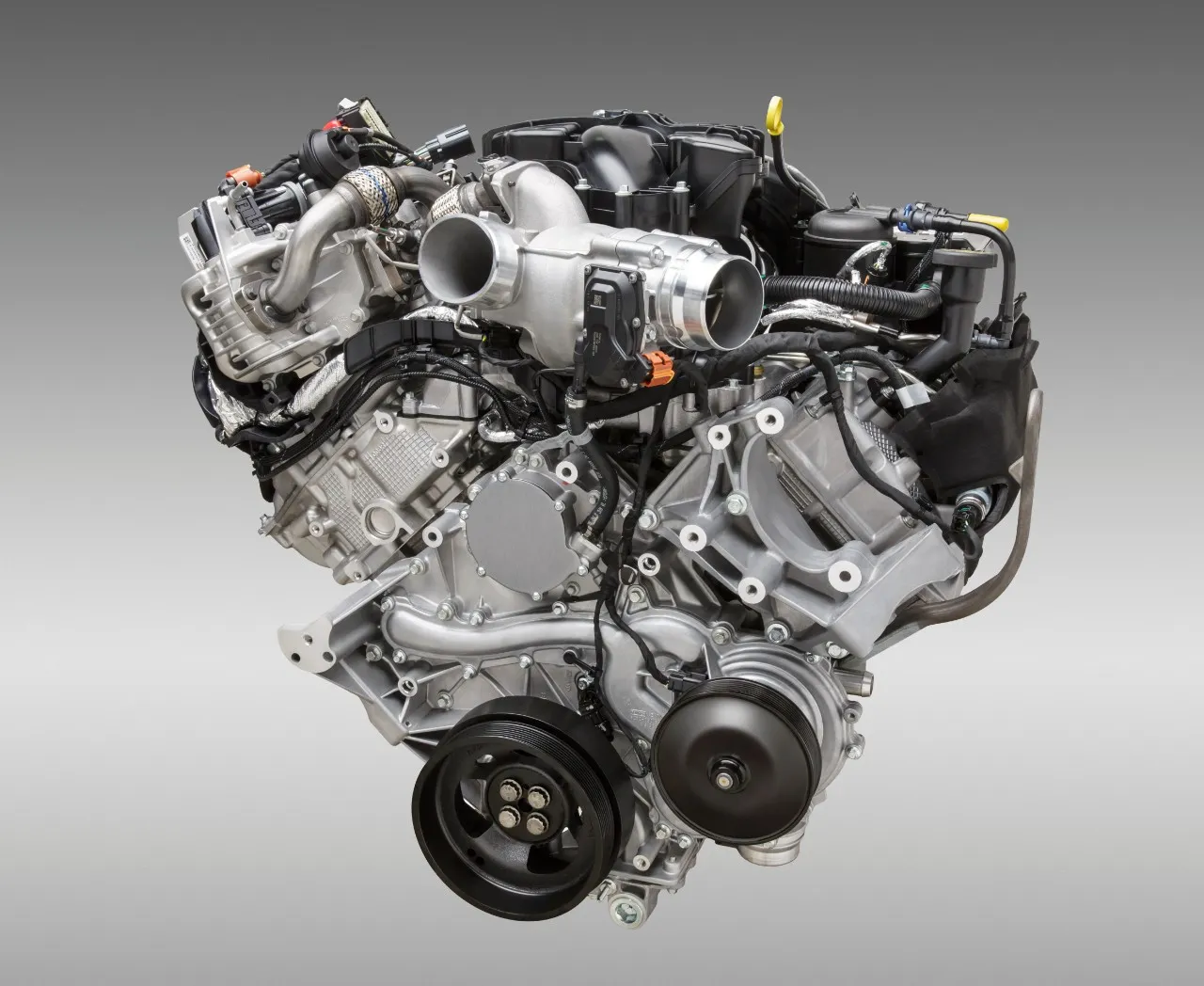
2. Ford 6.7L Power Stroke Diesel (Super Duty Series)
Ford’s 6.7L Power Stroke turbo diesel powers its Super Duty trucks with a combination of cutting-edge technology and rugged engineering. Designed to meet demanding towing requirements and repeated heavy workloads, the engine features a compacted graphite iron block, forged components, and advanced turbocharging that delivers immense torque without sacrificing durability.
The Power Stroke’s electronically controlled fuel system provides precise combustion, reducing stress on moving parts and improving fuel efficiency under load. Cooling and oiling systems are engineered for sustained high-demand scenarios, ensuring that the engine can endure long hours of work without overheating or premature wear.
Turbocharger design emphasizes both performance and longevity, and the compacted graphite iron block resists deformation under extreme pressure. Drivers notice the smooth power delivery across the rev range.
Whether hauling a construction trailer or moving supplies in remote locations, the engine provides confident, consistent torque. Transmission compatibility has been optimized for the heavy-duty Super Duty trucks, allowing shifts to occur with minimal stress on drivetrain components.
Service access remains straightforward despite modern electronics. While sensors and control systems add complexity, the Power Stroke has proven mechanically resilient, and Ford has engineered support for straightforward maintenance. Filters, belts, and fluid replacements follow predictable schedules that make it simple to maintain reliability even in high-mileage scenarios.
The 6.7L Power Stroke combines advanced diesel technology with proven engineering, making it a favorite among contractors, fleet operators, and anyone who requires dependability in extreme conditions.
It consistently performs under stress and is engineered to last for hundreds of thousands of miles when properly maintained. Its reputation stems from both performance and the consistent reliability that Ford has built into every component.
Also Read: Top 10 Chevy’s Strongest Crate Engines Ever, Ranked by Power
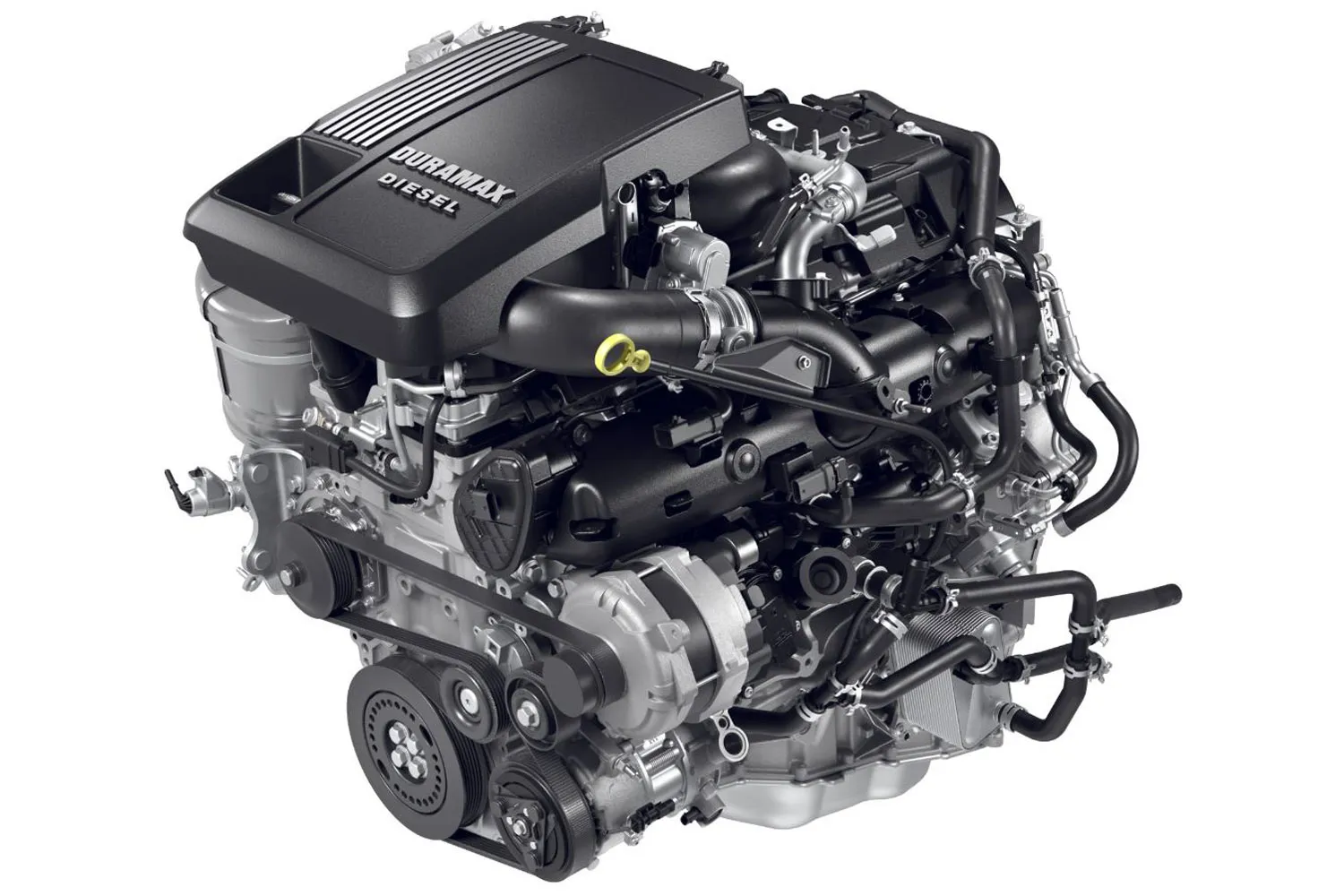
3. GM Duramax 6.6L LBZ/LMM
The Duramax 6.6L diesel, especially in the LBZ and LMM versions found in Chevrolet and GMC heavy-duty trucks, has built a reputation for strength, longevity, and reliable performance. These engines were engineered to handle high-mileage work without demanding constant repairs.
Every component, from the cast-iron block to the forged internals, was designed to endure repeated heavy-duty use, giving drivers confidence that their trucks will keep running under the toughest conditions. Torque delivery is a highlight of the LBZ Duramax.
Power comes in smoothly at low RPMs, which reduces strain on transmissions and driveline components during towing or hauling. Whether pulling equipment across a worksite or carrying a fully loaded trailer on the highway, the engine delivers steady, controlled performance without feeling stressed or unstable.
Cold-start reliability also contributes to its appeal, letting drivers operate in extreme temperatures without hesitation. Cylinder heads and the valve train were carefully engineered to minimize wear, correcting issues that affected earlier diesel designs. This attention to detail helps the engine maintain performance even after hundreds of thousands of miles.
Maintenance on the Duramax is approachable for both experienced mechanics and independent shops. Oil changes, filter replacements, and fuel system service can be performed without complicated procedures, and parts are widely available.
This accessibility, combined with the engine’s straightforward layout, keeps service costs manageable and allows trucks to stay on the road longer between major repairs. Many owners report surpassing 300,000 miles without needing a complete engine rebuild, which is a testament to the engine’s durability and engineering.
Driving a Duramax-equipped truck feels controlled and reassuring. The smooth torque curve makes highway merging, hill climbs, and towing feel effortless, while the robust design reduces vibration and engine noise.
Even under repeated heavy loads, the engine maintains consistent performance, which is why it has become a favorite among fleet operators, contractors, and long-haul drivers.
The combination of mechanical strength, reliability, and practical design ensures the Duramax 6.6L remains one of the most trusted diesel engines ever produced. For anyone looking for a powertrain that can endure decades of demanding work without compromise, the LBZ and LMM Duramax engines stand as a benchmark in diesel dependability.
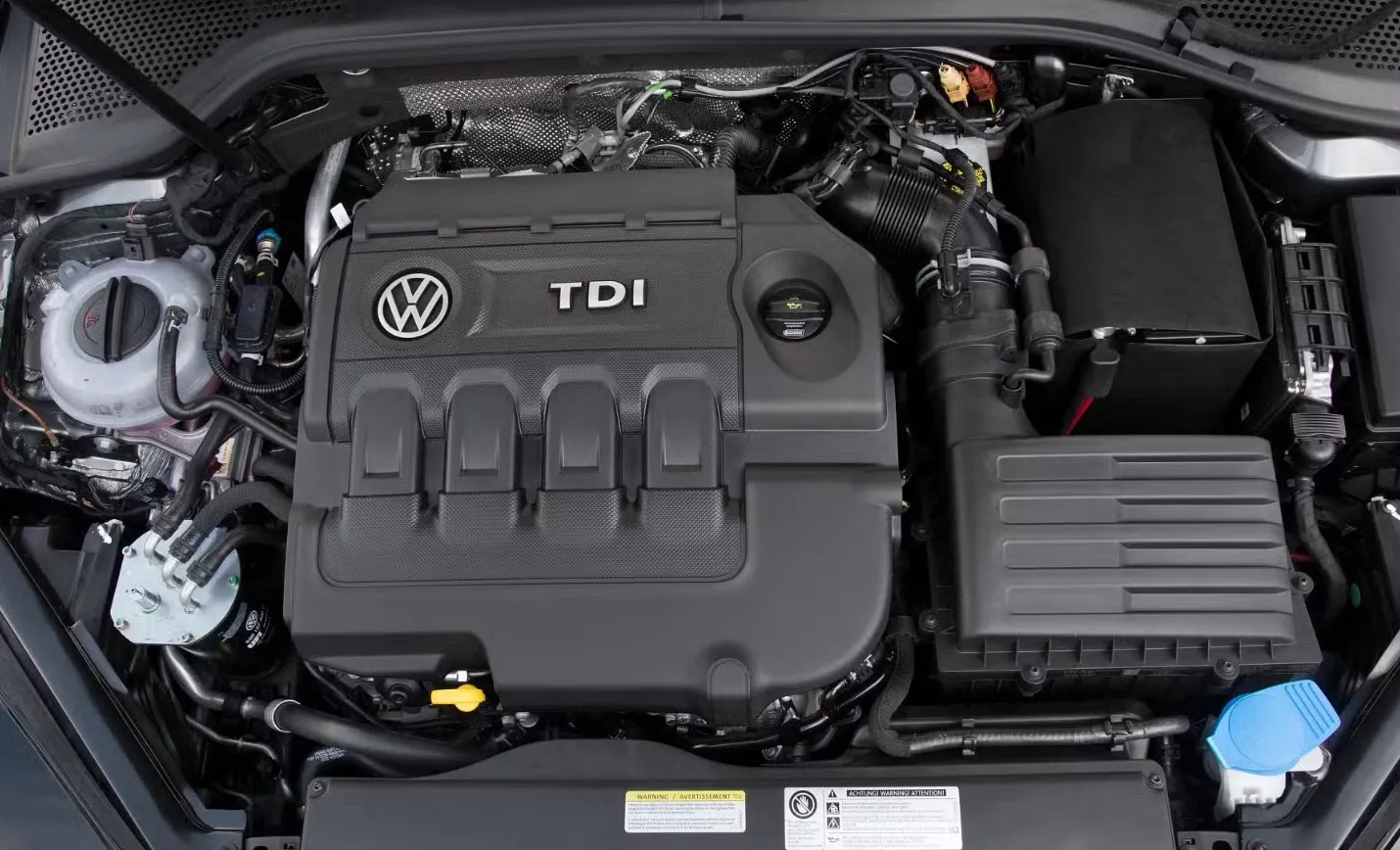
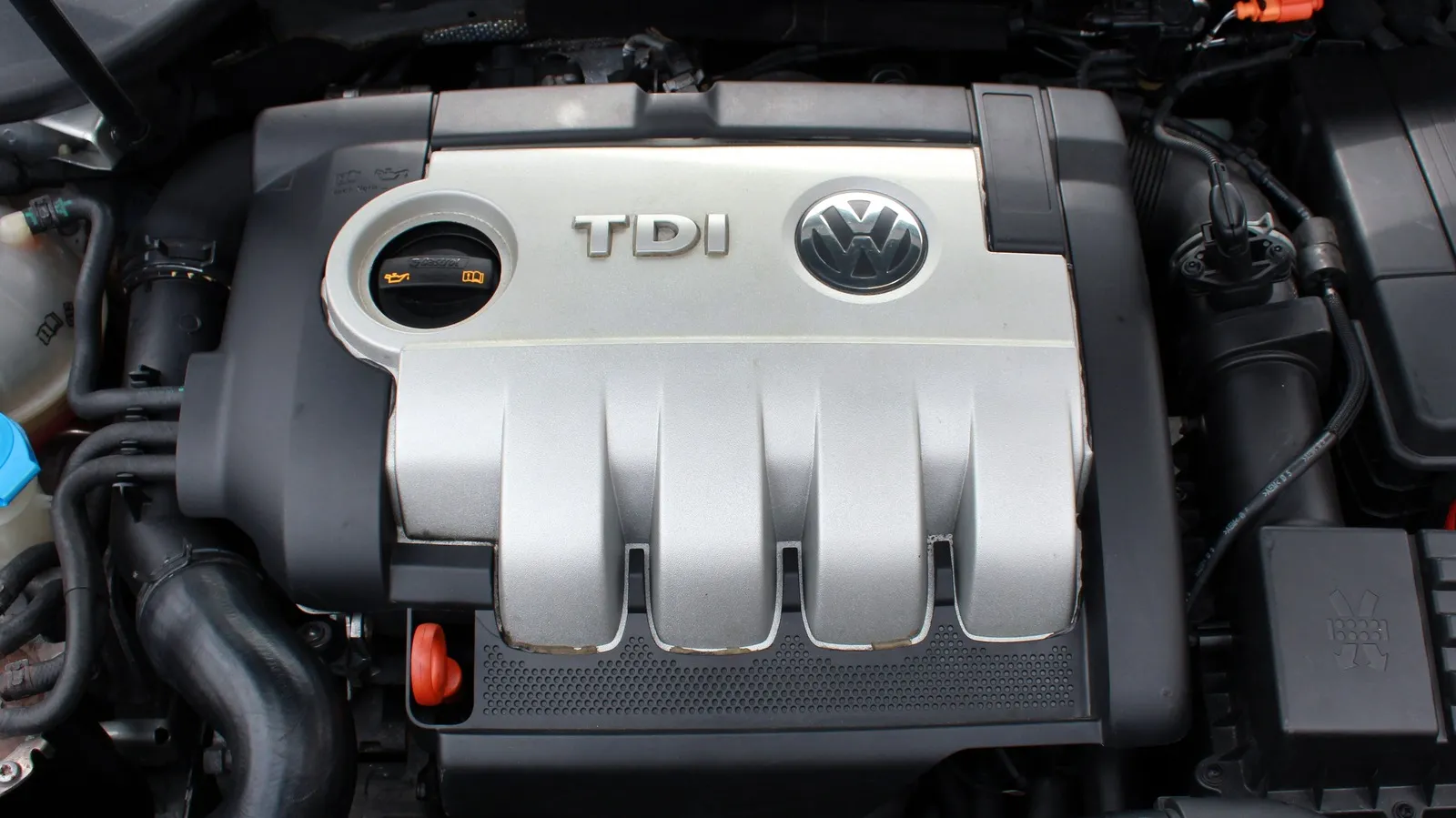
4. Volkswagen 2.0 TDI (Modern Common Rail Variant)
Volkswagen’s 2.0 TDI engines represent the pinnacle of small-displacement, high-efficiency diesel design. Equipped with common rail injection and turbocharging, these engines deliver surprising torque and fuel economy while offering long-term reliability that has become a hallmark of European diesels.
The 2.0 TDI’s aluminum block and reinforced internals withstand repeated cycles of high-pressure combustion. Volkswagen engineers focused on reducing friction and heat buildup, creating an engine that thrives under both city and highway conditions. Turbocharger systems are carefully integrated to ensure longevity, with intercooling and oiling designed for durability.
Drivers benefit from strong low-end torque, which keeps the engine feeling responsive without forcing high RPM operation. Fuel efficiency remains high while service schedules are predictable, making this engine appealing to drivers who log high annual mileage. Timing chains, injectors, and turbo systems are built to last, contributing to multi-hundred-thousand-mile durability.
Service intervals are straightforward, though attention to oil quality and diesel fuel standards ensures longevity. The engine layout is compact, allowing for simple access to most routine service items. European and North American parts networks support repairs, and the robust design minimizes expensive replacements.
The 2.0 TDI balances efficiency, performance, and durability. It may not move massive trailers, but in passenger cars and light commercial vehicles, it proves that small diesels can endure extended use without giving up reliability or drivability.
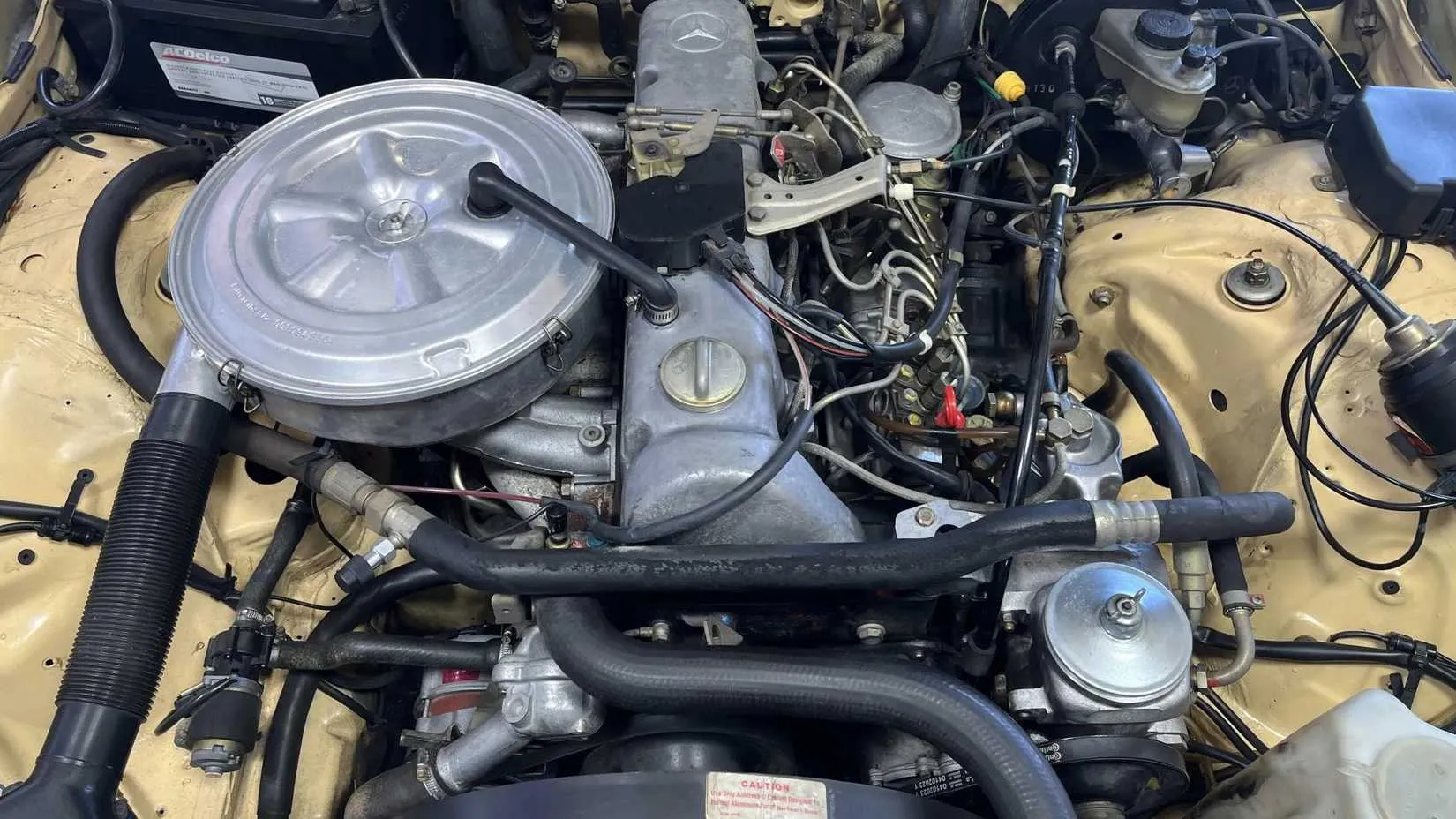
5. Mercedes-Benz OM617
The OM617 engine is legendary for longevity and simplicity. This straight-six diesel powered numerous Mercedes-Benz sedans, wagons, and light trucks in the 1970s and 1980s, and is known for easily surpassing half a million miles with routine care.
Constructed with a strong iron block and durable head design, the OM617 was built to handle constant duty without failure. Turbocharged versions increased output while retaining the inherent robustness of the naturally aspirated design. Its mechanical fuel injection system avoids the complications of modern electronics, reducing the likelihood of service-related issues.
Driving a vehicle with the OM617 feels precise yet durable. Acceleration is steady, and torque delivery is predictable. While power is modest by modern standards, reliability is unmatched. Parts remain widely available among vintage and specialty suppliers, and repairs are often simple and cost-effective.
Engine longevity comes from both design and conservative engineering. Components are slightly oversized to reduce stress, and cooling and lubrication systems are forgiving. Owners report vehicles exceeding 500,000 miles with original engines, illustrating that careful engineering, even decades ago, can outperform modern complications in terms of durability.
The OM617 is a diesel built for life. Its simplicity, sturdy construction, and predictable service needs demonstrate that an engine can endure decades of use with minimal intervention while still performing its intended duties reliably.
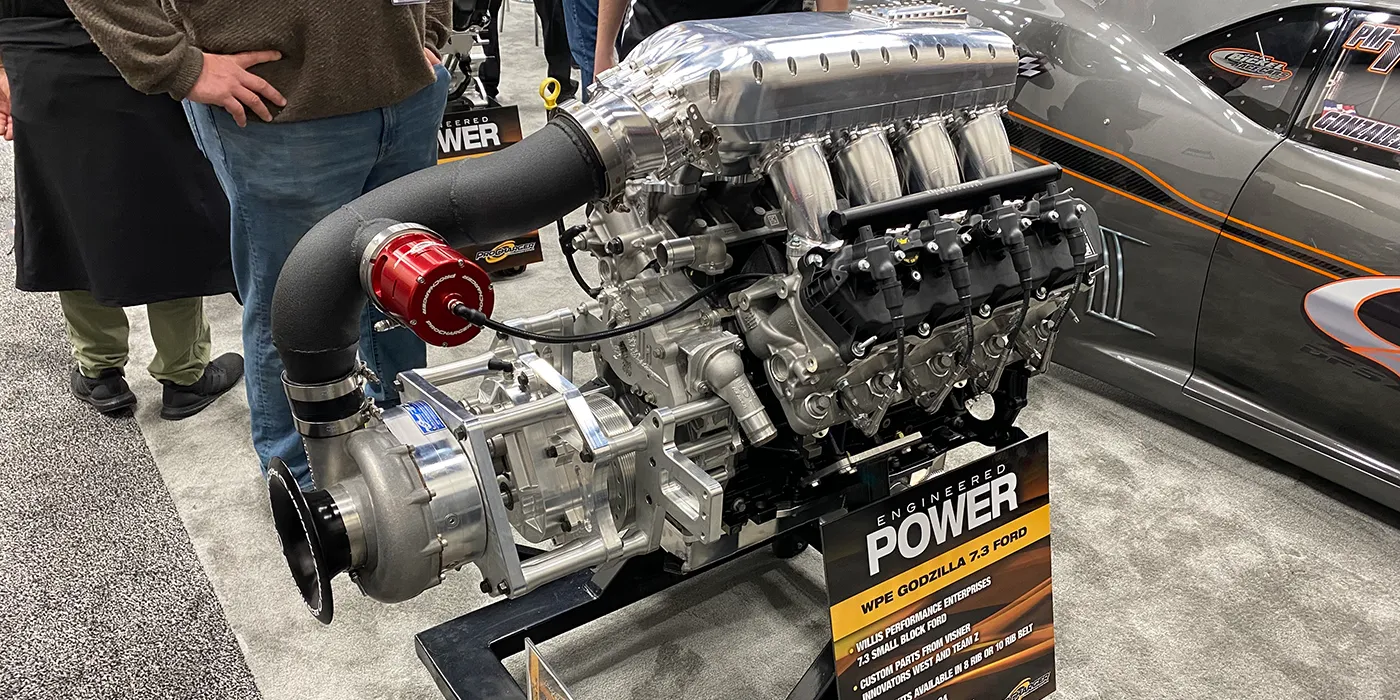
6. Ford 7.3L Power Stroke “Godzilla” Diesel
Ford’s 7.3L Power Stroke, nicknamed the “Godzilla,” is engineered with durability and simplicity in mind. Unlike turbo-heavy modern diesels, this naturally aspirated V8 emphasizes long-term reliability, massive torque delivery, and robust construction that can handle high-mileage workloads without demanding constant attention. Its cast-iron block and forged internals provide a solid foundation, designed to survive daily abuse from heavy towing or hauling.
Performance remains smooth and predictable. Torque arrives early and steadily, reducing strain on transmissions and driveline components.
The engine’s design minimizes thermal stress, keeping cylinder heads and valves within optimal temperature ranges even under heavy load. Cooling systems are oversized for the displacement, and oiling passages ensure constant lubrication to critical areas, further extending service life.
Mechanically, the 7.3L Power Stroke is straightforward. Maintenance tasks are approachable, with filters, belts, and routine fluids accessible without difficult disassembly. This simplicity reduces downtime and keeps service costs reasonable compared to more electronics-heavy diesels. It is also compatible with aftermarket upgrades, meaning owners can tune or improve performance without compromising longevity.
Drivers appreciate the confidence the engine provides. Acceleration under full load is effortless, and high-mileage operation does not diminish responsiveness. Whether towing equipment for work, carrying crews to remote sites, or managing highway commutes with a heavy trailer, the engine maintains consistent performance.
Longevity is a hallmark of the 7.3L Godzilla. Users report surpassing hundreds of thousands of miles without major rebuilds, a testament to conservative engineering and focus on durability. Its simplicity, combined with Ford’s heavy-duty platform, ensures reliability for decades, making it an ideal choice for fleets, contractors, and anyone requiring a diesel that can truly be counted on to keep running.
This engine embodies the principle that raw engineering durability, paired with practical design choices, often outlasts highly complicated systems. For anyone prioritizing predictable performance, minimal downtime, and long-term dependability, the Ford 7.3L Power Stroke remains an excellent investment.
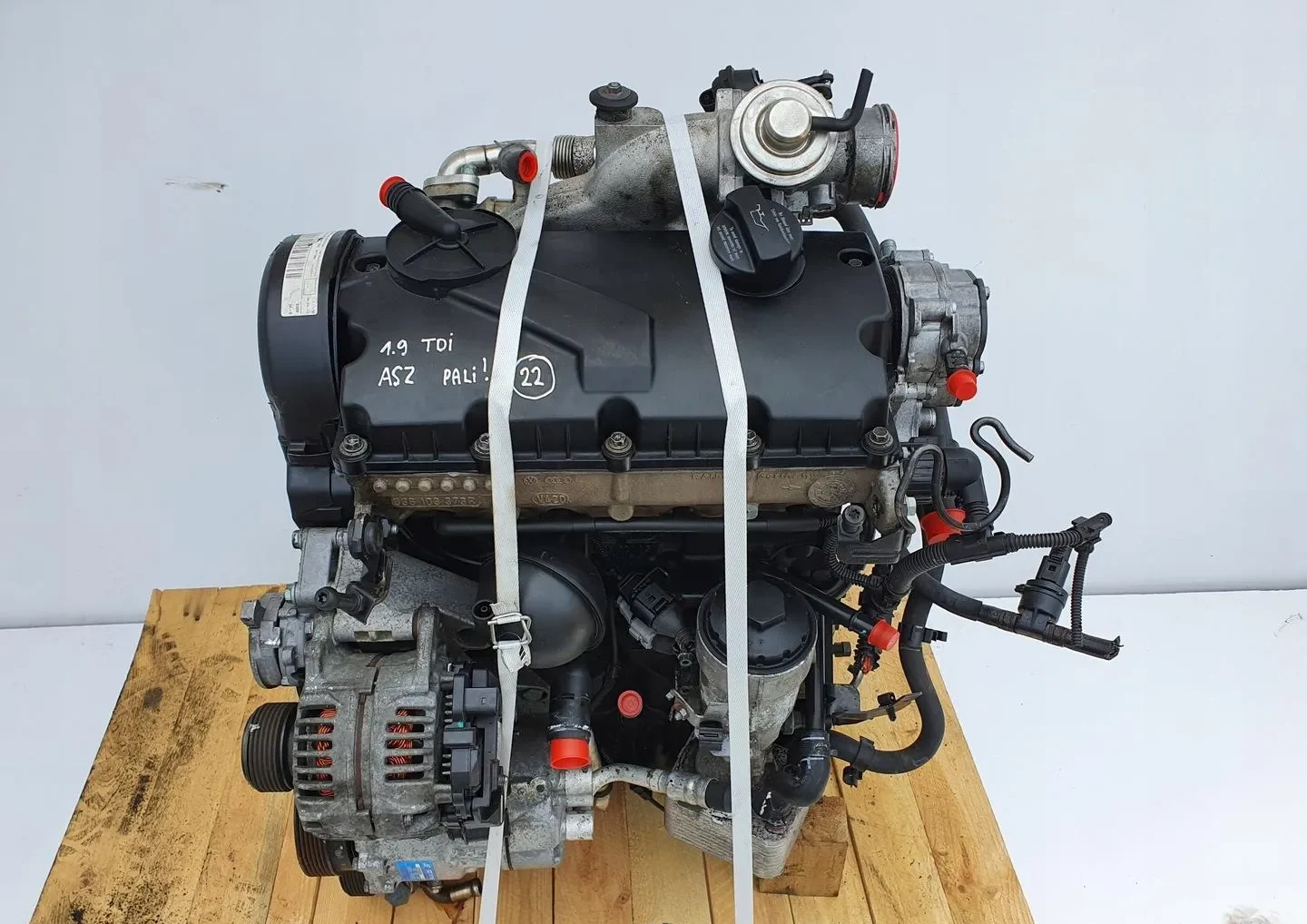
7. Volkswagen 1.9L TDI (ALH)
The Volkswagen 1.9L TDI, particularly the ALH variant used in the late 1990s and early 2000s, is celebrated for reliability and simplicity in a small diesel package.
Its inline-four configuration, combined with a robust iron block and strong head design, allows it to endure hundreds of thousands of miles when maintained properly. Its design emphasizes efficient combustion, low mechanical stress, and long service intervals.
Smooth torque delivery is a defining feature. Despite its modest displacement, the 1.9L TDI provides responsive power at low RPMs, making it ideal for both highway cruising and urban driving. The high-revving nature of modern small diesels is replaced by a patient, controllable performance curve that reduces stress on the engine as time ges on.
Maintenance accessibility contributes heavily to its longevity. Valve adjustments, fuel system cleaning, and routine oil changes are straightforward and can be accomplished by most experienced mechanics.
The ALH’s mechanical injection system eliminates electronic difficulty, reducing potential failures and making the engine highly dependable. Parts remain widely available, and aftermarket support continues to provide solutions for owners who prefer long-term DIY upkeep.
Drivers often highlight the engine’s combination of fuel efficiency and durability. With regular maintenance, ALH-powered vehicles exceed 400,000 miles without major rebuilds. The engine is also tolerant of high-mileage wear, which makes it forgiving for drivers who rely on it for extended commuting or utility use.
Volkswagen’s 1.9L TDI exemplifies how conservative engineering, simple fuel delivery, and sturdy construction can produce an engine that withstands decades of use. Its longevity has earned it a reputation as one of the most dependable small diesel engines ever built, combining economy with durability in a package that continues to impress enthusiasts and practical users alike.
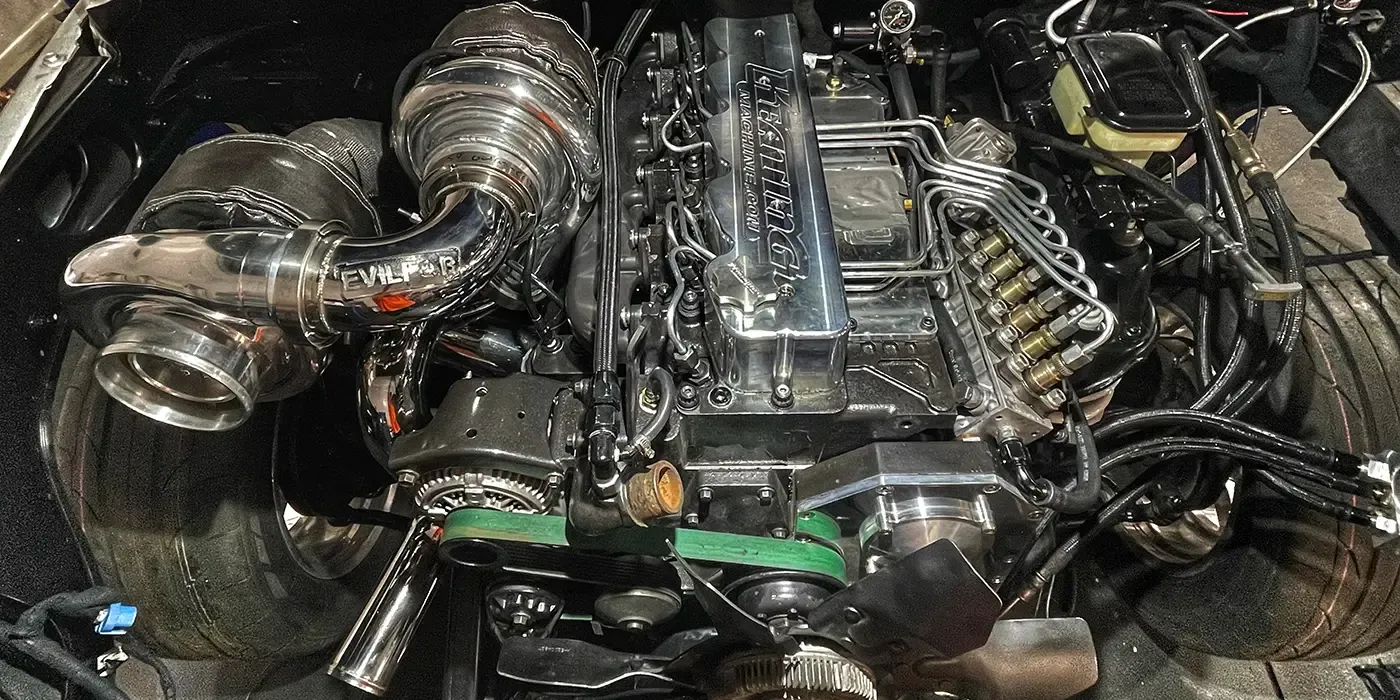
8. Cummins 5.9L 12-Valve (Early Dodge Ram)
The 5.9L 12-valve Cummins engine, found in Dodge Rams from 1989 through 1998, has achieved legendary status among diesel enthusiasts for durability. The naturally aspirated and early turbocharged versions were designed with mechanical simplicity in mind. Fewer electronics mean fewer points of failure, making the engine extremely resilient over high-mileage, heavy-duty use.
Its inline-six design provides predictable torque and smooth operation. Low-end torque makes towing and hauling effortless, while minimal turbo lag allows controlled acceleration under load. Components such as the forged crankshaft, strong pistons, and robust cylinder heads were engineered to handle both commercial and recreational workloads without excessive wear.
Routine maintenance is simple, and accessibility is one of the reasons this engine remains popular. Oil changes, injector adjustments, and turbo servicing can be performed without specialized tools, reducing long-term ownership costs. Parts availability is excellent due to its popularity in both stock and modified applications.
Owners often report vehicles surpassing 500,000 miles with original engines. The 12-valve’s conservative design reduces thermal stress and wear on internal parts. Even when subjected to high miles, towing, or repeated starts and stops, the engine maintains performance without serious intervention.
Performance is steady and reliable rather than aggressive. Drivers appreciate how consistent it feels under repeated heavy use. Its simplicity and strength make it ideal for fleet work, ranch operations, or enthusiasts seeking a durable, tunable platform.
Cummins 5.9L 12-valve demonstrates that mechanical simplicity, paired with robust engineering, can produce a diesel engine capable of lasting decades. Its reputation for dependability remains unmatched among early heavy-duty diesels, earning it a place in the pantheon of engines you can truly count on forever.
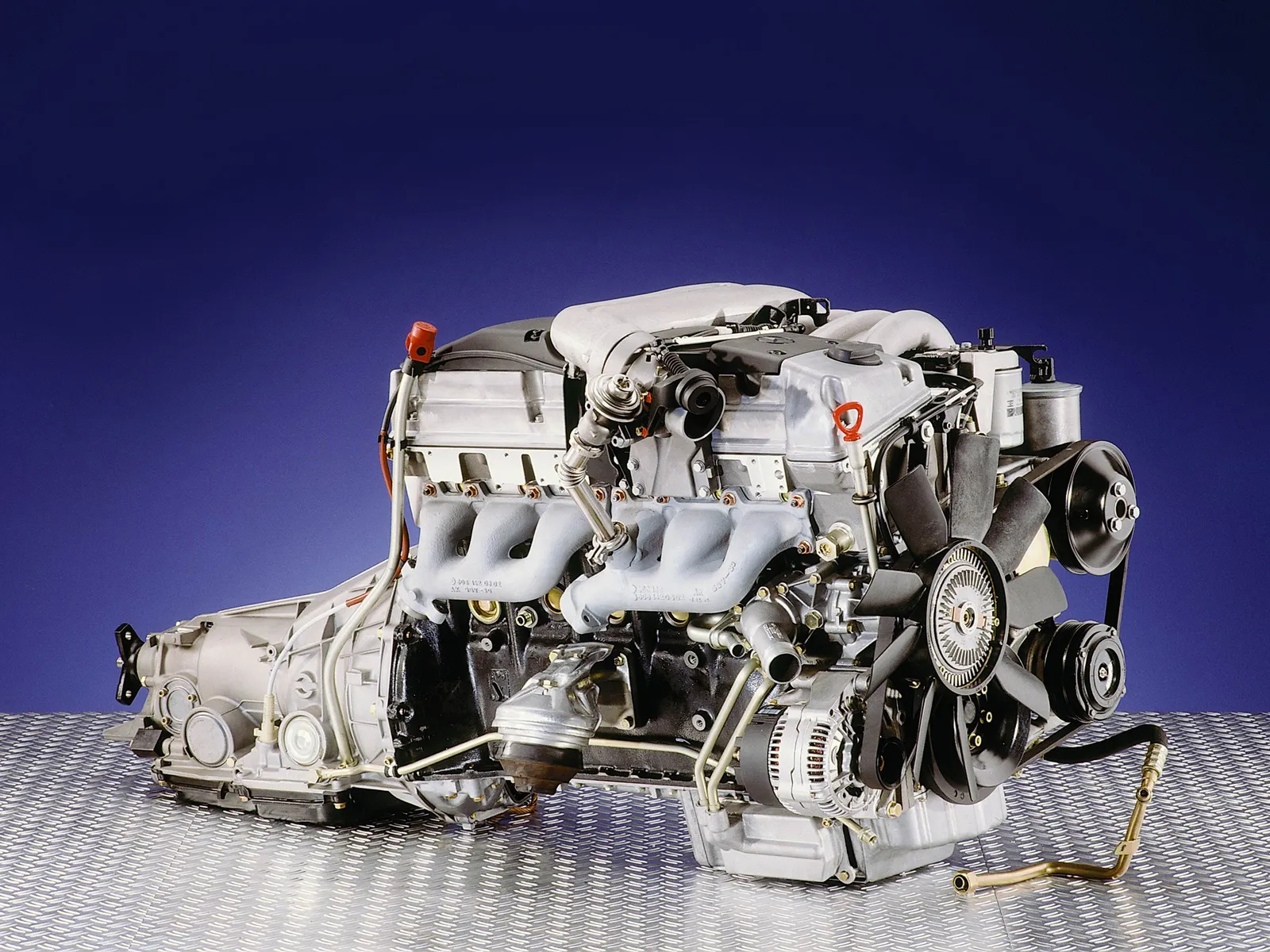
9. Mercedes-Benz OM606
The OM606 straight-six diesel engine by Mercedes-Benz combines refinement and durability. Introduced in the mid-1990s for the E-Class and other models, it employs a robust iron block, forged internals, and an inline-six layout that balances smooth operation with long-term reliability.
Its indirect injection system, while slightly less efficient than modern common rail engines, offers mechanical simplicity and forgiving operation over high mileage.
Smooth torque delivery makes driving effortless. The engine is capable of carrying full passenger loads, towing moderate weights, and enduring city or highway cycles without wear. Its durable timing chain system and conservative engineering minimize common failure points seen in less robust diesels.
Maintenance remains approachable. Components such as injectors, filters, and belts are easy to access, and the mechanical aspects reduce the likelihood of unexpected service needs. Regular oil changes and coolant maintenance are sufficient to keep the engine operating reliably for hundreds of thousands of miles.
The OM606 has developed a following among enthusiasts and fleet operators alike. Its longevity is legendary, with numerous examples exceeding 500,000 miles on the original engine. While turbocharging was added to some versions, the engines remain resilient, handling sustained high-mileage use without compromise.
Mercedes-Benz OM606 illustrates how careful engineering, material quality, and a focus on mechanical simplicity create engines that endure. It demonstrates that a combination of moderate performance and durable construction can outlast more complicated or higher-output designs, making it an engine that earns trust across decades.
Also Read: 10 Most Ordinary Cars Ever Sold With Shockingly Extreme Factory Engine Options
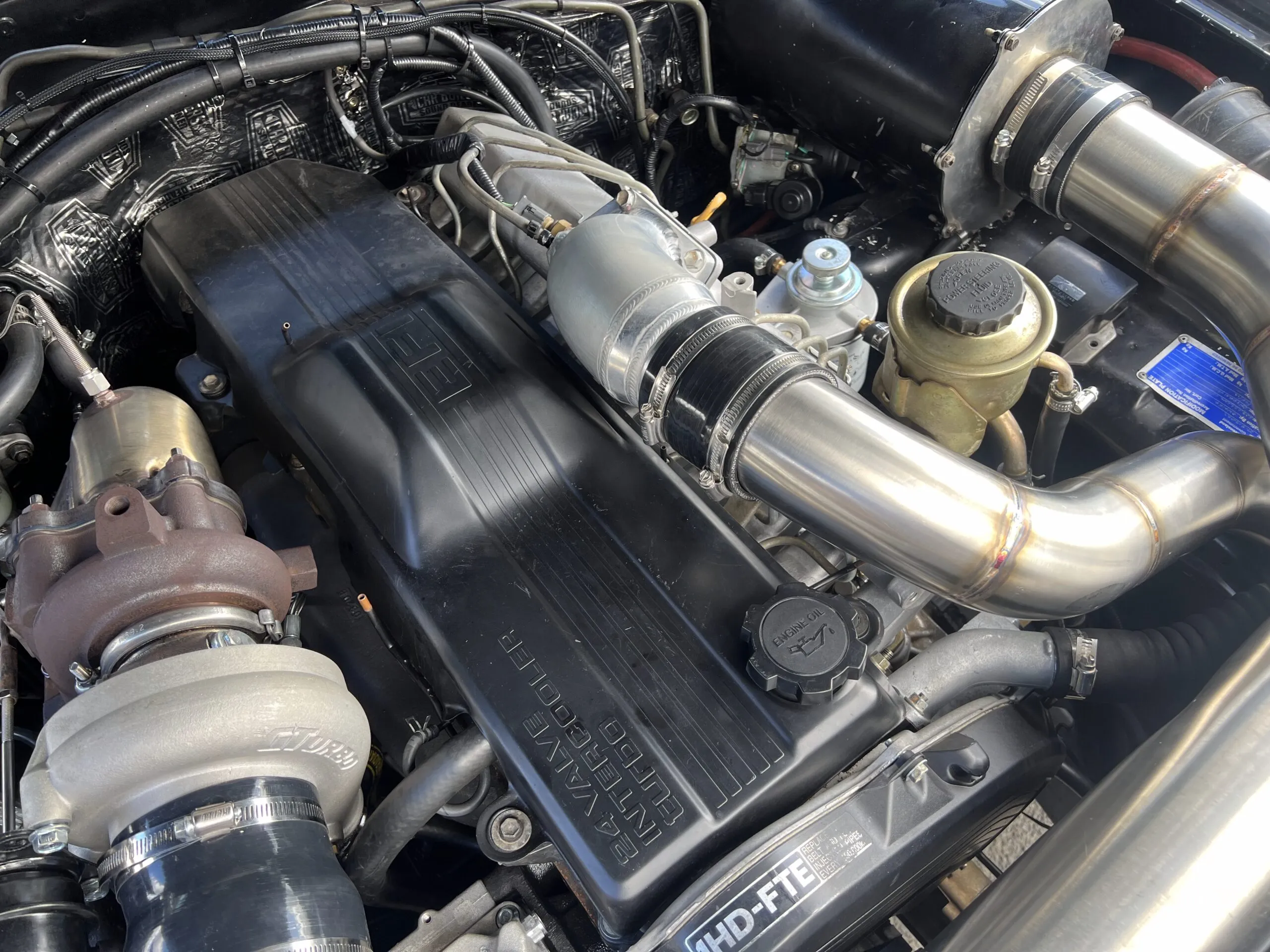
10. Toyota 1HD-T / 1HD-FT Turbo Diesel
The Toyota 1HD-T and 1HD-FT engines, used in the Land Cruiser series, represent long-life turbo diesel engineering in the 1990s. These engines were designed for heavy-duty reliability, with iron blocks, sturdy heads, and well-proven turbocharging systems capable of handling extreme off-road use. Their conservative tuning emphasizes longevity over peak performance, a hallmark of Toyota engineering.
Smooth torque delivery allows the Land Cruiser to haul passengers, equipment, and supplies over rough roads with minimal strain. Turbocharging provides consistent power without compromising the engine’s robust internals, and the fuel system is designed for longevity even under harsh operating conditions.
Routine service is predictable and accessible. Filters, belts, and fluids are easy to replace, and parts availability remains excellent decades later. These engines are known for their tolerance of high mileage and minimal mechanical issues when proper care is applied.
Drivers value reliability above all else. Whether traversing deserts, mountains, or long highway distances, the engine maintains performance while avoiding common diesel issues. Its conservative design ensures that critical components resist premature wear, making it possible for Land Cruisers to reach half a million miles with original engines.
Toyota’s 1HD-T and 1HD-FT engines stand as benchmarks for dependable diesel power. They combine engineering foresight, simplicity, and mechanical strength to create a platform that continues to inspire confidence among off-roaders and professional operators alike.
