
Audi doesn’t usually top reliability charts, and let’s be honest about that right from the start. German engineering brings sophistication, performance, and luxury, but it also brings maintenance costs and occasional headaches that Japanese brands avoid.
Yet within Audi’s lineup, some engines have earned reputations for being far more dependable than others. These are the power plants that mechanics don’t immediately groan about when they see them roll into the shop.
They’re the ones that make it past 150,000 miles without catastrophic failures or requiring second mortgages to repair. Understanding which Audi engines actually hold up matters tremendously when shopping for used models or trying to keep your current Audi running longer. Not all Audi powerplants are created equal.
Some have design flaws that cause premature failures, while others benefit from simpler designs, better materials, or just plain better engineering execution. Choosing wisely means the difference between enjoying German performance without constant anxiety and spending every paycheck keeping your car drivable.
What makes an Audi engine “reliable” by Audi standards? We’re talking about engines that typically make it past 100,000 miles without major issues when maintained properly. Ones that don’t have widespread class-action lawsuits or service bulletins addressing catastrophic failures.
Engines where oil consumption stays reasonable, timing components last, and carbon buildup doesn’t strangle performance after 60,000 miles. By Japanese standards, these might be average. By Audi standards, they’re winners.
This guide examines Audi engines that have proven themselves more dependable than their siblings. Each one appears in specific models worth considering if reliability matters to you. We’re not claiming these are bulletproof or maintenance-free.
They’re Audis, after all. But these engines give you the best chance of enjoying Audi’s driving experience without spending every weekend at the dealership or every evening researching which specialist to call next.
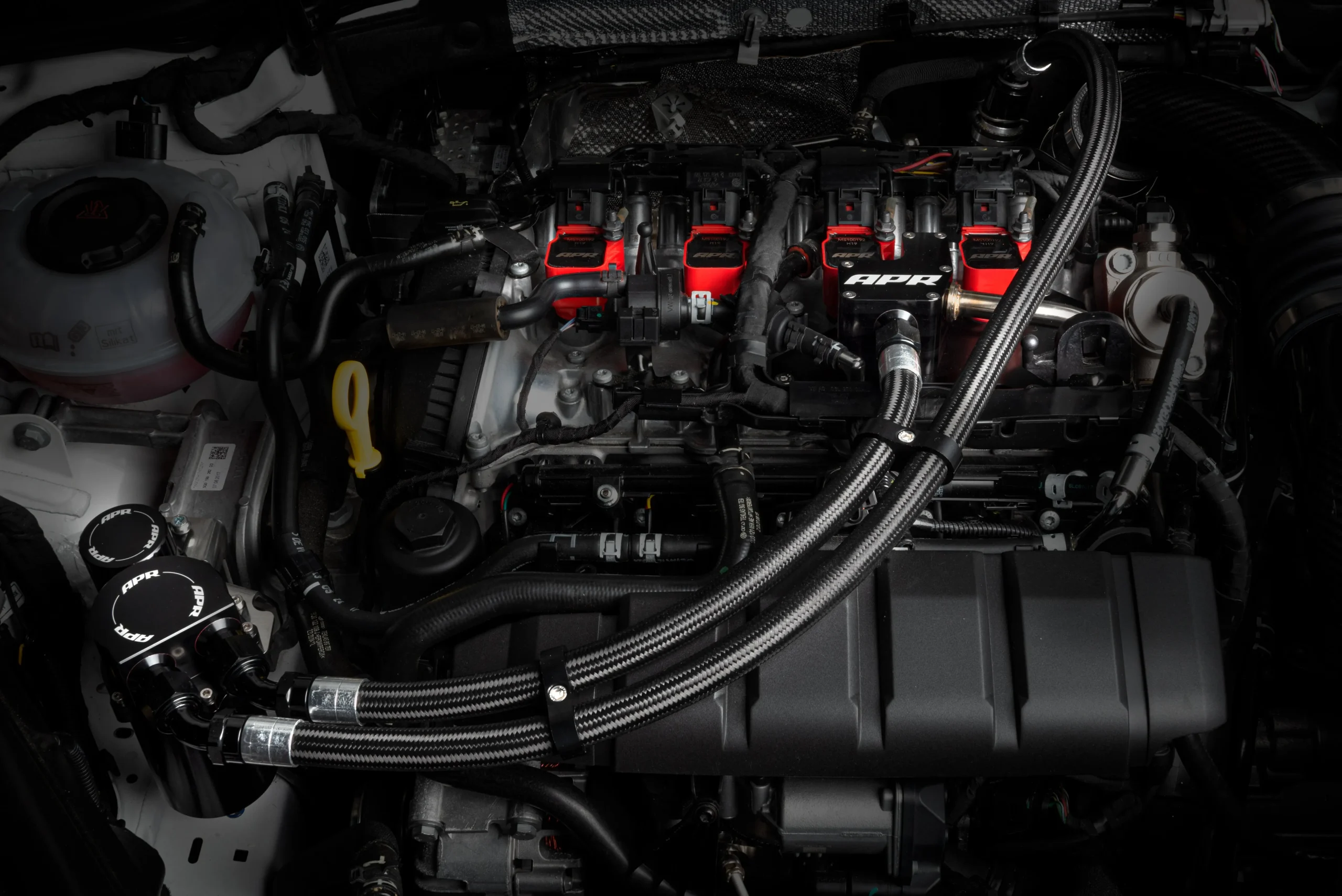
1. 2.0T EA888 Gen 3 (Audi A4 2016-2023)
Gen 3 of Audi’s ubiquitous 2.0T engine fixed many problems that plagued earlier versions. This turbocharged four-cylinder produces around 190-250 horsepower depending on tuning, providing adequate power for daily driving while maintaining reasonable fuel economy.
Engineers addressed the timing chain tensioner issues that destroyed Gen 1 and 2 engines prematurely. They also improved the PCV system that caused excessive oil consumption in older variants.
What makes this engine relatively reliable is its simpler design compared to Audi’s more exotic powerplants. Single turbocharger, conventional port and direct fuel injection, and timing chain rather than belt all contribute to longevity when maintained properly.
Regular oil changes using the correct specification become crucial, as does using quality fuel to minimize carbon buildup on intake valves.
That carbon issue hasn’t disappeared entirely, but it’s less severe than in earlier generations. Real-world experience shows these engines typically reach 100,000-150,000 miles without major mechanical failures.
Yes, you’ll still need carbon cleaning around 80,000 miles, costing $400-600 at independent shops. Ignition coils fail occasionally, requiring $200-400 for replacement.
Water pumps might need replacing around 100,000 miles for another $500-800. But you’re not looking at catastrophic timing chain failures at 60,000 miles like Gen 1 engines suffered.
Turbocharger longevity improved substantially in Gen 3, with most turbos lasting well past 100,000 miles when oil changes happen on schedule.
Using quality synthetic oil every 5,000-7,500 miles keeps the turbo bearings lubricated properly, preventing the premature failures that plagued neglected earlier versions. Coolant system maintenance matters too, as overheating damages these engines quickly.
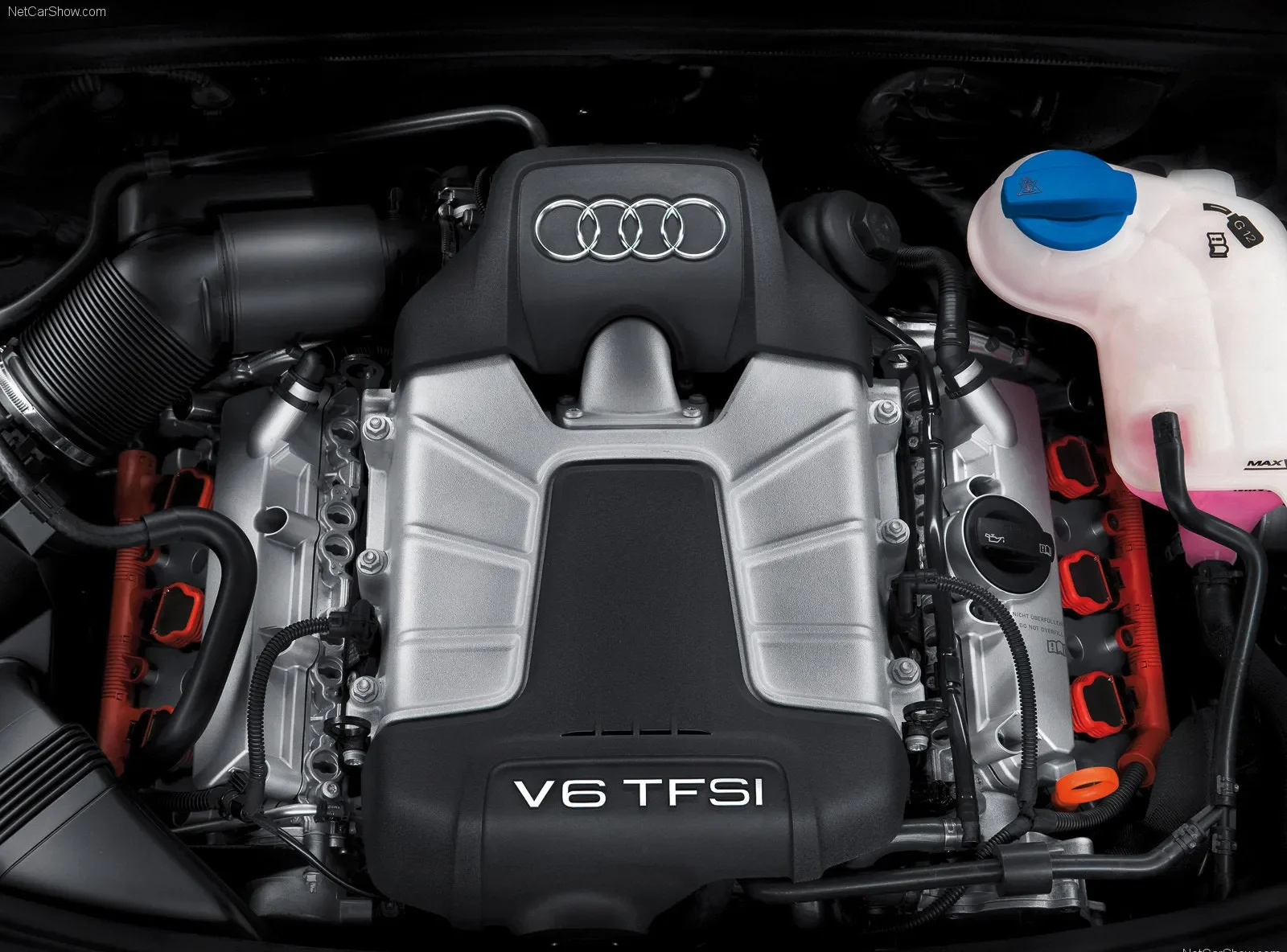
2. 3.0T Supercharged V6 (Audi A6 2009-2016)
Supercharging proved more reliable than turbocharging for Audi’s 3.0-liter V6. This engine produces 272-333 horsepower depending on application, delivering smooth, linear power without turbo lag.
The Eaton supercharger mounted atop the V6 provides instant throttle response while proving remarkably durable. Unlike turbochargers that fail from heat and oil contamination, this roots-style supercharger runs cooler and lasts longer.
What separates this engine from problematic Audi powerplants is its mechanical simplicity and robust construction.
Direct injection helps performance and efficiency, but Audi also included port injection to prevent carbon buildup that plagues purely direct-injected engines.
This dual-injection system keeps intake valves cleaner, reducing one of Audi’s most common problems. The timing chain system proved reliable, avoiding the failures that destroyed so many 2.0T engines.
Owners report these V6s routinely exceeding 150,000 miles with only routine maintenance. Yes, they consume oil more than Toyota engines, but consumption typically stays within acceptable limits of one quart per 1,000-2,000 miles.
Regular synthetic oil changes using VW 502.00 specification oil keep the internals lubricated properly. Coolant system maintenance matters, as plastic components can fail and cause overheating. Supercharger itself requires minimal maintenance beyond periodic oil changes for its internal bearings.
Some units develop a slight whine as they age, but actual mechanical failures remain rare. When problems do occur, supercharger rebuilds cost $1,500-2,500, far less than replacing turbos on alternative engines.
Carbon cleaning still becomes necessary around 100,000 miles despite dual injection, but costs stay reasonable at $500-800 for professional service.
Also Read: 10 Best Engines You Can Buy on the Market Today
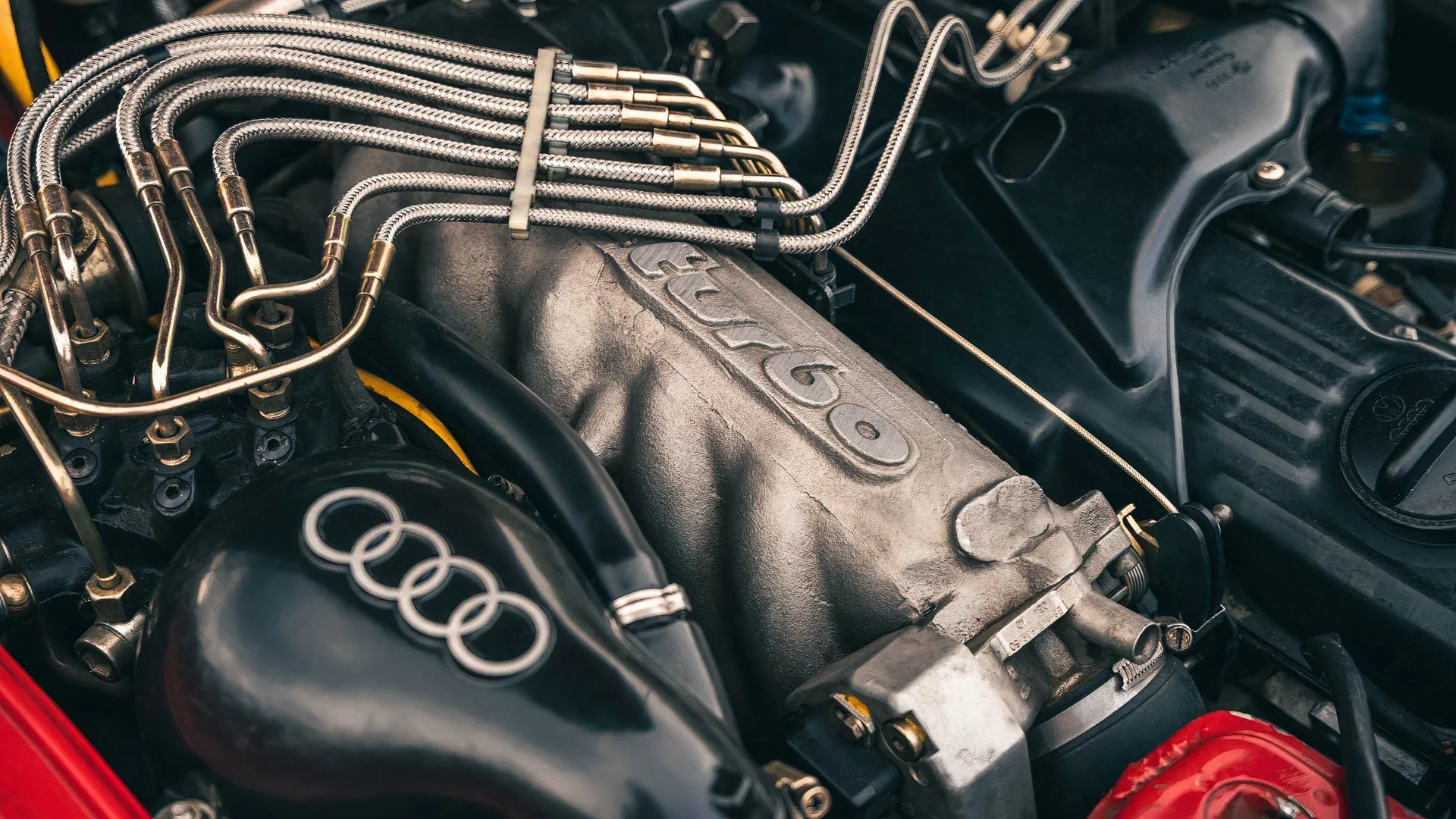
3. 2.5 TFSI Inline-Five (Audi RS3 2017-2023)
Five-cylinder turbo engines seem like reliability disasters waiting to happen, but Audi’s 2.5 TFSI defies expectations. This turbocharged inline-five produces 394-401 horsepower in RS3 applications, delivering thrilling performance with a distinctive warbling exhaust note.
What makes this engine relatively reliable is Audi’s extensive development refining the design through multiple generations, eliminating weak points that plagued earlier attempts.
What surprises people is how well this five-cylinder tolerates modifications. Tuners regularly push power beyond 500 horsepower using only software and exhaust modifications, with engines surviving when supporting modifications like upgraded cooling get installed. Stock engines handle 450+ horsepower reliably when tuned properly, suggesting substantial safety margins in factory specification.
Common issues include typical Audi problems like ignition coil failures requiring $500-800 for complete replacement. Carbon cleaning becomes necessary around 80,000 miles, costing $600-1,000 at shops experienced with inline-fives.
Water pumps fail around 60,000-80,000 miles, requiring $800-1,200 for replacement. Turbocharger longevity depends heavily on maintenance, but most survive past 100,000 miles with proper oil change intervals.
PCV system requires attention to prevent oil consumption issues, with breather valve replacements costing $300-500. Intake manifold flap actuators can fail, causing rough running and requiring $400-800 repairs.
But these represent maintenance items rather than catastrophic failures. For a high-performance turbocharged engine, this five-cylinder proves surprisingly durable.
You’re getting genuine supercar-level performance in a daily-drivable package that doesn’t immediately destroy itself when driven enthusiastically.
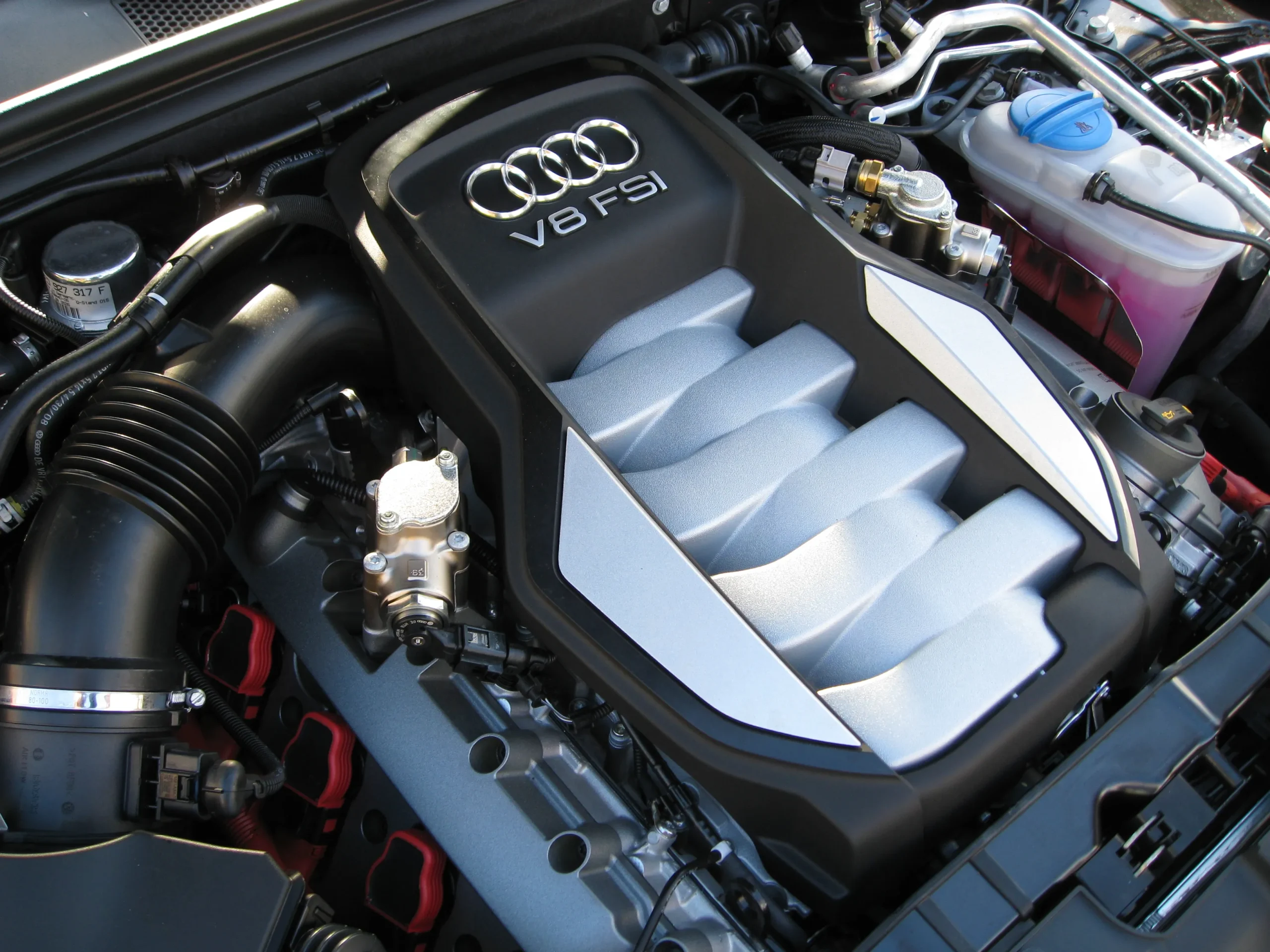
4. 4.2 V8 FSI (Audi S4 2005-2008)
Naturally aspirated V8 simplicity delivers better reliability than turbocharged alternatives. Audi’s 4.2-liter V8 produces 339-344 horsepower, providing smooth, linear power delivery without forced induction complications.
This engine represents peak Audi V8 development before they switched entirely to turbocharged motors, benefiting from decades of refinement, eliminating weak points.
What makes this V8 relatively dependable is its straightforward design. No turbochargers to fail, no superchargers to rebuild. Just a well-engineered V8 with direct fuel injection and variable valve timing.
The timing chain system proved robust, avoiding the catastrophic failures that plagued Audi’s 2.7T and 3.0T engines. Regular oil changes using quality synthetic oil keep the engine happy for 150,000+ miles.
Fuel economy suffers compared to turbocharged alternatives, averaging 16-18 MPG in mixed driving. But you’re trading efficiency for mechanical simplicity and better long-term reliability.
Revving this V8 to its 7,000 RPM redline remains thrilling, with a soundtrack that turbocharged engines cannot match. Throttle response stays instantaneous without turbo lag.
Carbon buildup on intake valves becomes inevitable with direct injection, requiring cleaning around 80,000-100,000 miles, costing $800-1,200.
Some engines develop timing chain tensioner wear around 150,000 miles, requiring expensive repairs if not addressed. But these issues appear far later than problems afflicting turbocharged Audi engines, giving you many more trouble-free miles.
Common maintenance includes ignition coil replacements around 80,000 miles, costing $600-1,000 for all eight. Water pumps fail around 100,000 miles, requiring $800-1,200 for replacement.
Thermostat housings can crack, causing coolant leaks requiring $400-700 to repair. Oil consumption increases as engines age, with some units using one quart per 1,000 miles past 120,000 miles. But catastrophic failures remain rare when maintenance is performed properly.
Independent shops can service this V8 without dealer-only equipment, keeping maintenance costs reasonable. Parts availability stays good since this engine saw use across multiple Audi and Volkswagen models.
For those wanting Audi V8 performance without constant expensive repairs, this naturally aspirated 4.2 represents one of the better choices. You sacrifice modern efficiency and turbocharged torque but gain mechanical simplicity and better longevity.
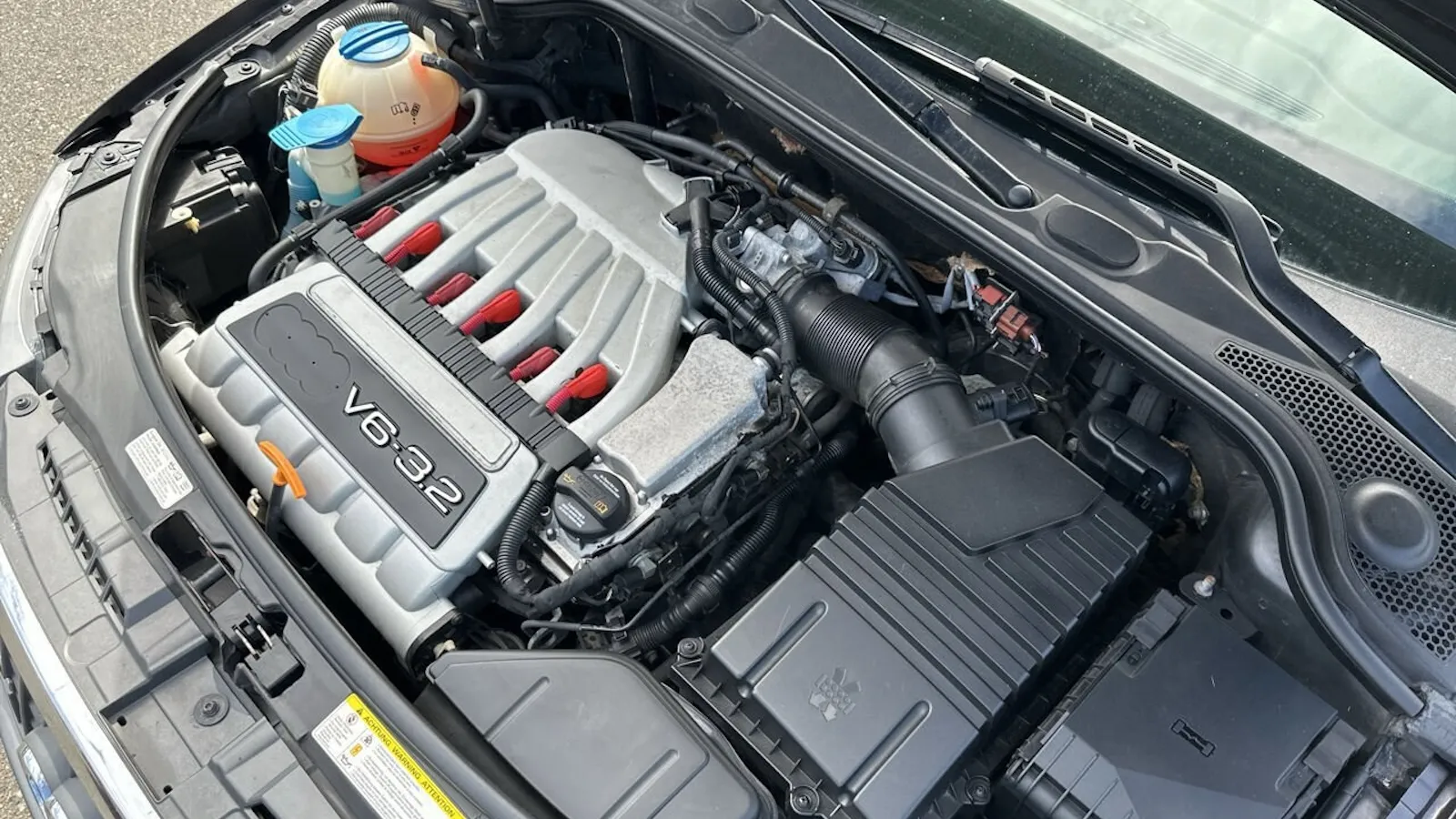
5. 3.2 VR6 (Audi A3 2006-2013)
Volkswagen’s narrow-angle VR6 brought compact six-cylinder performance to smaller Audi models. The 3.2-liter version makes 250 horsepower, delivering smooth, refined power in a package small enough for transverse front-wheel and all-wheel-drive layouts.
Its solid reputation comes from a simple, naturally aspirated layout and robust construction refined over decades within the VW Group. The VR6 uses an unusual 15-degree angle between cylinder banks, allowing a single cylinder head to serve all six cylinders.
This keeps dimensions compact while preserving the smoothness and distinctive sound of a V6. Timing chains replace belts, eliminating a major service item, while port fuel injection avoids the carbon buildup common to direct-injection engines.
In real-world use, many VR6 engines surpass 200,000 miles with proper care. Regular synthetic oil changes every 5,000 to 7,500 miles are key. While fuel economy is modest at roughly 18-20 mpg combined, the trade-off is consistent power without turbo lag or forced-induction difficulty.
Drivers value the linear throttle response and strong low-rpm pull, which make daily driving relaxed and highway passing effortless. The engine remains smooth and quiet at cruise, yet sounds rewarding when pushed.
Typical issues are age-related rather than catastrophic. Ignition coils often fail around 80,000-100,000 miles, water pumps near 100,000 miles, and timing chain tensioners can wear past 150,000 miles. Oil leaks, PCV problems, and intake runner faults appear with mileage but are well understood.
With independent shop support and affordable parts, the VR6 remains a dependable, character-rich Audi option. It suits owners prioritizing sound, simplicity, and long-term ownership.
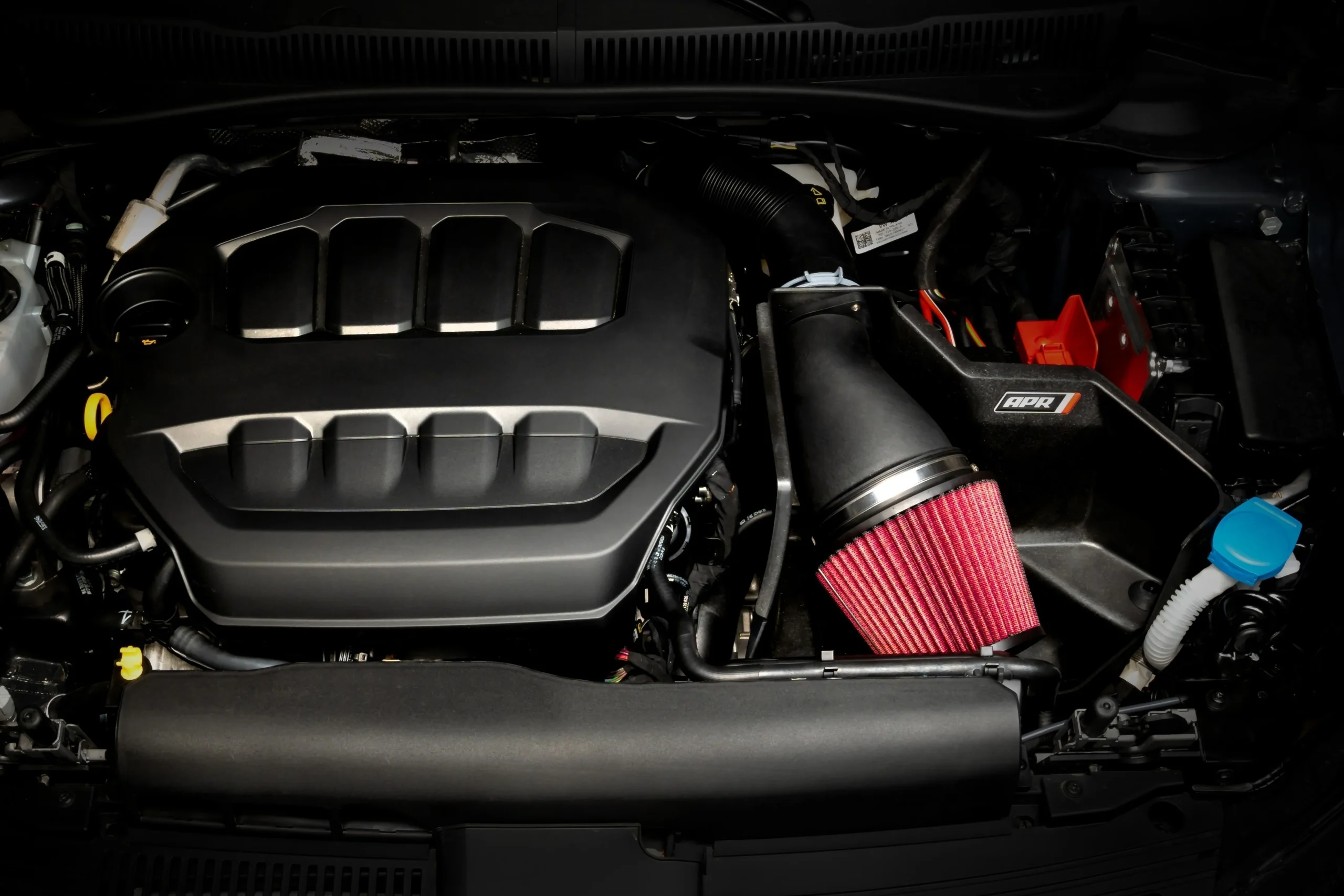
6. 1.8T EA888 Gen 3 (Audi A3 2015-2020)
Smaller displacement turbocharged engines often prove more reliable than their larger siblings. Audi’s 1.8T Gen 3 produces 170-180 horsepower, providing adequate performance for compact vehicles while maintaining impressive fuel economy.
This engine shares architecture with the 2.0T Gen 3 but benefits from lower stress levels due to reduced power output. Lower boost pressures and less aggressive tuning translate into components lasting longer before wearing out.
What separates this 1.8T from problematic predecessors is an extensive redesign addressing known failure points. Timing chain tensioner received improvements, preventing the catastrophic failures that destroyed countless earlier Audi engines at 60,000-80,000 miles.
PCV system redesign reduces oil consumption that plagued Gen 1 and 2 engines. Turbocharger cooling improved, extending turbo life substantially when proper oil change intervals are followed. Fuel economy impresses with this engine, averaging 28-32 MPG in mixed driving.
Highway cruising can achieve 35-40 MPG when maintaining steady speeds. That efficiency makes daily commuting affordable despite premium fuel requirements.
Acceleration feels adequate for normal driving, though passing power requires downshifting. For those prioritizing economy and reliability over outright performance, this 1.8T delivers.
Carbon buildup still occurs with direct injection, but progression seems slower than with 2.0T variants. Most owners don’t need cleaning until 100,000+ miles, compared to 60,000-80,000 miles on higher-output engines.
When cleaning becomes necessary, costs run $400-600 at independent shops. That delay saves money and hassle during early ownership years.
Turbocharger longevity exceeds expectations when maintenance is performed properly. Using quality synthetic oil every 5,000-7,500 miles keeps turbo bearings lubricated.
Most turbos survive past 120,000 miles without issues. When failures do occur, replacement costs $1,500-2,500 at independent shops using quality aftermarket units. But many owners never face this expense during normal ownership periods.
Common maintenance includes ignition coil replacements around 80,000 miles, costing $200-400. Water pumps typically last 100,000-120,000 miles before requiring $500-800 replacement.
Thermostat housings can crack around 100,000 miles, causing coolant leaks requiring $300-500 repairs. Valve cover gaskets may leak oil around 120,000 miles, costing $400-700 to replace.
The diverter valve on the turbocharger can fail around 80,000 miles, causing boost issues requiring $300-500 to repair. PCV valve requires replacement every 60,000-80,000 miles as preventive maintenance, costing $200-400.
But these represent routine maintenance items rather than unexpected catastrophic failures. Independent shops handle repairs easily using readily available parts.
For budget-conscious buyers wanting Audi refinement without constant expensive repairs, this 1.8T represents a smart choice.
You sacrifice some performance compared to the 2.0T, but gain better fuel economy and potentially longer engine life. Lower stress levels mean components last longer before wearing out. That translates into fewer repairs and lower ownership costs during your time with the vehicle.
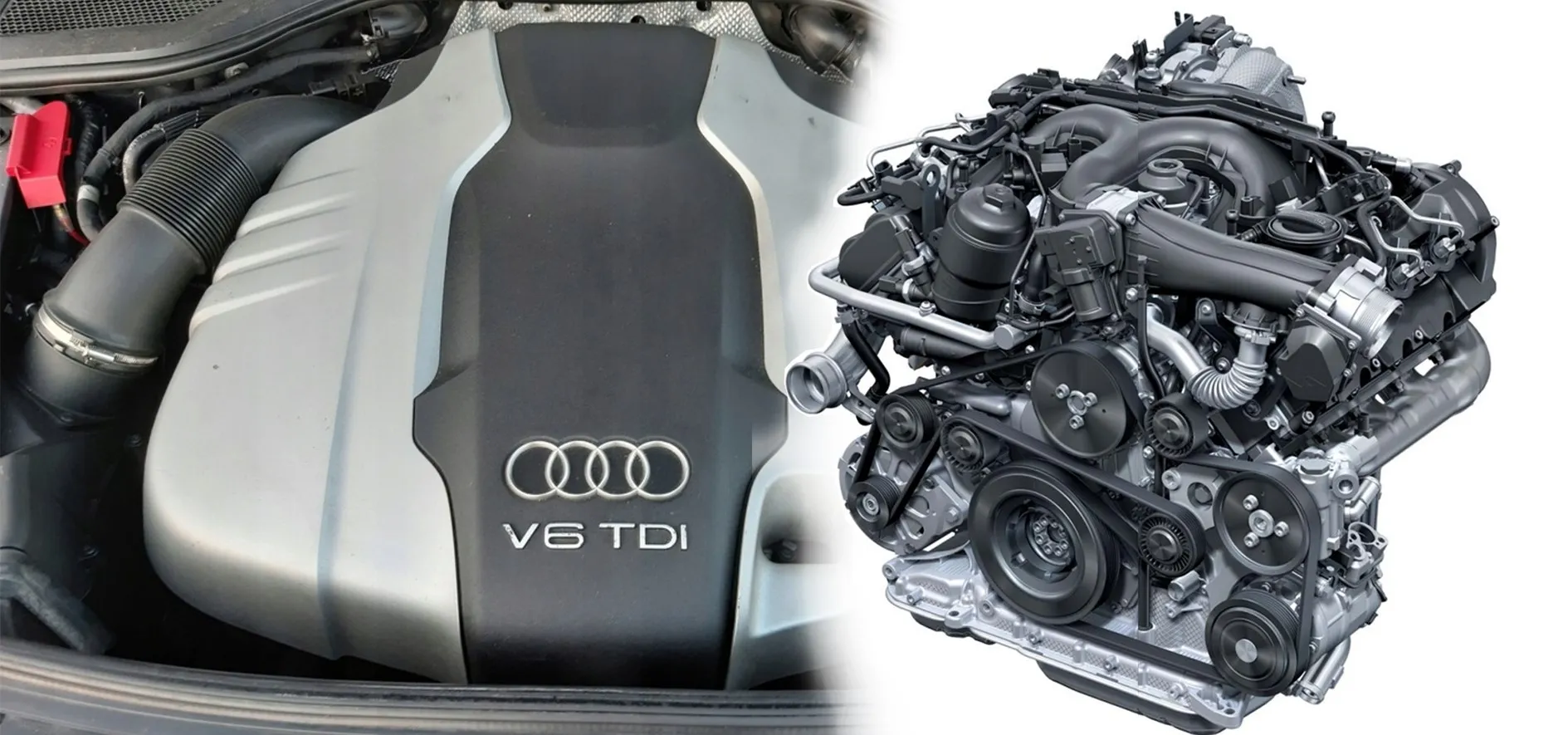
7. 3.0 TDI V6 Diesel (Audi A6 2009-2015)
Diesel engines typically outlast gasoline alternatives when maintained properly. Audi’s 3.0 TDI V6 produces 225-240 horsepower with massive torque, delivering effortless acceleration and impressive fuel economy.
This turbodiesel routinely achieves 30-35 MPG in mixed driving, with highway cruising reaching 40+ MPG. That efficiency makes long-distance commuting affordable despite premium diesel fuel costs.
What makes this diesel relatively reliable is the robust construction required to handle diesel combustion pressures. Forged internals, stronger block, and overbuilt components mean this engine tolerates high mileage better than gasoline alternatives.
Diesel engines running at lower RPMs generate less wear per mile, contributing to longevity. Properly maintained examples routinely exceed 200,000 miles without major mechanical issues.
Emissions equipment creates the main reliability concern with modern diesels. A diesel particulate filter can clog if the vehicle sees only short trips, requiring expensive cleaning or replacement costing $2,000-4,000.
EGR systems carbon up, causing rough running requiring $800-1,500 cleaning. DEF injection system can fail, requiring $1,000-2,000 repairs. These issues affect all modern diesels, not just Audi.
When maintained properly with frequent oil changes using correct diesel-specific oil, this 3.0 TDI proves remarkably durable. The timing belt requires replacement every 130,000 miles, costing $1,500-2,500 at independent shops.
That’s expensive but scheduled maintenance rather than unexpected failure. Fuel injectors may need replacement around 150,000-200,000 miles, costing $2,000-3,000 for all six.
A turbocharger typically lasts 150,000+ miles when oil changes happen on schedule. Variable geometry turbo adds some reliability concerns compared to simpler fixed-geometry turbos, but failures remain relatively rare.
When replacement becomes necessary, costs run $2,500-4,000 at independent shops. Glow plugs require replacement every 100,000 miles as preventive maintenance, costing $400-800.
Common issues include coolant system leaks from plastic components requiring $300-800 repairs. Oil cooler seals can leak, requiring $600-1,200 to address.
Dual-mass flywheel may need replacement around 150,000 miles if clutch gets abused, costing $2,000-3,000. But these represent high-mileage maintenance rather than premature failures.
For those driving substantial annual mileage, this diesel delivers impressive economy and longevity. You’ll spend more on diesel-specific maintenance, but fuel savings offset costs.
Just avoid if your driving consists mainly of short trips, as diesel engines need regular highway operation to stay healthy. Highway commuters will find this TDI extremely cost-effective long term.
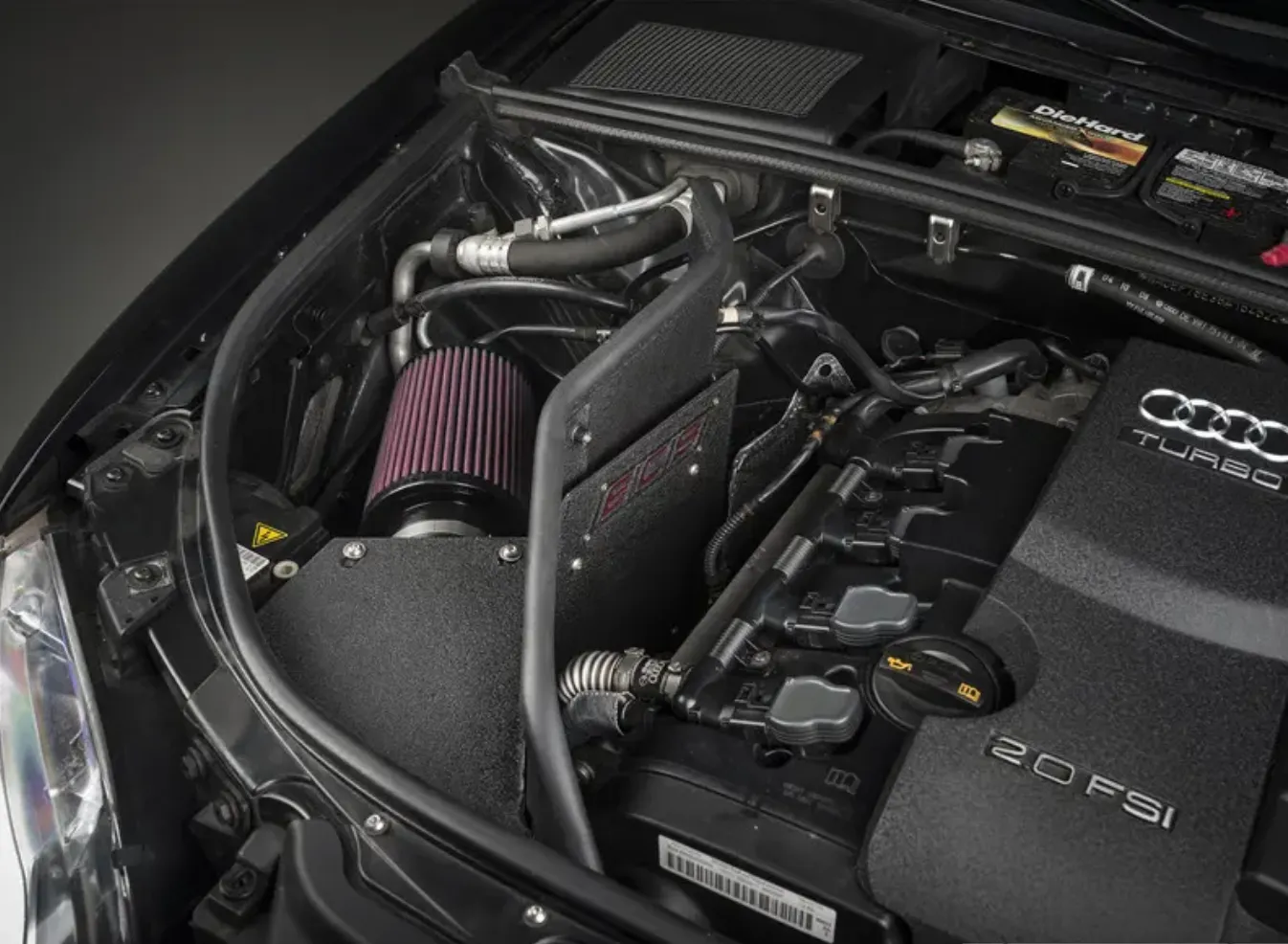
8. 2.0 TFSI EA113 (Audi A4 2005-2008)
The earlier 2.0T generation got a bad reputation, but later EA113 versions proved more reliable than the initial launches. This engine produces 197-207 horsepower, providing adequate performance with decent fuel economy.
While not as reliable as Gen 3 EA888, properly maintained EA113 engines can reach 150,000+ miles without catastrophic failures when owners address known weak points proactively.
What doomed many EA113 engines was owners’ ignoring maintenance and failing to address known issues before they became catastrophic.
Timing chain tensioner failures destroyed engines at 60,000-100,000 miles, but that failure typically announced itself with rattling noises for thousands of miles before actual destruction occurred. Owners who replaced tensioners proactively at the first sign of noise avoided engine destruction.
PCV system requires attention to prevent excessive oil consumption. The diaphragm inside the PCV valve fails, causing crankcase pressure issues, leading to oil consumption exceeding one quart per 500 miles.
Replacing the PCV valve costs just $150-300 but prevents expensive engine damage from oil starvation. Smart owners replace this component every 60,000 miles as preventive maintenance, regardless of symptoms.
Carbon buildup progresses aggressively with direct injection, requiring cleaning every 60,000-80,000 miles. Ignoring this maintenance causes rough running, misfires, and potential valve damage.
Professional cleaning costs $500-800 but prevents expensive repairs later. Some owners install catch cans to reduce buildup, extending cleaning intervals.
Turbocharger longevity depends entirely on oil change frequency. Engines receiving synthetic oil changes every 5,000 miles see turbos lasting 120,000+ miles.
Neglected engines with 10,000-mile oil change intervals experience turbo failures at 60,000-80,000 miles. Replacement costs $1,800-3,000 at independent shops, a substantial expense that proper maintenance prevents.
Water pump failures occur around 80,000-100,000 miles, requiring $600-1,000 replacement, including the thermostat.
Ignition coils fail around 80,000 miles, costing $300-500 for all four. Intake manifold flap actuators can fail, causing rough running requiring $400-800 repairs. Camshaft adjuster seals leak oil, requiring $800-1,500 to repair properly.
Diverter valve on turbocharger fails around 60,000-80,000 miles, causing boost leaks requiring $300-600 repairs.
Coolant flange on back of cylinder head cracks, causing leaks requiring $400-800 to address. But knowledgeable owners anticipate these issues, budgeting accordingly and addressing them before causing secondary damage.
For those willing to stay on top of maintenance and address known weak points proactively, EA113 engines provide decent service.
You’ll spend more on preventive maintenance than newer engines require, but costs stay manageable with planning. Just avoid neglected examples showing signs of deferred maintenance, as those likely have expensive problems waiting.
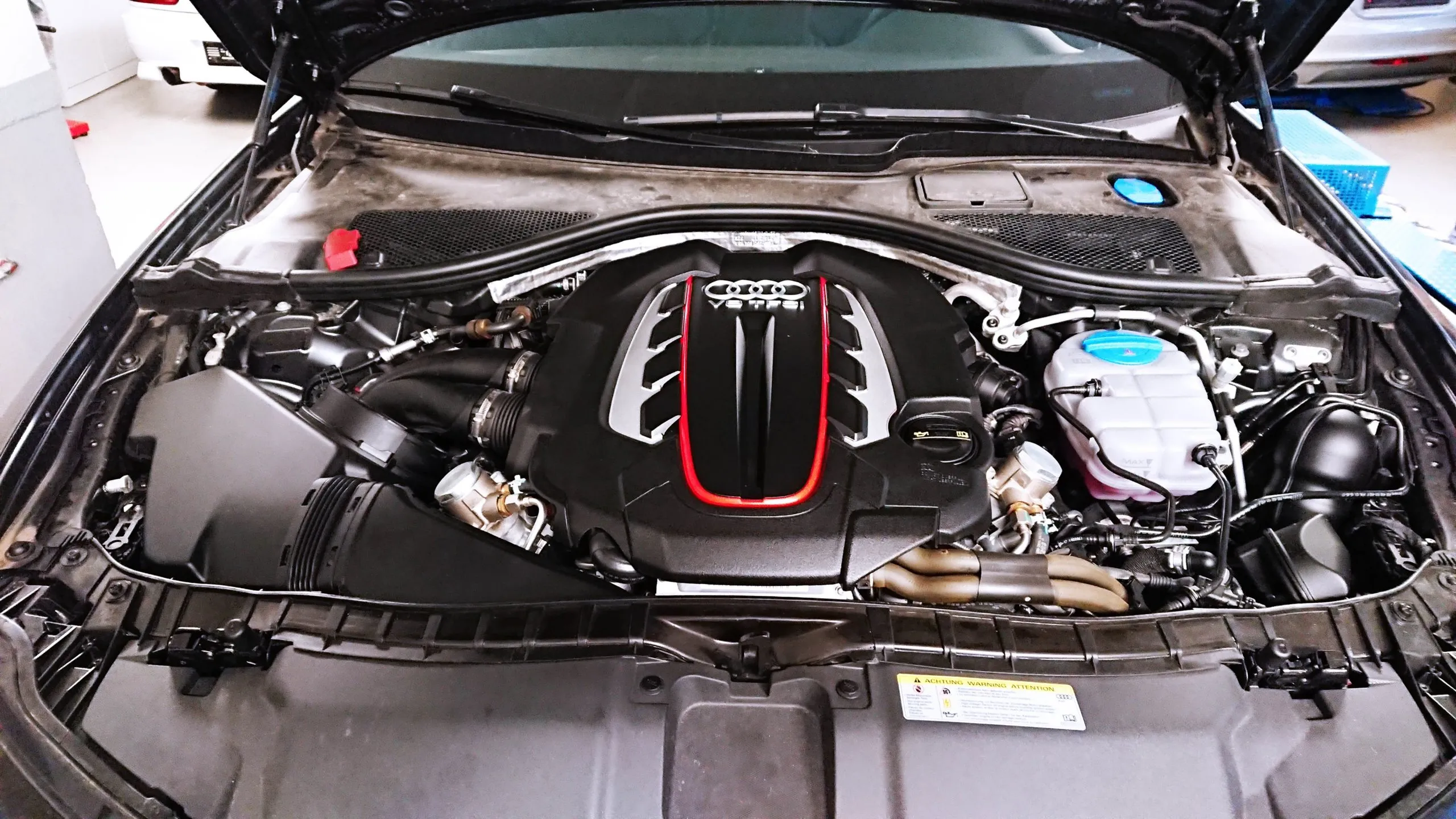
9. 4.0 TFSI Twin-Turbo V8 (Audi S6 2013-2018)
High-performance turbocharged V8 sounds like a reliability disaster, but Audi’s 4.0 TFSI defies expectations. This engine produces 420-450 horsepower, delivering supercar performance in a luxury sedan package.
Twin turbochargers mounted in the valley between cylinder banks stay cooler than traditional external mounting, improving longevity. What makes this V8 relatively reliable for its output level is conservative tuning, leaving substantial safety margins.
Audi designed this engine to handle much more power than the factory specification, as evidenced by tuners easily extracting 550+ horsepower with only software modifications.
That substantial detuning from maximum potential means stock engines aren’t stressed to their limits, contributing to longevity. Forged internals handle boost pressures without failure. The cooling system keeps everything within safe temperature ranges, even during aggressive driving.
Fuel economy disappoints at 15-18 MPG combined, but that’s expected from a high-performance twin-turbo V8. Premium fuel requirement adds further expense. But you’re buying this engine for performance, not economy.
Acceleration feels explosive, with 0-60 happening in under 4.5 seconds. Passing power remains available at any speed, making highway driving effortless.
Turbocharger longevity depends on maintenance, but typically exceeds 100,000 miles with proper oil changes.
When replacement becomes necessary, costs run $3,000-5,000 per side at independent shops. The timing chain system requires monitoring, as tensioner wear can develop around 120,000 miles, requiring $2,500-4,000 to address properly.
Oil leaks from valve cover gaskets develop around 100,000 miles, requiring $1,200-2,000 to repair on V8. Coolant system components can fail, requiring $800-1,500 repairs. But these represent normal high-mileage maintenance for a performance V8 rather than design flaws causing premature failures.
For those wanting serious performance with acceptable reliability, this twin-turbo V8 delivers. Yes, maintenance costs more than four-cylinders. But you’re getting genuine supercar performance in a daily-drivable package.
When maintained properly, this engine provides thrilling performance for 100,000+ miles without catastrophic failures. That’s impressive for a turbocharged V8 producing this much power.
Also Read: 10 V8 Engines That Produce the Most Torque in History
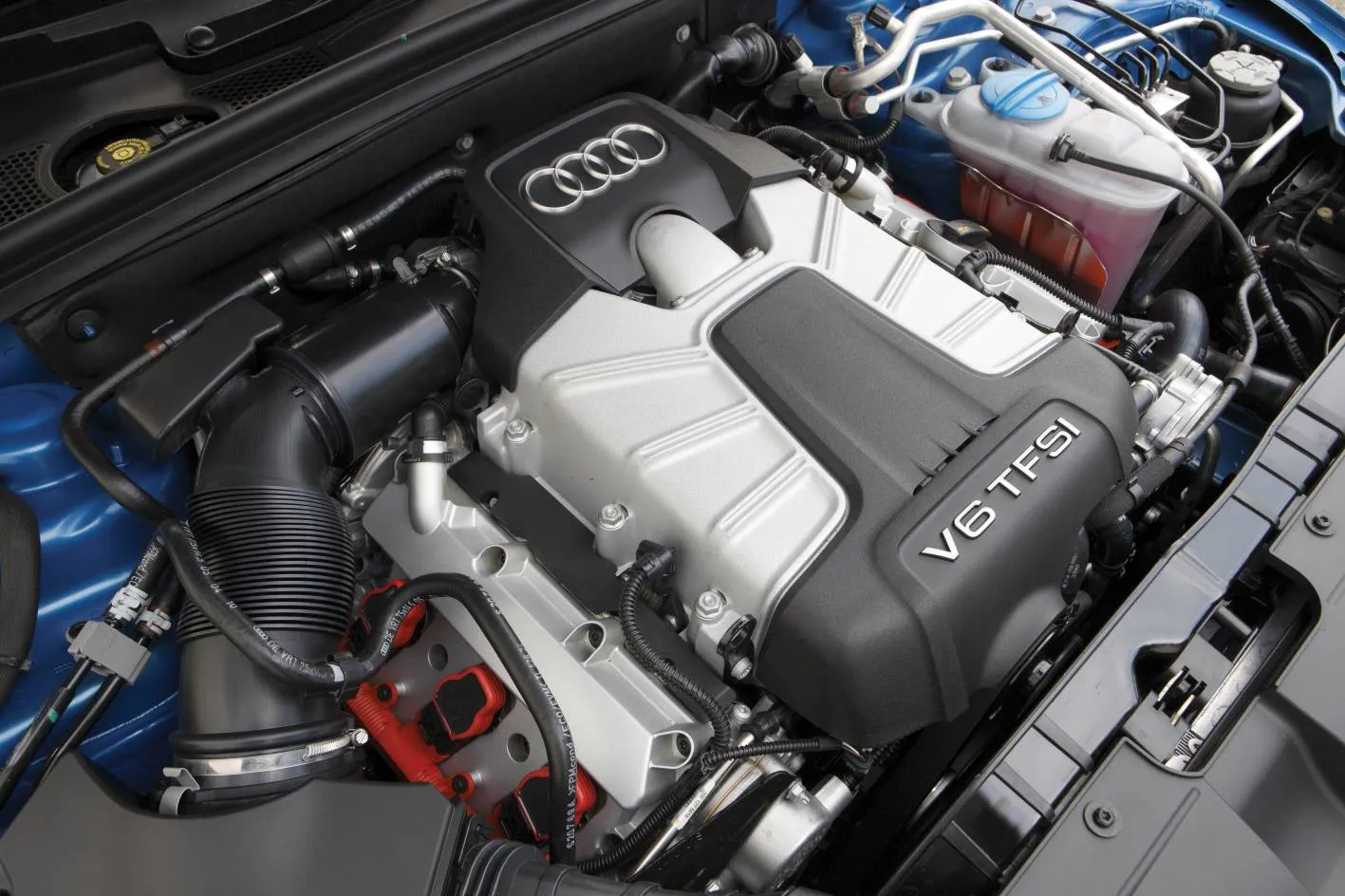
10. 3.0 TFSI Supercharged V6 CGWB (Audi S4 2013-2016)
Later versions of Audi’s supercharged 3.0-liter V6 corrected many weaknesses found in earlier models. The CGWB variant delivers 333 horsepower and 325 lb-ft of torque, offering strong acceleration with smooth, linear power.
Because it uses a supercharger rather than turbos, throttle response is immediate and free of lag. Reliability improved thanks to redesigned water pumps and stronger cooling components that previously failed early.
A major advantage is the dual-injection system, which combines direct and port injection. This setup keeps intake valves cleaner than direct-injection-only engines, reducing carbon buildup.
Most owners do not need valve cleaning until after 100,000 miles, compared to 60,000-80,000 miles on earlier designs. When cleaning is required, independent shop costs typically range from $600 to $1,000.
The timing chain system has proven dependable, avoiding the catastrophic failures seen in some turbocharged Audi engines.
Proper oil changes using the correct specification are essential. Tensioners may wear beyond 150,000 miles, usually warning drivers with startup rattles.
Preventive replacement costs $1,500-2,500 and protects the engine. The supercharger itself needs little maintenance and rarely fails. Minor whines can develop with age, but rebuilds are uncommon and cost $2,000-3,500 if needed.
Oil consumption of one quart every 2,000-3,000 miles is normal for this high-performance engine.
Staying on schedule with quality synthetic oil prevents issues. Updated water pumps last roughly 100,000-120,000 miles, while thermostats, coils, PCV components, and intake actuators represent predictable high-mileage maintenance.
This supercharged V6 offers S4-level performance with better long-term durability than turbocharged alternatives, provided owners budget for maintenance.
