
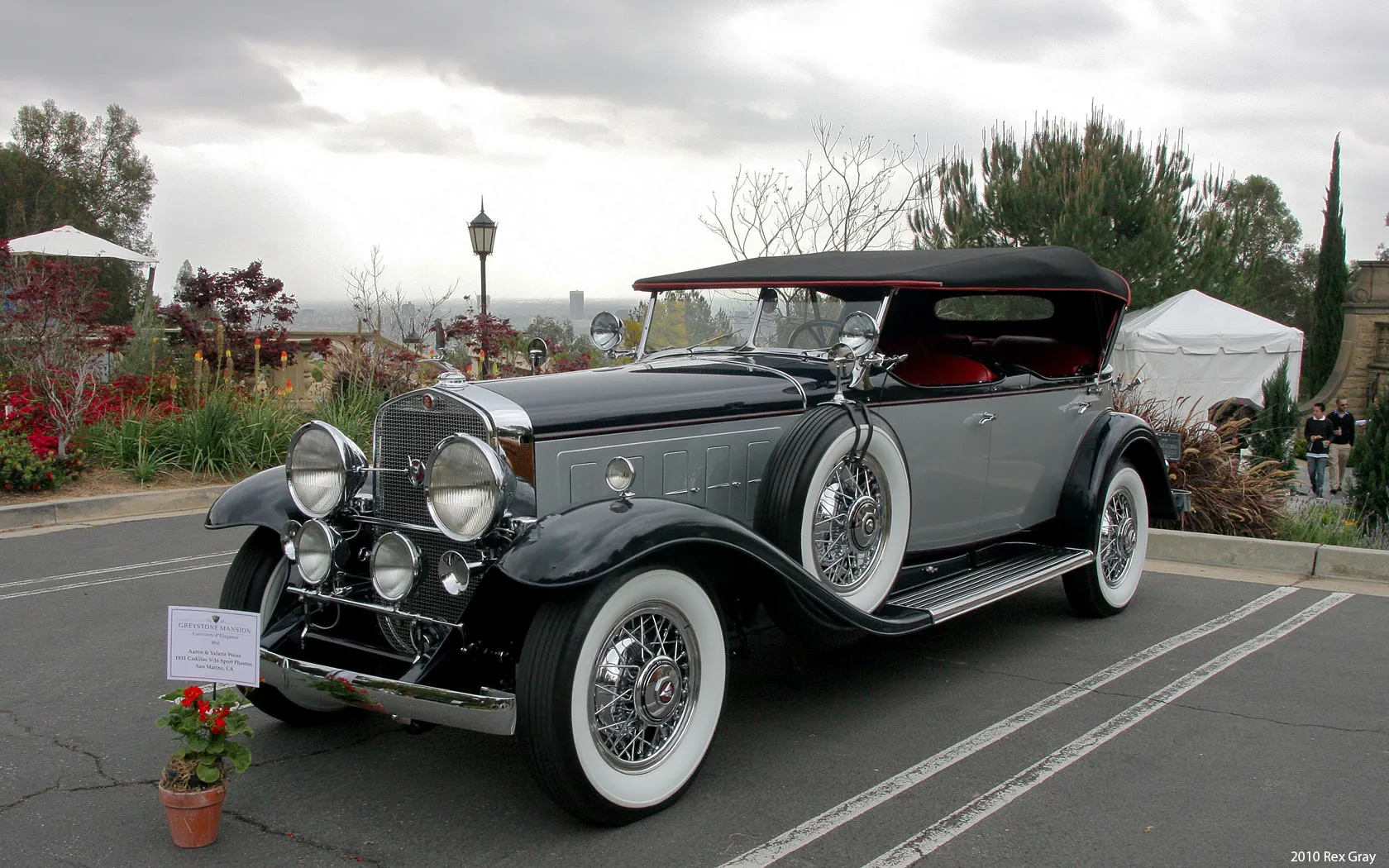
Sixteen cylinders represent excess, ambition, and a refusal to accept ordinary limits. Long before downsized engines and efficiency targets took center stage, a small group of automakers decided that more cylinders meant more than speed. It meant prestige, technical confidence, and a desire to create something unforgettable.
These engines were never built for restraint. They were designed to impress from the first turn of the key, delivering silk smooth operation, massive power reserves, and a sense of ceremony that few modern cars can replicate. A sixteen-cylinder engine changes how a car feels even before it moves. Idle becomes almost silent.
Acceleration feels endless rather than aggressive. Power arrives without strain, without drama, and without the sense that the machine is working hard. For luxury brands, that behavior defined perfection. For performance-focused builders, it became a way to chase speed records and mechanical bragging rights.
This page celebrates sixteen-cylinder cars that shaped automotive history through daring engineering and bold design choices. Each machine in our list carries its full name and model, honoring the era and philosophy that produced it.
Some were built for royalty, others for race tracks, and a few simply existed because their creators could make them real. Together, they tell a story of ambition that still feels daring today.
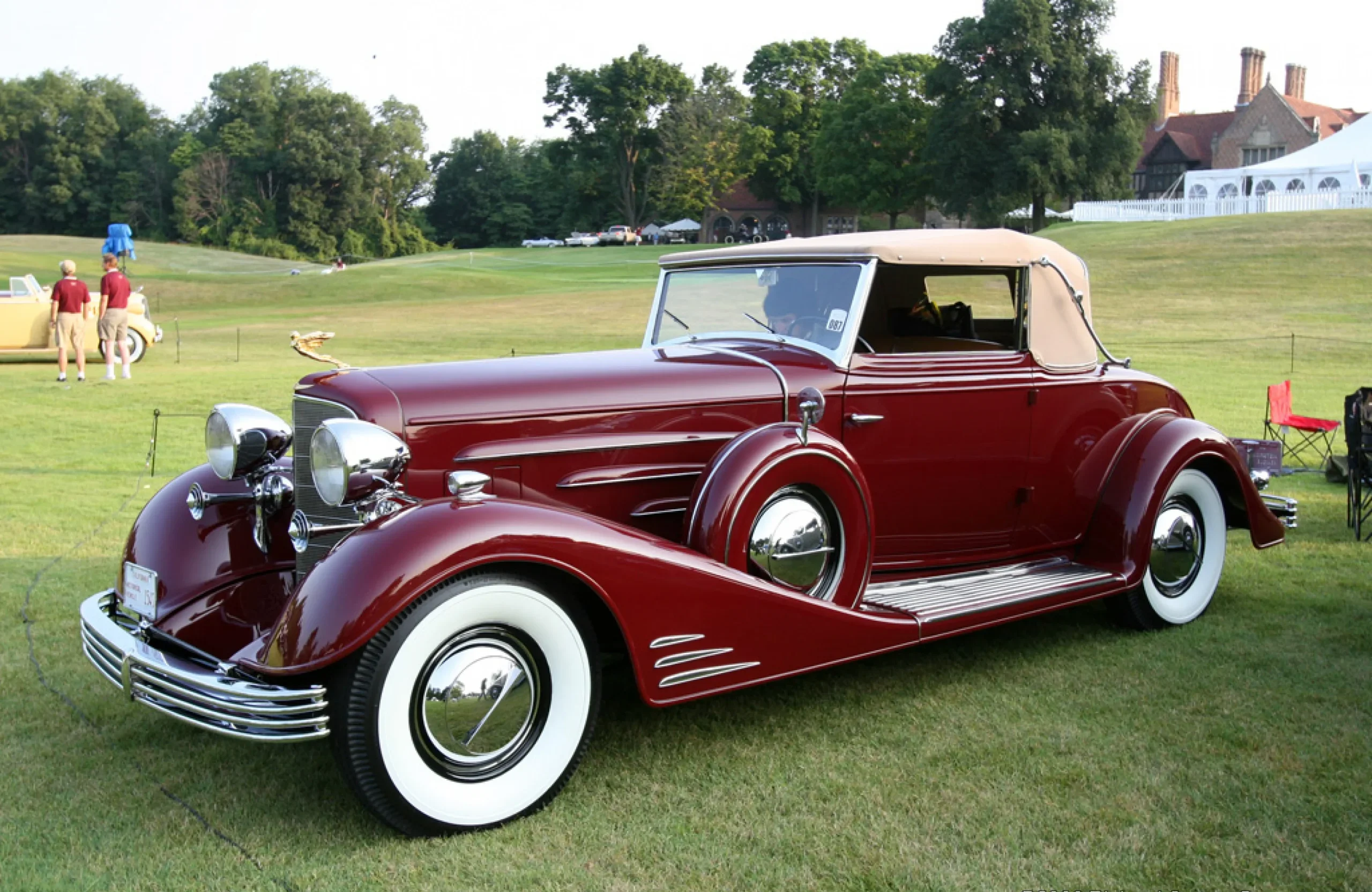
1. Cadillac Series 452 V16
American luxury took a dramatic leap forward when Cadillac introduced the Series 452 V16 in 1930. This automobile arrived during a difficult economic period, yet it represented absolute confidence in craftsmanship and engineering. Cadillac did not chase speed figures with this model. The mission centered on refinement, silence, and authority on the road.
Power came from a 7.4-liter V16 engine producing around 165 horsepower. That figure may sound modest today, yet the delivery felt effortless. The engine operated with remarkable smoothness, allowing the car to glide rather than surge. Drivers experienced steady acceleration without vibration, a sensation few competitors could match at the time.
Coachbuilt bodies elevated the Series 452 into rolling art. Buyers could select from elegant sedans, limousines, and dramatic convertibles, each styled by renowned coachbuilders such as Fleetwood. Interiors showcased hand-stitched leather, polished wood, and thoughtful details that turned every journey into an occasion.
Mechanical sophistication extended beyond the engine. Advanced suspension tuning and precise steering made the car manageable despite its size. Cadillac invested heavily in balancing the rotating assembly, ensuring durability and quiet operation. Owners often commented that the engine felt almost electric in nature.
Production numbers remained limited, which enhanced exclusivity. Today, the Cadillac Series 452 V16 stands as a symbol of American ambition during a challenging time. It proved that luxury manufacturers could pursue engineering excellence without compromise, even when logic suggested restraint.
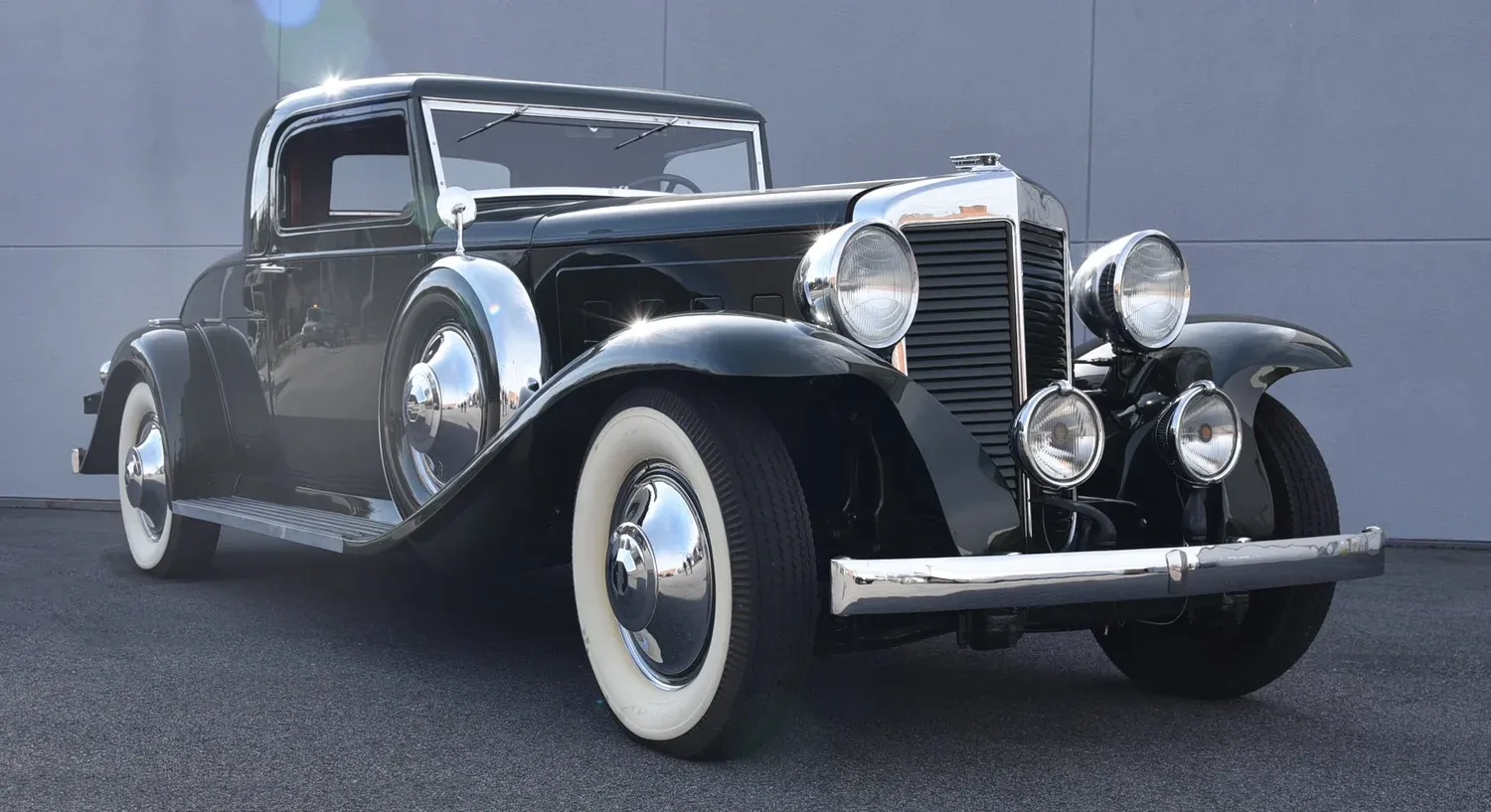
2. Marmon Sixteen Model 70
Marmon took a very different path with its Sixteen Model 70, yet the result earned equal respect. Introduced in 1931, this car emphasized innovation and lightness rather than sheer size. Marmon engineers believed a sixteen-cylinder engine could feel agile if designed carefully.
The 8.0-liter V16 produced approximately 200 horsepower, impressive for its era. Aluminum construction reduced weight across the chassis, allowing the car to feel responsive despite its luxury classification. Acceleration felt smooth and confident, while cruising delivered a relaxed, quiet experience.
Styling leaned toward elegance rather than excess. Clean lines, restrained chrome, and balanced proportions gave the Model 70 a refined presence. Inside, craftsmanship matched the engine’s sophistication. Materials felt rich without appearing overstated, appealing to buyers who valued subtle prestige.
Engineering decisions set Marmon apart. Advanced lubrication systems, careful cooling design, and precise tolerances contributed to reliability. The company prioritized mechanical harmony, ensuring the engine worked seamlessly with the transmission and drivetrain.
Unfortunately, Marmon faced financial struggles that limited production. That scarcity now defines the Model 70’s legacy. Collectors value it not only for its rarity but also for its engineering philosophy. The Marmon Sixteen Model 70 demonstrated that sixteen cylinders could coexist with balance and restraint, offering luxury without excessive bulk.
Also Read: 5 Cars for Kansas City Urban Drivers and 5 That Don’t Handle Traffic Well
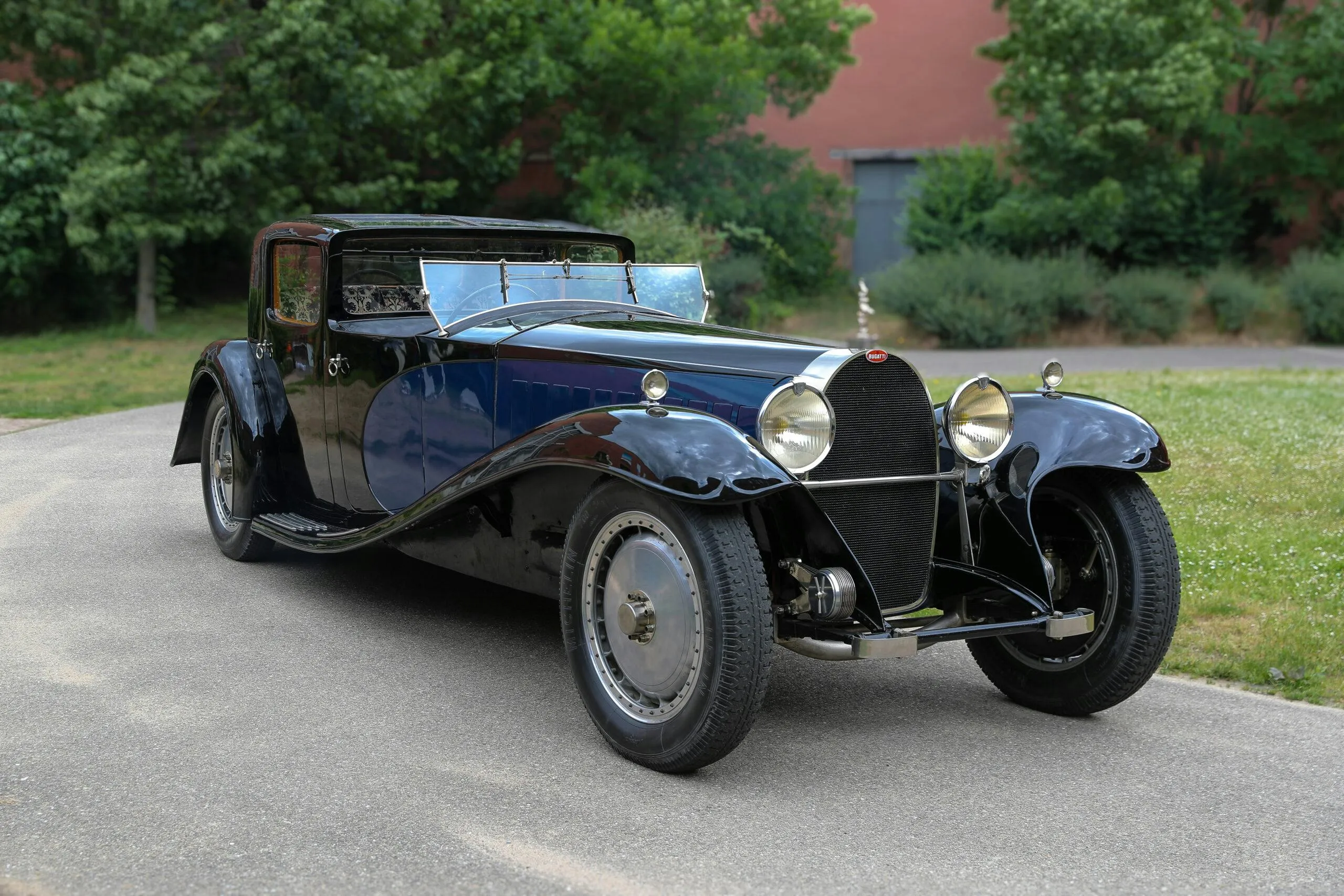
3. Bugatti Type 41 Royale
Few cars project authority like the Bugatti Type 41 Royale. Built between 1927 and 1933, this machine was intended for royalty and heads of state. Ettore Bugatti envisioned a car that surpassed every luxury automobile on the road, regardless of cost.
At its heart sat a massive 12.7-liter straight-six engine producing around 300 horsepower. Torque delivery felt endless, allowing the Royale to move with calm assurance. Despite its immense size, the car never felt strained. Power arrived smoothly, reinforcing its commanding presence.
Design favored drama and elegance. The long hood, tall grille, and flowing body lines announced status before the engine ever started. Coachbuilders crafted unique bodies for each example, turning every Royale into a one-of-one creation.
Mechanical excellence extended beyond the engine. Suspension tuning prioritized comfort, while braking systems were engineered to manage the vehicle’s weight. Bugatti spared no expense in materials or machining quality.
Only a handful of Royales were completed, making them some of the most valuable automobiles ever produced. Today, the Bugatti Type 41 Royale represents ultimate prewar luxury. It stands as proof that sixteen cylinders could serve as a symbol of power, refinement, and artistic ambition all at once.
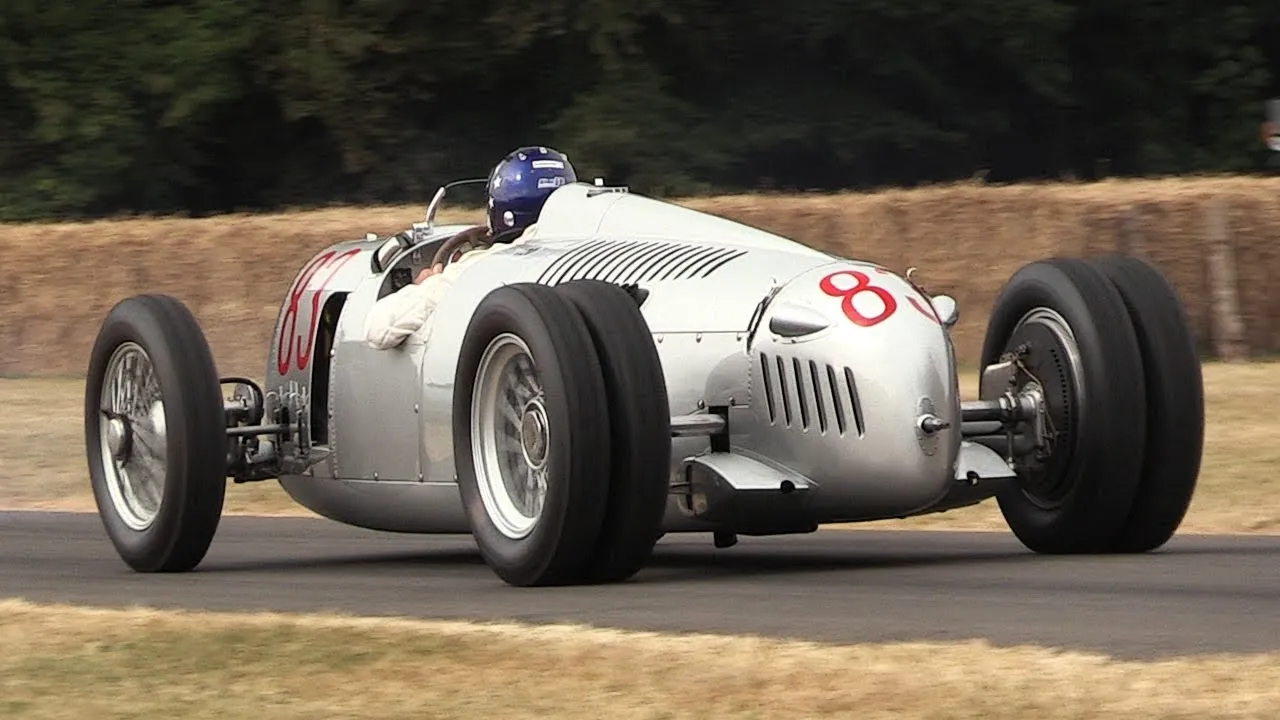
4. Auto Union Type C Grand Prix Car
Germany approached sixteen cylinders from a racing perspective with the Auto Union Type C Grand Prix Car of the mid-1930s. Designed to dominate European racing, this machine abandoned luxury in favor of raw performance and innovation.
A supercharged 6.0-liter V16 engine produced over 520 horsepower, an astonishing figure for the time. Mounted behind the driver, the engine delivered explosive acceleration and challenging handling characteristics. Drivers needed skill and courage to control the car at speed.
Engineering solutions pushed boundaries. Independent suspension at all four corners improved grip, while lightweight construction enhanced agility. The rear engine layout influenced future race car design, even if it demanded adaptation from drivers.
The Type C earned victories and cemented Auto Union’s reputation as a technical powerhouse. Its sound alone became legendary, a deep mechanical roar that announced its arrival long before it appeared.
Today, the Auto Union Type C Grand Prix Car represents the performance side of sixteen-cylinder engineering. It showed how sheer cylinder count could be harnessed for speed rather than comfort, shaping motorsport history in the process.
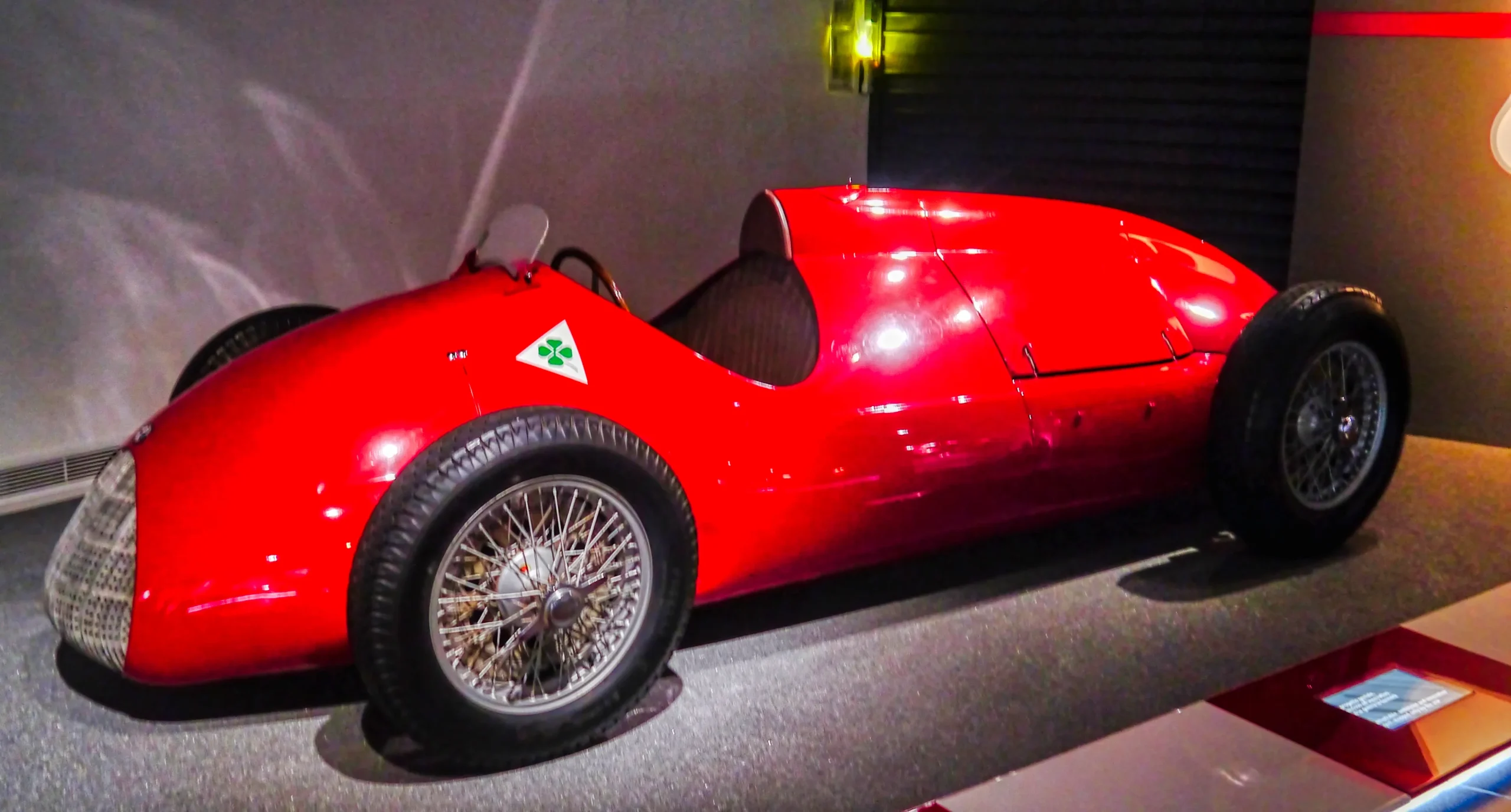
5. Alfa Romeo Tipo 162
Italy briefly joined the sixteen-cylinder conversation with the Alfa Romeo Tipo 162, a prototype developed during the 1930s. This project aimed to bring unmatched refinement to the luxury segment while showcasing Alfa Romeo’s engineering skill.
The V16 engine featured a compact design intended to balance performance and smoothness. Engineers focused on reducing vibration and noise, creating an engine that felt composed under all conditions. Power output targeted at effortless cruising rather than racing intensity.
Styling concepts suggested elegance with Italian flair. Flowing lines, graceful proportions, and artistic details reflected Alfa Romeo’s design heritage. Interiors promised comfort without excessive ornamentation.
Although the Tipo 162 never reached full production, its existence revealed Alfa Romeo’s ambition beyond motorsport. The project demonstrated how sixteen cylinders could align with beauty and refinement rather than brute force.
Collectors and historians view the Tipo 162 as a fascinating chapter in Alfa Romeo history. It remains a reminder that even unrealized projects can influence engineering philosophy and inspire future generations.
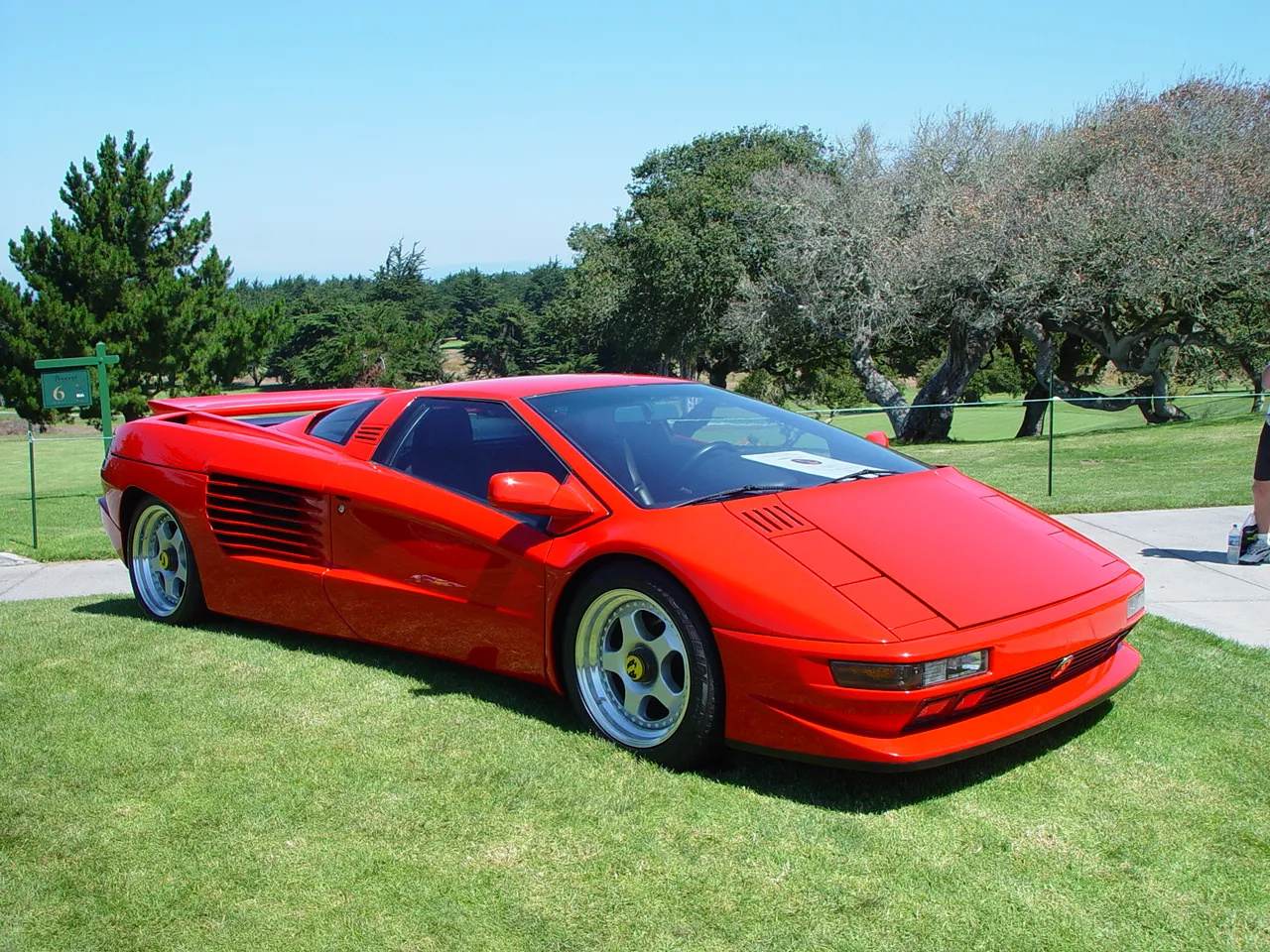
6. Cizeta Moroder V16T
The modern supercar era briefly welcomed a sixteen-cylinder contender with the Cizeta Moroder V16T, a car born from pure ambition rather than market logic. Introduced in the early 1990s, this Italian exotic emerged during a time dominated by established names like Ferrari and Lamborghini, yet it dared to challenge them through engineering excess.
Claudio Zampolli and music producer Giorgio Moroder envisioned a machine that would shock the industry simply by existing. At its core sat a transversely mounted 6.0-liter V16 engine, essentially two V8s joined together and sharing a common crankshaft.
Output reached around 540 horsepower, placing the V16T firmly within supercar territory for its era. Throttle response felt immediate, and acceleration arrived with a relentless surge rather than sudden spikes. The sound defined the experience, deep, mechanical, and unmistakably different from twelve-cylinder rivals.
Styling reinforced the car’s outsider identity. Sharp lines, dramatic proportions, and four pop-up headlights gave the V16T a presence that demanded attention. Nothing about the design aimed for subtlety. Inside, the cabin blended leather, analog gauges, and purposeful ergonomics, placing the driver at the center of the experience while still offering a sense of handcrafted luxury.
Production challenges and financial strain limited output to only a handful of examples. That scarcity transformed the V16T into a cult icon. Today, it represents a rare moment when imagination overpowered practicality, proving that sixteen cylinders still inspired fearless creativity in the modern supercar age.
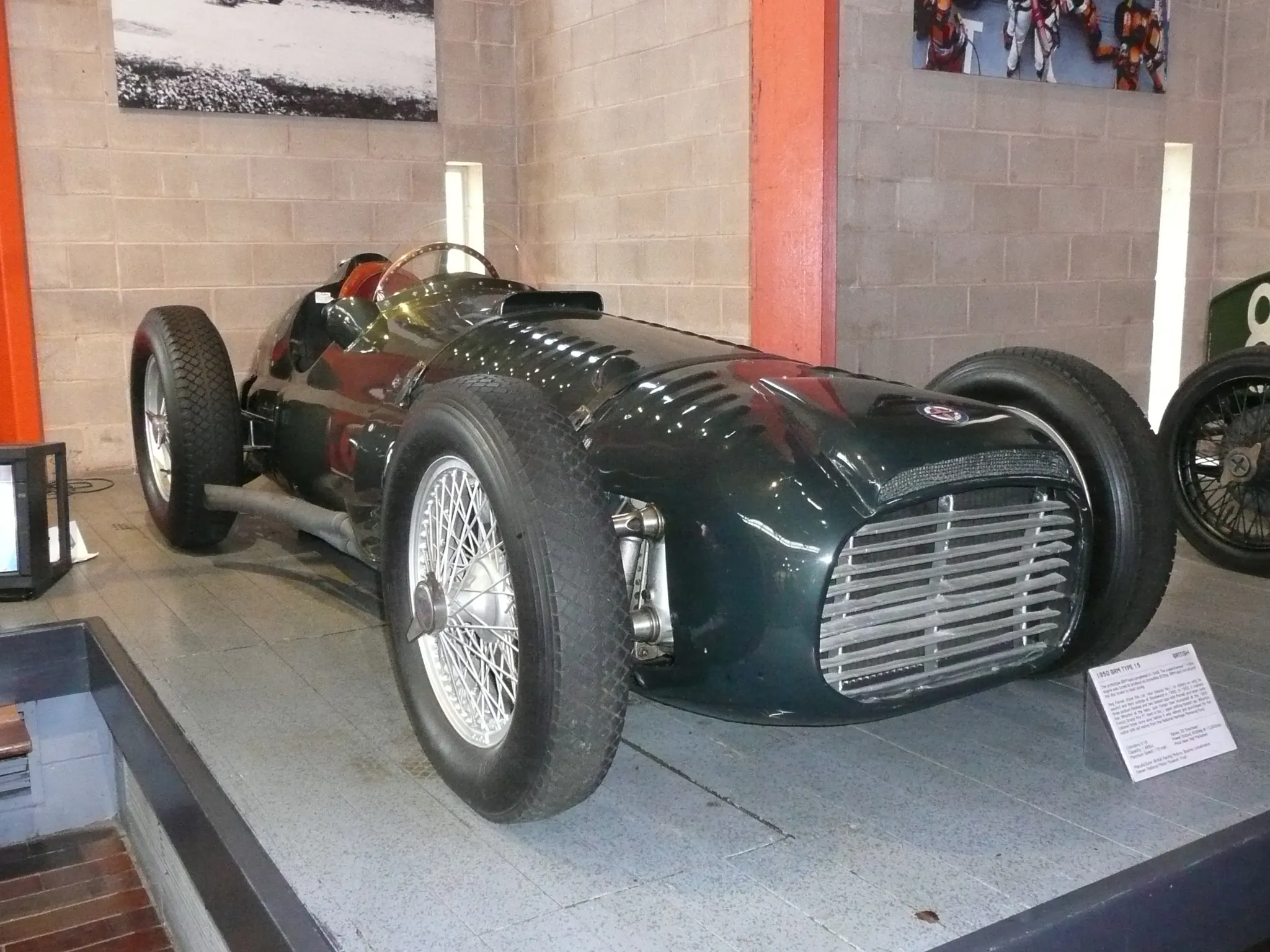
7. BRM Type 15 V16 Formula One Car
British engineering reached boldly for international respect with the BRM Type 15 V16 Formula One Car, a project driven by national pride and technical daring. Developed in the late 1940s and early 1950s, this machine aimed to prove that Britain could rival continental racing powerhouses through innovation alone.
Power came from a supercharged 1.5-liter V16 engine, an astonishingly compact design that produced immense output for its size. High engine speeds unlocked thrilling performance, pushing the limits of materials and mechanical understanding of the time. When functioning as intended, the car delivered breathtaking pace, leaving competitors struggling to keep up.
Engineering ambition extended beyond the engine. Lightweight construction reduced mass, while advanced suspension geometry improved handling. Aerodynamic thinking influenced body shape, even before wind tunnel testing became common. The exhaust note defined the car’s personality, a piercing mechanical scream that announced its presence long before it appeared.
Reliability issues often overshadowed results, yet respect followed effort rather than trophies. The BRM Type 15 symbolized a refusal to accept modest goals. It demonstrated how sixteen cylinders could be scaled to meet racing regulations while chasing extreme output.
Though victories remained limited, the car secured a permanent place in motorsport history as a fearless expression of engineering ambition.
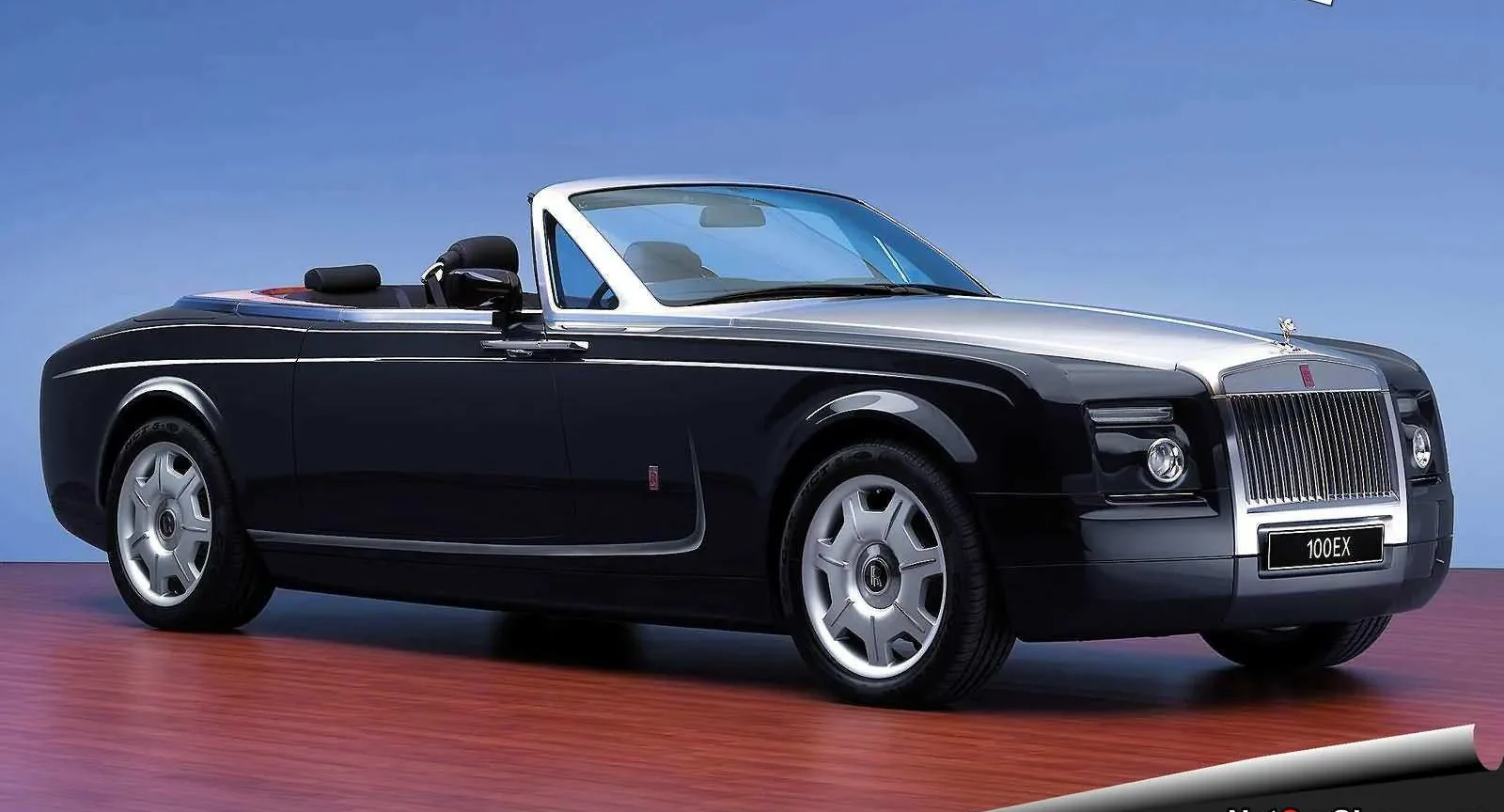
8. Rolls-Royce 100EX Concept
Rolls-Royce approached sixteen cylinders from a perspective rooted in grace rather than aggression with the 100EX Concept, revealed in 2004. This experimental vehicle celebrated the brand’s centenary while hinting at future design and engineering direction. Rather than chasing performance figures, the concept focused on refinement and presence.
A naturally aspirated 9.0-liter V16 engine powered the 100EX, delivering effortless acceleration and exceptionally quiet operation. Movement felt smooth and unhurried, reinforcing the idea that power should never announce itself loudly. The driving experience emphasized calm confidence, aligning perfectly with Rolls-Royce tradition.
Exterior proportions balanced classic cues with modern surfaces. The long hood, upright grille, and flowing rear deck created an elegant silhouette that felt timeless rather than retro. Inside, craftsmanship reached extraordinary levels through hand-finished wood, premium leather, and bespoke detailing. Every surface reflected careful attention and restraint.
The 100EX never entered production, yet its influence extended beyond its concept status. Design elements informed later models, while the engine showcased what was possible without compromise. This car demonstrated that sixteen cylinders still belonged in conversations about modern luxury, serving as a reminder that mechanical abundance can exist quietly, confidently, and with purpose.
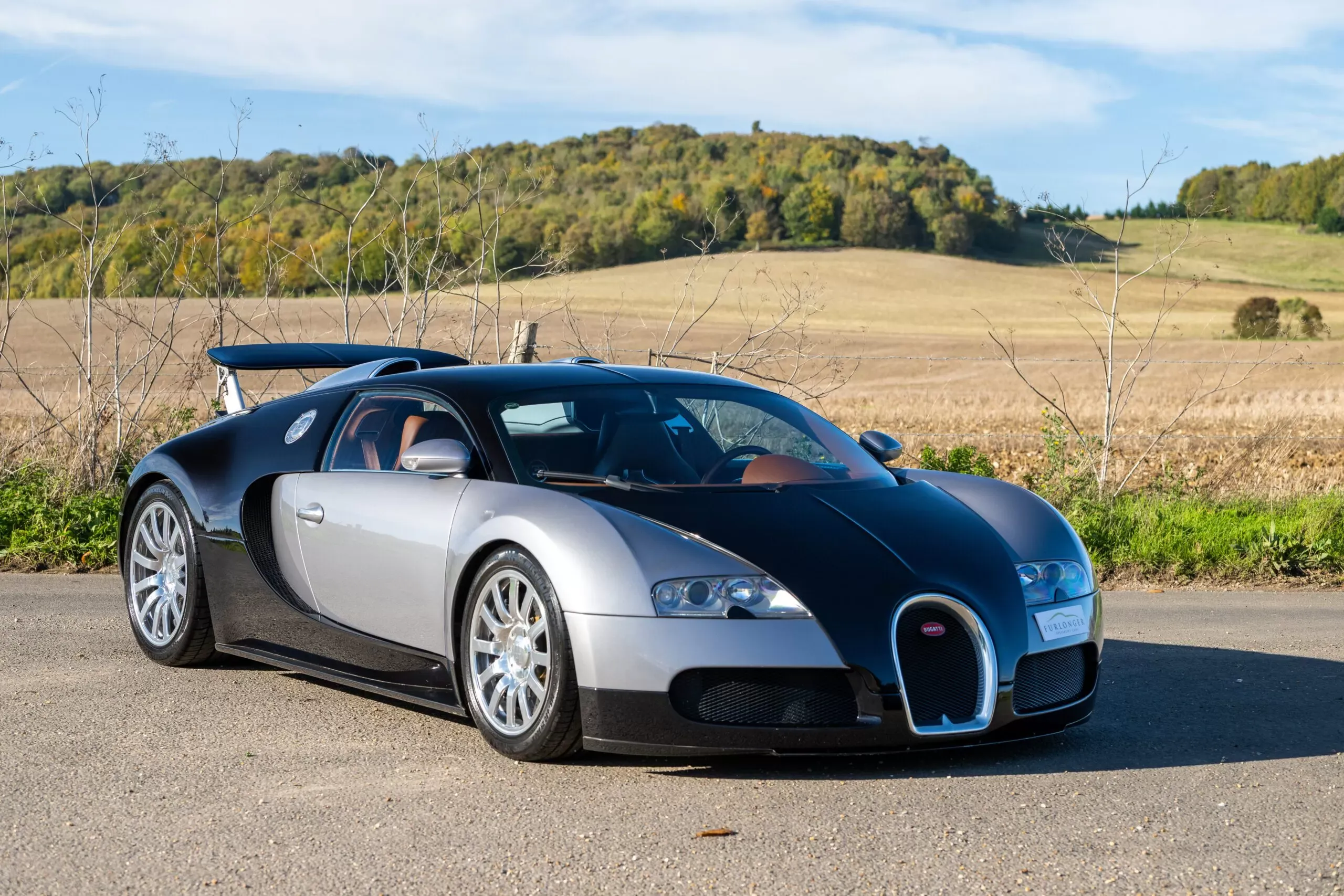
9. Bugatti Veyron 16.4
Modern hypercar history changed direction when the Bugatti Veyron 16.4 entered production in 2005. This machine did not exist to gently impress. Its purpose focused on redefining what a road-legal car could achieve through engineering scale and precision. Every component served a performance target that sounded unrealistic before the prototype moved under its own power.
The heart of the Veyron is an 8.0-liter quad turbocharged W16 engine producing 1,001 horsepower in early form. Rather than raw aggression, power delivery feels controlled and composed. Acceleration builds with authority, pushing occupants back into their seats while maintaining stability and calm. That balance between force and control became the car’s signature trait.
Cooling challenges alone demanded radical solutions. Ten radiators manage engine heat, transmission temperature, and cabin comfort. A specialized seven-speed dual clutch gearbox handles torque levels that previously belonged only to industrial machinery. Tires required joint development with Michelin to survive top speed runs.
Interior design emphasized craftsmanship over minimalism. Leather, aluminum, and thoughtful ergonomics created a cabin that felt special without sacrificing usability. Despite extreme performance, the Veyron remains docile in traffic, highlighting the engineering depth behind its behavior.
Production numbers stayed limited due to cost and complications. The Bugatti Veyron 16.4 changed expectations permanently. Sixteen cylinders returned not as nostalgia, but as a declaration that limits exist only until someone ignores them.
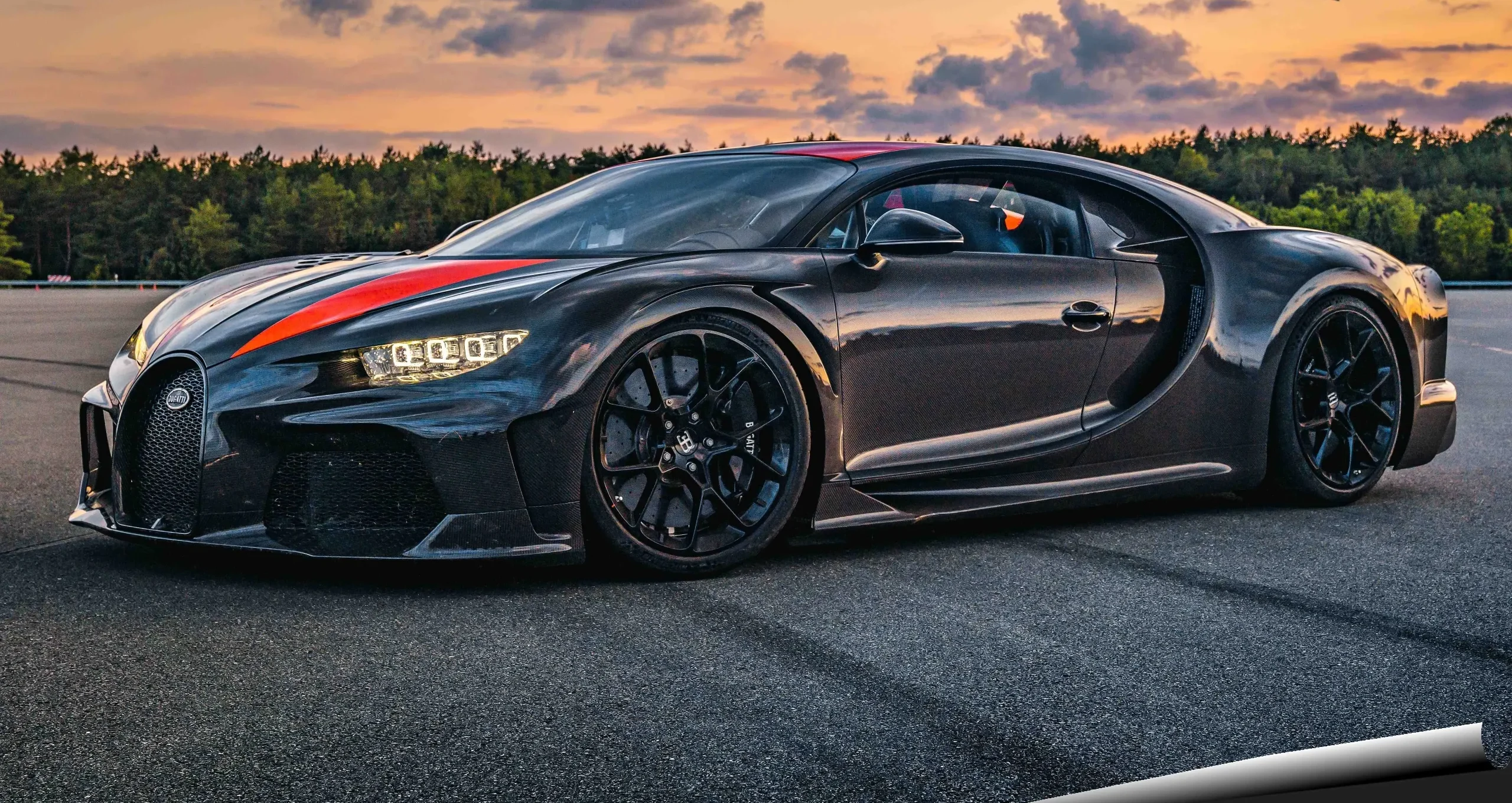
10. Bugatti Chiron Super Sport 300+
Speed records often feel like publicity exercises. The Bugatti Chiron Super Sport 300+ treated speed as a technical objective backed by relentless development. Introduced as an evolution of the Chiron platform, this car targeted a single goal with precision and discipline.
Its 8.0-liter quad turbocharged W16 engine produces 1,578 horsepower. Power delivery remains smooth, yet relentless. Acceleration does not spike suddenly. It builds with certainty, carrying the car beyond speeds once reserved for aircraft during takeoff.
Aerodynamic refinement separates the Super Sport 300+ from earlier variants. A long tail body improves stability at extreme velocity. Suspension tuning prioritizes composure, while reinforced components manage stress levels generated at sustained high speed.
Interior treatment balances luxury with focus. Weight reduction measures appear subtly, though comfort remains intact. Bugatti ensured that drivers experienced refinement alongside capability, preserving brand identity.
The Chiron Super Sport 300+ earned global attention by exceeding 300 miles per hour in controlled conditions. That achievement cemented the relevance of sixteen cylinders in the modern era. It stands as a technical statement rather than a marketing gesture.
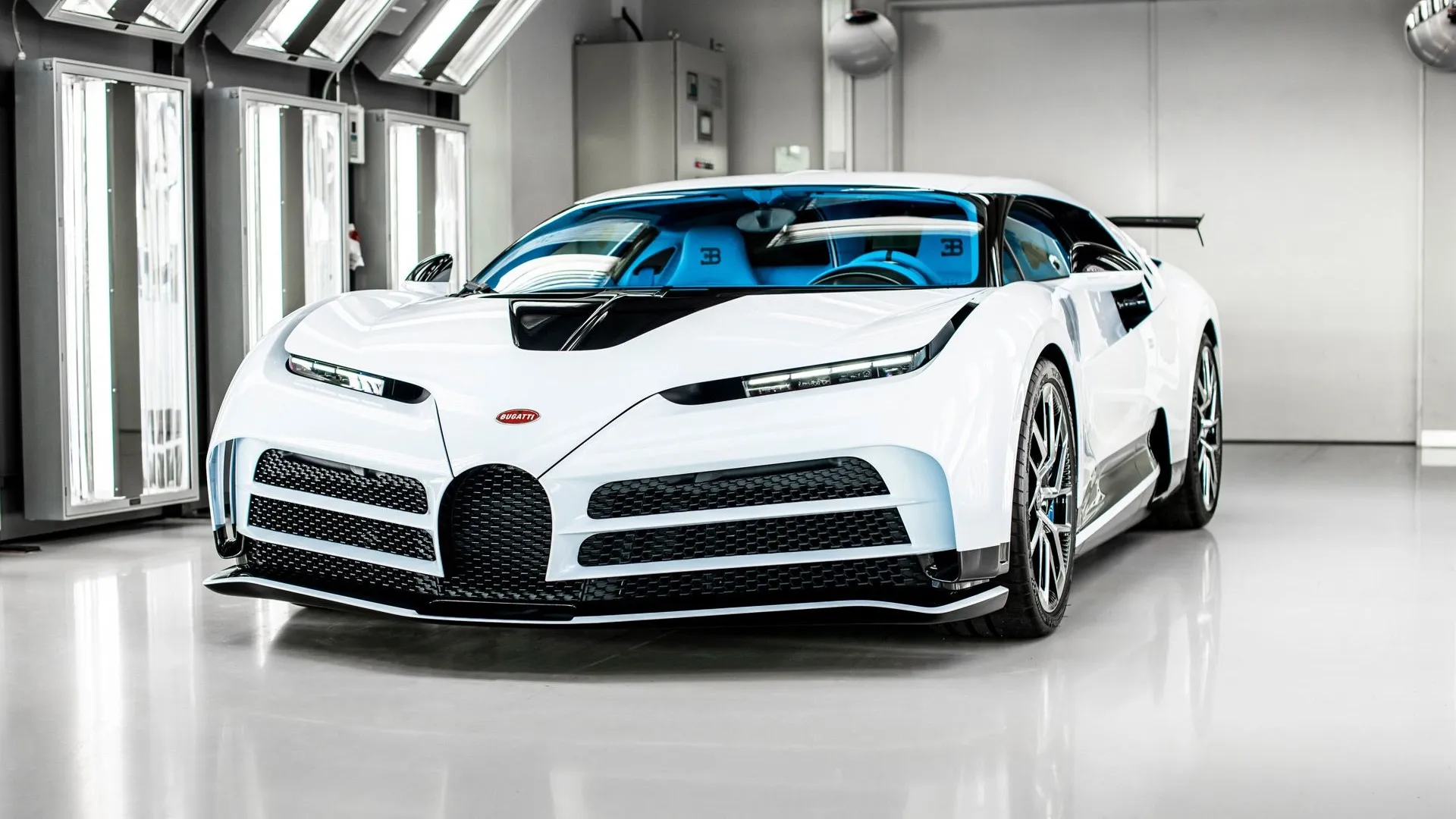
11. Bugatti Centodieci
Homage cars often struggle to feel authentic. The Bugatti Centodieci avoided that trap through restraint and respect for heritage. Inspired by the EB110, this limited production hypercar blended historical design cues with contemporary engineering.
An 8.0-liter quad turbocharged W16 engine produces 1,600 horsepower. Acceleration feels immediate, yet measured. Bugatti refined turbo response to reduce delay, allowing seamless power application across the rev range.
Exterior styling references the past through geometric forms, distinctive air intakes, and a purposeful stance. Each detail feels intentional rather than decorative. The result honors history without copying it directly.
Interior appointments follow the same philosophy. Materials reflect craftsmanship, while layout supports driver focus. Despite extreme performance, daily usability remains intact, reinforcing Bugatti’s approach to balance.
Only ten examples exist, making exclusivity part of the Centodieci identity. It demonstrates how sixteen cylinders can support artistic expression alongside performance ambition, bridging eras without dilution.
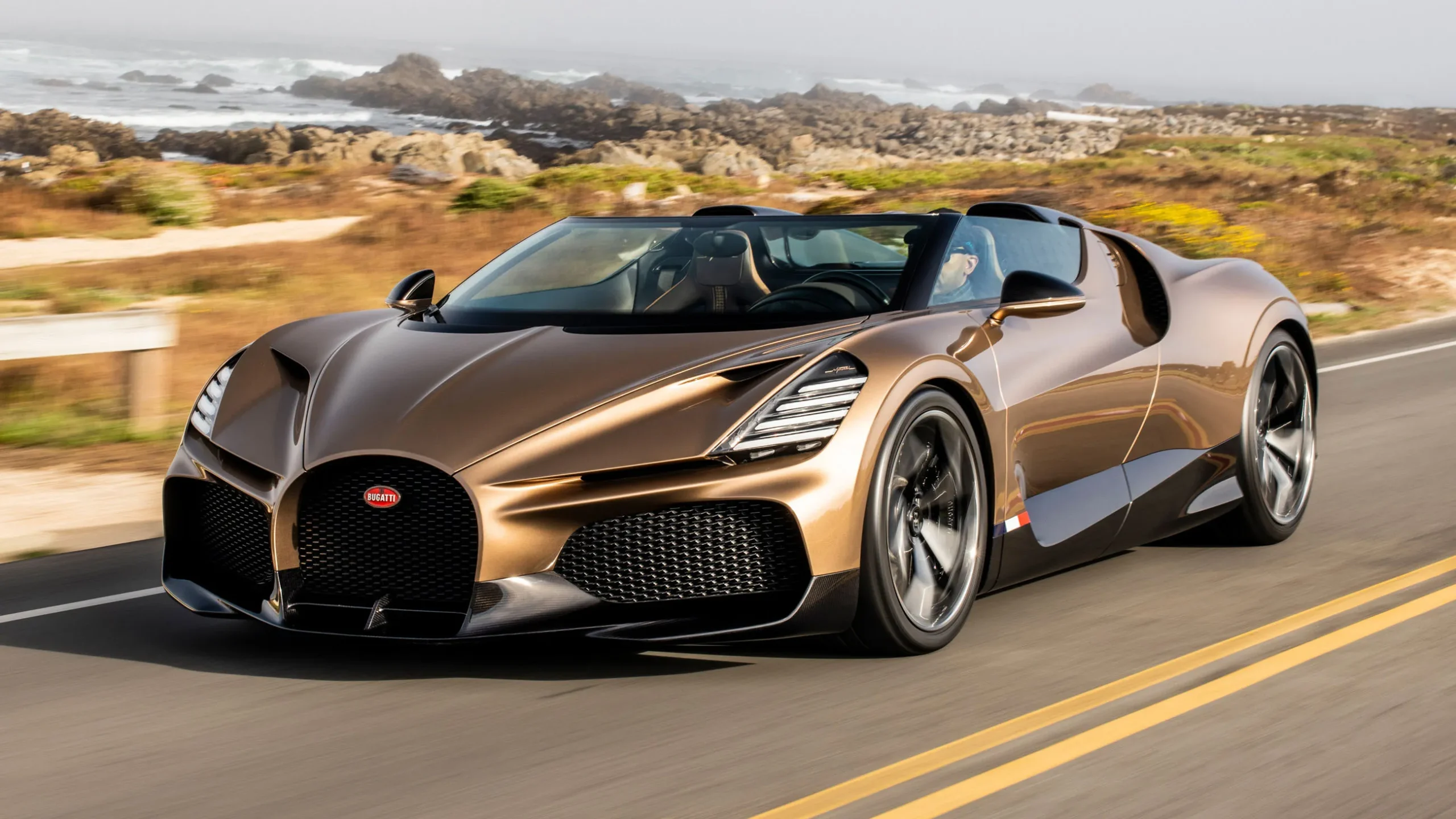
12. Bugatti Mistral W16
Open-air motoring reached a dramatic conclusion with the Bugatti Mistral W16, a roadster created as a celebration rather than a compromise. Conceived as the final production car to use Bugatti’s iconic W16 engine, the Mistral carries emotional weight that extends far beyond performance figures. Every detail exists to honor the engine that redefined automotive excess for nearly two decades.
An 8.0-liter quad turbocharged W16 engine produces 1,577 horsepower, delivering relentless acceleration that feels both controlled and theatrical. With the roof removed, the experience becomes deeply immersive. Air rushes through the cabin, turbochargers whistle under load, and the exhaust note feels more present than in any closed Bugatti coupe. Speed arrives with confidence, not aggression, maintaining Bugatti’s trademark composure even at extreme velocities.
Exterior design favors motion and flow. Sculpted bodywork channels air efficiently while preserving elegance, avoiding visual clutter. The rear section features dramatic exhaust outlets and aerodynamic elements that clearly communicate purpose without excess decoration. Every surface feels intentional, shaped by function as much as aesthetics.
Inside, craftsmanship remains uncompromised. Rich leather, precision metalwork, and bespoke finishes surround the driver. Controls feel reassuring rather than intimidating, reinforcing the idea that immense power can coexist with calm usability.
Production remains strictly limited, ensuring exclusivity. The Bugatti Mistral W16 stands as a dignified farewell to sixteen cylinders in their most advanced road-going form.
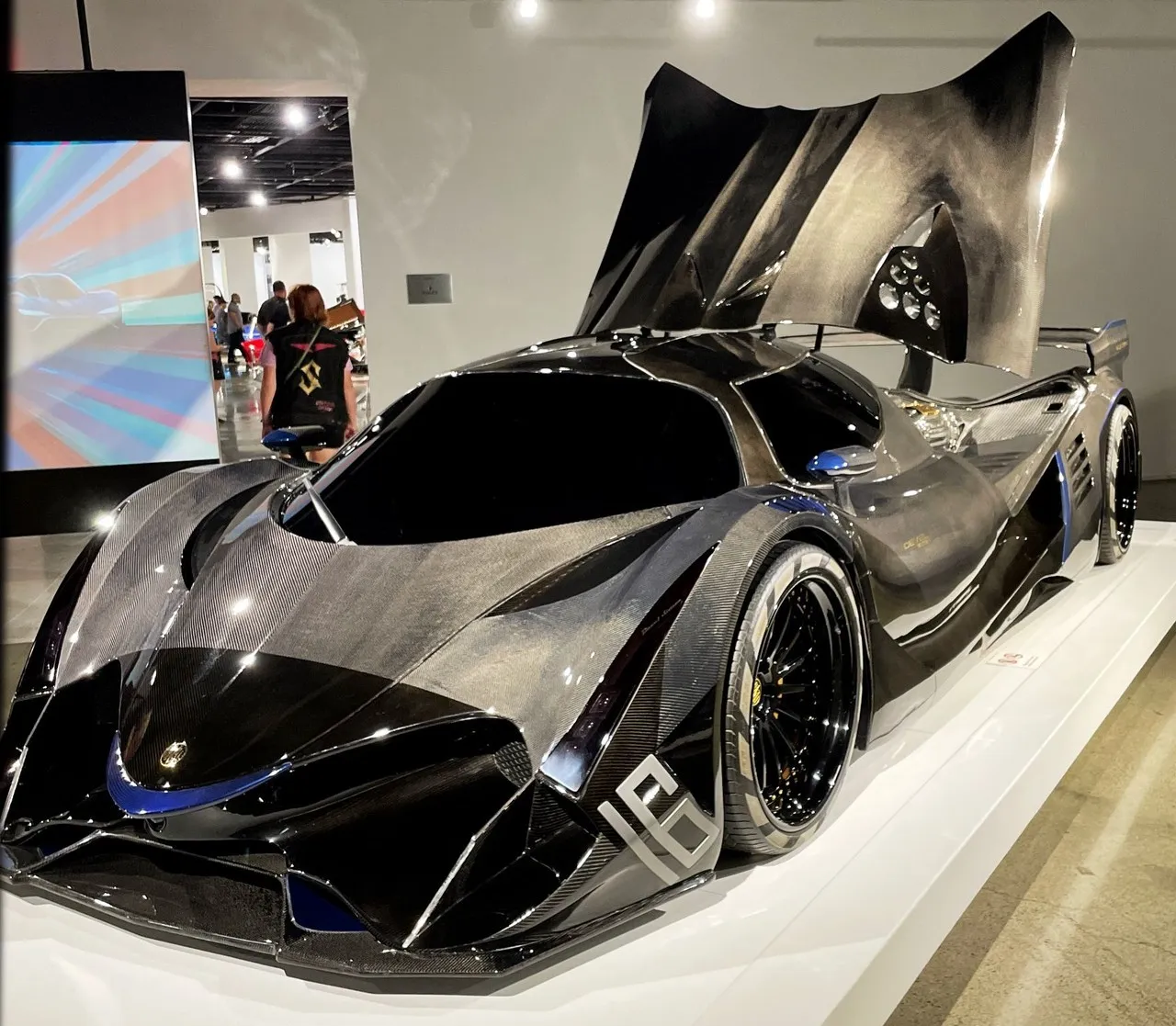
13. Devel Sixteen Prototype
Speculation surrounds the Devel Sixteen Prototype, a hypercar that blurs the line between engineering ambition and spectacle. Developed with goals that seem intentionally extreme, this project captured attention by refusing moderation of any kind. Its existence alone sparked debate, curiosity, and fascination among enthusiasts worldwide.
The proposed powertrain centers on a quad turbocharged V16 engine with claimed output figures exceeding 5,000 horsepower. Even if final numbers fall below early statements, the intent remains unmistakable. This car was designed to challenge every known performance benchmark rather than politely enter the hypercar category. Acceleration targets suggest forces that push human limits as much as mechanical ones.
Visual design leaves no room for subtle interpretation. Sharp angles, massive air intakes, and exaggerated proportions communicate aggression instantly. The car appears engineered to dominate attention whether stationary or in motion. Aerodynamics favor downforce and cooling capacity, supporting the mechanical ambition beneath the bodywork.
Engineering challenges remain immense. Cooling such power, ensuring drivetrain durability, and developing tires capable of surviving claimed speeds represent hurdles few manufacturers attempt. Progress has arrived in stages, reflecting the scale of the challenge.
Regardless of the final production outcome, the Devel Sixteen Prototype symbolizes modern fascination with cylinder count excess. It proves that sixteen cylinders still ignite imagination and provoke bold ideas.
Also Read: 5 Cars for Midland-Odessa Oilfield Work and 5 That Don’t Handle Heavy Use
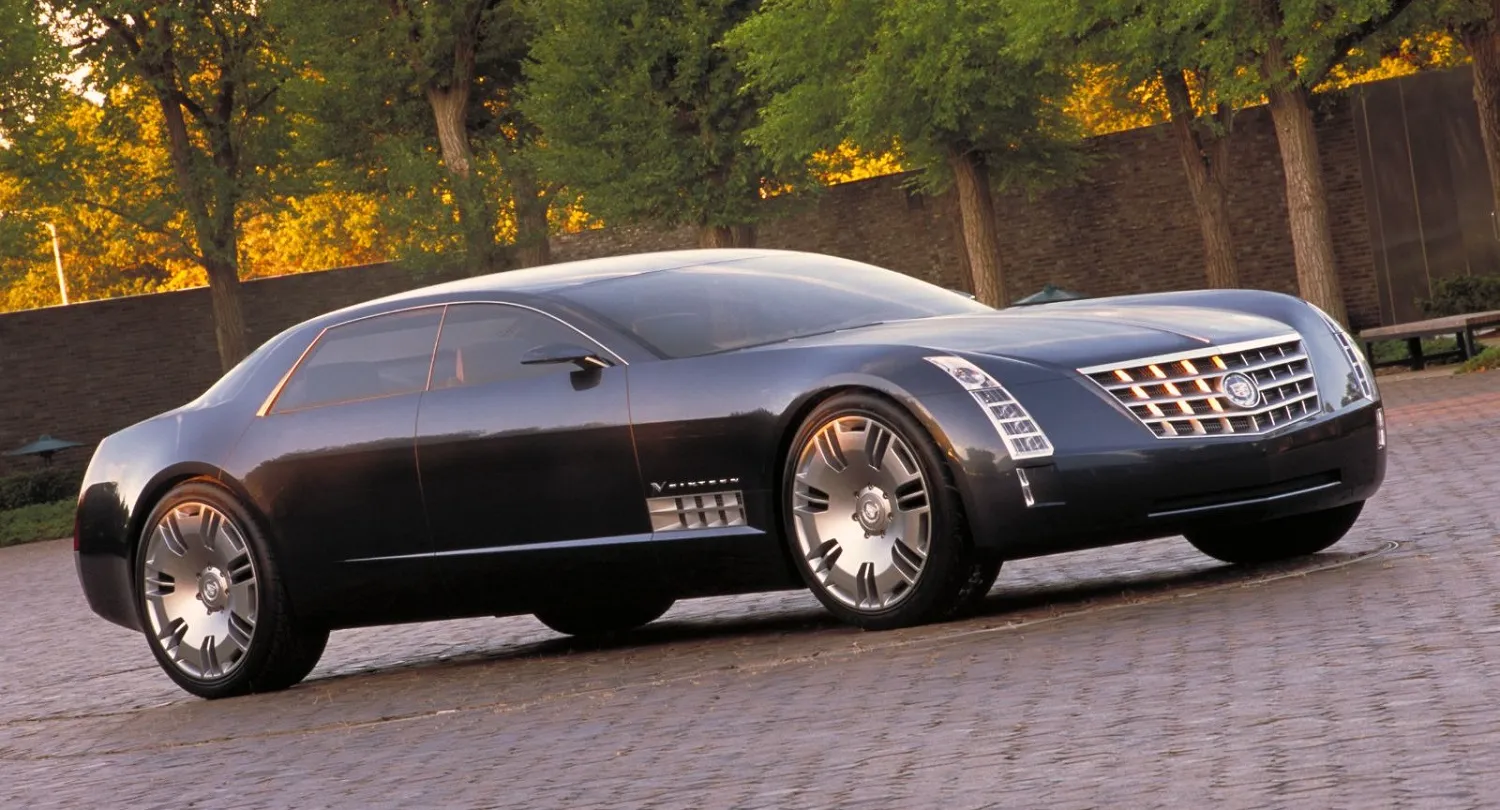
14. Cadillac Sixteen Concept
Cadillac revisited its heritage with confidence through the Sixteen Concept came to play in 2003. This vehicle blended historical inspiration with forward-thinking engineering, presenting a vision of American luxury without hesitation. Rather than relying on nostalgia alone, the concept aimed to show how tradition could support modern ambition.
Power came from a naturally aspirated 13.6-liter V16 engine producing an estimated 1,000 horsepower. Despite its size, the engine incorporated cylinder deactivation technology, allowing reduced fuel use during gentle driving. That feature demonstrated a willingness to combine excess with efficiency, even in a concept vehicle.
Exterior styling emphasized presence and authority. Long proportions, bold surfaces, and a commanding grille projected confidence from every angle. The design felt formal yet contemporary, suggesting leadership rather than flamboyance. Inside, the cabin focused on space, comfort, and craftsmanship. Premium materials, generous seating, and thoughtful details created an environment suited for both driver and passengers.
Although production never followed, the Sixteen Concept influenced Cadillac’s future design direction. Elements of its bold styling philosophy appeared in later models, reshaping brand identity. This concept proved that sixteen cylinders could align with modern luxury values, offering innovation alongside tradition without apology.
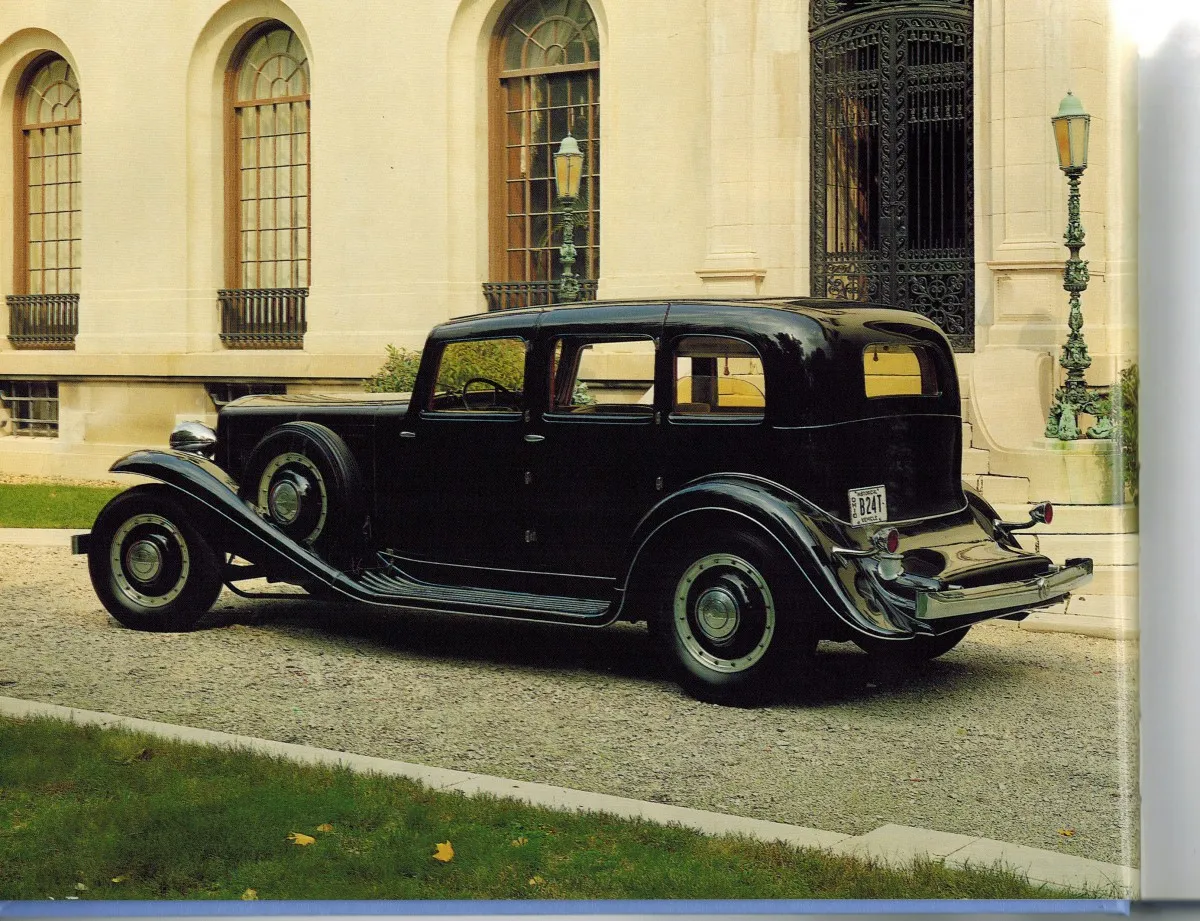
15. Peerless V16 Prototype
Peerless once ranked among respected American luxury manufacturers, competing directly with brands that defined prewar prestige. During the early 1930s, the company explored sixteen-cylinder development through prototype efforts designed to challenge rivals such as Cadillac and Marmon. These efforts reflected confidence in engineering capability during a highly competitive era.
The proposed V16 engine focused on smooth operation and durability. Engineers prioritized refined power delivery suitable for chauffeur-driven automobiles, where silence and comfort mattered more than outright speed. Design philosophy emphasized mechanical harmony rather than experimental extremes.
Styling proposals leaned toward elegance with restraint. Body proportions suggested dignity and balance, avoiding unnecessary ornamentation. Interiors were envisioned to feature high-quality materials and generous space, aligning with luxury expectations of the time.
Financial pressure prevented the Peerless V16 from reaching production. Despite that outcome, the prototype holds historical value. It represents ambition during a period when manufacturers believed engineering excellence alone could secure survival. The Peerless V16 Prototype remains a reminder that even unrealized projects contribute to automotive progress through ideas, effort, and confidence.
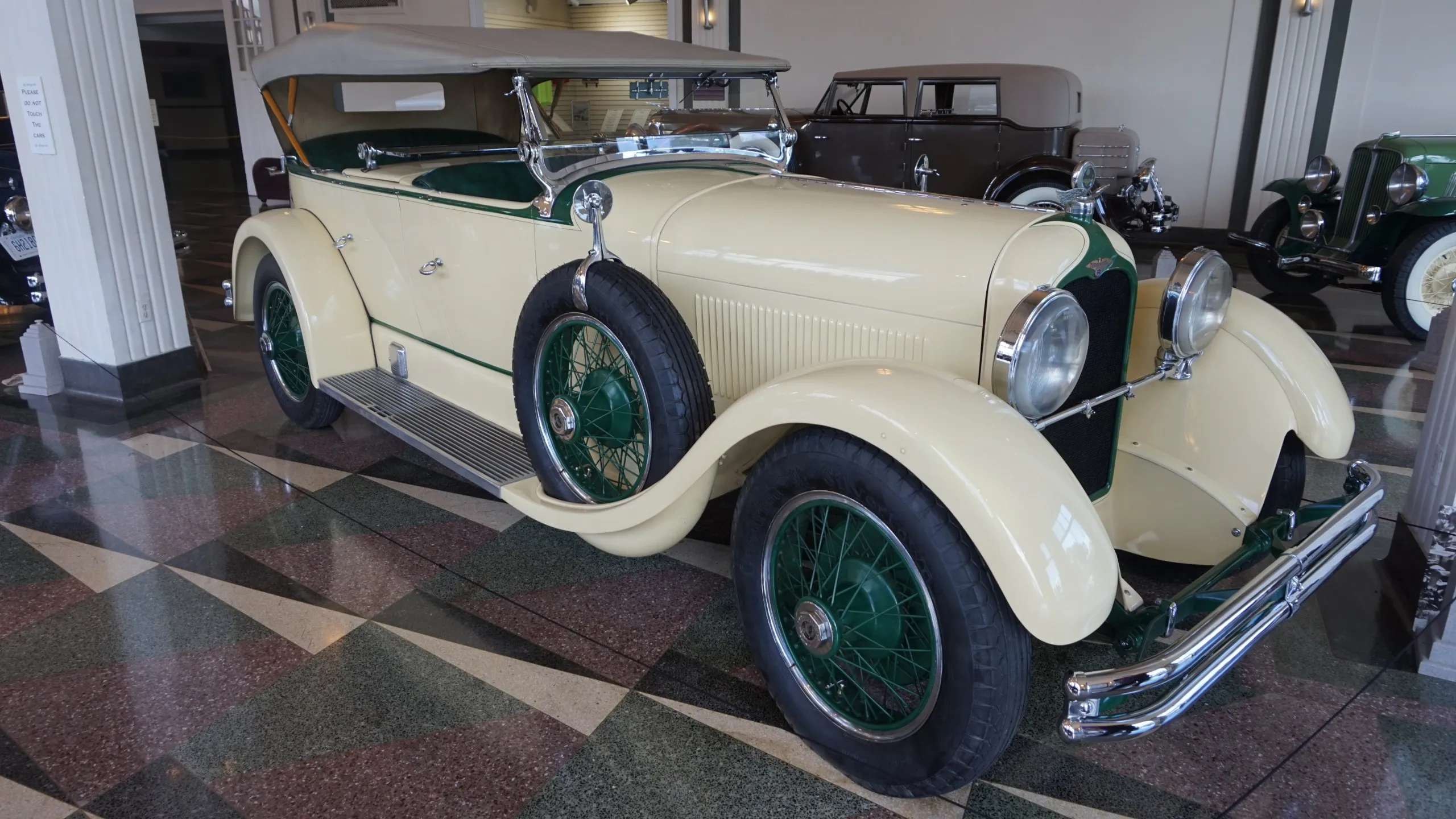
16. Duesenberg Model X V16 Prototype
Duesenberg built its reputation on engineering excellence, and the Model X V16 Prototype embodied that philosophy fully. Developed during the early 1930s, this project aimed to extend the brand’s dominance beyond already impressive achievements. Sixteen cylinders represented the next logical step for a company known for refusing compromise.
The V16 engine promised exceptional smoothness and commanding power. Engineers focused on precision machining, balance, and durability, ensuring that performance would arrive without mechanical strain. The goal centered on effortless authority rather than dramatic acceleration.
Design sketches suggested dramatic proportions consistent with Duesenberg’s identity. Long hoods, elegant lines, and commanding presence defined the visual direction. Interiors were planned to feature handcrafted materials and attention to detail befitting elite clientele.
Economic challenges halted progress before production could begin. Even so, the Model X V16 Prototype symbolizes a time when sixteen cylinders represented the highest aspiration in automotive engineering. It stands as a testament to ambition driven by craftsmanship, reminding history that some of the most influential ideas never reach showroom floors.
Sixteen-cylinder cars exist because certain engineers refused to compromise. From prewar luxury icons to modern hypercars, each machine in this list represents confidence expressed through metal, motion, and sound. Together, they form a mechanical legacy defined by ambition that still commands respect today.
