
Choosing the right car as a college student can feel overwhelming, especially when balancing safety, affordability, reliability, and everyday practicality. In a college town like Bryan, TX, students need vehicles that can handle daily campus commutes, part-time jobs, grocery runs, and occasional trips home without breaking the bank. That is where “5 Cars for Bryan Student Drivers and 5 Budget-Conscious Picks” comes in.
This guide highlights vehicles that are easy to drive, inexpensive to own, and well-suited to student life, whether you are buying your first car or upgrading to something more dependable.
From compact sedans with excellent fuel efficiency to small SUVs offering extra space and safety, these selections focus on real-world needs rather than flashy extras. By combining student-friendly features with proven value on the used market, this list is designed to help students and families make confident, informed decisions that fit both campus life and a realistic budget.
5 Cars for Bryan Student Drivers
1. Toyota Corolla: Reliable, Efficient, and Student-Friendly
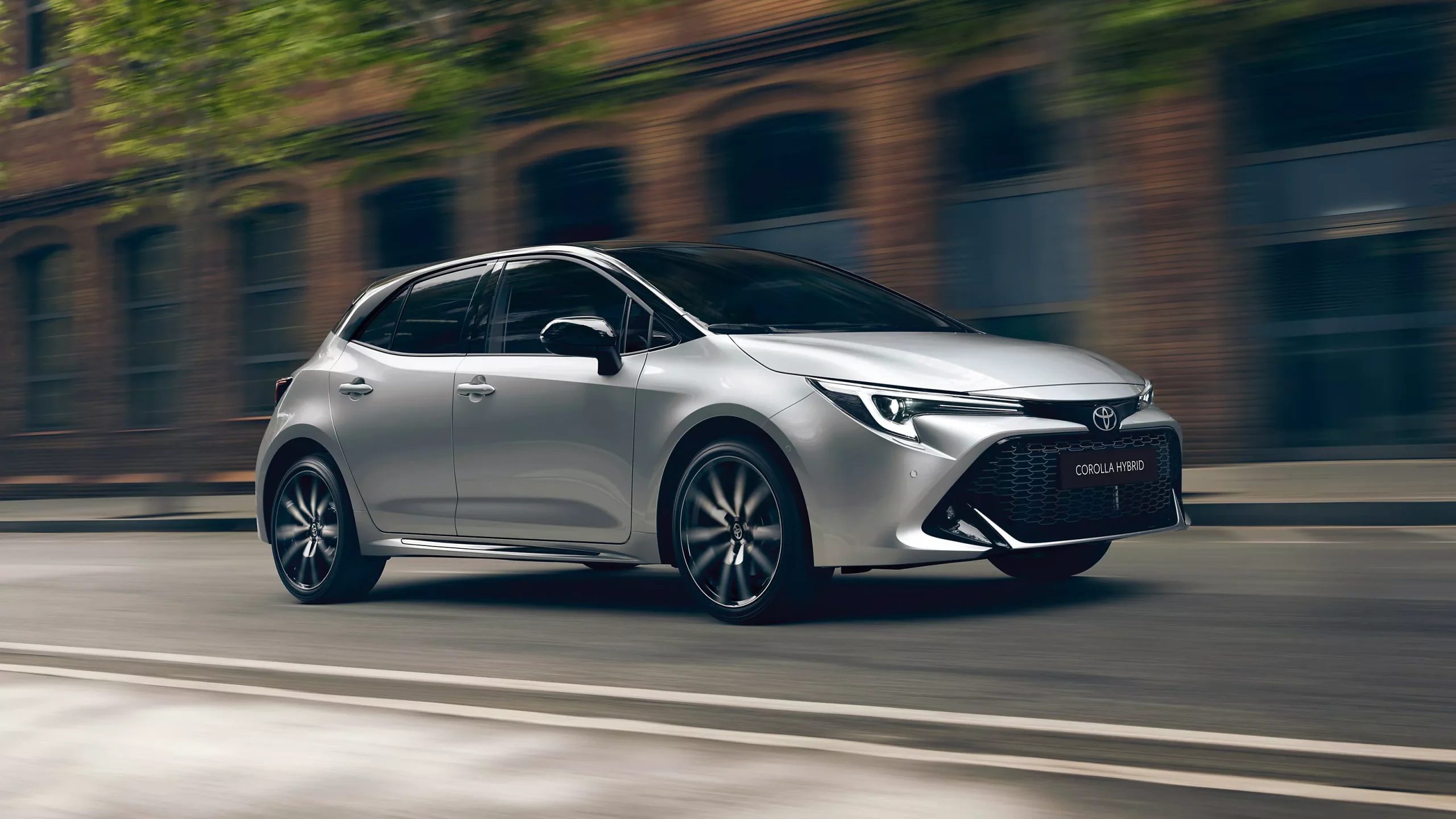
The Toyota Corolla is a top choice for college students in Bryan, TX, thanks to its proven reliability, excellent fuel efficiency, and affordability. Its compact size makes it simple to drive and park on crowded campuses.
Newer used models, including 2017–2019 and 2023+ versions, come with advanced safety features like automatic emergency braking, lane departure warning, and the full Toyota Safety Sense™ 3.0 suite, which also includes pedestrian detection, lane-keeping assist, and adaptive cruise control. These features provide peace of mind for new drivers and make daily commuting safer and less stressful.
The Corolla offers several benefits that appeal directly to student drivers. Its reputation for long-term reliability means fewer unexpected repairs and lower ownership costs throughout college years. Fuel efficiency is another advantage, with nonhybrid models achieving up to 35 mpg combined and hybrid versions reaching 50 mpg, helping students save on gas.
The car is also technology-friendly, featuring an 8.0-inch touchscreen, Apple CarPlay, Android Auto, USB-C ports, optional wireless charging, and an upgraded JBL audio system, keeping students connected and entertained. Comfortable seating and a smooth ride make short trips across campus or longer commutes more enjoyable.
Performance-wise, the Corolla is powered by a 169-hp 2.0-liter four-cylinder engine with a continuously variable transmission (CVT), while hybrid models prioritize efficiency. Acceleration is steady, with 0–60 mph times ranging from 8.3 to 9.0 seconds depending on the model.
The sedan and hatchback both offer controlled handling and a comfortable ride, while sport-tuned trims like the SE and XSE provide slightly firmer suspensions and larger wheels for a more engaging experience. Braking is reliable, and body motions are well-managed, though the Corolla is not as sporty as competitors like the Mazda 3 or Honda Civic.
Inside, the Corolla delivers a clean and functional interior with soft-touch materials, user-friendly controls, and optional features such as dual-zone climate control and heated seats. The sedan offers more rear legroom, while the hatchback provides flexible cargo space, expandable with the Enhanced Cargo Space option. Storage is practical, though somewhat limited compared with rivals.
Toyota backs the Corolla with a three-year/36,000-mile limited warranty, five-year/60,000-mile powertrain coverage, and two years/25,000 mileas of complimentary scheduled maintenance, along with ten-year/150,000-mile hybrid component coverage. This combination of
reliability, efficiency, safety, and affordability makes the Corolla a smart, student-focused choice in Bryan.
2. Honda Civic: Safe, Efficient, and Student-Friendly
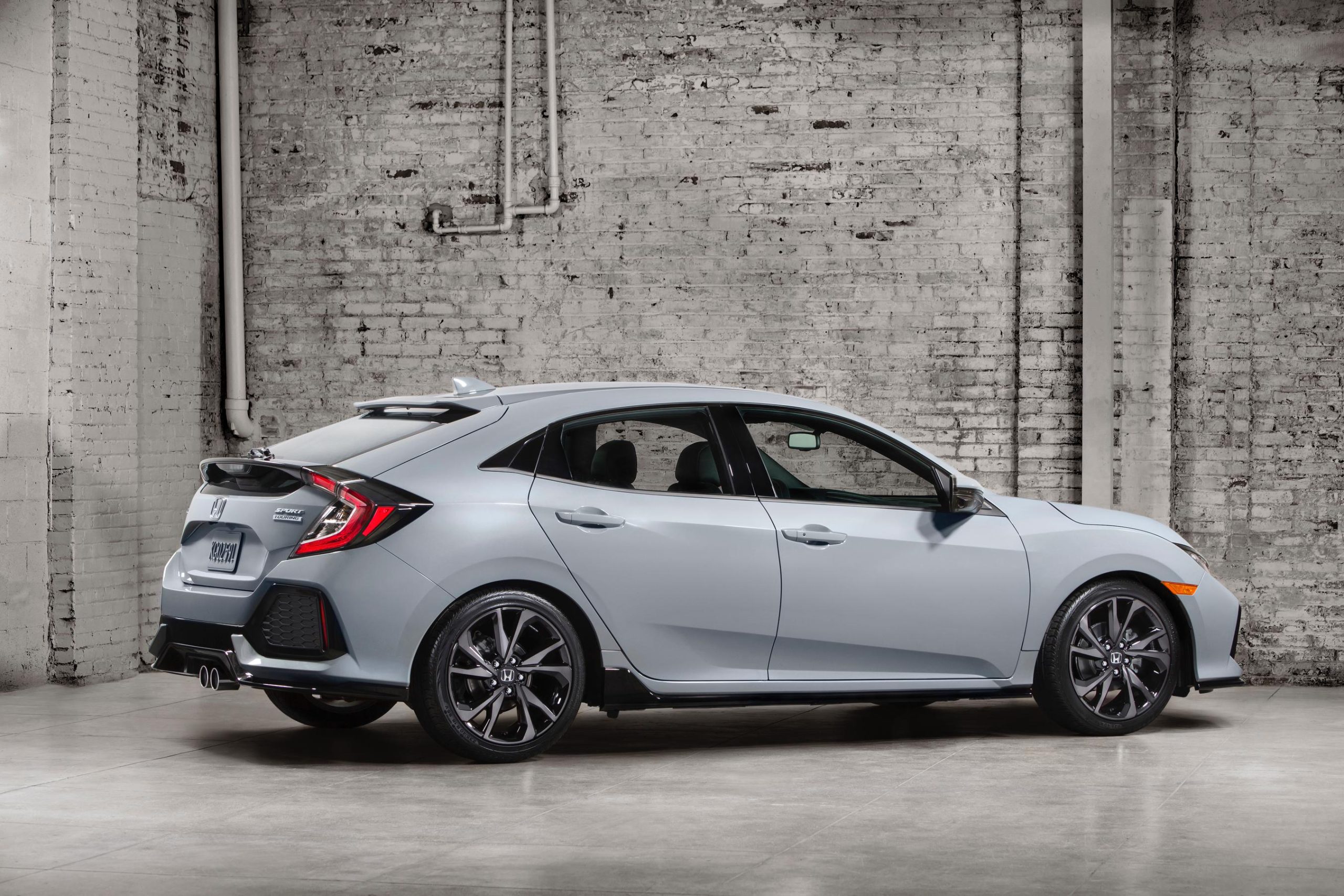
The Honda Civic has earned a reputation for reliability, fuel efficiency, and engaging handling, making it a strong choice for students and new drivers.
Models from 2014 and newer often receive high safety ratings, while modern versions come standard with the Honda Sensing suite, which includes features like automatic emergency braking, lane-keeping assist, adaptive cruise control, and road departure mitigation.
Compact in size, the Civic is easy to park on crowded campuses, and its comfortable ride makes daily commuting or weekend trips more enjoyable.
Fuel efficiency and cost-effectiveness are key advantages of the Civic. Nonhybrid models achieve up to 41 mpg on the highway and 32 mpg in the city, while hybrid versions deliver as much as 50 mpg city and 47 mpg highway, reducing fuel costs for students.
Honda’s long-standing reputation for reliability also lowers the risk of unexpected repairs. With its nimble handling and manageable size, the Civic performs well in urban and campus settings, providing a practical and dependable driving experience without compromising comfort or safety.
The Civic delivers a smooth and responsive driving experience, balancing performance and ease of use. The nonhybrid model features a 150-hp 2.0-liter four-cylinder engine with a CVT, reaching 0–60 mph in 8.9 seconds, while the hybrid version pairs a 2.0-liter four-cylinder with two electric motors for a combined 200 hp and accelerates to 60 mph in 6.2 seconds.
Both sedans and hatchbacks handle confidently, and higher trims offer sportier suspensions, larger wheels, and enhanced steering for a more engaging ride. Braking performance is reliable, while body motions remain controlled, making the Civic approachable for newer drivers.
Inside, the Civic combines comfort, technology, and practicality. Standard features include a 7.0-inch touchscreen with Apple CarPlay and Android Auto, Bluetooth connectivity, and a smooth, quiet cabin. Larger touchscreens, wireless connectivity, premium audio, and in-dash navigation are available on higher trims.
Passenger space is generous in the front, while rear seating is adequate for two adults. Cargo capacity is strong, with ample space in both sedan and hatchback configurations.
Warranty coverage includes three years/36,000 miles limited, five years/60,000 miles powertrain, and eight years/100,000 miles hybrid components, along with one year/12,000 miles of complimentary maintenance. The Civic combines safety, efficiency, reliability, and modern tech, making it a smart, student-focused option.
3. Mazda 3: Sporty, Safe, and Student-Friendly
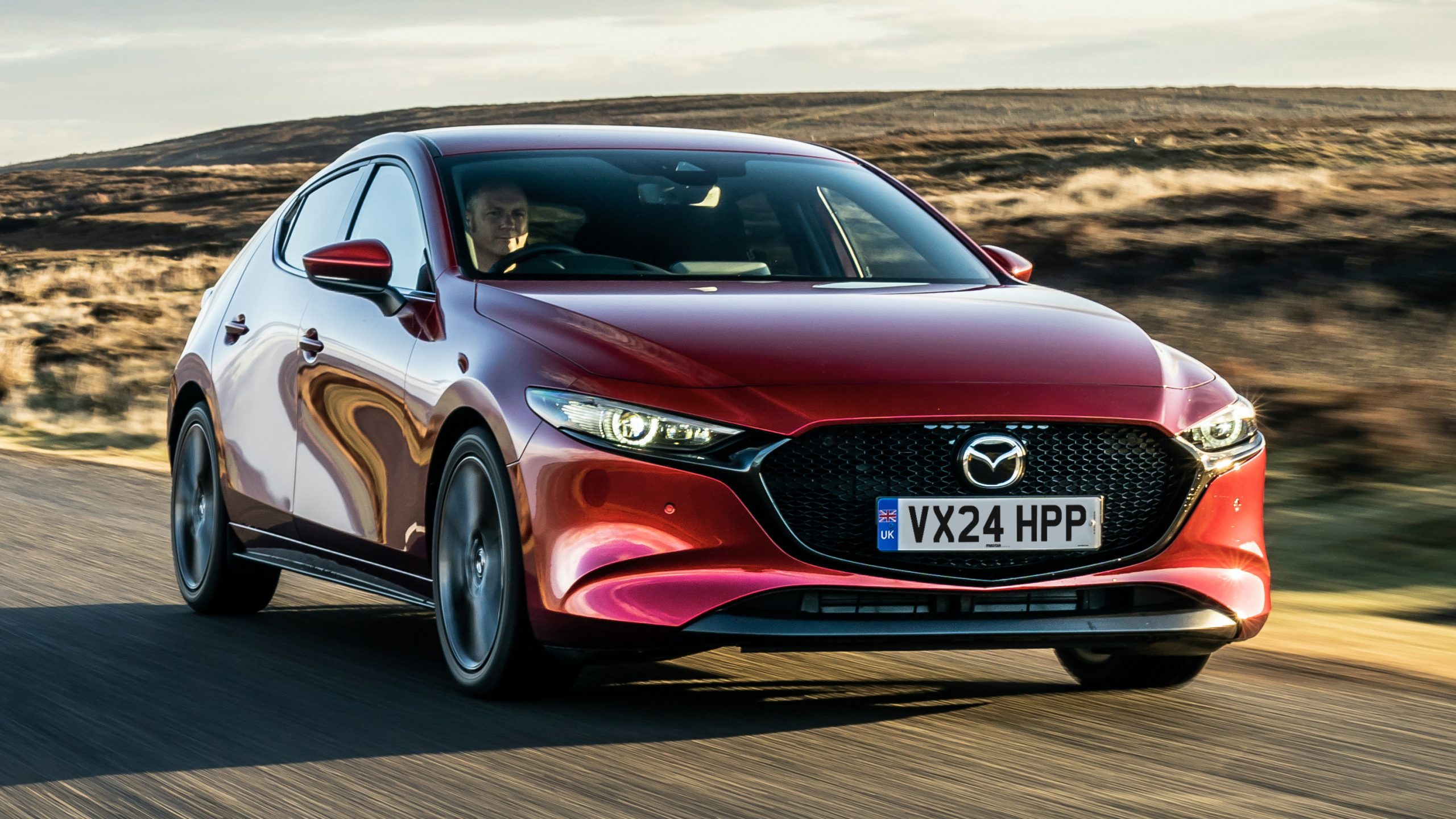
The Mazda 3, available as a sedan or hatchback, offers a sportier driving experience without compromising practicality or safety, making it a strong option for students and new drivers. Models from 2019 and newer have earned top safety accolades from the IIHS and feature modern, tech-forward interiors.
Standard driver-assistance technology includes the i-ACTIVSENSE suite, which provides Smart Brake Support, blind-spot monitoring, adaptive cruise control, and optional 360-degree cameras, helping drivers stay secure on campus and highways. Available all-wheel drive (i-ACTIV AWD) adds traction and stability in wet or snowy conditions, enhancing confidence in all weather.
The Mazda 3 balances style, comfort, and fuel efficiency. Its sleek exterior appeals to younger drivers, while the interior features supportive seats, quality materials, and a driver-centric cockpit with an Active Driving Display that keeps important information in view.
Standard tech includes an 8.8-inch touchscreen with Apple CarPlay and Android Auto, with larger displays and wireless integration available on higher trims. The cabin comfortably seats five passengers, though rear legroom is somewhat tight. Cargo space is practical: the sedan holds six carry-on suitcases with seats up, while the hatchback holds five, expanding to sixteen with seats folded.
Performance is a highlight of the Mazda 3, combining responsive engines with precise handling. Most trims feature a 186-hp 2.5-liter four-cylinder engine paired with a six-speed automatic transmission, offering composed acceleration and taut body control.
The turbocharged 2.5-liter four-cylinder produces 250 hp with all-wheel drive and reaches 60 mph in 5.6 seconds, making it one of the quickest compact cars in its class. Non-turbo models achieve 0–60 mph in 7.0–7.5 seconds, providing sufficient power for daily driving. Steering is sharp and natural, and both the sedan and hatchback feel stable on straightaways and twisty roads.
Fuel economy is efficient for the segment, with front-wheel-drive sedans rated up to 27 mpg city and 36 mpg highway, while all-wheel-drive models are slightly lower. Manual hatchbacks achieve 25/34 mpg city/highway. Standard safety features, such as automated emergency braking and adaptive cruise control, combine with optional enhancements like 360-degree cameras and parking sensors.
Mazda offers a three-year/36,000-mile limited warranty and five-year/60,000-mile powertrain coverage, though complimentary maintenance is not included. With engaging performance, stylish design, and strong safety, the Mazda 3 is a fun, practical, and student-friendly choice.
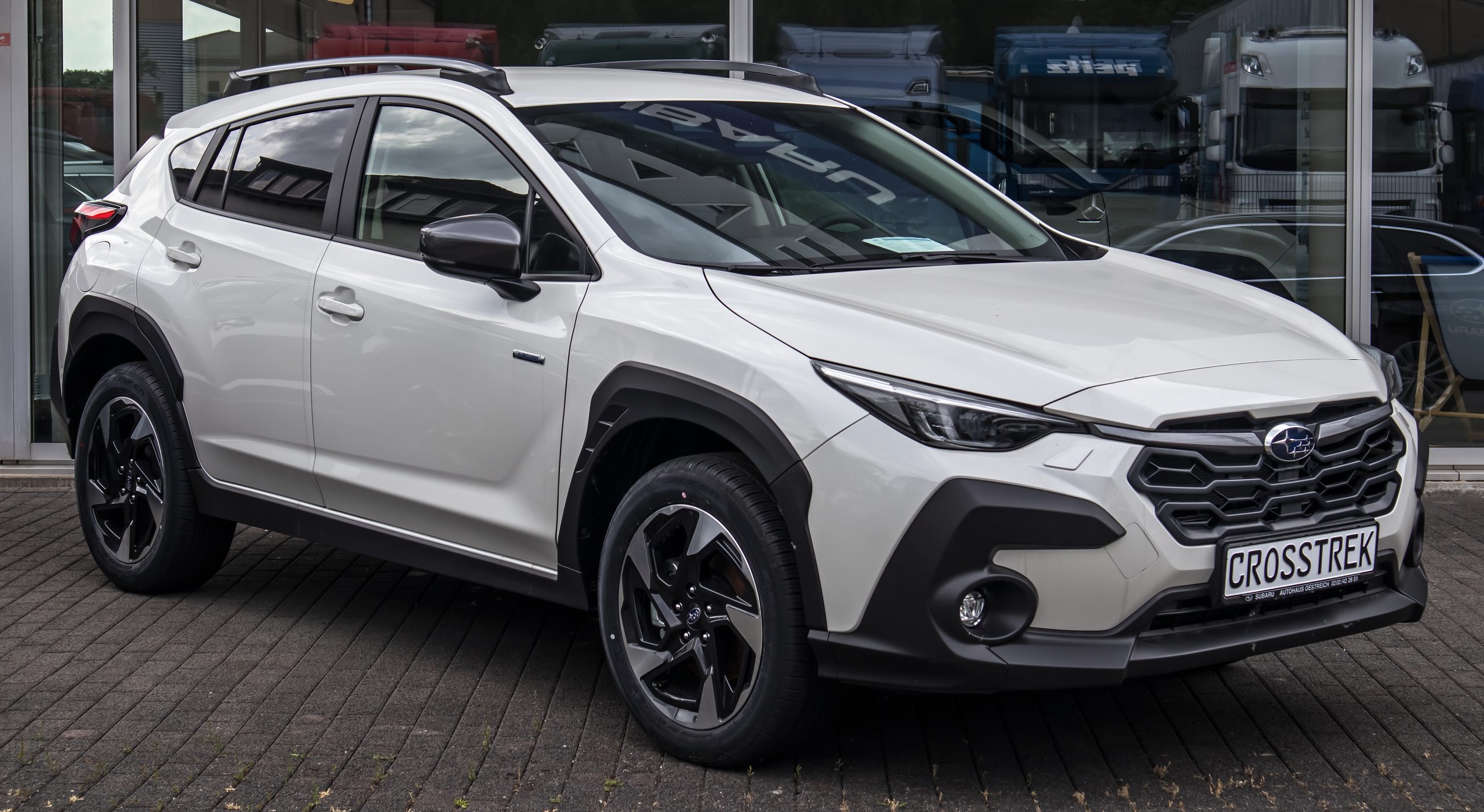
4. Subaru Crosstrek: Safe, Versatile, and Student-Friendly
The Subaru Crosstrek is a compact crossover that combines safety, reliability, and versatility, making it an excellent choice for new drivers and students in Bryan, TX. Its standard Symmetrical All-Wheel Drive provides superior traction and stability in rain, snow, and on uneven roads, giving drivers added confidence.
Most models come with Subaru’s EyeSight Driver Assist Technology, which includes adaptive cruise control, automatic pre-collision braking, and lane-keeping assist. With consistently high safety ratings, the Crosstrek ensures that students and their families can feel secure on campus commutes and longer drives.
Practicality and comfort are major strengths of the Crosstrek. The interior is spacious enough for passengers and their belongings, offering generous legroom and headroom. The hatchback design provides 20 cubic feet of cargo space behind the rear seats and 55 cubic feet with seats folded, accommodating dorm supplies, groceries, or sports equipment.
Front seats are comfortable and easy to access, while the cabin layout keeps controls within reach. Its higher ground clearance of 8.7 inches on most trims and 9.3 inches on the Wilderness model allows the Crosstrek to handle potholes, rough roads, and light off-road trails more effectively than many sedans.
The driving experience of the Crosstrek balances stability and responsiveness. All models feature a 180-hp 2.5-liter four-cylinder engine paired with a continuously variable automatic transmission and standard all-wheel drive.
Acceleration ranges from 8.1 seconds to 60 mph for the Limited trim to 8.6 seconds for the Wilderness trim. Steering is predictable, and handling feels controlled, helping new drivers gain confidence.
While it is not as sporty as the Mazda CX-30, the Crosstrek offers a smooth ride, hill-start and hill-descent assist, and capable off-road performance, making it suitable for urban streets, campus life, and occasional adventures.
Technology and convenience features further enhance its appeal. Base models include a 7-inch touchscreen with Apple CarPlay and Android Auto, while higher trims offer an 11.6-inch display, wireless smartphone integration, and upgraded audio systems.
Standard safety features include automated emergency braking, lane-departure warning, and adaptive cruise control. Optional features include blind-spot monitoring and rear cross-traffic alert.
Warranty coverage includes three years or 36,000 miles for limited coverage and five years or 60,000 miles for the powertrain. With its combination of safety, all-weather capability, practicality, and reliability, the Subaru Crosstrek is a strong and dependable choice for students.
5. Honda CR-V: Safe, Spacious, and Student-Friendly
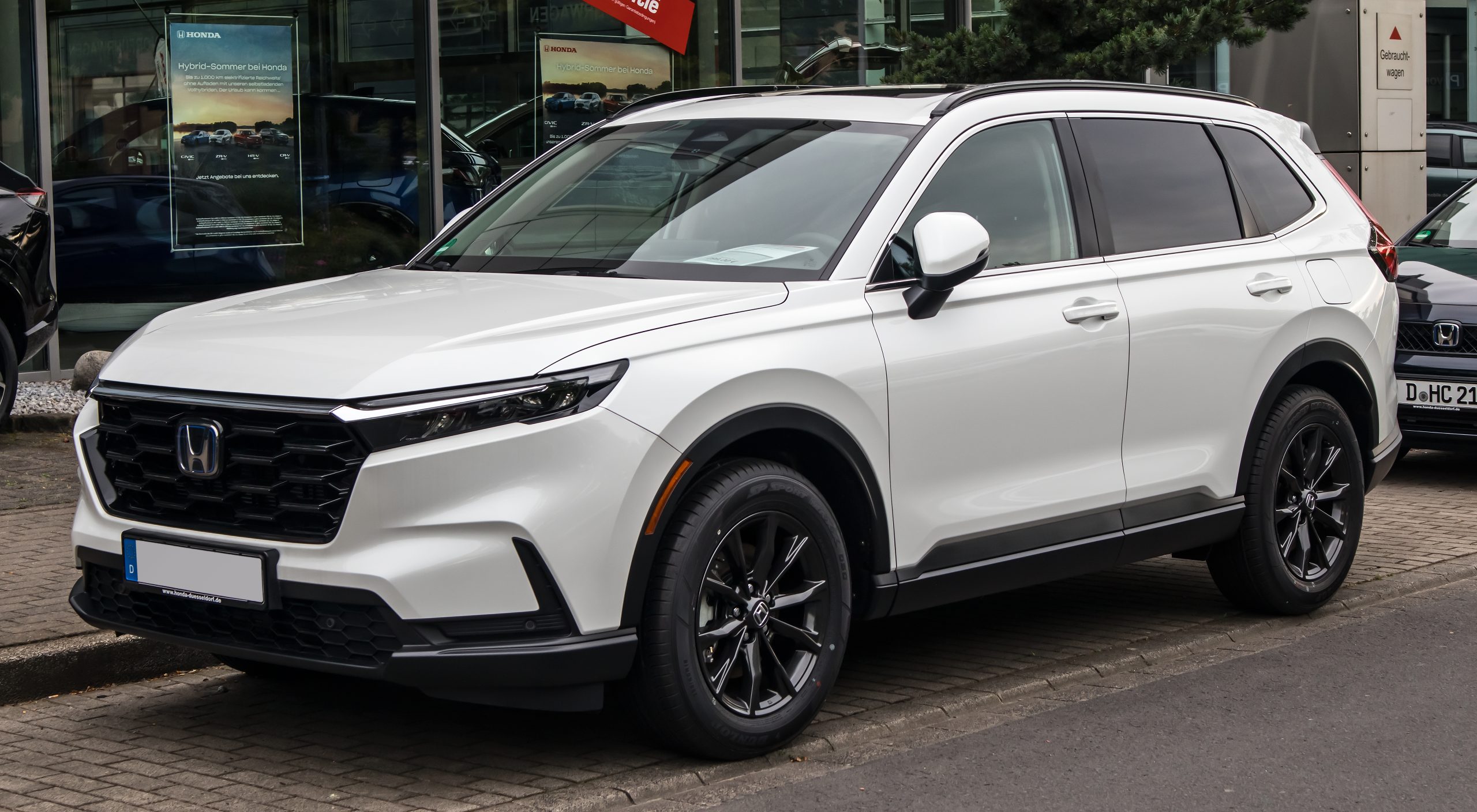
The Honda CR-V is a practical and dependable compact SUV that is ideal for new drivers and students in Bryan, TX. Model years 2015 and newer are highly recommended due to their combination of safety, reliability, and versatility.
Standard Honda Sensing safety features include Forward Collision Warning, Automatic Emergency Braking, Lane Departure Warning, and Adaptive Cruise Control, providing an extra layer of protection for inexperienced drivers. Its large windows, thin pillars, and door-mounted mirrors create excellent visibility, making it easier to handle busy roads, parking lots, and campus streets.
The CR-V’s interior combines comfort, convenience, and functionality. The cabin is quiet and designed to reduce driver fatigue, while the seats are supportive and spacious. Front-seat occupants benefit from a large center console bin, and rear passengers enjoy generous legroom.
Cargo space is a strong point, with 39 cubic feet available behind the rear seats and up to 12 carry-on bags fitting comfortably.
The infotainment system includes a 9.0-inch touchscreen with standard Apple CarPlay and Android Auto, wireless smartphone charging, built-in navigation, and USB-C ports for rear-seat passengers, making it easy to stay connected and organized while commuting or traveling between campus and home.
The CR-V’s driving performance balances capability and ease of use. Powered by a 190-hp turbocharged 1.5-liter four-cylinder engine paired with a continuously variable automatic transmission, it comes in front-wheel-drive or all-wheel-drive configurations.
Hill-descent control and traction management enhance control on slippery or steep surfaces. While it does not offer the sporty handling of rivals like the Mazda CX-50 or Volkswagen Tiguan, the CR-V delivers a smooth, comfortable ride that is easy for new drivers to manage.
Acceleration to 60 mph is around 8.1 seconds for the nonhybrid EX-L model, providing adequate power for daily driving and highway merging.
Fuel efficiency is solid for its class, with front-wheel-drive models rated at 28 mpg city and 34 mpg highway and all-wheel-drive versions slightly lower. The CR-V also offers towing capacity up to 1,500 pounds with optional equipment.
Warranty coverage includes three years or 36,000 miles for the limited warranty, five years or 60,000 miles for the powertrain, and one year or 12,000 miles of complimentary scheduled maintenance. With its combination of advanced safety, spacious interior, comfortable ride, and reliability, the Honda CR-V is a smart, practical, and student-focused choice.
Also Read: 5 Cars for Kansas City Urban Drivers and 5 That Don’t Handle Traffic Well
5 Budget-Conscious Picks
1. Toyota Corolla (2014–2019): Reliable, Spacious, and Economical
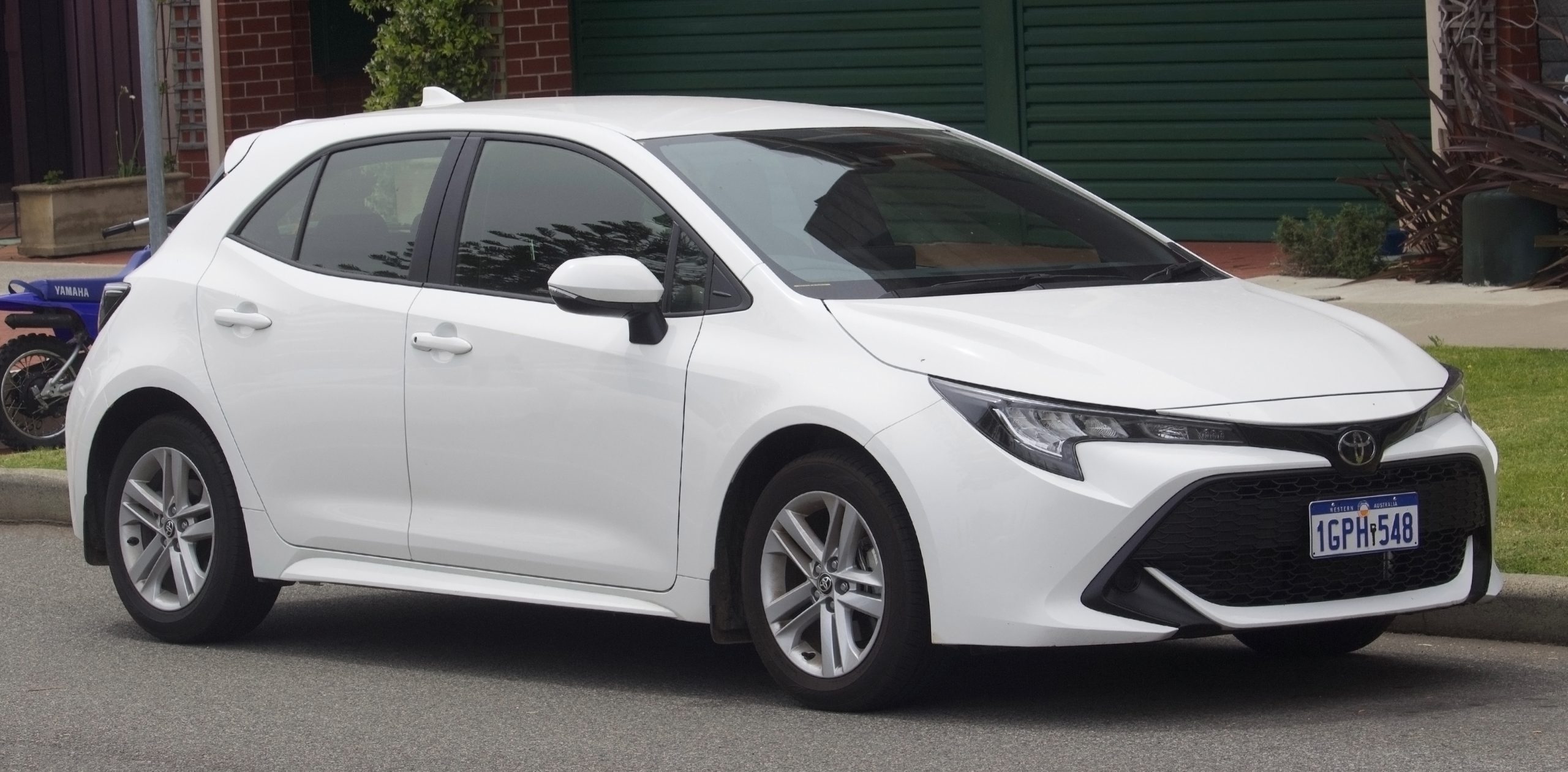
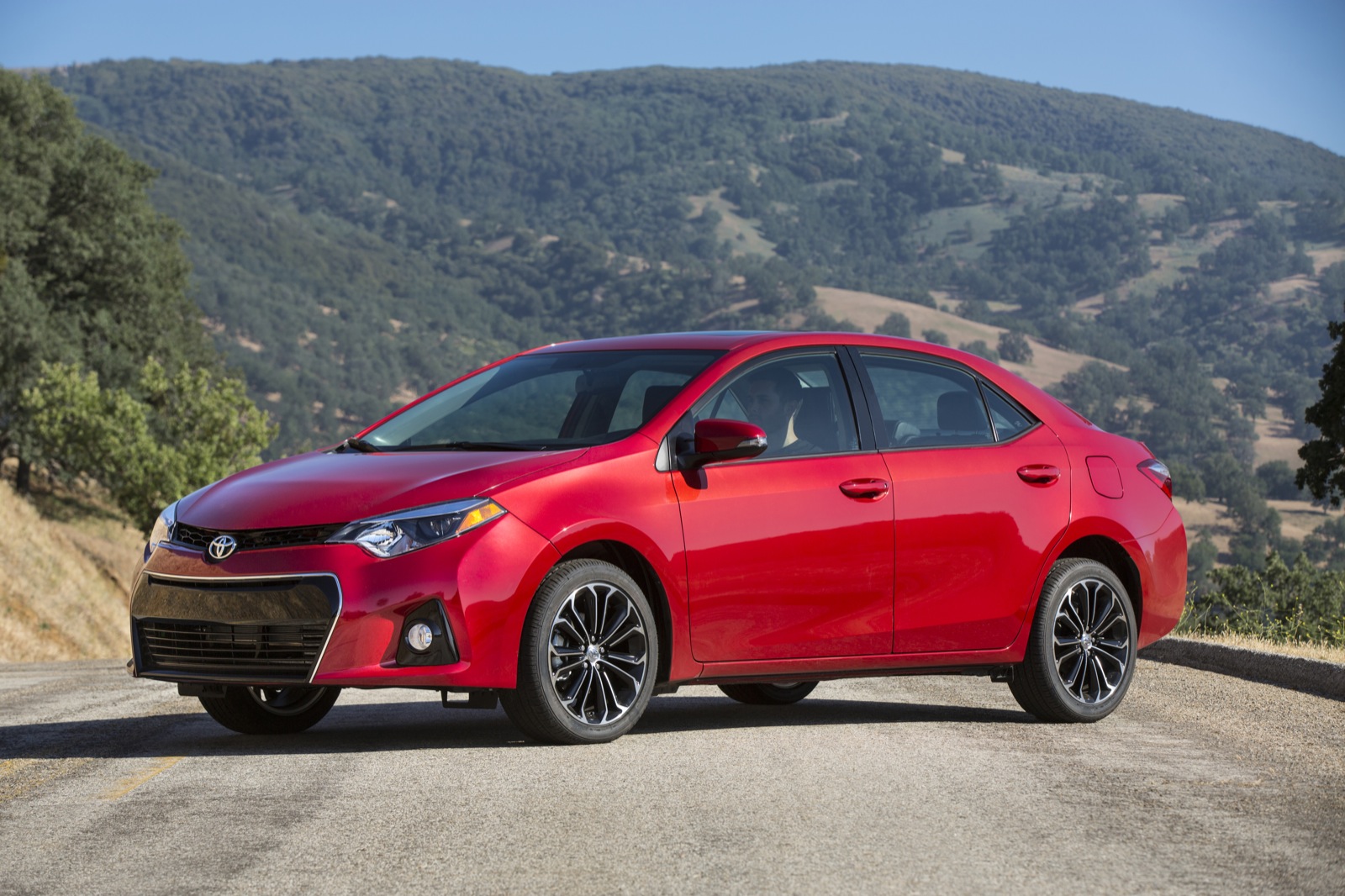
The 2014–2019 Toyota Corolla is a practical and dependable compact sedan that combines Toyota’s legendary reliability with improved interior space and fuel efficiency. This generation grew in size compared with its predecessor, offering adult-sized rear seats, a flat rear floor, and a smooth ride for its class.
Its affordable pricing, often under $15,000 on the used market, makes it an excellent choice for commuters, students, or anyone seeking a low-maintenance compact car. Standard LED headlights and a more aggressive exterior design give the Corolla a modern, refined look, while multiple trims, including L, LE, S, and Eco, allow buyers to prioritize fuel efficiency, comfort, or sportier styling.
Under the hood, most Corollas feature a 1.8-liter four-cylinder engine producing 138 horsepower and 128 lb-ft of torque, paired with either a six-speed manual, a four-speed automatic, or Toyota’s continuously variable transmission (CVT) with seven simulated gears.
The Eco trim includes Toyota’s Valvematic system, producing 140 horsepower and 126 lb-ft of torque while achieving the best fuel economy in the lineup, with EPA estimates of 27–30 mpg city and 36–42 mpg highway.
The CVT is tuned for fuel efficiency rather than sporty performance, making the Corolla less engaging to drive than competitors such as the Mazda3 or Ford Focus, but ensuring smooth acceleration and low running costs for daily commuting.
Inside, the Corolla focuses on comfort, functionality, and practicality. Thinner front seats provide extra rear legroom, and quality materials, chrome accents, and gloss black trim create a polished cabin appearance.
A 6.1-inch touchscreen infotainment system is standard, with available features including navigation, satellite radio, and the Entune Premium Audio system, which allows the display to show music, navigation, and fuel information simultaneously. The Corolla also offers one of the largest combined interior and trunk spaces in its class, giving passengers and cargo plenty of room.
Safety is a strong feature of the Corolla. It earned five stars from the NHTSA and is a Top Safety Pick from the IIHS, though it received only a marginal score in the small overlap front crash test.
With its spacious interior, strong fuel efficiency, advanced safety ratings, and low cost of ownership, the 2014–2019 Toyota Corolla remains a reliable, practical, and budget-friendly option for drivers looking for a dependable compact sedan.
2. Honda Fit (2013–2017): Compact, Versatile, and Budget-Friendly
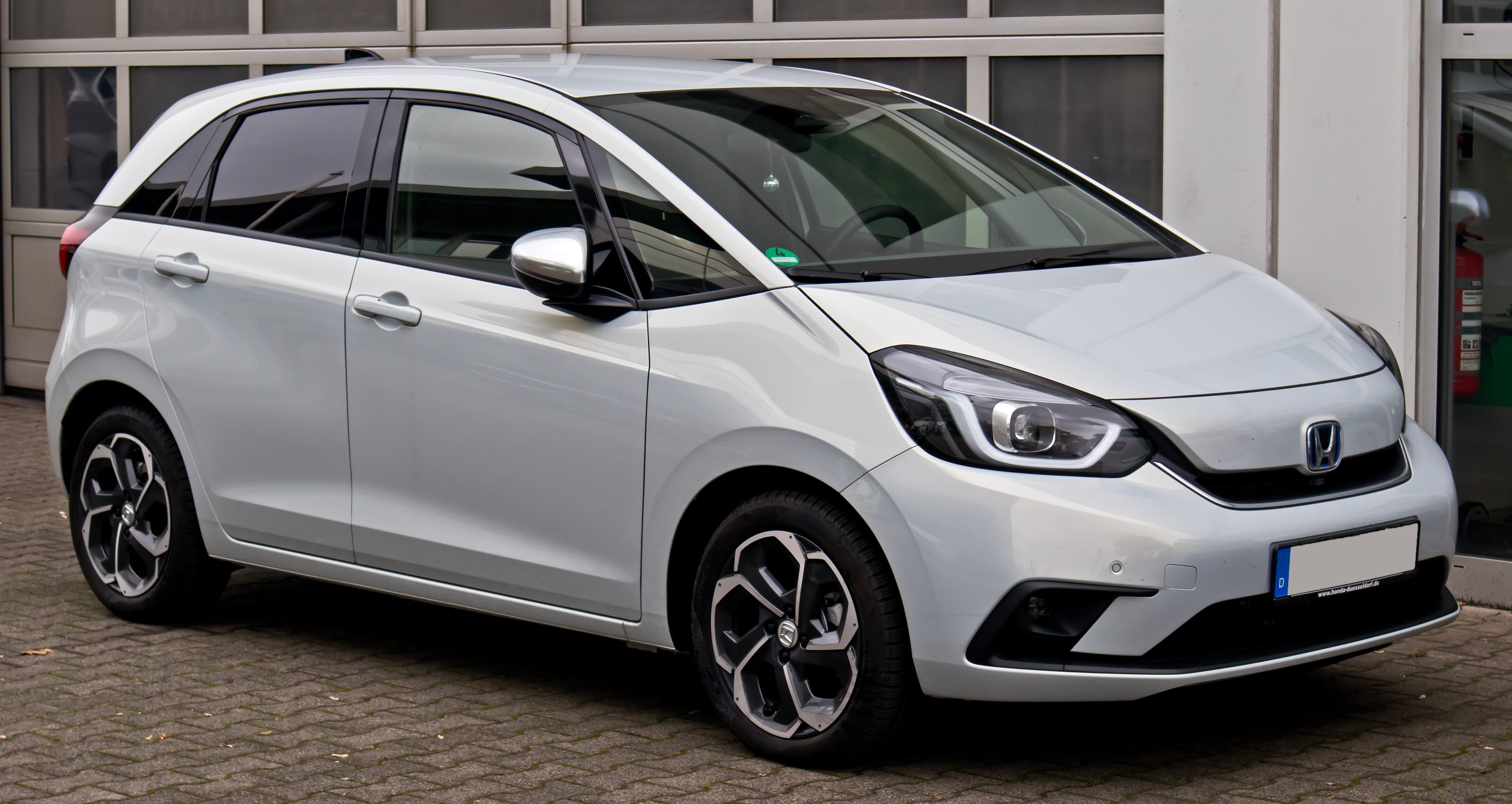
The 2013–2017 Honda Fit is a practical and affordable subcompact car that makes an excellent first vehicle. Known for its fuel efficiency, low maintenance costs, and strong reliability, the Fit delivers high value for budget-conscious drivers.
Its compact size and tight turning radius make city driving and parking effortless, while the surprisingly roomy interior provides comfort for passengers and flexibility for cargo. These qualities make the Fit a smart choice for students, small families, or anyone needing a versatile and economical car.
One of the Fit’s standout features is its “Magic Seat” system, which allows the rear seats to fold in multiple configurations. Seats can fold upward to create floor-to-ceiling cargo space or fold flat to expand the trunk area. This design provides 20.6 cubic feet of cargo space, giving the Fit the practicality of a larger vehicle.
The cabin is tall, with a high ceiling that enhances headroom and creates a more open feel. Front passengers enjoy 41.3 inches of legroom, while rear passengers have 34.5 inches, offering comfortable seating for adults despite the car’s subcompact classification.
The 2013–2017 Fit is powered by a 1.5-liter four-cylinder engine producing 117 horsepower and 106 lb-ft of torque. It comes with either a manual or automatic transmission, depending on the trim, and while it is not designed for speed, it offers adequate performance for daily driving.
Acceleration from 0–60 mph ranges from about 8.3 to 10.2 seconds. Fuel efficiency is a major strength, with non-hybrid models achieving 27–28 mpg city and 33–35 mpg highway. The optional Fit EV offers a fully electric driving experience with an estimated range of 82 miles per charge.
Standard safety features include six airbags, anti-lock brakes with brake assist, electronic brake-force distribution, and a security system. The Fit earned a Top Safety Pick from the IIHS.
Interior features focus on practicality, including power windows and locks, a 12-volt outlet, and optional Bluetooth or navigation on the Sport trim. The Honda Fit combines low running costs, excellent cargo versatility, compact maneuverability, and solid safety, making it an ideal choice for anyone seeking an efficient and reliable small car.
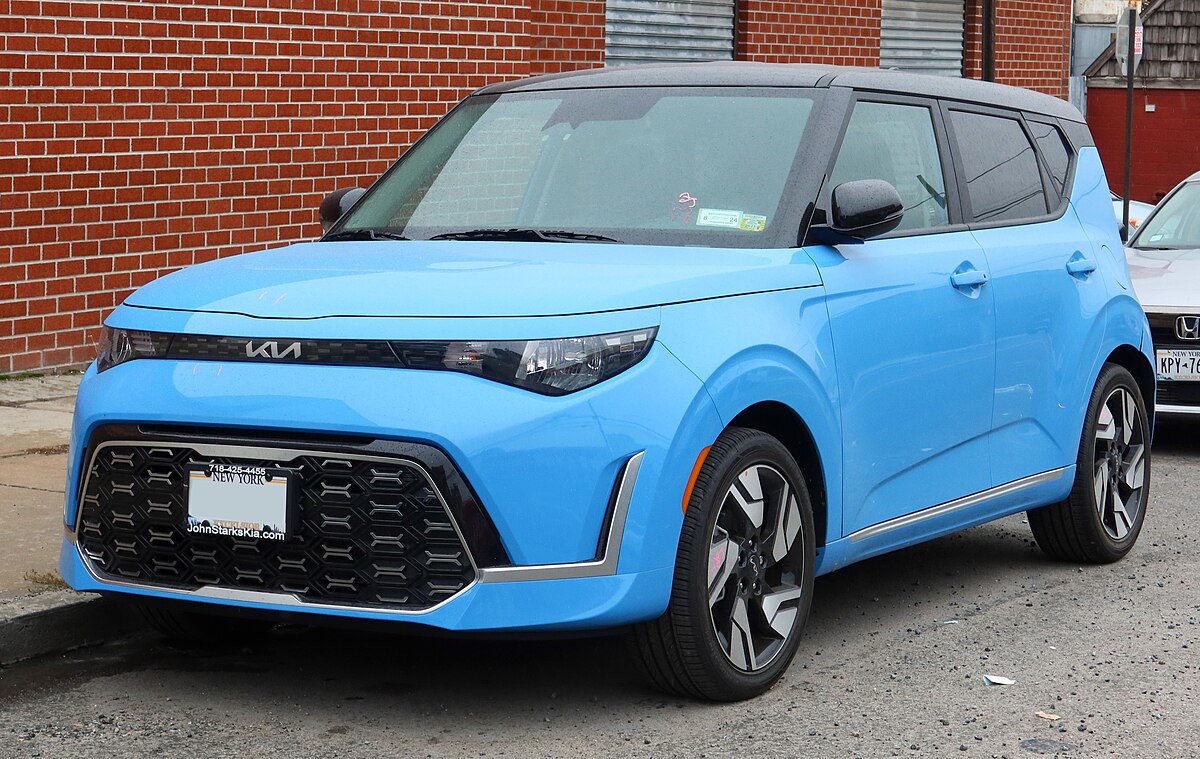
3. Kia Soul (2015 or Newer): Affordable, Practical, and Spacious
The 2015 and newer Kia Soul is a practical and budget-friendly compact car that stands out for its distinctive boxy design and surprisingly roomy interior. Its upright shape provides excellent visibility for new drivers and maximizes interior space for passengers and cargo.
Used models are widely available at affordable prices, and post-2015 versions include modern infotainment features like Apple CarPlay and Android Auto, enhancing connectivity and convenience. The Soul combines low running costs, solid reliability, and flexible cargo capacity, making it a smart choice for students, small families, or anyone seeking value in a subcompact vehicle.
One of the Soul’s major strengths is its interior space. Despite its small footprint, the tall roofline and upright design allow the cabin to feel larger than it looks. Rear seats can hold passengers comfortably, and cargo capacity is generous, accommodating seven carry-on suitcases behind the seats or up to 20 with the rear seats folded.
Interior touches include ambient lighting, customizable trim colors, push-button start, a smartphone charging pad, and available heated seats and steering wheel. The 10.3-inch touchscreen available on higher trims supports navigation, SiriusXM, and wireless charging, while all models include Apple CarPlay and Android Auto.
The Kia Soul is powered by a 147-hp 2.0-liter four-cylinder engine paired with a continuously variable automatic transmission (CVT) and front-wheel drive. Acceleration to 60 mph takes about 8.0 seconds, which is adequate for city driving.
Handling is not sporty, but the car is comfortable around town and responds predictably to driver inputs. Fuel efficiency is competitive for its size, with EPA estimates ranging from 27 mpg city to 35 mpg highway, and real-world highway testing achieving around 30 mpg. Turbocharged trims are slightly thirstier, and all models lack all-wheel drive.
Safety features include forward-collision warning with automatic emergency braking, lane-departure warning with lane-keeping assist, and optional blind-spot monitoring and automatic high beams. Kia’s warranty remains one of the best in the industry, offering five years or 60,000 miles for the limited warranty and 10 years or 100,000 miles for the powertrain.
While the ride is firmer than some rivals and fuel economy can vary with engine choice, the Soul’s spacious cabin, tech options, and low ownership costs make it a practical and affordable choice for budget-conscious buyers.
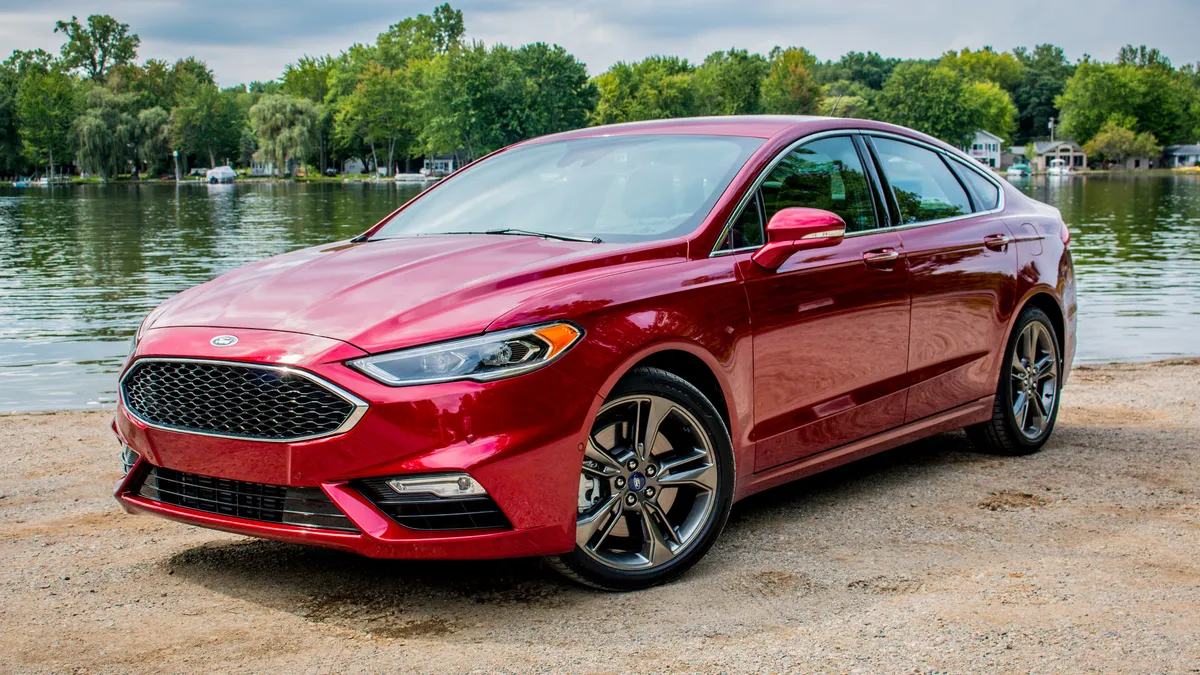
4. Ford Fusion (2017–2019): Stylish, Comfortable, and Budget-Friendly
The 2017–2019 Ford Fusion is a midsize sedan that offers a comfortable ride, upscale styling, and modern features at an affordable used price. Its discontinuation in Ford’s lineup has made these models especially accessible for budget-conscious buyers.
The Fusion stands out for its spacious and quiet interior, strong safety features, and available technology like the intuitive Sync 3 infotainment system. It provides multiple trim options, including sporty, hybrid, and plug-in hybrid variants, allowing buyers to select a version that meets their performance and efficiency needs.
A major appeal of the Fusion is its comfort and cabin quality. Even base models provide a roomy interior with supportive seating, while higher trims add features such as leather upholstery, ambient lighting, and an 8-inch touchscreen.
Cargo space is competitive for standard gas models, although hybrid and plug-in hybrid versions sacrifice trunk capacity to accommodate their battery packs. Connectivity features such as Apple CarPlay, Android Auto, and multiple power points make the Fusion practical for everyday use, commuting, or road trips.
Engine options vary widely. The base 2.5-liter four-cylinder provides adequate power with a six-speed automatic, while the 1.5-liter and 2.0-liter turbocharged engines offer stronger acceleration but carry risks of cracked engine blocks and should be approached with caution.
The Sport trim delivers a 325-hp twin-turbo V6 with all-wheel drive, and the Fusion Hybrid and plug-in hybrid pair a 2.0-liter engine with an electric motor for 195 hp and improved fuel efficiency. While handling is not class-leading, the Fusion balances comfort and agility, with the Sport trim offering firmer adaptive dampers for a sportier feel.
Fuel economy is reasonable for its class, with hybrid models offering the most efficiency. Safety is a strong point, with standard features like automated emergency braking, lane-keeping assist, and adaptive cruise control available on many trims. The Fusion has earned high safety ratings from NHTSA and IIHS, making it a dependable choice for new drivers and families.
The 2017–2019 Ford Fusion delivers a combination of style, comfort, and value. Choosing the base 2.5-liter or hybrid models avoids engine reliability concerns while providing a spacious, well-equipped, and safe sedan at a competitive price, making it an appealing option for those seeking a practical midsize car on a budget.
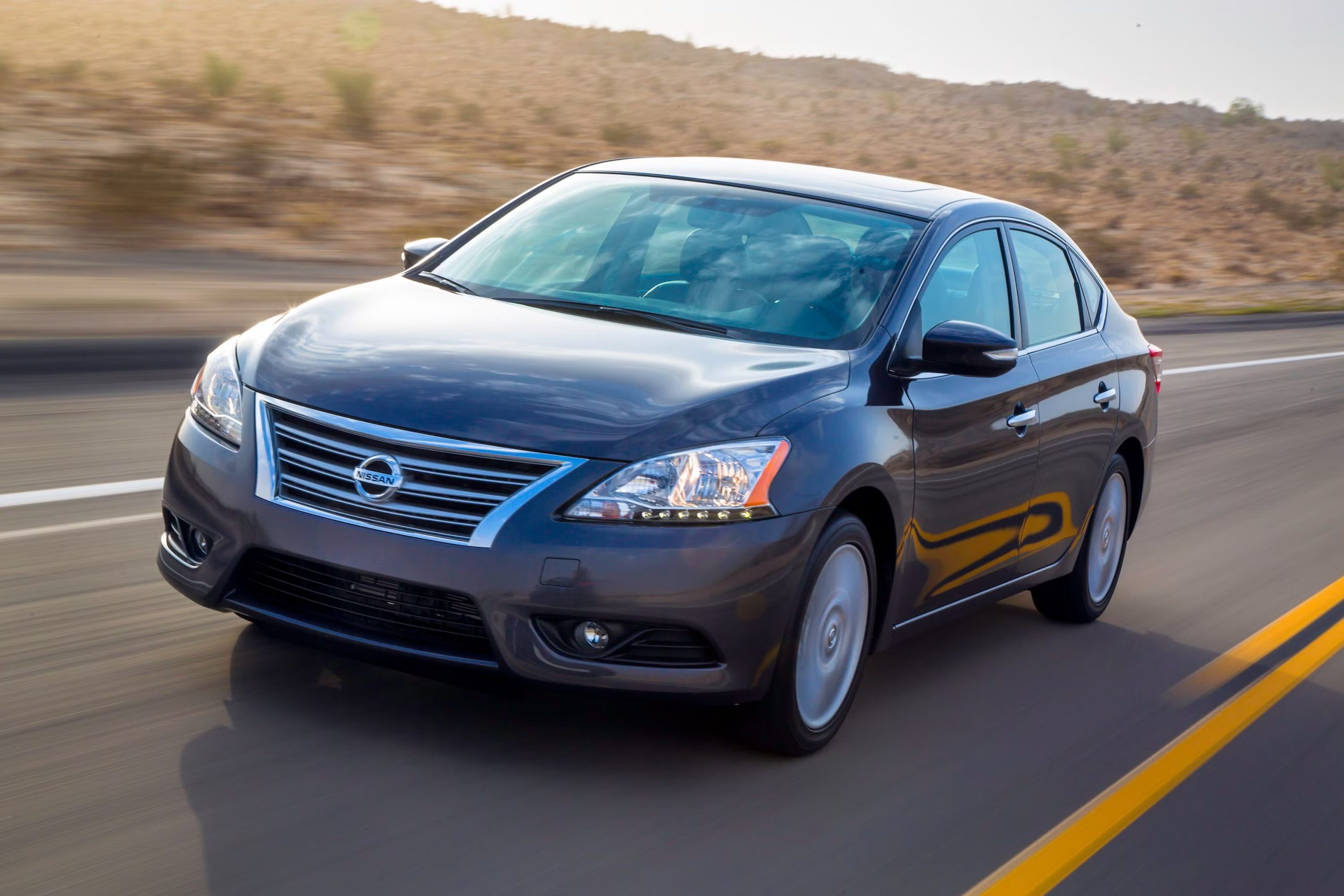
5. Nissan Sentra (2015 or Newer): Affordable, Practical, and Efficient
The Nissan Sentra from 2015 onward is a compact sedan that offers strong value, efficient fuel consumption, and a spacious interior at an accessible price point. Its low purchase cost, combined with dependable reliability and inexpensive maintenance, makes it an appealing option for budget-conscious buyers, including daily commuters and first-time car owners.
Newer models feature user-friendly technology such as Apple CarPlay and Android Auto, while trims after 2019 include advanced safety features through Nissan Safety Shield 360, offering additional peace of mind.
One of the Sentra’s key advantages is its excellent fuel efficiency. Four-cylinder engines deliver impressive city and highway mileage, with FE+ models achieving up to 30 mpg city and 40 mpg highway.
Maintenance and repair costs remain low, with affordable parts and durable engineering keeping long-term ownership expenses manageable. Used models can be found at significant discounts compared with newer competitors, making it possible to get a well-equipped vehicle for a very reasonable price.
Inside, the Sentra provides a roomy cabin with ample rear-seat and trunk space, standing out among compact cars for comfort and practicality.
Even base models include Bluetooth, cruise control, and USB connectivity, while higher trims offer leather upholstery, a rearview camera, and navigation. The interior layout is simple, intuitive, and suitable for daily commuting or small families needing a reliable, functional vehicle.
The car’s 1.8-liter four-cylinder engine is paired with either a six-speed manual on the base model or a continuously variable automatic transmission (CVT) on other trims.
While fuel-efficient, acceleration is modest, and the CVT can produce noticeable noise under heavy throttle, which may detract for buyers seeking spirited driving. Handling is competent but not particularly engaging, making the Sentra a sensible choice for those prioritizing economy and comfort over performance.
The 2015 and newer Nissan Sentra provides a combination of affordability, low running costs, spacious interior, and strong fuel economy. Although acceleration and driving dynamics are limited, its practicality, feature set, and value make it a reliable and cost-effective option for budget-minded buyers seeking a comfortable, efficient compact sedan.
Finding the right vehicle as a student does not mean choosing between safety, comfort, and affordability. The cars highlighted in “5 Cars for Bryan Student Drivers and 5 Budget-Conscious Picks” show that it is possible to have all three.
Whether it is the long-term reliability of the Toyota Corolla, the engaging feel of the Honda Civic and Mazda 3, the versatility of the Subaru Crosstrek and Honda CR-V, or the strong value offered by budget-focused options like the Honda Fit, Kia Soul, Ford Fusion, and Nissan Sentra, each model serves a clear purpose.
These vehicles prioritize low ownership costs, dependable performance, and features that matter most for students, such as fuel efficiency, safety technology, and everyday practicality. Ultimately, the best choice depends on individual needs, driving habits, and budget, but every car on this list represents a smart step toward stress-free transportation throughout college and beyond.
Also Read: 10 Cars With Door Slams That Sound Expensive
