
Clearwater Beach living comes with a price your car might pay if you choose poorly. Salt air, humidity, and proximity to the Gulf of Mexico create conditions that accelerate rust and corrosion faster than you’d believe possible.
That gorgeous ocean breeze carrying salt particles settles on your vehicle’s metal surfaces, starting chemical reactions that can transform a pristine car into a rust bucket within just a few years. Some vehicles handle these conditions remarkably well, while others practically disintegrate before your eyes.
Choosing the right car for coastal Florida means understanding which materials, coatings, and designs resist corrosion effectively. It’s not about avoiding the beach entirely or never driving with your windows down. It’s about selecting vehicles engineered to handle salty environments without falling apart.
Some manufacturers take corrosion protection seriously, applying extensive undercoating, using corrosion-resistant materials, and sealing vulnerable areas properly. Others seem to assume all cars live in Arizona’s dry desert, leaving buyers near oceans to discover expensive rust problems after warranties expire.
Smart vehicle selection prevents the heartbreak of watching rust bubbles appear on your three-year-old car, or discovering during inspection that your frame has corroded so badly it’s unsafe to drive. You don’t need to spend exotic car money to get proper corrosion protection.
You just need to know which mainstream vehicles come prepared for coastal living and which ones don’t. Some affordable cars last decades near the beach while expensive alternatives rust out embarrassingly quickly.
This guide examines ten vehicles specifically through Clearwater Beach’s harsh coastal environment lens. Five models deliver the corrosion resistance that makes beach living viable, featuring rust-proofing technology and materials that withstand salt air assault.
Then we’ll expose five that corrode at alarming rates, creating expensive problems and safety concerns. Whether you’re relocating to Clearwater or replacing a vehicle that couldn’t handle the salt, this information could save you from a costly mistake.
Cars Built for Clearwater Beach
1. Toyota 4Runner TRD Off-Road 2024
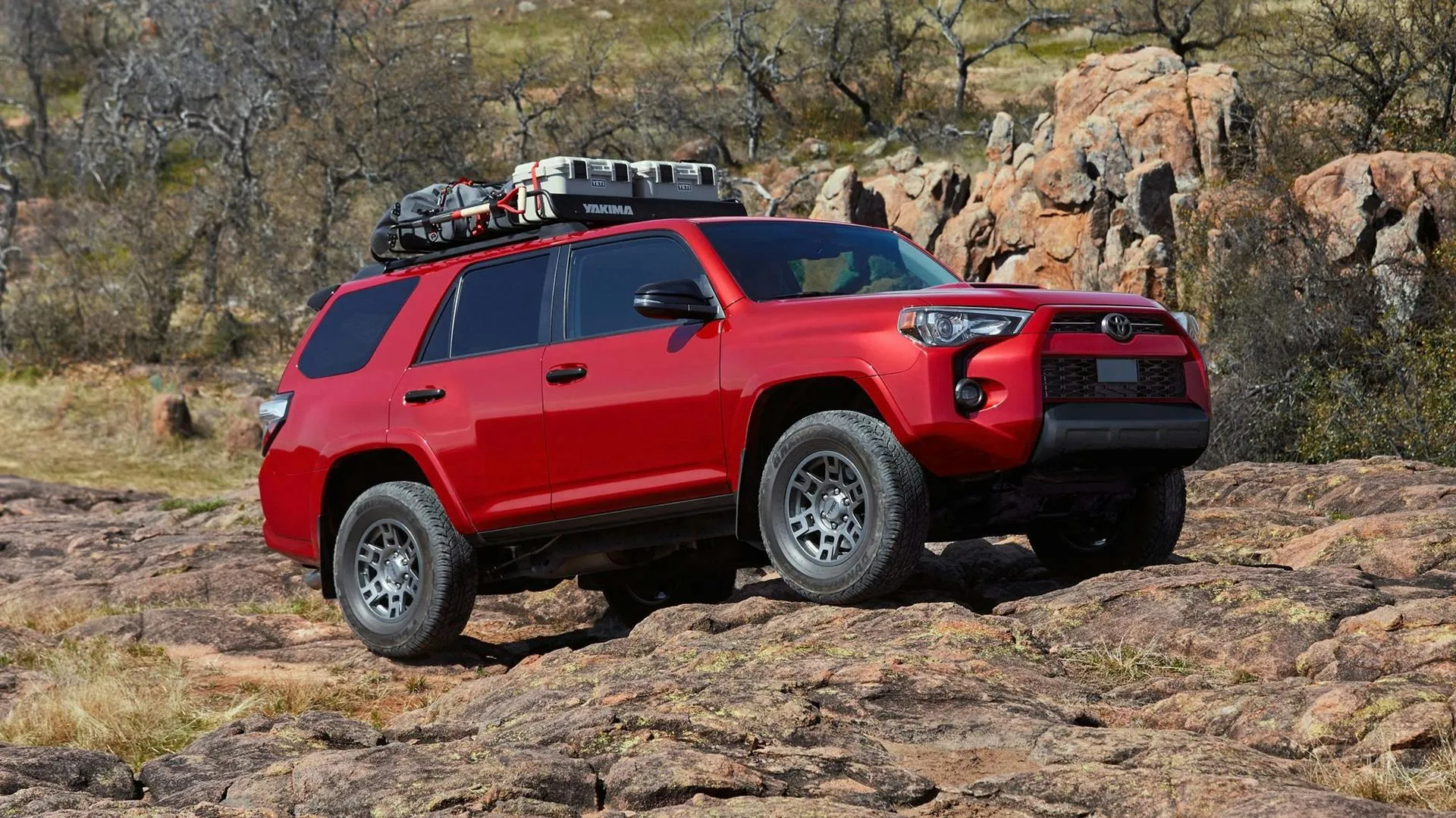
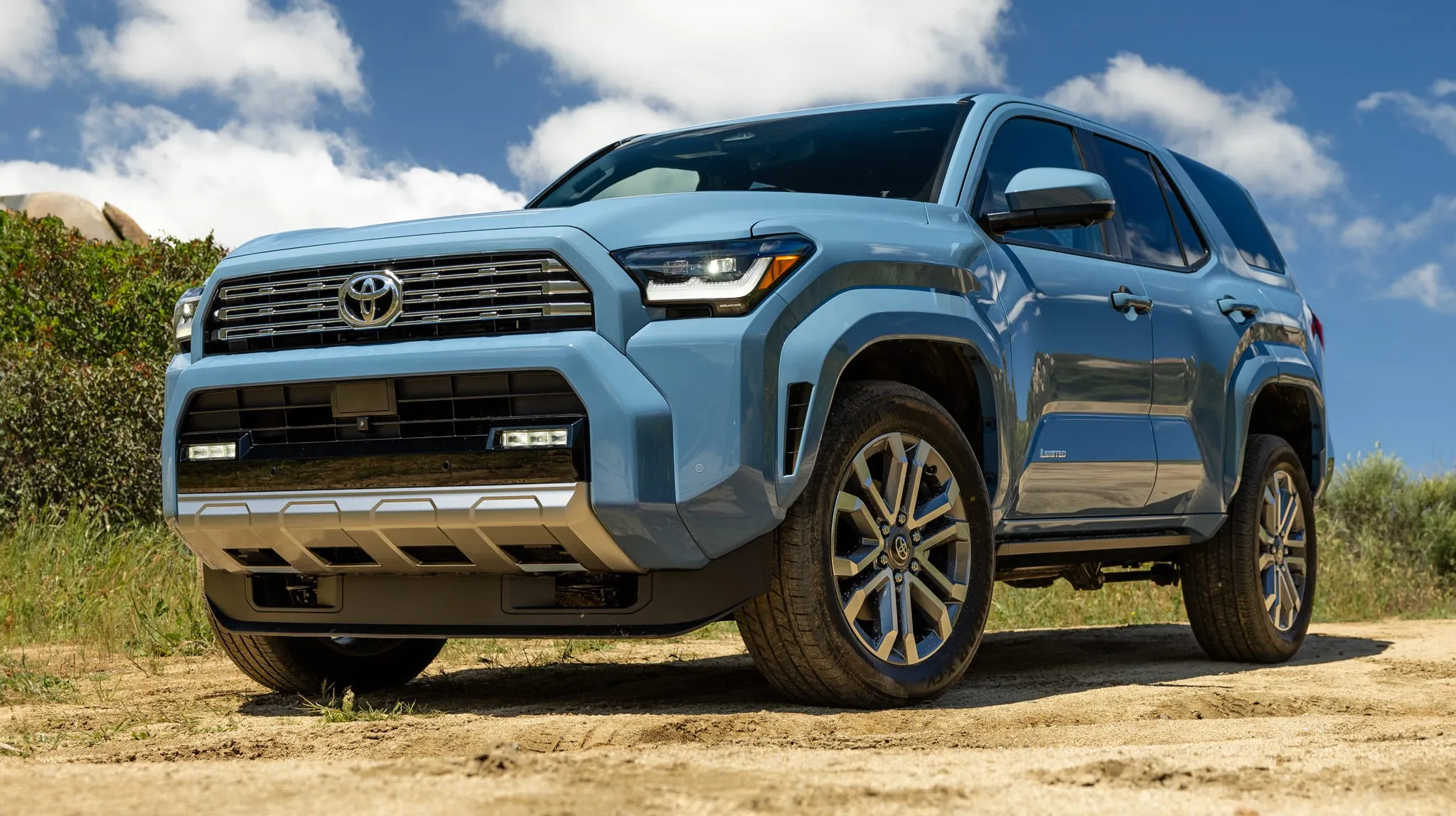
Body-on-frame construction provides strong protection against corrosion when paired with Toyota’s well-established rust prevention standards. This sport utility vehicle is treated with extensive factory-applied undercoating, which shields the frame and underbody components from prolonged exposure to salt.
The engineering design includes carefully planned drainage channels that prevent water and salt from collecting in vulnerable areas where corrosion commonly begins. The vehicle is built to endure harsh Canadian winter conditions, where road salt rapidly degrades inferior vehicles, making coastal environments such as Clearwater far less demanding by comparison.
The frame is manufactured from high-strength steel that undergoes several protective treatments before assembly. A wax-based rust inhibitor is applied inside the boxed frame sections, safeguarding internal surfaces that are difficult to inspect or maintain.
Exterior body panels are produced from galvanised steel, offering much stronger resistance to corrosion than untreated materials. Fasteners and bolts throughout the vehicle are either stainless steel or zinc-coated, reducing rust formation and preventing unsightly staining that affects many vehicles after only a few years of coastal exposure.
Ground clearance exceeds nine inches, keeping sensitive underbody components away from salt-concentrated puddles commonly found in beach parking areas. The approach and departure angles support safe access on uneven beach entry roads without scraping bumpers or the underside of the vehicle. Drivers are not restricted from beach use due to clearance or durability limitations.
Pre-owned examples from the 2015 to 2020 production years, typically with mileage between 60,000 and 100,000 miles, often display very little corrosion when inspected beneath the vehicle. This confirms the effectiveness of Toyota’s rust protection measures. Owners frequently report that regular monthly washing of the underbody is sufficient to maintain a rust-free condition even after years of coastal use.
An annual budget of approximately $200 to $300 for professional underbody cleaning and inspection is a modest investment when compared with the high cost of corrosion-related repairs. This 4Runner provides dependable beach-use capability supported by long-term corrosion resistance that supports its reputation for exceeding 300,000 miles of service life in demanding environments.
2. Honda Ridgeline RTL-E AWD 2024
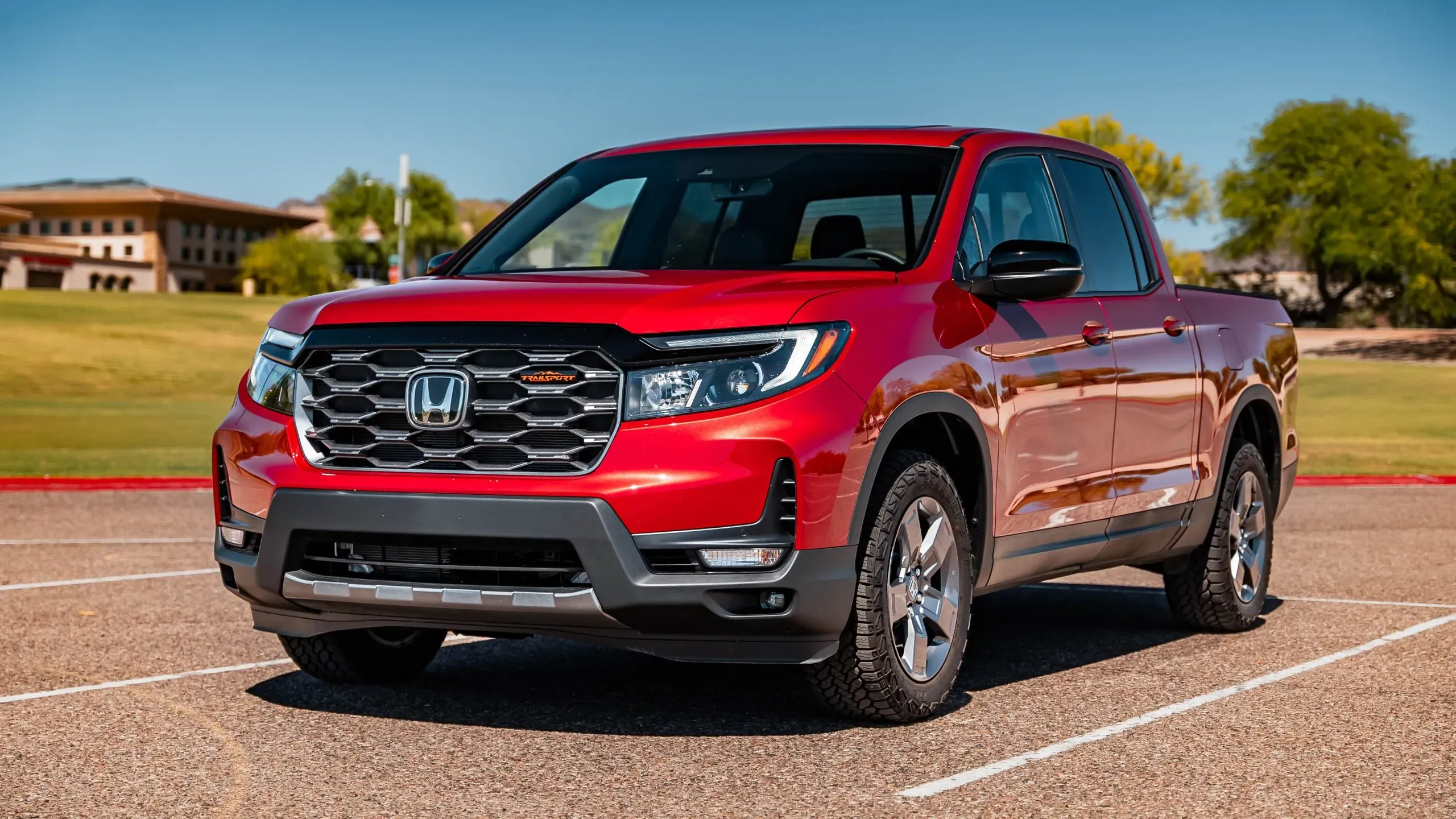
Unibody truck construction using advanced corrosion-resistant materials makes this Honda beach-friendly. Engineers applied extensive rust-proofing during manufacturing, with particular attention to vulnerable areas where water and salt accumulate.
The bed design includes drain plugs that prevent water from pooling, reducing rust that destroys traditional truck beds. You’re getting practical pickup capability wrapped in corrosion protection that maintains value even after years of coastal living.
Composite bed liner comes standard, protecting metal from scratches that expose bare steel to salt air. Unlike spray-in bedliners that can trap moisture against metal and accelerate hidden rust, this plastic liner allows air circulation that keeps metal dry. Bed drains at all four corners ensure water never sits long enough to cause problems. You can haul wet beach equipment without worrying about rust starting underneath.
Suspension components use aluminum and coated steel that resist corrosion far better than untreated parts found on many trucks. Brake lines and fuel lines receive protective coatings that prevent failures from corrosion that plagues vehicles in salty environments. Exhaust system uses stainless steel that won’t rust through after just a few years like mild steel alternatives.
Budget $150-250 annually for undercarriage cleaning and inspection. Honda’s corrosion protection works well, but no vehicle survives salt exposure without some maintenance. Regular washing removes salt before it causes damage. This Ridgeline delivers practical truck capability with car-like ride quality and corrosion resistance that makes coastal living viable.
Also Read: Top 10 Ultra-Reliable ’90s Performance Cars With Real Muscle
3. Subaru Outback Wilderness 2024
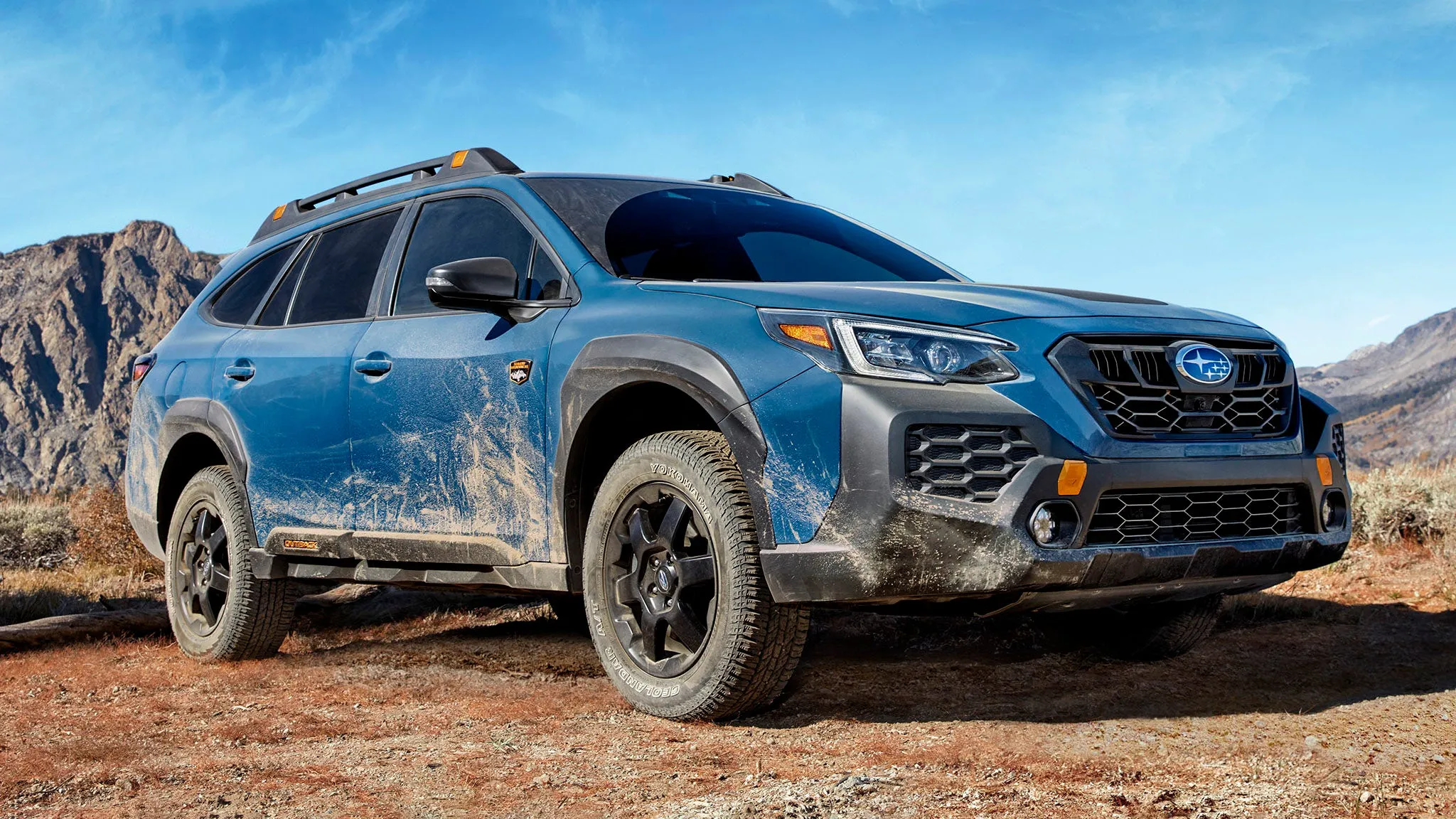
All-wheel drive capability is combined with strong corrosion protection in a vehicle engineered for harsh environmental conditions. Subaru applies extensive underbody coating during the manufacturing process, safeguarding vulnerable areas against prolonged exposure to salt.
The use of an aluminium bonnet and composite materials across several sections of the body reduces reliance on rust-prone steel panels. This results in a vehicle specifically designed to endure severe winter conditions such as those experienced in New England, where road salt creates environmental stress comparable to coastal beach areas.
The horizontally opposed boxer engine is positioned low within the chassis, providing a reduced centre of gravity that improves handling while also placing sensitive mechanical components further away from direct road spray.
This configuration limits salt contact with the engine and transmission, reducing corrosion that commonly affects vehicles built with conventional engine layouts. The exhaust system is constructed entirely from stainless steel, preventing rust-related failures that often leave drivers stranded after only a few years of use in salt-heavy environments.
Interior materials are designed to withstand moisture and sand exposure. The seating surfaces dry quickly after contact with wet occupants, while the floor coverings are easy to remove and clean. Beach equipment can be transported without causing damage to interior surfaces that are costly to repair in premium vehicles. Roof rails and compatible crossbars support the installation of cargo carriers or watercraft mounts, improving practicality for coastal use.
Owners in coastal regions consistently report very limited rust even after more than ten years of ownership when vehicles are washed regularly. The factory corrosion protection proves effective when paired with basic care routines.
An annual allowance of approximately $150 to $250 for undercarriage washing helps remove salt deposits before damage develops. This routine maintenance supports long-term body preservation and helps keep the Outback free from rust.
Mechanical concerns remain limited when proper servicing is observed. Wheel bearings may fail due to water entry at around 100,000 miles, with replacement costs ranging between $600 and $1,000 per wheel. Brake components tend to deteriorate more quickly in salt-heavy areas, leading to more frequent replacement compared to vehicles used inland.
Annual brake servicing may cost between $800 and $1,200. These issues are typical of vehicles operated in coastal environments rather than faults arising from poor engineering. The Subaru Outback delivers dependable performance in varied weather conditions, supported by corrosion resistance that preserves resale value even under demanding coastal exposure.
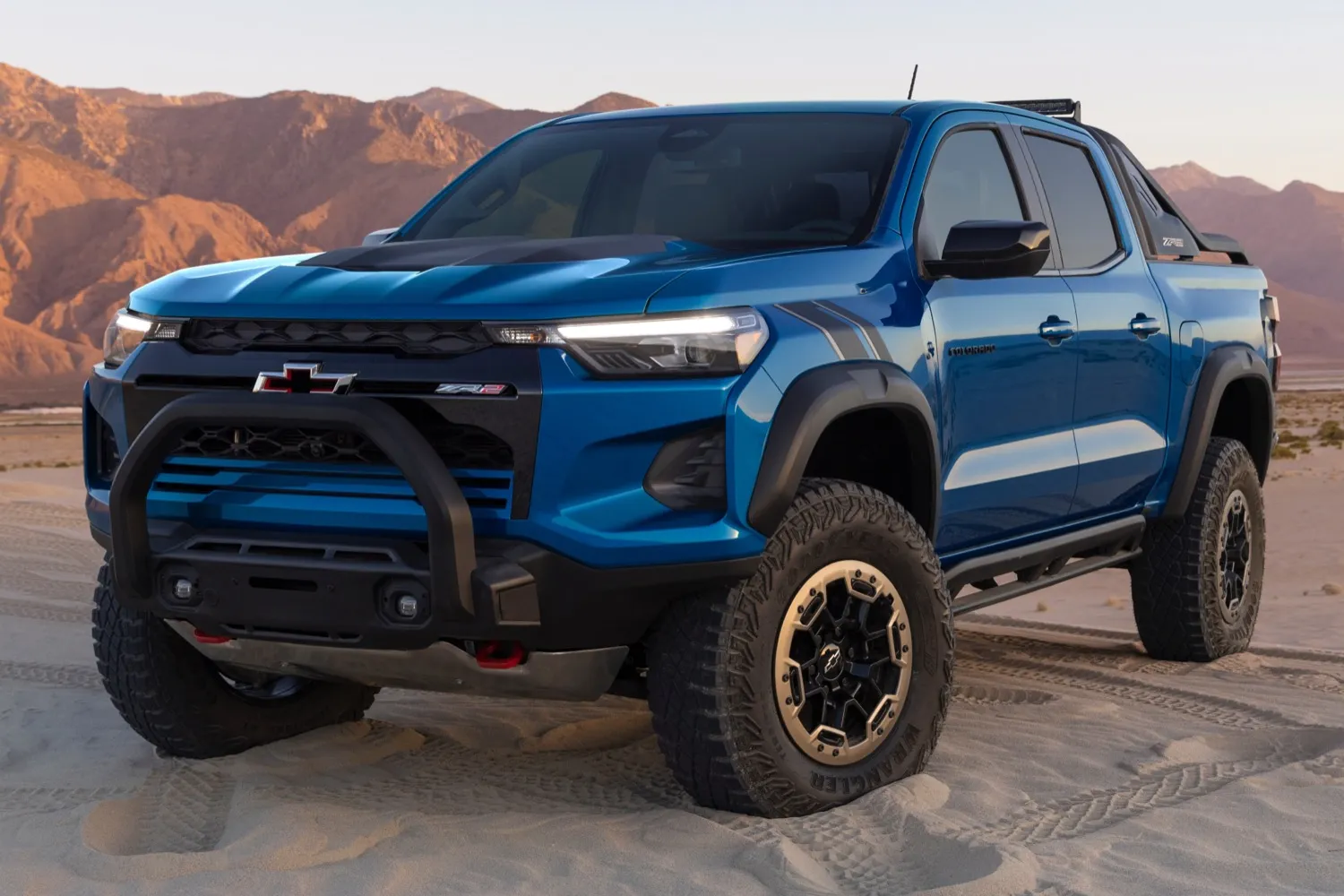
4. Chevrolet Colorado ZR2 2024
Midsize truck capability meets extensive corrosion protection in a vehicle designed for harsh conditions. Chevrolet applies multi-stage rust-proofing during manufacturing, protecting the frame and underbody from salt exposure. Galvanized steel body panels resist corrosion that disfigures untreated vehicles after just a few beach years. You’re getting serious truck capability wrapped in protection that survives coastal living.
Body-on-frame construction keeps sensitive components away from road spray. Frame receives extensive coating protecting both exterior and interior surfaces. Boxed sections include a rust inhibitor that prevents corrosion from inside, where you cannot inspect or clean. You’re getting protection that lasts years rather than months in salty environments.
Spray-in bedliner comes standard, protecting metal from scratches that expose bare steel to salt air. Unlike drop-in liners that trap moisture, spray-in application seals metal completely. Bed drains prevent water from pooling, eliminating rust that destroys truck beds. You can haul wet beach equipment without worrying about rust starting underneath.
Suspension components use coated materials that resist corrosion. Stainless steel brake lines won’t fail from rust like rubber lines found on cheaper vehicles. Exhaust system uses aluminized steel that lasts longer than mild steel alternatives common in budget trucks. You’re getting components engineered to survive harsh conditions.
Common issues include typical truck problems like wheel bearings failing around 100,000 miles from water intrusion, requiring $600-1,000 per wheel. Brake components corrode faster, requiring more frequent service.
Budget $800-1,200 annually for brake maintenance. Regular undercarriage cleaning costs $150-250 annually and prevents expensive rust repairs. This Colorado delivers truck capability with corrosion protection that maintains value in a harsh coastal environment.
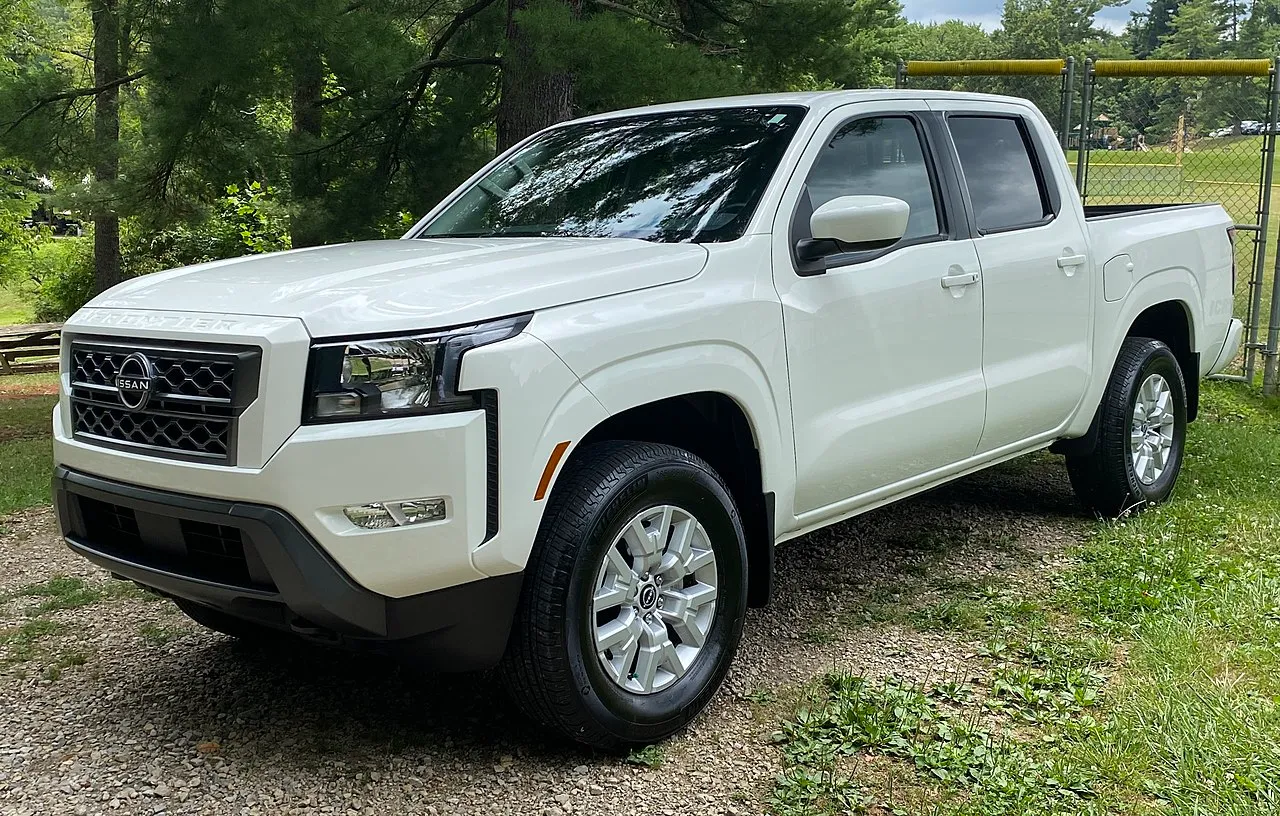
5. Nissan Frontier SV V6 2022-2024
Proven reliability is combined with strong resistance to corrosion in this redesigned truck, which has been engineered with durability as a primary consideration. Nissan applied extensive rust protection during the manufacturing process, ensuring that vulnerable areas are shielded from prolonged exposure to salt.
The frame is constructed from high-strength steel that has been treated with protective coatings designed to resist corrosion. This provides practical truck capability supported by structural protection suitable for long-term use in coastal environments.
The body panels are manufactured from galvanised steel, offering far greater resistance to rust than untreated materials. Fasteners and hardware throughout the vehicle are produced from stainless steel or treated with zinc coatings, preventing rust stains that commonly degrade the appearance of many vehicles. The cargo bed is designed with effective drainage channels to prevent water accumulation.
A spray-applied bed liner protects exposed metal surfaces from scratches that could otherwise leave bare steel vulnerable to salt air. Suspension components are produced using materials selected for improved resistance to corrosion when compared with lower-quality alternatives.
Brake lines are treated with protective coatings that reduce the risk of corrosion-related failures that can immobilise the vehicle. The exhaust system is manufactured from materials intended to withstand prolonged exposure without rusting through within a few years. This truck is designed for extended service life rather than premature replacement after limited use in coastal conditions.
Interior materials are selected to withstand moisture and sand exposure. The seats are easy to clean, and the floor mats are capable of handling sandy footwear without sustaining lasting damage. This allows the vehicle to be used for beach-related activities without deterioration of interior surfaces.
Practical design features include well-considered details such as integrated bed storage compartments that help keep smaller items properly arranged.
5 Cars That Corrode Quickly in Clearwater
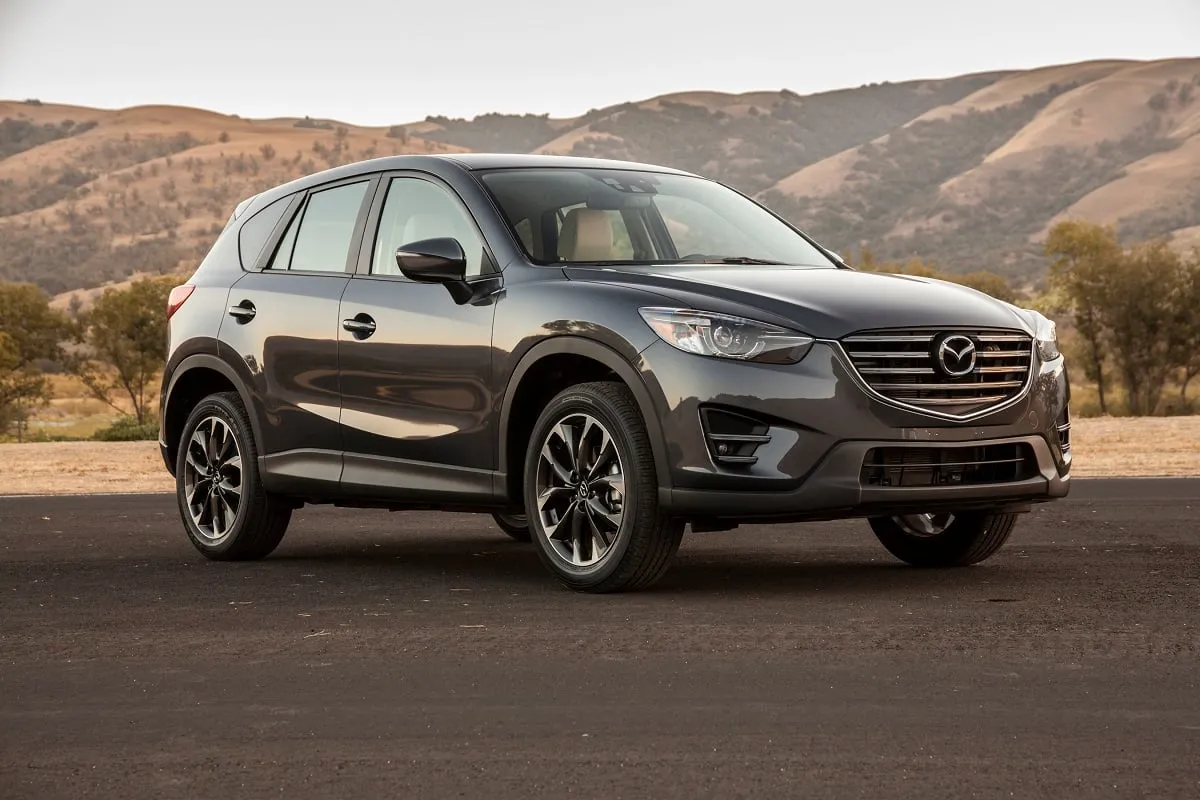
1. Mazda CX-5 Grand Touring 2016-2019
Japanese engineering meets disappointing rust protection in a vehicle that corrodes faster than expected from a reliable brand. Mazda applied minimal undercoating during manufacturing, leaving vulnerable frame sections exposed to salt air.
Body panels use thinner steel than competitors, rusting through when minor paint chips expose bare metal. You’re getting attractive styling and engaging driving dynamics wrapped in corrosion protection that fails after just a few beach years.
Rear wheel arches show rust bubbles appearing around 40,000-60,000 miles on coastal examples, far earlier than acceptable for vehicles this young. Paint chips on the hood and roof quickly develop into rust spots that spread underneath the paint. Clearcoat failure accelerates when salt deposits sit on paint, creating perfect conditions for corrosion. You’ll watch your attractive crossover develop unsightly rust patches that destroy resale value.
Underbody inspection reveals minimal rust-proofing, with many metal surfaces completely unprotected. Frame sections show surface rust appearing after just one or two beach years. Exhaust system uses mild steel that rusts through around 60,000-80,000 miles, requiring an expensive $800-1,500 replacement. Brake lines can corrode, causing leaks that create dangerous failures. Suspension components rust faster than German or American alternatives, receiving better protection.
Interior moisture problems develop when seals deteriorate from salt air exposure. Windshield and door seals harden and crack, allowing water intrusion during rain. You’ll discover water on the floor after storms, creating a mildew smell and accelerating rust from inside the floor pan. Carpet retains moisture and sand, holding salt against the metal floor that rusts from the underside, where you cannot see damage developing.
Mazda dealerships in coastal areas report frequent rust complaints from owners discovering problems during routine service. Some repairs require replacing entire panels or sections, costing thousands, while the vehicle still carries loan payments.
Body shops refuse to guarantee rust repairs because underlying corrosion continues spreading underneath fresh paint. You’re fighting a losing battle against rust that Mazda should have prevented with proper factory protection.
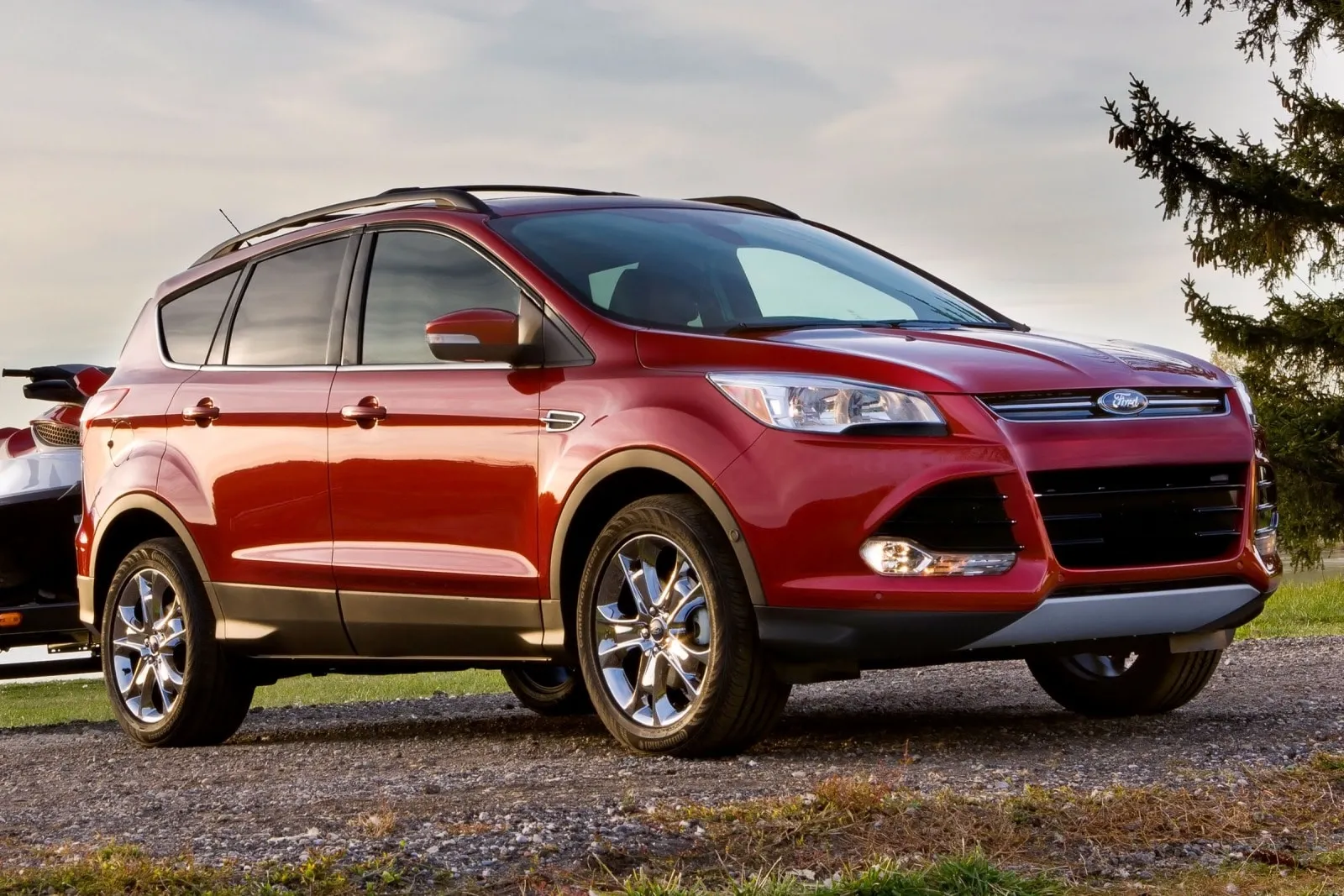
2. Ford Escape Titanium 2013-2019
An American crossover encounters serious corrosion problems when regularly exposed to salt-laden air. Ford applied limited anti-corrosion treatment during production, resulting in vehicles that deteriorate at an alarming rate in coastal environments.
Structural corrosion of the subframe often becomes severe between 60,000 and 80,000 miles, in some cases requiring full replacement at a cost ranging from $2,500 to $4,000. The buyer acquires a practical crossover vehicle that deteriorates rapidly when operated near the sea.
Inspection of the underside frequently reveals widespread rust formation after only three or four years of beachside use. What begins as surface rust on the subframe often advances into serious structural damage that compromises road safety.
Suspension mounting points, particularly those supporting the control arms, are prone to corrosion, creating dangerous conditions where components may separate while the vehicle is in motion. Certain vehicles have failed mandatory safety inspections due to rust damage, forcing owners into costly repairs or early retirement of the vehicle while outstanding loan obligations still remain.
Exterior body panels also suffer from corrosion, especially along the lower edges where salt water splashes during driving. Rocker panels and rear quarter panels commonly develop rust blisters between 50,000 and 70,000 miles. The lower sections of the doors rust from the inside as water enters through worn or degraded seals.
The rear liftgate is especially vulnerable around the number plate mounting area and along the lower edge, where water tends to collect. Owners are left watching the vehicle develop visible rust that severely reduces both appearance and resale value.
The exhaust system is also affected, often rusting through between 60,000 and 80,000 miles. Replacement costs range from $900 to $1,800, depending on which sections require attention. Brake lines are susceptible to corrosion, leading to leaks that may cause sudden and dangerous braking failure. Fuel lines can also corrode, presenting a serious fire risk. The corrosion, therefore, affects vital safety components rather than being limited to surface appearance.
Moisture issues inside the cabin contribute to accelerated internal corrosion. Blocked sunroof drainage channels allow water to enter the interior, soaking the carpets and headliner. Moisture and salt become trapped against the metal floor pan, leading to rust from underneath. During inspection, rust perforations may be discovered in the floor pan, representing serious damage that requires specialised repair or complete panel replacement.
Owners should plan for rust-related repair expenses ranging from $3,000 to $6,000 within the first five to eight years of beachside ownership. These costs transform what appears to be an affordable crossover into a financially burdensome decision.
This Escape offers poor value for coastal use, deteriorating at a rate that is unacceptable for a modern vehicle. A more prudent choice would be alternatives equipped with stronger corrosion protection rather than engaging in a continuous struggle against rust.
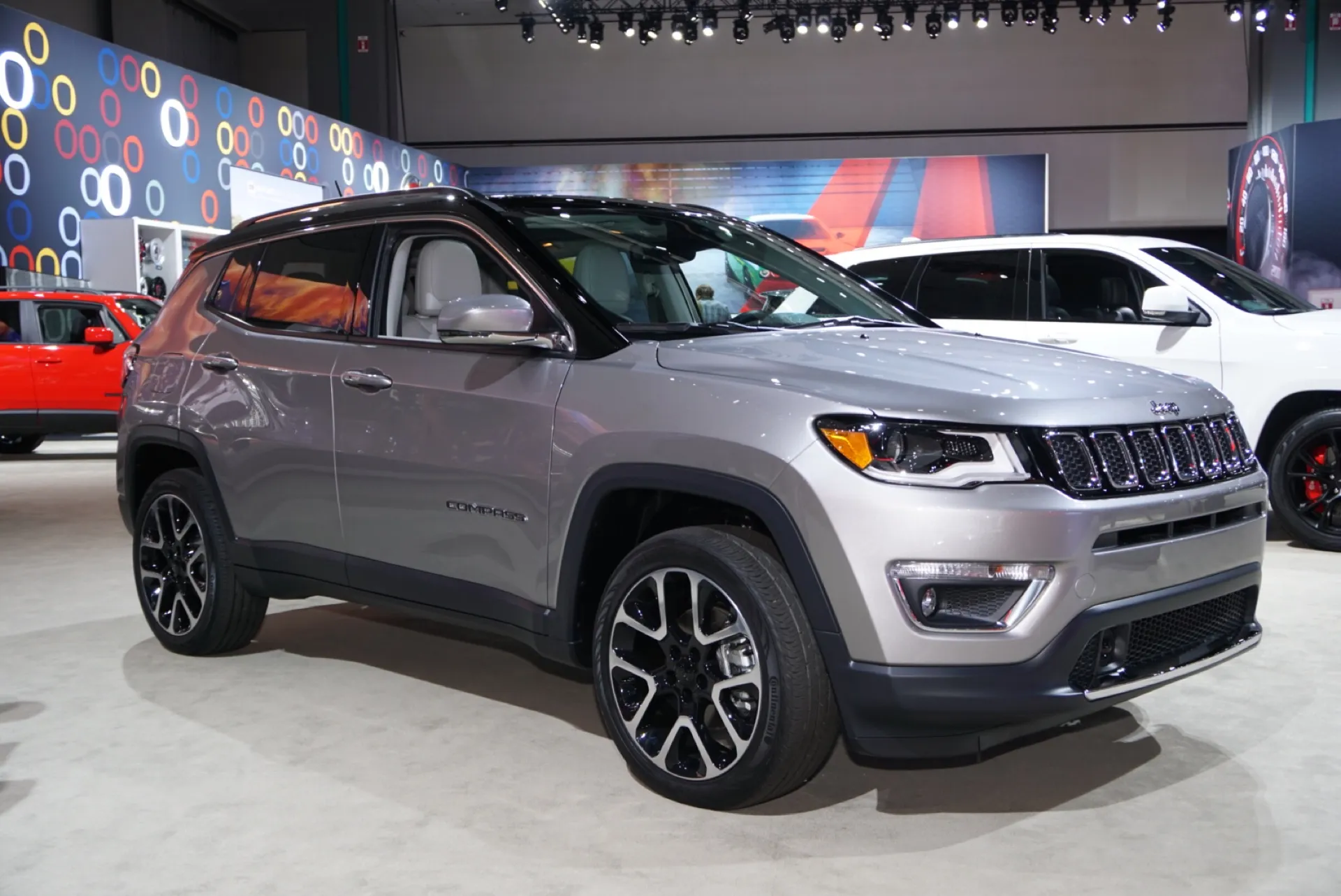
3. Jeep Compass Limited 2017-2021
Attractive styling cannot overcome inadequate rust protection in a crossover that corrodes quickly. FCA applied minimal undercoating during manufacturing, leaving many underbody surfaces completely exposed to salt air. Body panels use thin steel that rusts through when paint chips expose bare metal. You’re getting Italian-American crossover engineering that prioritized cost-cutting over durability in harsh conditions.
Rear suspension components show alarming rust developing after just two or three beach years. Trailing arm bushings corrode, requiring expensive $1,200-$2,000 repairs when they fail. Rear subframe rusts at mounting points, creating safety concerns when corrosion weakens structures supporting suspension loads. Some examples failed safety inspections due to rust damage at shockingly low mileage.
Body panels develop rust around wheel arches, door bottoms, and liftgate edges. Paint quality proves poor with clearcoat failure accelerating when salt sits on surfaces. Rust bubbles appear under paint around 40,000-60,000 miles, spreading rapidly once started. Rocker panels rust from the inside where water enters through poor seals, creating damage you cannot see until rust breaks through to the outside.
Exhaust system uses cheap materials that rust through around 50,000-70,000 miles, requiring $800-1,600 replacement. Catalytic converter mounting points corrode, causing dangerous exhaust leaks. Brake lines rust, creating leaks that cause brake failures. You’re dealing with rust affecting safety-critical components that put occupants at risk.
Used Clearwater examples with rust damage sell for $4,000-$6,000 less than comparable dry-climate vehicles when buyers discover corrosion during inspection. Budget $2,500-$5,000 for rust repairs within the first 5-7 years of beach ownership. This Compass delivers terrible value for coastal living, corroding far faster than acceptable, while draining money through constant repairs.
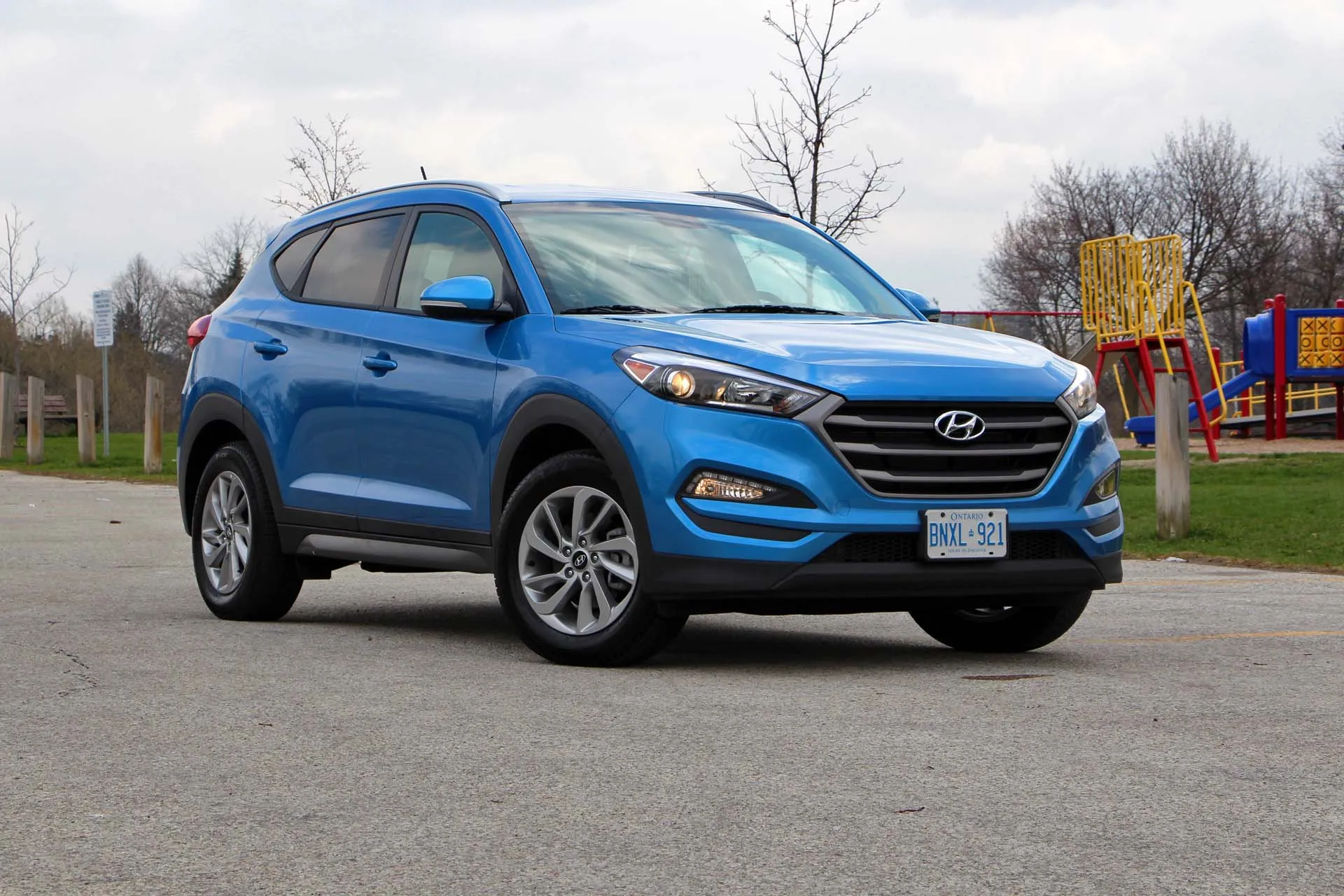
4. Hyundai Tucson SEL 2016-2020
This Korean crossover presents serious shortcomings in rust protection despite an otherwise dependable mechanical reputation. Hyundai applied insufficient undercoating during production, leaving many vulnerable sections exposed, particularly in areas affected by salt air. The body panels are manufactured from steel that corrodes rapidly once paint damage exposes bare metal.
Buyers receive a practical crossover vehicle that deteriorates at an alarming rate in coastal conditions. The rear suspension develops extensive corrosion after only three to four years of exposure near the coast. Trailing arms and mounting brackets rust aggressively, leading to costly replacements once structural strength is affected.
Subframe corrosion appears far earlier than is acceptable for a vehicle of this class, at times requiring full replacement at a cost ranging from $2,000 to $3,500. Some units have failed safety inspections due to rust damage at mileage levels where the vehicle should still be in very good condition.
External body panels begin to corrode along lower edges, wheel arches, and door bottoms. The liftgate commonly rusts around the handle area and along the lower edge, where water tends to collect. Minor paint chips quickly develop into rust spots that spread beneath the surrounding paint. Owners often observe rapid cosmetic deterioration that severely reduces both appearance and resale value far sooner than anticipated.
The exhaust system frequently corrodes between 60,000 and 80,000 miles, leading to replacement costs of approximately $800 to $1,500. Brake lines rust and may develop leaks that pose serious safety risks. Fuel lines can also corrode, creating potential fire hazards.
Suspension components deteriorate more quickly than those of premium alternatives that receive better corrosion protection. Rust affects components that are critical to vehicle safety and reliability. Interior moisture issues accelerate corrosion in concealed areas.
Door seals deteriorate and permit water entry during rainfall. Carpeting traps moisture and sand, holding salt against the floor pan. Rust often develops internally, remaining hidden until it breaks through to visible surfaces. Sunroof drainage channels clog easily, allowing water to enter the cabin, soak the headliner, and speed up corrosion within the roof structure.
Also Read: Top 11 Affordable Cars That Turn Heads Everywhere They Go
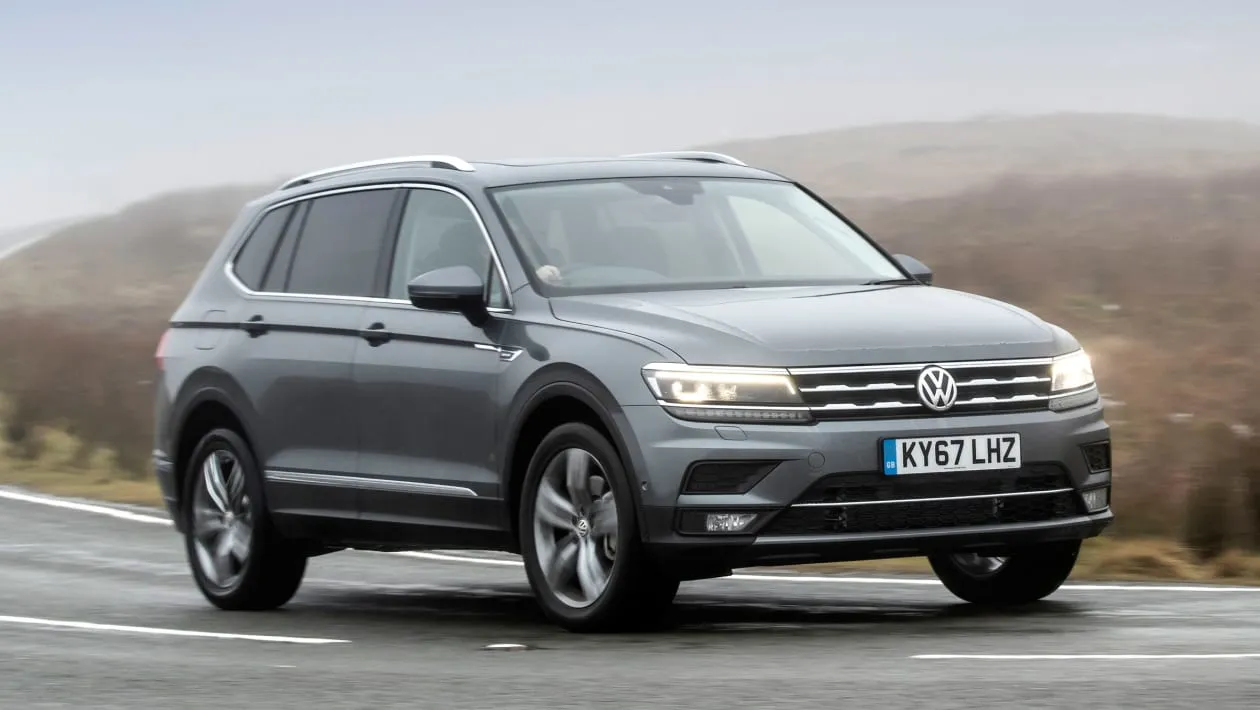
5. Volkswagen Tiguan S 2018-2021
German engineering disappoints with inadequate rust protection in a crossover that corrodes quickly. VW applied minimal undercoating during manufacturing, leaving many surfaces exposed to salt air. Body panels use thin steel that rusts through when paint damage exposes bare metal. You’re getting a European crossover that fails to survive American coastal conditions.
Underbody inspection reveals extensive rust developing after just two or three beach years. Subframe shows alarming corrosion at mounting points where structural integrity becomes compromised. Suspension components corrode faster than Japanese or American alternatives. Exhaust system rusts through around 60,000-80,000 miles, requiring an expensive $1,000-$2,000 replacement.
Body panels develop rust around wheel arches, door bottoms, and liftgate edges. Paint quality proves poor with clearcoat failing when salt sits on surfaces. Rust bubbles appear under paint around 40,000-60,000 miles, spreading rapidly once started. Rocker panels rust from the inside where water enters through deteriorating seals, creating damage you cannot see developing.
Brake lines corrode, creating dangerous leaks that cause failures. Fuel lines rust, creating fire hazards. Power steering lines corrode, causing expensive repairs. You’re dealing with rust affecting critical components throughout the vehicle, not just cosmetic damage. Some examples failed safety inspections due to rust damage at mileage where vehicles should remain in excellent condition.
Used Clearwater examples sell for $4,000-$7,000 less than comparable dry-climate vehicles when buyers discover rust during inspection. Budget $2,500-$5,000 for rust repairs within the first 5-7 years of beach ownership. This Tiguan delivers terrible value for coastal living, corroding far faster than acceptable, while requiring constant, expensive repairs.
You’re better off choosing alternatives engineered specifically for harsh conditions rather than accepting rapid deterioration as inevitable.
