
Living near Lake Erie’s shoreline brings its own set of challenges for car owners. Cleveland’s lakefront roads offer scenic drives and quick commutes, but they also expose vehicles to harsh winter salt, moisture-laden air, and temperature swings that can wreak havoc on metal and paint.
If you’re shopping for a vehicle in this region, you need something that can handle the brutal Ohio winters while resisting the corrosive effects of road salt and lake spray.
Choosing the right car isn’t just about style or horsepower. It’s about protection. Some manufacturers have mastered the art of rust prevention with galvanized steel, quality undercoatings, and advanced paint systems. These vehicles laugh in the face of salt-covered roads and humid lake breezes.
Others, however, seem designed for California sunshine and Arizona deserts. They might look great on the showroom floor, but give them a few winters near the lake, and you’ll see bubbling paint, corroded wheel wells, and that telltale brown stain creeping up from the rocker panels.
This guide breaks down ten vehicles into two categories. First, we’ll look at five cars that thrive in Cleveland’s lakefront environment. These machines come equipped with rust-resistant features and proven track records in harsh climates. They’re the ones you’ll see still looking sharp after a decade of salty winters.
Then, we’ll examine five vehicles that struggle when exposed to saltwater environments. These are cars with known rust issues, weak corrosion protection, or design flaws that let moisture penetrate vulnerable areas.
Whether you’re a Cleveland native planning to keep your car for years or someone considering a used vehicle purchase, understanding which cars resist rust and which ones surrender to it can save you thousands in repairs and resale value. Let’s start with the winners.
Cars That Handle Cleveland Lakefront Conditions
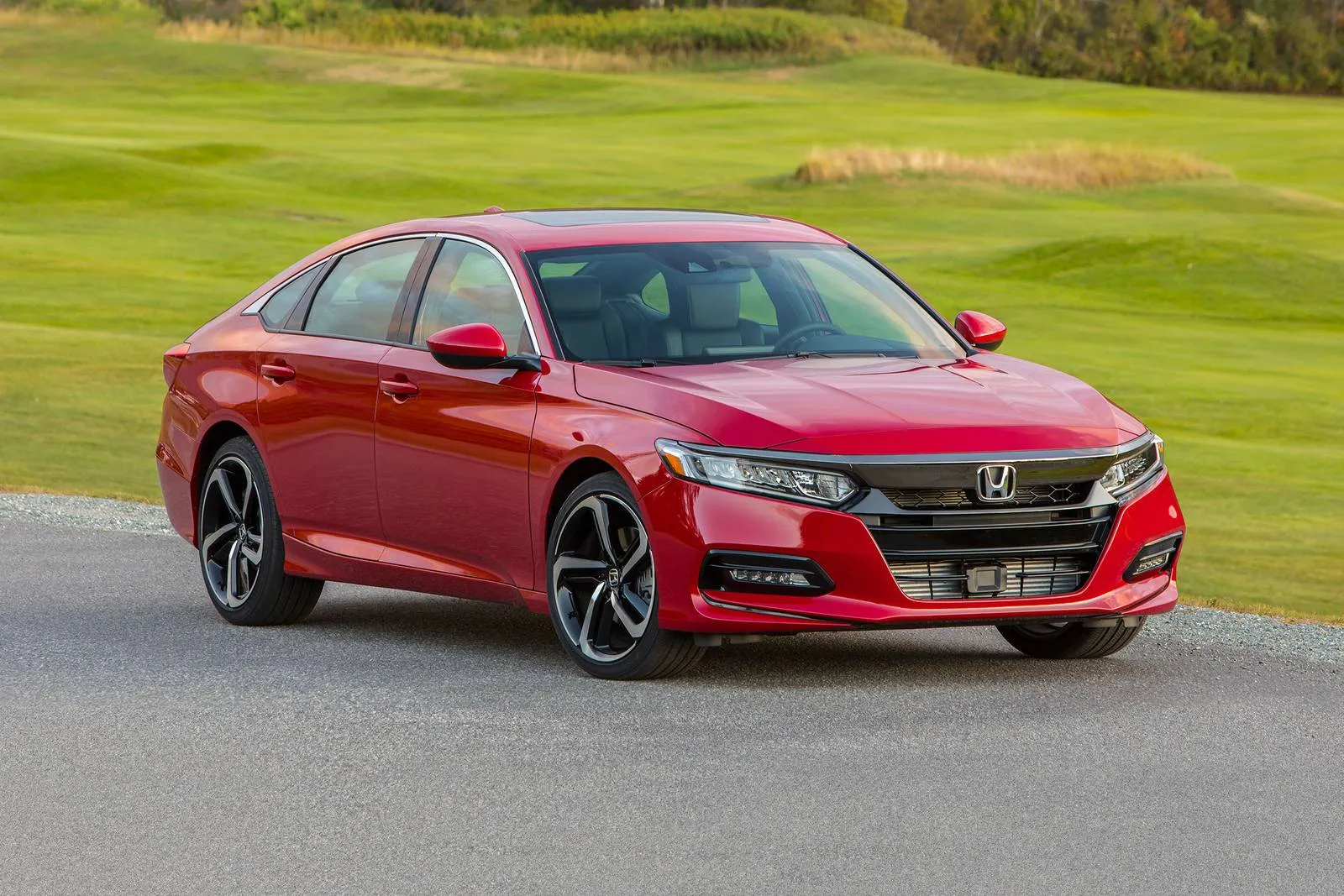
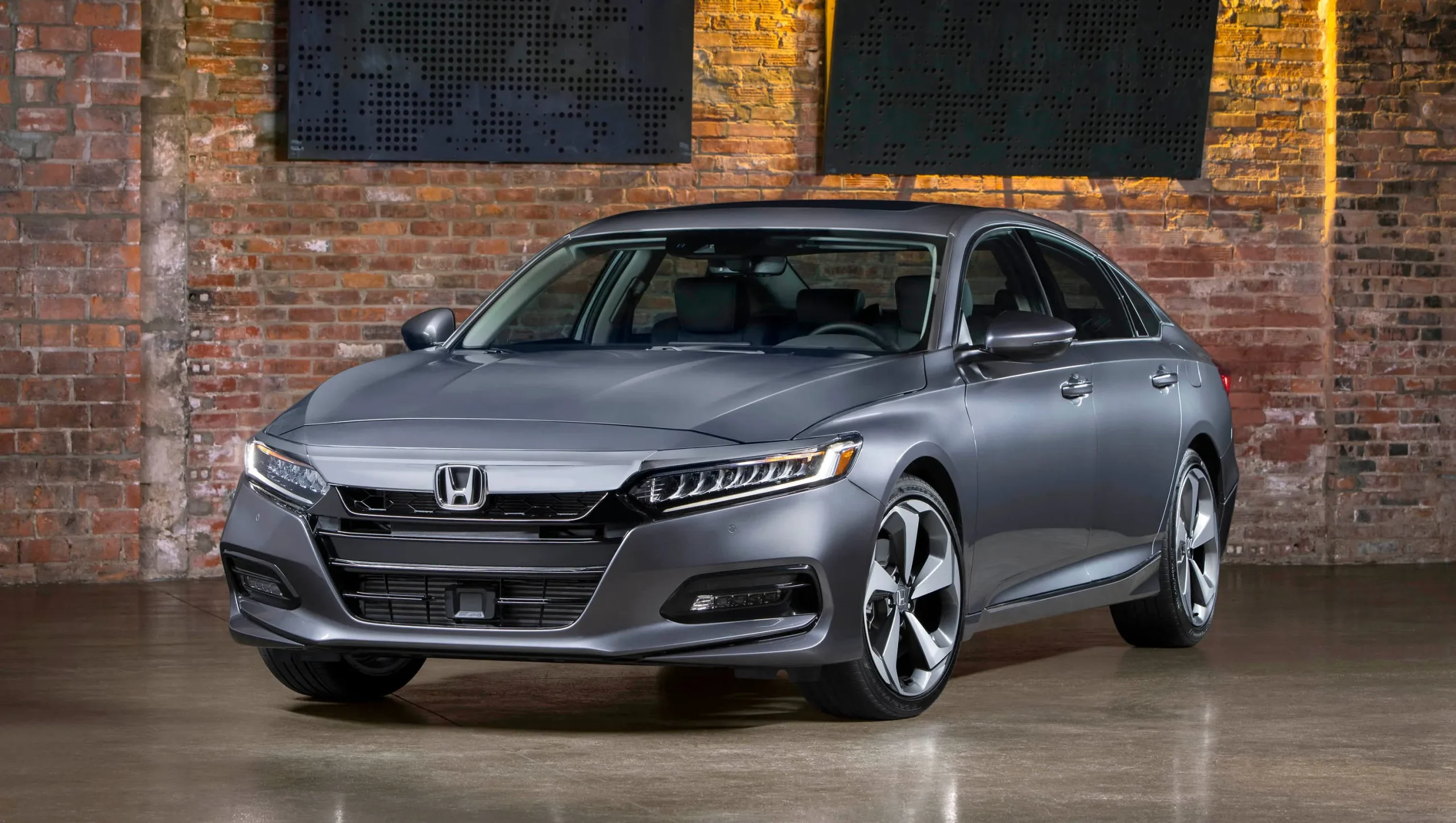
1. Honda Accord 2018-2024
Honda engineers spent decades perfecting their approach to corrosion resistance, and the results show up beautifully in the ninth and tenth-generation Accord. This sedan comes with a multi-layer paint process that includes a zinc-rich primer, creating a barrier between the steel body and the elements.
Honda backs this up with a five-year perforation warranty, which speaks volumes about their confidence in the vehicle’s rust resistance. Driving an Accord along Edgewater Park or through downtown Cleveland during the winter months demonstrates why this car earns its reputation.
Road salt gets kicked up constantly, coating the undercarriage and splashing into wheel wells. Yet the Accord’s galvanized steel construction holds up remarkably well.
Owners report minimal rust even after eight or nine years of lake-effect snow and salted highways. The underbody coating stays intact, preventing moisture from finding its way into vulnerable seams and joints.
Beyond rust prevention, this Honda handles Cleveland’s potholed streets with composure. The suspension absorbs impacts without bottoming out, which matters when frost heaves and winter damage create lunar landscapes on local roads.
The 1.5-liter turbocharged engine provides enough power for highway merging while delivering 30-plus MPG during combined driving. For those wanting more punch, the 2.0-liter turbo option adds sportiness without sacrificing practicality.
Interior quality remains high throughout the ownership experience. Cleveland’s temperature extremes, from single-digit winters to humid 90-degree summers, don’t cause dashboard cracking or seat wear beyond normal use. The infotainment system responds quickly even when frost covers the windshield.
Climate control keeps up with Lake Erie’s bone-chilling winds that sneak through the city during January and February. Heated seats warm up fast, making those early morning commutes bearable. Resale values stay strong because buyers recognize the Accord’s durability.
A five-year-old model with 60,000 miles still commands a premium price compared to competitors showing rust spots and paint deterioration. If you plan to keep your vehicle long-term near the lakefront, the Accord rewards that loyalty by maintaining its appearance and structural integrity year after year.
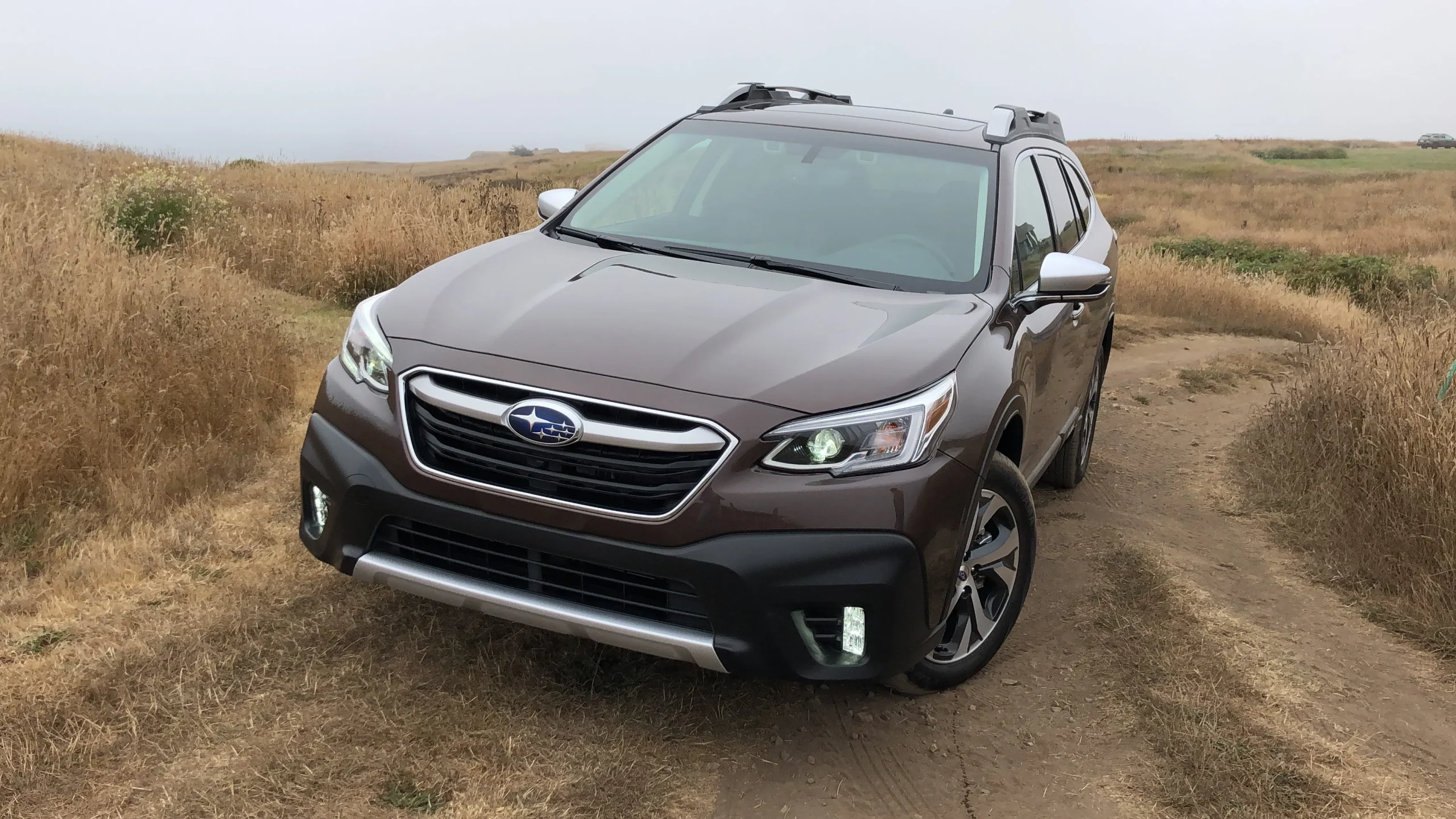
2. Subaru Outback 2020-2025
All-wheel drive becomes essential when lake-effect snow dumps several inches overnight, and the Outback delivers that traction while also fighting off rust with impressive determination.
Subaru applies a thorough anti-corrosion treatment during manufacturing, including spray-on wax in body cavities and a thick underbody coating that resists chipping from road debris. The brand offers a five-year unlimited-mileage rust perforation warranty, matching Honda’s commitment to corrosion protection.
Cleveland’s lakefront roads can turn treacherous quickly. One moment you’re cruising along the shoreway under clear skies, the next you’re driving through a sudden snow squall blown in from Lake Erie. The Outback’s symmetrical all-wheel drive system handles these conditions without drama.
Power gets distributed to all four wheels continuously, not just when sensors detect slip. This proactive approach keeps you moving when other cars spin their front wheels helplessly. Ground clearance measures 8.7 inches, providing enough height to clear snow ridges left by plows without scraping the undercarriage.
That extra clearance also helps when parking in unplowed areas or traversing the uneven surfaces common around Edgewater Beach and Lakewood Park. The approach and departure angles prevent damage to bumpers and exhaust components when entering and exiting driveways with snow buildup.
Practicality defines the Outback experience. Cargo space swallows winter gear, from ice scrapers and snow brushes to emergency blankets and sandbags for weight over the rear axle.
Roof rails accommodate bike racks during the summer months and cargo boxes for winter equipment. The rear seats fold flat, creating a level loading floor perfect for hauling building supplies from hardware stores or picking up furniture.
Reliability ratings consistently rank high for this Subaru. The 2.5-liter four-cylinder engine provides adequate power while returning respectable fuel economy.
Maintenance costs stay reasonable, with routine oil changes and brake service being the primary expenses during the first 100,000 miles. Dealers throughout Cleveland stock parts and have technicians familiar with boxer engine service, making repairs convenient when necessary.
Also Read: 5 Cars For Lodi Commuting And 5 Affordable Daily Drivers
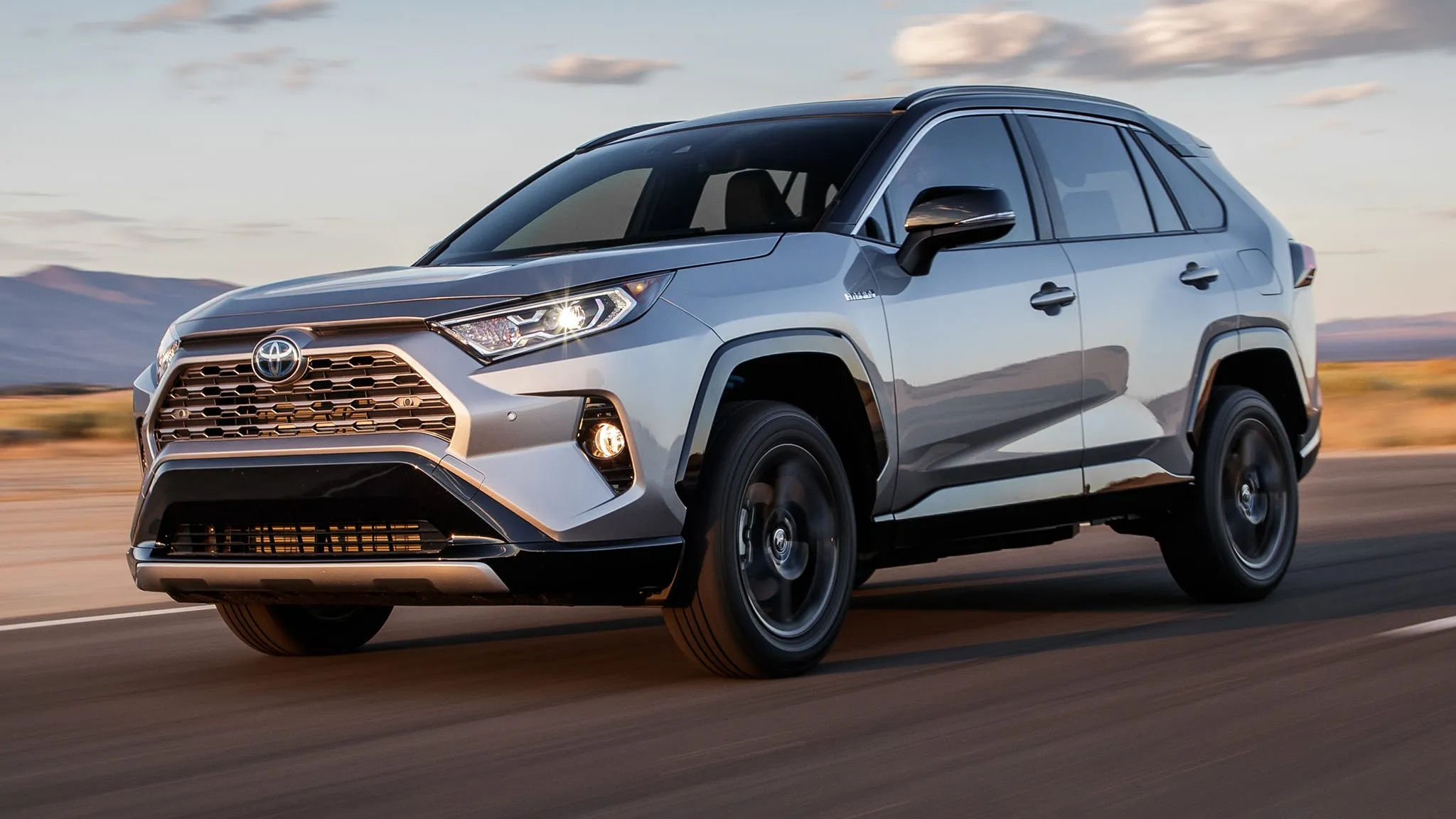
3. Toyota RAV4 Hybrid 2019-2024
Fuel efficiency matters when commuting from the suburbs into Cleveland’s downtown core, and the RAV4 Hybrid delivers 40 MPG in city driving while resisting rust as effectively as any vehicle on the market.
Toyota’s rust prevention includes galvanized steel panels, cavity wax injection, and a substantial underbody coating applied during production. The company offers a five-year perforation warranty, demonstrating confidence in its corrosion protection systems.
Hybrid technology pairs perfectly with Cleveland’s stop-and-go traffic patterns. The electric motor handles low-speed maneuvering around parking lots and residential streets, while the gas engine kicks in for highway acceleration.
Regenerative braking captures energy that would otherwise dissipate as heat, storing it in the battery pack for later use. This system reduces brake wear, which benefits owners because salt and moisture can’t corrode brake components as quickly when they see less mechanical stress.
Winter performance impresses despite the RAV4 being front-wheel drive in base form. Electronic traction control meters power delivery to prevent wheel spin, and the suspension maintains composure on slippery surfaces.
Opting for the all-wheel-drive version adds rear-wheel engagement when sensors detect front wheel slip, providing extra security during lake-effect snow events. Ground clearance measures 8.6 inches, adequate for driving through plowed streets with snow ridges at intersections.
Interior space accommodates families comfortably. Rear passengers enjoy decent legroom, and the cargo area accepts grocery runs, sports equipment, and luggage without requiring creative packing. The rear seats fold down for larger items, though the hybrid battery pack limits vertical space compared to the gas-only RAV4.
Materials hold up well against Cleveland’s climate extremes, with no reported issues of dashboard cracking or premature seat wear, even after years of sun and cold exposure.
Long-term costs remain low because hybrid components require minimal service. The battery carries an eight-year, 100,000-mile warranty, outlasting most ownership periods.
Brake pads last exceptionally long due to regenerative braking doing much of the work. Oil changes occur at longer intervals than in gas-only vehicles. These savings offset the higher initial purchase price, making the RAV4 Hybrid an economical choice for Cleveland lakefront driving.
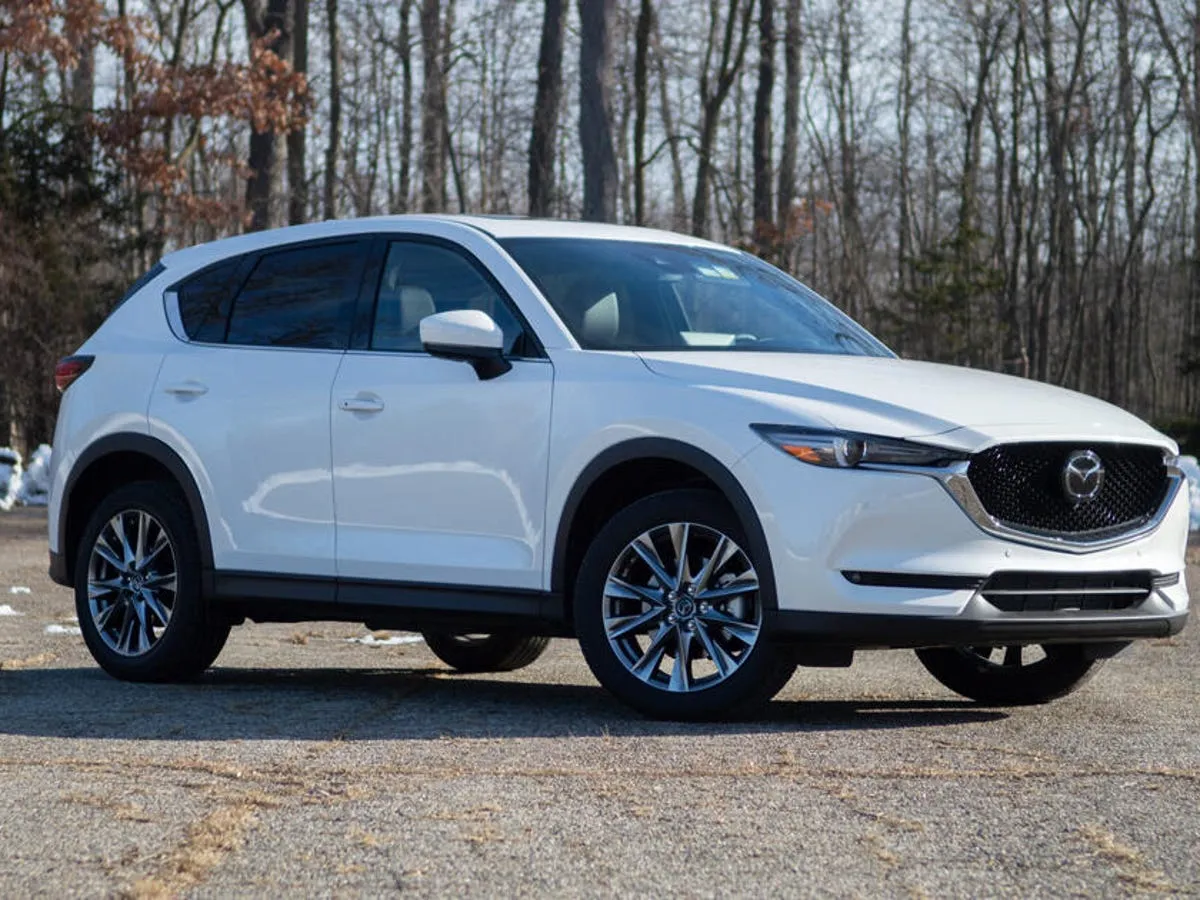
4. Mazda CX-5 2021-2025
Driving enjoyment meets practical rust resistance in the CX-5, a crossover that handles like a sport sedan while standing up to Lake Erie’s harsh conditions. Mazda improved its corrosion protection dramatically after reputation issues in the 1990s and early 2000s.
Current models feature extensive galvanizing, multi-layer paint application, and cavity wax injection that seals vulnerable joints and seams. The company backs this with a five-year rust perforation warranty. Steering feel stands out as the CX-5’s calling card.
Where competitors offer numb, disconnected steering that provides little feedback, Mazda engineers tuned their system to communicate road surface conditions directly to the driver’s hands.
This becomes valuable when driving through Cleveland’s winter streets, where ice patches hide under snow cover and black ice lurks on bridge decks. You feel changes in traction immediately, allowing quicker reactions to slippery conditions.
Engine choices include a naturally aspirated 2.5-liter four-cylinder producing 187 horsepower or a turbocharged version making 256 horsepower on premium fuel. The base engine handles daily driving competently, while the turbo option adds punch for highway passing and loaded acceleration.
Both pair with a six-speed automatic transmission that responds quickly to throttle inputs. All-wheel drive comes standard on upper trims and optional on base models, providing security during snowstorms rolling off Lake Erie.
Cabin refinement exceeds expectations for the class. Wind noise stays minimal even at highway speeds, important when driving the lakefront shoreway, where crosswinds buffet smaller vehicles. Road noise intrudes less than competitors, making conversations and music enjoyable without cranking the volume.
Seats provide good support during longer drives to Erie, Pennsylvania, or down to Columbus. Rear passengers fit comfortably unless they exceed six feet tall. Resale value tracking shows CX-5 models holding equity better than competitors like the Nissan Rogue or Chevy Equinox.
Buyers recognize Mazda’s improved reliability and rust resistance, translating to higher demand for used models. A three-year-old CX-5 with 40,000 miles commands stronger pricing than similar-aged rivals, particularly if the body shows no rust spots or paint deterioration from salt exposure.
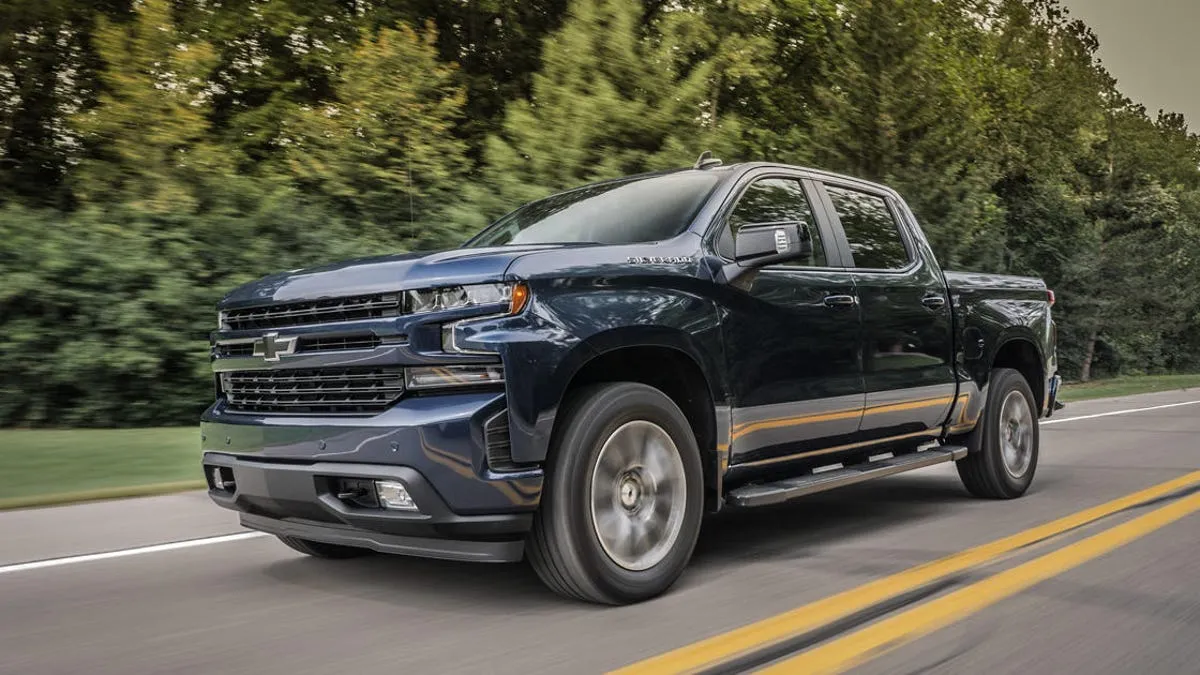
5. Chevrolet Silverado 1500 2019-2024
Full-size trucks face brutal exposure to salt and moisture because their open undercarriages and large surface areas catch spray from wet roads. Chevrolet addressed corrosion concerns with improved coatings and galvanized steel in critical areas.
The Silverado receives underbody spray-on protection during manufacturing, plus additional rust-proofing on frame rails and suspension components. GM offers a six-year perforation warranty, the longest coverage in this article.
Truck buyers near Cleveland choose the Silverado for legitimate work purposes and recreational needs. The bed hauls construction materials, landscaping supplies, and boat trailers heading to lake marinas. Towing capacity reaches 13,300 pounds with proper equipment, enough for campers, fishing boats, and equipment trailers.
The available 6.2-liter V8 provides 420 horsepower and 460 pound-feet of torque, making steep boat ramp launches and highway merging effortless.
Four-wheel drive matters when launching boats on slippery ramps or driving through job sites after rain turns soil into mud. The Silverado’s system engages quickly via a dashboard dial, sending power to all four wheels within seconds.
Ground clearance measures 8 to 11 inches, depending on suspension choice, providing clearance for deep snow and rough roads. Skid plates protect vital components when driving over obstacles or through construction zones.
Cab configurations range from a regular cab with minimal rear seating to a crew cab with full-size rear doors and adult-friendly back seats.
Choosing the crew cab makes the Silverado practical as a daily driver and family vehicle, not just a work truck. The rear seats fold up, revealing storage space underneath perfect for tools, tie-down straps, and equipment that needs protection from weather and theft.
Long-term durability extends beyond rust resistance. The 5.3-liter V8 found in most Silverados regularly exceeds 200,000 miles with routine maintenance. Transmissions hold up well under towing stress. Suspension components tolerate potholes and rough roads better than car-based crossovers.
Parts availability stays excellent because the Silverado remains one of America’s best-selling vehicles, and Cleveland-area dealers stock common replacement parts.
Cars That Rust Quickly Near Saltwater
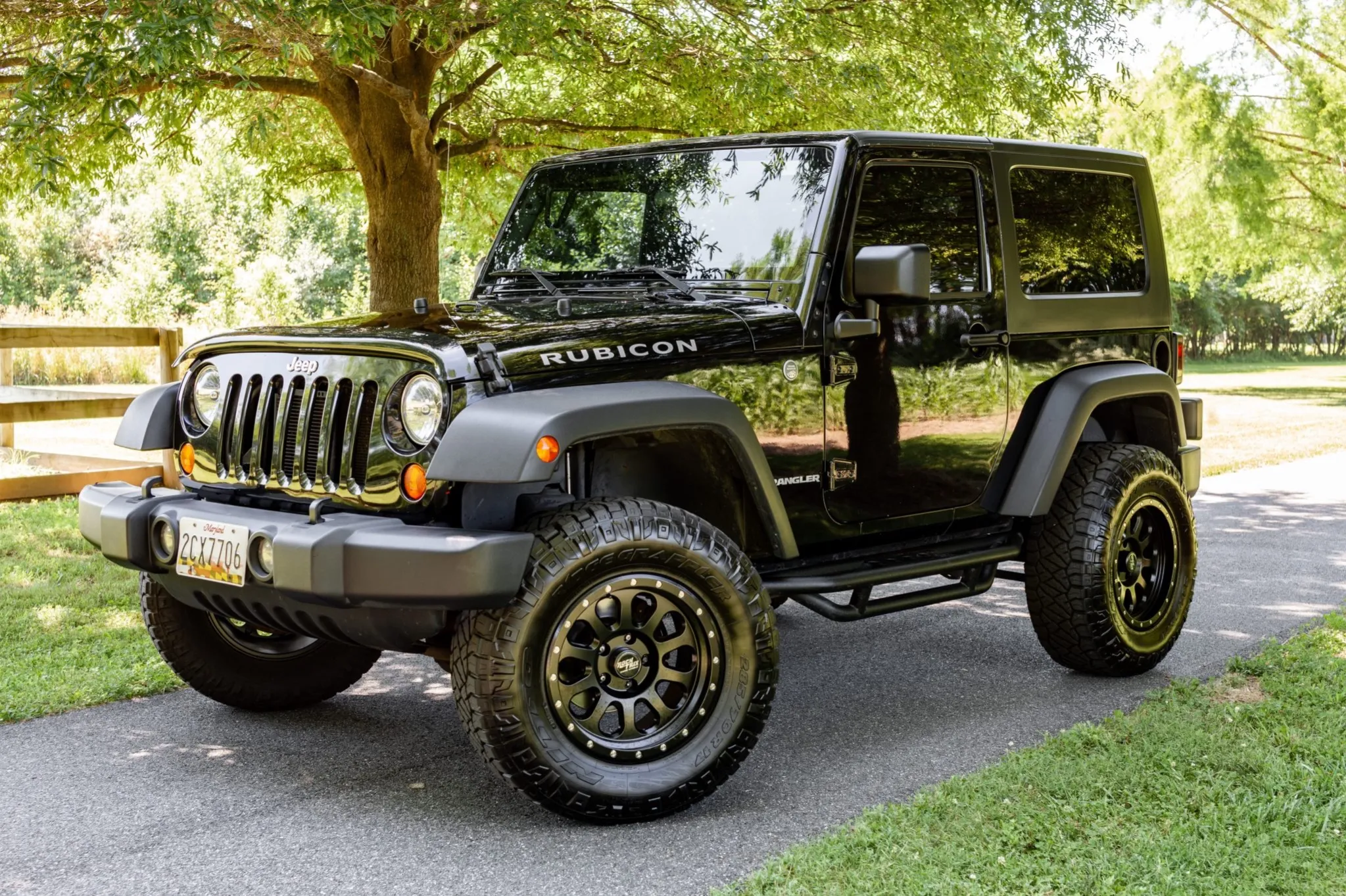
1. Jeep Wrangler 2007-2018
Iconic styling and legendary off-road capability attract buyers to the Wrangler, but owners near Cleveland’s lakefront quickly discover this Jeep’s weakness against corrosion. Frame rails on these models show rust penetration within three to five years of saltwater exposure.
Chrysler’s corrosion protection during this era fell short compared to competitors, with thin paint application and minimal underbody coating leaving steel vulnerable to moisture and road chemicals. Problems concentrate around the rear frame sections, where water collects in boxed channels.
Drain holes often clog with mud and debris, trapping moisture inside the frame where it slowly eats through metal from the inside out.
By the time rust becomes visible on the exterior surface, structural damage has already compromised strength. Inspecting used Wranglers from this generation reveals perforation in frame rails, requiring expensive repairs or complete frame replacement to pass safety inspections.
Body panels suffer equally. Door hinges corrode and seize, making doors difficult to open and close. Fender flares trap salt spray between the plastic and metal body, creating hidden rust pockets that spread unnoticed until paint starts bubbling.
Tailgate hinges rust through, causing alignment issues and water leaks into the cargo area. Floor pans develop holes, particularly beneath floor mats where moisture accumulates and doesn’t dry properly between drives. Removable doors and a fold-down windshield contribute to water intrusion.
Rain and snow melt find their way into interior spaces through weatherstripping gaps and hinge points. This moisture soaks carpeting and saturates sound-deadening material beneath the floor, creating a damp environment perfect for accelerating rust formation.
Even Wranglers stored in heated garages during winter face corrosion issues because salt residue remains on metal surfaces, continuing its destructive work year-round.
Repair costs escalate quickly once rust takes hold. Frame section replacement requires cutting away damaged metal and welding in new pieces, costing several thousand dollars at reputable shops.
Body panel replacement seems straightforward until you discover rust has spread to mounting points and structural supports behind cosmetic panels.
What appears as a simple fender replacement becomes a project involving quarter panels, door jambs, and windshield frames. Many owners surrender to the rust, trading in vehicles before problems become catastrophic rather than investing in repairs exceeding the Wrangler’s depreciated value.
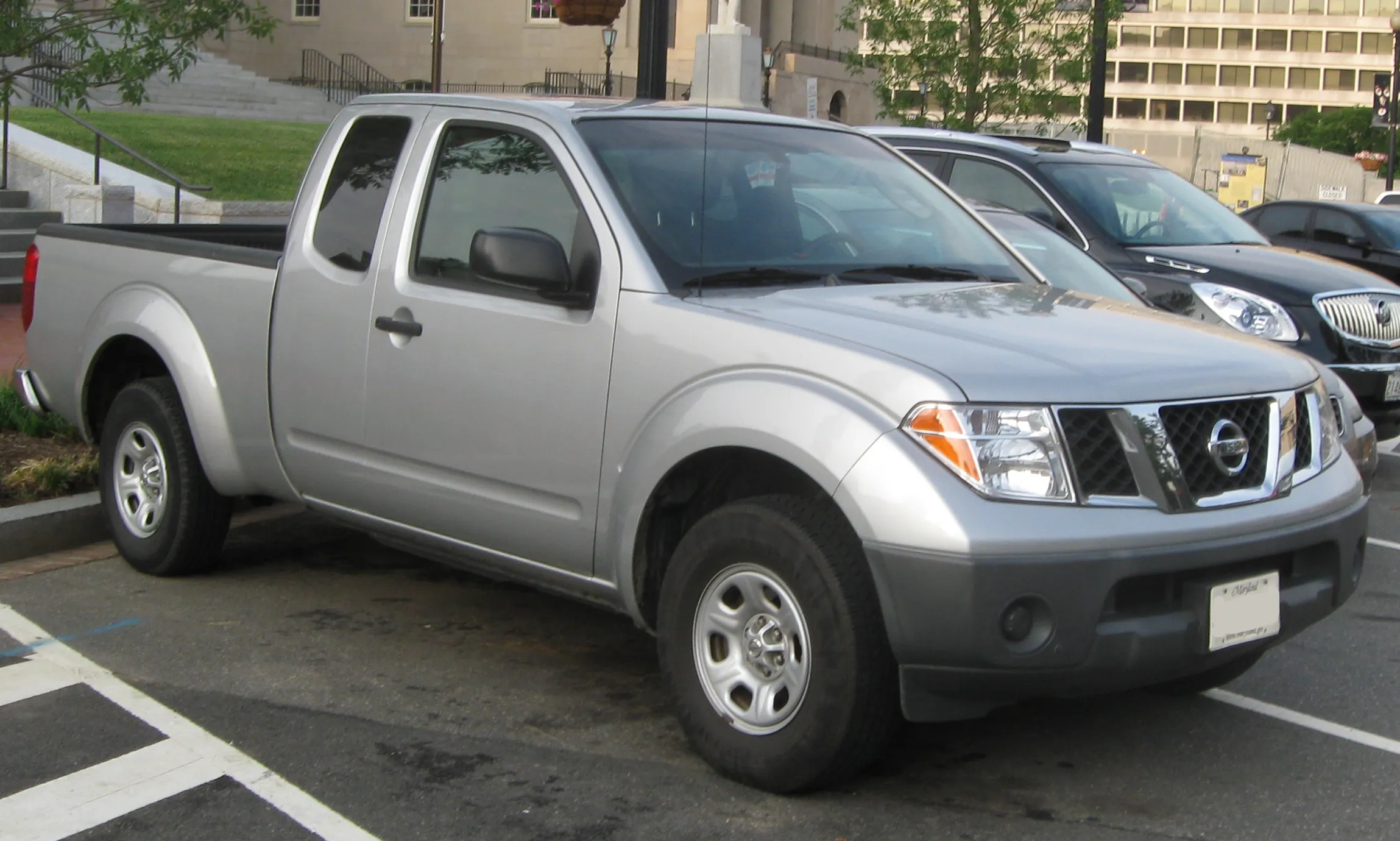
2. Nissan Frontier 2005-2021
This mid-size truck remained largely unchanged for nearly two decades, and unfortunately, rust protection didn’t improve during that extended production run. Nissan applied minimal corrosion prevention measures compared to Toyota and Honda competitors.
Frame rails show surface rust within two years of saltwater exposure, progressing to structural compromise by year five or six. Rear leaf spring mounts corrode and crack, creating safety hazards and expensive repair bills. Bed rails rust through at the mounting points where the bed bolts to the frame.
Moisture collects in these joints, trapped between metal surfaces where air circulation can’t dry it out. Salt accelerates the process, eating through metal until bed mounts fail.
Some owners discover this problem when hauling heavy loads causes the bed to move because corroded mounting points no longer provide secure attachment. Repairing this requires drilling out rusted bolts, treating frame damage, and reinforcing weakened areas before reinstalling the bed.
Cab corners develop rust perforation earlier than competitors. These vulnerable areas take direct spray from rear tires, and Nissan’s paint protection proves inadequate against constant salt exposure. Rust bubbles appear within three years, expanding into holes by year five.
Rocker panels deteriorate similarly, with rust starting at the bottom edge and working upward. Door bottoms corrode where drain holes clog, trapping water inside door cavities where it slowly consumes metal. Exhaust systems on the Frontier rust through faster than the engine wears out.
Mufflers and catalytic converters show perforation within five to seven years near the lakefront, requiring replacement earlier than expected.
Exhaust hangers corrode and break, allowing components to drag on the ground or rattle annoyingly during acceleration. While exhaust replacement costs less than frame repair, the frequent intervals between replacements add up over ownership periods.
Resale values suffer because buyers recognize the Frontier’s corrosion issues. A ten-year-old model with 100,000 miles sells for thousands less than a comparable Toyota Tacoma, even if both show similar wear. Inspection reveals why: the Tacoma’s frame looks nearly new while the Frontier shows extensive surface rust and beginning structural damage.
Smart buyers avoid these Nissans when shopping for used trucks in Cleveland, leaving owners stuck with vehicles worth far less than expected due to rust depreciation.
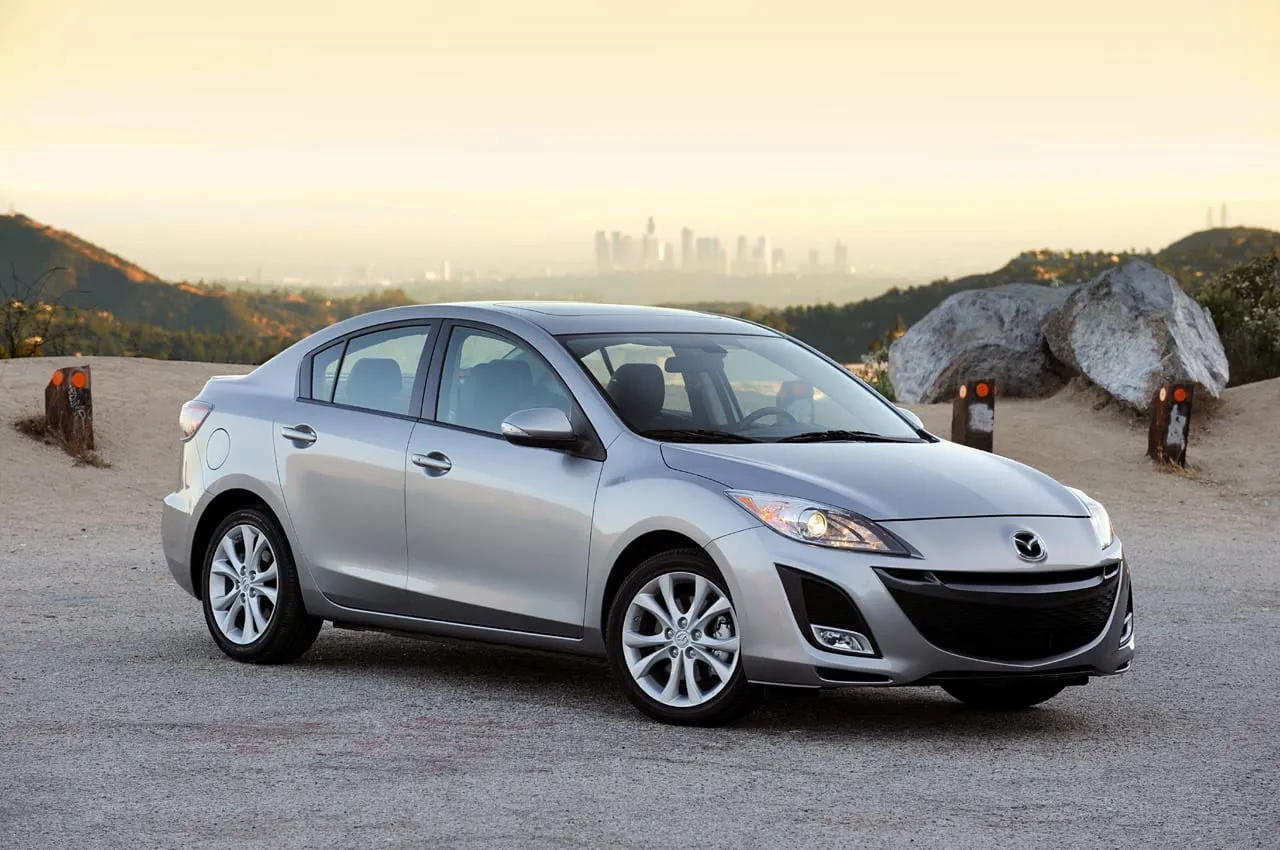
3. Mazda3 2010-2013
Before Mazda improved corrosion protection around 2014, its compact cars struggled terribly against salt exposure. These earlier Mazda3 models rust aggressively around wheel arches, particularly the rear quarters. Paint bubbles appear within two to three years, expanding into fist-sized holes by year five.
Repair attempts prove futile because rust spreads beneath the paint into body panels, requiring complete quarter panel replacement rather than simple patching. Rocker panels disintegrate on these cars. Salt spray from passing traffic and splashback from the front wheels constantly bombard this area.
Mazda’s thin paint and inadequate galvanizing allow moisture to penetrate quickly. Rust forms between the outer rocker panel and inner structural supports, weakening the body’s structural integrity. Some owners push their thumbs through corroded rocker panels, discovering the metal has turned to Swiss cheese beneath a thin layer of remaining paint.
Subframe mounting points corrode dangerously. These critical areas secure the engine, transmission, and front suspension to the chassis. Rust here creates safety hazards because subframe detachment during driving can cause loss of steering control and suspension collapse.
Mechanics refuse to perform routine maintenance on severely corroded Mazda3 models because lifting the car risks subframe failure. Repair involves cutting away damaged metal and welding in reinforcement plates, assuming the surrounding structure remains sound enough to support welding.
Hatchback models suffer additional problems with rear hatch corrosion. The lower hatch panel collects moisture and salt spray, rusting through at the bottom edge. This allows water to leak into the cargo area during rain, soaking carpeting and creating musty odors.
Spare tire wells fill with rusty water, corroding the spare rim and degrading emergency tire integrity. Some owners discover their spare tire worthless when needed because years of sitting in corrosive water render it unsafe for use.
Trade-in values plummet once dealers inspect these Mazdas. A car appearing decent from ten feet away reveals extensive rust damage upon closer examination. Dealers either refuse the trade-in entirely or offer bottom-dollar pricing reflecting upcoming repair costs.
Private buyers avoid rusty Mazda3 models, leaving owners with few options beyond selling for scrap value or investing repair money exceeding the car’s worth.
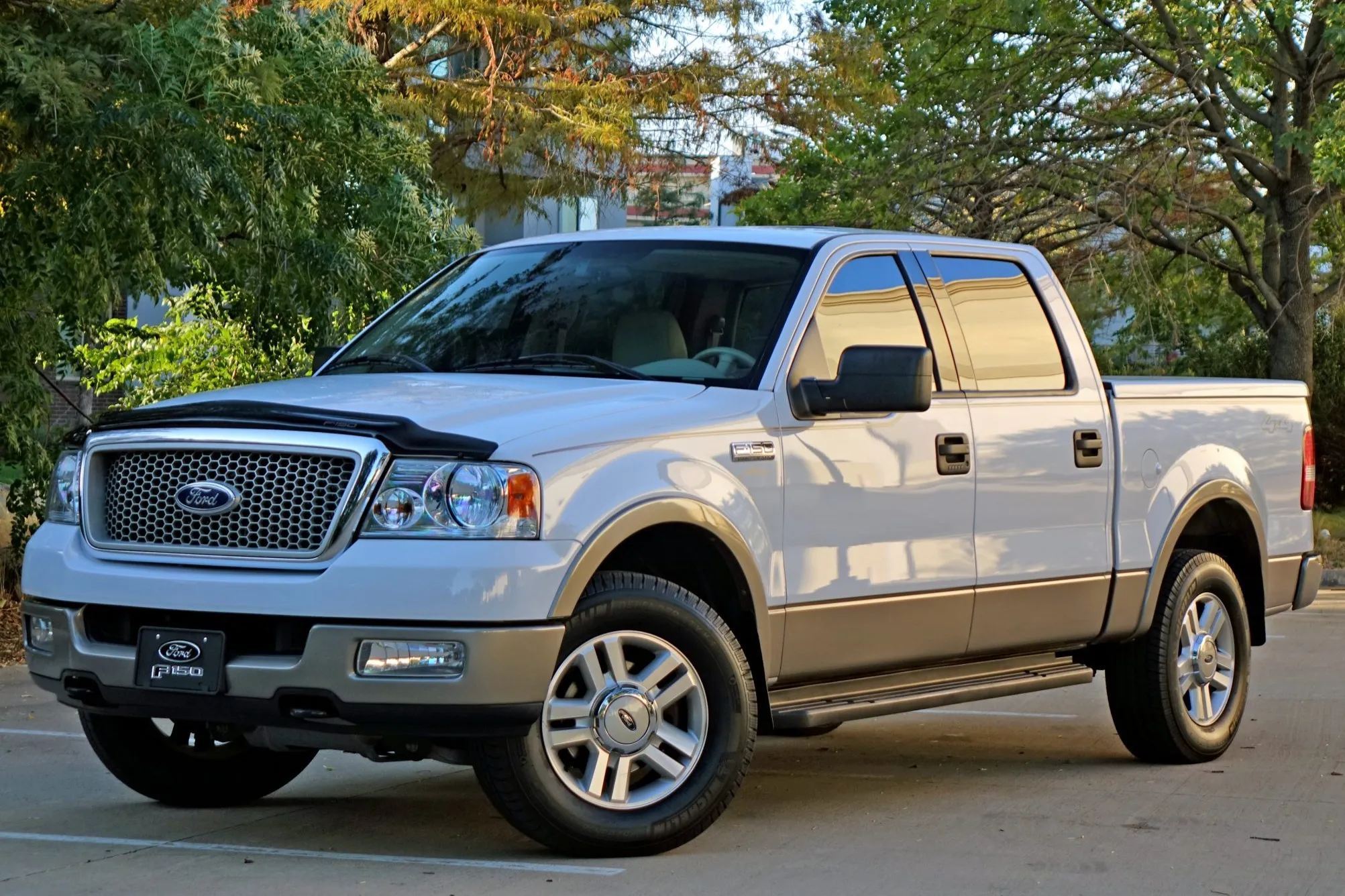
4. Ford F-150 2004-2008
This generation F-150 suffers from inadequate frame protection despite being one of America’s best-selling vehicles. Ford applied minimal rust prevention during manufacturing, leaving steel frames vulnerable to salt attack.
Rear frame sections corrode extensively, with rust perforation appearing within five to seven years near lakefront environments. Crossmembers supporting the spare tire and rear bumper rust through completely, requiring replacement for vehicles to pass safety inspections.
Bed floors develop holes from moisture trapped beneath bed mats and spray-in bedliners. Water finds its way under protective coatings through scratches and mounting holes, sitting against bare metal where it causes rust formation.
Owners discover perforation when items punch through corroded metal during loading. Repairing bed floors involves cutting away damaged sections and welding in new metal, a labor-intensive process costing more than budget-conscious owners expect.
Cab corners on these trucks rust predictably. Rear wheel spray impacts this area constantly, and Ford’s paint protection proves insufficient. Rust starts at ground level, working upward into door jambs and quarter panels. Door bottoms corrode similarly, with drain holes clogging and trapping moisture inside door structures.
Some owners experience doors rusting completely through at the bottom, creating embarrassing holes visible when doors swing open. Brake lines corrode and fail, creating dangerous situations. Steel brake lines run beneath the truck, exposed to direct salt spray and road moisture.
Without adequate protective coating, these lines rust until perforation occurs, causing complete brake failure. Mechanics find severely corroded brake lines during routine service, condemning vehicles until complete line replacement happens. This repair requires removing fuel tanks and other components to access lines, driving costs into four figures.
Buying a used F-150 from this era near Cleveland means budgeting for rust repair. Even trucks appearing solid often hide frame damage beneath undercoating and road grime. Pressure washing reveals the truth: extensive surface rust progressing toward structural failure.
Smart shoppers avoid these model years entirely, seeking newer trucks with improved corrosion protection or older models from rust-free climates. Owners stuck with these F-150s face declining values and mounting repair costs as rust damage accumulates annually.
Also Read: 5 Cars for Carmel Suburban Comfort and 5 Refined Daily Drivers
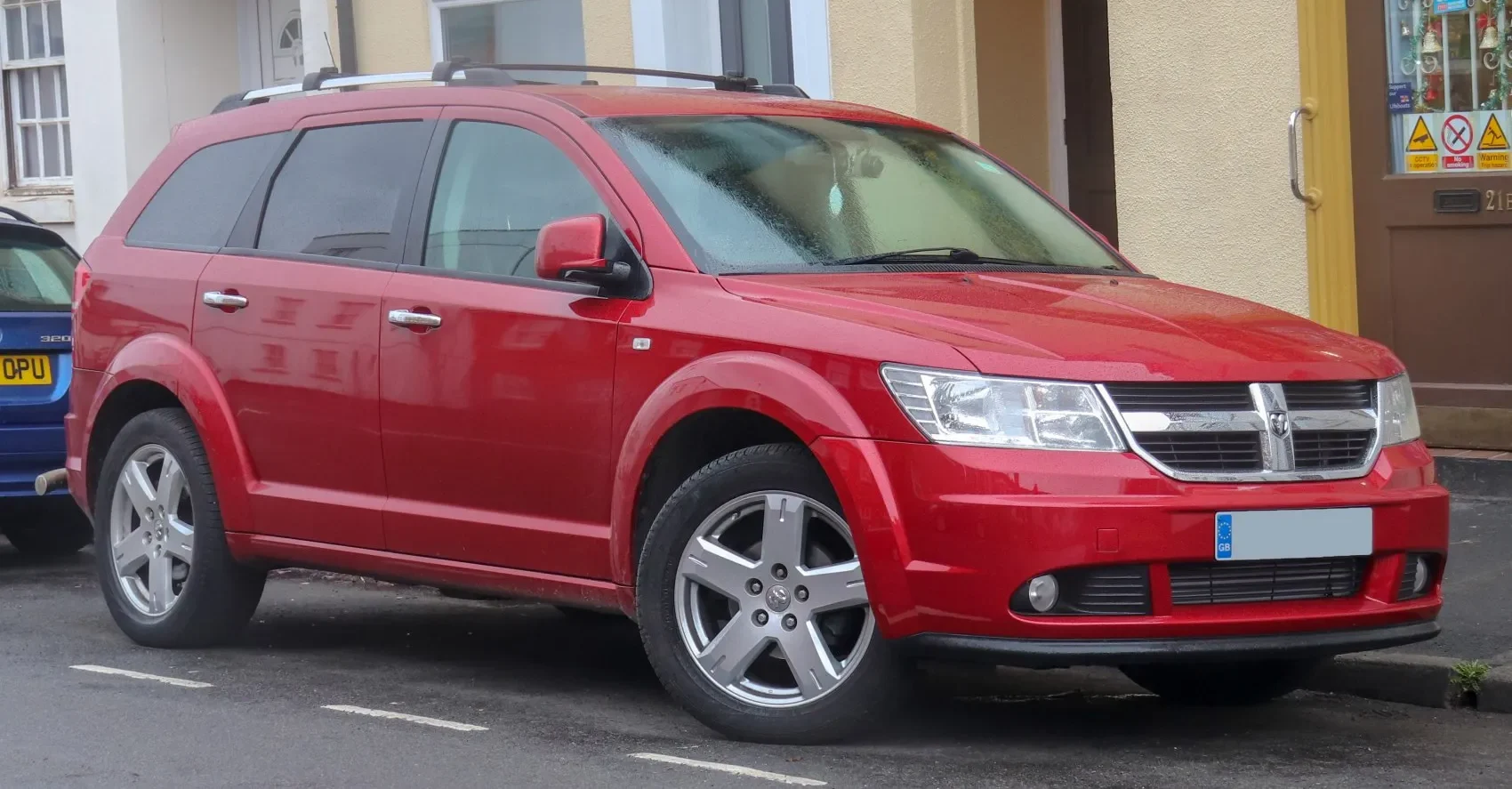
5. Dodge Journey 2009-2020
Few vehicles rust as predictably as the Journey. Fiat-Chrysler’s budget crossover received minimal corrosion protection throughout its production run.
Rear wheel wells rust through within four years of saltwater exposure, with large holes developing where the inner fender meets the outer quarter panel. This area collects salt spray constantly, and inadequate paint allows moisture penetration, leading to rapid deterioration.
Rocker panels corrode extensively on both sides. These structural components support the vehicle’s body and provide mounting points for doors and the floor pan. When rust compromises rocker panel integrity, doors sag and won’t close properly.
Floor pans develop soft spots where rust has eaten through the metal from underneath. Some owners step on corroded floor sections, pushing through weakened metal and creating holes in the cabin.
Lift gate structures rust around hinges and latch mechanisms. Moisture collects in these areas, trapped between overlapping metal panels, where it accelerates corrosion. Hinges seize from rust buildup, making lift gates difficult to open and close. Latches fail to secure the mounting points, corrode, and change position.
Water leaks through corroded seams into the cargo area, damaging cargo and creating mold growth in carpeting. Front subframe corrosion creates dangerous conditions. This component carries the engine, transmission, and front suspension. Rust at mounting points weakens attachments to the body structure.
Mechanics discover cracked or separating subframes during routine service, immediately condemning vehicles as unsafe to drive. Repair involves complete subframe replacement and potential body structure reinforcement, costing more than these depreciated vehicles are worth.
Resale markets reject rusty Journeys completely. Dealers won’t accept them on trade because repair costs exceed wholesale values. Private buyers with internet access research the Journey’s terrible reliability and corrosion reputation, avoiding them entirely.
Owners face limited options: drive vehicles until they literally fall apart, pay for repairs exceeding market value, or sell for scrap pricing. The Journey’s combination of poor build quality and inadequate rust protection makes it arguably the worst choice for Cleveland lakefront driving among mainstream vehicles.
