
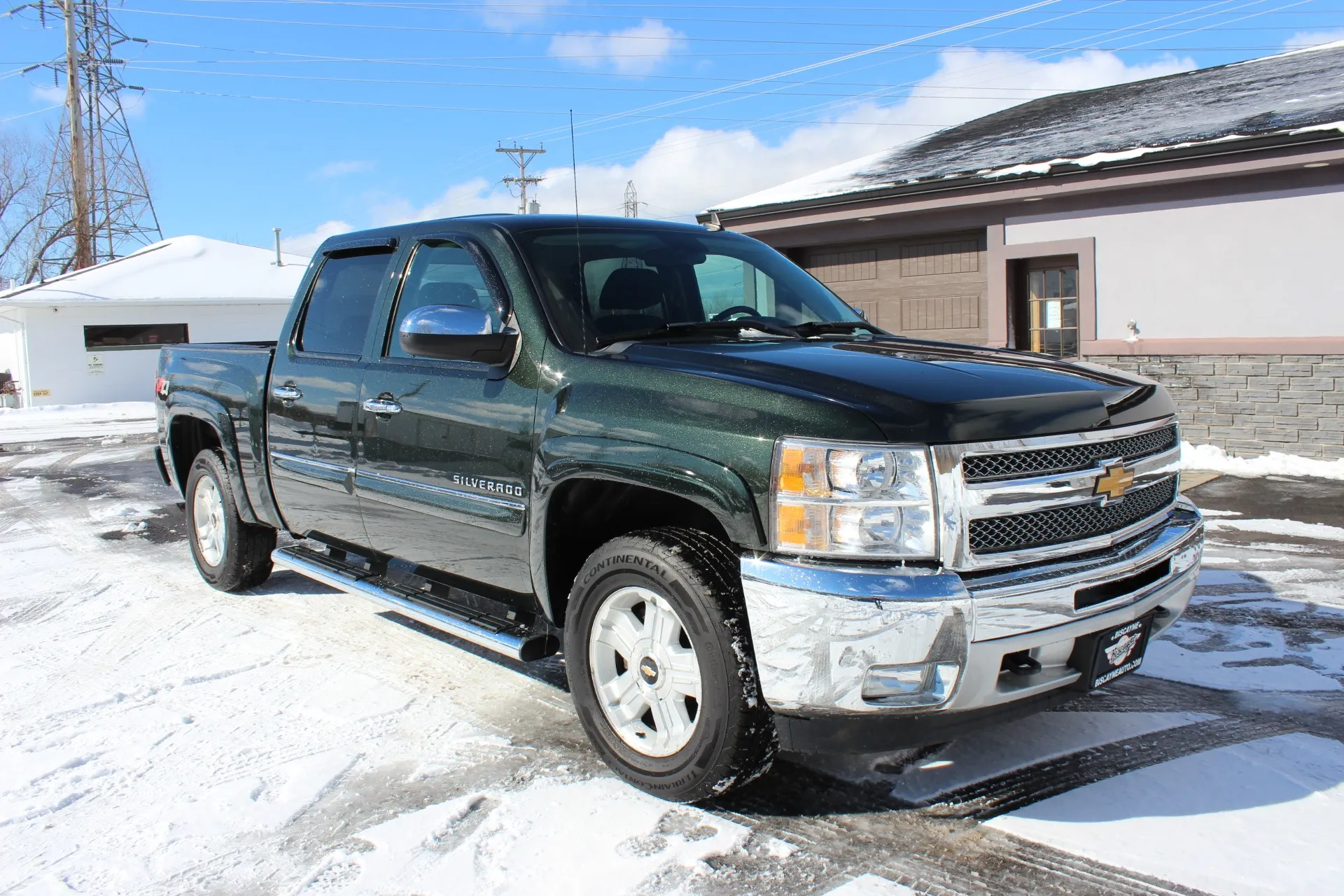
General Motors vehicles don’t always get the credit they deserve for durability. Critics love pointing out reliability problems from the 1980s and 1990s, conveniently ignoring that GM has built millions of vehicles that routinely exceed 200,000 miles without major failures.
You’ll find these workhorses everywhere, still running strong decades after leaving factory floors, proving that American engineering can absolutely deliver long-term durability when done correctly. From pickup trucks that refuse to quit to sedans that just keep going, GM has produced vehicles that stand the test of time.
Longevity comes from smart engineering choices that prioritize proven components over flashy innovations. Some GM vehicles share powertrains across multiple platforms, allowing engineers to refine designs through years of real-world testing. Cast iron engine blocks resist wear better than aluminum alternatives.
Simple mechanical fuel injection proves more durable than complicated direct-injection systems. These decisions might not impress automotive journalists chasing cutting-edge technology, but they create vehicles that owners drive for decades without catastrophic failures.
Rust protection improved dramatically during the 2000s, with GM applying better coatings and using galvanized steel that resists corrosion. Earlier vehicles suffered terrible rust problems that destroyed otherwise solid mechanicals.
Modern GM vehicles survive harsh climates without dissolving into rust within a few years. That improvement transformed longevity potential, allowing vehicles to reach high mileage without structural deterioration, ending their useful lives prematurely.
This list examines ten GM vehicles that earned reputations for exceptional longevity through proven durability in real-world conditions. These aren’t just vehicles that can reach high mileage with meticulous maintenance and garage storage.
They’re machines that survive daily abuse, neglected maintenance schedules, and harsh operating conditions while continuing to function reliably. Whether you’re shopping for a dependable used vehicle or just curious which GM products actually deliver on durability promises, these ten models demonstrate that American manufacturers can build vehicles that last just as long as their Japanese competitors when engineering priorities durability.
GM’s Most Durable Vehicles
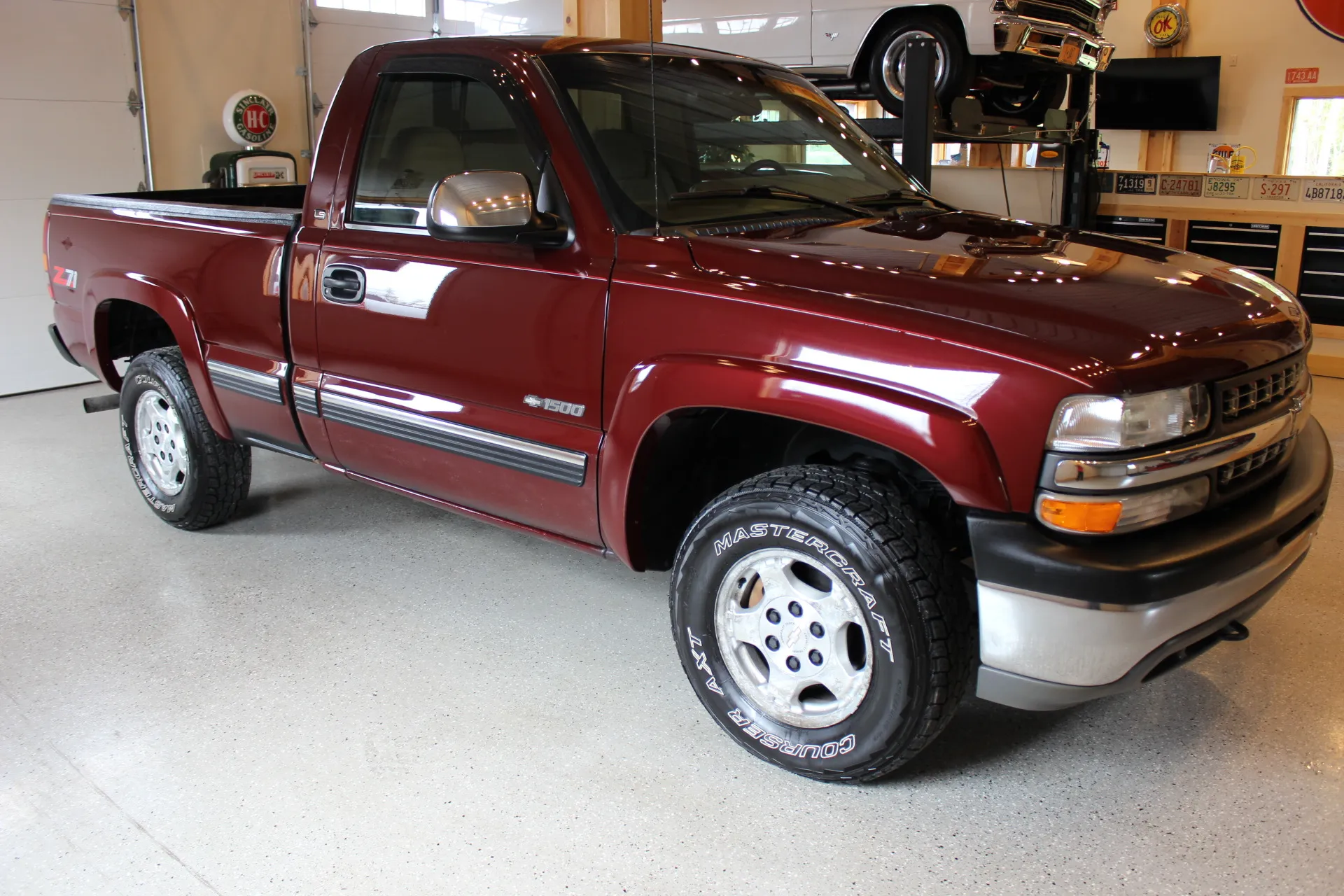
1. Chevrolet Silverado 1500 (1999-2013)
Pickup truck durability reaches impressive heights in the Chevrolet Silverado 1500 from 1999-2013. Those Vortec V8 engines, particularly the 5.3-liter and 6.0-liter variants, routinely exceed 300,000 miles with proper maintenance.
You’ll find these trucks still working hard on construction sites, farms, and fleet services decades after purchase. Iron engine blocks resist wear that aluminum alternatives cannot match. Simple port fuel injection avoids problems that plague direct-injection systems. That engineering creates powertrains that just refuse to quit.
Four-speed automatic transmissions paired with these engines demonstrate surprising durability despite only four forward gears. You’ll hear horror stories about transmission failures, but properly maintained examples regularly exceed 200,000 miles before requiring rebuilds.
Regular fluid changes using the correct Dexron specification dramatically extend transmission life. Towing within rated capacities prevents premature wear.
External transmission coolers help when regularly hauling heavy loads. Body-on-frame construction separates the cab from the bed, allowing individual components to flex independently without the structural stress that unibody designs experience.
You’ll drive these Silverados for years without developing body cracks or frame failures that end vehicle life. Rust protection improved substantially during this generation, with GM applying better coatings to frames and body panels. Earlier trucks dissolved into rust, but these examples survive harsh climates reasonably well.
Suspension components prove durable with ball joints, tie rods, and control arms lasting 150,000+ miles before requiring replacement. You’ll replace wear items periodically, but fundamental components demonstrate longevity.
Brake systems remain straightforward and reliable. Steering components resist wear. That simplicity creates trucks requiring minimal repairs beyond routine maintenance.
Interior materials withstand years of hard use without falling apart. Seats maintain shape despite daily abuse. Dashboard resists cracking from sun exposure.
Door panels stay attached. You’ll maintain a functional interior that looks worn but remains serviceable after high mileage. Climate control systems continue working. Electrical systems prove reasonably reliable.
Common problems include intake manifold gasket failures on 5.3-liter engines, requiring $800-$1,200 for repairs. Fuel pumps fail around 150,000 miles, costing $600-$900 for replacement. These repairs prove manageable compared to catastrophic failures that total vehicles. Budget $1,200-$1,800 annually for maintenance and repairs.
This Silverado generation delivers proven pickup truck durability that creates vehicles routinely exceeding 250,000 miles while remaining functional daily transportation, proving GM can build trucks that truly last when engineering prioritizes proven components.
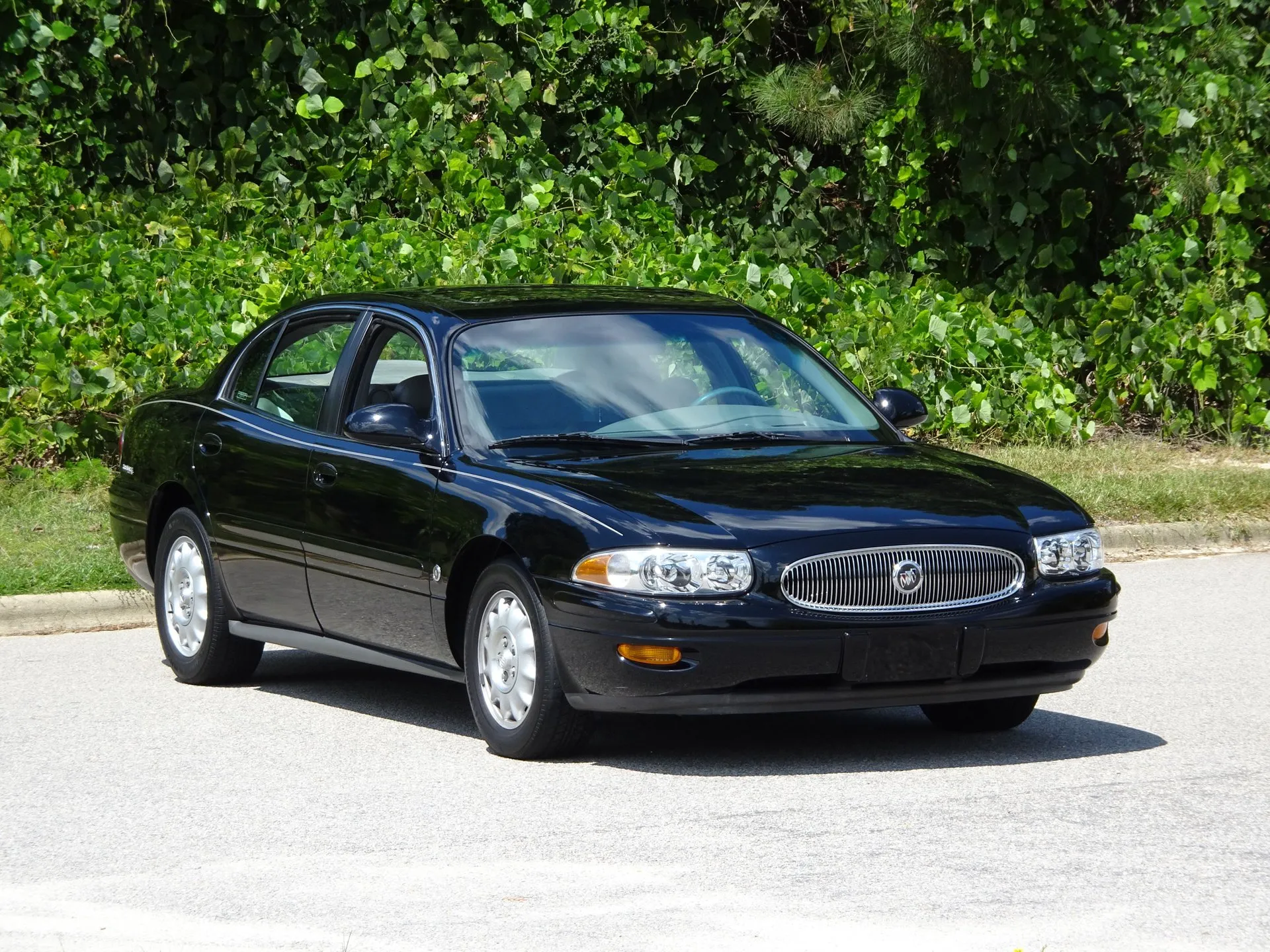
2. Buick LeSabre (2000-2005)
Reliability in a full-size sedan often surprises doubters when examining the Buick LeSabre produced between 2000 and 2005. The 3.8 litre Series II V6 engine delivers approximately 205 horsepower while offering exceptional durability that has earned it a strong reputation.
Many LeSabre vehicles have recorded mileage in excess of 300,000 miles while still operating with their original engines and transmissions.
The cast iron engine block resists wear effectively, and the straightforward mechanical layout reduces the number of potential failure points. Consistent oil changes using good-quality conventional oil contribute greatly to the extended service life of the engine.
The suspension system is designed with comfort as the primary focus, employing soft spring rates and compliant damping.
The vehicle maintains a smooth and composed ride on highways, absorbing road imperfections that would be felt more sharply in firmer-riding sedans. Shock absorbers and struts typically last beyond 100,000 miles, while control arms, bushings, and ball joints show strong resistance to wear.
This durability keeps suspension-related repairs within reasonable limits. Interior components display strong resistance to long-term use. Velour seat upholstery retains its appearance even after many years of service. The dashboard withstands prolonged exposure to sunlight without severe cracking.
Door panels remain secure, and electrical accessories such as windows and seat controls continue to function reliably. The cabin may appear dated by modern standards, yet it remains comfortable and fully usable even at high mileage.
Mechanical issues associated with this model are generally limited in scope. Intake manifold gasket leaks may occur and usually require repairs costing between 600 and 900 dollars. Alternator failure is common around the 150,000-mile mark, with replacement costs typically ranging from 400 to 600 dollars.
Power steering pump leaks can also arise and may require replacement. These repairs are manageable and do not usually render the vehicle unusable. Annual maintenance expenses commonly fall between 800 and 1,200 dollars.
Also Read: 5 Cars for Longmont Commuters And 5 Altitude-Capable Options
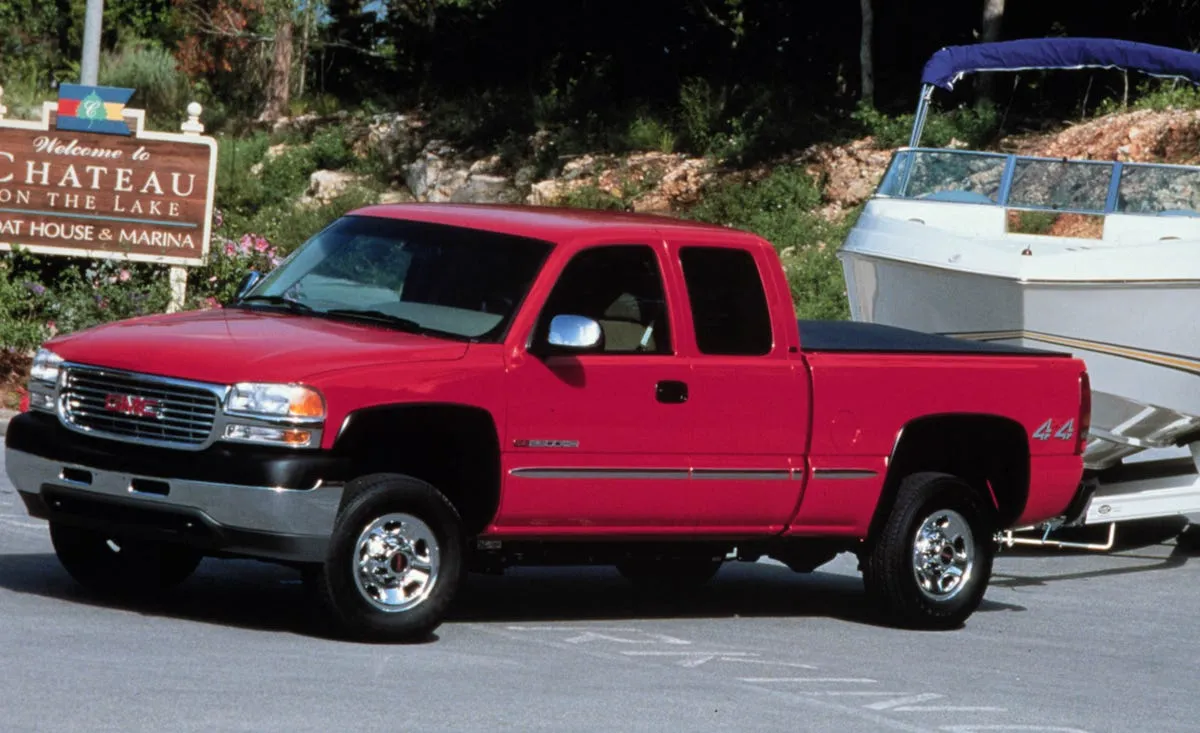
3. GMC Sierra 2500HD (2001-2010)
Heavy-duty capability meets proven durability in the GMC Sierra 2500HD from 2001-2010. That 6.0-liter Vortec V8 produces adequate power for work truck duties while delivering durability that creates vehicles routinely exceeding 300,000 miles. Iron block construction resists wear. Simple port fuel injection avoids direct-injection problems.
Regular oil changes using quality conventional oil extend engine life. You’ll find these work trucks still hauling loads decades after purchase. The available Duramax 6.6-liter turbodiesel provides serious towing capability and demonstrates impressive longevity when properly maintained.
You’ll change oil every 5,000 miles using quality diesel-rated oil, and this engine serves reliably. Fuel system maintenance prevents injector problems. Cooling system upkeep avoids overheating that damages diesels. That maintenance creates powertrains that exceed 400,000 miles.
Allison 1000 six-speed automatic transmission paired with Duramax engines proves nearly bulletproof. You’ll change fluid and filter every 50,000 miles, and this transmission handles heavy towing indefinitely.
External transmission coolers help when regularly hauling maximum loads. Avoiding excessive heat extends longevity dramatically. That durability makes the Duramax/Allison combination legendary.
Heavy-duty suspension components withstand serious abuse. You’ll haul loads that would destroy light-duty trucks without damaging components. Leaf springs resist sagging. Shock absorbers last reasonably long despite heavy use. Steering components prove durable. Brake systems handle heavy loads adequately when maintained properly.
Body-on-frame construction allows the cab and bed to flex independently without structural failures. You’ll drive these Sierras for years while hauling heavy loads without developing cracks or frame damage.
Rust protection improved during this generation, though frames still corrode in salt-belt states. Regular washing helps but doesn’t prevent eventual deterioration.
Common problems include injector failures on Duramax engines, costing $3,000-$5,000 for complete replacement. Lift pumps fail, requiring upgrades. Ball joints wear from heavy loads, requiring periodic replacement. Budget $1,800-$2,800 annually for maintenance reflecting heavy-duty use.
This Sierra 2500HD delivers proven heavy-duty capability and powertrain durability that creates work trucks routinely exceeding 300,000 miles while remaining functional, proving GM heavy-duty trucks can absolutely deliver when engineering prioritizes proven components.
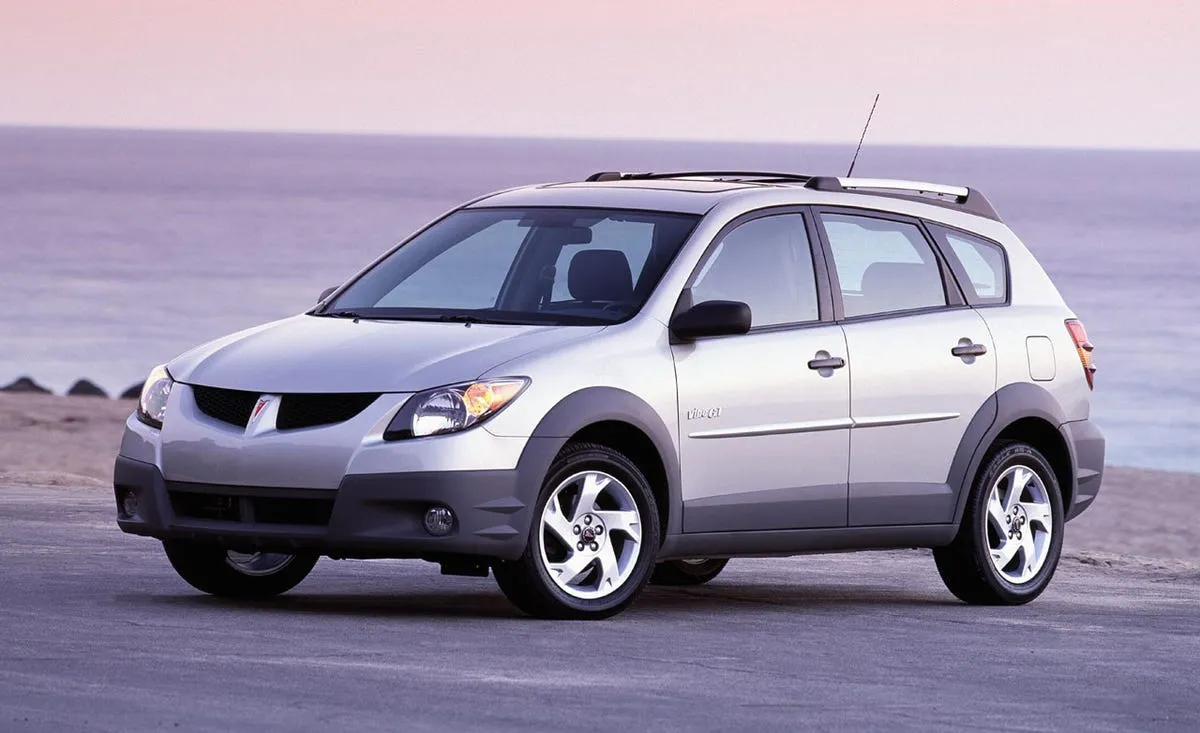
4. Pontiac Vibe (2003-2010)
Toyota’s mechanical design, combined with General Motors’ branding, results in unexpected durability in the Pontiac Vibe produced between 2003 and 2010.
The 1.8-litre four-cylinder engine and transmission are sourced directly from the Toyota Matrix, delivering a reputation for dependability that makes this GM product exceptionally long-lasting.
Many Vibe vehicles exceed 250,000 miles while retaining their original powertrains. Consistent oil changes using good-quality conventional oil help to prolong engine service life. The straightforward engineering approach reduces potential points of failure.
Front-wheel drive keeps the drivetrain arrangement simple and dependable. Owners avoid maintenance associated with rear differentials and driveshafts.
Constant velocity joints frequently last beyond 150,000 miles before replacement becomes necessary. Wheel bearings also show strong durability. This mechanical simplicity lowers running expenses while improving long-term dependability.
Interior components show strong resistance to wear, with cloth seats maintaining their condition. The dashboard resists cracking, and door panels remain firmly secured.
The interior may display signs of age, but continues to function properly. Climate control systems remain operational, and electrical accessories perform reliably. This interior durability allows the vehicle to remain comfortable for daily transportation.
Mechanical issues are limited, reflecting the strength of the Toyota-based design. Engine oil consumption remains low. The transmission operates dependably.
Suspension parts wear at expected intervals, and braking systems perform satisfactorily. Routine servicing is usually sufficient, without repeated repairs, placing strain on maintenance budgets. Annual maintenance costs typically fall between $650 and $950.
The Pontiac Vibe provides Toyota dependability within a Pontiac body, resulting in a GM vehicle that frequently surpasses 200,000 miles while remaining reliable for daily use.
This model demonstrates that shared engineering can deliver strong results when a manufacturer builds a vehicle around proven Toyota engines, transmissions, and mechanical components designed for durability.
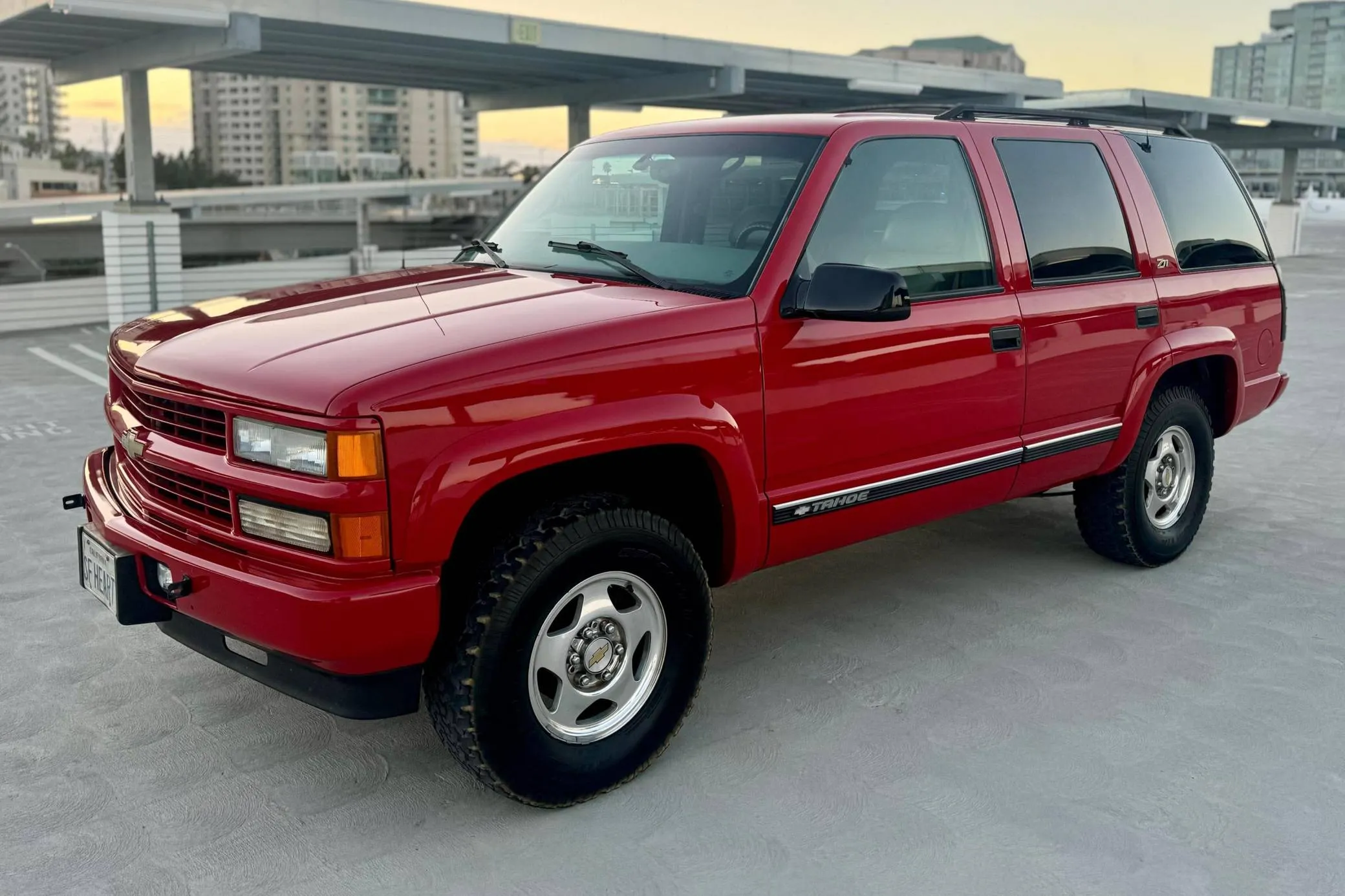
5. Chevrolet Tahoe (2000-2006)
Full-size SUV capability meets truck durability in the Chevrolet Tahoe from 2000-2006. That 5.3-liter Vortec V8 produces 285 horsepower while delivering proven longevity that creates vehicles routinely exceeding 250,000 miles.
Iron block construction resists wear. Simple port fuel injection avoids problems. Regular oil changes extend engine life. You’ll find these Tahoes still hauling families and towing trailers decades after purchase. Four-speed automatic transmission proves durable when properly maintained.
You’ll change fluid every 50,000 miles, and this transmission serves reliably through high mileage. Towing within rated capacities prevents premature wear. External coolers help when regularly hauling heavy loads. That maintenance creates a powertrain lasting the entire vehicle life.
Body-on-frame construction provides truck-based durability that unibody crossovers cannot match. You’ll tow heavy trailers without structural concerns. Frame resists twisting under load. Rust protection improved, though frames still corrode in harsh climates. Regular washing helps but doesn’t prevent eventual deterioration in salt-belt states.
Three-row seating accommodates families or groups comfortably. You’ll transport eight passengers with adequate space. Cargo capacity proves generous when the third row folds.
Towing capacity reaches 8,000+ pounds when properly equipped. That capability makes these Tahoes genuinely versatile for families needing people-hauling and towing in a single vehicle.
Suspension components prove durable with ball joints, tie rods, and control arms lasting 150,000+ miles. You’ll replace wear items periodically, but fundamental components demonstrate longevity. Steering systems resist wear. Brake systems remain adequate, though heavy-weight accelerates pad and rotor wear.
Common problems include intake manifold gasket leaks, requiring $800-$1,200 for repairs. Fuel pumps fail around 150,000 miles, costing $600-$900. Transmission cooler lines corrode, requiring replacement. Active fuel management systems sometimes develop problems.
Budget $1,400-$2,000 annually for maintenance. This Tahoe delivers full-size SUV capability and proven Vortec V8 durability that creates vehicles routinely exceeding 200,000 miles while remaining functional family transportation, proving GM SUVs can deliver longevity when built on proven truck platforms.
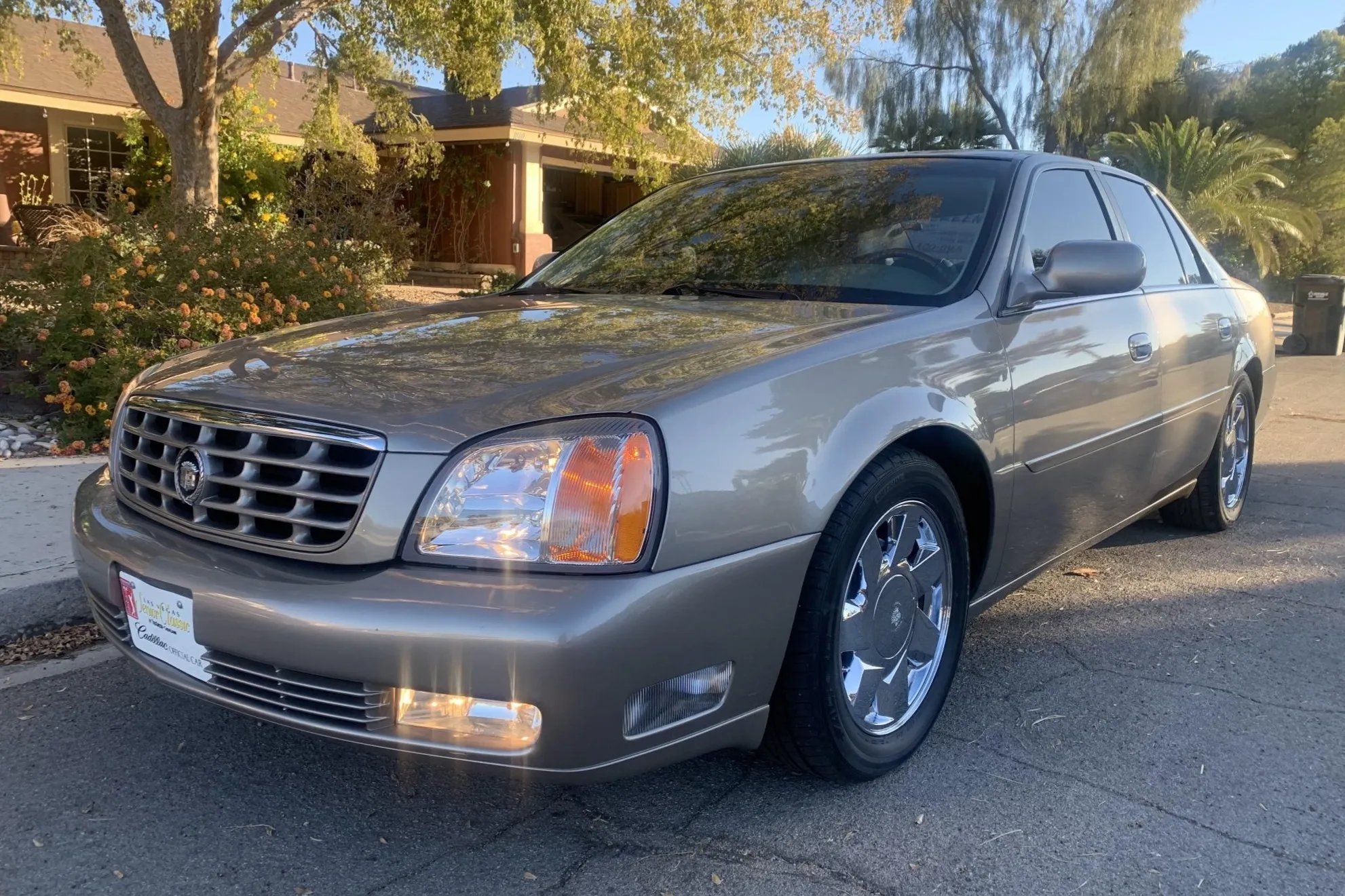
6. Cadillac DeVille (2000-2005)
Luxury sedan durability surprised critics in the Cadillac DeVille produced between 2000 and 2005. The Northstar 4.6-litre V8 engine produces 275 horsepower and shows improved reliability when compared with earlier versions that were affected by severe head gasket failures.
Many DeVille vehicles have recorded mileage exceeding 200,000 miles and remain operational where owners have adhered to proper maintenance practices.
The aluminium engine block reduces weight, although an iron construction would provide greater resistance to wear. Consistent oil changes using high-quality synthetic oil help to extend engine service life.
The four-speed automatic transmission performs dependably when transmission fluid is replaced every 50,000 miles using the correct specification.
Transmission faults commonly associated with neglected vehicles are largely avoided under this maintenance routine. Smooth driving habits support durability, while gentle acceleration reduces premature mechanical wear. Such care allows the powertrain to deliver dependable service across reasonable mileage levels.
Front-wheel drive layout simplifies the drivetrain and provides satisfactory traction during adverse weather conditions. Rear differential servicing is eliminated, reducing maintenance demands. Constant velocity joints frequently last beyond 120,000 miles before replacement becomes necessary.
Wheel bearings also show acceptable service life. This mechanical arrangement lowers long-term ownership costs when compared with rear-wheel-drive luxury sedans. The air suspension system offers excellent ride comfort, although long-term dependability remains uncertain.
Air springs and the compressor usually require replacement with age, leading many owners to convert to conventional coil springs. This conversion typically costs between $1,500 and $2,500 and removes future air suspension repair concerns. Conventional suspension systems provide stronger long-term dependability.
Interior build quality reflects the vehicle’s luxury classification, featuring leather seating, genuine wood trim, and premium materials throughout the cabin.
Seating remains comfortable and retains its appearance despite extended use. The dashboard structure resists cracking better than lower-grade General Motors interiors. Power accessories generally continue to function, although minor electrical faults tend to appear as the vehicle ages.
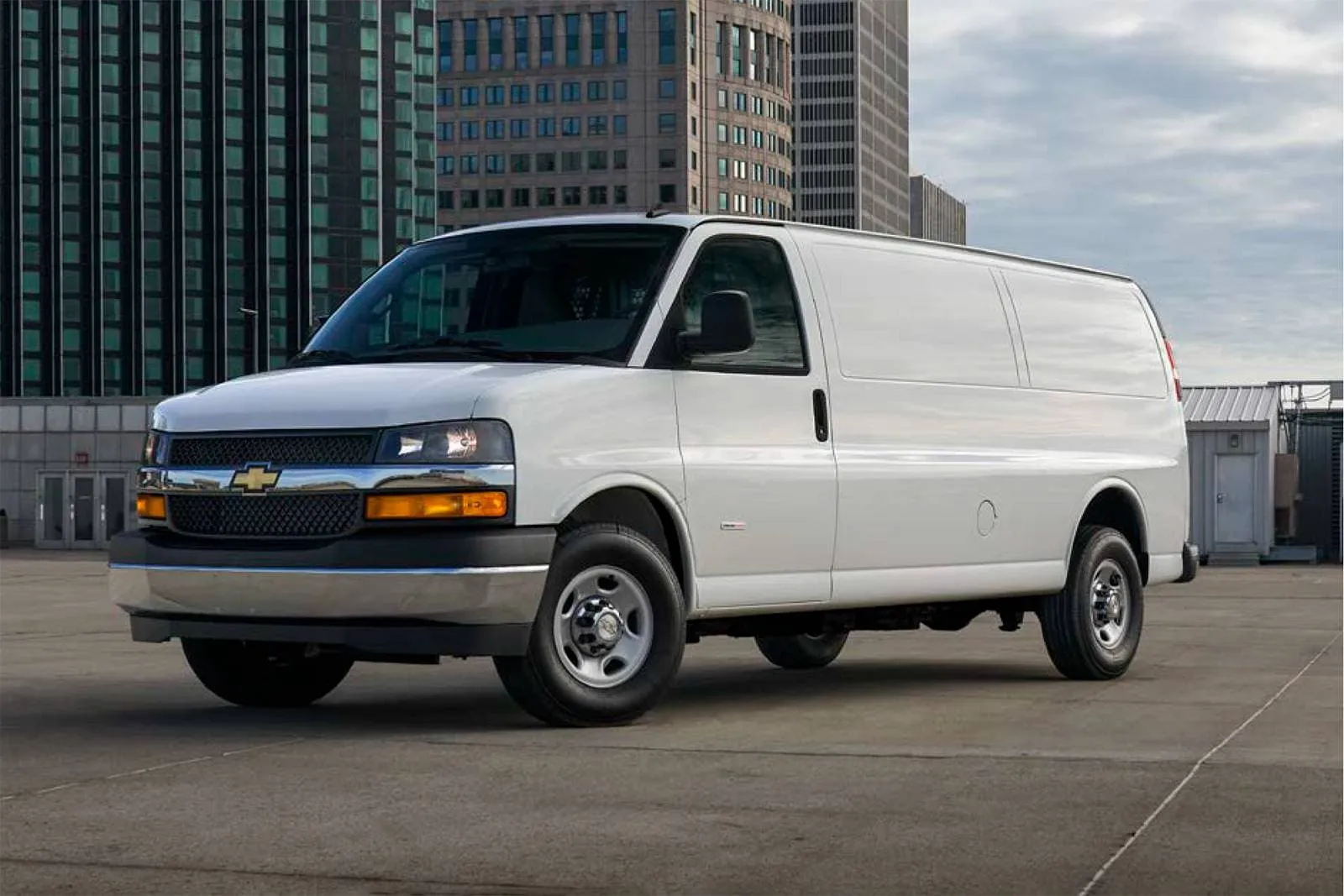
7. Chevrolet Express 2500 (2003-2014)
Commercial van durability defines the Chevrolet Express 2500 from 2003-2014. That 6.0-liter Vortec V8 produces adequate power for cargo hauling while delivering durability that creates vans routinely exceeding 300,000 miles in commercial service.
Iron block construction resists wear from constant use. Simple port fuel injection avoids problems. Regular oil changes extend engine life indefinitely. You’ll find these vans still working in fleets decades after purchase. Four-speed automatic transmission proves surprisingly durable despite only four forward gears and heavy loads.
You’ll change fluid every 50,000 miles, and this transmission serves reliably through high mileage. Avoiding aggressive driving extends longevity. Proper maintenance prevents premature failures. External coolers help when operating in hot climates or hauling maximum loads regularly.
Body-on-frame construction provides commercial-grade durability that unibody vans cannot match. You’ll haul heavy cargo without structural concerns. Frame resists damage from loading and unloading abuse. Rust protection proves adequate, though frames corrode in salt-belt states. Commercial operators accept deterioration as normal wear.
Cargo capacity impresses with the ability to swallow substantial loads. You’ll haul materials, equipment, or supplies that smaller vans cannot accommodate.
Rear doors open wide, allowing easy loading. The side door provides convenient access. Interior remains basic and functional, prioritizing utility over comfort. Vinyl flooring tolerates abuse. Metal panels resist damage.
Suspension components withstand commercial abuse remarkably well. You’ll replace leaf springs eventually, but they last longer than expected, given hard use.
Shock absorbers wear from heavy loads. Steering components prove durable. Brake systems handle weight adequately when maintained properly, though pads and rotors wear faster under heavy use.
Common problems include intake manifold gasket leaks, requiring $800-$1,200 for repairs. Alternators fail from constant use, requiring replacement.
Fuel pumps wear out, requiring $600-$900. Exhaust systems corrode, requiring replacement. Electrical problems develop, though they remain manageable. Budget $1,600-$2,400 annually for maintenance reflecting commercial use.
This Express delivers proven commercial van durability and Vortec V8 longevity that creates vehicles routinely exceeding 250,000 miles in harsh fleet service, proving GM commercial vehicles can absolutely deliver when engineering prioritizes proven components and builds vans around simple mechanical systems that withstand constant abuse from operators who prioritize function.
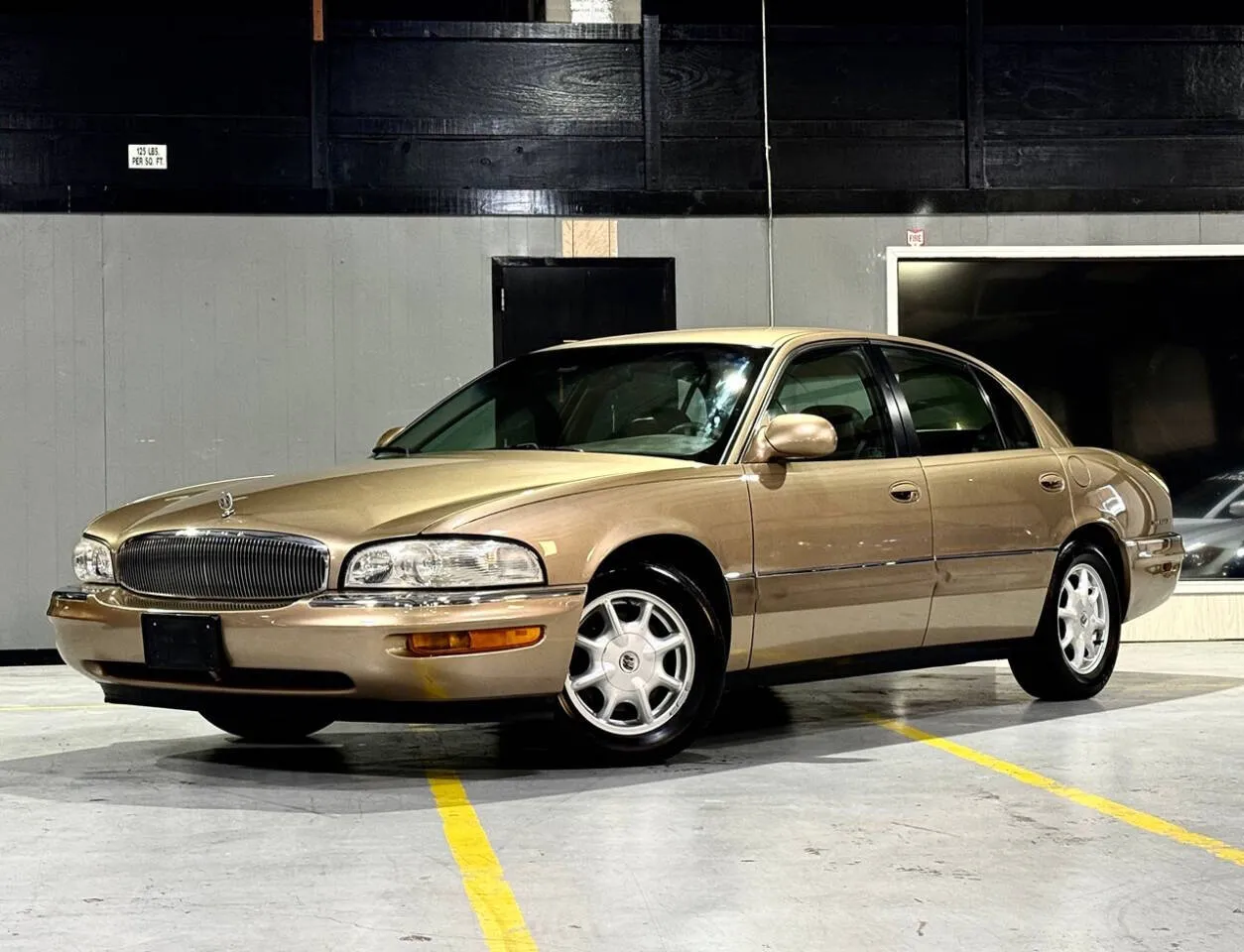
8. Buick Park Avenue (1997-2005)
Luxury sedan comfort is combined with proven durability in the Buick Park Avenue produced between 1997 and 2005. Its 3.8 litre Series II V6 engine produces 205 horsepower while delivering a reputation for long service life that makes this powerplant an excellent choice.
Many Park Avenue vehicles have exceeded 250,000 miles while retaining their original engines and transmissions. The iron block construction resists wear, and the straightforward engineering reduces the number of failure points. Regular oil changes using good-quality conventional oil can extend engine service life for many years.
The four-speed automatic transmission operates dependably when the transmission fluid is replaced at intervals of approximately 50,000 miles. Transmission issues are largely avoided through proper servicing practices.
Smooth driving habits contribute greatly to durability. Gentle acceleration reduces stress on internal components and limits early wear. This combination results in a powertrain capable of serving the vehicle for its full lifespan without major mechanical failure.
Front Wheel Drive simplifies the drivetrain layout and provides acceptable traction in everyday driving conditions. Rear differential servicing is eliminated. Constant velocity joints commonly last beyond 150,000 miles before replacement becomes necessary.
Wheel bearings often show impressive durability. This simplified arrangement lowers maintenance expenses and improves dependability when compared with Rear Wheel Drive luxury sedans that rely on more intricate mechanical systems.
Mechanical issues are limited, reflecting the established dependability of the 3.8 litre V6 engine. Intake manifold gasket leaks can occur and typically require repairs costing between 600 and 900 dollars. Alternator failure is common around 150,000 miles, with replacement costs ranging from 400 to 600 dollars.
Power steering pump leaks are occasionally reported. Coolant elbow failure may occur and requires replacement. These issues are manageable with regular servicing. Annual maintenance costs typically range from 900 to 1,400 dollars.
The Buick Park Avenue provides luxury sedan comfort and durable 3.8 litre V6 performance, resulting in vehicles that regularly exceed 200,000 miles while remaining dependable and comfortable means of transportation.
This model demonstrates that General Motors’ luxury sedans built around established powertrains can deliver long-term reliability when engineering priorities focus on durability rather than outright performance.
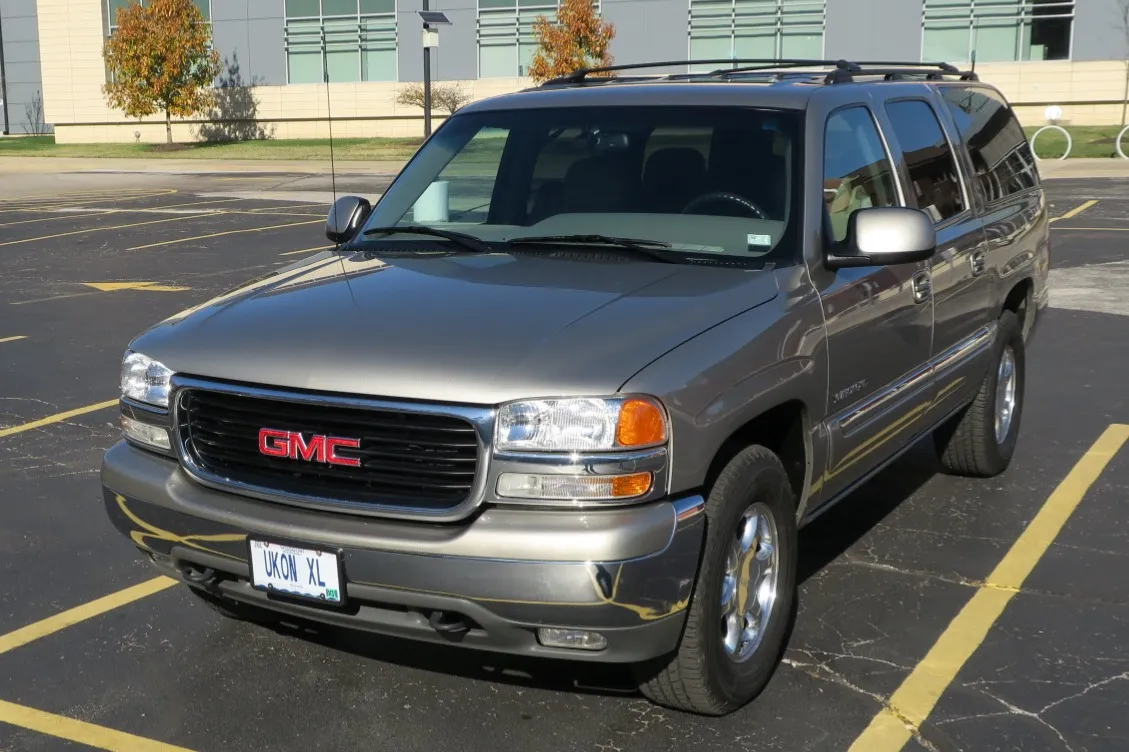
9. GMC Yukon XL (2000-2006)
Extended SUV capability meets proven truck durability in the GMC Yukon XL from 2000-2006. That 5.3-liter Vortec V8 produces 285 horsepower while delivering longevity that creates vehicles routinely exceeding 250,000 miles.
Iron block construction resists wear from years of family hauling and towing. Simple port fuel injection avoids direct-injection problems. Regular oil changes using quality conventional oil extend engine life.
Four-speed automatic transmission proves durable when properly maintained with regular fluid changes every 50,000 miles using the correct Dexron specification.
You’ll tow within rated capacities, and this transmission serves reliably through high mileage. External coolers help when regularly hauling heavy loads or towing during summer heat. That maintenance creates a powertrain lasting the entire vehicle life.
The extended wheelbase provides third-row seating with actual legroom for adults during longer trips. You’ll transport eight or nine passengers comfortably.
Cargo space behind the third row accommodates luggage or supplies. Fold rear seats and capacity expands dramatically for furniture or equipment hauling. That versatility makes these Yukon XLs genuinely practical for large families.
Body-on-frame construction provides truck-based durability, allowing heavy towing without structural concerns. You’ll pull travel trailers or boats confidently. Frame resists damage from loading abuse. Rust protection improved during this generation, though frames still corrode in harsh climates. Regular washing helps slow deterioration.
Suspension components prove durable with ball joints, tie rods, and control arms lasting 150,000+ miles before requiring replacement.
You’ll replace wear items periodically, but fundamental components demonstrate longevity. Steering systems resist wear. Brake systems remain adequate, though heavy-weight and towing accelerate pad and rotor wear, requiring frequent replacement.
Common problems include intake manifold gasket leaks, requiring $800-$1,200 for repairs. Fuel pumps fail around 150,000 miles, costing $600-$900.
Transmission cooler lines corrode, requiring replacement. Active fuel management sometimes develops problems. Rear differential fluid should be changed regularly. Budget $1,500-$2,200 annually for maintenance.
This Yukon XL delivers extended SUV capability and proven Vortec V8 durability that creates vehicles routinely exceeding 200,000 miles while remaining functional family transportation, proving GM full-size SUVs can deliver longevity when built on proven truck platforms and equipped with durable powertrains that withstand years of family hauling.
Also Read: 5 Cars For Lodi Commuting And 5 Affordable Daily Drivers
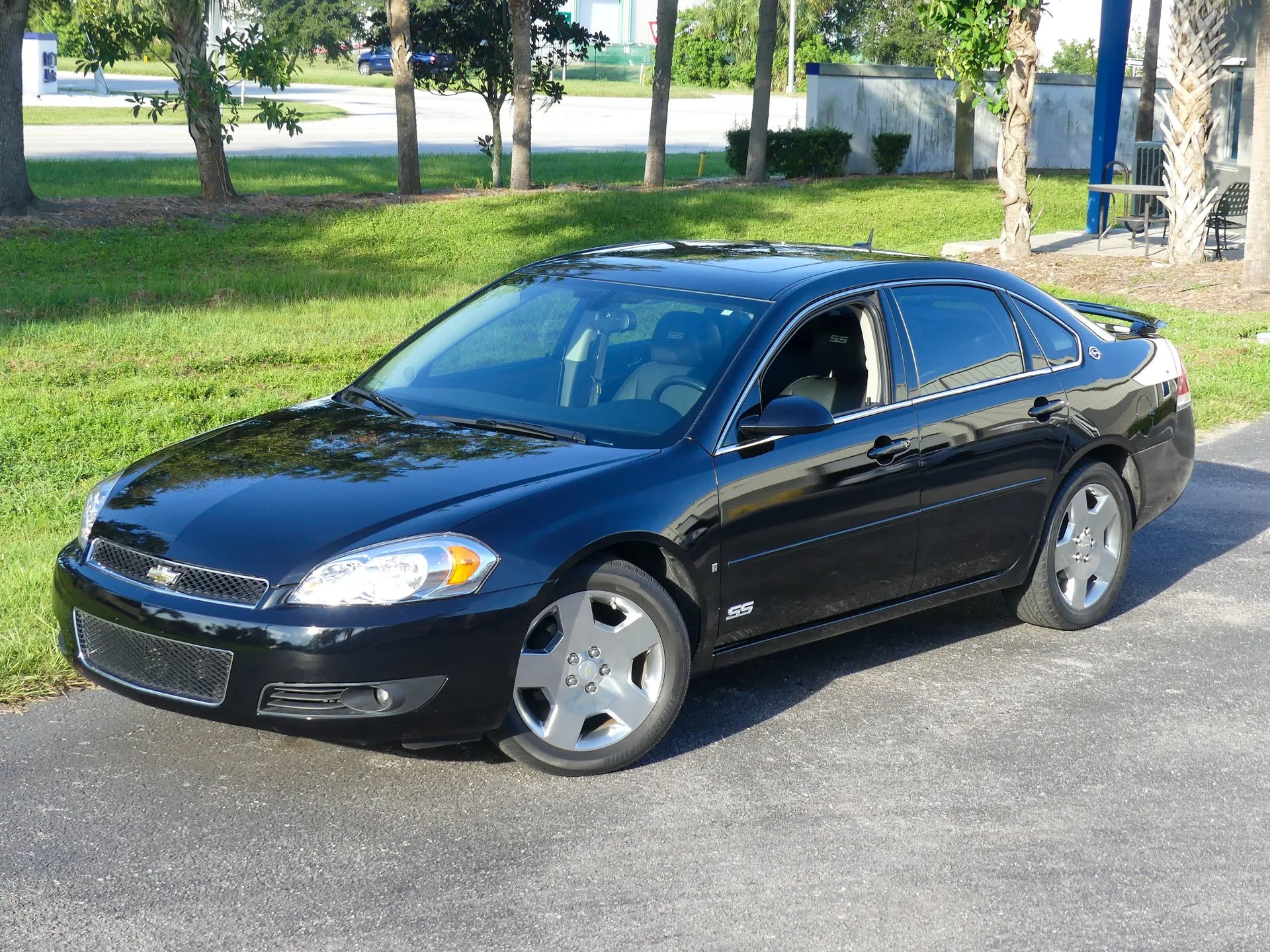
10. Chevrolet Impala (2006-2013)
Full-size sedan practicality combines with reasonable durability in the Chevrolet Impala produced between 2006 and 2013. The 3.5-litre V6 engine produces 211 horsepower while offering acceptable dependability that allows many vehicles to achieve respectable mileage figures.
It is common to find Impalas with more than 200,000 miles still operating as daily transportation. Regular oil changes using good-quality conventional oil help extend engine service life. The timing chain configuration removes the need for timing belt replacement.
The four-speed automatic transmission performs reliably when transmission fluid is replaced every 50,000 miles using the correct specification. Transmission-related problems are largely avoided through proper servicing. Smooth driving habits contribute to extended durability.
Gentle throttle application reduces premature wear. This level of care results in a powertrain that remains dependable within reasonable mileage expectations.
Front-wheel drive simplifies the drivetrain and provides satisfactory traction during adverse weather conditions. Rear differential servicing and driveshaft issues are eliminated. Constant velocity joints commonly last beyond 120,000 miles before replacement becomes necessary. Wheel bearings show acceptable service life.
This mechanical simplicity lowers routine maintenance demands when compared with rear-wheel-drive alternatives. Interior space comfortably accommodates six occupants with a front bench seat or five occupants with front bucket seats. Family members or colleagues are transported with adequate rear legroom.
Boot capacity is generous and easily handles luggage or cargo. Interior materials are basic but endure extended use. The dashboard resists cracking, door panels remain secure, and the climate control system continues to operate effectively.
This Impala provides practical full-size sedan transportation and acceptable durability that allows many examples to achieve respectable mileage when properly maintained, showing that General Motors sedans from this period can withstand reasonable usage, even though long-term service life does not equal that of the well-known 3.8-litre V6 vehicles that regularly achieve much higher mileage.
