
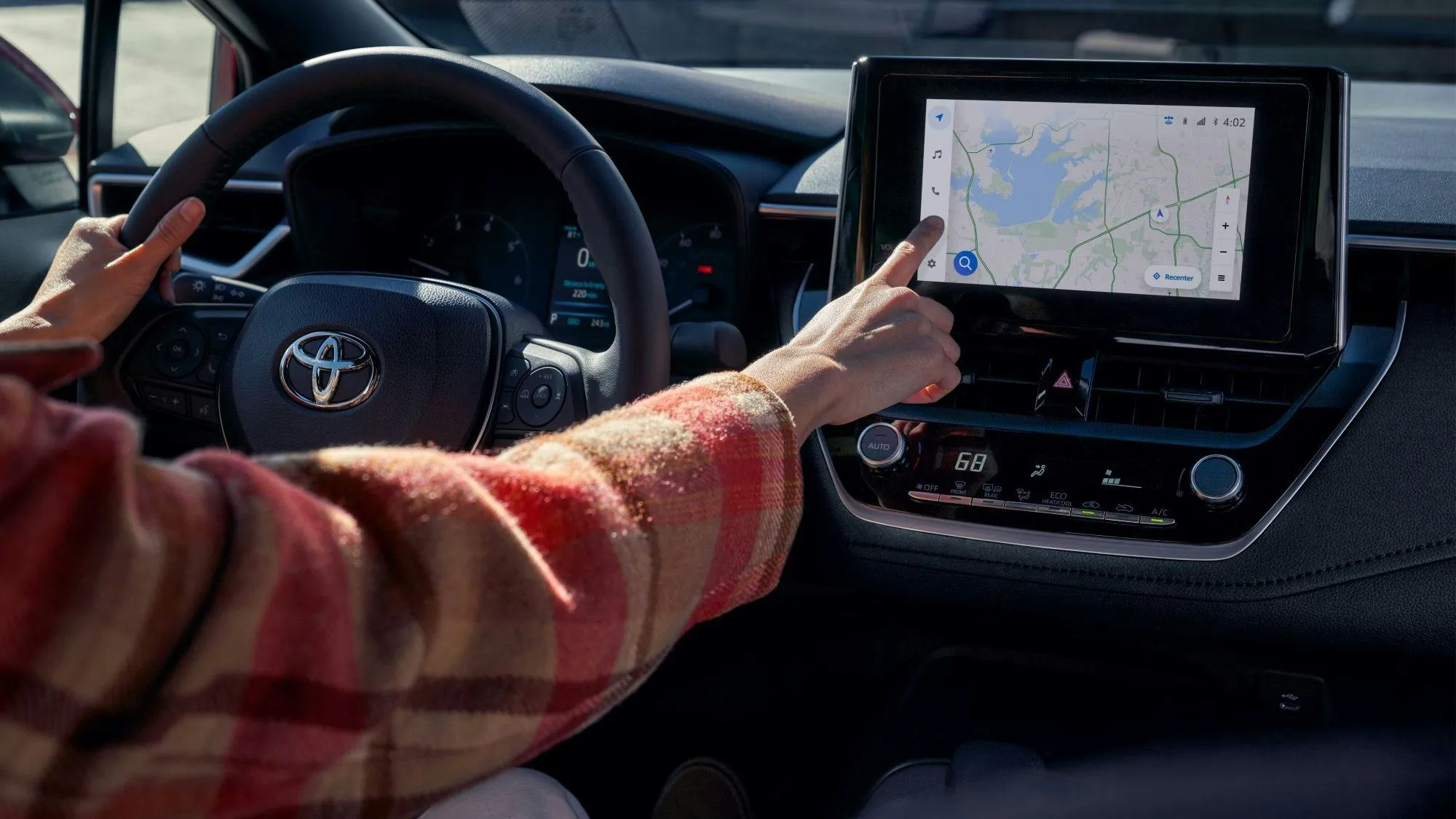
Marietta commuting demands reliable transportation that handles I-75 congestion, unpredictable Georgia weather, and daily trips between home, work, and endless errands without drama.
Your vehicle needs to start every morning without hesitation, maintain comfortable cabin temperatures during brutal Southern summers, and visit repair shops only for routine maintenance rather than constant fixes.
Atlanta metro traffic tests patience enough without adding vehicle reliability concerns to daily stress. You need something dependable that fades into background routines rather than creating anxiety about whether you’ll reach destinations or get stranded roadside watching tow trucks approach.
Some vehicles prove mechanically straightforward enough that any competent neighborhood shop services them affordably using readily available parts. You’ll pay reasonable labor rates to independent mechanics who understand these systems completely.
Oil changes, brake work, and routine repairs cost what they should rather than shocking you with inflated bills. These vehicles maintain value through proven reliability, keeping ownership costs manageable while providing transportation you actually trust during daily Marietta commutes.
Other vehicles demand constant attention through frequent breakdowns, expensive repairs, and mysterious problems that baffle even experienced mechanics. You’ll spend more time scheduling service appointments than actually enjoying your vehicle.
Repair bills stack up quickly when components fail prematurely, transforming affordable monthly payments into financial nightmares once warranty coverage expires.
These problematic vehicles create ownership experiences that make you question every decision leading to purchase, turning daily commuting into stressful gambling about whether your car cooperates today.
This guide examines ten vehicles specifically for Marietta’s daily commuting and reliability. Five models deliver dependable transportation that neighborhood shops service affordably, making them smart choices for practical buyers needing reliable daily drivers. Then we’ll expose five that break frequently, developing expensive problems that make ownership frustrating and costly.
Whether you’re shopping for your first commuter vehicle or replacing one that proved too unreliable, this information could save you thousands in repair bills while reducing the stress of wondering whether your car will actually get you to work tomorrow morning.
Cars Perfect for Marietta Commuting
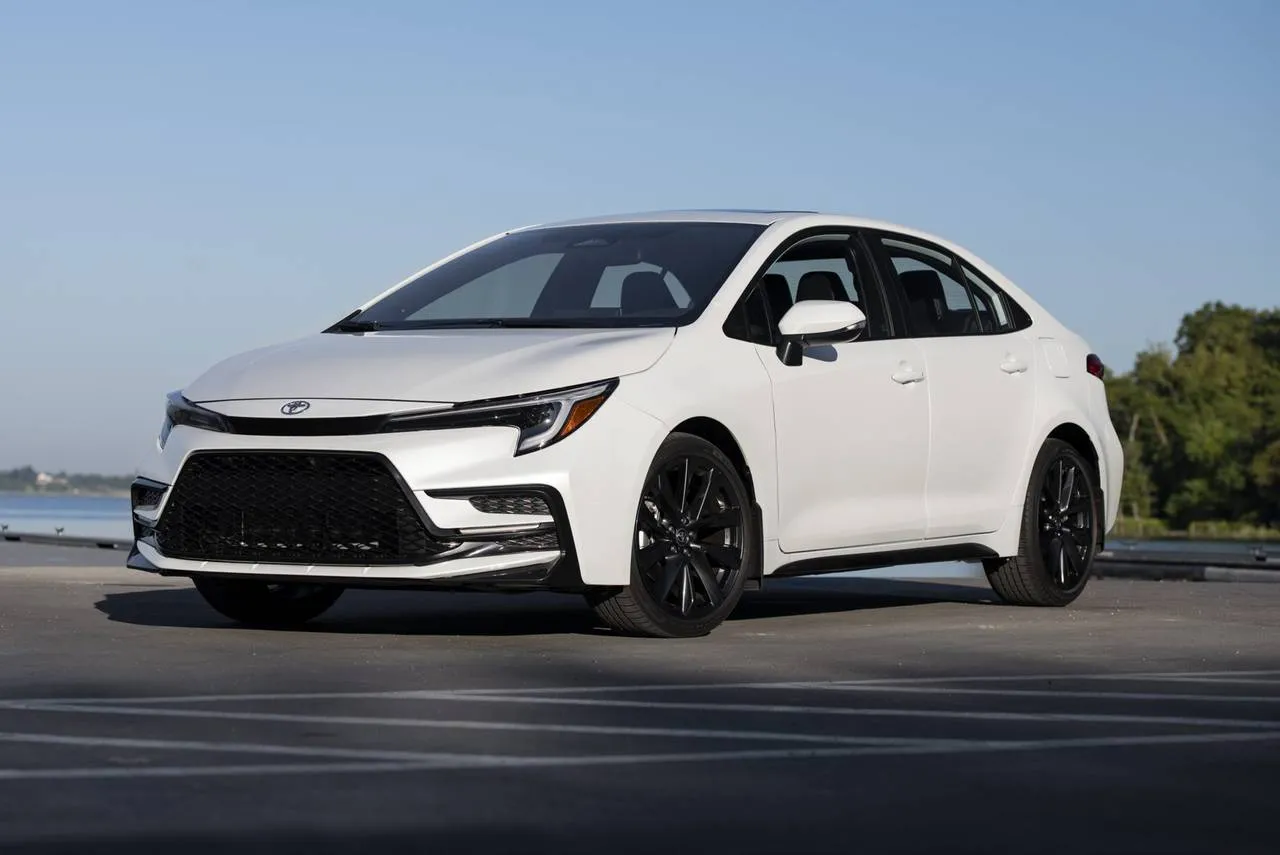
1. Toyota Corolla LE 2024
Reliable transportation defines the Toyota Corolla LE 2024. That 2.0-liter four-cylinder produces 169 horsepower, delivering adequate acceleration for daily Marietta driving without feeling underpowered during I-75 merging. CVT transmission operates smoothly while maintaining excellent fuel economy.
You’ll average 35-38 mpg during mixed driving, impressive efficiency that keeps fuel costs reasonable despite regular commuting. The engine provides sufficient power for highway driving and passing slower traffic without struggle. Air conditioning performance impresses with a system engineered specifically to handle hot climates.
You will achieve comfortable cabin temperatures within minutes, even after parking in direct Georgia sun all day. Climate control delivers strong cooling that remains consistent year after year.
Toyota engineers robust systems resisting premature failures that plague less reliable brands. You’ll stay comfortable during Marietta summers, regularly pushing temperatures into the 90s.
Interior materials withstand Southern heat without cracking, fading, or dashboard warping that affects vehicles using heat-sensitive components. Toyota selects UV-resistant materials specifically for durability in harsh sunlight. You’ll maintain an attractive interior appearance for years after purchase, thereby preserving your resale value.
Seats provide adequate comfort during typical commutes. Cabin noise stays well-controlled at highway speeds, allowing normal conversations without shouting. Any independent shop throughout Marietta services this Corolla competently. You’re not trapped in expensive Toyota dealership visits for routine maintenance.
Oil changes cost $50-$70 at neighborhood shops versus $90-$120 at dealers. Brake jobs, tire rotations, and other routine services cost 30-40% less at independent auto repair shops. Parts availability remains excellent, with every auto parts store stocking Corolla components at reasonable prices.
Reliability impresses with Corollas routinely exceeding 200,000 miles when properly maintained. You’ll drive this vehicle for years without major mechanical failures. Common issues remain minimal. Water pumps occasionally need replacement around 100,000 miles, costing $500-$700 at independent shops.
Brake components wear normally, requiring replacement every 50,000-70,000 miles. CVT transmission fluid should be changed every 60,000 miles, despite Toyota calling it lifetime fluid. Resale values remain strong because used buyers recognize Toyota quality. You’ll recover more of your investment when upgrading. Budget $700-$1,000 annually for routine maintenance and minor repairs.
This Corolla delivers dependable transportation, excellent efficiency, and low maintenance costs, perfect for Marietta’s daily commuting, making it a smart choice for buyers wanting a reliable vehicle that any shop services affordably without constant worry about breakdowns or expensive repairs destroying household budgets.
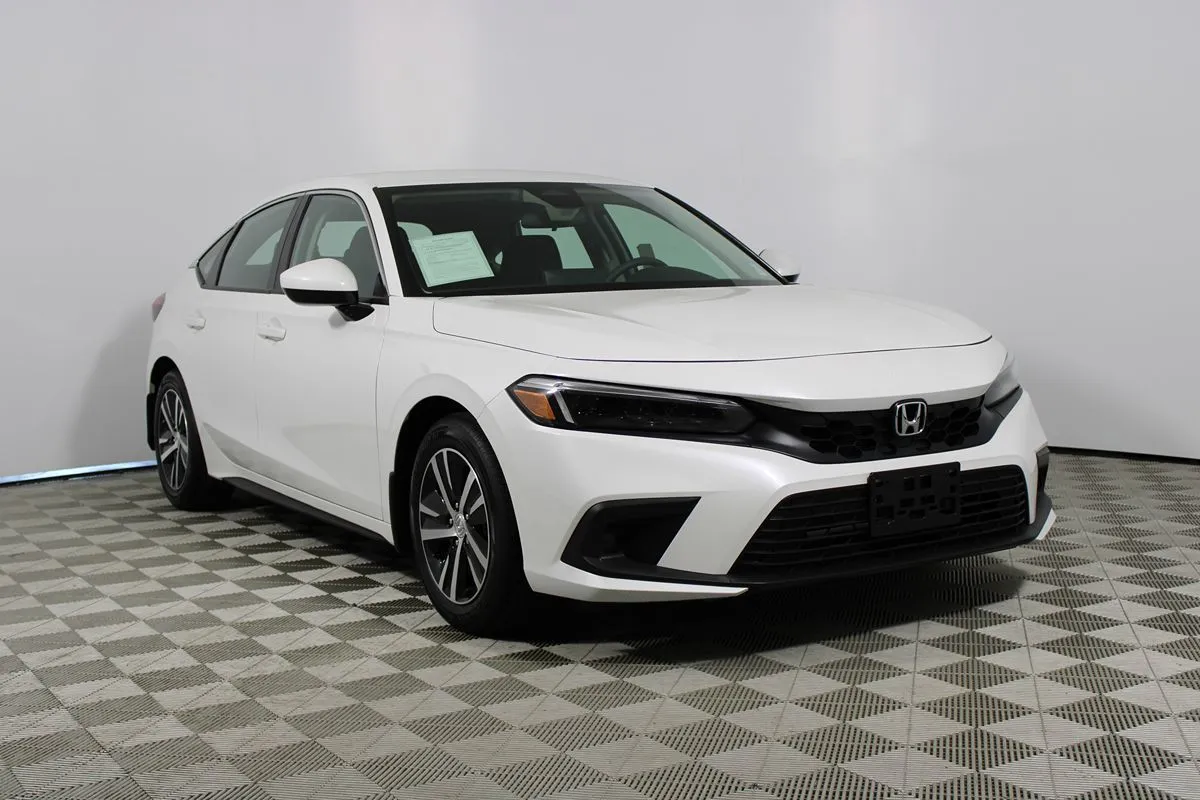
2. Honda Civic LX 2024
Full size sedan practicality is combined with reasonable durability in the Chevrolet Impala produced between 2006 and 2013. The 3.5 litre V6 engine delivers 211 horsepower and supports dependable service that allows many examples to achieve respectable mileage figures.
Many Impalas have exceeded 200,000 miles while remaining in daily use as private or commercial transport. Consistent oil changes using good-quality conventional oil help preserve engine condition. The timing chain arrangement removes the need for periodic belt replacement, reducing service demands.
The four-speed automatic transmission performs reliably when transmission fluid is replaced every 50,000 miles using the correct specification. Careful maintenance reduces the likelihood of gearbox failure.
Smooth driving habits also extend service life. Moderate throttle input limits internal stress and delays wear. With such care, the powertrain can provide dependable operation across many years.
Front Wheel Drive layout simplifies the drivetrain and offers acceptable traction during heavy rain and poor road conditions. This arrangement removes the need for rear differential servicing and long driveshaft components.
Constant velocity joints often last beyond 120,000 miles before attention is required. Wheel bearings show reasonable service life. Mechanical simplicity keeps maintenance costs within manageable limits when compared with Rear Wheel Drive sedans.
Interior accommodation supports six occupants with a front bench seat or five with separate front seats. Rear legroom is suitable for adults on longer journeys.
Boot space is generous and manages luggage or work equipment without difficulty. Interior trim feels basic yet tolerates prolonged use. The dashboard resists cracking, and door panels remain secure. Air conditioning systems usually remain functional.
Fleet usage has demonstrated durability, with police units, taxi operators, and hire companies recording high mileage. Vehicles exposed to demanding duty cycles often continue operating. This record shows acceptable endurance, although service life falls short of General Motors models available.
Also Read: 5 Cars for Lubbock Daily Driving and 5 Long-mileage Performers
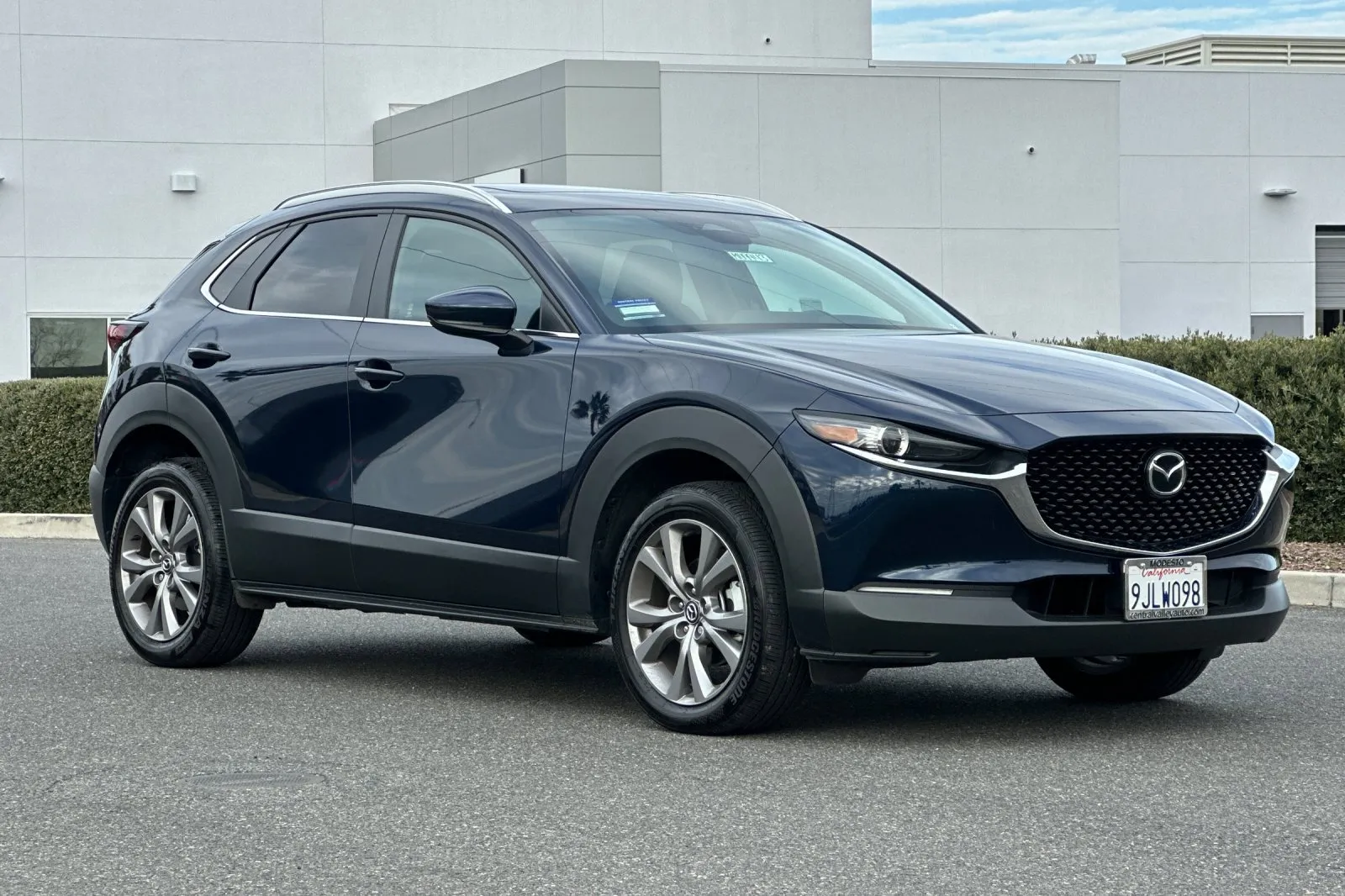
3. Mazda CX-30 Preferred 2024
Driving engagement meets practical reliability in the Mazda CX-30 Preferred 2024. That 2.5-liter four-cylinder produces 191 horsepower, delivering responsive acceleration that feels quick for a compact crossover. Six-speed automatic transmission changes smoothly and naturally, avoiding the rubber-band feel that CVTs create.
You’ll enjoy a more connected driving experience than competitors, prioritizing efficiency over engagement. The engine provides adequate power for spirited driving when opportunities arise during less congested commutes. Handling characteristics impress with suspension tuned for driver enjoyment. You’ll corner confidently with minimal body roll.
Steering provides actual feedback rather than video game artificial weighting. That engagement makes commuting more enjoyable rather than merely functional transportation. You’ll appreciate how this Mazda rewards skilled driving while remaining civilized during daily use in typical Marietta traffic conditions.
Interior quality exceeds what pricing suggests. Mazda prioritizes genuine materials over cheap plastics, characterizing budget competitors.
Dashboard design emphasizes clean aesthetics. Seats provide excellent support during longer drives. Cabin noise stays well-controlled at highway speeds. You’ll enjoy a premium feel that rivals more expensive competitors despite reasonable pricing that makes ownership accessible.
Air conditioning delivers strong performance during Georgia summers. You’ll maintain comfortable temperatures even during extreme heat.
Climate control operates intuitively with simple controls that don’t require consulting the owner’s manual. That reliability makes this Mazda practical for Marietta year-round use despite prioritizing driving dynamics that enhance the daily commuting experience.
Independent shops service this CX-30 without specialized requirements. You’re not trapped in expensive dealership visits. Parts availability remains good throughout Marietta. Mechanics understand these systems adequately. Oil changes, brake work, and routine services cost reasonable amounts at neighborhood shops. That accessibility keeps ownership costs manageable for families needing reliable daily transportation.
Fuel economy averages 27-30 mpg during mixed driving, respectable efficiency for a crossover prioritizing engagement. The engine requires regular gasoline rather than premium, reducing ongoing fuel costs. You’ll spend reasonably at gas pumps while enjoying superior driving dynamics that make commuting pleasant.
Reliability proves good when properly maintained. The engine demonstrates durability. Transmission operates reliably. Common issues remain minimal. Some examples experience minor electrical quirks. Suspension components wear normally.
Budget $700-$1,050 annually for maintenance. This CX-30 delivers engaging driving dynamics, quality interior, and maintenance accessibility, perfect for Marietta drivers appreciating vehicles that make commuting enjoyable rather than merely tolerable.
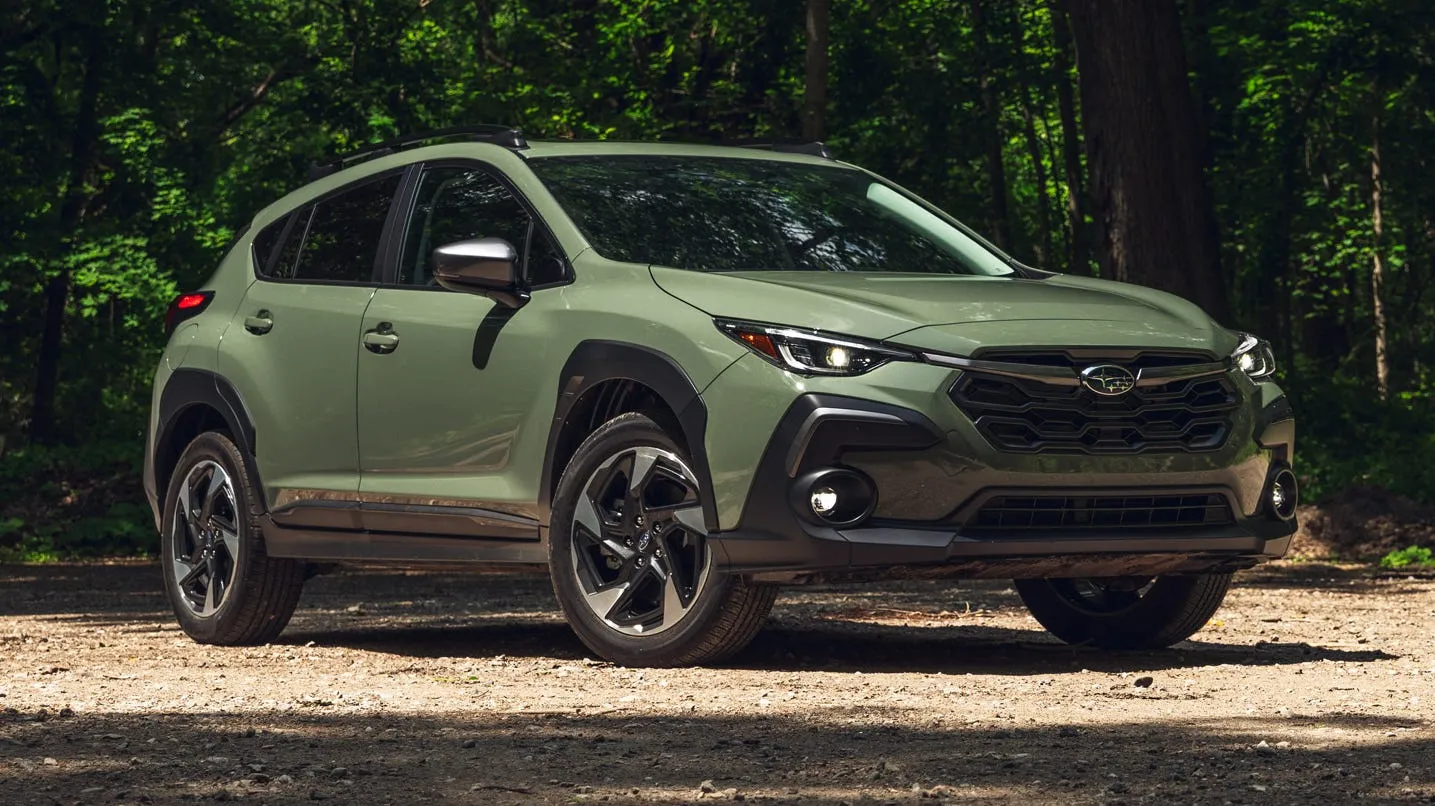
4. Subaru Crosstrek Premium 2024
All-weather capability is combined with suburban practicality in the 2024 Subaru Crosstrek Premium. Its 2.5-litre four-cylinder engine produces 182 horsepower, offering sufficient acceleration for daily commuting and routine errands.
The continuously variable transmission operates smoothly across changing driving conditions. Standard All Wheel Drive supplies dependable traction during heavy rainfall, which makes roads slippery or during sudden weather changes.
Generous ground clearance proves helpful when dealing with damaged parking surfaces, speed bumps, and occasional untarred roads. The vehicle handles surfaces that prevent lower cars from passing comfortably. The luggage area supports groceries, work items, sporting equipment, or weekend supplies. Rear seats fold flat to create additional space for larger loads.
Roof rails allow the fitting of cargo boxes or bicycle carriers, increasing the usefulness for active owners. Interior finishes are selected to endure frequent use. Subaru employs materials that tolerate long service periods without rapid deterioration.
The dashboard retains its appearance rather than cracking due to heat exposure. Seats provide reasonable comfort during regular journeys. The air conditioning system performs well during extreme temperatures. All-weather floor mats trap moisture brought in by footwear, protecting the carpet.
Routine servicing can be carried out by capable workshops without special tools. Owners are not restricted to dealership maintenance. Spare parts remain easy to obtain, and many technicians are familiar with Subaru mechanical systems.
Fuel consumption averages between 28 and 31 miles per gallon. Annual maintenance expenses typically range from 800 to 1,200 dollars, making this model suitable for dependable daily transport.
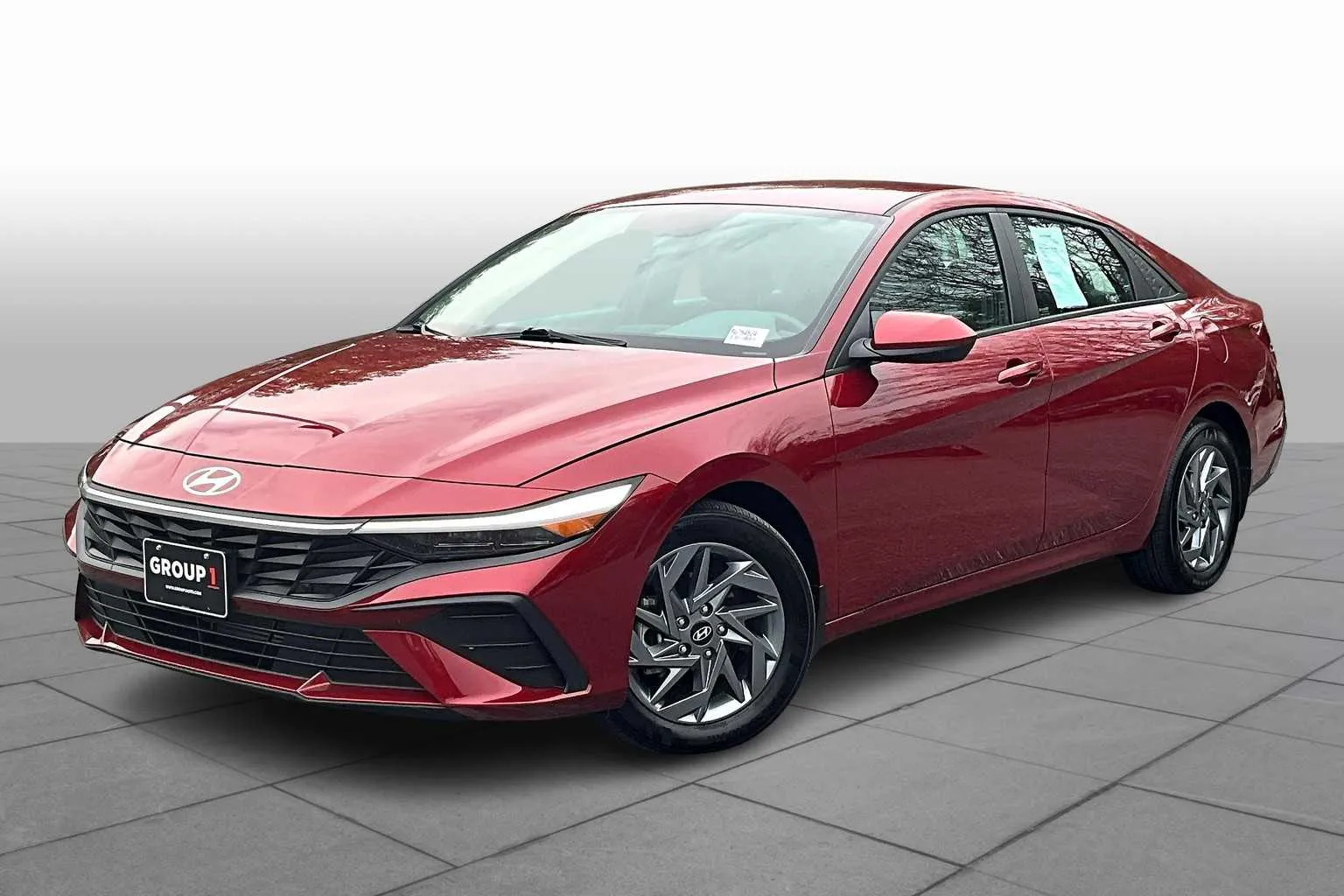
5. Hyundai Elantra SEL 2024
Korean value meets practical reliability in the Hyundai Elantra SEL 2024. That 2.0-liter four-cylinder produces 147 horsepower, delivering adequate acceleration for daily Marietta driving. CVT transmission operates smoothly while maintaining good fuel economy.
You’ll average 35-38 mpg during mixed driving, excellent efficiency that keeps fuel costs reasonable. The engine provides sufficient power for highway merging and passing without feeling dangerously underpowered during typical commuting conditions.
Exterior styling turns heads with dramatic proportions and aggressive design that refuses to blend into traffic. You’ll drive something that looks more expensive than it costs.
Interior design continues that theme with attractive materials and thoughtful layouts. Seats provide good support during typical drives. Dashboard emphasizes driver focus with controls positioned logically for easy access.
Air conditioning performance handles Georgia heat well, with the system maintaining comfortable temperatures during summer. You’ll stay cool during commutes despite outside temperatures climbing into the 90s regularly. Climate control operates reliably. Heated seats provide warmth during occasional cold mornings.
That capability makes this Elantra practical year-round for Marietta commuting. Independent shops throughout Marietta service this Elantra without specialized equipment. You’re not forced into expensive Hyundai dealership visits for basic work.
Mechanics gaining familiarity with these vehicles keep labor costs competitive. Parts availability continues improving as Hyundais gain popularity. Oil changes, brake work, and routine services cost reasonable amounts at neighborhood shops.
Warranty coverage provides exceptional peace of mind. Five-year/60,000-mile bumper-to-bumper and ten-year/100,000-mile powertrain protection covers major components. You’ll drive confidently knowing Hyundai stands behind its products. That protection proves valuable for buyers keeping vehicles long-term and wanting security against unexpected, expensive repairs during initial ownership years.
Reliability proves adequate when these Elantras receive proper maintenance. The engine requires regular oil changes using quality oil. CVT transmission needs periodic fluid changes to maintain longevity. Common issues remain manageable. Some examples experience minor electronic glitches requiring software updates. Budget $700-$1,100 annually for maintenance.
This Elantra delivers stylish transportation, generous warranty coverage, and maintenance accessibility that makes it a smart choice for Marietta drivers wanting an attractive sedan without specialist dependency or expensive dealership service forcing premium labor rates that strain household budgets unnecessarily.
Cars That Break Frequently

1. Range Rover Evoque S 2024
British engineering presents serious reliability problems in the 2024 Range Rover Evoque S. Its 2.0 litre turbocharged four cylinder engine produces 246 horsepower and delivers brisk acceleration when operating correctly.
The nine-speed automatic transmission moves smoothly at first, yet faults appear as mileage increases. All Wheel Drive offers capability. Reliability concerns dominate ownership, as these vehicles demand repairs far more often than Japanese rivals offering similar performance.
Electronic systems fail without warning, leading to dashboard alerts that require costly dealer diagnosis. The infotainment unit freezes, restarts randomly, or stops working entirely. Climate control systems develop faults. Sensors fail and require premium-priced replacements.
Owners encounter persistent electrical faults that frustrate technicians and generate repeated expenses through frequent dealership visits, with problems rarely resolved permanently. Transmission faults remain common. The nine-speed automatic develops harsh gear changes, hesitation, or total failure before 100,000 miles.
Repairs cost between four thousand and six thousand dollars for replacement, a devastating burden for many households. Land Rover issued service bulletins addressing these faults, yet the problems continue. Owners live with constant anxiety about breakdowns and recovery costs.
Engine-related troubles include coolant leaks, oil consumption, and turbocharger failure, each demanding expensive repairs. Cooling components fail early. Water pump replacement costs between one thousand five hundred and two thousand dollars.
Turbocharger repairs range from two thousand five hundred to four thousand dollars. Such failures are unacceptable on a vehicle of this age and price. Ownership requires specialist support. Independent workshops lack the diagnostic tools required for even minor repairs.
Proprietary software updates force dealer visits with labour charges of two hundred to two hundred and fifty dollars per hour. Parts pricing shocks many owners. Routine brake work can reach three thousand dollars, while basic servicing exceeds two hundred dollars. Annual maintenance costs strain household finances.
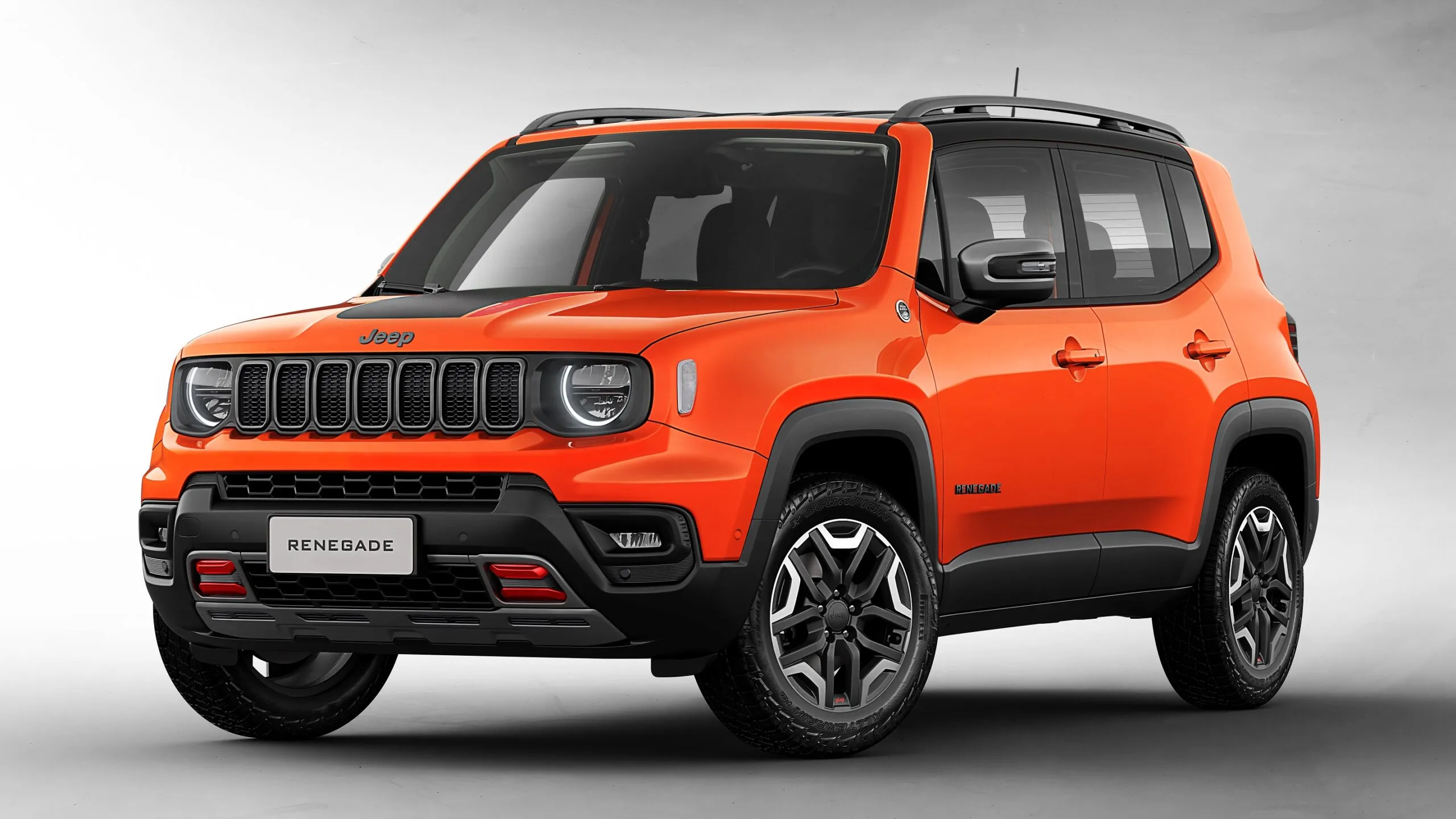
2. Jeep Renegade Trailhawk 2024
American engineering stumbles badly in the Jeep Renegade Trailhawk 2024. That 1.3-liter turbocharged four-cylinder produces 177 horsepower, providing barely adequate acceleration. Nine-speed automatic transmission exhibits problematic behavior, including harsh shifting, hesitation, and questionable reliability, which concerns mechanics who see these vehicles regularly.
Four-wheel drive provides decent capability when mechanical systems function properly. Unfortunately, reliability problems emerge quickly, transforming an affordable purchase price into an expensive ownership nightmare. Transmission problems dominate Renegade ownership complaints, with the nine-speed automatic developing issues prematurely.
Harsh shifting, slipping, refusal to engage gears, and complete failure occur before reasonable mileage. Repairs cost $3,500-$5,500 for replacement. Stellantis issued technical service bulletins addressing transmission problems, but issues continue plaguing these vehicles. You’ll experience constant transmission concerns that make ownership frustrating.
Electrical problems emerge frequently with various systems failing unpredictably. Infotainment system freezes, reboots randomly, or stops functioning completely. Dashboard warning lights illuminate for mysterious reasons, creating expensive diagnostic sessions.
Sensors fail, requiring replacement. Climate control acts temperamental. You’ll experience constant electrical gremlins that frustrate both you and mechanics trying to diagnose intermittent failures. Engine problems include excessive oil consumption requiring frequent top-ups between changes, turbocharger failures costing $1,800-$2,800 for replacement, and various sensor failures creating dashboard warning lights and expensive diagnostic sessions.
Cooling system components fail prematurely. You’ll face multiple engine-related problems requiring expensive repairs that shouldn’t occur on vehicles this age. Interior quality disappoints with cheap materials throughout the cabin. Hard plastics dominate surfaces. Seats provide minimal comfort during longer commutes.
Dashboard rattles develop quickly as vehicles age. Climate control works adequately when functioning, but components fail prematurely compared to reliable competitors. You’ll tolerate substandard interior quality while facing expensive mechanical repairs.
Fuel economy averages 24-27 mpg during mixed driving, disappointing efficiency for a vehicle this small. The engine lacks power for confident highway driving, yet it consumes fuel like larger competitors. You’ll struggle during passing maneuvers while watching the fuel gauge drop disappointingly fast. That combination creates a thoroughly unsatisfying ownership experience.
Annual costs reach $1,800-$3,000, including maintenance and repairs that emerge as these Renegades age. After five years, you’ve spent $4,000-$10,000 more maintaining this Jeep compared to reliable alternatives like Honda or Toyota.
This Renegade delivers substandard transportation that fails prematurely despite attractive initial pricing and rugged styling, making it a poor choice for Marietta commuters needing genuinely dependable vehicles.
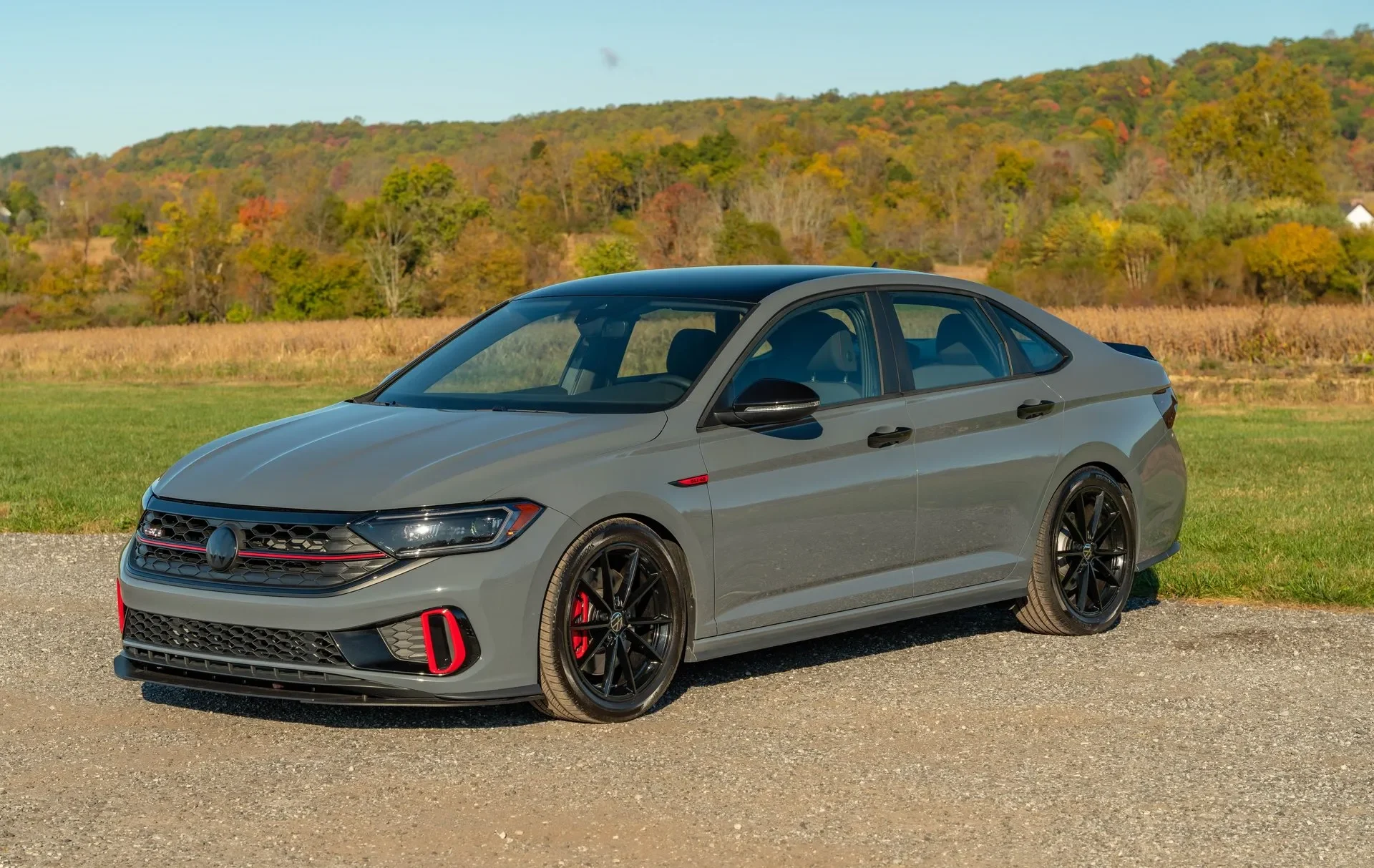
3. Volkswagen Jetta GLI 2024
German engineering presents maintenance challenges in the 2024 Volkswagen Jetta GLI. The two point zero litre turbocharged four cylinder engine produces two hundred and twenty eight horsepower and delivers strong acceleration when operating correctly.
A seven-speed dual clutch transmission changes gears rapidly during spirited driving. Handling feels sharp due to a sport-tuned suspension. Reliability worries and specialist dependence turn the attractive performance image into a costly ownership burden.
The turbocharged engine requires premium fuel, adding recurring expense. Drivers pay about thirty to forty cents more per gallon than regular petrol. This difference amounts to roughly four hundred to six hundred dollars each year under typical commuting use.
Fuel consumption also exceeds that of naturally aspirated rivals, raising running costs. Carbon deposits develop on intake valves and demand periodic cleaning, which costs between eight hundred and one thousand two hundred dollars every sixty thousand to eighty thousand miles.
Dual clutch transmission faults appear, including jerky engagement, vibration, and early failure. Replacement expenses range from three thousand five hundred to five thousand dollars. Technical service bulletins were released by Volkswagen, yet the problems persist. Daily driving becomes frustrating rather than enjoyable despite the car’s sporty intentions.
Electrical faults increase as mileage accumulates. Sensors fail and trigger dashboard warnings. The infotainment system develops software problems that only dealers can correct. Climate control behaves inconsistently. Diagnostic work often consumes many hours at labour rates of one hundred and seventy-five to two hundred and twenty-five dollars before repairs begin.
Volkswagen ownership demands specialist attention. Few independent workshops possess the correct diagnostic tools in Marietta. Coding and software requirements force dealership visits. Labour rates of one hundred and fifty to two hundred dollars per hour apply. Parts prices exceed mainstream brands. Such costs strain household budgets for buyers seeking affordable daily transport.
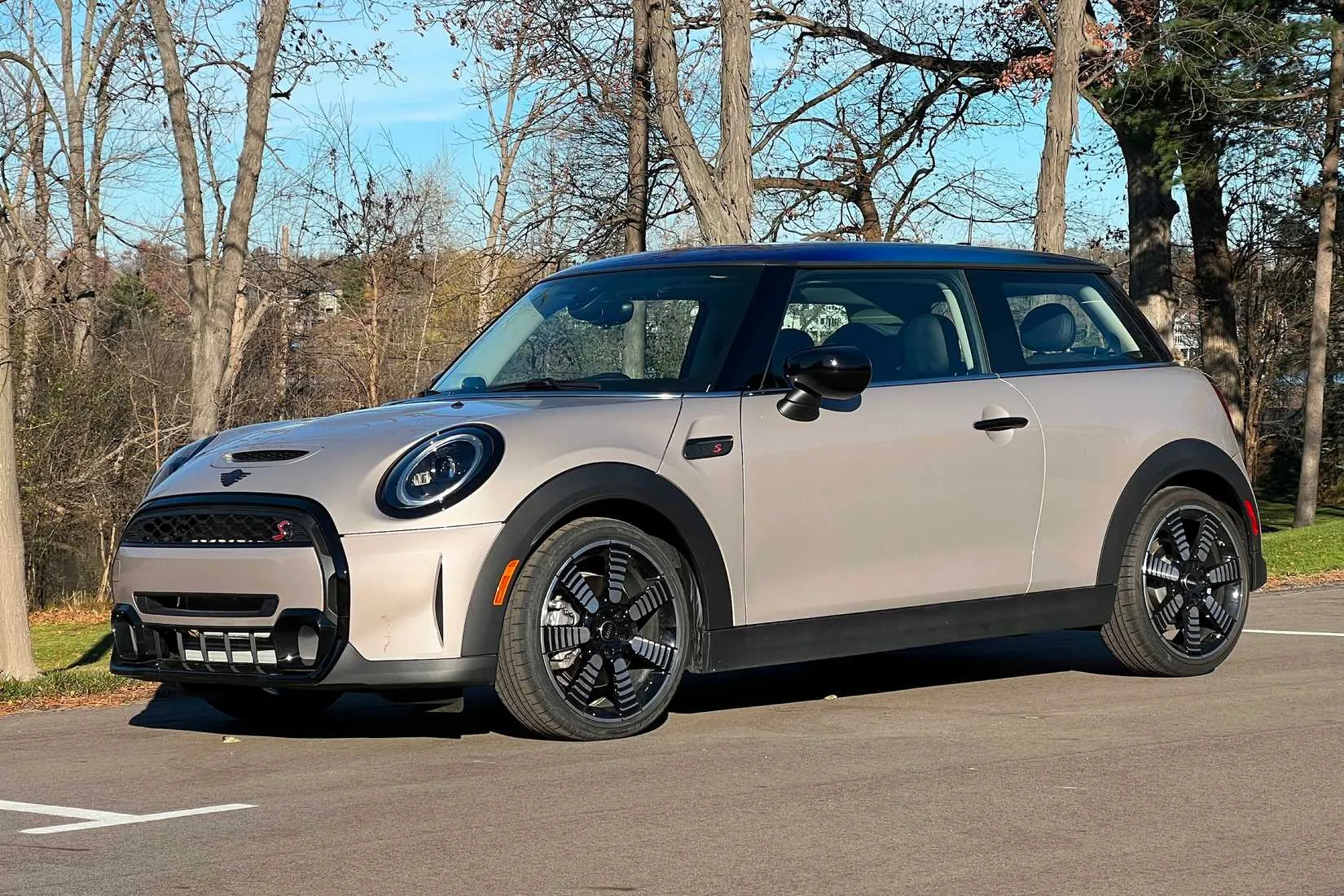
4. Mini Cooper S Hardtop 2024
British charm masks reliability problems in the Mini Cooper S Hardtop 2024. That 2.0-liter turbocharged four-cylinder produces 189 horsepower, delivering entertaining acceleration in a compact package. Seven-speed dual-clutch transmission moves quickly.
Handling impresses with go-kart-like agility that makes driving engaging. Unfortunately, reliability concerns dominate ownership as these Minis require repairs far more frequently than dependable competitors delivering similar fun.
Engine problems plague Mini ownership with turbocharged four-cylinder developing issues, including excessive oil consumption, coolant leaks, and timing chain failures requiring $3,000-$5,000 for repairs before 100,000 miles. You’ll monitor oil levels constantly, adding between changes. Cooling system components fail prematurely, requiring expensive repairs. Water pumps fail, requiring $1,200-$1,800 for replacement.
Dual-clutch transmission develops problems, including jerky operation, shuddering during low-speed maneuvering, and premature failure requiring $4,000-$6,000 for replacement. You’ll experience problematic transmission behavior that makes daily commuting frustrating. Mini issued technical service bulletins addressing transmission problems, but issues persist affecting these vehicles.
Electrical problems emerge frequently as these Minis age. Dashboard warning lights illuminate for mysterious reasons. Sensors fail, requiring premium replacement parts. Infotainment develops glitches.
Climate control acts temperamental. Power windows fail. You’ll experience constant electrical gremlins that frustrate mechanics and create ongoing expenses through repeated visits trying to resolve problems.
Specialist dependency becomes nearly absolute with Mini ownership. Independent shops capable of properly servicing these vehicles remain extremely rare. Specialized diagnostic equipment, proprietary software, and coding requirements force dealership visits for most repairs. You’ll pay $175-$225 per hour for labor at Mini dealers, substantially higher than neighborhood shops charge.
Parts costs shock owners accustomed to reasonable prices. Simple components cost 2-3 times what equivalent Honda or Toyota parts cost. Brake jobs cost $1,500-$2,500. Suspension components wear quickly, requiring expensive replacement. You’ll face premium parts pricing for everything from oil filters to major components.
Fuel economy averages 26-29 mpg during mixed driving, disappointing efficiency for a vehicle this small. A turbocharged engine requires premium fuel, adding an ongoing expense. Annual costs reach $3,000-$5,500 with this Mini compared to $700-$1,000 for reliable alternatives.
After five years, you’ve spent $11,500-$22,500 more maintaining this Mini, making it a terrible choice for Marietta commuters needing dependable, affordable transportation.
Also Read: 5 Cars That Survive City Abuse and 5 That Break Early
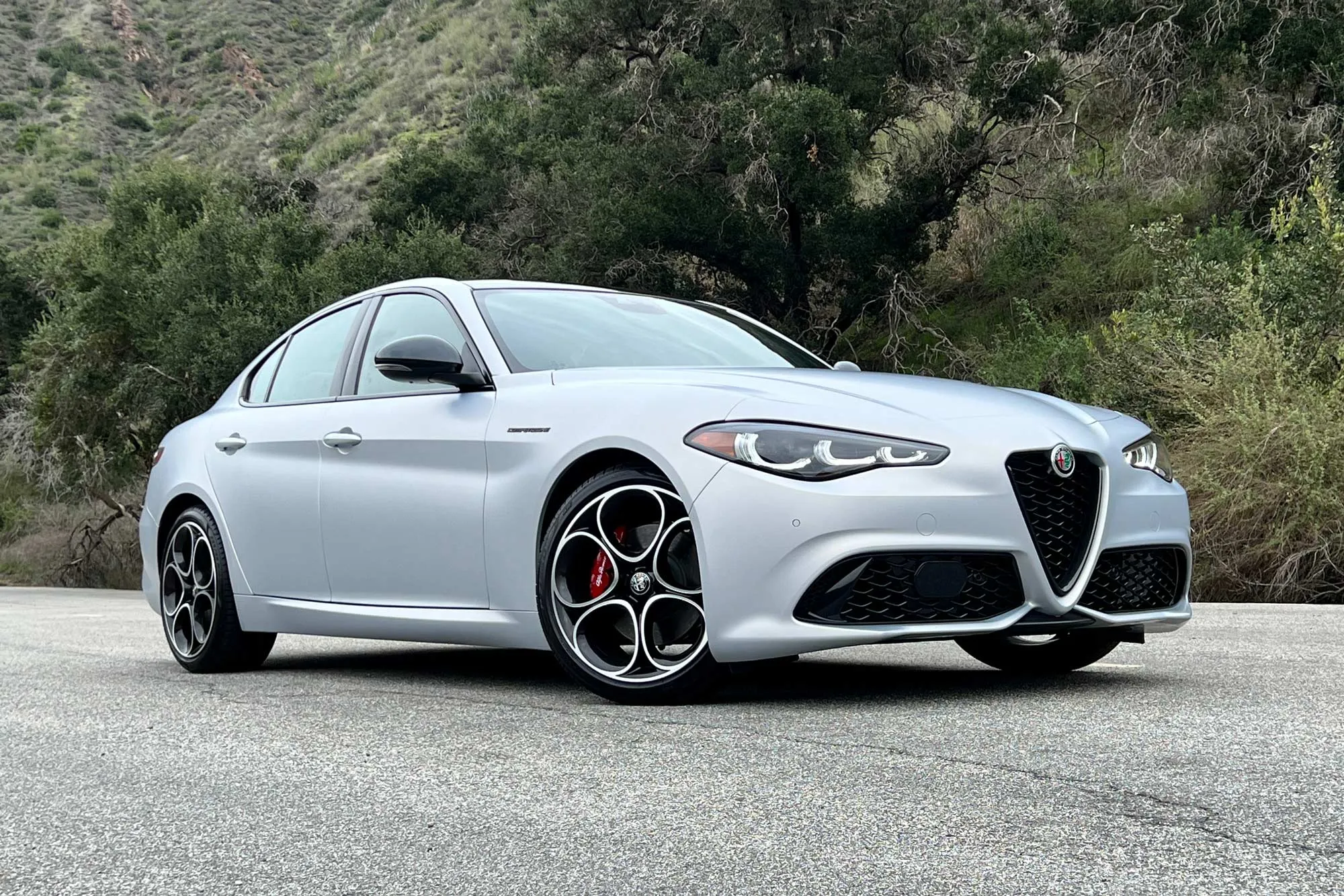
5. Alfa Romeo Giulia Ti 2024
Italian passion creates maintenance disasters in the Alfa Romeo Giulia Ti 2024. That 2.0-liter turbocharged four-cylinder produces 280 horsepower, delivering thrilling acceleration when functioning properly.
Eight-speed automatic transmission moves quickly. Handling dynamics impress with Italian character that makes driving engaging.
Unfortunately, reliability problems and specialist requirements create an ownership experience that transforms excitement into constant stress about what will break next. Reliability concerns dominate Giulia ownership discussions across forums and review sites. These vehicles require repairs far more frequently than Japanese competitors.
Electronic systems fail unpredictabl,y creating dashboard warning lights requiring expensive dealer diagnosis using specialized equipment. Transmission problems include rough shifting or complete failure. Engine issues include oil consumption and various sensor failures, creating ongoing problems.
Electrical problems plague these Giulias with mysterious issues that baffle even dealer technicians. Infotainment freezes or stops functioning. Climate control develops glitches.
Sensors fail constantly. Dashboard warning lights illuminate for reasons that take hours to diagnose at $200-$250 per hour. You’ll visit dealerships repeatedly for electrical problems that never seem to be permanently resolved.
Specialist dependency becomes absolute with Alfa Romeo ownership. Independent shops capable of servicing these vehicles remain virtually nonexistent in Marietta.
You’ll visit dealerships charging $200-$250 per hour for labor. Specialized diagnostic equipment and proprietary software force dealership visits for all repairs. Parts must be ordered from limited suppliers at premium prices.
Parts costs shock owners. Brake jobs requiring Alfa components cost $2,000-$3,500 compared to $700-$1,000 for equivalent Honda work. Water pumps fail, requiring $1,800-$2,500 for replacement.
Electrical components cost a premium price. Turbocharger failures require $3,000-$5,000 for repairs. Every repair becomes substantially more expensive through specialist dependency and premium parts pricing.
Oil changes require specific synthetic oil costing $175-$225 at dealers. Routine maintenance costs double or triple what mainstream brands charge. You’ll pay premium prices for everything from basic services to major repairs. A turbocharged engine requires premium fuel, adding an ongoing expense that compounds operating costs.
Annual maintenance costs easily reach $4,500-$7,500 with this Giulia, compared to $700-$1,000 for reliable alternatives. After five years, you’ve spent $19,000-$32,500 more maintaining this Alfa Romeo.
This makes it the worst possible choice for Marietta commuters. You’ll regret this purchase through constant expensive dealership visits and reliability problems that transform ownership into an ongoing financial drain and stress about whether your car cooperates during daily commutes to work.
