
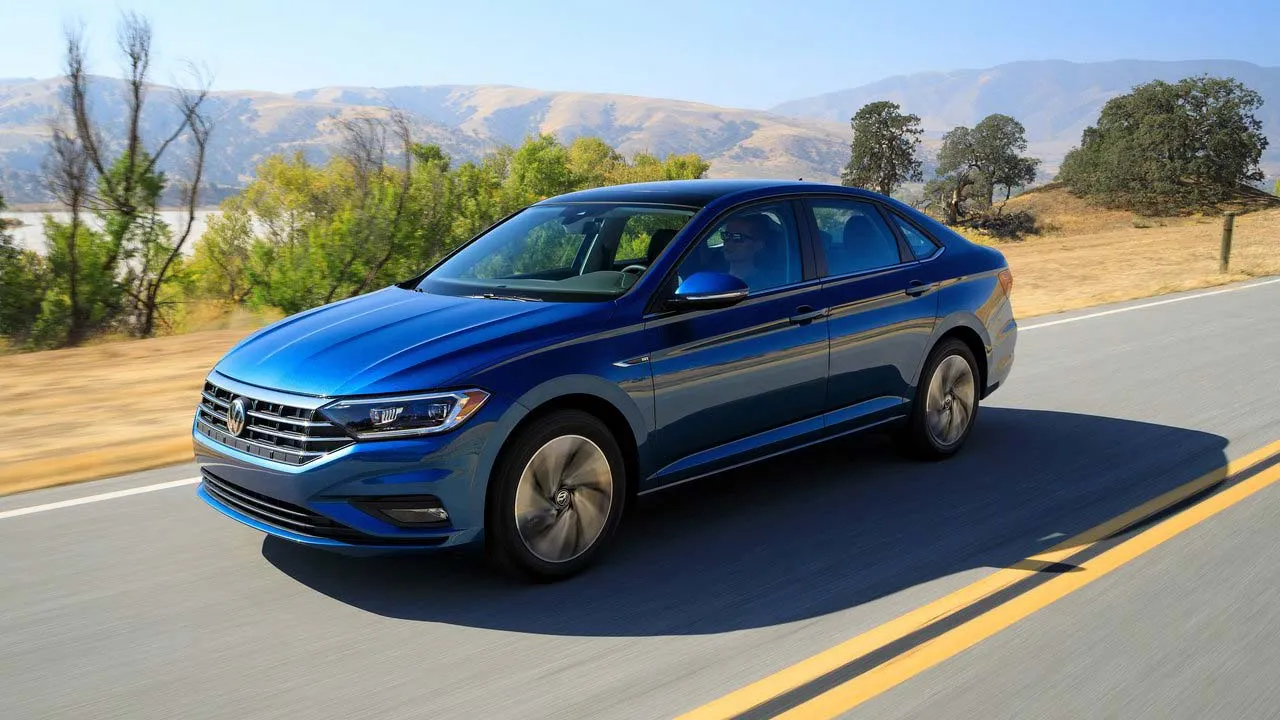
Boston’s streets were never meant for modern cars. Many of the roads were laid out during colonial times, and they still wind tightly through areas like the North End and Beacon Hill. That layout turns parking into a daily headache, especially if you’re driving anything bigger than a compact car.
Finding a spot often feels impossible, and when you do, it’s usually just a few inches longer than your vehicle. Trying to parallel park in those conditions can feel like a high-pressure challenge, made worse by impatient drivers blasting their horns as you struggle to fit into the space.
Street sweeping schedules, resident-only zones, and meters that accept every payment method except the one you have make parking stressful before you even start maneuvering. Your sedan choice matters immensely in this environment. A compact car with a tight turning radius and good visibility slides into spots that larger vehicles can’t dream of attempting.
Responsive steering and predictable dimensions let you thread through Back Bay’s narrow streets without scraping mirrors on parked cars. Backup cameras and parking sensors transform from luxury features into necessities when you’re trying to fit into a South End space with inches to spare on both ends.
Some sedans handle Boston’s parking challenges beautifully. Short wheelbases create nimble handling that makes U-turns possible on residential streets. Compact dimensions mean more parking options become available.
Good sightlines let you judge distances accurately when parallel parking on Commonwealth Avenue during rush hour. These cars make city living tolerable, even enjoyable, because parking stops being a source of constant anxiety.
Others? They’re absolutely terrible for Boston. Long wheelbases require multi-point turns on narrow streets. Poor visibility creates blind spots that hide parking meters, fire hydrants, and other obstacles. Numb steering provides no feedback about wheel position, making parallel parking a guessing game.
Wide bodies eliminate tight spaces from consideration. If you’re shopping for a sedan in Boston or any dense urban environment, understanding which cars park easily and which ones torture you daily can dramatically improve your quality of life.
Let’s examine five sedans that excel at Boston parking and five that make you question every life decision that led to owning them.
Sedans Perfect for Boston Parking
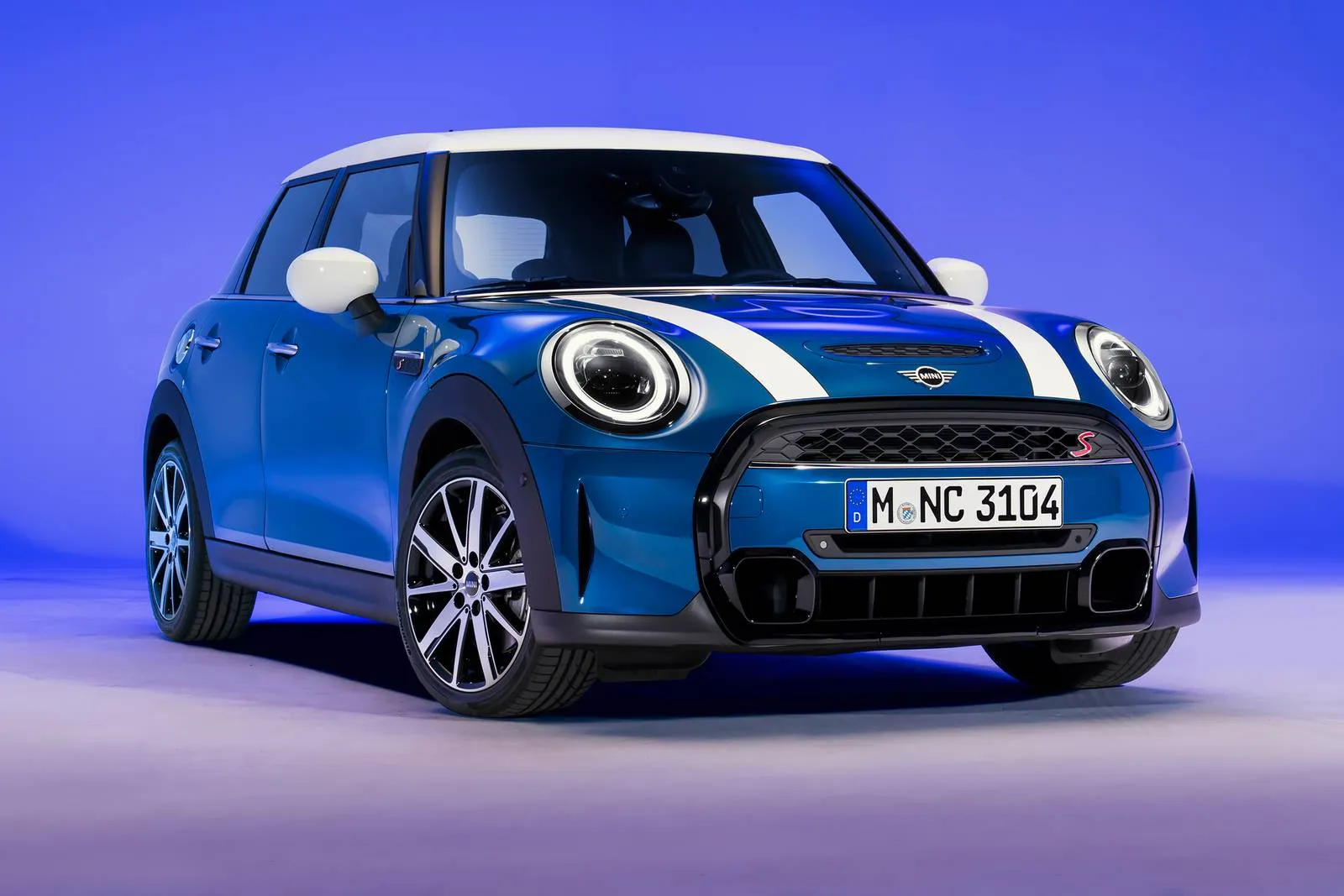
1. Mini Cooper S 4-Door 2021-2024
Calling the Mini a sedan stretches the definition slightly, but those four doors and enclosed trunk make it sedan enough for our purposes. What matters most is how this British-designed, German-engineered car handles Boston’s medieval street layout.
At just 156 inches long, the Cooper S 4-Door fits into parking spaces that full-size sedans roll past without considering. That compact length combines with a turning radius of 35.6 feet, letting you execute U-turns on residential streets without mounting curbs or executing seventeen-point turns.
Visibility from the driver’s seat approaches fishbowl levels. Large windows and thin roof pillars create sightlines that help you judge distances precisely when parallel parking on Newbury Street. You can actually see both ends of your car without relying entirely on cameras and sensors, a rarity in modern vehicles.
Door mirrors provide wide views without massive blind spots, and the upright seating position gives you a commanding view despite the car’s small stature. Parking becomes almost fun because you can confidently slip into spaces other drivers don’t even notice.
Power comes from a turbocharged 2.0-liter four-cylinder producing 189 horsepower, more than adequate for darting through traffic and merging onto Storrow Drive. That peppy engine makes the Mini feel quick around town, important when you need to grab a parking space before someone else claims it.
Handling stays sharp and responsive, with direct steering that communicates road surface conditions clearly. You always know exactly where your front wheels point, eliminating guesswork during tight maneuvers. Interior space surprises first-time passengers.
Four adults fit comfortably for short trips, though taller rear passengers will notice limited legroom on longer drives. Cargo capacity handles grocery runs and weekend luggage without issues. Build quality feels solid, with premium materials throughout the cabin that justify the Mini’s higher price compared to economy competitors.
Technology includes a responsive touchscreen, wireless phone charging, and driver assistance features that make city driving less stressful. Parking sensors and a backup camera come standard, providing extra confidence when squeezing into tight South End spots. However, you’ll rarely need these aids because the Mini’s compact size and excellent visibility make spatial awareness intuitive.
Insurance costs stay reasonable because theft rates run low and repair costs, while not cheap, don’t approach luxury car levels. Fuel economy in the high 20s to low 30s MPG range keeps operating costs manageable despite premium fuel requirements.
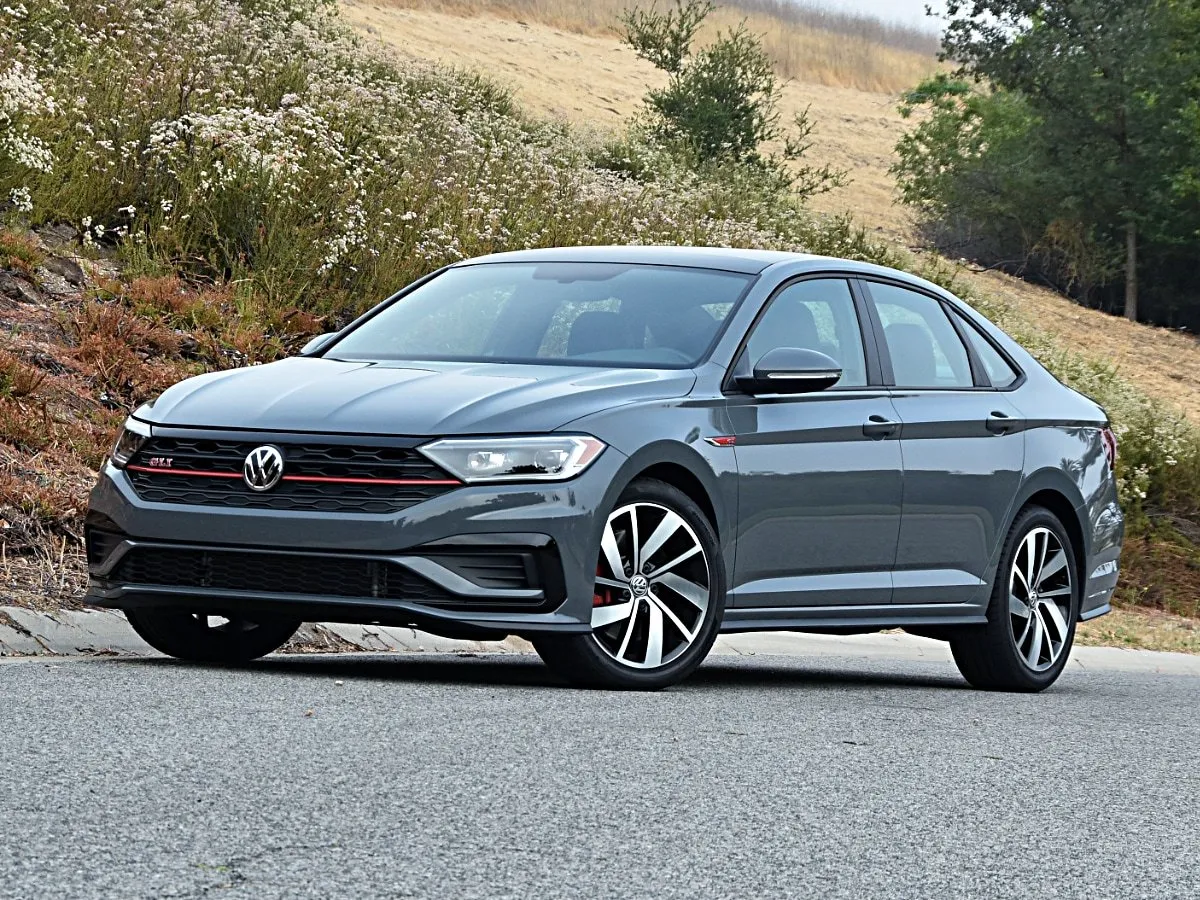
2. Volkswagen Jetta 2019-2024
VW’s compact sedan blends German precision with sensible proportions, and that balance becomes especially clear in a city like Boston. At 185 inches long, the Jetta is noticeably more substantial than a Mini, yet it still slips into most parallel parking spots without the usual stress.
Its 105-inch wheelbase gives it a tight turning radius that feels perfectly suited for narrow residential streets, while also keeping the car steady and composed at highway speeds. The weight is evenly distributed, so low-speed maneuvers feel controlled and predictable, reducing that awkward swing wide when turning into or out of tight spaces.
The steering is tuned with real-world driving in mind. It strikes a comfortable middle ground, offering enough feedback to know exactly where the wheels are pointed without feeling heavy or artificial. Parking at low speeds takes little effort, and once you’re moving faster, the car settles into a confident, stable rhythm.
That dual personality allows the Jetta to move calmly through stop-and-go Cambridge traffic and then transition smoothly onto Route 2 for a relaxed drive toward Concord.
Visibility and driver assistance features add another layer of confidence. The rearview camera delivers sharp visuals with clear guidelines that make backing into spaces feel intuitive.
On higher trims, parking sensors provide gradual warnings as you approach obstacles, though the car’s manageable size means you rarely get to that point. Blind spot monitoring proves especially helpful on busy streets, alerting you to approaching vehicles before you begin reversing into a spot.
Inside, the Jetta makes smart use of its footprint. Both front and rear seats offer enough room for adults to sit comfortably, defying expectations set by the car’s compact exterior. The driver’s seat adjusts widely, making it easy for drivers of different heights to find a natural position.
The trunk handles everyday demands with ease, whether it’s groceries, luggage, or sports gear, and the split-folding rear seats add flexibility for larger items.
Also Read: 5 Cars for Leander Suburban Commuting And 5 Ownership-friendly Options
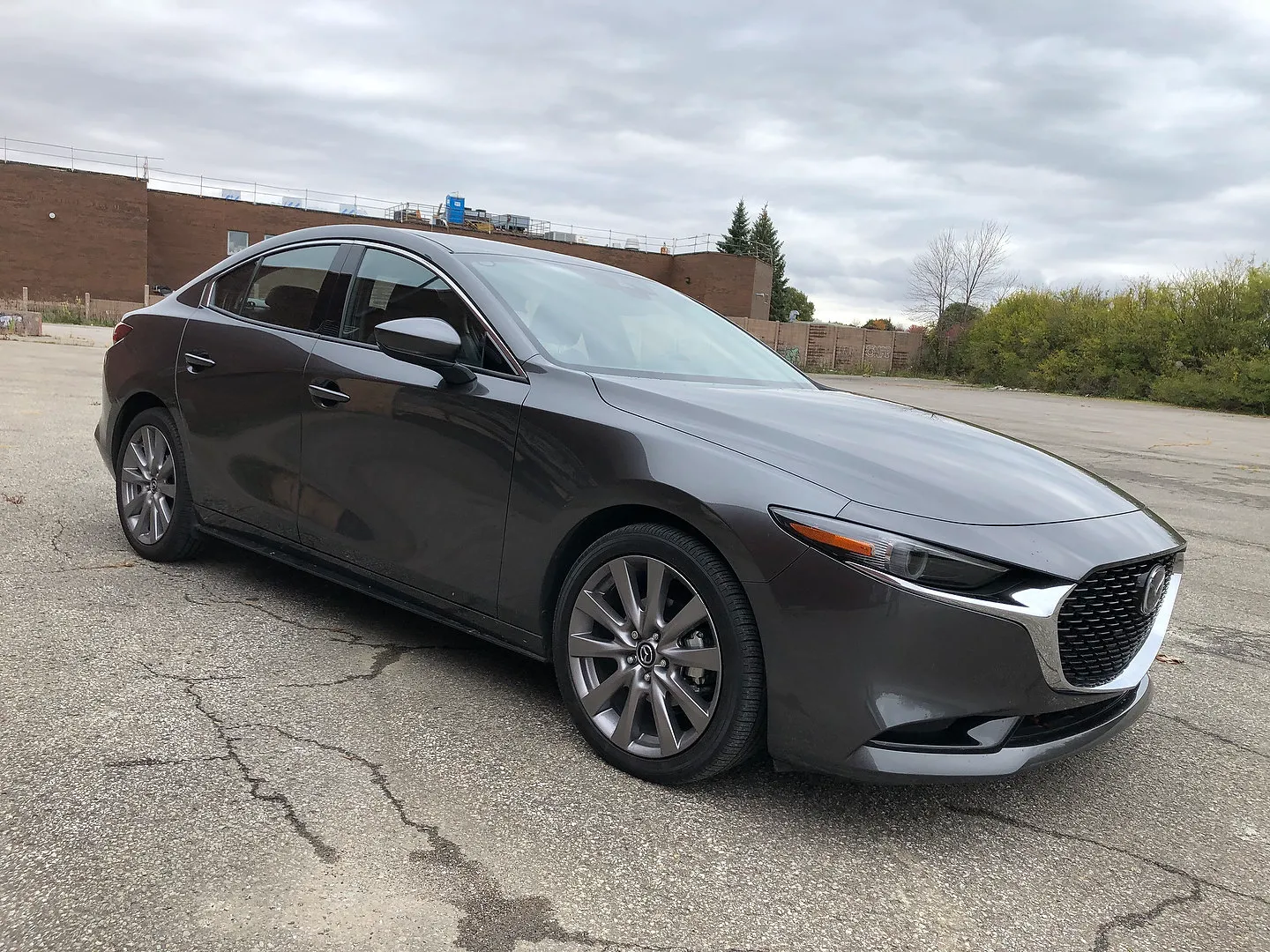
3. Mazda3 Sedan 2019-2024
Sporty handling and compact dimensions make Mazda’s sedan a natural fit for Boston’s challenging parking environment. Curb weight stays relatively low, around 3,100 pounds, making the car feel nimble and responsive during parking maneuvers and city driving.
Steering stands out as the Mazda3’s best attribute. Direct, communicative, and perfectly weighted, this steering system provides constant feedback about wheel position and road surface grip. You always know exactly where your front tires point, eliminating the guesswork that plagues cars with numb, overboosted steering.
Parallel parking becomes intuitive because the steering responds predictably to inputs without delay or artificial assistance, fighting your corrections. Visibility through the windshield and side windows helps during parking situations.
While not quite matching older cars with their expansive glass areas, the Mazda3 avoids the bunker-like sightlines plaguing some modern sedans. Rearward visibility suffers slightly from thick C-pillars, making the backup camera essential for parallel parking. Fortunately, Mazda includes a clear, high-resolution camera as standard equipment across all trim levels.
Engine choices range from a base 2.5-liter four-cylinder making 186 horsepower to an optional turbocharged version producing 250 horsepower with premium fuel. Even the base engine provides adequate power for city driving and highway merging.
Turbo models transform the Mazda3 into a genuinely quick sedan that embarrasses supposedly sporty competitors. Fuel economy stays reasonable with mid-20s city and mid-30s highway ratings.
Interior quality punches above the Mazda3’s price point with materials and design matching entry-luxury competitors. Soft-touch surfaces cover most touchpoints, and trim pieces fit together with precision gaps.
The infotainment system uses a rotary controller rather than a touchscreen, a choice some drivers love for its intuitive operation, while others find it frustrating. Sound insulation keeps road and wind noise at acceptable levels, creating a refined cabin atmosphere during city and highway driving.
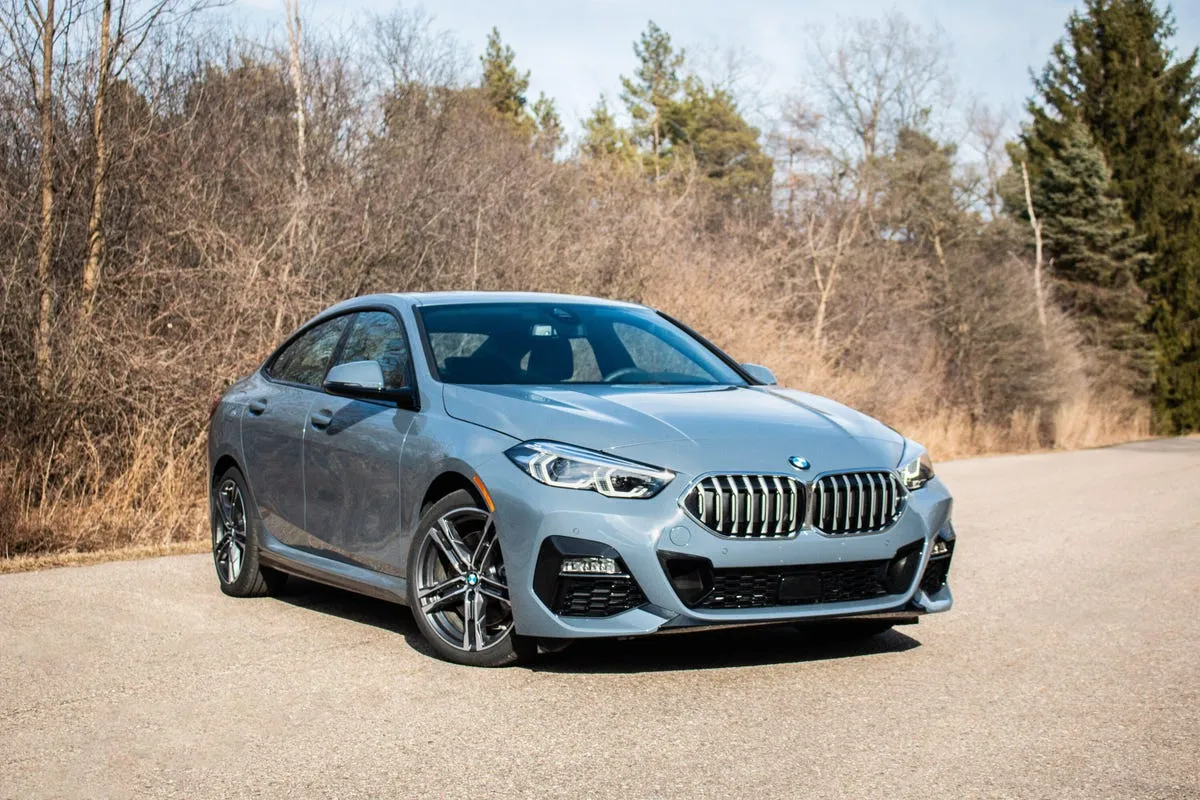
4. BMW 2 Series Gran Coupe 2020-2024
Luxury meets practicality in BMW’s smallest four-door sedan, a car engineered specifically for urban environments where parking space costs more than rent. Length measures just 175 inches, shorter than most compact sedans, while maintaining BMW’s premium image. That abbreviated length combines with rear-wheel drive (or optional all-wheel drive) to create handling dynamics that make parking genuinely entertaining rather than merely tolerable.
Turning radius deserves special mention at just 34.8 feet, incredibly tight for a rear-wheel-drive sedan. This nimble character lets you make U-turns on narrow Boston streets without curb mounting or multi-point maneuvering.
Backing into angled parking spaces becomes simple because the rear end tucks in quickly. Three-point turns require only, well, three points rather than the seven or eight needed by larger sedans. Premium features include surround-view cameras providing a bird’s-eye perspective of your car’s position relative to parking space boundaries.
This system makes parallel parking almost foolproof, showing exactly how much space remains on all sides. Parking sensors cover front and rear bumpers with visual and audio warnings. Automatic parking assist can handle parallel and perpendicular parking autonomously if you trust computers more than your own skills.
Power comes from turbocharged four-cylinder engines producing between 228 and 301 horsepower, depending on model choice. Even base versions feel quick around town with responsive throttle and smooth power delivery.
Handling stays sharp without becoming harsh, absorbing Boston’s crater-like potholes while maintaining sporting composure through corners. Brakes provide strong, progressive stopping power with good pedal feel.
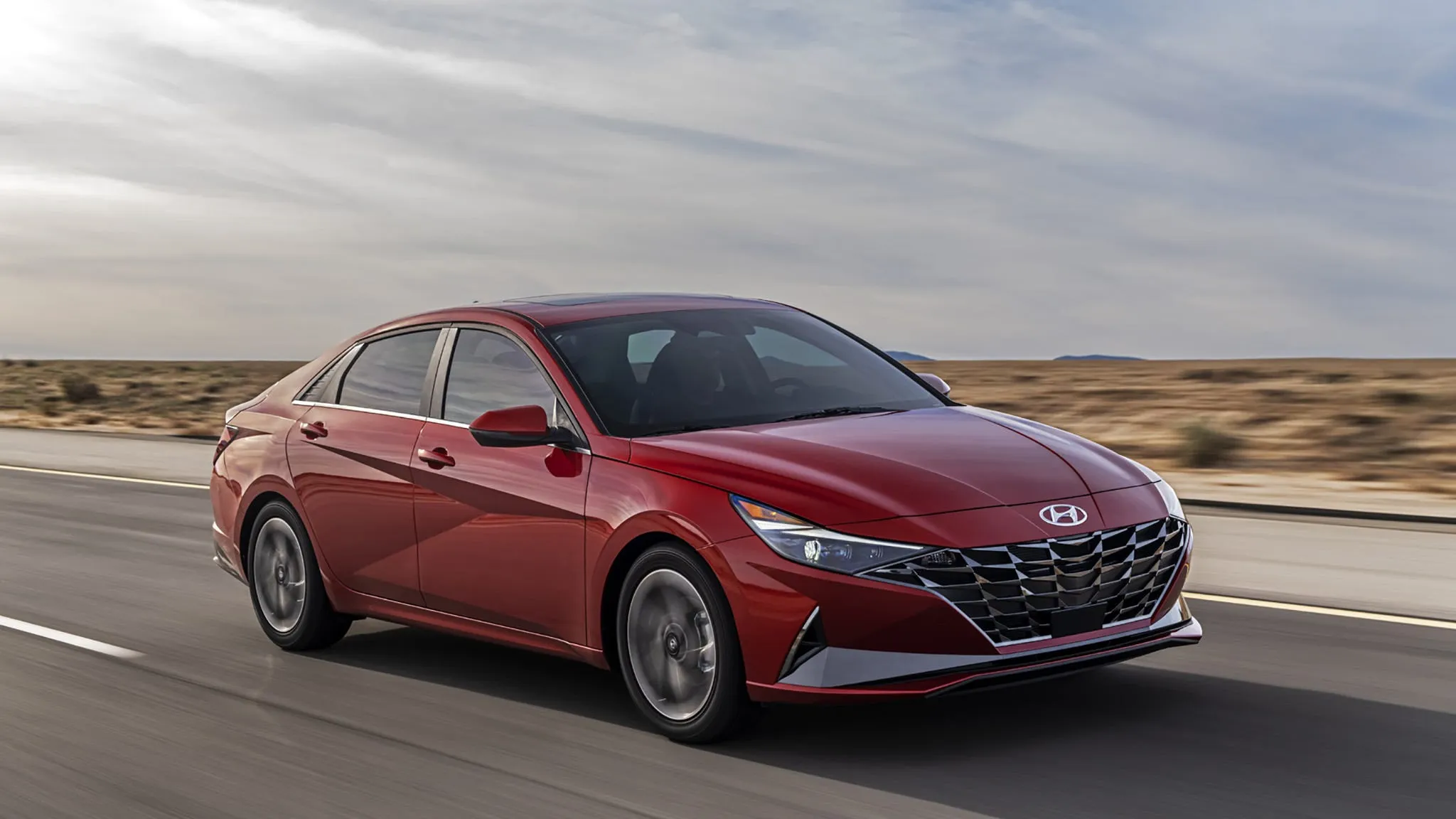
5. Hyundai Elantra 2021-2024
Hyundai’s compact sedan brings together affordable pricing and an unexpected level of polish, making it a smart fit for Boston driving without the premium-brand price tag. Measuring 184 inches in length, the Elantra sits comfortably in the compact category, offering enough room for daily comfort while staying small enough to handle tight city parking with confidence.
One of the Elantra’s strongest advantages is how much technology comes standard. Parking sensors and a rearview camera are included on every trim, features that many rivals reserve for higher-priced versions. Move up the range, and you get blind spot monitoring, rear cross-traffic alerts, and even a surround-view camera system tech once limited to luxury cars.
These features are especially valuable given the car’s sloping roofline, which looks stylish from the outside but slightly compromises rearward visibility. The steering system is designed to adapt to different driving situations.
Drive modes allow the steering weight to change, making it light and easy for parking while offering more resistance at highway speeds.
Comfort mode, in particular, shines during low-speed maneuvers, reducing effort and fatigue when parallel parking in busy areas. Sport mode adds extra weight to the steering, though it’s more about feel than function, and most drivers find Comfort mode better suited to everyday use.
Inside, the Elantra makes excellent use of its space. Front-seat occupants enjoy generous legroom, and even taller drivers can settle in without feeling cramped. Rear passengers are treated to more room than expected, with enough headroom despite the car’s sleek, downward-sloping roof. The trunk offers 14.2 cubic feet of storage, easily handling groceries, luggage, or airport trips, and the split-folding rear seats add flexibility for larger cargo.
Build quality marks a clear step forward from older Hyundai generations. Everything feels tightly assembled, from the consistent panel gaps to the solid materials used throughout the cabin. Controls operate smoothly, and features like dual-zone climate control keep the interior comfortable year-round.
The available Bose sound system delivers impressive audio quality, adding a touch of luxury. Hyundai’s long warranty, five years of bumper-to-bumper coverage, and ten years on the powertrain add reassurance that few competitors can match, and reliability ratings suggest ownership should be both dependable and stress-free.
Sedans That Make Boston Parking Miserable
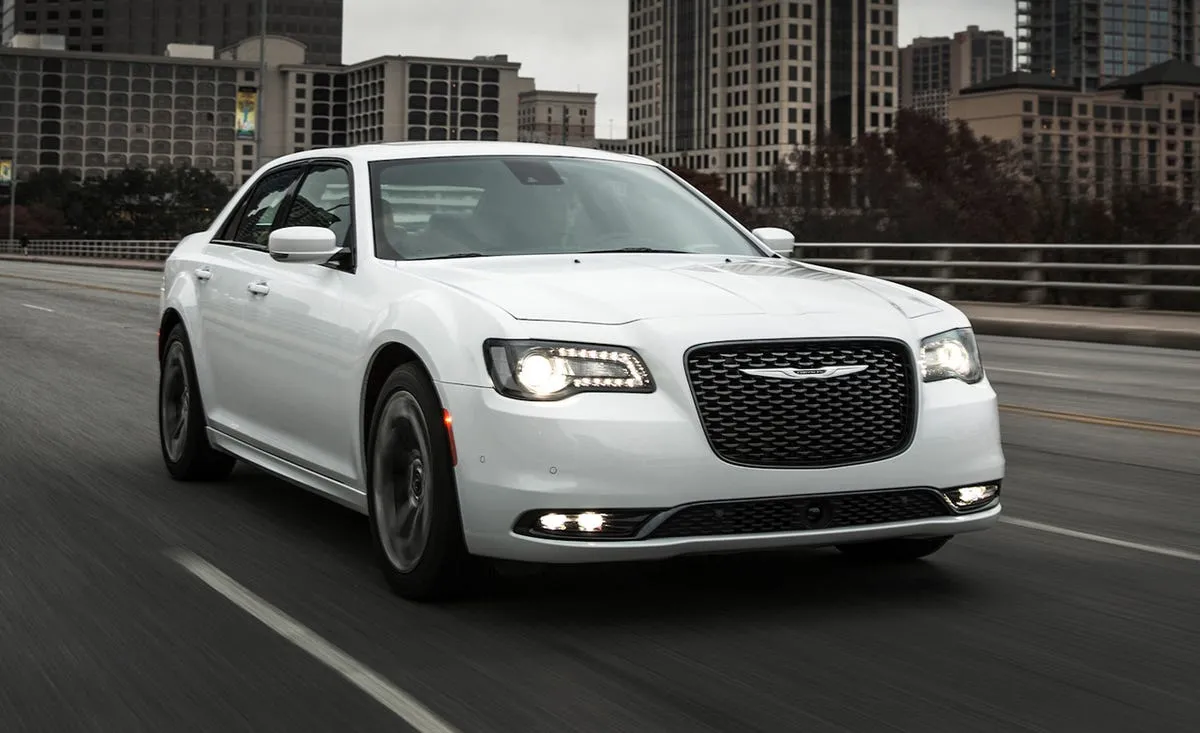
1. Chrysler 300 2015-2023
Full-size American sedans belong on highways stretching across western states, not squeezing through Boston’s colonial-era streets. At 198 inches long and 75 inches wide, the 300 presents parking challenges before you even start looking for spaces.
That aggressive width eliminates narrow spots from consideration, and length requires spaces you could fit two Mini Coopers into end-to-end. The wheelbase stretches to 120 inches, creating a turning radius approaching aircraft carrier dimensions.
Attempting to parallel park this Chrysler on Commonwealth Avenue during evening hours tests your patience and sanity. First, you need to find a space actually long enough to accommodate the 300’s length plus maneuvering room.
Then you discover the steering requires multiple full rotations lock-to-lock, making quick corrections impossible when adjusting position. Rear visibility barely exists thanks to thick C-pillars and a high trunk lid that blocks everything behind you below window height. You’re essentially parking blind, relying entirely on sensors and a camera.
Backup camera resolution looks like it was borrowed from a 2005 flip phone. Grainy, low-resolution images make judging distances difficult, and the wide-angle lens distorts perspective so objects appear farther away than really.
Parking sensors help, but they can’t compensate for the fundamental problem that this car measures longer than some studio apartments in Cambridge. Finding spots big enough becomes the challenge, and once found, getting into them requires skills Boston driving instructors don’t teach.
Turning radius measured at 39.1 feet means U-turns on residential streets require backing up, pulling forward, backing up again, and repeating until you’ve executed a seventeen-point turn while blocking traffic.
Other drivers honk impatiently as you saw the wheel back and forth, trying to redirect 4,400 pounds of Detroit steel in a direction it clearly doesn’t want to go. Even simple parking lot maneuvers feel clumsy as the long wheelbase resists tight cornering.
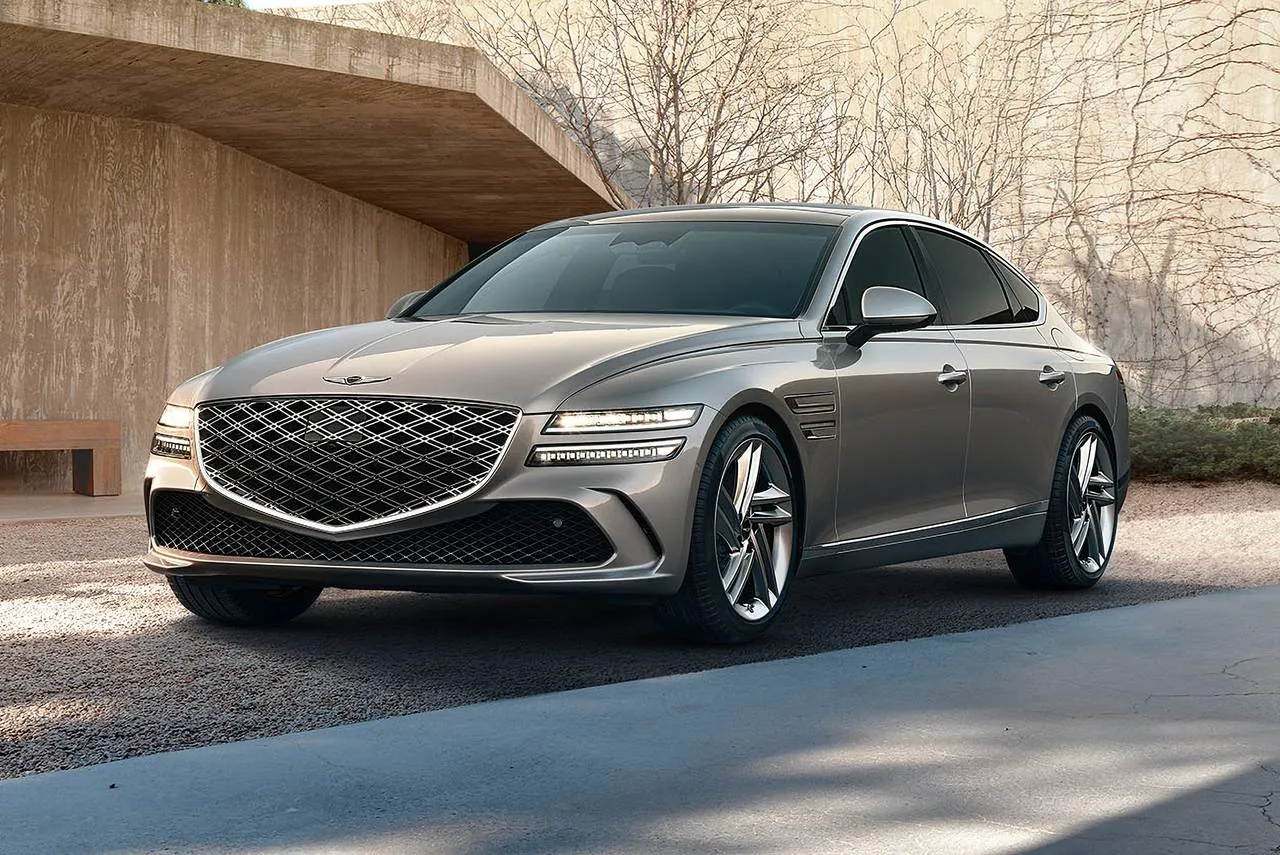
2. Genesis G80 2021-2024
Genesis blends upscale comfort with imposing proportions in its midsize sedan, resulting in a car that feels perfectly at home on the open highway but deeply out of place in dense city settings.
Stretching to 196 inches in length, the G80 sits firmly in full-size territory, a size that immediately clashes with Boston’s tight, unforgiving parking spaces. Its 74-inch width only adds to the challenge, turning narrow spots into stress-filled situations where even folding mirrors may not save you from accidental scrapes.
Weighing more than 4,300 pounds, the car feels heavy and reluctant at low speeds, making tight maneuvers feel slow and demanding rather than precise. The steering setup clearly favors long-distance comfort over urban control. While the light steering effort at low speeds sounds appealing, it comes at the cost of meaningful feedback.
When parallel parking, the wheel offers little sense of where the front tires are actually pointing, leaving you to rely on guesswork rather than feel. As a result, parking often turns into a series of small adjustments and second attempts, not because the driver lacks skill, but because the car simply doesn’t communicate clearly.
Visibility only makes matters worse. The rear window is small, and the thick rear pillars block large portions of what’s behind you. Turning your head provides limited reassurance, forcing near-total dependence on cameras and sensors.
While the G80’s driver-assist systems work well enough, they fall short of the polish seen in rival German luxury sedans. Camera images are serviceable but lack crisp detail, and the sensor layout leaves certain blind zones where obstacles can go unnoticed.
The long 118-inch wheelbase that gives the G80 its confident, planted feel on the highway becomes a liability in parking situations.
Tight turns are difficult, and backing into angled or compact spaces requires extra room to prevent the rear from swinging outward. In standard parking garages, concrete pillars feel uncomfortably close, and the car’s width leaves almost no room for error once you’re lined up between the lines.
Where the G80 truly excels is in comfort and refinement. Its twin-turbo V6 delivers smooth, quiet power with minimal effort, and the suspension soaks up rough pavement with ease. Cabin noise stays impressively low at speed, and the interior feels genuinely luxurious, with soft leather, solid construction, and attention to detail that rivals more established brands.
For drivers who prioritize serenity and long-distance comfort, these qualities are compelling. Still, none of that matters when you’re looping through Beacon Hill for half an hour, hoping to find a parking space big enough to fit this undeniably substantial sedan.
3. Dodge Charger 2015-2023
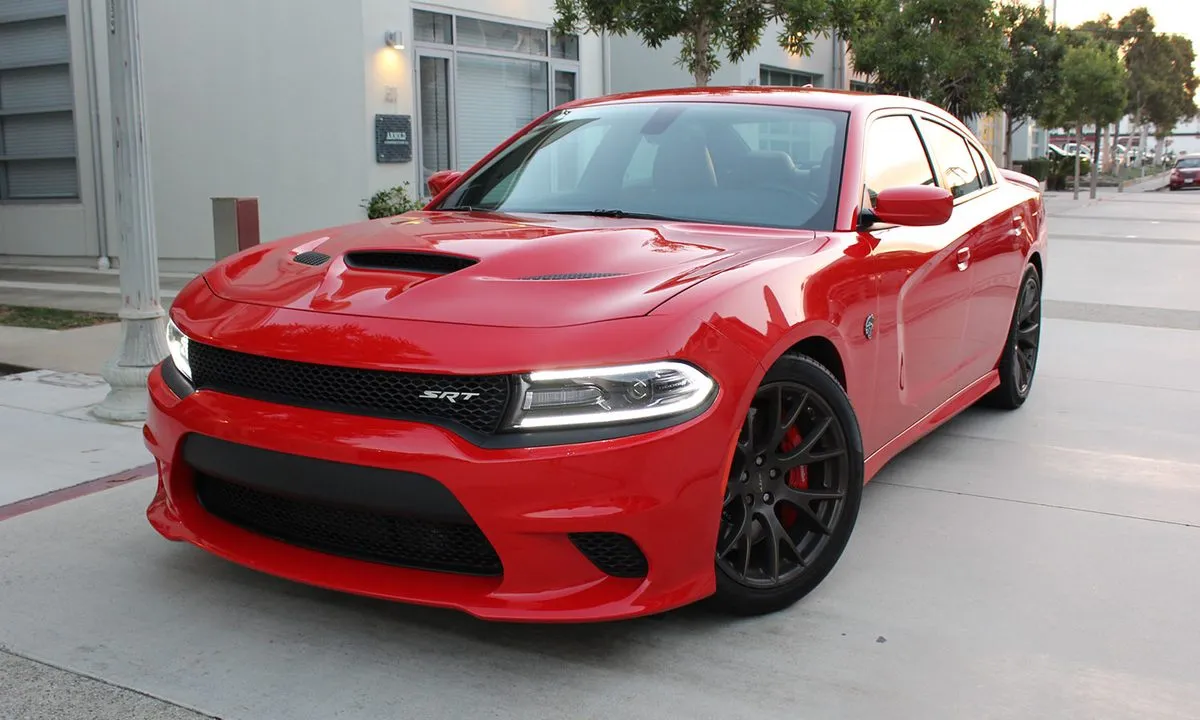
American muscle meets parking lot incompetence in Dodge’s performance sedan. Measuring 198 inches long, the Charger matches the Chrysler 300’s excessive length while adding aggressive styling that makes it feel even larger.
The width of 75 inches eliminates any hope of fitting into Boston’s tighter parking spaces, and the curb weight approaching 4,500 pounds in V8 models creates momentum that resists quick directional changes during parking maneuvers.
Visibility issues plague the Charger’s design. The small rear window, combined with thick roof pillars, restricts rearward vision dramatically. Side mirrors provide decent views, but blind spots remain large enough to hide motorcycles and compact cars.
Front three-quarter visibility suffers from aggressive hood bulges that make judging distances to curbs and parking meters difficult. You’ll scrape wheels on curbs and bump parking meters you swore were further away than they actually were.
Steering feel varies by model, with base versions offering light, numb feedback while performance models add artificial weight without improving communication. Neither setup helps during parking because both fail to clearly indicate wheel position.
Electric power steering assistance feels disconnected from actual road conditions, making subtle corrections during parallel parking surprisingly difficult. You’d expect a car this size to have precise, confidence-inspiring steering, but the Charger disappoints.
Performance justifies the Charger’s existence with available V8 engines producing up to 717 horsepower in Hellcat models. Straight-line acceleration provides thrills that sedan buyers rarely experience, and exhaust note quality makes every startup dramatic.
Interior space accommodates five adults comfortably with generous legroom and supportive seats. Trunk capacity handles luggage and cargo without complaints. But raw power and interior room can’t compensate for parking difficulties that make daily Boston driving exhausting rather than enjoyable.
4. Audi A6 2016-2023
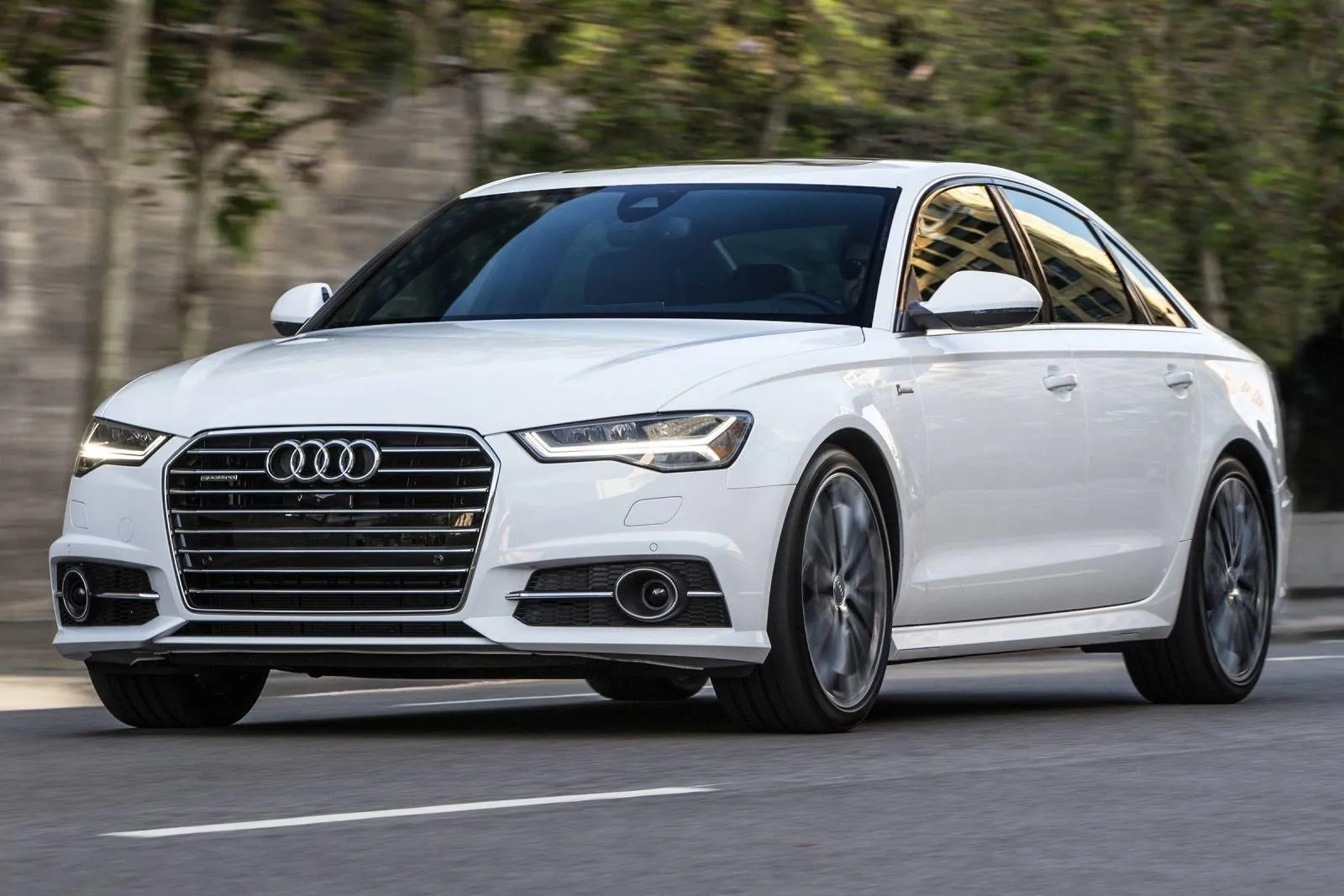
German engineering gives the Audi A6 a polished, upscale character that feels effortless on the highway, yet that same sophistication works against it in a city like Boston. At 194 inches long, the A6 sits firmly between midsize and full-size territory, a range where parking often becomes a waiting game that depends more on luck than planning.
Its 74-inch width further limits your options, forcing you to leave extra space on either side just to avoid careless door swings. Add the weight of the standard all-wheel-drive system, and the curb weight climbs past 4,200 pounds, a figure you can feel the moment speeds drop and precision matters.
Audi equips the A6 with an impressive suite of parking aids, including sensors, high-quality cameras, and even automated parking assistance on higher trims. These tools certainly help, but they can’t rewrite the laws of physics. The long 117-inch wheelbase produces a wide turning circle that demands extra space to maneuver.
Backing into angled spots highlights the challenge, as the car’s size makes it difficult to line up cleanly, even with electronic guidance. The camera visuals are sharp and clear, yet no level of clarity can change the simple reality that the A6 is a large car trying to fit into small, unforgiving spaces.
Inside, the A6 delivers the luxury experience buyers expect at this price point. Materials feel rich, the craftsmanship is precise, and technology is deeply integrated. The Virtual Cockpit display is visually striking and highly customizable, while the seats offer heating, ventilation, and massage functions that make long journeys genuinely relaxing.
Also Read: 5 Cars for Oak Park City Living and 5 Parking-friendly Options
5. Lincoln Continental 2017-2020
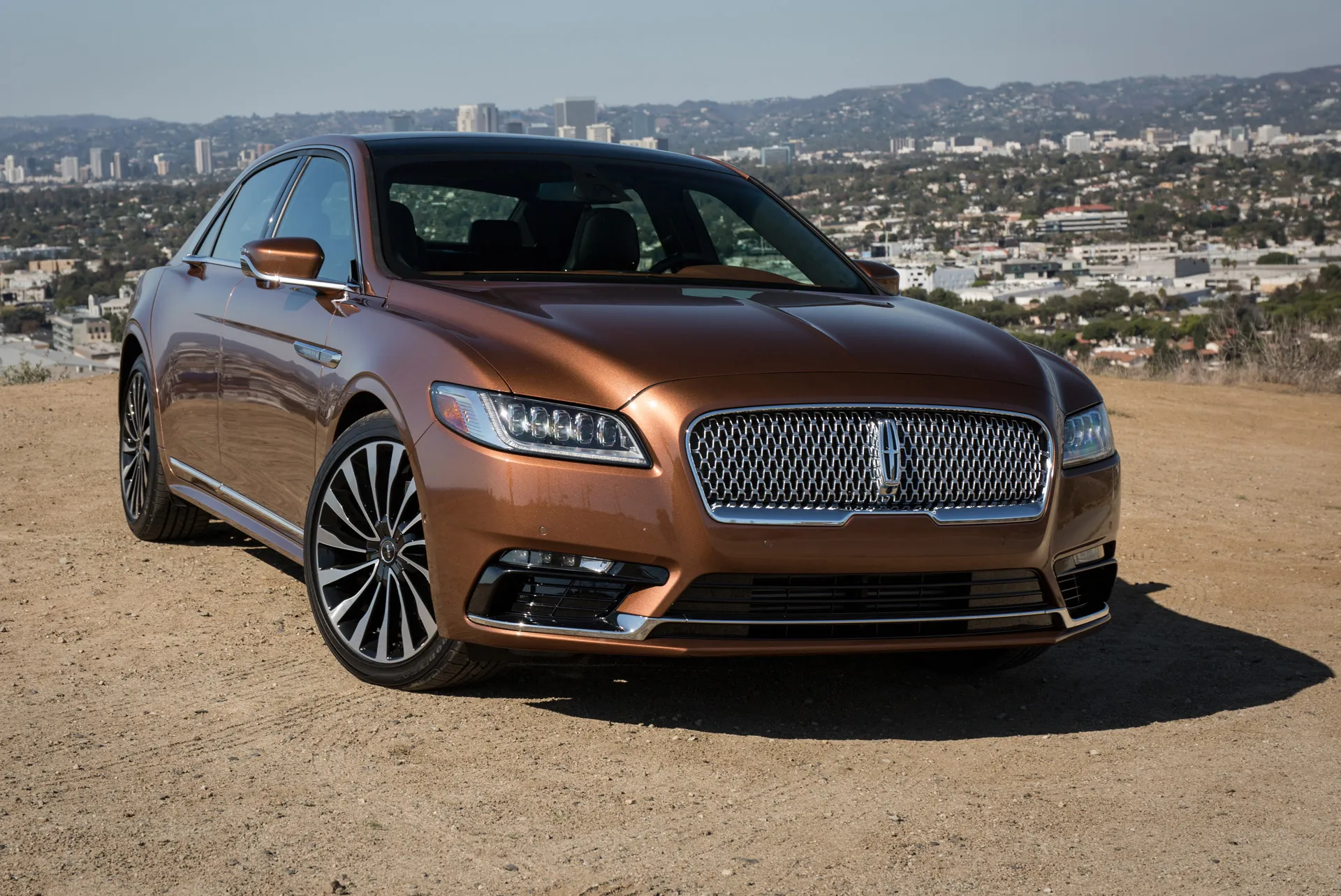
Lincoln’s flagship sedan attempted to revive American luxury but created a parking nightmare in the process. Length stretches to 201 inches, making this Continental one of the longest sedans available during its production run.
The width of 76 inches ensures you’ll never attempt tight parallel parking spots, and the curb weight exceeding 4,500 pounds creates momentum that resists quick directional changes. This Lincoln belongs cruising interstates, not threading through Boston traffic.
Design prioritizes rear passenger comfort, resulting in a wheelbase of 117 inches that creates luxurious backseat legroom while destroying maneuverability.
Turning radius measured at 40 feet requires massive space for U-turns, making residential streets feel like obstacle courses. Even parking lots present challenges as the Continental’s bulk demands end spaces or areas far from other vehicles. Attempting to park between two cars in a crowded lot invites door dings and scrapes.
Visibility ranks poorly across all directions. The front windshield provides decent forward views, but thick A-pillars create blind spots that hide pedestrians and cyclists. Side visibility suffers from small windows and substantial door frames.
Rear visibility approaches non-existent with a tiny back window and thick C-pillars eliminating most rearward vision. Cameras and sensors become mandatory rather than convenient, and even with electronic assistance, parking this Lincoln requires constant vigilance and patience.
Steering calibration aims for comfort rather than feedback. Light effort makes highway driving relaxed, but provides zero information about wheel position during parking.
You’re flying blind, making corrections based on camera views and sensor beeps rather than actual steering feel. Electric power steering adds artificial weight in Sport mode, but this doesn’t improve communication between road and driver. Every parking maneuver becomes a trust exercise with technology.
Interior execution justifies the Continental’s premium positioning with “Perfect Position” seats offering 30-way adjustment and massage functions. Real wood trim, soft leather, and thick carpeting create an atmosphere approaching true luxury. Rear passengers enjoy enormous legroom and reclining seats with footrests.
Technology includes dual touchscreens and premium audio systems. Twin-turbo V6 engine provides smooth, effortless power. But these luxury touches can’t overcome the fundamental problem that this sedan simply doesn’t fit into spaces where most Boston residents need to park daily.
