Commuting across the Calexico border presents unique challenges for drivers, from long waits in stop-and-go traffic to extreme heat that tests both vehicles and occupants. Choosing the right car for these daily journeys requires a balance of fuel efficiency, comfort, and reliable performance.
Hybrid sedans like the 2026 Toyota Prius, Honda Civic Hybrid, Corolla Hybrid, Hyundai Elantra Hybrid, and Volkswagen Jetta provide exceptional efficiency and advanced safety features, making them ideal for frequent border crossings.
For drivers who face intense heat or harsh conditions, vehicles designed for heat resilience are essential. Models such as the 2026 Toyota Camry, Land Cruiser, Nissan Patrol, Ford F-150, and Jeep Wrangler offer robust cooling systems, heat-resistant materials, and advanced climate control, ensuring passenger comfort and mechanical reliability even under high temperatures.
Together, these ten vehicles address the diverse needs of Calexico commuters and those traveling in hot, demanding environments.
5 Cars for Calexico Border Commutes
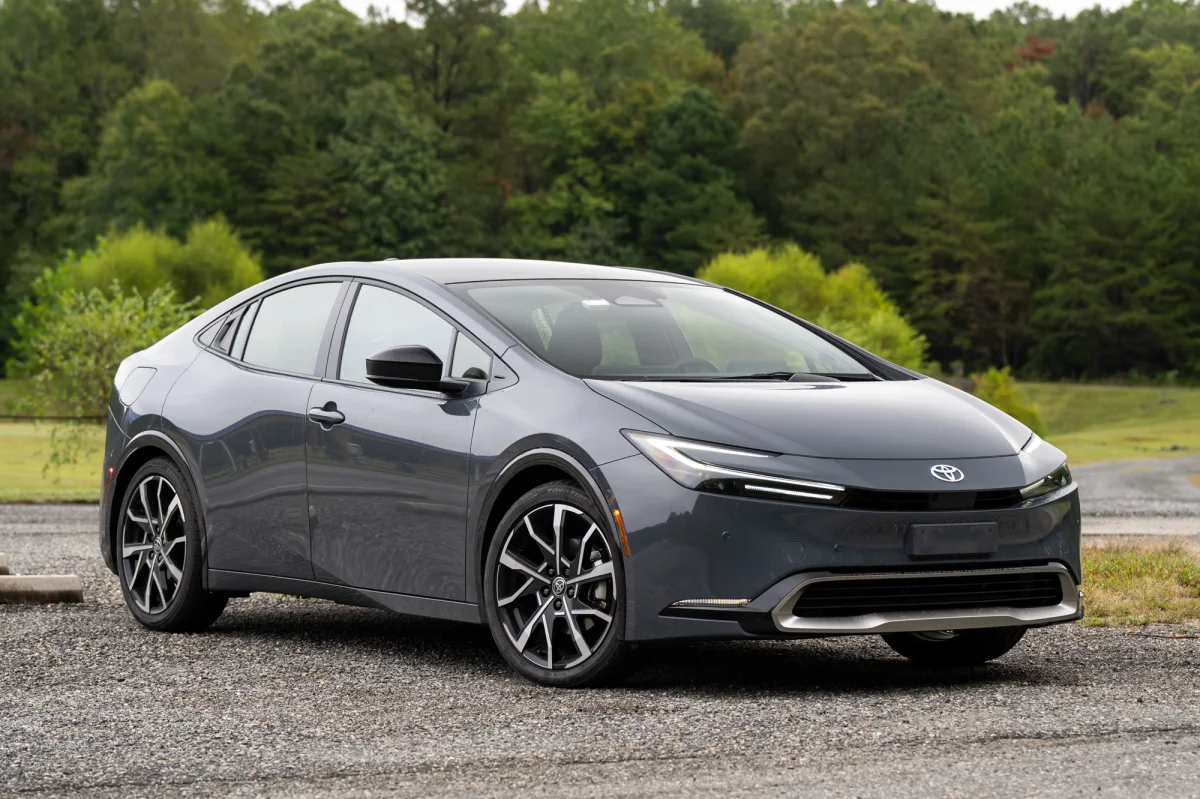
1. 2026 Toyota Prius: The Ideal Hybrid for Efficient Border Commutes
The 2026 Toyota Prius continues to lead the hybrid segment, making it a top choice for drivers who spend frequent time in slow-moving traffic, such as border crossings in Calexico. With an estimated 57 MPG combined for the front-wheel-drive model and exceptional efficiency across trims, the Prius allows drivers to spend less on fuel while benefiting from Toyota’s decades of hybrid engineering.
The Plug-in Hybrid (PHEV) version extends electric-only driving range, reducing emissions, fuel consumption, and engine noise during stop-and-go traffic.
Advanced safety features from Toyota Safety Sense 3.0, including Adaptive Cruise Control, Lane Tracing Assist, and blind-spot monitoring, make repeated starts and stops easier on the driver, while the modern cabin and infotainment system keep passengers comfortable and connected during extended waits.
The Prius is powered by a 2.0-liter inline-four paired with electric motors, producing 194 horsepower for FWD models and 196 horsepower for AWD.
Its CVT provides smooth acceleration, allowing 0–60 mph in 7.1 seconds, which is faster than many compact hybrids. Real-world highway testing shows the Prius achieving 49 MPG, while EPA estimates range from 49–57 MPG city and 50–56 MPG highway, depending on drivetrain and trim.
Inside, the Prius combines comfort and practicality. The front seats are ergonomic, and the rear accommodates taller passengers with moderate headroom due to the sloping roofline.
Cargo space is generous for a hybrid, ranging from 20.3 to 23.8 cubic feet. Technology features include an 8- or 12.3-inch touchscreen with wireless Apple CarPlay and Android Auto, Wi-Fi, and over-the-air updates, keeping the cabin connected and functional.
Toyota’s reliability reputation ensures low maintenance costs and longevity, supported by a three-year 36,000-mile limited warranty, a five-year 60,000-mile powertrain warranty, a 10-year 150,000-mile hybrid battery warranty, and two years of complimentary maintenance.
The 2026 Toyota Prius offers exceptional fuel efficiency, advanced safety, and practical comfort, making it an ideal, cost-effective choice for repetitive, slow-paced commutes while maintaining durability and reliability for years of ownership.
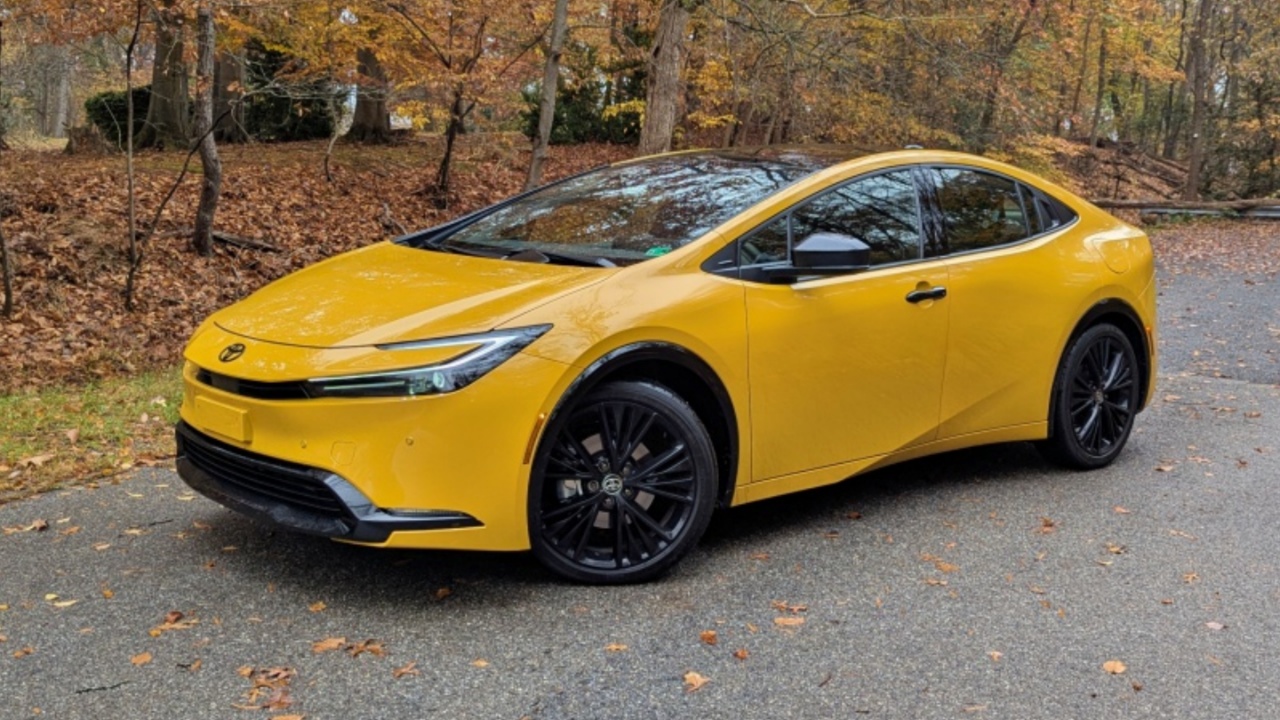
2. 2026 Honda Civic Hybrid: Efficient, Comfortable, and Tech-Savvy for Border Commuting
The 2026 Honda Civic Hybrid has been reintroduced with a refined interior, modern technology, and a fuel-efficient hybrid system, making it an excellent choice for drivers who frequently cross the Calexico border. Its hybrid powertrain produces 200 horsepower, delivering strong low-end torque and responsive acceleration for stop-and-go traffic and highway merges.
With approximately 50 MPG city and up to 49 MPG combined, the Civic Hybrid offers significant fuel savings, reducing costs for daily commuters. Advanced driver-assistance features such as Adaptive Cruise Control (ACC) with Low-Speed Follow, Lane Keeping Assist (LKAS), and blind-spot monitoring help manage long waits in traffic, lowering driver fatigue and improving confidence in congested conditions.
The Civic Hybrid’s driving experience blends sharp handling with smooth acceleration. The sedan can reach 0–60 mph in 6.6 seconds, outperforming many small hybrids, while maintaining a comfortable, balanced ride over smooth and rough roads.
Visibility is aided by narrow front pillars and strategically mounted mirrors, while a multi-angle rearview camera assists with tight maneuvers. The hybrid’s battery and motors do not compromise cargo space, offering 14.8 cubic feet in the sedan and 24.5 cubic feet in the hatchback, with fold-flat rear seats for larger items.
Inside, the Civic Hybrid features a modern, ergonomic cabin with intuitive controls, logical touchscreen menus, and available Google Built-In software for voice commands and navigation.
Apple CarPlay and Android Auto are standard, while higher trims include wireless connectivity and a premium Bose audio system. The cabin is spacious, though taller passengers may notice limited rear headroom due to the sloping roofline.
Safety ratings are strong, with high scores from IIHS and NHTSA, and Honda offers standard back-up cameras, blind-spot monitoring, lane-departure warnings, and pre-collision systems. Warranty coverage includes three years/36,000 miles basic, five years/60,000 miles powertrain, and eight years/100,000 miles hybrid component coverage, plus one year of free maintenance.
The 2026 Honda Civic Hybrid balances fuel efficiency, responsive performance, advanced safety, and modern tech, making it a practical and enjoyable option for frequent border commutes and city driving in Calexico.
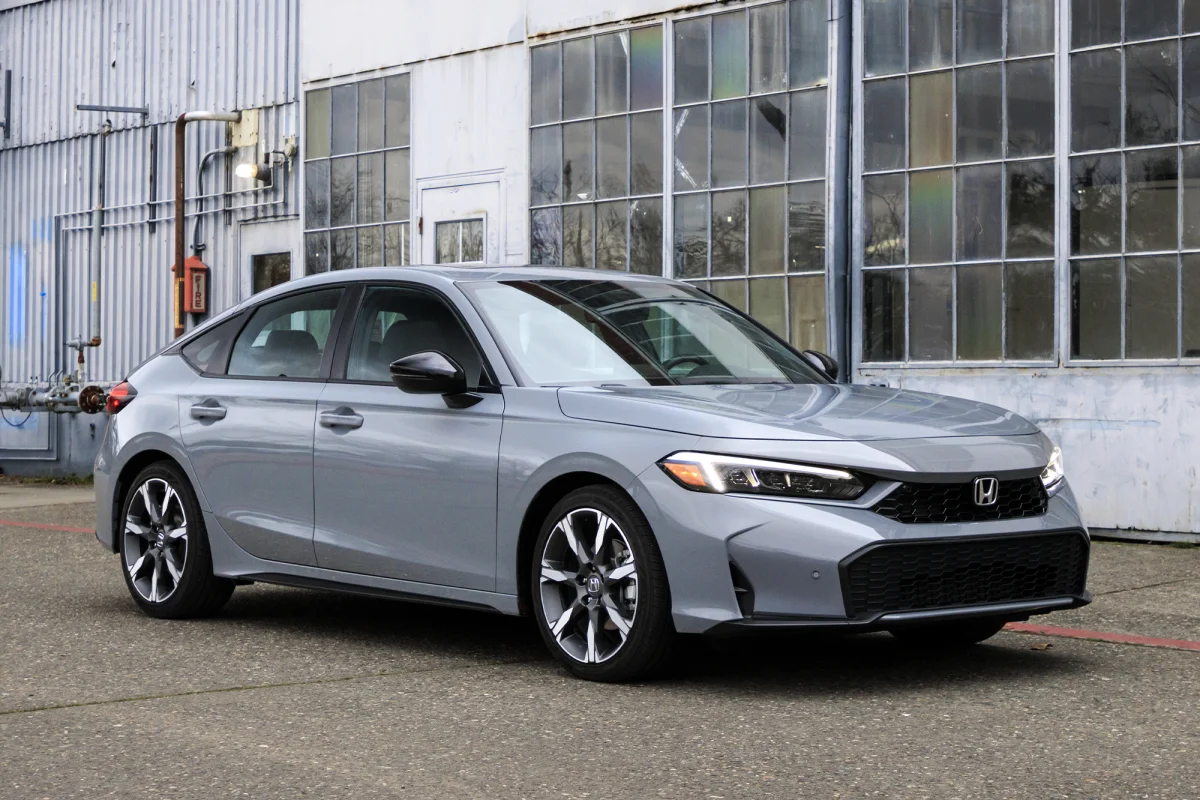
3. 2026 Toyota Corolla Hybrid: Efficient, Reliable, and Comfortable for Border Commuting
The 2026 Toyota Corolla Hybrid continues to be a favorite for commuters seeking fuel efficiency, low maintenance, and dependable performance. Its hybrid powertrain delivers an estimated 50 MPG combined, making it ideal for stop-and-go traffic at the Calexico border.
The electric motor provides smooth acceleration, instant torque, and quiet operation, reducing fatigue during long waits or congested city driving. Its compact size and CVT transmission allow for seamless driving in urban areas and highway merges, while the hybrid system helps save fuel in frequent starts and stops.
The Corolla Hybrid is powered by a 1.8-liter four-cylinder hybrid engine generating 138 horsepower and 105 lb-ft of torque. Front-wheel drive is standard, and all-wheel drive is available on LE and SE trims. Acceleration is moderate, with a 0–60 mph time of 9.6 seconds, sufficient for merging and safe passing on highways.
The suspension is well-tuned, providing a smooth and comfortable ride, and steering is precise for city navigation. The hybrid system ensures quiet and stress-free driving, especially in slow-moving traffic.
Seating accommodates five passengers, with comfortable front bucket seats and a rear bench. Rear legroom and shoulder space are a bit tight, though headroom remains adequate.
The trunk provides 13.1 cubic feet of cargo space, enough for everyday commuting needs. Higher trims include features like synthetic leather upholstery, heated seats, and a power-adjustable driver’s seat, enhancing comfort during long drives.
Standard infotainment features include an 8-inch touchscreen with wireless Apple CarPlay and Android Auto, while higher trims offer a 10.5-inch touchscreen and an 800-watt JBL audio system. Safety is strong, with adaptive cruise control, lane-departure alert, and blind-spot monitoring with rear cross-traffic alert. Both IIHS and NHTSA safety ratings are excellent, providing confidence for daily commutes.
EPA estimates range from 47–53 MPG depending on trim and drivetrain. Toyota’s hybrid components carry a 10-year/150,000-mile warranty, and predicted reliability is 81/100. Prices range from $24,575 to $28,940, making the Corolla Hybrid a practical, fuel-efficient, and dependable choice for frequent border crossings and daily commuting.
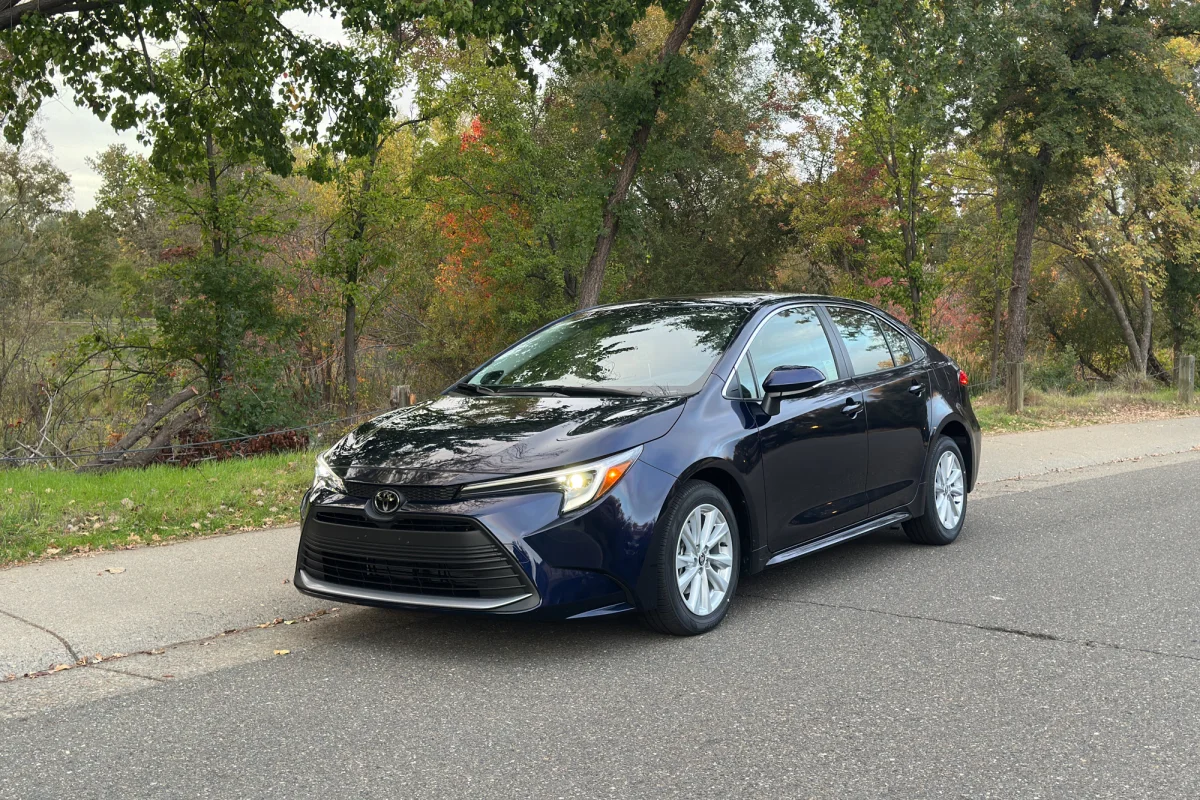
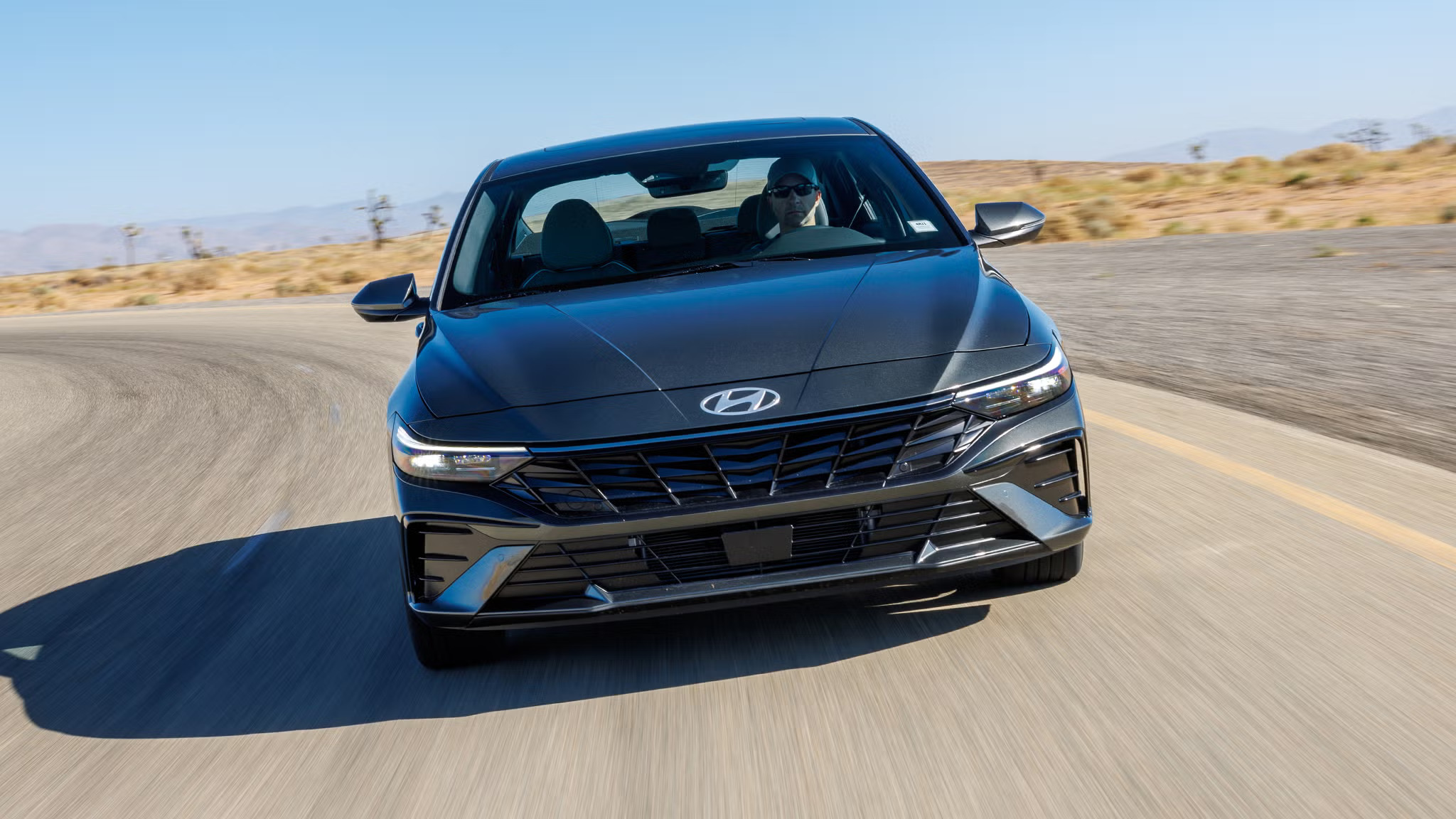
4. 2026 Hyundai Elantra Hybrid: Efficient, Comfortable, and Practical for Border Commutes
The 2026 Hyundai Elantra Hybrid delivers a balance of fuel efficiency, comfort, and advanced technology, making it a top choice for frequent border commuters in Calexico. Its hybrid powertrain achieves up to 54–58 MPG combined, depending on trim, cutting fuel costs during stop-and-go traffic.
The seamless integration of electric and gasoline power provides smooth acceleration and a quiet cabin, reducing driver fatigue during long waits. Its compact size also makes handling tight city streets and busy border lanes easier.
The Elantra Hybrid combines a 1.6-liter inline-four engine with an electric motor to produce 139 horsepower and 195 lb-ft of torque, sent to the front wheels via a six-speed dual-clutch automatic transmission. Acceleration from 0–60 mph occurs in 8.7 seconds, suitable for urban and highway driving.
Fuel economy is impressive: the Blue trim achieves 51/58 MPG city/highway, while the Limited trim delivers 49/52 MPG. Regenerative braking and a smooth CVT ensure efficiency, particularly during stop-and-go traffic.
The cabin is spacious for a compact sedan, offering 42.3 inches of front legroom and 38 inches in the rear. Cargo space measures 14.2 cubic feet, similar to other hybrid sedans.
All trims come with Apple CarPlay and Android Auto, with the Blue trim featuring an 8-inch touchscreen and higher trims offering 10.3-inch displays. Premium features on the SEL Sport and Limited trims include wireless charging, dual-zone climate control, and an eight-speaker Bose audio system.
The Elantra Hybrid includes Hyundai SmartSense safety systems, such as Lane Keeping Assist, Forward Collision-Avoidance Assist, blind-spot monitoring, rear cross-traffic alert, and adaptive cruise control on higher trims. Previous IIHS testing earned a Top Safety Pick, and NHTSA ratings show five stars, giving drivers confidence in heavy traffic and long waits at the border.
Combining fuel savings, advanced technology, and reliability with Hyundai’s strong warranty coverage, the 2026 Elantra Hybrid provides a smooth ride, quiet cabin, and user-friendly tech. It is a cost-effective and comfortable choice for drivers making frequent trips across busy Calexico streets or border crossings.
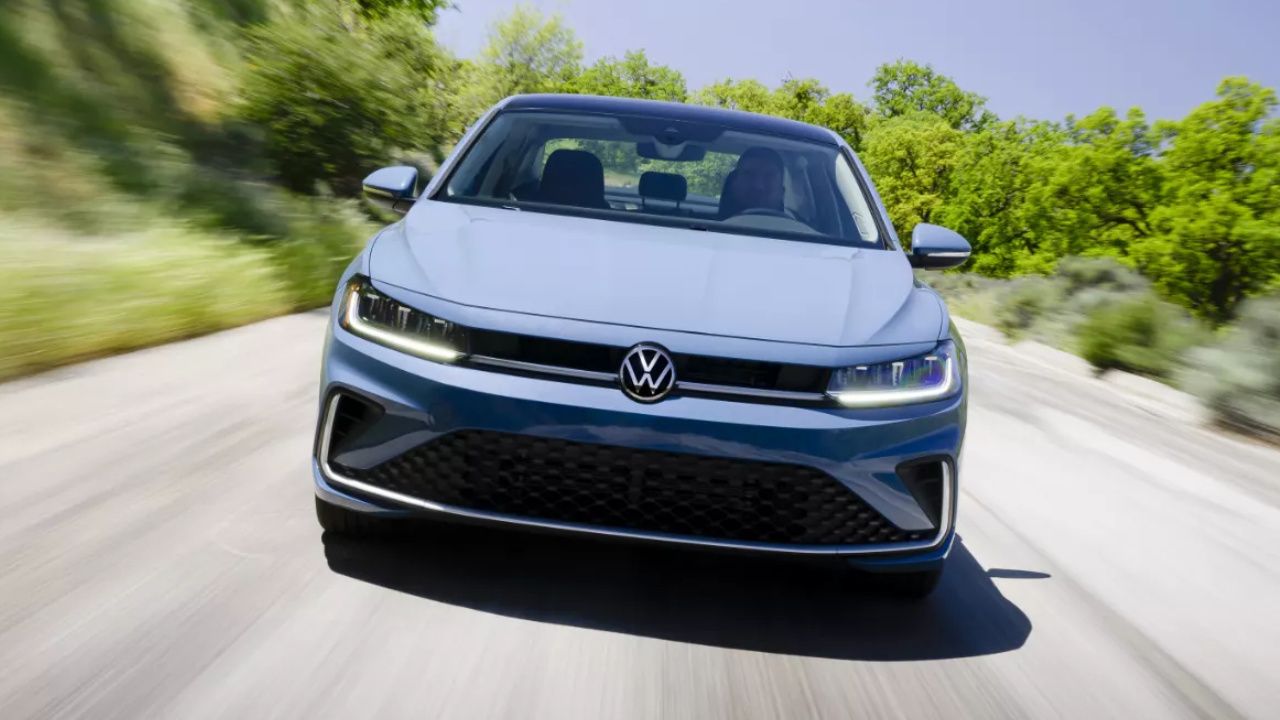
5. 2026 Volkswagen Jetta: Efficient, Comfortable, and Practical for Daily Commuting
The 2026 Volkswagen Jetta is a strong choice for Calexico commuters seeking a reliable, fuel-efficient gasoline sedan. Its turbocharged 1.5-liter four-cylinder engine delivers 158 horsepower and 184 lb-ft of torque, paired with an eight-speed automatic transmission, providing responsive performance for city streets and highway driving.
The Jetta achieves up to 40 MPG on the highway and 29 MPG in the city, helping drivers save on fuel during frequent trips. In real-world testing, automatic models have exceeded EPA highway estimates, reaching 42 MPG. The 0–60 mph sprint takes roughly 7.1 seconds, offering enough power for merges and passing maneuvers.
The Jetta cabin emphasizes quiet, supportive seating and a smooth ride, reducing stress during long commutes or heavy traffic. Front passengers enjoy generous head, shoulder, and legroom, and rear seating is reasonably spacious.
Trunk space is competitive, accommodating seven bags with the rear seats up and up to 18 with seats folded, surpassing the Golf in storage capacity. The interior design is functional and contemporary, with higher trims offering ambient lighting, ventilated front seats, wireless charging, and premium materials.
Infotainment options include an 8-inch digital gauge cluster on S, Sport, and SE trims, and a 10.3-inch fully customizable cluster on the SEL. Apple CarPlay and Android Auto are standard, wireless on SE and SEL, alongside VW Car-Net with gesture controls.
Two USB-C ports are standard across all trims, and a mobile hotspot is available with a subscription. Audio systems range from a 4-speaker setup on the base model to an 8-speaker Beats Audio system on the SEL.
Standard driver-assistance features include forward-collision warning, automated emergency braking, blind-spot monitoring, and rear cross-traffic alert. Available upgrades, such as adaptive cruise control with stop-and-go technology and lane-keeping assist, enhance safety and reduce fatigue during traffic or long border waits.
Volkswagen offers a four-year/50,000-mile limited and powertrain warranty, with complimentary maintenance for two years or 20,000 miles, contributing to low long-term costs.
The 2026 Jetta blends efficient fuel economy, refined German engineering, advanced safety, and commuter-friendly comfort, making it a practical, reliable, and cost-effective choice for daily drives and frequent border crossings in Calexico.
Also Read: 5 Cars for Caldwell Daily Driving and 5 Durable Long-Term Options
5 Heat-Resilient Choices
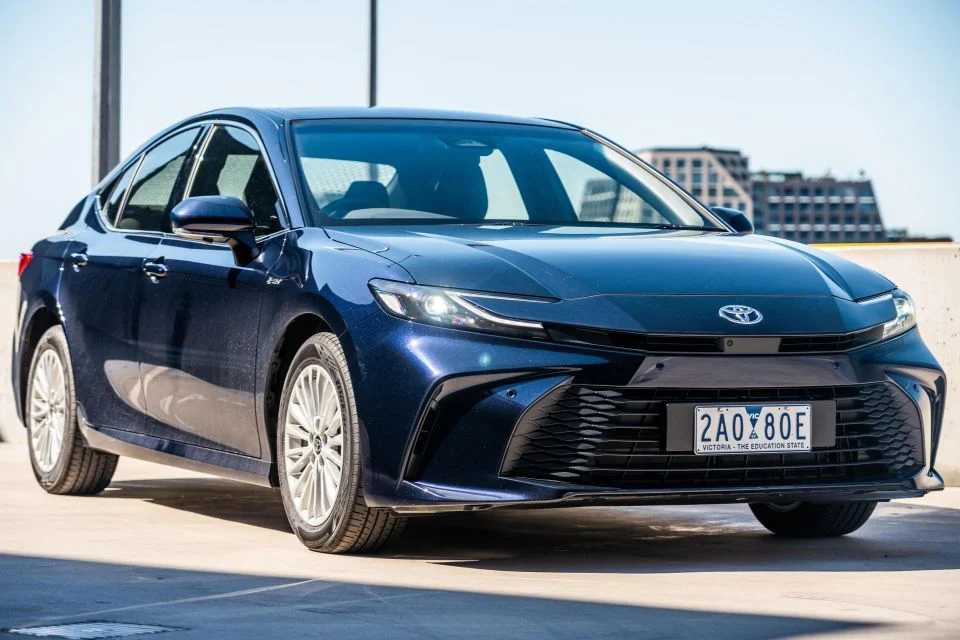
1. 2026 Toyota Camry: Heat-Resilient Comfort and Efficient Performance
The 2026 Toyota Camry, particularly the GCC (Gulf Cooperation Council) Edition, is tailored for high-heat environments, making it ideal for drivers in hot regions. Key heat-resilient features include an enhanced cooling system to prevent engine overheating, dust-resistant filters for cleaner performance, and heat-resistant interior materials to maintain a cooler cabin.
Ventilated seats and dual-zone climate control further improve passenger comfort, while the strong air conditioning quickly cools the cabin even under extreme temperatures. These elements, combined with Toyota’s renowned reliability, make the Camry a dependable choice for hot climates.
The Camry Hybrid offers two electrified powertrains. Front-wheel-drive models pair a 2.5-liter four-cylinder with two electric motors for a total of 225 horsepower, while all-wheel-drive models add a third rear-mounted motor, boosting output to 232 horsepower.
Both setups use a continuously variable automatic transmission (CVT), providing smooth acceleration. Sportier trims like the SE, XSE, and Nightshade have firmer suspension tuning, enhancing body control in corners. A Camry XSE AWD can reach 60 mph in approximately 6.8 seconds, outperforming competitors like the Hyundai Sonata and closely matching the Honda Accord Hybrid.
While official EPA figures for 2026 are pending, the 2025 Camry Hybrid offers efficient ratings. Front-drive LE models achieve 53 mpg city and 50 mpg highway, while AWD trims reach 51/49 mpg. Top-trim XSE AWD models register slightly lower at 44/43 mpg. Highway tests confirm these estimates, showing strong real-world efficiency for frequent drivers.
The Camry Hybrid cabin provides generous space for front and rear passengers. Standard features include cloth upholstery and dual-zone climate control, while higher trims add leather seats, heated seating and steering wheel, ambient lighting, acoustic-laminated glass, and adjustable rear headrests.
The dashboard integrates a large trim piece with an 8-inch standard infotainment screen, expandable to 12.3 inches on SE, XLE, and XSE trims. Wireless Apple CarPlay and Android Auto are standard across all models, and a JBL nine-speaker system is optional for top trims.
All Camry Hybrids include automated emergency braking, lane-keeping assist, adaptive cruise control, and curve-preparation braking. Toyota provides a three-year/36,000-mile limited warranty, five-year/60,000-mile powertrain coverage, ten-year/150,000-mile hybrid component warranty, and two years/25,000 miles of complimentary maintenance.
The 2026 Camry blends heat-focused engineering, hybrid efficiency, and well-equipped interiors, making it a reliable, comfortable, and practical choice for drivers in hot climates.
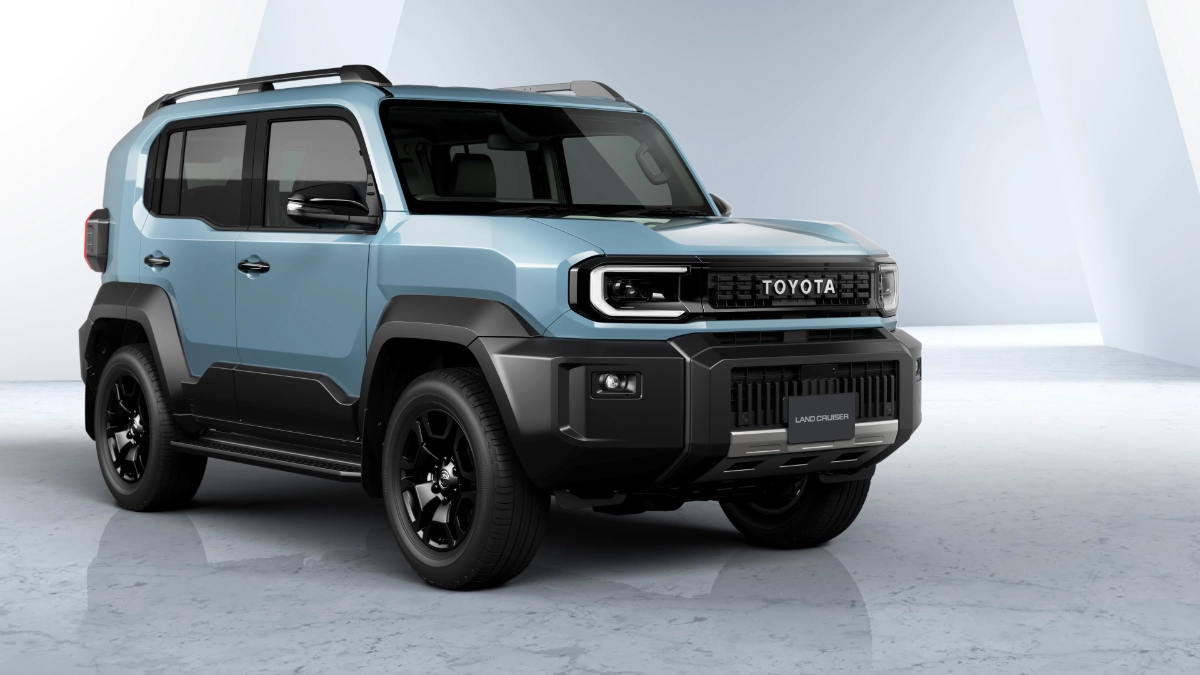
2. 2026 Toyota Land Cruiser: Heat-Resistant Power and Rugged Capability
The 2026 Toyota Land Cruiser is built to handle extreme heat and challenging environments, making it ideal for deserts and tropical regions. Its body-on-frame construction provides strong structural integrity, while advanced cooling systems with oversized radiators, high-capacity fans, and efficient air conditioning prevent engine overheating even in temperatures above 45°C.
Dust-resistant air filters and durable seals protect the engine and mechanical components from sand and debris, ensuring long-term reliability. Inside, heat-tolerant materials and UV-protected surfaces, along with available ventilated seats, maintain passenger comfort in hot conditions, while rigorous testing ensures the Land Cruiser performs where most SUVs cannot.
The hybrid powertrain combines a turbocharged 2.4-liter four-cylinder engine with two electric motors to produce 326 horsepower. An eight-speed automatic transmission sends power to all four wheels, and the Land Cruiser includes a locking center differential, low-range gearing, crawl control, and hill-descent assist for serious off-road capability.
During testing, the First Edition model reached 60 mph in 7.7 seconds. The ride is smooth and quiet compared to other rugged SUVs like the Ford Bronco and Jeep Wrangler, offering a balanced driving experience on and off road.
Inside, the Land Cruiser seats five with a combination of comfort and functionality. Base models feature heated seats, a heated steering wheel, and a six-speaker audio system. Higher trims add ventilated seats, leather upholstery, and a 10-speaker stereo.
Cargo capacity is generous, holding 17 carry-on suitcases behind the rear seats and 31 with the seats folded. The infotainment system includes wireless Apple CarPlay and Android Auto, USB-C ports, and an optional 12.3-inch touchscreen with premium audio to keep passengers connected and entertained.
Safety features are extensive through Toyota Safety Sense 3.0, which includes automated emergency braking with pedestrian detection, lane-departure warning with lane-keeping assist, and adaptive cruise control with lane-centering.
Estimated fuel economy is 22 mpg city and 25 mpg highway, with real-world testing showing 21 mpg on the highway. Warranty coverage includes three years or 36,000 miles limited, five years or 60,000 miles powertrain, ten years or 150,000 miles for hybrid components, and two years or 25,000 miles of complimentary maintenance.
The 2026 Land Cruiser blends heat-focused engineering, hybrid efficiency, and rugged luxury to deliver a reliable SUV for extreme conditions
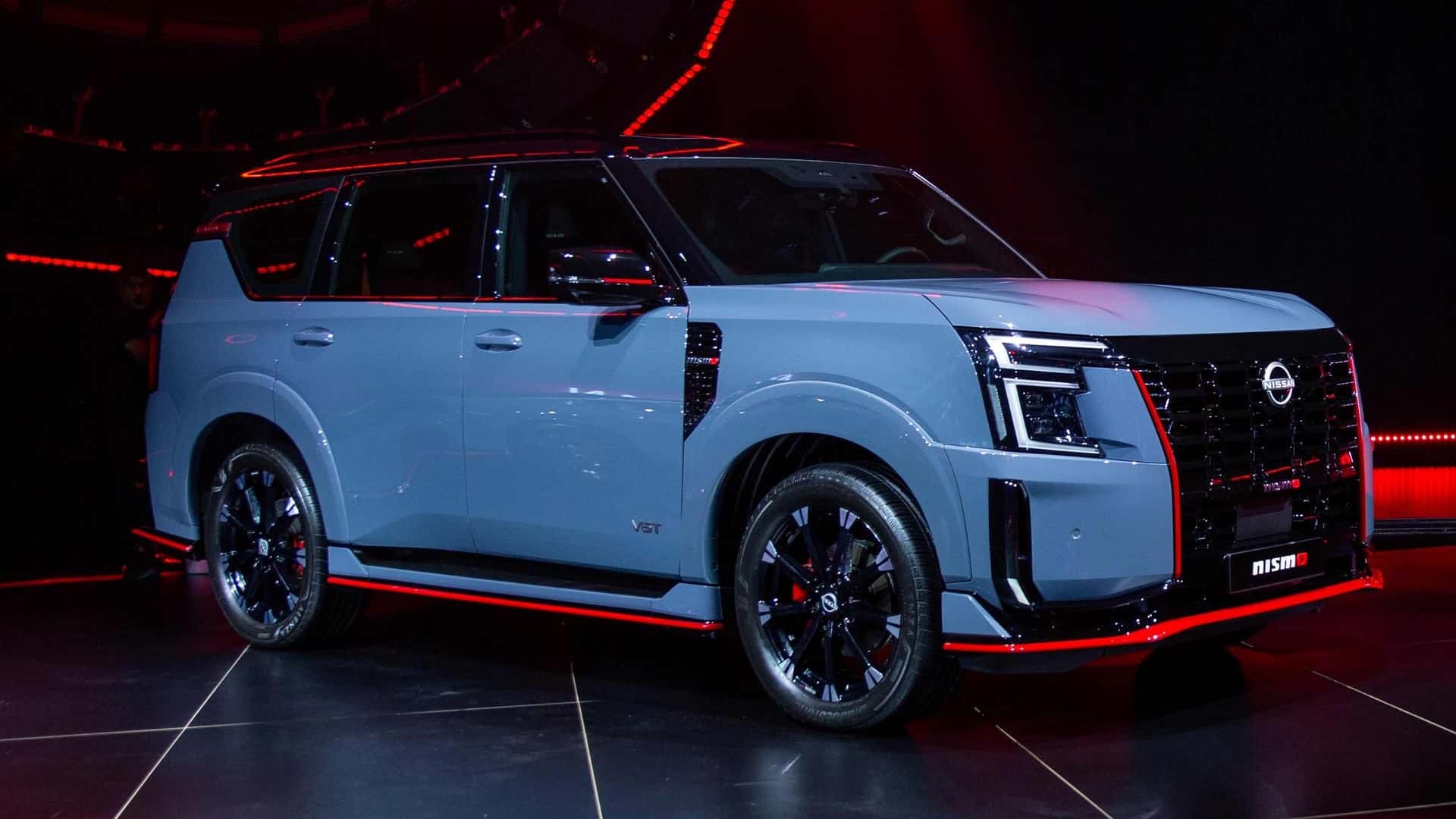
3. 2026 Nissan Patrol: Desert Warrior Built for Extreme Heat
The 2026 Nissan Patrol is engineered to excel in some of the world’s harshest environments, particularly deserts and high-temperature regions. Its heat-resilient design includes a robust cooling system, high-heat turbochargers, and a scavenger oil pump to maintain engine efficiency under extreme stress.
Additional features like mirror-bore coating improve thermal efficiency, while heat-reflective paint and Biometric Cooling technology help keep the cabin comfortable for occupants. The body-on-frame construction with adaptive air suspension, durable frame, and acoustic glass ensures both resilience and a smooth ride, making the Patrol reliable in hot climates and demanding conditions.
Under the hood, the Patrol is powered by a 3.5-liter twin-turbo V6 generating 419 horsepower and 516 pound-feet of torque. A naturally aspirated 3.8-liter V6 is also available for those seeking a simpler setup.
Power is delivered through a nine-speed automatic transmission with low-range gearing, and the vehicle features a range of off-road technologies, including ride-height adjustment, selectable low-range, and center and rear differential locks.
This setup allows the Patrol to accelerate to 62 mph in 6.6 seconds despite its 2.7-tonne weight, demonstrating strong on-road performance alongside its off-road capabilities.
The interior focuses on practicality and comfort, offering seating for up to seven passengers with 623 liters of cargo space behind the rear seats. Top trims feature leather upholstery, ventilated seating, and dual 14.3-inch display screens.
While it does not match European luxury standards in materials or design, it provides modern technology and advanced climate control that suits its target markets. The cabin is optimized for heat management and comfort, reflecting the Patrol’s specialization in extreme climates rather than global luxury appeal.
The Patrol remains a niche vehicle, primarily aimed at regions like the Middle East, Australia, and select other territories with high temperatures and challenging terrain. With fuel economy around 27.4 mpg and a 100-liter fuel tank, it balances long-range capability with performance.
Its heritage and reputation for durability make it highly valued in its core markets, even if its conservative styling and regional focus limit its broader appeal. The 2026 Patrol continues Nissan’s legacy of building a rugged, desert-ready SUV that prioritizes heat resilience, off-road capability, and reliable performance in extreme environments.
4. 2026 Ford F-150: Heat-Resilient Power and Versatility
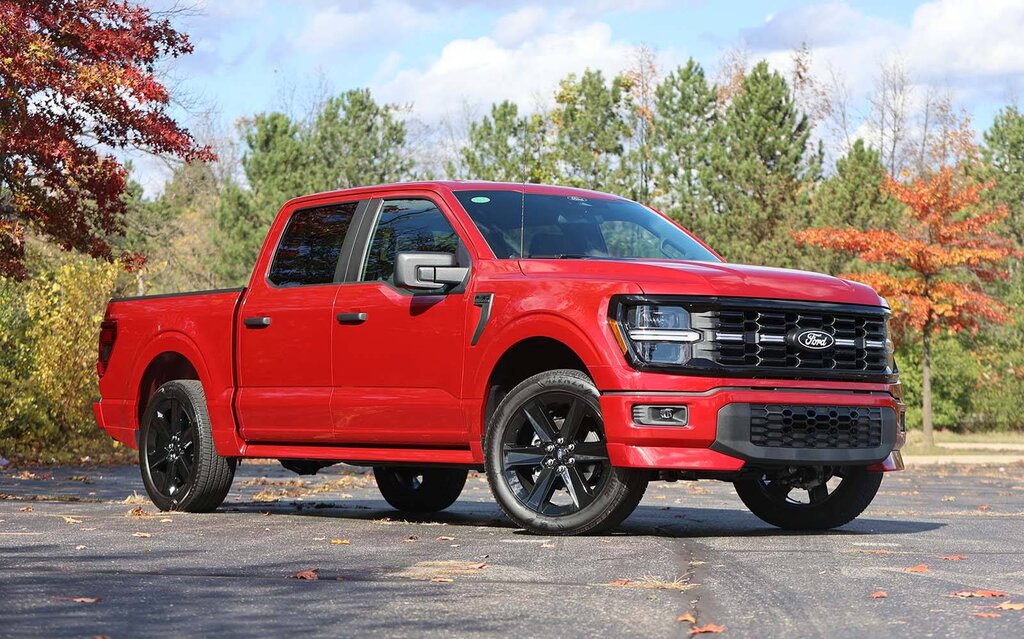
The 2026 Ford F-150 is built to perform in extreme heat thanks to its military-grade aluminum alloy body, specialized heat-resistant components, and advanced thermal management systems. High-capacity radiators and powerful air conditioning keep the cabin cool even in temperatures exceeding 120°F, while higher trims offer ventilated seats for added comfort.
UV-resistant materials protect the interior and exterior from sun damage, and heat-resistant rubber in tires maintains traction and structural integrity under high temperatures. These engineering choices make the F-150 durable and reliable in hot climates and demanding working conditions.
Under the hood, the F-150 offers a wide range of engines to suit different needs, from a 325-hp twin-turbocharged 2.7-liter V6 to a 400-hp 5.0-liter V8, a 400-hp twin-turbo 3.5-liter V6, and a hybrid combining a twin-turbo 3.5-liter V6 with a 47-hp electric motor producing 430 hp.
All engines are paired with a 10-speed automatic transmission, and buyers can select rear- or four-wheel drive. Performance is strong for its size, with the hybrid reaching 60 mph in 5.0 seconds and the Tremor off-road model equipped with all-terrain tires, upgraded suspension, and a locking rear differential for enhanced traction.
Towing capacity reaches 13,500 pounds, while payload capacity tops out at 2,455 pounds, keeping the F-150 competitive in the full-size pickup segment.
Inside, the F-150 provides a functional and spacious cabin. Crew-cab models offer generous seating for families or work crews, while higher trims like the King Ranch, Platinum, and Limited feature upscale materials, heated and ventilated seats, and ample storage.
Cargo capacity varies with bed size from 5.5 to 8 feet, and the hybrid offers an optional onboard generator producing up to 7.2 kW for job-site power or recreational use. The infotainment system features a 12-inch touchscreen, wireless Apple CarPlay and Android Auto, and optional Bang & Olufsen audio. Over-the-air updates, navigation, and telematics for fleet use add convenience and connectivity.
Safety and driver-assistance technology is comprehensive, including automated emergency braking, blind-spot monitoring, and lane-keeping assist as standard. Optional features include a 360-degree camera, adaptive cruise control, and Ford’s hands-free Blue Cruise system.
Warranty coverage includes three years or 36,000 miles for the limited warranty and five years or 60,000 miles for the powertrain. While no complimentary maintenance is included, the F-150 remains a versatile, heat-resilient truck designed for tough environments, heavy workloads, and long-distance comfort.
5. 2026 Jeep Wrangler: Rugged Performance and Heat Resilience
The 2026 Jeep Wrangler is engineered for extreme off-road conditions and hot climates, featuring robust cooling systems, dual-zone climate control, and heat-resistant interior materials. Its removable top and doors allow for open-air ventilation, providing a cooling option in desert environments.
Soft-top models require regular maintenance, including coolant checks, air filter replacements, and fan adjustments, to maintain optimal thermal performance. Newer Wranglers also include upgraded insulation to reduce cabin noise and improve comfort, ensuring the vehicle remains functional and enjoyable even under intense sun and high temperatures.
The Wrangler offers a variety of engines to match different driving needs, including a 285-hp 3.6-liter V6, a 270-hp turbocharged 2.0-liter four-cylinder, and a 470-hp 6.4-liter V8. Transmission options include a six-speed manual or eight-speed automatic, with part-time four-wheel drive standard on most models and full-time systems available on higher trims such as the Rubicon and Sahara.
The Wrangler 392 V8 impresses with a 0-60 mph time of 4.0 seconds, while the standard V6 and turbo four-cylinder variants reach the same mark in 6.1 and 6.5 seconds, respectively. Handling remains rugged and truck-like, with a slightly rough ride on shorter-wheelbase two-door models.
Towing capacity varies by model, with the two-door Wrangler rated at 2,000 pounds, the four-door at 3,500 pounds, and the 392 achieving up to 5,000 pounds. Fuel economy ranges widely, with the turbo four-cylinder returning 26 mpg on the highway in testing and the V8 392 achieving only 13 mpg.
EPA city and highway estimates span 13-20 mpg and 16-23 mpg, depending on the engine, positioning the Wrangler as less fuel-efficient than some competitors but consistent with its off-road focus.
Interior space is practical but compact. Front seats provide a commanding view and easy access to controls, while rear-seat comfort is acceptable in the four-door but limited in the two-door. Cargo capacity varies significantly, from two carry-on cases in the two-door to ten in the four-door, with seats upright.
The Uconnect 5 infotainment system features a 12.3-inch touchscreen, wireless Apple CarPlay, and Android Auto, with optional Alpine audio and navigation for trail mapping.
Safety offerings are limited, including blind-spot monitoring and rear-cross-traffic alert, while warranty coverage includes three years or 36,000 miles and five years or 60,000 miles for the powertrain, along with two complimentary maintenance visits.

Whether handling daily border commutes or enduring scorching heat, the right vehicle ensures comfort, safety, and efficiency. The five hybrid sedans highlighted offer fuel savings, smooth performance, and modern technology to reduce driver fatigue during repeated stops and long waits.
Meanwhile, the five heat-resilient SUVs and trucks excel in high-temperature conditions, featuring durable construction, specialized cooling systems, and interior materials that keep passengers comfortable while maintaining mechanical performance.
By selecting vehicles suited to the specific demands of Calexico commutes and extreme climates, drivers can enjoy reliability, practicality, and peace of mind. These ten models collectively provide a blend of efficiency, resilience, and dependability, making them excellent choices for daily driving and long-term ownership in challenging conditions.
Also Read: 10 Cars With Clear, Bright Headlights for Backroads