The 1990s occupy a special place in automotive history. It was a decade when manufacturers pushed performance boundaries without leaning heavily on complex electronics, turbocharged downsizing, or fragile driver aids.
Instead, engineers focused on strong engines, mechanical durability, and platforms built to last.
For enthusiasts in the U.S., the ’90s produced a rare class of performance cars that didn’t just deliver speed and excitement, but also proved capable of racking up hundreds of thousands of miles with proper care.
These cars combined real muscle either in the form of big displacement V8s or stout high-output engines with reliability that modern performance machines sometimes struggle to match.
What makes these ’90s performance cars so appealing today is their balance. They are fast enough to still feel exciting, simple enough to be maintainable without exotic tools, and robust enough to survive daily driving or weekend abuse.
Whether American muscle, Japanese engineering excellence, or European precision, the following ten cars stand out as ultra-reliable performance icons that earned their reputations the hard way through longevity, consistency, and real-world durability.
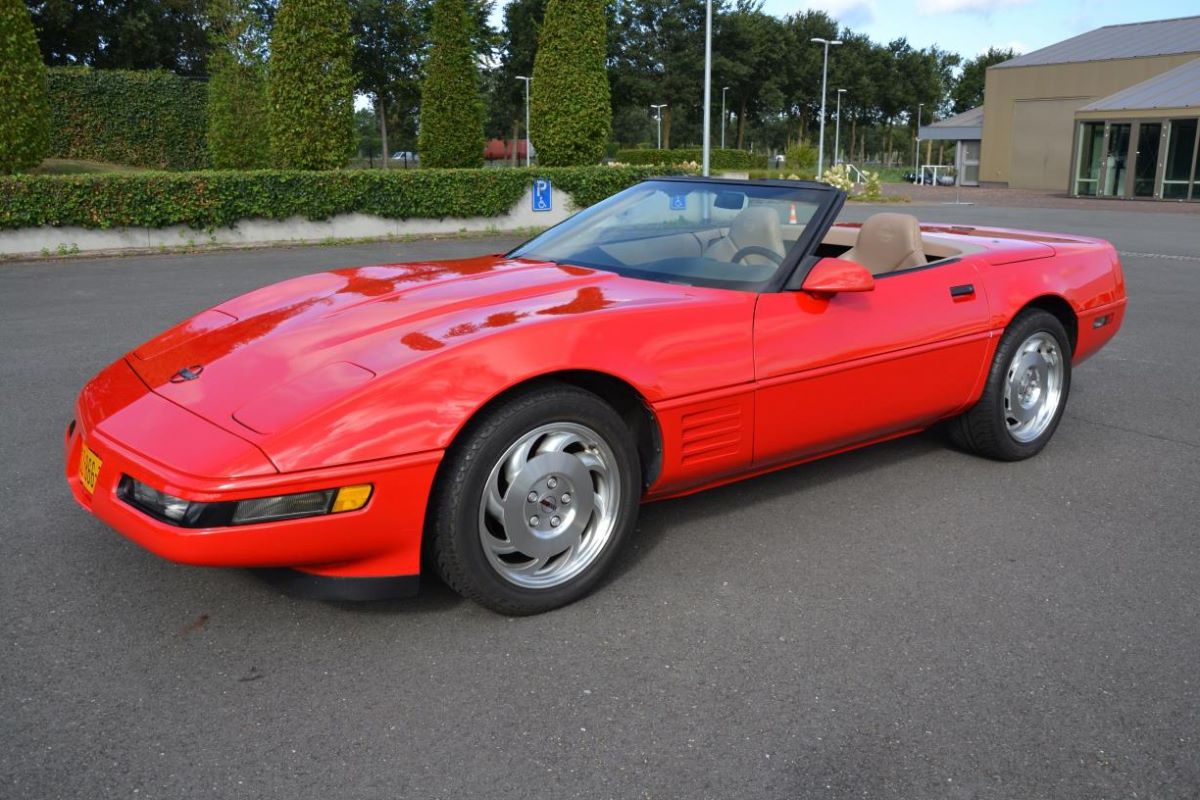
1. Chevrolet Corvette C4 (LT1 & LT4)
The fourth-generation Corvette represents one of the best examples of American performance meeting long-term reliability. Introduced in the mid-1980s and refined throughout the ’90s, the C4 reached its peak with the LT1 and later LT4 V8 engines.
These small-block Chevrolets were known for their simplicity, strong internals, and ability to handle power without self-destructing.
The LT1’s reverse-flow cooling system helped keep combustion temperatures under control, contributing to engine longevity when properly maintained.
Parts availability remains excellent in the U.S., and many components are shared across GM platforms.
The C4’s lightweight fiberglass body also resists rust, making it especially appealing in regions with harsh winters.
While early interior quality was questionable, the drivetrain itself is famously durable, making the C4 one of the most reliable high-performance sports cars of the decade.
2. Toyota Supra Mk4 (2JZ-GTE)
Few engines in automotive history enjoy the legendary status of Toyota’s 2JZ-GTE, and the Mk4 Supra is the car that cemented that reputation.
Built with an iron block, overengineered internals, and conservative factory tuning, the 2JZ was designed to handle far more power than it was ever given from the factory.
In stock form, the Supra was already quick and smooth, but its reliability is what truly sets it apart. The engine tolerates high mileage with ease, and the Getrag six-speed manual transmission is nearly bulletproof.
While Supras command high prices today, their durability justifies the investment. Even heavily modified examples often remain reliable when built correctly, something that cannot be said for many modern performance cars.
The Toyota Supra began as a luxurious offshoot of the second-generation 1978 Toyota Celica, essentially expanding on an existing model. Targeted at the grand touring market in both North America and Japan, the Celica Supra replaced the standard four-cylinder engine with a smooth, powerful six-cylinder, elevating performance and appeal.
During the late 1980s and early 1990s, Japan’s booming automotive market gave rise to some of the most legendary tuning cars, including the Mazda RX-7, Acura NSX, and, of course, the iconic Toyota Supra MK4.
By 1993, the Supra shed its boxy styling in favor of flowing body lines, sleek lighting, and design cues reminiscent of the Toyota 2000GT. What truly distinguished the MK4 Supra, however, was not just its appearance, but its legendary powerplant: the 3.0-liter inline six-cylinder 2JZ engine, widely regarded as one of the greatest engines ever built.
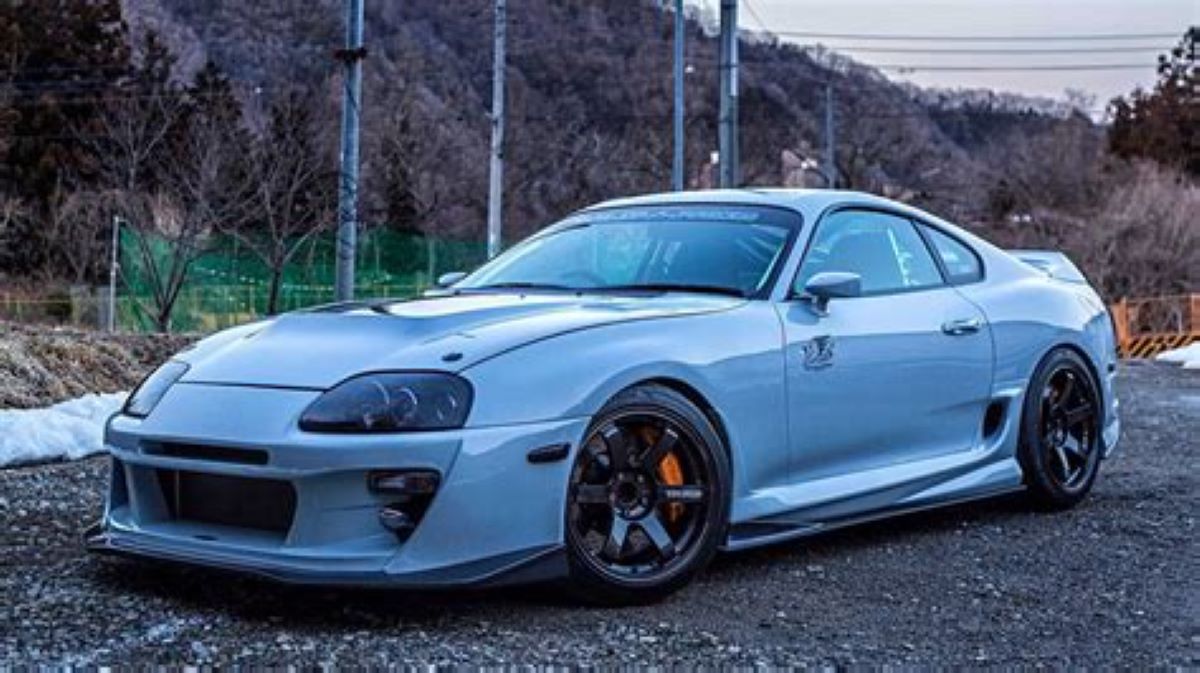
The Supra debuted in two configurations: a naturally aspirated 220-horsepower model and a twin-turbo 326-horsepower variant. High-trim turbo models were equipped with a six-speed manual transmission, now a rare find among collectors.
Immortalized as the hero car in the Fast and Furious franchise, the MK4 Supra was also celebrated for its on-track prowess, competing in events ranging from the Le Mans 24 Hours to the All-Japan GT Championship (JGTC).
Despite its racing success and the rise of the tuning culture, production of the MK4 Supra was relatively short-lived, ending in 1998. The fourth-generation model continued to be sold until 2002, after which the nameplate disappeared for nearly two decades with no direct successor.
With the growing scarcity of 1990s-era hero cars, the Toyota Supra MK4 has since become one of the most valuable collectible Toyotas in history.
Also Read: Top 12 JDM Bargains You Can Still Buy for Under $10,000
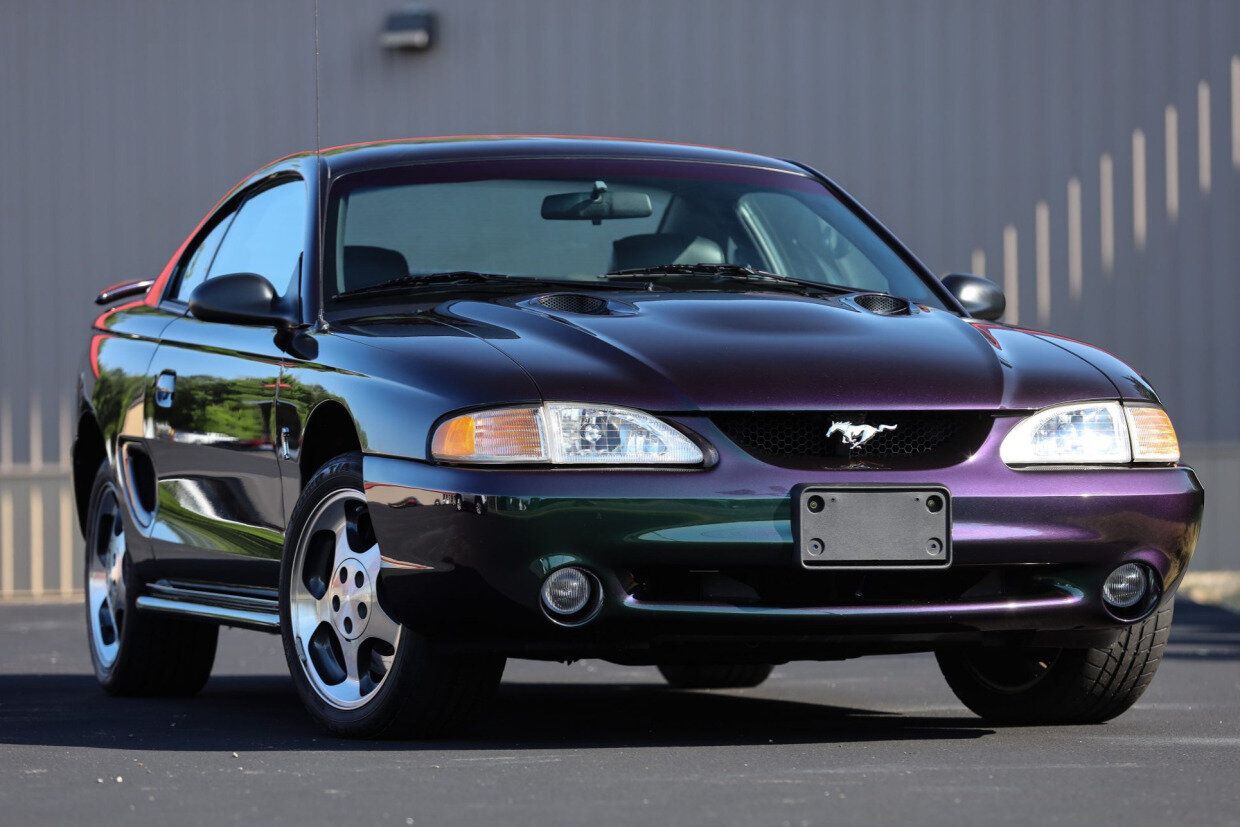
3. Ford Mustang SVT Cobra (1996–1998)
The SVT Cobra marked Ford’s serious effort to elevate the Mustang beyond straight-line muscle into a more refined performance car.
Powered by a 4.6-liter DOHC V8, the Cobra offered higher revs, better breathing, and a more sophisticated setup than the standard GT models.
Despite its complexity compared to pushrod V8s, the modular 4.6-liter engine proved remarkably durable. Many Cobras have surpassed 200,000 miles with minimal internal work.
The Cobra’s balance of usable power, reliability, and affordability makes it one of the smartest ’90s performance buys in the U.S. market.
It delivers authentic muscle-car character without the fragile reputation that sometimes follows high-output engines.
The Ford Mustang has long been celebrated as one of America’s most iconic muscle cars, captivating enthusiasts since its debut in 1964. Among its many performance-focused variants, the Mustang Cobra, Special Vehicle Team (SVT), and SVO models stand out for their engineering precision and raw power.
The Cobra nameplate carries a deeper heritage than most Mustang variants, representing high-performance engineering at its finest. Introduced in the early 1990s, the Cobra quickly established itself as a serious contender in the muscle car segment.
The first Cobra, produced in 1993, featured a 5.0L V8 producing 235 horsepower, along with enhanced suspension, distinctive Cobra badging, and unique color options that set it apart from standard Mustangs.
In 1996, the engine switched to a DOHC 4.6L V8 configuration while keeping output at 305 horsepower, accompanied by refreshed, more aggressive styling including a new front fascia. The 1997 Cobra retained the same 4.6L DOHC V8 but saw refinements to the chassis and suspension for better stability.
4. Nissan 300ZX Twin Turbo (Z32)
The Nissan 300ZX Twin Turbo was one of the most technologically advanced cars of its era, yet it managed to remain impressively reliable.
Its VG30DETT engine delivered smooth, consistent power and responded well to proper maintenance. While the engine bay is notoriously tight, the drivetrain itself is extremely robust.
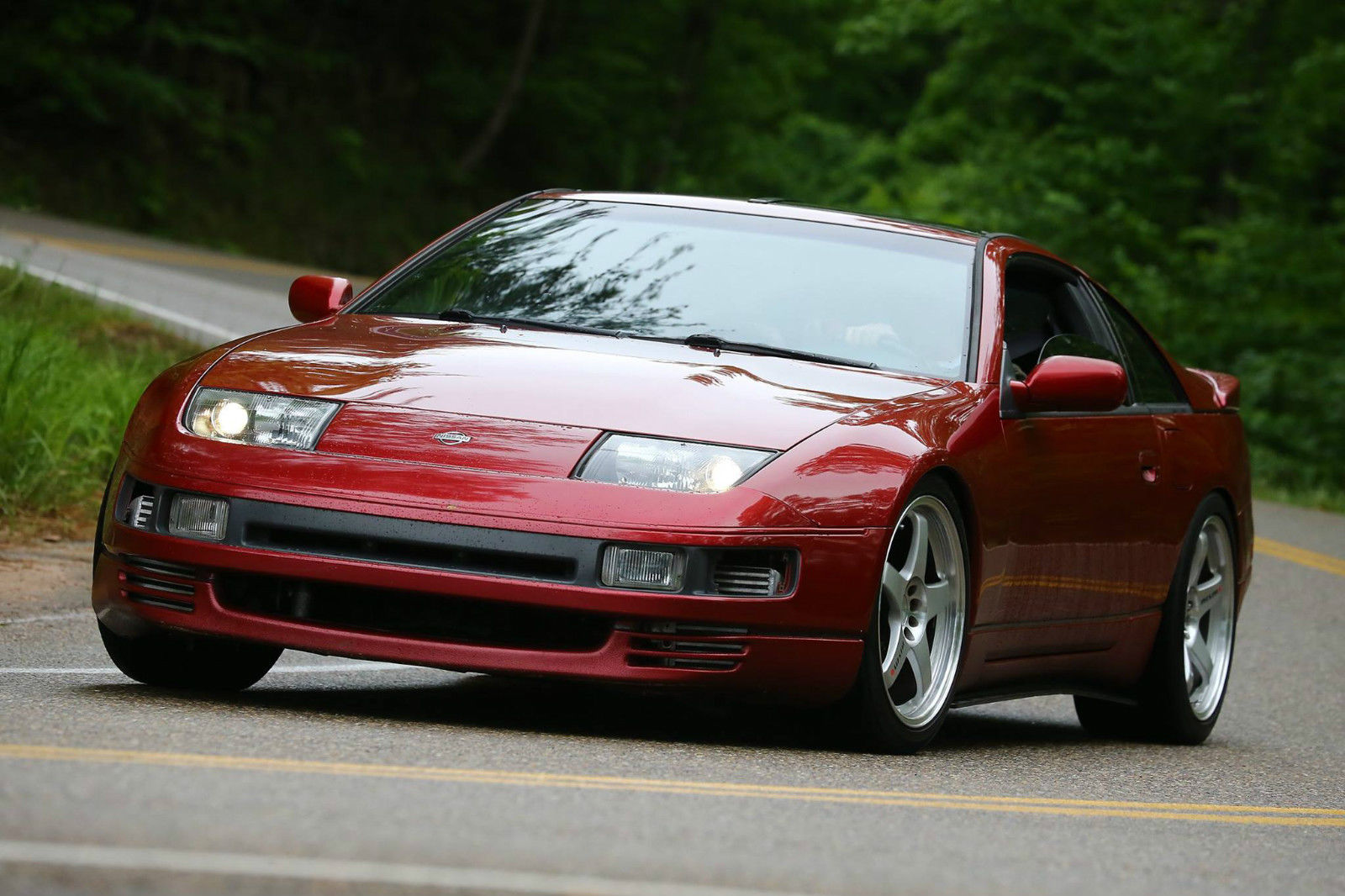
What sets the 300ZX apart is its balance of refinement and performance. It could serve as a comfortable daily driver while still offering serious speed.
The twin-turbo setup was conservative by modern standards, helping ensure longevity. When maintained by knowledgeable owners, these cars can run reliably for decades, proving that complexity doesn’t automatically mean fragility.
5. Chevrolet Camaro Z28 (LT1)
The fourth-generation Camaro Z28 shared much of its DNA with the Corvette C4, including the LT1 V8 engine. This gave buyers Corvette-like performance at a significantly lower price point.
The LT1’s torque-heavy nature and simple construction made it ideal for both daily driving and hard acceleration.
These cars were designed to be abused, and many were but still survived. The drivetrain’s durability is legendary among American muscle fans.
While interior materials were not GM’s strong suit in the ’90s, the engine and transmission combination remains one of the most reliable performance setups of the era. For U.S. enthusiasts seeking affordable, dependable muscle, the Z28 is hard to beat.
Thirty years ago, in the spring of 1964, Ford changed the American automotive landscape by introducing the Mustang, a two-plus-two sporty coupe that instantly captured public attention.
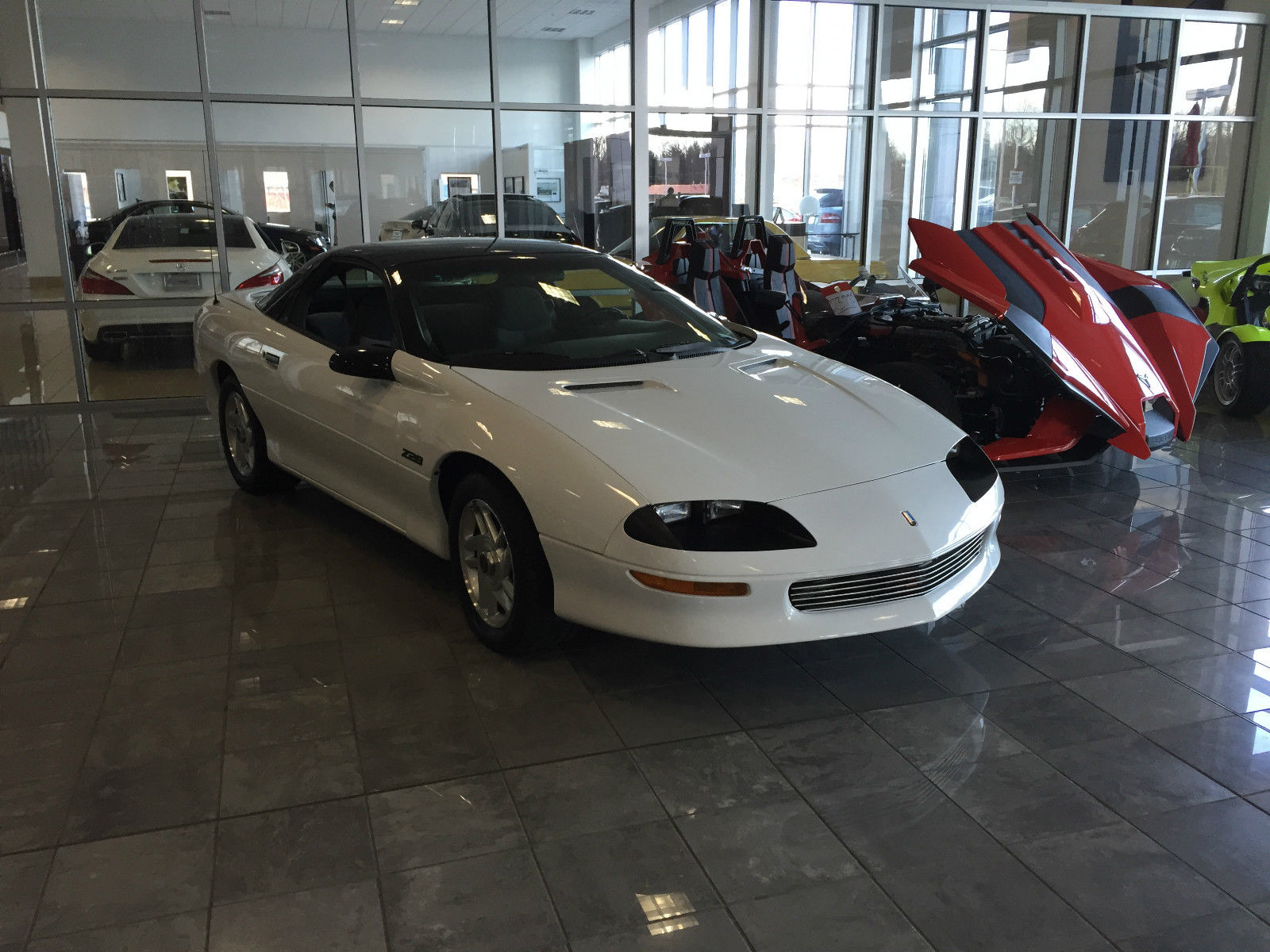
Demand was staggering, 22,000 Mustangs were ordered on the very first day. Chevrolet, caught off guard, had to watch the Mustang rack up over a million sales before responding with the Camaro in the fall of 1966. The Camaro quickly became the Mustang’s fiercest rival, and ever since, the two have battled it out in showrooms, on racetracks, and across the pages of automotive magazines.
Over the decades, the balance of power between these pony cars has shifted, but by 1994, the tide appeared to be running in Chevrolet’s favor. The fourth-generation Camaro, redesigned the previous year, proved itself a formidable competitor against the newly refined Mustang.
Performance testing revealed the Camaro Z28 dominating nearly every metric compared to the Mustang GT. With 275 horsepower, the Z28 outpaced the Mustang’s 215 horsepower in straight-line speed, accelerating from 0 to 60 mph in 5.4 seconds versus the Mustang’s 6.1 seconds.
By the time they reached 130 mph, the gap widened further, with the Camaro hitting that mark in 26.6 seconds compared with 44.7 for the Mustang. Quarter-mile runs showed similar results: the Z28 completed it in 14.1 seconds at 101 mph, while the Mustang took 14.9 seconds at 93 mph. Top speed told the same story, with the Camaro reaching 156 mph versus 137 mph for the GT.
Even in tests that don’t rely purely on horsepower, the Camaro maintained the advantage. On the skidpad, it achieved 0.86 g compared to the Mustang’s 0.85 g, and braking from 70 mph required 167 feet versus 179 feet for the GT.
On the 1.5-mile Waterford Hills road course, the Z28 consistently lapped about a second faster than the Mustang, averaging 1:26.1 to the GT’s 1:27.2. These results clearly demonstrated that, in 1994, Chevrolet’s Camaro had not only kept pace with the Mustang but in many ways had taken the upper hand in the pony car rivalry.
6. Acura NSX (First Generation)
The original Acura NSX rewrote expectations for exotic cars by proving that supercar-level performance could coexist with Honda-level reliability.
Powered by an all-aluminum V6 with VTEC, the NSX delivered high-revving excitement without the maintenance nightmares associated with European exotics.
Honda’s obsession with precision engineering resulted in an engine capable of running flawlessly at high RPMs for extended periods.
The NSX’s build quality was exceptional, and many examples remain mechanically sound decades later.
While it lacks the raw V8 muscle of American entries on this list, its performance credentials and unmatched reliability place it firmly among the best ’90s performance cars ever built.
Since its debut eight years ago, the Acura NSX has earned widespread acclaim from the automotive press as one of the best sports cars ever produced, and for good reason. With its 24-valve V6 engine, all-aluminum body, mid-engine layout, and ergonomics that stay true to Honda’s design philosophy, the NSX is, in a word, awesome.
Exceptionally well-balanced and poised, it is a car that feels powerful and graceful while remaining forgiving enough for drivers of varying skill levels to feel like professionals behind the wheel. Its 3.2-liter V6 cranks out 290 horsepower, propelling the car from 0 to 60 mph in roughly five seconds.
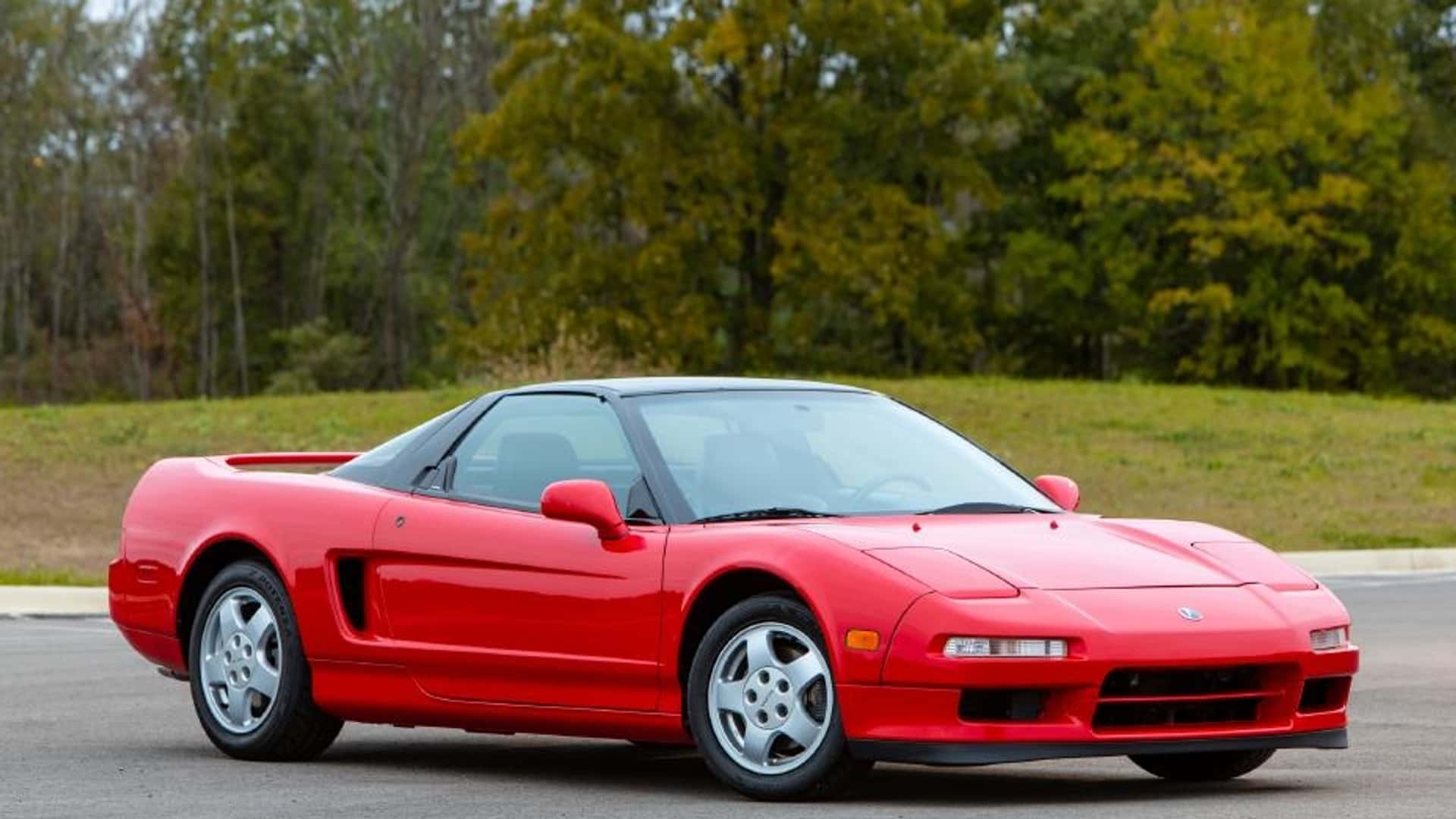
While faster cars exist, few, if any, can match the NSX’s handling precision. The mid-engine layout ensures excellent weight distribution, keeping the wheels firmly planted through corners, and braking performance is equally impressive, requiring only 122 feet to stop from 60 mph.
Inside, the NSX is as comfortable and intuitive to drive as a Honda Accord. Controls are logically placed, the seating position is near-perfect, the targa top is easily stored, and visibility is better than in virtually any other sports car. Although the NSX’s styling has remained largely unchanged since its 1991 debut, it remains strikingly attractive.
In 1999, Acura introduced a limited Alex Zanardi Edition in Formula Red to honor the two-time CART champion. Designed with performance in mind, this special edition sheds 150 pounds, features a stiffer suspension, and adds manual steering. Only 50 units were slated for North America, with the first one personally presented to Zanardi himself, making it a true collector’s item.
As a pure expression of automotive excellence, the NSX is nearly flawless. Shift action is precise, the clutch and brake pedals offer excellent feedback, and the steering is razor-sharp. Its main drawback, however, is cost: a single NSX carries the price of an entire three-car garage that could include a Chevrolet Corvette, Jeep Wrangler, and Honda Accord.
Despite this, the NSX remains highly appealing. Its rev-happy engine delivers the thrill of a supercar, while the practical, well-designed interior makes it surprisingly livable for daily driving. And on race days, it promises not only performance but presence, sure to turn heads and set the tone for any tailgate party at Laguna Seca.
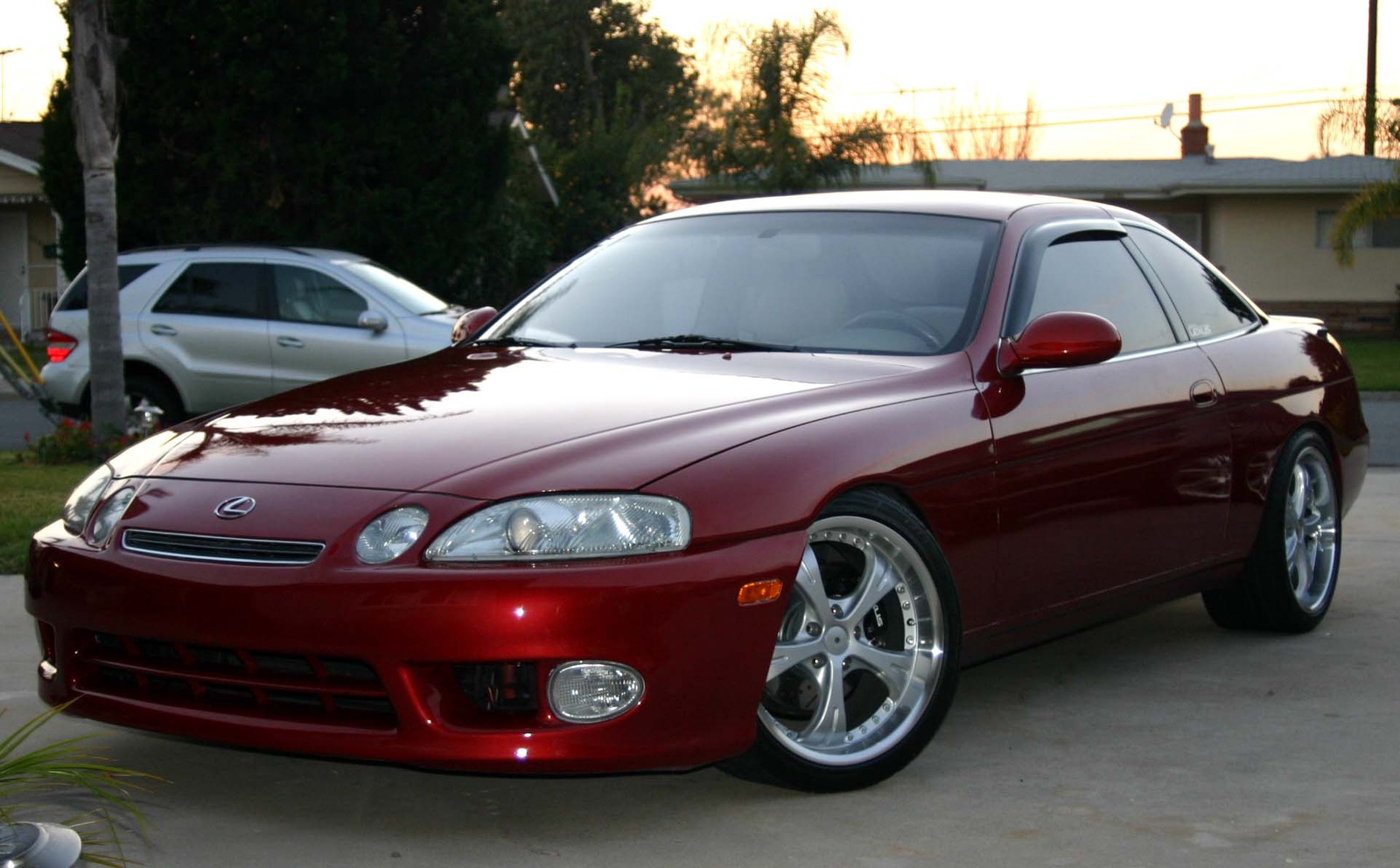
7. Lexus SC400
The Lexus SC400 may not be the first car that comes to mind when thinking of performance, but its 1UZ-FE V8 engine is one of the most reliable engines ever produced.
Smooth, powerful, and nearly indestructible, the SC400 offered understated muscle wrapped in luxury.
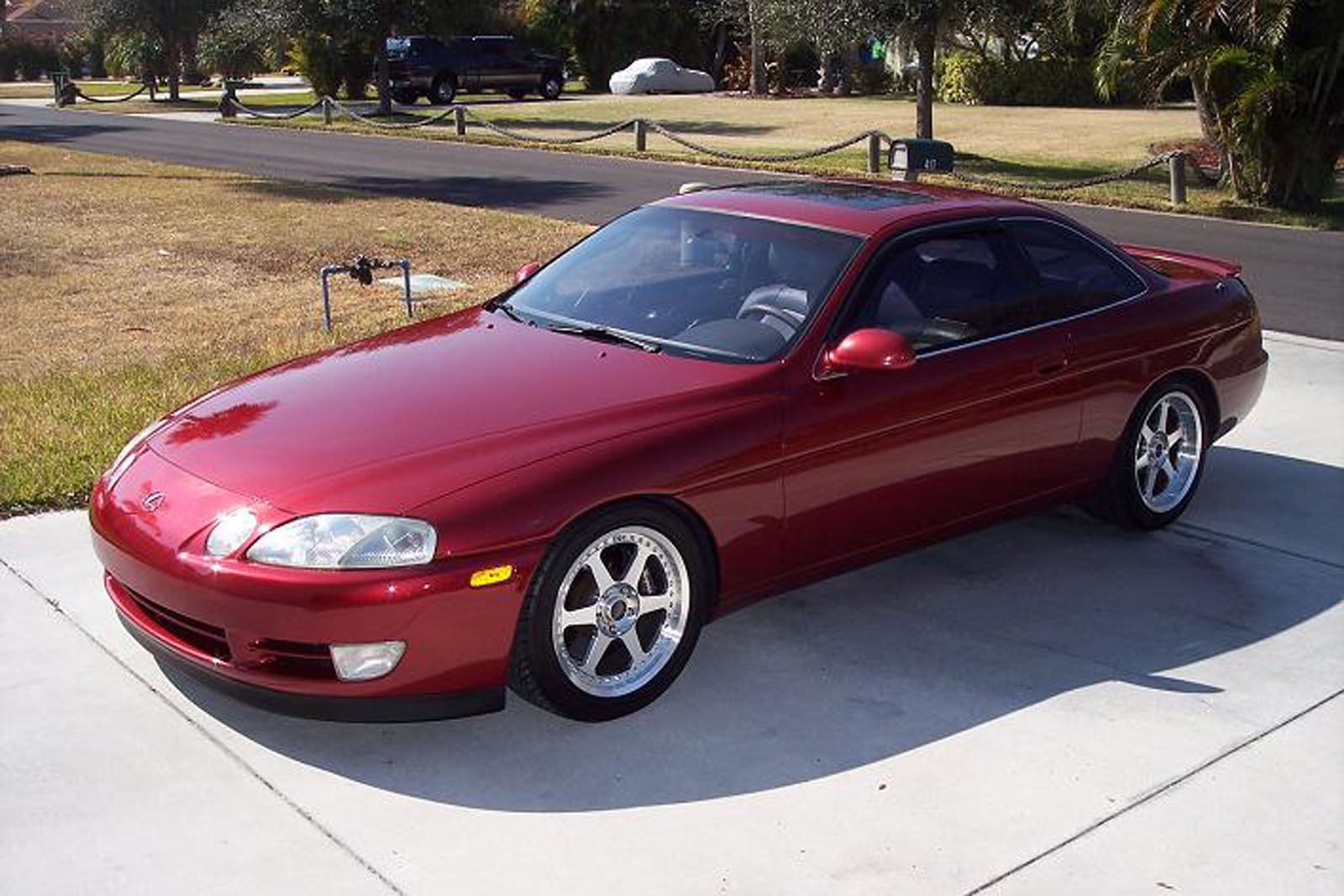
The engine’s overbuilt nature means it handles mileage with ease, and the car’s overall build quality reflects Lexus’ goal of dominating the luxury market.
While it wasn’t marketed as a performance car, the SC400’s V8 provides effortless acceleration and long-term dependability. For buyers seeking a sleeper with muscle and reliability, it remains a standout.
The Lexus SC400 is powered by the 1UZ-FE 4.0-liter V8 borrowed from the LS400, producing 250 horsepower and 260 pound-feet of torque.
With shorter gearing and 246 fewer pounds than the LS400 sedan, the SC400 accelerates from zero to 60 mph in 6.7 seconds, 1.2 seconds quicker than its larger sibling. In 1997, the SC400 gained an additional 10 horsepower, and by 1998, power increased further to 290 horsepower while a fifth gear was added to the automatic transmission.
The SC300, meanwhile, shares its 2JZ-GE 225-hp inline-six with the Toyota Supra, though its defining distinction isn’t just the engine. Only the SC300 offered a manual transmission, and that option was available only through 1997.
Both the SC300 and SC400 share a platform with the fourth-generation Supra, and while Supras, especially the 320-hp twin-turbo variants, have skyrocketed in value, the SC coupes were long regarded as a more refined, luxurious, and affordable alternative. In particular, the manual-equipped SC300, with only around 4,000 units ever produced, has become the rarest and most expensive SC model today.
The market for SC coupes has grown steadily over the years. A decade ago, well-kept examples could be had for just a few thousand dollars, but now vehicles in good condition typically sell for between $7,000 and $15,000, with exceptions at either end of the spectrum.
Among these, the five-speed manual SC300 commands the highest premiums. As with any used car, prospective buyers should consider maintenance costs carefully and aim to acquire the best example possible to ensure both reliability and long-term value.
Also Read: 10 Best Ford Engines Known for Legendary Reliability
8. Dodge Viper RT/10 (Gen I)
The first-generation Dodge Viper was raw, brutal, and unapologetic and surprisingly reliable. Its massive 8.0-liter V10 was derived from truck architecture, giving it exceptional durability.
With minimal electronics and a focus on mechanical simplicity, the Viper avoided many of the reliability pitfalls seen in later high-performance cars.
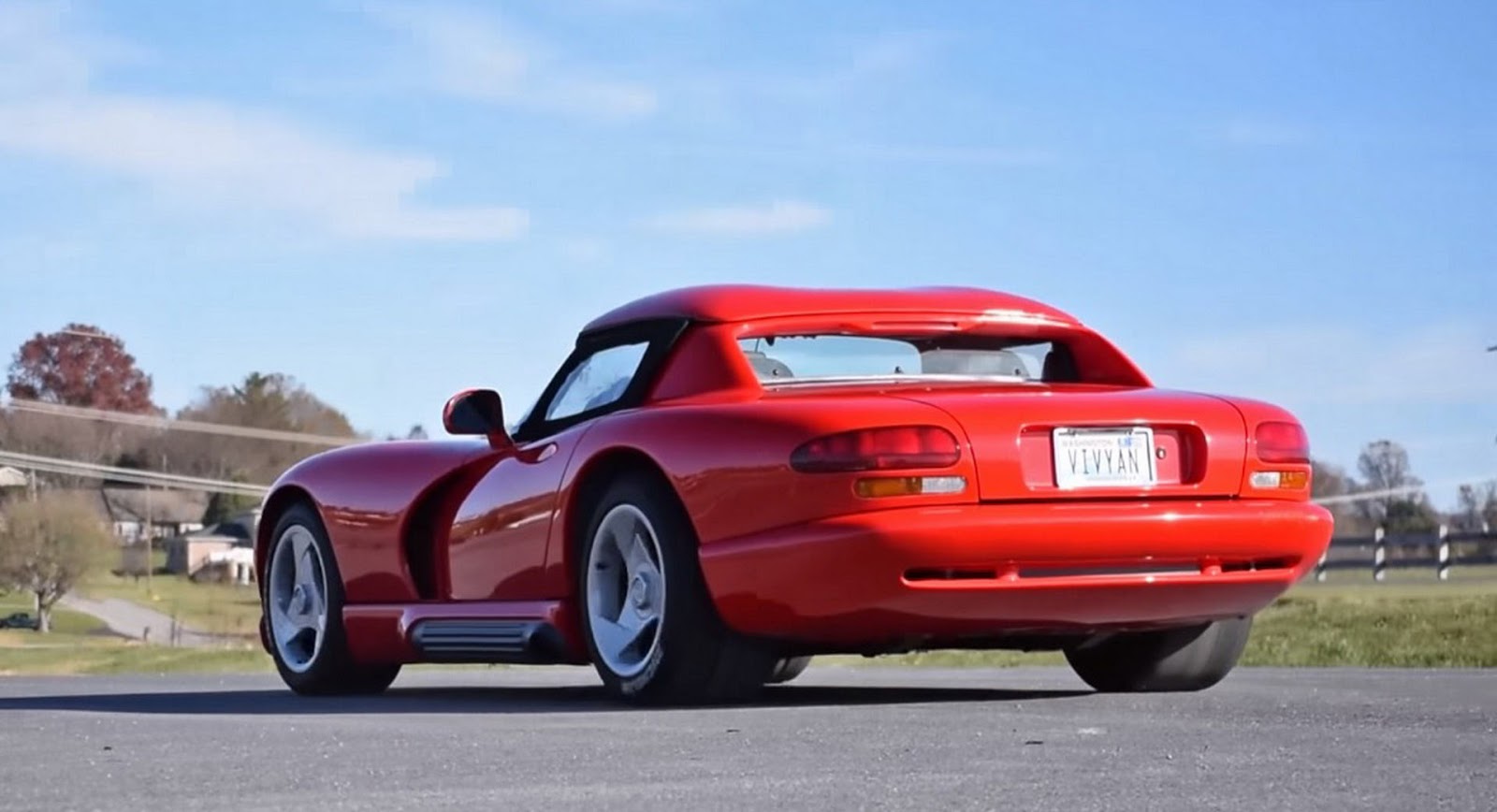
The Viper demanded respect from its drivers, but the engine itself was built to last. Regular maintenance is crucial, but when cared for, these cars are capable of long service lives.
Few ’90s cars deliver such unfiltered muscle with such mechanical robustness.
9. BMW E36 M3 (U.S. Spec)
The U.S.-spec E36 M3 is often overlooked compared to its European counterpart, but that works in its favor when it comes to reliability.
Its inline-six engine was tuned for durability rather than peak output, making it well-suited to American driving conditions.
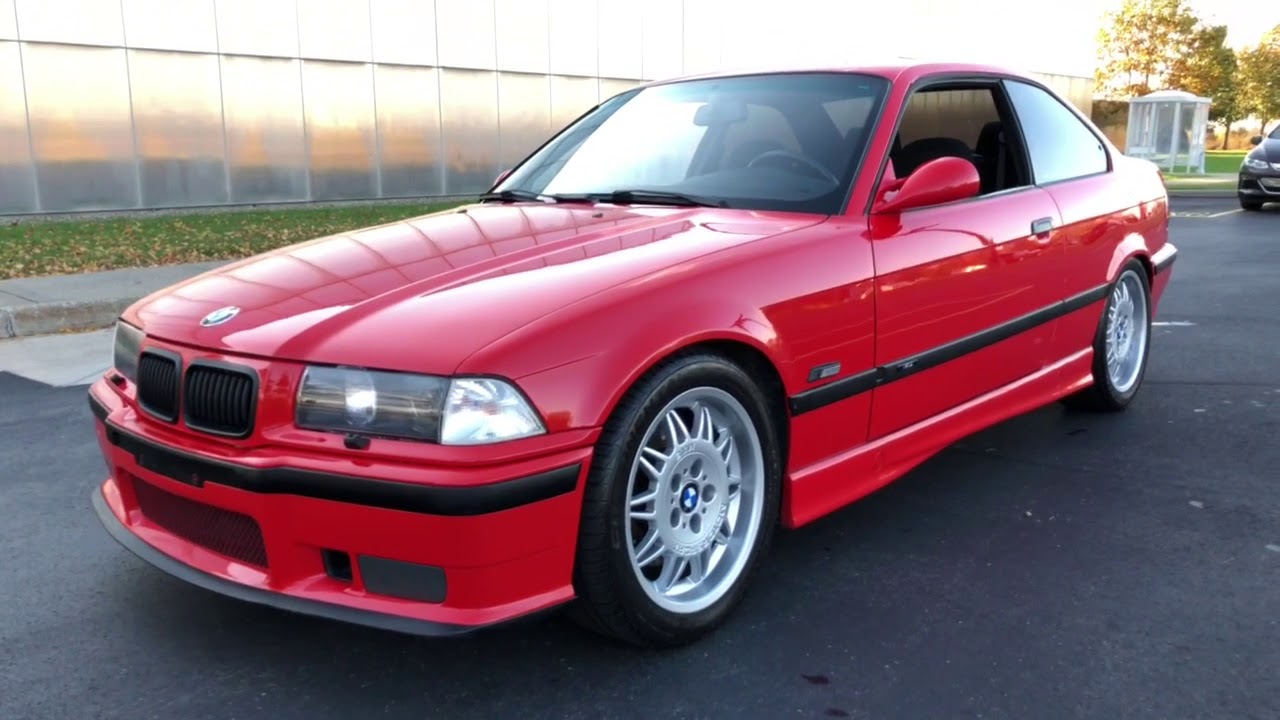
The E36 M3 offers balanced performance, strong midrange power, and a chassis that still feels modern.
When maintained properly, these engines routinely surpass high mileage benchmarks. It represents a rare combination of European handling, everyday usability, and long-term reliability.
Unlike its predecessor, the E30 M3, BMW’s E36 M3 (1995–1999) lacks the racing-derived homologation pedigree that made the original so legendary. To make matters worse, the U.S. version came with a detuned, lower-cost engine, a change that many enthusiasts initially viewed as a compromise.
Yet talk to anyone who has spent time behind the wheel of one of the nearly 33,000 E36 M3s sold in the U.S., as long as it isn’t the automatic model, and you’ll likely hear stories that echo our early impression: this car belonged “very near the top of our wish list” when first tested in 1994.
Purists often favor the coupe, in part due to its supportive high-bolster “Vader” seats, but the sedan weighs essentially the same and delivers an equally impressive driving experience. The convertible, while lacking rigidity, offers the most headroom of the three body styles.
The biggest criticism of the U.S.-spec E36 M3 is that it didn’t receive Europe’s higher-revving, individual-throttle 3.0-liter inline-six engine, which produced 286 horsepower compared to the U.S. version’s 240.
Despite this, the simpler engine helped keep costs down and contributed to the M3’s strong sales in the States. In 1996, BMW increased displacement to 3.2 liters, raising torque from 225 to 236 pound-feet.
Like nearly all collector cars, the E36 M3 has seen price appreciation in recent years, but values still generally range from the low teens to mid-$20,000s, making well-chosen examples a relative bargain. Rare Lightweight versions, however, can command more than $80,000.
When shopping, the lowest-mileage cars might be tempting, but E36s with fewer than 100,000 miles are often due for expensive catch-up maintenance. Vehicles around 125,000 miles, by contrast, may already be up to date on repairs, allowing buyers to allocate funds for any remaining maintenance needs while enjoying a thoroughly capable and collectible car.
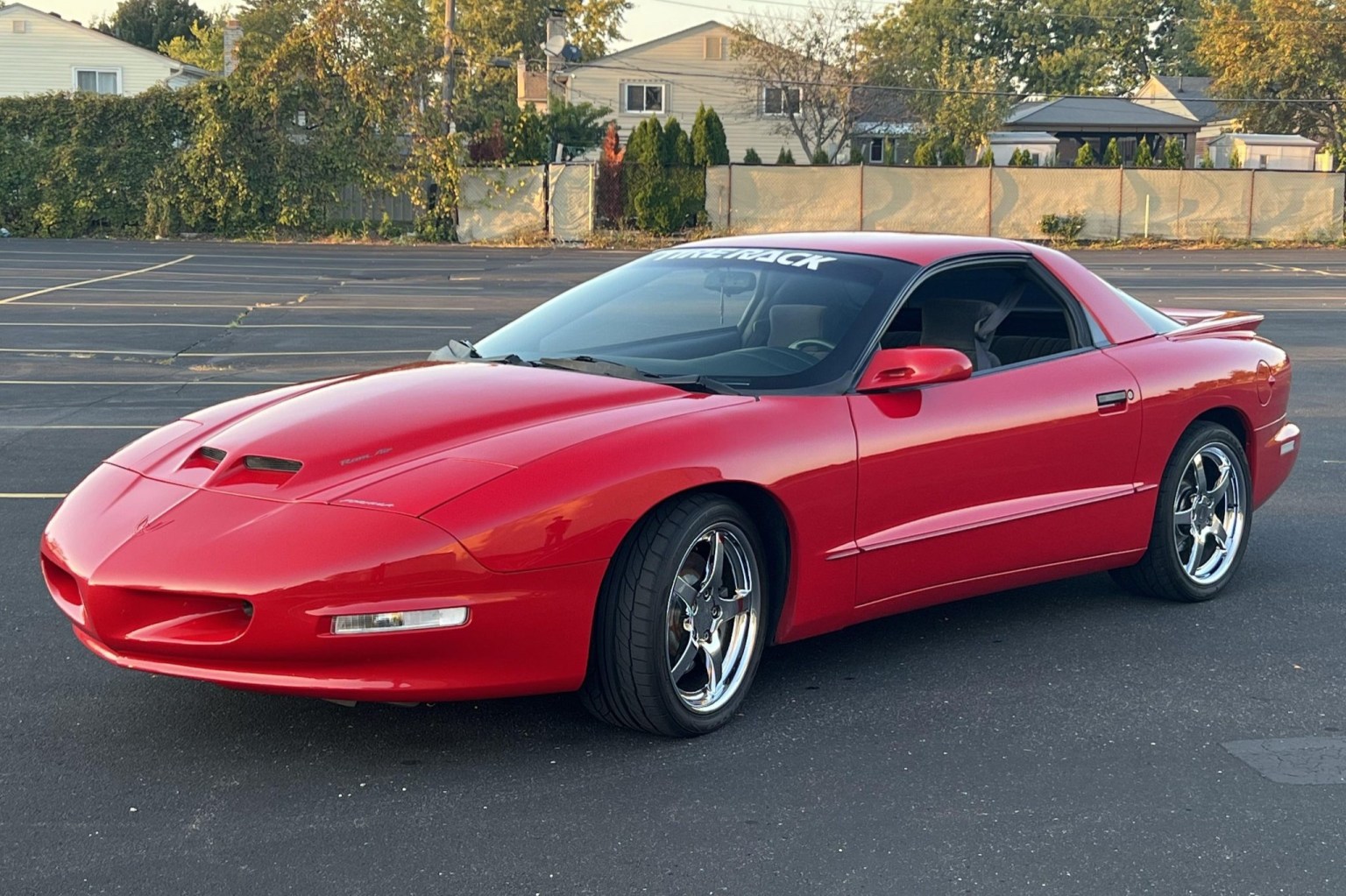
10. Pontiac Firebird Formula WS6
Sharing much with the Camaro Z28, the Firebird Formula WS6 delivered aggressive styling and serious performance. Its LT1 V8 provided strong torque and dependable power delivery.
The WS6 performance package further enhanced handling and cooling, contributing to durability under spirited driving.
Like its Camaro sibling, the Firebird was designed for American roads and American driving habits.
Parts availability remains strong, and the mechanical simplicity ensures long-term serviceability. It stands as one of the last great Pontiac performance cars before the brand’s decline.
These ultra-reliable ’90s performance cars represent a sweet spot that many enthusiasts believe has been lost. They were built during a time when manufacturers prioritized durability, mechanical integrity, and driver engagement.
Modern performance cars may be faster on paper, but they often rely on complex systems that can compromise long-term ownership.
For U.S. buyers, these cars also offer cultural significance. They were icons of their era, featured in magazines, movies, and motorsports, and they continue to deliver an authentic driving experience.
Whether you prefer American muscle, Japanese precision, or European balance, the ’90s offered something special and reliable for everyone.
As values continue to rise and nostalgia grows, these cars are no longer just used vehicles; they are rolling proof that performance and reliability don’t have to be opposites.
For enthusiasts willing to invest in maintenance and preservation, these machines remain some of the most rewarding performance cars ever built.