
Rear-wheel-drive (RWD) cars have long been the heart and soul of driving enthusiasts.
Unlike their front-wheel-drive counterparts, RWD vehicles provide a more balanced weight distribution, sharper handling, and a connection between car and driver that’s hard to replicate.
However, in today’s market, many RWD cars come with steep price tags, especially newer models packed with technology.
The good news is that the used car market in the U.S. offers a treasure trove of RWD vehicles under $10,000 that are still exhilarating behind the wheel. From classic American muscle to nimble Japanese imports, these cars prove that fun doesn’t have to break the bank.
Here’s a breakdown of 11 rear-wheel-drive cars you can find for under $10,000 that remain a joy to drive.
1. Mazda MX-5 Miata (NA/NB, 1990s–2005)
The Mazda MX-5 Miata is arguably the poster child of affordable, lightweight, rear-wheel-drive fun. Early NA models (1990–1997) and NB models (1999–2005) are both widely available under $10,000, with a reputation for reliability and ease of maintenance.
With a small, rev-happy 1.6–1.8L engine and a perfect 50/50 weight distribution, the Miata delivers a pure, connected driving experience.
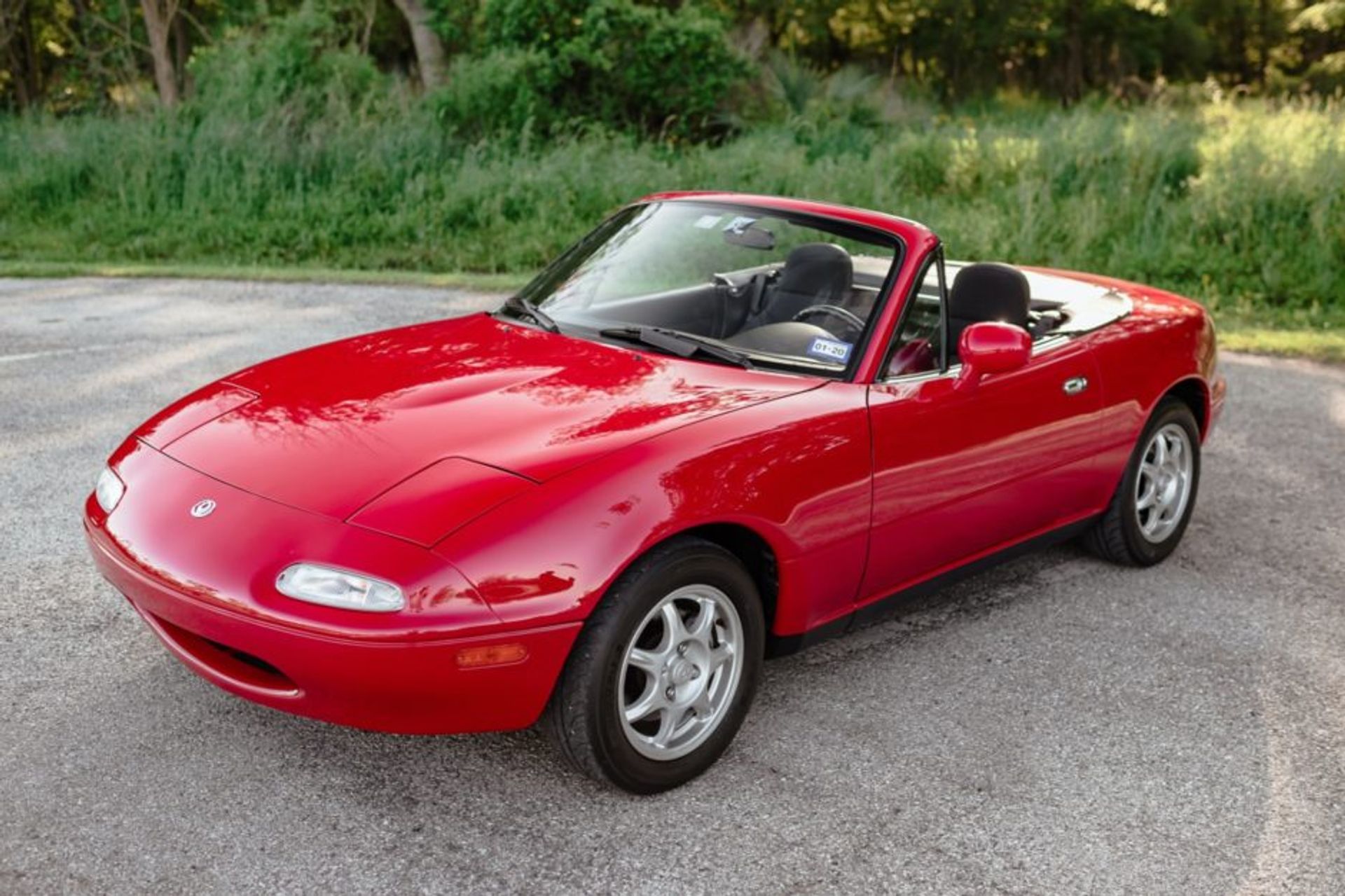
Its convertible design adds open-air excitement, and aftermarket support is massive, allowing enthusiasts to personalize suspension, brakes, and even forced induction setups.
For spirited driving on winding roads or track days, the Miata remains unmatched in its price range.
2. BMW 3 Series (E36/E46, 1990s–2000s)
BMW’s 3 Series has long been synonymous with driving pleasure, and older E36 (1992–1999) and E46 (1999–2006) models offer RWD dynamics at a bargain.
While maintenance costs can be higher than other cars on this list, finding a well-kept example for under $10,000 is possible.
The inline-six engines, particularly in the 328i or 330i trims, provide smooth power delivery and a responsive feel. With precise steering, balanced chassis, and strong aftermarket support, these BMWs remain capable daily drivers and weekend thrill machines.
Buyers should focus on rust-free examples and be prepared for standard maintenance like cooling system components and suspension bushings.
BMW took its time developing the coupe of the third-generation 3 Series to ensure it would dominate the sporty segment. Following the reveal of the E36 sedan, fans eagerly awaited the coupe, and BMW promised it wouldn’t be just a two-door version of the sedan, as had been the case with the E30.
While the E36 coupe shared the platform and wheelbase with its sedan sibling, it featured a stiffer suspension, improved weight distribution, and updated styling, offering a sportier and more upscale driving experience. Many components were carried over to reduce production costs, but enthusiasts were unbothered, eager for a sleek coupe that performed as well as it looked.
The front end featured rectangular headlights housing both high and low beams under a single lens, with integrated-looking turn signals and the classic BMW kidney grille, redesigned to be wider and more contemporary.
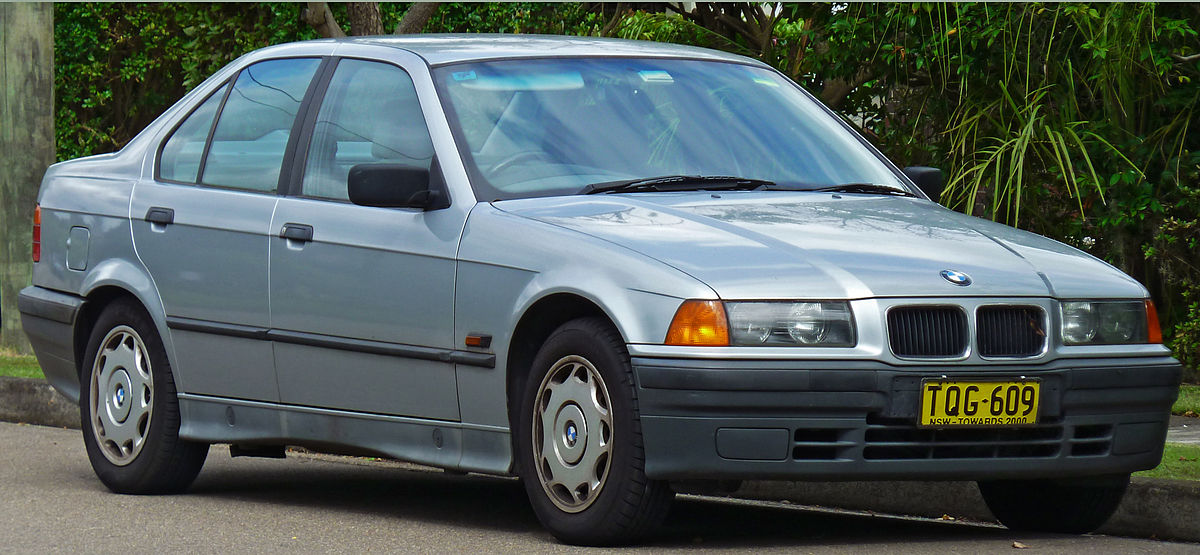
Below, a wrap-around plastic bumper included a central air intake flanked by optional fog lamps on higher-powered models. From the side, the windshield was more steeply raked than on the sedan, the roofline sat lower, and the doors were longer and frameless.
Rear passenger windows employed a pop-out design for quick cabin ventilation, and the sloped deck at the back emphasized the car’s sporty profile. At the rear, corner-mounted taillights extended onto the trunk lid for a wider appearance, complemented by a body-colored lower bumper with black trim.
The HVAC controls sat below, while the center console housed the gear stick or automatic selector and power-window controls. Manual bucket seats with high bolsters were provided up front, offering multiple adjustments, although headroom was limited due to the low roof. The rear featured a 50/50 split-folding bench that could accommodate two passengers, though legroom and headroom were constrained.
Under the hood, the 1992 E36 coupe offered a range of gasoline and diesel engines producing between 102 PS (101 hp) and 193 PS (190 hp), depending on the market.
Power was sent to the rear wheels via a five-speed manual or a GM-sourced four-speed automatic, with no all-wheel-drive option offered, a departure from the previous generation. The combination of rear-wheel drive, refined chassis, and updated styling made the E36 coupe a standout in BMW’s 3 Series lineup.
3. Ford Mustang (1990s–2000s)
The Ford Mustang has been America’s iconic muscle car for decades, and older models are still accessible to budget-conscious enthusiasts.
Fourth-generation Mustangs (1994–2004) with V6 or V8 engines often fall under the $10,000 mark, especially if you avoid high-mileage V8s.
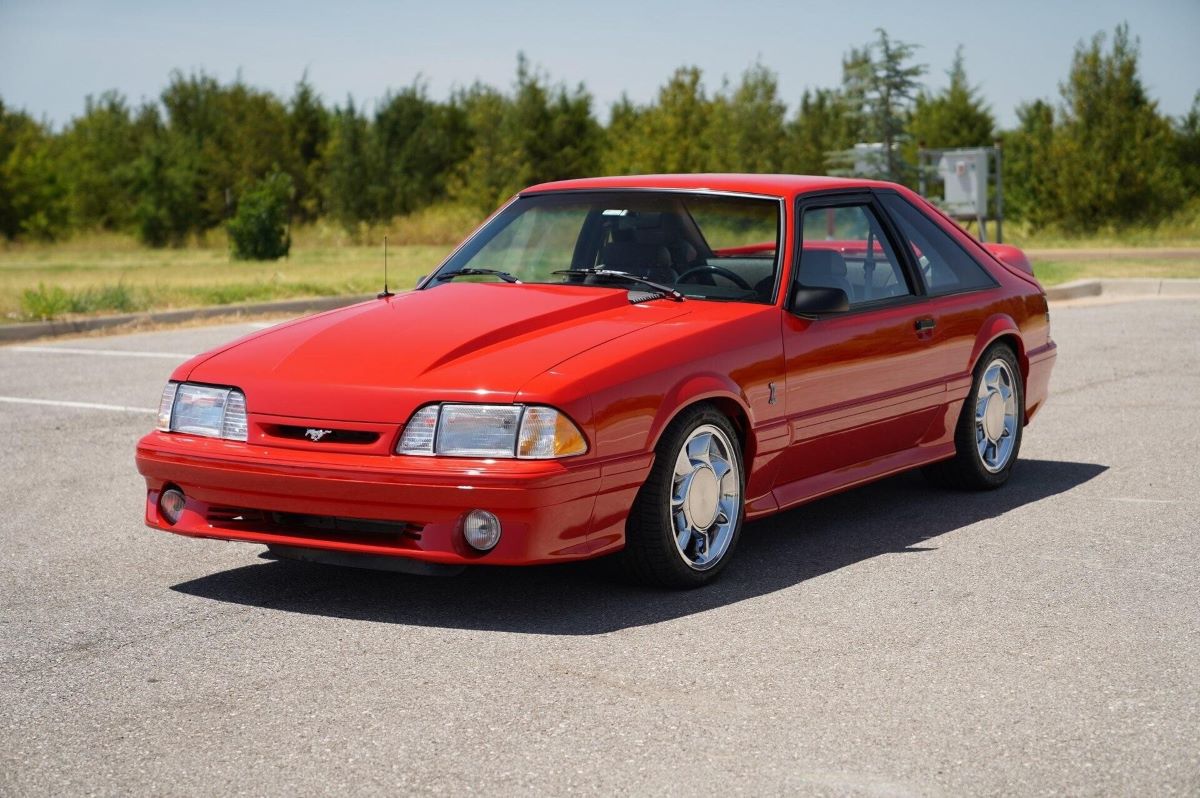
These cars offer straightforward performance, classic RWD dynamics, and easy upgrades, from cold-air intakes to suspension kits.
While the interior may feel dated compared to modern vehicles, the thrill of driving a car with a growling rear-wheel-drive V8 is timeless. Mustangs are especially appealing to U.S. buyers looking for a mix of heritage, sound, and performance on a budget.
4. Nissan 240SX (S13/S14, 1989–1998)
For Japanese performance enthusiasts, the Nissan 240SX is a legendary choice. The S13 (1989–1994) and S14 (1995–1998) generations feature rear-wheel-drive layouts, lightweight bodies, and engines designed to be tuned.
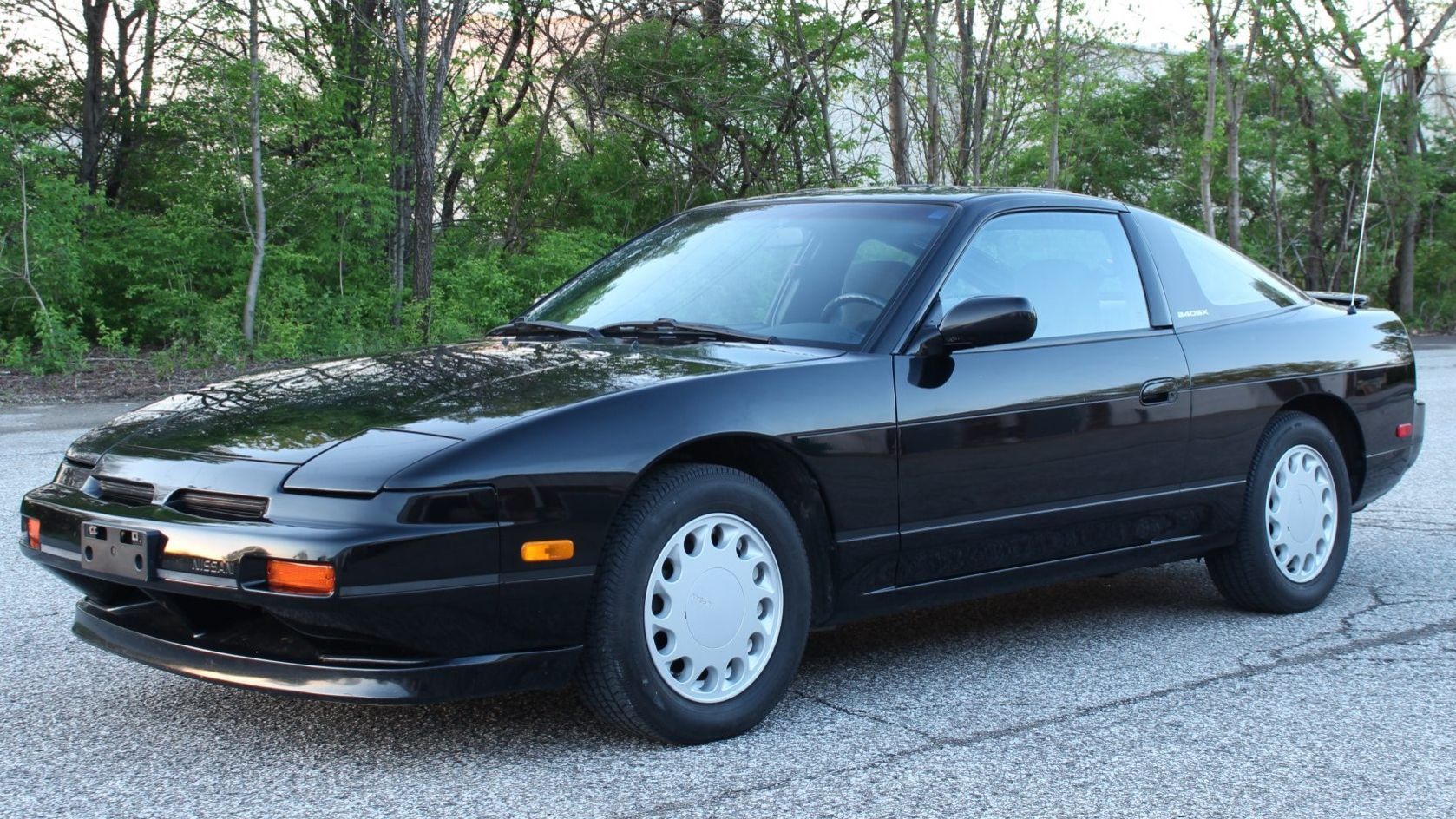
While naturally aspirated versions are fun on their own, the 240SX also serves as a drift car platform due to its balanced chassis and solid aftermarket support.
Prices vary by condition, but under $10,000, you can find a running example that’s perfect for weekend fun or modification projects. Enthusiasts prize this car for its agility, handling, and the thrill of owning a true driver-focused vehicle.
From the mid-1970s to the mid-1980s, Nissan squandered much of its hard-earned reputation for dynamic cars. Its sporty models became flashy but shallow, and its more mundane offerings grew uninspired.
Meanwhile, Honda pushed new boundaries in performance and refinement, Mazda edged the limits of handling and fun, and Toyota solidified its status as Japan’s largest automaker. By 1988, Nissan had slipped from second place among imports in U.S. car sales. Fortunately, new management was already trimming the lineup of flabby underpinnings and uninspired bodywork.
Enter the 240SX: a car that restored Nissan’s enthusiasm and dynamism. Though not directly related to the original 240Z, this new 240SX is a vehicle to lust after, unlike the model it replaced, the 200SX.
Its voluptuous lines, well-crafted interior, and engaging driving experience showcase a Nissan reborn. Behind the wheel, the 240SX delivers the kind of joy that recalls the original 240Z, proving that Nissan had relearned the art of making a fun, well-balanced car.
Mechanically, the 240SX embraces the 1990s with the right ingredients. It features a new, naturally aspirated twelve-valve 2.4-liter four-cylinder engine in place of the 200SX’s less exciting naturally aspirated V6 or four-cylinder turbo. Housed in a lighter chassis with improved handling, the engine works seamlessly with the car’s refined dynamics.
Importantly, Nissan retained the 200SX’s rear-wheel-drive layout but upgraded the rear suspension to a multilink design, which provides self-stabilizing characteristics and precise handling.
This setup minimizes squat, lift, camber change, and jacking while delivering flat, confident cornering without resorting to overly stiff springs or bushings. The front suspension retains the previous strut layout but adds more anti-dive, completing a suspension package that balances agility and stability in a way the 200SX could not.
5. Chevrolet Camaro (Fourth Generation, 1993–2002)
The Chevrolet Camaro offers another American muscle experience under $10,000. Fourth-generation Camaros with V6 or V8 engines are rear-wheel-drive and provide classic muscle car thrills.
These cars benefit from strong aftermarket support, meaning performance upgrades are plentiful.
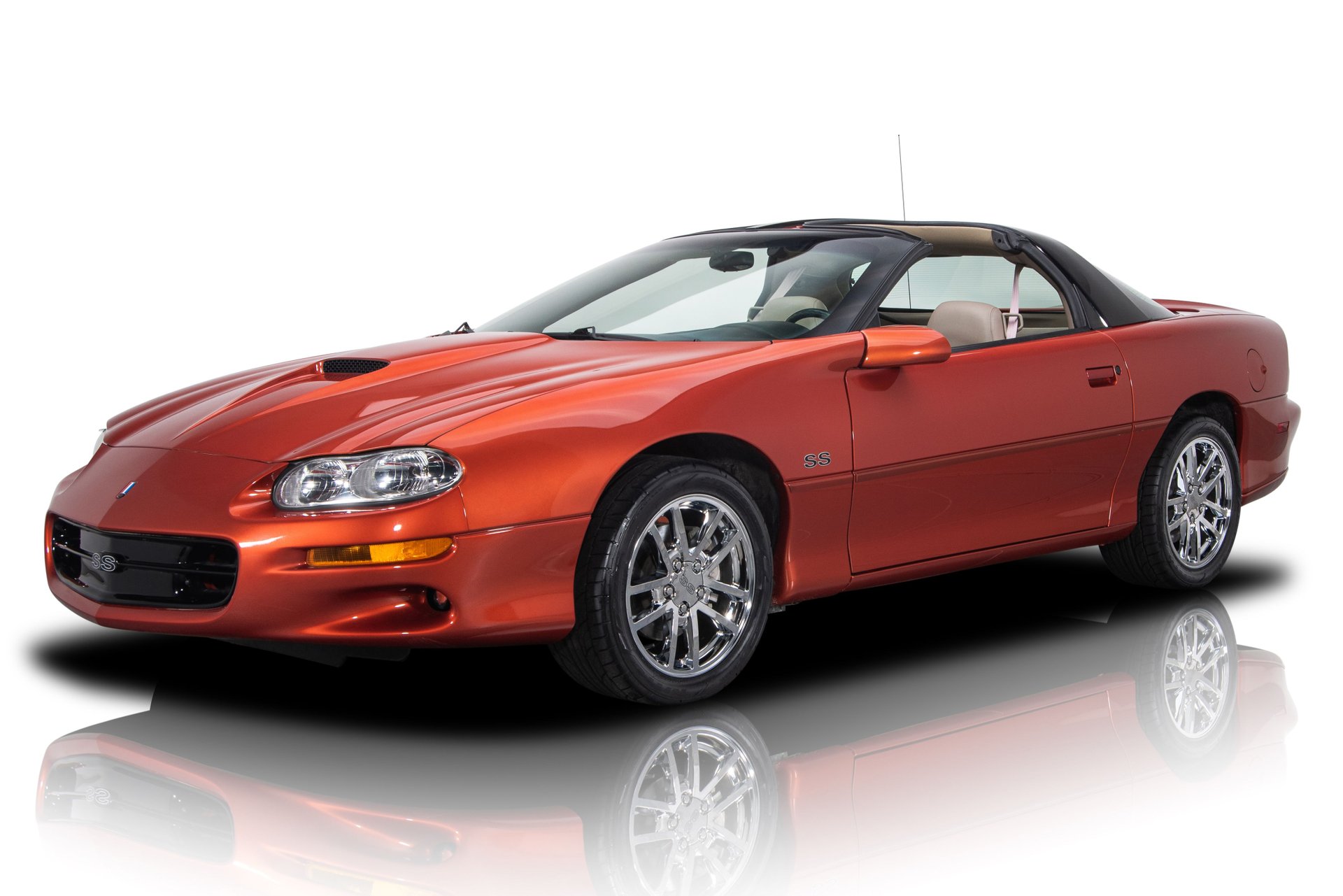
While handling is not as precise as some smaller, lighter cars on this list, the raw power and distinct styling make it a blast for straight-line acceleration and casual weekend cruises. With proper care, these Camaros can be surprisingly reliable daily drivers.
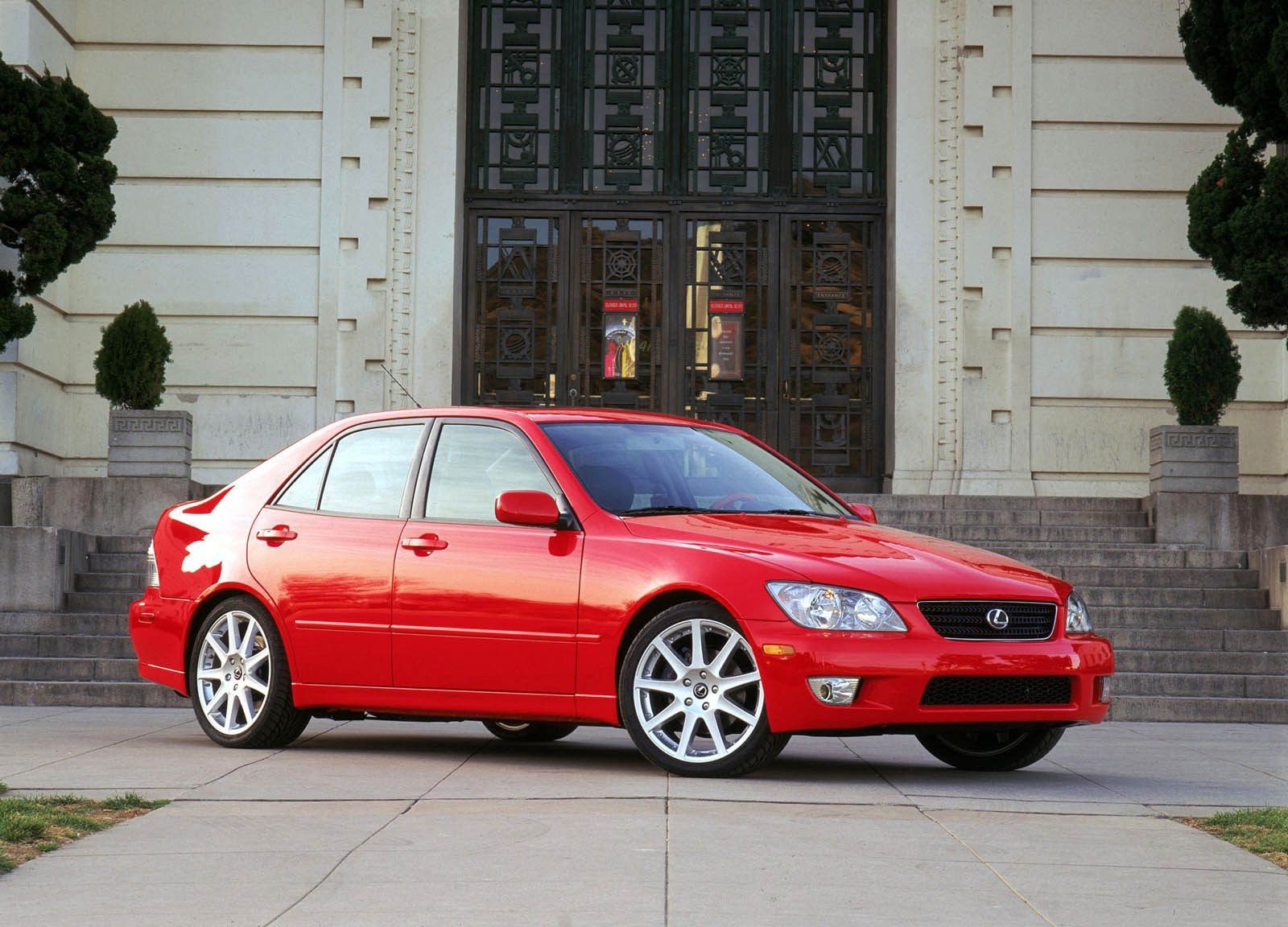
6. Lexus IS 300 (2001–2005)
If you’re looking for a luxury take on rear-wheel-drive fun, the Lexus IS 300 offers refinement and performance for a reasonable price.
Powered by a naturally aspirated 2JZ inline-six engine (the same family as the legendary Toyota Supra), the IS 300 blends reliability, smooth power, and solid handling.
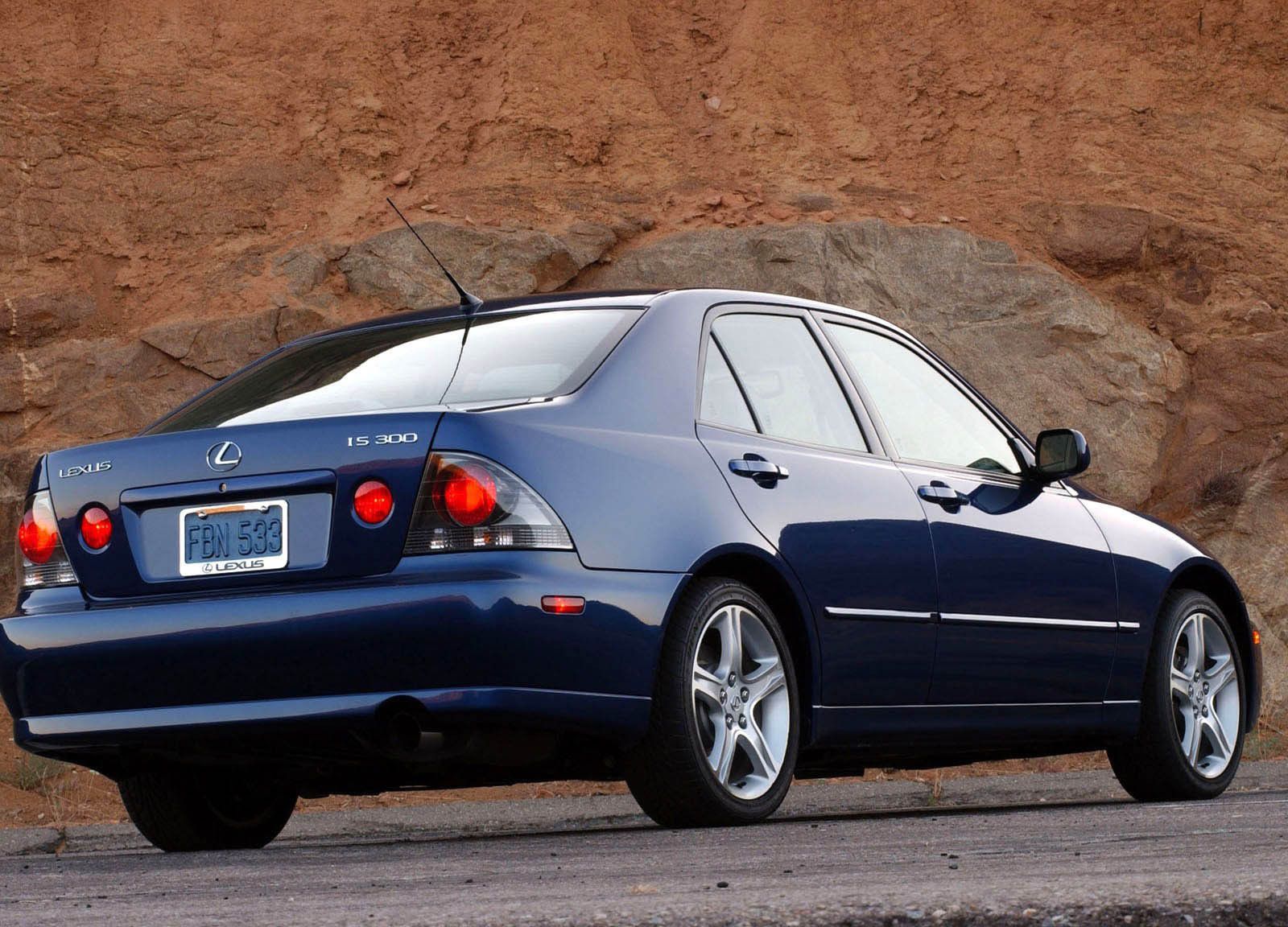
Its RWD layout and precise steering make it a surprisingly sporty sedan. Under $10,000, you can find early 2000s examples that are well-maintained, offering a daily driver that also delivers engaging performance. The cabin, while slightly dated, is solidly built and practical.
We tested the Lexus IS 350 F Sport, a nimble and engaging sport sedan that is slightly let down by its underpowered engine. Orear-wheel-drive model accelerated from 0 to 60 mph in 6.2 seconds, putting it behind even the base four-cylinder variants of many class leaders.
That said, the naturally aspirated V6 is silky smooth, delivering power evenly from idle to redline, and the transmission shifts frequently but quickly and smoothly. Where the IS truly shines is in its handling: steering, brakes, and overall chassis performance are all far more impressive than the engine’s output.
The sedan feels athletic and planted, with a suspension firm enough to inspire confidence through corners without letting mid-corner bumps upset its composure. Our test car also featured the optional adaptive suspension and limited-slip differential, both of which are highly recommended for anyone looking to extract the maximum sportiness from the IS 350.
7. Pontiac GTO (2004–2006)
For muscle car fans seeking V8 excitement on a budget, the Pontiac GTO of the mid-2000s is a hidden gem. With a 5.7L LS1 or 6.0L LS2 engine (depending on the year), the GTO delivers substantial horsepower and classic RWD thrills.
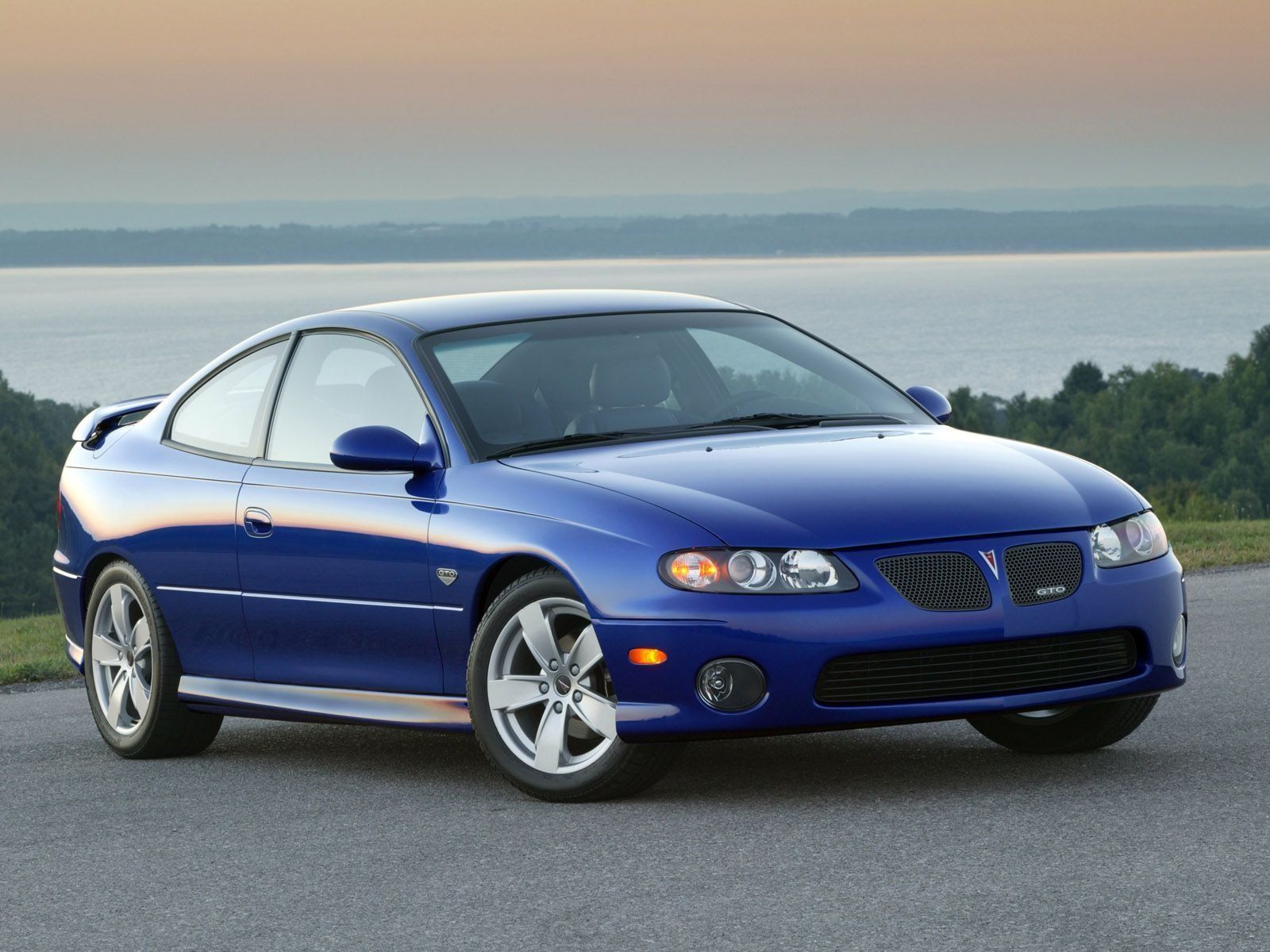
Its handling is sharper than many modern full-size muscle cars, making it surprisingly agile for its size.
Prices have dipped under $10,000 for higher-mileage examples, giving enthusiasts an affordable way to experience modern V8 performance with a European-influenced suspension tune. The GTO is a car for those who prioritize straight-line fun and a commanding presence.
The Pontiac GTO made its return in 2003, resurrecting a legendary nameplate, though it wasn’t an entirely new car. Instead, it was a carried-over Holden Monaro imported from Australia to the U.S. Pontiac enthusiasts had long clamored for a revival of the GTO ever since production ended in 1974, and after 18 years, former GM chairman Bob Lutz announced a new generation was coming.
The car’s long hood, sharply raked A-pillars, and sloping rear gave it a look reminiscent of a Mad Max sequel, while a distinct Pontiac grille and narrow headlights created an immediate impression. A wider apron grille improved cooling, and the ascending beltline paired with a short trunk emphasized its sporty profile.
A small rear wing and twin tailpipes on the driver’s side completed the classic muscle-car aesthetic. Inside, the GTO featured two sport-bucket seats up front, a rear bench, a four-dial instrument cluster with LCD readouts, and a center stack housing the stereo and climate controls.
Under the hood, the Australian-assembled GTO packed a 400-hp LS1 V8 engine, providing true American muscle power. However, the high sticker price, combined with styling that had fallen out of fashion and the car’s late arrival to the market, led to its short-lived run. Despite the excitement surrounding its return, the experiment ended after just two years.
8. Infiniti G35 (2003–2007)
The Infiniti G35, particularly from the early 2000s, combines Japanese reliability with rear-wheel-drive dynamics and strong engine performance.
Its V6 engine delivers smooth acceleration and ample power for spirited driving. RWD handling allows for a more connected experience, and the G35 has earned a reputation for solid build quality and long-lasting components.
While not as light as a Miata, it is a comfortable, practical, and fun daily driver.
Under $10,000, early G35 coupes or sedans are often available, offering a luxurious yet exciting option for buyers who want performance without constant maintenance headaches.
Up until the 2003 model year, Infiniti had relied on this vehicle as its only entry-level luxury sport sedan. That earlier four-cylinder, front-wheel-drive model was never a particular favorite of ours.
Fortunately, the completely redesigned 2003 G35 represents a significant improvement. Built on the same rear-wheel-drive platform as the 2003 Nissan 350Z, the G35 adds the practicality of four doors, seating for five passengers, generous headroom, and a roomy trunk.
The G35 sedan is offered exclusively as a four-door model and comes in a single official trim level, though buyers can choose from several optional features and packages.
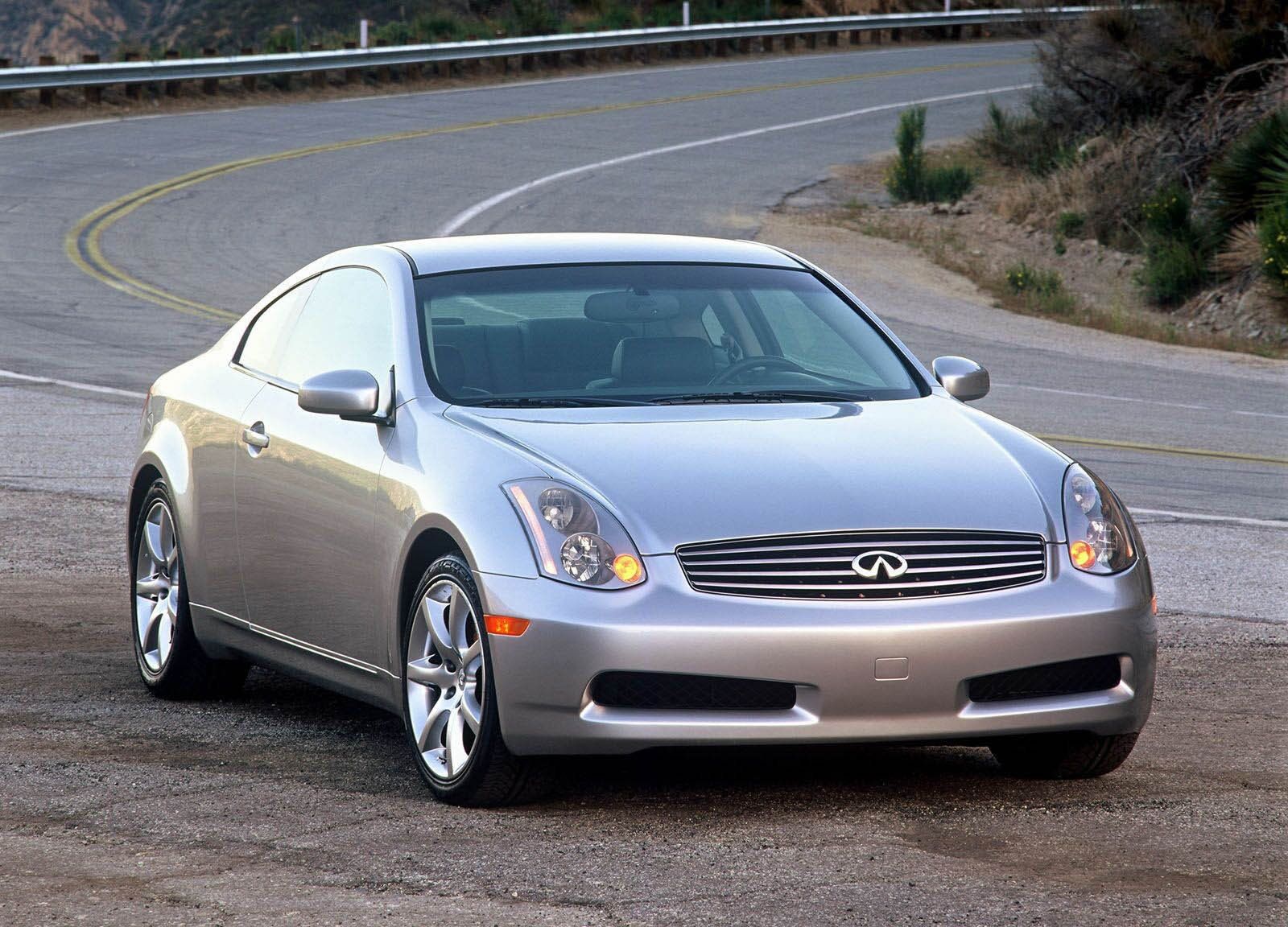
Additional available items and packages include a Sport package, a navigation system, a Winter package, and an Aerodynamic package. Although the G35 is offered with only one engine option, it should meet the expectations of nearly all drivers except those seeking extreme power.
Derived from the same engine family used in the Infiniti I35, Nissan Altima, Nissan Maxima, and the 350Z, the smooth-revving 3.5-liter V6 produces 260 horsepower and 260 lb-ft of torque. Most competitors in this segment average closer to 220 horsepower, making the G35 one of the quickest sport sedans available for under $30,000.
At present, the only transmission offered is a five-speed automatic with a sequential manual-shift mode. When equipped with this automatic transmission, the G35 receives an estimated EPA fuel economy rating of 19 mpg city and 24 mpg highway. Infiniti has indicated that a six-speed manual transmission may be introduced for the 2004 or 2005 model years.
The G35 is built on Nissan’s new FM platform, with FM standing for “front-midship,” a reference to the engine’s placement within the chassis. This positioning results in a well-balanced weight distribution, which enhances overall handling characteristics. Infiniti also highlights the vehicle’s advanced multilink, fully independent suspension.
When equipped with the Sport package, along with 17-inch wheels and 215/55WR17 tires, the G35 delivers some of the most confident and engaging handling available in its class.
Every G35 comes standard with antilock brakes featuring brake force distribution and brake assist, side airbags, head-protecting side-curtain airbags, and front seat belts equipped with pre-tensioners and load limiters.
Vehicle Dynamic Control (VDC), Infiniti’s stability control system, is also standard equipment. While official crash test results were not yet available at the time, Infiniti states that the G35’s body structure and seating design were engineered to help protect occupants during severe impacts and major structural deformation.
As anticipated, the G35 delivers a highly enjoyable driving experience. Acceleration is brisk, and the strong mid-range torque is a standout trait rarely found among competitors in this segment. Handling performance is equally impressive and ranks among the best in the class. We strongly suggest considering the G35 if you are in the market for an entry-level luxury sport sedan.
9. Ford Crown Victoria / Mercury Grand Marquis (1998–2011)
While these may not seem like obvious performance cars, the Ford Crown Victoria and its sibling, the Mercury Grand Marquis, are rear-wheel-drive vehicles with robust V8 engines.
Known for reliability, these full-size sedans offer smooth handling and surprisingly lively performance in their class.
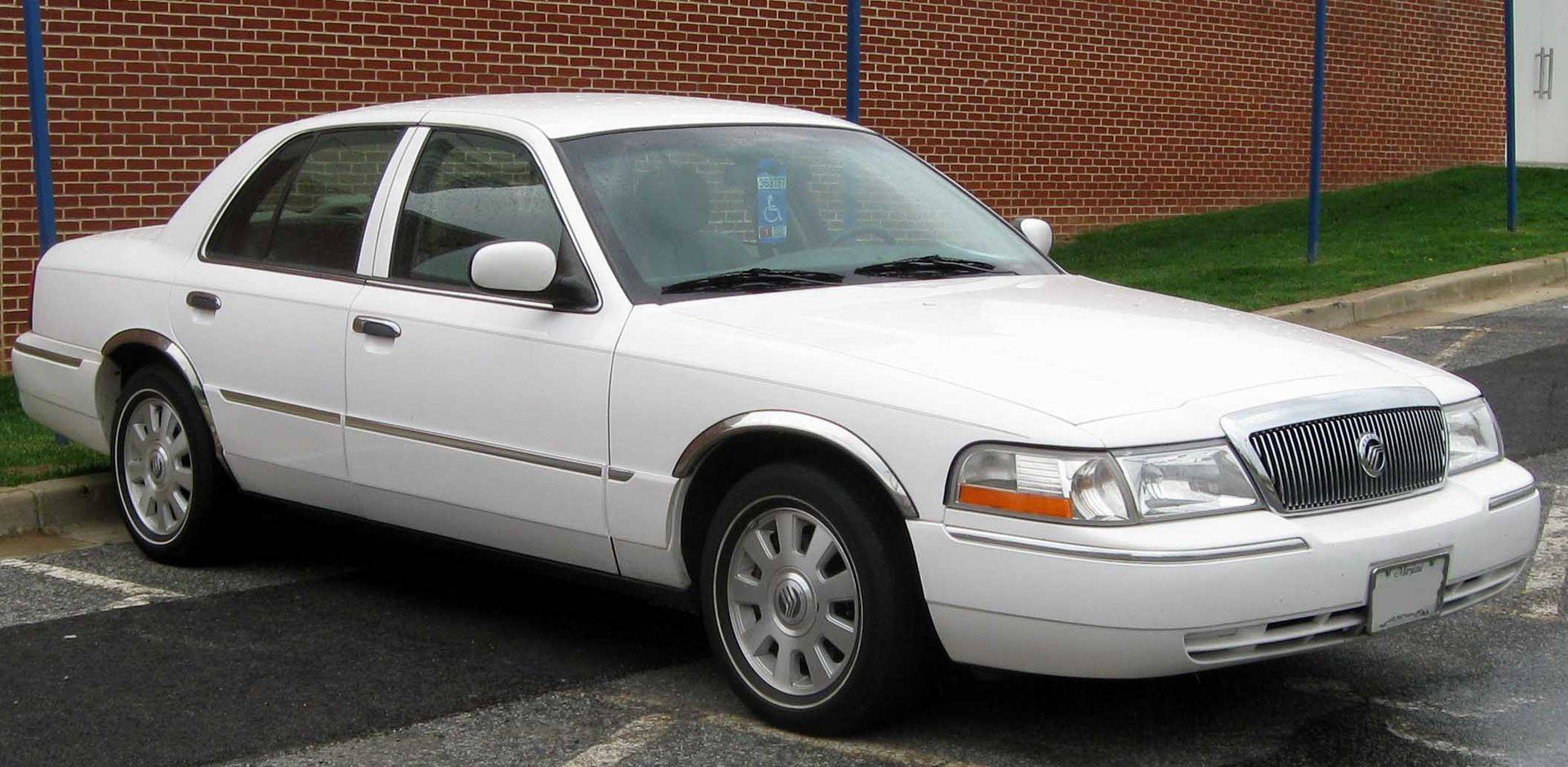
Enthusiasts sometimes use them for budget drag racing or spirited highway drives because of their strong, durable 4.6L V8 engines.
They are also abundant in the U.S., making them incredibly affordable under $10,000. For someone seeking classic RWD feel without the compact or sport-oriented style, these sedans are a hidden RWD gem.
10. BMW Z3 (1996–2002)
The BMW Z3 is a compact roadster that combines style, agility, and RWD thrills. With a range of four- and six-cylinder engines, it’s a car built for cornering fun and open-top enjoyment.
Early Z3s are now regularly found under $10,000, offering European sports car flair at a fraction of the cost of new models.
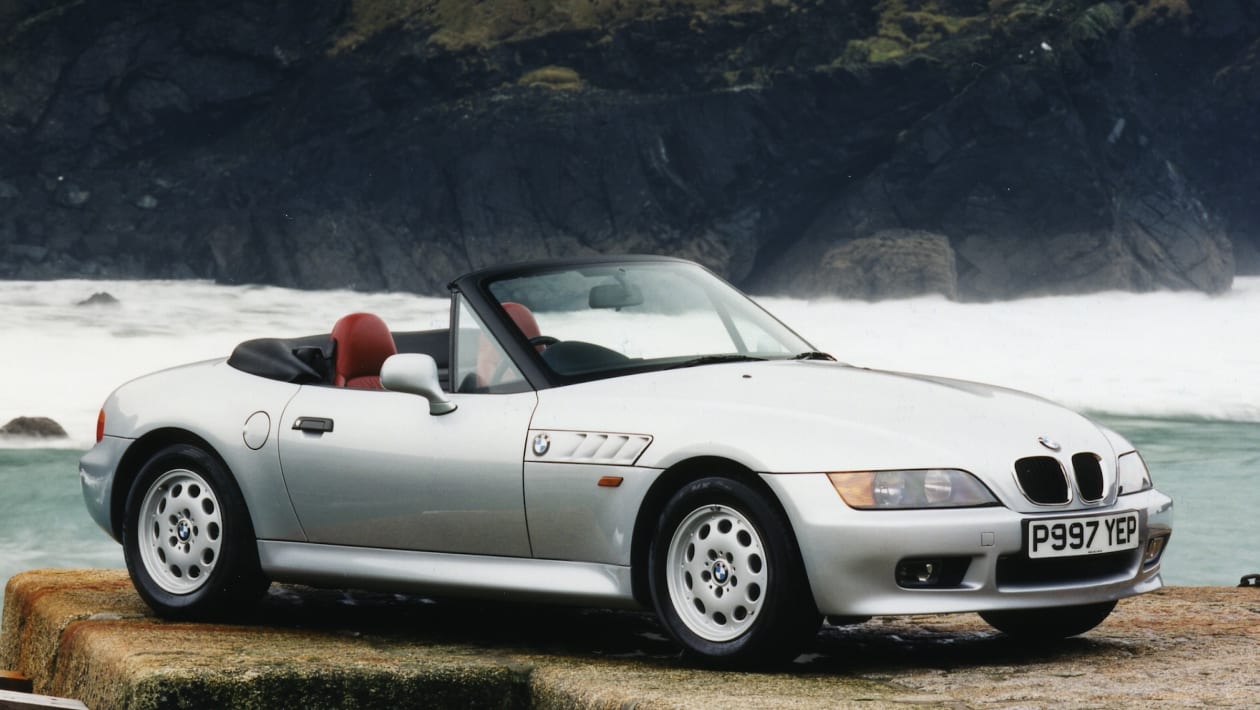
The Z3’s light weight, balanced chassis, and near-perfect steering feedback make it a rewarding drive on back roads.
While maintenance requires attention like any BMW enthusiasts find the driving experience more than compensates for routine costs.
The BMW Z3 undoubtedly stands out as both a highly driveable and comfortable roadster compared to its predecessors. Twenty-somethings are drawn to the Z3 for its undeniable sex appeal and attainable price, while enthusiasts of all ages appreciate the driving dynamics and prestige that come with the BMW badge.
Sharing the 3-Series platform, engine, and many components, the Z3 promises solid performance and safety, making it an enticing package for those seeking a sporty yet practical convertible.
The automotive press has had lively debates about the Z3’s character: some see it as a Miata rival, while others recognize it as a worthy candidate for BMW’s M division, offering some of the most exciting drop-top driving available short of Italian exotics.
Its sleek design and playful lines have made the Z3 an instant head-turner, appealing even to the minivan-saddled middle class looking for a dose of fun behind the wheel. With summer approaching, roadster excitement is at a peak, and the Z3 has proven itself as an accessible, spirited choice in a segment that is soon to see competition from Mercedes, Porsche, and Audi.
Owners consistently praise the Z3 for its pure driving enjoyment and timeless style. The car’s balanced handling, nimble chassis, and smaller four-cylinder engine create a light, agile feel, making it a joy to tackle winding roads. While not the most powerful in its lineup, the engine delivers sufficient punch for most driving scenarios, with highway fuel efficiency approaching 30 mpg.
The convertible top enhances the driving experience, offering a hands-on, open-air adventure on sunny days, while the interior provides surprising practicality, including a trunk large enough for a weekend getaway or groceries. Many owners also commend the Z3 for its reliability and durability, with trouble-free ownership over many years and miles.
Ultimately, the Z3 blends driving pleasure, aesthetic appeal, and everyday usability, making it a cherished classic roadster. Its owners value not only the spirited drives but the nostalgic, exhilarating spirit that the Z3 embodies—a car that delivers joy consistently, requiring minimal maintenance while rewarding its drivers with a uniquely engaging motoring experience.
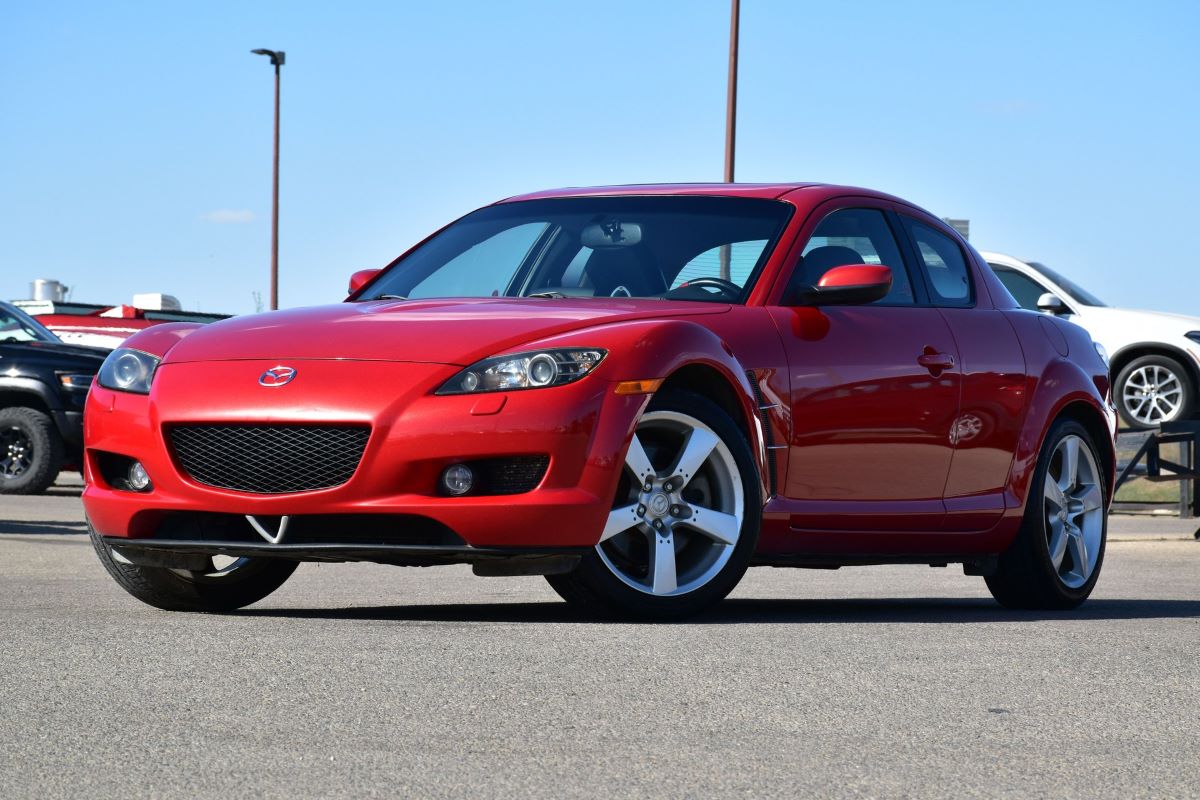
11. Mazda RX-8 (2004–2011)
Rounding out the list is the Mazda RX-8, a quirky but incredibly fun rear-wheel-drive sports car. Its rotary engine delivers high-revving excitement and a unique driving experience unlike any piston-engine vehicle.
Early examples can be found under $10,000, though buyers must be prepared for higher maintenance due to the rotary engine’s needs.
The RX-8 is incredibly light and balanced, with near-perfect weight distribution, allowing it to carve corners with ease.
Its four-door coupe layout adds practicality for daily use while keeping the thrill intact, making it a standout option for enthusiasts who want something truly different.
Rear-wheel-drive cars under $10,000 prove that driving excitement doesn’t require a hefty budget.
From nimble Japanese roadsters to classic American muscle and luxury sedans, the U.S. used car market offers a wealth of options that combine fun, style, and performance.
While some of these cars may require attentive maintenance or thoughtful selection, the reward is a visceral driving experience that modern, high-tech cars often struggle to replicate.
Whether you’re chasing precision handling, straight-line speed, or pure open-air enjoyment, this list provides an entry point into affordable, thrilling rear-wheel-drive motoring.
