Selecting the right vehicle for everyday driving in a city like Canton requires a careful balance of efficiency, comfort, and long-term affordability. Urban driving presents challenges such as tight streets, frequent stop-and-go traffic, limited parking, and variable weather conditions.
The guide “5 Cars for Canton City Use and 5 Low-Repair Vehicles” addresses these needs by highlighting two groups of vehicles. The first set focuses on city-friendly cars that are compact, fuel-efficient, and equipped with modern technology, making daily commutes and errands easier and more comfortable.
The second set emphasizes vehicles with a proven reputation for reliability, durable engineering, and low long-term maintenance costs, offering peace of mind to drivers who want dependable transportation without frequent repairs. Together, these selections provide practical guidance for anyone seeking cars that combine convenience, efficiency, and financial sense in urban environments.
5 Cars for Canton City Use
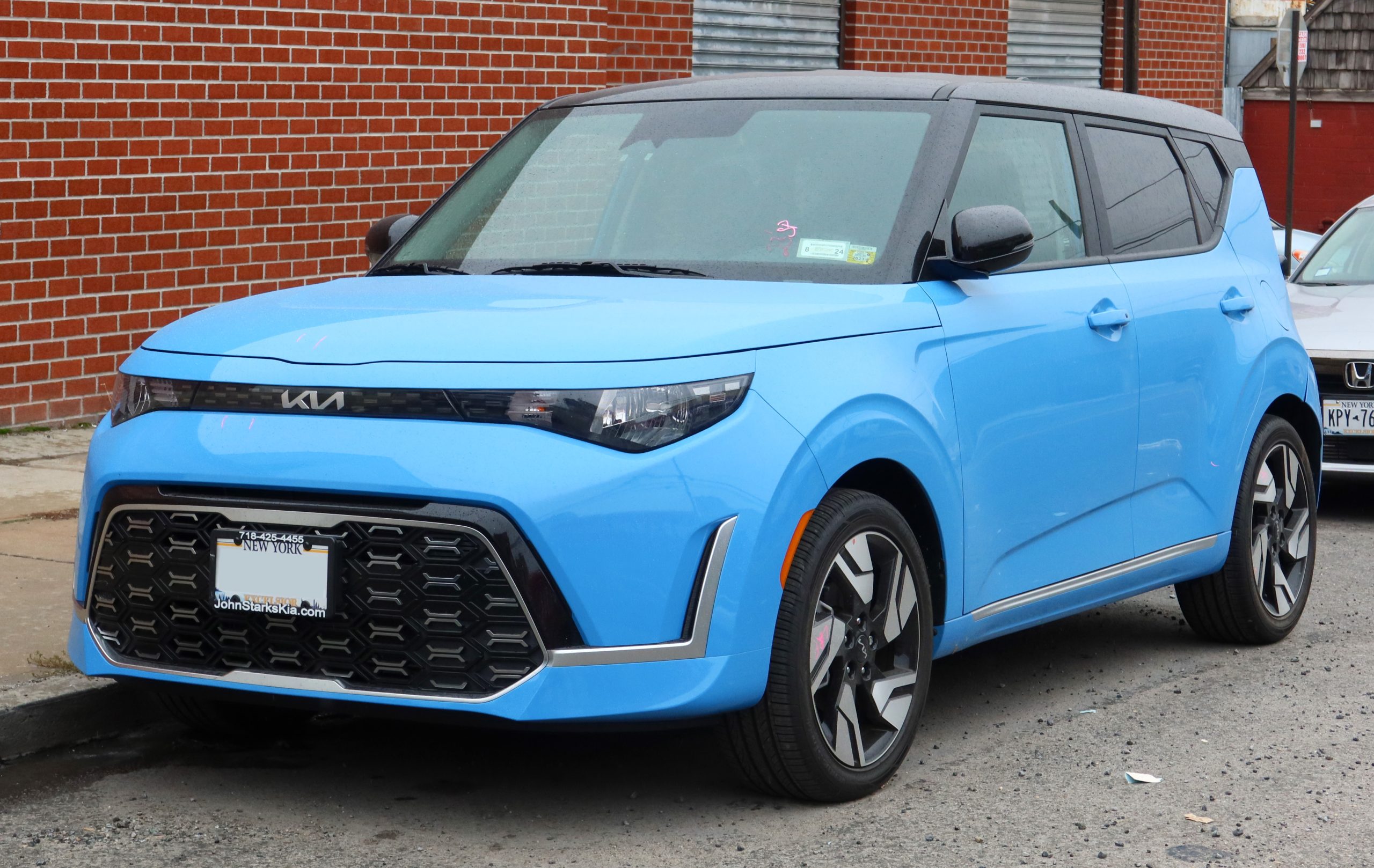
1. Kia Soul: A City-Friendly SUV with Smart Design and Practical Comfort
The Kia Soul is a subcompact SUV that fits naturally into urban environments such as Canton, offering a blend of easy handling, efficiency, and everyday usefulness. Its compact dimensions and responsive steering make city driving less stressful, especially when dealing with crowded streets and limited parking.
The Soul’s boxy exterior design also improves driver sightlines, which is a valuable benefit in busy traffic conditions.
One of the most appealing qualities of the Kia Soul is how much interior space it provides relative to its size. The tall roofline creates generous headroom for both front and rear passengers, while the flexible cargo area adds practicality.
Rear seats fold down to expand storage space, making it simple to carry groceries, sports equipment, or weekend travel items. This smart use of space allows the Soul to outperform many rivals in passenger and cargo comfort.
The Soul is powered by a 147-horsepower 2.0-liter four-cylinder engine paired with a continuously variable transmission and front-wheel drive. While it is not intended for performance driving, it delivers a smooth and comfortable ride well suited for daily commutes.
Acceleration is modest, with a 0 to 60 mph time of about eight seconds, but the engine feels responsive during routine city use and highway merging.
Fuel efficiency further strengthens the Kia Soul’s appeal. With EPA estimates of up to 27 mpg in the city and 35 mpg on the highway, it helps reduce fuel expenses for daily driving. These figures are competitive within the subcompact SUV segment and support its reputation as a cost-conscious choice.
Inside the cabin, the Soul combines comfort with modern technology. Standard features include Apple CarPlay and Android Auto, while higher trims add a larger touchscreen, navigation, wireless smartphone charging, and upgraded audio options.
Safety technologies such as forward-collision warning, automatic emergency braking, and lane-keeping assist contribute to added confidence on busy roads.
With its manageable size, efficient performance, roomy interior, and advanced features, the Kia Soul stands out as a stylish and affordable option for urban drivers seeking practicality without sacrificing comfort.
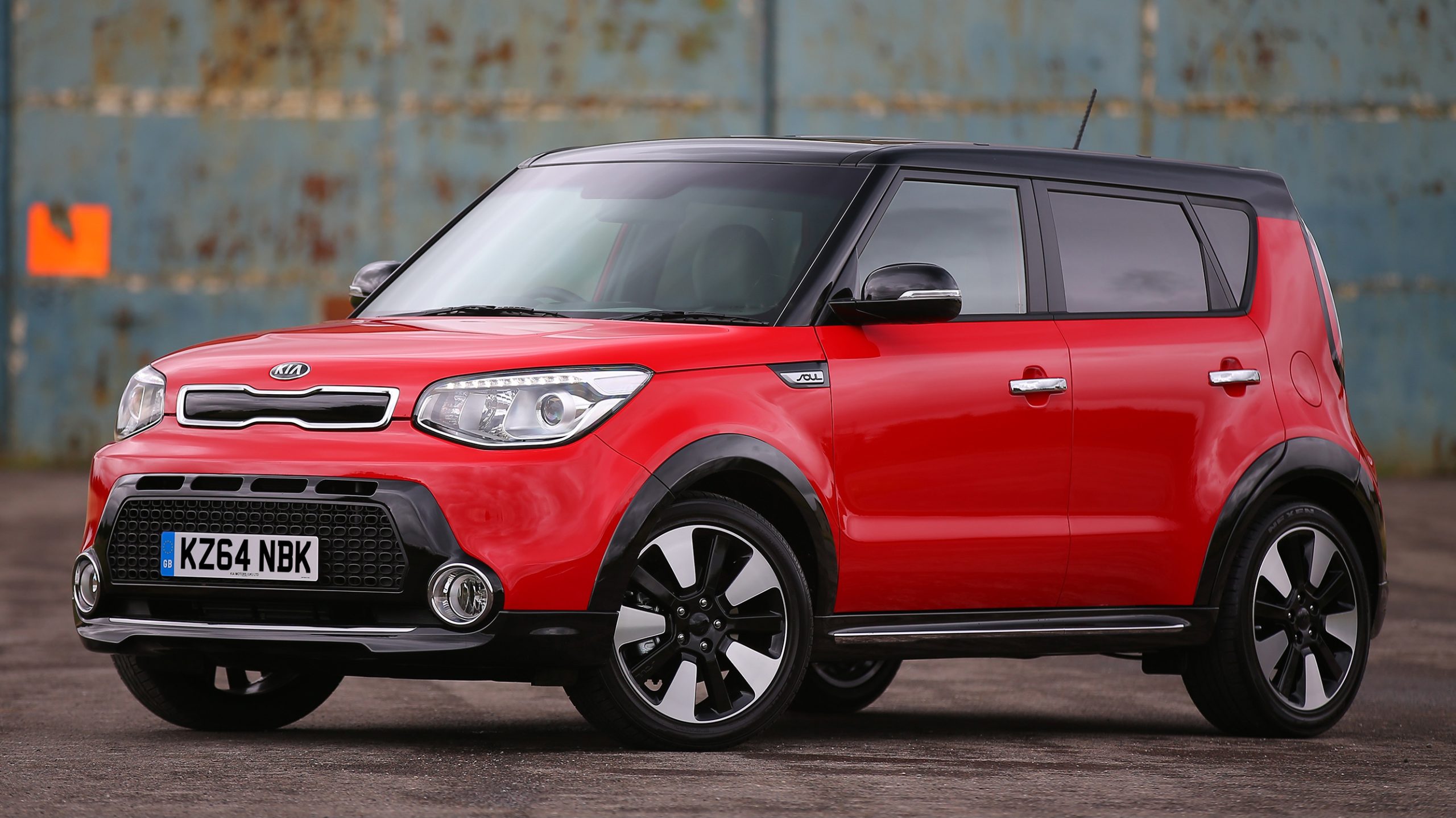
2. Honda Civic: An Efficient, Reliable, and Refined Choice for City Driving
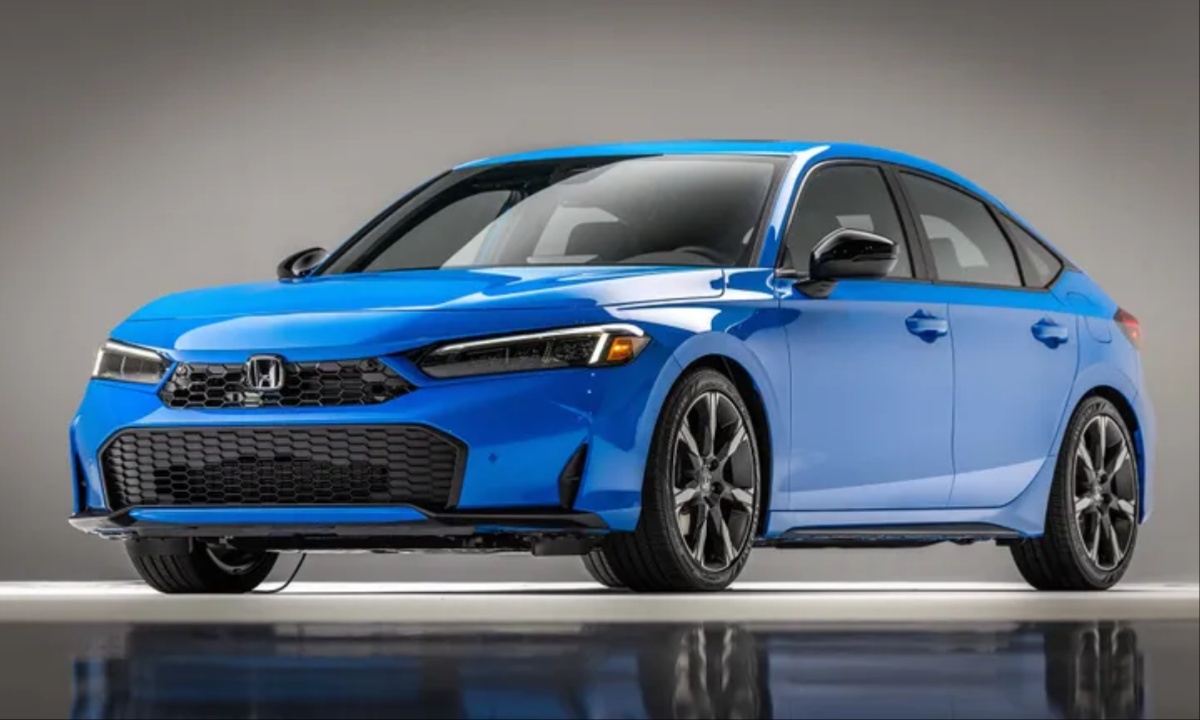
The Honda Civic has long been recognized as one of the most dependable and well-rounded compact cars on the market, and it continues to excel as a city-friendly vehicle. Its reputation for strong fuel economy, long-term reliability, and comfortable ride makes it a favorite for daily commutes and frequent urban travel.
With a compact footprint, the Civic is easy to park and well suited for crowded streets, while its precise steering and balanced suspension contribute to confident handling in traffic.
Fuel efficiency is one of the Civic’s strongest advantages for city use. Nonhybrid models already deliver impressive mileage, but the Civic Hybrid takes efficiency even further, offering EPA ratings as high as 50 mpg in city driving.
Real-world testing confirms these benefits, with the hybrid achieving excellent highway fuel economy as well. This efficiency translates directly into lower fuel costs, an important factor for drivers who spend a lot of time on the road.
Reliability and affordability further enhance the Civic’s appeal. Honda’s reputation for durability and low repair costs makes the Civic a smart long-term investment for commuters, first-time buyers, and urban drivers seeking dependable transportation. Maintenance costs are reasonable, and the car is known to retain its value over time.
The Civic also delivers a comfortable and modern interior that improves everyday driving. The cabin is quiet, well laid out, and built with quality materials. Both sedan and hatchback versions offer generous front-seat space and a usable second row for adults.
Cargo capacity is practical for grocery runs or weekend trips, especially with the rear seats folded. Infotainment features include Apple CarPlay and Android Auto, with available upgrades such as a larger touchscreen, wireless connectivity, premium audio, and digital gauges.
Performance options cater to different needs. The standard 150-horsepower engine provides smooth and adequate power for city driving, while the Civic Hybrid’s 200-horsepower system offers quicker acceleration and refined responsiveness. Drive modes allow drivers to prioritize efficiency or a more engaging feel.
Advanced safety technology is another highlight. The standard Honda Sensing suite includes automated emergency braking, lane-keeping assist, adaptive cruise control, and Traffic Jam Assist, all of which are especially helpful in stop-and-go conditions. Together, these qualities make the Honda Civic a practical, economical, and enjoyable companion for urban life.
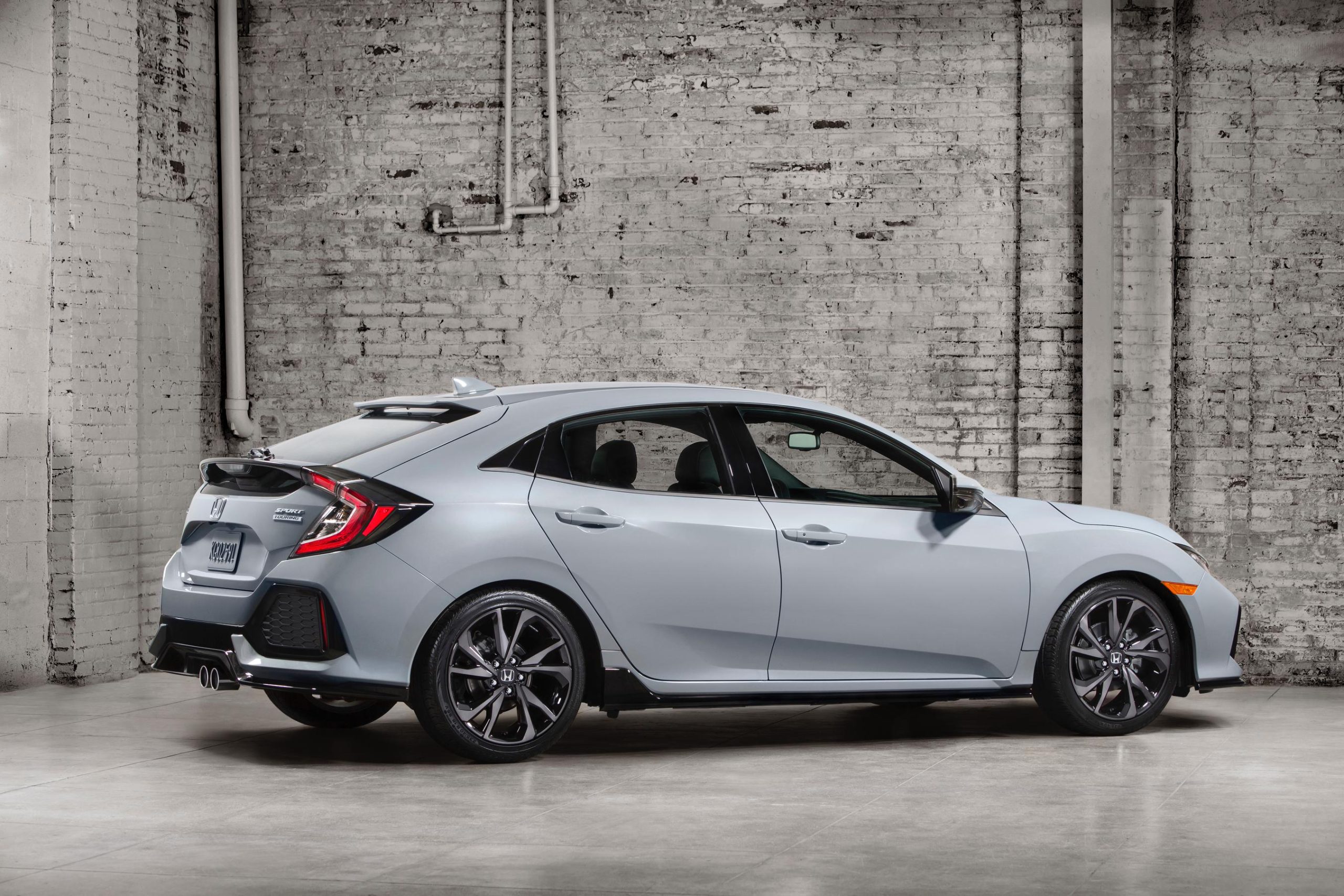
3. Toyota Corolla: A Reliable, Efficient, and Practical Urban Essential
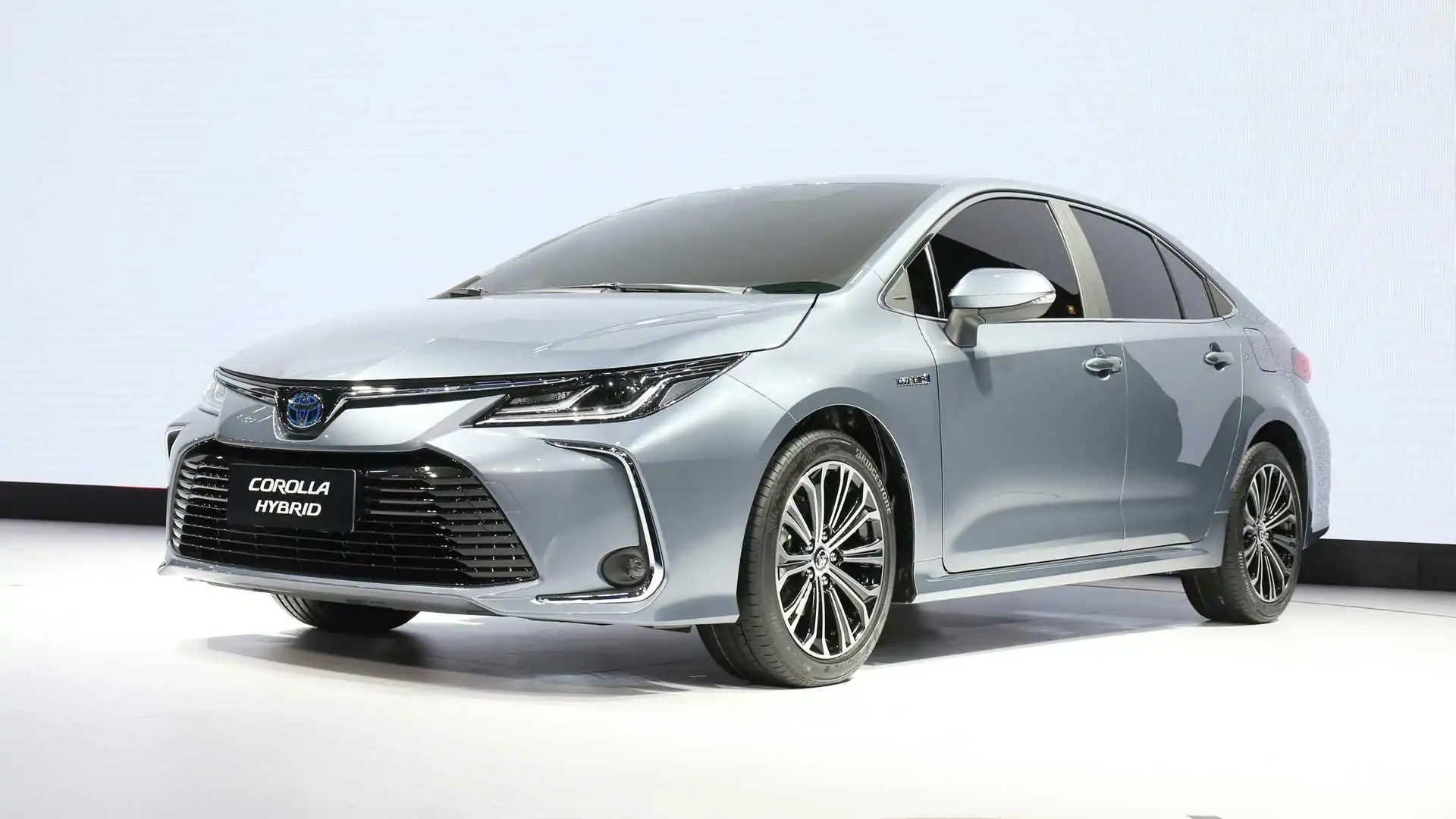
The Toyota Corolla has earned its reputation as a dependable city car by consistently delivering reliability, efficiency, and ease of use. Its compact size makes it especially well suited for busy urban areas like Canton, where crowded streets and limited parking are part of everyday driving.
With light, predictable handling and a smooth ride, the Corolla provides a calm and confidence-inspiring experience for daily commutes and routine errands.
Fuel efficiency is one of the Corolla’s strongest advantages, particularly in city driving. Gas-powered models already offer impressive mileage, while hybrid versions take efficiency to another level, reaching EPA estimates of up to 53 mpg in the city.
This makes the Corolla an excellent option for drivers who face frequent stop-and-go traffic and want to minimize fuel expenses over time. Real-world testing confirms that both hybrid and nonhybrid models deliver consistent, cost-saving performance.
Reliability and low ownership costs further enhance the Corolla’s appeal. Toyota’s long-standing reputation for durability means fewer unexpected repairs, and widely available, affordable parts help keep maintenance expenses manageable. These qualities make the Corolla a budget-friendly choice for commuters, students, and families alike.
Under the hood, the standard Corolla uses a 169-horsepower 2.0-liter four-cylinder engine paired with a continuously variable transmission and front-wheel drive. Hybrid versions add electric assistance for greater efficiency.
While acceleration is modest, the Corolla feels composed in daily driving and offers a comfortable ride that absorbs most road imperfections. Handling is controlled and predictable, which suits urban environments well.
Inside, the Corolla features a clean, user-friendly interior with soft-touch materials and modern conveniences. Both sedan and hatchback body styles offer flexible cargo solutions, with folding rear seats to handle groceries, luggage, or everyday gear.
Infotainment is well equipped, with a standard touchscreen that supports Apple CarPlay and Android Auto, optional larger displays, wireless charging, and upgraded audio.
Safety is a major highlight. Every Corolla includes Toyota Safety Sense, which bundles advanced features such as automatic emergency braking, lane-keeping assist, adaptive cruise control, and pedestrian detection. Combined with complimentary scheduled maintenance and strong hybrid warranties, the Toyota Corolla stands as a smart, economical, and reassuring companion for city life.
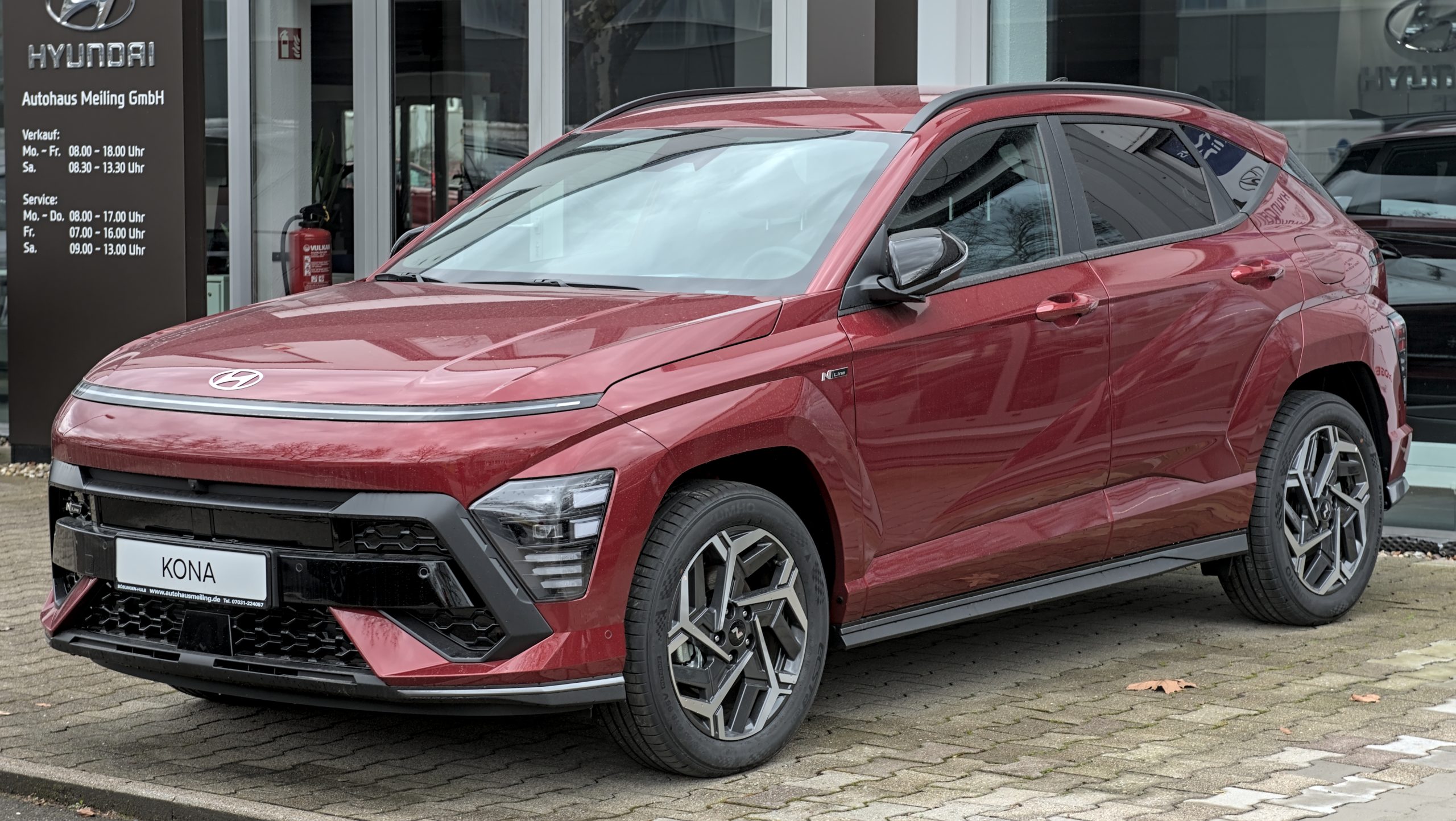
4. Hyundai Kona: A Nimble, Tech-Savvy SUV Built for City Life
The Hyundai Kona is a subcompact SUV designed with urban driving in mind, making it a strong fit for city environments such as Canton. Its compact footprint, responsive steering, and elevated driving position give drivers better visibility and confidence in busy traffic. These traits make everyday tasks like commuting, running errands, and parking in tight spaces far easier than with larger vehicles.
One of the Kona’s biggest strengths for city use is its balance of agility and comfort. The suspension is tuned to absorb potholes and rough pavement, delivering a smooth and quiet ride even on imperfect city roads.
This refinement helps reduce driver fatigue during daily commutes and frequent short trips. The Kona’s small size also allows it to move easily through crowded streets, while still feeling stable and controlled.
Fuel efficiency is another reason the Kona performs well in urban settings. Gas-powered models offer solid mileage for daily driving, while hybrid and fully electric versions push efficiency even further.
The Kona Electric, in particular, provides instant torque for quick acceleration from a stop, which is ideal for city traffic. Turbocharged engine options in gas models also supply enough power for confident merging and passing.
Inside, the Kona offers a surprisingly practical and well-designed interior. Recent generations have grown slightly in size, resulting in improved rear legroom and increased cargo capacity.
Fold-flat rear seats make it easy to transport groceries, luggage, or recreational gear. The cabin layout is modern and intuitive, blending large digital displays with physical controls for climate settings, which keeps daily operation simple and distraction-free.
Technology is a strong point. The Kona includes user-friendly infotainment with wireless Apple CarPlay and Android Auto, clear digital gauges, and convenient storage solutions like large door pockets and center console bins. These features enhance convenience during daily use and short city drives.
Styling is bold and distinctive, setting the Kona apart from many similar crossovers. While the futuristic design may not appeal to everyone, it gives the vehicle a unique personality in a crowded segment.
With multiple powertrain options, improved interior space, and well-rounded driving dynamics, the Hyundai Kona delivers a compelling mix of small-car agility and SUV practicality that suits modern urban life exceptionally well.
5. Nissan Versa: Affordable, Efficient, and Well Suited for City Living
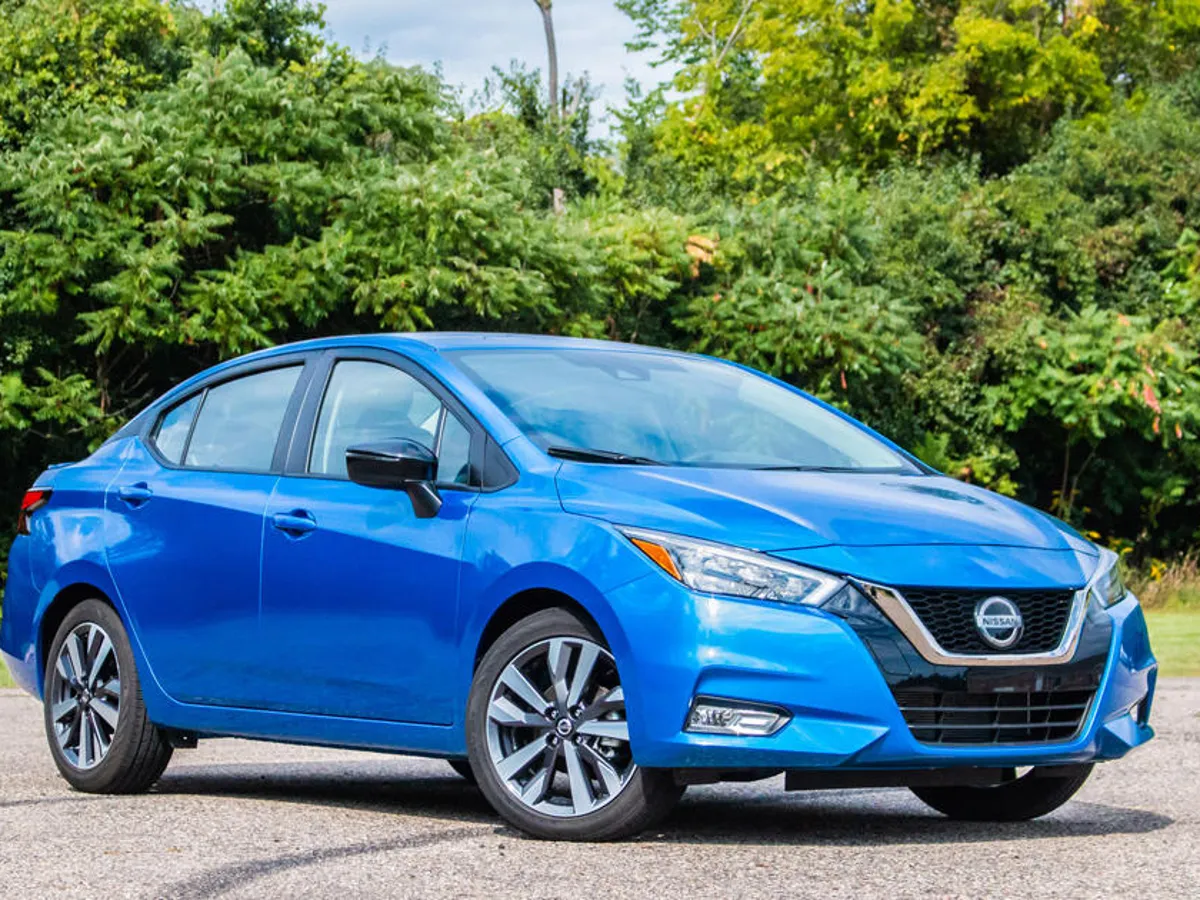
The Nissan Versa stands out as one of the most budget-friendly new cars available, making it an appealing option for city drivers in places like Canton. Designed with efficiency and practicality in mind, the Versa offers strong fuel economy, a compact size, and a comfortable ride that fits naturally into urban environments.
Its affordability and low operating costs make it especially attractive to commuters, first-time buyers, and rideshare drivers.
Fuel efficiency is a major highlight of the Versa. Models equipped with the continuously variable transmission deliver up to 32 mpg in the city and 40 mpg on the highway, helping drivers save money during frequent stop-and-go driving. Real-world testing confirms that the Versa can achieve excellent mileage even at higher speeds, reinforcing its reputation as an economical daily driver.
The Versa’s small footprint makes it easy to handle in crowded city conditions. Tight parking spaces, narrow streets, and busy intersections are less intimidating thanks to its compact dimensions and light steering.
At the same time, the suspension is tuned for comfort, smoothing out bumps and rough pavement commonly found on urban roads. This results in a ride quality that feels more refined than expected for a vehicle in this price range.
Despite its modest exterior size, the Versa offers a surprisingly spacious interior. Front-seat legroom is generous, and the rear seat can comfortably accommodate two adults. The trunk provides ample space for groceries or luggage, and folding rear seats add flexibility for carrying larger items. Interior materials and design have also improved, giving the cabin a more modern and polished feel.
Power comes from a 122-horsepower four-cylinder engine paired with either a manual transmission or an available CVT. Acceleration is modest, but the powertrain is well suited for city speeds and daily commuting. The CVT helps keep the ride smooth and quiet, even during frequent starts and stops.
Technology and safety features add further value. Available Apple CarPlay and Android Auto make smartphone integration simple, while standard driver-assistance systems such as automatic emergency braking and lane departure warning provide added confidence in busy traffic.
With its low purchase price, efficient performance, comfortable ride, and practical interior, the Nissan Versa delivers exceptional value for drivers seeking an affordable and dependable city car.
Also Read:5 Cars That Survive City Abuse and 5 That Break Early
5 Low-Repair Vehicles
1. Toyota Corolla: Built for Long-Term Reliability and Low Maintenance Costs
The Toyota Corolla has earned a long-standing reputation as one of the most dependable vehicles on the road, especially when it comes to minimizing repairs and keeping long-term ownership costs low.
For decades, drivers have relied on the Corolla as a practical, budget-friendly car that delivers consistent performance with minimal mechanical issues. Its reputation is rooted in simple, proven engineering and a design philosophy focused on durability rather than unnecessary complexity.
One of the main reasons the Corolla requires fewer repairs is its straightforward mechanical design. Toyota uses well-tested engines and components that emphasize reliability and efficiency, such as its naturally aspirated four-cylinder engines and proven continuously variable transmission.
These systems are engineered to withstand years of daily driving without placing excessive strain on critical parts, reducing the likelihood of major failures. This simplicity translates into fewer unexpected repairs and lower service costs over time.
Durability is another hallmark of the Corolla. With routine maintenance such as oil changes, brake service, and fluid replacements, many Corollas are known to exceed 200,000 miles while remaining dependable.
The vehicle’s sturdy construction and long-lasting components help prevent frequent breakdowns, giving owners confidence in both short-term use and long-term ownership. Repairs, when needed, are usually minor and inexpensive rather than complex or costly.
Parts availability also plays a major role in keeping Corolla ownership affordable. Because the Corolla is one of the best-selling vehicles worldwide, replacement parts are widely available and competitively priced.
This extensive supply network allows mechanics to service the vehicle quickly and cost-effectively, keeping annual maintenance expenses relatively low, often averaging a few hundred dollars per year.
Beyond reliability, the Corolla offers efficient performance that further supports its longevity. Strong fuel economy reduces stress on the engine and drivetrain during daily use, while a smooth, composed ride limits wear on suspension and braking components. Modern Corollas also include advanced safety technology, helping reduce the risk of accidents that could lead to costly repairs.
Inside, the Corolla provides a comfortable and practical cabin with modern infotainment, flexible cargo options, and user-friendly controls.
Toyota also supports ownership with complimentary scheduled maintenance and strong hybrid component coverage. Together, these factors make the Toyota Corolla a smart financial choice for drivers seeking dependable transportation with low repair frequency and affordable long-term ownership.
2. Honda Civic: Dependable Engineering with Low Repair Costs
The Honda Civic has built a strong reputation as a dependable, low-repair vehicle that delivers long-term value to owners. Its reliability is rooted in robust engineering, high-quality materials, and consistent manufacturing standards.
These qualities help reduce the likelihood of major mechanical issues, making the Civic a smart and cost-effective choice for drivers who want dependable transportation with manageable ownership expenses.
One of the primary reasons the Civic requires fewer repairs is Honda’s focus on durable, well-tested components. Engines and transmissions are designed to withstand years of daily use, and with proper care, many Civics exceed 200,000 miles.
Honda favors straightforward mechanical designs rather than overly complex systems, which reduces the number of parts that can fail and lowers the chances of costly breakdowns. This simplicity also makes repairs quicker and more affordable when service is needed.
Quality control plays a major role in the Civic’s reliability. Honda’s strict testing and manufacturing processes help ensure vehicles meet high standards before reaching customers. This attention to detail is reflected in the Civic’s consistently strong reliability ratings from organizations such as J.D. Power and Consumer Reports, which are based on real-world ownership experiences.
Another advantage is the widespread availability of parts and service. Because the Civic is one of the most popular compact cars worldwide, replacement parts are easy to find and competitively priced. Labor costs also remain reasonable, as most technicians are familiar with the Civic’s design. This keeps long-term repair and maintenance costs lower than many competitors in the same class.
Routine maintenance is key to achieving the Civic’s well-known longevity. Regular oil changes, fluid inspections, and adherence to recommended service intervals help prevent minor issues from developing into expensive repairs. While older automatic transmissions had some reliability concerns, newer models and manual options have proven far more durable, further strengthening the Civic’s reputation.
Beyond reliability, the Civic offers efficient performance that places less strain on mechanical components. Strong fuel economy, especially in hybrid models, contributes to reduced wear over time.
Inside, the Civic provides a comfortable, practical cabin with modern infotainment, flexible cargo space, and advanced safety features. Combined with reasonable warranty coverage, these factors make the Honda Civic a reliable, affordable, and sensible long-term investment for drivers seeking low repair frequency and dependable performance.
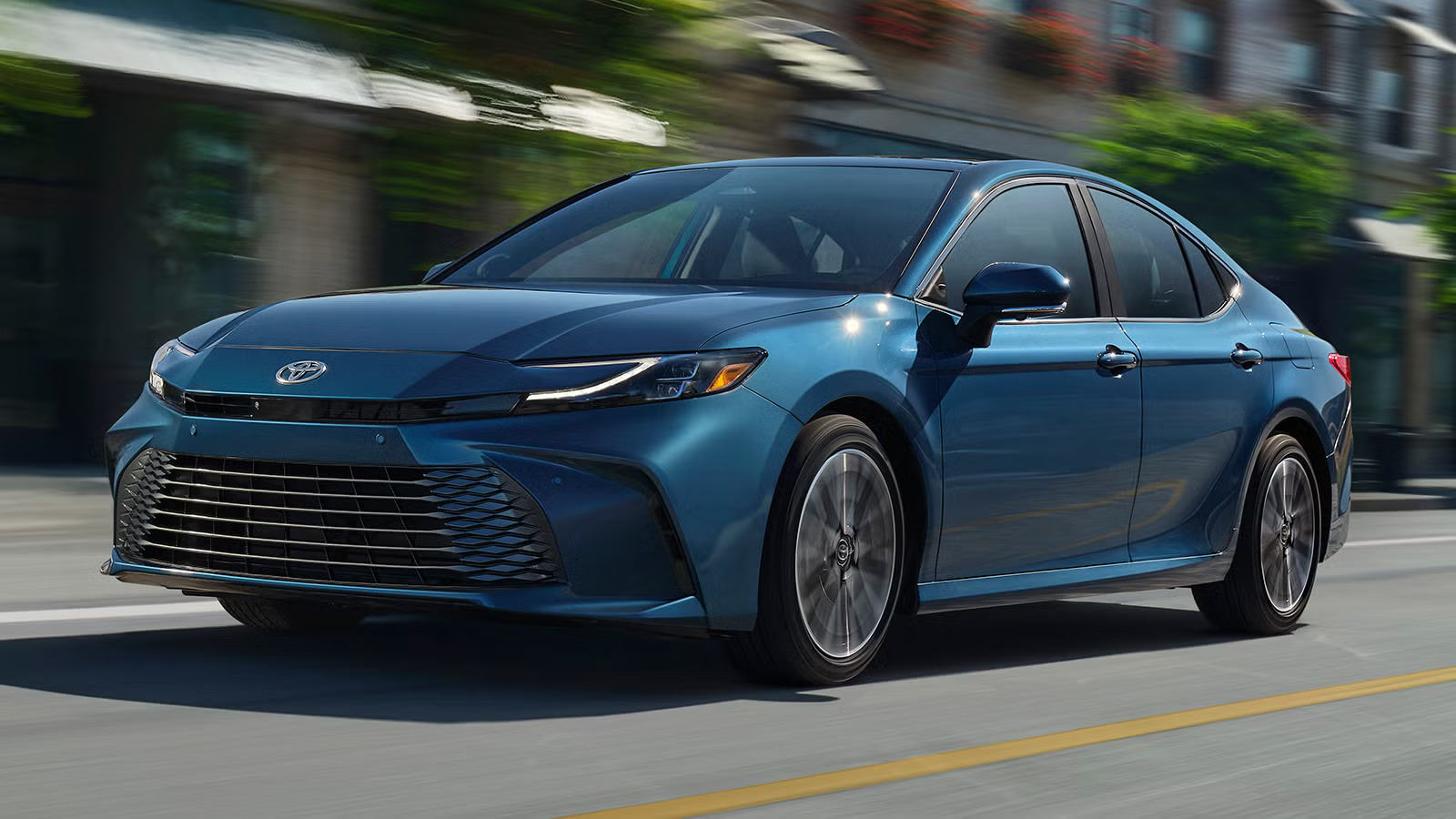
3. Toyota Camry: Long-Lasting Reliability with Comfort and Low Ownership Costs
The Toyota Camry has long been recognized as a dependable midsize sedan that combines durability, comfort, and low long-term ownership costs. For drivers who want a slightly larger vehicle without sacrificing reliability, the Camry delivers a proven track record of lasting many years with minimal unexpected repairs.
Toyota’s focus on quality manufacturing and continuous refinement has helped the Camry maintain its reputation as a vehicle built for hassle-free ownership.
One of the primary reasons the Camry is considered a low-repair vehicle is its solid engineering. Toyota relies on proven powertrains and durable components designed to handle daily driving with minimal wear.
Many Camry owners report driving well beyond 200,000 miles with routine maintenance, a testament to the vehicle’s long lifespan. The emphasis on mechanical simplicity and thoughtful design helps reduce the likelihood of major breakdowns.
Maintenance costs are also kept in check thanks to widely available and affordable replacement parts. Because the Camry is one of the most popular sedans on the road, parts are easy to source and service procedures are familiar to most technicians.
This keeps labor times reasonable and repairs straightforward, especially when compared to vehicles with more complex systems. Regular maintenance is predictable and affordable, allowing owners to plan for upkeep without surprise expenses.
The Camry Hybrid further strengthens the model’s reputation for durability. Its efficient hybrid powertrain uses a 2.5-liter four-cylinder engine paired with electric motors and a continuously variable transmission.
This setup delivers smooth, responsive performance while reducing strain on mechanical components. Electric assistance during low-speed driving and acceleration helps improve longevity and fuel efficiency, which can contribute to reduced wear over time.
Inside, the Camry offers a spacious and comfortable cabin designed for long-term comfort. Supportive seating, quality materials, and thoughtful features such as dual-zone climate control and rear air vents make it well suited for daily commuting and longer trips. Modern infotainment, wireless smartphone integration, and intuitive controls add to its user-friendly nature.
Safety is another strong point. Standard driver-assistance features provide added protection and help reduce the risk of accidents that could lead to costly repairs.
Combined with Toyota’s complimentary scheduled maintenance and strong hybrid warranty coverage, the Toyota Camry stands as a reliable, comfortable, and financially sound choice for drivers seeking durability and peace of mind over many years of ownership.
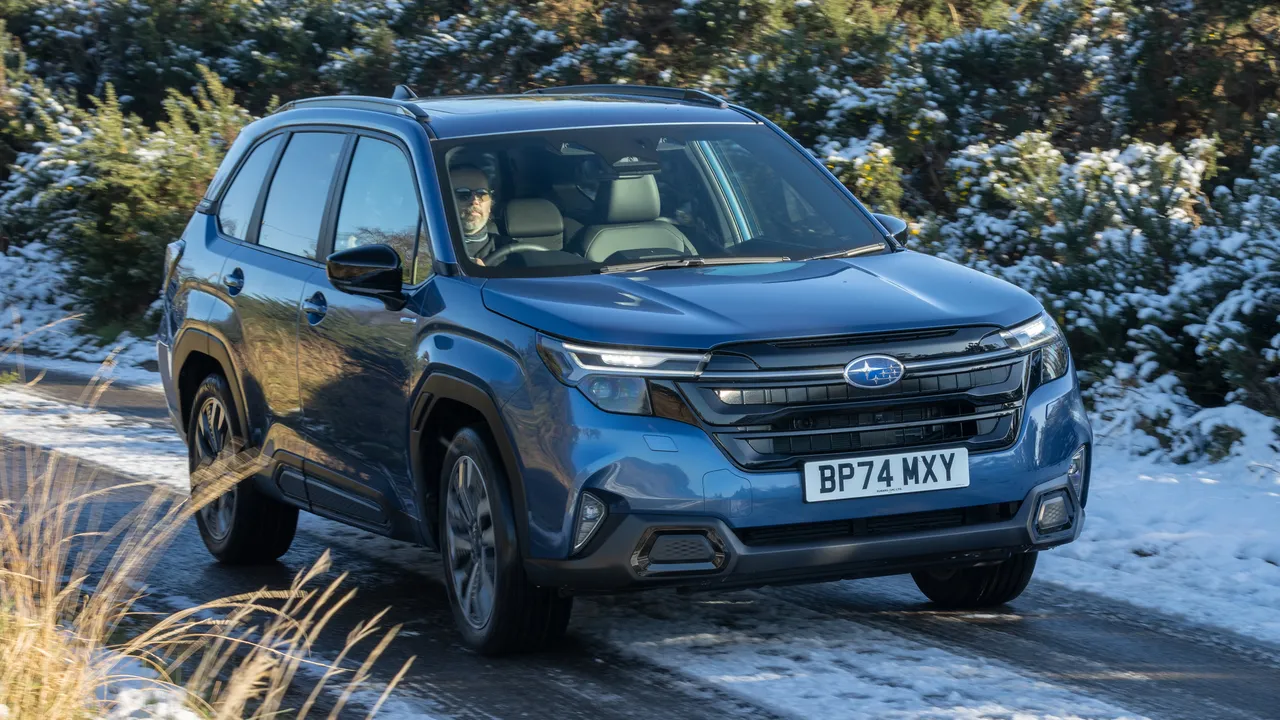
4. Subaru Forester: Reliable All-Wheel Drive Capability with Practical Ownership Costs
The Subaru Forester has built a strong reputation as a dependable compact SUV that balances reliability, practicality, and all-weather confidence. Consistently earning high marks in reliability surveys, the Forester stands out by offering standard Symmetrical All-Wheel Drive on every trim, a valuable feature for drivers in regions like Ohio where winter weather can be unpredictable.
This capability comes without dramatically increasing maintenance needs, making the Forester a compelling long-term ownership option.
A key contributor to the Forester’s durability is Subaru’s engineering approach. The horizontally opposed Boxer engine keeps the center of gravity low, which improves balance and reduces strain on suspension and drivetrain components.
Paired with Subaru’s Symmetrical All-Wheel Drive system, power is distributed evenly, enhancing traction and stability while reducing stress on individual parts. With consistent care, many Foresters are known to reach 200,000 miles or more, reinforcing their reputation for longevity.
That said, reliability has not been completely uniform across all model years. Certain older Foresters, particularly early 2000s models and some vehicles from the 2011–2015 period, experienced known issues such as head gasket failures, oil consumption, or early CVT concerns.
Because of this, buyers are often encouraged to focus on newer generations or vehicles with a strong service history. Recent models, especially from 2019 onward, benefit from improved engineering and better long-term reliability.
Maintenance plays an important role in keeping repair costs low. Regular oil changes, fluid checks, tire rotations, and brake inspections are essential, especially given the nature of the Boxer engine. Owners who follow recommended service schedules typically experience fewer major issues and more predictable upkeep expenses.
Performance is tuned more for comfort than sportiness. The 2.5-liter flat-four engine provides adequate power for daily driving, while the suspension prioritizes ride quality and stability.
Fuel economy is competitive for an all-wheel-drive SUV, and interior space is a major strength. The Forester offers excellent visibility, generous rear-seat room, and class-leading cargo capacity, making it practical for families and active lifestyles.
Standard safety technology, user-friendly infotainment, and strong off-road capability in trims like the Wilderness further enhance its appeal. For drivers seeking reliability, space, and confidence in all weather conditions, the Subaru Forester remains a durable and sensible choice when well maintained and carefully selected.
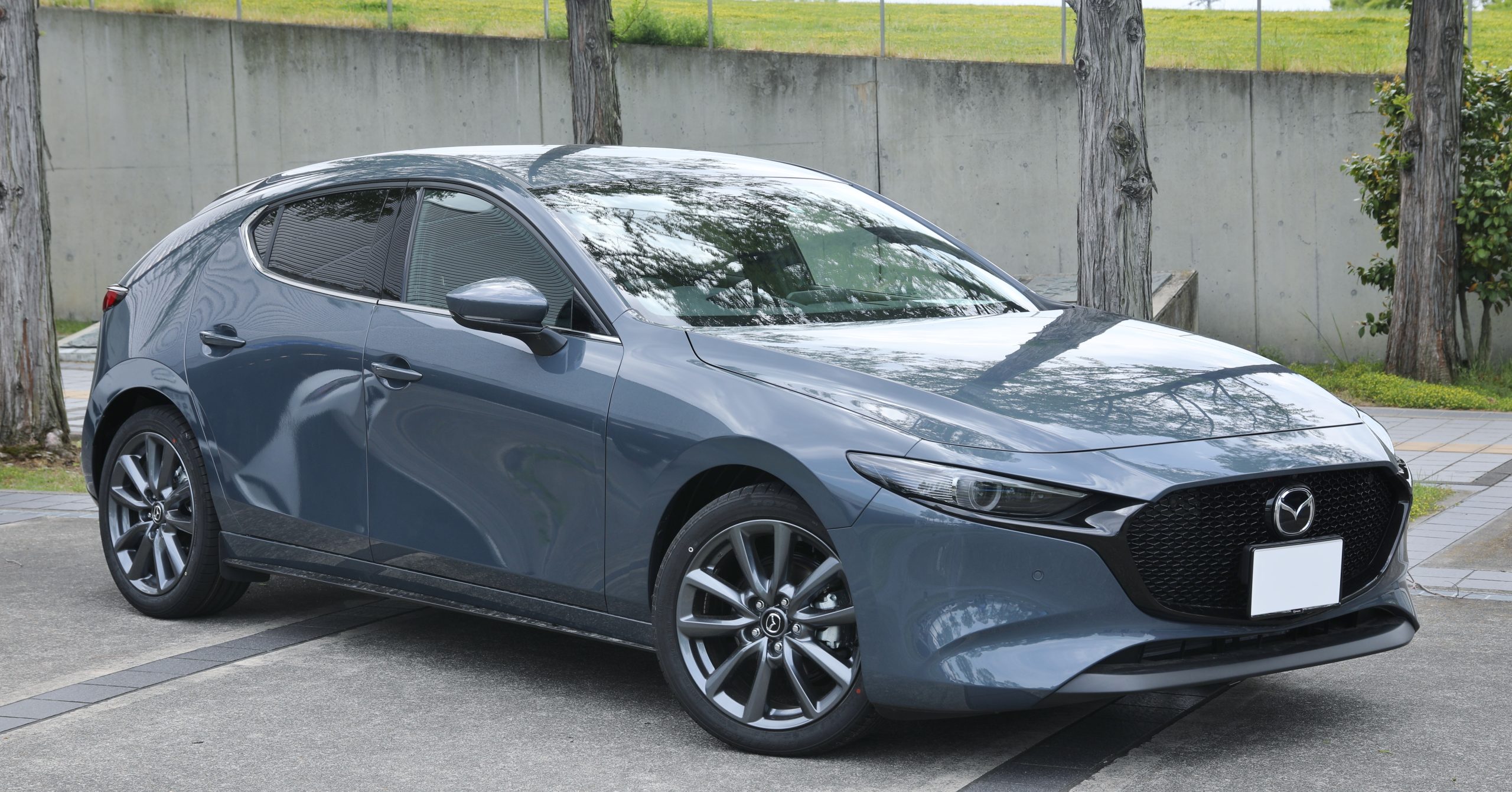
5. Mazda3: Engaging Driving Dynamics with Proven Reliability and Low Maintenance
The Mazda3 stands out in the compact car segment by blending an enjoyable driving experience with strong reliability and manageable ownership costs. Known for thoughtful engineering and a focus on mechanical simplicity, the Mazda3 has earned high reliability scores and a reputation for long-term dependability.
With proper care, many examples comfortably surpass 200,000 miles, making it an appealing option for drivers seeking both durability and driving enjoyment.
A major reason for the Mazda3’s low repair needs is Mazda’s Skyactiv technology. This engineering approach optimizes engines, transmissions, and vehicle structure to reduce mechanical stress while improving efficiency.
Instead of relying on overly complex systems, Mazda favors naturally aspirated engines and traditional six-speed automatic or manual transmissions. By avoiding dual-clutch gearboxes and complicated drivetrains in most trims, the Mazda3 limits potential failure points and keeps maintenance straightforward.
The standard 2.5-liter four-cylinder engine is widely regarded as robust and smooth, delivering adequate power for daily driving without sacrificing reliability. For those seeking more performance, the available turbocharged 2.5-liter engine provides strong acceleration while maintaining solid build quality.
Both powertrains are paired with proven transmissions that have demonstrated durability over time. This balance of performance and simplicity contributes to fewer unexpected repairs compared to many competitors.
Ownership costs remain reasonable due to affordable routine maintenance. Services such as oil changes, brake replacements, and suspension work are easy to perform and relatively inexpensive. While older models occasionally experienced issues like worn sway bar links or brake wear, modern Mazda3s benefit from improved engineering and materials, reducing the frequency of such concerns.
Inside, the Mazda3 offers a well-crafted interior that feels more premium than many rivals in the class. High-quality materials, supportive seating, and a clean design enhance the sense of longevity and build quality. Although rear-seat space is modest, comfort in the front seats is excellent, and cargo capacity remains practical for everyday use.
The Mazda3 also includes a generous suite of safety and driver-assistance features as standard, helping reduce accident risk and potential repair costs. Combined with competitive fuel economy and responsive handling, the Mazda3 delivers a rare combination of fun-to-drive character and dependable ownership.
For drivers who want reliability without sacrificing style or engagement, the Mazda3 remains a smart and well-rounded choice.
For Canton city drivers, the vehicles on this list provide options that prioritize comfort, efficiency, and reliability. City-focused cars offer compact dimensions, strong fuel economy, flexible interiors, and advanced safety features, making daily commutes and errands smoother and more practical.
Low-repair vehicles, on the other hand, excel in durability, proven engineering, and minimal maintenance requirements, helping owners reduce long-term costs and avoid unexpected issues.
Some models appear in both categories due to their balanced strengths, while each section serves a distinct purpose for different priorities. By choosing cars that are well-suited for city life and known for dependable performance, drivers can enjoy lower operating costs, reliable service, and a satisfying, worry-free driving experience.
Also Read: 10 Cars That Look Stunning But Disappoint True Enthusiasts