
Renault is a name that evokes a rich history of automotive innovation, audacious design, and cultural influence.
Founded in 1899 in France by the Renault brothers, the brand quickly grew from humble beginnings into a symbol of European automotive ingenuity.
While Renault is not as prominent in the US market today, its influence has been global, and the company has produced some of the most iconic and technologically significant vehicles in automotive history.
From economy cars that brought mobility to the masses to high-performance machines that set records, Renault has consistently pushed boundaries. Here, we explore ten Renault models that have defined the brand’s legacy.
1. Renault 4
Arguably one of the most influential small cars of the 20th century, the Renault 4, also known as the “Quatrelle,” was introduced in 1961.
Its revolutionary hatchback design, practicality, and affordability made it a European bestseller for decades. The Renault 4 was versatile enough to serve as a city car, family car, or rural utility vehicle.
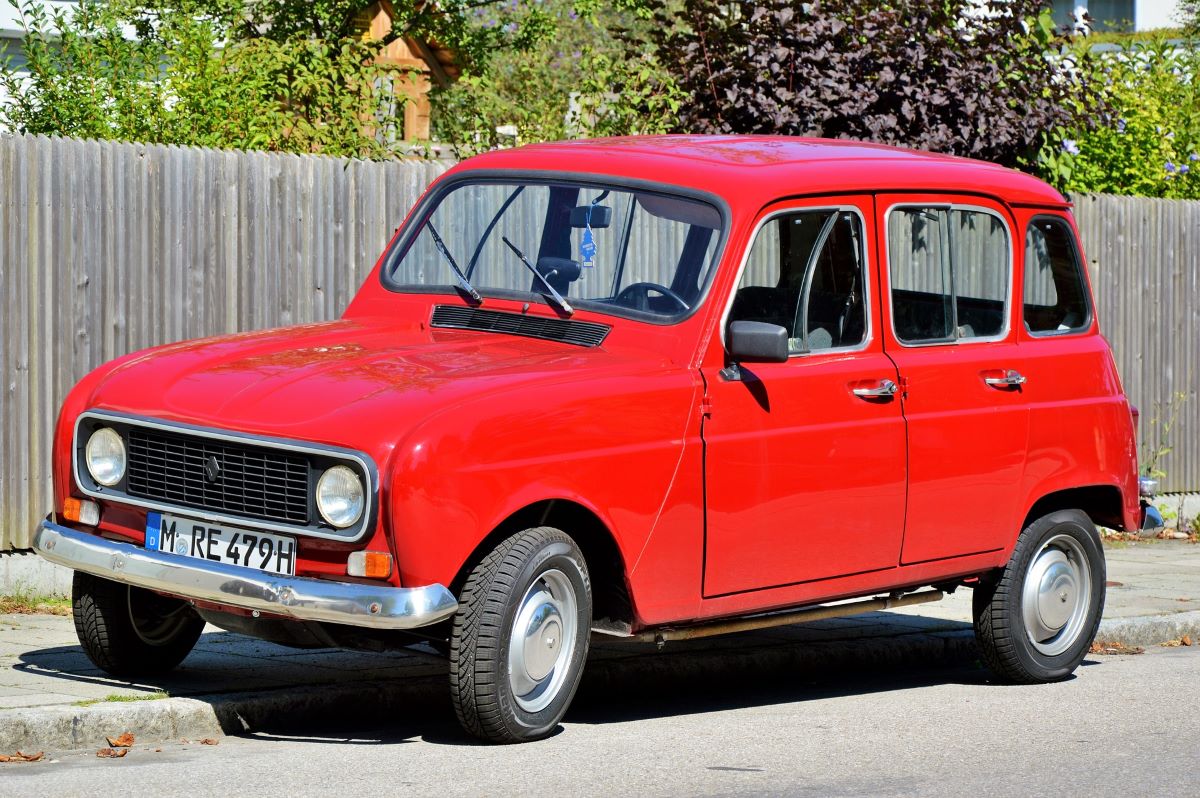
Its simple yet clever engineering made it highly durable, which contributed to its legendary status. In the US context, the Renault 4 might be viewed similarly to the Volkswagen Beetle an affordable, practical vehicle that became part of everyday life.
2. Renault 5
Introduced in 1972, the Renault 5 took the formula of the Renault 4 and modernized it for a new era.
Nicknamed “Le Car” in some markets, including the US in the late 1970s, the Renault 5 was compact, lightweight, and fun to drive.
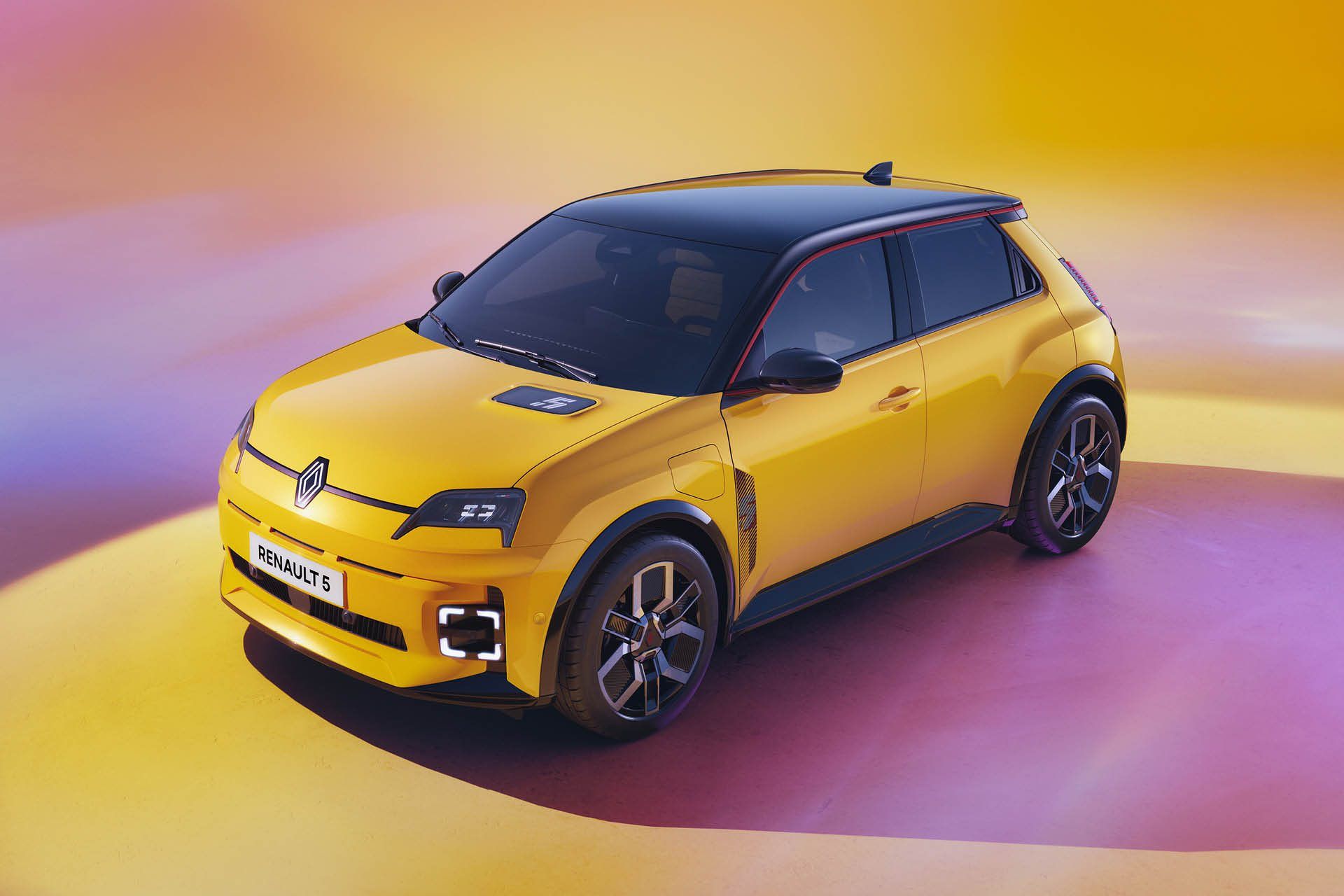
Its front-wheel-drive layout and clever use of interior space made it extremely practical, while its sporty versions, like the Renault 5 Turbo, showcased the brand’s ability to combine performance with everyday usability.
The Renault 5 became a cultural icon, particularly in Europe, and inspired a host of small hatchbacks that followed in its wake.
The Renault 5 E-Tech brings a charming mix of practicality, urban agility, and surprisingly grown-up handling to the small electric car segment. The base E-Tech 120 features a 121bhp electric motor powering the front wheels, delivering acceleration that’s adequate rather than jaw-dropping, reaching 0–62 mph in 9.0 seconds.
The more powerful E-Tech 150, with 148bhp, still can’t match a Mini Cooper SE in a straight line but feels nippier than rivals such as the Citroën ë-C3 or Hyundai Ioniq 5, especially when paired with its larger battery.
Designed primarily for city and suburban driving, the Renault 5 is highly maneuverable, aided by a tight 10.3-meter turning circle and light yet accurate steering. Despite sporting fairly large 18-inch wheels, the ride is comfortable for a small EV, soaking up bumps better than competitors like the ë-C3 or Cooper Electric while remaining composed on faster, undulating country lanes.
The car’s handling feels confident and grown-up, with a Sport mode available to add a touch of weight to the steering and maximize cornering grip. While the Mini Cooper Electric is slightly more agile, the Renault 5’s poise is impressive for its class.
Braking is notable for its smooth, consistent feel thanks to a “brake-by-wire” system, which is easier to modulate than some of Renault’s other EVs, such as the Megane or Scenic, where the pedals can feel grabby.
The car is quiet, with only minor wind noise at highway speeds, though the larger wheels do produce a bit more tire noise than some rivals. The Renault 5 strikes a balance of accessibility, comfort, and composure, making it a refined and confidence-inspiring choice for urban and light country driving alike.
3. Renault Alpine A110
For sports car enthusiasts, the Renault Alpine A110 is a crown jewel. Originally produced from 1961 to 1977, this lightweight rear-engine coupe was built for rallying and road performance.
With its fiberglass body and agile handling, the A110 earned international acclaim by winning the inaugural World Rally Championship in 1973.
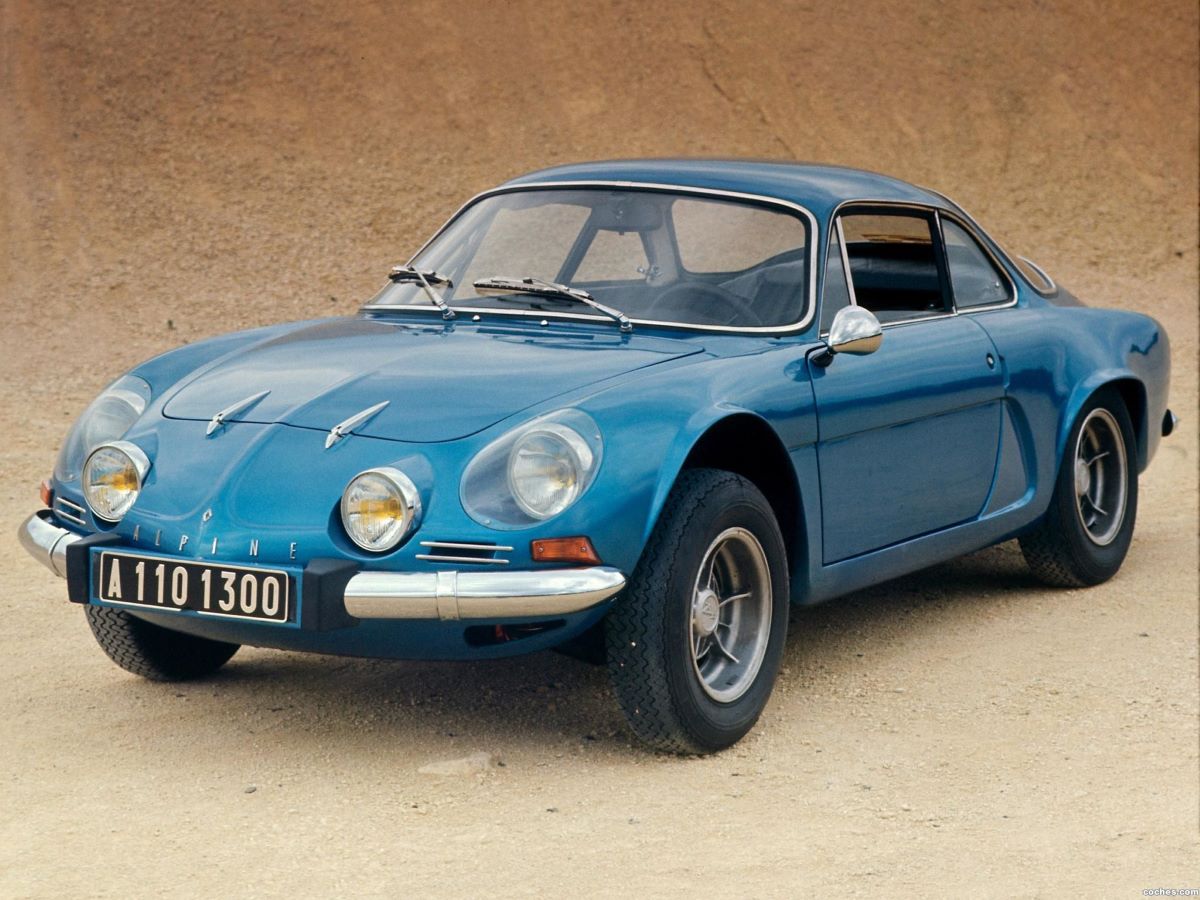
The car’s combination of innovative engineering and racing success elevated Renault’s reputation beyond practical, everyday vehicles.
In 2017, Renault revived the A110 with a modern reinterpretation, paying homage to its lightweight design and precision handling.
The 2017 Alpine A110 marked the triumphant return of Renault’s lightweight sports car, blending the spirit of the 1963 Berlinette with modern performance and technology. Built in Dieppe, France, the A110 was a compact, rear-wheel-drive roadster aimed at enthusiasts who prized agility and purity over brute power, directly rivaling cars like the Porsche Cayman.
The exterior paid homage to its predecessor with a nose featuring four round LED headlights, a longitudinal hood spine, and a wraparound bumper with a trapezoidal intake. From the side, the A110’s short 13.7-foot length, panoramic windshield, and curved greenhouse emphasized its nimble proportions, while short overhangs and a rising waistline gave it a dynamic stance.
At the rear, X-shaped LED taillights, a fastback glass screen, and a subtle diffuser integrated with the exhausts provided both elegance and aerodynamic efficiency, achieving downforce without a rear wing.
Inside, Alpine focused on lightness and driver engagement. Slim Sabelt sport bucket seats weighed just 29 lbs each, while the cockpit-centered digital instrument panel adjusted to Normal, Sport, or Track modes.
Aluminum pedals, toggle switches, and a bridge-like center console with transmission controls and charging ports reinforced a motorsport-inspired feel. Despite its minimalistic approach, luxury touches such as Focal audio, ambient lighting, and quilted leather trim ensured comfort and refinement.
Power came from a 1.8-liter turbocharged four-cylinder engine tuned to 252 PS (249 hp), sent to the rear wheels via a seven-speed dual-clutch automatic.
The lightweight chassis, combined with double-wishbone suspension front and rear, provided razor-sharp handling and driving precision. Stopping power came from Brembo brakes with aluminum calipers, making the Alpine A110 not just quick in a straight line but incredibly composed through corners.
The 2017 Alpine A110 succeeded in creating a purist, lightweight sports car with modern reliability, precision handling, and striking design, a true spiritual successor to the original Berlinette.
Also Read: Top 10 Pre-Owned Kawasaki Motorcycles That Deliver Serious Bang for Your Buck
4. Renault 16
The Renault 16, launched in 1965, was the world’s first production hatchback to combine the practicality of a station wagon with the comfort of a sedan.
Its versatile rear seating and modular cargo space made it a pioneer in family vehicle design.
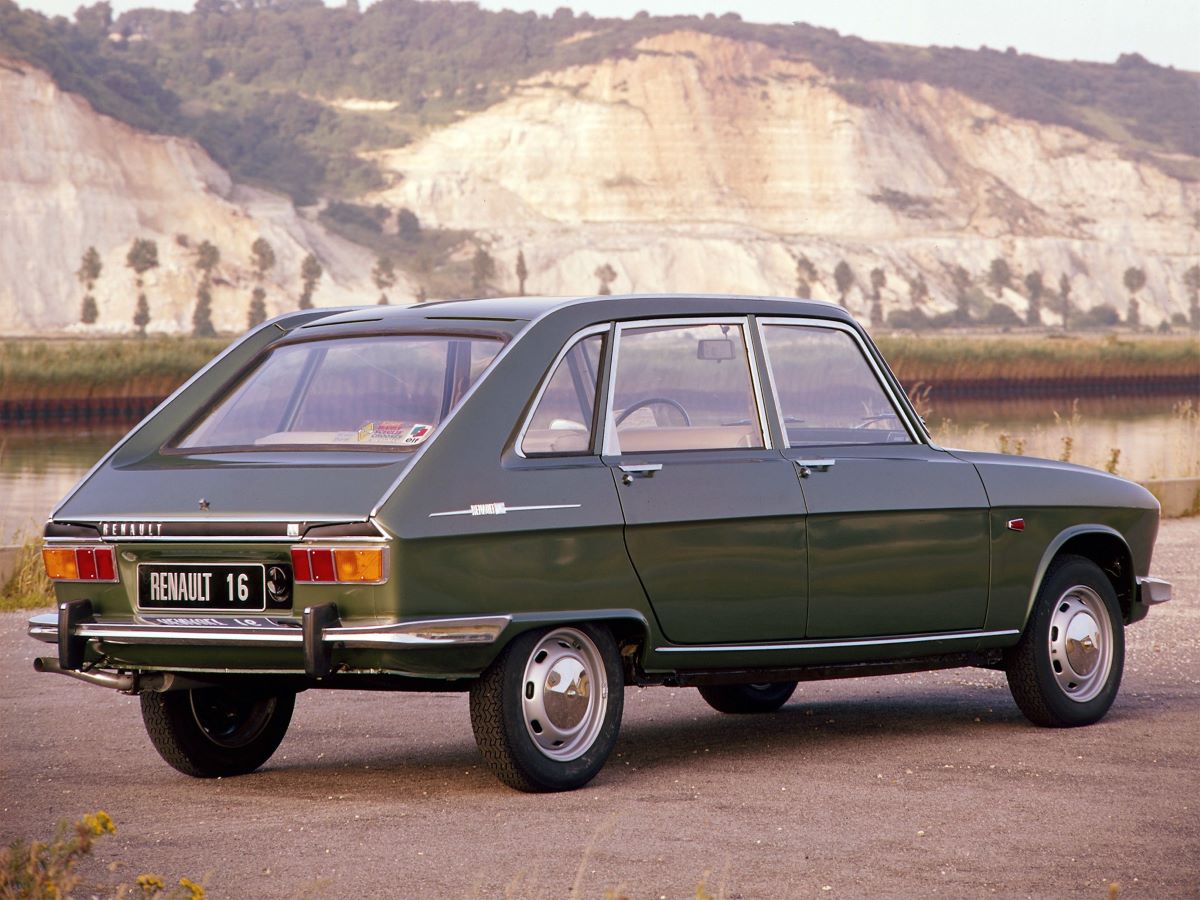
The R16 influenced a generation of hatchbacks and family cars across Europe, proving that Renault was not just about small city cars but also innovative solutions for everyday life.
While it never gained significant traction in the US, the R16’s influence can be seen in American hatchback and crossover designs that prioritize flexibility.
The Renault 16, launched in 1965, holds the distinction of being the first truly successful hatchback, earning the prestigious “European Car of the Year” award. Building on lessons learned from the front-wheel-drive Renault 4 of 1961, which served more as a test platform, the Renault 16 was designed to be Renault’s flagship, excelling in both style and practicality.
Its exterior was strikingly advanced for the era: the front featured rectangular headlights with rounded corners, a metallic grille with horizontal slats, and a chromed bumper with rubber blocks for added crash protection.
The sides showcased a raked, curved windshield and flat panels that contrasted with the rounded lines common among competitors, while the tall greenhouse with three side windows and a sloped tailgate underscored its hatchback versatility. Slim, horizontally mounted taillights completed the distinctive rear.
Inside, Renault continued its innovative streak by positioning the gear lever next to the steering wheel, which allowed for wide, comfortable front seats. The rear featured a flat-folding bench that expanded the luggage area, adding to the car’s practicality, and many versions came equipped with a stereo.
Underneath, the Renault 16’s setup was unconventional: torsion-beam suspensions caused slight differences in wheelbase from side to side, but this design enabled independent suspension at all four corners, delivering a remarkably smooth ride for the time. With its blend of forward-thinking design, clever engineering, and practical functionality, the Renault 16 set the template for the modern hatchback.
5. Renault 21
Stepping into the 1980s, the Renault 21 offered a more upscale and comfortable experience.
Launched in 1986, the model targeted the mid-size market, competing with cars like the Ford Taurus in the US. Known for its smooth ride, spacious interior, and advanced features for the time, the R21 demonstrated Renault’s ability to appeal to drivers seeking comfort and reliability.
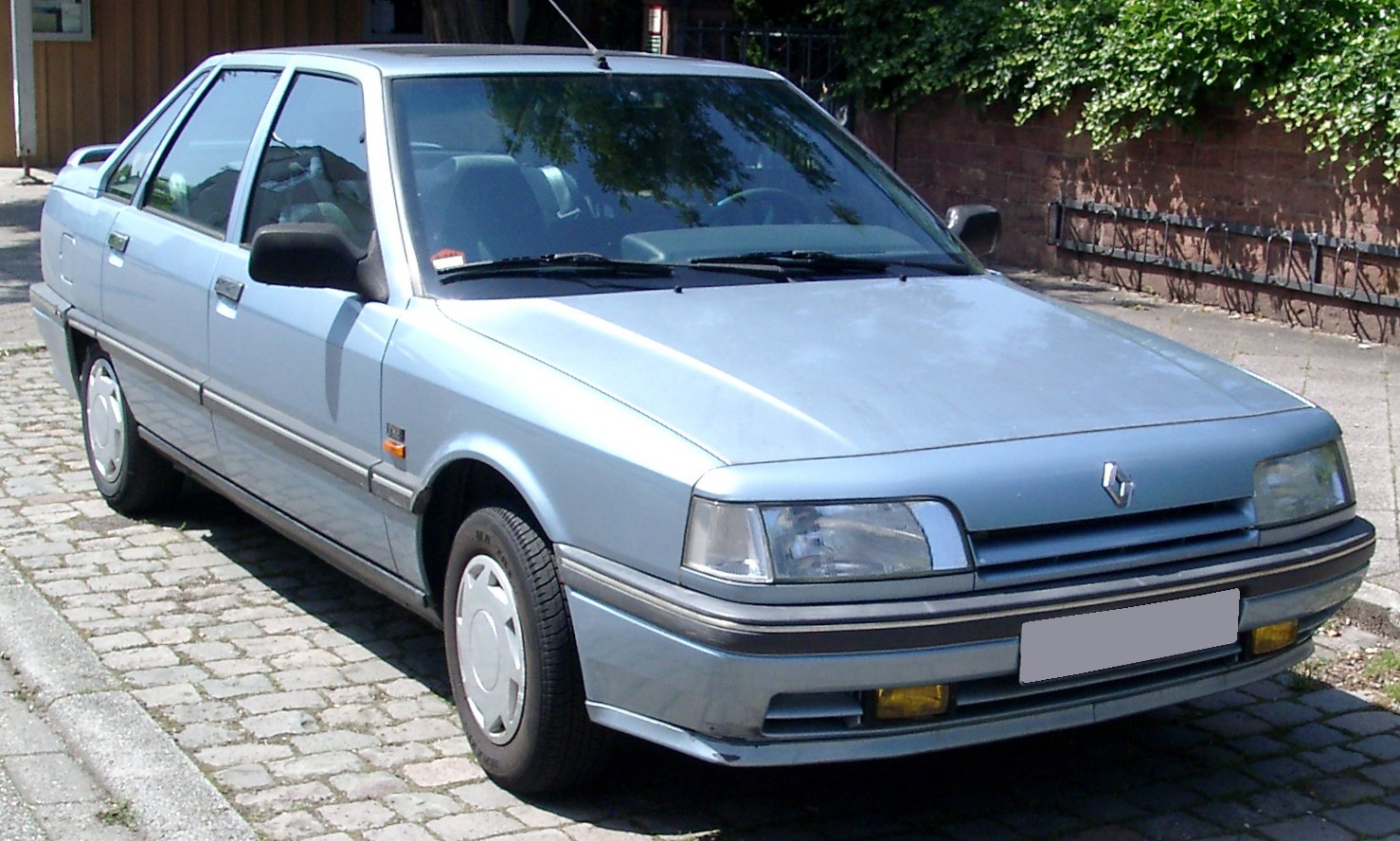
Its global sales highlighted Renault’s ambition to reach markets beyond Europe, even if American penetration remained limited.
6. Renault Clio
The Renault Clio, introduced in 1990, has become one of the brand’s most enduring successes.
A compact hatchback designed to be stylish, efficient, and fun to drive, the Clio captured a generation of young drivers with its clever packaging and modern aesthetics.
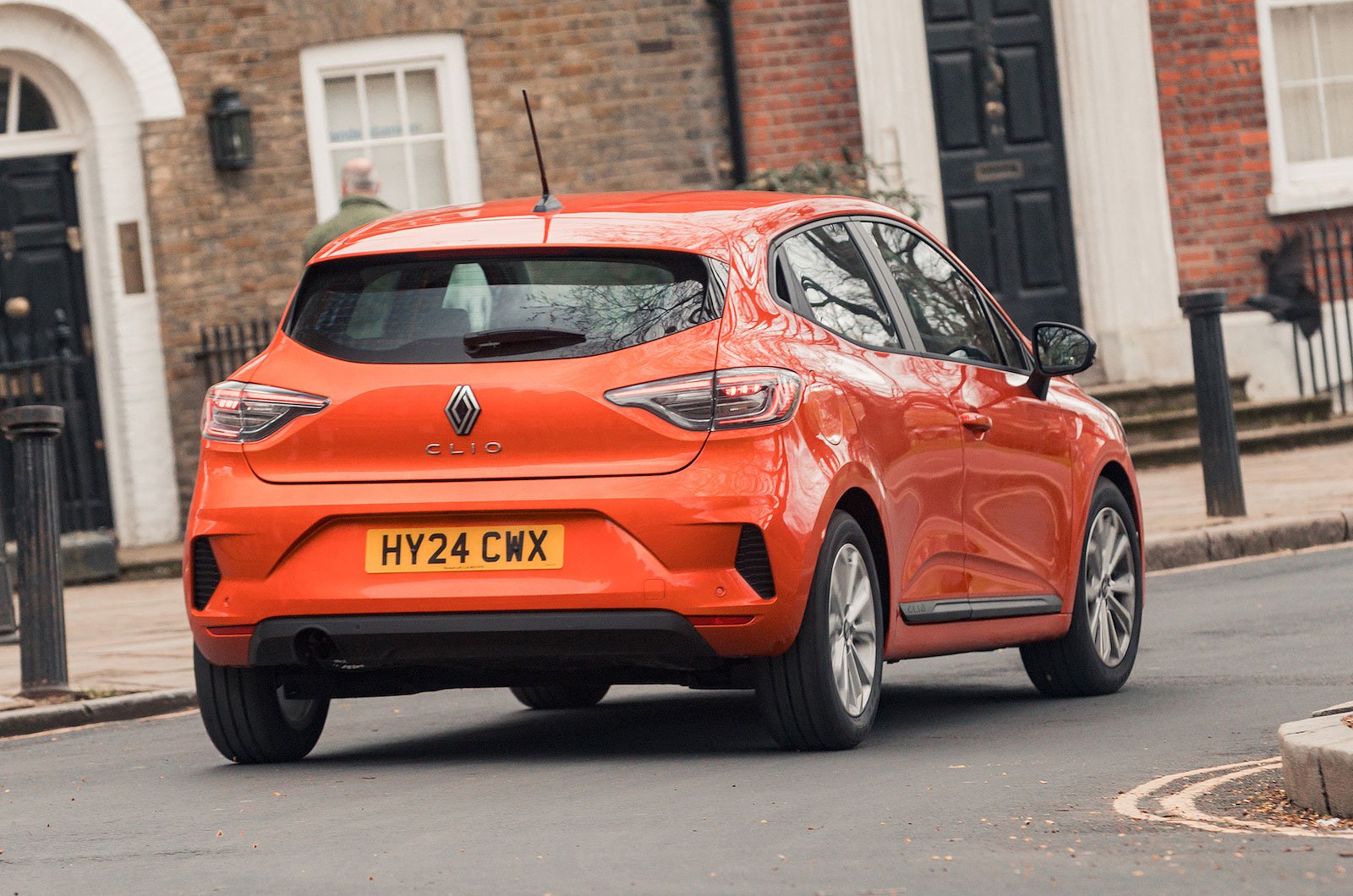
Over the years, the Clio has evolved through multiple generations, incorporating advanced safety systems, sporty variations like the Clio RS, and eco-friendly engines.
While the Clio never made a significant impact in the US, it remains a benchmark for small European hatchbacks worldwide.
The Renault Clio offers a range of engine options to suit different driving preferences. The entry-level 1.0 SCe petrol produces just 73 bhp, followed by two turbocharged versions of the same engine: the 89 bhp TCe and 99 bhp TCe.
Above these, the 1.3 TCe delivers 128 bhp and is paired exclusively with a seven-speed dual-clutch automatic, while the 1.6 E-TECH hybrid, added in late 2020, produces 138 bhp.
For most buyers, the 1.0 SCe is underwhelming, and the 1.0 TCe offers a more usable, smooth drive. The 1.3 TCe is lively and pairs well with its automatic gearbox, while the 1.6 hybrid provides linear and effortless power delivery. From 2023 onward, only the 1.0 TCe 90 and the 143 bhp 1.6-litre hybrid remain in the lineup.
Ride and handling are competent but not class-leading. The Clio’s steering is pleasant but slightly vague compared to the Ford Fiesta, and the suspension can feel firm over potholes or rough surfaces, lacking the cushioning of rivals like the Skoda Fabia. That said, the Clio manages corners with composure and grip, offering a confidence-inspiring drive. Post-facelift models improved both ride and handling significantly.
Inside, the Clio is surprisingly plush, with abundant soft-touch materials and a well-adjusted driving position. S Edition trims and above feature supportive, heavily bolstered sports seats.
Infotainment varies by trim: lower trims come with a 7-inch touchscreen, while higher trims offer a 9.3-inch system with sharper graphics, more intuitive controls, and wireless Android Auto and Apple CarPlay. The Clio blends practicality with a comfortable, modern interior, though it stops short of being the sharpest-handling car in its class.
Also Read: 12 Crossovers That Still Feel Tight After Years
7. Renault Espace
In 1984, Renault introduced the Espace, widely recognized as the first modern minivan. Its modular interior, spacious cabin, and innovative use of space revolutionized family transportation.
The Espace combined comfort, practicality, and futuristic styling at a time when American families were dominated by traditional station wagons and the early minivans from Chrysler.
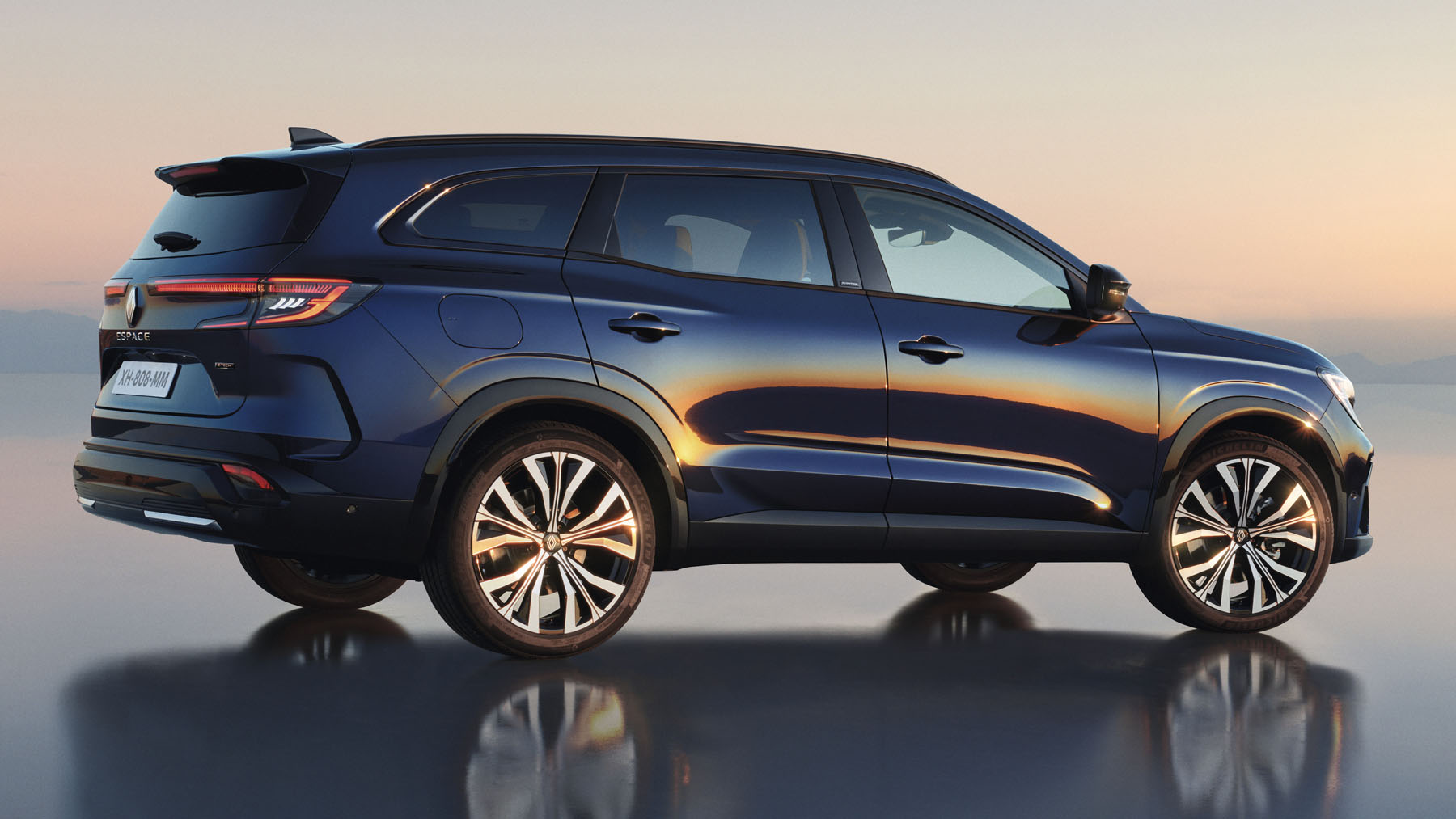
While the Espace itself never became a household name in the US, it paved the way for minivan concepts globally and showcased Renault’s visionary approach to automotive design.
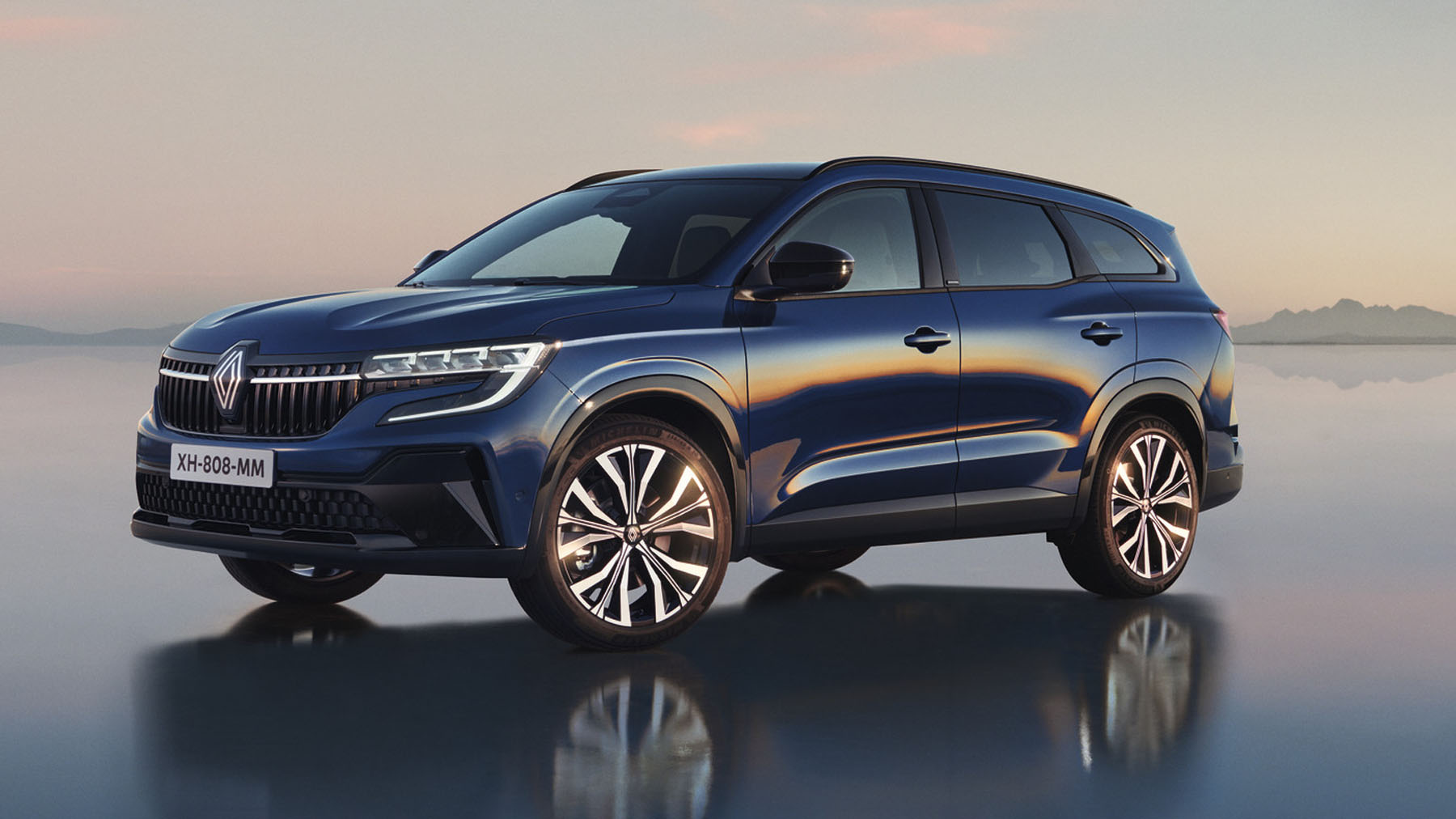
The sixth-generation Renault Espace, launched in spring 2023, represents a bold reinvention of the once-iconic European MPV. Renault transformed the familiar minivan into a crossover-style people carrier, giving it SUV proportions while retaining the practicality that made the Espace a family favorite.
Built on the CMF-CD platform shared with the Austral crossover, the new Espace sheds its traditional MPV silhouette for a more muscular, SUV-inspired stance. The front end is dominated by a large grille with eighteen vertical slats and the broad Renault badge, flanked by distinctive C-shaped LED daytime running lights.
A secondary lower grille and side scoops reinforce the aggressive styling. From the side, enlarged rear fenders emphasize the Espace’s wider, more planted look, signaling its shift toward a modern, sporty crossover.
Inside, the Espace is versatile, offering five- or seven-seat layouts (the latter in a 2-3-2 configuration). Technology is front and center, with a 12.3-inch landscape TFT display for the driver and a 12-inch vertical touchscreen on the center stack, plus an optional 9.3-inch head-up display.
The cabin blends modern infotainment with family-friendly ergonomics, keeping the Espace practical while giving it a premium feel.
Renault leveraged the CMF-CD platform’s capabilities with its 4CONTROL all-wheel steering system. This tech tightens the turning radius in tight city environments and improves stability at higher speeds, making the Espace feel more agile than its size might suggest.
Overall, the 2023 Espace redefines itself as a stylish, tech-forward, and practical SUV, successfully evolving from its MPV roots while maintaining the versatility and comfort families expect.
8. Renault Megane
The Renault Megane, launched in 1995, reinforced the brand’s commitment to stylish, dynamic compact cars.
The Megane evolved from a practical family hatchback to a model that could deliver sporty handling, especially in its RS variants.
Its innovative safety features and European design language attracted praise across markets.
For American enthusiasts, the Megane’s RS version stands out as a performance-focused alternative to more mainstream compact sport sedans, offering precision handling and a unique driving character.
The Renault Megane sedan, designed as a practical four-door coupe at an affordable price, received a facelift in 2020 to meet the 2021 Euro 6d emissions regulations. Introduced in 2016, the Megane sedan sold over 200,000 units and was part of a broader Megane lineup that included 3-door, 5-door, and station wagon variants.
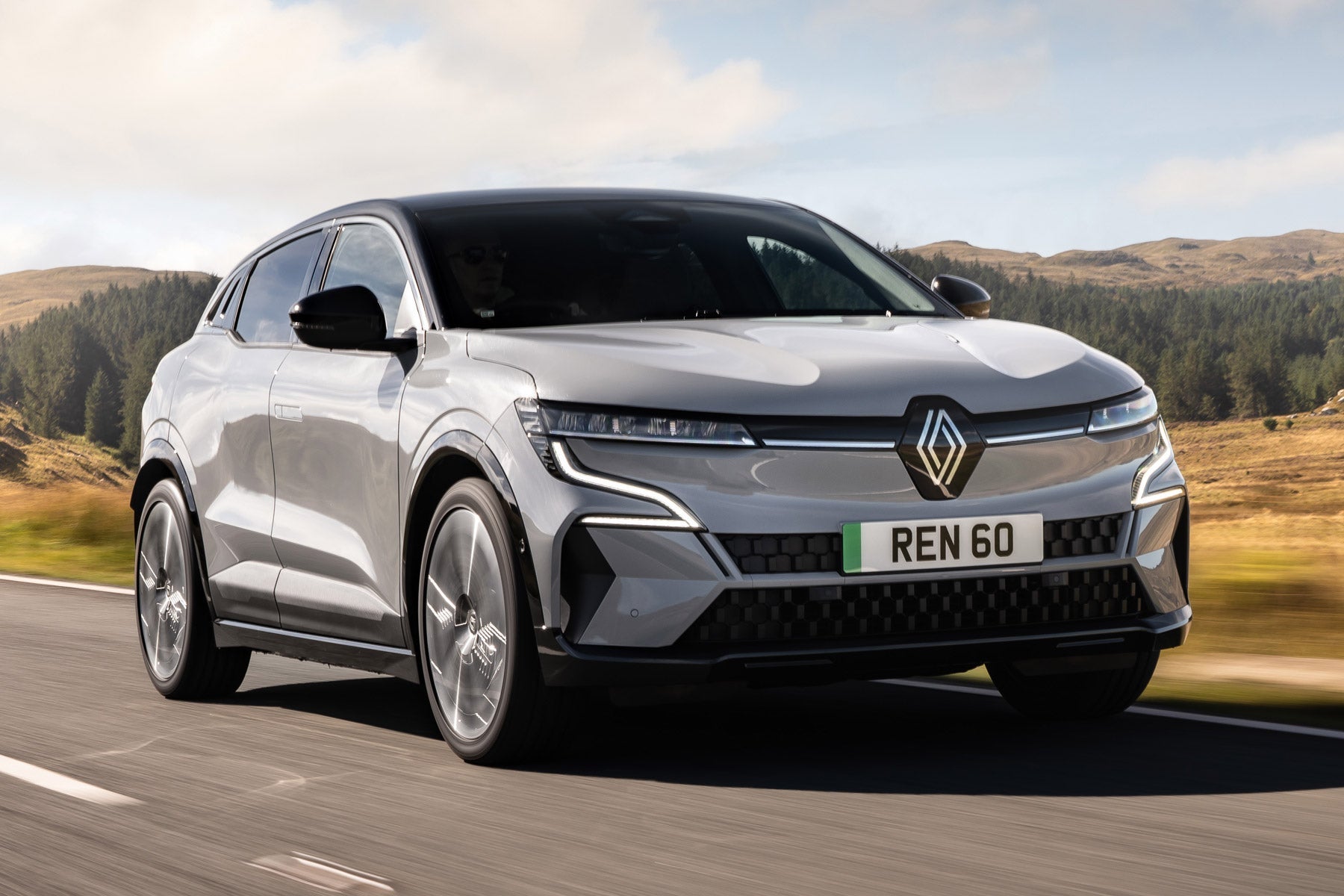
By 2020, Renault refreshed the model with updated LED headlights and DRLs, a reshaped front bumper featuring sporty fake side-scoops, and a lower grille with four slats. At the rear, two chromed, non-functional exhausts were added to give the car a more aggressive look.
Inside, the facelift brought a fully digital 10.2-inch instrument panel that integrated navigation and key driving information, complemented by a 9.3-inch Easy Link infotainment touchscreen on the center stack.
The sedan was offered with a 1.0-liter turbocharged gasoline engine producing 115 hp as the base model, while higher trims featured a 1.3-liter turbo four-cylinder generating 140 hp.
Diesel fans could opt for a 1.5-liter dCi unit producing 115 hp. All engines came standard with a 6-speed manual transmission, with the 1.3-liter petrol and 1.5-liter diesel also available with a 7-speed dual-clutch automatic. The facelift balanced modern styling, technology upgrades, and a range of efficient powertrains to keep the Megane competitive in the compact sedan segment.
9. Renault Twingo
Renault’s Twingo, introduced in 1992, epitomized urban mobility with a quirky and distinctive personality. Its compact dimensions, smart interior design, and excellent maneuverability made it perfect for city driving.
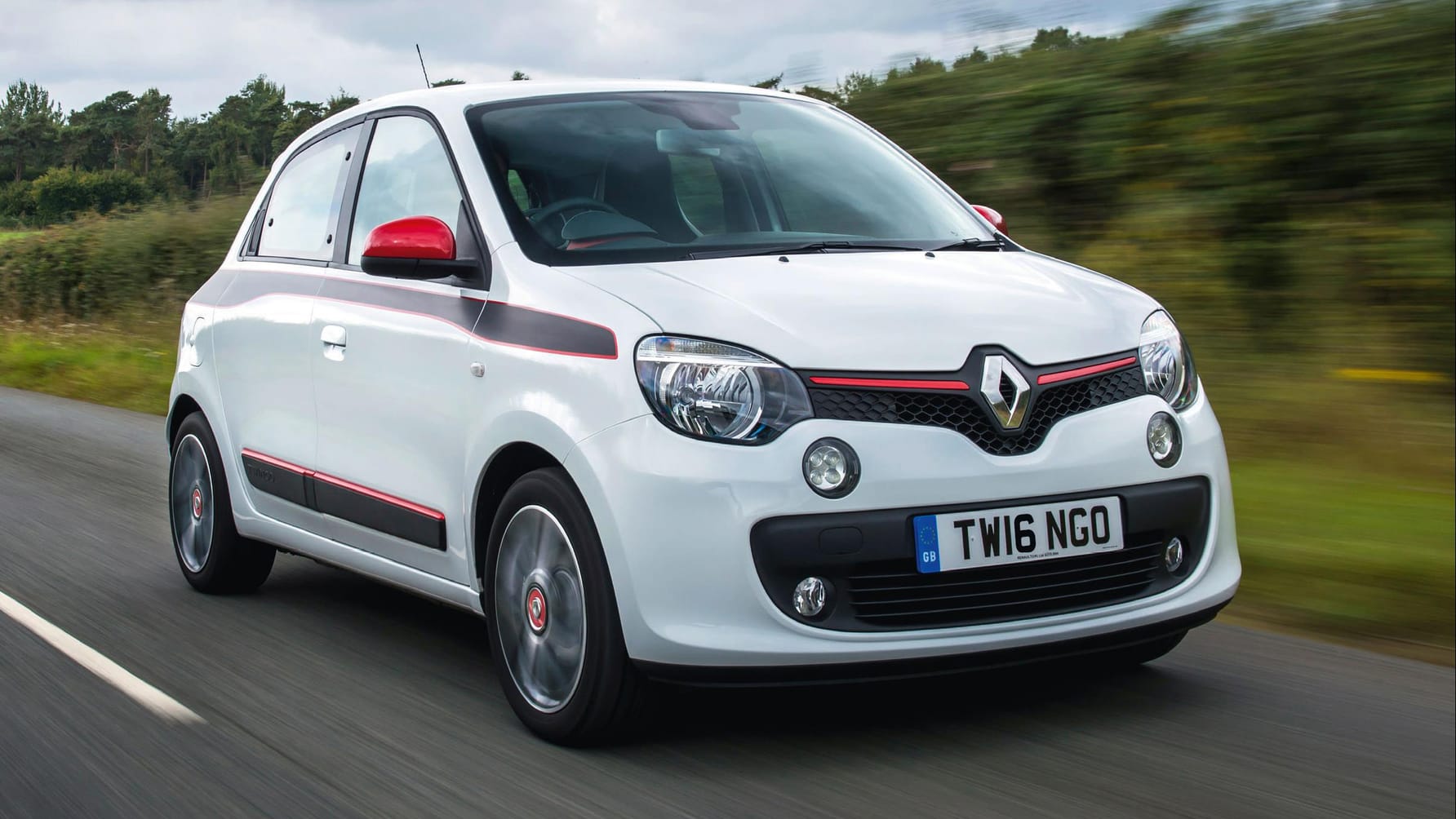
While the Twingo was never a mainstream success in the US, it captured the imagination of European drivers looking for a fun, practical city car. Its influence can be seen in the design philosophy of modern microcars and city-friendly hatchbacks.
Renault continues its streak of retro-modern design success with the return of the Twingo for 2026, this time fully electric. Following the successful revivals of the Renault 4 and 5, the Twingo comes back with a fresh, playful personality while nodding to its heritage.
Drawing cues from the original 1992–2012 model, the design features round headlights, a horizontal grille slat, triple hood vents, and even a red hazard-light button, blending charm with modernity. Unlike the earlier two-door models, the new Twingo has four doors to suit contemporary expectations, yet it retains the quirky pop-out rear windows as a tribute to the previous rear-engined generation.
Despite being larger than its predecessors, the Twingo remains compact, measuring 149.1 inches long, 67.7 inches wide, and 58.7 inches tall, with a 98.1-inch wheelbase. Its cheerful styling is amplified by available 18-inch wheels, though Renault provides 16-inch wheels as standard for those who prefer a more proportionate look. The new Twingo balances modern practicality with retro flair, offering a small but charismatic electric hatchback that stands out in today’s crowded urban car segment.
10. Renault Zoe
Finally, the Renault Zoe represents the brand’s commitment to the future. Launched in 2012, this fully electric hatchback has become one of Europe’s best-selling EVs.
With a practical range, innovative charging solutions, and environmentally conscious engineering, the Zoe positions Renault as a serious player in the electric mobility space.
While EV adoption in the US is dominated by Tesla and a few other key players, the Zoe demonstrates Renault’s forward-thinking approach and highlights the brand’s ability to adapt to changing automotive landscapes.
From the utilitarian Renault 4 to the electrifying Zoe, Renault’s history is rich with innovation, style, and audacity. These ten models represent not only milestones in automotive engineering but also reflections of cultural and social shifts.
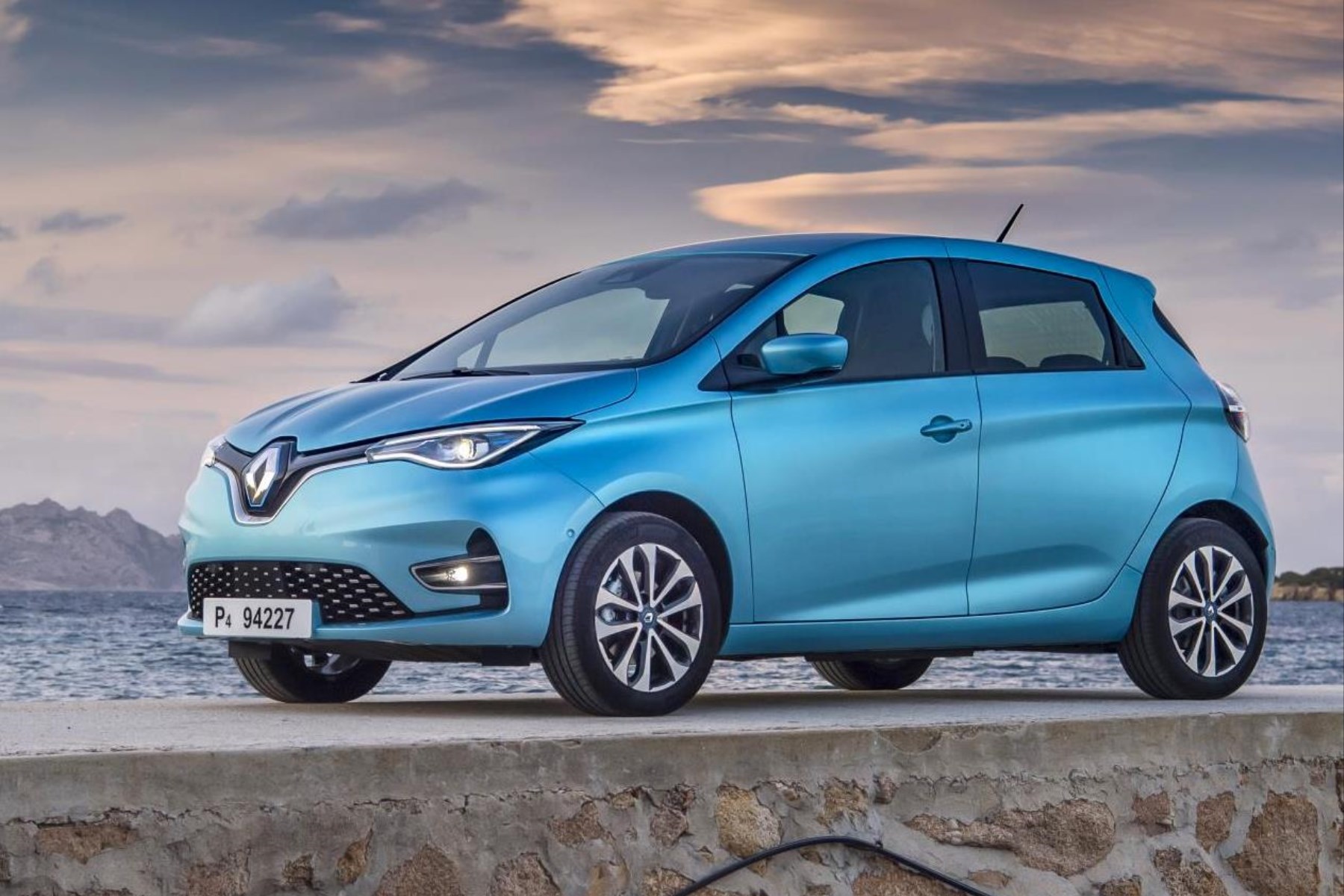
The 2019 Renault ZOE marked a major evolution for Renault’s small electric hatchback, solidifying its place as Europe’s top-selling EV.
The updates brought a more powerful R135 motor delivering 100 kW (135 PS), paired with a 52 kWh battery, giving brisk acceleration to 62 mph in under 10 seconds and supporting AC charging up to 22 kW, with optional 50 kW DC fast charging. Regenerative braking was improved with the new “B-Mode” for near one-pedal driving.
Design-wise, the ZOE received a sharper, more mature look. Up front, a sculpted hood and large chrome-trimmed diamond logo, also the charging port, sat above aerodynamic vents, with C-shaped full-LED headlights giving a distinctive night presence.
From the side, the hatch retained compact city-car proportions with smooth panels, integrated handles, subtly flared fenders, and new alloy wheels (15–17 inches). At the rear, broader LED taillamps with dynamic indicators and a clean bumper enhanced both style and efficiency.
Inside, the cabin felt far more premium than before, featuring soft-touch plastics, woven fabric inserts, and LED ambient lighting. A standard 10-inch digital instrument cluster displayed driving, navigation, and eco-feedback info, while the EASY LINK infotainment offered a 7- or 9.3-inch touchscreen.
Seats were redesigned for improved lateral support, using recycled fibers for sustainability without sacrificing comfort. The flat floor and clever battery packaging preserved legroom and cargo space, while wireless charging and multiple USB ports enhanced everyday usability.
Overall, the 2019 ZOE combined sharper styling, improved comfort, and more practical EV performance, making it a versatile, city-friendly electric hatchback capable of both daily commuting and longer trips with fast-charging options.
They show a brand willing to take risks, challenge norms, and create vehicles that are as practical as they are iconic.
While Renault’s presence in the US has been limited compared to Europe, the legacy of these models transcends borders, influencing design, engineering, and driving philosophy around the world.
Whether you are a fan of compact city cars, innovative family vehicles, or high-performance sports cars, Renault has left an indelible mark on automotive history, proving that creativity and engineering excellence can define a brand for generations.
