
Japanese automakers have long been synonymous with reliability, engineering precision, and longevity.
From bustling urban streets to long interstate drives, Japanese cars have earned the trust of drivers across the United States by offering exceptional durability, low maintenance costs, and a reputation for trouble-free ownership.
While many brands from around the world promise performance and style, Japanese vehicles consistently deliver peace of mind over decades.
This list highlights 12 Japanese cars that not only became legends in their own right but also set the gold standard for reliability in the automotive world.
1. Toyota Camry
The Toyota Camry has been a benchmark for midsize sedans in the U.S. for decades. Renowned for its refined engine, smooth ride, and long-lasting components, the Camry appeals to both commuters and families.
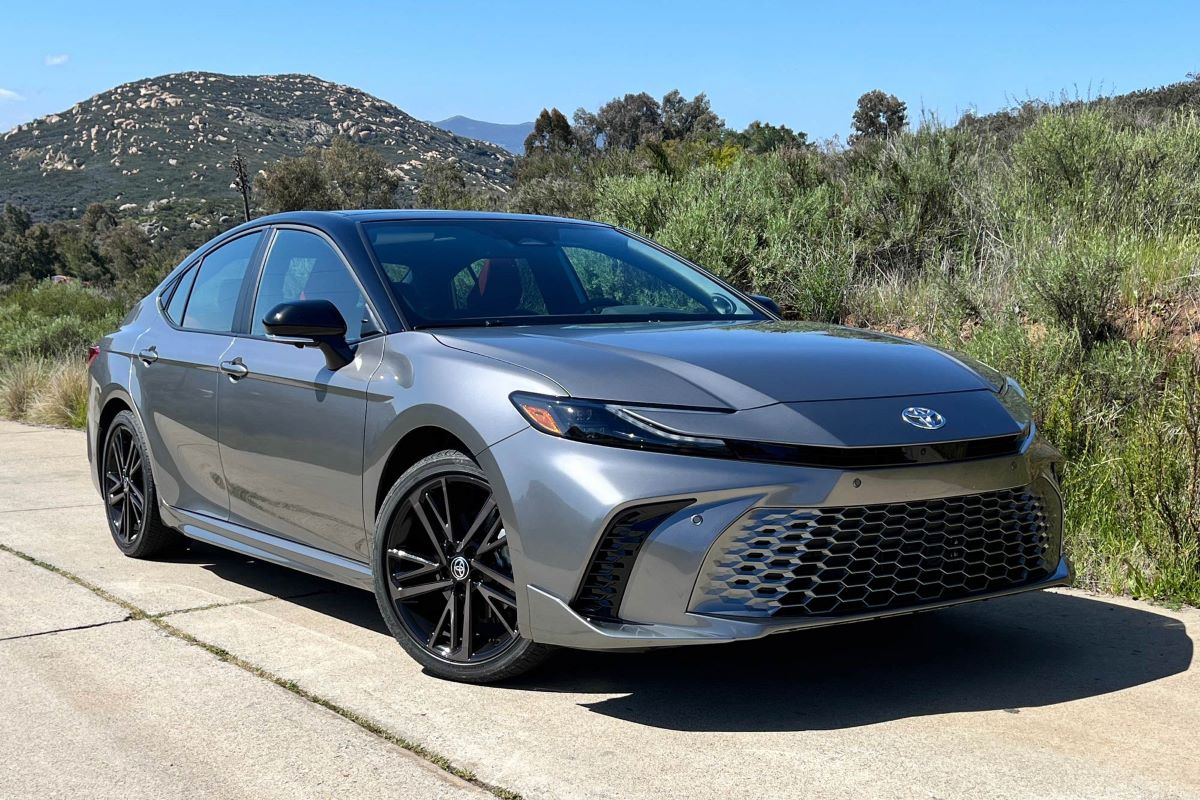
Particularly, models from the 2000s onward have demonstrated exceptional durability, with many exceeding 200,000 miles with routine maintenance.
Its combination of fuel efficiency, safety features, and consistent resale value has cemented the Camry as a top choice for Americans seeking a dependable daily driver.
2. Honda Accord
The Honda Accord is another midsize sedan that embodies Japanese reliability. Known for its robust four-cylinder and V6 engines, the Accord has consistently outperformed competitors in longevity tests.
Its simple yet effective engineering allows for relatively inexpensive repairs, making it a favorite among cost-conscious drivers.
The U.S. market has embraced the Accord not just for its reliability but also for its balanced driving dynamics, spacious interior, and strong safety record.
As the leader in our rankings of midsize sedans, the Accord clearly stands out as the best choice in its class. It showcases everything that makes Honda remarkable: clever packaging that allows for a roomy rear seat and trunk, confident handling, excellent fuel efficiency, and a suite of well-thought-out features.
The Accord consistently shines in comparison tests. It has outperformed the usual rivals, not only surpassing the Camry in both base and upgraded-engine configurations but also holding its own against an entry-level luxury competitor when measured against the Audi A4.
Across all three matchups, the Accord delivered superior performance and handling, more accessible and abundant technology features, and a more spacious and comfortable interior.
The Accord excels at nearly everything it does. While there is slightly more road noise than what you’d find in a luxury sedan, and other vehicles may offer more finely tuned active safety systems, this Honda still brings an impressive package to the table. For anyone shopping for a midsize sedan, the Accord belongs at the top of the list.
Honda provides three engine and transmission combinations for the Accord. Most trims are equipped with a 1.5-liter turbo-four paired with a CVT automatic driving the front wheels.
This compact four-cylinder produces 192 hp and 192 lb-ft of torque, which allowed the Accord to accelerate from 0-60 mph in 7.2 seconds during our testing. Fuel economy is rated at 30/38 mpg city/highway, or 29/35 mpg if you choose the Sport or Sport SE trims.
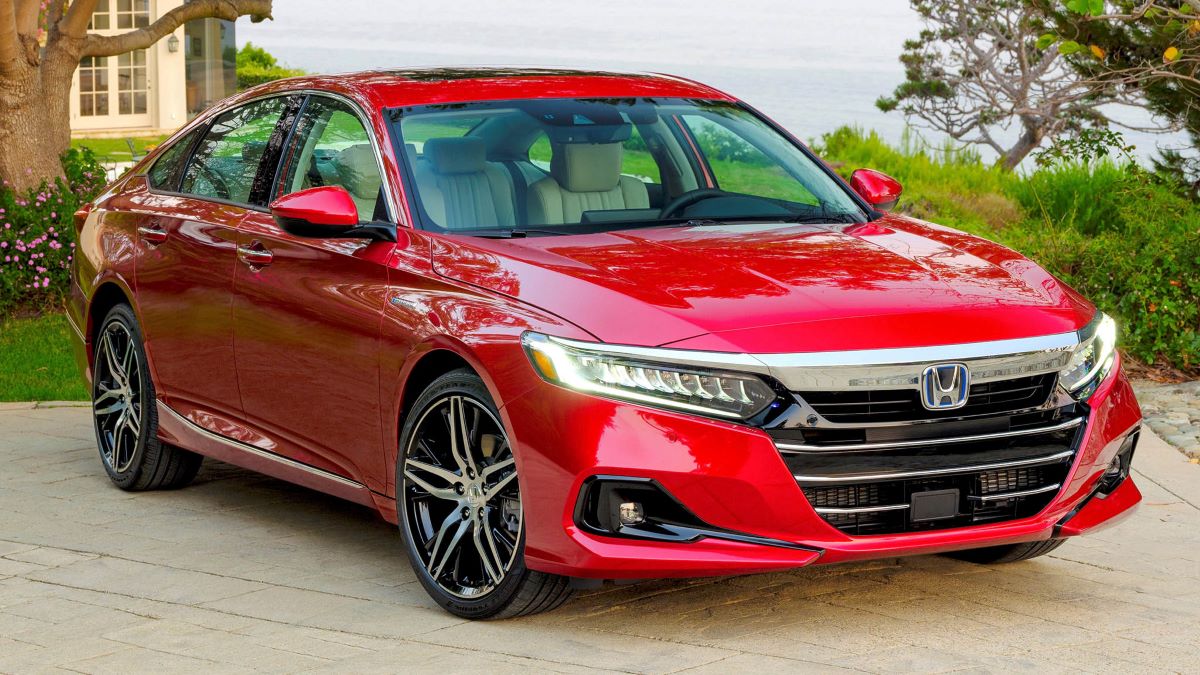
The Accord Sport 2.0T and Touring trims feature a 2.0-liter turbo-four, a performance-tuned version of the engine found in the exciting Civic Type R. For the Accord, it is paired with a 10-speed automatic and delivers 252 hp and 273 lb-ft of torque.
Efficiency stands at 22/32 mpg, and this 2.0-liter version accelerates to 60 mph in 5.5 seconds. Since 2021, neither engine is offered with the previously available six-speed manual transmission.
For buyers prioritizing fuel savings over quick acceleration, the Accord Hybrid is an excellent choice. Assisted by an electric motor, it achieves 48/48 mpg city/highway for most models.
The top Touring trim now rides on 19-inch wheels and returns 44/41 mpg city/highway, while the other trims use 17-inch wheels. Across the board, the Accord Hybrid produces a combined 212 horsepower.
3. Toyota Corolla
When it comes to compact sedans, the Toyota Corolla is hard to beat. Over generations, the Corolla has built a reputation for low-cost maintenance, high fuel economy, and almost bulletproof mechanicals.
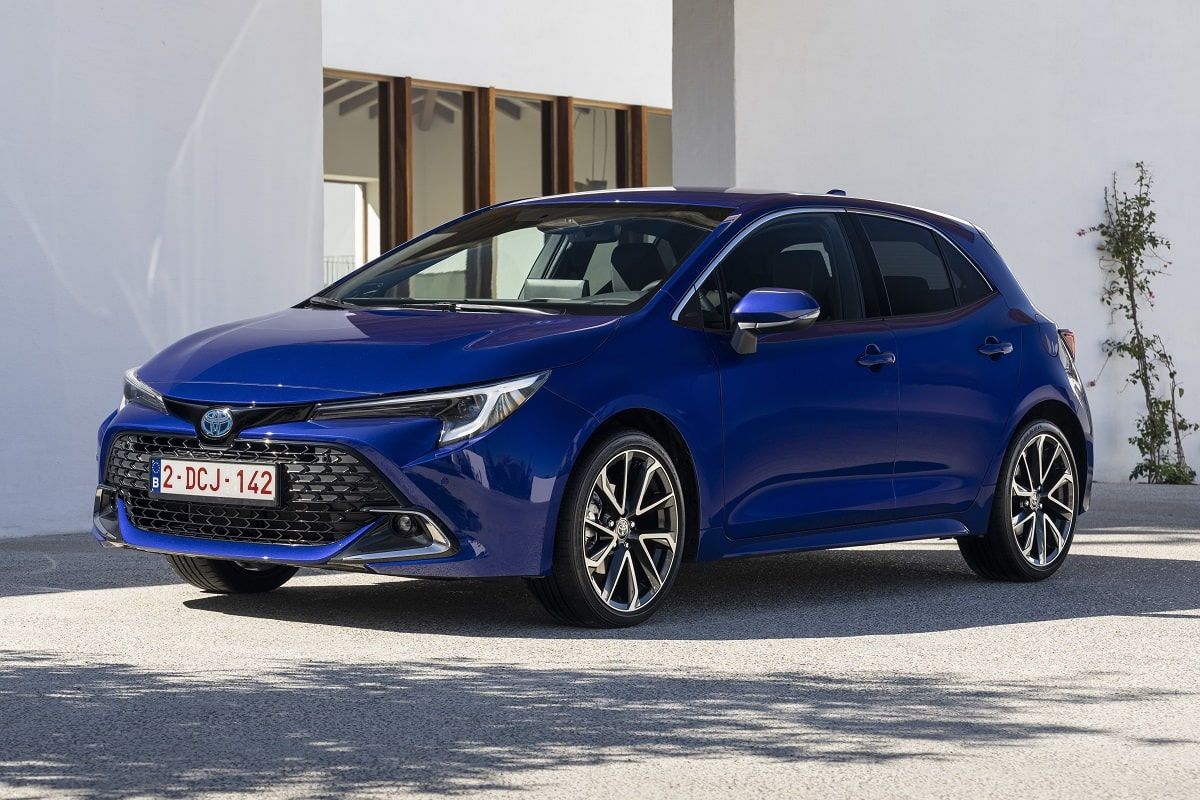
Many older models from the 1990s and 2000s are still on American roads today, a testament to Toyota’s commitment to durability.
Whether navigating city streets or tackling longer commutes, the Corolla consistently proves why it’s one of the most reliable cars available.
4. Honda Civic
The Honda Civic has long been a compact car favorite in the U.S., combining reliability with a touch of sportiness. Its efficient engines and straightforward design make it both economical and dependable.
Many Civics from the late 1990s and early 2000s are legendary for their longevity, with some reaching 300,000 miles with minimal issues. Its popularity in the American used car market is also a reflection of its enduring dependability.
Equipped with a 150-hp 2.0-liter four-cylinder engine and a CVT, the front-wheel-drive nonhybrid Civic represents the model’s entry-level powertrain, and it isn’t especially fast. Still, it feels lively enough to navigate city traffic comfortably, aided by the car’s agile handling and well-balanced ride.
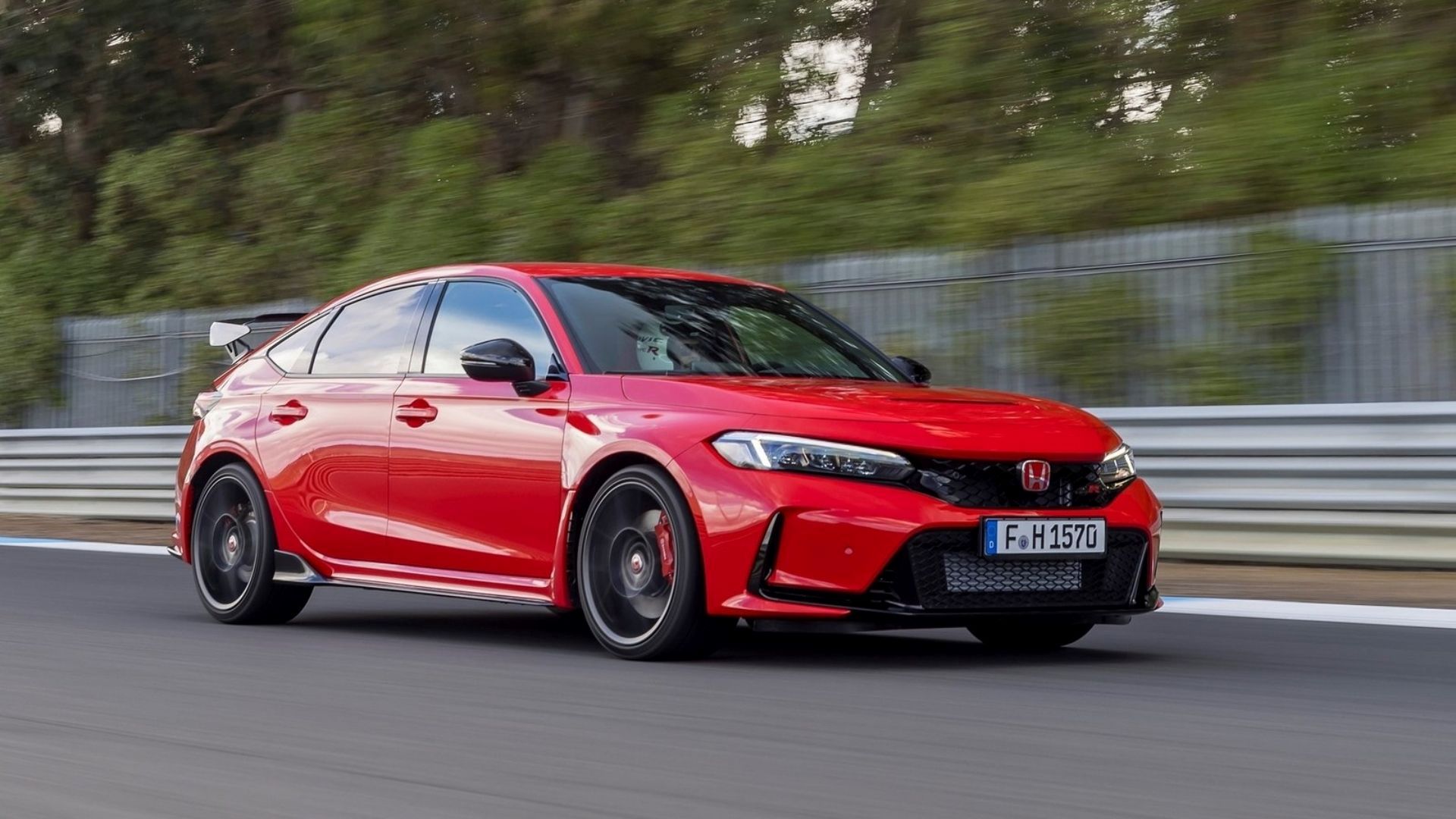
The Civic Hybrid, on the other hand, features an electrified powertrain that combines a 2.0-liter four-cylinder with two electric motors, producing a total of 200 horsepower.
Like the gas-only engine, this hybrid system routes torque exclusively to the front wheels through a CVT. During our test drive of the Civic Hybrid, we found it to be quick, smooth, and nearly as engaging as the sportier Civic Si.
5. Lexus LS
While Toyota and Honda dominate the practical segment, the Lexus LS represents Japanese reliability at the luxury level. Introduced in the late 1980s, the LS set new standards for refinement, build quality, and long-term durability in the luxury car market.
Its V8 engines are renowned for smooth operation and endurance, while the interior components often outlast competitors by decades. For U.S. buyers seeking a dependable luxury sedan, the LS remains a standout choice.
Lexus implemented a series of small but important updates to the LS flagship sedan for the 2023 model year. The frustrating touchpad controller is gone, replaced by a modern touchscreen infotainment system with up-to-date connectivity features.
Available in both gasoline-only and hybrid configurations, the LS competes with other luxury full-size sedans such as the Mercedes-Benz S-Class, Audi A8, and Genesis G90.
Once considered a segment upstart, the Lexus LS has become a staple in the luxury full-size sedan market. Where Lexus previously took a more conventional approach to rivaling European competition, the LS now feels like a quirky outlier that offers a slightly different experience than its peers.
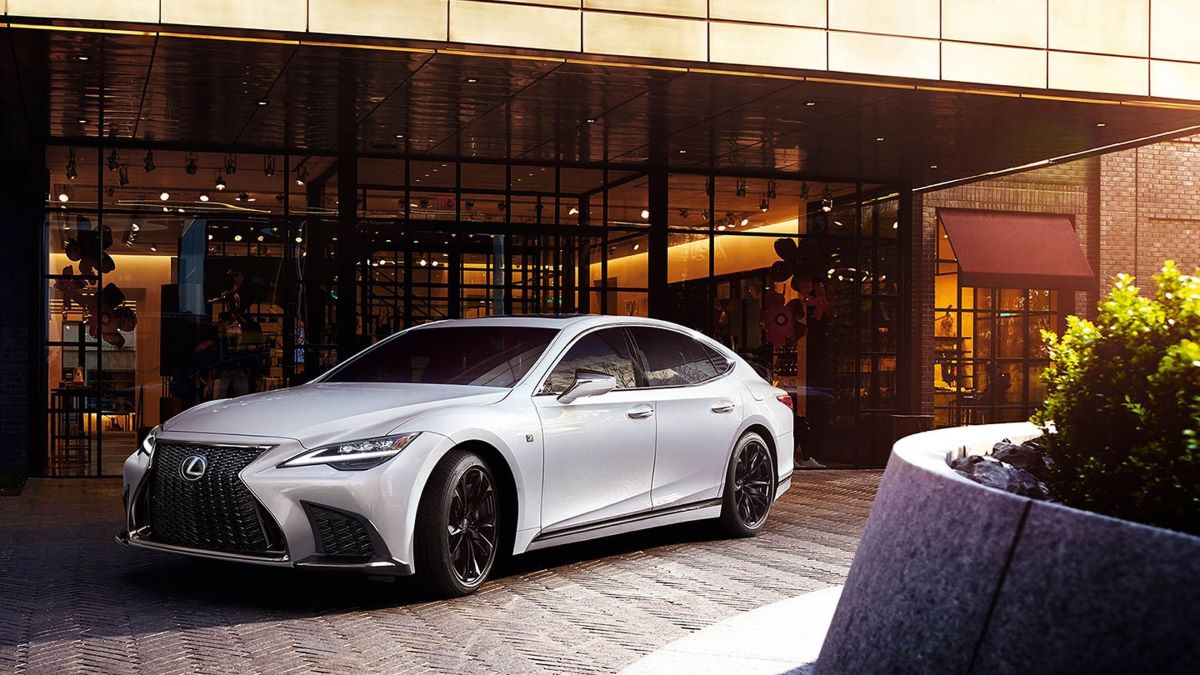
The LS impresses with lively handling and brisk acceleration. It’s a vehicle we’d prefer to drive rather than be chauffeured in, which sets it apart from other large luxury four-doors. The ride is calmer and better insulated from road imperfections than in the pre-refresh LS500.
Inside, the cabin’s unconventional layout is offset by high-quality materials. It features comfortable heated, ventilated, reclining, and massaging seats, though the interior does feel somewhat smaller than typical full-size sedans of this class.
Lexus has also modernized the LS’ technology for 2023. The automaker has finally eliminated the notoriously difficult touchpad controller. A 12.3-inch touchscreen now runs the new Lexus Interface software, with wireless Apple CarPlay and Android Auto included as standard.
With these thoughtful updates, the current-generation Lexus LS is the most refined it has ever been. Both the LS500 and LS500h are compelling choices for buyers seeking to stand out among luxury four-doors.
The LS is offered with a gasoline-only powertrain and as a hybrid. The LS500 features a 3.4-liter twin-turbocharged V-6 that produces 416 hp and 442 lb-ft of torque.
Rear-wheel drive comes standard, with all-wheel drive available, and a 10-speed automatic is the sole transmission choice. In our testing of an updated 2021 LS500 with rear-wheel drive, the car accelerated from 0 to 60 mph in a brisk 5.0 seconds. The EPA rates the 2023 Lexus LS at 17–18/27–29 mpg city/highway.
The LS500h hybrid combines a 3.5-liter V-6 with two permanent-magnet synchronous motors for a total output of 354 hp and 350 lb-ft of torque. Power is sent through a CVT paired with a four-speed automatic transmission to an all-wheel-drive system.
Acceleration from 0 to 60 mph is slightly slower than the gas-only model at 5.5 seconds. Fuel economy for the 2023 Lexus LS500h AWD stands at 22/29 mpg.
For buyers seeking a sportier experience, the F Sport package enhances both the RWD and AWD gasoline LS models with a suite of upgrades. Lexus applies F Sport-specific styling, front seats, and a redesigned digital instrument cluster.
Performance enhancements include Sport+ and custom driving modes, sport adaptive variable suspension, and upgraded brakes. For even more capability, the Dynamic Handling package adds variable gear ratio steering, active stabilizers, and active rear steering.
6. Toyota Land Cruiser
For decades, the Toyota Land Cruiser has been the benchmark for off-road reliability and rugged durability.
Known for its powerful engines and rock-solid construction, the Land Cruiser thrives in challenging environments, from deserts to snowy mountain passes.
In the U.S., its reputation is especially strong among enthusiasts who require a vehicle capable of handling both urban driving and extreme off-road adventures. Owners often report vehicles lasting 300,000 miles or more with proper maintenance.
The Land Cruiser comes with a single powertrain option: a 5.7-liter aluminum V-8 that generates 381 horsepower and 401 pound-feet of torque, sending power to all four wheels through an eight-speed automatic transmission. Despite weighing in at nearly 6,000 pounds, this hefty Cruiser can sprint from 0 to 60 mph in under 7 seconds.
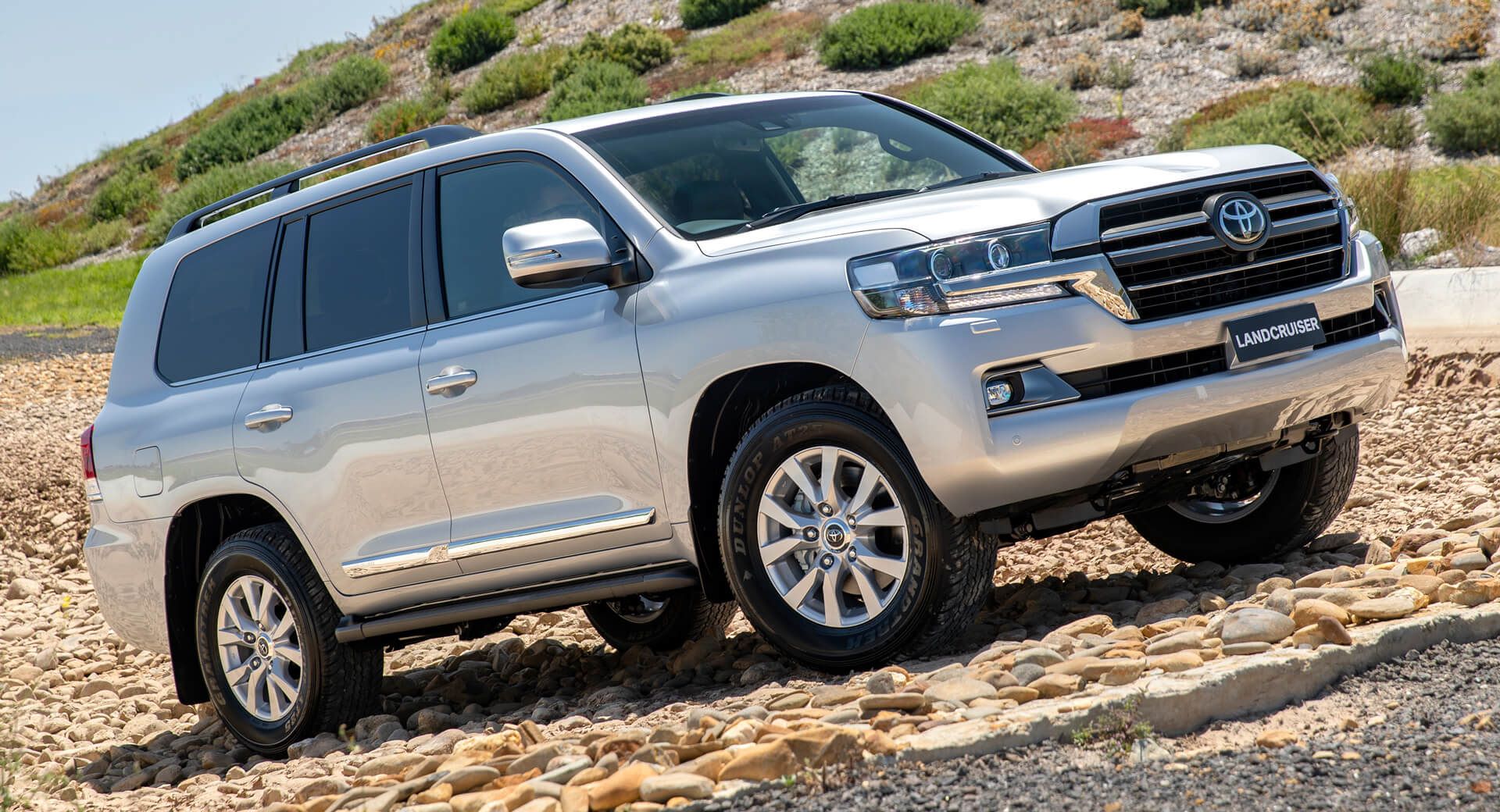
The downside, however, is that fuel economy is roughly equivalent to that of a city bus. Fortunately, a 24.6-gallon fuel tank provides a respectable driving range of about 400 miles between refueling stops.
In terms of ride and steering feel, the Land Cruiser is a throwback to a time when SUVs still felt like rugged, no-nonsense trucks. Steering is vague and demands focus, the body leans noticeably even in modest turns, and the brake pedal has a soft, somewhat disconcerting feel.
Off-road, however, the Land Cruiser truly shines. Equipped with a full set of underbody skid plates, a two-speed transfer case, a Torsen-type limited-slip differential, hill descent control, and automatically disconnecting anti-roll bars, this SUV is virtually unstoppable on rough terrain.
7. Honda CR-V
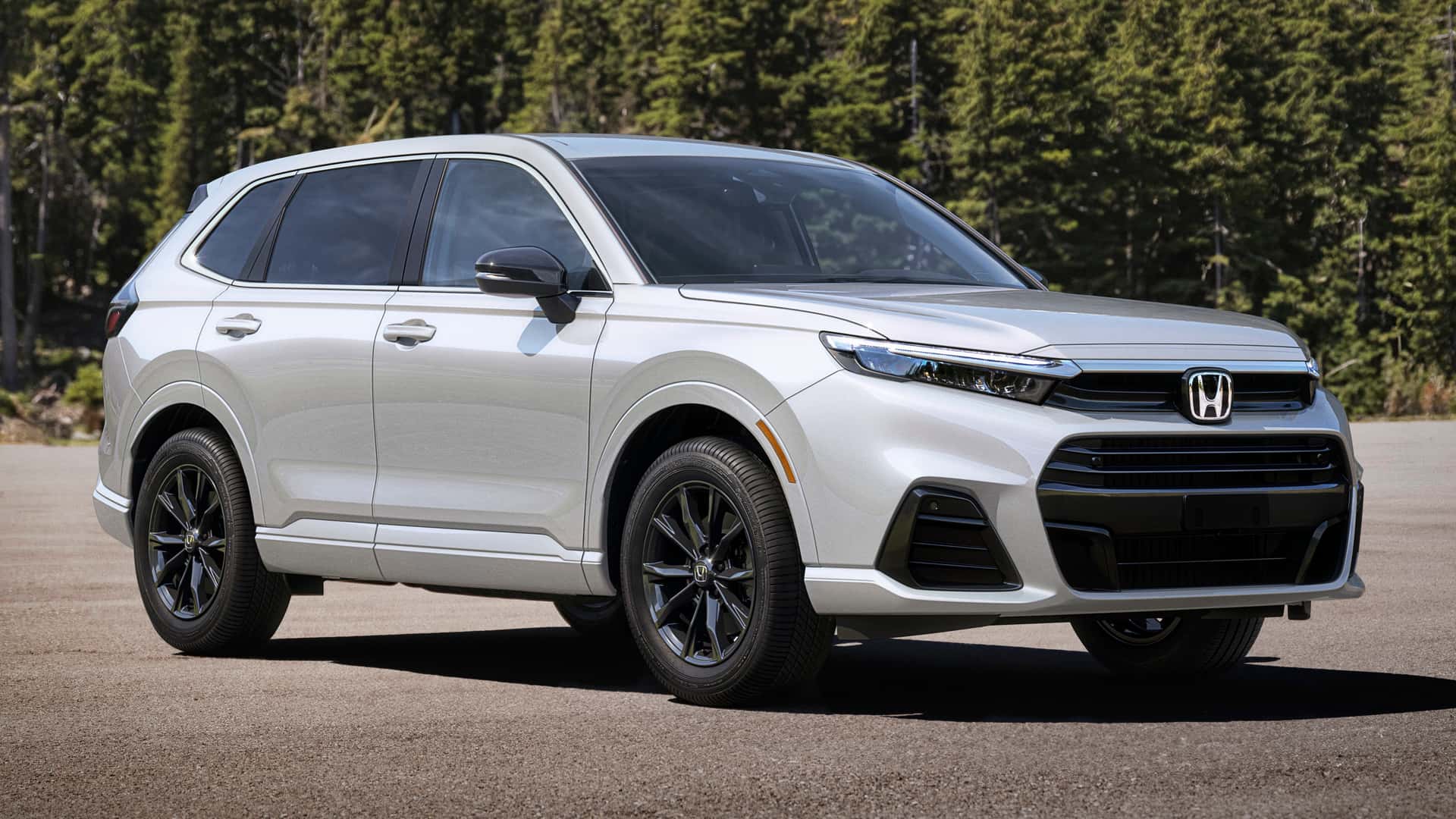
The Honda CR-V is a prime example of Japanese reliability in the SUV segment. Introduced in the mid-1990s, the CR-V quickly became one of the most trusted compact SUVs in the U.S.
Its durable four-cylinder engine, practical interior, and straightforward mechanics contribute to its long-lasting appeal. With fuel efficiency and low maintenance costs, the CR-V continues to attract American families seeking a reliable and versatile vehicle.
The base CR-V LX is powered by a 2.4-liter inline-four producing 184 horsepower and 180 pound-feet of torque. For the first time, the CR-V also offers a turbocharged engine, available on the EX, EX-L, and Touring trims. The turbo 1.5-liter inline-four delivers 190 horsepower and 179 pound-feet of torque. Both engines are available with front- or all-wheel drive.
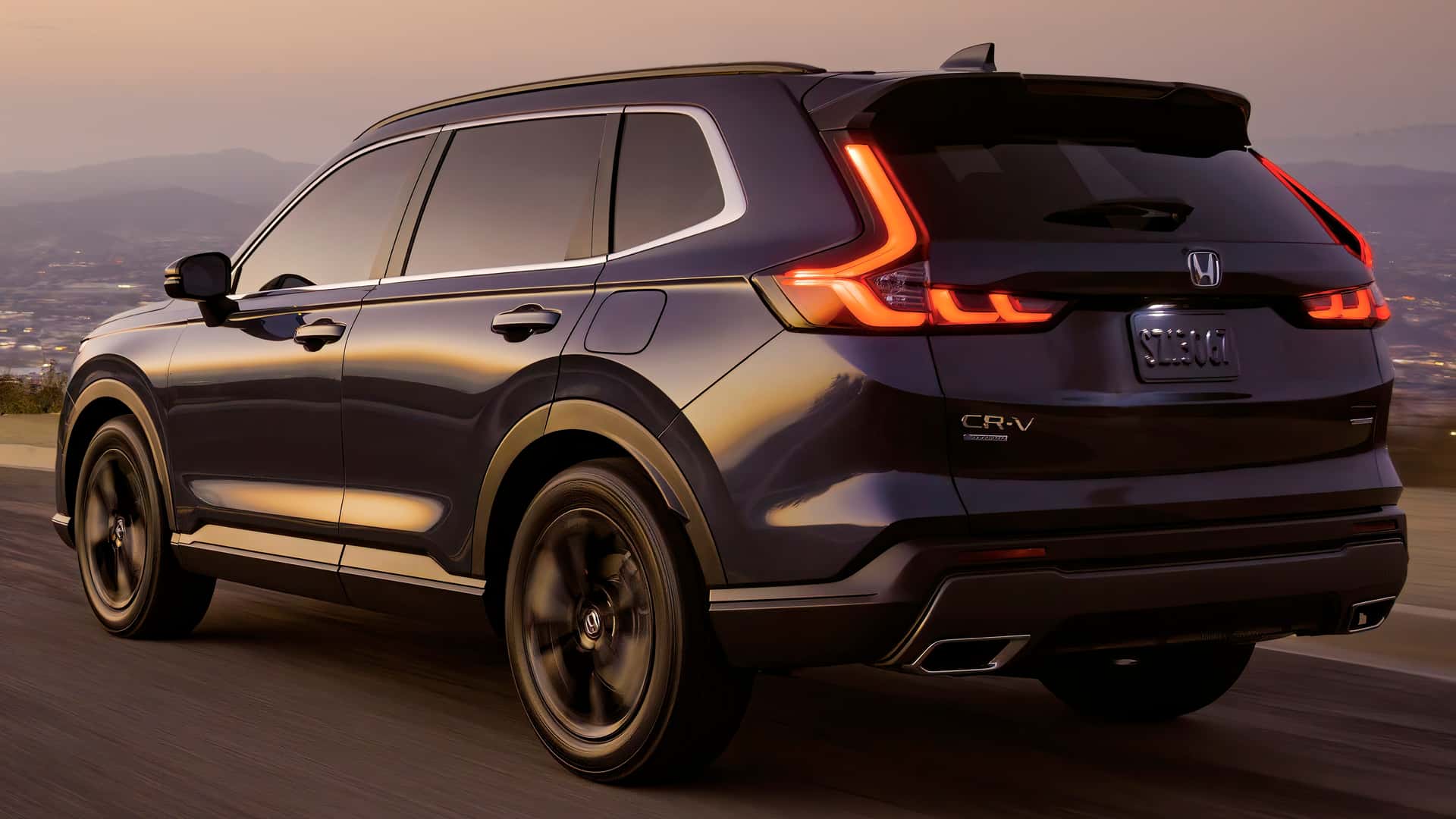
During our time behind the wheel, we had no complaints about the 1.5-liter engine’s performance. We particularly appreciated how responsive it was at low speeds, making it easy to maneuver through traffic.
The CR-V’s composed and compliant suspension ensures comfortable commutes, whether long or short. What makes the CR-V such a well-rounded SUV is that it manages to provide a smooth ride for passengers while rewarding drivers with a dynamic chassis and precise, sharp steering.
8. Toyota Prius
The Toyota Prius revolutionized hybrid technology while maintaining Toyota’s legendary reliability. Its hybrid drivetrain has proven remarkably durable, with many U.S. owners surpassing 200,000 miles without major issues.
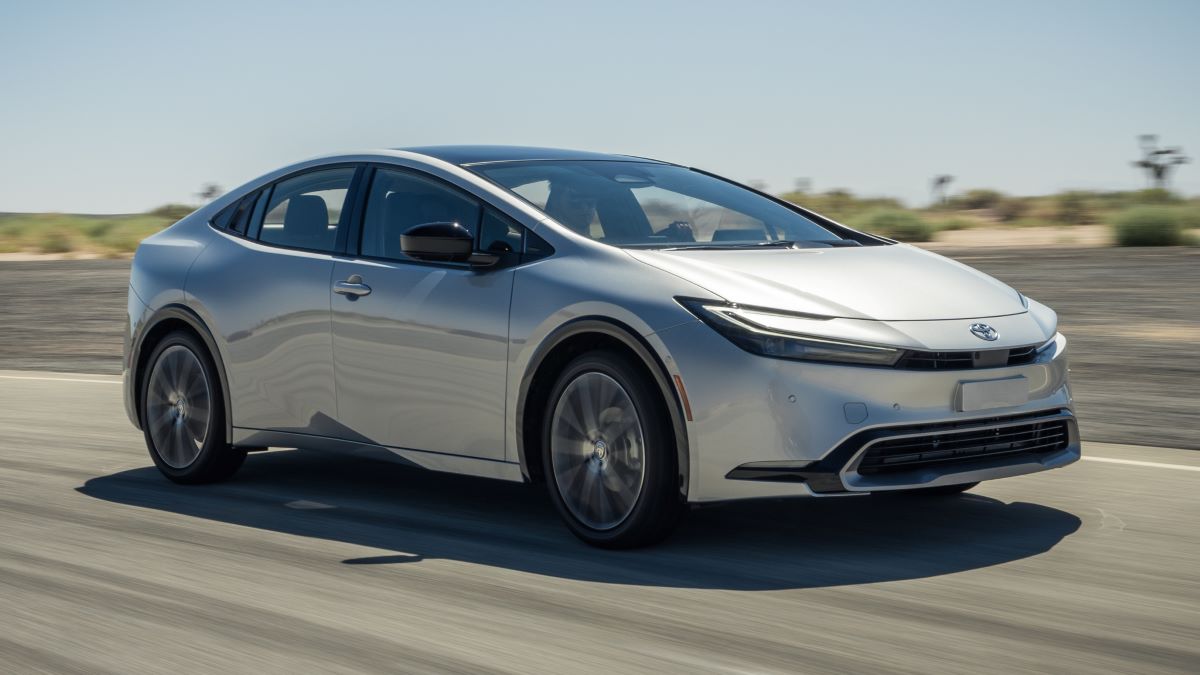
Early Prius models were criticized for their unconventional styling, but reliability quickly overshadowed any design concerns. Today, the Prius remains a popular choice for Americans seeking a dependable, fuel-efficient, and eco-friendly car.
All-new for the 2016 model year, the 2017 Toyota Prius continues with a full suite of active safety technologies as standard equipment on every trim.
As Toyota’s flagship for fuel efficiency and the brand’s original hybrid, the Prius stands out as a specialty vehicle. It is related to the larger Prius V, smaller Prius C, and the upcoming Prius Prime plug-in hybrid.
Introduced in 2016, the 2017 Prius carries over the same hybrid powertrain. All standard Prius models (excluding the V, C, and Prime variants) are powered by a 1.8-liter inline-four generating 95 horsepower and 105 pound-feet of torque, paired with two electric motors producing 71 horsepower and 120 pound-feet of torque combined.
Because the gasoline and electric motors continuously share the workload, total system output reaches 121 horsepower. Power is delivered to the front wheels via a CVT.
The base Prius Two trim uses a nickel-metal hydride battery, while all other trims employ a new lithium-ion battery that is lighter and stores more energy. Most 2016 Prius trims achieve an EPA-estimated 54/50 mpg city/highway.
All 2017 Priuses come standard with the “Toyota Safety Sense P” package of active safety features, helping the car earn a Superior rating for front crash prevention from the IIHS, the top possible rating. In both low-speed and high-speed automatic braking tests, the Prius’ system prevented collisions entirely.
In new Prius, we described the difference in driving experience between the new and previous models as “night and day.” The independent rear suspension earned high marks for improving both handling and ride quality.
In a recent comparison test against the Chevrolet Volt, the Prius scored high for its superior real-world fuel economy, more spacious interior, and nimbler handling. On the downside, it was criticized for a louder cabin, slightly stiffer ride, and an unpredictable brake pedal feel.
9. Subaru Outback
Though not a traditional Japanese manufacturer in the sense of Toyota or Honda, Subaru has carved its own niche for reliability, particularly in all-wheel-drive vehicles.

The Outback combines rugged capability with practicality, making it ideal for U.S. buyers in regions with challenging weather conditions.
Its boxer engine and symmetrical all-wheel-drive system are engineered to endure long-term use, contributing to its reputation as a dependable crossover.
10. Mazda MX-5 Miata
The Mazda MX-5 Miata demonstrates that reliability isn’t limited to sedans and SUVs it can extend to sports cars as well.
The Miata is lauded for its lightweight design, balanced handling, and long-lasting engines. U.S. drivers love the Miata for delivering a fun driving experience without compromising on durability.
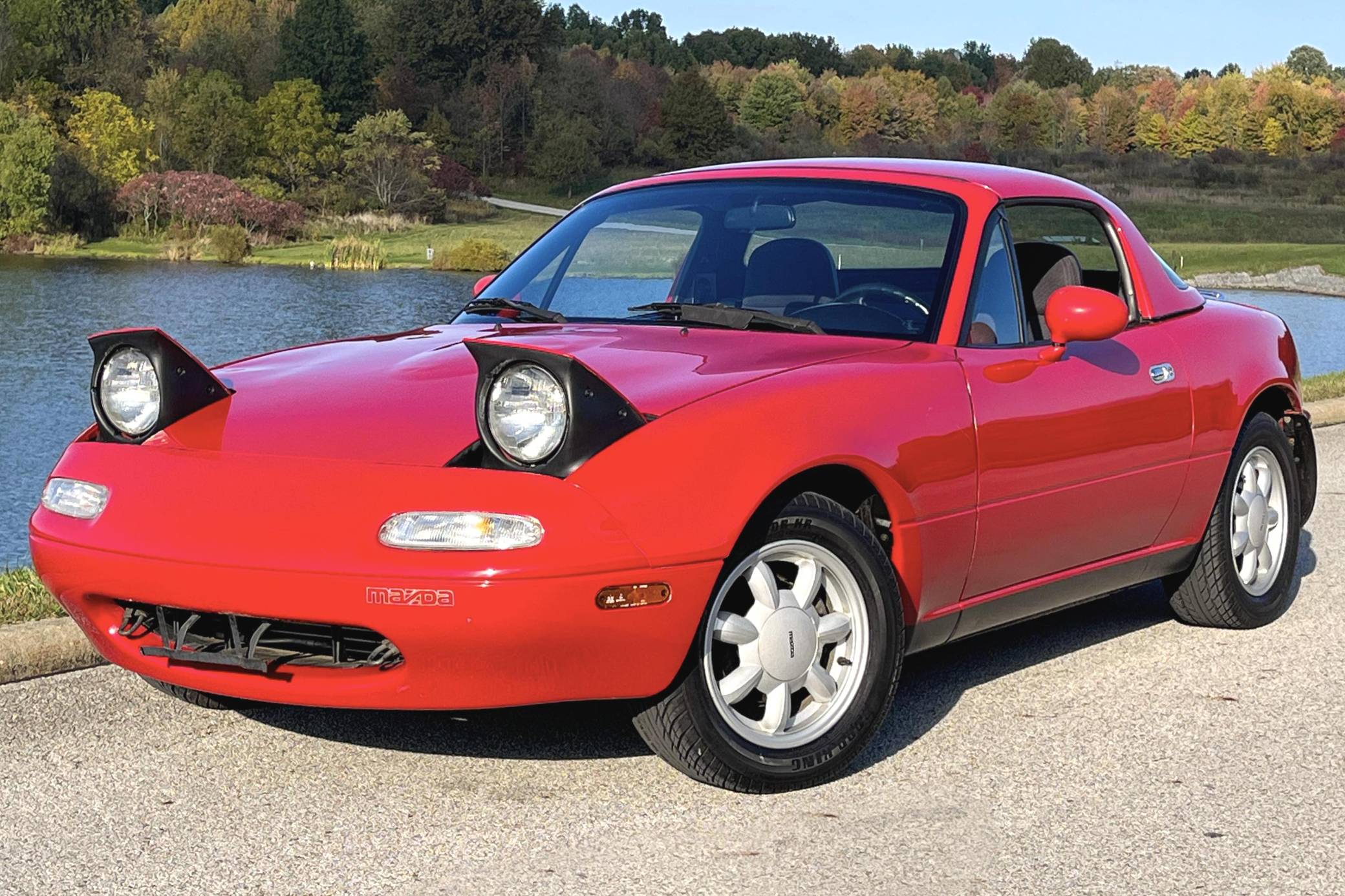
Regular maintenance and careful use can result in Miatas that continue performing beautifully well beyond 200,000 miles, making it a rare sports car that reliably stands the test of time.
Since its debut in 1989, the MX-5 Miata has become one of the world’s most popular sports cars. This compact two-seat convertible prioritizes pure driving enjoyment, sacrificing practicality and luxury features to deliver a focused, engaging experience.
While many sports cars chase bigger engines, more grip, and faster top speeds, the Miata simply smiles and lets its top down. It may not boast numbers that inspire bragging rights, but it remains one of the greatest driver-focused cars of all time.
The Miata proves that fun doesn’t depend on massive horsepower or Autobahn-level velocity. Its back-to-basics approach delivers a near-unfiltered connection between driver and car.
From precise steering to a rev-happy engine and crisp brakes, every input at the wheel or pedals produces an immediate, satisfying response. The manual shifter is especially delightful, making gear changes a joy.
Sure, it’s tempting to pick a sports car for its insane power, ear-shattering exhaust note, or record-setting lap times. The Miata has none of that, but it excels at delivering a joyous, exuberant experience on any road.
The Miata is powered exclusively by a 2.0-liter inline-four engine producing 181 hp and 151 lb-ft of torque. Power is sent to the rear wheels through a six-speed manual transmission—the transmission most enthusiasts will want. While a six-speed automatic is available, it’s not the ideal choice.
In MotorTrend testing, a 2019 Miata Club manual accelerated from 0–60 mph in 5.7 seconds, while a stick-shift RF Grand Touring model did the same in 5.8 seconds. EPA-rated fuel economy is 26/34 mpg city/highway for manual models and 26/35 mpg with the automatic.
The standard soft top folds back manually in seconds, likely making it the fastest-folding convertible roof available. The Miata RF, a retractable fastback, features a power-operated targa roof that folds in 12.5 seconds without affecting trunk space, though it adds about 100 pounds.
Every Miata comes with dual front and side airbags, front automatic emergency braking, lane departure warning, blind-spot monitoring, and rear cross-traffic alert. Grand Touring trims add traffic sign recognition and curve-adaptive headlights with automatic high beams.
Every Miata is excellent, but the soft-top Club trim with the Brembo BBS Recaro package is arguably the ultimate configuration. Its slightly lighter weight, Bilstein dampers, front shock tower brace, limited-slip differential, red Brembo brake calipers, BBS multi-spoke wheels, and bolstered Recaro seats make it the peak Miata experience.
11. Acura MDX
Acura, Honda’s luxury division, has also contributed to Japan’s reputation for reliability. The MDX, a midsize luxury SUV, combines Honda’s engineering reliability with premium comfort and technology.
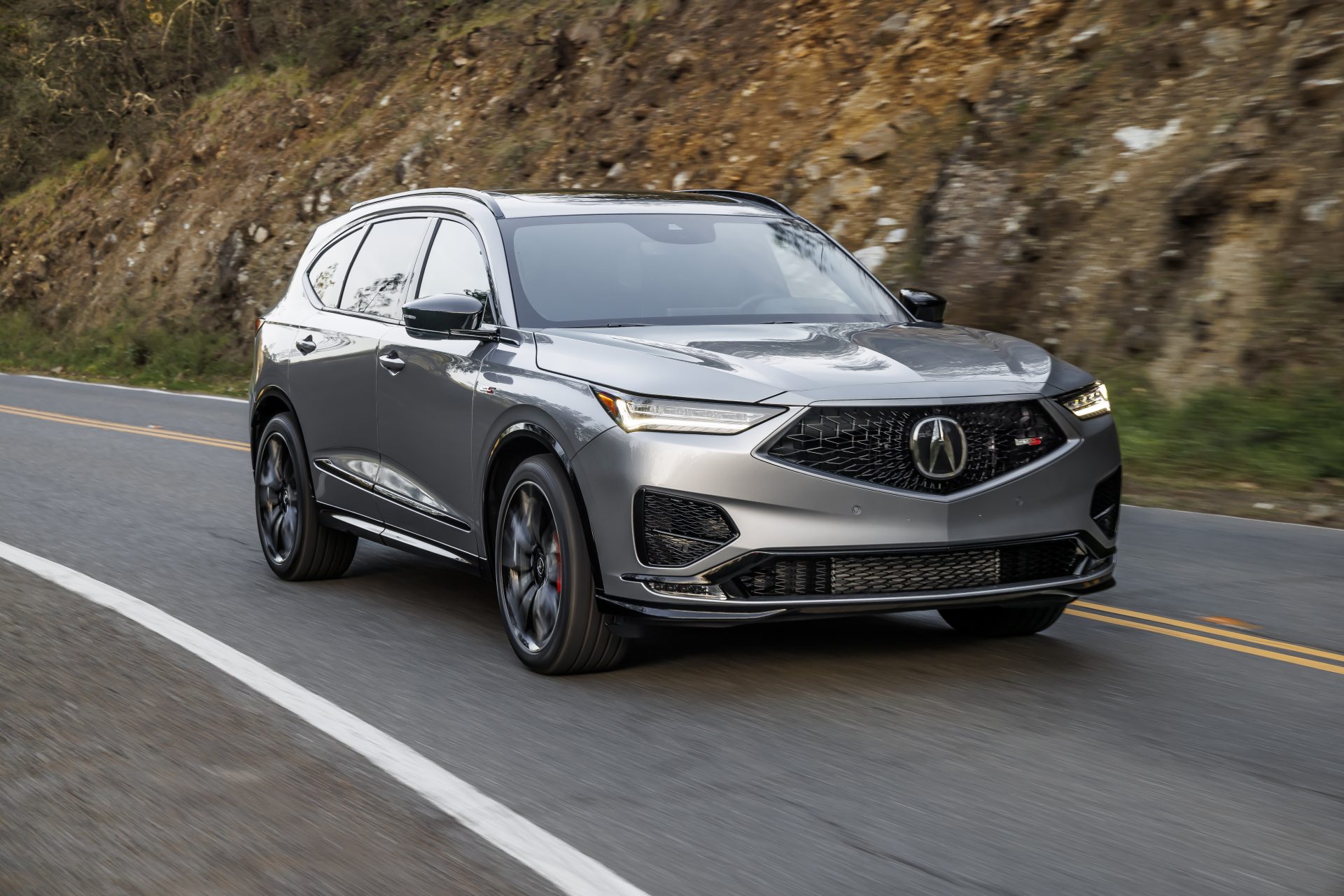
Its V6 engine and all-wheel-drive system are particularly robust, offering American families a dependable vehicle that handles both daily commuting and long road trips with ease.
Older MDX models continue to showcase Acura’s ability to produce luxury vehicles that withstand the rigors of time.
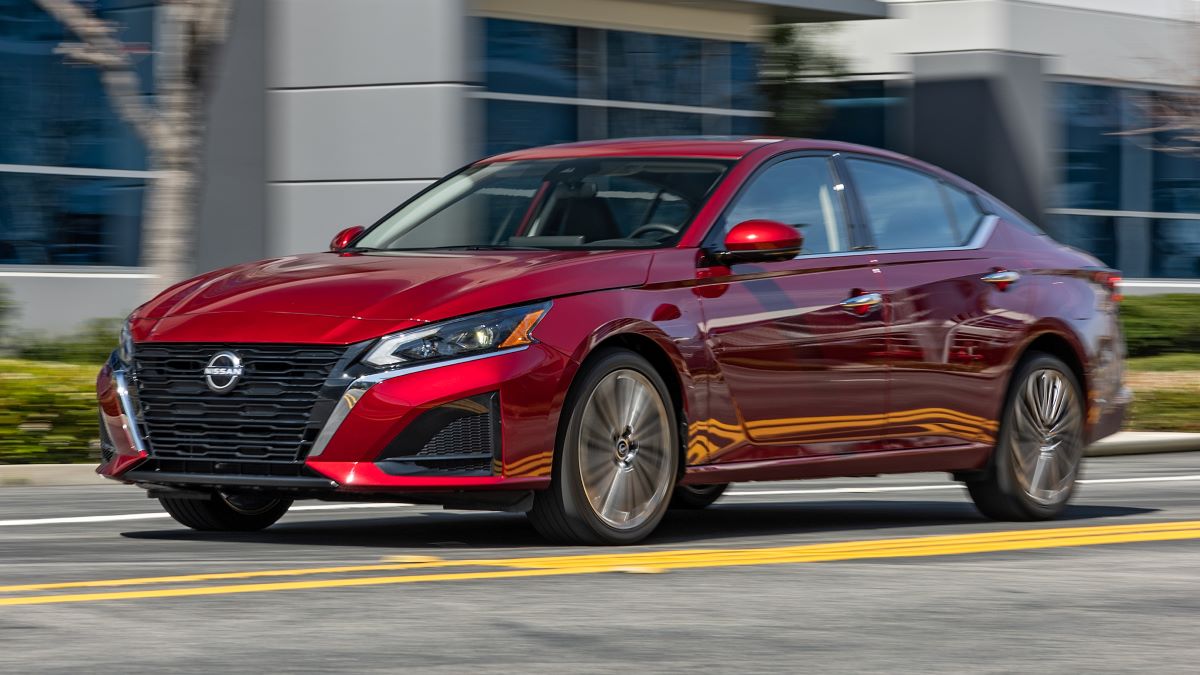
12. Nissan Altima
The Nissan Altima rounds out our list as a reliable, mid-range sedan choice in the U.S. market. Modern Altimas benefit from efficient engines, solid transmission systems, and a reputation for consistent performance.
While some older models faced transmission issues, later generations have proven remarkably durable, especially when maintained properly.
With a comfortable ride, decent fuel efficiency, and a strong resale value, the Altima remains a smart choice for reliability-minded drivers.
The legacy of Japanese car reliability is more than a marketing slogan it’s a measurable reality that American drivers continue to experience every day.
Vehicles like the Toyota Camry, Honda Accord, and Lexus LS have set high standards that competitors struggle to match.
Whether you’re commuting across the city, embarking on a cross-country road trip, or seeking an adventure-ready SUV, Japanese automakers consistently offer vehicles that combine quality, durability, and long-term value.
These 12 models are not just examples of reliable cars; they are benchmarks that have shaped the expectations of drivers in the United States and beyond.
