
Commuting in places like Lodi, California a growing city in the Central Valley with a mix of suburban roads, agricultural backdrops, and access to major highways demands cars that are reliable, efficient, and comfortable.
Whether you’re heading to the office in Sacramento, managing errands around town, or taking weekend drives through wine country, picking the right commuter car makes daily life smoother and more cost‑effective.
At the same time, many drivers simply want affordable daily drivers that excel in value, fuel economy, and low ownership costs without breaking the bank.
Below are ten cars five ideal for Lodi commuting and five excellent choices as affordable daily drivers that blend practicality with real‑world appeal for U.S. drivers.
Top 5 Cars for Lodi Commuting
Commuting in Lodi comes with its own unique set of challenges, traffic, varying weather, and the need for reliability without breaking the bank. Whether you’re navigating city streets, cruising the highways, or looking for a car that’s both efficient and comfortable, choosing the right vehicle can make a world of difference.
From fuel-sipping hybrids to sporty compact rides, we’ve rounded up the top five cars that balance performance, practicality, and everyday enjoyment for Lodi commuters. These aren’t just cars, they’re dependable partners that will make your daily drive smoother, smarter, and even a little more fun.
1. Toyota Prius
The Toyota Prius remains the gold standard for commuters prioritizing fuel economy. With its hybrid powertrain, most Prius models consistently achieve over 50 MPG combined, which dramatically cuts fuel costs for daily commuters. But it’s not just about efficiency.
The Prius offers a comfortable cabin, smooth ride quality, and a suite of standard safety features like automatic emergency braking and lane‑keeping assist features that make highway travel and city driving less stressful.
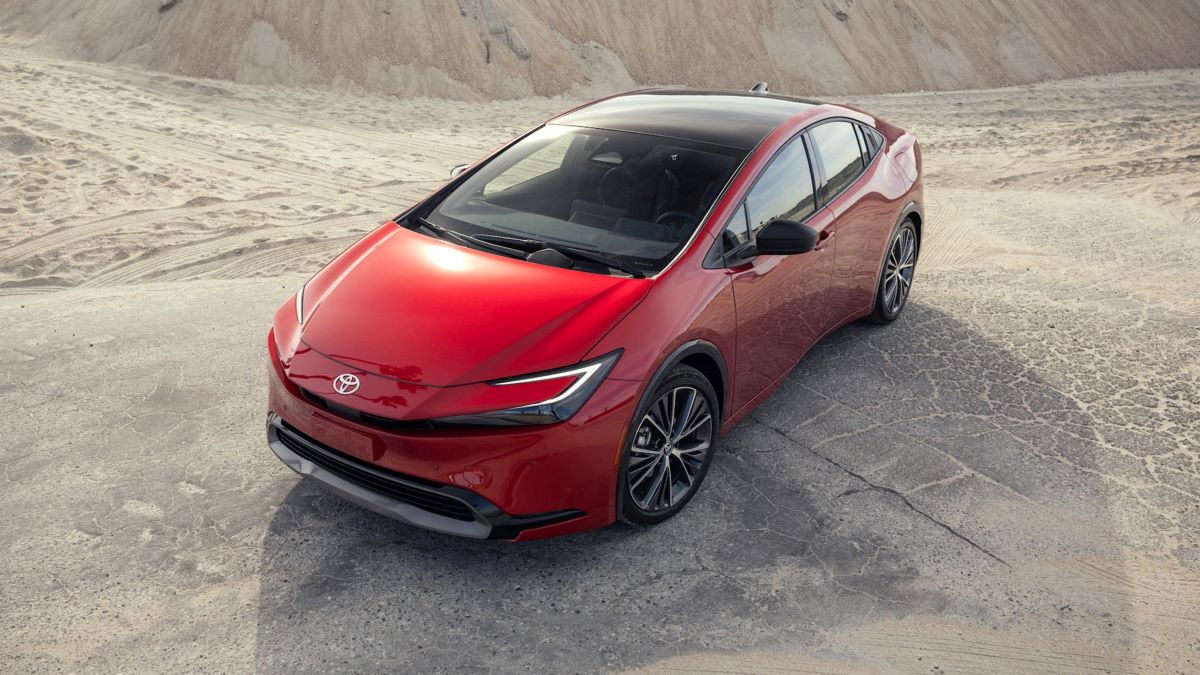
Its hatchback design also adds practicality, letting commuters carry gear, groceries, or sports equipment without needing an SUV.
For those concerned about long‑term ownership costs, Prius hybrids have a strong reliability record and solid resale value, two key considerations for Lodi residents who plan to keep a car for many years.
2. Honda Accord Hybrid
For drivers who want commuter efficiency with a more engaging drive experience, the Honda Accord Hybrid strikes an excellent balance.
Unlike some commuter‑focused cars that feel ponderous, the Accord Hybrid pairs its fuel‑saving technology with a responsive engine and composed handling.
The spacious interior and supportive seats make long drives for example, the 70‑mile roundtrip commute to Sacramento more comfortable.
In addition, Honda’s reputation for durability and relatively affordable maintenance are big pluses for daily commuters.
With modern tech such as Apple CarPlay, Android Auto, and driver assistance systems, the Accord Hybrid brings both comfort and convenience to everyday travel.
The Honda Accord has been a standout since it first arrived as the brand’s first upscale vehicle in 1976. It made history again in 1982 as the first Japanese car built in America. Over the next eleven generations, it continued to impress, and now, in its forty-ninth year of production, it remains, surprisingly, still a great car.
For 2025, the Accord received only minor updates, though it didn’t really need any. The hybrid model continues to offer some of the smoothest driving dynamics and best efficiency in its price range.
It looks sharp, is easy to drive, delivers excellent fuel economy, and provides a comfortable ride. While the competition is strong enough to warrant comparison shopping, the Accord still makes a compelling case as a top choice.
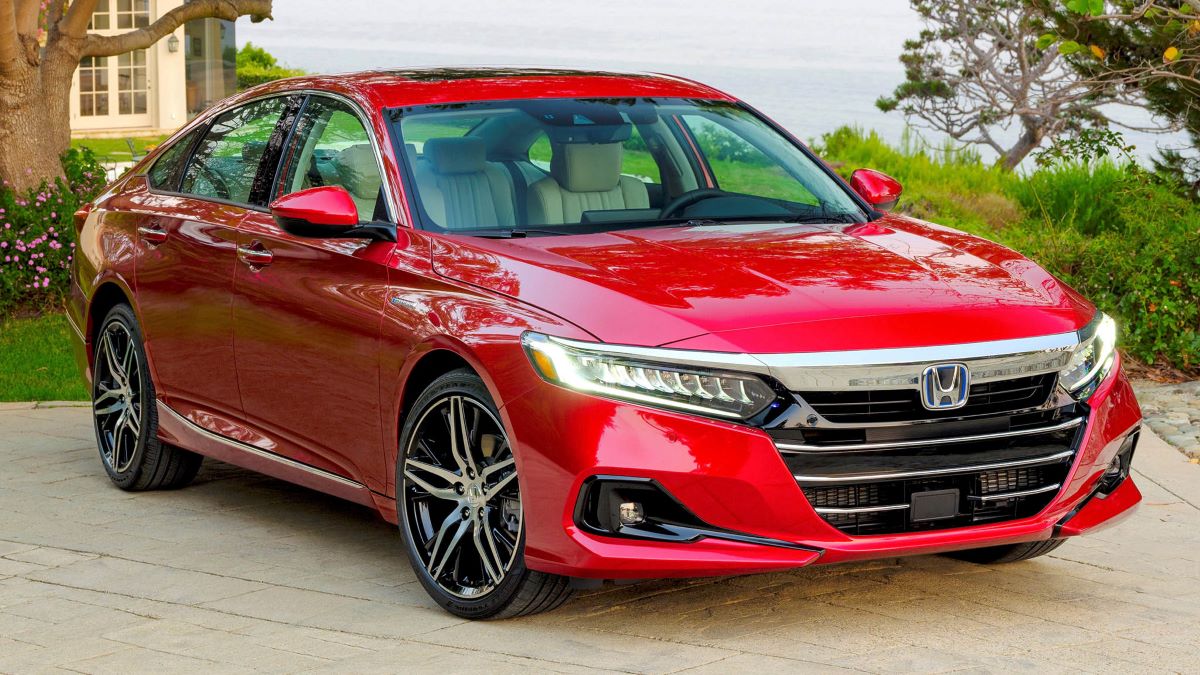
Mechanically, the Accord Hybrid carries over unchanged for 2025. It retains the same impressive series/parallel hybrid system introduced in 2023, which pairs a 2.0-liter Atkinson-cycle four-cylinder engine with two electric motors—a generator and a traction motor.
Notably, Honda’s hybrid system does away with a traditional transmission. At low speeds, the gas engine and generator charge the battery while the electric motor drives the front wheels. At highway speeds, the gas engine can directly power the front wheels via a direct drive system.
This innovative engineering delivers tangible benefits. First, the Accord Hybrid is extremely efficient: the Touring trim is rated at 44 mpg combined, while the smaller-wheeled EX-L reaches 48 mpg combined.
Second, it’s one of the smoothest hybrids on the market. The ride is serene, and Honda’s precise hybrid tuning ensures both the gas and brake pedals feel predictable and natural, a quality that’s rare among competitors.
EV-only mode engages with a single button press, and drive modes are selected via a centrally located switch. For drivers who want a modern car without having to spend a weekend studying a manual, the Accord makes life simple.
Front seats are supportive for long drives, and even at a leggy 6-foot-1, there’s plenty of space to stretch out. Rear passengers also enjoy ample room, and 2025 adds dedicated rear A/C vents. The trunk offers a generous 16.7 cubic feet of space, easily handling two weeks’ worth of groceries from Winco.
The ride balances comfort and firmness, more stiff than floaty, particularly in sharp turns. Steering feel is adequate, though not especially communicative. Combined with the hybrid drivetrain’s tendency to moderate power delivery in corners, the Accord leans toward a restrained driving character rather than a lively one.
3. Hyundai Elantra N Line
Commuters who want something a bit sportier but still economical should consider the Hyundai Elantra N Line. While traditional commuter vehicles prioritize comfort and efficiency, the Elantra N Line blends peppy performance with everyday usability.
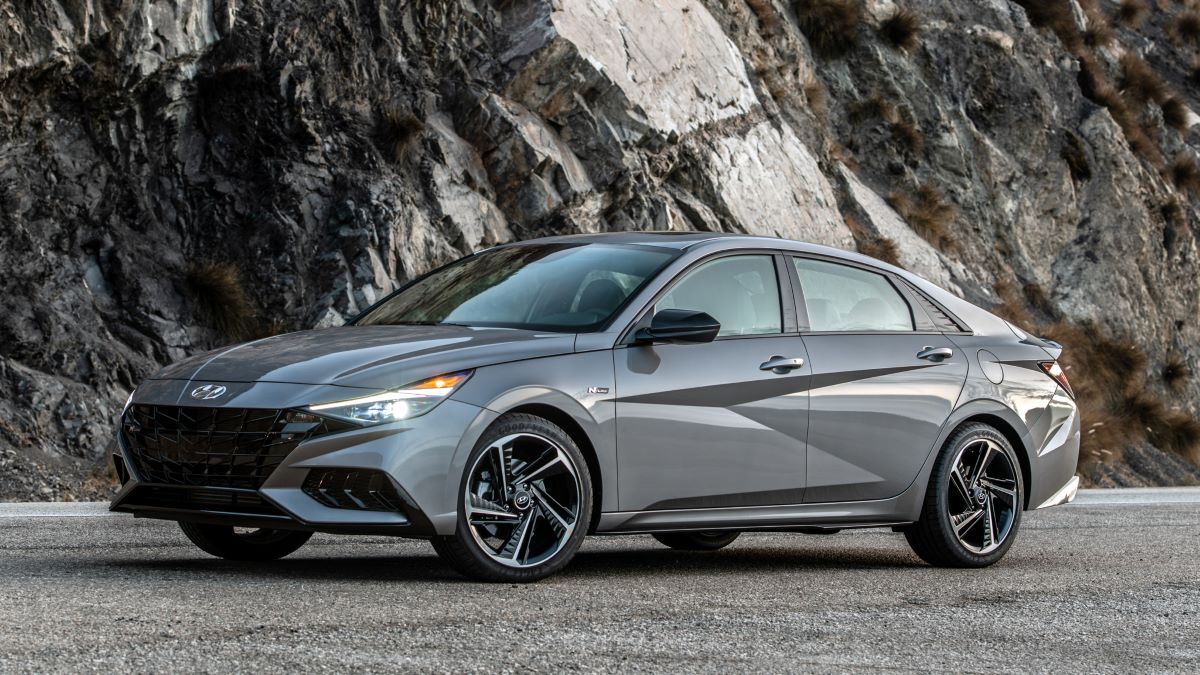
Its turbocharged engine delivers quick acceleration for merging on highways or navigating city traffic, without a significant penalty at the gas pump.
Inside, the Elantra offers a modern, tech‑forward cabin with driver‑assistance features, intuitive infotainment, and a comfortable layout ideal for daily use. It’s a car that proves commuting doesn’t have to be dull.
Also Read: Top 12 JDM Bargains You Can Still Buy for Under $10,000
4. Subaru Crosstrek
The Subaru Crosstrek is an outstanding pick for commuters who value versatility. While Lodi itself doesn’t demand off‑road capability, many residents enjoy quick drives to the Sierra foothills or weekend camping trips.
The Crosstrek’s standard all‑wheel drive enhances grip in wet or variable road conditions useful during Central Valley winters and its elevated ride height offers confidence over rough surfaces.
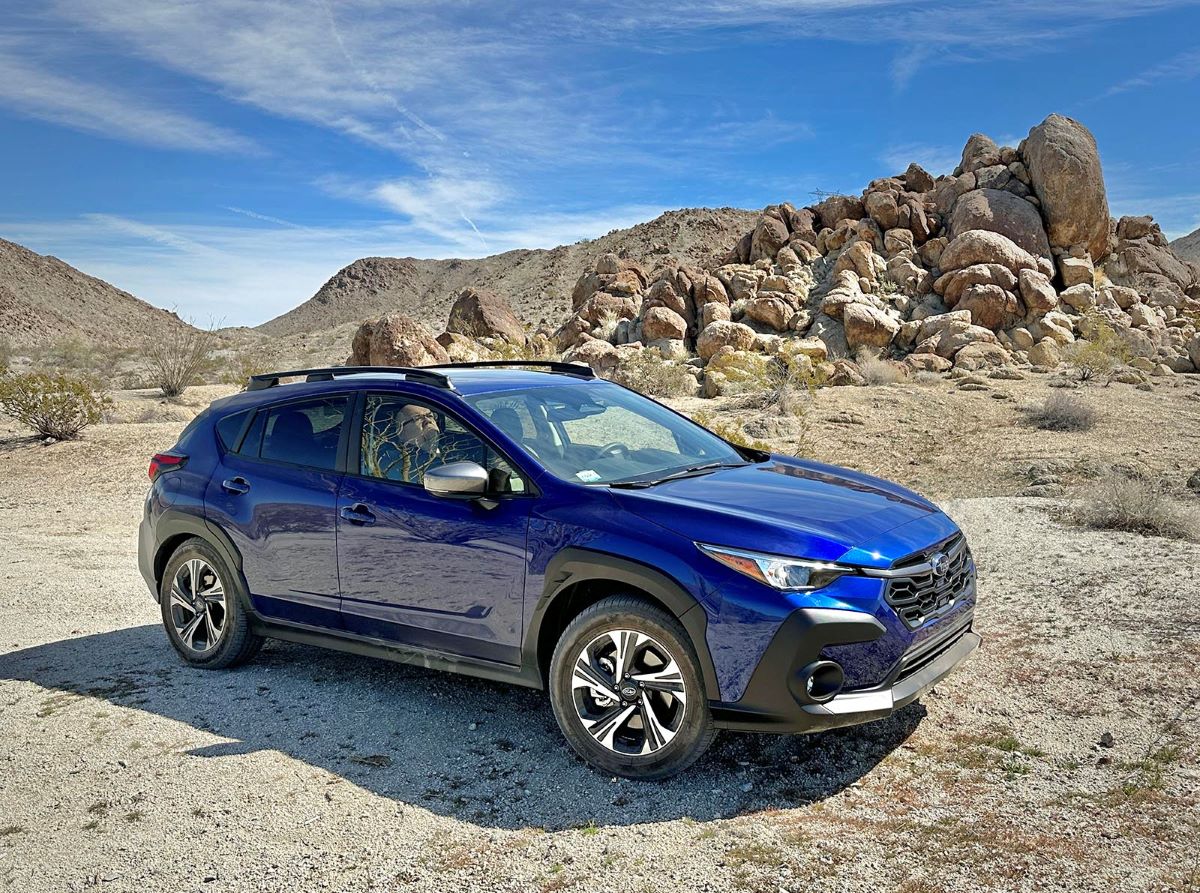
Fuel economy is reasonable for a small crossover, and Subaru’s reputation for longevity gives peace of mind to those who rack up miles regularly.
Add comfortable seating and a functional cargo area, and the Crosstrek becomes a commuter that easily transitions into a lifestyle vehicle.
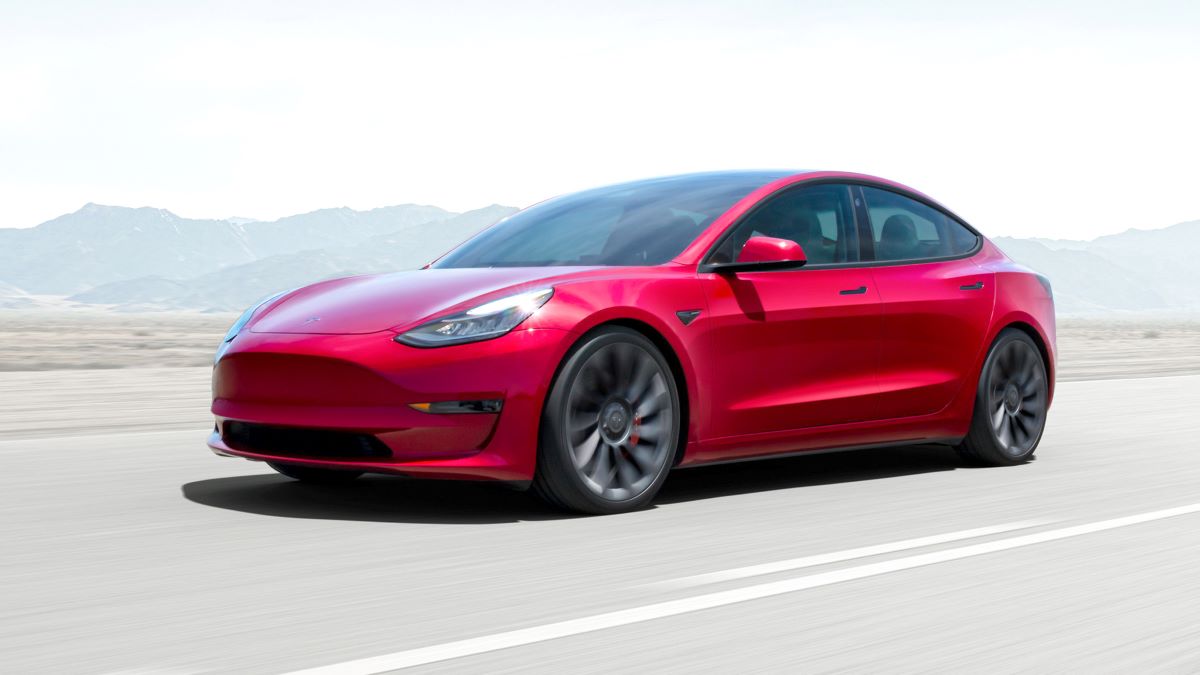
5. Tesla Model 3
As electric vehicles (EVs) become more mainstream, the Tesla Model 3 stands out as a compelling choice for Lodi commuters.
Range typically between 250‑350+ miles depending on the variant is enough for multiple days of commuting without charging, and the extensive Tesla Supercharger network makes longer weekend trips feasible.
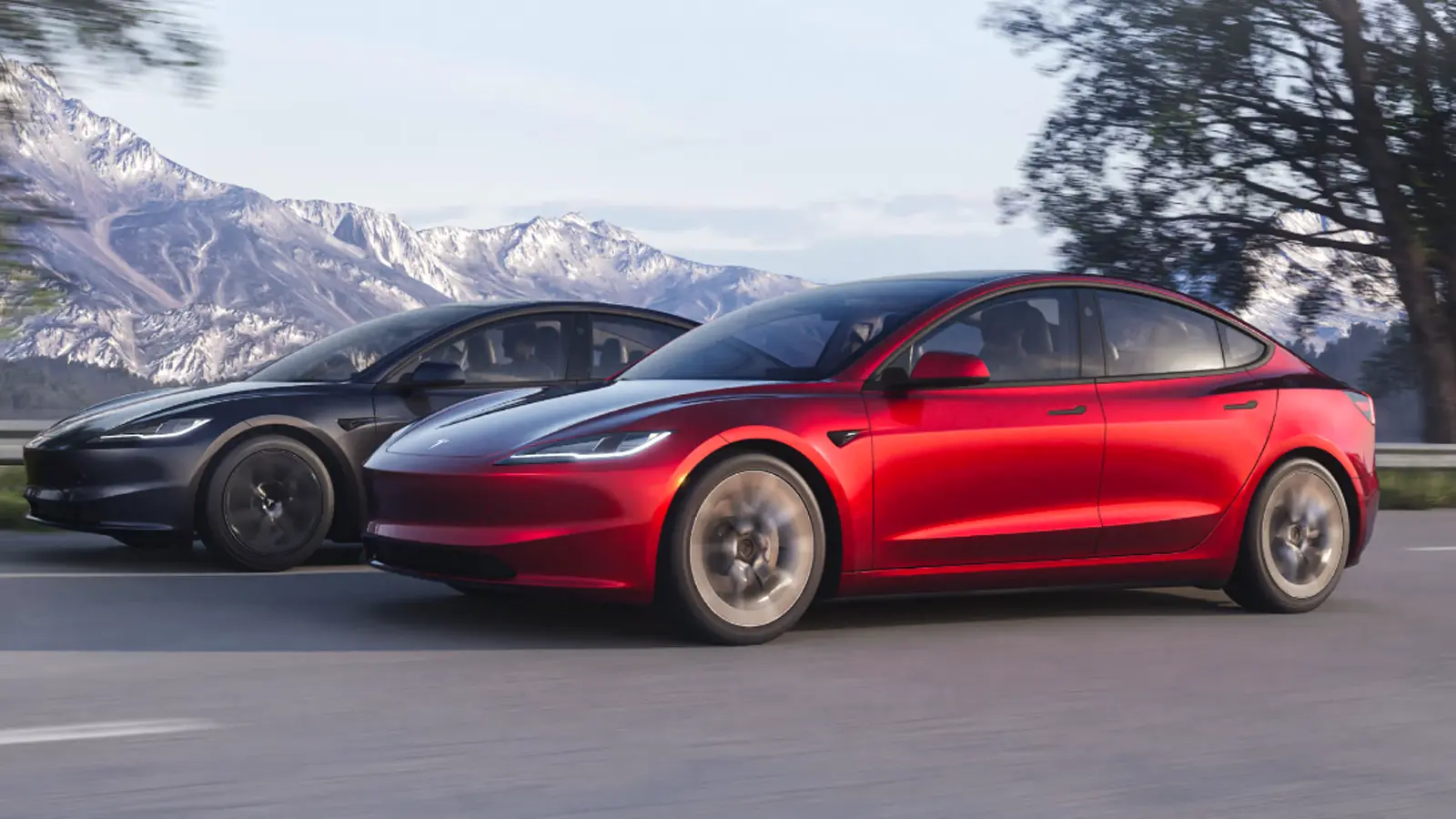
EVs excel in stop‑and‑go traffic thanks to instant torque and smooth power delivery, and drivers save significantly on fuel costs over time.
Federal and state incentives in California may further reduce the effective purchase price for eligible buyers.
With advanced tech features, low maintenance needs (no oil changes, fewer moving parts), and strong safety ratings, the Model 3 is a future‑focused commuter choice.
The Tesla Model 3 thrills with the poise of a sports sedan and the refinement of a luxury EV. Curves in the road are no match for its sharp handling and low, planted stance, with only a hint of body roll.
The Performance trim’s adaptive suspension sharpens its handling, while standard regenerative braking enables one-pedal driving. That said, stopping fully from high speeds takes longer than in some rivals.
The Model 3’s dual-motor powertrain setup delivers strength for both everyday use and performance-focused driving. With 295 horsepower, the Long Range trim dashes from zero to 60 mph in a brisk 4.9 seconds, and it drops to 4.2 seconds in models with all-wheel drive.
For true speed enthusiasts, the 510-horsepower Model 3 Performance launches to 60 mph in just 2.9 seconds and features Track Mode for enhanced control.
Top 5 Affordable Daily Drivers
Finding the right daily driver doesn’t have to be a headache, or a budget buster. Whether your commute is packed with stop‑and‑go traffic, weekend errands, or a mix of city and highway miles, the right car can make every day feel easier.
In this guide, we’re looking at the Top 5 Affordable Daily Drivers that deliver smart fuel economy, solid reliability, and comfortable rides without stripping your wallet. No gimmicks, no over‑hyped performance stats, just practical picks that make sense for real‑world driving.
1. Chevrolet Spark
At the bottom of many price lists, the Chevrolet Spark is one of the most budget‑friendly new cars sold in the U.S.
Its compact size makes parking in crowded urban areas a breeze, and while its small engine won’t win any races, it offers decent fuel economy for daily errands.
The Spark is simple and straightforward, which appeals to drivers prioritizing lower purchase price and low cost of ownership.
For young drivers, commuters with short daily routes, or anyone who values simplicity, the Spark delivers basic transportation at a compelling price point.
The 2022 Chevrolet Spark is a decidedly mediocre used car. At just 143 inches long, it’s one of the smallest vehicles on the market. That compact size makes it easy to squeeze into tight parking spaces and navigate congested urban streets. Highway driving, however, is a different story, the 98-horsepower four-cylinder engine struggles to keep up, making acceleration feel laborious.
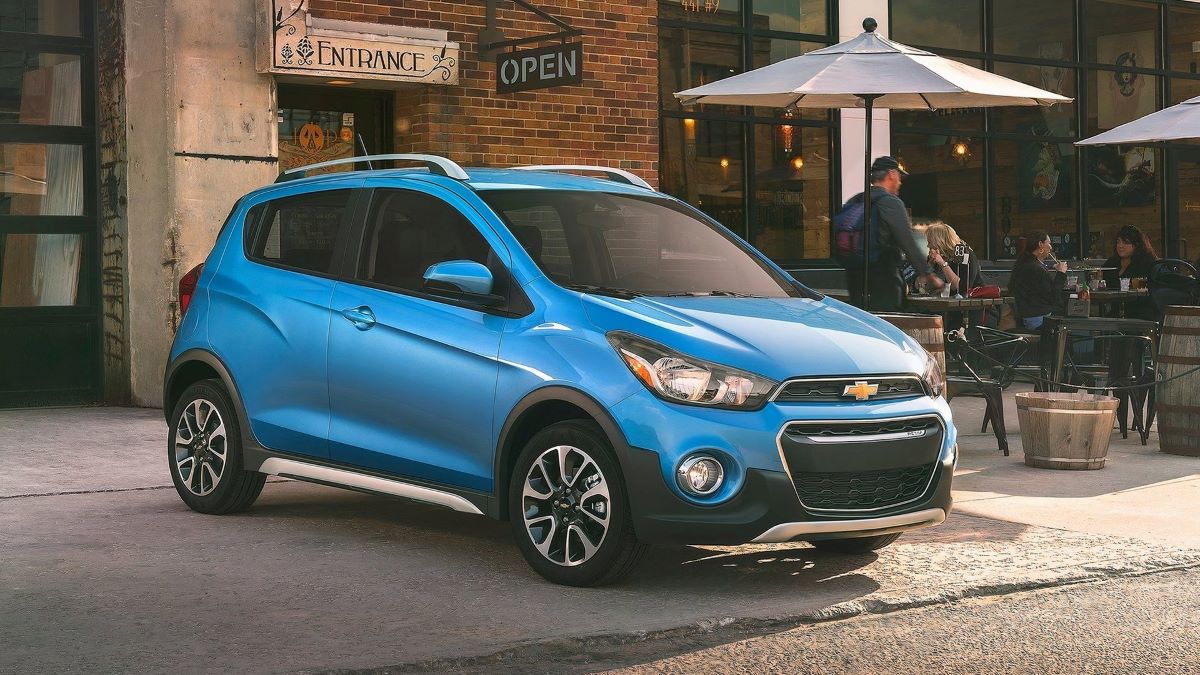
Inside, the Spark’s cabin is cramped and dominated by hard, cheap-looking plastics. Its feature list is minimal, with active safety technologies reserved for the top-end model and still fairly limited.
On the plus side, the Spark’s touchscreen infotainment system is intuitive and easy to use. Additionally, its projected five-year ownership costs for 2022 fall below average for the subcompact segment.
By comparison, the Nissan Versa sedan is nearly three feet longer than the Spark, yet it remains compact and nimble enough to function well as a city car. It also provides a more comfortable interior and a superior standard features package.
For buyers for whom extremely small dimensions are essential, the Mitsubishi Mirage is another alternative. It delivers slightly better fuel economy and lower projected ownership costs than the Spark, but in most other ways, the Spark still struggles to impress.
Also Read: Top 10 Cruiser Motorcycles You Can Buy for Under $20,000
2. Nissan Versa
The Nissan Versa is one of the few subcompact cars in the U.S. that still offers a spacious interior and respectable standard tech at an affordable price.
Compared to ultra‑cheap offerings, the Versa feels more refined and better equipped, with features like a touchscreen display, smartphone integration, and driver‑assistance options often included even at lower trims.
It’s an excellent choice for someone who needs a reliable daily driver without luxury‑level pricing. The fuel economy is competitive, and its smooth ride makes it comfortable for commuting or running errands around town.
Long known for its affordable pricing and its “you-get-what-you-pay-for” fit and finish, the Nissan Versa has evolved. Offered only as a sedan, it is a stylish, practical, fuel-efficient, and tech-rich commuter that won’t break the bank, with prices starting just under $16,000.
Redesigned last year, the Versa carries over unchanged for 2021. If you miss the Versa Note hatchback, the Nissan Kicks is a good alternative.
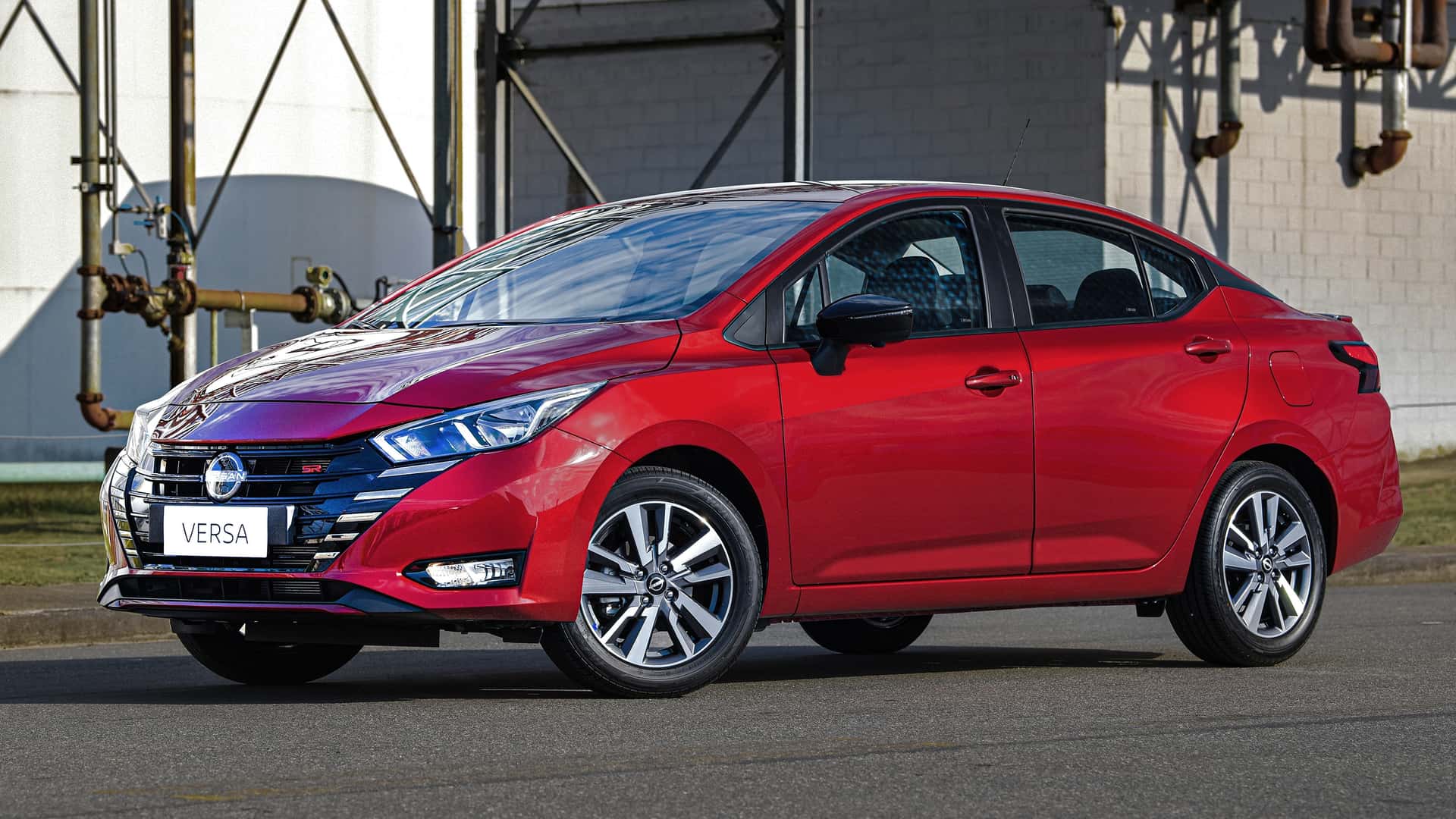
Nissan has successfully transformed the Versa into an economy car you wouldn’t mind being seen in. Its attractive styling and array of modern technology features strengthen its value proposition. Despite lacking a fully independent suspension, the Versa rides well, effectively absorbing road imperfections and harsh impacts.
Don’t expect thrilling acceleration, however, the 122-hp 1.6-liter inline-four barely feels adequate for moving the Versa around, and the lazy CVT doesn’t help. Even with improved body control and steering over the previous generation, it’s clear that the Versa has zero sporting ambitions.
The interior has received significant upgrades. While hard plastics remain, the cabin now looks more stylish, thanks in part to orange accents and contrast stitching.
Both front seats are comfortable, offering good support and bolstering. Rear-seat passengers experience slightly reduced headroom compared with the old model, but the cabin remains adult-friendly and far from cramped.
Inexpensive transportation no longer needs to feel like a penalty box. The Versa demonstrates that a daily driver can be comfortable and equipped with modern multimedia and safety technologies without a steep price tag. Keep expectations realistic, though, it’s a commuter first, not a sporty small car.
The Versa is powered by a 1.6-liter inline-four producing 122 hp and 114 lb-ft of torque. A five-speed manual transmission comes standard on the base S trim, with a CVT automatic available as an option. SV and SR trims are only offered with the CVT.
3. Kia Rio
The Kia Rio continues to shine as an affordable, well‑rounded daily driver. Kia’s quality improvements over the past decade mean even entry‑level models feel solid and thoughtfully designed.
The Rio’s fuel economy is impressive for its class, and the intuitive infotainment system makes everyday use more pleasant.
Unlike some bargain cars that feel barebones, the Rio often includes amenities like rear‑view cameras and Bluetooth connectivity even on lower trims. For first‑time buyers or anyone seeking a no‑fuss, inexpensive car that covers all the basics, the Rio is hard to beat.
Like many small sedans that aren’t SUVs or crossovers, the subcompact sedan is slowly disappearing from the U.S. market. That’s unfortunate because reliable, budget-friendly family cars in this category have a lot to offer.
With an affordable price, efficient powertrain, and available tech that equips it well for carrying passengers safely, the 2023 Kia Rio is an ideal starter car that often flies under the radar. Its standard 1.6-liter inline-four engine produces 120 horsepower and 112 lb-ft of torque, delivering an average of 36 mpg combined.
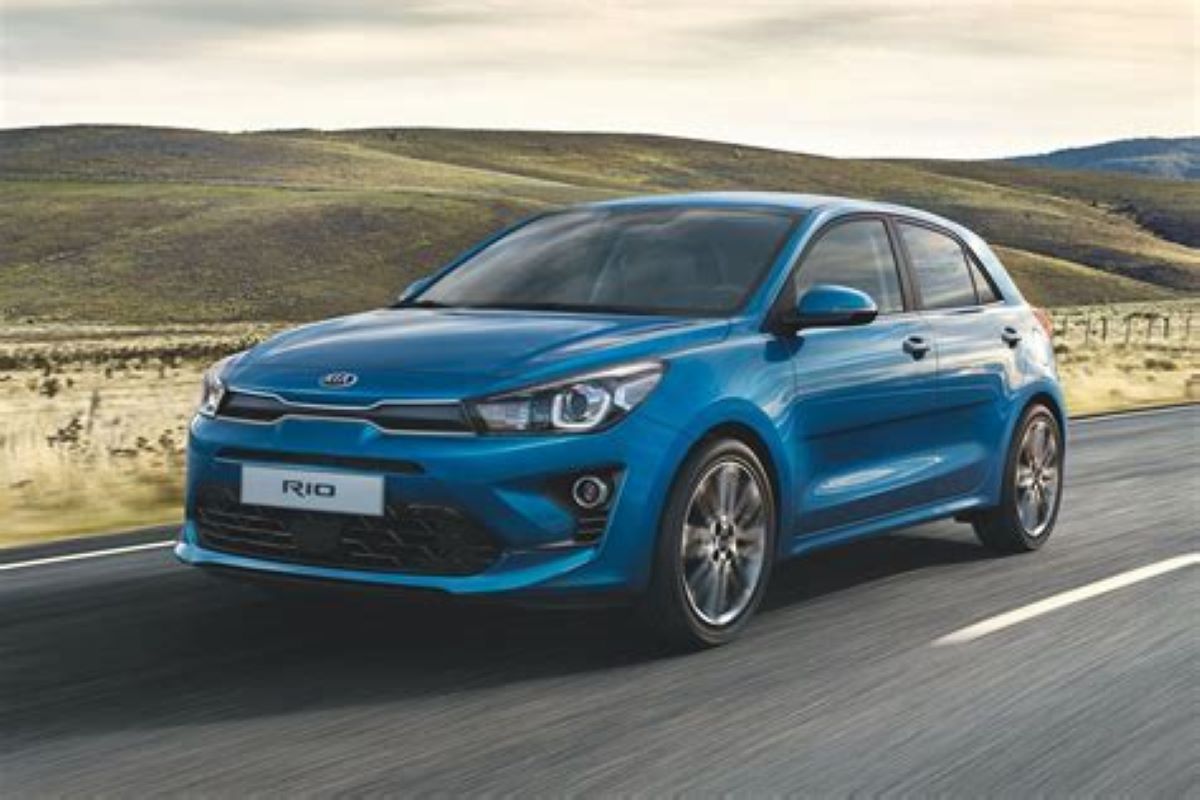
Affordability is the Rio’s defining feature. The base LX trim starts at a modest $16,750, while the top-tier S model is priced at $17,390. With options, a fully equipped Kia Rio can reach just above $20,000. These prices exclude the standard U.S. destination charge of $1,125.
The Kia Rio sedan stands out in a sea of uninspiring budget cars. Many vehicles in this segment are little more than transportation from point A to point B, but the 2023 Rio changes that perception. Steering is a bit numb, and the engine doesn’t offer thrilling performance, yet the Rio handles corners surprisingly well.
Its suspension is well-tuned, smoothing out bumps and absorbing most road imperfections to deliver a comfortable ride. Some may find it slightly firmer than necessary, but drivers who enjoy a slightly more spirited feel will appreciate that it doesn’t wallow. The predictable and solid handling inspires confidence for drivers of all skill levels.
While subcompact cars are often defined by compromises, the Rio has fewer drawbacks than expected. Trunk space is limited, and those prioritizing cargo may prefer the hatchback version, reviewed separately.
Rear seats are somewhat cramped, though this is common in the segment. Kia has produced a stylish, well-built vehicle with strong reliability prospects and a pleasant driving experience. Opting for the higher-spec S model with the Technology Package provides a modern, well-equipped family car with ample safety and tech features for just over $20,000.
4. Toyota Corolla
A perennial bestseller in the U.S., the Toyota Corolla earns its reputation as an affordable daily driver with exceptional reliability and broad appeal.
While not the absolute cheapest on this list, the Corolla delivers outstanding value through strong resale value, fuel efficiency, and low maintenance costs over years of ownership.
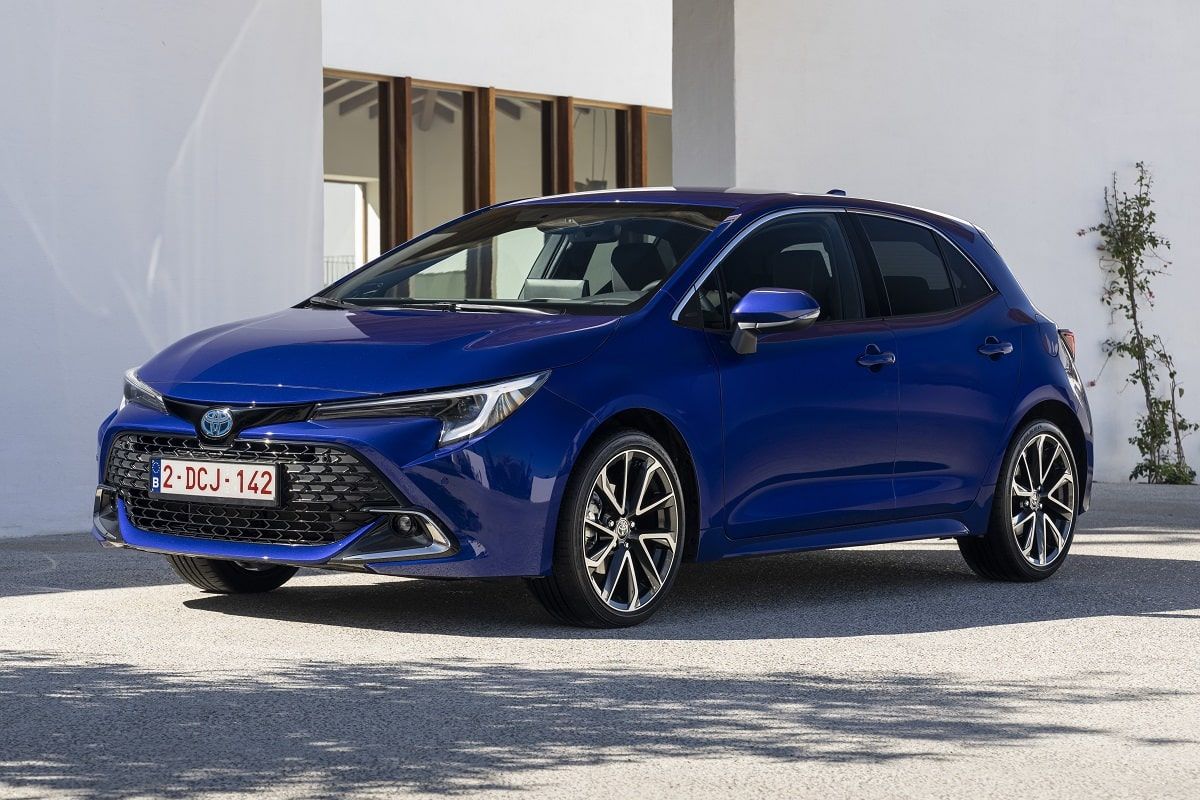
Commuters appreciate its comfortable ride, ease of use, and straightforward tech features. The Corolla also comes in hybrid variants for those who want even better gas mileage.
For drivers who want a proven, long‑lasting vehicle that doesn’t feel outdated or underpowered, the Corolla stands out.
The Toyota Corolla has long been the go-to choice for buyers seeking an affordable, reliable, and practical compact car, and the current model largely continues that legacy.
The 2026 Corolla is available as either a sedan or a hatchback, both offering generous front-seat space and ample cargo capacity. Its infotainment system is straightforward and easy to use, while standard safety features, including blind-spot monitoring, adaptive cruise control, and automatic high-beam headlights, come on every model.
Starting at $22,725, the Corolla is Toyota’s most budget-friendly model, positioned below the Prius hatchback, Camry sedan, and Corolla Cross SUV.
During a week behind the wheel of a Corolla sedan around Washington, D.C., I found the 169-horsepower four-cylinder engine adequate for daily driving, though not particularly spirited. It did, however, deliver excellent fuel economy, averaging 38.5 mpg.
The Corolla handles rough roads with a neutral and composed ride, making it comfortable for daily driving. The interior, however, shows its age: the materials and styling feel somewhat bland, and back-seat space ranges from tight in the sedan to decidedly cramped in the hatch.
Despite these minor shortcomings, the 2026 Corolla remains a solid, no-nonsense option for basic transportation, even if a few rivals offer a little more flair and refinement.
5. Honda Civic
Rounding out this list is the Honda Civic, a favorite among drivers who want affordability without compromise.
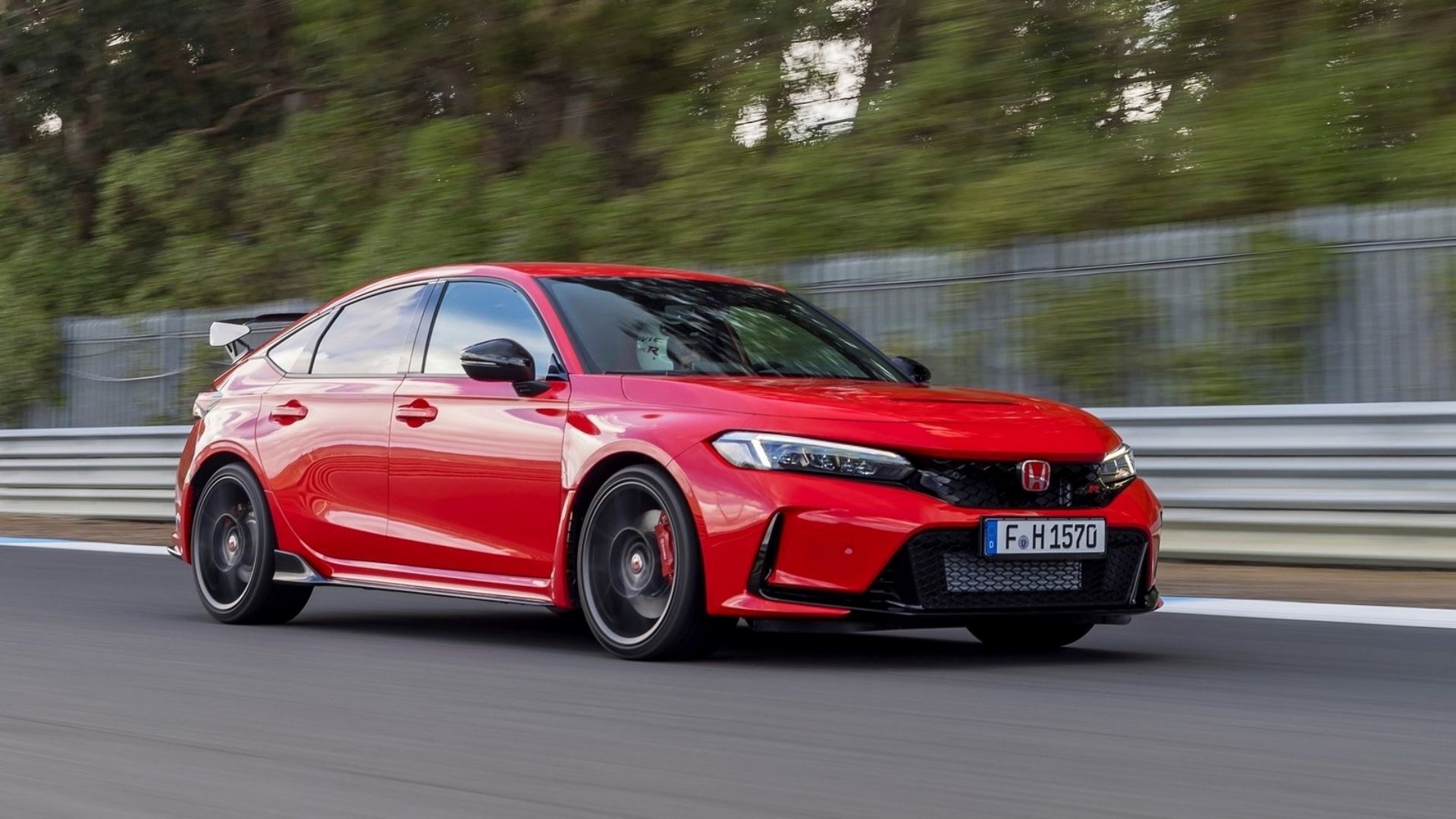
The Civic offers a bit more refinement, performance, and interior space than many entry‑level cars, but it still maintains sensible pricing, especially in base trims.
Its strong safety ratings, fuel efficiency, and comfortable cabin make it a great daily driver for a wide range of lifestyles from college students to young professionals to small families.
While higher trims can get pricier, even the standard Civic provides great value and a driving experience that feels premium relative to its cost.
Whether you’re navigating traffic on Highway 99, cruising between Lodi and Stockton for work, or simply running errands around town, choosing the right car can transform your daily routine.
The vehicles above represent a mix of efficiency, value, comfort, and practicality tailored to both dedicated commuters and drivers on a budget.
From hybrid‑powered sedans and EVs ideal for longer distances, to affordable compact cars perfect for everyday errands, there’s something here for every type of buyer.
Prioritize what matters most to you whether that’s fuel savings, comfort, tech features, or overall value and you’ll find a car that fits both your lifestyle and your wallet.
